Big Island

    Big Island

    Hawaii, USA

    Active volcanoes, black sand beaches

    4.8
    Guest Rating
    12°C
    Clear
    Humidity: 45%
    Wind: 9 km/h
    Live Temperature
    26
    Active Events

    About Big Island

    The Big Island of Hawaii unfolds like a living atlas, where warm trade winds carry the scent of plumeria across lava fields, rainforests, and white-sand coves, creating an inviting canvas for Big Island Hawaii travel that blends awe with ease. From sunlit Kona mornings to misty Hilo afternoons, the island’s microclimates make every day feel unique, with clear-water swims, coffee farm visits, and stargazing high above the clouds among the most memorable Big Island Hawaii attractions. With welcoming towns and a relaxed rhythm, Big Island Hawaii things to do flow naturally from beach time to volcano hikes and sunset dinners by the sea.

    Geography and culture

    Twice the size of all other Hawaiian islands combined, the Big Island spans raw lava deserts, emerald valleys, and cloud-wreathed volcanoes, anchored by Hawaiʻi Volcanoes National Park where Kīlauea reshapes the land and steam whispers from the earth for dramatic Big Island Hawaii attractions. The leeward west side around Kona and Kohala is typically dry and sunny, while the windward east near Hilo is lush and rain-fed, creating striking contrasts in scenery and mood within a single road trip. Cultural threads run deep, from heiau sites and hula to the craft of Kona coffee...

    Climate & Weather

    Tropical climate with year-round warm temperatures and trade winds.

    Best Time to Visit

    April to October for warm, dry weather

    Top Highlights

    Kilauea volcano

    Mauna Kea

    Black sand beaches

    Popular Activities

    Volcano tours
    Stargazing
    Snorkeling
    Coffee farm visits

    Quick Info

    Timezone
    UTC-10
    💰Currency
    USD
    🗣️Language
    English, Hawaiian
    Temperature
    23°C

    Upcoming Events

    Groundation Live in Hilo 2026
    Music/Concert
    TBA

    Groundation Live in Hilo 2026

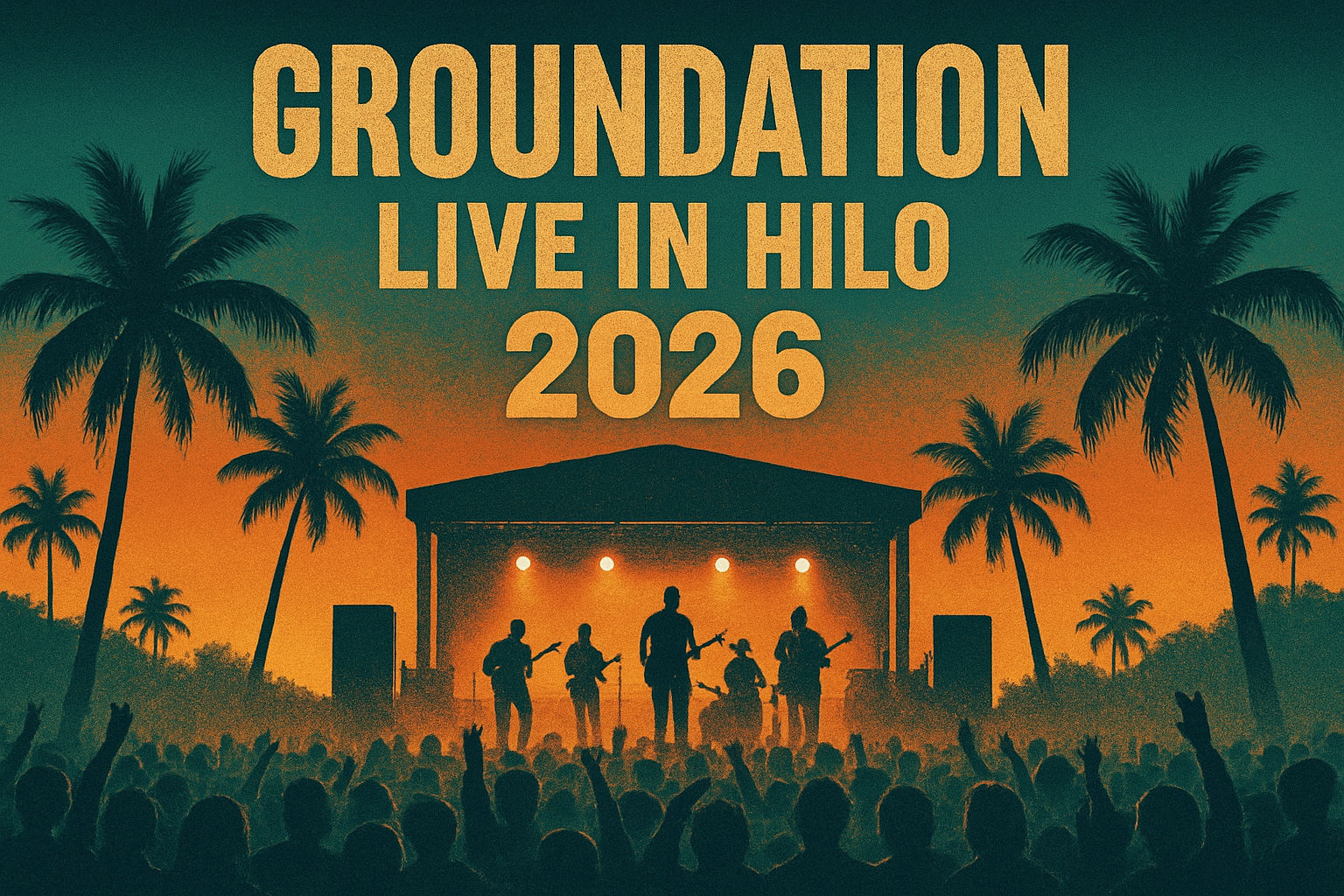
    Groundation Live in Hilo 2026 is set to be one of the most feel-good live music nights on the Big Island, pairing roots reggae energy with Hilo’s laid-back, rain-kissed charm. Groundation’s official tour page lists a Hawaiʻi stop in Hilo, Hawaii, at Hilo Town Market, dated 05 Feb (as part of the band’s Hawaiʻi tour run). A dedicated ticketing listing confirms the event as Groundation Live in Hilo on February 5, 2026, with tickets starting at $42.69 (includes fees & taxes).​

    For island travelers, this show is more than a concert. It’s an excuse to explore Hilo properly: local food, historic downtown streets, lush rainforest drives, and that uniquely Big Island feeling that you’re never far from both ocean and volcano.

    Verified 2026 event details (date, venue, ticket price)

    If you’re planning your Big Island itinerary around the show, here’s what is already confirmed online:

    • Event name: Groundation Live in Hilo.​
    • Confirmed date: February 5, 2026.​
    • Venue: Hilo Town Market (Hilo, Hawaiʻi Island / Big Island).​
    • Ticket pricing: Starting at $42.69 (fees and taxes included, per the ticketing listing).​

    Groundation’s tour page also shows the broader Hawaiʻi run continuing after Hilo, which signals this is part of a larger island tour rather than a one-off booking.​

    Why Hilo is a perfect Big Island concert town

    Hilo is not the “resort postcard” side of Hawaiʻi Island. It’s greener, more local, and often more relaxed, with a downtown that feels lived-in and creative. That’s exactly why reggae works here: the vibe is community-forward, the weather invites you to slow down, and the surrounding nature feels close enough to touch.

    A Hilo concert night also pairs well with daytime exploring because Hilo is near some of the island’s most iconic stops. You can spend the morning at a waterfall, the afternoon in town, then head into the evening with music as your anchor.

    About Groundation: what makes the live show special

    Groundation has long been known for musicianship that goes beyond basic reggae, blending roots foundations with jazz-trained energy and extended live arrangements. Their Hawaiʻi tour branding has also been connected to a tribute theme, with one tour announcement describing the run as “A Tribute to Bob Marley,” which sets expectations for a night that honors reggae history as much as it delivers a party atmosphere.​

    For Big Island visitors, this means the show is likely to attract a mixed crowd: reggae lovers, longtime fans, and travelers who want a culturally rich night out rather than a generic bar scene.

    What to do in Hilo before the show

    A smart Big Island plan is to treat the concert as your evening “headline,” then build a Hilo day around it.

    Explore downtown Hilo

    Downtown Hilo is walkable and easy to enjoy at a slow pace. Aim to arrive early enough to park once, then wander shops, coffee spots, and art corners. This is also where you’ll feel Hilo’s personality most clearly: historic storefronts, local conversations, and a calmer rhythm than Kona.

    Eat like a local

    Hilo’s strength is casual, high-quality food, from plate lunches to bakeries and cafés. On concert day, plan an early dinner so you’re not searching for food at the last minute.

    Quick nature stops that fit a concert schedule

    If you want scenery without risking a late return, choose nearby options that don’t require long drives. Hilo is a gateway to lush landscapes, but timing matters. Keep your day flexible and build in buffer time so you arrive at the venue relaxed.

    Big Island travel tips for concert night

    Getting around

    Most visitors will use a rental car on Hawaiʻi Island. If you’re staying in or near Hilo, you’ll have the easiest logistics. If you’re coming from Kona for the show, plan for a longer drive and changing weather as you cross the island.

    Weather planning in Hilo

    Hilo is famous for rain, which is part of its beauty. Bring a light rain jacket and shoes that can handle wet sidewalks, especially if you plan to explore downtown before doors open.

    What to bring

    • A light layer for evening comfort.
    • A small bag with ID and essentials.
    • A little extra budget for merch or food, even if your ticket is already purchased.

    Ticketing and pricing: what’s confirmed

    One ticket listing confirms tickets starting at $42.69, and it specifies that this amount includes fees and taxes. Since ticket platforms can have dynamic pricing and tier changes, it’s wise to buy early if you want the best price point.​

    What is not confirmed in the sources accessed here: detailed seating options, VIP tiers, or door-time policy for the Hilo event. Use the official ticket link from Groundation’s tour page or the event’s ticket listing to confirm the latest details before purchase.​

    Make it a “Hilo music weekend” on the island

    If you’re traveling specifically for Groundation Live in Hilo 2026 Big Island, a 2–3 day plan keeps it easy and enjoyable:

    • Day 1: Arrive in Hilo, explore downtown, early night.
    • Day 2: Waterfalls or a scenic drive in the morning, food crawl in town, then Groundation live that evening.
    • Day 3: Slow breakfast, a final short nature stop, then onward travel.

    This approach keeps the concert as your centerpiece while still letting the Big Island show off its rainforest side.

    Groundation in Hilo is the kind of island night that sticks with you, especially when you pair it with a day exploring Hawaiʻi Island’s lush east side. Lock in February 5, 2026, grab your tickets while entry pricing is still favorable, and come experience reggae in downtown Hilo where the music feels warmer, the pace feels real, and the Big Island backdrop does half the storytelling for the band.​

    Verified Information at glance

    Event Category: Live music concert (reggae)​

    Event Name: Groundation Live in Hilo​

    Confirmed Date: February 5, 2026​

    Confirmed Location/Venue: Hilo Town Market, Hilo, Hawaiʻi (Big Island)​

    Confirmed Ticket Pricing (starting): $42.69 (includes fees & taxes, per listing)​

    Schedule/door time: Not confirmed in the sources accessed here (check the official ticket listing for the most current timing)​


    Hilo Town Market, Hilo, Big Island
    Feb 5, 2026 - Feb 5, 2026
    Mariachi Divas (Cindy Shea) 2026
    Music/Concert
    TBA

    Mariachi Divas (Cindy Shea) 2026

    Mariachi Divas (Cindy Shea) 2026 Big Island is a must for anyone who loves live music with heart, virtuosity, and real cultural pride. Kahilu Theatre’s official event page confirms Mariachi Divas will perform on February 6, 2026 at 7:00pm on the Mainstage, with ticket prices listed as $30 / $40 / $70 . The same page confirms the ensemble was founded in 1999 by trumpet player Cindy Shea, and it highlights the group’s milestone status as the first all-female mariachi to win two GRAMMY Awards .

    For Big Island travelers, this show is a perfect “evening anchor” around a day exploring Waimea’s upcountry scenery, local food spots, and the island’s wide-open skies. It’s also a reminder that Hawaiʻi Island’s arts scene is not only Hawaiian music and hula. The Big Island hosts world-class touring acts that make a trip feel unexpectedly rich.

    Verified Big Island event details (date, time, venue, pricing)

    Here’s what is confirmed directly from the Kahilu Theatre listing:

    • Artist: Mariachi Divas (founded by Cindy Shea) .
    • Date: February 6, 2026 .
    • Time: 7:00pm .
    • Venue: Kahilu Theatre (Mainstage) .
    • Ticket prices: $30 / $40 / $70 .

    Bonus for Big Island visitors: the University of Hawaiʻi at Hilo event listing also shows a Big Island performance by Mariachi Divas de Cindy Shea on Thursday, February 5, 2026, 7:00pm–9:00pm at the Performing Arts Center (UH Hilo). This means you may have two opportunities in two different Big Island towns on back-to-back nights, which is rare for touring acts.​

    Why Mariachi Divas matters: music, history, and representation

    Mariachi Divas isn’t just a fun night out. They represent a major cultural milestone in mariachi history. Kahilu Theatre’s official description calls them a “groundbreaking, all-female ensemble” and confirms they were founded in 1999 by Cindy Shea . The same source states they made history as the first all-female mariachi group to win two GRAMMY Awards, which signals serious musical credibility, not novelty .

    For audiences on Hawaiʻi Island, this matters because the show becomes more than entertainment. It becomes a celebration of heritage, excellence, and women leading a tradition that has often been male-dominated.

    What to expect from the 2026 Big Island performance

    Kahilu Theatre describes the concert as “an unforgettable night of music, culture, and celebration,” noting the group blends traditional mariachi with contemporary flair . It also positions the show as “perfect for the whole family,” which is helpful if you’re planning a Big Island trip that includes teens, parents, or multi-generational travelers .

    What that typically translates to for a live audience:

    • Big harmonies, dramatic dynamics, and virtuosic instrumental work.
    • A set that can move from heartfelt ballads to high-energy, rhythmic songs.
    • Stage presence that feels joyful and inclusive, especially in a seated theatre where the sound is designed to land clearly.

    Big Island local relevance: Waimea (Kamuela) + Hilo arts culture

    Kahilu Theatre in Waimea (Kamuela)

    Kahilu Theatre is one of the Big Island’s best-known performing arts venues, drawing touring acts and presenting a curated season. The Mariachi Divas listing places the show on the Mainstage, reinforcing that this is a headline-style night rather than a small add-on event .

    Waimea is also a great base for a calmer, upcountry Big Island experience. You’re close to ranchlands, farmers markets, and scenic drives that feel totally different from the Kona resort strip.

    UH Hilo Performing Arts Center (optional second night)

    If you’re staying in Hilo for rainforest drives and waterfalls, the UH Hilo listing confirms another Big Island performance on Feb 5, 2026 at 7:00pm–9:00pm. This gives travelers a flexible choice: pick the date and town that best matches your itinerary.​

    How to plan your Big Island trip around the show

    Where to stay

    • Stay in Waimea if you want a cool-climate base and an easy evening at Kahilu Theatre (short drive, less stress).
    • Stay in Hilo if you want waterfalls, botanical gardens, and an east-side vibe, then consider the Feb 5 UH Hilo show or drive to Waimea for Feb 6 depending on your comfort with nighttime driving.​

    Getting around

    The Big Island is large. If you’re combining Hilo and Waimea nights, plan driving time carefully and check weather conditions, especially if routes take you across higher elevations.

    What to do before the concert

    A concert day is better when it feels like a full experience, not just “dinner then seats.” Consider:

    • In Waimea: a slow afternoon coffee, a gallery stop, or a sunset viewpoint if conditions are clear.
    • In Hilo (if you go Feb 5): earlier-in-the-day waterfall viewing, then return to town for an early meal.

    Ticket pricing and what’s confirmed

    Ticket pricing is clearly published for the Kahilu Theatre performance: $30 / $40 / $70 . Pricing for the UH Hilo Performing Arts Center listing is not displayed in the event description excerpt available here, so it should be confirmed through the UH Hilo Performing Arts Center ticket link or box office if you choose that date.​

    Because Mariachi Divas is a touring act with strong recognition, buying earlier often helps you get better seating choices, especially in smaller island venues.

    Mariachi Divas de Cindy Shea is the kind of Big Island concert night that feels both festive and meaningful, with musicianship that satisfies serious music fans and energy that welcomes first-timers. Choose your island base, reserve your seats for February 6, 2026 at 7:00pm at Kahilu Theatre, and make room in your itinerary for a night where Hawaiʻi Island meets mariachi brilliance in the most memorable way .

    Verified Information at glance

    Event Category: Live music concert (mariachi)

    Event Name: Mariachi Divas (founded by Cindy Shea)

    Confirmed Big Island date and time (Kahilu Theatre): February 6, 2026, 7:00pm

    Confirmed venue (Kahilu Theatre): Kahilu Theatre Mainstage (Waimea/Kamuela, Hawaiʻi Island)

    Confirmed ticket pricing (Kahilu Theatre): $30 / $40 / $70

    Verified group background: Founded in 1999 by trumpet player Cindy Shea; first all-female mariachi group to win two GRAMMY Awards

    Additional Big Island listing (separate event): Mariachi Divas de Cindy Shea, Feb 5, 2026, 7:00pm–9:00pm, UH Hilo Performing Arts Center​

    UH Hilo Performing Arts Center, Hilo, Big Island
    Feb 6, 2026 - Feb 6, 2026
    Waimea Cherry Blossom Heritage Festival 2026
    Culture/Festival
    Free

    Waimea Cherry Blossom Heritage Festival 2026

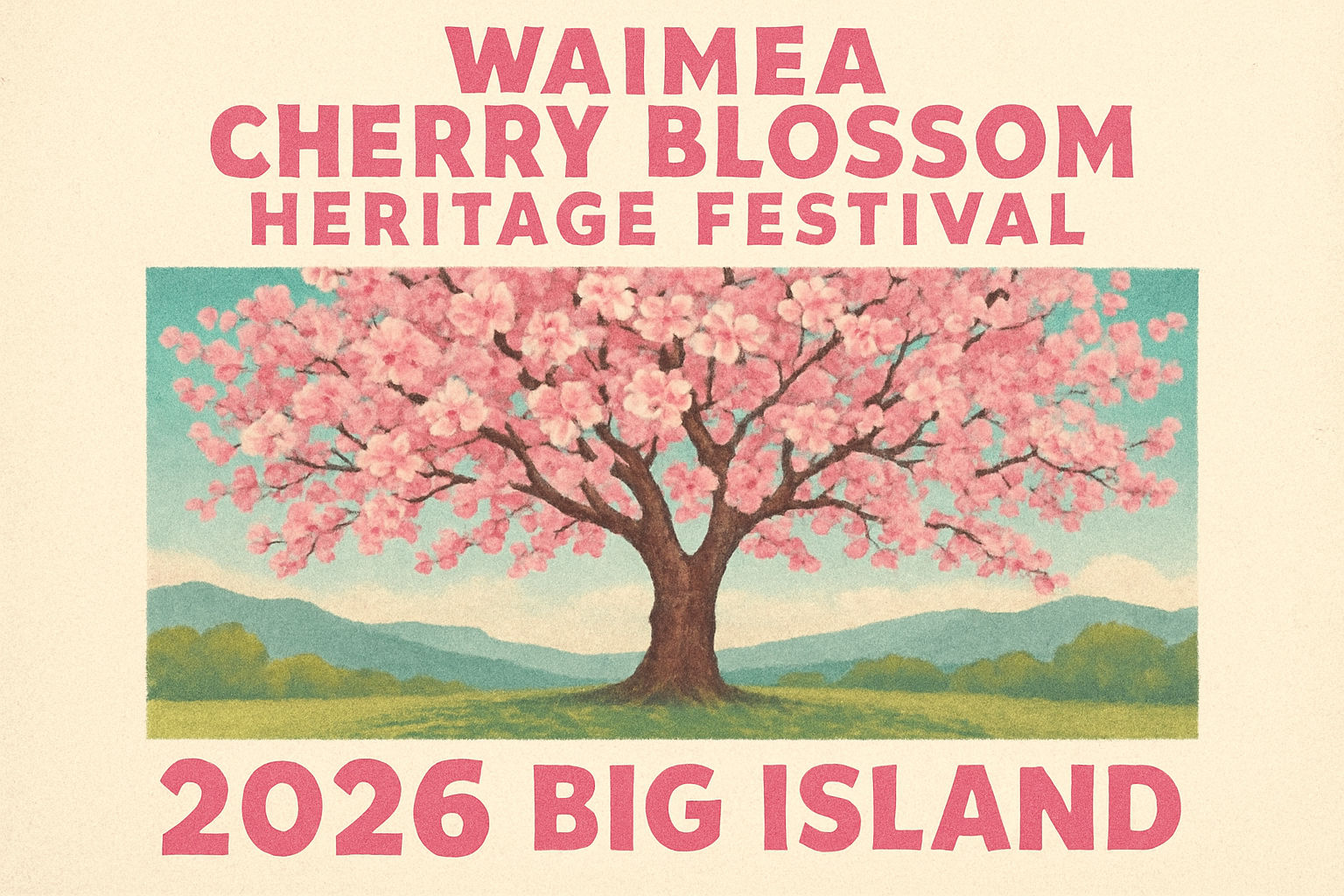
    Waimea Cherry Blossom Heritage Festival 2026 is one of the Big Island’s most beloved winter events, turning Waimea (Kamuela) into a walkable celebration of cherry blossoms, Japanese-Hawaiian heritage, and community spirit. Big Island Now reports the festival will be held on February 7, 2026, describing it as the 33rd annual celebration and noting it will run 9 a.m. to 3 p.m., headquartered at Church Row Park in central Waimea. A detailed local event listing also confirms the festival date and start time as 02/07/2026 – 9:00am, describing it as a one-day celebration with performances, food, craft vendors, and hands-on cultural demonstrations, with activities spread across multiple venues in town .​

    For island travelers, this is an ideal Big Island day trip: cooler upcountry air, peak photo moments under the blossoms, and a rare chance to experience Waimea as locals do, with pink festival banners guiding you from stage to stage.

    Verified 2026 date, times, and core festival hub

    When you’re planning a Big Island itinerary around seasonal events, the key details matter. Here’s what is confirmed in local coverage and listings:

    • Date: Saturday, February 7, 2026.​
    • Time window: 9:00 a.m.–3:00 p.m..​
    • Main hub: Church Row Park (festival headquarters).​
    • Format: Multi-venue, with locations marked by pink festival banners and spread across central Waimea .

    This is one of those events where arriving early makes a big difference, not only for parking but also for softer morning light under the blossoms.

    What the festival celebrates (and why Waimea is the perfect setting)

    Waimea’s cherry blossoms are a winter signature, and the festival exists to honor both the trees and the community heritage tied to them. Big Island Now notes the celebration centers on the blooming of Church Row Park’s historic cherry trees and highlights that 2026 will honor longtime Waimea supporters and volunteers Fred and Nancy Nonaka for their decades of involvement.​

    Beyond the blossoms, the event is rooted in the Big Island’s multicultural history. Waimea is ranch country with deep Hawaiian roots, strong paniolo traditions, and a long history of immigrant communities shaping food, farming, and cultural life. The festival brings these threads together in one day that feels distinctly upcountry and distinctly Big Island.

    What to expect at Waimea Cherry Blossom Heritage Festival 2026

    This festival is known for hands-on cultural experiences and a full day of performances. Big Island Now lists highlights including mochi pounding, sake tasting, bon dancing, and traditional Japanese tea ceremonies, along with food booths, craft vendors, chef demonstrations, and cherry blossom viewing. A Waimea events guide echoes those cultural experiences and adds that you can expect demos like tea ceremony and bonsai, plus performances that can include taiko and hula, creating a blend of Japanese and island traditions in one day .​

    Cultural demonstrations you can join

    Hands-on activities are a major reason this festival stands out. Expect opportunities such as:

    • Mochi pounding (a festival favorite mentioned in multiple listings).​
    • Tea ceremony experiences and other Japanese cultural demos.​
    • Visual arts and heritage displays across venues (the festival is designed so you can wander between them).​

    Performances across Waimea

    The festival is structured as a “walk and discover” day. A local listing notes performances of multicultural music and dance on outdoor stages in town . Big Island Now also emphasizes that entertainment is spread across multiple venues, so you can move between stages and still find something happening at nearly any point in the afternoon.​

    Food, crafts, and local vendors

    A big part of the experience is tasting and browsing. Big Island Now describes food prepared by local organizations and notes craft vendors are part of the day’s flow. The Waimea event listing also confirms food booths and crafters across multiple sites, reinforcing that this is as much a market and community fair as it is a performance event .​

    Getting around: venues, shuttles, and walking the town

    One of the best parts of this festival is how easy it is to enjoy on foot once you arrive. The Waimea event listing confirms that venues are spread across central Waimea, naming Church Row Park, Parker Ranch Center, Pukalani Stables, and Parker Ranch Historic Homes as key sites for festival activity . That same source confirms a free Roberts Hawaiʻi shuttle loops between major venues throughout the day, and it encourages walking as an easy option between stops .

    Practical tip: pick two “must-do” venues, then let the day unfold. If you try to see everything on a strict schedule, you’ll miss the relaxed charm that makes the festival feel like a true Big Island community day.

    Local relevance: what to see in Waimea beyond the festival

    Waimea (Kamuela) is worth exploring even after the stages quiet down. The festival listing suggests pairing the day with Parker Ranch history exhibits and browsing Waimea shops and cafés between stages . If you want to add a scenic drive, Waimea’s upcountry roads offer open views that contrast beautifully with the coastal resort areas.

    This is also a great time to experience Waimea’s cooler climate. Bring a light jacket, as the same listing notes Waimea can be cool and breezy, especially compared with Kona-side beach temperatures .

    Pricing and what’s confirmed

    Admission is free, according to the Waimea event listing, which explicitly states “Admission is free” for the Waimea Cherry Blossom Heritage Festival . Big Island Now also describes it as a free community festival day, while emphasizing the wide lineup of activities and performances.​

    Your likely costs will be optional and personal:

    • Food and snacks from booths.
    • Local crafts and souvenirs.
    • Transport and parking if you’re driving in from Kona, Kohala Coast resorts, or Hilo.

    Travel tips for visiting Waimea in early February

    • Arrive early: You’ll get easier parking and better blossom photos before midday crowds .
    • Layer up: Waimea sits upcountry and can be cool, so pack a light jacket even if your hotel is on the warm coast .
    • Respect the trees: The listing specifically asks visitors not to pick blossoms or climb branches, helping keep the display beautiful for everyone .
    • Use the shuttle: The free shuttle between venues makes it easier to see more without constantly moving your car .

    Waimea Cherry Blossom Heritage Festival 2026 is the kind of Big Island event that feels welcoming the moment you step under the trees, hear the drums, and smell something delicious cooking nearby. Plan for Saturday, February 7, 2026, start your morning at Church Row Park, follow the pink banners to cultural demos and performances across town, and let Waimea’s cherry blossoms show you a side of Hawaiʻi Island that locals treasure year after year.​

    Verified Information at glance

    Event Category: Cultural heritage festival (Japanese-Hawaiian and multicultural performances, demos, vendors)​

    Event Name: Waimea Cherry Blossom Heritage Festival​

    Confirmed Edition: 33rd annual (as reported for 2026)​

    Confirmed Date: Saturday, February 7, 2026​

    Confirmed Time: 9:00 a.m.–3:00 p.m.​

    Confirmed Main Hub: Church Row Park, Waimea (Kamuela), Hawaiʻi Island​

    Confirmed additional venues (multi-venue format): Church Row Park, Parker Ranch Center, Pukalani Stables, Parker Ranch Historic Homes

    Confirmed admission pricing: Free

    Confirmed transportation note: Free Roberts Hawaiʻi shuttle between major venues

    Waimea (Kamuela), Big Island
    Feb 7, 2026 - Feb 7, 2026
    Hawaiʻi Fest (rescheduled) 2026
    Festival
    TBA

    Hawaiʻi Fest (rescheduled) 2026

    Hawaiʻi Fest (rescheduled) 2026 has created a lot of buzz online, but the most important detail for travelers is this: while social posts state the festival was rescheduled to February 14–15, 2026, a full set of confirmed Big Island specifics (venue, island, schedule, ticket pricing) is not clearly published in an official, accessible source at the time of research. An Instagram post titled “Festival Update” states that Hawaiʻi Fest is officially rescheduled for February 14–15, 2026, and also says that refunds and complimentary tickets will be honored for the new dates. However, the festival’s official website currently displays only a countdown area and the message “Stay Tuned for more updates,” without publishing the location, venue, or ticket details needed for a travel-ready plan.​

    Because the user request specifically targets the Big Island, the best approach is to treat Hawaiʻi Fest as “date-window confirmed, Big Island details not confirmed,” and build your itinerary with flexible lodging, refundable transport, and backup festival experiences on Hawaiʻi Island that are already verified.

    What is confirmed for Hawaiʻi Fest 2026 (and what isn’t)

    Confirmed: rescheduled dates

    A Hawaiʻi Fest “Festival Update” post states the event is rescheduled for February 14–15, 2026. The same post notes refunds and complimentary tickets will be honored and updated confirmations will be sent, implying that tickets existed prior to rescheduling.​

    Not confirmed (in accessible official sources): Big Island venue, schedule, ticket pricing

    The official Hawaiʻi Fest website does not provide dates, location, venue, lineup, or pricing in the accessible content captured, and instead only says “Stay Tuned for more updates”. Since the site does not confirm that the event is on Hawaiʻi Island (Big Island), it is not responsible to claim a Big Island venue, a specific town, or a ticket price as “confirmed.”​

    If your goal is to write an accurate, traveler-safe Big Island guide, the right move is to plan a Big Island holiday weekend that can incorporate Hawaiʻi Fest if it confirms a Hawaiʻi Island location, but still works beautifully if it ends up being held elsewhere.

    How to plan a Big Island trip around the Feb 14–15 weekend

    Even with incomplete festival specifics, February is a strong time to visit Hawaiʻi Island. The island’s weather patterns can vary by coast, which gives you options: sunny Kona-side days, lush Hilo-side mornings, and cool Waimea evenings.

    A flexible “festival weekend” plan for the Big Island:

    • Base yourself in a hub you’d enjoy even without the event (Kona, Waimea, or Hilo).
    • Book refundable lodging for Feb 13–16 so you can adjust if Hawaiʻi Fest confirms a Big Island venue late.
    • Keep one day open for whichever festival plan becomes real: Hawaiʻi Fest (if confirmed on island), or an alternate Big Island cultural event.

    This strategy respects the reality of rescheduled events while still delivering an excellent island experience.

    Big Island alternatives that are already confirmed in early 2026

    If you’re traveling to the Big Island specifically for festivals, it helps to have “Plan B” events with verified dates and locations.

    Waimea Cherry Blossom Heritage Festival (confirmed)

    Big Island Now reports the Waimea Cherry Blossom Heritage Festival will be held February 7, 2026, from 9 a.m. to 3 p.m., headquartered at Church Row Park in Waimea (Kamuela). A local event listing also confirms admission is free and notes a multi-venue format around central Waimea with a free shuttle loop.​

    This is an ideal alternative if you’re visiting the Big Island in early February and want a culturally rich, community-style festival day.

    Groundation Live in Hilo (confirmed)

    Groundation’s tour page lists a show in Hilo at Hilo Town Market on February 5, 2026. A ticketing listing for “Groundation Live in Hilo” confirms the same date and indicates tickets start at $42.69 (fees and taxes included).​

    This gives you a strong, verified concert anchor on the Big Island even if Hawaiʻi Fest details remain unclear.

    What to do on the Big Island if Hawaiʻi Fest confirms late

    If Hawaiʻi Fest announces a Big Island location close to the date, you’ll want a quick-response plan.

    • Monitor the official channels daily during the last 4–6 weeks before Feb 14–15, since rescheduled events often release venue and lineup updates in waves.​
    • Save your transport options: keep a rental car reservation that can be modified, because Big Island driving time between Hilo, Waimea, and Kona can be significant.
    • Choose lodging that keeps you mobile: Waimea is centrally positioned for cross-island drives, while Kona and Hilo offer stronger “single-base” vacation experiences.

    Because the official site currently lacks detail, this flexible approach protects your trip from last-minute changes while still letting you attend if it becomes a confirmed Big Island event.​

    Cultural and practical island tips for a February festival weekend

    Respect local spaces

    Big Island festivals often have a strong community feel. Whether you’re attending a heritage festival in Waimea or a concert in Hilo, the best visitor behavior is simple: arrive early, park respectfully, support local vendors, and keep the area clean.

    Pack for microclimates

    The Big Island changes fast with elevation and coast. Bring:

    • Light layers for Waimea evenings.
    • Rain protection if you’re spending time in Hilo.
    • Sunscreen for Kona-side days.

    Build a “two-coast” itinerary

    A great Big Island weekend can include:

    • One day on the Kona side for beaches and sunsets.
    • One day on the Hilo side for waterfalls and rainforest scenery.
    • One evening in Waimea for cooler air and dining.

    This makes your trip feel complete even if a festival schedule changes at the last minute.

    Pricing: what can be verified

    Hawaiʻi Fest ticket pricing for 2026 is not confirmed in the accessible official website content captured here, since the site currently provides no ticketing details. The rescheduling social post mentions refunds and complimentary tickets being honored, but it does not publish an official 2026 price list in the accessible text.​

    For budgeting, plan for a typical festival spend range: transportation, food, and potentially ticket tiers if the organizers publish them later.

    A February weekend on Hawaiʻi Island is already worth the trip, and a rescheduled festival date-window can be a bonus if the details firm up in time. Keep February 14–15, 2026 penciled in from the rescheduling update, stay flexible until the official site publishes the missing details, and build a Big Island itinerary that gives you waterfalls, upcountry culture, and live music whether Hawaiʻi Fest lands on the island this year or not.​

    Verified Information at glance

    Event Category: Music festival (rescheduled event, details pending)​

    Event Name: Hawaiʻi Fest (rescheduled)​

    Confirmed Dates (rescheduled): February 14–15, 2026​

    Confirmed Venue: Not confirmed in accessible official sources at time of research (official site says “Stay Tuned for more updates”)​

    Confirmed Island/Location as “Big Island”: Not confirmed in accessible official sources at time of research​

    Pricing: Not confirmed in accessible official sources; social post mentions refunds and complimentary tickets will be honored for new dates​


    Hawaii Island (venue TBA), Big Island
    Feb 14, 2026 - Feb 15, 2026
    Laupāhoehoe Music Festival 2026
    Music/Festival
    TBA

    Laupāhoehoe Music Festival 2026

    Laupāhoehoe Music Festival 2026: A Hāmākua Coast Celebration

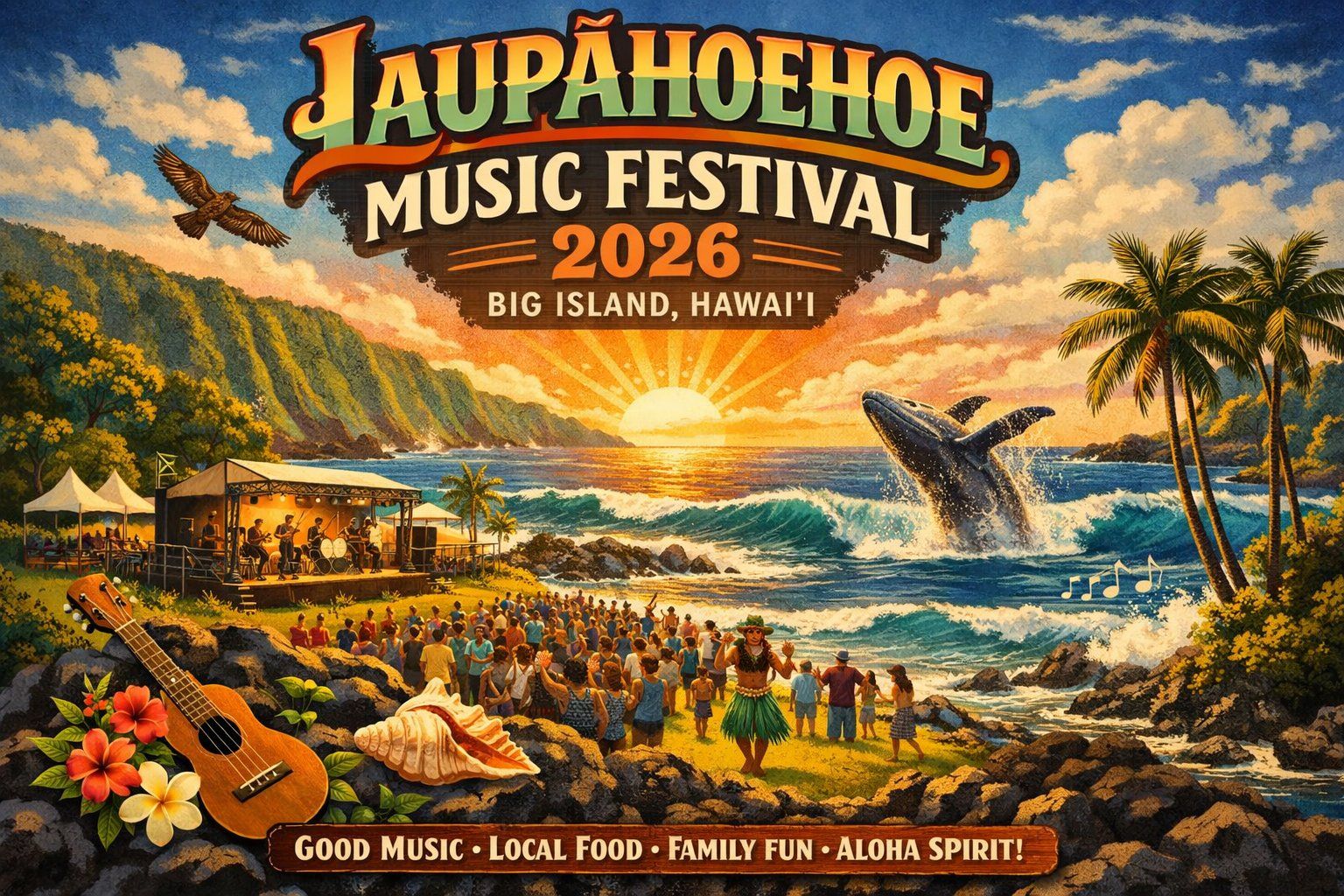
    Laupāhoehoe Music Festival 2026 is confirmed for Saturday, March 7, 2026 (10:00 AM to 5:00 PM) at Laupāhoehoe Point Beach Park on Hawaiʻi Island’s Hāmākua Coast. It’s a family-friendly Big Island community festival celebrating Hawaiian music, culture, and ʻohana, with local food, handmade crafts, and a silent auction that supports programs at Laupāhoehoe Community Public Charter School.

    The Laupāhoehoe Music Festival is described as a “beloved community tradition” on the Big Island’s Hāmākua Coast, growing from a small local gathering into an annual celebration that brings families, friends, and visitors together at Laupāhoehoe Point Beach Park. The festival is explicitly positioned as a way to enjoy live performances, local food, and the “spirit of aloha” while supporting student programs at Laupāhoehoe Community Public Charter School. For an islands audience, that’s a perfect combination: a scenic oceanfront setting with a real community purpose, not just a commercial event.

    If you’re planning a Big Island trip in early March, this festival fits beautifully into a Hilo-side itinerary. Laupāhoehoe is close enough for an easy day trip but far enough to feel like you’ve discovered a quieter, more local stretch of Hawaiʻi.

    Key Dates, Times, and Location

    Verified 2026 Date, Time, and Venue

    The official festival website confirms the 2026 date and time as March 7, 2026 | 10 AM – 5 PM. The same official source confirms the festival takes place at Laupāhoehoe Point Beach Park. A festival social post also confirms the event happens on Saturday, March 7, 2026 at Laupāhoehoe Point, reinforcing the same date and location.

    This is the key planning info you need to book accommodations and map your route. Since the event is daytime and ends at 5 PM, it pairs well with a sunset drive or an early dinner back in Hilo or along the Hāmākua Coast.

    What to Expect: Music, Food, Crafts, and ʻOhana

    The festival’s official description emphasizes Hawaiian music, culture, and community, with an atmosphere designed for families and visitors to enjoy together. Confirmed onsite activities include:

    • Live performances in an oceanfront park setting.
    • Local food (“ono grinds”), handmade crafts, and local art shopping.
    • Hawaiian crafts and games, including lei making and kid-friendly activities like a bouncy slide.
    • A silent auction featuring donated items and gift certificates, with proceeds supporting student programs.

    This mix is exactly what makes Laupāhoehoe Music Festival feel like a Big Island cultural day, not just a concert. You can set up a chair, snack your way through local vendors, browse crafts, and still feel like you’re in a community gathering rather than a ticketed stadium event.

    Cultural and Community Significance on Hawaiʻi Island

    The festival is explicitly tied to supporting programs at Laupāhoehoe Community Public Charter School, which gives the event a clear community purpose. That matters in Hawaiʻi, where visitors increasingly want experiences that feel respectful and locally grounded. A festival that directs proceeds to student programs creates a stronger connection between tourism, culture, and community benefit.

    The official site also frames the event around ʻohana and the “spirit of aloha,” which is a reminder that this isn’t only entertainment. It’s also about togetherness, hospitality, and keeping local culture visible and celebrated.

    Getting There and Practical Information

    How to Get There (Hilo and Waimea Directions)

    The official festival FAQ provides clear driving directions to Laupāhoehoe Point Beach Park:

    • From Hilo, head north on Highway 19 for about 33 miles, then follow signs to Laupāhoehoe Point Road.
    • From Waimea, head south on Highway 19 for about 43 miles, watching for event signage and traffic guides as you approach the park.

    These details make it easy to plan a day trip from either side of the island. If you’re staying in Hilo, it’s a straightforward coastal drive. If you’re staying in Waimea or the Kohala area, it’s still doable, but you’ll want an earlier start.

    Parking and What to Bring (Important Practical Notes)

    The festival confirms free parking will be available in designated lots near the event grounds, with signs and volunteers guiding arrivals. A crucial operational detail is that the festival strongly recommends bringing cash because cellular service is too poor for card transactions, and it describes the event as cash only for purchases.

    The official “what should I bring?” recommendations include:

    • Lawn chairs or blankets for seating.
    • Sun protection (hat, sunscreen, sunglasses).
    • Cash for food, crafts, and vendor purchases.

    The festival also states that alcohol, drugs, and pets (except service animals) are not permitted, and it identifies the event as drug and alcohol free. For families and travelers looking for a comfortable daytime cultural festival, that’s a helpful expectation-setter.

    Tickets and Pricing

    The official site states: “2026 ticket info – COMING SOON,” meaning ticket pricing is not yet published in the captured official source. Because of that, specific ticket prices for Laupāhoehoe Music Festival 2026 cannot be stated as verified at this time.

    If you’re building a Big Island budget, plan for tickets plus cash spending on food, crafts, and the silent auction, then check the festival’s ticket page closer to March 2026 once the official pricing is released.

    Plan Your Visit: Make Laupāhoehoe Music Festival Part of Your Big Island Trip

    Laupāhoehoe Music Festival 2026 is confirmed for March 7, 2026 from 10 AM to 5 PM at Laupāhoehoe Point Beach Park on the Big Island’s Hāmākua Coast, combining live music, local food, crafts, and family activities in a community-first island setting. With free parking, clear driving directions from Hilo and Waimea, and a cash-only purchase environment due to limited cell service, it’s an event that rewards simple planning. If you want a Hawaiʻi Island experience that feels heartfelt and local, set aside March 7, pack your cash and a beach chair, and spend the day at Laupāhoehoe Point where music, ocean air, and community come together.

    Verified Information at a Glance

    Event Name:

    • Laupāhoehoe Music Festival 2026

    Event Category:

    • Music and cultural community festival (family-friendly)

    Island/Region:

    • Hawaiʻi Island (Big Island), Hāmākua Coast

    Confirmed Date:

    • Saturday, March 7, 2026

    Confirmed Time:

    • 10:00 AM – 5:00 PM

    Confirmed Venue:

    • Laupāhoehoe Point Beach Park

    Confirmed Activities:

    • Live performances, local food, handmade crafts, lei making, silent auction

    Purpose/Beneficiary (Confirmed):

    • Supports programs at Laupāhoehoe Community Public Charter School

    Parking (Confirmed):

    • Free parking in designated lots near event grounds

    Purchases (Confirmed):

    • Bring cash; cellular service too poor for card transactions; cash-only purchases

    Ticket Pricing (2026):

    • Not yet published, “coming soon”
    Laupāhoehoe Point Beach Park , Big Island
    Mar 7, 2026 - Mar 7, 2026
    Kona Brewers Festival 2026 (31st Annual)
    Food & Drink/Festival
    Free

    Kona Brewers Festival 2026 (31st Annual)

    Kona Brewers Festival 2026: An Island Celebration

    Kona Brewers Festival 2026 (31st Annual) is confirmed for Saturday, March 14, 2026 at the King Kamehameha Kona Beach Hotel in Kailua-Kona on Hawaiʻi Island (Big Island). This iconic island beer and food festival blends craft brews, chef tastings, live music, and community fundraising, making it one of the most anticipated March events on the Kona Coast.

    The Legacy of Kona Brewers Festival

    The Kona Brewers Festival is a long-running Hawaiʻi Island tradition that began in 1996, built around craft breweries and island chefs showcasing locally created tastes and products unique to Hawaiʻi. The festival’s official site describes it as a community celebration rooted in Hawaiian cultural values, sustainable environmental practices, and positive experiences for residents and visitors alike. Over the decades it has developed a reputation for feeling less like a formal fundraiser and more like a “family reunion,” which is exactly the kind of warm, welcoming vibe many travelers hope to find on an island trip.

    For visitors planning a Big Island getaway in March 2026, Kona Brewers Festival is also perfectly timed. March sits in a sweet spot between peak winter travel and summer crowds, and Kailua-Kona offers the walkable coastal energy that makes a festival weekend feel effortless.

    Event Details: Date and Location Confirmed for 2026

    Local reporting confirms the 31st Kona Brewers Festival returns March 14, 2026 at the historic King Kamehameha Kona Beach Hotel in Kailua-Kona. The festival’s official mobile festival page also states “31st Annual Kona Brewers Festival March 14, 2026 at the King Kamehameha Beach Hotel Kailua-Kona, HI.” If you’re building flights and accommodation around the event, this is the key detail to lock in early, since the Kona Coast tends to book up fast for popular weekends.

    What to Expect: Craft Beer, Island Cuisine, and Live Entertainment

    The Kona Brewers Festival is widely described as pairing an “outstanding lineup of craft brews” with culinary creations from local chefs, plus live entertainment and a strong community atmosphere. The official website reinforces that core experience, stating that craft breweries and island chefs showcase locally created tastes and products unique to Hawaiʻi. In other words, it’s not just a beer festival. It’s a Big Island food-and-culture day where local flavor is the main attraction.

    Live Music Highlight

    Big Island Now reports that Ron Artis II will join the 2026 festival as its featured artist. The official festival page also names Ron Artis II as the featured music, aligning with that announcement. For travelers, this matters because it signals the festival is curated as a full island entertainment experience, not simply a tasting event.

    Community and Cultural Impact: The Heart of the Festival

    The official Kona Brewers Festival site states it is a fundraising event under the Ke Kai Ala Foundation supporting Hawaiʻi Island’s youth, culture, and environment. It also explains a distinctive model: charitable organizations apply to be beneficiaries, and selected nonprofits provide volunteers in exchange for receiving funds raised by the event. That structure makes the festival feel deeply local, because the community literally helps power the event, and the proceeds cycle back into local causes.

    A major milestone worth noting is the total community impact. Big Island Now reports the festival has raised more than $1.8 million since its founding to support environmental, cultural, and youth-focused nonprofits. For an island audience, that’s part of what makes attending feel meaningful: you’re not only enjoying Kona sunshine and great beer, you’re participating in a long-running community benefit tradition.

    Sustainability on the Kona Coast: A Festival Priority

    Sustainability is not an afterthought here. The official website emphasizes sustainable environmental practices as part of the festival’s guiding ethos. It also notes volunteers help “monitor the zero waste stream,” which highlights an operational commitment to reducing festival waste. On a small island ecosystem, that matters, and it’s encouraging to see a major event speak directly about environmental responsibility.

    Planning Your Kailua-Kona Festival Weekend

    Because Kona Brewers Festival takes place at the King Kamehameha Kona Beach Hotel in Kailua-Kona, you’re in one of the most walkable visitor areas on the Big Island. Nearby you’ll find oceanfront views, historic sites, and the easygoing rhythm of Aliʻi Drive, which makes it simple to turn a single event day into a full Kona weekend.

    Where to Stay

    Consider staying in or near downtown Kailua-Kona so you can walk or take a short ride to the venue and avoid parking stress. If you’re staying farther north (Waikoloa, Mauna Lani, or Kohala Coast resorts), plan transportation early so the day stays relaxed.

    What to Expect on Festival Day

    While the 2026 schedule and gate times are not fully published in the official pages captured here, the 2026 festival is confirmed to include craft brews, chef tastings, and live entertainment in a community celebration format. Expect an oceanfront, daytime-into-sunset feel typical of Kona events, with the venue location putting you right on the water in Kailua-Kona.

    Tickets and Pricing for Kona Brewers Festival 2026

    As of the official festival page captured here, ticket pricing is not yet posted, and the site states: “Tickets will be available soon. Check back often!” Because pricing is not published in the verified official source, specific 2026 ticket prices cannot be confirmed in this article. The best approach is to monitor the official Kona Brewers Festival website for the ticket release so you can purchase from the primary source as soon as sales open.

    Why Kona Brewers Festival Belongs on Your Big Island Itinerary

    Kona Brewers Festival 2026 is confirmed for Saturday, March 14, 2026 at the King Kamehameha Kona Beach Hotel in Kailua-Kona, bringing together craft brews, island chefs, live entertainment, and fundraising that supports Hawaiʻi Island nonprofits. With its roots dating to 1996, its sustainability focus, and its community-powered beneficiary model, it’s the kind of event that feels authentically Big Island rather than “tourist-only.” If you want a March trip that tastes like Kona, sounds like Hawaiʻi, and connects you to the community that makes this island special, mark March 14, 2026 on your calendar and plan to celebrate on the Kona coast with a glass in hand and aloha all around.

    Verified Information at a Glance

    • Event Name: Kona Brewers Festival (31st Annual)
    • Event Category: Craft beer, food, and live music community fundraising festival
    • Island/Region: Hawaiʻi Island (Big Island), Kailua-Kona (Kona Coast)
    • Confirmed Date (2026): Saturday, March 14, 2026
    • Confirmed Venue: King Kamehameha Kona Beach Hotel (Kailua-Kona, HI)
    • Beneficiary model (confirmed): 15–20 nonprofits selected as beneficiaries and provide volunteers
    • Mission focus (confirmed): Supports Hawaiʻi Island youth, culture, and environment through Ke Kai Ala Foundation fundraising
    • Sustainability (confirmed): Emphasizes sustainable practices and a “zero waste stream” monitored by volunteers
    • Featured artist (confirmed for 2026): Ron Artis II
    • Ticket pricing (2026): Not yet published; official site says tickets will be available soon
    King Kamehameha Kona Beach Hotel (Kailua-Kona, HI), Big Island
    Mar 14, 2026 - Mar 14, 2026
    Merrie Monarch Festival (Hilo) 2026
    Cultural
    Free

    Merrie Monarch Festival (Hilo) 2026

    Merrie Monarch Festival 2026Merrie Monarch Festival 2026 is scheduled for April 5–11, 2026 in Hilo, Hawaiʻi Island (Big Island), with the world‑famous hula competition held at Edith Kanakaʻole Stadium. For travelers, it is the most important cultural event on the island, turning Hilo into the global capital of hula and a powerful celebration of Hawaiian language, music, and tradition.


    Merrie Monarch Festival 2026 on Hawaiʻi Island: A Cultural Immersion

    The Merrie Monarch Festival is a week‑long cultural festival that honors King David Kalākaua, known as the “Merrie Monarch” for his love of music, dance, and the arts. The official festival site confirms that the 62nd Annual Merrie Monarch Festival runs April 5–11, 2026 in Hilo, Hawaiʻi Island, describing it as a continuation of Kalākaua’s vision to perpetuate Hawaiian traditions, language, and arts.

    For island travelers, this Big Island festival is not only a show to watch; it is an immersion into Hawaiian culture that you feel in the streets of Hilo, in the sounds of live music, in craft fairs, and in the reverent silence before each hula performance.


    Dates, Location, and Main Venue in 2026

    A Hawaiʻi tourism event listing for “Merrie Monarch Festivals 2026” confirms that the festival takes place April 7–11, 2026 at Edith Kanakaʻole Stadium, 865 Piʻilani Street, Hilo, HI 96720, framing this as the core performance window. The official festival site further clarifies that the festival week runs April 5–11, 2026, which reflects the full week of activities surrounding the main competition nights.

    Edith Kanakaʻole Stadium is the heart of the competitive hula events, while other venues in Hilo, such as Afook‑Chinen Civic Auditorium and nearby hotels along Banyan Drive, host craft fairs, free performances, and related events throughout the week.


    What Merrie Monarch Celebrates: A Legacy of Hawaiian Culture

    According to a detailed overview, Merrie Monarch honors King David Kalākaua, who reigned from 1874 to 1891 and is credited with restoring many Hawaiian cultural traditions, including hula, after periods of suppression. The festival was created to support Hilo’s economy after a sugar industry decline and has grown into the most prestigious hula contest in the world, attracting hālau (hula schools) from across Hawaiʻi, the continental United States, and abroad.

    This dual purpose makes the festival uniquely important: it is both an economic lifeline for Hilo and a spiritual and cultural gathering where Hawaiian identity is centered and celebrated on Hawaiʻi Island itself.


    Main Events and Hula Competition Nights

    A Big Island news guide to the festival describes a typical schedule where the week begins on Easter Sunday, continues with free and community events, and culminates in three nights of hula competition.

    Key Competition Elements:

    • Miss Aloha Hula
    • The individual women’s competition, typically the first major night of judged hula, where solo dancers compete for the title of Miss Aloha Hula.
    • Hula Kahiko (ancient hula)
    • Group performances that highlight traditional styles, chants, and implements, often held on the second competition night at Edith Kanakaʻole Stadium.
    • Hula ʻAuana (modern hula)
    • Group performances in modern style, accompanied by contemporary mele (songs), usually on the final competition night followed by awards.

    A 2025 schedule example shows Miss Aloha Hula on Thursday, group kahiko on Friday, and group ʻauana with awards on Saturday at the stadium, a pattern that helps visitors understand how the 2026 competition nights will likely be structured within the April 5–11 window.


    Free Events, Craft Fairs, and the Hilo Parade

    You do not need a competition ticket to feel the Merrie Monarch Festival. A 2025 guide outlines several free and open‑to‑the‑public events that are core to the experience.

    • Hoʻolauleʻa (Festival Opening Celebration)
    • A free opening celebration at Afook‑Chinen Civic Auditorium, featuring performances by local hālau and musicians.
    • Merrie Monarch Invitational Hawaiian Arts & Crafts Fair
    • A beloved event held at Afook‑Chinen Civic Auditorium and adjacent Butler Buildings, running multiple days and featuring local artists, crafters, and entertainment, with free entry.
    • Free Midday Entertainment
    • Daily performances at hotels along Banyan Drive, such as the Grand Naniloa Hotel and Hilo Hawaiian Hotel, providing easy access to hula and music for visitors staying in Hilo’s hotel district.
    • Merrie Monarch Royal Parade
    • A Saturday parade through downtown Hilo with marching bands, cultural groups, entertainers, pāʻū riders on horseback, and a Royal Court portraying King Kalākaua and Queen Kapiʻolani.

    These events turn Hilo into a walkable festival town, especially around the bayfront, Kamehameha Avenue, and the historic downtown grid.


    Tickets and Pricing for 2026

    Ticket access for the main hula competition is both famous and limited. The official festival site explains in its “How to Buy Tickets” section that tickets for Edith Kanakaʻole Stadium are sold only by mail order, and typically sell out quickly. The process involves submitting a written request when the ticket sale window opens, with seating assigned based on availability.

    Exact 2026 ticket prices are not yet listed in the public excerpts available, but previous years have offered separate tickets for each of the three competition nights and occasional package options. Most other elements of festival week, including the craft fair, Hoʻolauleʻa, parade, and midday hotel performances, are described as free to attend, making much of Merrie Monarch accessible even if you do not secure stadium tickets.

    Because prices can change year to year, the safest approach is to watch the official Merrie Monarch site for the 2026 mail‑order announcement and treat any third‑party references as estimates rather than confirmed figures.


    Staying in Hilo During Merrie Monarch

    The Island of Hawaiʻi tourism site notes that during festival week “the grandeur, pride, and spirit” of the event is felt across Hilo, emphasizing that visitors should book accommodation early. A Hilo hotel guide for Merrie Monarch states that the Grand Naniloa Hotel is a premier base for festival guests, highlighting its proximity to midday performances and its location on Banyan Drive by Hilo Bay.

    Practical Tips for Your Stay:

    • Book early in Hilo: Hotels and vacation rentals in Hilo fill up months in advance for the April festival week.
    • Rent a car if you want flexibility: While festival venues cluster in Hilo, a car helps you explore nearby spots like Liliʻuokalani Gardens, Coconut Island (Mokuola), and scenic drives along the Hāmākua Coast between events.
    • Embrace Hilo’s local rhythm: Hilo is more laid‑back and local‑focused than some resort towns, which fits the cultural tone of the festival. Expect early mornings, evening rain showers, and a friendly, community‑first atmosphere.


    Cultural Etiquette: Experiencing Merrie Monarch Respectfully

    The Merrie Monarch Festival has a global audience, but its heart is Hawaiian. A festival history overview notes that it was created by Hilo leaders as a way to revitalize the town and foreground Hawaiian culture at a time of change. To experience it respectfully:

    • Treat hula competitions like you would a serious performing‑arts event: follow instructions about photography, arrive on time, and remain quiet during performances.
    • Learn basic Hawaiian place names and greetings; you will hear them often during announcements, mele, and introductions.
    • Support local artisans at the craft fair and local eateries in downtown Hilo, where family‑run businesses are part of the festival’s economic backbone.

    This kind of mindful presence not only deepens your experience, it honors the work of the kumu hula, dancers, musicians, and organizers who sustain the festival year after year.


    Why Merrie Monarch Festival 2026 is Worth the Trip

    Travel writers describe Merrie Monarch as “the largest hula event in the world” and a powerful symbol of Hawaiian culture and pride, with excitement building in Hilo for months before the first note of the festival is heard. The official site emphasizes that the 2026 edition continues the legacy of King Kalākaua by centering Hawaiian traditions and arts in a week‑long celebration that now spans more than six decades.

    For anyone who loves islands, culture, and dance, Merrie Monarch Festival 2026 in Hilo is more than a trip; it is an invitation into the living heart of Hawaiʻi. Plan your Big Island journey for April 5–11, 2026, spend your days between craft fairs and bayfront walks, and let the nights at Edith Kanakaʻole Stadium and along downtown Hilo’s parade route show you how hula, music, and community can light up an entire island.


    Verified Information at a Glance

    Event Name:

    Merrie Monarch Festival 2026Event Category:


     Week‑long Hawaiian cultural and hula festival with judged competitions and community eventsIsland/Location:


     Hilo, Island of Hawaiʻi (Big Island), USAConfirmed Festival Week (2026):

    April 5–11, 2026 (festival week, per official site)Confirmed Core Event Dates & Venue:

    April 7–11, 2026 at Edith Kanakaʻole Stadium, 865 Piʻilani Street, Hilo, HI 96720Key Components (verified):

    • Miss Aloha Hula competition
    • Group Hula Kahiko (ancient hula)
    • Group Hula ʻAuana (modern hula)
    • Merrie Monarch Royal Parade in downtown Hilo
    • Hoʻolauleʻa opening celebration
    • Invitational Hawaiian Arts & Crafts Fair at Afook‑Chinen Civic Auditorium
    • Free midday entertainment at Banyan Drive hotels

    Ticketing (2026):


     Stadium tickets sold by mail order only; limited availability; many other events (parade, craft fair, Hoʻolauleʻa, midday entertainment) are free to attend.Cultural Focus:


     Honors King David Kalākaua and the perpetuation of Hawaiian traditions, language, and arts; considered the most prestigious hula competition worldwide.

    Hilo, Island of Hawaiʻi (Big Island), Big Island
    Apr 5, 2026 - Apr 11, 2026
    Big Island Jazz & Blues Festival 2026 (13th Annual)
    Concert/Festival
    TBA

    Big Island Jazz & Blues Festival 2026 (13th Annual)

    Big Island Jazz & Blues Festival 2026: An Unforgettable Musical Experience

    Big Island Jazz & Blues Festival 2026 (the 13th Annual) is confirmed for May 14–17, 2026 on Hawaiʻi Island, with the Main Festival Concert on Saturday, May 16, 2026 oceanfront at the Mauna Kea Beach Hotel on Kaunaʻoa Bay (Kohala Coast). Tickets are noted as “on sale soon” on the festival’s official site, so pricing has not been publicly confirmed yet.


    Four Days of Music in Paradise

    Hawaiʻi Island has a way of making everything feel more spacious, including live music. The Big Island Jazz & Blues Festival brings that wide-open energy to one of the most beautiful settings on the Kohala Coast: an oceanfront stage at Mauna Kea Beach Hotel, with the sand of Kaunaʻoa Bay only steps away.

    For travelers, this is the kind of island festival that blends “vacation” with a real cultural anchor. You can spend mornings snorkeling or beach-walking, afternoons exploring Waimea’s paniolo country, and evenings sinking into jazz, blues, and soulful performances under the warm May sky.


    Confirmed 2026 Dates and the Main Concert Day

    The festival’s official website states “Big Island Jazz and Blues Festival – May 14–17, 2026,” confirming the overall weekend frame. The same site also confirms the Main Festival Concert is on Saturday, May 16, 2026, described as “OCEANFRONT at Mauna Kea Beach Hotel,” with gates opening at 4:30 PM and the show running 5–9 PM (as stated in the site’s main festival format).

    This matters for trip planning because you don’t have to be on the island for a full week to enjoy it. If your schedule is tight, arriving Friday and leaving Sunday still lets you catch the main Saturday night concert plus at least one additional festival event.


    Location: Mauna Kea Beach Hotel, Kaunaʻoa Bay (Kohala Coast)

    The festival is hosted at the Mauna Kea Beach Hotel, and the official site emphasizes its oceanfront setting on the crescent-shaped white sand beach of Kaunaʻoa Bay on the sunny Kohala Coast of Hawaiʻi Island. This location is a major reason the festival has a strong reputation among visitors: it’s not a parking-lot stage or an indoor ballroom vibe. It’s Hawaii’s natural beauty as part of the show design.

    Staying on the Kohala Coast also puts you within striking distance of iconic Big Island experiences. You can combine festival weekend with a day trip to Waimea for upcountry scenery, or head down toward Kona for coffee, galleries, and sunset dining, depending on how you like to travel.


    Festival Identity: What Makes It “Big Island” Jazz and Blues

    The official festival site highlights that for 13 years, the Big Island Jazz & Blues Festival has “brought Aloha” to Hawaiʻi Island and to the Mauna Kea Beach Hotel, and that the festival has been hosted there since its first event in 2011. That consistency matters, especially in a destination where some events come and go. It signals a stable annual tradition with a strong venue partnership.

    The site also positions the lineup style clearly: it highlights “Grammy Award Winners, Grammy Nominated Artists, Music Hall of Fame Members and Jazz and Blues Legends” as the caliber of performers associated with the festival. Even without the full 2026 artist list published in the cited page content, the festival branding tells you what kind of weekend to expect: high-level musicianship, crowd-pleasing sets, and a mix of jazz and blues traditions that play well in an outdoor, oceanfront atmosphere.


    What to Expect During the Festival Weekend

    Because this is a multi-day festival, it’s best to think of it as a “music-forward resort weekend” with a signature concert night.

    Oceanfront Saturday Night: The Main Event

    The festival’s main Saturday concert is the centerpiece: 5–9 PM oceanfront, with gates opening at 4:30 PM. That timing is perfect for travelers because it catches golden hour into sunset, when the Kohala Coast light is at its best and the temperature is comfortable.


    Smaller Events and Add-Ons

    The festival site indicates there are additional events across the weekend, and it references a “Jazz Teaser Show” and a “Jazz Breakfast.” While those examples appear in the site’s current wording and may reflect earlier programming, the key takeaway is that the weekend typically includes more than one performance format beyond the Saturday concert.


    Travel Tips for Enjoying Big Island Jazz & Blues Festival 2026

    Where to Stay for the Best Experience

    If your priority is ease and atmosphere, staying near Mauna Kea Beach Hotel on the Kohala Coast keeps logistics simple and lets you enjoy the festival without long late-night drives. If you prefer a more local town vibe, Waimea (Kamuela) can be a charming base, but expect driving to and from the coast for events.


    Build Your Weekend Like a True Island Trip

    A strong Big Island festival itinerary balances music with nature:

    • Morning: beach time at Kaunaʻoa Bay area or a scenic drive along the coast.
    • Afternoon: a relaxed early dinner or resort-style reset.
    • Evening: the Saturday concert, then a calm night under the stars.

    Pack for Coastal Comfort

    Bring a light layer for ocean breezes after sunset, plus comfortable footwear for walking around resort grounds and event areas.


    Tickets and Pricing: What’s Confirmed (and What Isn’t)

    The festival’s official website states “Tickets on sale soon,” which means pricing for 2026 is not confirmed in the available official page content yet. For planning, assume ticket demand will be meaningful because the festival promotes a strong lineup level and a premium venue setting, then monitor the official festival website for the on-sale announcement.


    Verified Information at a Glance

    Item: Confirmed details

    • Event name: Big Island Jazz and Blues Festival 2026 (13th Annual)
    • Event category: Music festival (jazz and blues)
    • Confirmed 2026 festival dates: May 14–17, 2026
    • Confirmed main concert date: Saturday, May 16, 2026
    • Confirmed venue: Mauna Kea Beach Hotel, oceanfront at Kaunaʻoa Bay, Kohala Coast, Hawaiʻi Island
    • Confirmed main concert time: 5:00 PM–9:00 PM; gates open 4:30 PM
    • Festival history note: Hosted at Mauna Kea Beach Hotel since the first event in 2011
    • Ticket pricing: Not yet published; official site says “Tickets on sale soon.”


    If you’ve been looking for a Hawaiʻi Island trip that blends beach calm with world-class live music, aim for May 14–17, 2026, plan your Saturday around the oceanfront concert at Mauna Kea Beach Hotel, and let the Kohala Coast sunset carry you into a night of jazz and blues in one of the most beautiful settings in the islands.

    Mauna Kea Beach Hotel (Kauna‘oa Bay), Kohala Coast, Big Island
    May 14, 2026 - May 17, 2026

    Past Events

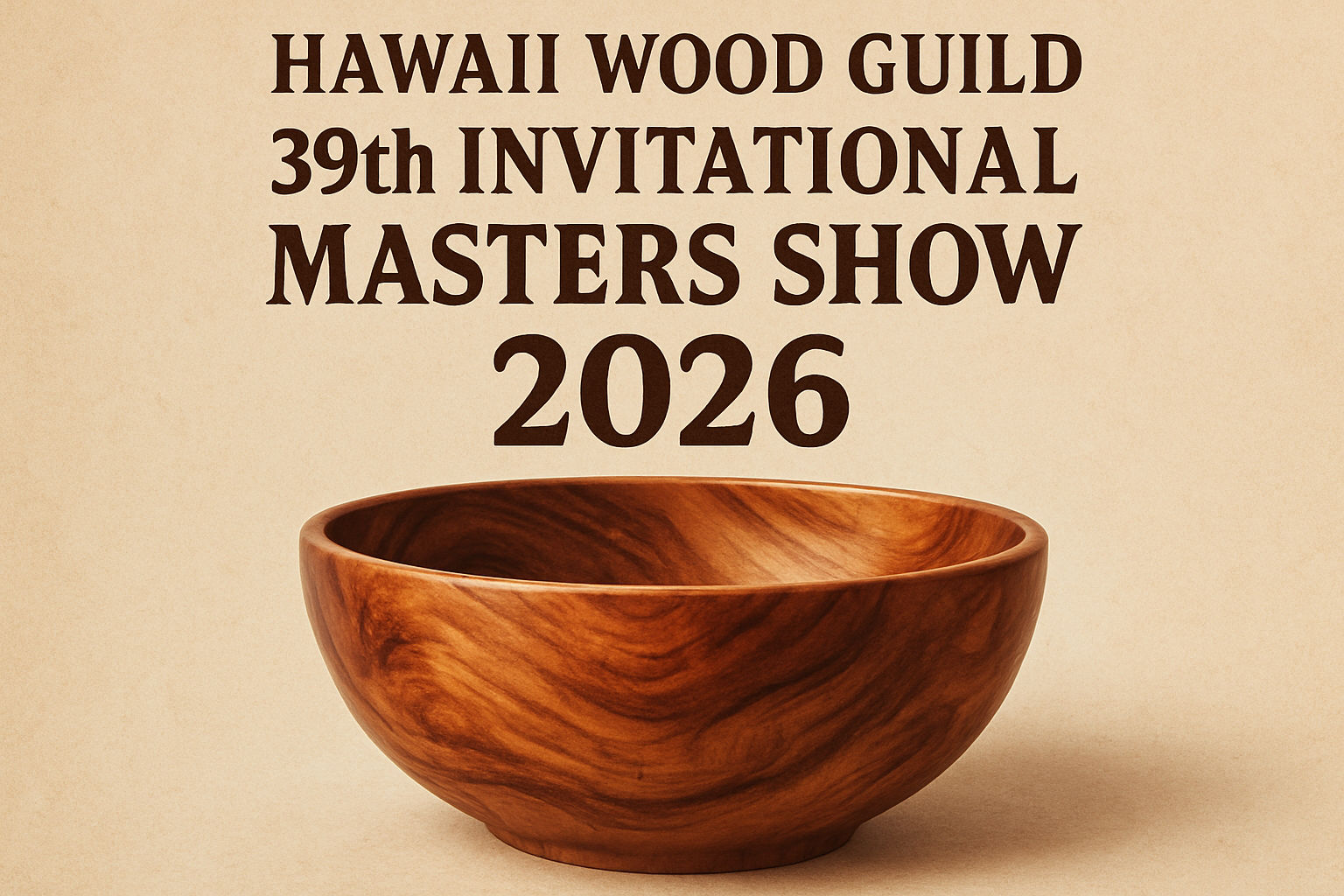
    Hawaii Wood Guild 39th Invitational Masters Show 2026
    Holiday/Parks
    Free

    Hawaii Wood Guild 39th Invitational Masters Show 2026

    The Hawaii Wood Guild's 39th Invitational Masters Show opens in January 2026 at the Isaacs Art Center in Waimea, bringing together the Big Island's finest woodworkers for a showcase of exquisite furniture, bowls, sculptures, and cabinets crafted from koa, mango, monkeypod, ohia, milo, and other Hawaiian-grown hardwoods. This annual exhibition, free and open to the public, honors the intersection of artistry, craftsmanship, and sustainable forestry, giving visitors a rare chance to see heirloom-quality works while learning about the native and exotic species that define Hawaii's woodworking tradition. If your winter itinerary includes the Big Island, this show is a cultural and artistic highlight worth building a day around.​

    Dates, hours, and location

    The 2026 show will run from mid-January through late February, following the pattern of the 2025 edition, which opened January 11 and closed February 28. Exact 2026 dates will be announced by the Guild and Isaacs Art Center closer to the new year, typically by late December 2025.​

    • Venue: Isaacs Art Center at Hawaii Preparatory Academy (HPA), Waimea (Kamuela).​
    • Hours: Tuesday through Friday, 9:00 a.m. to 4:00 p.m.; Saturday, 9:00 a.m. to 12:00 p.m. (closed Sunday and Monday).​
    • Admission: Free and open to the public.​

    The gallery setting at HPA provides a clean, well-lit space that lets the natural grain and color of island hardwoods shine, with each piece carefully labeled with artist name, wood species, and technique notes.​

    What to expect: the art and the wood

    The Hawaii Wood Guild Masters Show is an invitational exhibition, meaning artists are selected by the Guild for their exceptional skill, design innovation, and mastery of materials. Past shows have featured:

    • Furniture: Tables, chairs, cabinets, and desks that showcase the curl, figure, and grain of koa, mango, and monkeypod.​
    • Bowls and turned work: Lathe-turned vessels from spalted woods, burl sections, and rare grain patterns.​
    • Sculptures: Organic forms and abstract pieces that celebrate the natural character of island hardwoods.​
    • Functional art: Serving boards, boxes, and decorative items blending utility with aesthetics.​

    Featured woods

    • Koa (Acacia koa): Hawaii's premier native hardwood, prized for its golden-to-red tones, chatoyance, and curly grain. Koa's cultural significance and scarcity make it a centerpiece of the show.​
    • Mango: Vibrant yellows, reds, and dark streaks; often used for furniture and bowls.​
    • Monkeypod: Wide slabs with dramatic live edges, popular for dining tables and statement pieces.​
    • Ohia, Milo, and Cook Pine: Native and naturalized species that offer unique color palettes and working properties.​

    All works emphasize Hawaiian-grown timber, supporting sustainable forestry and showcasing the beauty of locally sourced materials.​

    The Hawaii Wood Guild and sustainable forestry

    The Hawaii Wood Guild, a nonprofit organization for woodworkers on the Big Island, exists to promote excellence in woodworking, foster community among artisans, and advocate for sustainable use of island hardwoods. By encouraging the planting and stewardship of high-value species, the Guild and events like the Masters Show help ensure that future generations will have access to the same materials that inspire today's work.​

    The Guild collaborates with the Hawaii Forest Industry Association and other forestry advocates to connect craft with conservation, making the Masters Show not just an art exhibition but a statement about land use, ecology, and cultural continuity.​

    Why Waimea and Isaacs Art Center

    Waimea (also called Kamuela to avoid confusion with other Hawaiian place names) sits in the cool upcountry of the Big Island, a ranching and educational hub surrounded by rolling pastures and the shadow of Mauna Kea. Hawaii Preparatory Academy's Isaacs Art Center is a respected venue for visual arts, offering rotating exhibitions, school programs, and public access to high-quality shows year-round.​

    The gallery's Tuesday-to-Saturday schedule makes it easy to pair with other Waimea attractions: the farmers market on Saturday morning, lunch at Merriman's or Village Burger, and scenic drives to the Kohala Coast or Waipio Valley.​

    How to plan your visit

    • Arrive mid-morning: The gallery is quietest on weekday mornings, giving you time to examine each piece without crowds.​
    • Ask questions: Gallery staff and sometimes the artists themselves are present to discuss techniques, wood sources, and design inspiration.​
    • Photography: Respectful photography is generally permitted; ask staff if you plan to share images on social media and always credit the artist.​
    • Purchases and commissions: Some works may be for sale or available for commission; inquire at the front desk or contact the Guild for artist connections.​

    Beyond the show: Waimea and surrounding areas

    • Parker Ranch: Historic cattle ranch with a visitor center and museum showcasing Big Island ranching heritage.​
    • Waimea Farmers Market: Saturday mornings for local produce, flowers, and crafts.​
    • Anna Ranch Heritage Center: Preservation of a historic ranch home with gardens and cultural programs.​
    • Scenic drives: Kohala Mountain Road to Hawi, or the descent to Waipio Valley Lookout.​

    Other Big Island wood shows in 2026

    • Volcano Wood Show: Held annually in July at Volcano Art Center's Niaulani Campus in Volcano Village, featuring local artisans and indigenous/exotic woods. Open to the public with proceeds supporting the Art Center's educational programs.​
    • Hawaii's Woodshow (Honolulu): The statewide premier exhibition, held in October on Oahu, draws Big Island artists and showcases the best of Hawaiian woodworking.​

    If you are passionate about woodcraft, plan a Big Island trip that spans both the January Masters Show in Waimea and the July Volcano show for a full spectrum of island artistry.​

    What to bring and wear

    • Comfortable footwear: Gallery floors are easy to walk, but you may stand for extended periods examining details.​
    • Layers: Waimea can be cool and breezy, especially in January; bring a light jacket.​
    • Notebook: If you are a woodworker or furniture enthusiast, jot down artist names, species, and techniques that inspire you.​

    Supporting the artists and the Guild

    Attending the show, sharing your experience, and purchasing work directly supports Big Island woodworkers and the Guild's mission. Consider joining the Hawaii Wood Guild as a member if you live locally or want to stay connected to events, workshops, and future exhibitions.​

    Call to action

    Mark your calendar for mid-January 2026, watch for the official opening announcement from Isaacs Art Center and the Hawaii Wood Guild, and plan a Waimea morning that pairs the Masters Show with coffee, a farmers market loop, and scenic upcountry views. Let the warmth of island hardwoods, the precision of master craftsmanship, and the stories of sustainable forestry remind you why the Big Island is as much about culture and creation as it is about lava and beaches.​

    Verified Information at a Glance

    • Event: Hawaii Wood Guild 39th Invitational Masters Show​
    • Category: Juried woodworking exhibition featuring furniture, bowls, sculptures, and functional art​
    • 2026 Dates: January through late February 2026 (exact dates TBA; 2025 ran Jan 11–Feb 28)​
    • Venue: Isaacs Art Center at Hawaii Preparatory Academy (HPA), Waimea (Kamuela), Big Island​
    • Hours: Tuesday–Friday, 9:00 a.m. to 4:00 p.m.; Saturday, 9:00 a.m. to 12:00 p.m. (closed Sunday, Monday)​
    • Admission: Free and open to the public​
    • Featured materials: Koa, mango, monkeypod, ohia, milo, Cook pine, and other Hawaiian-grown hardwoods​
    • Organizer: Hawaii Wood Guild (nonprofit woodworking organization on the Big Island)​
    • Related event: Volcano Wood Show, July 19–August 10, 2025, Volcano Art Center​


    Big Island (venue TBA), Big Island
    mid-January through late February
    National Park Fee-Free Day (MLK Birthday) 2026
    Holiday/Parks
    Free

    National Park Fee-Free Day (MLK Birthday) 2026

    Martin Luther King Jr. Day offers the Big Island's most compelling travel value: free entrance to Hawaii Volcanoes National Park and Pu'uhonua o Honaunau National Historical Park on the third Monday of January, honoring Dr. King's legacy while opening two of the island's most extraordinary landscapes to everyone without the usual entrance fees. In 2026, Monday, January 19 is the designated fee-free day, giving locals and visitors a chance to explore active lava landscapes, sacred Hawaiian refuge sites, petroglyphs, coastal trails, and cultural exhibits with no vehicle or pedestrian charges. If your Big Island itinerary includes mid-January, this guide ensures you maximize the day with smart planning, early starts, and respect for both the parks and the holiday's deeper meaning.​

    Date and what fee-free means

    The National Park Service designates the Birthday of Martin Luther King, Jr., observed on the third Monday of January, as the first fee-free day of each year. In 2026, that falls on Monday, January 19. On this day, all entrance fees at fee-charging national parks across the United States are waived, including Hawaii Volcanoes National Park and Pu'uhonua o Honaunau National Historical Park on the Big Island.​

    • No vehicle fee: The standard $30 private vehicle entrance at Hawaii Volcanoes is waived.​
    • No pedestrian or bike fee: Walk-ins and cyclists enter free instead of the usual $15 per person.​
    • No motorcycle fee: The typical $25 motorcycle charge is lifted.​
    • Pu'uhonua o Honaunau: The $20 vehicle fee is also waived for the day.​

    Important: While entrance fees are waived, amenity fees for camping, special tours, or concession services are not included. Visitor centers may be closed on the federal holiday, so plan for self-guided experiences and use the Official NPS app for audio tours and maps.​

    Hawaii Volcanoes National Park: what to see on MLK Day

    Hawaii Volcanoes National Park protects the summits of Kīlauea and Mauna Loa, two of the world's most active volcanoes, along with ecosystems that range from sea level to 13,680 feet. The park is open 24 hours a day, 365 days a year, making it perfect for early arrivals and late stays on a fee-free day.​

    Must-see highlights

    • Kīlauea Caldera: Drive or walk the crater rim for views of Halema'uma'u, steam vents, and volcanic geology.​
    • Thurston Lava Tube (Nāhuku): A short walk through a massive lava cave draped with ferns; arrive early to avoid midday crowds.​
    • Chain of Craters Road: A scenic 19-mile descent to the coast, passing lava flows, petroglyphs at Pu'u Loa, and the Holei Sea Arch.​
    • Devastation Trail: A paved boardwalk across a cinder desert created by the 1959 Kīlauea Iki eruption.​
    • Kīlauea Iki Crater Trail: A 4-mile loop across a hardened lava lake floor; one of the park's signature hikes.​

    Practical tips for Volcanoes NP on January 19

    • Arrive early: Parking lots fill by mid-morning on free days and holidays. Aim for a 7:00–8:00 a.m. entry.​
    • Visitor Center: Kīlauea Visitor Center may be closed on the federal holiday; download the Official NPS app ahead for maps, audio tours, and real-time alerts.​
    • Weather: Summit temperatures can be cool and wet in January; bring layers, rain gear, and closed-toe shoes.​
    • Food and water: Pack snacks and refillable bottles; the park's only food service is Volcano House, which may have limited hours on holidays.​

    Pu'uhonua o Honaunau National Historical Park: a sacred refuge

    Located on the Kona coast about 15 miles south of Kailua-Kona, Pu'uhonua o Honaunau preserves one of Hawaii's most sacred sites: a place of refuge where ancient Hawaiians who broke kapu (sacred laws) or defeated warriors could seek sanctuary and absolution. The park features a massive 400-year-old Great Wall, royal fishponds, reconstructed temples, and coastal tide pools.​

    What to see and do

    • The Great Wall (L-shaped): A dry-set masonry wall over 1,000 feet long and 10 feet high, separating the royal grounds from the place of refuge.​
    • Hale o Keawe: A reconstructed temple (heiau) that once housed the bones of Hawaiian chiefs.​
    • Royal fishponds: Tilapia nests circle in the sandy bottoms of ponds reserved for royalty.​
    • 1871 Trail: A 2.5-mile round-trip hike to the abandoned Ki'ilae fishing village, passing heiau sites and coastal lava.​
    • Tide pools and snorkeling: The park's rocky shoreline offers pools and clear water for observing marine life (respect cultural protocols and do not disturb sites).​

    Practical tips for Pu'uhonua o Honaunau

    • Hours: Open 8:15 a.m. to sunset daily, but the Visitor Center is closed on federal holidays including MLK Day.​
    • Self-guided tour: Pick up a map at the entrance kiosk or use the Official NPS app for audio narration.​
    • Respect: This is a sacred site. Walk quietly, do not climb on walls or structures, and follow posted cultural protocols.​
    • Sun protection: Coastal exposure is intense; bring hats, sunscreen, and water.​

    Combining both parks in one day

    With careful timing, you can visit both parks on MLK Day:

    • 7:00 a.m.: Arrive at Hawaii Volcanoes; complete Kīlauea Iki Trail or Chain of Craters Road.​
    • 11:00 a.m.: Leave Volcanoes and drive 2.5 hours west via Hilo and the northern route, or cut south through Pahala.​
    • 1:30 p.m.: Arrive at Pu'uhonua o Honaunau for a 2–3 hour exploration.​
    • Late afternoon: Sunset viewing from the park's coastal edge or nearby Kealakekua Bay.​

    Reverse the order if you are staying on the Kona side: start at Pu'uhonua early, then drive to Volcanoes for afternoon and evening.​

    Honoring Dr. King's legacy through service

    MLK Day is also designated as a National Day of Service. Many national parks, including those in Hawaii, coordinate volunteer projects such as trail maintenance, invasive species removal, and cultural site restoration. Check the National Park Service volunteer portal or contact park offices in advance if you want to contribute to the island's public lands.​

    Other always-free Big Island national sites

    In addition to the fee-free day benefits, the Big Island hosts several national park units that are always free to enter:

    • Kaloko-Honokōhau National Historical Park: Ancient Hawaiian fishponds, petroglyphs, and coastal trails near Kailua-Kona.​
    • Pu'ukoholā Heiau National Historic Site: A massive temple built by Kamehameha the Great in the late 1700s.​
    • Ala Kahakai National Historic Trail: A 175-mile coastal corridor linking cultural and historical sites across the island.​

    Visit these on any day without fees to extend your Big Island national park experience beyond MLK Day.​

    What to pack for a fee-free park day

    • Clothing: Layers for cool summit weather at Volcanoes; sun protection for coastal Pu'uhonua.​
    • Footwear: Sturdy hiking shoes with grip for lava trails; water shoes if you plan tide pool exploration.​
    • Essentials: Sunscreen, hat, sunglasses, refillable water bottles, snacks, portable charger, and a first-aid kit.​
    • Tech: Download the Official NPS app before arrival; cell service is spotty in both parks.​

    Respectful travel and cultural awareness

    Both parks preserve landscapes and sites sacred to Native Hawaiians. Follow Leave No Trace principles, stay on marked trails, do not remove rocks or plants, and approach cultural structures with reverence. Remember that MLK Day honors a civil rights leader who fought for justice and equality; reflect on these values as you explore lands that carry their own histories of cultural resilience and sovereignty.​

    Call to action

    Mark Monday, January 19, 2026 on your calendar, plan an early start, and choose your Big Island park adventure. Whether you chase lava landscapes at Hawaii Volcanoes, seek sanctuary at Pu'uhonua o Honaunau, or combine both into an island-spanning day, the fee-free MLK Day opens doors to exploration, service, and reflection. Pack your layers, download your maps, and honor Dr. King's legacy by connecting with public lands that belong to everyone.​

    Verified Information at a Glance

    • Event: National Park Service Fee-Free Day (MLK Birthday)​
    • Date: Monday, January 19, 2026 (third Monday of January)​
    • Category: Federal holiday observance with waived entrance fees at all fee-charging national parks​
    • Big Island parks included:
    • Hawaii Volcanoes National Park (usual $30 vehicle fee waived)​
    • Pu'uhonua o Honaunau National Historical Park (usual $20 vehicle fee waived)​
    • Hours: Hawaii Volcanoes open 24/7; Pu'uhonua 8:15 a.m. to sunset​
    • Visitor centers: Closed on federal holidays; use Official NPS app for self-guided tours​
    • Not included: Amenity fees for camping, tours, concessions​
    • Always-free sites: Kaloko-Honokōhau, Pu'ukoholā Heiau, Ala Kahakai Trail​
    • Other 2026 fee-free days: April 19 (National Park Week), June 19 (Juneteenth), August 4, September 27, November 11​


    Hawaii Volcanoes NP & Puʻuhonua o Hōnaunau NP, Big Island
    Jan 19, 2026 - Jan 19, 2026
    Christmas with the Chefs 2025
    Culinary, Holiday
    Free

    Christmas with the Chefs 2025

    Christmas with the Chefs 2025 returns to the Big Island on Saturday, December 13, celebrating its 33rd year as Hawaii's premier holiday culinary extravaganza at the stunning OUTRIGGER Kona Resort & Spa. This beloved annual fundraiser, hosted by the American Culinary Federation Kona-Kohala Chefs Association in partnership with Sysco, transforms the resort's ballroom and outdoor spaces at Keauhou Bay into a gastronomic wonderland from 5:30 PM to 8:30 PM. As the Big Island's largest Christmas party, this sophisticated event brings together the island's most talented chefs, confectioners, and beverage artisans for an unforgettable evening of culinary excellence, live entertainment, and community support that has raised over $900,000 for culinary education throughout its remarkable history.

    Event overview and charitable mission

    Christmas with the Chefs stands as more than just a culinary celebration—it represents the Big Island's commitment to nurturing the next generation of culinary professionals. Since its inception in 1989, this extraordinary event has evolved from "Christmas at Hulihe'e" Palace to become the island's most anticipated holiday gathering, consistently supporting student chef scholarships and educational programs throughout Hawaii. The American Culinary Federation Kona-Kohala Chefs Association organizes this annual fundraiser with the dedicated mission of providing culinary students with opportunities to advance their careers while celebrating the exceptional talent that defines the Big Island's restaurant scene.

    The event's charitable impact extends far beyond financial support, creating mentorship opportunities where established chefs work directly with culinary students from Hawaii Community Colleges, inspiring the next generation while addressing critical issues like childhood obesity through nutrition education programs. This community-focused approach transforms a single evening into year-round educational support that strengthens the entire Big Island culinary community.

    Venue and atmosphere

    The OUTRIGGER Kona Resort & Spa at Keauhou Bay provides a breathtaking oceanfront setting that perfectly complements the evening's sophisticated atmosphere. Located at 78-128 Ehukai Street in Kailua-Kona, this resort venue expands the celebration both inside the elegant ballroom and onto outdoor terraces overlooking the Pacific Ocean, allowing guests to enjoy trade wind breezes while sampling extraordinary culinary creations. The dual indoor-outdoor format accommodates the event's growing popularity while maintaining an intimate atmosphere where guests can interact directly with participating chefs.

    The resort's strategic location at Keauhou Bay offers convenient access from all parts of the Big Island while providing the upscale setting that matches the event's reputation as a premier culinary celebration. Special room rates and benefits are available for event guests, making it easy to transform the evening into a complete weekend getaway experience.

    Culinary highlights and participating chefs

    The 2025 event showcases the extraordinary talents of nearly every major resort and restaurant across the Big Island, with accomplished chefs creating elaborate tasting stations that represent the pinnacle of island cuisine. These culinary artists donate not only their time and expertise but also provide all ingredients and decorative elements for their presentations, demonstrating the deep community commitment that makes this event so special. Guests can expect to sample both innovative contemporary dishes and refined interpretations of Hawaiian regional cuisine, all prepared by chefs who represent some of the finest kitchens in the Pacific.

    The variety of offerings spans from savory appetizers and main course selections to exquisite desserts and confections, with each participating chef bringing their signature style and creativity to the evening. This collaborative approach creates a unique dining experience where guests can sample dishes from multiple renowned establishments in a single evening, experiencing the full spectrum of Big Island culinary excellence.

    Beverage program and libations

    Christmas with the Chefs features an unlimited beverage program that rivals the culinary offerings in quality and variety. Guests enjoy unlimited access to carefully selected worldly wines, local craft beers, handcrafted cocktails, non-alcoholic beverages, and premium Kona coffee throughout the evening. The beverage selections are curated to complement the diverse food offerings while showcasing both international favorites and locally produced libations that reflect the Big Island's growing reputation as a craft beverage destination.

    VIP table guests receive special selections from Volcano Winery, adding an exclusive local touch to the premium dining experience. This thoughtful beverage curation ensures that every aspect of the evening maintains the high standards that have made Christmas with the Chefs the Big Island's most prestigious culinary event.

    Entertainment and festivities

    The evening's entertainment centers around live performances by the popular Jazz Gardeners, whose holiday tunes and sophisticated rhythms create the perfect soundtrack for this elegant celebration. Dancing under the stars becomes a magical element of the outdoor portion of the event, with the oceanfront setting providing a romantic backdrop for couples and friends to enjoy the festive atmosphere. The live music program is carefully designed to complement rather than compete with the culinary focus, creating an ambiance that encourages mingling, conversation, and celebration.

    The combination of outstanding music, stunning ocean views, and exceptional cuisine creates an atmosphere that guests describe as truly memorable, making Christmas with the Chefs a highlight of the Big Island social calendar that many attendees eagerly anticipate each year.

    Silent auction and gift opportunities

    A carefully curated silent auction featuring "island treasures perfect for holiday gift giving" adds an exciting element to the evening while providing additional fundraising support for the event's educational mission. Local businesses contribute items that showcase the best of Big Island craftsmanship, experiences, and products, creating opportunities for guests to take home unique mementos while supporting both the culinary education program and local entrepreneurs.

    The auction items typically include restaurant gift certificates, resort experiences, locally made art and crafts, and exclusive culinary experiences that cannot be purchased elsewhere. This element of the event encourages exploration of the Big Island's diverse business community while providing guests with meaningful ways to extend their support beyond the evening's ticket price.

    Ticketing and VIP options

    Early bird tickets are available for $135 per person through October 31, 2025, with prices increasing to $150 starting November 1. This pricing structure rewards early commitment while ensuring accessibility for community members who want to support the educational mission. The ticket price includes access to all food stations, unlimited beverages, entertainment, and auction browsing, making it an exceptional value for the quality and quantity of offerings provided.

    VIP tables of 10 are available for $1,800, providing reserved indoor seating, dedicated table service, special wine selections from Volcano Winery, and VIP parking privileges. These premium packages cater to groups wanting a more exclusive experience while making larger contributions to the scholarship fund. All tickets are available through the event's dedicated website, with convenient online purchasing that streamlines the reservation process.

    Historical significance and evolution

    The event's 33-year history represents a remarkable evolution from its humble beginnings as "Christmas at Hulihe'e" in 1989. Created by Jean Hull, a chef and former cooking instructor at West Hawaii Community College, the original event took place at the historic Hulihe'e Palace in downtown Kailua-Kona. The success of this initial gathering demonstrated the Big Island's appetite for sophisticated culinary events while establishing the fundraising model that continues today.

    Over the decades, the event has adapted to various venue changes while maintaining its core mission and community focus. From Hulihe'e Palace to Kona Village Resort, and through various resort locations including the Fairmont Orchid and Courtyard by Marriott King Kamehameha's Kona Beach Hotel, each venue change has brought new opportunities while preserving the intimate atmosphere that defines the Christmas with the Chefs experience.

    Community impact and legacy

    The impressive $900,000 raised over the event's history represents far more than simple fundraising numbers—it reflects decades of community investment in culinary education that has shaped careers and strengthened the Big Island's reputation as a dining destination. Many current chef participants are themselves beneficiaries of the scholarship programs they now support, creating a beautiful cycle of mentorship and community building that extends far beyond the annual event.

    The educational impact extends into elementary and high school programs where participating chefs teach nutrition and cooking skills, addressing childhood obesity and dietary health issues while inspiring young people to consider culinary careers. This comprehensive approach to culinary education creates lasting community benefits that multiply the event's impact throughout the year.

    Planning your evening

    The 5:30 PM to 8:30 PM timeframe allows guests to enjoy the full progression from sunset cocktails through elegant dinner sampling to dancing under the stars, with the timing perfectly designed to showcase both the culinary offerings and the stunning oceanfront setting. Arriving early ensures optimal sampling opportunities and allows time to appreciate the elaborate station presentations before peak crowd times.

    The dress code reflects the event's sophisticated nature, with resort elegant attire appropriate for both indoor and outdoor portions of the celebration. The December timing means comfortable evening temperatures perfect for enjoying the outdoor terraces while maintaining the festive holiday atmosphere that defines the event.

    Accommodation and travel planning

    The OUTRIGGER Kona Resort & Spa offers special room rates and benefits for Christmas with the Chefs attendees, allowing guests to extend their culinary celebration into a complete weekend getaway. These packages provide convenient on-site accommodations while supporting the event venue, creating a seamless experience for visitors traveling from other islands or the mainland.

    The Keauhou Bay location provides easy access to other Big Island attractions, making it simple to combine the event with exploration of Volcanoes National Park, coffee farm tours, or snorkeling adventures. Many guests use Christmas with the Chefs as the centerpiece of holiday vacation plans that celebrate both culinary excellence and the Big Island's natural beauty.

    Mark your calendar for Saturday, December 13, 2025, and prepare to experience the Big Island's most celebrated culinary tradition at Christmas with the Chefs. Whether you're a food enthusiast, community supporter, or simply someone who appreciates exceptional experiences, this 33rd annual celebration offers an unmatched combination of outstanding cuisine, ocean views, live entertainment, and meaningful charitable impact. Purchase your early bird tickets through October 31st, plan your weekend getaway at the OUTRIGGER Kona Resort & Spa, and join the Big Island's culinary community for an evening that celebrates both exceptional food and the bright future of Hawaii's next generation of chefs.


    , Big Island
    Dec 13, 2025 - Dec 13, 2025
    Waikoloa Christmas Parade and Keiki Fest  2025
    Holiday, Family
    Free

    Waikoloa Christmas Parade and Keiki Fest 2025

    The Waikoloa Christmas Parade and Keiki Fest transforms the charming master-planned community of Waikoloa Village into a festive wonderland on Saturday, December 13, 2025, combining the magic of Christmas with authentic Hawaiian hospitality and community spirit. This beloved annual tradition, hosted by the Waikoloa Lions Club in partnership with the Waikoloa Village Association, begins with a colorful parade at 10:00 AM followed by the Keiki Fest from 11:00 AM to 1:00 PM at the Waikoloa School Plex, offering families an unforgettable day of holiday celebration in one of the Big Island's most picturesque residential communities.

    Event overview and community significance

    The Waikoloa Christmas Parade and Keiki Fest represents the heart of community celebration in this unique Big Island village located on the western slopes of Mauna Kea. What started as a small neighborhood gathering has evolved into one of the most anticipated holiday events on the Big Island, drawing families from across the island to experience authentic small-town Christmas magic with a distinctly Hawaiian flavor. The event perfectly embodies the aloha spirit through its emphasis on community participation, family fun, and giving back during the holiday season.

    The celebration serves multiple community purposes beyond entertainment, functioning as a major charitable fundraiser for local causes while strengthening bonds among Waikoloa Village residents and visitors. The Lions Club's involvement ensures that the event maintains its service-oriented mission, with proceeds supporting vision screening programs, youth activities, and community improvement projects throughout the year.

    Parade details and route

    The Christmas parade kicks off at 10:00 AM sharp, beginning at the Skate Park on Paniolo Road and proceeding along Paniolo Road from Laie Street to the Waikoloa School intersection. This scenic route through the heart of Waikoloa Village showcases the community's distinctive architecture and manicured landscapes while providing excellent viewing opportunities for spectators along the entire path. The parade route will be closed to traffic from 9:30 AM to 11:00 AM to ensure safety for participants and spectators alike.

    The parade typically features dozens of entries representing local businesses, community organizations, schools, clubs, and families who create elaborate floats, decorated vehicles, and walking groups that embody the Christmas spirit. Participants compete for prizes in categories including best decorated float and best decorated keiki bike, adding a friendly competitive element that encourages creativity and community involvement.

    Keiki Fest activities and entertainment

    Following the parade, the celebration continues with the Keiki Fest at the Waikoloa School Plex from 11:00 AM to 1:00 PM, transforming the school complex into a holiday playground designed specifically for children and families. This free festival features an impressive array of activities including interactive games with prizes, craft booths where children can create holiday decorations, and various entertainment options suitable for all ages.

    One of the festival's most popular attractions is the opportunity for children to have their photos taken with Santa Claus, who makes a special appearance to spread holiday cheer and listen to Christmas wishes. The Hawaii Police Department enhances the community service aspect by operating a free Keiki ID booth during the festival, providing an important safety service for families while adding to the day's activities.

    Special competitions and prizes

    The 2025 event continues beloved traditions including the doggie parade, which allows families to showcase their decorated pets in a fun competition that adds unique charm to the celebration. This pet-friendly element reflects the community-oriented nature of Waikoloa Village and provides entertainment for animal lovers of all ages.

    The decorated keiki bike contest encourages children to transform their bicycles into rolling works of holiday art, with prizes awarded for creativity and festive spirit. Additionally, the festival features drawings for exciting prizes including bicycles and skateboards, ensuring that the giving spirit of Christmas extends throughout the event with opportunities for children to receive special gifts.

    Food and vendor opportunities

    The Keiki Fest incorporates local food vendors offering a variety of dining options that cater to different tastes and dietary preferences. These food booths typically feature both traditional American festival fare and local Hawaiian specialties, creating opportunities for visitors to experience authentic island flavors while enjoying the festivities. The combination of food vendors and craft booths creates a mini-marketplace atmosphere that supports local businesses and artisans.

    Vendor participation is carefully coordinated through the organizing committee, with interested food vendors and crafters encouraged to contact Lion Sue McCord-Sorbets at 883-989-0215 for registration information. This organized approach ensures quality offerings while maintaining the family-friendly atmosphere that defines the event.

    Community involvement and volunteer opportunities

    The success of the Waikoloa Christmas Parade and Keiki Fest depends entirely on community involvement, from parade participants to festival volunteers. Local businesses, community groups, families, and individuals are all encouraged to participate either by entering the parade or volunteering during the festival. This grassroots approach creates a genuine community celebration where neighbors come together to create magic for children and families.

    Organizations and individuals interested in participating in the 2025 parade can register by contacting the organizing committee well in advance of the event date. The inclusive nature of the celebration welcomes creative interpretations of Christmas themes while maintaining family-appropriate content that reflects the values of the Waikoloa Village community.

    Waikoloa Village setting and atmosphere

    Waikoloa Village provides an ideal setting for this intimate holiday celebration, offering a master-planned community environment that combines suburban convenience with rural Big Island charm. Located on the western slopes of Mauna Kea at approximately 2,000 feet elevation, the village enjoys cooler temperatures than coastal areas while maintaining easy access to major Big Island attractions and amenities.

    The community's well-maintained streets, sidewalks, and public spaces create a safe and welcoming environment for families attending the parade and festival. The village's distinctive architecture and landscaping provide an attractive backdrop for parade photography and create a sense of place that distinguishes this celebration from larger, more commercial holiday events.

    Family-friendly scheduling and accessibility

    The event's timing from 10:00 AM to 1:00 PM makes it particularly suitable for families with young children, allowing participation during optimal energy hours while leaving the remainder of the day available for other activities. The compact timeframe also makes it practical for visitors traveling from other parts of the Big Island to attend while exploring additional attractions in the area.

    The Waikoloa School Plex venue provides accessibility features including paved surfaces, restroom facilities, and adequate parking for attendees. The school setting also creates a safe, contained environment for children to enjoy games and activities while parents can relax and socialize with other families.

    Cultural significance and Hawaiian elements

    While celebrating the traditional Christmas holiday, the Waikoloa event incorporates subtle Hawaiian cultural elements that reflect the islands' unique approach to holiday celebrations. The combination of mainland Christmas traditions with local hospitality creates an authentically Hawaiian Christmas experience that appeals to both residents and visitors seeking something special during their Big Island stay.

    The community's diverse population often brings multicultural elements to parade entries and festival activities, creating a celebration that reflects the modern Hawaiian experience while maintaining respect for traditional holiday themes. This cultural blend demonstrates how contemporary Hawaii successfully integrates various traditions into unified community celebrations.

    Transportation and parking

    Waikoloa Village's location along Highway 190 provides convenient access from all parts of the Big Island, with clear signage directing visitors to the village center and school complex. Adequate parking is typically available at the school and surrounding areas, though arriving early ensures the most convenient parking spots and optimal parade viewing locations.

    For visitors staying at nearby resorts such as the Hilton Waikoloa Village or Mauna Lani, the short drive to Waikoloa Village offers an opportunity to experience a different side of Big Island life while participating in an authentic community celebration. The village's walkable layout makes it easy to move between parade viewing areas and festival activities.

    Weather and comfort considerations

    December weather in Waikoloa Village typically features pleasant temperatures ranging from the mid-60s to mid-70s Fahrenheit, making it comfortable for outdoor activities throughout the day. The higher elevation provides relief from coastal humidity while maintaining the warm, sunny conditions that make outdoor celebrations enjoyable for all ages.

    Visitors should bring sun protection including hats and sunscreen for the outdoor parade and festival activities, while also considering light layers for comfort as temperatures may vary throughout the day. The combination of open areas and covered spaces at the school complex provides options for different comfort preferences.

    Mark your calendar for Saturday, December 13, 2025, and plan to experience the warmth and joy of small-town Christmas magic at the Waikoloa Christmas Parade and Keiki Fest. Whether you're a Big Island resident looking for authentic community celebration or a visitor seeking family-friendly holiday activities, this charming event offers the perfect blend of Christmas spirit and Hawaiian hospitality. Arrive early to secure prime parade viewing spots, bring your camera to capture the festive floats and happy children, and prepare to create lasting holiday memories in one of the Big Island's most welcoming communities.

    , Big Island
    Dec 13, 2025 - Dec 13, 2025
    SOKO Holiday Market  2025
    Market, Arts
    Free

    SOKO Holiday Market 2025

    The SOKO (South Kona Artists Collective) Holiday Market transforms Yano Hall in Captain Cook into a vibrant showcase of local artistry and craftsmanship on Saturday, December 7, 2025, running from 9:00 AM to 3:00 PM. This intimate holiday market, located across from the historic Manago Hotel, brings together talented South Kona artists who create unique, handcrafted items specifically for the holiday season. As part of SOKO's annual calendar of events that includes their popular February studio tour, this December gathering offers visitors an authentic opportunity to discover one-of-a-kind gifts while supporting the thriving artistic community that calls South Kona home.

    About SOKO and the South Kona Artists Collective

    The South Kona Artists Collective represents a dynamic community of working artists who have chosen to make their home and studios in the culturally rich region of South Kona. This area, stretching from Kealakekua Bay to Miloli'i, has long attracted creative individuals drawn to its stunning natural beauty, rich Hawaiian history, and supportive artistic community. SOKO serves as both an organizing body and a showcase platform that helps these artists connect with collectors, art enthusiasts, and visitors seeking authentic Hawaiian-made creations.

    The collective's mission extends beyond simple commerce; it encompasses cultural preservation, community building, and the promotion of handmade arts in an increasingly digital world. Members work in diverse mediums including painting, sculpture, jewelry making, ceramics, fiber arts, woodworking, and mixed media, creating a broad spectrum of artistic expression that reflects both traditional Hawaiian influences and contemporary artistic vision.

    Event location and venue details

    Yano Hall in Captain Cook provides an ideal setting for this intimate holiday market. The historic venue, positioned across from the legendary Manago Hotel, offers both cultural significance and practical advantages for hosting art shows. The hall's spacious interior accommodates multiple vendor displays while maintaining an intimate atmosphere that encourages personal interaction between artists and visitors.

    Captain Cook's location along Highway 11 makes it easily accessible from all parts of the Big Island, while its elevation provides cooler temperatures that are comfortable for browsing indoor markets. The venue's proximity to other South Kona attractions, including Pu'uhonua o Honaunau National Historical Park, Kealakekua Bay, and numerous coffee farms, allows visitors to combine their art shopping with exploration of the area's natural and cultural treasures.

    Featured artists and artwork

    The December 7th market showcases the work of established SOKO members who create special items specifically for the holiday season. While the collective includes artists working in various mediums, the holiday market typically features pieces that make ideal gifts while representing the highest quality of local craftsmanship. Visitors can expect to find original paintings depicting South Kona landscapes, hand-thrown pottery inspired by volcanic forms, jewelry incorporating local materials, and fiber arts using traditional Hawaiian techniques.

    Many participating artists draw inspiration from their immediate environment, creating works that capture the essence of South Kona's dramatic coastlines, historic sites, coffee farms, and native flora. This regional focus gives the market a distinct sense of place that appeals to visitors seeking authentic representations of their Big Island experience.

    Holiday shopping opportunities

    The SOKO Holiday Market fills a unique niche in Big Island holiday shopping by offering handcrafted items that cannot be found elsewhere. Unlike mass-produced tourist items, every piece available represents hours of skilled craftsmanship and artistic vision. The direct artist-to-buyer relationship means purchasers often receive detailed information about their items' creation process, materials used, and inspiration behind the design.

    Price ranges typically accommodate various budgets, from small ornaments and jewelry pieces perfect for stocking stuffers to significant art pieces suitable for important gift-giving or personal collection. The holiday timing makes this market particularly valuable for visitors seeking meaningful gifts that reflect their Big Island experience while supporting local artists.

    Cultural significance and community impact

    The SOKO Holiday Market represents more than a commercial transaction; it embodies the spirit of community support and cultural preservation that defines much of Big Island life. By purchasing directly from artists, visitors contribute to the sustainability of South Kona's creative community while ensuring that traditional and contemporary Hawaiian arts continue to thrive.

    Many SOKO artists incorporate Hawaiian cultural elements into their work, creating pieces that honor traditional techniques, symbols, and materials while expressing contemporary artistic vision. This cultural continuity helps preserve Hawaiian artistic traditions while allowing for creative evolution and personal expression.

    Planning your market visit

    The single-day format of the December 7th market encourages focused shopping and artist interaction within a manageable timeframe. The 9:00 AM to 3:00 PM schedule allows for leisurely browsing while leaving time for other South Kona activities during the same day. Visitors often combine their market visit with coffee farm tours, snorkeling at Kealakekua Bay, or exploration of nearby historical sites.

    Arriving early provides the best selection of available items and opportunities for extended conversations with artists. Many SOKO members enjoy discussing their work, techniques, and inspiration with interested visitors, creating educational experiences that extend beyond simple purchasing decisions.

    Seasonal atmosphere and decorations

    The December timing allows the SOKO Holiday Market to embrace both Christmas traditions and Hawaiian cultural celebrations, creating a unique festive atmosphere. Yano Hall typically features holiday decorations that blend traditional Christmas elements with tropical Hawaiian touches, reflecting the islands' distinctive approach to holiday celebrations.

    The market's atmosphere encourages leisurely browsing and social interaction, with many visitors spending several hours exploring the various displays and engaging with artists. This relaxed pace reflects the South Kona community's emphasis on personal relationships and authentic cultural exchange.

    Integration with SOKO's annual calendar

    The December holiday market serves as one of several annual SOKO events, complementing the popular February studio tour that allows visitors to see artists in their working environments. This calendar approach provides multiple opportunities throughout the year for art enthusiasts to connect with the South Kona artistic community while supporting local creativity.

    The holiday market's success often leads visitors to participate in other SOKO events, creating ongoing relationships between artists and collectors that benefit both the creative community and art enthusiasts seeking authentic Hawaiian-made pieces.

    Transportation and accessibility

    Yano Hall's location along Highway 11 in Captain Cook makes it easily accessible by car from all parts of the Big Island. The venue typically provides adequate parking for market attendees, though arriving early ensures convenient parking spots closest to the entrance. For visitors staying in Kona resort areas, the drive to Captain Cook offers scenic views of South Kona's diverse landscapes.

    Public transportation options are limited in this rural area, making rental cars or tour arrangements the most practical transportation choices for visitors. The drive itself becomes part of the experience, showcasing the natural beauty that inspires many SOKO artists' creations.

    Supporting local artistry

    Purchasing items at the SOKO Holiday Market directly supports working artists who have chosen to make South Kona their creative home. These purchases help artists afford quality materials, maintain their studios, and continue developing their craft while contributing to the area's reputation as an artistic destination.

    Many visitors develop ongoing relationships with SOKO artists, commissioning custom pieces or following their artistic development over time. These personal connections create lasting bonds that extend far beyond single purchasing transactions, enriching both artists' and collectors' experiences.

    Photography and documentation

    The market environment typically welcomes photography of artwork displays, though asking permission from individual artists demonstrates courtesy and often leads to interesting conversations about specific pieces. Many visitors use their photos to document their discoveries and share their experiences with friends and family interested in supporting Hawaiian artists.

    The combination of holiday decorations, artistic displays, and the historic Yano Hall setting creates numerous opportunities for memorable photographs that capture both the artistic quality and festive atmosphere of the event.

    Circle Saturday, December 7, 2025, on your calendar and prepare to discover the exceptional talents of South Kona's artistic community at the SOKO Holiday Market. Whether you're seeking unique holiday gifts, collecting Hawaiian art, or simply wanting to support local creativity, this intimate market offers an authentic opportunity to connect with working artists in their community setting. Plan to arrive early at Yano Hall in Captain Cook, bring comfortable walking shoes for browsing, and prepare to find those special handcrafted treasures that embody the artistic spirit and natural beauty of South Kona.


    , Big Island
    Dec 7, 2025 - Dec 7, 2025
    Na Makua Invitational Christmas Gift Fair  2025
    Market, Craft
    Free

    Na Makua Invitational Christmas Gift Fair 2025

    The Na Makua Invitational Christmas Gift Fair transforms Hilo's Edith Kanaka'ole Multi-Purpose Stadium into Hawaii's premier holiday marketplace on December 5-6, 2025, showcasing the finest Hawaiian craftspeople, artisans, and cultural practitioners in an enchanting two-day celebration. This exclusive invitational fair, running Friday 2:00-7:00 PM and Saturday 10:00 AM-4:00 PM, brings together Hawaii's most talented creators for a carefully curated shopping experience featuring one-of-a-kind gifts, traditional Hawaiian crafts, contemporary art, delicious local food, and live entertainment. Organized by Na Makua, this beloved annual tradition has earned its reputation as the "cream of the crop" of Hawaiian craft fairs, drawing both locals and visitors seeking authentic, handcrafted treasures that embody the spirit of aloha.

    Event overview and significance

    Na Makua, meaning "the parents" or "the elders" in Hawaiian, represents more than just an organization—it embodies the cultural responsibility to preserve and pass on Hawaiian traditions to future generations. The Christmas Gift Fair serves as a cornerstone event in this mission, providing a prestigious platform where master artisans and emerging artists can share their talents while maintaining the highest standards of Hawaiian cultural authenticity and artistic excellence.

    The invitational nature of this fair sets it apart from typical craft shows. Only carefully selected artisans who demonstrate exceptional skill, cultural knowledge, and commitment to traditional Hawaiian arts receive invitations to participate. This selective process ensures that every item available represents genuine Hawaiian craftsmanship and cultural significance, making it one of the most respected craft fairs in the Hawaiian Islands.

    Venue and atmosphere

    The Edith Kanaka'ole Multi-Purpose Stadium in Hilo provides an ideal setting for this prestigious event. Located at 350 Kalanikoa Street, this modern facility offers ample space for both vendors and visitors while providing protection from Hawaii's unpredictable weather patterns. The stadium's design allows for excellent circulation and creates an intimate atmosphere where visitors can engage directly with artisans and learn about their craft techniques and cultural significance.

    The venue's central Hilo location makes it easily accessible from all parts of the Big Island, while its proximity to other Hilo attractions allows visitors to combine their fair experience with exploration of the town's museums, gardens, and scenic waterfalls. Free parking is typically available, though arriving early ensures the best spots during peak visiting hours.

    Featured artisans and crafts

    The 2025 fair will showcase the work of Hawaii's most accomplished practitioners of traditional and contemporary Hawaiian arts. Visitors can expect to find authentic lauhala weavers demonstrating their intricate basketry and hat-making techniques, master woodcarvers creating bowls and implements from native koa and milo wood, and jewelry makers crafting pieces inspired by Hawaiian natural forms and cultural symbols.

    Traditional Hawaiian quilters often participate, displaying their magnificent hand-stitched creations that tell stories through their patterns and colors. Textile artists working with kapa (bark cloth), traditional dyes made from native plants, and contemporary interpretations of Hawaiian designs contribute to the fair's diverse offerings. The selection process ensures that every participating artisan brings genuine expertise and cultural understanding to their craft.

    Cultural demonstrations and education

    Beyond shopping, the Na Makua fair serves as an important educational opportunity where visitors can observe traditional Hawaiian craft techniques being demonstrated by master practitioners. These live demonstrations often include explanations of the cultural significance behind each art form, the traditional uses of various items, and the spiritual aspects that many Hawaiian crafts incorporate.

    Many artisans share stories about how they learned their craft, often through family lineages that stretch back generations, or through formal apprenticeships with recognized masters. These personal narratives add depth to the shopping experience and help visitors understand the cultural context that makes Hawaiian crafts so special.

    Entertainment and performances

    The fair typically features live Hawaiian entertainment throughout both days, including traditional Hawaiian music, hula performances, and storytelling. These performances are carefully selected to complement the craft demonstrations and create an authentic Hawaiian cultural atmosphere. Local hula halau (dance schools) and musicians often volunteer their time to support the event's cultural mission.

    The entertainment serves multiple purposes: it attracts visitors to specific areas of the fair, provides cultural education through performance, and creates a festive atmosphere that encourages leisurely browsing and extended visits. Many performances are scheduled to allow maximum attendance while not interfering with the shopping and demonstration activities.

    Local food and refreshments

    One of the highlights of the Na Makua fair is the exceptional selection of local food vendors offering traditional Hawaiian dishes and contemporary fusion cuisine. Visitors can sample everything from classic plate lunches and poke bowls to more specialized Hawaiian foods like poi, lau lau, and kalua pig. Many food vendors are also carefully selected for their commitment to quality and cultural authenticity.

    The food selection often includes unique items that visitors might not find elsewhere, such as traditional Hawaiian desserts, locally-made preserves and sauces, and creative interpretations of classic Hawaiian dishes. These culinary offerings provide sustenance for a full day of shopping while introducing visitors to authentic Hawaiian flavors.

    Gift categories and price ranges

    The fair's "one-of-a-kind Christmas gifts" span a wide range of categories and price points, ensuring that every visitor can find appropriate items regardless of their budget. Small items like handmade jewelry, carved ornaments, and woven bookmarks provide affordable options for those seeking authentic souvenirs or stocking stuffers.

    Higher-end pieces include museum-quality artwork, large lauhala baskets, intricately carved wooden items, and custom jewelry pieces that represent significant investments in authentic Hawaiian art. The direct artist-to-buyer relationship means that purchasers often receive detailed information about their items' creation and cultural significance.

    Shopping strategies and tips

    Experienced visitors recommend arriving early on Friday afternoon to have first access to unique items and to enjoy a less crowded shopping experience. Saturday mornings also offer excellent opportunities for leisurely browsing before afternoon crowds arrive. Many artisans bring limited quantities of their finest work, making early shopping advantageous for serious collectors.

    Bringing cash is advisable, as some vendors may prefer cash transactions, though many now accept credit cards. Comfortable walking shoes and appropriate clothing for indoor/outdoor transitions help ensure a pleasant experience during extended browsing sessions.

    Cultural significance and community impact

    The Na Makua Invitational Christmas Gift Fair represents more than a commercial event; it serves as a vital mechanism for cultural preservation and transmission. By providing master artisans with a prestigious platform to showcase their work and share their knowledge, the fair helps ensure that traditional Hawaiian crafts continue to thrive in contemporary society.

    Many participating artisans use the income from the fair to support their year-round craft practice, purchase quality materials, and invest in teaching younger generations. This economic support directly contributes to the sustainability of Hawaiian cultural traditions and helps maintain the living culture that makes Hawaii unique.

    Planning your visit

    The two-day format allows visitors flexibility in planning their attendance. Friday afternoon and evening hours accommodate working locals and provide a more intimate atmosphere for serious collectors. Saturday's extended hours make it ideal for families and visitors who want to combine the fair with other Hilo activities.

    Visitors traveling from other parts of the Big Island should plan for Hilo's cooler, more humid climate compared to Kona-side locations. Light rain is possible, making the covered stadium venue particularly advantageous. Combining the fair visit with other Hilo attractions like Rainbow Falls, the Lyman Museum, or Hawaii Tropical Botanical Garden creates a full Big Island cultural experience.

    Photography and memories

    While shopping and cultural education are primary draws, many visitors also appreciate the photography opportunities provided by the fair's vibrant displays and cultural demonstrations. Most artisans welcome photography of their work and demonstrations, though asking permission is always courteous and often leads to interesting conversations about their craft.

    The fair provides excellent opportunities to document authentic Hawaiian culture and craftsmanship, creating lasting memories of a genuine Big Island cultural experience. Many visitors use their photos to share their experience with friends and family while supporting the artisans they've met.

    Mark your calendar for December 5-6, 2025, and prepare to discover the extraordinary talents of Hawaii's master craftspeople at the Na Makua Invitational Christmas Gift Fair. Whether you're seeking authentic Hawaiian gifts, wanting to learn about traditional crafts, or simply enjoying a genuine cultural experience, this exclusive fair offers an unmatched opportunity to connect with Hawaii's living cultural traditions. Plan to spend both days exploring the exceptional offerings, engaging with the artisans, and taking home truly unique treasures that embody the spirit of aloha and the artistic heritage of the Hawaiian Islands

    , Big Island
    Dec 5, 2025 - Dec 6, 2025
    Hilo Christmas Parade  2025
    Holiday, Community
    Free

    Hilo Christmas Parade 2025

    The Downtown Hilo Christmas Lights Parade illuminates Hawaii's Big Island with holiday magic on Saturday, November 29, 2025, transforming the historic bayfront town into a wonderland of twinkling lights, festive floats, and community spirit. Starting at 6:00 PM, this beloved annual tradition organized by the East Hawaii Lions Clubs brings together dozens of decorated entries, marching bands, and holiday performers as they wind through downtown Hilo's scenic streets. Now in its multi-decade run, this enchanting parade has become one of the Big Island's most anticipated holiday events, drawing families and visitors from across the island to experience the unique blend of Hawaiian hospitality and Christmas cheer.

    Event overview and timing

    The 2025 Hilo Christmas Parade takes place on Saturday evening, November 29th, with festivities beginning at 6:00 PM. This timing allows the parade's elaborate light displays to truly shine as darkness falls over Hilo Bay, creating a magical atmosphere that highlights the creative illumination work of each participating float and group. The East Hawaii Lions Clubs, including the Akaka Falls, Hilo Crescent City, Waiakea, and Hilo Lions Clubs, collaborate year-round to organize this spectacular community celebration.

    Registration for parade participants opens well in advance, with organizers encouraging early sign-up to secure spots in what has become an increasingly popular event. The parade typically features 60-70 participating groups, ranging from local businesses and community organizations to schools, clubs, and cultural groups representing Hilo's diverse population.

    Parade route and viewing areas

    The parade route winds through Hilo's historic downtown area, offering multiple excellent viewing locations for spectators. The procession typically begins near the King Kamehameha statue and travels along Kamehameha Avenue through the heart of downtown Hilo, providing scenic backdrops of Hilo Bay and the town's charming historic architecture.

    Spectators often begin claiming prime viewing spots as early as 11:00 AM, setting up chairs and blankets along the route to ensure optimal views of the evening spectacle. The bayfront location offers a uniquely Hawaiian setting for Christmas celebrations, with palm trees and tropical scenery providing a distinctive backdrop for holiday festivities. Popular viewing areas include sidewalks along Kamehameha Avenue and spaces near Liliuokalani Park and Mo'oheau Park.

    Award categories and competition

    The 2025 parade introduces expanded award categories designed to recognize the creativity and enthusiasm of participating groups. These categories include the Kaiaulu Award for "People's Choice," determined by audience voting, and Menehune Magic for the best entry featuring children. The Shakalikimaka award recognizes the entry with the most enthusiastic participants, while the Festive Trooper category honors the best marching band or walking entry.

    Additional awards include Holiday Mele for the best musical performance, Winter Buggy for the best car or truck display, and the whimsical Fruitcake award for the most unique display. These categories encourage creative interpretation and community participation while maintaining the parade's family-friendly, inclusive atmosphere.

    Community involvement and charitable aspects

    The Hilo Christmas Parade serves multiple community purposes beyond entertainment, functioning as a significant charitable fundraising event and community builder. The East Hawaii Lions Clubs use the parade as an opportunity to support local causes, including vision screening programs, youth activities, and community service projects throughout the year.

    Many parade entries incorporate charitable elements, with participants collecting donations for local food banks, toy drives, and other community support programs. The Big Island Giving Tree initiative often coordinates with parade organizers to maximize charitable impact during the holiday season, demonstrating how the event strengthens community bonds while providing entertainment.

    Cultural significance and Hawaiian elements

    While celebrating the traditional Christmas holiday, the Hilo parade uniquely incorporates Hawaiian cultural elements that reflect the islands' diverse heritage. Participants often blend Christmas themes with Hawaiian traditions, creating displays that feature tropical holiday scenes, Hawaiian Christmas songs (mele Kalikimaka), and decorations using native plants and flowers.

    Local hula halau (dance schools) frequently participate with themed performances, while musical groups perform both traditional Christmas carols and Hawaiian holiday songs. This cultural fusion creates an authentically Hawaiian Christmas experience that distinguishes the Hilo parade from mainland holiday celebrations.

    Planning your visit

    Visitors planning to attend the 2025 Hilo Christmas Parade should prepare for evening temperatures that can be cooler than daytime conditions, especially in Hilo's higher rainfall climate. Bringing light jackets, folding chairs, and blankets ensures comfort during the several-hour event. Parking in downtown Hilo becomes limited as the event approaches, so arriving early or using alternative transportation is recommended.

    The parade's Saturday evening timing makes it ideal for weekend visitors, allowing time to explore other Hilo attractions during the day before joining the evening festivities. Popular pre-parade activities include visiting the Lyman Museum, browsing the Hilo Farmers Market (if visiting on Wednesday or Saturday), or exploring nearby attractions like Rainbow Falls or the Boiling Pots.

    Photography and memories

    The parade's emphasis on elaborate light displays creates excellent photography opportunities as darkness falls. The combination of colorful illuminated floats against Hilo's historic architecture and bay backdrop provides stunning visual contrasts. Photographers should prepare for low-light conditions and consider bringing tripods for steadier shots of the moving displays.

    Many families make the parade an annual tradition, with multi-generational groups gathering to enjoy the spectacle together. The event's family-friendly nature and community atmosphere create lasting memories for both locals and visitors experiencing their first Hawaiian Christmas celebration.

    Food and festivities

    Local food vendors typically set up along the parade route, offering everything from traditional Hawaiian plate lunches to holiday treats and hot beverages. The event provides opportunities to sample local specialties like malasadas, shave ice, and Hawaiian-style barbecue while waiting for the parade to begin.

    Many Hilo restaurants and cafes extend their hours or offer special holiday menus on parade night, creating opportunities for visitors to experience local dining culture as part of their holiday celebration. Making dinner reservations in advance is recommended due to increased demand on parade night.

    Historical context

    The Hilo Christmas Parade represents decades of community tradition, with the East Hawaii Lions Clubs serving as dedicated organizers who begin planning each year's event immediately after the previous parade concludes. This long-term commitment has allowed the event to grow in scope and quality while maintaining its grassroots, community-focused character.

    The parade reflects Hilo's evolution as a cultural center for the Big Island's eastern region, showcasing the town's resilience, creativity, and strong community bonds. Many longtime residents view the parade as a cornerstone holiday tradition that brings together Hilo's diverse population in celebration.

    Accessibility and special needs

    Organizers work to ensure the parade remains accessible to all community members, with designated viewing areas for people with mobility challenges and families with young children. The relatively compact downtown area and level terrain along much of the route make it easier for people of all ages and abilities to find suitable viewing locations.

    The East Hawaii Lions Clubs' commitment to community service extends to ensuring the parade welcomes everyone, with volunteers available to assist visitors with questions or special needs during the event.

    Weather considerations

    Hilo's tropical climate means December temperatures remain comfortable for outdoor evening events, typically ranging from the mid-60s to low 70s Fahrenheit. However, Hilo receives more rainfall than other parts of the Big Island, so bringing rain gear or umbrellas provides insurance against brief showers that could occur during the parade.

    The town's location on the windward side of the Big Island creates occasional breezes that can make evening temperatures feel cooler, especially for those seated for extended periods. Dressing in layers allows for adjustment as weather conditions change throughout the evening.

    Mark your calendar for Saturday, November 29, 2025, and prepare to experience the magic of Christmas in paradise at the Downtown Hilo Christmas Lights Parade. Whether you're a first-time visitor to Hawaii or a longtime resident, this enchanting celebration offers a uniquely Hawaiian way to embrace the holiday spirit. Arrive early to secure the perfect viewing spot, bring your camera to capture the illuminated displays, and prepare to be charmed by this beloved Big Island tradition that transforms a tropical town into a winter wonderland of lights and community joy

    , Big Island
    Nov 29, 2025 - Nov 29, 2025
    Ultraman World Championships  2025
    Sports, Endurance
    TBA

    Ultraman World Championships 2025

    The 2025 Ultraman World Championships returns to Hawaii's Big Island for its 39th edition, November 28-30, 2025, bringing together 40 of the world's most elite ultra-endurance athletes for what many consider the ultimate test of human physical and mental limits. This invitation-only event spans three grueling days and 320 miles (515 kilometers) across the Big Island's most challenging terrain, combining a 6.2-mile ocean swim, 261.4-mile bike ride, and 52.4-mile ultra-marathon run. Founded in 1983 and held annually on Thanksgiving weekend, this race embodies the Hawaiian principles of aloha (love), ohana (family), and kokua (help), creating a unique athletic experience that transcends competition.

    Event overview and significance

    The Ultraman World Championships represents the pinnacle of ultra-endurance racing, designed not merely as a competition but as an "athletic odyssey of personal rediscovery." Unlike other endurance events, Ultraman's distances are determined by the geography of the Big Island itself, creating a course that showcases Hawaii's diverse landscapes from ocean depths to volcanic peaks. The race attracts participants from around the globe, including athletes from Argentina, Brazil, Canada, Italy, Mexico, Puerto Rico, Spain, Sweden, Slovenia, and the United States.

    Entry is strictly limited to 40 participants by invitation only, with invitations typically sent around February 15th. This exclusivity ensures that only the most qualified and prepared athletes attempt this monumental challenge. The event maintains its amateur spirit with no prize money, staying true to the original vision of founder Curtis Tyler.

    Three-day race breakdown

    Day 1: Ocean to Volcano

    Friday, November 28, begins at 6:30 AM with a 6.2-mile open ocean swim from Kailua Bay to Keauhou Bay. Athletes must complete this challenging swim in 5.5 hours or less before transitioning to a 90-mile cross-country bike ride. The cycling portion takes competitors around the southern tip of the island via Route 11, finishing at Kilauea Military Camp in Volcanoes National Park. This stage includes vertical climbs totaling 7,600 feet, testing riders' endurance as they ascend from sea level to volcanic slopes.

    Day 2: The Epic Bike Journey

    Saturday, November 29, features the race's longest stage: a 171.4-mile bike ride from Volcanoes National Park through diverse Big Island terrain. The route takes athletes from the park to Keaau, then east through Kalapana and Pahoa, continuing through Hilo and north along the scenic Hamakua Coast to Waimea. The stage concludes with a challenging climb to Kamehameha Park in Kapa'au, just north of Hawi town, with vertical climbs totaling 8,600 feet. This stage showcases the island's varied ecosystems, from tropical rainforests to arid pasturelands.

    Day 3: The Ultimate Run

    Sunday, November 30, culminates with a 52.4-mile double-marathon run starting at 6:00 AM from Hawi. Athletes face the mental and physical challenge of running further than two marathons after already completing two days of extreme exertion. The route follows Highway 270 from Hawi to Kawaihae, then continues via Route 19 to Kailua-Kona, finishing at Old Airport Park, Pavilion 1. This final stage tests every aspect of an athlete's preparation and determination.

    Time limits and safety

    Each stage must be completed within 12 hours, with the swim portion requiring completion in 5.5 hours or less. Athletes who fail to meet these cutoffs are disqualified from competition but encouraged to continue participating each day. This policy reflects the race's philosophy that the journey itself is as valuable as finishing. The strict time limits ensure athlete safety while maintaining the event's challenging nature.

    Qualification requirements

    Participation requires completion of one of the official Ultraman events: Ultraman Florida (February 14-16, 2025), Ultraman Arizona (March 21-23, 2025), Ultraman Canada (July 26-28, 2025), or the new Ultraman Mexico (October 17-19, 2025). Additionally, applicants must have completed a long-course triathlon event (preferably Ironman-distance or longer) within 18 months of the application date.

    The invitation priority system favors former Ultraman finishers, followed by former crew members and volunteers, with first-time applicants placed on a waiting list. This system maintains the event's community aspect while ensuring experienced athletes share their knowledge with newcomers.

    Support crew requirements

    Each athlete must be accompanied by a support crew of at least two people throughout the entire course. Many crew members are volunteers from the Big Island community, embodying the spirit of kokua (helping) that defines the event. The crew provides essential support including nutrition, mechanical assistance, navigation, and moral encouragement during the most challenging moments. This team aspect transforms the race from an individual pursuit into a community endeavor.

    Cultural significance and atmosphere

    The race embodies Hawaiian cultural values that extend far beyond athletic achievement. The principles of aloha, ohana, and kokua create an atmosphere where competitors support each other despite being in competition. This unique spirit attracts athletes seeking more than just a physical challenge – they come for a transformative experience rooted in Hawaiian culture.

    The event takes place on Thanksgiving weekend, adding another layer of gratitude and community to the experience. Many participants describe the race as life-changing, with the Hawaiian setting and cultural values creating lasting bonds between athletes, crew members, and local volunteers.

    Race headquarters and logistics

    The race operates from multiple locations across the Big Island, with the official address listed as UMWC, PO Box 1916, Kealakekua, HI 96750. Athletes and crews typically stay at various accommodations throughout the island, with many choosing locations near transition areas for each stage. The Outrigger Kona Resort and Spa serves as a popular base for participants and spectators.

    Spectator information

    While the race is invitation-only for participants, spectators are welcome at various points along the course. The start and finish areas offer the best viewing opportunities, with the oceanfront locations providing dramatic backdrops for photography and support. Spectators often become part of the ohana, cheering for all athletes regardless of nationality or affiliation.

    The race typically attracts media coverage and documentary filmmakers, drawn by the compelling stories of human perseverance against the backdrop of Hawaii's stunning natural beauty. Official photographers capture the event, providing images that showcase both the athletic achievement and the spiritual journey.

    Training and preparation

    Athletes typically spend years preparing for Ultraman, with training regimens that must address the unique challenges of each discipline. The combination of open ocean swimming, high-altitude cycling, and ultra-marathon running requires specialized preparation that goes beyond traditional triathlon training. Many athletes work with coaches experienced in ultra-endurance events and spend time training in Hawaii to acclimate to the specific conditions.

    The mental preparation proves equally important, as athletes must maintain focus and determination across three consecutive days of extreme physical stress. Many participants emphasize the importance of embracing the Hawaiian cultural values and understanding that finishing is more important than placement.

    Event management and tradition

    Since 2017, the event has been managed by Sheryl and David Cobb, carrying forward the traditions established by original founder Curtis Tyler and long-time race director Jane Bockus (known as "UltraMama"). This continuity ensures that the race maintains its original character and values while adapting to modern safety and logistics requirements.

    The race directors emphasize that Ultraman is more than a sporting event – it's a celebration of human potential and the power of community support. This philosophy attracts participants who are drawn to the transformative aspects of the challenge rather than just the competitive elements.

    Applications for the 2025 Ultraman World Championships opened in January 2025 through Active.com, with registration details available on the official website. If you're inspired by this ultimate test of human endurance and possess the necessary qualifications, consider beginning your journey toward this life-changing experience. Whether as a potential participant, crew member, or spectator, the Ultraman World Championships offers a unique opportunity to witness the extraordinary capabilities of the human spirit against the magnificent backdrop of Hawaii's Big Island.


    , Big Island
    Nov 28, 2025 - Nov 30, 2025
    Volcano Artists Studio Tour (39th Annual)  2025
    Arts, Market
    Free

    Volcano Artists Studio Tour (39th Annual) 2025

    The 39th Annual Volcano Artists Studio Tour transforms the mystical village of Volcano into an open-air gallery over Thanksgiving weekend, November 28-30, 2025, inviting visitors to discover extraordinary handcrafted art in the studios where it's created. This beloved Big Island tradition, running from 10:00 AM to 4:00 PM each day, offers a rare opportunity to meet working artists in their creative spaces, witness demonstrations of traditional and contemporary techniques, and purchase unique pieces directly from the makers. Set in the cool, misty highlands near Hawaii Volcanoes National Park, this intimate art tour showcases the diverse talents of local artists who draw inspiration from living in one of Earth's most geologically active regions.

    The heart of Volcano's artistic community

    The Volcano Village Artists Hui, a collective of working artists established over 35 years ago, orchestrates this annual celebration of creativity and craftsmanship. These artists have chosen to make their home in Volcano Village, a unique community situated at 4,000 feet elevation on the slopes of Kilauea volcano. This extraordinary setting, with its cool temperatures, frequent mist, and proximity to active volcanic landscapes, profoundly influences their artistic expression. The natural elements of lava, native birds, tropical plants, and the ever-changing volcanic landforms appear throughout their diverse body of work.

    Featured artists and their mediums

    The 2025 tour will showcase the work of established Hui members alongside carefully selected guest artists, creating a diverse showcase of artistic disciplines. Core artists include Margaret Barnaby, renowned for her intricate woodblock prints that capture the essence of Hawaii's natural beauty, and Pam Barton, whose fiber work and mixed media pieces reflect the organic forms found in volcanic landscapes.

    Zeke Israel brings his mastery of raku pottery, jewelry making, and handmade books to the tour, while Mike and Misato Mortara demonstrate their expertise in hand-blown art glass. Their pieces often incorporate colors reminiscent of lava flows and volcanic activity. Ira Ono presents fine art paintings and ceramic masks at Volcano Garden Arts, creating pieces that blend traditional Hawaiian themes with contemporary artistic vision.

    Studio locations and tour format

    The tour encompasses five primary studio sites throughout Volcano Village, each offering a distinct atmosphere and artistic focus. Studio #1, hosted by Pam Barton, features fiber work alongside Zeke Israel's raku pottery and jewelry, plus guest artist Randy Sutton's textile art. J.M. Fusions (Studio #2) showcases Jamie Lesourd's kiln-formed glass creations, while Volcano Garden Arts (Studio #3) presents Ira Ono's diverse collection of fine art and gifts.

    Studio #4 at Margaret Barnaby Studio becomes a hub for multiple artists, featuring her woodblock prints alongside the Mortaras' blown glass, Nash Adams-Pruitt's functional glass art, and guest artists including blade smith Nolan Odachi and textile artist Anne Brooke, who works with Hawaiian-grown indigo. The fifth location at Volcano Art Center's Niaulani Campus rounds out the tour with additional artists and rotating exhibitions.

    The artistic inspiration of volcanic landscapes

    Living and creating art in Volcano Village provides artists with an incomparable natural laboratory. The constant geological activity, from steam vents to lava flows, creates an ever-changing landscape that directly influences artistic expression. Artists working in glass often incorporate colors that mirror glowing lava, while painters capture the dramatic interplay of volcanic rock formations with lush rainforest vegetation.

    The high elevation and frequent cloud cover create a mystical atmosphere that many artists describe as deeply inspiring. The interplay of mist and light filtering through native ohia and koa trees provides constantly shifting visual inspiration. This unique environment attracts artists seeking to capture and express the powerful energy of one of the world's most active volcanic regions.

    Workshop demonstrations and artist interactions

    One of the tour's most valuable aspects is the opportunity for visitors to observe artists at work and engage in conversations about their creative processes. Many studios feature live demonstrations, allowing visitors to watch glass being blown, pottery being thrown, or jewelry being crafted. These interactions provide insight into the technical skills required for each medium while revealing the personal stories behind individual pieces.

    Artists often share stories about how volcanic activity has influenced their work, from incorporating actual volcanic glass into jewelry to using colors inspired by different phases of eruption. These personal narratives add depth to the viewing experience and help visitors understand the profound connection between place and artistic expression.

    Cultural significance and community impact

    The Volcano Artists Studio Tour represents more than a commercial art sale; it embodies the spirit of community and cultural preservation that defines small-town Hawaii. Over nearly four decades, this event has helped establish Volcano Village as one of Hawaii's premier artist colonies, attracting creative individuals from around the world who contribute to the area's cultural richness.

    The artists' work reflects not only geological influences but also Hawaii's multicultural heritage, as individual artists bring their diverse backgrounds to bear on island themes. This creates a unique artistic synthesis that captures both universal human experiences and the specific cultural and natural environment of the Big Island.

    Practical visitor information

    The tour operates from 10:00 AM to 4:00 PM on Friday, Saturday, and Sunday of Thanksgiving weekend. Maps directing visitors to each studio location are available at local businesses throughout Volcano Village and can be downloaded from the artists' website. The compact nature of Volcano Village makes it easy to visit all locations on foot or with short drives between sites.

    Visitors should dress warmly, as Volcano Village's elevation creates significantly cooler temperatures than coastal areas of the Big Island. Morning temperatures often range from the 50s to 60s Fahrenheit, with afternoon highs reaching the 70s. The frequent mist and occasional rain add to the mystical atmosphere but require appropriate clothing for comfort.

    Shopping and collecting opportunities

    The studio tour offers exceptional value for art collectors and gift shoppers, as pieces are available directly from the artists at reasonable prices. The range spans from small, affordable items perfect for gifts to significant investment pieces for serious collectors. The direct artist-to-buyer relationship ensures authenticity and often includes the artist's personal story about the creation process.

    Many visitors return annually to add to their collections, building relationships with artists and following the evolution of their work over time. The tour's timing during Thanksgiving weekend makes it ideal for holiday shopping while providing a meaningful cultural experience that extends far beyond commercial transactions.

    Combining art with natural attractions

    Volcano Village's location adjacent to Hawaii Volcanoes National Park allows visitors to combine the studio tour with exploration of one of America's most spectacular national parks. The contrast between viewing volcanic landscapes during the day and discovering how those same landscapes inspire artistic creation provides a uniquely comprehensive experience.

    Many visitors structure their weekend to include hiking through volcanic craters, viewing active lava flows (when accessible), and exploring native Hawaiian rainforest, then spending time in artists' studios seeing how these natural wonders translate into creative expression. This combination of natural wonder and artistic interpretation creates lasting memories and deeper appreciation for both.

    Special features and annual raffle

    The tour concludes with a special drawing featuring artwork contributed by each participating artist, giving visitors a chance to win original pieces while supporting the artistic community. This raffle reflects the generous spirit of the Volcano Village Artists Hui and their commitment to sharing their work with the broader community.

    Mark your calendar for November 28-30, 2025, and prepare to discover the extraordinary artistic talent flourishing in one of Hawaii's most unique communities. Whether you're a serious art collector, casual browser, or simply curious about the creative process, the 39th Annual Volcano Artists Studio Tour offers an intimate glimpse into how volcanic landscapes inspire human creativity. Plan to spend the entire weekend exploring these remarkable studios, meeting the artists, and perhaps finding that perfect piece that captures the essence of your Big Island experience.


    , Big Island
    Nov 28, 2025 - Nov 30, 2025
    28th Annual Hawaiian Slack Key Guitar Festival - Kona Style  2025
    Music, Cultural
    TBA

    28th Annual Hawaiian Slack Key Guitar Festival - Kona Style 2025

    he 28th Annual Hawaiian Slack Key Guitar Festival - Kona Style returns to the OUTRIGGER Kona Resort & Spa on Sunday, November 16, 2025, celebrating nearly two centuries of Hawaii's unique fingerstyle guitar tradition. This beloved festival, running from 1:00 PM to 5:00 PM, brings together some of Hawaii's most renowned slack key masters for an afternoon of mesmerizing melodies, cultural storytelling, and authentic island hospitality. Organized by the Ki-ho'alu Foundation and long-time Big Island musician Milton Lau, this year's event promises to transport audiences through the rich musical heritage that has shaped Hawaiian culture for 193 years.

    Festival overview and significance

    Hawaiian slack key guitar, known as ki ho'alu in Hawaiian (meaning "loosen the key"), represents one of the world's most distinctive guitar techniques. This fingerstyle method involves changing the tuning of guitar strings to create open chord harmonies, allowing players to produce complex melodies and bass lines simultaneously. The 28th annual festival continues a tradition of preserving and celebrating this uniquely Hawaiian art form that emerged in the 19th century when Mexican and Spanish cowboys (vaqueros) brought guitars to the islands.

    Event details and logistics

    The festival takes place at the stunning OUTRIGGER Kona Resort & Spa, located at 78-128 Ehukai Street in Kailua-Kona. This oceanfront venue provides an ideal setting with its open-air spaces overlooking Keauhou Bay, allowing the gentle trade winds to carry the music across the resort grounds. Doors open at 12:00 PM, with the main performances beginning at 1:00 PM and continuing until 5:00 PM.

    Tickets are available through multiple channels, including Eventbrite and StubHub, with prices starting at approximately $23.18. The festival welcomes all ages, making it a perfect family event for those wanting to experience authentic Hawaiian culture. Paid venue parking is available at the resort.

    Musical lineup and performances

    While specific artist lineups are typically announced closer to the event date, the festival consistently features some of Hawaii's most accomplished slack key guitarists. These master musicians represent different islands and styles within the slack key tradition, offering audiences a comprehensive overview of the genre's diversity. Past festivals have showcased both legendary players who learned from the old masters and contemporary artists who are carrying the tradition forward to new generations.

    The performances typically include solo guitar pieces, duo collaborations, and group arrangements that highlight the conversational nature of slack key music. Many performers also share stories about the songs, their composers, and the cultural significance of particular tunings or playing styles, providing educational context that deepens the audience's appreciation.

    Cultural context and education

    Slack key guitar evolved as Hawaiian cowboys (paniolos) adapted the Spanish guitar techniques they learned from Mexican vaqueros in the 1830s. The music became deeply intertwined with Hawaiian oral traditions, with many songs serving as repositories for genealogies, place names, and cultural knowledge. The playing style itself reflects Hawaiian values of sharing and community, as musicians freely taught each other new tunings and techniques.

    The festival serves not just as entertainment but as cultural education, helping preserve traditional Hawaiian music for future generations. Many performers use the opportunity to explain the significance of specific songs, the meaning behind Hawaiian lyrics, and the historical context that shaped the music. This educational component makes the festival valuable for both locals wanting to connect with their heritage and visitors seeking authentic cultural experiences.

    Venue amenities and experience

    The OUTRIGGER Kona Resort & Spa offers attendees a complete Hawaiian experience beyond the music. The resort's grounds feature traditional Hawaiian landscaping with native plants and cultural markers that tell the story of the area's history. Food and beverage options are available on-site, allowing visitors to enjoy local cuisine while listening to the performances.

    The oceanfront setting enhances the musical experience, as the sound of waves and gentle breezes complement the fingerpicked melodies. Many attendees arrive early to explore the resort grounds, enjoy lunch at the resort restaurants, and secure optimal seating for the performances. The open-air venue allows for a relaxed, informal atmosphere where audience members often find themselves swaying to the rhythms and joining in on familiar songs.

    Planning your visit

    The festival takes place during one of Hawaii's most pleasant weather periods, with November typically offering warm, sunny days with trade wind breezes and minimal rainfall. This timing coincides with the end of Hawaii's "summer" season and the beginning of the cooler, drier months that extend through early spring.

    For visitors traveling to the Big Island specifically for the festival, Kona International Airport is approximately 20 minutes from the venue. The festival date often allows visitors to combine their trip with other Big Island attractions, including Volcanoes National Park, coffee farm tours, or snorkeling at nearby beaches. Many attendees extend their stay to explore the Kona coast's rich cultural and natural attractions.

    Additional festival activities

    Beyond the main stage performances, the festival typically includes vendors selling Hawaiian crafts, music recordings, and cultural items. These marketplace elements allow visitors to take home authentic souvenirs while supporting local artisans and musicians. Some years feature instrument demonstrations, where visitors can learn about guitar construction and the technical aspects of different slack key tunings.

    The festival atmosphere encourages interaction between performers and audience members, with many artists available for conversation during breaks. This accessibility reflects the collaborative spirit of Hawaiian music culture, where sharing knowledge and building relationships are as important as the performances themselves.

    Supporting the tradition

    The Ki-ho'alu Foundation, which organizes the festival, dedicates itself to preserving and perpetuating Hawaiian slack key guitar traditions. Festival attendance directly supports educational programs, master classes for young musicians, and documentation efforts that ensure this unique art form continues to thrive. The foundation also maintains archives of recordings and provides resources for those wanting to learn slack key techniques.

    Accessibility and family considerations

    The festival's all-ages policy and afternoon timing make it particularly welcoming for families. Children often respond enthusiastically to the music's gentle rhythms and storytelling elements, while parents appreciate the educational value of exposing their children to authentic cultural traditions. The resort venue provides facilities for families, including restrooms, dining options, and comfortable seating areas.

    Connecting with Hawaiian music community

    For music enthusiasts, the festival offers opportunities to connect with Hawaii's broader musical community. Many attendees are local musicians themselves, creating an environment where visitors can learn about other musical events, jam sessions, and educational opportunities throughout the islands. The festival often serves as a gateway for visitors to discover other aspects of Hawaiian music culture.

    Reserve your spot at the OUTRIGGER Kona Resort & Spa on November 16, 2025, and prepare to be transported by the gentle power of Hawaiian slack key guitar. Whether you're a long-time fan of Hawaiian music or discovering it for the first time, this intimate festival offers an authentic cultural experience in one of Hawaii's most beautiful settings. Get your tickets now through Eventbrite or StubHub, and join us for an afternoon celebration of music that has been touching hearts and souls in Hawaii for nearly two centuries.


    , Big Island
    Nov 16, 2025 - Nov 16, 2025
    Kona Coffee Cultural Festival 2025
    Cultural, Food
    Free

    Kona Coffee Cultural Festival 2025

    The Kona Coffee Cultural Festival returns for its 54th edition November 7-16, 2025, bringing ten days of coffee artistry, cultural celebration, and island hospitality to Hawaii's Big Island. Known as Hawaii's oldest food festival, this beloved gathering transforms Kona's historic towns and coffee farms into a living showcase of nearly 200 years of coffee heritage, from traditional farm tours and cupping competitions to vibrant lantern parades through Kailua-Kona's streets. With over 40 events spread across multiple venues, the festival offers something for everyone—whether you're a coffee connoisseur seeking the perfect brew or a family looking to experience authentic Hawaiian culture through music, dance, and artisan demonstrations.

    Festival dates and structure

    The 2025 Kona Coffee Cultural Festival runs from November 7-16, with events scattered throughout the Kona region. A simple $5 festival button (available at dozens of local businesses or event venues) grants access to most activities, making this one of Hawaii's most accessible cultural celebrations. Children 5 and under attend free, and the button also provides special rates for premium ticketed events. The festival spans multiple locations from Holualoa village in the mountains to waterfront venues in Kailua-Kona.

    Signature events not to miss

    Big Island Showcase (November 9)

    The festival's centerpiece event takes place at the Outrigger Kona Resort and Spa, featuring the Recipe Contest that begins at 11:00 AM after doors open at 10:00 AM. This showcase brings together Kona's finest coffee producers, local chefs, and artisans in one spectacular venue overlooking the Pacific.

    Holualoa Coffee & Art Stroll

    One of the festival's most cherished traditions, this annual stroll through the historic mountain village of Holualoa allows visitors to meet coffee farmers, browse local galleries, and experience the artistic community that has grown around Kona coffee culture. The event features both Chef's Choice and People's Choice awards for coffee tastings.

    Festival Ho'olaule'a

    Sponsored by Hawaii Community Federal Credit Union, this daylong celebration at Makae'o County Pavilion brings together live multicultural entertainment, an ethnic food court, lei-making contests, and the signature artisans market featuring Made in Hawaii products. Local coffee farmers offer tastings and sales throughout the day.

    Lantern Parade

    Perhaps the most magical moment of the entire festival, hundreds of participants carry colorful lanterns through historic Kailua Village at sunset, creating a river of light that winds through the town's streets. The parade is followed by traditional Hawaiian music and dance performances at Hale Halawai.

    Coffee education and experiences

    Farm tours and tastings

    Multiple coffee farms open their doors during the festival week, offering visitors the chance to see how Kona coffee is grown, harvested, and processed on the volcanic slopes of Mauna Loa and Hualalai. Island Sun Coffee provides complimentary tours at 9 AM, 11 AM, and 1 PM, showcasing not only coffee production but also diversified crops including cacao, mangos, and avocados.

    Barista training and competitions

    For coffee enthusiasts wanting to perfect their brewing skills, the festival offers barista training sessions covering manual brewing techniques, espresso preparation, milk steaming, and latte art. These educational sessions culminate in the popular Kona Coffee Latte Art Throwdown competition.

    Cupping competition

    Professional coffee tasters and enthusiasts gather for the annual cupping competition, where Kona coffee is evaluated using standardized tasting protocols. This event offers insight into the sophisticated palate development that distinguishes premium Kona coffee from other varieties.

    Cultural immersion opportunities

    Traditional Hawaiian crafts

    The Donkey Mill Art Center hosts cultural activities throughout the festival, including lei making, lauhala bracelet weaving, papermaking with local fibers, and natural dyeing using turmeric (olena). Participants take home their handcrafted items while viewing the exhibition "Hānau ka Mo'olelo" (Born of Story).

    Miss Kona Coffee Scholarship Pageant

    This unique competition combines traditional pageantry with coffee knowledge, as contestants demonstrate their understanding of Kona coffee history, production methods, and cultural significance. The winner receives scholarship funds and becomes an ambassador for Kona coffee culture.

    The unique terroir of Kona coffee

    What makes this festival special is its celebration of a truly unique agricultural product. Kona coffee can only be grown in a specific microclimate on the western slopes of the Big Island, at elevations between 800 and 2,500 feet. This Kona Coffee Belt, protected by volcanic mountains and blessed with perfect precipitation patterns, produces coffee that has been prized worldwide for over 200 years. The festival showcases this exceptional terroir through tastings, farm visits, and educational presentations.

    Planning your visit

    Getting there

    The festival takes place primarily in and around Kailua-Kona on the Big Island's west side. Kona International Airport is the closest arrival point, with most festival venues within a 30-minute drive. Rental cars are recommended for traveling between farm tours and mountain venues like Holualoa.

    Where to stay

    Kailua-Kona offers the most convenient base, with hotels ranging from budget-friendly options to luxury resorts. Many visitors also stay in vacation rentals throughout the Kona region. Book early, as November is peak season for both tourism and coffee harvest.

    Festival button locations

    Purchase your $5 festival button at numerous locations throughout Kona, including KTA Super Stores, Ace Hardware, local coffee shops like Green Flash Coffee and Kona Heaven Coffee, and specialty stores like the Kimura Lauhala Shop in Holualoa. Buttons can also be bought at most event venues.

    Beyond coffee: festival atmosphere

    While coffee is the star, the festival celebrates the complete cultural ecosystem that has grown around Kona's coffee farms. Musical performances range from traditional Hawaiian to contemporary island music. Local artists display coffee-inspired artwork, and the food scene extends far beyond coffee to include traditional Hawaiian dishes, ethnic specialties, and fusion cuisine that reflects the islands' diverse cultural heritage.

    Practical tips for festival-goers

    Weather and dress

    November in Kona typically features warm, pleasant weather with occasional light rain. Dress comfortably for outdoor events, bring sun protection for daytime activities, and consider a light jacket for evening events in the mountains around Holualoa.

    Transportation between events

    Many events require travel between different locations. Plan your daily itinerary carefully, allowing time for driving between venues. Some events offer shuttle services, particularly for farm tours.

    Family considerations

    The festival is designed to be family-friendly, with activities suitable for all ages. Children especially enjoy the lantern parade and cultural demonstrations. Many events provide hands-on learning opportunities that engage young visitors with Hawaiian culture and coffee production.

    Supporting local community

    The Kona Coffee Cultural Festival operates as a nonprofit organization dedicated to preserving and promoting Kona's coffee heritage. Festival proceeds support educational programs, cultural preservation initiatives, and scholarships for local students. By attending, visitors directly contribute to the sustainability of this unique agricultural and cultural tradition.

    Mark your calendar for November 7-16, 2025, and prepare to immerse yourself in ten days of coffee culture, Hawaiian tradition, and community celebration. Whether you're a serious coffee aficionado or simply looking to experience authentic Hawaiian culture, the Kona Coffee Cultural Festival offers an unmatched opportunity to taste, learn, and celebrate in one of the world's most beautiful coffee-growing regions. Book your Big Island accommodations now, and get ready to discover why Kona coffee has captivated the world for nearly two centuries.

    , Big Island
    Nov 7, 2025 - Nov 16, 2025
    Halloween Trick-Or-Treat Event  Big Island 2025
    Family, Festival
    Free

    Halloween Trick-Or-Treat Event Big Island 2025

    Halloween Trick‑Or‑Treat on the Big Island delivers a full day and night of family‑friendly fun on Friday, October 31, 2025, with free candy crawls at shopping centers, downtown strolls, trunk‑or‑treats, and spooky add‑on activities across Hilo, Kona, Waimea, and Waikoloa Beach Resort. From safe, store‑to‑store trick‑or‑treating with goodie bags for keiki to lively face painting, balloon artistry, and “graveyard games,” the island transforms into a welcoming playground where visitors and residents can celebrate in costume with ease and island style. Whether the plan is an early afternoon museum square treat‑trail, a sunset candy crawl, or an evening of live entertainment, Big Island Halloween offers multiple entry points for every age and energy level.

    Key date and anchor venues

    • Friday, October 31, 2025: Island‑wide trick‑or‑treating windows typically run in the late afternoon to early evening, which keeps activities family‑friendly and convenient for bedtime routines and dining plans afterward.
    • Queens’ Marketplace, Waikoloa Beach Resort: Free Halloween Trick‑Or‑Treat Event from 4–7 p.m. with participating merchants, face painting, graveyard games, and balloon artists; costumes are encouraged and candy is available while supplies last.
    • Keauhou Shopping Center, Kona: Candy Crawl 4–6 p.m., free trick‑or‑treating with center tenants; management provides a keiki goodie bag and requires one Eventbrite registration per child for line management and safety.

    What to expect at shopping‑center candy crawls

    Shopping center events create controlled, well‑lit environments with clear wayfinding, security, and crowd management, which is ideal for families with younger children and visitors unfamiliar with residential neighborhoods. Typical add‑ons include photo booths, face painting, and themed activity stations, plus prize or costume contests depending on the host center’s program for the year. Expect merchant‑by‑merchant candy distribution, occasional live entertainment, and easy transitions to dinner at on‑site eateries when trick‑or‑treat bags are full.

    Downtown and community pop‑ups

    The Big Island’s Halloween calendar often layers downtown and school‑hosted events in the week leading up to October 31, then culminates with multiple Friday options for trick‑or‑treat day itself. Trunk‑or‑treats at schools and churches bring themed car‑to‑car stations, while downtown boards and cultural centers host themed squares or pumpkin‑patch gatherings with games, food vendors, and keiki activities, which can be paired with the main day’s candy crawls for a full holiday arc. Checking listings in late October helps lock in times for add‑on experiences that bookend the big day.

    Sample Halloween day plan

    • Early afternoon: Downtown Hilo or community square for crafts, music, and a light snack before the main rounds; families often use these calmer windows for photos and warm‑ups in costume.
    • Late afternoon: Head to Queens’ Marketplace from 4–7 p.m. for treat‑strolling and activity stations; this is a great choice for groups with mixed ages who enjoy an open‑air setting with lots of breathing room.
    • Early evening: Kona’s Keauhou Shopping Center Candy Crawl from 4–6 p.m. for a quick, efficient loop that still feels festive; register keiki in advance on Eventbrite and bring a tote or bucket per child.

    Safety and accessibility

    • Registration: Some organizers require pre‑registration per child to manage lines and ensure adequate goodies; Keauhou’s Candy Crawl uses Eventbrite one‑ticket‑per‑child sign‑ups to streamline entry and bag distribution.
    • Lighting and visibility: Shopping‑center trick‑or‑treating reduces traffic exposure and provides consistent lighting, helpful for keiki and for visitors navigating unfamiliar roads after dark.
    • Candy supply and lines: Supplies are first‑come and windows are fixed, so arriving near the start time helps minimize wait times and ensures the best selection.

    Beyond candy: festive add‑ons

    • Face painting, balloon art, and active games: Many host venues program creative stations that break up candy rounds and offer photo‑worthy moments for families and friend groups alike.
    • Live entertainment: Holiday playlists, local performers, or emceed contests add energy, particularly around dinner time as the sun sets and lights come up.
    • Food and shopping: Pair trick‑or‑treat rounds with quick‑service dinners or sit‑down reservations at center restaurants for an easy evening transition without moving cars between venues.

    Traveler tips for island‑style Halloween

    • Build a two‑stop circuit: Do an early center event for keiki and an early‑evening second stop for older children or multi‑family groups; Queens’ Marketplace and Keauhou pair well for Kohala Coast and Kona plans.
    • Parking strategy: Arrive on the early side to secure a spot near the center’s primary entrance; follow staff directions for overflow areas to keep arrival and departure smooth.
    • Dress for the tropics: Lightweight costumes, breathable layers, and comfortable shoes make a big difference in Hawaii’s warm evenings; glow sticks or reflective touches help visibility after sunset.
    • Tote management: Bring one treat bucket per child, plus a backup reusable bag for overflow; stow wipes and water for candy stickiness and quick refreshes between stations.

    Hilo and Volcano week‑of options

    In the run‑up to Halloween Day, the island typically features “spooky trail” evenings and trunk‑or‑treats hosted by schools, art centers, and theaters, giving families extra chances to dress up and enjoy seasonal fun before the main event. These community nights help spread out crowds and let keiki enjoy festivities multiple times without late‑night overtiredness on 10/31 itself. Travelers arriving earlier in the week can use local listings to mix cultural stops, pumpkin stations, or haunted walkthroughs with beach time and volcano trips.

    Why the Big Island is great for Halloween

    • Safe, centralized trick‑or‑treating: Shopping‑center formats remove the guesswork around neighborhoods, traffic patterns, and lighting, which is especially helpful for visitors staying in resorts or vacation rentals.
    • Multiple hubs, one island: With celebratory options in Waikoloa, Kona, and Hilo, families can pick the closest venue or make a day trip of it to experience a different side of the island.
    • Easy add‑ons: Costume‑friendly photo backdrops, seasonal menus, and retail pop‑ups make it simple to extend the night without complicated driving or logistics.

    Planning checklist

    • Confirm times and add event registrations for keiki where required; Keauhou’s Candy Crawl is a popular Eventbrite‑ticketed option for 4–6 p.m..
    • Pick a second stop with a later window, such as Queens’ Marketplace 4–7 p.m., to maximize candy and activities without rushing kids through lines.
    • Reserve dinner nearby and bring a spare tote, wipes, and water; plan a two‑hour window per venue to avoid crowd surges and keep the experience relaxed.
    • Check week‑of listings for Hilo/Volcano add‑ons if basing in East Hawaiʻi; arts center trails, pumpkin patches, and community trunk‑or‑treats fill out the calendar.

    Where to find updates

    • Big‑picture island calendars: KONAWEB’s Event Calendar posts date and time confirmations for marquee Halloween activations like the Queens’ Marketplace Trick‑Or‑Treat Event.
    • Venue pages and socials: Eventbrite listings and center Instagram feeds announce registration links, capacity notes, and any last‑minute weather or programming changes for Candy Crawl‑style events.
    • Local media: Big Island Now aggregates day‑of roundups and week‑of highlights that help visitors navigate the strongest options by region, time window, and age range.

    Halloween on the Big Island is as easy as it is festive: claim a spot at Queens’ Marketplace from 4–7 p.m., add Keauhou Shopping Center’s 4–6 p.m. Candy Crawl with Eventbrite tickets, and layer in a Hilo or Volcano activity earlier in the week for extra sparkle. Mark October 31 on the calendar, plan costumes with the warm evening in mind, and get ready for a candy‑filled island stroll where the backdrop is palms, lava sunsets, and plenty of aloha. Keep an eye on venue listings and local calendars, register keiki early when required, and enjoy a safe, lively, and stress‑free Halloween in paradise.

    Queen's Marketplace, Waikoloa Beach Resort, Big Island
    Oct 31, 2025 - Oct 31, 2025
    Taste of Hilo 2025
    Culinary, Festival
    TBA

    Taste of Hilo 2025

    Taste of Hilo 2025 returns on Sunday, October 19, 2025, from 1:00 to 3:00 p.m. at Hilo’s Sangha Hall, celebrating 27 years of island flavors, local producers, and community giving in support of Hawaiʻi Community College’s Culinary Arts program and workforce development. Organized by the Japanese Chamber of Commerce & Industry of Hawaiʻi (JCCIH), the 27th Annual A Taste of Hilo showcases more than 30 food and beverage vendors, an ingredient spotlight, and a weeklong silent auction running October 13–19 to boost scholarships, facilities, and program growth at Hawaiʻi CC.

    What it is

    A Taste of Hilo is East Hawaiʻi’s longest-running culinary fundraiser, launched in 1998 to champion local restaurants, farms, and beverage makers while investing directly in culinary education and careers on Hawaiʻi Island. Guests graze through sweet and savory stations crafted by chefs, bakeries, and specialty purveyors, plus sample locally crafted beer, wine, and sake, with Hawaiʻi CC culinary students hosting a food station to gain hands-on experience while meeting the community they will serve. Over the years, event proceeds have funded scholarships and program enhancements that strengthen the island’s culinary pipeline, including recent contributions highlighted by the University of Hawaiʻi as essential to student success.

    Date, time, and venue

    • Sunday, October 19, 2025, 1:00–3:00 p.m., at Hilo Honpa Hongwanji’s Sangha Hall, a central venue that comfortably hosts tasting stations, beverage booths, and community programming in a single, easily accessed space near Downtown Hilo.
    • Silent Auction: October 13–19, featuring gift certificates, local products, and experiences; proceeds support JCCIH’s annual donations to Hawaiʻi CC and related education initiatives island-wide.

    What’s new for 2025

    The 27th Annual edition debuts an expanded Fuji event concept, adding early entry privileges and exclusive chef-led offerings for premium ticket holders, along with designated on-site perks and a curated menu that complements the main tasting floor. This builds on a format tested in 2024 that spotlighted a featured chef in a dedicated Fuji section, offering 30-minute early access and a separate set of dishes and drinks that attendees could revisit throughout the afternoon. Expect similar enhanced experiences in 2025, now formalized as a “NEW! Fuji Event” on the official program.

    Vendors and ingredient spotlight

    Taste of Hilo handpicks participants to reflect the island’s rich food landscape, blending legacy favorites with rising talent and innovative beverage makers. Past lineups have included Any Kine Wontons, Atebara Chips, Hawaiʻi CC Culinary Arts Program, Islander Sake Brewery Hawaiʻi, Hilo Yacht Club, Mauna Loa Macadamia Nut Co., Sweet Cane Café, Tetsumen, Volcano Winery, and more, with large distributors and craft brands pouring alongside small-batch producers for a full-spectrum tasting experience. Each year also highlights a local ingredient that anchors menu creativity, with past features ranging from Big Island abalone and kampachi to sturgeon, pasture-raised beef, and bluefin tuna, giving attendees a new lens on local sourcing and flavor traditions.

    Community impact

    Taste of Hilo is a fundraiser first and foremost, with JCCIH channeling proceeds to Hawaiʻi CC’s Culinary Arts program for scholarships, facility improvements, and program development, creating a direct bridge between community support and student opportunities. The University of Hawaiʻi reports fresh donations in 2025 that will provide scholarships and other funding for culinary students, underscoring the event’s continuity and long-term impact on workforce readiness and culinary excellence in East Hawaiʻi. JCCIH’s ethos of Kahiau (giving without expectation) and Okage Sama De (I am what I am because of you) drives the event’s collaborative spirit and commitment to local education and industry.

    Tickets and ways to support

    • General admission details and ticketing links are provided via the official A Taste of Hilo site; premium access for the Fuji event offers early entry and exclusive chef-driven tastings, with on-site perks highlighted on the event page.
    • Donors, sponsors, and vendors can participate through the JCCIH portal and event sponsorship page, with instructions for silent auction contributions (gift certificates, products, services) that expand fundraising impact throughout the week leading into the event.

    How the afternoon flows

    Most attendees arrive right at 1:00 p.m. for a smooth circuit through tasting tables, usually starting with savory bites and moving to desserts before revisiting standout stations. Beverage booths pour throughout, so alternating food tastings with sips keeps palates fresh. Expect plenty of familiar classics and inventive takes that showcase island produce and culinary craft, plus a featured area for Fuji event ticketholders to enjoy special dishes and drinks without missing the main floor action.

    Travel tips and planning

    • Where to stay: Downtown Hilo and Banyan Drive offer easy access to Sangha Hall and local eateries, with oceanfront hotels and cozy inns ideal for a culinary weekend anchored by the Sunday event.
    • Getting around: Sangha Hall’s central location and ample neighborhood parking make arrivals straightforward; plan a mid-morning arrival if volunteering or assisting with auction previews.
    • Weather: October in Hilo is warm with potential passing showers; a light jacket and comfortable shoes are recommended for browsing stations and auction displays.
    • Before and after: Make a weekend of it with farmers’ market visits, a stop at Hawaiʻi CC’s bakery counter on campus when open, and tastings at local craft producers like Islander Sake Brewery or Volcano Winery, both of which frequently appear at Taste of Hilo.

    Volunteer and student involvement

    Hawaiʻi CC culinary students host a food station and interact with guests, practicing service, presentation, and guest engagement in a live setting while showcasing program skills and pride. Community volunteers and JCCIH members coordinate the silent auction, vendor logistics, and guest hospitality, reflecting a broad network of support that has kept Taste of Hilo thriving for more than a quarter-century.

    Why it matters now

    A Taste of Hilo stands at the intersection of culture, cuisine, and community—an afternoon of small bites and big impact that preserves traditions while fueling innovation in East Hawaiʻi’s food scene. Every ticket and auction bid supports the next generation of chefs, instructors, and food entrepreneurs who will shape the island’s culinary identity in the years ahead. For visitors, it’s a compact, curated way to taste the Island of Hawaiʻi’s flavor diversity in one place; for residents, it’s a beloved annual ritual that lifts local talent and keeps resources circulating within the community.

    Mark the calendar for Sunday, October 19, 2025, and be first in line when tickets open. Explore general admission and Fuji event options, preview the silent auction from October 13–19, and come hungry to Sangha Hall for an afternoon that celebrates Hilo’s tastemakers while investing in Hawaiʻi CC’s culinary future. Start with the official site to secure tickets or contribute to the auction, and get ready to experience why A Taste of Hilo has been the island’s most enduring culinary tradition since 1998.

    Sangha Hall, Hilo, Big Island
    Oct 19, 2025 - Oct 19, 2025
    IRONMAN World Championship Women's Race 2025
    Sports, Triathlon
    Free

    IRONMAN World Championship Women's Race 2025

    IRONMAN World Championship Women’s Race 2025 returns to Kailua-Kona, Hawaiʻi on Saturday, October 11, 2025, restoring the women-only championship to the historic Kona course and giving the world’s best long-course triathletes a full day in the global spotlight. With start-to-finish race operations centered on Kailua Pier and Aliʻi Drive, the event invites pros and age-groupers who have qualified through the global season to take on the classic 140.6-mile test across Kailua Bay, the Queen Kaʻahumanu Highway, and the Energy Lab before finishing on Aliʻi Drive amid roaring sunset crowds and midnight magic.

    Date, venue, and qualification

    The official event page confirms the championship date as Saturday, October 11, 2025, with the women’s race staged in Kona under the split-format rotation that alternates women’s and men’s championships between Kona and Nice; 2025 is the women’s turn back on the Big Island. Entry is by qualification only, with age-group slots allocated via select IRONMAN races worldwide, legacy pathways, and designated programs; the qualification hub lists 2025 slotting routes tied to specific full-distance events across the Americas, EMEA, and Asia-Pacific. Pro field assembly is tracked by independent rankings and start lists, which aggregate automatic qualifiers and race-slot earners through the 2024–2025 season heading into Kona week.

    The classic Kona course

    • Swim 2.4 miles: A single-loop ocean swim in Kailua Bay, typically with clear, warm water and strong navigational buoys from the pier to the turnaround and back; spectators line the seawall at dawn for iconic views as the pro women lead the field out into the Pacific.
    • Bike 112 miles: A single out-and-back on the Queen Kaʻahumanu Highway to Hāwī through raw lava fields, exposed to crosswinds, radiant heat, and the occasional headwind tailwind switch at the turnaround; strict drafting rules and on-course officiating define the tactical dynamics.
    • Run 26.2 miles: An out-and-back start on Aliʻi Drive, the Palani climb to the Queen K, and into the HOST Park at the Natural Energy Laboratory of Hawaiʻi Authority before returning to town; heat management, pacing, and nutrition are decisive in the final 10K to the finisher arch on Aliʻi.

    The women-only format improves spacing and officiating, often yielding cleaner bike packs and clearer storylines through the Energy Lab where the marathon breaks races apart under afternoon heat and light winds.

    Who’s racing and how they got here

    The 2025 pro women’s lineup blends past and current world champions with rising contenders who earned their places through season-long results. A continuously updated start list compiles automatic qualifiers and race winners across the qualifying calendar, including recent champions like Laura Philipp (2024 World Champion), plus standouts who secured slots at marquee races such as Texas, Hamburg, Cairns, New Zealand, and more during the 2025 campaign. The official qualifier index clarifies how age-group slots disseminate from each full-distance IRONMAN, ensuring transparent paths to Kona for amateurs the world over.

    Keys to racing Kona

    • Heat acclimation: Kona rewards comprehensive thermal preparation. Many athletes arrive early or use sauna and heat protocols for 10–14 days of adaptation to protect bike output and late-run form in the Energy Lab.
    • Wind resilience: Hawi’s crosswinds and Queen K gusts penalize twitchy setups. Athletes often test front wheel depth and bike fit stability in wind tunnels or outdoor wind sessions to optimize control and aero durability across 180 km.
    • Nutrition and cooling: Effective fueling plans target approximately 250–350+ kcal per hour on the bike with sodium tailored to sweat rates, plus ice, cold sponges, and arm cooling fabrics to delay core temperature rise and safeguard marathon pacing.

    What to expect on race week

    The published Kona schedule template highlights a full slate of athlete, media, partner, and spectator activities that build to Saturday’s showpiece.

    • Early week: athlete check-in at the pier, morning practice swims, mechanical services, and briefings.
    • Midweek: Parade of Nations, expo activations, and community events along Aliʻi Drive.
    • Friday: pro conference, final bike check, gear bag drops, and preview segments.
    • Saturday: pre-dawn swim warm-up, pro start, age-group waves, and a finish-line festival that stretches to midnight local time.

    VIP and spectator experiences include escorted swim viewing in the morning and designated vantage points on the bike and run, with operational details communicated in the athlete and spectator guides closer to race day.

    Records and recent context

    Kona performance trends continue to press the boundaries of the women’s field, with the course seeing record-setting swims, bikes, marathons, and overall times in recent years thanks to cleaner racing, advanced equipment, and refined strategies under the women-only format. The women’s championship rotation has helped deliver historic depth of fields and sharper narratives around the pro race, with clear camera coverage and timing gaps shaping tactical decisions from Hawi back to town and through the Energy Lab as heat peaks mid-afternoon.

    Travel and planning for spectators

    • Getting there: Fly into Ellison Onizuka Kona International Airport (KOA), with rental cars and shuttles available. Accommodations in Kailua-Kona book out months ahead, so secure lodging early in town or along the coast toward Keauhou or Waikoloa.
    • Getting around: Expect road closures on race day and limited pier access; plan on walking to vantage points in town and using official guidance for bike-course spectating along the Queen K for safety and visibility.
    • Weather and comfort: Typical October conditions are warm and humid with strong sun; sunscreen, hats, hydration, and shade breaks are essential for spectators spending hours trackside through the late morning and afternoon.

    How to watch from anywhere

    IRONMAN typically provides comprehensive live coverage with on-course moto cameras, fixed positions at key sectors, GPS timing, and expert commentary. The official tracking app delivers real-time splits, projections, and finish predictions for pros and age-groupers, allowing family and fans worldwide to follow along throughout the day.

    Why 2025 in Kona matters

    Returning the women’s world championship to Kona in 2025 restores the connection to triathlon’s most mythic stage, where legends have been forged since the late 1970s. The women-only spotlight is now well established, elevating both competitive clarity and audience engagement while honoring athlete pathways that lead to this singular test of endurance, heat management, and resolve. With the global roster set through a rigorous qualification system, the 2025 start list promises layered storylines: defending champions versus emerging stars, aero gambles into crosswinds, and marathon surges carved through the Energy Lab toward the iconic Aliʻi Drive finish.

    Mark the calendar for Saturday, October 11, 2025, and make plans to be part of the IRONMAN World Championship Women’s Race in Kona — on the ground or online. Explore the official event hub for qualification details, schedule updates, and spectator guidance, then prepare to witness the world’s best long-course triathletes write the next chapter on triathlon’s most storied course.


    Kailua-Kona/Kohala Coast, Big Island
    Oct 11, 2025 - Oct 11, 2025
    Hawaii Festival of Birds 2025
    Cultural, Environmental
    TBA

    Hawaii Festival of Birds 2025

    Hawaiʻi Island Festival of Birds 2025 takes place Saturday, October 4, 2025, from 9 a.m. to 5 :30 p.m. at the Grand Naniloa Hotel in Hilo, celebrating native birds, conservation successes, and the cultural stories woven around Hawaiʻi’s feathered treasures.

    Why the festival matters

    Hawaiʻi is the U.S. “extinction capital” for birds, yet it is also home to groundbreaking recovery stories such as the nēnē’s rebound from just 30 individuals in the 1950s to more than 3,000 today — a comeback the 2025 festival will spotlight under its theme “Celebrating Successes”. The event gathers scientists, cultural practitioners, artists, and families to share knowledge, inspire action, and spotlight projects that still need help, from saving the critically endangered ʻakikiki on Kauaʻi to restoring habitat for Hawaiʻi Island’s palila.

    When and where

    • Date & time: Saturday, Oct 4 | 9 a.m.–5 :30 p.m.
    • Venue: Grand Naniloa Hotel Hilo, 93 Banyan Drive, overlooking Hilo Bay.
    • Sunday, Oct 5: free guided birding trips to hotspots such as Hakalau Forest National Wildlife Refuge, sign-ups first-come at the Bird Fair.

    Ticket options

    • Presale wristband: US $15 (includes $5 “Birdie Buck” coupon, festival key chain, full-day access to Bird Fair and speaker sessions).
    • Keiki 12 and under: free for all areas.
    • At-door price: slightly higher; presale ends 5 p.m. Friday, Oct 3.

    What you’ll experience

    1. Bird Fair
    • Vendor rooms packed with native-bird art, optics demos, conservation booths, games, and keiki crafts.
    • Free Learning Lounge on the lobby lānai with rotating mini-talks and soundscape experiences — no wristband required.
    1. Speaker series in the Crown Room
    • Opening keynote on the nēnē revival followed by “Manu 101,” an interactive session where children and parents handle replica eggs, study feathers under microscopes, and learn easy field calls.
    • Afternoon panel on Hakalau Forest’s 35 years of habitat restoration, featuring biologists and a cultural practitioner discussing koa replanting and ʻiʻiwi migration shifts.
    1. ʻOhana activities
    • Hālau hula performance illustrating the moʻolelo of the pueo (Hawaiian short-eared owl) and its role as an ʻaumākua (ancestral guardian).
    • Bird trivia contests with prizes such as binoculars and signed field guides, fostering friendly competition across generations.
    1. Conservation marketplace
    • Adopt-a-Nest program sign-ups fund predator-proof fencing on Mauna Loa slopes; donors receive seasonal photo updates of nesting ʻuaʻu (Hawaiian petrel).
    • Silent auction featuring pelagic birding charters, koa-wood carvings, and limited-edition festival art prints — proceeds split between Hawaiʻi Wildlife Center and Conservation Council for Hawaiʻi.

    Cultural depth

    Hawaiian language, chant, and protocol frame the day. The opening oli (chant) acknowledges manu (birds) as messengers between the physical and spiritual realms, an idea reflected in mele (songs) composed for species such as the ʻiʻiwi and ʻalalā. Exhibits explain how featherwork cloaks once reserved for aliʻi (chiefs) inspire modern conservation symbolism, linking past stewardship to present responsibilities.

    Travel tips

    • Flights: direct service to Hilo International Airport (ITO) from Honolulu; alternative routes connect through Kona with a scenic two-hour drive over Saddle Road.
    • Lodging: discounted festival rate at Grand Naniloa (DoubleTree by Hilton) for stays Oct 3–5; book early because the hotel sits steps from the expo rooms.
    • Weather: October averages 79 °F with passing mauka showers; bring a light jacket, hat, and reef-safe sunscreen for outdoor lawn demos.
    • Getting around: free festival parking across from the hotel near Naniloa Golf Course; public bus stops on Banyan Drive for car-free travelers.

    Birding beyond the ballroom

    1. Hakalau Forest NWR (permit required): see ʻakiapōlāʻau drilling insect larva from koa and watch banded ʻamakihi at restored honeycreeper corridors.
    2. Keanakolu Road: dawn chorus of elepaio and the rare Hawaiian hawk (ʻio) soaring above pasture edges.
    3. Loko Waka Fishpond in Hilo: sunset silhouettes of endangered ʻalae keʻokeʻo (Hawaiian coot) and winter migrant Pacific golden-plovers (kōlea).

    How your visit helps

    Every wristband, auction bid, and T-shirt sale funds wildlife-response efforts, from seabird fallout recovery to avian malaria research for high-elevation honeycreepers. The festival also underwrites internships for local youth, building a pipeline of next-generation conservation leaders.

    Practical packing list

    • Compact binoculars (8×32 ideal for forest and shoreline)
    • Field guide or smartphone bird ID app pre-downloaded for offline use
    • Reusable water bottle — fill stations on-site
    • Rain-shell and quick-dry footwear for Sunday outings
    • Cash or card for vendor booths; ATMs in hotel lobby

    Sunday birding trips (Oct 5)

    Sign up Saturday for free guided excursions:

    • Waiākea Ponds urban waterfowl walk (wheelchair accessible)
    • Pepeʻekeo Scenic Drive seabird lookout
    • Malama Ki Forest Restoration tour — help plant ʻohe plants to feed future ʻiʻiwi. Spots limited; first come, first served.

    Make the most of your stay

    Pair the festival with a visit to Hawaiʻi Volcanoes National Park — just 45 minutes from Hilo — where nēnē patrol parking lots and ʻapapane feed in flowering ʻōhiʻa. Cap evenings with local fare like laulau and taro-crusted fish at Hilo’s farmers-market eateries, then stroll Coconut Island for twilight views of circling white-terns.

    Join the movement to celebrate, learn, and safeguard Hawaiʻi’s remarkable native birds on October 4 in Hilo. Grab your wristband, pack your binoculars, and be part of a community that turns passion into real conservation progress — one manu (bird) at a time.

    Grand Naniloa Hotel, Hilo, Big Island
    Oct 4, 2025 - Oct 4, 2025
    Hula Arts Kilauea , Big Island 2025
    Cultural, Music
    $30

    Hula Arts Kilauea , Big Island 2025

    Monthly traditional Hawaiian hula performance at kahua hula platform overlooking Halemaʻumaʻu crater; performances without electronic amplification.
    Volcano Art Center, Hawai'i Volcanoes National Park, Big Island
    Sep 20, 2025 - Sep 20, 2025
    Run for Hope 10K & Run/Walk 5K Big Island 2025
    Sports, Charity
    $30 - $325

    Run for Hope 10K & Run/Walk 5K Big Island 2025

    Fundraising athletic event supporting Hawai'i Island chapter of American Cancer Society; includes keiki dash, golf, tennis, and pickleball tournaments.

    Run for Hope 10K & Run/Walk 5K Big Island 2025: Racing for a Cause in Paradise

    The 27th annual Run for Hope returns to the pristine shores of the Big Island on Saturday, September 6, 2025, transforming the luxurious Four Seasons Resort Hualalai into a hub of athletic achievement and community spirit dedicated to fighting cancer. This beloved charity event combines the natural beauty of Hawaii's Kona-Kohala coast with a meaningful mission, bringing together runners, walkers, and supporters from across the islands and beyond to raise funds and awareness for cancer research while experiencing one of Hawaii's most scenic race venues.

    Set against the backdrop of ancient lava flows, pristine beaches, and the majestic slopes of Hualalai volcano, this weekend celebration extends far beyond the Saturday morning races to include a Friday evening cultural and culinary celebration, making it a comprehensive destination event that showcases the best of Big Island hospitality while supporting a vital cause.

    A Weekend of Purpose and Celebration

    The Run for Hope weekend kicks off on Friday, September 5, with the spectacular Concert and Taste of Hawaii Island event beginning at 6:00 PM in the resort's stunning outdoor Hoku Amphitheater. This popular evening celebration features renowned Hawaii music artists Kala'e and Kalena performing against the backdrop of a Pacific sunset, while talented chefs from across Hawaii Island gather to present an extraordinary culinary showcase featuring the finest flavors and ingredients the island has to offer.

    The Friday evening festivities include a highly anticipated silent auction featuring unique vacation packages and distinctive island gifts that have become legendary among regular attendees. Priced at $135 for adults in advance, $55 for children ages 5-12, and free for children 4 and under, this opening event sets the tone for a weekend that seamlessly blends serious charitable purpose with the relaxed elegance that defines Hawaii's luxury hospitality culture.

    The Main Event: Saturday Morning Races

    Saturday, September 6, brings the heart of the event with the 7:00 AM start of multiple race categories designed to accommodate participants of all ages and fitness levels. The scenic course winds through the beautifully manicured landscape of Four Seasons Resort Hualalai, offering participants breathtaking views of the Kona coastline while challenging them across terrain that reflects the unique geological character of the Big Island.

    Race Categories and Distances:

    • Keiki Dash: A fun, short-distance run designed specifically for children
    • 10K Run: A challenging 6.2-mile course for serious runners seeking a competitive distance
    • 5K Run/Walk: A 3.1-mile option perfect for recreational athletes, families, and walkers

    Registration opens at 6:30 AM, allowing participants time to check in, receive their race packets, and prepare mentally for their chosen challenge. Warm-up exercises begin at 6:45 AM, led by experienced fitness professionals who guide participants through proper preparation routines that help prevent injury while building excitement for the race ahead.

    The $50 advance registration fee includes a distinctive logo t-shirt that serves as both a functional race garment and a lasting memento of participation in this meaningful event. For supporters who prefer to cheer rather than compete, a $30 breakfast option provides an opportunity to enjoy the morning festivities while supporting the runners and walkers taking on the course challenges.

    Beyond Running: Additional Tournament Options

    The Saturday schedule expands beyond running to include multiple tournament options that appeal to different athletic interests and social preferences. At 1:00 PM, the annual shotgun golf tournament takes place on the world-renowned Jack Nicklaus-designed Hualalai golf course, widely considered one of Hawaii's premier golfing experiences.

    Golf tournament participation costs $325 per person or $1,100 for a complete foursome team, with the fee including refreshments and raffle prizes following the event. Unique sponsorship opportunities allow businesses or groups to sponsor individual golf holes, receiving custom signage and the opportunity to bring four players for a distinctive tournament experience that combines networking with charitable giving.

    At 2:00 PM, tennis and pickleball enthusiasts can participate in fun round-robin tournaments at the Hualalai tennis pavilion, priced at $90 per person with registration beginning at 1:30 PM. These tournaments maintain the weekend's spirit of friendly competition while accommodating different skill levels and providing additional opportunities for participants to extend their involvement in the charitable weekend.

    The Charitable Mission: Fighting Cancer in Hawaii

    All funds raised during the Run for Hope weekend remain on Hawaii Island, supporting the local chapter of the American Cancer Society and the University of Hawaii Cancer Center. This commitment to local impact ensures that participant contributions directly benefit cancer research, treatment programs, and patient support services that serve Big Island residents and their families facing cancer diagnoses.

    The 27-year history of this event reflects a sustained community commitment to addressing cancer through both research funding and awareness-building activities that help reduce cancer incidence while improving treatment outcomes for those affected by the disease. The combination of athletic achievement with charitable giving creates a powerful platform for addressing one of Hawaii's most significant health challenges while building community connections that extend far beyond race day.

    The Setting: Four Seasons Resort Hualalai

    Four Seasons Resort Hualalai provides an extraordinary venue that elevates the Run for Hope experience far beyond typical charity races. Located on the exclusive Kona-Kohala coast, the resort occupies a stunning stretch of black lava coastline interspersed with pristine white sand beaches and ancient Hawaiian fishponds that create a landscape unlike anywhere else in the world.

    The resort's commitment to environmental stewardship and cultural preservation aligns perfectly with the Run for Hope mission, creating synergies between luxury hospitality and community service that enhance both the participant experience and the event's charitable impact. The manicured grounds provide safe, scenic racing terrain while the resort's amenities ensure that participants and their families can extend their Big Island experience beyond the weekend's organized activities.

    Travel Planning and Logistics

    Getting to the Big Island: Kona International Airport provides excellent connectivity from the mainland United States and other Hawaiian islands, with major airlines offering direct flights from key West Coast cities. The airport's proximity to the Kona-Kohala coast makes transportation to Four Seasons Resort Hualalai convenient via rental car, taxi, or resort shuttle services.

    Accommodation Options: While Four Seasons Resort Hualalai offers the ultimate luxury experience for participants wanting to stay on-site, the Kona area provides diverse lodging options from vacation rentals to boutique hotels that accommodate different budgets while maintaining easy access to race venues and Big Island attractions.

    Weather Considerations: September represents an ideal time for outdoor activities on the Big Island, with comfortable temperatures averaging in the low 80s Fahrenheit and trade winds providing natural cooling. Morning race conditions typically feature pleasant temperatures and calm winds that create optimal racing conditions while afternoon activities benefit from the same stable weather patterns.

    Registration and Preparation

    Registration for all weekend events can be completed online at active.com or by calling 808-325-8000 to request forms via email. The online registration deadline for Friday's Concert and Taste of Hawaii Island event is September 4 at 4:00 PM, while Saturday's running events and tournaments must be registered by September 5 at 12:00 PM.

    Training Recommendations: The 10K distance requires moderate preparation for recreational runners, with training programs typically spanning 6-8 weeks of gradually increasing mileage. The 5K run/walk option accommodates varying fitness levels, making it accessible to participants who prefer shorter distances or walking portions of the course.

    Course Preparation: The resort's manicured landscape provides generally flat terrain with gentle elevation changes that challenge participants without creating extreme difficulty. The scenic nature of the course often distracts from physical exertion, though participants should prepare for warm, humid conditions typical of tropical coastal environments.

    Cultural Significance and Community Impact

    The Run for Hope represents more than athletic competition or charitable fundraising; it embodies the Hawaiian concept of ohana (family) by bringing together diverse communities in support of a common cause that affects all families regardless of background or economic status. The event's integration of Hawaiian music, local cuisine, and island hospitality creates authentic cultural experiences that educate participants about Big Island traditions while building lasting connections between visitors and residents.

    The economic impact extends throughout the Kona community through hotel bookings, restaurant visits, retail purchases, and service utilization that support local businesses while demonstrating how well-designed charitable events can serve multiple community development objectives simultaneously. This comprehensive impact model has helped establish Run for Hope as a cornerstone event in the Big Island's annual calendar.

    Health and Wellness Focus

    Beyond the immediate charitable benefits, Run for Hope promotes health and wellness throughout the Big Island community by encouraging physical activity, demonstrating the connection between fitness and disease prevention, and providing accessible entry points for people beginning or maintaining active lifestyles. The multiple distance options ensure that participants can challenge themselves appropriately while building confidence for future athletic endeavors.

    The event's emphasis on fun and community rather than elite competition creates a welcoming environment where first-time racers feel comfortable participating alongside experienced athletes, fostering inclusive attitudes toward fitness that benefit individual health outcomes and community wellness culture.

    Environmental Stewardship

    Four Seasons Resort Hualalai's commitment to environmental protection aligns with growing awareness of sustainability issues within event management and travel industries. The resort's conservation programs, renewable energy initiatives, and waste reduction efforts provide models for responsible event hosting that minimize environmental impact while maximizing positive community outcomes.

    Participants often extend their Big Island stays to explore volcanic landscapes, marine protected areas, and cultural sites that demonstrate Hawaii's unique environmental heritage while building appreciation for conservation efforts that protect these resources for future generations.

    The 27th annual Run for Hope weekend represents an extraordinary opportunity to combine athletic achievement with meaningful charitable contribution while experiencing the natural beauty and cultural richness that make Hawaii's Big Island a world-class destination. Whether you're drawn by the competitive challenge of the 10K, the accessible appeal of the 5K run/walk, the family fun of the Keiki Dash, or simply the opportunity to support cancer research in paradise, this event offers experiences that will create lasting memories while making a real difference in the fight against cancer. Register online at active.com or call 808-325-8000, plan your September Big Island getaway around this inspiring weekend, and prepare to discover why Run for Hope has become one of Hawaii's most beloved charity events that perfectly balances athletic achievement with community service in one of the Pacific's most spectacular settings.

    Various locations around Kona area, Big Island
    Sep 6, 2025 - Sep 6, 2025
    Queen Liliʻuokalani  Birthday Celebration Big Island 2025
    Cultural, Family
    Free

    Queen Liliʻuokalani Birthday Celebration Big Island 2025

    Queen Liliʻuokalani Birthday Celebration Big Island 2025: Honoring Hawaii's Last Monarch

    The 26th annual He Haliʻa Aloha No Liliʻuokalani Festival returns to Hilo on Saturday, September 6, 2025, transforming the picturesque Liliʻuokalani Gardens into a vibrant celebration of Hawaiian culture, history, and the enduring legacy of Hawaii's beloved last sovereign monarch. From 10 AM to 3 PM, this free community festival invites residents and visitors alike to honor Queen Liliʻuokalani's 187th birthday through an immersive cultural experience that showcases traditional Hawaiian arts, music, dance, and the profound significance of her contributions to Hawaiian heritage and identity.

    Set within the tranquil Japanese-style gardens that bear her name along Hilo Bay, this annual celebration has evolved into one of the Big Island's most cherished cultural events, drawing hundreds of participants and spectators who come together to pay tribute to the remarkable woman who reigned as Hawaii's only queen regnant from 1891 until the overthrow of the Hawaiian Kingdom in 1893. The festival embodies the spirit of aloha while educating attendees about the historical significance of Queen Liliʻuokalani's reign and her lasting impact on Hawaiian culture and identity.

    The Historical Legacy of Queen Liliʻuokalani

    Queen Liliʻuokalani (September 2, 1838 – November 11, 1917) holds a unique and revered place in Hawaiian history as the last sovereign monarch of the Hawaiian Kingdom and the only queen to rule in her own right. Her life encompassed a pivotal period in Hawaiian history, witnessing the transformation of the islands from an independent Polynesian kingdom through the traumatic period of annexation by the United States, making her both a symbol of Hawaiian sovereignty and a bridge between traditional and modern Hawaii.

    Beyond her political significance, Queen Liliʻuokalani was a gifted musician and composer who created some of Hawaii's most beloved songs, including "Aloha ʻOe," which remains one of the world's most recognizable Hawaiian melodies. Her artistic contributions, combined with her unwavering dedication to her people during one of the most challenging periods in Hawaiian history, have cemented her legacy as both a cultural treasure and a symbol of resilience in the face of overwhelming political pressure.

    Festival Highlights and Cultural Programming

    The celebration features an extraordinary lineup of cultural activities designed to honor Queen Liliʻuokalani while showcasing the rich traditions she worked to preserve and protect throughout her life. The festival's centerpiece is a spectacular mass hula performance featuring hundreds of dancers from various hālau (hula schools) across the Big Island, creating a moving tribute that demonstrates the living continuity of Hawaiian cultural traditions.

    One of the most anticipated moments occurs when the Hawaii Fire Department helicopter performs a dramatic floral blessing, dropping flower petals from above as the mass hula unfolds below, creating a breathtaking visual spectacle that symbolizes the connection between earth and sky, tradition and modernity, memory and living culture. This aerial flower drop has become a signature element of the celebration, providing photographers and spectators with unforgettable imagery while adding a sense of ceremony and reverence to the proceedings.

    Entertainment and Artistic Showcases

    The 2025 festival features an impressive lineup of renowned Hawaiian entertainers who will perform throughout the day, ensuring continuous musical accompaniment to the cultural activities and demonstrations. Headlining performers include Darlene Ahuna, whose powerful voice and deep connection to Hawaiian musical traditions make her performances particularly moving tributes to the Queen's own musical legacy.

    Taishoji Taiko brings the rhythmic intensity of traditional Japanese drumming, reflecting the multicultural heritage of Hilo and the Big Island while honoring the Japanese influences present in the garden setting where the festival takes place. The Kipapa Sisters and the Just Us Band round out the musical programming with contemporary Hawaiian music that bridges traditional and modern styles, ensuring that the celebration appeals to multiple generations while maintaining its cultural authenticity.

    Arts, Crafts, and Cultural Demonstrations

    Beyond the musical and dance performances, the festival provides extensive opportunities for hands-on cultural education through demonstrations of traditional Hawaiian crafts and skills. Artisans and cultural practitioners share knowledge of lei making, traditional weaving techniques, wood carving, and other crafts that were important elements of daily life during Queen Liliʻuokalani's era and remain vital expressions of Hawaiian culture today.

    These interactive demonstrations allow festival attendees to engage directly with Hawaiian culture while learning about the historical contexts that shaped these traditions. Children particularly benefit from these hands-on learning opportunities, which help ensure that traditional knowledge continues passing to new generations while building appreciation for the cultural heritage that Queen Liliʻuokalani worked to preserve.

    Family-Friendly Activities and Children's Programming

    The festival's commitment to family participation ensures that visitors of all ages can find meaningful ways to engage with the celebration while learning about Hawaiian history and culture. Traditional Hawaiian children's games provide entertainment while teaching about recreational activities that were popular during the Queen's lifetime, creating connections between past and present that help young people understand their cultural heritage.

    Food vendors throughout the festival grounds offer both traditional Hawaiian foods and contemporary favorites, allowing families to enjoy meals together while experiencing the flavors that define island cuisine. The combination of cultural education, entertainment, and dining creates a comprehensive family experience that makes learning about Hawaiian history enjoyable and memorable for children while providing adults with deeper cultural insights.

    Extended Celebrations at The Grand Naniloa Resort

    The birthday celebration extends beyond the gardens themselves through partnerships with local businesses that honor Queen Liliʻuokalani throughout the weekend. The Grand Naniloa Resort enhances the festival experience by presenting live entertainment at the Hula Lounge Lobby Bar and Ka Lihikai Restaurant beginning at 2 PM on September 6, featuring performances by The Longakits, Kamalani Kapeliela, and Stanley & Keoki.

    This extension of the celebration into the evening hours allows visitors to continue their cultural experience beyond the formal festival timeframe while enjoying the hospitality and scenic beauty of Hilo Bay. The partnership demonstrates how community businesses can contribute to cultural celebrations while providing additional value for visitors who wish to extend their participation in honoring Queen Liliʻuokalani's legacy.

    Transportation and Logistics

    Recognizing that the popularity of the festival often exceeds the parking capacity of Liliʻuokalani Gardens, organizers have arranged comprehensive transportation solutions to ensure accessibility for all attendees. Overflow parking is available at Aunty Sally Kaleohano's Lūʻau Hale parking lot, with free shuttle service provided by the Hawaii County Economic Opportunity Council throughout the festival day.

    Families planning to use the shuttle service should note that current safety regulations require car seats for children, which must be provided by families rather than the shuttle service. Car seats will be held at the shuttle stop by staff members during the festival, allowing families to enjoy the celebration without carrying safety equipment throughout the grounds.

    Street closures along Lihiwai Street from Banyan Drive to Isles will be implemented from 10 PM on Thursday, September 4, through 6 PM on Saturday, September 6, to accommodate festival setup, operations, and breakdown while ensuring pedestrian safety during peak attendance periods.

    The Setting: Liliʻuokalani Gardens

    The festival's location within Liliʻuokalani Gardens adds profound significance to the celebration while providing one of Hawaii's most beautiful settings for cultural events. These meticulously maintained Japanese-style gardens were created in the early 20th century and named in honor of Queen Liliʻuokalani, reflecting both the multicultural heritage of Hilo and the respect that transcended cultural boundaries in honoring the Queen's memory.

    The gardens' combination of traditional Japanese landscaping elements with tropical Hawaiian plants creates a unique aesthetic that serves as a metaphor for the cultural blending that has shaped modern Hawaii while honoring the individual traditions that contribute to the islands' rich heritage. The peaceful setting along Hilo Bay provides scenic backdrops for photography while creating an atmosphere of tranquility that enhances the spiritual and cultural significance of the celebration.

    Community Collaboration and Organizational Support

    The success of the Queen Liliʻuokalani Birthday Celebration reflects the collaborative efforts of numerous organizations, government agencies, and community groups working together to honor the Queen's memory while serving the educational and cultural needs of the Big Island community. The Hawaii County Department of Parks and Recreation coordinates the overall festival through its Culture & Education Division, ensuring professional event management while maintaining the celebration's community-centered character.

    Essential support comes from the Friends of Liliʻuokalani Gardens, whose ongoing stewardship of the venue ensures that the gardens remain a fitting tribute to the Queen's memory while providing appropriate facilities for the annual celebration. Private enterprises, community organizations, and government agencies contribute resources, expertise, and volunteer support that make the comprehensive programming possible while keeping the event free and accessible to all attendees.

    Cultural Education and Historical Context

    The festival serves important educational functions that extend beyond entertainment to provide meaningful opportunities for learning about Hawaiian history, culture, and the specific circumstances that shaped Queen Liliʻuokalani's life and reign. Educational displays and presentations help visitors understand the political, social, and cultural contexts that influenced the Queen's decisions while illustrating how her legacy continues influencing contemporary Hawaiian identity and cultural expression.

    These educational components are particularly valuable for visitors who may have limited knowledge of Hawaiian history, providing accessible introductions to complex historical topics while encouraging deeper exploration of Hawaiian culture. The combination of entertainment and education creates memorable learning experiences that benefit both residents and tourists while honoring the Queen's own commitment to education and cultural preservation.

    Planning Your Festival Experience

    Getting to Hilo: Hilo International Airport provides convenient access for interisland travelers, while the town's location on the eastern side of the Big Island makes it easily accessible by rental car from other parts of the island. September weather in Hilo is typically pleasant for outdoor events, though visitors should prepare for the possibility of brief tropical showers that are common in the area.

    Accommodation Options: Hilo offers diverse lodging options from luxury resorts like The Grand Naniloa to boutique hotels and vacation rentals that provide comfortable bases for exploring the town's cultural attractions beyond the festival. Early booking is recommended, as the festival weekend often coincides with other Big Island events that increase demand for accommodation.

    What to Bring: Comfortable walking shoes, sun protection, and light rain protection are recommended for outdoor festival attendance. Folding chairs or blankets can enhance comfort during performances, while cameras allow capture of the spectacular mass hula and aerial flower drop moments.

    Cultural Significance and Contemporary Relevance

    The annual celebration of Queen Liliʻuokalani's birthday serves contemporary Hawaii by maintaining connections to Hawaiian sovereignty while demonstrating how cultural traditions can adapt to changing circumstances without losing their essential meanings. The festival provides opportunities for cultural practitioners to share knowledge while building community support for ongoing Hawaiian cultural preservation efforts.

    For many attendees, particularly those of Hawaiian ancestry, the celebration offers meaningful connections to cultural identity and historical memory that strengthen community bonds while honoring ancestors. For visitors from other backgrounds, the festival provides authentic cultural experiences that build understanding and appreciation for Hawaiian heritage while demonstrating how traditional cultures remain vital components of contemporary island life.

    The Queen Liliʻuokalani Birthday Celebration represents far more than a simple commemoration; it embodies the living spirit of Hawaiian culture while honoring the memory of a remarkable woman who dedicated her life to her people and their traditions. Whether you're drawn by the spectacular mass hula performances, the moving aerial flower blessing, the educational opportunities, or simply the chance to experience authentic Hawaiian hospitality in one of the Big Island's most beautiful settings, this free festival offers experiences that will deepen your understanding of Hawaiian culture while creating lasting memories of community, tradition, and aloha. Plan your September visit to Hilo around this extraordinary celebration, arrive early to fully experience the comprehensive programming, and prepare to be moved by the power of culture, community, and the enduring legacy of Hawaii's beloved Queen Liliʻuokalani.

    Liliʻuokalani Gardens, Hilo, Big Island
    Sep 6, 2025 - Sep 6, 2025

    Photo Gallery

    Big Island gallery 1
    Big Island gallery 2
    Big Island gallery 3
    Big Island gallery 4
    Big Island gallery 5

    Popular Events at Big Island

    King Kamehameha Day Celebration

    King Kamehameha Day Celebration

    <p><em>Honoring the legacy of Hawaiʻi’s unifier through culture, ceremony, and community</em></p><p>Each June, communities across Hawaiʻi Island come together to honor one of the most influential figures in Hawaiian history during the <strong>King Kamehameha Day Celebration Big Island</strong>. This deeply meaningful cultural observance commemorates <strong>King Kamehameha I</strong>, the aliʻi who unified the Hawaiian Islands in the late 18th century and established the Kingdom of Hawaiʻi.</p><p>On the Big Island, where Kamehameha was born and raised, the celebration carries special significance. The event blends history, Hawaiian protocol, storytelling, music, hula, and community pride. For visitors and residents alike, King Kamehameha Day offers a powerful opportunity to experience living Hawaiian culture in the place where it all began.</p><p><br></p><h2>Who Was King Kamehameha the Great</h2><h3>Born on Hawaiʻi Island</h3><p>King Kamehameha I was born in <strong>Kohala on the Big Island</strong>, traditionally believed to be in the mid 1700s. Raised among aliʻi and trained as a warrior, he became known for his strength, leadership, and strategic brilliance. His birthplace is often associated with sites such as <strong>Kamehameha Birthplace State Monument</strong> near Hawi, a place of quiet reverence on the island’s northern tip.</p><h3>Unifier of the Hawaiian Islands</h3><p>By <strong>1810</strong>, Kamehameha I had successfully unified the Hawaiian Islands under one rule, bringing an end to years of inter island conflict. His leadership laid the foundation for a lasting Hawaiian Kingdom and promoted principles such as mālama ʻāina, caring for the land, and kuleana, responsibility to community.</p><p>The <strong>King Kamehameha Day Celebration Big Island</strong> exists to honor this legacy and to remind future generations of his role in shaping Hawaiʻi.</p><p><br></p><h2>The History of King Kamehameha Day</h2><h3>A recognized state holiday</h3><p>King Kamehameha Day has been officially recognized as a public holiday since <strong>1871</strong>, making it one of the oldest commemorative holidays in Hawaiʻi. It is observed annually on <strong>June 11</strong>, and government offices and schools are typically closed.</p><p>The celebration has evolved over time, but its core purpose remains unchanged. It honors leadership, Hawaiian sovereignty, and cultural continuity.</p><h3>Why the Big Island celebration matters</h3><p>While King Kamehameha Day is observed statewide, the Big Island holds a unique place due to its ancestral connection to Kamehameha himself. Ceremonies here feel especially grounded, local, and tied to the land, offering a more intimate cultural experience compared to larger urban celebrations.</p><p><br></p><h2>When the King Kamehameha Day Celebration Takes Place</h2><h3>Confirmed annual date</h3><p>The <strong>King Kamehameha Day Celebration Big Island</strong> is held annually on <strong>June 11</strong>. Surrounding events such as cultural festivals, educational programs, and parades may take place in the days leading up to or following the holiday.</p><p>June weather on the Big Island is generally warm and pleasant, making it ideal for outdoor gatherings and cultural performances.</p><p><br></p><h2>Where Celebrations Are Held on the Big Island</h2><h3>Hilo and the Kamehameha Statue</h3><p>One of the most important and confirmed ceremonial locations is <strong>Kamehameha Park in Hilo</strong>, home to one of the original statues of King Kamehameha I. This statue, cast in Paris in the 1800s, is draped with long strands of fresh lei during a sacred ceremony on June 11.</p><p>The lei draping ceremony in Hilo is open to the public and deeply respected. Elders, cultural practitioners, and community members participate in chants, pule, and music that honor the aliʻi.</p><h3>Other island communities</h3><p>Additional celebrations may occur in <strong>Kohala</strong>, <strong>Waimea</strong>, <strong>Kona</strong>, and other towns connected to Kamehameha’s life and legacy. While formats vary by year, events often include parades, hula performances, and educational displays.</p><p><br></p><h2>Signature Highlights of the Celebration</h2><h3>The lei draping ceremony</h3><p>The lei draping of the King Kamehameha statue is the centerpiece of the Big Island celebration. Dozens of lei made from native and introduced flowers are carefully placed over the statue, sometimes requiring ladders or cranes due to their size and weight.</p><p>Each lei represents aloha, gratitude, and respect. The ceremony follows Hawaiian protocol and includes oli, chant, and traditional music.</p><h3>Cultural performances and hula</h3><p>Hula is central to the celebration. Performances often tell stories of Kamehameha’s life, battles, genealogy, and leadership. Both kahiko and ʻauana styles may be presented, depending on the program.</p><p>Local hālau hula from across the Big Island frequently participate, creating a strong sense of community representation.</p><p><br></p><h2>Community Parades and Festivities</h2><h3>Parades honoring Hawaiian heritage</h3><p>Some Big Island communities host <strong>King Kamehameha Day parades</strong>, featuring floats, marching bands, paʻu riders, and community organizations. These parades are festive yet respectful, reflecting pride in Hawaiian history.</p><p>Paʻu riders, women dressed in elegant gowns representing the colors of Hawaiian islands, are especially symbolic and visually striking.</p><h3>Family friendly activities</h3><ul><li>Educational booths about Hawaiian history</li><li>Craft demonstrations</li><li>Hawaiian music performances</li><li>Food vendors offering local favorites</li></ul><p>These activities make the event welcoming for families and visitors of all ages.</p><p><br></p><h2>Cultural Meaning and Protocol</h2><h3>Respecting Hawaiian traditions</h3><p>King Kamehameha Day is not a spectacle created for tourism. It is a commemorative day rooted in Hawaiian values and protocol. Visitors are welcome, but respectful behavior is essential.</p><p>This includes:</p><ul><li>Standing quietly during chants and prayers</li><li>Avoiding loud conversation during ceremonies</li><li>Asking permission before close photography</li></ul><p>Understanding these practices adds depth and meaning to the experience.</p><h3>Honoring leadership and unity</h3><p>The celebration emphasizes not just historical victory, but unity, wisdom, and caretaking of the Hawaiian people and land. These themes remain central to modern Hawaiian identity and governance.</p><p><br></p><h2>Admission and Pricing Information</h2><h3>Free public events</h3><p>Most <strong>King Kamehameha Day Celebration Big Island</strong> events are <strong>free and open to the public</strong>, including lei draping ceremonies, parades, and cultural performances. There is no admission fee to attend official ceremonies at Kamehameha Park in Hilo.</p><p>Food vendors and craft purchases vary in price, but the cultural observances themselves remain accessible to all.</p><p><br></p><h2>Travel Tips for Attending on the Big Island</h2><h3>Arrive early for ceremonies</h3><p>Lei draping ceremonies attract large crowds and begin in the morning. Arriving early ensures better visibility and easier parking, especially in Hilo.</p><h3>What to wear</h3><ul><li>Modest, comfortable clothing</li><li>Sun protection such as hats and sunscreen</li><li>Comfortable walking shoes</li><li>Light rain gear if attending events on the Hilo side</li></ul><p>Red and yellow clothing is sometimes worn in honor of Kamehameha, as these are associated with aliʻi.</p><h3>Where to stay</h3><p>Visitors often stay in:</p><ul><li><strong>Downtown Hilo or Banyan Drive</strong> for ceremony access</li><li><strong>Waimea or Kohala</strong> for historical exploration</li><li><strong>Kailua-Kona</strong> and drive to events as desired</li></ul><p><br></p><h2>Explore Big Island History While You Visit</h2><h3>Meaningful nearby sites</h3><p>Around King Kamehameha Day, many visitors also explore:</p><ul><li><strong>Kamehameha Birthplace State Monument</strong> in Kohala</li><li><strong>Puʻukoholā Heiau National Historic Site</strong>, built by Kamehameha</li><li><strong>Hilo Bayfront and Liliʻuokalani Gardens</strong></li></ul><p>These locations provide context and deepen appreciation for the celebration.</p><p><br></p><h2>Why King Kamehameha Day on the Big Island Is So Special</h2><p>The <strong>King Kamehameha Day Celebration Big Island</strong> offers far more than a holiday gathering. It is a living expression of Hawaiian history and pride, held on the land where one of the greatest leaders of the Pacific was born and raised.</p><blockquote>Standing among the crowd as fresh lei are placed upon Kamehameha’s statue, hearing chant rise into the island air, and witnessing generations come together creates a memory rooted in meaning. Visiting the Big Island in June and experiencing this celebration offers an authentic connection to Hawaiʻi that stays with you long after the day ends.</blockquote><p><br></p><h2>Verified Information at glance</h2><ul><li><strong>Event Name:</strong> King Kamehameha Day Celebration</li><li><strong>Location:</strong> Big Island of Hawaiʻi</li><li><strong>Primary Ceremony Venue:</strong> Kamehameha Park and Kamehameha Statue, Hilo</li><li><strong>Event Category:</strong> Cultural and Historical Commemoration</li><li><strong>Official Holiday Date:</strong> June 11</li><li><strong>Frequency:</strong> Annual</li><li><strong>Major Activities:</strong> Lei draping ceremony, hula performances, chants, parades, cultural events</li><li><strong>Admission:</strong> Free public attendance</li><li><strong>Related Locations:</strong> Kohala, Waimea, Kailua-Kona, Hilo</li></ul><p><em>Event schedules, parade routes, and additional activities may vary by year. Visitors are encouraged to confirm local community announcements when planning their visit.</em></p>

    Typically in June
    Hawaiʻi County Fair (Hilo)

    Hawaiʻi County Fair (Hilo)

    <p><em>A beloved island tradition celebrating community, culture, and fun in East Hawaiʻi</em></p><p>Every year, as summer winds down on the Big Island, families, friends, and visitors gather in Hilo for one of the island’s most anticipated community events. The <strong>Hawaiʻi County Fair (Hilo) Big Island</strong> is a joyful celebration of local culture, agriculture, entertainment, and small town pride. With carnival rides, live performances, local food vendors, craft booths, and family friendly activities, the fair captures the heart of East Hawaiʻi in a way few events can.</p><p>Set in the lush, rain kissed town of Hilo, this annual fair offers a welcoming atmosphere where locals reconnect and travelers experience everyday island life beyond resorts and beaches. For many Big Island residents, attending the Hawaiʻi County Fair is a cherished tradition passed down through generations.</p><h2>The History of the Hawaiʻi County Fair in Hilo</h2><h3>Roots in Community and Agriculture</h3><p>The Hawaiʻi County Fair began as a way to bring communities together while highlighting agriculture, education, and youth programs across the island. Organized by Hawaiʻi County, the fair has long served as a showcase for local farmers, ranchers, students, and small businesses.</p><p>Over time, the event evolved from a modest agricultural exhibition into a full scale county fair that blends modern entertainment with island heritage. Despite the growth, it has remained grounded in community values and local participation.</p><h3>Why Hilo Remains the Heart of the Fair</h3><p>Hilo’s role as the cultural and civic center of East Hawaiʻi makes it the natural home of the fair. With its historic downtown, banyan lined streets, and close knit neighborhoods, Hilo provides the perfect setting for an event that emphasizes connection and accessibility.</p><h2>When the Hawaiʻi County Fair Takes Place</h2><h3>Confirmed Time of Year</h3><p>The <strong>Hawaiʻi County Fair in Hilo is typically held in late August</strong>, making it a popular end of summer event for families and students before the school year settles in.</p><p>In recent years, the fair has commonly run for:</p><ul><li><strong>Four to five days</strong></li><li><strong>Mid to late August</strong>, often Wednesday through Sunday</li></ul><p>One confirmed example from recent editions includes dates around <strong>August 23 to August 27</strong>, depending on the calendar year. While exact dates are finalized annually, late August remains consistent.</p><h2>Where the Fair Is Held in Hilo</h2><h3>Afook Chinen Civic Auditorium Grounds</h3><p>The primary and confirmed venue for the Hawaiʻi County Fair is the <strong>Afook Chinen Civic Auditorium</strong> area in Hilo. This central location provides ample space for rides, stages, food vendors, and exhibition tents.</p><p>The venue’s proximity to Downtown Hilo, Banyan Drive, and surrounding neighborhoods makes it easy for both residents and visitors to attend.</p><h2>What to Expect at the Hawaiʻi County Fair</h2><h3>Carnival Rides and Midway Games</h3><p>One of the biggest draws of the fair is the classic carnival midway. Bright lights, spinning rides, and game booths create an energetic atmosphere that appeals to all ages.</p><p>Expect:</p><ul><li>Family friendly rides for younger children</li><li>Thrill rides for teens and adults</li><li>Traditional fair games with prizes</li></ul><p>The midway brings a familiar fair experience with a distinctly island vibe.</p><h3>Live Entertainment and Performances</h3><p>Throughout the fair, local entertainers take the stage, showcasing the Big Island’s musical and cultural talent. Performances often include:</p><ul><li>Live Hawaiian music</li><li>Hula hālau performances</li><li>Local bands and school groups</li></ul><p>These shows provide a platform for community expression and give visitors insight into everyday island artistry.</p><h2>Food, Vendors, and Local Flavor</h2><h3>Island Comfort Food and Fair Favorites</h3><p>Food is a central part of the Hawaiʻi County Fair experience. Visitors can expect a wide selection of local favorites and classic fair treats, including:</p><ul><li>Plate lunches with island flair</li><li>Grilled meats and seafood</li><li>Shave ice and tropical desserts</li><li>Traditional fair snacks like corn dogs and malasadas</li></ul><p>Many food vendors are local businesses, making the fair a delicious way to support the community.</p><h3>Crafts and Local Products</h3><p>The fair also features vendors selling handmade crafts, jewelry, local merchandise, and small business products. These booths reflect the creativity and entrepreneurship found throughout Hawaiʻi Island.</p><h2>Youth Exhibits and Educational Displays</h2><h3>Supporting Local Youth Programs</h3><p>A key element of the Hawaiʻi County Fair is its focus on education and youth involvement. Students from across the Big Island often participate through:</p><ul><li>School exhibits</li><li>Agricultural showcases</li><li>Youth organization displays</li></ul><p>These exhibits highlight learning, responsibility, and the future of the island’s communities.</p><h3>Agricultural and Cultural Education</h3><p>Visitors can also explore displays that share information about farming, sustainability, and local history. This educational aspect connects the modern fair to its agricultural roots and reinforces respect for the land.</p><h2>Cultural Significance on the Big Island</h2><h3>A Gathering Place for All</h3><p>The Hawaiʻi County Fair is one of the few events that brings together residents from across the island, from Puna and Kaʻū to Hamakua and Kona. It is inclusive, affordable, and welcoming, making it a true countywide celebration.</p><h3>Reflecting Everyday Island Life</h3><p>Unlike large festivals created primarily for tourism, the fair reflects real local rhythms. Families run into neighbors, students perform for relatives, and long time vendors reconnect year after year. For visitors, this authenticity is part of the magic.</p><h2>Admission Prices and Ride Costs</h2><h3>Entry to the Fair</h3><p>Admission to the Hawaiʻi County Fair has traditionally been <strong>free or very low cost</strong>, making it accessible to families and individuals of all backgrounds. This community focused pricing is one reason the fair remains so popular.</p><h3>Ride and Game Tickets</h3><p>Carnival rides and games usually operate on a ticket system. Typical pricing includes:</p><ul><li>Individual ride tickets sold on site</li><li>Discounted ticket packages for multiple rides</li></ul><p>Exact prices vary by year and ride provider, but costs are generally comparable to mainland county fairs.</p><h2>Travel Tips for Visitors Attending the Fair</h2><h3>Getting There and Parking</h3><p>The Afook Chinen Civic Auditorium is easily accessible from Downtown Hilo and Banyan Drive. Parking may be limited during peak evening hours, so arriving early or using rideshare services can be helpful.</p><h3>What to Bring</h3><ul><li>Comfortable walking shoes</li><li>Light rain gear, as Hilo weather can be unpredictable</li><li>Cash or cards for food and ride tickets</li><li>A reusable bag for purchases</li></ul><h3>Where to Stay</h3><p>Visitors often choose accommodations in:</p><ul><li><strong>Downtown Hilo</strong></li><li><strong>Banyan Drive</strong></li><li>Nearby residential vacation rentals</li></ul><p>Staying close allows easy access to the fair and surrounding attractions.</p><h2>Exploring Hilo Beyond the Fair</h2><h3>Nearby Attractions</h3><p>While visiting for the fair, many guests also explore:</p><ul><li><strong>Rainbow Falls</strong> and <strong>Peʻepeʻe Falls</strong></li><li><strong>Liliʻuokalani Gardens</strong></li><li><strong>Hilo Farmers Market</strong></li><li><strong>Hawaiʻi Volcanoes National Park</strong>, about a 45 minute drive away</li></ul><p>These experiences extend the trip and showcase the natural beauty of East Hawaiʻi.</p><h2>Why the Hawaiʻi County Fair Is a Big Island Favorite</h2><p>The <strong>Hawaiʻi County Fair (Hilo) Big Island</strong> continues to thrive because it reflects the values of community, connection, and celebration. It is a place where laughter fills the air, music echoes across the grounds, and generations come together under the glow of carnival lights.</p><blockquote>If your August plans include time on the Big Island, spending an evening at the Hawaiʻi County Fair in Hilo offers a genuine look at island life. Wander the midway, enjoy the music, share a plate lunch, and experience a tradition that continues to bring Hawaiʻi Island together year after year.</blockquote><h2>Verified Information at a Glance</h2><ul><li><strong>Event Name:</strong> Hawaiʻi County Fair</li><li><strong>Location:</strong> Hilo, Big Island of Hawaiʻi</li><li><strong>Primary Venue:</strong> Afook Chinen Civic Auditorium grounds</li><li><strong>Event Category:</strong> Community Fair and Cultural Event</li><li><strong>Typically Held:</strong> Late August</li><li><strong>Event Duration:</strong> Approximately 4 to 5 days</li><li><strong>Admission:</strong> Free or low cost entry</li><li><strong>Activities:</strong> Carnival rides, live entertainment, food vendors, crafts, youth exhibits</li><li><strong>Audience:</strong> Families, local residents, Big Island visitors</li><li><strong>Parking:</strong> Limited on site and nearby streets</li></ul><p><em>Exact dates, ride ticket pricing, and entertainment schedules are confirmed annually by Hawaiʻi County. Visitors are encouraged to check current year announcements before attending.</em></p>

    Typically in Late August
    Kona Coffee Cultural Festival

    Kona Coffee Cultural Festival

    <p><em>A rich celebration of Hawaiian heritage, farming tradition, and world-famous coffee on the Big Island</em></p><p>Each November, the west side of Hawaiʻi Island comes alive with aroma, music, and community pride during the <strong>Kona Coffee Cultural Festival</strong>. This iconic Big Island event honors more than coffee. It celebrates generations of farmers, cultural traditions, and the unique environment that produces one of the most treasured coffees in the world.</p><p>Held along the slopes of Hualālai and Mauna Loa in the North and South Kona districts, the Kona Coffee Cultural Festival is the <strong>oldest food festival in Hawaiʻi</strong>. Visitors are welcomed into a week-long experience filled with farm tours, tastings, hula, parades, and educational events that reflect the heart of Kona. Whether you are a coffee enthusiast, cultural traveler, or island explorer, this festival offers an authentic connection to Hawaiʻi Island life.</p><h2>The Roots of Kona Coffee on the Big Island</h2><h3>How Kona Coffee Began</h3><p>Kona coffee cultivation dates back to <strong>1828</strong>, when coffee was first planted in the Kona region. Over time, small family farms known locally as coffee farms developed along volcanic slopes that provided rich soil, cloud cover, and consistent rainfall. These natural elements create the ideal conditions for growing premium Arabica coffee.</p><p>Today, many Kona coffee farms remain family-owned, passing down farming knowledge through generations. The Kona Coffee Cultural Festival was created to honor these farmers and protect the heritage that shaped the region.</p><h3>Why Kona Coffee is World Renowned</h3><p>Kona coffee from the Big Island is prized for its smooth flavor, medium body, and bright acidity. Because true Kona coffee is grown in a specific geographic area and in limited quantities, it is considered one of the most exclusive coffees in the world. The festival reinforces this reputation by educating visitors on authenticity and quality.</p><h2>History of the Kona Coffee Cultural Festival</h2><h3>A Legacy Dating Back Over 50 Years</h3><p>The Kona Coffee Cultural Festival began in <strong>1970</strong> as a small community celebration focused on honoring local coffee farmers. Over the decades, it grew into a respected cultural event attracting visitors from around the globe while remaining deeply rooted in local values.</p><p>Despite its popularity, the festival has retained its grassroots feel, highlighting community involvement rather than commercial excess. That balance is part of why it continues to be cherished on Hawaiʻi Island.</p><h2>When and Where the Kona Coffee Cultural Festival Takes Place</h2><h3>Confirmed Annual Timing</h3><p>The <strong>Kona Coffee Cultural Festival is held annually in November</strong>, typically during the <strong>first half of the month</strong>. Events usually span <strong>7 to 10 days</strong>, allowing visitors to attend multiple activities across the region.</p><p>A commonly confirmed timeframe is:</p><ul><li><strong>Early to mid-November</strong>, often around <strong>November 8 to November 17</strong>, depending on the calendar year</li></ul><p>Dates are confirmed annually, but November remains consistent and reliable for travel planning.</p><h3>Primary Locations on the Big Island</h3><p>Festival events take place across the Kona coffee belt and nearby communities, including:</p><ul><li><strong>Kailua-Kona</strong></li><li><strong>Kealakekua</strong></li><li><strong>Hōlualoa</strong></li><li><strong>Captain Cook</strong></li><li><strong>South Kona coffee farms</strong></li></ul><p>Instead of one central venue, the festival invites guests to explore neighborhoods, farms, and town centers across the island’s west side.</p><h2>Signature Events and Festival Highlights</h2><h3>Kona Coffee Farm Tours and Tastings</h3><p>One of the most popular components of the Kona Coffee Cultural Festival is access to working coffee farms. Visitors are invited to walk among coffee trees, learn about harvesting and processing, and taste freshly roasted beans directly from the source.</p><p>These tours offer rare insight into farming practices and personal stories that shape Kona’s coffee identity.</p><h3>The Kona Coffee Cultural Festival Parade</h3><p>The lively <strong>Kona Coffee Cultural Festival Parade</strong> typically takes place in <strong>Kailua-Kona</strong>, drawing residents and visitors alike. It features colorful floats, classic cars, marching bands, hula hālau, and representations of local coffee culture.</p><p>The parade reflects the spirit of aloha and community pride that defines the festival.</p><h3>Cultural Performances and Hula</h3><p>Throughout the festival, traditional Hawaiian music, chanting, and hula performances take place at various venues. These events honor the land and people connected to coffee farming and highlight the strong cultural foundation of Kona.</p><p>Visitors experience hula not as entertainment alone, but as storytelling rooted in place and history.</p><h2>Educational and Competitive Events</h2><h3>Coffee Quality Competitions</h3><p>Professional coffee cupping competitions are a respected part of the Kona Coffee Cultural Festival. Local farmers submit their best beans to be evaluated by certified judges. Winning coffees earn prestige and recognition across the industry.</p><p>These competitions reinforce the significance of craftsmanship and quality in Kona coffee production.</p><h3>Workshops and Demonstrations</h3><p>Festival programming often includes lectures, workshops, and hands-on demonstrations covering:</p><ul><li>Coffee roasting techniques</li><li>Sustainable farming practices</li><li>Hawaiian agricultural history</li><li>Brewing methods and tasting skills</li></ul><p>These sessions appeal to both casual drinkers and serious coffee aficionados.</p><h2>Cultural Importance to Hawaiʻi Island</h2><h3>Honoring Multiethnic Heritage</h3><p>Kona coffee history reflects a diverse community that includes Native Hawaiian, Japanese, Filipino, Chinese, and Portuguese influences. The festival acknowledges this shared heritage through food, music, and storytelling.</p><p>This cultural blend is visible in everything from festival menus to family-run farms that welcome visitors with warmth and pride.</p><h3>Preserving Rural Big Island Life</h3><p>The Kona Coffee Cultural Festival plays an essential role in preserving rural identity at a time when development pressures grow. By supporting small farms and cultural education, the festival helps keep Kona traditions alive for future generations.</p><h2>Ticket Pricing and Attendance Details</h2><h3>Free and Low-Cost Events</h3><p>One of the most appealing aspects of the Kona Coffee Cultural Festival is accessibility. <strong>Many events are free to the public</strong>, including:</p><ul><li>Parades</li><li>Hula performances</li><li>Cultural exhibitions</li><li>Some farm open houses</li></ul><h3>Paid Experiences</h3><p>Certain specialty events such as exclusive tastings, hosted dinners, or guided farm tours may charge modest fees. Pricing typically ranges from <strong>USD 10 to 50</strong>, depending on the experience.</p><p>This pricing structure allows visitors to customize their festival experience based on interests and budget.</p><h2>Tips for Visiting During the Festival</h2><h3>Plan Transportation Carefully</h3><p>Events are spread throughout the Kona region, so renting a car is highly recommended. Public transportation options are limited, especially to rural farm sites.</p><h3>Dress for Island Conditions</h3><p>November weather in Kona is warm and pleasant, with occasional showers. Visitors should wear:</p><ul><li>Comfortable walking shoes</li><li>Light, breathable clothing</li><li>Sun protection</li><li>A reusable bag for coffee purchases</li></ul><h3>Support Local Businesses</h3><p>Farm stands, artisan markets, and family-owned cafés are an important part of the festival economy. Purchasing directly from these vendors supports the community behind Kona coffee.</p><h2>Exploring Kona Beyond the Festival</h2><h3>Nearby Attractions</h3><p>When not attending festival events, visitors often explore:</p><ul><li><strong>Puʻuhonua o Hōnaunau National Historical Park</strong></li><li>Snorkeling at <strong>Kealakekua Bay</strong></li><li>Art galleries in <strong>Hōlualoa Village</strong></li><li>Historic Kailua-Kona along Aliʻi Drive</li></ul><p>These experiences complement the agricultural and cultural depth of the festival.</p><h2>Why the Kona Coffee Cultural Festival Belongs on Your Travel List</h2><p>The <strong>Kona Coffee Cultural Festival</strong> captures the essence of Hawaiʻi Island in a way few events can. It connects land, people, history, and flavor into a celebration that feels genuine and welcoming. Every cup tells a story. Every farm reflects generations of dedication.</p><blockquote>Experiencing this Big Island festival means walking among coffee trees, speaking with farmers, and tasting Kona coffee where it was grown. Plan a November visit, follow the coffee belt through Kona, and let the island share its most treasured tradition with you.</blockquote><h2>Verified Information at a Glance</h2><ul><li><strong>Event Name:</strong> Kona Coffee Cultural Festival</li><li><strong>Location:</strong> Kona region, Hawaiʻi Island</li><li><strong>Event Category:</strong> Agricultural and Cultural Festival</li><li><strong>Typically Held:</strong> November</li><li><strong>Event Duration:</strong> Approximately 7 to 10 days</li><li><strong>Common Event Dates:</strong> Early to mid-November, often around November 8 to November 17</li><li><strong>Primary Areas:</strong> Kailua-Kona, Kealakekua, Hōlualoa, Captain Cook, South Kona</li><li><strong>Major Activities:</strong> Coffee farm tours, tastings, cultural performances, parade, competitions</li><li><strong>Admission:</strong> Many events free, select activities USD 10 to 50</li><li><strong>Audience:</strong> Coffee lovers, cultural travelers, families, Big Island visitors</li></ul><p><em>Specific dates, schedules, and paid event pricing are confirmed annually by festival organizers. Travelers are encouraged to verify current year details before finalizing plans.</em></p>

    Typically in November
    IRONMAN World Championship (Kona)

    IRONMAN World Championship (Kona)

    <p><em>The ultimate test of human endurance set on Hawaiʻi Island</em></p><p>Each year, the eyes of the endurance sports world turn to Hawaiʻi Island for one of the most iconic events in global athletics. The <strong>IRONMAN World Championship (Kona) Big Island</strong> is not just a race. It is a powerful story of perseverance, discipline, and respect for nature, played out across lava fields, ocean waters, and sun drenched highways. For athletes and spectators alike, Kona represents the pinnacle of triathlon achievement and an unforgettable island experience.</p><p>Held in and around Kailua Kona on the west side of the Big Island, the event combines elite athletic performance with the raw beauty and cultural depth of Hawaiʻi. From the moment the cannon fires at Kailua Pier to the final finish line celebration on Aliʻi Drive, Kona delivers emotion, meaning, and a sense of being part of something truly historic.</p><h2>The Origins of the IRONMAN World Championship in Kona</h2><h3>How it all began</h3><p>The IRONMAN World Championship traces its roots back to <strong>1978</strong>, when a small group of athletes in Hawaiʻi questioned which discipline demanded the greatest endurance. Swimming, cycling, or running. The answer became the triathlon format that today defines IRONMAN.</p><p>By <strong>1981</strong>, the event found its permanent home in Kailua Kona on the Big Island. The harsh conditions of heat, wind, and isolation quickly separated Kona from every other race on the planet. Winning here meant mastering not only physical endurance but mental resilience.</p><h3>Why the Big Island matters</h3><p>Kona is not simply a location. It is part of the challenge. Athletes face the open waters of Kailua Bay, the long climb toward Hawi on the Queen Kaʻahumanu Highway, and the intense heat radiating from ancient lava rock. These elements make the <strong>IRONMAN World Championship (Kona) Big Island</strong> the most respected triathlon on Earth.</p><h2>The Race Course and Event Experience</h2><h3>Swim at Kailua Bay</h3><p>The race begins with a <strong>2.4 mile swim</strong> in the clear waters of Kailua Bay. The protected bay offers excellent visibility but also unpredictable currents, creating an exciting and demanding start for competitors.</p><p>Spectators line the seawall near <strong>Kailua Pier</strong>, cheering as hundreds of the world’s top triathletes enter the water at sunrise.</p><h3>Bike across lava landscapes</h3><p>The <strong>112 mile bike course</strong> stretches along the Queen Kaʻahumanu Highway, one of the most iconic stretches of road in endurance sports. Riders face strong crosswinds and relentless sun as they head north toward Hawi, passing through exposed lava fields that reflect heat back toward the athletes.</p><p>This section of the race has shaped countless legends and heartbreaks over the decades.</p><h3>Run along Aliʻi Drive and beyond</h3><p>The marathon run includes multiple loops along <strong>Aliʻi Drive</strong>, where crowds create a festival atmosphere. Athletes then head inland toward the Energy Lab, often considered the most mentally challenging part of the race due to high heat and limited shade.</p><p>Crossing the finish line back in Kailua Kona is one of the most emotional moments in sport.</p><h2>Men’s and Women’s Championships in Kona</h2><h3>Modern race format</h3><p>In recent years, IRONMAN introduced a split championship format to give equal focus to male and female athletes. As a result, <strong>Kona continues to host the IRONMAN World Championship during selected years</strong>, most commonly for either the women’s race or combined championship celebrations.</p><p>When Kona is the host venue, races typically take place over one or two days in <strong>October</strong>, preserving the event’s traditional timing and connection to Hawaiʻi Island.</p><h2>When the IRONMAN World Championship Takes Place</h2><h3>Confirmed timing</h3><p>The <strong>IRONMAN World Championship in Kona is traditionally held in October</strong>, most often in the <strong>first or second week of the month</strong>.</p><ul><li>Events usually span <strong>early to mid October</strong></li><li>Race days may be staggered depending on championship format</li><li>Official ceremonies and athlete check in begin several days before race day</li></ul><p>While specific dates are confirmed annually, October planning remains consistent for travelers.</p><h2>Qualification and Entry Details</h2><h3>How athletes qualify</h3><p>The Kona start line is legendary because it is earned. Athletes qualify through:</p><ul><li>Top age group placements at IRONMAN and IRONMAN 70.3 events worldwide</li><li>Special invitation and legacy programs</li><li>Professional athlete slots</li></ul><p>Each competitor represents years of commitment and personal sacrifice.</p><h3>Entry pricing for athletes</h3><p>For qualified age group athletes, entry fees are typically <strong>around USD 1,050 to 1,250</strong>, excluding travel and accommodation. This pricing reflects the event’s scale, logistics, and global prestige.</p><p>Spectators can view most race activities free of charge, especially along Aliʻi Drive and public viewing areas.</p><h2>Cultural Significance on the Big Island</h2><h3>Respecting Hawaiian land and values</h3><p>The IRONMAN World Championship works closely with local communities to honor Hawaiian values of mālama ʻāina, caring for the land. Athletes are reminded that the course passes through sacred landscapes shaped by volcanoes and ancestors.</p><p>Cultural blessings and protocols are often part of race week activities, grounding the event in respect rather than spectacle.</p><h3>Community involvement in Kona</h3><p>Local volunteers play a vital role, from aid stations to finish line support. Schools, families, and entire neighborhoods participate, creating a unique bond between the race and Kailua Kona.</p><h2>What Spectators Can Expect During Race Week</h2><h3>A full week of activities</h3><p>Race week transforms Kona into a lively hub of activity. Visitors can explore:</p><ul><li>IRONMAN Expo at Kailua Kona hotels and outdoor venues</li><li>Athlete parades and welcome ceremonies</li><li>Community runs and swims open to visitors</li></ul><p>Restaurants and shops along Aliʻi Drive buzz with energy as athletes and fans gather.</p><h3>Best viewing spots</h3><p>Popular spectator locations include:</p><ul><li><strong>Kailua Pier</strong> for the swim start</li><li><strong>Aliʻi Drive</strong> for run loops and finish line excitement</li><li><strong>Hawi town</strong> for bike course viewing</li></ul><p>Arriving early ensures better access and parking.</p><h2>Travel Tips for Visiting Kona During IRONMAN</h2><h3>Book early and plan smart</h3><p>October is one of the busiest months in Kona. Flights, hotels, and vacation rentals book far in advance. Many visitors choose to stay in:</p><ul><li><strong>Kailua Kona town</strong> for walkability</li><li><strong>Keauhou</strong> for resort style accommodations</li><li><strong>Waikoloa</strong> for additional lodging options</li></ul><h3>What to pack</h3><p>Visitors should bring:</p><ul><li>Lightweight, breathable clothing</li><li>Sun protection including hats and sunscreen</li><li>Comfortable shoes for walking long distances</li><li>Reusable water bottles to stay hydrated</li></ul><h2>Exploring the Big Island Beyond the Race</h2><h3>Natural attractions nearby</h3><p>Between race events, visitors often explore:</p><ul><li><strong>Hawaiʻi Volcanoes National Park</strong></li><li>Snorkeling at <strong>Kealakekua Bay</strong></li><li>Coffee farms in <strong>Holualoa</strong></li><li>Sunset views at <strong>Magic Sands Beach</strong></li></ul><p>These experiences add depth to an already meaningful journey.</p><h2>Why Kona Remains the Ultimate IRONMAN Destination</h2><p>The <strong>IRONMAN World Championship (Kona) Big Island</strong> represents the highest level of endurance sport combined with authentic island culture. Every mile carries history. Every finish tells a story of dedication and belief. Kona is where limits are tested and dreams are affirmed under the Hawaiian sun.</p><blockquote>Standing along Aliʻi Drive or watching athletes push forward across lava fields reminds you what is possible when human spirit meets island strength. Experiencing IRONMAN in Kona is something every sports lover and traveler should witness at least once.</blockquote><h2>Verified Information at glance</h2><ul><li><strong>Event Name:</strong> IRONMAN World Championship</li><li><strong>Location:</strong> Kailua Kona, Hawaiʻi Island</li><li><strong>Primary Venues:</strong> Kailua Pier, Aliʻi Drive, Queen Kaʻahumanu Highway</li><li><strong>Event Category:</strong> International Endurance and Triathlon Championship</li><li><strong>Typically Held:</strong> October</li><li><strong>Historic Home:</strong> Kona, Big Island of Hawaiʻi since 1981</li><li><strong>Race Distances:</strong> 2.4 mile swim, 112 mile bike, 26.2 mile run</li><li><strong>Athlete Entry Fee:</strong> Approximately USD 1,050 to 1,250</li><li><strong>Spectator Access:</strong> Free along public course sections</li><li><strong>Audience:</strong> Elite athletes, endurance fans, international visitors</li></ul><p><em>Dates, championship format, and athlete qualification details are confirmed annually. Travelers and competitors should always verify official schedules and race specifics through IRONMAN event communications before planning.</em></p>

    Typically in October
    Merrie Monarch Festival (Hilo)

    Merrie Monarch Festival (Hilo)

    <p><em>The heart of hula and Hawaiian culture on the island of Hawaiʻi</em></p><p>Every spring, the town of Hilo on the <strong>Big Island of Hawaiʻi</strong> becomes the cultural center of the Hawaiian Islands. The <strong>Merrie Monarch Festival (Hilo) Big Island</strong> is more than an event. It is a living celebration of hula, language, music, history, and the enduring spirit of Hawaiian traditions. For one unforgettable week, performers, cultural practitioners, and visitors from around the world gather to honor the art of hula at its highest level.</p><p>Set against the lush rainforests and dramatic coastline of East Hawaiʻi, the festival offers an immersive way to experience the Big Island beyond beaches and resorts. Whether you are a longtime admirer of Polynesian culture or a curious first-time visitor, the Merrie Monarch Festival delivers elegance, storytelling, and powerful emotional connection.</p><p><br></p><h2>Understanding the Meaning Behind the Merrie Monarch Festival</h2><h3>Who was the Merrie Monarch</h3><p>The festival is named in honor of <strong>King David Kalākaua</strong>, the last reigning king of Hawaiʻi. Kalākaua earned the nickname “The Merrie Monarch” because of his love for music, dance, and celebration. During a time when hula was discouraged, he supported its revival, ensuring its survival for future generations.</p><p>By celebrating his legacy, the Merrie Monarch Festival represents cultural preservation and pride. It honors not only hula as a performance art, but also hula as ceremony, storytelling, and spiritual expression.</p><h3>Why Hilo is the festival home</h3><p>Hilo’s connection to tradition, community, and nature makes it the ideal host. Unlike resort-focused destinations, Hilo offers authentic local character. Landmarks such as <strong>Liliʻuokalani Gardens</strong>, <strong>Rainbow Falls</strong>, and <strong>Downtown Hilo</strong> place visitors in direct contact with the living culture of the Big Island.</p><p><br></p><h2>When the Merrie Monarch Festival Takes Place</h2><h3>Confirmed annual schedule</h3><p>The <strong>Merrie Monarch Festival is held annually during the week following Easter</strong>, typically in <strong>April</strong>.</p><p>For recent editions, the confirmed festival dates follow this structure:</p><ul><li><strong>Sunday to Saturday</strong>, the week after Easter</li><li>Competitive hula events take place <strong>Wednesday through Saturday</strong></li><li>Non-competitive events begin earlier in the week</li></ul><p>For example, the 2025 Merrie Monarch Festival is scheduled for <strong>April 20 to April 26, 2025</strong>, following the official Easter calendar.</p><p>Dates remain consistent year to year with slight calendar shifts, making April planning reliable for travelers.</p><p><br></p><h2>Where Events Are Held in Hilo</h2><h3>Edith Kanakaʻole Stadium</h3><p>The centerpiece of the Merrie Monarch Festival is <strong>Edith Kanakaʻole Stadium</strong>, located in Hilo. This venue hosts all competitive hula performances and ceremonial presentations. The stadium is named for revered Hawaiian kumu hula and scholar Edith Kanakaʻole, adding deeper meaning to each performance inside its walls.</p><h3>Additional festival locations</h3><p>Throughout the week, related events and exhibitions occur around Hilo, including:</p><ul><li><strong>Afook Chinen Civic Auditorium</strong> for art shows and demonstrations</li><li><strong>Downtown Hilo and Banyan Drive</strong> for parades and community events</li><li>Local hotels and cultural centers for workshops and gatherings</li></ul><p><br></p><h2>A Look at Festival Highlights</h2><h3>World-class hula competitions</h3><p>At the heart of the Merrie Monarch Festival are its prestigious hula competitions. These performances are considered the highest honor in hula and require years of preparation.</p><p>Competitive categories typically include:</p><ul><li>Wahine Kahiko and Kāne Kahiko for ancient style hula</li><li>Wahine ʻAuana and Kāne ʻAuana for modern style hula</li><li>Miss Aloha Hula, a solo competition showcasing excellence in chant, dance, and presence</li><li>Group competitions judged by respected kumu hula</li></ul><p>Each performance is rooted in research, genealogy, chant, and protocol. The result is storytelling through movement that feels both powerful and intimate.</p><h3>The Merrie Monarch Royal Parade</h3><p>Held in Downtown Hilo, the <strong>Royal Parade</strong> is a much-loved public event. Participants include hālau hula, community organizations, and cultural groups, all dressed in colorful attire. The parade attracts thousands of spectators and reflects the festival’s welcoming community spirit.</p><h3>Hawaiian arts, crafts, and exhibits</h3><p>Throughout the week, visitors can explore Hawaiian arts and crafts fairs featuring lauhala weaving, lei making, wood carving, and traditional instruments. These exhibits provide context for the performances and allow visitors to connect directly with cultural practitioners.</p><p><br></p><h2>Cultural Importance for Hawaiʻi and Beyond</h2><h3>Preserving language and history</h3><p>Chants, called oli, are performed in ʻōlelo Hawaiʻi, the Hawaiian language. The festival has played a key role in language revitalization by encouraging learning, use, and respect for Hawaiian words, genealogy, and oral history.</p><h3>Honoring lineage and protocol</h3><p>Every hālau hula participating must honor strict protocol. From costuming to choreography, elements are reviewed for cultural accuracy. This commitment ensures the festival remains a trusted cultural authority rather than entertainment alone.</p><p><br></p><h2>Ticket Prices and Attendance Information</h2><h3>Competitive event ticket pricing</h3><p>Tickets for competitive nights are limited and highly sought after. Pricing varies by seating location and performance night, but typical ranges include:</p><ul><li><strong>Upper bowl seating</strong> approximately USD 12 to 20</li><li><strong>Lower bowl seating</strong> approximately USD 40 to 100</li></ul><p>Tickets are sold through official festival channels and often sell out quickly. Non-competitive events such as the parade and some exhibitions are free to the public.</p><h3>Watching from afar</h3><p>For those unable to attend in person, televised broadcasts and livestreams are often made available through local Hawaiian media partners, expanding global access to the festival.</p><p><br></p><h2>Tips for Visiting the Big Island During Merrie Monarch Week</h2><h3>Book early</h3><p>Accommodations in Hilo fill up months in advance. Popular areas include Banyan Drive, Downtown Hilo, and the nearby Hamakua Coast. Vacation rentals and small hotels book especially fast during festival week.</p><h3>Respect cultural etiquette</h3><p>Photography rules vary by event. Visitors are encouraged to observe respectfully, avoid flash photography, and follow guidelines set by organizers. Understanding that hula is cultural practice, not spectacle, enhances the experience for everyone.</p><h3>What to wear</h3><p>Hilo weather can include rain, so light layers and comfortable shoes are important. Stadium events are casual but respectful attire is encouraged.</p><p><br></p><h2>Exploring Hilo and the Big Island Beyond the Festival</h2><h3>Natural attractions nearby</h3><p>Between festival events, visitors often explore:</p><ul><li><strong>Hawaiʻi Volcanoes National Park</strong></li><li><strong>Akaka Falls State Park</strong></li><li><strong>Keaukaha Beach Park</strong></li><li>The farmers markets and local eateries of Hilo</li></ul><p>These experiences complement the cultural depth of the Merrie Monarch Festival and provide a well-rounded island visit.</p><p><br></p><h2>Why the Merrie Monarch Festival Remains Unmatched</h2><p>The <strong>Merrie Monarch Festival (Hilo) Big Island</strong> stands as the ultimate celebration of hula anywhere in the world. It is a moment when the past and present meet through movement, chant, and living culture. For those seeking authenticity, connection, and deep respect for tradition, this festival offers something rare and unforgettable.</p><blockquote>Experiencing Merrie Monarch in Hilo means witnessing Hawaiian culture at its highest expression. Plan the journey, arrive with respect, and allow the stories of the island to unfold through every step of hula.</blockquote><p><br></p><h2>Verified Information at glance</h2><ul><li><strong>Event Name:</strong> Merrie Monarch Festival</li><li><strong>Location:</strong> Hilo, Big Island of Hawaiʻi</li><li><strong>Primary Venue:</strong> Edith Kanakaʻole Stadium</li><li><strong>Event Category:</strong> Cultural Festival and Hula Competition</li><li><strong>Typically Held:</strong> April, the week following Easter</li><li><strong>Confirmed Dates Example:</strong> April 20 to April 26, 2025</li><li><strong>Competitive Event Days:</strong> Wednesday through Saturday</li><li><strong>Ticket Pricing:</strong> Approximately USD 12 to 100 depending on seating and event night</li><li><strong>Major Events:</strong> Hula competitions, Miss Aloha Hula, Royal Parade, cultural exhibitions</li><li><strong>Audience:</strong> Cultural travelers, hula practitioners, families, international visitors</li></ul><p><em>Dates, ticket availability, and pricing are confirmed annually and may change slightly year to year. Visitors should verify current details through official Merrie Monarch Festival channels before planning travel.</em></p>

    Typically in April

    Fall in Love with Big Island

    Discover the magic of this tropical paradise. From stunning beaches to vibrant culture,Big Island offers unforgettable experiences for every traveler.