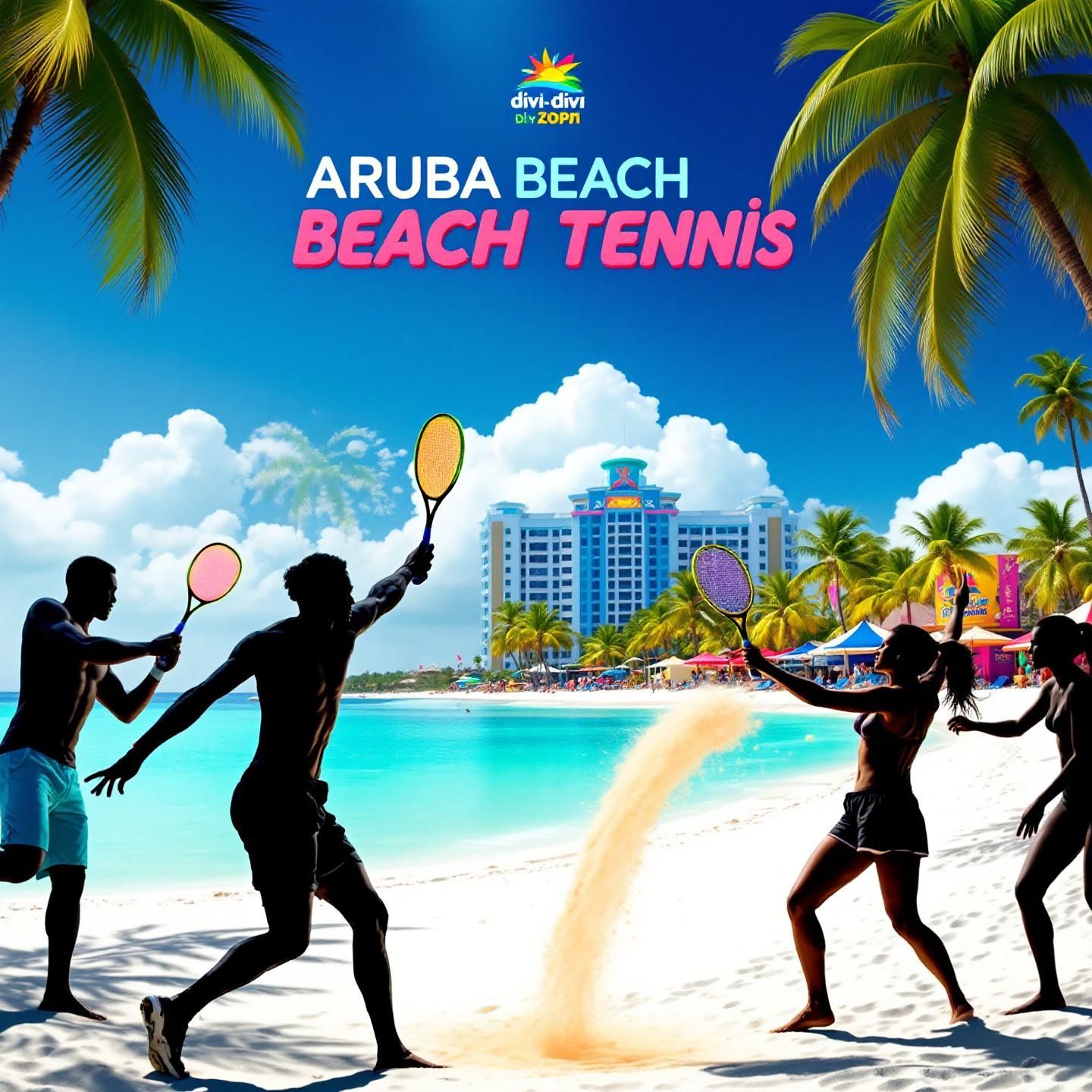
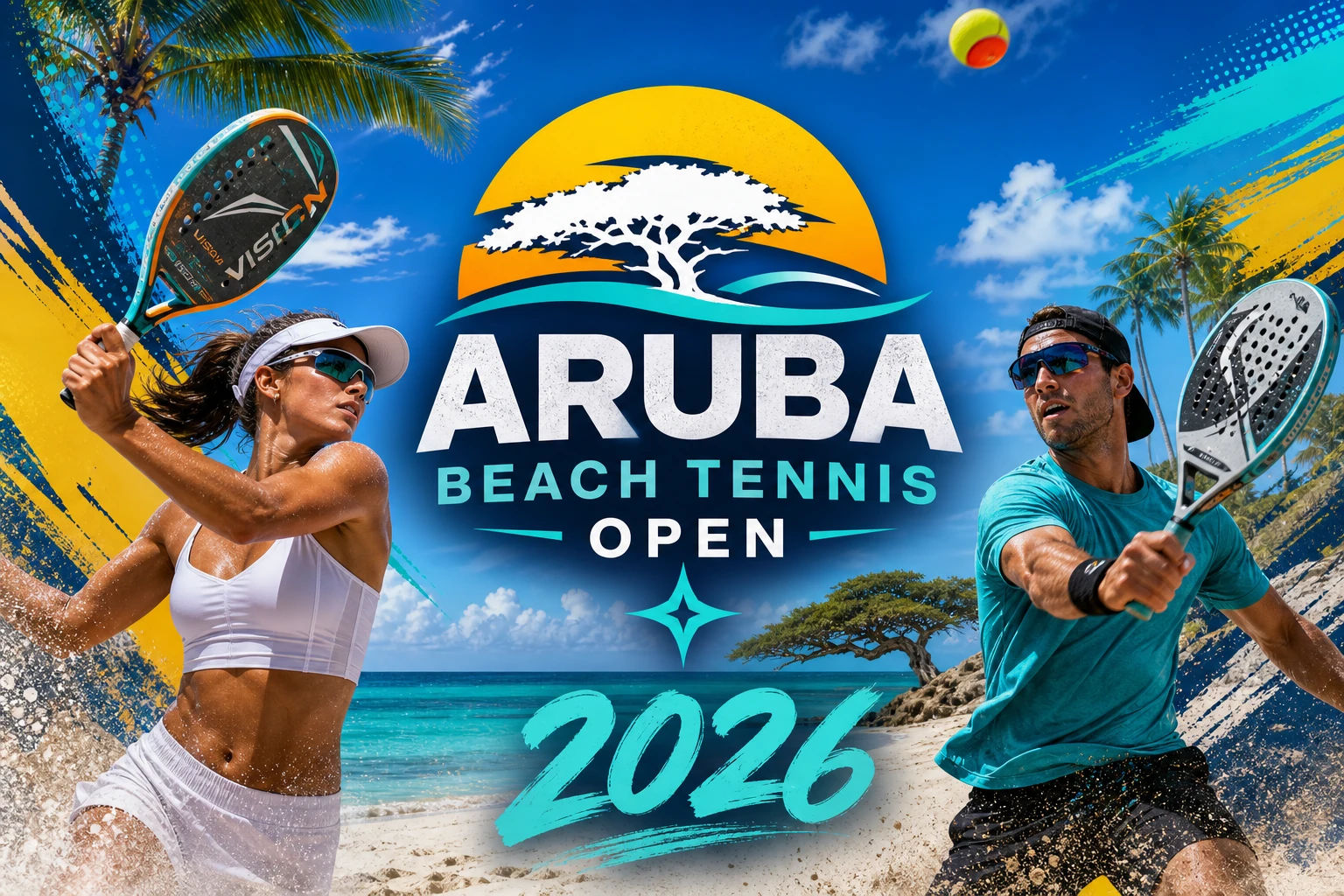
Imagine the rhythmic sound of Caribbean waves crashing against pristine white sand, gentle trade winds cooling the tropical heat, and the electrifying roar of thousands of spectators cheering from a beachfront stadium. Welcome to "One Happy Island," where athletic excellence meets paradise. Every autumn, the island of Aruba transforms into the world center of sand sports as top international athletes and passionate fans converge for the premier event on the global calendar: the Aruba Beach Tennis Open 2026.
Officially scheduled to take place from November 8 to November 15, 2026, on the iconic shores of Bushiri Beach in Oranjestad, this weeklong festival is widely recognized as the largest and most prestigious beach tennis tournament on Earth. Featuring over 1,000 professional and amateur competitors from more than 40 countries, the event blends world-class competition with sunset concerts, culinary pop-ups, beach parties, and warm Aruban hospitality.
"Whether you are a seasoned player aiming for ranking points, an avid sports fan seeking high-stakes action, or a traveler looking for an unforgettable island vacation, the Aruba Beach Tennis Open 2026 offers an extraordinary experience."
The Evolution of a Global Phenomenon
History and Heritage in Aruba
To understand how a small southern Caribbean island became the undisputed global capital of beach tennis, it helps to examine the sport's rapid rise. Originating along coastal Italy, beach tennis combines elements of traditional tennis, badminton, and volleyball. Played on a standard sand court with paddle racquets and pressurized felt balls, the game emphasizes rapid volleys, athletic dives, and non-stop movement.
In the early 2000s, local sports organizers introduced the game to Aruba's sun-drenched shores. The island's year-round sunshine, consistent 15-knot trade winds, and powdery coral sands provided the ideal environment. What began as informal weekend matches among friends near Palm Beach quickly exploded into an island-wide movement.
Key Milestones in Festival Growth
- Grassroots Expansion: By 2008, local club tournaments expanded into international invitationals, attracting top players from Europe and South America.
- International Tennis Federation Recognition: The event earned official sanctioning on the ITF Beach Tennis World Tour, achieving top-tier Sand Series status.
- Unprecedented Player Volume: The tournament routinely welcomes over 1,000 registered participants across professional, amateur, masters, and junior divisions.
- Massive Spectator Attendance: Over 10,000 visitors and local fans flock to the stadium courts throughout the tournament week to watch live matches.
Tournament Architecture
Competition Categories for 2026
The Aruba Beach Tennis Open 2026 offers a multi-tiered competition schedule running continuously from November 8 to November 15, 2026. The tournament layout at Bushiri Beach features over 30 temporary sand courts surrounding a massive central stadium court with grandstand seating and floodlights.
Professional ITF Sand Series and World Tour Draws
The centerpiece of the tournament is the ITF Sand Series professional division, where the world's top-ranked men's and women's double teams compete for substantial prize money and valuable world ranking points.
- Pro Singles Qualifying and Main Draw (November 9 to November 10, 2026): High-speed singles action launches early in the week, featuring rapid footwork and precision overhead smashes.
- ITF Mixed Doubles (November 9 to November 14, 2026): Male and female professional pairings battle through elimination rounds, culminating in a prime-time evening final under stadium lights.
- Sand Series Doubles Main Draw (November 11 to November 15, 2026): The marquee men's and women's doubles matches feature intense multi-shot volleys, acrobatic dives, and tactical court coverage.
Amateur, Masters, and Junior Categories
One of the unique aspects of the Aruba Beach Tennis Open 2026 is its inclusive atmosphere. Amateurs share the same venue and event grounds as world champions.
- Amateur Men's, Women's, and Mixed Divisions: Categorized by skill level (Intermediate, Advanced, and Open), allowing players from around the world to test their skills on international sand.
- Masters Divisions (50+): Experienced veteran players showcase tactical skill and endurance across dedicated doubles draws starting mid-week on November 11, 2026.
- Junior World Championship (10U to 16U): Rising young stars compete in junior doubles events, highlighting the next generation of global beach tennis talent.
- Nations Team Cup: A high-energy exhibition tournament where national squads compete for international bragging rights in a rowdy, flag-waving team format.
The Festival Vibe
Live Music, Evening Parties, and Beach Gastronomy
While the sporting action on the sand is top-tier, the Aruba Beach Tennis Open 2026 is equally famous for its vibrant off-court entertainment. As the afternoon sun sets into the horizon, Bushiri Beach transforms into a lively open-air festival venue.
Stadium Court Under the Floodlights
Night matches on the central stadium court offer an unmatched sports environment. Surrounded by filled grandstands, the court pulses with live DJ sets during court changes, rhythmic light shows, and energetic crowd chants in multiple languages.
Daily Happy Hours and Culinary Delights
- Sunset Beach Bars: Specialty cocktail kiosks serve ice-cold local Balashi beer, refreshing Aruba Ariba rum cocktails, and chilled coconut water throughout the day.
- Gourmet Food Truck Village: Local culinary vendors set up along the beach promenade, serving fresh seafood ceviche, grilled red snapper, authentic Dutch bitterballen, and local Aruban snacks.
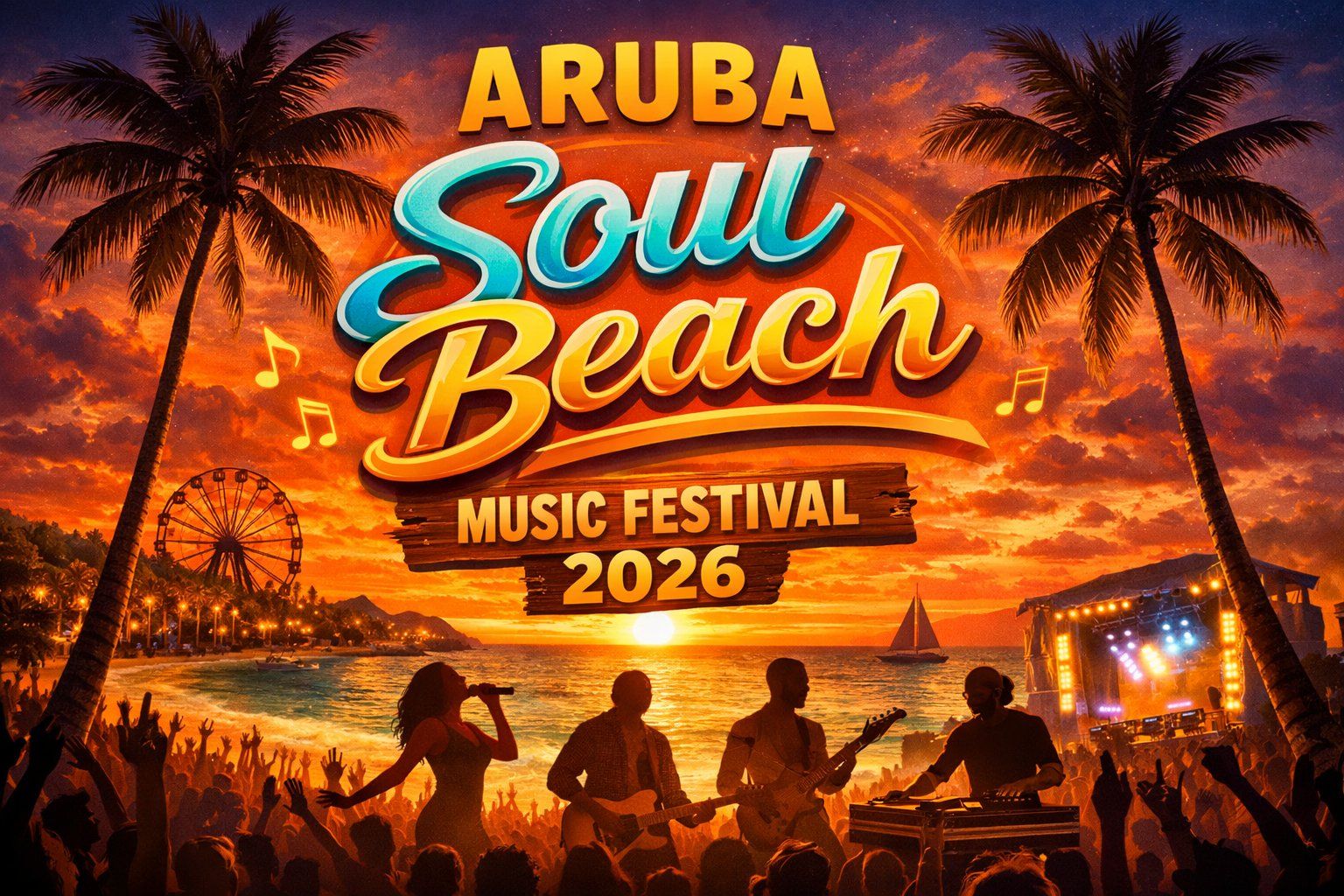
- Headline Evening Concerts: International DJs and popular Caribbean bands take the main stage each evening from November 8 to November 15, 2026, keeping attendees dancing until late into the night.
Morning Wellness and Fan Clinics
For spectators who want to stay active, the event precinct offers morning beachfront yoga classes, functional fitness workshops, and free instructional clinics led by visiting professional players.
Exploring Aruba
Local Culture, Neighborhoods, and Landmarks
Attending the Aruba Beach Tennis Open 2026 from November 8 to November 15, 2026, offers the perfect opportunity to explore the natural beauty and rich cultural heritage of this Dutch Caribbean island.
Oranjestad and Bushiri Beach Precinct
Located on the island's western coast, Oranjestad is Aruba's vibrant capital city. Characterized by colorful Dutch colonial architecture, bustling shopping plazas, and scenic harbors, the city is steeped in history.
- Fort Zoutman and Willem III Tower: Aruba's oldest historic building, constructed in 1798, houses the historical museum and hosts weekly cultural showcases.
- Renaissance Marketplace and Marina: A lively waterfront district featuring open-air cafes, boutique shops, luxury casinos, and fine dining.
- Bushiri Beach: The official home of the tournament, featuring wide expanses of soft sand and calm, shallow waters ideal for swimming between matches.
Eagle Beach and Palm Beach Resort Corridors
Just a short drive north from Bushiri Beach lie two of the most famous beaches in the Caribbean:
- Eagle Beach: Consistently ranked among the best beaches in the world, famous for its wide powdery sands, turquoise waters, and iconic fofoti trees leaning toward the ocean.
- Palm Beach: The energetic heart of Aruba's resort district, packed with high-rise luxury hotels, water sports centers, beachfront bars, and vibrant nightlife venues.
Natural Wonders and Cultural Excursions
Take time during match breaks to experience the island's unique natural landscapes:
- Arikok National Park: Covering nearly twenty percent of the island, this protected reserve features dramatic volcanic rock formations, ancient Arawak cave drawings, and rugged desert coastlines.
- The Natural Pool (Conchi): A secluded ocean-fed pool surrounded by volcanic rock along the windward coast, accessible via off-road jeep tours or guided hikes.
- Hooiberg Peak: A volcanic formation rising 541 feet above sea level, offering panoramic views across the entire island after a 587-step climb.
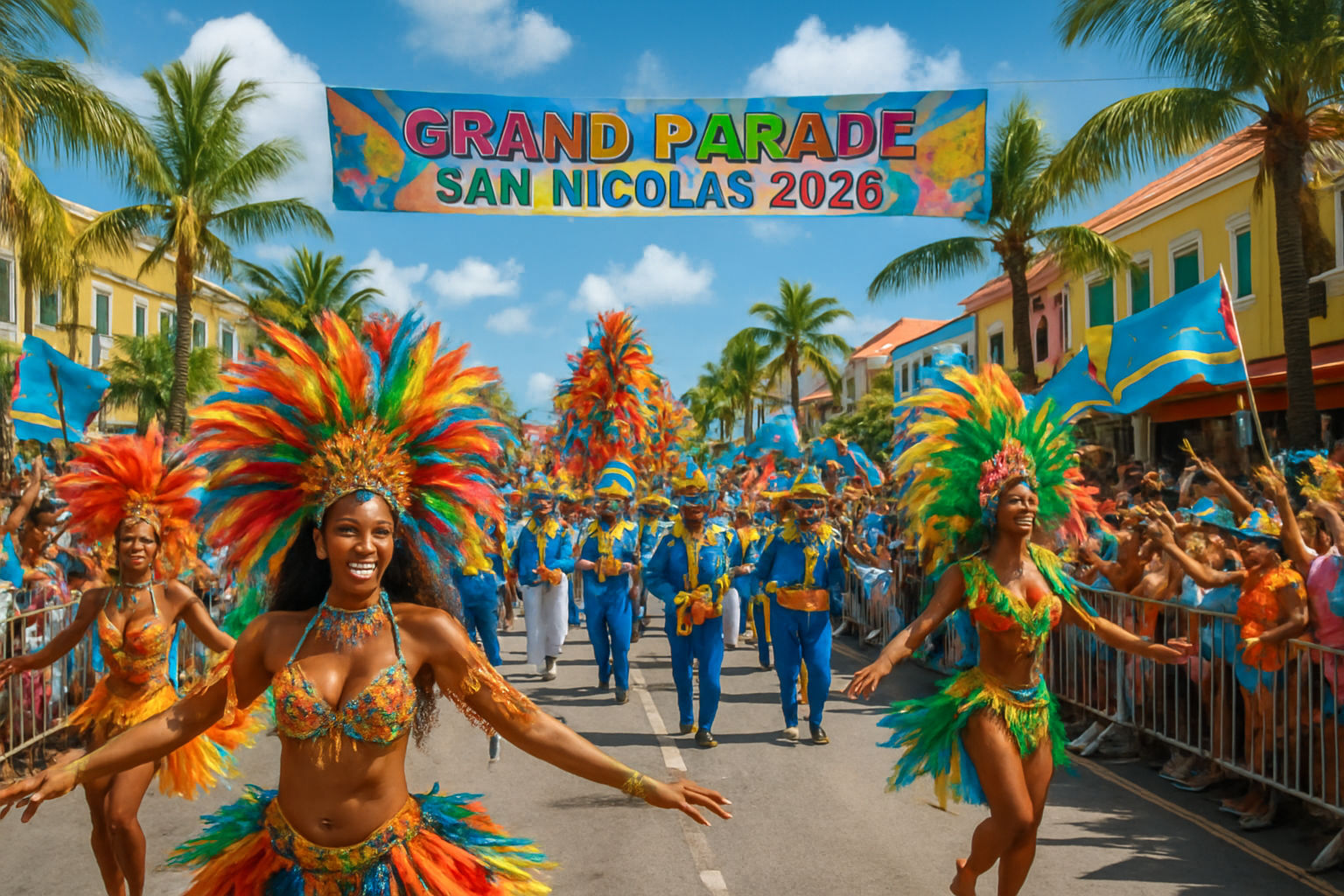
- San Nicolas (The Sunrise City): Located on the southern tip of the island, San Nicolas is famous for its vibrant street art murals, art galleries, and historic jazz bars like Charlie's Bar.
Authentic Aruban Hospitality and Cuisine
Aruban culture is a blend of Dutch, South American, African, and indigenous Arawak influences. The local language, Papiamento, reflects this rich heritage with warm expressions like "Bon Bini" (Welcome) and "Dushi" (Sweet/Sweetheart).
When dining around Oranjestad during the tournament week from November 8 to November 15, 2026, be sure to sample authentic local dishes:
- Keshi Yena: A traditional Aruban dish featuring a baked spiced meat filling enclosed in melted Edam or Gouda cheese crust.
- Pastechi: Crispy golden crescent pastries filled with spiced cheese, beef, chicken, or salted fish, perfect for a quick breakfast on the way to the courts.
- Pan Bati and Funchi: Traditional cornmeal pancakes and savory cornmeal cakes served as sides with fresh seafood stews.
Essential Visitor Guide
Accommodation, Transit, and Event Logistics
Planning your trip to the Aruba Beach Tennis Open 2026 ensures a smooth and enjoyable vacation experience. November is an ideal month to visit Aruba, featuring warm average daily temperatures of 28°C to 31°C (82°F to 88°F) and pleasant ocean breezes.
Where to Stay Near Bushiri Beach
- Eagle Beach Resorts: Booking low-rise resorts along Eagle Beach puts you within walking distance or a quick two-minute taxi ride to the tournament grounds at Bushiri Beach.
- Oranjestad Harbor Hotels: Properties in central Oranjestad offer easy walking access to downtown shopping, historic sites, and the main tournament precinct.
- Palm Beach Resorts: High-rise luxury hotels in Palm Beach provide extensive resort amenities, vibrant casinos, and easy access via public transport or rental vehicles.
Transportation Around the Island
- Arubus Public Transit: The efficient public bus system runs regularly along the main route connecting Oranjestad, Bushiri Beach, Eagle Beach, and Palm Beach.
- Taxis: Taxis operate on fixed, government-regulated zone rates rather than meters, making fares predictable and easy to manage.
- Rental Cars and Scooters: Renting a car or scooter provides complete freedom to explore outer districts like Arikok National Park and San Nicolas at your own pace. Driving is on the right side of the road.
Ticket Options and Event Access Details
- Free General Area Access: Watching daytime matches on the outer courts and exploring the vendor village is open to the public without cover charges.
- Stadium Court Passes: Special stadium grandstand passes provide reserved seating for high-profile evening pro matches and final rounds from November 8 to November 15, 2026.
- Player Entry Tickets: Registered competitors automatically receive event credentials, athlete gift bags, and access to private player lounges.
Frequently Asked Questions
The Things People Always Want to Know
What are the exact dates for the Aruba Beach Tennis Open 2026?
The Aruba Beach Tennis Open 2026 takes place officially from Sunday, November 8, 2026, through Sunday, November 15, 2026, featuring continuous daily and evening programming at Bushiri Beach.
Where is the main venue for the tournament located?
The tournament is held at Bushiri Beach, located along the western coast of Oranjestad, Aruba, just minutes from Eagle Beach and central downtown Oranjestad.
Do spectators need to purchase tickets to watch the matches?
General access to the tournament grounds, outer courts, food vendor villages, and daytime amateur matches is free for the public. However, reserved grandstand seating for evening stadium court matches and final rounds requires visitor passes.
How much do visitor passes cost for the event?
Standard weekly visitor passes for reserved stadium court seating typically range from $20 to $25, while specialized VIP spectator packages and courtside lounge access range from $75 to $300 depending on the inclusions.
Can beginners and amateur players register to play in the tournament?
Yes, the tournament features dedicated Amateur divisions (Intermediate, Advanced, and Open) alongside Masters (50+) and Junior (10U to 16U) draws, allowing players of all skill levels to participate.
What is the closest airport to the event venue?
Queen Beatrix International Airport (AUA) in Oranjestad is the primary international airport, located just a 10-minute taxi drive from Bushiri Beach.
What should visitors bring when attending daytime matches?
Spectators should pack reef-safe sunscreen, wide-brimmed hats, polarized sunglasses, light breathable clothing, reusable water bottles, and comfortable sandals or water shoes for walking on hot sand.
Experience the Energy of World-Class Sand Sports in Paradise
There is nothing quite like the thrilling sensation of watching elite international athletes battle on white coral sand under a fiery Caribbean sunset, surrounded by pulsating music and thousands of cheering fans. The Aruba Beach Tennis Open 2026 represents the absolute pinnacle of beach sports culture, offering an incredible fusion of competition, entertainment, and island beauty.
Mark your calendar for November 8 to November 15, 2026, pack your sun gear and enthusiasm, and prepare to be part of the world's greatest sand sports festival. Set out on your tropical journey to Oranjestad, cheer for your favorite international players, sample authentic Aruban cuisine, and immerse yourself in the unforgettable joy of One Happy Island!
Verified Information at a Glance
- Event Category: International Beach Tennis Championship, ITF Sand Series World Tour Event, and Beach Lifestyle Festival
- Official Event Title: Aruba Beach Tennis Open 2026
- Confirmed Event Dates: Sunday, November 8, 2026 – Sunday, November 15, 2026
- Tournament Venue: Bushiri Beach, Oranjestad, Aruba (Caribbean)
- Organizing Authorities: Beach Tennis Aruba in official partnership with the International Tennis Federation (ITF) and Aruba Tourism Authority (ATA)
- Expected Participation: Over 1,000 international players from 40+ countries and 10,000+ spectators
- Admission and Ticket Pricing Matrix:
- Outer Courts & Vendor Village: Free public entry
- Standard Full-Week Visitor Pass (Stadium Seating): $20 pre-booked ($25 at the door)
- Children Admission: Free for kids aged 12 and under accompanied by an adult
- VIP Hospitality & Courtside Lounge Packages: $75 to $300
- Competition Categories: ITF Professional Men's & Women's Doubles, ITF Mixed Doubles, Pro Singles, Amateur Doubles (Intermediate/Advanced/Open), Masters 50+ Doubles, Junior 10U-16U, and Nations Team Cup
- Event Highlights: Stadium court matches under floodlights, live international concerts, evening DJ parties, food truck village, beach wellness workshops, and trophy ceremonies
- Primary Air Transit: Queen Beatrix International Airport (AUA) in Oranjestad, Aruba
- Official Digital Information Portal: Tournament schedules, live streams, player registration, and spectator passes are updated at www.arubabeachtennisopen.com and @arubaopen on social channels
```









%202026,.webp)

%202026.png?updatedAt=1757097731648)








%202026.%20Aruba.png?updatedAt=1762921798529)