Mallorca

    Mallorca

    Spain

    Family-friendly, culture, beaches

    4.7
    Guest Rating
    14°C
    Partly Cloudy
    Humidity: 66%
    Wind: 14 km/h
    Live Temperature
    26
    Active Events

    About Mallorca

    Sun spills across honey‑colored stone, orange trees scent narrow lanes, and the sea glints at the end of palm‑lined promenades. Mallorca has a way of slowing you down while giving you plenty to explore. This is the largest of Spain’s Balearic Islands, a place where mountain roads twist to hill towns, where farm lunches stretch into the afternoon, and where a quick swim can turn into a full beach day. Mallorca travel blends coastal ease with culture, good food, and landscapes that feel made for walking and cycling.

    The island’s backbone is the Serra de Tramuntana, a rugged limestone range on the northwest coast that drops into the Mediterranean in dramatic cliffs and pine‑fringed coves. On the plains, windmills dot fields and olive groves, while the southeast hides bright little calas with fine white sand. Palma, the capital, is lively and stylish, with a Gothic cathedral rising over the marina, modern art galleries, and a warren of old streets filled with cafés and bakeries. From the city you can reach most Mallorca attractions in an hour or less, making it easy to mix beach time with village wandering.

    Mallorca beaches are a big draw and wonderfully varied. Cala Mondragó sits inside a...

    Climate & Weather

    Tropical climate with year-round warm temperatures and trade winds.

    Best Time to Visit

    April to June and September to October for pleasant weather and fewer crowds

    Top Highlights

    Palma Cathedral

    Serra de Tramuntana

    Family resorts

    Popular Activities

    Cultural tours
    Hiking
    Beach activities
    Family activities

    Quick Info

    Timezone
    UTC+2
    💰Currency
    Euro (EUR)
    🗣️Language
    Spanish, Catalan
    Temperature
    21°C

    Upcoming Events

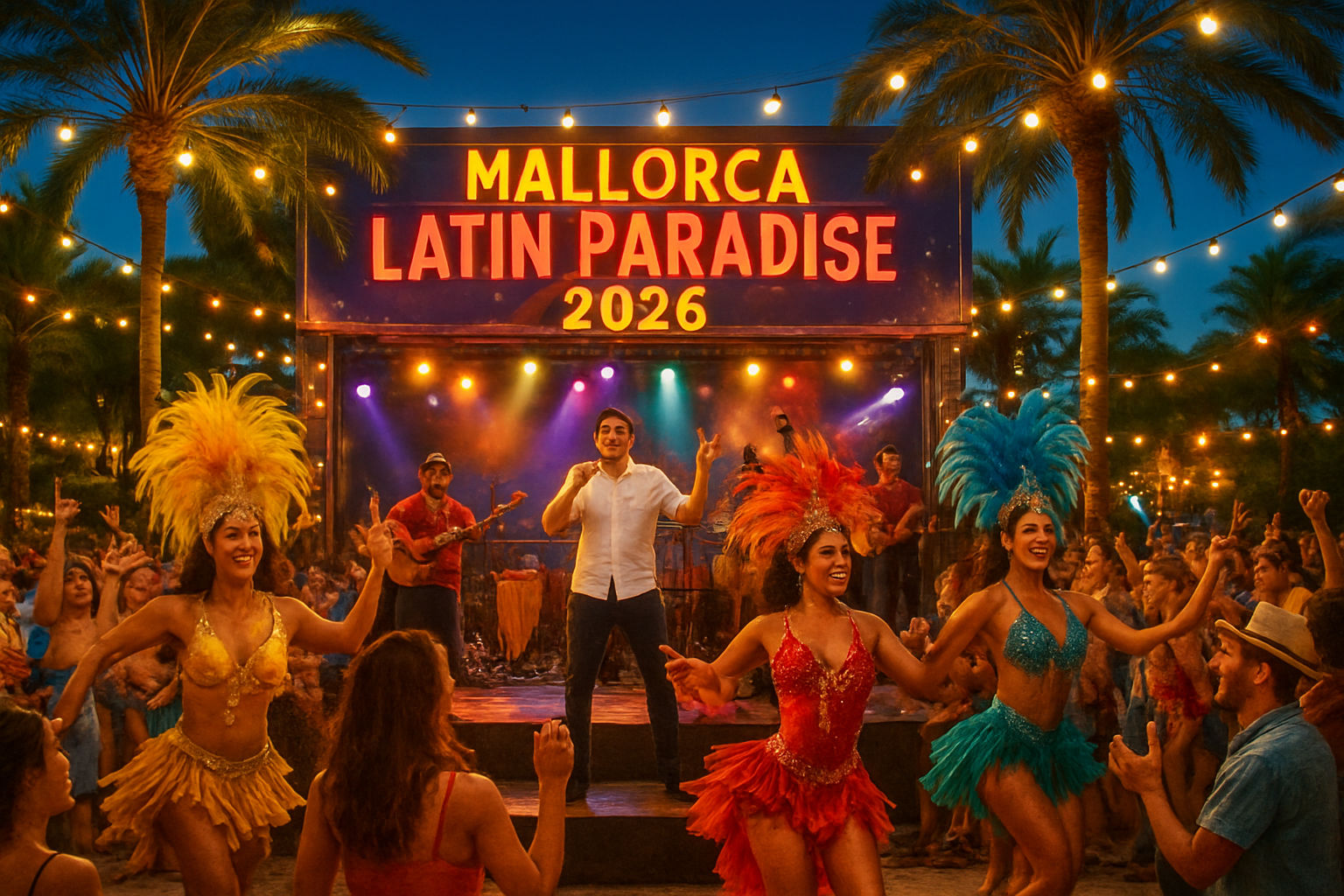
    Mallorca Latin Paradise 2026
    Dance/Festival
    TBA

    Mallorca Latin Paradise 2026

    Mallorca Latin Paradise 2026 is a Latin dance festival in Playa de Palma, Mallorca, running from Friday, February 13 to Sunday, February 15, 2026, combining bachata, salsa, and other styles with workshops, socials, and late-night parties. If you’re looking for a winter island escape with guaranteed energy, this event turns Mallorca into a dance-forward weekend where beachside mornings and Latin rhythms share the same itinerary.

    Mallorca Latin Paradise 2026 overview

    Mallorca Latin Paradise is positioned as a “celebrate love and dance” style festival, built around social dancing, intensive classes, and a community atmosphere that welcomes both beginners and experienced dancers. The organizer listing on go&dance shows Mallorca Latin Paradise 2026 scheduled for February 13–15, 2026 in the Balearic Islands, Spain, with passes starting from 90 €. The event’s official social channels also promote the dates as “13, 14 y 15 de Febrero 2026” and place it in Playa de Palma, confirming the weekend timing and the island setting.

    For travelers, this is a different side of Mallorca. Instead of planning around beach clubs or summer nightlife, you’re planning around workshops, socials, and an island community of dancers who come specifically for the festival vibe.

    Confirmed 2026 dates and location

    go&dance lists the event schedule as running from Friday, February 13 at 12:00 to Sunday, February 15 at 3:00, and places it in the Illes Balears, Spain. The organizer page on go&dance confirms the “next events” dates as 13–15 FEB 2026 and lists “From 90 €,” reinforcing the timing and price floor. A Facebook event listing for Mallorca Latin Paradise 2026 also references Playa de Palma and shows a window from Feb 13, 2026 to Feb 15, 2026 (ending in the early morning hours), aligning with the weekend festival format.

    Some third-party promo listings mention Hotel Hipotels Playa de Palma as the venue and list February 14–16, 2026, which conflicts with the go&dance dates and suggests the venue may have changed or that different editions have used different host hotels. Because of this inconsistency, the only venue detail that can be treated as confirmed from the strongest organizer-linked sources in this dataset is Playa de Palma, Mallorca, while specific hotel naming is not fully verified for 2026 across consistent sources.

    Dance styles and festival experience

    The event is promoted as a Latin dance festival anchored in bachata and salsa, with additional styles included depending on the program. go&dance describes it as a weekend packed with “spectacular classes” led by local and international instructors, aimed at helping dancers improve while keeping the energy fun and social. This structure usually means your day can flow like a holiday and a hobby retreat at the same time: workshops in the daytime, socials and parties at night, and plenty of beach breaks in between.

    Since Playa de Palma is the setting, the experience naturally blends dance culture with an island resort environment. Even in winter, Mallorca’s seaside promenades, cafés, and easy walking routes help visitors keep the weekend feeling like a true island getaway.

    Why Mallorca Latin Paradise fits a winter Mallorca trip

    Mallorca in February is quieter than summer, which makes it easier to book accommodation, move around the island, and enjoy Palma without peak-season crowds. A dance festival weekend also creates a built-in social life for visitors, which is a big advantage during off-season travel when some nightlife areas are calmer. Instead of wondering what will be open, you know the festival community will be there, and the schedule will carry you through the weekend.

    This is especially appealing for solo travelers or couples who want a social atmosphere without the typical club-first Ibiza-style approach. Mallorca Latin Paradise is specifically about dancing culture, not only partying.

    Local relevance: Playa de Palma and Palma de Mallorca

    Playa de Palma sits close to Palma city, which means you can add classic Mallorca sightseeing before or after dance sessions. Palma’s Old Town, waterfront walks, and food scene are easy add-ons to the festival weekend because you’re not isolated in a remote beach resort. A practical plan is to schedule Palma exploration on Friday morning before the festival builds momentum, or on Sunday afternoon after the final sessions.

    If you’re extending the trip, Mallorca’s Tramuntana mountains and inland villages can give you a completely different island mood, making the festival only one part of a broader Mallorca experience.

    Tickets and pricing (verified)

    The go&dance organizer page lists Mallorca Latin Paradise 2026 with passes “From 90 €.” This confirms at least the starting price point, though exact tier pricing (early bird vs regular vs VIP) may change over time depending on availability and promotions. Some social posts mention promo codes and early pass offers, but promo pricing details vary and are not consistently confirmed across the sources here.

    For accuracy in an SEO post, it’s safest to state the verified starting price and advise checking the official go&dance event listing for the latest tier and hotel package details.

    Practical travel tips for festival visitors

    If flying in, plan arrival with enough buffer to settle in before classes begin, since go&dance lists the festival starting Friday at 12:00. Staying in Playa de Palma is the simplest logistical choice because the event is promoted as being located there. If you prefer a more cultural base, Palma city can work too, but factor in transit time back and forth, especially late at night.

    Packing tips for a dance weekend on an island:

    • Bring at least two pairs of dance shoes, especially if you plan multiple socials.
    • Pack light layers, since Mallorca evenings in February can feel cool after beach walks.
    • Carry blister care, because even experienced dancers can get sore during multi-day festivals.

    Make Mallorca Latin Paradise 2026 your island dance weekend

    Mallorca Latin Paradise 2026 is a high-energy winter event that blends Latin dance culture with the relaxed coastal feel of Playa de Palma, running February 13–15, 2026. With passes listed from 90 €, it’s a clear, bookable way to plan a Mallorca trip around workshops, socials, and a built-in community, all within easy reach of Palma’s city attractions. Choose your pass, set your base in Playa de Palma, and experience Mallorca as a dance destination where the island rhythm continues long after the music starts.

    Verified Information at glance

    Event Name: Mallorca Latin Paradise 2026

    Event Category: Latin dance festival (bachata, salsa and more)

    Island/Region: Mallorca, Balearic Islands (Illes Balears), Spain

    Confirmed Dates: February 13–15, 202

    Confirmed Location (area): Playa de Palma, Mallorca

    Confirmed Schedule Window (listed): From Friday, Feb 13 at 12:00 to Sunday, Feb 15 at 3:00

    Confirmed Pricing (starting point): From 90 €

    Venue (hotel/convention center): Not consistently confirmed across sources for 2026 (multiple listings mention different venues)

    Playa de Palma, Mallorca
    Feb 13, 2026 - Feb 15, 2026
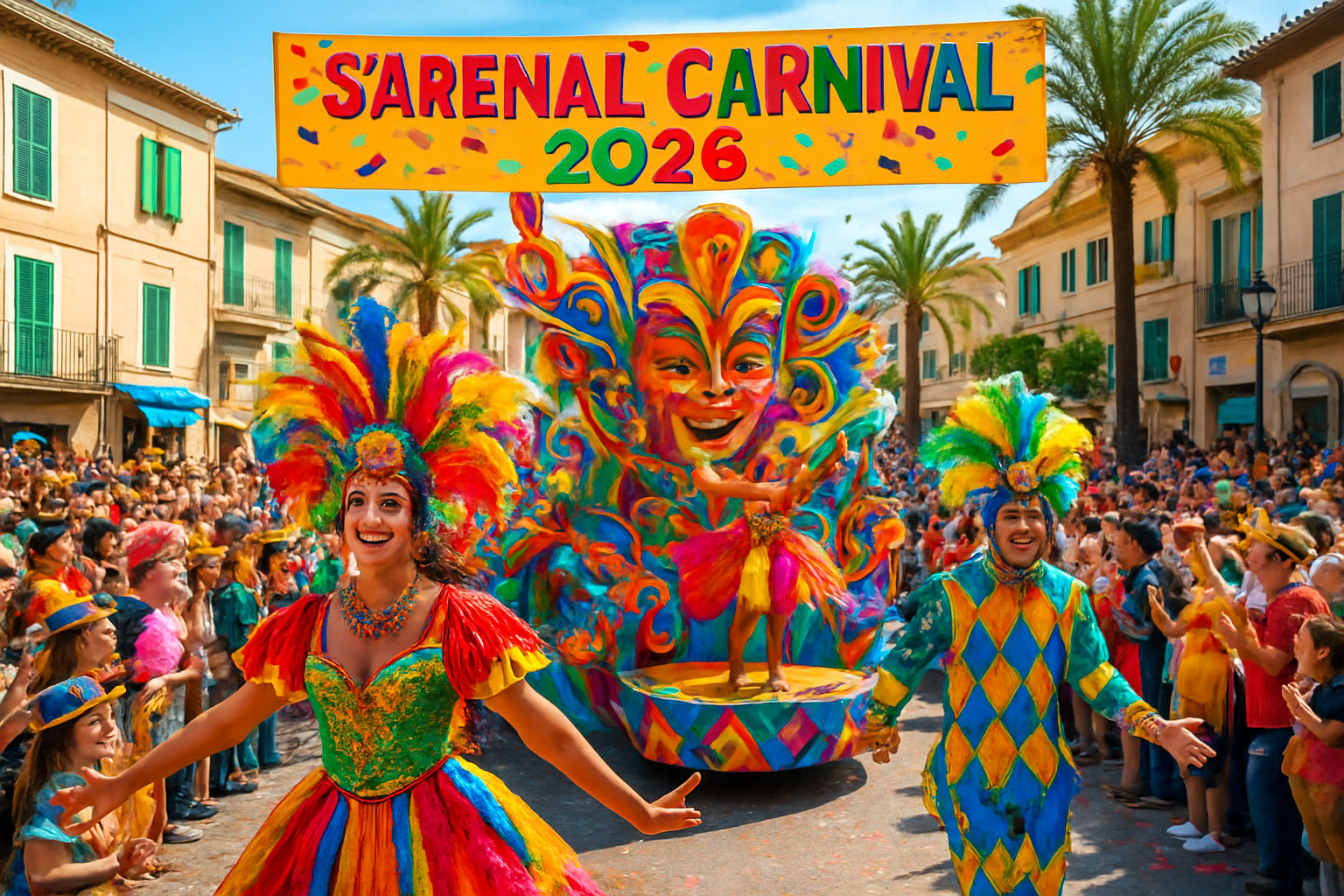
    S'Arenal Carnival Parade 2026
    Carnival/Parade
    Free

    S'Arenal Carnival Parade 2026

    S’Arenal Carnival Parade 2026 Mallorca brings a big, beachside Carnival atmosphere to the south coast on Saturday, February 14, 2026, with a colorful procession of floats, music, and elaborate costumes in El Arenal (S’Arenal). It’s one of the best ways to experience Mallorca’s winter festival culture outside Palma, especially if you want a lively parade day that still feels like an island town celebration.

    S’Arenal Carnival Parade 2026 Mallorca overview

    S’Arenal (also written El Arenal) is a well-known resort area at the eastern end of Playa de Palma, and during Carnival it shifts from beach mode into community parade mode. One Mallorca Carnival listing describes S’Arenal’s Carnival parade as jointly organized by Palma and Llucmajor, underlining that it’s a significant local event rather than a small neighborhood walk. The same source highlights that the parade is long, taking over two kilometers to complete, which helps set expectations for both spectators and participants.

    For visitors, S’Arenal Carnival is a smart alternative to Palma’s biggest parades when you want a coastal setting, easier logistics, and a more resort-town vibe while still seeing high-effort costumes and floats. It also pairs perfectly with a winter beach walk along Playa de Palma, since you’re already by the shoreline before and after the procession.

    Confirmed 2026 date, start area, and parade timing

    A Mallorca Carnival listing explicitly states: “Saturday, Feb 14th 2026” for S’Arenal Carnival and advises visitors to “head to Plaza de les Meravelles from 3 pm” for the parade. That same listing describes the event as a colorful parade with floats, music, and elaborate costumes, which is the core experience travelers are looking for.

    While some Mallorca festival roundups mention S’Arenal Carnival in general terms without a 2026 schedule, the Feb 14, 2026 date and 3 pm guidance are the clearest published planning details available in the sources here. As always with local parades, minor timing adjustments can occur, so it’s wise to check local notices closer to the date, especially if you’re participating with a group.

    Where S’Arenal fits in Mallorca Carnival weekend

    Mallorca’s Carnival weekend in 2026 centers around mid-February, with Palma hosting the children’s parade (Sa Rueta) and the main city parade (Sa Rua) on the same weekend. The same Mallorca Carnival source that lists Palma’s events also places S’Arenal’s Carnival on Saturday, February 14, making it easy to combine the island’s biggest city parades with a coastal parade experience.

    This creates a great winter itinerary:

    • Saturday: enjoy S’Arenal’s parade day by the beach.
    • Sunday: head into Palma for the island’s most famous city Carnival parade.


    If you’re staying in Playa de Palma or near the airport, S’Arenal’s parade can be the most convenient “big Carnival” experience of the weekend without needing to navigate Palma’s densest crowds.

    What to expect: floats, costumes, music, and a long route

    The defining features, as described in the event listing, are:

    • A colorful parade with floats, music, and elaborate costumes.
    • A parade length that takes more than two kilometers to complete.
    • A gathering point referenced as Plaza de les Meravelles, with activity beginning around 3 pm.

    That long route is important for planning. It usually means you can choose between two styles of viewing:

    • Stay near the start area to catch the parade when energy is freshest.
    • Choose a mid-route point where there may be more space for photos and kids.


    For participants, the long route suggests comfortable footwear matters even more than costume perfection. For spectators, it means there is more chance to find a good viewing position compared with smaller, shorter parades.

    Local relevance: S’Arenal and Playa de Palma island vibe

    S’Arenal sits on the curve of Playa de Palma, which gives the parade day a very specific atmosphere: you get Carnival color and winter sea air at the same time. If you’re visiting Mallorca in February, this area often feels calmer than summer, so the Carnival parade becomes a highlight that adds energy to the coastline. The “resort area in winter” contrast is part of the charm, because you’re seeing Mallorca outside its usual peak-season identity.

    The same source notes S’Arenal is about a 25-minute ride from Palma, which makes it practical to combine with Palma sightseeing or even split your day between the city and the beach depending on your schedule.

    Travel tips for visitors

    If staying in Palma, plan transport early because Saturday Carnival events can create traffic and limited parking in busy areas. If staying in Playa de Palma, Sant Jordi, or near the airport, consider walking or using local transport where possible to avoid parking stress.

    Practical planning tips:

    • Arrive before 3 pm if you want a good spot near Plaza de les Meravelles.
    • Bring a light layer for late afternoon cooling by the sea.
    • Keep valuables secure in crowds, as with any busy street festival.


    If you plan to attend Palma’s Carnival events the next day, it can be helpful to choose accommodation in a location that makes both Palma and S’Arenal easy, such as Palma’s eastern side or near main road connections.

    Pricing and admission

    The sources describe S’Arenal Carnival as a public parade and do not list any ticket price, which aligns with free street viewing in most Mallorca Carnival events. Budget primarily for transport, snacks, and any post-parade dining rather than entry fees. If you’re joining as part of an organized costume group, there may be local registration rules and participation guidelines, which are typically published by municipal organizers.

    Experience S’Arenal Carnival Parade 2026 on Mallorca’s coast

    S’Arenal Carnival Parade 2026 is a standout south-coast celebration with a confirmed date of February 14, 2026 and a parade meet-up around Plaza de les Meravelles from 3 pm, bringing floats, music, and costume creativity to Playa de Palma’s shoreline streets. It’s a perfect winter island event for travelers who want Mallorca’s Carnival energy with sea views, a long parade route, and a lively town atmosphere without the scale of Palma’s city-center crowds. Choose your costume, head to S’Arenal, and enjoy Mallorca’s Carnival where the beach meets the parade, then keep the celebration going across the island all weekend long.

    Verified Information at glance

    Event Name: S’Arenal Carnival Parade (Carnaval S’Arenal / El Arenal Carnival)

    Event Category: Carnival parade / street procession

    Island/Region: Mallorca (Majorca), Balearic Islands, Spain

    Town/Area: S’Arenal (El Arenal), Playa de Palma (south coast)

    ​Confirmed Date (2026): Saturday, February 14, 2026

    Confirmed Gathering Reference: Plaza de les Meravelles (from 3 pm)

    Parade Characteristics (as described): Floats, music, elaborate costumes; parade length over 2 km

    Organizer (as described): Jointly organized by Palma and Llucmajor

    Pricing: No ticket price listed in cited source (public street parade format)

    S'Arenal (Plaza de les Meravelles), Mallorca
    Starts Feb 14, 2026
    Sa Rueta (Children's Carnival) 2026
    Carnival/Parade
    Free

    Sa Rueta (Children's Carnival) 2026

    Sa Rueta (Children’s Carnival) 2026 Mallorca brings Palma’s most family-friendly fancy-dress parade to the island on Saturday, February 14, 2026, with kids in costume taking over the city center in a joyful daytime celebration before the main adult parade, Sa Rua. If you want Mallorca in its warmest winter mood, Sa Rueta is the perfect way to experience island Carnival culture with children, grandparents, and visitors all sharing the streets.

    Sa Rueta (Children’s Carnival) 2026 Mallorca overview

    Sa Rueta is Palma’s dedicated children’s Carnival parade, created so families can enjoy the same creativity and community energy as the main parade, but in a more kid-centered format. It’s often described as the children’s version of Sa Rua, and it is one of the most loved winter island events because it turns Palma’s elegant streets into a costume playground full of laughter and photo moments.

    Across Mallorca, many towns hold Carnival celebrations, but Palma’s Sa Rueta is the most famous children’s parade on the island. It also sets the tone for the bigger weekend ahead, because it happens right before the main event, Sa Rua, giving the city a full two-day Carnival rhythm.

    Confirmed 2026 date (and what’s not fully confirmed yet)

    A Mallorca Carnival guide states that the children’s parade “Sa Rueta” takes place on 14 February 2026, with the adult parade “Sa Rua” the next day on 15 February 2026. A Mallorca events guide also notes that in Palma the children’s parade happens on Saturday and the adult version on Sunday, confirming the weekend structure.

    However, a separate Mallorca Carnival listing describes Sa Rueta as taking place on the Sunday before Sa Rua, showing that some sources conflict on the exact weekday pattern. Because of this discrepancy, the only date that can be treated as directly confirmed in the sources provided here is February 14, 2026, as explicitly stated by the Mallorca Carnival guide that names the date.

    What is not confirmed in these sources for 2026:

    • The exact start time for Sa Rueta in Palma.​
    • The official, final 2026 route map published by Palma’s municipality.

    Where Sa Rueta happens in Palma

    Even without a fully confirmed municipal route for 2026 in the sources captured here, multiple Mallorca Carnival resources describe Palma’s Carnival parades using the central route around La Rambla and the city’s main avenues. A Palma-focused Mallorca Carnival listing describes the main procession route (for Carnival parades generally) as going down La Rambla, Carrer de La Riera, Carrer de la Unió, ending at Plaça del Rei Joan Carles I and Avinguda de Jaume III. Another Sa Rueta-focused article also references a children’s parade route that includes La Rambla, La Riera, King Juan Carlos I Square, and Jaume III.

    For visitors, this is the practical takeaway: Sa Rueta is centered in Palma’s walkable heart, close to cafés, shopping streets, and historic Old Town areas. That makes it easy to build a full family day around the parade without needing long transfers across the island.

    What makes Sa Rueta ideal for families

    Lonely Planet notes that in Palma a children’s procession, Sa Rueta, is followed by the grown-up version, Sa Rua, which shows Sa Rueta’s role as the family-friendly lead-in to the weekend. The fact that it’s a children-focused event means the costumes, music, and crowd energy tend to suit families better than late-night Carnival parties. You’ll still see impressive creativity, but the mood is gentler, earlier, and more accessible for younger kids.

    This is also a great cultural experience for visitors traveling with children because it doesn’t require special knowledge of the island. You can simply show up in costume, cheer for the groups, and enjoy the atmosphere.

    What to expect at Sa Rueta 2026

    Sa Rueta is all about costumes, imagination, and community participation. Expect:

    • Children in themed outfits, from superheroes to animals to handmade concepts.
    • Family groups coordinating costumes for fun photos and parade energy.
    • Music and street atmosphere that feels festive but daytime-friendly.

    Mallorca Carnival guides emphasize that these parades involve bands, floats, costumes, masks, and plenty of dancing, and Sa Rueta is a key part of that weekend experience. Even if you’re not marching, the parade becomes a moving street show where the joy is in the variety.

    Cultural context: Carnival on a Mediterranean island

    Carnival on Mallorca takes place just before Lent, and it’s celebrated across the island with community parades and festivities. Palma’s Sa Rueta and Sa Rua are often described as the two most important parades on the island, reinforcing Palma as the Carnival hub. For travelers, this is one of the best winter reasons to visit Mallorca: it’s a cultural event that locals actually attend, not a summer-only tourist spectacle.

    Mallorca’s winter festivals can make the island feel more intimate than peak season. Sa Rueta in particular is a window into family life in Palma, where residents show up for tradition and fun rather than nightlife.

    Local landmarks and a kid-friendly Palma day plan

    Because the parade is in central Palma streets like La Rambla and Jaume III (as referenced in parade route descriptions), it’s easy to combine Sa Rueta with Palma sightseeing. A simple family plan:

    • Morning: explore Palma Old Town and stop for snacks.
    • Midday: head toward La Rambla area for the parade atmosphere and viewing space.
    • After: a relaxed walk and a warm meal nearby, since you’ll already be in Palma’s core shopping and café zone.

    This works well for visitors staying in Palma, and it’s also realistic as a day trip if you’re based in beach resorts and want a winter culture break.

    Practical travel tips for Sa Rueta 2026 visitors

    Since sources confirm Sa Rueta is on February 14, 2026, plan to be in Palma that day if your trip includes the children’s Carnival. The general Palma Carnival advice is to arrive early to claim a comfortable viewing position, especially if you want front-row space for kids. Dress for winter sunshine with layers, and choose costumes that are comfortable for walking and standing.

    Family-friendly planning tips:

    • Pick a meeting point in case your group gets separated in crowds.
    • Bring snacks and water for children, as daytime parades can still feel long.
    • Carry a small blanket or foldable seat for little ones if you expect waiting time.

    Pricing and admission

    The sources that describe Sa Rueta present it as a public street parade in Palma and do not list any ticket price. That fits the typical Mallorca Carnival format, where parades are free to watch from the street and costs are mostly transport, food, and any extras you choose around the event. If special stands or ticketed viewing areas are offered locally, they would be optional, and they are not confirmed in the sources here.

    Make Sa Rueta 2026 a Mallorca family highlight

    Sa Rueta (Children’s Carnival) 2026 in Mallorca is one of the easiest ways to see Palma’s community spirit, with kids in costume turning the city center into a daytime festival of imagination and laughter on February 14, 2026. Pair it with Palma’s winter strolls and cafés, then stay on the island for Sa Rua the next day if you want the full Carnival weekend story. Choose a costume, head into Palma’s heart, and let your family experience Mallorca’s Carnival the way locals do: together in the streets, celebrating creativity in the winter sun.

    Verified Information at glance

    Event Name: Sa Rueta (Children’s Carnival / Children’s Parade)

    Event Category: Children’s Carnival parade / family street celebration

    Island/Region: Mallorca (Majorca), Balearic Islands, Spain

    City: Palma de Mallorca

    Confirmed Date (2026): Saturday, February 14, 2026

    Likely central parade area (as described in sources): Palma city center streets such as La Rambla and Jaume III (route not officially confirmed for 2026 in sources captured here)

    Pricing: No ticket price listed in cited sources (public street parade format)

    Palma (La Rambla → Plaça Rei Joan Carles I), Mallorca
    Starts Feb 14, 2026
    Sa Rua (Main Carnival Parade) 2026
    Carnival/Parade
    Free

    Sa Rua (Main Carnival Parade) 2026

    Sa Rua (Main Carnival Parade) 2026 Mallorca takes over Palma on Sunday, February 15, 2026 with the parade starting at 17:00, filling the city center with floats, costumes, music, and friendly competition just before Lent begins. If you want a true winter island experience in the Balearics, Sa Rua is the Carnival moment where Palma feels most local, most playful, and most alive.

    Sa Rua (Main Carnival Parade) 2026 Mallorca overview

    Sa Rua is Palma de Mallorca’s biggest Carnival parade, and it’s widely treated as the main event of Carnival weekend on the island. Mallorca Carnival is celebrated across many towns, but Palma’s Sa Rua stands out for its scale, its city-center route, and the way groups compete with themes, choreography, and standout costume design. Travel guides describe the parade as a riot of color and merry-making with bands, floats, masks, and lots of dancing, and they place the main Palma parade on Sunday, February 15, 2026.

    For visitors, Sa Rua is a refreshing reminder that Mallorca is not only beaches and summer nightlife. In February, the island switches into community festival mode, and Palma becomes a stage for creativity, humor, and neighborhood pride.

    Confirmed 2026 date and start time

    A Mallorca Carnival event listing states: “Sunday, Feb 15th 2026” and specifies that “in Palma, the Sa Rua takes place on Sunday from 17:00.” Another Mallorca Carnival guide also places Palma’s main Carnival festivities on Sunday 15 February 2026. These sources confirm the core planning details visitors need: date and the late-afternoon start time that lets you explore Palma earlier in the day before claiming a viewing spot.

    A separate guide describes the date as “likely” for 2026, so it’s best used for context, while the listing that states Feb 15 at 17:00 is the clearer confirmation available here.

    The route through Palma’s city center (what’s known)

    One event listing provides a route description for Mallorca’s Carnival procession: down La Rambla, Carrer de La Riera, Carrer de la Unió, ending at Plaça del Rei Joan Carles I and Avinguda de Jaume III. This route matters for travelers because it places Sa Rua in Palma’s most central, walkable shopping and promenade area, close to cafés, restaurants, and landmark streets. It also suggests excellent viewing options: La Rambla for the first wave of parade energy, or Plaça del Rei Joan Carles I for the “finale” atmosphere where crowds often feel densest.

    Because municipal routes can change slightly year to year, treat this route as a strong planning guide, then confirm final details closer to the event through Palma’s local announcements.

    What makes Sa Rua special on a Balearic island

    Sa Rua is more than a parade. It’s Mallorca’s city-scale costume competition, where groups create elaborate themes and aim to impress the crowd and judges. The same listing notes that the most creative teams are awarded prizes at the end of the parade, reinforcing the competitive but friendly nature of the event. That competitive element is what gives Sa Rua its big payoff: it pushes costume quality higher, encourages dance routines, and turns the parade into a moving show rather than a simple walk-by procession.

    Mallorca Carnival is sometimes described as a smaller version of Rio-style Carnival because of the performance energy, singing, and dancing. Even if you’ve been to major Carnivals elsewhere, Sa Rua feels uniquely Mallorcan because it plays out in Palma’s elegant city streets rather than a purpose-built parade ground.

    Highlights and experiences to expect at Sa Rua 2026

    Sa Rua is designed for spectators and participants alike, so the best plan is to arrive ready to watch, but also ready to join the mood. You can expect:

    • Themed groups in costumes ranging from funny and satirical to highly artistic.
    • Music and movement, with parade sections featuring dancing and singing.
    • Floats and large props, depending on the group’s concept and budget.
    • A festive finishing area around Palma’s central squares where the parade energy lingers.

    Because Sa Rua starts at 17:00, you get a beautiful “golden hour” into early evening experience in winter Palma. That timing also makes Sa Rua easy to combine with dinner plans, especially in the city center near Avinguda de Jaume III and the Old Town edges.

    Local relevance: landmarks and neighborhoods near the parade

    The listed route includes La Rambla and ends near Plaça del Rei Joan Carles I and Avinguda de Jaume III, which places you close to Palma’s main urban heart. This is a great base area for travelers because it’s also where Palma’s winter city life is strongest: shopping streets, historic architecture, and a walkable connection to the Old Town. If you want to build a full day around Sa Rua, spend the morning in Palma’s historic center, then drift toward La Rambla mid-afternoon to claim a comfortable viewing spot.

    Many visitors also pair Sa Rua weekend with Palma’s seasonal funfair tradition, Fira del Ram, which some guides note kicks off during Carnival and lasts through Easter. If your goal is an island trip with a festival atmosphere beyond the parade itself, that’s a natural add-on in the Palma area.

    Travel tips for attending Sa Rua 2026

    Plan Sa Rua like a major city event even though Mallorca is an island. Palma gets busy during the parade, and central streets can feel crowded. Practical tips:

    • Arrive at least 60 to 90 minutes before 17:00 to secure a good sightline.
    • Wear comfortable shoes and bring a light layer, since February evenings can cool down after sunset.
    • Choose a meeting point with your group in case the crowd separates you.

    If you are staying outside Palma, plan transport ahead of time. A late-afternoon parade start can make it easier to arrive by bus or car, but post-parade departures may be slower due to crowd movement and road closures.

    Pricing and access

    The sources describing Sa Rua present it as a public street parade in Palma and do not list any ticket price, which aligns with a free-to-watch city parade format. As a visitor, budget mainly for food, drinks, transportation, and optional nightlife afterward rather than entry fees. If any reserved seating or special viewing areas appear closer to the date, those are typically optional add-ons, not the core Sa Rua experience.

    Plan your Mallorca Carnival weekend around Sa Rua

    Sa Rua is the reason many winter travelers choose Palma in mid-February. With a confirmed parade day of Sunday, February 15, 2026 and a 17:00 start time, you can easily plan a full island weekend: markets and Old Town walks in the daytime, Sa Rua in the afternoon, and a relaxed Palma dinner after the parade. Whether you come for photography, local culture, or simply to feel Mallorca’s community spirit in the streets, Sa Rua delivers a vibrant side of the island that summer visitors often miss. Pick your spot along La Rambla, let the costumes and music pull you in, and experience Mallorca the way it celebrates best: out loud, in the open air, and together.

    Verified Information at glance

    Event Name: Sa Rua (Main Carnival Parade)

    Event Category: Carnival parade / street procession

    Island/Region: Mallorca (Majorca), Balearic Islands, Spain

    City: Palma de Mallorca

    Confirmed Date (2026): Sunday, February 15, 2026

    Confirmed Start Time: 17:00

    Route (listed in source): La Rambla → c. de La Riera → c. de la Unió → ending at Plaça del Rei Joan Carles I and Avinguda de Jaume III

    Pricing: No ticket price listed in cited sources (public street parade format)

    Palma (La Rambla route), Mallorca
    Starts Feb 15, 2026
    Day of the Balearics (Día de les Illes Balears) 2026
    Public holiday/Culture
    Free

    Day of the Balearics (Día de les Illes Balears) 2026

    Day of the Balearics (Día de les Illes Balears) 2026

    Day of the Balearics (Día de les Illes Balears) 2026 is celebrated every year on March 1, and it’s the Balearic Islands’ official day marking the anniversary of the Statute of Autonomy coming into force in 1983. In Mallorca, it becomes an island-wide celebration of local identity, culture, and Mediterranean pride, with Palma often acting as the most visible hub for public activities.

    Experience the Balearic Spirit in Mallorca

    Día de les Illes Balears is the kind of holiday that feels especially powerful on an island, because the message is literally about being shaped by the sea and by “four islands” sharing a common identity. The official Diada website describes the day as a celebration of the anniversary of the autonomy statute and the constitution of Mallorca, Menorca, Eivissa (Ibiza) and Formentera as an autonomous community, emphasizing history, culture, traditions, and a character tied to being four islands in the Mediterranean. That framing matters for travelers because it explains why the celebrations often feel both civic and deeply local: it’s about language, heritage, crafts, music, and community life, not just a party.

    For visitors, the holiday is also an easy cultural win. You don’t need an insider invite or special knowledge to enjoy it because much of the activity tends to be public-facing, in squares, parks, and major civic spaces. The best approach is to treat the day like an open-air festival of Balearic culture, then use the rest of your trip to explore Mallorca’s coastline and villages at a calmer pace.

    Verified 2026 Date and Public Holiday Status

    Timeanddate confirms that the Day of the Balearic Islands is observed on March 1 each year as a local public holiday in Spain’s Balearic Islands. The official Diada website also states “Com cada 1 de març” (as every March 1), confirming the annual fixed-date observance tied to the autonomy statute. For 2026 specifically, the Balearic Government’s 2026 labor calendar lists “L’endemà del Dia de les Illes Balears” (the day after the Day of the Balearic Islands) as a general holiday on March 2, 2026, which reinforces that the main celebration day is March 1.

    This matters for trip planning. March 1 is the cultural celebration date, and March 2 can also affect opening hours and logistics because it is formally listed as a general holiday in the Balearic calendar for 2026.

    What the Holiday Celebrates: Autonomy and Island Identity

    The Day of the Balearic Islands commemorates the entry into force of the Balearic Statute of Autonomy. Timeanddate summarizes this as a local public holiday for the Balearic Islands held on March 1 each year. The official Diada site expands the meaning, describing the day as a chance to affirm autonomy and what defines the Balearic people: history and roots, genuine culture, traditions, and a character tied to island life and the Mediterranean Sea.

    For Mallorca visitors, this gives the celebrations a different feel than typical resort entertainment. It’s closer to a cultural showcase and civic gathering, often with a “proudly local” emphasis on crafts, regional products, and artists.

    What to Do in Mallorca for Día de les Illes Balears

    Official messaging around the Diada emphasizes that the celebration should be open, participatory, and showcase local products, crafts, and artists while representing all four islands. While the exact Mallorca program for 2026 can vary by year and is typically released closer to the date, the holiday is widely experienced through community events, cultural performances, and public activities centered in Palma and across towns.

    To experience the day in a visitor-friendly way, plan around a few simple, high-reward activities:

    • Spend part of the day in Palma, where public celebrations are often easiest to find and follow.
    • Look for local artisan markets and Balearic product showcases, which align with the official emphasis on “producte local” and “artesania.”
    • Add a cultural stop such as a museum or historic building if open hours allow, because public holidays can come with special programming or modified schedules.

    Palma Landmarks that Pair Well with the Celebrations

    Even without a single “festival venue,” Palma is a natural base because it offers major landmarks within walking distance of many public events. A classic Mallorca holiday day might include:

    • A stroll through the old town streets near Plaça Major and the historic center.
    • A seaside walk near the waterfront, which reflects the Mediterranean identity highlighted by the official Diada message.
    • Time near major civic squares where performances often happen during public celebrations.

    Palma is also ideal if you’re traveling without a car. You can rely on walking and local transport, then venture to beaches and villages the next day.

    Practical Travel Tips for March 1 (and March 2) in Mallorca

    Because this is a public holiday, expect some practical differences in how the island functions. Timeanddate lists the day as a local public holiday for the Balearic Islands. The Balearic Government labor calendar for 2026 includes March 2 as a general holiday (the day after), which may further affect store hours and public services in a way visitors notice.

    A smooth approach:

    • Book restaurants in advance if you want a specific place on March 1, especially in Palma.
    • Confirm opening times for attractions you care about, since some may close or operate reduced hours on public holidays.
    • Use the holiday for culture and walking, then plan beach time or scenic drives on a normal-operating day.

    Entry Fees and Pricing

    Día de les Illes Balears is a public holiday and civic celebration, and official sources describe it as a public, participatory day rather than a ticketed event. No official ticket pricing is stated in the verified sources used here, and many activities are typically open to the public, with costs mainly coming from optional attractions, transport, and food.

    Experience the Balearic Spirit in 2026

    Day of the Balearics (Día de les Illes Balears) 2026 takes place on March 1, celebrating the Balearic Islands’ autonomy and the shared identity of Mallorca, Menorca, Ibiza, and Formentera. In Mallorca, it’s a chance to see local culture presented proudly in public spaces, with an emphasis on traditions, Mediterranean identity, crafts, and local products. If you want your Mallorca trip to feel truly connected to the island’s character, plan to be in Palma or a local town for March 1, follow the sounds of celebration through the streets, and let the Balearic spirit shape your island day.

    Verified Information at a Glance

    • Event Name: Day of the Balearics (Día de les Illes Balears / Diada de les Illes Balears)
    • Event Category: Regional public holiday and cultural celebration (autonomy day)
    • Island/Region: Mallorca, Balearic Islands, Spain
    • Confirmed Date (annual fixed date): March 1
    • What it commemorates (confirmed): Anniversary of the entry into force of the Balearic Statute of Autonomy and the constitution of the four islands as an autonomous community
    • Related official 2026 holiday listing (confirmed): “L’endemà del Dia de les Illes Balears” (the day after) is listed as a general Balearic holiday on March 2, 2026 in the official 2026 labor calendar.
    • Ticket pricing: Not listed in verified official sources (public holiday celebrations)
    Palma de Mallorca, Mallorca
    Mar 1, 2026 - Mar 1, 2026
    Galatzó Trail Mallorca 2026
    Sport/Trail running
    Free

    Galatzó Trail Mallorca 2026

    Galatzó Trail Mallorca 2026: The Island Mountain Race

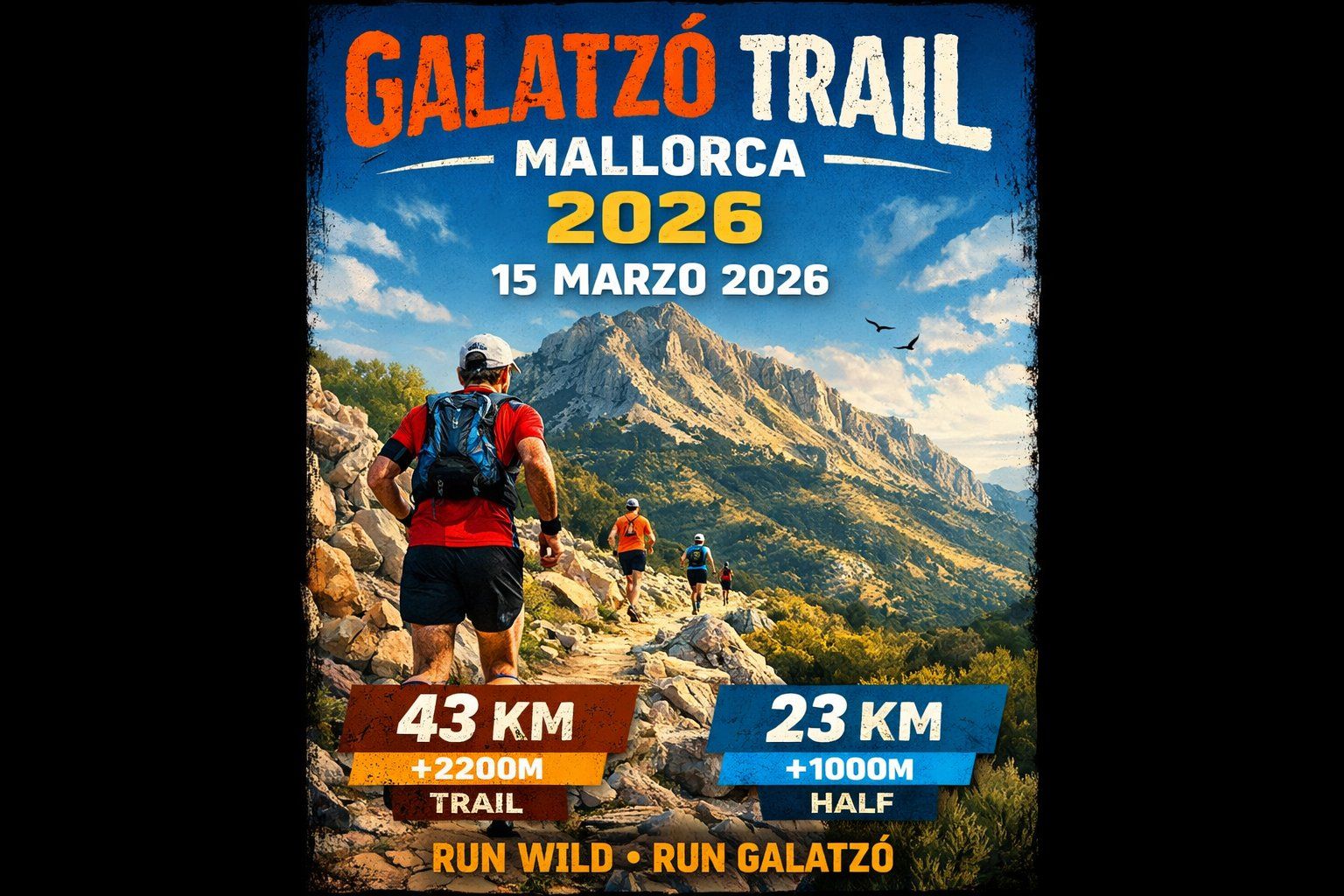
    Galatzó Trail Mallorca 2026 is confirmed for Sunday, March 8, 2026 in Es Capdellà (Calvià), Mallorca, with start and finish at Plaça de Sa Vinya and race routes running through the Finca Pública Galatzó in the Serra de Tramuntana. With three distances (43K, 23K, and 12K) and a setting inside a UNESCO-recognized mountain landscape, it’s one of the most memorable ways to experience Mallorca as a true trail-running island.

    Galatzó Trail is positioned as one of the most important mountain races in the Balearic Islands, and it highlights Mallorca’s wild side beyond beaches and marinas. The official race site frames the event as a mountain race in Calvià, Serra de Tramuntana, emphasizing the location and the natural environment. This matters for travel planning because you’re not just visiting Mallorca, you’re running its rugged interior and coastal-range terrain, surrounded by pine forests, rocky paths, and sweeping views typical of the Tramuntana landscape.

    For an islands audience, Galatzó Trail is a perfect “active escape” event. You can spend one day racing in the mountains, then return to the coast for recovery meals and Mediterranean downtime.

    Event Logistics: Dates, Location, and Official Information

    Verified Date, Town, and Start/Finish Location

    Elitechip’s official competition listing confirms:

    • Date: March 8, 2026.
    • Start/Finish Location: Plaça Sa Vinya (Es Capdellà).
    • Official website: galatzotrail.com.

    Calvià Esports also confirms that the race takes place on March 8, 2026 at the Galatzó Public Finca (Es Capdellà, Calvià, Mallorca). These details are essential for booking accommodations, because you’ll want to stay either near Es Capdellà or in nearby Calvià-area towns so race morning is simple.


    Race Distances and Course Highlights

    Distances: 43K, 23K, and 12K (Verified)

    Galatzó Trail 2026 offers three distances designed for different runner profiles, from serious mountain marathoners to first-time trail racers:

    • Galatzó Legend (43 km).
    • Galatzó Half (23 km).
    • Galatzó Explorer (about 12K, listed as 12.4 km on Elitechip).

    Calvià Esports describes the Legend as a demanding mountain marathon and notes major elevation figures, while also positioning the Half as a middle-distance option and the Explorer as an accessible entry to trail racing. If you’re traveling with friends or family, this multi-distance format is a huge advantage because everyone can participate at their own level and still share the same finish-line atmosphere.


    Scheduling Your Race Day

    Start Times and Cutoff (Verified)

    Elitechip provides verified start times for two distances:

    • Galatzó Half (23 km): 10:00 AM at Plaça de Sa Vinya (Es Capdellà).
    • Galatzó Explorer (12.4 km): 10:30 AM at Plaça de Sa Vinya (Es Capdellà).

    The official Galatzó Trail website confirms the 43K start time: the Galatzó Legend begins at 8:30 AM from Plaça de Sa Vinya in Es Capdellà. Elitechip also confirms the official race cut-off is 6:00 PM, and notes that anyone not finishing by then will be disqualified.

    This timing structure makes the day feel like a real island sports festival. The 43K starts earlier, then the shorter distances begin later, keeping the village atmosphere active through the morning.


    Registration Details

    Entry Fees for Galatzó Trail 2026 (Verified Price Tiers)

    Elitechip confirms that registration fees are structured by price tiers and move up when a tier fills. Verified price tiers are shown in a table format, with the three columns corresponding to the three distances:

    • Price Tier 1: €45 (Legend) / €35 (Half) / €27 (Explorer).
    • Price Tier 2: €55 (Legend) / €45 (Half) / €35 (Explorer).
    • Price Tier 3: €60 (Legend) / €50 (Half) / €40 (Explorer).
    • Price Tier 4: €65 (Legend) / €55 (Half) / €45 (Explorer).

    Elitechip also lists participant caps:

    • Legend: 350
    • Half: 450
    • Explorer: 200

    Those caps and tier jumps are a strong signal to book early if you’re traveling to Mallorca specifically for this race.

    Bib Pickup and What’s Included (Verified)

    Elitechip confirms bib pickup happens on Saturday, March 7. The official Galatzó Trail site also notes bib pickup takes place on Saturday and that the race kit includes items like a bag and chip bib number, plus an item described as a neck tubular.

    These basics are helpful for travel runners because you can arrive Friday or Saturday, pick up your kit without stress, and still have time for a light shakeout walk or early dinner.

    Refunds, Deferrals, and Bib Transfers (Verified Policies)

    Elitechip includes clear policies for registration changes, which matter for international travelers:

    • Refunds: 75% before Dec 31, 2025; 50% Jan 1–31, 2026; 25% Feb 1–28, 2026; no refund from March 1, 2026 onward.
    • Deferrals allowed until February 23, 2026, with documentation required for serious reasons.
    • Bib transfer to another person allowed until January 31, 2026 (via email instructions).

    If you’re booking flights and hotels, these dates help you decide whether to lock plans early or wait.


    Experience the Essence of Mallorca

    Why This Trail Race Feels Like Mallorca

    Galatzó Trail’s identity is tied to its landscape. Calvià Esports highlights that the routes run through the Serra de Tramuntana and crown emblematic Mallorca peaks such as Puig de Galatzó and s’Esclop, and it emphasizes the spectacular setting of the public estate of Galatzó. The official site also positions the event in the Serra de Tramuntana as a UNESCO-recognized area, reinforcing the idea that you’re racing in a protected, iconic mountain landscape rather than an ordinary park trail.

    For visitors, this is an ideal excuse to see Mallorca’s quieter, more traditional side. Es Capdellà has a small-town feel compared to Palma, and Calvià’s mountain edges offer a different view of the island than the resort coastlines.


    Runner's Guide: Travel Tips for Mallorca

    Travel Tips for Runners Visiting Mallorca

    To enjoy Galatzó Trail Mallorca 2026 like a local, plan around the village setting and the early start:

    • Stay close to Es Capdellà or within easy access to Calvià so race morning is smooth.
    • Treat Saturday as your logistics day: bib pickup, a short walk, and an early night.
    • Pack for variable mountain conditions even in March, with layers and trail shoes suitable for rocky terrain.

    After the race, reward yourself with Palma’s food scene or a coastal recovery day. Mallorca is compact enough that you can combine mountain running and beach relaxation without a long transfer.


    Run Galatzó Trail Mallorca 2026!

    Galatzó Trail Mallorca 2026 is confirmed for March 8, 2026 in Es Capdellà (Calvià) with start and finish at Plaça de Sa Vinya, offering 43K, 23K, and 12.4K distances through the Finca Pública Galatzó landscape of the Serra de Tramuntana. With tiered entry pricing, clear start times, and a firm 6:00 PM cutoff, it’s a well-structured island race that rewards early planning and strong pacing. If Mallorca is on your travel list and you want to feel the island under your feet rather than just see it from a beach chair, make Galatzó Trail your March adventure and come experience the Tramuntana the way trail runners remember forever.


    Verified Information at a Glance

    Event Name: Galatzó Trail Mallorca 2026

    Event Category: Trail running / mountain race (43K, 23K, ~12K)

    Island/Location: Mallorca, Balearic Islands, Spain (Es Capdellà, Calvià)

    Confirmed Date: Sunday, March 8, 2026

    Confirmed Start/Finish location: Plaça de Sa Vinya (Es Capdellà)

    Confirmed venue area: Finca Pública Galatzó (Galatzó Public Finca)

    Distances (verified): Legend 43 km; Half 23 km; Explorer 12.4 km (Elitechip)

    Start times (verified): Legend 8:30 AM (official site); Half 10:00 AM; Explorer 10:30 AM

    Bib pickup (verified): Saturday, March 7

    Pricing (verified, tiered): Legend €45–€65; Half €35–€55; Explorer €27–€45 depending on tier

    Participant caps (verified): Legend 350; Half 450; Explorer 200

    Official cutoff (verified): 6:00 PM

    Mallorca, Balearic Islands, Spain (Es Capdellà, Calvià), Mallorca
    Mar 8, 2026 - Mar 8, 2026
    Half Marathon Ciudad de Palma Mallorca (and 10K) 2026
    Sport/Running
    TBA

    Half Marathon Ciudad de Palma Mallorca (and 10K) 2026

    Half Marathon Ciudad de Palma Mallorca (Mitja Marató Ciutat de Palma) and the 10K Port de Palma are confirmed for Sunday, March 22, 2026 in Palma de Mallorca, Spain, with both races starting and finishing at Parc de la Mar in front of Palma Cathedral (La Seu). With a flat, fast coastal route through Palma’s waterfront and historic center, it’s one of the best spring race-cations in Europe for runners who want sea views, city culture, and an island weekend all in one.

    Mallorca's City Race Weekend: Half Marathon Ciudad de Palma 2026

    This event is officially titled XXXIII Mallorca 1/2 Maraton Ciudad de Palma and XIV Mallorca 10 Kms Port de Palma, showing it’s a long-running annual tradition with serious local support. Elitechip’s event page confirms it’s organized under the Federació d’Atletisme de les Illes Balears listing and framed as a major Palma road running event. For travelers, the appeal is immediate: you’re racing in the heart of Palma, steps from the cathedral and sea, on a course designed for speed and sightseeing at the same time.

    Mallorca in late March is also a sweet spot. It’s typically calmer than summer, yet lively enough to enjoy terraces, waterfront walks, and day trips around the island after your race.

    Key Dates and Start Times

    Elitechip confirms both races take place on 22-03-2026, with the 10K starting at 09:00 and the half marathon starting at 10:00. The official distances are also confirmed:

    • Half Marathon: 21.097,50 meters (21.097 km).
    • 10K: 10,000 meters.

    These start times make it easy to plan a relaxed race morning, especially if you’re staying in central Palma and can walk to the start area.

    Race Location: Start and Finish at Parc de la Mar

    Palma Cathedral Views Guaranteed

    Elitechip confirms the start and finish location as Parc de la Mar de Palma, directly in front of the Cathedral. The downloadable race document repeats the same: start and finish are “in the center of Parc de la Mar, in front of the Cathedral of Palma.” This is a huge travel advantage because the event is set in one of Palma’s most iconic photo locations, meaning:

    • Your race photos naturally include Mallorca’s most recognizable landmark.
    • Friends and family can spectate easily in a central, scenic area.
    • Post-race exploring starts immediately, because you’re already in the historic core.

    Course Highlights: Flat, Fast, and Scenic

    Sea Views and Palma's Vibrant City Center

    The official race info describes the circuit as Paseo Marítimo, Paseo Sagrera, Autovía de Levante and the center of Palma, and it emphasizes the course is totally flat, on asphalt, and closed to traffic. That combination is ideal if you want:

    • A personal best attempt.
    • A comfortable first half marathon.
    • A scenic “run and enjoy” pace with coastline views.

    Because the course passes through Palma’s waterfront areas, you get that Mediterranean “sea breeze” feeling for large parts of the run, which is exactly what makes Mallorca races so memorable.

    Runner Services and Amenities

    Refreshments, Finisher Items, and More

    The official race document states refreshment stations are provided about every 5 km with water, and at the finish area runners receive fruit, water, and refreshment drinks. It also confirms:

    • A gift bag for all registered athletes.
    • Wardrobe service and a medal for all finishers.

    These practical details matter for travel runners because they reduce what you need to carry and help you plan your post-race transition to brunch or sightseeing.

    Registration Information

    Deadlines and Bib Pickup

    Elitechip confirms that online inscriptions run until 18/03/2026, and it also shows an “inscription closure” date in the downloadable document as 18/03/2026. The same sources note that late registrations may be accepted only if the organization has availability and only during bib pickup.

    Bib Pickup Location and Hours

    El Corte Inglés Department Store

    Both Elitechip and the downloadable race document confirm bib pickup (start number outgiving) takes place at El Corte Inglés department store in Palma (Av. Alexandre Rosselló / Alejandro Rosselló, 12–16, 7th floor near the cafeteria). Verified pickup hours include:

    • Thursday 19.03.2026: 16:00–21:00.
    • Friday 20.03.2026: 10:00–21:00.
    • The PDF also lists Saturday pickup at 10:00–21:00 (note: the PDF text shows “Saturday: 21.03.2025,” which appears to be a typo in the document, but Saturday pickup is clearly intended as part of the pickup schedule surrounding March 22, 2026).

    If you’re flying in from abroad, this pickup schedule is a gift. You can arrive Thursday or Friday, pick up your bib without rushing, and enjoy Palma calmly before race day.

    Tickets and Pricing

    Entry Fees for 2026 (Tiered Pricing)

    The downloadable official document lists tiered entry fees (for athletes with a yellow chip from the ChampionChip system), with prices increasing as the event approaches. Verified fee ranges include:

    • Half Marathon: €20 to €35, depending on the registration period, plus out-of-term pricing listed at €35.
    • 10K: €14 to €27, depending on the registration period, plus out-of-term pricing listed at €27.

    The same document confirms that athletes who do not have the yellow ChampionChip chip must pay a €2 supplement. This is an important detail for international runners who may not already have the local chip system.

    Make it a Mallorca Race-cation

    What to Do Before and After the Race

    Because the start and finish are at Parc de la Mar near the cathedral, it’s easy to build a Palma-focused weekend:

    • Pre-race day: explore the old town lanes and waterfront promenades.
    • Race morning: start at Parc de la Mar, finish with cathedral views.
    • Post-race: enjoy a long lunch, then a relaxed walk through central Palma.

    If you add one extra day, it’s also worth exploring beyond Palma. Mallorca’s coastal scenery, viewpoints, and villages are a big part of what makes racing here feel like a true island trip rather than only a sports event.

    Run Palma in March 2026

    Half Marathon Ciudad de Palma Mallorca and the 10K Port de Palma are confirmed for Sunday, March 22, 2026, with the 10K at 09:00 and the half marathon at 10:00, starting and finishing at Parc de la Mar in front of Palma Cathedral. With a flat, traffic-closed course along Palma’s waterfront and city center, plus clear bib pickup logistics and tiered entry fees, it’s an event that rewards early planning and delivers big island atmosphere on race day. If you’ve been looking for a spring running trip where the finish line feels like a postcard, Palma is ready to welcome you to the start line.

    Verified Information at a Glance

    • Event Name: XXXIII Mallorca 1/2 Maraton Ciudad de Palma & XIV Mallorca 10 Kms Port de Palma
    • Event Category: Road running race (Half Marathon and 10K)
    • Island/City: Mallorca, Palma de Mallorca, Spain
    • Confirmed Date: Sunday, 22/03/2026
    • Confirmed start time (10K): 09:00
    • Confirmed start time (Half Marathon): 10:00
    • Confirmed start and finish: Parc de la Mar, Palma, in front of the Cathedral of Palma
    • Confirmed distances: Half Marathon 21.097,50 m; 10K 10,000 m
    • Course description (verified): Paseo Marítimo, Paseo Sagrera, Autovía de Levante, and center of Palma; flat asphalt; closed to traffic
    • Refreshments (verified): Water about every 5 km; finish area includes fruit, water, and refreshment drinks
    • Finisher items (verified): Gift bag to all registered athletes; wardrobe service; medal to all finishers
    • Registration deadline (verified): Online until 18/03/2026
    • Bib pickup (verified): El Corte Inglés, Av. Alejandro/Alexandre Rosselló 12–16, 7th floor, Palma; Thu 19/03/2026 16:00–21:00; Fri 20/03/2026 10:00–21:00; Saturday pickup also listed in official document
    • Entry fees (verified, tiered): Half Marathon €20–€35; 10K €14–€27; €2 supplement if no yellow ChampionChip chip
    Palma de Mallorca, Mallorca
    Mar 22, 2026 - Mar 22, 2026
    Semana Santa (Holy Week – Palma) 2026
    Religious
    Free

    Semana Santa (Holy Week – Palma) 2026

    Sant Joan Festival Mallorca 2026: The Ultimate Guide to the Night of Fire

    Imagine standing beneath the towering Gothic silhouette of La Seu Cathedral, the Mediterranean breeze mixing with the scent of gunpowder and sea salt. It is June 23, 2026, and the island of Mallorca is about to erupt into its most electrifying celebration of the year. This is not just a festival; it is the Nit de Foc (Night of Fire), a primal, chaotic, and spectacularly beautiful welcome to the summer solstice. For anyone seeking an authentic island experience that blends ancient pagan rituals with Christian tradition, the Sant Joan Festival is the pinnacle of Mallorcan culture.

    As the sun sets on the longest day of the year, the streets of Palma and beaches across the island transform into stages for demons, drummers, and thousands of revelers. Whether you are a seasoned traveler to the Balearics or planning your first island getaway, experiencing Sant Joan in Mallorca is a bucket-list event that defies comparison. This guide will walk you through everything you need to know to navigate the fire runs, beach rituals, and culinary delights of Sant Joan 2026.

    The Magic and History Behind Sant Joan

    To truly appreciate the fervor of Sant Joan, one must understand its roots. While officially a celebration of Saint John the Baptist's birth on June 24, the festivities are deeply intertwined with pagan summer solstice traditions. For centuries, island cultures have viewed the solstice as a magical threshold where the boundaries between the natural and supernatural worlds thin. Fire and water serve as the two purification elements central to the festival. Fire is believed to burn away the old and ward off evil spirits, while water washes away sins and brings renewal for the year ahead.​

    In Mallorca, these ancient beliefs have evolved into a massive, island-wide party. The "Revetlla de Sant Joan" (St. John’s Eve) is the main event, taking place on the night of June 23. It is a night where the normally laid-back island vibe is replaced by high-octane energy. From the smallest coastal villages to the bustling capital of Palma, bonfires illuminate the coastline, creating a ring of light around the island. It is a powerful reminder of Mallorca's identity, distinct from the mainland, where the sea and the stars play a crucial role in daily life and celebration.

    The Nit de Foc: Palma’s Fiery Spectacle

    The heartbeat of the festival is undoubtedly in Palma, specifically at the Parc de la Mar, the saltwater lake park that sits in the shadow of the cathedral and the Almudaina Palace. This is where the famous Nit de Foc reaches its crescendo.

    The Dance of the Demons (Correfoc)

    If you have never witnessed a correfoc (fire run), prepare for a sensory overload. As darkness falls around 10:00 PM or 11:00 PM, the beating of batucada drums signals the arrival of the colles de dimonis (demon gangs). These are local groups dressed in terrifying, elaborate devil costumes, wielding tridents that spin and spray showers of sparks into the crowd. The dimonis are not figures of fear but of celebration, dancing through the smoke and inviting the crowd to join them.

    For the 2026 celebrations, you can expect the major correfoc to feature two monstrous fire-breathing dragons: the Drac de Na Coca and the Sant Jordi dragon. These mechanical beasts parade through the streets, spitting fire as the drummers maintain a hypnotic, thunderous rhythm. It is an immersive experience where the barrier between spectator and performer dissolves. You are not just watching the fire; you are in it, dancing under a canopy of sparks with thousands of locals.

    A Cathedral Backdrop

    The setting for this chaos could not be more dramatic. The Parc de la Mar offers a stunning contrast between the ancient stone of the cathedral and the ephemeral bursts of fireworks and pyrotechnics. Before the fire run begins, there is often a more traditional opening with folk music and dancing, grounding the event in Mallorcan heritage before the wilder elements take over. Photographers will find this golden hour transition—from the warm sunset hitting the cathedral walls to the first sparks of the correfoc—to be one of the most photogenic moments on the island.

    Midnight Rituals and Beach Traditions

    While the city center burns with the energy of the correfoc, the beaches of Mallorca offer a different, mystical kind of magic. As midnight approaches on June 23, the focus shifts from fire to water.

    The Cleansing Bath

    Tradition holds that at the stroke of midnight, the ocean water acquires special healing properties. It is customary to walk backwards into the sea and submerge yourself to wash away negative energy from the past year. On popular beaches like Can Pere Antoni in Palma, or quieter coves in Calvià and Alcúdia, you will see thousands of people rushing into the waves fully clothed or in swimwear. It is a communal moment of joy and renewal, often accompanied by impromptu acoustic music and laughter.

    Wishes and Candles

    Another poignant ritual involves the "candles of wishes." Locals bring candles to the beach, light them, and sit in circles with friends and family. Many people write their wishes for the coming year on pieces of paper and throw them into the beach bonfires, or burn them with the candle flame before burying the ashes in the sand. If you are visiting in 2026, bring a small notebook and a candle to join in. It is a deeply personal moment shared in a massive public space, creating a sense of connection with the island community.

    A Taste of the Festival: Coca de Sant Joan

    No Mallorcan festival is complete without its signature food, and for this holiday, the star is the Coca de Sant Joan. This is a flatbread pastry that you will see in every forn (bakery) window in the days leading up to the festival.

    The coca resembles a brioche but is flatter and often oval-shaped, symbolizing the sun. The traditional version is sweet, topped with pastry cream, pine nuts, and brightly colored candied fruits (cherries, oranges, and melon) that look like edible jewels. However, savory versions are also popular, featuring toppings like roasted peppers, tomatoes, or even sobrassada (Mallorca's famous cured sausage).

    For a truly local experience, visit a bakery like Forn de la Pau or Forn Fondo in Palma on the morning of June 23 to pick up a fresh coca. Pack it for your evening picnic on the beach—it is the perfect fuel for a long night of dancing and swimming.

    Travel and Practical Tips for 2026

    Planning a trip to Mallorca for Sant Joan requires some strategy, especially as the island continues to grow in popularity as a summer destination.

    Safety and Attire for the Correfoc

    If you plan to be in the front rows for the correfoc in Palma, safety is key. The sparks from the demons' tridents are real fire.

    • Wear Cotton: Synthetic fabrics can melt if hit by a spark. Wear old, long-sleeved cotton shirts and long pants, even if it is warm.
    • Headgear: A hat or a bandana to cover your hair is highly recommended.
    • Eye and Ear Protection: Glasses (sunglasses or clear protective eyewear) prevent ash from getting in your eyes, and earplugs are a smart addition if you are sensitive to the loud bangs of the pyrotechnics and drums.

    Accommodation and Transport

    Since June 23, 2026 falls on a Tuesday, many travelers may extend their stay through the weekend. Accommodation prices in Palma spike during this week, so booking 4-6 months in advance is crucial. If you prefer a quieter experience, consider staying in inland towns like Algaida or Sineu, or coastal areas like Port de Pollença, which have their own smaller, more intimate celebrations.

    Public transport usually runs extended hours on the night of Sant Joan, with "Nit Bus" services connecting Palma to nearby beach resorts. However, taxis can be scarce after midnight, so having a pre-booked transfer or staying within walking distance of the celebrations is a wise move.

    Beyond Palma

    While Palma hosts the largest event, do not overlook other island towns. Deià and Valldemossa offer incredibly atmospheric, smaller celebrations set against the backdrop of the Tramuntana mountains. These can be perfect for couples or families wanting the cultural experience without the intense crowds of the capital.

    Verified Information at a Glance

    Event Detail:

    Event Name: Sant Joan Festival (Nit de Foc / Revetlla de Sant Joan)

    Event Category: Cultural Festival / Summer Solstice Celebration

    Dates: June 23, 2026 (Tuesday) – Night of Fire & Eve Celebrations

    June 24, 2026 (Wednesday) – Feast Day & Public Holiday

    Primary Location: Palma de Mallorca (Parc de la Mar, Cathedral area)

    Secondary events: Island-wide beaches, Calvià, Deià, Alcúdia

    Key Activities: Correfoc (Fire Run), Batucada Drumming, Bonfires, Midnight Sea Bathing

    Pricing: Free for all public street events and beach access. VIP tables at beach clubs or private terraces will have costs.

    Avg. June Temp: Highs of 27°C (80°F) / Lows of 18°C (64°F)

    Official Status: Public Holiday in Catalonia and the Balearic Islands

    The Sant Joan Festival is more than a party; it is a baptism by fire and water that ties you to the soul of Mallorca. The energy of the drums, the heat of the bonfires, and the cool embrace of the midnight sea create a sensory memory that lasts a lifetime. Whether you are dancing with demons in the shadow of the cathedral or whispering a wish into the Mediterranean breeze, you are participating in a living history that welcomes the summer with open arms. So pack your cottons, book your flight, and prepare to be swept away by the magic of the Nit de Foc in 2026. The island is waiting to celebrate with you.

    Church of the Annunciation, “La Sang” , Mallorca
    Mar 29, 2026 - Apr 5, 2026
    Sant Joan Festival 2026
    Cultural Festival
    Free

    Sant Joan Festival 2026

    Sant Joan Festival Mallorca 2026: The Ultimate Guide to the Night of Fire

    Imagine standing beneath the towering Gothic silhouette of La Seu Cathedral, the Mediterranean breeze mixing with the scent of gunpowder and sea salt. It is June 23, 2026, and the island of Mallorca is about to erupt into its most electrifying celebration of the year. This is not just a festival; it is the Nit de Foc (Night of Fire), a primal, chaotic, and spectacularly beautiful welcome to the summer solstice. For anyone seeking an authentic island experience that blends ancient pagan rituals with Christian tradition, the Sant Joan Festival is the pinnacle of Mallorcan culture.

    As the sun sets on the longest day of the year, the streets of Palma and beaches across the island transform into stages for demons, drummers, and thousands of revelers. Whether you are a seasoned traveler to the Balearics or planning your first island getaway, experiencing Sant Joan in Mallorca is a bucket-list event that defies comparison. This guide will walk you through everything you need to know to navigate the fire runs, beach rituals, and culinary delights of Sant Joan 2026.

    The Magic and History Behind Sant Joan

    To truly appreciate the fervor of Sant Joan, one must understand its roots. While officially a celebration of Saint John the Baptist's birth on June 24, the festivities are deeply intertwined with pagan summer solstice traditions. For centuries, island cultures have viewed the solstice as a magical threshold where the boundaries between the natural and supernatural worlds thin. Fire and water serve as the two purification elements central to the festival. Fire is believed to burn away the old and ward off evil spirits, while water washes away sins and brings renewal for the year ahead.​

    In Mallorca, these ancient beliefs have evolved into a massive, island-wide party. The "Revetlla de Sant Joan" (St. John’s Eve) is the main event, taking place on the night of June 23. It is a night where the normally laid-back island vibe is replaced by high-octane energy. From the smallest coastal villages to the bustling capital of Palma, bonfires illuminate the coastline, creating a ring of light around the island. It is a powerful reminder of Mallorca's identity, distinct from the mainland, where the sea and the stars play a crucial role in daily life and celebration.

    The Nit de Foc: Palma’s Fiery Spectacle

    The heartbeat of the festival is undoubtedly in Palma, specifically at the Parc de la Mar, the saltwater lake park that sits in the shadow of the cathedral and the Almudaina Palace. This is where the famous Nit de Foc reaches its crescendo.

    The Dance of the Demons (Correfoc)

    If you have never witnessed a correfoc (fire run), prepare for a sensory overload. As darkness falls around 10:00 PM or 11:00 PM, the beating of batucada drums signals the arrival of the colles de dimonis (demon gangs). These are local groups dressed in terrifying, elaborate devil costumes, wielding tridents that spin and spray showers of sparks into the crowd. The dimonis are not figures of fear but of celebration, dancing through the smoke and inviting the crowd to join them.

    For the 2026 celebrations, you can expect the major correfoc to feature two monstrous fire-breathing dragons: the Drac de Na Coca and the Sant Jordi dragon. These mechanical beasts parade through the streets, spitting fire as the drummers maintain a hypnotic, thunderous rhythm. It is an immersive experience where the barrier between spectator and performer dissolves. You are not just watching the fire; you are in it, dancing under a canopy of sparks with thousands of locals.

    A Cathedral Backdrop

    The setting for this chaos could not be more dramatic. The Parc de la Mar offers a stunning contrast between the ancient stone of the cathedral and the ephemeral bursts of fireworks and pyrotechnics. Before the fire run begins, there is often a more traditional opening with folk music and dancing, grounding the event in Mallorcan heritage before the wilder elements take over. Photographers will find this golden hour transition—from the warm sunset hitting the cathedral walls to the first sparks of the correfoc—to be one of the most photogenic moments on the island.

    Midnight Rituals and Beach Traditions

    While the city center burns with the energy of the correfoc, the beaches of Mallorca offer a different, mystical kind of magic. As midnight approaches on June 23, the focus shifts from fire to water.

    The Cleansing Bath

    Tradition holds that at the stroke of midnight, the ocean water acquires special healing properties. It is customary to walk backwards into the sea and submerge yourself to wash away negative energy from the past year. On popular beaches like Can Pere Antoni in Palma, or quieter coves in Calvià and Alcúdia, you will see thousands of people rushing into the waves fully clothed or in swimwear. It is a communal moment of joy and renewal, often accompanied by impromptu acoustic music and laughter.

    Wishes and Candles

    Another poignant ritual involves the "candles of wishes." Locals bring candles to the beach, light them, and sit in circles with friends and family. Many people write their wishes for the coming year on pieces of paper and throw them into the beach bonfires, or burn them with the candle flame before burying the ashes in the sand. If you are visiting in 2026, bring a small notebook and a candle to join in. It is a deeply personal moment shared in a massive public space, creating a sense of connection with the island community.

    A Taste of the Festival: Coca de Sant Joan

    No Mallorcan festival is complete without its signature food, and for this holiday, the star is the Coca de Sant Joan. This is a flatbread pastry that you will see in every forn (bakery) window in the days leading up to the festival.

    The coca resembles a brioche but is flatter and often oval-shaped, symbolizing the sun. The traditional version is sweet, topped with pastry cream, pine nuts, and brightly colored candied fruits (cherries, oranges, and melon) that look like edible jewels. However, savory versions are also popular, featuring toppings like roasted peppers, tomatoes, or even sobrassada (Mallorca's famous cured sausage).

    For a truly local experience, visit a bakery like Forn de la Pau or Forn Fondo in Palma on the morning of June 23 to pick up a fresh coca. Pack it for your evening picnic on the beach—it is the perfect fuel for a long night of dancing and swimming.

    Travel and Practical Tips for 2026

    Planning a trip to Mallorca for Sant Joan requires some strategy, especially as the island continues to grow in popularity as a summer destination.

    Safety and Attire for the Correfoc

    If you plan to be in the front rows for the correfoc in Palma, safety is key. The sparks from the demons' tridents are real fire.

    • Wear Cotton: Synthetic fabrics can melt if hit by a spark. Wear old, long-sleeved cotton shirts and long pants, even if it is warm.
    • Headgear: A hat or a bandana to cover your hair is highly recommended.
    • Eye and Ear Protection: Glasses (sunglasses or clear protective eyewear) prevent ash from getting in your eyes, and earplugs are a smart addition if you are sensitive to the loud bangs of the pyrotechnics and drums.

    Accommodation and Transport

    Since June 23, 2026 falls on a Tuesday, many travelers may extend their stay through the weekend. Accommodation prices in Palma spike during this week, so booking 4-6 months in advance is crucial. If you prefer a quieter experience, consider staying in inland towns like Algaida or Sineu, or coastal areas like Port de Pollença, which have their own smaller, more intimate celebrations.

    Public transport usually runs extended hours on the night of Sant Joan, with "Nit Bus" services connecting Palma to nearby beach resorts. However, taxis can be scarce after midnight, so having a pre-booked transfer or staying within walking distance of the celebrations is a wise move.

    Beyond Palma

    While Palma hosts the largest event, do not overlook other island towns. Deià and Valldemossa offer incredibly atmospheric, smaller celebrations set against the backdrop of the Tramuntana mountains. These can be perfect for couples or families wanting the cultural experience without the intense crowds of the capital.

    Verified Information at a Glance

    Event Detail:

    Event Name: Sant Joan Festival (Nit de Foc / Revetlla de Sant Joan)

    Event Category: Cultural Festival / Summer Solstice Celebration

    Dates: June 23, 2026 (Tuesday) – Night of Fire & Eve Celebrations

    June 24, 2026 (Wednesday) – Feast Day & Public Holiday

    Primary Location: Palma de Mallorca (Parc de la Mar, Cathedral area)

    Secondary events: Island-wide beaches, Calvià, Deià, Alcúdia

    Key Activities: Correfoc (Fire Run), Batucada Drumming, Bonfires, Midnight Sea Bathing

    Pricing: Free for all public street events and beach access. VIP tables at beach clubs or private terraces will have costs.

    Avg. June Temp: Highs of 27°C (80°F) / Lows of 18°C (64°F)

    Official Status: Public Holiday in Catalonia and the Balearic Islands

    The Sant Joan Festival is more than a party; it is a baptism by fire and water that ties you to the soul of Mallorca. The energy of the drums, the heat of the bonfires, and the cool embrace of the midnight sea create a sensory memory that lasts a lifetime. Whether you are dancing with demons in the shadow of the cathedral or whispering a wish into the Mediterranean breeze, you are participating in a living history that welcomes the summer with open arms. So pack your cottons, book your flight, and prepare to be swept away by the magic of the Nit de Foc in 2026. The island is waiting to celebrate with you.

    Palma de Mallorca (Parc de la Mar, Cathedral area), Mallorca
    Jun 23, 2026 - Jun 24, 2026

    Past Events

    Sant Sebastià Feast Day 2026
    Religious/Holiday
    Free

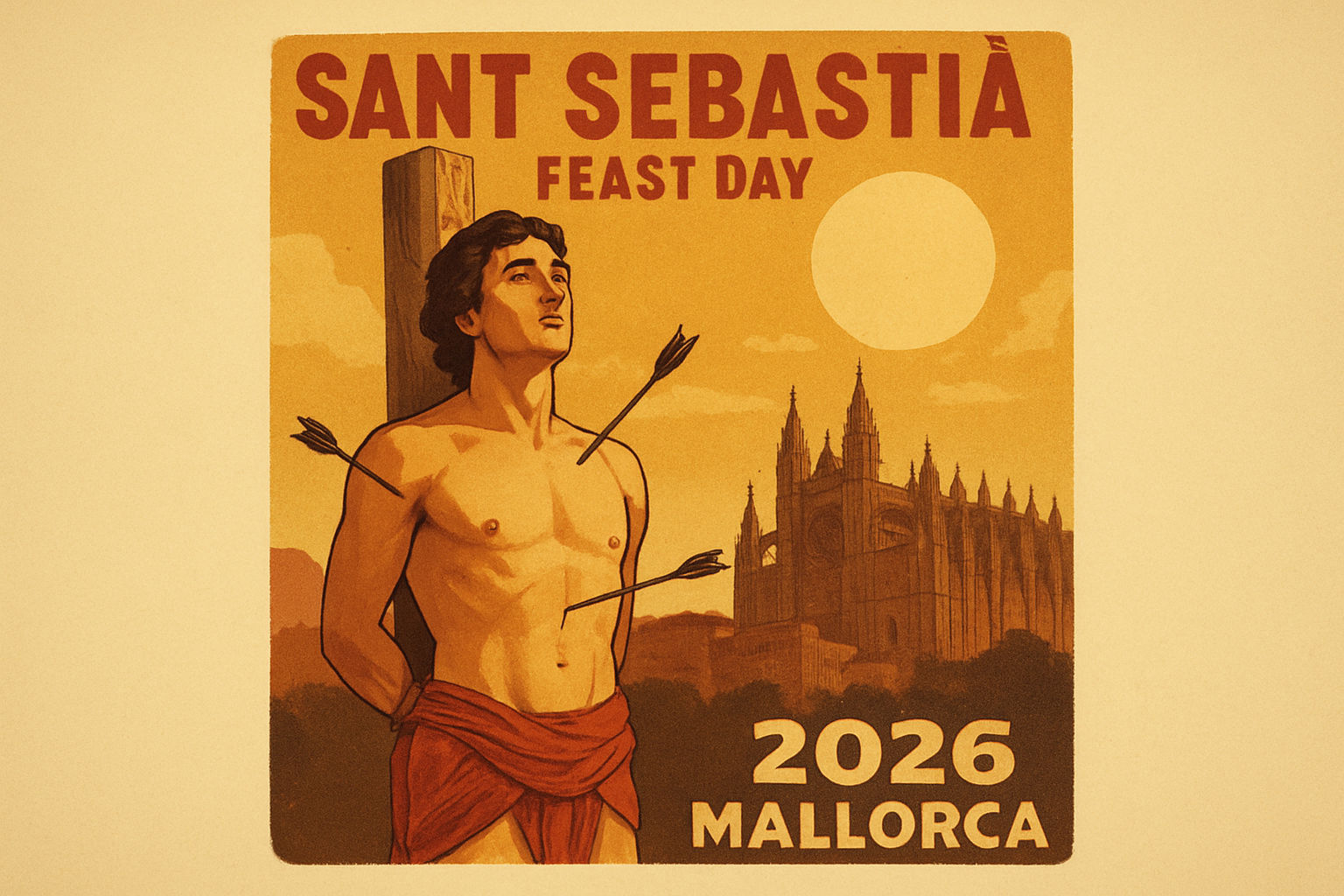
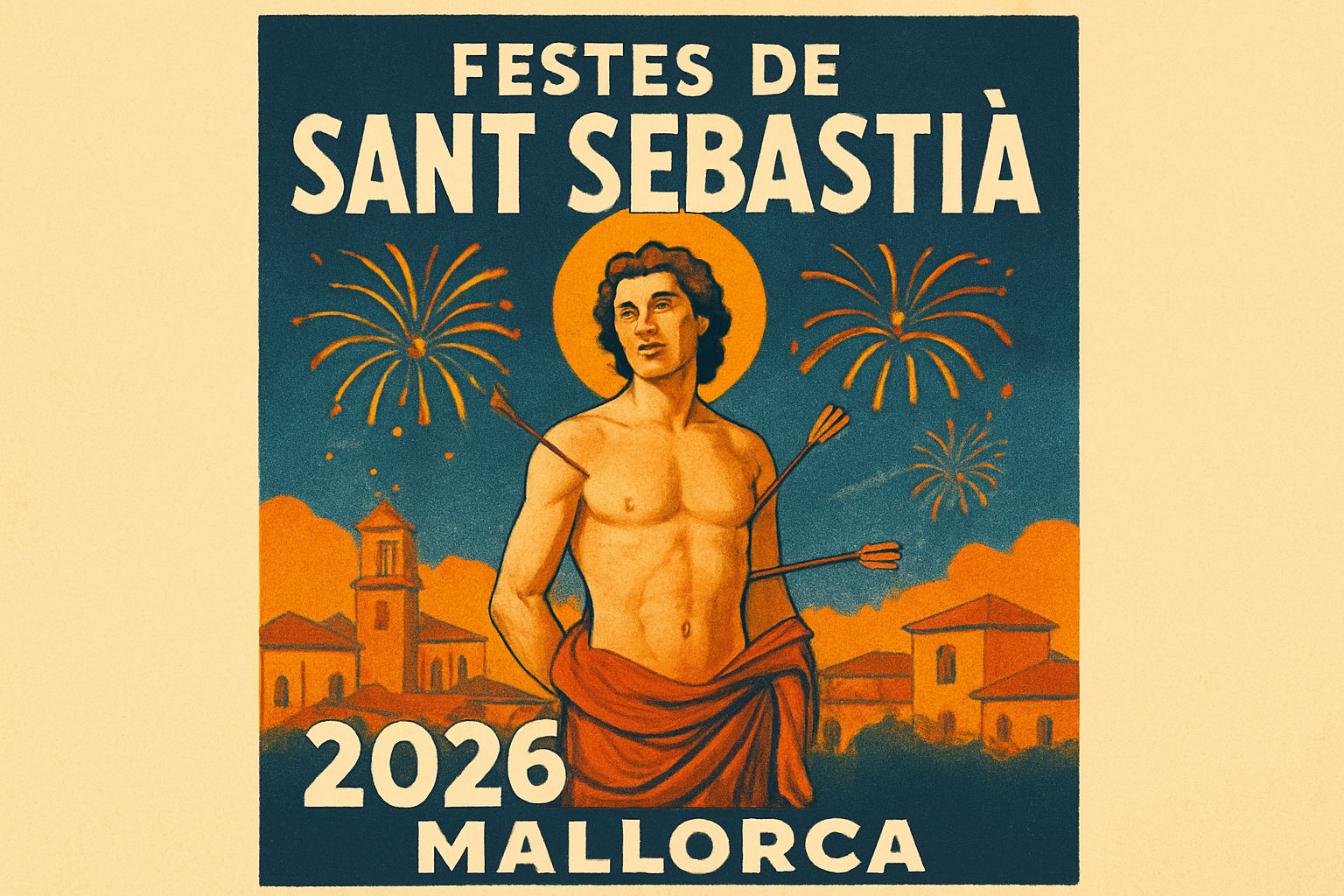
    Sant Sebastià Feast Day 2026

    Tuesday, January 20, 2026 marks Sant Sebastià Feast Day, the date underlined in red on every Palma resident's calendar and a public holiday celebrating the patron saint who has protected Mallorca's capital for nearly five centuries. While the previous evening's spectacular Revetla brings fire, music, and massive crowds, the feast day itself offers a more contemplative island experience combining religious observance, family traditions, and the quiet joy of a community holiday when Palma pauses its usual rhythms to honor its spiritual protector. For visitors seeking to understand authentic Balearic culture beyond beach resorts and tourist attractions, this sacred day reveals the deep faith traditions that continue shaping island identity in modern times.​

    The Legend of Sant Sebastià and Palma

    The connection between Sant Sebastià (Saint Sebastian) and Palma de Mallorca traces back to 1523 and 1524, when a devastating plague threatened to decimate the island capital's population. According to cherished local legend, a ship carrying a sacred relic purported to be a bone from Saint Sebastian's arm sought shelter in Palma's bay during a storm, remaining anchored while the tempest raged.​

    During the ship's forced stay, the plague that had been ravaging the city began to ease, and Palma's suffering population gradually recovered. Interpreting this miraculous timing as divine intervention, grateful citizens adopted Sant Sebastià as their patron and protector, establishing January 20 as the city's great midwinter fiesta to honor the saint who delivered them from catastrophe.​

    The sacred relic that arrived during that fateful storm is now venerated in Palma's magnificent Cathedral of Santa Maria, where it remains as a tangible connection between contemporary worshippers and the plague-stricken community that first called upon the saint's protection nearly 500 years ago. This historical continuity transforms the feast day from simple religious observance into a living tradition that connects modern Palmesanos with their ancestors through shared devotion and gratitude.​

    January 20, 2026: A Public Holiday in Palma

    Sant Sebastià Feast Day holds official recognition as a public holiday specifically within Palma municipality, meaning businesses, offices, and many shops close to allow residents the day for religious observance and family celebration. The Tuesday timing in 2026 creates a particularly fortunate situation, following Monday night's Revetla and allowing locals to recover from the late-night festivities while participating in feast day traditions without work obligations.​

    The public holiday status reflects Sant Sebastià's profound importance to Palma's civic and spiritual identity, positioning January 20 as more significant to the capital's residents than many national holidays. Visitors should note that while Palma businesses close, shops and services in other Mallorca towns remain open, as the feast day represents Palma's particular devotion rather than an island-wide observance.​

    Religious Ceremonies and Cathedral Mass

    The feast day traditionally begins with solemn religious services at Palma Cathedral, the iconic Gothic masterpiece overlooking the Mediterranean that serves as the spiritual heart of Mallorca. Locals gather for special masses that honor Sant Sebastià, seek his continued protection for the city, and express communal gratitude for his intercession during historical trials and contemporary challenges.​

    The cathedral's majestic architecture creates a powerful setting for these sacred observances, with morning light streaming through stained glass windows and illuminating the venerated relic that connects worshippers with the plague miracle of 1523 and 1524. The solemn atmosphere contrasts dramatically with the previous evening's raucous street celebration, revealing the dual nature of Spanish religious festivals that honor saints through both reverent worship and joyful communal celebration.​

    For visitors interested in experiencing authentic Balearic Catholic traditions, attending a feast day mass offers insight into the spiritual dimensions of island culture that tourists rarely encounter during beach-focused vacations. The service proceeds in Catalan and Spanish, creating an immersive cultural experience that transcends language barriers through shared ritual and sacred music.

    Family Gatherings and Traditional Meals

    Following morning religious services, January 20 unfolds as a day for extended family gatherings centered around leisurely meals that showcase traditional Mallorcan cuisine. Many families continue the previous evening's grilling traditions with daytime barbecues, while others prepare elaborate feasts featuring local specialties that honor island culinary heritage.​

    The holiday atmosphere encourages unhurried conversations, multigenerational storytelling, and the strengthening of family bonds through shared time unburdened by work schedules and daily obligations. Children often receive small gifts or special treats, maintaining the feast day's association with generosity and celebration while distinguishing it from the commercial gift-giving of Christmas and Three Kings Day.

    These intimate family celebrations reveal how Palmesanos integrate faith, tradition, and kinship into a cohesive cultural identity where religious feast days serve social and emotional functions beyond purely spiritual observance. The public holiday allows this integration by creating protected time when community values take precedence over economic productivity.

    Exploring a Quieter Palma

    The feast day's public holiday status transforms the normally bustling capital into a remarkably peaceful city where visitors can explore historic streets, waterfront promenades, and architectural treasures without the usual crowds and commercial activity. Many locals spend the day in parks, beaches, or countryside excursions, creating opportunities for travelers to experience Palma's beauty in unusually tranquil conditions.​

    Cathedral and Historic Center

    Palma Cathedral remains accessible for feast day services and typically allows visitors during non-worship hours, offering opportunities to admire this architectural masterpiece when tourist crowds are minimal. The surrounding old town, with its narrow medieval streets, noble mansions, and hidden plazas, reveals its character most authentically when freed from commercial bustle.​

    The Almudaina Palace, city walls, and other historic landmarks create a walkable circuit through centuries of Mallorcan history, from Roman foundations through Islamic rule to the Christian kingdom and contemporary democracy. The feast day's quiet atmosphere allows contemplative exploration that deepens appreciation for the island's layered heritage.

    Waterfront and Beach Escapes

    Palma's waterfront areas, including the Paseo Marítimo and nearby beaches like Cala Major or Ciudad Jardín, provide pleasant destinations for January strolls when Mediterranean weather typically remains mild and comfortable. The reduced crowds create ideal conditions for photography, seaside dining at restaurants that remain open for the holiday, or simply enjoying the coastal landscape that defines Balearic island living.​

    Many Palmesanos use the feast day for family beach picnics or countryside drives to mountain villages, maintaining the holiday's spirit of communal celebration while escaping urban density. Visitors can adopt similar approaches, using the day to explore beyond Palma to discover inland towns, agricultural landscapes, and natural sites that reveal Mallorca's diversity beyond the capital.

    The Broader Festival Context

    While January 20 represents the specific feast day, the celebration exists within the larger Festes de Sant Sebastià that typically extends across approximately two weeks in mid-January. The pattern generally includes opening weekend concerts (likely January 17 and 18 in 2026), the spectacular La Revetla on January 19, the feast day holiday on January 20, and a closing weekend featuring the dramatic correfoc fire run.​

    This extended timeline allows visitors to experience multiple dimensions of the celebration, from secular street party to sacred religious observance to spectacular pyrotechnic finale. Each element contributes to a comprehensive cultural portrait showing how Palma integrates tradition, faith, entertainment, and community identity into a cohesive whole.

    The Correfoc Finale

    The festival typically concludes with the breathtaking correfoc (fire run), likely scheduled for Sunday, January 25 or 26, 2026. This spectacular parade features over 30,000 spectators witnessing demons and dragons parading through streets while shooting sparks from handheld fireworks, creating a thrilling finale that brings closure to the two-week celebration.​

    The correfoc's placement after the feast day allows the festival to build from religious devotion on January 20 through increasingly intense celebration toward the dramatic pyrotechnic conclusion. This structure honors both the saint's spiritual significance and the community's need for joyful, cathartic expression.

    Sant Sebastià Celebrations Beyond Palma

    While Palma hosts the largest and most elaborate Sant Sebastià festivities, towns throughout Mallorca organize their own commemorations around January 19 and 20, often blending Sant Sebastià traditions with the equally beloved Sant Antoni celebrations that occur on January 16 and 17.​

    Inca features foguerons (bonfires), communal torrades (barbecues), xeremiers bagpipers, and local dimonis (demons) in the days surrounding the feast day, offering a more intimate scale than Palma's massive gatherings. Cities and villages across Mallorca's plains and eastern Llevant region light bonfires and organize neighborhood grills, sometimes including small correfocs or rosaries honoring the saint on January 19 and 20.​

    These smaller town celebrations reveal the feast day's grassroots character, showing how Sant Sebastià devotion extends beyond tourist-focused events to permeate authentic community life across the island. Visiting village celebrations on January 20 provides opportunities to observe how different Mallorcan communities interpret the same basic traditions through local character and scale.

    Planning Your Feast Day Experience

    International visitors planning to experience Sant Sebastià Feast Day should understand that January 20 functions as a quiet, reflective day following the intense celebration of La Revetla the previous evening. The feast day itself offers cultural immersion through religious observance and family-oriented activities rather than spectacular public events.​

    Attending cathedral mass provides the most meaningful feast day experience, offering insight into Palma's spiritual life and the devotional traditions that underpin the broader festival. Visitors should dress respectfully for religious services, arrive early for good seating, and approach the experience with reverence for the sacred observance occurring around them.

    The public holiday means limited restaurant and shop availability, so planning meals in advance or identifying establishments that remain open ensures comfortable logistics. Many hotels and tourist-area restaurants maintain service, though experiencing the quiet city and reduced commercial activity constitutes part of the feast day's authentic character.

    Cultural Sensitivity and Respectful Participation

    While Palma welcomes international visitors to Sant Sebastià celebrations, approaching the feast day with cultural sensitivity enhances both visitor experience and local community relations. Understanding that January 20 holds profound spiritual significance for many Palmesanos encourages respectful behavior during religious services and awareness that the holiday represents genuine devotion rather than tourist entertainment.

    Photography during cathedral masses should be discreet and non-intrusive, with flash disabled and awareness that worshippers deserve privacy during prayer. Conversations should remain quiet, and visitors should follow local behavioral cues regarding when to stand, sit, or remain silent during liturgical moments.

    This respectful approach creates positive cross-cultural exchanges where visitors gain authentic insight into Balearic Catholic traditions while Palmesanos feel their sacred observances receive appropriate dignity. Such interactions strengthen the bonds between island residents and international guests, transforming tourism from commercial transaction into meaningful cultural exchange.

    Experience the Sacred Heart of Palma's Identity

    Sant Sebastià Feast Day 2026 invites you to witness a quieter, more contemplative dimension of Mallorcan culture that contrasts beautifully with the previous evening's spectacular Revetla. Tuesday, January 20 offers rare opportunities to experience Palma when the city pauses its commercial rhythms, when cathedral bells call the faithful to prayer, and when family bonds take precedence over productivity and profit.

    Don't miss this meaningful cultural experience that reveals the spiritual foundations supporting Palma's contemporary identity. Book your Mallorca accommodations for mid-January 2026, extending your stay through the feast day to appreciate the celebration's complete arc from raucous street party to sacred observance. Attend morning mass at the magnificent cathedral. Explore a peaceful city freed from crowds. Understand why Sant Sebastià remains the patron saint that Palmesanos honor with such devotion.

    The cathedral awaits. The feast day beckons. Palma is calling you to witness the sacred heart of island tradition. Will you answer?

    Verified Information at Glance

    Event Category: Religious Feast Day / Public Holiday / Patron Saint Celebration

    Event Name: Sant Sebastià Feast Day (Dia de Sant Sebastià)

    Confirmed Date: Tuesday, January 20, 2026​

    Honored Saint: Sant Sebastià (Saint Sebastian), Patron Saint of Palma​

    Public Holiday: Official public holiday in Palma municipality (businesses closed)​

    Holiday Status: Shops in other Mallorca towns remain open (Palma-specific holiday)​

    Historical Origin: Commemorates 1523-1524 plague miracle when Sant Sebastià's relic arrived during epidemic​

    Sacred Relic Location: Venerated at Cathedral of Santa Maria (Palma Cathedral)​

    Main Religious Service: Solemn mass at Palma Cathedral (morning)​

    Cathedral Address: Plaça de la Seu, s/n, 07001 Palma​

    Traditional Activities:

    • Cathedral mass and religious services​
    • Extended family gatherings and meals​
    • Quiet city exploration with reduced crowds​
    • Continuation of grilling traditions from previous evening​

    Atmosphere: Contemplative and family-oriented, contrasting with Revetla's intense celebration​

    Festival Context: Part of broader Festes de Sant Sebastià (approximately January 10-26, 2026)​

    Previous Evening: La Revetla de Sant Sebastià (January 19) with bonfires and music​

    Following Event: Correfoc fire run typically scheduled for final festival Sunday (likely January 25-26)​

    Business Closures: Most Palma shops, offices, and services closed; tourist-area restaurants may remain open​

    Island-Wide Celebrations: Inca and other towns also commemorate Sant Sebastià with local events​

    Visitor Recommendations: Attend cathedral mass, explore quiet historic center, respect religious observances​

    Dress Code: Respectful attire for cathedral services​

    Cultural Significance: Palma's most important annual feast day; celebrates 500-year patron saint tradition​


    Palma, Mallorca
    Jan 20, 2026 - Jan 20, 2026
    La Revetla de Sant Sebastià 2026
    Cultural/Party
    Free

    La Revetla de Sant Sebastià 2026

    The evening of Monday, January 19, 2026 promises to transform Palma de Mallorca into the Mediterranean's most spectacular street party when La Revetla de Sant Sebastià ignites the Balearic capital. This legendary night festival represents the climax of Palma's beloved Sant Sebastià celebrations, where practically every square becomes a concert venue, massive bonfires illuminate medieval streets, and the entire city fills with the irresistible aroma of sobrassada sizzling over open flames. For anyone seeking authentic island culture beyond beach holidays and resort amenities, La Revetla offers an unforgettable immersion into Mallorcan tradition when the winter city glows with shared ritual, music, and fire.​

    What is La Revetla de Sant Sebastià?

    La Revetla, meaning "the eve" in Catalan, refers to the traditional verbena (night festival) celebrated on January 19, the evening before Sant Sebastià's official feast day on January 20. This overnight celebration honors Palma's patron saint through communal gatherings around foguerons (massive bonfires), torradoras (barbecues where locals grill traditional sausages), live music performances across multiple outdoor stages, and spontaneous street dancing that continues until sunrise.​

    The tradition connects modern Palma with centuries of Mediterranean winter fire festivals, when communities gathered around flames during the darkest, coldest season to share food, warmth, and solidarity. The practice of pig slaughter in winter Mallorca led to the preparation of the island's famous sausages, making these grilled delicacies the undisputed protagonists of the torrades during festivities. What began as practical necessity evolved into cherished cultural tradition that now defines island identity.​

    La Revetla represents Palma's most beloved night, the date circled in red on every local resident's calendar and the evening when the entire city becomes one enormous, smoke-filled, music-blaring, sausage-sizzling celebration. Whether you're a dedicated foodie, music enthusiast, cultural traveler, or simply someone seeking extraordinary experiences, this magical night delivers memories that last lifetimes.​

    The 2026 Date and Festival Context

    La Revetla de Sant Sebastià 2026 takes place on Monday night, January 19, following the traditional pattern where the main blowout always occurs on the eve of the feast day. Since the feast day itself (January 20) falls on Tuesday in 2026, locals will enjoy the Monday night celebration followed by a public holiday Tuesday, allowing maximum revelry without next-day work concerns.​

    The Revetla represents the signature highlight of the broader Festes de Sant Sebastià, which typically extends across approximately two weeks in mid-January. The complete 2026 program will likely publish around a week before festivities begin, though tradition suggests events running from approximately January 10 through January 26, with concentrated programming around the January 17-20 core dates.​

    The Foguerons: Palma's Community Bonfires

    The defining feature of La Revetla involves the spectacular foguerons, massive bonfires constructed in central plazas throughout Palma's old town. These towering flames transform squares like Plaça Major, Plaça de Cort, Plaça d'Espanya, and numerous neighborhood gathering points into communal fire pits where families and friends congregate to grill, socialize, and celebrate.​

    The Art of the Torrada

    The torrada (communal barbecue) represents the social and culinary heart of La Revetla. Municipal authorities typically provide free grills around the foguerons, while participants bring their own food to cook over the flames. The tradition centers on grilling sobrassada and butifarrons, traditional Mallorcan pork sausages that have defined island cuisine for centuries.​

    Locals arrive in the afternoon to claim prime positions near foguerons, setting up portable chairs and tables where extended families gather for hours of eating, drinking, and storytelling around the crackling fires. The atmosphere combines festival energy with intimate community bonding, creating spaces where neighbors reconnect, visitors feel welcomed, and the boundaries between public celebration and private gathering dissolve.​

    The experience of sharing grilled sobrassada on rustic bread (pan moreno) while surrounded by flames, laughter, and live music captures the essence of Mallorcan hospitality and Mediterranean living. This simple act of communal eating transforms into something profound, a ritual that reaffirms cultural identity and collective belonging through shared sustenance and warmth.​

    Multiple Music Stages Across Historic Palmas

    Beyond the bonfires, La Revetla features multiple concert stages strategically positioned across central Palma's most iconic plazas. Recent editions have showcased over 20 musical performances on Revetla night alone, creating a distributed festival where attendees wander between venues to sample different genres and atmospheres.​

    Diverse Programming and Local Talent

    The 2026 lineup is expected to continue recent years' emphasis on showcasing Mallorcan artists alongside contemporary Spanish acts, providing platforms for island talent while maintaining broad appeal. Each stage typically books different musical styles, from electronic dance beats to traditional verbena performances, rock concerts, and folkloric presentations.​

    Plaza de Cort often features electronic music with multiple DJs creating dance party atmospheres, while Plaza Mayor traditionally hosts live verbena-style performances that blend traditional Spanish sounds with modern arrangements. Plaza de España has served as the main stage for headlining acts in recent editions, with opening weekend concerts launching the broader festival atmosphere.​

    The city publishes a "music map" showing which stages feature which genres, allowing attendees to navigate toward preferred performances or purposefully explore diverse sounds across the distributed venues. This thoughtful programming creates opportunities for musical discovery while accommodating varied tastes within the same celebration.​

    Free Admission and Accessible Culture

    Virtually all La Revetla events maintain free admission, embodying Palma's commitment to accessible public culture where economic barriers don't prevent participation in the city's most important celebration. This inclusive philosophy creates remarkably diverse crowds spanning all ages, economic backgrounds, and cultural identities united in shared appreciation for music, fire, and community.​

    The free admission extends beyond concerts to include the bonfires, torradoras, family programming, and most festival elements, though attendees provide their own food for grilling and purchase drinks from vendors or bars. This balance of free cultural programming with commercial opportunities for local businesses creates sustainable festival economics while maintaining accessibility.​

    Meeting the Drac de Na Coca

    La Revetla night offers opportunities to encounter the Drac de na Coca, Palma's legendary dragon figure that embodies island folklore. According to tradition, this fearsome beast once terrorized Mallorca before being defeated through community courage and collective action. The dragon now appears throughout festivities as a symbol of resilience and triumph, delighting children while connecting contemporary celebrations with ancient mythological narratives.​

    The dragon typically parades through crowds alongside other folkloric characters including dimonis (demons), capgrossos (giant costumed heads), and traditional xeremiers bagpipers whose haunting melodies echo through firelit streets. These cultural elements distinguish La Revetla from generic street festivals, grounding the celebration in specifically Balearic traditions that have shaped island identity for generations.​

    Practical Tips for Experiencing La Revetla Like a Local

    Maximizing enjoyment of La Revetla requires some insider knowledge and strategic planning. Locals recommend specific approaches that transform first-time attendees into confident participants rather than confused observers wandering aimlessly through crowded streets.​

    Bringing Your Own Torrada Supplies

    The authentic experience involves purchasing sobrassada and good bread during the afternoon of January 19, then claiming space near a fogueró when evening arrives. Many municipal bonfires provide free grates specifically for public use, meaning you simply need the food and perhaps basic grilling implements.​

    Arriving between 6:00 PM and 8:00 PM allows time to secure good positions near bonfires before peak crowds arrive, with opportunities to set up comfortable viewing areas for later music performances. Bringing portable chairs, small tables, and perhaps thermoses of hot drinks complements the festival's offerings while ensuring comfort during the long night ahead.​

    Dressing for Fire and January Weather

    While La Revetla centers on fire, the evening still occurs during Mallorca's winter season when temperatures cool significantly after sunset. Layered clothing allows adjustment as you move between bonfire warmth and cooler streets, while natural fiber materials (cotton rather than synthetics) provide better safety around flames.​

    Long sleeves, closed shoes, and protective accessories like scarves protect against occasional sparks from bonfires, particularly if you plan to participate directly in torrada activities near the flames. A hat provides both warmth and additional protection, though nothing too precious given the smoky atmosphere that permeates the entire old town.​

    Navigating the Music Map

    Once the complete 2026 program publishes (typically about one week before festivities begin), reviewing the music map helps prioritize which stages to visit based on personal preferences. Planning a rough route allows experiencing diverse performances across the night while leaving flexibility for spontaneous discoveries and crowd-driven decisions.​

    The distributed stage format means walking significant distances across Palma's historic center, so comfortable shoes and a general sense of direction prove essential. Downloading offline maps or familiarizing yourself with major plaza locations during daytime exploration prevents getting lost during the crowded night when navigation becomes more challenging.

    The Broader Sant Sebastià Festival Experience

    While La Revetla represents the undisputed highlight, the broader Festes de Sant Sebastià extends across roughly two weeks, offering multiple opportunities to experience Palma's festive atmosphere. The weekend before Revetla typically features opening concerts on Friday night, with Saturday tardeos (late afternoon/evening parties) offering dual programs at different plazas.​

    Family-friendly programming through Sant Sebastià Petit provides workshops, magic shows, circus acts, and children's entertainment in local parks, allowing younger visitors to participate through age-appropriate experiences. The festival culminates with the spectacular correfoc fire run, usually scheduled for the final Sunday (likely January 25 or 26, 2026), when over 30,000 spectators witness demons and dragons parading through streets shooting sparks from handheld fireworks.​

    The Atmosphere That Transforms Palma

    Describing La Revetla inadequately captures the experience of actually being there. The combination of embers glowing in ancient plazas, guitars and voices carrying through narrow medieval streets, the smoky aroma of grilled sobrassada mixing with winter air, and thousands of smiling faces united in celebration creates sensory immersion that transcends typical festival experiences.​

    The night reveals Palma's soul in ways that summer beach tourism never touches. Deep winter, and yet the city glows with shared ritual of light and sound, a collective affirmation that community, culture, and tradition matter more than economic productivity or tourist commerce. This authentic expression of island identity welcomes respectful visitors while remaining fundamentally local, a celebration organized by Palmesanos for Palmesanos that happens to invite the world to witness.​

    Your Invitation to Palma's Greatest Night

    La Revetla de Sant Sebastià 2026 offers an unmissable opportunity to experience Mediterranean island culture at its most vibrant and authentic. Monday night, January 19 represents a date when Palma transforms into something magical, when ancient plazas fill with fire and music, when strangers become friends over shared sobrassada, and when the entire city celebrates with an energy that defines what makes Mallorca special beyond its beaches.

    Don't let this extraordinary night pass you by. Book your Palma accommodations now for mid-January 2026, prioritizing hotels or rentals in the historic center for easiest access to foguerons and concert stages. Purchase your sobrassada and bread on January 19 afternoon. Arrive at the plazas as evening descends. Claim your spot near a bonfire. Prepare to grill, dance, wander, and celebrate through a night you'll remember forever.

    The flames will be lit. The music will fill the squares. Palma is calling you to La Revetla. Will you answer?

    Verified Information at Glance

    Event Category: Cultural Festival / Night Celebration / Traditional Verbena

    Event Name: La Revetla de Sant Sebastià (The Eve of Saint Sebastian)

    Confirmed Date: Monday, January 19, 2026​

    Event Type: All-night street festival with bonfires, music, and communal barbecues​

    Following Holiday: Tuesday, January 20, 2026 (Sant Sebastià feast day, public holiday in Palma)​

    Main Venues: Plaça Major, Plaça de Cort, Plaça d'Espanya, and squares throughout Palma's historic center​

    Key Features:

    • Foguerons (massive bonfires) in central plazas​
    • Torradoras (communal barbecues) with free municipal grills​
    • Multiple outdoor concert stages with 20+ musical performances​
    • Traditional xeremiers bagpipe music​
    • Drac de na Coca dragon appearances​
    • Dimonis (demons) and capgrossos (giant heads)​

    Traditional Foods: Sobrassada and butifarrons (Mallorcan pork sausages) grilled over bonfires, served with pan moreno (rustic bread)​

    Admission: Free for virtually all events​

    Recommended Arrival Time: 6:00-8:00 PM to secure bonfire positions​

    Duration: All night, continuing until sunrise​

    Expected Atmosphere: Smoke-filled streets, music from multiple stages, crowds gathering around bonfires​

    What to Bring: Sobrassada and bread for grilling, portable chairs/tables, warm layers, natural fiber clothing, closed shoes​

    Safety Notes: Fireproof clothing, long sleeves, scarves recommended near bonfires​

    Program Release: Complete 2026 schedule typically published approximately one week before festival begins​

    Music Map: Available when program publishes, showing which stages feature which genres​

    Broader Festival: Part of Festes de Sant Sebastià running approximately January 10-26, 2026​

    Local Tip: Buy torrada supplies during January 19 afternoon; claim fogueró space early evening

    Central plazas, Palma, Mallorca
    Jan 19, 2026 - Jan 19, 2026
    Festes de Sant Sebastià 2026
    Cultural/Festival
    Free

    Festes de Sant Sebastià 2026

    Palma de Mallorca erupts into one of Spain's most spectacular winter celebrations every January when the Festes de Sant Sebastià transforms the Balearic capital into a vibrant showcase of fire, music, and island tradition. The 2026 edition honors Palma's patron saint with festivities centered around January 19 and 20, featuring the legendary Revetla night of bonfires and communal barbecues, multiple concert stages across historic plazas, traditional demon fire runs, and cultural events that draw over 30,000 celebrants into the streets. This beloved festival reveals Mallorca's authentic soul during the quiet winter season, offering travelers an unforgettable immersion into Balearic culture that extends far beyond the island's famous beaches and summer clubs.​

    The History and Significance of Sant Sebastià

    Sant Sebastià (Saint Sebastian) holds special importance as Palma's patron saint, a status earned through his legendary role in saving the city from plague during medieval times. According to local tradition, when devastating disease threatened Palma's population centuries ago, citizens prayed to Sant Sebastià for divine intervention. When the plague subsided, grateful residents established January 20 as his feast day, beginning a tradition of thanksgiving celebrations that continue uninterrupted to the present.​

    This historical connection transforms the festival from mere entertainment into a meaningful community ritual where Palma's residents reaffirm their cultural identity and collective heritage. The saint's protection of the city resonates through generations, with modern celebrations honoring both religious devotion and the resilient island spirit that survived historical challenges.

    January 20 is recognized as an official public holiday throughout Palma municipality, with businesses closing and families gathering to mark the occasion. This civic recognition demonstrates the festival's importance to local identity, positioning Sant Sebastià as Palma's most beloved annual celebration and the date underlined in red on every resident's calendar.​

    The 2026 Festival Timeline and Key Events

    The Festes de Sant Sebastià 2026 extends across approximately two weeks in mid-January, with the most intensive celebrations concentrated around the January 19 and 20 core dates. While the complete program typically publishes about a week before events begin, the established pattern allows advance planning around the festival's signature moments.​

    La Revetla: The Magical Night of January 19

    The undisputed highlight arrives on Monday night, January 19, 2026, when La Revetla de Sant Sebastià transforms Palma into one enormous street party. This traditional verbena (night festival) sees practically every plaza in the old town become a concert venue, with multiple music stages hosting diverse genres from electronic beats to traditional Mallorcan folk and contemporary Spanish rock.​

    The night's defining feature involves the foguerons, massive bonfires lit throughout central squares where communities gather for torrades, communal barbecues grilling traditional Mallorcan sausages over the flames. These outdoor feasts create an atmosphere of shared celebration, with the smoky aroma of sobrassada and butifarrons (traditional pork sausages) filling the air as families and friends socialize around the crackling fires.​

    Concert Stages and Musical Diversity

    The 2026 program is expected to feature multiple stages across Plaça Major, Plaça de Cort, Plaça d'Espanya, and other central locations, each booking different musical styles to satisfy diverse tastes. Recent editions have emphasized showcasing local Mallorcan talent alongside national acts, creating a platform for island artists while maintaining broad appeal.​

    Previous years have included opening concerts on the weekend before La Revetla, with Friday night performances launching the festival atmosphere and Saturday tardeos (late afternoon/evening parties) offering dual programs at different plazas. These pre-Revetla events allow visitors to experience the festival's energy across multiple days rather than concentrating everything into a single night.​

    The Spectacular Correfoc Fire Run

    No Sant Sebastià celebration concludes without the breathtaking correfoc, the traditional Catalan fire run that represents the festival's most visually spectacular element. This pyrotechnic parade features dimonis (demons) and dragons dancing through crowds while shooting sparks from handheld fireworks and mechanical beasts, creating an exhilarating tunnel of fire and smoke that transforms central streets into theatrical stages.​

    The correfoc typically takes place on the final Sunday of festivities, which in 2026 likely falls on January 25 or 26. Crowds exceeding 30,000 people gather to witness this dramatic fire parade, with participants dressed as devils, mythical creatures, and folkloric characters advancing through designated routes while drummers create pulsing rhythms.​

    Safety and Participation

    Despite the seemingly dangerous nature of the correfoc, the tradition maintains excellent safety records through organized routes, trained participants, and clear spectator guidelines. Attendees are advised to wear natural fiber clothing (cotton rather than synthetic materials), cover arms and legs, and bring scarves or bandanas to protect faces from sparks. Many locals participate directly in the fire run rather than merely watching, creating an interactive experience where boundaries between performers and audience dissolve.​

    Following stewards' instructions ensures safe enjoyment of this thrilling tradition that connects modern Palma with centuries of Mediterranean fire festivals celebrating light's triumph over winter darkness.​

    Traditional Elements: Dragons, Demons, and Xeremiers

    The festival incorporates distinctive Balearic cultural elements that distinguish Sant Sebastià from celebrations elsewhere in Spain. The Drac de Na Coca, Palma's legendary dragon figure, appears throughout festivities in parades and performances, embodying local folklore about a fearsome beast that once terrorized the island.​

    Xeremiers, traditional Balearic folk musicians playing xeremies (bagpipe-like instruments), provide atmospheric soundtracks to many events, their haunting melodies echoing through ancient streets and connecting contemporary celebrations with the island's pre-modern past. These musicians often perform in traditional costume, their presence reminding celebrants that Sant Sebastià honors not just a saint but the entire spectrum of Mallorcan heritage.​

    Giant costumed heads (capgrossos) representing historical and mythical figures parade through crowds, delighting children and adding whimsical visual elements to the serious spiritual devotion underlying the festivities. These oversized characters interact with spectators, pose for photographs, and create opportunities for playful engagement that makes the festival accessible to all ages.​

    Sant Sebastià Petit: Family-Friendly Programming

    Recognizing that some festival elements appeal more to adults, organizers create Sant Sebastià Petit, a dedicated family program offering workshops, magic shows, circus acts, and children's entertainment in local parks and designated spaces. These daytime activities allow families with young children to participate in the celebration through age-appropriate experiences that capture the festival spirit without late hours or intense crowds.​

    Previous editions have featured face painting, balloon artistry, mask-making workshops, and live children's music performances that introduce young islanders to their cultural heritage in engaging, interactive formats. These programs typically run during weekend afternoons and provide excellent alternatives for visitors traveling with children who want authentic cultural experiences adapted to family needs.​

    Exploring Sant Sebastià Beyond Palma

    While the capital hosts Mallorca's largest and most elaborate Sant Sebastià celebrations, towns and villages throughout the island organize their own commemorations around January 19 and 20. Inca features foguerons, communal torrades, xeremiers bagpipers, and local dimonis in the days surrounding the feast day, offering a more intimate scale than Palma's massive gatherings.​

    Communities across Mallorca's plains and eastern Llevant region light bonfires and organize neighborhood grills, sometimes including small correfocs or religious rosaries honoring the saint. These village celebrations reveal the festival's grassroots character, showing how the tradition permeates Mallorcan culture beyond tourist-focused events.​

    Visiting smaller town celebrations provides opportunities to interact more directly with local communities, experience authentic hospitality, and observe how the same basic elements adapt to different community sizes and characters across the island landscape.

    Practical Planning for Sant Sebastià 2026

    International visitors planning to experience Sant Sebastià should book Palma accommodations well in advance, as the festival attracts both tourists and diaspora Mallorcans returning home for this significant cultural moment. Hotels, boutique guesthouses, and vacation rentals in Palma's historic center offer prime access to festival venues, though any location within the city provides reasonable proximity to events.​

    What to Bring and Wear

    January in Mallorca requires layered clothing for cool evenings, though the bonfires provide warmth around concert areas and barbecue zones. Comfortable walking shoes are essential for navigating cobblestone streets and standing during concerts. For the correfoc, natural fiber clothing, long sleeves, and protective accessories like scarves and hats ensure safe enjoyment of the fire run.​

    Bringing small bills facilitates purchases from food vendors and street stalls, while reusable water bottles and light snacks complement the festival's culinary offerings. Many concert and bonfire areas become quite crowded, so traveling light allows easier movement through packed plazas.

    Navigating the Festival Program

    The complete 2026 program typically publishes approximately one week before festivities begin, appearing on the official Palma city website and shared through local media. This late release reflects the tradition's organic nature and the complexity of coordinating dozens of concurrent events across multiple venues.​

    Following Palma's official tourism channels and local event calendars in early January 2026 ensures access to confirmed schedules, stage lineups, correfoc routes, and any special programming additions. The "music map" showing which stages feature which genres helps attendees navigate to preferred performances across the distributed concert venues.​

    The Unique Atmosphere of Winter Mallorca

    Sant Sebastià exemplifies why winter offers exceptional opportunities for experiencing authentic Mallorca beyond the summer tourism season. The mild Mediterranean climate allows comfortable outdoor celebration, while reduced tourist numbers mean interacting primarily with local residents for whom the festival represents genuine cultural expression rather than staged entertainment.​

    The festival's free admission to virtually all events demonstrates Palma's commitment to accessible public celebration, where economic barriers don't prevent participation in the city's most important cultural moment. This inclusive philosophy creates diverse crowds spanning all ages, backgrounds, and economic levels united in shared appreciation for island heritage.​

    The sight of embers glowing in ancient plazas, dragons spitting fire through medieval streets, and guitars echoing off Renaissance buildings creates a sensory experience that transforms Palma into something magical. Deep winter, and yet the city glows with shared ritual of light and sound, confirming why locals consider this their most beloved week of the year.​

    Join Palma's Greatest Celebration

    Festes de Sant Sebastià 2026 offers an unparalleled opportunity to experience Mallorca's cultural heart during the island's most authentic season. From the Monday night magic of La Revetla with its bonfires and music stages to the spectacular fire-breathing demons of the correfoc, from traditional xeremiers echoing through historic streets to contemporary concerts showcasing island talent, this two-week celebration reveals why Palma remains one of the Mediterranean's most culturally vibrant capitals.

    Don't let another January pass without witnessing this extraordinary festival that locals treasure above all others. Book your Palma accommodations now for mid-January 2026. Mark Monday, January 19 and Tuesday, January 20 as unmissable dates. Prepare to grill sobrassada over communal bonfires, dance beneath winter stars to live music across historic plazas, and dodge demon sparks in the thrilling correfoc finale.

    The fires are waiting to be lit. The music will soon fill the squares. Sant Sebastià calls you to join Palma's greatest winter celebration. Will you answer?

    Verified Information at Glance

    Event Category: Cultural Festival / Religious Celebration / Patron Saint Fiesta

    Event Name: Festes de Sant Sebastià (Sant Sebastià Festival)

    Honored Saint: Sant Sebastià (Saint Sebastian), Patron Saint of Palma​

    Core Dates: January 19-20, 2026​

    Main Event Night: Monday, January 19, 2026 (La Revetla de Sant Sebastià)​

    Official Holiday: Tuesday, January 20, 2026 (public holiday in Palma)​

    Festival Duration: Approximately two weeks in mid-January (typically January 10-26)​

    Expected Attendance: Over 30,000 people for major events like correfoc​

    Main Venues: Plaça Major, Plaça de Cort, Plaça d'Espanya, Plaça Joan Carles I, central Palma streets​

    Key Events:

    • La Revetla night with foguerons (bonfires) and torrades (communal barbecues)​
    • Multiple concert stages with diverse musical genres​
    • Correfoc (fire run with demons and dragons)​
    • Sant Sebastià Petit (family programming with workshops and performances)​
    • Tardeos (late afternoon/evening parties)​
    • Traditional xeremiers folk music performances​

    Admission: Free for virtually all events​

    Traditional Foods: Sobrassada and butifarrons (Mallorcan sausages) grilled over bonfires​

    Cultural Elements: Drac de Na Coca dragon, dimonis (demons), capgrossos (giant heads), xeremies music​

    Island-Wide: Celebrations also in Inca, Manacor, Artà, and villages throughout Mallorca​

    Program Release: Approximately one week before festival begins​

    Weather: Cool January evenings; layers and warm clothing recommended​

    Safety Note: Natural fiber clothing, long sleeves, and face protection recommended for correfoc​

    Official Information: Palma city website and local tourism channels for confirmed 2026 schedule

    Historic center, Palma (Plaça Major, Plaça Cort, etc.), Mallorca
    Jan 19, 2026 - Jan 20, 2026
    Festes de Sant Antoni Abat 2026
    Religious, Traditional
    Free

    Festes de Sant Antoni Abat 2026

    Experience the most thrilling and deeply rooted cultural celebration in Mallorca as the Festes de Sant Antoni Abat 2026 transforms the island into a spectacular display of fire, folklore, and tradition from January 16-17, 2026. This ancient festival honors Sant Antoni Abat, the patron saint of animals, with dramatic demon dances, towering bonfires, and sacred animal blessings that create an unforgettable winter celebration across this beautiful Mediterranean island.

    The Legend Behind Mallorca's Fire Festival

    Sant Antoni Abat: The Desert Monk's Legacy

    Sant Antoni Abat (Saint Anthony the Great) was an Egyptian Christian monk who lived during the 3rd and 4th centuries AD, renowned for his miraculous ability to cure animals and his unwavering piety. According to legend, during his time in the Egyptian desert, Sant Antoni faced numerous temptations from demons but overcame them through faith and spiritual strength. The tradition says he walked across burning embers to distract himself from the Devil's temptations, inspiring the fire-centered celebrations that define this extraordinary island festival.

    From Desert Trials to Island Tradition

    The Festes de Sant Antoni Abat traces its origins to medieval agrarian rituals designed to ensure plentiful harvests and protect livestock. As the patron saint of animals and a symbol of spiritual resilience, Sant Antoni became deeply embedded in Mallorca's agricultural communities, where his feast day represents the triumph of good over evil through spectacular displays of fire and communal celebration.

    Main Festival Locations and Island-Wide Celebrations

    Sa Pobla: The Festival's Epicenter

    Sa Pobla hosts the island's most elaborate Sant Antoni celebration, with festivities running from January 7-17, 2026. This charming agricultural town transforms into the festival's epicenter, featuring elaborate demon costumes, spectacular pyromusical displays, and community gatherings that attract visitors from across Mallorca and beyond.

    The Museu Can Planes in Sa Pobla houses a permanent exhibition showcasing traditional festival elements including dimonis (devils), caparrots (big heads), and gegants (giants) who take to the streets exclusively during the January celebrations.

    Major Celebrating Towns Across Mallorca

    The largest celebrations occur in towns where Sant Antoni serves as patron saint, including Sa Pobla, Manacor, Artà, and Pollença, where January 17 remains an official holiday. Additional celebrations take place in Santanyí, Son Servera, Andratx, Algaida, Muro, and numerous other island communities, creating a network of fire festivals across Mallorca.

    Spectacular Festival Events and Ancient Traditions

    Correfoc: The Heart-Stopping Fire Run

    The Correfoc represents the festival's most exhilarating and dangerous spectacle, featuring participants dressed as demons wielding firework-lit pitchforks who run through streets and main squares. In Sa Pobla, the main Correfoc takes place at midnight on January 11, 2026, at Plaza Major, where demons perform and dance among pulsating crowds to traditional drumming while surrounded by fire and sparks.

    The family-friendly Correfoc Infantil 'Batieg de Foc' occurs on January 10, 2026, offering a safer alternative for children to witness the demons in all their mischievous glory. Each town features unique demon costume designs that reflect local artistic traditions, adding distinctive character to every celebration.

    Foguerons: Community Bonfire Gatherings

    Foguerons (bonfires) create the festival's warm heart, lighting up streets and squares where locals gather around flames to share grilled meats, traditional sobrassada and butifarrón sausages, plus local wines and liqueurs. These community gatherings extend late into the night, accompanied by traditional ximbombas (friction drums) and singing of traditional songs called gloses.

    Neighborhoods organize bonfire competitions on January 16, 2026, creating friendly rivalry while strengthening community bonds through shared preparation and celebration. The foguerons represent ancient purification rituals and the triumph of light over darkness.

    Sacred Animal Blessings and Religious Traditions

    Beneïdes: The Blessing of Animals

    January 17, 2026, features the sacred Beneïdes (blessing of animals) ceremonies held across Mallorca, where locals bring pets, livestock, and farm animals to churches and town squares for priestly blessings. In Sa Pobla, the Beneïdes takes place at 4:30 PM at the Church square, creating touching scenes as the community honors the patron saint of animals.

    The ceremony involves animal parades where horses, cattle, birds, dogs, chickens, canaries, and even exotic pets process through town centers to receive blessings that symbolically ensure their health and well-being throughout the coming year. In Palma, the blessing occurs at 10:00 AM on Carrer Sant Miquel in front of the Sant Antoni cloister.

    Religious Processions and Sacred Observances

    Solemn masses honor Sant Antoni at local parish churches throughout the island, combining spiritual devotion with community celebration. These religious services provide counterbalance to the festival's more exuberant elements, emphasizing the saint's pious legacy and spiritual significance.

    Traditional Festival Foods and Island Specialties

    Espinagades: The Festival's Signature Delicacy

    Espinagades represent the festival's most distinctive culinary tradition, featuring pastries filled with pork or eel and vegetables that are prepared in large batches and sold throughout celebration areas. In Sa Pobla, traditional espinagades combine eel and spinach as the most authentic filling, while alternative versions feature pork loin with cabbage.

    These specialty pastries embody the agricultural heritage and coastal influences that define Mallorcan cuisine, providing festival-goers with authentic tastes that connect them to centuries of island tradition.

    Grilled Specialties and Traditional Drinks

    Festival participants gather around foguerons to grill sobrassada and butifarrón sausages, plus various meats that create the aromatic atmosphere characteristic of Sant Antoni celebrations. Traditional drinks include Mallorcan herbes and mezclat (herb liqueurs mixed with brandy) that provide warming comfort during cool January evenings.

    Coques amb pebres (savory cakes with roasted peppers) complement the festival's culinary offerings, while the sound of ximbombas and traditional songs enhances the complete sensory experience.

    Spectacular Entertainment and Cultural Performances

    Piromusical Fireworks Displays

    Sa Pobla's Espectacle Piromusical on January 16, 2026, at 9:45 PM represents one of the festival's most breathtaking highlights. This spectacular fireworks display at Plaza Major choreographs pyrotechnics to traditional and classical music while telling the story of Sant Antoni and local traditions.

    Special bus and train schedules ensure visitors from surrounding areas can attend this phenomenal display, which ranks among the finest fireworks shows in the Balearic Islands.

    Traditional Parades and Folk Characters

    The colorful parade on January 17, 2026, from 4:30-5:30 PM features elaborate floats, demons, horses, dancers, gegants (giants), traditional caparrots, and musicians winding through Sa Pobla's streets before concluding at Plaza Major. This family-friendly procession welcomes pets as integral participants, honoring the festival's animal-blessing traditions.

    Caparrots and gegants represent iconic Mallorcan cultural figures that join parades and events throughout the celebration period, dancing and delighting crowds as essential elements of the island's folkloric heritage.

    Island Climate and Visitor Advantages

    Perfect January Weather for Festivities

    Mallorca's mild Mediterranean climate in January provides ideal conditions for outdoor celebrations, with temperatures averaging around 15°C (60°F) and extended daylight hours that make winter visits far more comfortable than northern European alternatives. The pleasant weather enables extended evening activities around bonfires and outdoor entertainment that would be impossible in harsher climates.

    Strategic Festival Timing

    The festival's mid-January timing offers visitors escape from harsh northern winters while experiencing authentic Mallorcan culture during the island's quieter tourism season. This timing provides more intimate interactions with local communities and genuine cultural immersion opportunities unavailable during busier summer months.

    Planning Your Festival Experience

    Accommodation and Transportation

    Advanced booking proves essential for accommodations during the festival period, as Sa Pobla and other celebrating towns experience significant visitor increases. The compact size of festival locations ensures easy walking access between venues, while improved public transportation connects celebration sites during peak festival days.

    Safety Considerations for Fire Events

    Correfoc participants and spectators should exercise extreme caution during fire runs, as the events involve real fireworks, sparks, and flames. First-time visitors are advised to maintain safe distances and follow local guidance, especially during adult Correfoc events that can be particularly intense.

    Wearing natural fiber clothing and avoiding synthetic materials helps prevent fire-related injuries, while bringing protective eyewear enhances safety during spark-intensive moments.

    Cultural Significance and Island Heritage

    Preserving Ancient Traditions

    The Festes de Sant Antoni Abat represents one of Mallorca's most authentic cultural celebrations, maintaining traditions that connect modern islanders with their medieval agricultural ancestors. The festival's combination of religious devotion, community solidarity, and spectacular entertainment reflects the depth of Mallorcan cultural heritage.

    Community Spirit and Cultural Continuity

    Local participation in festival organization demonstrates the genuine community investment that keeps these traditions alive and meaningful. The warm welcome extended to visitors creates opportunities for cultural exchange while preserving the festival's authentic character.

    The festival serves as living heritage where centuries-old customs adapt to contemporary contexts while maintaining their essential spiritual and social significance.

    Immerse yourself in the most spectacular and authentic cultural celebration in Mallorca by experiencing the Festes de Sant Antoni Abat 2026. From heart-stopping demon dances and towering bonfires to sacred animal blessings and community feasts, this extraordinary festival offers an unforgettable journey into the soul of island traditions. Plan your visit to Sa Pobla, Artà, Pollença, or other celebrating towns for January 16-17, 2026, and witness the triumph of light over darkness in one of Europe's most thrilling winter celebrations.

    Verified Information at a Glance

    Event: Festes de Sant Antoni Abat 2026 Mallorca

    Main Dates: January 16-17, 2026 (Sa Pobla festivities: January 7-17, 2026)

    Primary Locations: Sa Pobla, Manacor, Artà, Pollença, Muro, Santanyí, Son Servera, Andratx, Algaida

    Sa Pobla Key Events:

    • Correfoc Infantil: January 10, 2026
    • Main Correfoc: January 11, 2026, midnight (Plaza Major)
    • Piromusical Display: January 16, 2026, 9:45 PM (Plaza Major)
    • Beneïdes: January 17, 2026, 4:30 PM (Church square)
    • Main Parade: January 17, 2026, 4:30-5:30 PM
    • Palma Beneïdes: January 17, 2026, 10:00 AM (Carrer Sant Miquel)
    • Festival Features: Correfoc (fire runs), foguerons (bonfires), dimonis (demons), animal blessings, espinagades food, traditional music
    • Safety Note: Adult correfoc events involve real fire and fireworks - exercise extreme caution
    • Weather: Mild 15°C (60°F) temperatures, extended daylight hours
    • Entry: Free public celebrations across all festival locations
    • Special Recognition: January 17 is official holiday in patron saint towns


    Various towns (notably Artà, Sa Pobla), Mallorca
    Jan 16, 2026 - Jan 17, 2026
    Three Kings Day (Reyes Magos) 2026
    Holiday
    Free

    Three Kings Day (Reyes Magos) 2026

    January 6, 2026 marks Three Kings Day, the most anticipated holiday on Mallorca's calendar and a celebration that reveals the authentic soul of this beloved Balearic island. While much of the world concludes Christmas festivities by early January, Mallorca and the rest of Spain reach their holiday peak when Melchior, Gaspar, and Balthasar deliver gifts to expectant families across the island. This enchanting tradition combines spectacular evening parades on January 5 with morning gift-opening, festive family meals, and the beloved Roscón de Reyes cake on January 6, creating a two-day cultural experience that defines Spanish Christmas magic.​

    The Meaning Behind Día de Reyes

    Three Kings Day, known as Día de los Reyes Magos in Spanish, celebrates the Christian feast of Epiphany when the Three Wise Men arrived in Bethlehem bearing gifts of gold, frankincense, and myrrh for the infant Jesus. This biblical story forms the foundation for Spain's most cherished gift-giving tradition, where children receive presents on January 6 rather than Christmas Day, maintaining closer alignment with the original nativity timeline.​

    The three kings, Melchior, Gaspar, and Balthasar, represent different parts of the ancient world and symbolize the universal recognition of Christ's significance. In Spanish tradition, these figures embody generosity, wisdom, and the magic of childhood belief, creating a holiday atmosphere that extends the Christmas season and provides families with weeks of anticipation and celebration.​

    This holiday carries official recognition as a national public holiday throughout Spain, including the Balearic Islands, meaning businesses close and families gather for traditional celebrations. The timing creates a perfect extended holiday period when international visitors can experience authentic Spanish culture while enjoying Mallorca's mild winter climate and uncrowded attractions.​

    The Big Night: Cabalgata de Reyes on January 5

    The evening of January 5, 2026 brings the Cabalgata de Reyes, spectacular parades that sweep through towns and villages across Mallorca as the Three Kings make their ceremonial arrival. These processions represent the visual and emotional centerpiece of the celebrations, transforming island communities into theatrical stages where ancient stories come alive through music, color, and collective joy.​

    Palma's Grand Waterfront Arrival

    Mallorca's capital hosts the island's largest and most elaborate celebration, with the Three Kings traditionally arriving by boat at Moll Vell harbor around 6:00 PM. The kings often sail aboard the historic schooner Rafael Verdera, disembarking against the dramatic backdrop of Palma Cathedral in a moment that perfectly captures the intersection of maritime tradition and spiritual celebration.​

    Upon arrival, the monarchs receive the symbolic key to the city before leading their magnificent procession through Palma's historic center. The route typically travels from the waterfront through Passeig des Born and Las Ramblas, culminating at Plaça de Cort in front of the Town Hall. Palma's parade features dozens of elaborately designed floats and over 200 participants in spectacular costumes, creating a moving spectacle that enchants the thousands of families lining the streets.​

    The procession's finale occurs when the Three Kings step onto the balcony at Plaça de Cort to wave and deliver messages to children gathered below, a palpable moment of wonder that embodies centuries of Epiphany tradition. Throughout the route, participants toss an estimated two tons of sweets into the crowd, delighting children who come prepared with bags to collect this generous shower of treats.​

    Charming Parades Across the Island

    Beyond Palma, communities throughout Mallorca organize their own cabalgatas, each reflecting local character and providing more intimate celebration atmospheres. Port de Sóller offers a particularly charming experience, with the kings arriving by sea against a backdrop of mountains and vintage tram tracks that capture the town's timeless Mediterranean beauty.​

    Alcúdia combines waterfront pageantry with historical drama, featuring a seafront arrival followed by nativity presentations at medieval gates that showcase the island's layered history. These smaller town celebrations provide excellent alternatives for families seeking authentic experiences without Palma's dense crowds, while maintaining the complete magical atmosphere that defines Reyes Magos festivities.​

    January 6: Gift-Opening and Traditional Celebrations

    The morning of January 6, 2026 brings the moment children have anticipated since leaving their shoes by windows the previous night. Following Spanish tradition, youngsters place their footwear on balconies or windowsills on January 5, often leaving grass or water for the kings' camels and treats for the royal visitors themselves.​

    January 6 morning reveals whether the Three Kings found children's behavior throughout the year worthy of gifts, with presents appearing beside the carefully positioned shoes. Well-behaved children discover toys, books, and desired items, while those who occasionally misbehaved might find a few pieces of edible "coal" mixed among their gifts, a playful reminder to improve behavior in the coming year.

    Church Services and Spiritual Observance

    As a religious holiday celebrating Epiphany, January 6 brings special church services throughout Mallorca's Catholic parishes. These masses carry particular significance in island communities where faith traditions remain deeply woven into cultural identity, offering families opportunities to connect the celebration's commercial aspects with its spiritual foundations.​

    Churches often display elaborate nativity scenes throughout the Christmas season, with the Three Kings figures finally positioned beside the infant Jesus on Epiphany morning, symbolizing the completion of their journey. This visual representation helps children understand the holiday's religious meaning while appreciating the magical gift-giving tradition.​

    The Star Dessert: Roscón de Reyes

    No Three Kings Day celebration is complete without Roscón de Reyes, the special brioche ring that serves as Mallorca's star dessert throughout the holiday. This beautiful bread, topped with candied fruit and often filled with whipped cream, appears in pastry shop windows starting in mid-November and reaches peak popularity on January 6.​

    Tradition and Hidden Surprises

    The roscón carries playful traditions dating back to Roman Saturnalia celebrations, when similar cakes were served during winter solstice festivals. Hidden inside the modern version are two special items: a small figurine (traditionally representing baby Jesus or a king) and a dried bean. Whoever finds the figurine in their slice becomes "king" or "queen" for the day and wears a golden paper crown, while the person discovering the bean must pay for next year's cake.​

    The dessert's flavor comes from orange blossom water or orange zest, creating a distinctly Mediterranean taste that complements the sweetness of candied fruit toppings. Families typically enjoy roscón as an afternoon snack or dessert, often accompanied by thick Spanish hot chocolate that provides perfect contrast to the bread's delicate texture.​

    Where to Find the Best Roscón in Mallorca

    Bakeries and pastry shops across Mallorca compete to create the most beautiful and delicious roscones each year, with establishments ranging from traditional family bakeries to high-end pastelerias offering their interpretations. Palma's historic center features numerous excellent options, while village bakeries throughout the island produce versions that reflect local preferences and family recipes passed through generations.​

    Ordering in advance ensures securing your preferred size and filling, as demand peaks on January 5 and 6 when every Mallorcan family seeks this essential dessert. Many bakeries offer versions filled with cream, truffle cream, or left plain, allowing customization to family taste preferences.

    Extended Family Celebrations and Festive Meals

    January 6 traditionally brings extended family gatherings centered around long, leisurely meals that showcase Mallorcan and Spanish culinary traditions. These feasts often feature multiple courses, from appetizers through roasted meats or special seafood dishes to the essential roscón dessert, creating opportunities for multigenerational bonding and holiday storytelling.​

    The meal's relaxed pace reflects the holiday's family-first philosophy, with conversations, laughter, and shared memories taking priority over rushed schedules. Children display their new gifts to relatives, adults exchange stories from the previous evening's parade experiences, and the collective atmosphere celebrates family connection as much as the religious or commercial aspects of the holiday.

    Planning Your Three Kings Experience on Mallorca

    International visitors planning to experience Three Kings Day on Mallorca should book accommodations well in advance, as the holiday weekend attracts both tourists and diaspora Mallorcans returning home for family celebrations. January represents the island's low tourism season, meaning excellent value on hotels and vacation rentals, though the immediate days around January 5 and 6 see increased demand.​

    Arriving Early for Prime Parade Positions

    Those attending January 5 parades should arrive at viewing locations between 5:00 PM and 6:00 PM to secure good positions before crowds intensify. Prime spots in Palma include Passeig des Born, which offers wide boulevards and cathedral backdrops, and the areas near Moll Vell where the dramatic boat arrival occurs.​

    Local media and town councils publish exact parade times and route changes several days before January 5, allowing visitors to confirm details and plan accordingly. Checking these resources on January 4 or 5 ensures current information, as weather conditions or roadworks occasionally necessitate minor timing or route adjustments.​

    What to Bring and Expect

    January evenings in Mallorca require warm layers despite the island's mild climate, with temperatures cooling significantly after sunset. Bringing bags or small totes allows children to collect sweets thrown from parade floats, though parents should monitor candy consumption and save most treats for later enjoyment.​

    The festive atmosphere encourages participation and celebration, with locals welcoming respectful visitors who join in the tradition. Wearing comfortable shoes for standing or walking along parade routes, bringing small flashlights for navigating dark streets after the procession, and carrying cash for street vendors complement the experience with practical preparation.

    Experiencing Authentic Mallorcan Culture

    Three Kings Day offers international visitors rare insight into authentic Spanish island culture that extends far beyond summer beach holidays and resort amenities. The celebration reveals family values, religious heritage, and community bonds that define Mallorcan identity, creating meaningful cross-cultural exchanges when visitors participate respectfully in local traditions.

    The holiday's timing during winter's quiet season means interacting with genuine local celebrations rather than tourism-oriented performances, allowing observation of how island communities mark their most important family holiday when international visitors are few. This authentic atmosphere provides context for understanding Mallorca beyond its beaches and nightlife, revealing the cultural foundations that make the island special to those who call it home.

    Beyond January 6: Extending Your Mallorcan Winter Holiday

    The Three Kings holiday provides an excellent anchor for extended Mallorca winter visits that explore the island's diverse attractions without summer crowds. January weather remains mild enough for hiking the Tramuntana mountains, exploring charming inland villages, visiting archaeological sites, and enjoying coastal walks along uncrowded beaches.​

    Cultural attractions including museums, historic sites, and traditional markets operate throughout winter with relaxed atmospheres and minimal queuing. Restaurants showcase seasonal Mallorcan cuisine featuring locally harvested ingredients, while hotels and rural fincas offer exceptional value compared to peak season rates.

    Embrace Mallorca's Greatest Holiday Tradition

    Three Kings Day 2026 invites you to witness Mallorca at its most magical, when ancient traditions, family devotion, and island hospitality combine in celebrations that have defined Balearic culture for centuries. From the spectacular boat arrival and glittering parade through Palma's historic streets to the intimate joy of January 6 morning gifts and the delicious tradition of sharing Roscón de Reyes, this holiday offers experiences that create lasting memories and deep cultural understanding.

    Don't let another January pass without experiencing Spain's most beloved holiday on one of the Mediterranean's most beautiful islands. Book your Mallorca accommodations now for January 5 and 6, 2026. Position yourself along the parade route as the Three Kings arrive by sea. Join island families in welcoming Their Majesties from the East. Share in the candy showers, marvel at spectacular floats, and wake on January 6 to discover why Día de Reyes remains the holiday that Mallorcans treasure above all others.

    The Three Kings are coming to Mallorca, and they're bringing magic, tradition, and island spirit that will transform your understanding of Spanish culture. Your invitation to the celebration awaits. Will you answer the call?

    Verified Information at Glance

    Event Category: Religious Holiday / Cultural Celebration / Family Festival

    Event Name: Three Kings Day (Día de los Reyes Magos / Reyes Magos)

    Confirmed Dates: January 5-6, 2026​

    Main Parade Night: January 5, 2026 (Cabalgata de Reyes)​

    Official Holiday: January 6, 2026 (Epiphany / Día de Reyes) - National public holiday​

    Palma Parade Start: Approximately 6:00 PM (18:00) at Moll Vell harbor​

    Palma Route: Moll Vell → Passeig des Born → Las Ramblas → Plaça de Cort​

    Parade Features: Dozens of floats, 200+ costumed participants, estimated two tons of sweets distributed​

    Royal Greeting: Plaça de Cort balcony at Town Hall​

    Boat Arrival: Historic schooner Rafael Verdera (traditional vessel)​

    Other Island Locations: Port de Sóller (harbor arrival with mountain backdrop), Alcúdia (seafront arrival with medieval nativity), plus towns throughout Mallorca​

    January 6 Activities: Family gift-opening, church services, festive meals, Roscón de Reyes cake tradition​

    Traditional Dessert: Roscón de Reyes (brioche ring with candied fruit, often cream-filled, containing hidden figurine and bean)​

    Admission: Free public events (parades and celebrations)​

    Best Viewing: Arrive 5:00-6:00 PM for prime positions; top spots include Passeig des Born, Moll Vell, areas near cathedral​

    Weather: Cool January evenings; warm layers recommended​

    Cultural Significance: Spain's primary gift-giving holiday; more important than Christmas Day in Spanish tradition​

    Family Traditions: Children leave shoes by windows/balconies on January 5 evening; gifts appear January 6 morning​

    Local Timing Note: Check island media January 4-5 for exact times and any route changes​

    Island-wide, Mallorca, Mallorca
    Jan 6, 2026 - Jan 6, 2026
    Three Kings Parade (Cabalgata de Reyes) 2026
    Holiday/Parade
    Free

    Three Kings Parade (Cabalgata de Reyes) 2026

    Mallorca transforms into a wonderland of color, music, and magic on the evening of January 5, 2026, when the beloved Three Kings Parade sweeps through Palma and communities across the island. This enchanting Cabalgata de Reyes represents one of Spain's most cherished family traditions, bringing the story of the Three Wise Men to life through spectacular floats, costumed performers, and generous showers of sweets that delight children and adults alike. For visitors and residents throughout the Balearic Islands, this magical night offers an authentic cultural experience that connects modern Mallorca with centuries of Spanish tradition and Mediterranean celebration.​

    The Story Behind Los Reyes Magos

    The Three Kings tradition celebrates the Biblical story of the Magi, the three wise men who followed the star of Bethlehem to present gifts of gold, frankincense, and myrrh to the infant Jesus. In Spanish culture, these figures are known as Los Reyes Magos: Melchior, Gaspar, and Balthazar, each representing different parts of the ancient world and bearing symbolic gifts that honor the newborn king.​

    Unlike many countries where Christmas Day marks the primary gift-giving celebration, Spain and its islands maintain the traditional practice of children receiving presents on January 6, the Feast of the Epiphany. The evening of January 5 builds anticipation through the spectacular parades, where the Three Kings make their grand arrival and journey through communities, symbolically delivering hope, joy, and the promise of morning gifts to expectant families.​

    Palma's Grand 2026 Parade: Route and Timing

    Palma City Council has confirmed the route and schedule for the 2026 Three Kings Parade, with festivities beginning at 6:00 PM on Monday, January 5, 2026. The celebration starts with the traditional dramatic arrival of the Three Kings by boat at Moll Vell, Palma's historic harbor area, recreating their ancient journey across distant lands to reach the island.​

    The Parade Route Through Historic Palma

    After disembarking at Moll Vell, the Kings lead their magnificent procession through approximately 4 kilometers of Palma's most beautiful streets. The confirmed route travels along the waterfront before entering the historic heart of the Balearic capital, passing iconic landmarks that showcase the city's architectural heritage.​

    The parade typically progresses through Avinguda Antoni Maura, offering spectacular views with the Cathedral backdrop, before continuing along the elegant Passeig del Born, one of Palma's most famous boulevards. From there, the procession winds through Carrer de la Unió, La Rambla, and continues via Passeig Mallorca and Jaume III before culminating at Plaça Cort, where Palma's City Hall stands.​

    At approximately 8:15 PM, the Three Kings arrive at the City Hall, where they greet children from the balcony of Casal Solleric in a cherished moment that marks the parade's emotional climax. Following this royal greeting, Their Majesties receive children who wish to personally share their gift wishes in the Plenary Hall of the town hall, creating intimate moments within the grand public celebration.​

    Spectacular Floats and Festive Performances

    The 2026 Palma parade features seventeen elaborately designed floats organized around ten distinct themes. These creative displays range from traditional nativity scenes and religious symbolism to timeless fairy tales, heritage toys, and even playful elements like a coal float reserved for children who have been particularly naughty throughout the year.​

    Accompanying the colorful procession are approximately 300 entertainers including musicians, dancers, drummers, and performers in period costumes who bring energy and spectacle to the parade route. Some floats incorporate special effects such as enchanted forests with magic mushrooms and cauldrons, butterflies that appear to fly overhead, and theatrical lighting that transforms the evening streets into a magical realm.​

    The Sweet Tradition: Candy for the Crowds

    One of the parade's most beloved traditions involves volunteers on floats generously tossing sweets to the crowds lining the streets. Families bring small bags or totes to collect these treats, with children positioned safely behind barrier lines where they can enjoy the spectacle while catching candy thrown by the Kings' helpers. This generous distribution of sweets symbolizes the abundance and generosity that the Three Kings represent, sharing joy with all who gather to welcome them.​

    Three Kings Celebrations Across the Island

    While Palma hosts Mallorca's largest and most elaborate Cabalgata de Reyes, towns and villages throughout the island organize their own charming parades on January 5, each reflecting local character and community spirit.​

    Northern Coast Communities

    Port de Pollença and Pollença both celebrate the Kings' arrival at 6:30 PM, offering family-friendly atmospheres in these picturesque northern towns. Alcúdia welcomes the Three Kings at the port at 6:15 PM, with Their Majesties continuing on horseback to the historic Old Town for a 7:30 PM arrival. These coastal arrivals capture the maritime tradition of the Kings journeying across waters to reach the island.​

    Sóller's Unique Morning Celebration

    Port de Sóller offers a distinctive variation with the Kings arriving at 11:00 AM on January 5, making this an excellent option for families with young children who might find evening celebrations challenging. The parade then continues in the town of Sóller at 5:00 PM, allowing residents and visitors to experience both waterfront and mountain village celebrations on the same day.​

    Central and Eastern Towns

    Inca, Manacor, and Artà all host kid-friendly parades that showcase authentic Mallorcan traditions in settings less crowded than Palma, perfect for families seeking more intimate cultural experiences. These interior towns offer easier parking, more relaxed viewing opportunities, and genuine local atmospheres where island traditions continue much as they have for generations.​

    Cultural Significance and Island Heritage

    The Three Kings celebration represents far more than colorful entertainment for Mallorca's communities. This tradition connects the island to its deep Catholic heritage while serving as an annual reaffirmation of family bonds, community solidarity, and the values of generosity and hope that transcend religious boundaries.​

    January 5 ranks among Mallorca's biggest family nights, when generations gather along parade routes, children dress in their finest clothes, and communities collectively participate in a shared cultural experience that defines island identity. The celebration bridges Mallorca's international tourism reputation with its authentic local character, revealing the traditions that shape daily life beyond the summer beach season.​

    The Gift-Giving Tradition

    Following the parade, Mallorcan families return home where children leave their shoes by windows or balconies, often placing treats for the Kings and their camels. They may also leave grass or water for the animals that carried the Magi on their long journey. On the morning of January 6, children awaken to find presents left by the Kings, traditionally accompanied by Roscón de Reyes, a special ring-shaped cake that marks the Epiphany feast.​

    This gift-giving custom maintains the original Christmas story's timeline more accurately than December 25 celebrations, as the Three Kings historically arrived in Bethlehem approximately twelve days after Christ's birth. Many Mallorcan families appreciate this tradition's deeper historical and religious authenticity while enjoying the extended Christmas celebration period.

    Planning Your Three Kings Experience in Palma

    Attending the Three Kings Parade requires some strategic planning to maximize enjoyment while navigating the crowds that flock to this popular event. Arriving between 5:00 PM and 6:00 PM allows time to find good viewing positions before the parade begins, with opportunities to grab snacks and settle children comfortably.​

    Best Viewing Locations

    The harbor arrival at Moll Vell offers the most dramatic atmosphere as the Three Kings disembark from their boat, creating memorable photo opportunities against the waterfront setting. However, this area fills quickly with spectators eager to witness the symbolic arrival.​

    Passeig del Born provides excellent viewing with its wide boulevard allowing good visibility and photo opportunities, though this central location attracts significant crowds. Avinguda Antoni Maura and the areas near Parc de la Mar offer Cathedral backdrops for stunning photographs while maintaining good sightlines to the parade route.​

    For families seeking less congested viewing, positioning one or two streets beyond the main parade axis provides easier crowd management, better access to facilities, and simpler exits when young children tire. These peripheral locations still offer complete parade views while reducing stress associated with dense crowds.​

    Transportation and Logistics

    Palma's EMT bus system adds extra services on main lines during the parade, though visitors should expect delays and road closures throughout the city center. Taxis from Palma Airport (PMI) take approximately 15 to 25 minutes to reach central viewing areas under normal conditions, though parade evening traffic extends travel times.​

    Driving to the parade requires parking in peripheral areas or underground car parks with plans to walk 10 to 15 minutes to the route. Families should establish meeting points at recognizable landmarks like the Born lions or Cathedral steps before crowds intensify, ensuring everyone can reconnect if separated.​

    What to Bring and Wear

    January evenings in Mallorca can be crisp, requiring layers and warm clothing despite the island's mild Mediterranean climate. Bringing thin scarves, jackets, and comfortable shoes for standing or walking along the route ensures comfort throughout the multi-hour celebration.​

    Small bags or totes allow children to collect candy thrown from floats, though parents should keep treats sealed until later to avoid sticky hands on cobblestone streets. Cash for kiosks and street vendors complements card payments accepted at cafes, providing flexibility for snacks, hot chocolate, or impromptu souvenir purchases.​

    After the Parade: Extending the Magic

    Following the parade's conclusion at Plaça Cort, families can warm up with hot chocolate or enjoy light dinners at restaurants throughout Palma's Old Town. The festive atmosphere continues well into the evening as crowds disperse through the historic center, with many establishments offering special Epiphany menus and extended hours to accommodate celebrants.​

    January 6 is a public holiday throughout Spain, allowing families to sleep in after the late parade before gathering for traditional Epiphany meals and gift opening. Many Palma attractions remain open on this holiday, offering opportunities to explore the island's cultural sites, beaches, or countryside while enjoying the relaxed post-celebration atmosphere.​

    Experience Mallorca's Most Magical Night

    The Three Kings Parade 2026 in Mallorca invites you to step inside one of Spain's most beloved traditions, where ancient stories come alive through spectacular modern celebration. Whether you choose Palma's grand harbor arrival and elaborate procession or intimate village parades in communities across the island, this magical evening reveals the authentic heart of Balearic culture that makes Mallorca special beyond its beaches and resorts.

    January 5, 2026 offers a once-a-year opportunity to witness this enchanting tradition, share in the joy of thousands of island families, and create your own memories of the night the Three Kings brought magic to the Mediterranean. Don't miss this extraordinary cultural experience that defines Mallorca's winter season and connects modern island life with centuries of Spanish heritage.

    Mark your calendar now for Monday evening, January 5, 2026. Plan your arrival in Palma or choose your favorite Mallorcan town. Prepare to collect candy, marvel at spectacular floats, and join the crowds welcoming Their Majesties from the East. The Three Kings are coming to Mallorca, and the island's most magical night awaits your presence.

    Verified Information at Glance

    Event Category: Cultural Celebration / Family Festival / Religious Tradition

    Event Name: Three Kings Parade (Cabalgata de Reyes / Los Reyes Magos)

    Confirmed Date: Monday, January 5, 2026​

    Holiday: January 6, 2026 (Epiphany / Día de Reyes) is a public holiday​

    Palma Start Time: 6:00 PM (18:00)​

    Palma Starting Point: Moll Vell (harbor arrival by boat)​

    Parade Route: Moll Vell → Avinguda Antoni Maura → Passeig del Born → Carrer de la Unió → La Rambla → Passeig Mallorca → Jaume III → Plaça Cort​

    Royal Greeting: Approximately 8:15 PM at Casal Solleric balcony, Plaça Cort​

    Parade Length: Approximately 4 kilometers through central Palma​

    Floats: 17 themed floats for 2026​

    Performers: Approximately 300 musicians, dancers, and entertainers​

    Admission: Free public event​

    Other Island Locations: Port de Pollença (6:30 PM), Pollença (6:30 PM), Alcúdia (6:15 PM port arrival), Port de Sóller (11:00 AM), Sóller (5:00 PM), Inca, Manacor, Artà​

    Expected Attendance: Thousands of residents and visitors​

    Best Viewing Areas: Moll Vell (harbor), Passeig del Born, Avinguda Antoni Maura, Parc de la Mar area​

    Parking: Peripheral areas and underground car parks with 10-15 minute walk to route​

    Airport Distance: 15-25 minutes from Palma Airport (PMI) to central Palma by taxi​

    Weather: Cool January evening; layers and warm clothing recommended​

    Family Features: Sweet distribution, themed floats, special effects, meet-and-greet with Kings at City Hall​

    Moll Vell to city center, Palma, Mallorca
    Jan 5, 2026 - Jan 5, 2026
    New Year's Eve Celebrations Palma 2026
    Holiday, Community
    Free

    New Year's Eve Celebrations Palma 2026

    Welcome to the most spectacular New Year's Eve celebration in the Mediterranean, as Palma de Mallorca transforms into the ultimate party destination for December 31, 2025. This enchanting Balearic island offers the perfect combination of warm hospitality, stunning architecture, and vibrant festivities that create an unforgettable start to 2026 in one of Europe's most beautiful settings.

    The Grand Street Celebration at Plaza de Cort

    Traditional Countdown and Grape Ceremony

    The epicenter of New Year's Eve Celebrations Palma 2026 takes place at the historic Plaza de Cort, where thousands of locals and visitors gather for the traditional midnight countdown. At the stroke of midnight on December 31, 2025, participants follow the beloved Spanish tradition of eating 12 grapes with each chime of the Town Hall clock, ensuring good luck and prosperity for each month of the coming year.

    The plaza transforms into an open-air theater featuring live concerts, theatrical performances, and interactive workshops that create a festive atmosphere extending well into the early hours of January 1, 2026. This free public celebration provides an authentic island experience where visitors can immerse themselves in genuine Mallorcan New Year traditions.

    Entertainment Stage and Musical Performances

    The entertainment stage at Plaza de Cort hosts diverse performances throughout the evening, including live music ranging from traditional Mallorcan folk songs to contemporary hits that keep the crowd energized. The surrounding Fira de Nadal i dels Reis Christmas Market remains open during the celebration, offering traditional sweets, beverages, crafts, and New Year delicacies that complement the festive atmosphere.

    Spectacular Fireworks Display Over Palma Cathedral

    Iconic La Seu Cathedral Backdrop

    The night's most breathtaking moment arrives at midnight when spectacular fireworks illuminate the sky above Palma's magnificent Cathedral of Santa Maria (La Seu). This Gothic masterpiece provides a stunning architectural backdrop as colorful bursts of light reflect off the Mediterranean waters, creating one of Europe's most photogenic New Year's celebrations.

    The fireworks display over the Cathedral serves as the climax of the evening's festivities, visible from multiple vantage points throughout Palma's historic center and waterfront areas. Photographers and visitors position themselves early to capture this iconic moment that perfectly combines natural beauty, historic architecture, and celebratory spectacle.

    Luxury Hotel Galas and Premium Experiences

    Can Bordoy Grand House & Garden

    The prestigious Can Bordoy Grand House & Garden hosts an exclusive New Year's Eve celebration featuring Broadway-inspired entertainment with jazz music and an exquisite gourmet menu. Previous celebrations have featured luxurious offerings including oysters, charcuterie, and wild red tuna tartar, establishing this five-star venue as one of Palma's premier New Year's destinations.

    Bahía Mediterráneo Waterfront Dining

    Bahía Mediterráneo restaurant, situated near Marina Port de Mallorca, offers stunning Mediterranean Sea views combined with prime fireworks viewing positions. The venue's six-course New Year's Gala Dinner costs €225 per person and includes sophisticated dishes such as ravioli with cream spinach and white truffle, lobster thermidor, plus vegan and vegetarian options. The experience includes champagne service and the traditional twelve lucky grapes as part of the celebration package.

    Castillo Hotel Son Vida Luxury Collection

    The Castillo Hotel Son Vida presents its Grand New Year's Eve Gala with Fireworks, offering an exclusive celebration for guests seeking luxury accommodations with panoramic island views. This Luxury Collection property provides sophisticated dining experiences combined with prime positioning for viewing both the hotel's private fireworks and Palma's citywide celebrations.

    Island-Wide Coastal Celebrations

    Alcúdia and Cala Millor Fireworks

    Coastal towns throughout Mallorca host their own pyrotechnic displays that create a network of celebrations across the island. Alcúdia and Cala Millor are particularly renowned for their impressive fireworks shows that light up the sky and reflect off the Mediterranean waters, creating romantic beachfront settings perfect for welcoming 2026.

    These coastal celebrations provide alternatives to Palma's crowds while maintaining the festive spirit and spectacular visual displays that characterize Mallorcan New Year's traditions. Visitors can enjoy intimate beachfront experiences with the same cultural authenticity found in the capital city.

    Vibrant Nightlife and Club Scene

    BCM Mallorca Magaluf Mega Party

    BCM Mallorca in Magaluf hosts one of the island's most energetic New Year's Eve parties, featuring DJ-curated music and entertainment from 11:00 PM until 6:00 AM. Tickets range from €35-40 for residents and €50 for non-residents, with VIP access available for €75. This legendary venue attracts party-goers seeking high-energy celebrations with international DJs and state-of-the-art sound systems.

    Palma's Passeig Marítim Nightlife District

    Passeig Marítim transforms into a corridor of celebration with numerous clubs, bars, and beachfront venues hosting special New Year's Eve parties. This waterfront district offers diverse nightlife options ranging from sophisticated cocktail bars to high-energy dance floors, ensuring entertainment options for every celebration style.

    The area's clubs and venues create an atmosphere where revelers can bar-hop throughout the evening, experiencing different musical styles and ambiances while remaining within walking distance of the main fireworks display.

    Active New Year's Experiences

    San Silvestre Calvianera Race

    The San Silvestre Calvianera Race provides an active way to transition into 2026, featuring a 6.7-kilometer coastal route from Magaluf to Palmanova. Participants are encouraged to wear costumes, with prizes awarded for creativity, while the €10 registration fee supports local charities. The race begins at 5:00 PM on December 31, 2025, at the Pista de Atletismo Magaluf.

    This unique celebration combines fitness goals with festive fun, allowing participants to literally run into the new year while enjoying Mallorca's beautiful coastal scenery. The event attracts both serious runners and casual participants seeking an alternative New Year's experience.

    Traditional Island Customs and Cultural Experiences

    New Year's Day Traditions

    January 1, 2026, brings traditional New Year's Day dip celebrations where brave participants take invigorating swims in the Mediterranean at beaches such as Illetas and Portals Nous. This refreshing ritual symbolizes cleansing and renewal for the coming year while taking advantage of Mallorca's mild winter climate.

    The island's famous hot chocolate with churros tradition provides comfort and warmth on New Year's morning. Churrería La Artesana and other local establishments offer authentic experiences where families and friends gather to share this beloved winter treat.

    Three Kings Celebration Continuation

    The New Year's celebration seamlessly transitions into the Three Kings Festival on January 5, 2026, creating an extended holiday period. The Three Kings Parade represents one of Mallorca's most spectacular events, where the kings arrive by boat at La Lonja and process through Palma's streets in elaborate costumes with music, drummers, and float participants distributing sweets to waiting crowds.

    Peaceful Alternative Celebrations

    Serra de Tramuntana Mountain Retreats

    For visitors seeking tranquil New Year's experiences, the UNESCO World Heritage Serra de Tramuntana mountains provide serene hiking trails and panoramic viewpoints perfect for reflection and peaceful year-end contemplation. These mountain locations offer spectacular sunset views and quiet settings for intimate New Year's celebrations away from crowds.

    Secluded Beach Celebrations

    Es Trenc and Cala Tuent beaches offer peaceful alternatives where visitors can welcome 2026 in natural settings with gentle Mediterranean waves and star-filled skies. These locations provide romantic settings for couples and families seeking intimate celebrations while still experiencing Mallorca's natural beauty.

    Climate and Island Advantages

    Perfect Weather Conditions

    Mallorca's mild 60°F (15°C) temperatures in late December create ideal conditions for outdoor celebrations and extended evening activities. This comfortable Mediterranean climate allows visitors to enjoy street parties, beach walks, and outdoor dining without the harsh winter conditions experienced in northern European destinations.

    The island's favorable weather extends celebration possibilities beyond traditional indoor venues, enabling unique experiences such as beachfront dining, mountain hiking, and coastal fireworks viewing that would be impossible in colder climates.

    Planning Your Celebration

    Accommodation and Booking Recommendations

    Given Mallorca's popularity as a New Year's destination, advance booking for restaurants, hotels, and special events proves essential. Premium venues and gala dinners typically sell out weeks in advance, making early planning crucial for securing preferred celebration experiences.

    Transportation and Accessibility

    Palma's compact historic center ensures easy walking access between major celebration venues, with Plaza de Cort, the Cathedral, and waterfront areas all within comfortable distances. The island's efficient transportation system connects coastal celebration locations with central Palma, allowing visitors to experience multiple venues throughout the evening.

    Dress Code and Cultural Considerations

    While Mallorca's climate remains mild, evening temperatures can be cool, making warm clothing advisable for comfort during extended outdoor celebrations. Participating in traditional customs such as bringing 12 grapes and toasting with Mallorcan cava enhances cultural immersion and creates authentic celebration experiences.

    Experience the magic of New Year's Eve 2026 in Palma de Mallorca, where Mediterranean warmth meets Spanish tradition in perfect harmony. From spectacular fireworks over historic cathedrals to intimate beach celebrations and vibrant street parties, this enchanting Balearic island offers the ideal setting to welcome 2026. Book your accommodation and celebration experiences now to secure your place at one of Europe's most unforgettable New Year's destinations, where ancient traditions, stunning architecture, and island hospitality create memories that will last a lifetime.

    Verified Information at a Glance

    Event: New Year's Eve Celebrations Palma 2026 Mallorca

    Date: December 31, 2025 - January 1, 2026

    Main Venue: Plaza de Cort, Palma historic center

    Fireworks Display: Midnight over Palma Cathedral (La Seu)

    Traditional Activity: 12 grapes at midnight countdown

    Street Party: Free public celebration with live music and entertainment

    BCM Mallorca Party: €35-40 residents, €50 non-residents, €75 VIP (11:00 PM - 6:00 AM)

    Bahía Mediterráneo Gala: €225 per person (6-course dinner with fireworks view)

    San Silvestre Race: December 31, 5:00 PM, €10 registration, 6.7km Magaluf-Palmanova

    Climate: Mild 15°C (60°F) temperatures

    Alternative Locations: Alcúdia, Cala Millor coastal fireworks

    New Year's Day Traditions: Beach dips at Illetas/Portals Nous, hot chocolate with churros

    Three Kings Parade: January 5, 2026 (extended celebration period)

    Christmas Market: Fira de Nadal i dels Reis (open during celebrations)

    Entry: Free public celebrations; ticketed events at venues and restaurants


    Palma (Plaza Mayor), Mallorca
    Dec 31, 2025 - Jan 1, 2026
    Christmas Markets Palma 2025
    Market, Holiday
    Free

    Christmas Markets Palma 2025

    Transform your holiday season with the enchanting Christmas Markets Palma 2025, where Mediterranean warmth meets traditional festive charm across this stunning Balearic island. From late November through early January, Palma de Mallorca becomes a winter wonderland featuring authentic markets, spectacular light displays, and cultural celebrations that create an unforgettable Christmas experience in one of Spain's most beloved island destinations.

    The Grand Christmas Fair in Palma's Historic Center

    Main Market Locations and Schedule

    The Feria de Nadal i Reis en Palma runs from November 22, 2025, through January 7, 2026, operating daily from 10:00 AM to 9:00 PM across multiple iconic locations. The primary markets spread throughout Plaza Mayor, La Rambla, Via Roma, Plaza de España, and Porta Pintada, creating a festive network connecting Palma's most historic neighborhoods.

    Plaza Mayor serves as the traditional heart of Palma's Christmas celebrations, featuring elaborate nativity scenes, towering Christmas trees, decorative candles, artificial flowers, toys, and seasonal decorative objects. This central location provides the perfect starting point for exploring the island's rich Christmas traditions while enjoying the warm Mediterranean atmosphere.

    Traditional Market Offerings and Local Crafts

    The markets showcase an impressive array of handcrafted products including nativity figurines, Christmas ornaments, handmade jewelry, ceramic pieces, leather goods, engravings, textiles, and artistic creations. Local artisans display their finest work, offering visitors authentic Mallorcan crafts perfect for unique Christmas gifts and meaningful souvenirs from this beautiful island destination.

    Food stalls throughout the markets serve traditional Spanish holiday treats including turrón and polvorones, alongside warm churros and local specialties that reflect Mallorca's rich culinary heritage. These authentic flavors create a complete sensory experience that combines shopping with genuine island gastronomy.

    Christmas Lights Spectacle and Opening Ceremony

    Annual Light Switch-On Celebration

    The Christmas lights switch-on ceremony officially marks the start of Palma's festive season, typically occurring on November 23, 2025, featuring spectacular parades and performances throughout the city. The main ceremony takes place at Plaza de la Reina at 8:20 PM, with simultaneous celebrations at Plaza de Cort to accommodate large crowds.

    Citywide Illumination Display

    Passeig del Born, Plaza Mayor, and Avenida Jaume III transform into corridors of light with elaborate decorations reflecting stars, snowflakes, and traditional Christmas motifs. The illuminations extend throughout Palma's neighborhoods, including new areas such as Camí de Jesús, Gabriel Alzamora Street, Plaza Drassanes, and Parc de Ses Estacions.

    Street decorations feature light arches that embrace visitors as they stroll through the historic center, while Plaza Mayor's towering Christmas tree symbolizes unity and hope for the island community. The comprehensive lighting display creates a magical atmosphere that lasts from late November through early January.

    Pueblo Español: A Unique Cultural Christmas Experience

    Architectural Wonder and Festival Setting

    The Pueblo Español Christmas Market operates from November 28 to December 22, 2025, Thursday through Sunday, within this iconic cultural space that recreates Spanish architectural styles. Located in the Son Español area of Palma, this venue provides free parking and transforms into a winter wonderland during the Christmas season.

    Entertainment and Family Activities

    This special market features live theatrical performances, music shows, children's workshops, and appearances by Santa Claus in an enchanting setting. The combination of authentic Spanish architecture with Christmas festivities creates an atmosphere unlike any other market on the island.

    Visitors can enjoy artificial snow, gastronomic stalls, and unforgettable family activities while browsing countless stalls selling decorations, crafts, and fashion items. The market includes wine tastings, hot chocolate service, and live entertainment that extends throughout the evening hours.

    Premium Christmas Market Experiences

    Puerto Portals Luxury Market

    The Puerto Portals Christmas Market runs from December 15, 2025, to January 7, 2026, combining festive atmosphere with maritime elegance in this prestigious harbor location. This upscale market features gourmet products, high-quality Christmas decorations, and sophisticated activities for the entire family.

    The Puerto Portals market includes beautiful wooden stalls, handmade toys, typical foods, and traditional activities such as the emblematic skating rink that provides fun for all ages. Live music, themed parades, and children's workshops complement the shopping experience in this exclusive marine environment.

    Swedish Church Christmas Market

    The Svenska Kyrkan (Swedish Church) Christmas Market takes place during the last week of November 2025, from 11:00 AM to 8:00 PM, offering unique Swedish handicrafts and cultural experiences. This distinctive market features Nordic-style Christmas decorations, textiles, jewelry, traditional Swedish cakes, pepparkakor (gingerbread cookies), and glögg (spiced wine).

    Family-Friendly Activities and Entertainment

    Ice Skating and Winter Sports

    The authentic ice rink in central Palma operates from November 22, 2025, to January 7, 2026, Monday through Sunday from 10:00 AM to 10:00 PM, covering 260 square meters of real ice. This popular attraction requires mandatory gloves and provides a genuine winter experience in the Mediterranean setting.

    Port Adriano Christmas Park features an eco-friendly ice rink and giant slide from December 20, 2025, to January 7, 2026, with completely free admission. The park includes food and drink stands plus special visits from Santa Claus in the large Christmas ball attraction.

    Christmas Train and City Tours

    The Christmas Train operates throughout December 2025 and January 2026, taking passengers through illuminated Palma with special 2×1 tickets available at participating stores. This festive transportation provides an entertaining way to view the city's spectacular light displays while enjoying convenient holiday shopping access.

    Cultural Traditions and Island Heritage

    Nativity Scene Route (Betlems)

    Belén de Cort at Palma's City Hall features over 170 ceramic figures in an elaborate nativity scene that opens on November 22, 2025. Additional nativity scenes appear throughout the city center, including displays at Cultural Center La Misericordia, Corte Inglés, Church of Sant Roc, and Santa Catalina Market.

    The traditional royal postbox opening ceremony occurs on November 22, 2025, alongside the Cort nativity scene inauguration, allowing children to mail their Christmas letters to the Three Kings.

    Song of the Sybil UNESCO Heritage

    On December 24, 2025, Palma Cathedral hosts the Canto de la Sibil·la (Song of the Sybil), a medieval tradition representing the Final Judgment declared UNESCO Intangible Cultural Heritage. This sacred ceremony represents one of Mallorca's most treasured Christmas traditions.

    Three Kings Parade Celebration

    January 5, 2026, brings the magnificent Three Kings Parade throughout Palma and island towns, creating one of the most anticipated and beloved events of the Christmas season. This colorful procession fills the streets with festivity as the Three Kings arrive to distribute gifts to children.

    Regional Christmas Markets Across the Island

    Alcúdia Medieval Christmas Market

    Alcúdia's Christmas Market takes place on weekends throughout December 2025 within the town's picturesque medieval streets decorated specially for the occasion. This authentic market offers handmade products, local wines, and typical sweets in a historic setting that reflects genuine Mallorcan essence.

    The market includes special children's activities such as film and theater shows in the auditorium, plus the traditional "Encesa de llums" (lighting of lights) ceremony typically held the second Friday of December.

    Muro Village Christmas Market

    The charming Muro Christmas Market occurs on December 7-8, 2025, providing a smaller, intimate atmosphere perfect for experiencing authentic island community spirit. Visitors can find handmade Christmas products while enjoying local music and the warm hospitality characteristic of Mallorcan villages.

    Shopping Districts and Traditional Streets

    Historic Center Holiday Shopping

    Calle San Miguel and Avenida Jaume III feature elaborate light displays and host numerous shops offering Christmas gifts, decorations, and local specialties. These historic shopping streets provide perfect opportunities to combine festive browsing with exploration of Palma's architectural heritage.

    Passeig del Born transforms into an elegant shopping promenade adorned with Christmas lights and featuring boutiques, cafes, and traditional shops selling quality gifts and seasonal items. The Born district offers sophisticated shopping experiences within walking distance of major market locations.

    Practical Information for Island Visitors

    Transportation and Accommodation

    Palma's compact historic center ensures easy walking access between Christmas markets, shopping areas, and major accommodations. The city's excellent public transportation system connects outer markets like Puerto Portals and Pueblo Español with central Palma.

    Weather and Island Climate

    Mallorca's mild Mediterranean climate during December and January provides ideal conditions for outdoor market browsing and festive activities. Average temperatures remain comfortable for extended walking tours while occasional sunny days create perfect opportunities for combining market visits with island exploration.

    Market Hours and Peak Times

    Most Christmas markets operate daily from 10:00 AM to 9:00 PM, with weekend afternoons and evenings typically experiencing the highest visitor numbers. Early morning and weekday visits often provide more relaxed shopping experiences and better opportunities for interacting with local vendors.

    Embark on an unforgettable Christmas adventure in Palma de Mallorca, where Mediterranean charm meets festive tradition in perfect harmony. The Christmas Markets Palma 2025 offer an exceptional blend of cultural authenticity, family-friendly entertainment, and unique shopping opportunities that create magical memories in one of Europe's most beautiful island destinations. Plan your visit now to experience the warmth of Mallorcan hospitality during the most wonderful time of the year.

    Verified Information at a Glance

    Event: Christmas Markets Palma 2025 Mallorca

    Main Market Dates: November 22, 2025 - January 7, 2026

    Daily Hours: 10:00 AM - 9:00 PM

    Primary Locations: Plaza Mayor, La Rambla, Via Roma, Plaza de España, Porta Pintada

    Christmas Lights Switch-On: November 23, 2025, 8:20 PM (Plaza de la Reina & Plaza de Cort)

    Pueblo Español Market: November 28 - December 22, 2025 (Thursday-Sunday)

    Puerto Portals Market: December 15, 2025 - January 7, 2026

    Swedish Church Market: Last week of November 2025 (11:00 AM - 8:00 PM)

    Ice Rink Palma: November 22, 2025 - January 7, 2026 (10:00 AM - 10:00 PM)

    Port Adriano Christmas Park: December 20, 2025 - January 7, 2026 (Free admission)

    Cort Nativity Scene Opening: November 22, 2025

    Song of the Sybil: December 24, 2025 (Palma Cathedral)

    Three Kings Parade: January 5, 2026

    Alcúdia Market: Weekends throughout December 2025

    Muro Market: December 7-8, 2025

    Entry: Free admission to all public markets and activities


    Palma Old Town (Plaza Mayor, various squares), Mallorca
    Nov 22, 2025 - Jan 7, 2026
    Fira de l'Oli (Olive Oil Festival) 2025
    Food, Harvest
    Free

    Fira de l'Oli (Olive Oil Festival) 2025

    Immerse yourself in one of Mallorca's most authentic and cherished traditions at the Fira de l'Oli 2025, taking place in the picturesque mountain village of Caimari. This beloved olive oil festival showcases the island's centuries-old olive-growing heritage while offering visitors an unforgettable journey through traditional Mallorcan culture nestled in the stunning Serra de Tramuntana landscape.

    The Heart of Mallorca's Olive Oil Tradition

    Celebrating 28 Years of Island Heritage

    The Fira de s'Oliva de Caimari 2025 marks the 28th edition of this remarkable celebration, which has become one of Mallorca's most popular autumn festivals. Named by The Guardian as one of the top ten gastronomic festivals in Europe, this exceptional event celebrates the "green gold" that has shaped Mallorcan agriculture for centuries.

    Confirmed Dates and Location

    The festival takes place on the third weekend of November 2025, specifically November 15-16, 2025, in the charming village of Caimari. This picturesque setting at the foothills of the Serra de Tramuntana provides the perfect backdrop for celebrating Mallorca's olive-growing traditions.

    The Enchanting Village Setting

    Caimari's Historic Olive Heritage

    Caimari, a village of just 600 inhabitants located between Selva and the Tramuntana mountains, transforms into a bustling celebration of olive culture during festival weekend. The village square features a working traditional olive press (tafona) right in the center, creating an authentic atmosphere where visitors can witness centuries-old oil production methods.

    Serra de Tramuntana UNESCO World Heritage

    The festival's location within the UNESCO World Heritage Serra de Tramuntana landscape adds exceptional cultural and natural significance to the celebration. Ancient olive groves surrounding Caimari have been cultivating the island's renowned Oli de Mallorca for generations, creating a living testament to sustainable Mediterranean agriculture.

    Festival Highlights and Traditional Activities

    Authentic Olive Oil Production Demonstrations

    The heart of the festival revolves around the traditional tafona (olive press) demonstrations, where visitors witness horses providing the power to grind olives between massive stone rollers. The Sa Tafona de Caimari museum opens specially during festival weekend, showcasing historical equipment and traditional methods used for olive oil production.

    Extensive Market Experience

    The main square and narrow village lanes fill with tempting market stalls offering an extraordinary array of olive-related products. Visitors can sample and purchase high-quality extra virgin olive oils with official Oli de Mallorca designation, artisanal tapenades, preserved olives in various preparations, and beautiful kitchen utensils and decorative items crafted from olive wood.

    Cultural Entertainment and Folk Traditions

    Traditional Folklore Performances

    The festival features authentic Mallorcan folklore shows including performances by traditional xeremiers (bagpipers) and captivating folk dances in the main square. Saturday evening showcases elaborate folklore performances, while Sunday concludes with musical presentations and traditional parades through the village streets.

    Caparrots and Dimonis Dances

    Visitors shouldn't miss the spectacular traditional dances of the caparrots and dimonis, which serve as centerpiece entertainment throughout the festival. These authentic folk performances provide genuine insight into Mallorca's rich cultural heritage and create unforgettable memories for festival attendees.

    Culinary Experiences and Island Specialties

    Premium Olive Oil Tastings

    Each olive oil stall provides complimentary tastings on bite-sized bread pieces drenched in various oils, allowing visitors to experience the full spectrum of flavors from sweet and mild to strong, peppery, and sometimes pleasantly bitter. These differences reflect the specific olive varieties used and harvest timing, with Mallorcan olives producing oils with exceptional unsaturated fatty-acid content that exceeds other varieties.

    Local Gastronomic Treasures

    Beyond olive products, the festival showcases traditional Mallorcan specialties including local wines, herbal liqueurs (hierbas), and the famous sobrassada sausage favored by the Spanish Royal Family during their Mallorca holidays. Local children traditionally sell homemade cakes throughout the village, adding authentic charm to the culinary experience.

    Family-Friendly Activities and Entertainment

    Children's Activities and Workshops

    The festival provides numerous family-friendly activities including pony rides near the Inmaculada Concepción church and hands-on workshops where children can learn about traditional olive cultivation and oil production. Artisan exhibitions in local churches showcase traditional crafts and provide educational experiences for visitors of all ages.

    Agricultural Demonstrations

    Herding dog competitions and equestrian shows add excitement to the festival program while demonstrating traditional farming practices still used in Mallorca's agricultural communities. These authentic demonstrations connect visitors with the island's working agricultural heritage.

    Planning Your Festival Visit

    Transportation and Parking

    Designated parking areas are available just outside Caimari's village center, ensuring easy access for the thousands of visitors who attend from across the island. The village's compact size makes it easily walkable once parked, with all festival activities concentrated around the main square and nearby streets.

    Accommodation and Nearby Attractions

    Caimari's location provides excellent access to Serra de Tramuntana hiking trails and scenic drives through the UNESCO World Heritage landscape. The village serves as an ideal base for exploring traditional Mallorcan mountain culture while experiencing authentic island hospitality.

    Festival Duration and Best Times to Visit

    While the festival officially runs for nine days, the main celebrations occur during the third weekend of November, making Saturday and Sunday the optimal times for experiencing the full festival atmosphere. Morning visits allow for more relaxed exploration before crowds arrive, while evening performances provide the most vibrant cultural entertainment.

    Olive Harvest Season Experiences

    Authentic Harvest Participation

    Several local estates near Caimari offer hands-on olive harvest experiences during October and November, providing visitors with opportunities to participate in traditional harvesting methods. Son Moragues offers comprehensive harvest experiences including jeep tours through olive groves, traditional picking techniques, and authentic olive preparation workshops.

    Treurer Estate Weekend Experiences

    Treurer Estate provides exclusive harvest weekend experiences from October 18 to November 10, combining accommodation with immersive olive grove activities, Mallorcan cooking workshops, and authentic cultural experiences. These weekend packages offer deeper connections to island traditions beyond the festival atmosphere.

    Regional Context and Island Significance

    Mallorca's Olive Oil Industry

    With over 200,000 olive trees scattered across Mallorca, olive cultivation represents a crucial agricultural sector that has created wealth for estates and villages throughout the island's history. The Oli de Mallorca designation ensures quality standards that have earned international recognition for the island's olive oil production.

    Connection to Other Island Fairs

    The Caimari olive festival forms part of Mallorca's extensive autumn fair circuit, which includes similar celebrations throughout October and November in villages across the island. This network of traditional fairs preserves authentic Mallorcan culture while providing visitors with multiple opportunities to experience island heritage.

    Sustainable Tourism and Cultural Preservation

    Authentic Community Involvement

    The festival remains genuinely community-centered, with local residents actively participating alongside interested visitors, creating an authentic atmosphere that celebrates living traditions rather than staged performances. This community spirit ensures the festival maintains its authentic character while welcoming international guests.

    Educational Value and Cultural Exchange

    Beyond entertainment, the festival serves as an educational platform where visitors learn about sustainable agricultural practices, traditional food production methods, and Mediterranean lifestyle principles that have sustained island communities for centuries.

    Experience the authentic heart of Mallorca's agricultural heritage at the Fira de l'Oli 2025 in Caimari. This exceptional celebration offers visitors an unparalleled opportunity to taste world-class olive oils, witness traditional production methods, and immerse themselves in genuine Mallorcan culture within the stunning UNESCO World Heritage landscape of the Serra de Tramuntana. Reserve your weekend in November and discover why this charming village festival has earned recognition as one of Europe's finest gastronomic celebrations.

    Verified Information at a Glance

    Event: Fira de l'Oli (Fira de s'Oliva) 2025 Caimari, Mallorca

    Confirmed Dates: November 15-16, 2025 (Third weekend of November)

    Festival Edition: 28th Annual Celebration

    Location: Village of Caimari, Serra de Tramuntana, Mallorca

    Main Venue: Plaça Major (Main Square) and surrounding village streets

    Festival Duration: 9 days total, with main activities on weekend

    Daily Hours: From 10:00 AM both days

    Traditional Olive Press: Sa Tafona de Caimari Museum (open during festival)

    Key Activities: Olive oil tastings, folklore performances, traditional demonstrations, market stalls, pony rides, artisan exhibitions

    Special Performances: Xeremiers (bagpipers), caparrots and dimonis dances, folk music

    Parking: Designated areas outside village center

    Entry: Free admission to all festival activities

    Recognition: Named top 10 gastronomic festivals in Europe by The Guardian

    Population: Village of 600 inhabitants

    Olive Trees: Over 200,000 trees across Mallorca island

    Caimari village, Mallorca
    Nov 15, 2025 - Nov 16, 2025
    Evolution Mallorca International Film Festival (EMIFF) 2025
    Film, Arts
    TBA

    Evolution Mallorca International Film Festival (EMIFF) 2025

    Evolution Mallorca International Film Festival (EMIFF) 2025 returns to Palma from October 21–29, 2025, with nine days of premieres, industry talks, masterclasses, and citywide celebrations anchored by its fourth annual Cinematography Focus (October 21–24) and bookended by an Opening Night Gala on October 21 and a Closing Night Gala and Awards on October 29. The official festival site confirms dates, program milestones, and key on‑sale moments, including the press conference and full program reveal on October 7 and ticket sales opening on October 8, alongside news that submissions for 2025 are now closed and notifications land by September 10. EMIFF marks its 14th edition this year and celebrates an eighth consecutive inclusion in MovieMaker Magazine’s “50 Film Festivals Worth the Entry Fee” list, reflecting sustained growth, filmmaker care, and an international spotlight that consistently draws notable guests to Palma’s screens and stages.

    What’s new in 2025

    • Dates and galas: The festival runs October 21–29, with Opening Night on October 21 and Closing Night + Awards on October 29, as listed in the official “Welcome to EMIFF 2025” notice.
    • Cinematography Focus (4th edition): Dedicated panels, talks, masterclasses, and special screenings honor the craft and expand career pathways for DPs and camera teams; 2025’s focus runs early in the week (Oct 21–24).
    • Program scale: The 2025 slate features 150+ projects across features, docs, shorts, debut features, and spotlights — the largest feature selection to date at EMIFF — with Q&As and networking designed into the schedule.

    Program reveals and tickets

    • Timeline:
    • Oct 7: Press conference, full program publication.
    • Oct 8: Ticket sales open via the festival website and box office partners.
    • Oct 21–29: Festival dates across Palma venues.
    • Submissions status: Film submissions for 2025 are closed; notification date posted as September 10 on the festival site.
    • Social confirmation: EMIFF’s official Instagram reiterates the October 21–29 festival window and promotes the Cinematography Focus week for practitioners flying in to learn and network.

    Venues and city footprint

    • Historic and contemporary stages: Screenings and events span Teatre Principal de Palma, CineCiutat, and Palau de Congressos de Palma, with additional talks and masterclasses hosted at Estudi General Lul·lià, Es Baluard Museu, and Rialto Living in central Palma — a proven mix from recent editions that the festival profiles in its about and retrospective content.
    • Neighborhood flow: Events are clustered to be walkable between the Old Town and contemporary cultural hubs, reinforcing the festival’s “Bridging Cultures – Bridging People” mission in the city’s streets and plazas.

    Awards and spotlights

    • Bridging Borders Award: EMIFF’s signature €2,000 cash prize recognizes a project that connects people across geographies through the power of film, underscoring the festival’s cross‑cultural identity and selection ethos.
    • Industry recognition: The festival highlights its sustained presence on MovieMaker’s “50 Worth the Entry Fee” list and past acclaim from The Guardian’s “Most Exciting Film Festivals,” pointing to a competitive but filmmaker‑friendly curatorial stance.
    • Cinematography honors: With returning Cinematography Focus leadership and partners, DPs and camera crews gain a dedicated forum for craft, tools, and creative collaboration during the first half of the week.

    What to expect as an attendee

    • Programming mix: International Features, Debut Features, Spotlight Screenings, International Documentaries, Shorts blocks, Made in Balearics spotlights, Script and Lab presentations, and kid‑friendly sessions round out a broad program designed for discovery and conversation.
    • Daily rhythm: Mid‑afternoon screenings at CineCiutat flow into evening spotlights and Q&As, with industry talks, Women in Leadership panels, Cine Café sessions, and cocktail networking punctuating late afternoons and nights across partner venues and lounges — a recurring pattern described in festival retrospectives and schedules.
    • Special events: EMIFF has previously staged drive‑in cinema at Port Adriano and family screenings at Aficine Rivoli, illustrating the playful extras that often flank the main competition and spotlight sections; 2025 ancillary events publish with the October 7 program drop.

    For filmmakers and industry

    • No premiere requirement: Festagent and festival materials note EMIFF does not enforce a strict premiere status, offering flexibility for international titles seeking European or Spanish exposure with robust Q&As and media presence.
    • Networking value: Cafe con Cine meet‑ups, nightly cocktails, and post‑screening discussions are central to EMIFF’s culture, engineered to foster cross‑border collaboration and momentum for works‑in‑progress and future projects.
    • Script and lab: EMIFF runs a screenplay competition and Script Lab; 2025 calls emphasized deadlines through spring, with notifications tied to the autumn program timeline and social posts encouraging writers to apply early.

    Travel planning and passes

    • Where to stay: Old Town (La Calatrava, La Lonja, Sindicat) and Santa Catalina place attendees within walking distance of major venues and evening lounges; the mix of historic and modern venues makes Palma a compact festival city.
    • Getting around: Palma’s bus network and pedestrian core handle most trips; taxis fill the late‑night gaps. CineCiutat and Teatre Principal are both central; Palau de Congressos sits a short taxi ride along the bay.
    • Passes and tickets: Full festival passes typically bundle access to screenings, talks, panels, and the Closing Night cocktail or gala; individual tickets go on sale October 8 with priority often given to passholders during early windows, as profiled in prior editions.

    Why EMIFF stands out

    • Bridge to Europe and beyond: EMIFF’s curatorial focus brings global cinema into a Mediterranean capital with a strong creative community, facilitating cross‑cultural dialogue in and around screenings.
    • Cinematography Focus: Few festivals give DPs four dedicated days of craft‑specific programming integrated into the main schedule, making EMIFF a draw for camera teams and directors keen on deepening visual language.
    • Consistent acclaim: Multiple consecutive years on MovieMaker’s “Worth the Entry Fee” and strong press from The Guardian signal a festival that balances ambition with access and filmmaker care — a rare and valuable mix.

    Key dates and actions

    • Sept 10: Submission notifications for selected 2025 projects.
    • Oct 7: Press conference and full program reveal.
    • Oct 8: Ticket sales open for all sections and events.
    • Oct 21–24: Cinematography Focus, panels, talks, masterclasses.
    • Oct 21–29: EMIFF 2025 screenings, Q&As, industry events across Palma; Opening Night Oct 21; Closing Night + Awards Oct 29.

    Verified details at a glance

    • Festival: 14th Evolution Mallorca International Film Festival (EMIFF).
    • Dates: Oct 21–29, 2025; Opening Gala Oct 21; Closing Gala & Awards Oct 29.
    • Program scale: 150+ projects; largest feature‑film selection to date.
    • Cinematography Focus: 4th edition, Oct 21–24, with craft‑specific programming.
    • Key milestones: Oct 7 program reveal; Oct 8 ticket sales; 2025 submissions closed; notifications Sept 10.
    • Venues: Teatre Principal, CineCiutat, Palau de Congressos, with talks at Estudi General Lul·lià, Es Baluard, and Rialto Living, based on recent editions and festival profiles.
    • Accolades: MovieMaker “50 Film Festivals Worth the Entry Fee” 2025; The Guardian “Most Exciting Film Festivals” cited for prior years.

    Mark the calendar, watch for the October 7 program drop, and secure tickets when sales open on October 8. Plan a base in Palma’s Old Town, map out a personal schedule that mixes feature discoveries with Cinematography Focus sessions, and leave room for the nightly conversations that define EMIFF’s spirit. This is a week where films spark relationships, and Palma’s streets carry the conversation long after the credits roll.

    Palma de Mallorca, Mallorca
    Oct 21, 2025 - Oct 29, 2025
    Palma Marathon Mallorca 2025
    Sports, Running
    TBA

    Palma Marathon Mallorca 2025

    Palma Marathon Mallorca 2025 returns on Sunday, October 19, 2025, with marathon, half marathon, and 10K distances that start and finish at Parc de la Mar beneath La Seu Cathedral, threading the waterfront and Old Town in one of Europe’s most scenic urban courses. Organizers confirm registration timelines, weekend programming, and race‑day logistics, while race calendars and official ticket partners list the full weekend schedule from breakfast runs and the expo to the Sunday after‑party in Playa de Palma. With all three distances staged on the same morning and entertainment hubs along the route, the event draws thousands of runners and tens of thousands of spectators to the island’s capital at the height of an ideal fall running window.

    Date, distances, and start times

    • Date: Sunday, October 19, 2025.
    • Distances: Marathon 42.195 km, Half Marathon 21.0975 km, and 10K.
    • Starts: 08:00 10K; 08:15 Marathon and Half Marathon; awards 11:45 for 10K and Half Marathon, 12:15 for Marathon; event closure around 14:15.

    Registration and capacity

    • Registration window: Online entry remains open until Wednesday, October 8, 2025 at 23:59 or until places sell out.
    • Capacity status: By mid‑August 2025, organizers announced the event had sold out, with 8,500 bibs across all distances and over twenty thousand expected along the course.
    • Minimum ages: 10K 16+, Half Marathon and Marathon 18+ on race day; registration completion required to secure a bib.

    Weekend schedule and extras

    • Friday, Oct 17: Breakfast run at 09:30 and 10:00; bib pick‑up and expo 11:00–19:00 at Parc de la Mar.
    • Saturday, Oct 18: Breakfast run at 09:30 and 10:00; bib pick‑up and expo 11:00–19:00; pasta party 12:00–14:00.
    • Sunday, Oct 19 (race day): 08:00 10K; 08:15 Marathon and Half; expo continues 09:00–14:00; awards late morning to early afternoon; official after‑race party 19:00 at Mega Park, Playa de Palma.

    Course, terrain, and scenery

    • Start/finish: Parc de la Mar under the Gothic spires of La Seu, with spectators packed along the bayfront and Passeig des Born for the closing kilometers.
    • Route character: Flat to gently rolling coastal sections, with historic Old Town passages producing mild undulations; spectators and music hubs animate the course.
    • Elevation insight: Half marathon profiling shows modest net changes with small gradients, including minor climbs near the Old Town. Pace adjustment analysis for the 21.1 km route suggests an estimated 0.9% slower pace than a perfectly flat course.

    What to expect on race day

    • Staging and corrals: Parc de la Mar hosts start corrals and finish chute, with bag drop and expo within easy walking distance; signage directs runners by color and distance.
    • On‑course support: Frequent water and aid stations, live music, and local dance along spectator hubs; two‑lap structures in prior editions improve cheering frequency for full marathoners.
    • Traffic and closures: Core city arteries close on Sunday morning; plan extra time if driving and favor walking or taxis to the start zone.

    Why run Palma in October

    • Weather window: October typically delivers mild temperatures ideal for endurance running, plus lower humidity compared with midsummer.
    • Destination course: The combination of cathedral views, citadel walls, and a shimmering bay makes the route one of Europe’s most striking city marathons.
    • Festive atmosphere: Breakfast runs, a central expo, pasta party, and a large after‑race gathering create a complete race‑cation weekend that the organizer notes has surged in popularity, especially with younger travelers.

    Training and pacing tips

    • Corrals and pacing: Seed honestly to find a compatible pack; the early 10K start clears quickly, while the 08:15 wave for Half and Marathon spreads out over the first coastal stretch.
    • Terrain strategy: Use the flat promenade to lock rhythm; stay patient through Old Town undulations and cobbles, then open up through the bayfront return into Parc de la Mar. Elevation data indicates only modest time impact if effort is steady.
    • Hydration: With a coastal sunrise start, pre‑hydrate and take early station sips; small cups are frequent enough to avoid carrying extra unless conditions warm significantly.

    Spectators and supporters

    • Best viewing spots: Parc de la Mar start and finish for atmosphere; Passeig des Born for late‑race drama; waterfront promenade for long views and repeated passes on multi‑lap segments.
    • Getting around: Many streets are pedestrian‑only during the race; walk between hubs and use crossings marshaled by volunteers when permitted.
    • Post‑race meet‑ups: Set a rendezvous beyond the finish chute to ease congestion; Parc de la Mar lawns make good regroup points before brunch.

    Travel planning

    • Where to stay: Old Town, La Calatrava, and beachfront hotels around the cathedral place runners steps from bib pick‑up and the start; book early due to sell‑out status and citywide demand on race weekend.
    • Bib pick‑up: Bring ID and confirmation; collect bibs Friday or Saturday to avoid race‑morning queues; expo hours run 11:00–19:00 both days.
    • After‑race: Gentle walks along the promenade and light stretching help recovery; the official after‑party at Mega Park starts at 19:00 for those with energy left to celebrate.

    For first‑timers

    • The 10K is welcoming: A flat, scenic loop with ample support; minimum age 16.
    • The Half is a sweet spot: Iconic views with manageable elevation, ideal for a PB attempt with smart pacing.
    • Marathoners: Expect a two‑lap experience and plan mental checkpoints at music hubs; late‑race crowd support near the Born and cathedral provides a valuable boost.

    Verified details at a glance

    • Date: Sunday, October 19, 2025.
    • Distances: Marathon, Half Marathon, 10K; minimum ages 18 for 21K/42K and 16 for 10K.
    • Starts: 08:00 10K; 08:15 Marathon and Half; awards by 11:45–12:15; close ~14:15.
    • Start/finish hub: Parc de la Mar by La Seu Cathedral; expo Fri–Sun at Parc de la Mar; pasta party Saturday.
    • Registration: Open until Oct 8 or sell‑out; sold out by Aug 19 with 8,500 entries across all distances.
    • Course profile: Flat coastal sections with modest Old Town gradients; half marathon analysis suggests ~0.9% pace adjustment vs. flat.

    Lace up for an island city course that earns every cheer. If a bib is secured, collect it early, settle near Parc de la Mar, and soak in sunrise over the bay before the countdown. If planning ahead for a future edition, circle mid‑October, book lodging in the Old Town, and register well before the October 8 cutoff — Palma’s cathedral, sea light, and finish‑line roar are worth every training mile.

    Palma, Mallorca
    Oct 19, 2025 - Oct 19, 2025
    Raïm Wine Fest Palma 2025
    Food, Wine
    TBA

    Raïm Wine Fest Palma 2025

    Raïm Wine Fest Palma 2025 brings Mallorca’s itinerant celebration of local wine back to the island capital for a one‑day harvest‑season gathering that blends tastings from dozens of bodegas with live music, food trucks, and hands‑on eno‑gastronomic workshops — all outdoors with free entry and capped capacity. Organizers behind the Vi de la Terra Mallorca appellation confirm that the Palma stop is part of a traveling series held across the year in towns like S’Arracó, Portocolom, and Porreres, with the Palma edition traditionally set at Parc de la Mar from early afternoon to just after midnight and featuring a large slate of participating wineries under the “Raïm” banner. In 2024, Palma ran 13:00–01:00 with 37 bodegas and workshops by leading sommeliers and chefs; 2025 maintains the same format and vineyard‑to‑glass spirit, with date drops published by the festival channel and local media as autumn nears.

    What Raïm is

    Raïm is an itinerant wine festival curated by Vi de la Terra Mallorca to showcase island wines in public spaces, using a simple pay‑per‑tasting model to welcome newcomers and regulars alike. Across the 2025 circuit, stops included S’Arracó on March 29 (16:00–02:00, nine wineries, food trucks, DJs), Portocolom on July 12 (16 wineries, €2 glass, €3 tastings), and additional summer villages before Palma’s year‑end capital showcase. The aim is to connect people, especially younger audiences, with local varieties and producers through accessible pricing, music, and food, while promoting responsible consumption.

    Palma edition at a glance

    • Location and hours: Parc de la Mar (Portella side), typically 13:00–01:00, free entry with limited capacity at the gate — a format used in 2024 that returns in 2025 barring minor operational tweaks.
    • Who pours: Dozens of bodegas under the Vi de la Terra Mallorca quality label; last year counted 37 wineries and more than 100 wines across reds, whites, and rosés, with organizers steering attendees toward distinctive local grapes and blends.
    • Pricing model: Free entry; purchase a Raïm glass on site and pay per tasting at the stands. Summer editions in 2025 used €2 per glass and €3 per pour; organizers note exact Palma pricing at the gate.
    • Workshops and pairings: Eno‑gastronomic workshops led by top island sommeliers and chefs pair local varieties with Mallorcan cuisine, a signature element of the Palma stop introduced in the last edition.

    2025 circuit milestones

    • S’Arracó (Andratx) — March 29, 2025: Nine wineries, food trucks, and live sets by Aina Losange, Cobie, Cirko, and Monkey Doo from 16:00 to 02:00; free entry with per‑glass/per‑tasting pricing.
    • Portocolom — July 12, 2025: 16 wineries, over 50 wines to taste; €2 souvenir glass, €3 tastings; positioning Raïm as a summer seaside fixture.
    • These stops illustrate the model and scale Raïm brings to Palma later in the year, with a larger bodega footprint and deeper programming in the capital.

    Music and atmosphere

    Raïm’s DNA is winery‑forward but music‑rich: organizers build line‑ups from island bands and DJs, mixing electronic, indie, traditional, and eclectic styles. In 2024’s Palma edition, the Menorcan 14‑piece Avalanx headlined with a horn‑and‑mixing desk show tailored for dance‑floor energy at Parc de la Mar; the 2025 bill follows the same “local talent first” approach, announced by the festival as autumn nears.

    Why Palma matters on the Raïm map

    • Scale and visibility: Palma’s Parc de la Mar provides the largest stage, with sea views and the cathedral as backdrop for a signature closing‑season gathering. Organizers emphasize that Palma’s stop welcomes the biggest cross‑section of residents and visitors into the island’s wine culture.
    • Education in the open: The enogastronomic workshop track is designed to turn curiosity into knowledge at the tasting table, tying flavors to varieties, soils, and cellar practice for a richer understanding of Mallorca’s vineyards.
    • Responsible enjoyment: Festival leadership stresses responsible consumption and the long‑term goal of seeing Mallorca’s wines on local menus and in homes — making Raïm a bridge from public square to everyday life.

    Practical tips

    • Arrive early: Free entry with limited capacity means afternoon arrivals breeze through; peak hours near sunset can slow entry while stewards meter the crowd.
    • Start with the glass: Purchase the official tasting glass on site, then explore stands; summer pricing cues suggest €2 for the glass, €3 per pour; check posted rates at the Palma gate.
    • Pace the pours: With a dozen or more grape styles on offer, plan a route by color or variety (e.g., begin with whites and rosés, then move to reds), and bookmark two or three bodegas for a second pass.
    • Book workshops early: Seats for pairing sessions are limited; watch festival channels for sign‑up links and be ready to claim a slot when the Palma program drops.
    • Eat between rounds: Parc de la Mar hosts food trucks and local purveyors calibrated to tasting days; pair Mallorcan snacks with the wines being sampled to anchor flavors and stave off palate fatigue.

    For families and groups

    • Family‑friendly: Raïm frames itself as a community day with live music and open space; earlier hours are more relaxed for families before night sets draw larger dance crowds.
    • Group strategy: Split tastings across bodegas, share notes, and circle back for bottles to take home; many producers sell on site or offer order forms for delivery.

    Travel and logistics

    • Getting there: Parc de la Mar sits below La Seu cathedral; reach it on foot from Palma center, via bus lines serving the seafront, or by short taxi from most Palma neighborhoods.
    • Weather and attire: Late‑season Palma evenings are mild; wear comfortable shoes for standing and walking between stands, and bring a light layer for the waterfront breeze after dark.
    • Cash vs. card: Many bodegas accept cards, others prefer small notes; bring both for flexibility at the stands.

    What to taste

    • Island whites: Look for crisp, saline styles and native or adapted varieties; ask producers how coastal breezes and limestone soils shape acidity and aromatics.
    • Rosés for the afternoon: Dry, food‑friendly rosés play perfectly with early hours and Parc de la Mar’s seaside setting.
    • Reds with dinner: As music swells after sunset, revisit fuller reds and ask for cellaring guidance and food pairing suggestions for Mallorca’s heartier dishes.

    How to follow updates

    • Official site and Palma page: The Raïm Wine Fest hub and Palma event page publish dates, bodega lists, workshop times, and the music line‑up; watch for the Palma 2025 drop in the run‑up to harvest season.
    • Local media: Mallorca Daily Bulletin and other outlets carry pre‑event details, including specific times, pricing confirmations, and bodega counts for each Raïm stop.
    • Producer announcements: Wineries often post their Raïm participation and special pours or debut labels on their own channels in the days before the festival.

    Verified details at a glance

    • Organizer: Vi de la Terra Mallorca; itinerant format across multiple towns, culminating with a larger‑scale Palma edition at Parc de la Mar.
    • Palma format: Free entry, limited capacity; typical hours 13:00–01:00; purchase glass and tastings on site; dozens of bodegas, food trucks, live music, and eno‑gastronomic workshops.
    • 2025 circuit examples: S’Arracó on Mar 29 (16:00–02:00, nine wineries, free entry, pay‑per‑tasting); Portocolom on Jul 12 (16 wineries, €2 glass, €3 tasting).

    Raise a glass below La Seu and let a winemaker pour the island into it. Lock in the date when the Palma schedule drops, arrive early for easy entry, and build a tasting path from crisp whites to sunset reds, with a workshop and a food‑truck stop in between. Raïm Wine Fest Palma is Mallorca’s open‑air love letter to its vineyards — and an ideal way to taste, listen, and linger as the city glows at Parc de la Mar.

    Palma, Mallorca
    Oct 18, 2025 - Oct 18, 2025
    Les Festes del Rei en Jaume 2025
    Cultural, History
    Free

    Les Festes del Rei en Jaume 2025

    Les Festes del Rei en Jaume 2025 fill Santa Ponça (Calvià, Mallorca) with history, color, and community from Wednesday, August 27 to Sunday, September 7, 2025, commemorating the 796th anniversary of King Jaume I’s landing and the start of the Catalan conquest of Mallorca in 1229. The official Calvià agenda confirms dates, times, and the main location in Santa Ponça, while the town hall has released full programs in Catalan, Spanish, English, and German, detailing more than 30 events for all ages across nearly two weeks of pageantry, concerts, sport, markets, and stirring historical reenactments culminating with the Moros i Cristians parade and battles on the final weekend.

    Dates and setting

    • Calendar: August 27 through September 7, 2025, with opening acts the first days and the most intense historical and festive programming concentrated from August 30 onward, ending with the great market and the Moros i Cristians weekend.
    • Place: Santa Ponça, municipality of Calvià, with focal points at the Creu de Santa Ponça, Caló d’en Pellicer, and Platja Gran for reenactments, and central streets for concerts and the medieval market.
    • Milestone: 796 years since the desembarcament of Rei en Jaume in 1229, and the 31st edition of the modern Festes in their current format.

    What’s new and confirmed for 2025

    • Official program: The town hall PDF details dates, times, and sites in four languages, including the desembarcament route, collas lists, and the schedule for the first clash, parade, and final battle.
    • Headliners and activities: Over 30 events including the pregó (opening proclamation) by artist Lolo Garner, a new commemorative documentary presentation, music from Alejandra Burgos, Fandango All Stars, Los Javaloyas, Saoko and Son Mezcla’o, children’s shows and outdoor cinema, sports like the Santa Ponça bay swim, beach volleyball, frontennis, Nordic walking, and the Rei en Jaume Regatta linking Calvià and Salou.
    • Market: A large medieval market fills Santa Ponça from September 4–7 with artisans, gastronomy, and animations.

    The heart of the festival: desembarcament and Moros i Cristians

    • The desembarcament: A dramatized landing recreates Jaume I’s arrival, moving from the Caló d’en Pellicer and Creu de Santa Ponça to the main beach, with theatrical narration, banners, music, and mounted units. This staged route leads into the first skirmish and sets the tone for the weekend.
    • Parade and battles: The Desfile de Moros y Cristianos brings 24 collas — 13 Christian and 11 Moorish in 2025 — with nearly 2,000 members, at least 1,300 parading, culminating in the great battle on Platja Gran. Tradition holds that the Christians prevail to honor the historical arc, but the annual duel between Jaume I and Abu Yahya keeps the crowd on edge.
    • Where to watch: The first clash near the Creu de Santa Ponça, the pass at Caló d’en Pellicer, the parade route through central Santa Ponça, and the climactic beach battle are the most atmospheric viewing points; arrive early for rail-space and shade.

    2025 faces and community

    • Embodiments: Manuel Machado (colla Berenguer de Palou) portrays Jaume I; Aleix Ríos (colla Isamaq) portrays Abu Yahya. Their duel anchors the reenactment narrative this year.
    • Collas: The collas system mobilizes local associations and families in handcrafted costumes and standards, with giants representing Jaume I and Queen Violant d’Hongria marching with the procession.
    • Institutions: The mayor of Calvià emphasizes the Festes as a living tribute to the town’s spirit; the pregó by artist Lolo Garner opens the program; IB3 and local media cover milestones across the fortnight.

    Music, culture, and family

    • Concerts and shows: Evenings feature pop, folk, and classic groups, plus humor from Madó Pereta, Rubén García, and Javito Rivas, alongside family theater, storytelling, and open-air film.
    • Giants and fire: The XXIV Trobada de Gegants (Aug 30) brings giant figures into the streets; Nit de Foc (Sept 2) ignites the night with correfoc-inspired fire runs and drumming under controlled conditions.
    • Documentary: La història de les Festes, a new town hall documentary, traces three decades of the modern celebration and honors key contributors.

    Sports and sea traditions

    • Bay swim and beach sport: The open-water travessia in Santa Ponça bay, beach volleyball, and frontennis engage athletes and visitors.
    • Nordic walking: Guided routes showcase Calvià’s coastal paths.
    • Rei en Jaume Regatta: A symbolic blue-water link between Calvià and Salou that connects both shores of the 1229 campaign story.

    Practical tips for visitors

    • Getting there: Santa Ponça sits west of Palma; buses and taxis run regularly, but parking tightens during major events — arrive early, especially for desembarcament, parade, and battle days.
    • Where to stand: Shade and sightlines near the Creu de Santa Ponça and Caló d’en Pellicer for the desembarcament; along the central route for the parade; on Platja Gran for the final battle. Hydration and sun protection are essential.
    • Market strategy: Visit the medieval market in the morning for crafts and food, then return at dusk for music and cooler air.
    • Family notes: Noise and pyrotechnics at Nit de Foc and the battle are intense; bring ear protection for children; respect barriers, mounted units, and instructions from stewards and police.
    • Accessibility: Main viewing areas provide curb access; arrive early to secure barrier‑front positions and avoid dense crush zones.

    Cultural context and respect

    • Memory and myth: The Festes fuse historical memory with festive allegory. The “Ball dels Escamots,” a pre‑battle stick dance, and the giants procession add layers of folk tradition to the military pageant.
    • Shared celebration: While the script favors a Christian victory to mirror 1229’s outcome, both sides are portrayed with artistry and dignity; the production is a community celebration rather than an agitational reenactment.
    • Multilingual program: Official PDFs and posts are provided in Catalan, Spanish, English, and German, reflecting the cosmopolitan audience of Calvià’s coast.

    Sample 3‑day plan (final weekend)

    • Friday (Sept 5): Afternoon market stroll; Moorish parade in the evening; concert on the main stage.
    • Saturday (Sept 6): Pregame on the promenade; the first clash near the Creu; Moros i Cristians parade at 17:30; Ball dels Escamots and great beach battle at sunset; night concert.
    • Sunday (Sept 7): Market shopping; family theater; closing concert to end the Festes.

    Verified details at a glance

    • When: Aug 27 – Sept 7, 2025.
    • Where: Santa Ponça, Calvià (Mallorca).
    • Program: 30+ events; desembarcament route; first skirmish at Creu de Santa Ponça; Moorish parade; great battle on Platja Gran; medieval market Sept 4–7; concerts and sport.
    • 2025 leads: Jaume I — Manuel Machado (colla Berenguer de Palou); Abu Yahya — Aleix Ríos (colla Isamaq).
    • Languages: Full program PDF in Catalan, Spanish, English, and German.

    Plan late August to early September for a living epic on Mallorca’s southwest shore. Walk the medieval market at dawn, claim a spot by the Creu for the desembarcament, and follow banners and drums to Platja Gran for the clash of Moros i Cristians at sunset. With music, sea, fire, and folklore woven through each day, Les Festes del Rei en Jaume 2025 offer an unforgettable way to feel Mallorca’s history beating in the streets of Santa Ponça.

    Calvià & Santa Ponça, Mallorca
    Sep 27, 2025 - Sep 7, 2025
    Danzû Festival 2025
    Music, Festival
    TBA

    Danzû Festival 2025

    Danzû Festival 2025 transforms Palma’s open‑air Son Fusteret into a powerhouse series of electronic dance gatherings from late June through the end of summer, culminating in a September peak and a special return date on November 1. Across multiple Saturday editions, Danzû curates international stars and cutting‑edge Iberian talent on expertly produced stages, pairing house, techno, hard techno, and melodic styles with VIP upgrades and on‑stage experiences that place fans a heartbeat from the booth. Core schedules, ticket portals, and promoter updates confirm Son Fusteret as the venue, a 16:00–00:00 format, and a September finale aligned with the island’s late‑season festival calendar.

    Dates, times, and venue

    • Dates and cadence: Danzû FSTVL is staged as a series through the summer with spotlight dates including June 22, July 6, July 20, August 3, August 15, and Saturday, September 27 — the latter flagged on primary listings as a late‑season headliner date at Son Fusteret. A partner showcase returns on November 1 under SACRO x Danzû, also at Son Fusteret.
    • Hours: Most editions run 16:00–00:00, designed for golden‑hour sets and a seamless dusk‑to‑night arc in the open‑air fairground.
    • Venue: Recinto Ferial de Son Fusteret, the island’s premier outdoor arena in Palma with large production capacity, multiple stage configurations, and straightforward city access.

    2025 line‑ups and themes

    • Confirmed and promoted names: Richie Hawtin, Nico Moreno b2b DYEN, OGUZ b2b Dexphase, Eliia Acula, Kiko Fernández, plus Carl Cox and Fátima Hajji trailed as edition headliners across the series, reflecting a programming arc that swings from house and minimal to hard techno and peak‑time power.
    • Date flavors: The organizer outlines thematic differences by date — for example, a hard‑techno focus on July 6, and an August 3 configuration with a main house stage and a 360° hard‑techno stage running simultaneously for distinct audience journeys.
    • Partner showcases: BLACKWORKS x Danzû FSTVL appears on ticketing channels, aligning the harder spectrum of the calendar with a recognized European brand in that space.

    September focus

    • September 27 edition: Major ticketing portals show Danzû FSTVL scheduled at Son Fusteret on Saturday, September 27, 16:00 start, positioning the date as the series’ peak for late summer and an easy anchor for travelers mixing beach days with festival nights.
    • Lead‑up and add‑ons: Bandsintown and reseller listings also show top‑tier guests in the weeks around September at other Mallorca clubs, underscoring an islandwide late‑season push that Danzû complements at Son Fusteret.

    Tickets, tiers, and upgrades

    • General admission: Standard entry grants access to the arena and stages; pricing is dynamic and has historically risen as the event nears. Prior editions started around €22.50 with increases as inventory tightens.
    • VIP (table for four): Includes reserved table, bottle service with mixers, VIP bracelets, and private VIP restroom access for comfort and speed between sets.
    • Premium VIP (front row): Positioned directly overlooking the stage with bottle service and premium bracelets, best for groups wanting sightlines and quick service during peak hours.
    • Stage Experience: An ultra‑immersive access tier placing fans on the stage next to the booth, with fast‑track entry and VIP amenities; inventory is limited and sells out quickly.
    • Box office and RFID: On event day, attendees convert tickets into RFID wristbands at the Son Fusteret box office from mid‑afternoon for cashless purchases and speedy gate flow.

    Getting there and pre‑party options

    • Pre‑party and coaches: Magaluf pre‑party at Jokers Bar ties into private, timed coach transfers to Son Fusteret for partnered ticket holders, reducing queue times by using a dedicated entrance at the arena; return is included with the coach upgrade.
    • By city transport: Palma taxis and ride‑hailing reach Son Fusteret in minutes from the city center; ride shares back into town are easier when exiting slightly before midnight to beat the wave.

    Production and experience

    • Staging: Danzû pairs a main production stage with flexible secondary setups, including 360° arenas on select dates; expect high‑impact light rigs, crisp sound, and precise changeovers to keep energy continuous.
    • Food and amenities: On‑site pizza, burgers, and fast‑casual stands sustain long sessions; private restrooms serve VIP and Premium VIP zones for shorter breaks.
    • Duration: Nine‑hour marathons from late afternoon mean pacing matters — the programming is designed to crest at sundown and push momentum cleanly to midnight.

    Who it’s for

    • House and techno devotees: The bookings cut across European trends with minimal, house, and techno pillars, then lean harder on certain dates for the new‑school b2b energy that dominates festival after‑dark.
    • Travelers planning multiple events: The late‑September Danzû aligns with Mallorca’s broader cultural calendar, letting visitors blend Santa Ponça’s historic re‑enactments, Palma dining, and a Saturday night at Son Fusteret into one trip.

    Planning tips

    • Choose the right date: Review the stylistic focus — if hard techno is the goal, July 6 and Blackworks tie‑ins fit best; for legacy house and minimal icons, target editions listing Richie Hawtin, Carl Cox, or a house‑leaning main stage.
    • Go early for sunset: Arrive by 17:30 to clear gates, collect RFID, and catch the handoff into golden hour — a signature slice of the Danzû experience at an open‑air venue like Son Fusteret.
    • Lock the upgrade: Premium VIP and Stage Experience provide breathing room and camera‑friendly views when the dance floor is dense; book as early as possible for September.
    • Hydrate and pace: Nine hours in Mediterranean warmth requires water breaks and light meals; the rhythm is built for sustained dancing, so plan short resets between headliners.
    • Merchandise and mementos: Arrive early if grabbing merch; sizing and limited runs can sell out before the headliner lands.

    November 1: SACRO x Danzû

    • Post‑season return: Organizers confirm a SACRO x Danzû Mallorca edition at Son Fusteret on Saturday, November 1, positioned as the day after Halloween — a final open‑air exhale for those staying into shoulder season. Full lineup follows via official channels.


    How to buy and stay updated

    • Official portals: Tickets for August and September Son Fusteret editions are live through Enterticket for date‑specific sales with 16:00 doors noted; check Danzû’s site and socials for lineup drops and package additions.
    • Resellers and partners: Viagogo lists the September 27 Son Fusteret edition for buyers in certain markets; Always use primary vendors first to avoid markup and ensure RFID compatibility.
    • Community access: ASMALLWORLD and partner communities occasionally offer discounts or curated VIP and Stage packages for specific dates; availability is limited and date‑dependent.

    Sample late‑September weekend

    • Friday: Palma old town dinner and a sunset passeig; early rest.
    • Saturday (Sep 27): Arrive Son Fusteret 17:30; warm‑up on the house stage; pivot to hard‑techno peak at 20:30; secure a last drink at 23:30 before exit flow.
    • Sunday: Beach recovery in Illetas or Portals; late lunch and flight.

    Verified details at a glance

    • Series dates: Key 2025 editions on June 22, July 6, July 20, August 3, August 15, and September 27; SACRO x Danzû returns November 1.
    • Hours and place: 16:00–00:00 at Recinto Ferial de Son Fusteret, Palma.
    • Artists trailed: Richie Hawtin, Nico Moreno b2b DYEN, OGUZ b2b Dexphase, Eliia Acula, Kiko Fernández; Carl Cox and Fátima Hajji cited for 2025 editions.
    • Formats and tiers: GA, VIP (table), Premium VIP (front‑row table), Stage Experience next to the booth; RFID wristbands issued at box office from mid‑afternoon.
    • Transport: Magaluf pre‑party and private coach upgrade to Son Fusteret entrance; city taxis and rideshare for Palma transfers.
    • Tickets: Primary sales via Danzû and Enterticket (e.g., Aug 3 listing), secondary listings for Sep 27 via Viagogo; check official pages first.

    Pick the edition that matches the sound and secure a place before tiers climb. Aim for a sunset arrival, let the production pull focus, and ride the groove to midnight under Palma’s open sky. With heavyweight bookings from June through late September and a November coda, Danzû Festival 2025 is the island’s open‑air heartbeat for electronic music — tuned for big moments, designed for pure dance

    Palma area (venue TBA), Mallorca
    Sep 27, 2025 - Sep 27, 2025
    Festa des Meló (Melon Fair) 2025
    Cultural, Food
    TBA

    Festa des Meló (Melon Fair) 2025

    Festa des Meló 2025 turns Vilafranca de Bonany into Mallorca’s sweetest harvest celebration on the first weekend of September, with the artisan Firó Nocturn on Saturday, September 6, and the big Fira del Meló on Sunday, September 7. The Ajuntament de Vilafranca confirms stallholder calls and dates for the 2025 artisan night market and Sunday fair, while island event calendars and local guides align on the same weekend window, highlighting melon contests, tastings, kids’ games, live music, and the fiery Melofoc as signature draws. Centered in Plaça Major and surrounding streets, the fair honors Vilafranca’s piel de sapo tradition with free tastings, a quality competition, and the classic weigh‑in for the largest melon, all wrapped in family‑friendly, small‑town hospitality.

    Dates, place, and scope

    • When: Saturday–Sunday, September 6–7, 2025, with build‑up activities in the days prior and follow‑on cultural programming mid‑September.
    • Where: Vilafranca de Bonany, in the Pla de Mallorca, with the fair and markets around Plaça Major, plus side streets hosting crafts, agricultural displays, and food stands.
    • What’s on: Firó Nocturn artesanal on Saturday night, then the full Fira del Meló on Sunday with stalls, competitions, exhibitions, and tastings that showcase Mallorcan melon heritage.

    What to expect in 2025

    • Melon contests: The Meló Gros (heaviest melon) and Meló de Qualitat (quality) competitions headline Sunday, with strict rules in recent years emphasizing local Mallorcan varieties; past weigh‑ins have chased records near 24 kg.
    • Tastings and displays: Free tastings of local melon varieties, curated exhibitions of farming tools and historical photos, and stands selling whole melons for takeaway.
    • Kids and family: Melon‑themed games and workshops such as the “Melompíades,” eating challenges, and hands‑on activities keep keiki engaged and smiling.
    • Night market and Melofoc: The Saturday Firó Nocturn brings artisan stalls, traditional food, and live entertainment, culminating in Melofoc fireworks that light up the village skyline.
    • Music and culture: From Melorock concerts to folk dance, street theatre, and exhibitions of Mallorcan crafts, the program blends modern fun with rural tradition.

    Why Vilafranca melons matter

    Vilafranca’s fertile soils in the Pla de Mallorca have long produced honey‑sweet piel de sapo melons, and the fair, founded in 1970, marks the harvest’s close while reinforcing the town’s agricultural identity. In 2025, local guides again note melon heritage as the anchor of a weekend that tastes like the land: crisp, fragrant slices handed out by growers who know every row.

    Saturday: Firó Nocturn (Sept 6)

    • Artisan night market: Dozens of craft stalls, local produce, and small plates line the streets. Expect handmade ceramics, textiles, honey, preserves, and island snacks.
    • Live entertainment: Street musicians, small stages, and pop‑up performances set a festive tone without overwhelming the village scale.
    • Melofoc: The night wraps with fireworks that have become the fair’s unofficial exclamation point. Arrive early for dinner and secure a viewing spot.

    Sunday: Fira del Meló (Sept 7)

    • Agricultural fair: Displays of tractors, implements, and local livestock sit alongside eco‑product stalls and traditional food stands.
    • Competitions: Don’t miss the weigh‑in and the quality awards; inspectors focus on Mallorcan varieties, underscoring local seed stewardship and terroir.
    • Community meals: Paella or communal lunches often appear on the program; check boards for serving times to join a convivial village table.

    Practical planning

    • Getting there: Vilafranca is in central Mallorca; by car, allow 40–50 minutes from Palma. Parking is limited near the center on Sunday; arrive early or use satellite streets.
    • Timing: Saturday’s night market is best from dusk onward; Sunday’s fair is lively by late morning, with contests usually slated for midday.
    • What to bring: Sun protection, water, small bills for stalls, and a tote for produce. If staying for Melofoc, add a light layer for the evening breeze.

    Tips for families

    • Start early Sunday: Hit tastings and kids’ zones before peak crowds; plan a snack stop and a shaded break around midday.
    • Safety at Melofoc: Keep a moderate distance from the launch area, follow stewards’ cues, and have ear protection for sensitive children.
    • Photos and backdrops: The Plaça Major façade, craft alleys, and melon display tables make great family shots — ask vendors before close‑ups of people at work.

    Culture in context

    • Lanterns and lore: Some editions feature a lantern procession using carved, illuminated melon shells, a whimsical nod to the fruit’s shape and the island’s folk imagination.
    • Linked harvests: September on Mallorca also brings Santa Ponça’s Festes del Rei en Jaume and, mid‑month, the grape‑harvest Festa des Vermar in Binissalem — an easy way to build a harvest‑themed trip.

    Food to try

    • Melon with cured ham: Classic sweet‑savory pairing found at stalls and tapas bars.
    • Local cheeses and bread: Pair with sliced melon for a simple picnic in the square.
    • Honey and preserves: Take home jars from artisan stands to stretch the fair’s flavors into fall.

    Accessibility and amenities

    • Flat routes: The central streets are generally flat; arrive early to claim accessible curb space near the main stage or contest area.
    • Facilities: Temporary restrooms are set near the square; ask a steward for the closest unit and diaper‑friendly options.
    • Shade breaks: Duck into artisan arcades and tented areas; Sunday midday sun can be strong across the plaza.

    Sample weekend plan

    • Saturday: Late afternoon arrival; browse crafts; sunset snack; live sets; Melofoc fireworks to close.
    • Sunday: Morning tastings and displays; quality contest and weigh‑in; communal lunch; early afternoon craft shopping; head out before the heat spikes.

    Verified details at a glance

    • Dates: Firó Nocturn artesanal Saturday, Sept 6, 2025; Fira del Meló Sunday, Sept 7, 2025.
    • Place: Plaça Major and center streets, Vilafranca de Bonany (Pla de Mallorca).
    • Highlights: Melon weigh‑in and quality competitions; free tastings; kids’ games and workshops; artisan night market; Melofoc fireworks; Melorock; agricultural and craft exhibitions.
    • Local rules: Competition emphasis on Mallorcan melon varieties in recent years; prior record weights around 23.79 kg.
    • Official actions: Ajuntament 2025 stallholder call confirms Sept 6 Firó and Sept 7 Fira; applications due by Aug 25, 2025.

    Circle the first weekend of September and set the GPS for Vilafranca. Wander the artisan night market on Saturday, then wake to a Sunday of tastings, contests, and village charm — with a ripe piel de sapo tucked under one arm and stories of Mallorcan harvest in the other. Festa des Meló 2025 is a sweet, slow celebration of land, craft, and community worth savoring slice by slice.

    Vilafranca de Bonany, Mallorca
    Sep 6, 2025 - Sep 7, 2025
    Festa des Vermar (Grape Harvest) 2025
    Cultural, Wine
    UPDATED
    Free

    Festa des Vermar (Grape Harvest) 2025

    Festa des Vermar 2025 turns Binissalem into Mallorca’s joyous harvest capital for nearly three weeks in September, culminating in an unforgettable final weekend of grape traditions, music, market life, and shared tables. The island’s official listings and long‑running guides confirm that the celebration spans mid to late September each year, with the iconic Gran Batalla de Raïm grape fight typically landing on the third Saturday and the famous Trepitjar Raïm grape‑treading contest and Wine Fair anchoring the closing days in the town center. For 2025, expect the battle and major parades around the third weekend of September, with full program details released by the Ajuntament de Binissalem as the month approaches.

    Dates and rhythm

    • Timing: The festival runs for almost three weeks each September, synchronized with the grape harvest and ending in a high‑energy final weekend of parades, grape battle, grape treading, Wine Fair, and concerts. Official tourism channels and event guides place the highlight weekend in the third week of September, in line with tradition.
    • Why September: Binissalem is Mallorca’s historic wine heart, so Vermar marks the moment when grapes leave the vines and a new vintage begins, bringing the whole village into the streets to celebrate.

    Headline traditions

    • Gran Batalla de Raïm: The island’s messiest fiesta and Vermar’s most famous spectacle. Around 10,000 kilos of grapes are hurled in a riotous, good‑spirited “battle” in a field on the edge of town, usually on the third Saturday of September. Participants wear throwaway clothes, gather at a designated lot, and dive into a purple haze of laughter and juice, with mobile showers installed by the town to rinse off before heading back into the center.
    • Concurs de Trepitjar Raïm: The grape‑treading contest is pure theater and skill. In Plaça de l’Església, teams of two step into barrels and stomp barefoot for 3–4 minutes, holding each other’s shoulders while they squeeze every last drop from sacks of grapes. It is hilarious and competitive, attracting huge crowds on the Sunday evening of the final weekend.
    • Desfilada de Carrosses: A parade of decorated floats — traditional, original, and youth categories — rolls through the streets, with crowds lining the route to cheer on neighbors and local associations. The floats evoke vineyard life, harvest scenes, and Mallorcan folklore, and they are a beloved highlight of Vermar’s closing days.

    Food, wine, and street life

    • Fideus de Vermar: Vermar has its own dish. This slow‑cooked noodle stew is historically made with lamb, sobrassada, tomato, onion, and sometimes snails, though many kitchens now use rabbit. Restaurants across Binissalem pivot to this one dish during Vermar, and a big communal serving often caps a day of events.
    • Wine tastings and the Wine Fair: Local producers open their doors and pour at the official Wine Fair, which typically opens on the final Saturday evening in Parc de la Rectoria and then runs with set hours through the weekend. It is an essential stop for sampling Binissalem DO wines before dancing resumes in the square.
    • Sopars a la fresca: Outdoor dinners and neighborhood “sopars” fill the lanes on the Friday before the last weekend. Residents set long tables, decorate streets, and invite family, friends, and visitors to dine together as xeremiers (bagpipers) walk by — the warm heart of Binissalem hospitality.

    Music, culture, and night rituals

    • Xeremiers and gegants: Bagpipers frame parades and ceremonies, sometimes joined by the giants Jaume and Aina, adding folk grandeur to the weekend.
    • Correfoc and night parades: A diabolic children’s parade keeps the fun going after the grape‑treading, and a late‑night correfoc and “MalSON” spectacle light the streets with drums, sparks, and a touch of theatrical fear, reminding everyone that Mallorca’s harvest also carries ancient, fiery magic.
    • Big concerts: The final Saturday usually closes with hours of live music on Plaça de l’Església — a grand dance party that runs late into the night after the Wine Fair opens.

    2024 program as a guide to 2025

    While the town releases the detailed 2025 schedule in early September, the 2024 program shows the classic flow Vermar follows:

    • Kick‑off speech at the town hall, followed immediately by the Great Grape Battle at the sports zone.
    • Homage to elders with church ceremony and music in Plaça de l’Església.
    • The XXIV Grape Stomping Contest and a diabolic children’s parade in the evening.
    • Weeknights with workshops, a 6.5 km inter‑vineyard run from Bodegas José L. Ferrer, and the XLI Fideus de Vermar night in the square.
    • Friday’s dinners in the street and late‑night correfoc.
    • Saturday float parade, the “No means no” and “Don’t be a fool” awareness points, the XIX Wine Fair opening in Parc de la Rectoria, and a grand concert until dawn.

    Practical tips

    • What to wear for the battle: A white T‑shirt is traditional for maximum purple effect — and bring goggles or sunglasses to protect eyes. Old shoes or water sandals are wise, and a towel and change of clothes for after. Showers set up near the battle site help everyone return to town presentable.
    • Where to stand: For treading and concerts, arrive early at Plaça de l’Església and hug the rail for the best view. For the float parade, find a spot near the square so it is easy to pivot to the Wine Fair opening and the night’s music.
    • Family‑friendly timing: Daytime parades, the elder homage, workshops, and the grape‑treading contest are great with kids. The grape battle is fun but full‑on — consider age and comfort with crowds if bringing children.
    • Getting there: Binissalem sits on the Palma–Inca train line, so public transport is an efficient option on closing weekend when streets are crowded. If driving, arrive early and park outside the center.
    • Book dinner: Restaurants that serve fideus de vermar fill up quickly; reserve a table or join the communal serving listed in the program.

    Culture and meaning

    • A living harvest: Vermar is more than a street party — it is a rite of thanks for a year in the fields. It blends medieval echoes with modern community action, from awareness points on safety and respect to inclusive activities for elders and children.
    • Open‑door wineries: Many local cellars open during Vermar for tours and tastings. It is an excellent time to learn the island’s grapes and meet the makers whose wines fill the fair.

    Planning a perfect closing weekend

    • Friday: Stroll decorated streets, photograph the bunting, then dine in the open air at a sopar a la fresca and stay for the correfoc.
    • Saturday: Save the white tee for the Gran Batalla de Raïm, rinse off, watch the float parade, toast at the Wine Fair opening, then dance on the square.
    • Sunday: Cheer the Grape Stomping Contest, taste fideus de vermar, and say goodbye with a glass at the fair before the final concert.

    Verified details at a glance

    • What: Festa des Vermar, Binissalem’s grape‑harvest festival.
    • When: Three weeks in September; highlight events — grape battle, float parade, grape‑treading, Wine Fair — cluster around the third weekend.
    • Where: Binissalem town center; grape battle on the outskirts; Wine Fair at Parc de la Rectoria; treading and big concerts at Plaça de l’Església.
    • Signature elements: Gran Batalla de Raïm, Concurs de Trepitjar Raïm, Desfilada de Carrosses, sopars a la fresca, fideus de vermar, Wine Fair, correfoc, xeremiers, giants.
    • How to follow: Binissalem Town Hall publishes the detailed program and PDF schedule in early September; check official channels and local media for exact times.

    Pack a white shirt, bring an appetite, and be ready to raise a glass to the vintage. Plot a Friday dinner in the streets, a Saturday grape battle and parade, and a Sunday by the barrels for treading and fideus. Festa des Vermar is Binissalem at its most alive — a harvest celebration that invites everyone to stomp, taste, and dance as a new year of Mallorcan wine begins.

    Binissalem, Mallorca
    Sep 5, 2025 - Sep 28, 2025
    BCM Mallorca Headliners (Sept 2025)
    Music, Club
    $25 - $70

    BCM Mallorca Headliners (Sept 2025)

    BCM Mallorca’s September 2025 run is a non‑stop streak of global dance names in Magaluf, mixing chart‑topping crowd‑pleasers with underground heroes across four packed weekends. The club’s official calendar lists Gorgon City with Danny Howard on Thursday, September 4; GUE on Friday, September 5; Joel Corry on Saturday, September 6; Danny Howard’s Nothing Else Matters takeover on Thursday, September 11; techno force Lilly Palmer on Friday, September 12; Afro‑house concept AFRODISE on Saturday, September 13; BCM nights on Fridays September 19 and 26; Jamiroquai’s Derrick McKenzie for a special DJ set on Saturday, September 20; and a closing‑month classic with house icon Roger Sánchez on Saturday, September 27. Ticketing is live directly through BCM’s site, with third‑party listings reflecting the same dates and artist pairings for easy planning.

    Dates and headliners

    • Thu Sep 4: Gorgon City with Danny Howard — big‑room house textures and radio‑shaping hits on a Thursday label night.
    • Fri Sep 5: GUE — sleek club night slotting between two marquee house bills.
    • Sat Sep 6: Joel Corry — hands‑in‑the‑air anthems from the UK hitmaker behind multiple Top 10s.
    • Thu Sep 11: Danny Howard — the BBC Radio 1 voice returns under his Nothing Else Matters banner.
    • Fri Sep 12: Lilly Palmer — precision‑tooled techno for a peak‑time Friday.
    • Sat Sep 13: AFRODISE — afro‑house energy and percussion‑rich sets to keep the floor moving.
    • Fri Sep 19: BCM Night — club residency format with BCM’s own big‑room programming.
    • Sat Sep 20: Derrick McKenzie (Jamiroquai) DJ set — a rhythm‑driven selector session from the funk outfit’s longtime drummer.
    • Fri Sep 26: BCM Night — final Friday residency edition of the month.
    • Sat Sep 27: Roger Sánchez — house legend closing September Saturdays in style.

    The September sequence is framed by late‑August heavyweights (Twenty Six, Seth Troxler) and rolls into early October with Dombresky and Mr. Belt & Wezol, underscoring how BCM bridges mainstream, house, and techno across the shoulder season as crowds thicken again for closing parties.

    How to get tickets and plan nights

    • Direct booking: BCM’s Tickets / Calendar page lists every date with purchase links and VIP table requests. Many shows are one‑night only; buy early for Saturday headliners.
    • Third‑party options: Feelsummer mirrors the September roster and offers deposit schemes (from €10) with balance on arrival, useful for groups finalizing plans on the ground.
    • Doors and flow: BCM nights run late, with peak set times typically past midnight; arrive earlier for smoother entry, merch pickup, and a first pass at the dancefloor.

    Why these headliners matter

    • Gorgon City with Danny Howard: A proven combo that fuses label‑night vibes with stadium‑scale hooks; Bandsintown pushes the Sep 4 bill with direct ticket routing to BCM.
    • Joel Corry: A Saturday magnet for Magaluf, repeatedly flagged on BCM’s events feed and external gig trackers.
    • Lilly Palmer: Hard‑edged, melodic‑leaning techno sets that add bite to BCM’s September curve.
    • Derrick McKenzie (Jamiroquai) DJ set: Rare crossover of live band pedigree and selector craft, highlighted across BCM and reseller pages.
    • Roger Sánchez: A masterclass closer for September Saturdays, widely trailed on club and reseller calendars.

    VIP tables, what to expect, and tips

    • VIP and tables: Reserve through BCM for best placement; table inventory is limited on Thursdays with global guests and near‑certainly tight on Saturdays.
    • What’s included: Standard BCM ticket bundles via partners often include entry, two premium drinks, a 2025 BCM T‑shirt, presessions at Jokers Bar, dancers, and full light show production. Check the ticket page for the specific date’s inclusions.
    • Arrive on rhythm: Thursdays skew toward label‑night devotees, Fridays toward club loyalists and techno/house heads, Saturdays toward full‑blast mainroom energy; plan arrival and pacing accordingly.

    Beyond September: context and curation

    BCM’s 2025 artist slate spans The Blaze, Fisher, Sonny Fodera, DJ Snake, Chris Stussy, HUGEL, and more across summer into early autumn, reinforcing the club’s world‑ranked status and explaining why late‑season dates still pull top‑line talent. The artist hub gives a quick sense of who has featured this year and the caliber BCM prioritizes.

    Travel and stay

    • Where to base: Magaluf and nearby Palmanova put BCM within walking or short‑taxi range; late‑night returns are straightforward from the strip.
    • When to go: September brings warm nights with slightly easier hotel rates than high July–August; mid‑month pairs perfectly with the Santa Ponça Rei en Jaume festivities by day before a BCM night.
    • Dress and comfort: Light, breathable fits and supportive shoes; lockers are limited, so travel light.

    Sample long weekend

    • Thu Sep 11: Danny Howard’s takeover — arrive by 00:30 for the label stretch.
    • Fri Sep 12: Lilly Palmer — sharpen the tempo, hug the front for the break‑downs.
    • Sat Sep 13: AFRODISE — drum‑heavy house journey; book VIP if aiming for group space.

    Verified details at a glance

    • Calendar hub: BCM Tickets / Calendar lists Sep 4 Gorgon City x Danny Howard; Sep 5 GUE; Sep 6 Joel Corry; Sep 11 Danny Howard; Sep 12 Lilly Palmer; Sep 13 AFRODISE; Sep 19 BCM Night; Sep 20 Derrick McKenzie (Jamiroquai) DJ set; Sep 26 BCM Night; Sep 27 Roger Sánchez.
    • Third‑party confirmations: Feelsummer mirrors Sep 13, 19, 20, 26, 27; deposit tickets available; Bandsintown lists Sep 4 Gorgon City with Danny Howard and Sep 6 Joel Corry.
    • Series context: Danny Howard’s Nothing Else Matters hosts 12 BCM dates June–September with A‑list guests across summer, aligning with the Sep 11 listing.

    Choose a weekend, lock tickets early, and build the arc: a Thursday label night for heads, a Friday to push tempo, and a Saturday with a marquee closer. With Gorgon City, Joel Corry, Lilly Palmer, Derrick McKenzie, and Roger Sánchez all on September’s board, BCM Mallorca is set for a month of peak dance floor moments — the kind that define a Magaluf season long after the lights come up.


    BCM Mallorca (Magaluf), Mallorca
    Sep 4, 2025 - Sep 27, 2025

    Photo Gallery

    Mallorca gallery 1
    Mallorca gallery 2
    Mallorca gallery 3
    Mallorca gallery 4
    Mallorca gallery 5

    Popular Events at Mallorca

    Sa Rua Carnival

    Sa Rua Carnival

    <h2>Experience Sa Rua Carnival Mallorca: Palma's Vibrant Street Party</h2><p>Sa Rua Carnival Mallorca is Palma’s main adults’ carnival parade, a high-energy island street party filled with floats, bands, costumes, and prizes, timed for the weekend before Lent. If you want to experience Mallorca beyond beaches, Sa Rua is one of the best winter-to-spring cultural events on the island, bringing Palma’s historic center to life with music, satire, and pure community joy.</p><h2>What is Sa Rua Carnival Mallorca?</h2><p>Mallorca celebrates Carnival as the final burst of fun before Lent, and the biggest festivities on the island are in Palma. See Mallorca explains that the island marks Carnival with street parties, live music, food and drink, and colorful fancy-dress parades, with the largest parties found in Palma.</p><p>Sa Rua is the adults’ parade and main event, while Sa Rueta is the children’s version. For travelers, that split is helpful: families often gravitate toward Sa Rueta, while adults and groups of friends typically build their Palma weekend around Sa Rua’s late-afternoon parade and evening atmosphere.</p><h2>When Sa Rua Happens: Best Time to Visit Mallorca</h2><p>Sa Rua is not on a fixed calendar date because Carnival is tied to Easter and Lent, so the weekend changes year to year. See Mallorca states that in Palma, Sa Rua is held on a Sunday from <strong>17:00</strong>.</p><p>For a confirmed upcoming example, MallorcanTonic notes that the adults parade “Sa Rua” takes place on <strong>15 February 2026</strong>, with the children’s parade “Sa Rueta” taking place on <strong>14 February 2026</strong>. That places the Palma carnival weekend in mid-February for 2026, which is an excellent shoulder-season time for an island city break with fewer summer crowds.</p><h2>The Sa Rua Parade Route in Palma’s City Center</h2><p>One of the best features of Sa Rua Carnival Mallorca is how walkable it is, since the parade route runs through Palma’s central streets. See Mallorca lists the procession route as moving down La Rambla, Carrer de la Riera, Carrer de la Unió, Plaça del Rei Joan Carles I, and Avinguda de Jaume III.</p><p>For visitors, this route creates multiple “best spots” depending on the vibe you want. La Rambla tends to feel lively and packed with a classic Palma street atmosphere, while Avinguda de Jaume III offers wider views and a more open feel for photos and watching the floats roll in.</p><h2>Where to Stand for the Best Experience</h2><p>Because the parade moves through several central zones, you can tailor your viewing experience. A practical approach is to choose one of these styles:</p><ul><li><strong>High-energy crowd:</strong> pick a central stretch of La Rambla so you feel the sound, dancing, and street-level excitement as the parade passes.</li><li><strong>Wider views and easier movement:</strong> aim for Avinguda de Jaume III, where the space can feel more comfortable for groups and families who still want to enjoy Sa Rua.</li><li><strong>Quick access to cafés and breaks:</strong> stay near Plaça del Rei Joan Carles I, where you can dip in and out of the crowd while keeping the parade in sight.</li></ul><h2>What Makes Sa Rua Special: Costumes, Floats, and Prizes</h2><p>Sa Rua is essentially Palma’s most creative costume showcase of the year. See Mallorca highlights that there are <strong>prizes for the best costumes</strong>, which encourages groups, schools, and organizations to go big with themes and elaborate designs.</p><p>That competitive edge makes the parade fun even if you are not wearing a costume yourself. Visitors get to see the island’s humor and imagination on display, from handmade outfits to coordinated dance crews and float concepts that reflect current trends and local jokes.</p><h2>Sa Rua vs. Sa Rueta: Planning the Perfect Palma Carnival Weekend</h2><p>Carnival in Palma is more than one parade. See Mallorca notes that Sa Rueta is the children’s event and Sa Rua is the adults’ parade and main event, both typically held on Sundays but at different times.</p><p>If you want a fuller cultural itinerary, it helps to plan around both:</p><ul><li><strong>Sa Rueta:</strong> normally Sunday morning from 10:30 to 13:30 (timing can vary by year).</li><li><strong>Sa Rua:</strong> Sunday from 17:00 in Palma.</li><li><strong>Confirmed 2026 dates from another local guide:</strong> Sa Rueta on <strong>14 February 2026</strong> and Sa Rua on <strong>15 February 2026</strong></li></ul>

    Typically in February
    Nit de l’Art (Palma)

    Nit de l’Art (Palma)

    <h2>Nit de l’Art (Palma) Mallorca: An Unforgettable Art Experience</h2><p>Nit de l’Art (Palma) Mallorca is the island’s most celebrated contemporary art night, when galleries, museums, and cultural spaces across Palma’s historic center stay open late and welcome everyone in for free. Held in September, it marks the official opening of the Balearic art season and turns the city into a walkable, after-dark art trail filled with exhibitions, performances, and street atmosphere.</p><h2>Nit de l’Art Palma: What it is and Why it Matters</h2><p>Nit de l’Art is widely described as Palma’s major cultural event and a launch moment for the season’s new exhibitions, with participating galleries and institutions programming their most exciting openings for the same night. The official city event listing notes that the evening is organized by Art Palma Contemporani and that 14 leading galleries open their doors for special late hours, creating a city-wide celebration of contemporary art.</p><p>For travelers, this is Mallorca at its most creative, and it is completely different from the summer beach-party image many visitors expect. Instead of a single venue, the “venue” is the Palma old town itself, where you can move from gallery to gallery, stop for a drink, and experience an island city that feels cosmopolitan and local at the same time.</p><h2>When Nit de l’Art Lights Up Palma</h2><p>Nit de l’Art typically takes place in mid-September, which makes it an ideal shoulder-season event for travelers who want warm weather with a calmer city feel than peak summer. See Mallorca states that Palma hosts its Nit de l’Art every year in the middle of September.</p><p>For a confirmed example date and time, VisitPalma lists Nit de l’Art 2025 on <strong>Saturday, September 20</strong>, running from <strong>18:00 to 23:00</strong>. See Mallorca also notes that the event starts from 19:00 and galleries remain open until midnight, showing that exact hours can vary depending on organizer schedules and listings in a given year.</p><h2>What You Will Experience: Galleries, Museums, and Street Energy</h2><p>Nit de l’Art is designed for exploration. See Mallorca explains that museums and galleries open their doors for free during the evening, many galleries launch new exhibitions, and visitors may be offered cava while viewing the art.</p><p>Beyond indoor spaces, Palma itself becomes part of the show. See Mallorca says the streets of Palma come alive with performance art and street theatre, which is why Nit de l’Art feels like an open-air festival even if your main goal is gallery-hopping.</p><h2>Contemporary Art Without the Pressure</h2><p>If contemporary art sometimes feels intimidating, Nit de l’Art is a friendly entry point because it is built around casual discovery rather than formal museum pacing. VisitPalma describes the program as including solo and group exhibitions, performances, talks, and site-specific installations, giving visitors multiple ways to connect with the art beyond simply standing and looking.</p><p>This format suits island travelers who want to keep their evening flexible. You can spend ten minutes in a gallery, linger for an artist talk, or simply follow the crowd through Palma’s historic streets as one opening leads naturally to the next.</p><h2>Where It Happens: Palma’s Historic Center and Key Institutions</h2><p>Nit de l’Art is concentrated in Palma’s historic center, which makes it walkable and perfect for a self-guided route. VisitPalma specifically says the event transforms the historic center into a celebration of contemporary art and highlights participation by institutions such as <strong>Es Baluard, Casal Solleric, and Fundació Miró Mallorca</strong>.</p><p>This is where Palma’s neighborhoods and landmarks become part of your itinerary. Even without an official “single route,” many visitors naturally gravitate through the old town zones where galleries cluster, then branch out toward bigger institutions like Es Baluard for a museum-scale experience.</p><h2>Finding the Route and Participating Spaces</h2><p>One practical detail makes the night easier: you do not need to guess where to go. See Mallorca notes that you can pick up a list and map of participating galleries throughout Palma in the galleries themselves.</p><p>That means you can start anywhere and still have structure. A smart approach is to begin early with the most important museum or institution you want to see, then follow the map for smaller gallery openings as the night gets busier.</p><h2>Cultural Aspects: Why Nit de l’Art Feels So “Palma”</h2><p>Nit de l’Art is not just a tourist night, it is a local ritual that signals the return of Palma’s cultural calendar after summer. VisitPalma explicitly frames it as the official opening of the Balearic art season, which is why many locals treat it like a “must-do” evening even if they do not visit galleries regularly the rest of the year.</p><p>It also reflects Mallorca’s layered identity as an island that is both Mediterranean and international. The event brings together residents, visitors, and creative communities in a setting where historic architecture and contemporary ideas meet on the same streets.</p><h2>Travel Tips for Nit de l’Art (Palma) Mallorca</h2><p>A great Nit de l’Art experience comes down to planning your pace. The goal is not to see everything, but to enjoy Palma by night while sampling a wide range of art spaces.</p><h3>How to Plan Your Evening</h3><p>Nit de l’Art is easiest when you treat it like a walking route with breaks. See Mallorca suggests you can collect a map and list of participating galleries, which makes it easy to build a flexible plan based on what you enjoy most.</p><p>A simple, effective flow:</p><ul><li>Start near the historic center early to avoid peak congestion.</li><li>Visit one major institution mentioned by VisitPalma, then transition into smaller galleries as you move through the old town.</li><li>Keep time for street theatre and performance moments, since See Mallorca highlights that the streets come alive with these elements.</li></ul><h3>What to Wear and Bring</h3><p>Wear <strong>comfortable shoes</strong>. You will likely walk more than expected because Palma becomes an art trail rather than a single venue. A light layer can help for late hours, especially if you plan to stay out until midnight as the See Mallorca listing suggests is possible.</p><h3>Where to Stay for the Best Experience</h3><p>Staying in Palma, especially near the old town, makes the night far more enjoyable because you can walk between venues and return easily when you are ready. Since Nit de l’Art is centered on the historic center and clusters of galleries, a central base lets you focus on the experience rather than logistics.</p><h2>Pricing and Entry: What Does It Cost?</h2><p>Nit de l’Art is known for open access. VisitPalma states that galleries offer <strong>free access</strong> to exhibitions and programming during the evening, and See Mallorca notes that museums and galleries open their doors to visitors for free.</p><p>That makes it one of the best-value cultural events on the island. Your main costs are personal spending, such as dining, drinks, taxis if needed, and any optional guided experiences offered outside the core free-entry night.</p><h2>Verified Information at a Glance</h2><ul><li><strong>Event name:</strong> Nit de l’Art (Palma), Mallorca</li><li><strong>Event category:</strong> Contemporary art night and city-wide cultural festival (gallery and museum late openings, exhibitions, performances)</li><li><strong>Typically held:</strong> Mid-September</li><li><strong>Confirmed example date:</strong> Saturday, September 20, 2025</li><li><strong>Confirmed example time:</strong> 18:00–23:00 (VisitPalma listing)</li><li><strong>Other published timing:</strong> Starts 19:00 with galleries open until midnight (See Mallorca listing)</li><li><strong>Main location/venue:</strong> Palma historic center and participating Palma galleries and museums</li><li><strong>Organizer (confirmed):</strong> Art Palma Contemporani</li><li><strong>Institutions specifically mentioned as participants:</strong> Es Baluard, Casal Solleric, Fundació Miró Mallorca</li><li><strong>Pricing (confirmed):</strong> Free access to galleries and programming during the event night</li></ul><p>If Mallorca is calling and you want an island trip with real cultural heartbeat, plan a September stay in Palma, lace up comfortable shoes, pick up the Nit de l’Art gallery map, and spend the night drifting through the old town from exhibition to exhibition while the city becomes a living museum around you.</p>

    Typically in Mid-September
    Festa de la Beata (Santa Margalida)

    Festa de la Beata (Santa Margalida)

    <p>Festa de la Beata (Santa Margalida) is one of Mallorca’s most distinctive late-summer traditions, when the town streets fill with xeremiers (traditional musicians), demons, folk costumes, and a joyful religious procession honoring Santa Catalina Tomàs. If you want an authentic island festival far from the beach-club circuit, Festa de la Beata in Santa Margalida offers a raw, local Mallorca experience that feels like stepping into living heritage.</p><h2>What is Festa de la Beata (Santa Margalida) Mallorca?</h2><p>Festa de la Beata is a weekend of celebrations in Santa Margalida dedicated to Santa Catalina Tomàs, described as the town’s patron saint and marked with events commemorating her beatification by Pope Pius VI. The best-known moment is the procession, where “La Beata” leads on foot, accompanied by authorities, xeremiers, peasants, demons, and floats recreating episodes from Catalina Tomàs’ life.</p><p>The festival is famous on Mallorca for its noise, color, and participatory spirit. See Mallorca describes the town transforming into a “noisy, colourful mass of people,” with children dressed as devils and a few chosen girls dressing as Santa Catalina herself and walking behind the floats through the narrow streets.</p><h2>When Does it Happen: The Typical Time of Year</h2><p>Festa de la Beata in Santa Margalida is typically held around the <strong>first Sunday in September</strong>. The official 2025 festival program PDF from Ajuntament de Santa Margalida also reinforces this timing, stating that “the first Sunday of September” Santa Margalida celebrates the “most typical procession of Mallorca.”</p><p>Because the festival is tied to a “first Sunday” pattern, the exact dates shift each year. If you are planning travel, the safest approach is to target early September and then confirm the year’s detailed timetable closer to your trip using the town’s published program, which See Mallorca notes is usually available about a week before the festival.</p><h2>The Main Highlight: The Processó de la Beata</h2><p>The procession is the heart of the celebration and the reason many visitors travel to Santa Margalida specifically. See Mallorca describes it as starting on Saturday evening from the local parish church, led by La Beata, with xeremiers, peasants, demons, and floats portraying notable scenes from Catalina Tomàs’ life.</p><p>On Sunday, the festival continues with another procession and a recreation of the life of Santa Catalina Tomàs by the inhabitants of Santa Margalida. This two-day structure makes it ideal for travelers who want both the big spectacle and the more community-focused continuation that follows.</p><h2>Sound, Rhythm, and the “Devils” of Santa Margalida</h2><p>Part of what makes Festa de la Beata feel so Mallorca-specific is how folk tradition and religious devotion blend into one street-level performance. The 2025 official program describes signature sensory elements like the smell of myrtle in the streets, the bells of the “Dimonis” (demons), and the vivid image of the Beata raising the cross while a demon dances in front of her holding a clay jug.</p><p>This is not a quiet, museum-like event. It is a loud, kinetic, island festival where the audience is close to the action and the town itself becomes the stage.</p><h2>Cultural Background: Who is “La Beata”?</h2><p>The festival honors Santa Catalina Tomàs (Catalina Tomás), a Mallorcan religious figure whose life is celebrated through scenes and symbols carried in the procession. The town’s festival is explicitly connected to her beatification, which is why the celebration is commonly referred to as “La Beata” in local festival language.</p><p>The community aspect is central. See Mallorca explains that local girls may be chosen to dress as Santa Catalina and walk behind the floats, and that the celebration is followed by food, wine, music, and dancing that extends the festive atmosphere well beyond the formal procession.</p><h2>Where it Happens: Santa Margalida and Nearby Island Areas</h2><p>The festival takes place in the town of <strong>Santa Margalida in northern Mallorca</strong>. If you are staying on the coast, Santa Margalida is near popular beach areas like Can Picafort, making it feasible to combine a beach holiday with a deep-dive cultural evening inland.</p><p>The setting matters because Santa Margalida’s narrow streets intensify the atmosphere. When the procession moves through the town center, the compact layout turns music, chanting, and crowd energy into something immersive rather than distant.</p><h2>Practical Tips for Visitors: How to Enjoy the Festival</h2><p>Festa de la Beata is joyful and welcoming, but it helps to arrive prepared so you can enjoy it comfortably and respectfully. Here are practical island travel tips aligned with what is confirmed by official and local sources.</p><h3>Plan for Peak Crowds</h3><p>See Mallorca warns that Santa Margalida becomes a “noisy, colourful mass of people” during the festival weekend. Arrive early, choose a viewing spot where you have space to step back, and keep a meet-up point in mind if you’re traveling with friends, since mobile signal and crowd movement can make it easy to get separated.</p><h3>Dress for an Authentic Mallorca Experience</h3><p>The official 2025 program includes guidance on “basic clothing” for participating in the procession, encouraging traditional Mallorcan-style attire. Even if you are not dressing fully in folk costume, comfortable closed footwear and breathable clothes help, since you will likely be standing and walking for long stretches in late-summer warmth.</p><h3>Bring the Right Mindset</h3><p>This is both devotional and festive. Treat churches and religious imagery respectfully, avoid obstructing participants, and remember that many locals are not “performing for tourists,” they are living an annual tradition rooted in community identity.</p><h2>Pricing: What it Costs to Attend</h2><p>The core Festa de la Beata procession is described as a public town event, and no general admission ticket price is listed in the sources used here. That typically means visitors can watch the procession and experience the street atmosphere without paying an entry fee.</p><p>However, the official 2025 program shows that some associated activities during the festival period can have costs, such as a “donation” price for items like festival pennants and separate fees for specific activities like races or dinners. In other words, the festival itself can be free to experience, while optional side-events and food or drink spending are where budgets vary.</p><h2>Verified Information at a Glance</h2><ul><li><strong>Event name:</strong> Festes de La Beata Santa Catalina Tomàs (Festa de la Beata)</li><li><strong>Event category:</strong> Cultural and religious patron-saint festival featuring processions, music, folk costumes, and community celebrations</li><li><strong>Typically held:</strong> Early September, centered on the <strong>first Sunday of September</strong></li><li><strong>Location/venue:</strong> The town of Santa Margalida, Mallorca</li><li><strong>Main highlights (confirmed):</strong></li><li class="ql-indent-1">Saturday evening procession led by La Beata on foot, departing from the local parish church and accompanied by authorities, xeremiers, peasants, demons, and floats recreating episodes of Catalina Tomàs’ life</li><li class="ql-indent-1">Sunday marked by another procession and a recreation of the life of Santa Catalina Tomàs by local inhabitants</li><li><strong>Pricing (confirmed):</strong> No standard ticket price is stated for the main procession; it is described as a public town event, while optional side-events can have separate fees depending on the activity.</li></ul><p>To experience Festa de la Beata (Santa Margalida) Mallorca at its best, plan a September island trip that puts you in Santa Margalida for the first-Sunday festival weekend, arrive early to soak in the street atmosphere, and let the music, costumes, and living tradition show you a side of Mallorca that most visitors never discover.</p>

    Typically in Early September
    Semana Santa (Holy Week – Palma)

    Semana Santa (Holy Week – Palma)

    <h2>Experience the Soulful Tradition: Semana Santa in Palma</h2><p>Semana Santa (Holy Week) in Palma is Mallorca’s most emotional spring event, when candlelit processions, hooded confraternities, and sacred music flow through the island capital’s old town toward the soaring façade of La Seu Cathedral. Timed between late March and April depending on Easter, <strong>Semana Santa (Holy Week – Palma)</strong> offers travelers a rare chance to experience Mallorca as a living cultural island, not just a beach destination.</p><h2>What is Semana Santa (Holy Week – Palma)?</h2><p>Semana Santa is the week leading up to Easter, commemorating the Passion of Christ through religious services and public processions held from Monday through Easter Sunday across Mallorca island. Palma de Mallorca is a focal point because many of the most notable events take place in and around the historic center, where narrow stone streets amplify the sound of drums and create an unforgettable atmosphere.</p><p>A distinctive element is the presence of <em>carapunats</em>, hooded penitents who organize into confraternities or <em>cofradías</em>, each with its own clothing and devotional images carried in procession. Even visitors unfamiliar with Catholic traditions can follow the symbolism through the floats and statues, which include figures such as <em>La Dolorosa</em>, <em>El Sant Crist</em>, and <em>La Veronica</em>.</p><h2>When Semana Santa Happens in Palma</h2><p>Semana Santa does not fall on fixed calendar dates because Easter changes each year, so Holy Week in Palma is typically held in March or April. The best planning approach is to confirm Easter Sunday for your travel year, then map your Palma visit to <strong>Maundy Thursday and Good Friday</strong>, which are consistently highlighted as the most important procession days.</p><p>Palma’s Holy Week atmosphere builds across several days, but the city feels especially intense at night when solemn parades move through the old town. If you want the strongest experience, plan to be in Palma <strong>from Thursday through Sunday</strong> so you can see both the most dramatic processions and the lighter Easter celebrations.</p><h2>Palma’s Must-See Holy Week Highlights</h2><p>Semana Santa in Palma is not one single parade, it is a sequence of events that each have their own mood. The following highlights are specifically documented for Palma and are reliable anchors for a traveler’s itinerary.</p><h3>Maundy Thursday: Crist de La Sang Procession</h3><p>On Maundy Thursday, Palma hosts the solemn <em>Crist de La Sang</em> procession, described as carrying a representation of the crucified Christ through the streets to remind worshippers of the meaning of Christianity. The start time is listed as <strong>19:00</strong>, departing from the <strong>Anunciació church to the cathedral</strong>.</p><p>This evening is a defining “old-town Palma” moment, with crowds lining the route and the city’s historic architecture turning into a dramatic stage. Arriving early lets you choose a comfortable viewing spot and avoid having to push through packed streets once the procession begins.</p><h3>Good Friday: Cathedral Reenactment and Holy Burial</h3><p>Good Friday in Palma includes a public reenactment of Christ’s Passion in front of Palma Cathedral at <strong>12:00</strong>. Later that day, the <em>Sant Enterrament</em> (Holy Burial) procession departs from Sant Francesc at <strong>19:00</strong>.</p><p>These events offer two different perspectives on Holy Week: a midday ritual centered on the cathedral steps and an evening procession that feels deeply solemn and reflective. If you are visiting Mallorca for culture, Good Friday in Palma is often the day that leaves the strongest impression.</p><h3>Easter Sunday: Mass and the Meeting of Images</h3><p>On Easter Sunday, Palma Cathedral hosts a major mass, and See Mallorca notes it is usually attended by the royal family. The same source describes a parade where the images of Christ and the Virgin meet after the resurrection.</p><p>This day feels brighter and more celebratory than the earlier, heavier processions. It is also a beautiful time to walk Palma’s historic center, since the city remains animated but often with a softer mood.</p><h2>Where to Experience Semana Santa in Palma</h2><p>Palma’s Holy Week is closely tied to specific landmarks that help visitors orient themselves and plan movement through the city. The cathedral is central to the experience because the Good Friday reenactment is in front of Palma Cathedral, and the Maundy Thursday procession is described as heading to the cathedral.</p><p>Sant Francesc is another key reference point, since it is listed as the departure location for the Good Friday Holy Burial procession. Building your walking plan around the triangle of the <strong>Anunciació church area, La Seu Cathedral, and Sant Francesc</strong> helps keep the night manageable in a crowded old town.</p><h2>Island Culture, Food, and Respectful Travel Tips</h2><p>Semana Santa in Palma is a cultural event first and a tourist attraction second, so <strong>respectful behavior matters</strong>. Dress modestly for evening processions, speak quietly, and be cautious with flash photography so you do not disrupt the solemn atmosphere.</p><p>Food is also part of the tradition, and See Mallorca highlights two classic Easter items found in bakeries across the island: <em>panades</em> (savory pies with meat and peas) and <em>rubiols</em> (sweet pastries often filled with pumpkin). A simple way to experience the island’s Holy Week culture is to pair a procession viewing with a bakery stop in Palma’s old town, turning the night into both a spiritual and culinary memory.</p><h2>Pricing and Practical Costs</h2><p>Semana Santa processions in Palma take place in public streets and landmark areas, and sources describing the events present them as public experiences rather than ticketed attractions. That typically means <strong>there is no standard ticket price to watch the main Palma processions from public viewing spots</strong>.</p><p>Travel costs come from accommodation, transport, and optional add-ons such as hotel Easter brunches or concerts that may be offered seasonally. Mallorca Map notes that many hotels offer Easter brunches and provides a price range starting around <strong>€60 to €80 per person</strong>, with higher-end options reaching about <strong>€150</strong>.</p><h2>Verified Information at a Glance</h2><ul><li><strong>Event name:</strong> Semana Santa (Holy Week) in Palma de Mallorca</li><li><strong>Event category:</strong> Religious cultural festival with public processions and Easter rituals</li><li><strong>Typically held:</strong> March or April (dates vary annually with Easter)</li><li><strong>Main Palma highlights (confirmed):</strong></li><li class="ql-indent-1"><strong>Maundy Thursday:</strong> <em>Crist de La Sang</em> procession at <strong>19:00</strong>, departing from the Anunciació church to the cathedral</li><li class="ql-indent-1"><strong>Good Friday:</strong> Passion reenactment in front of Palma Cathedral at <strong>12:00</strong></li><li class="ql-indent-1"><strong>Good Friday:</strong> <em>Sant Enterrament</em> (Holy Burial) procession departing from Sant Francesc at <strong>19:00</strong></li><li class="ql-indent-1"><strong>Easter Sunday:</strong> Major mass at Palma Cathedral and a parade where images of Christ and the Virgin meet after the resurrection</li><li><strong>Key venues/landmarks (confirmed):</strong> Palma Cathedral (La Seu), Anunciació church, Sant Francesc</li><li><strong>Pricing (confirmed):</strong> Main processions are described as public events with no standard ticket price for viewing from public areas</li><li><strong>Optional pricing examples (if choosing paid add-ons):</strong> Hotel Easter brunches noted from about <strong>€60–€80 per person</strong>, with some up to about <strong>€150</strong></li></ul><p>If Mallorca is on the travel list and a deeper island experience is the goal, plan your Palma stay during March or April when Semana Santa arrives, follow the Maundy Thursday and Good Friday routes through the old town, and let the candlelight, drums, and cathedral backdrop show you a side of Palma that most visitors never get to see.</p>

    Typically in March or April
    Sant Joan Festival

    Sant Joan Festival

    <h2>Sant Joan Festival Mallorca: The Island's Midsummer Night</h2><p>Sant Joan Festival Mallorca is the island’s most electric midsummer celebration, centered on the Nit de Sant Joan (Night of Fire) on <strong>June 23</strong> and continuing through <strong>June 24</strong> with beach bonfires, fireworks, drums, and the iconic correfoc fire run in Palma. If you want to feel Mallorca’s island soul at its loudest and most joyful, Sant Joan is the night to be on the sand with locals, music in the air, and the sea waiting for the traditional midnight dip.</p><p>Sant Joan, also known as the Fiesta of Saint John the Baptist, is celebrated throughout Mallorca on the evening of June 23 and all day on June 24. It is widely recognized as a bank holiday on the island, and most towns and villages join in with their own versions of fire, food, and community celebration.</p><p>In Palma de Mallorca, the biggest gatherings are associated with the Nit de Foc, a dramatic “Night of Fire” atmosphere that includes fire runs, demons, fireworks, and intense drumming. The central Palma setting for these key moments is <strong>Parc de la Mar</strong>, right by the cathedral, which creates one of the most iconic backdrops for a summer solstice celebration anywhere in the Balearic Islands.</p><h2>Background and History: Fire, Solstice, and Island Tradition</h2><p>The Festa de Sant Joan has roots in older solstice traditions that celebrated fire, fertility, and purification, later absorbed into the Christian calendar and linked to Saint John the Baptist. In Mallorca, that history shows up in the festival’s rituals: flames to “burn away” bad luck, sea water to cleanse, and communal gatherings that feel both ancient and completely alive.</p><p>What makes Sant Joan Festival Mallorca feel so authentic is how island-wide it is. Palma may be the headline act, but the celebration spreads across coastal beaches and inland villages, each adding its own personality, from intimate family picnics to full-scale street spectacle.</p><h2>Nit de Sant Joan in Palma: Where the Fire Begins</h2><p>Nit de Sant Joan on <strong>June 23</strong> is the moment Mallorca flips into festival mode. In Palma, <strong>Parc de la Mar</strong> becomes the beating heart of the night, drawing crowds beneath the cathedral’s silhouette for an evening that builds from anticipation into full fire-and-drum chaos.</p><p>See Mallorca specifically notes that in Palma, Nit de Foc starts at Parc de la Mar by the cathedral and includes fire runs, demons, and fireworks. This is the experience most visitors picture when they hear “Sant Joan Mallorca,” and it is the one that travelers often plan their entire June island trip around.</p><h3>The Correfoc: Mallorca’s “Fire Run”</h3><p>A key highlight on the Nit de Sant Joan is the <strong>correfoc</strong>, a fiery parade-run where troupes of “devils” move through the crowd with flames and pyrotechnics. In Mallorca Magazine’s description, the correfoc begins around <strong>11 PM in Parc de la Mar</strong> and features colles de dimonis (devil troupes) along with mythical beasts like the Drac de Na Coca.</p><p>For first-time visitors, the correfoc can feel thrilling and intense, especially close to the action. Many people choose to watch from a safe distance, while others come prepared and immerse themselves in the sparks and drumming for a full Mallorca island festival experience.</p><h3>Bonfires, Fireworks, Drums, and the Crowd Energy</h3><p>Across Mallorca, Sant Joan night includes picnics and bonfires on many beaches, which makes the event feel like a shared island ritual rather than a ticketed show. Even in Palma, after the major street spectacle, the natural pull is toward the sea and the beaches, where groups gather around small fires and keep the party going.</p><p>The atmosphere is driven by rhythm as much as flame. Mallorca Magazine highlights batucada drummers fueling the night with relentless rhythms while bonfires light up the crowd, making Palma feel like a living, moving celebration.</p><h2>June 24 in Mallorca: A Slower Day with the Same Spirit</h2><p>Sant Joan is not only a single night. The celebration continues through <strong>June 24</strong>, when the pace often shifts from intense nighttime spectacle to more relaxed daytime gatherings that are perfect for travelers who want a softer cultural experience.</p><p>Mallorca Magazine describes June 24 as a more laid-back continuation, with live music by the sea on Palma’s beachfront and a daytime vibe that feels ideal for recovery, beach time, and lingering summer joy. If you want the full Sant Joan Festival Mallorca experience, aim to be on the island for both days so you see the transition from “Night of Fire” to a sunny, social island holiday.</p><h2>Beyond Palma: Island-Wide Sant Joan Celebrations</h2><p>Sant Joan is celebrated across the island, and See Mallorca notes that most towns and villages have some form of festivities. Some places are especially known for longer patron-saint programs, including <strong>Deià, Mancor de la Vall, Muro, and Son Servera</strong>, where local fiestas can last over a week with varied activities.</p><p>For travelers staying outside Palma, this is great news. You can still experience the core festival themes of fire, community, and beach gatherings without needing to navigate Palma’s densest crowds, while still having the option to visit Palma for the iconic Parc de la Mar spectacle.</p><h2>Cultural Rituals: The Midnight Sea Dip and Making Wishes</h2><p>One of the most talked-about Sant Joan rituals is the <strong>midnight sea dip</strong>. Mallorca Magazine describes crowds plunging into the sea at midnight as a symbolic cleansing act, often tied to letting go of bad luck and stepping into summer with a fresh start.</p><p>This moment is especially “Mallorca island” because it blends nature and celebration in the simplest way. The beach becomes both party space and sacred space, where candles flicker, people make wishes, and the Mediterranean feels like part of the festival rather than a backdrop.</p><h2>Practical Travel Tips for Sant Joan Festival Mallorca Visitors</h2><p>Sant Joan is one of the busiest and most exciting nights of the Mallorca summer season, so planning matters. The good news is that many of the best experiences are public, walkable, and naturally integrated into island life.</p><h3>Where to Stay for Easy Access</h3><p>If the Palma correfoc and Parc de la Mar fireworks atmosphere are priorities, base yourself in <strong>Palma</strong> so you can walk to the main night events and return safely without late-night transport stress. Parc de la Mar’s location by the cathedral makes it easy to combine the festival with daytime sightseeing in Palma’s historic center.</p><p>If you prefer a calmer Sant Joan, stay near a <strong>beach town</strong> and enjoy bonfires and gatherings locally, since the festival is celebrated across Mallorca’s towns and beaches. You can still plan a day trip to Palma on June 23 if you want to see the island’s most dramatic “Night of Fire” moment.</p><h3>What to Wear and Bring</h3><p>Sant Joan night involves crowds, walking, and often sand. Bring <strong>comfortable shoes</strong>, a <strong>light layer</strong> for the late hours, and <strong>swimwear</strong> if you want to join the midnight sea ritual described by Mallorca Magazine.</p><p>If you plan to watch the correfoc closely, consider <strong>protective clothing</strong> and keep a safe distance if you are not used to fireworks and sparks nearby. Families with small children often enjoy the atmosphere from farther back while still getting the full sensory experience of drums, lights, and celebration.</p><h3>Safety and Local Etiquette</h3><p>Sant Joan is festive, but it is also fire-focused. <strong>Follow local instructions</strong> around bonfires and fireworks areas, be mindful of crowd movement, and avoid risky actions like jumping fires unless you are experienced, comfortable, and it is clearly safe and permitted.</p><h2>Tickets and Pricing: What Does Sant Joan Cost?</h2><p>Sant Joan Festival Mallorca is largely a <strong>public celebration</strong>, and the key elements described in the sources are street and beach based rather than ticketed entry events. See Mallorca describes picnics and bonfires on beaches and the Nit de Foc starting at Parc de la Mar, which points to a <strong>free-to-attend</strong> public atmosphere in the main viewing areas.</p><p>Because there is no single official ticket described in the sources cited here, most visitors should budget for travel costs and personal spending instead of admission. Typical expenses include accommodations, food and drinks for beach picnics, transport, and optional guided experiences if you choose to book them privately.</p><h2>Verified Information at a Glance</h2><ul><li><strong>Event name:</strong> Sant Joan Festival Mallorca (Festa de Sant Joan / Fiesta de Sant Joan)</li><li><strong>Event category:</strong> Island-wide cultural festival and public holiday featuring bonfires, fireworks, and the Nit de Foc fire celebrations</li><li><strong>Confirmed dates:</strong> <strong>June 23</strong> (evening) and <strong>June 24</strong> (all day)</li><li><strong>Main Palma highlight:</strong> Nit de Foc in Palma with fire runs, demons, and fireworks</li><li><strong>Confirmed Palma venue area:</strong> Parc de la Mar by the cathedral (La Seu)</li><li><strong>Confirmed island scope:</strong> Celebrated in towns and villages across Mallorca</li><li><strong>Pricing (confirmed):</strong> <strong>No official ticket price</strong> is stated in the cited sources; celebrations described are primarily public beach and street events.</li></ul><p>Sant Joan Festival Mallorca is not something you simply watch; it is something you feel in the drums, the sparks, and the shared island joy that carries everyone to the shoreline at midnight. Choose your June dates so you are in Mallorca for the night of June 23 into June 24, make Palma and Parc de la Mar your starting point, then follow the locals to the beaches and let the island welcome your summer in the most unforgettable way.</p>

    Typically in June

    Fall in Love with Mallorca

    Discover the magic of this tropical paradise. From stunning beaches to vibrant culture,Mallorca offers unforgettable experiences for every traveler.