Oahu

    Oahu

    Hawaii, USA

    Waikiki, Pearl Harbor, surf culture

    4.7
    Guest Rating
    16°C
    Partly Cloudy
    Humidity: 81%
    Wind: 5 km/h
    Live Temperature
    29
    Active Events

    About Oahu

    Oahu combines urban Honolulu with natural beauty. Home to famous Waikiki Beach, historic Pearl Harbor, and the legendary North Shore surf breaks. Perfect blend of city and nature.

    Warm air hits you the moment you step off the plane, carrying the scent of salt and flowers. A ukulele plays somewhere in the distance, and the green peaks of the Koʻolau Range rise against a bright blue sky. This is Oahu, the heart of Hawaii, where city energy and wild nature live side by side. Oahu travel is a mix of everything, from surf lessons and food trucks on the North Shore to museum mornings and sunset cocktails in Waikiki.

    Oahu is known as “The Gathering Place,” and its geography makes it easy to see why. The south shore is home to Honolulu and the iconic curve of Waikiki Beach, with Diamond Head watching over it all. The North Shore is legendary for its winter waves and laid back surf towns. The windward, or east, coast is lush and green, with some of the island’s most beautiful beaches, while the leeward west side feels drier, sunnier, and more local. With a rental car, you can easily experience all these different moods in...

    Climate & Weather

    Tropical climate with year-round warm temperatures and trade winds.

    Best Time to Visit

    April to October for warm, dry weather

    Top Highlights

    Waikiki Beach

    Pearl Harbor

    North Shore surf

    Popular Activities

    Surfing
    Historical tours
    Beach activities
    City exploration

    Quick Info

    Timezone
    UTC-10
    💰Currency
    USD
    🗣️Language
    English, Hawaiian
    Temperature
    25°C

    Upcoming Events

    Chinatown Festival 2026
    Festival/Street Fair
    Free

    Chinatown Festival 2026

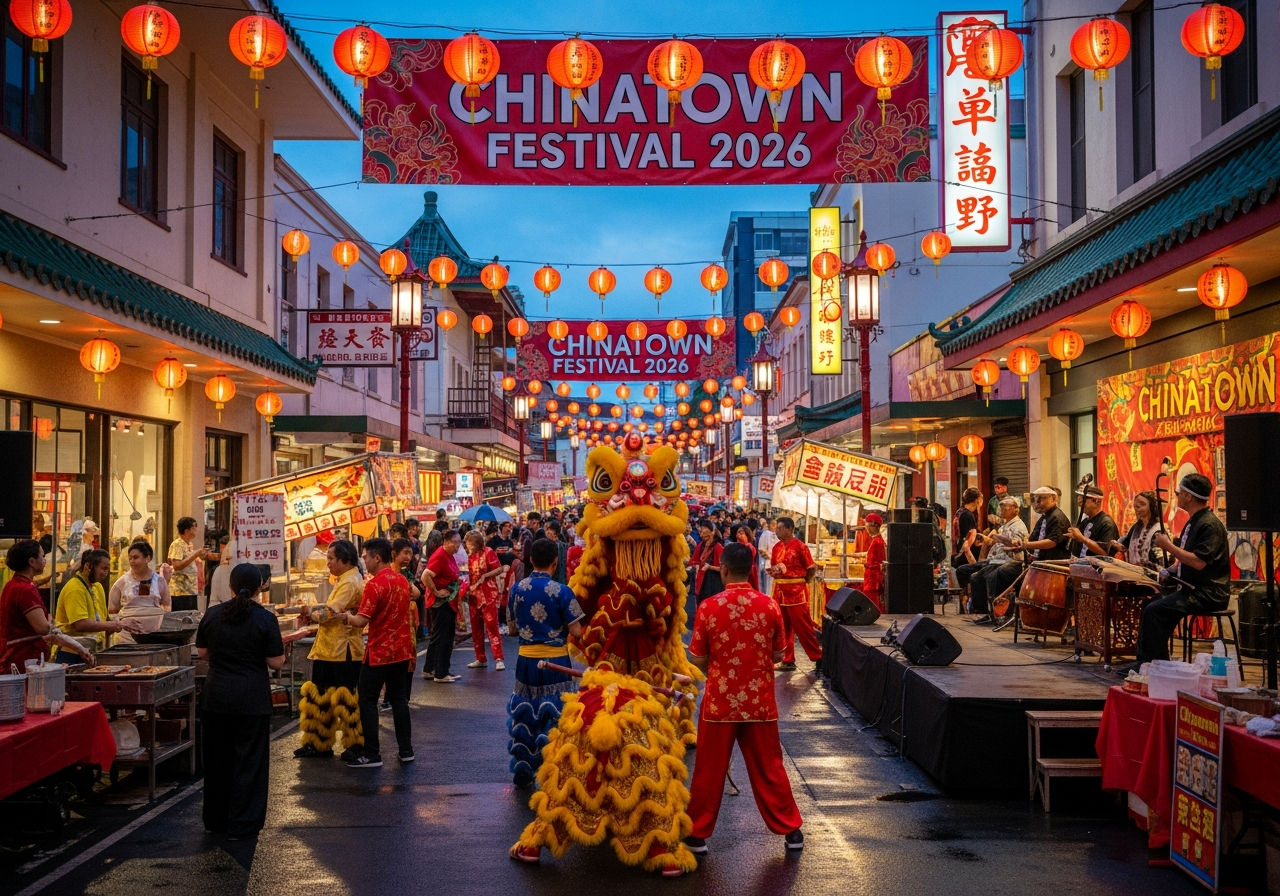
    Chinatown Festival 2026 Oʻahu, also promoted as the Chinatown Festival & Parade, happens Saturday, February 14, 2026 in Honolulu’s Historic Chinatown, with a full-day schedule from 9:00 AM to 10:00 PM and a parade starting at 4:30 PM. It’s one of the most colorful island street festivals of the year, blending Lunar New Year traditions with Honolulu energy, local food, live stages, and a family-friendly atmosphere in the heart of downtown Oʻahu.

    Chinatown Festival 2026 Oʻahu: what it is

    Honolulu’s Chinatown Festival is an annual Lunar New Year celebration hosted by Chinatown 808, a volunteer group known for producing signature events that highlight Oʻahu’s Chinese culture and heritage and the historic Chinatown district. The festival is designed as a community-wide street party with multiple entertainment stages, vendors, and kid-friendly activities, alongside a major parade component that runs through Chinatown. For visitors, it’s an easy way to experience Oʻahu island culture beyond the beach, especially if you want a daytime-to-evening event that feels local, lively, and welcoming.

    This event has also been described as formerly being called the Night in Chinatown Festival & Parade, showing how the festival has evolved while keeping its Lunar New Year spirit and community focus. The 2026 edition is especially notable because Chinatown 808’s announcement frames it as celebrating 50 years, adding a milestone feel to the island calendar.

    Confirmed 2026 date, times, and festival area

    The Chinatown 808 event page lists the Chinatown Festival & Parade on February 14, 2026 with festival hours 9:00 AM to 10:00 PM. The same page confirms the main festival location as Beretania Street between Maunakea and ʻAʻala Street, plus ʻAʻala Park. Honolulu Magazine’s guide to the event aligns with this footprint, describing the festival along Beretania Street between Maunakea Street and ʻAʻala Streets and in ʻAʻala Park.

    For planning, this is a prime central-Honolulu location: close to downtown, reachable by rideshare or bus, and walkable from nearby neighborhoods if you stay in the urban core. Since it’s a long-running street event, expect road closures and heavy foot traffic, and plan to arrive earlier than you think if you want the best viewing spots for performances or the parade.

    Parade details and must-see moments

    Chinatown 808 lists the parade starting at 4:30 PM and describes it as running on Hotel Street from the Hawaiʻi State Capitol through Chinatown. Honolulu Magazine also lists 4:30 PM as the parade time in its schedule breakdown, reinforcing that this late-afternoon moment is a centerpiece of the day. If you want the iconic energy of Chinatown Festival, the parade window is the time to be in place, camera ready, with enough room to enjoy the movement and sound.

    Beyond the parade, Honolulu Magazine outlines a full-day rhythm with highlights like a 9:00 AM opening lion dance, entertainment beginning around 11:00 AM, and closing lion dances in the evening. Even if schedules shift slightly year to year, these anchor moments reflect what the festival is known for: lion dances, performances, and a steady build of excitement into the evening.

    What to expect: food, vendors, stages, and family fun

    Chinatown 808 describes a festival packed with food vendors, craft vendors, free keiki bouncy houses, and multiple entertainment stages. Honolulu Magazine’s guide also emphasizes the family-friendly structure, including a keiki zone at ʻAʻala Park during daytime hours. For travelers, this is one of the best Oʻahu island events for sampling bites and wandering, because you can eat your way across the neighborhood, then pause for performances whenever you hear drums or live music drawing a crowd.

    Lunar New Year flavor on Oʻahu

    The festival is framed as a Lunar New Year welcome celebration, which means you can expect classic cultural elements associated with luck, prosperity, and new-year renewal. Lion dances are a major draw, and they create the kind of sensory memory people associate with island street festivals: drumbeats, cheering, and crowds moving together down the block.

    Shopping local in Chinatown

    Chinatown Festival is also a strong place to shop. Craft vendors and small makers often use the festival as a showcase moment, so it’s a good opportunity to support local Oʻahu businesses while picking up gifts and island-made goods.

    Honolulu Chinatown culture and local landmarks to explore

    Honolulu’s Chinatown is one of the most historic neighborhoods on Oʻahu, known for its markets, food scene, cultural organizations, and nightlife. If you’re visiting for the festival, it’s worth arriving early to explore the area’s daytime personality: local shops, fresh produce stands, and the layered history visible in building facades and narrow side streets. The festival footprint includes ʻAʻala Park, which sits near key downtown corridors and becomes a hub for family activities during the event.

    Chinatown also connects naturally to other downtown areas, so visitors can extend the day with walks to waterfront viewpoints or nearby districts once the parade ends. This is a great strategy for travelers who want to experience Honolulu as a real city on an island, not just a resort zone.

    Practical travel tips for visitors

    Admission is free, and most of the cost of attending comes down to what you buy from food and craft vendors, plus transportation and parking. Honolulu Magazine notes that vendors accept both cash and credit cards, but bringing some cash can speed up purchases when lines are long. If you drive, Honolulu Magazine points to parking in the Chinatown Cultural Plaza lot (100 N. Beretania St., entrance on Maunakea St.) with posted hourly rates, along with other municipal lots and street parking nearby.

    For a smooth festival day:

    • Arrive earlier in the morning if you want less crowded browsing and easier parking.
    • Pick a parade viewing plan by mid-afternoon so you’re not pushing through dense crowds at the last minute.
    • Wear comfortable shoes because you’ll be walking and standing for hours across street closures and park areas.

    Pricing, admission, and what to budget

    Honolulu Magazine explicitly states that admission is free. Chinatown 808’s event page focuses on festival hours, location, and parade details and does not list a ticket price, which aligns with a free-entry street festival model. Budget for what makes the festival fun: food, drinks, small purchases from craft vendors, and transportation.

    If you’re building an island itinerary around Lunar New Year, Chinatown Festival can be the anchor event, with the rest of your Oʻahu days spent exploring beaches, hiking, and local neighborhoods while keeping evenings open for downtown dining.

    Make Chinatown Festival 2026 the heartbeat of your Honolulu trip

    Chinatown Festival 2026 Oʻahu is the kind of island event that delivers a full day of atmosphere: morning lion dances, daytime food adventures, live stages, keiki fun, and a late-afternoon parade that brings the whole neighborhood together. With the date confirmed as February 14, 2026 and the festival footprint centered on Beretania Street between Maunakea and ʻAʻala Street plus ʻAʻala Park, planning is straightforward for travelers staying anywhere in Honolulu. Save the date, bring your appetite, and spend the day in Historic Chinatown welcoming the Lunar New Year the Oʻahu way: on the street, with music in the air and the island community all around you.

    Verified Information at glance

    Event Name: Chinatown Festival & Parade (Chinatown Festival)

    Event Category: Cultural street festival and parade (Lunar New Year celebration)

    Organizer/Host: Chinatown 808 (host identified in Honolulu Magazine coverage)

    Confirmed Date (2026): Saturday, February 14, 2026

    Confirmed Festival Hours: 9:00 AM to 10:00 PM

    Confirmed Festival Location: Beretania Street between Maunakea and ʻAʻala Street, plus ʻAʻala Park

    Confirmed Parade Time: Starts at 4:30 PM

    Confirmed Parade Route Description: Hotel Street from Hawaiʻi State Capitol through Chinatown

    Admission / Pricing: Admission is free (as stated by Honolulu Magazine)

    Beretania St. (Maunakea → ʻAʻala), Honolulu Chinatown, Oahu
    Feb 14, 2026 - Feb 14, 2026
    Chinese New Year Celebration 2026
    Cultural, Holiday
    UPDATED
    Free

    Chinese New Year Celebration 2026

    Chinese New Year 2026 arrives on Monday, February 17, 2026, ushering in the Year of the Fire Horse with spectacular celebrations across Oahu that blend traditional Chinese customs with Hawaii's unique multicultural spirit. The festive season begins in mid-January and extends through early March, offering visitors and residents multiple opportunities to experience the vibrant lion dances, cultural performances, and community gatherings that make Hawaii's Chinese New Year celebrations among the most authentic and welcoming in the United States.

    Oahu's Chinese community, established since the mid-19th century, creates an atmosphere where ancient traditions meet island hospitality, resulting in celebrations that honor ancestral customs while embracing Hawaii's inclusive aloha spirit. From the bustling streets of Historic Chinatown to modern shopping centers across the island, the Year of the Fire Horse promises good fortune, prosperity, and new beginnings for all who participate in these time-honored festivities.

    Major Celebration Events and Dates

    Chinatown Festival and Parade: Saturday, February 14, 2026

    The 49th Annual Chinatown Festival and Parade serves as Oahu's premier Chinese New Year celebration, transforming Historic Chinatown into a vibrant cultural showcase from 9:00 AM to 10:00 PM. Hosted by Chinatown 808 and sponsored by American Savings Bank, this free family-friendly festival features over 40 food and craft vendors, three entertainment stages, and the spectacular appearance of a 150-foot dragon that winds through the historic district.

    The parade begins at 4:30 PM from the Hawaii State Capitol lawn, featuring participants dressed in traditional Lunar New Year attire as they proceed through Chinatown's historic streets. Nine different lion dance groups accompany the 2026 Narcissus Queen and Court as they visit local merchants, with firecrackers popping to ensure good luck and prosperity for the coming year.

    Chinese Cultural Plaza Celebrations: February 14-15, 2026

    The Chinese Chamber of Commerce of Hawaii presents its traditional two-day celebration at the Chinatown Cultural Plaza, featuring live entertainment on the Moongate Stage, martial arts demonstrations, and traditional Chinese dances. This event showcases the talents of the Gee Yung Martial Arts Dragon and Lion Dance Sports Association alongside other cultural groups, creating an immersive experience in Chinese traditions.

    Hawaii Symphony Orchestra Lunar New Year Concert: Saturday, February 28, 2026

    The 45th annual Masterworks Lunar New Year concert at the Neal S. Blaisdell Concert Hall provides an elegant conclusion to the celebration season. Music and Artistic Director Dane Lam leads the Hawaii Symphony Orchestra in a program that blends classical Western compositions with traditional Chinese melodies, creating a unique cross-cultural musical experience.

    Cultural Significance of the Fire Horse Year

    Year of the Fire Horse: Symbolism and Meaning

    The Fire Horse arrives every 60 years in the Chinese zodiac cycle, representing a rare and powerful combination that last occurred in 1966. In Chinese astrology, horses symbolize wisdom, intuition, and elegance, while the fire element adds passion, energy, and transformative power to the year's characteristics.

    People born in Fire Horse years are considered to possess exceptional independence, strong leadership qualities, and the courage to pursue ambitious goals. The combination of horse and fire elements creates individuals who are natural innovators, often blazing new trails in their chosen fields while maintaining the horse's characteristic grace and wisdom.

    Cultural Traditions and Customs

    Chinese New Year celebrations in Hawaii maintain authentic traditions while adapting to the island's multicultural environment. Families gather for reunion dinners featuring traditional dishes, children receive lai see (red envelopes) filled with lucky money, and homes are decorated with red banners bearing auspicious messages for the coming year.

    The lion dance performances that punctuate celebrations throughout Oahu serve both entertainment and spiritual purposes, with the lions believed to chase away evil spirits while bringing good fortune to businesses and families. These performances combine acrobatic skill with cultural symbolism, creating spectacular displays that captivate audiences while honoring ancient traditions.

    Shopping Center and Community Celebrations

    Ala Moana Center: February 17-21, 2026

    Ala Moana Center hosts comprehensive Lunar New Year festivities featuring lion dancing, Chinese calligraphy demonstrations, and the popular Wishing Wall where shoppers write their hopes for the new year. Visitors who spend $500 or more receive limited-edition Year of the Horse gifts including boat totes, bandanas, and gift cards presented in traditional red envelopes.

    International Market Place: February 14-24, 2026

    The International Market Place in Waikiki presents extended celebrations featuring lion dancing on February 15 from 11:00 AM to 1:30 PM, Chinese calligraphy demonstrations, and complimentary stargazing experiences. Shoppers who spend $150 or more receive special Year of the Horse gift boxes from Honolulu Cookie Company.

    Royal Hawaiian Center: February 17 - March 2, 2026

    The Royal Hawaiian Center extends its Lunar New Year celebrations over two weeks, offering daily cultural activities, traditional performances, and special retail promotions that highlight both Chinese traditions and Hawaiian hospitality. The center's extended celebration period allows visitors flexibility in experiencing the festivities regardless of their travel dates.

    Cultural Organizations and Community Leaders

    Chinese Chamber of Commerce of Hawaii

    Founded in 1911, the Chinese Chamber of Commerce of Hawaii represents one of the state's most established cultural organizations, with members playing prominent roles in Hawaii's business, political, and social development. The Chamber's mission encompasses promoting business development, preserving Chinese culture, and encouraging civic responsibility throughout the Hawaiian Islands.

    The organization's monthly events and educational workshops create year-round opportunities for cultural exchange while building bridges between Chinese traditions and Hawaii's broader community. Their sponsorship and organization of Chinese New Year events ensures authentic celebration while fostering understanding of Chinese contributions to Hawaiian society.

    Chinatown 808

    Chinatown 808 serves as the volunteer organization responsible for Oahu's largest Chinese New Year celebration, working throughout the year to organize the annual festival and parade. This dedicated group focuses specifically on highlighting Oahu's unique Chinese culture and heritage while promoting the historic Chinatown district as a cultural destination.

    Lion Dance Performances and Entertainment

    Saam Fu Lion Dance Performances

    The Saam Fu Lion Dance team provides authentic performances throughout the celebration season, visiting venues across Oahu, Hilo, and Kauai. Their 2026 schedule includes public performances at locations ranging from traditional venues in Chinatown to contemporary businesses seeking blessings for the new year.

    Public performance venues for 2026 include Bishop Museum's Kaiwi'ula Night Market, local restaurants and cultural centers, and community gathering spaces where families can experience traditional lion dance artistry. The team's extensive schedule ensures that visitors have multiple opportunities to witness these spectacular performances throughout the celebration period.

    Traditional Arts and Cultural Demonstrations

    Chinese calligraphy demonstrations appear at multiple venues during the celebration season, allowing visitors to observe master calligraphers creating traditional New Year messages and lucky phrases. These demonstrations provide insight into the artistic traditions that accompany Chinese New Year while offering opportunities for hands-on learning.

    Martial arts demonstrations showcase the physical disciplines that complement Chinese cultural celebrations, with performances often preceding or following lion dance presentations. These displays highlight the connection between physical training, cultural preservation, and community celebration that characterizes Chinese New Year traditions.

    Food and Culinary Traditions

    Traditional New Year Foods

    Chinese New Year celebrations feature traditional dishes believed to bring luck, prosperity, and happiness in the coming year. Local restaurants and food vendors offer specialties including whole steamed fish (representing abundance), dumplings (symbolizing wealth), and noodles (ensuring longevity) prepared according to authentic family recipes.

    Jai, a traditional Buddhist vegetarian dish containing multiple ingredients that represent different aspects of good fortune, appears at festival food booths and family gatherings throughout the celebration period. This dish reflects the spiritual dimensions of Chinese New Year while providing a healthy, flavorful option for celebration meals.

    Festival Food Vendors

    The Chinatown Festival features renowned local vendors including Legend Seafood Restaurant, Olay's Thai Lao Express, and Sage Creamery, ensuring authentic flavors alongside festival atmosphere. These established businesses bring decades of culinary expertise to the celebration while introducing visitors to Hawaii's unique Chinese-Hawaiian fusion cuisine.

    Practical Information for Visitors

    Transportation and Parking

    Parking in Chinatown during festivals requires advance planning, with the Chinatown Cultural Plaza lot offering convenient access at $1 for the first hour. American Savings Bank Visa debit card holders receive exclusive parking access at the bank's campus from 9:00 AM to 9:00 PM during festival days.

    The Hawaii Bicycling League provides free bike valet service from 1:00 PM to 10:00 PM during major celebrations, encouraging environmentally friendly transportation while eliminating the need for bicycle locks. This service demonstrates the community's commitment to sustainable celebration practices.

    Festival Etiquette and Participation

    Wearing red clothing during Chinese New Year celebrations symbolizes good fortune while showing respect for cultural traditions. Visitors are encouraged to participate in traditional customs including feeding lai see (red envelopes) to lion dance performers for good luck and prosperity.

    Bringing cash ensures smooth transactions with food vendors and small retailers, though most established vendors now accept credit cards. Early arrival at popular events guarantees better viewing positions for parades and performances while avoiding the largest crowds.

    Extended Celebration Calendar

    Pre-New Year Events: Mid-January 2026

    Preparation activities begin in mid-January with community organizations hosting planning meetings, cultural groups practicing performances, and businesses preparing decorations and special offerings. These preparatory events offer visitors insight into the extensive community coordination required for successful celebrations.

    Post-New Year Celebrations: Through Early March 2026

    Chinese New Year celebrations traditionally continue for 15 days following the new year, culminating in the Lantern Festival. Hawaii's extended celebration period accommodates both traditional timelines and modern scheduling needs, allowing working families and visitors flexibility in their participation.

    Experience the magic of Chinese New Year 2026 in Oahu, where the Year of the Fire Horse arrives with spectacular lion dances, authentic cultural performances, and the warmth of island hospitality. Join thousands of celebrants from February 15-28 for parades in Historic Chinatown, elegant symphony concerts, and family-friendly festivals that honor ancient traditions while embracing Hawaii's multicultural spirit. Plan your visit now to witness how Chinese heritage and aloha combine to create one of America's most vibrant and welcoming Lunar New Year celebrations.


    Chinatown, Honolulu, Oahu
    Feb 14, 2026 - Feb 28, 2026
    Mardi Gras Street Festival 2026
    Street Festival
    Free

    Mardi Gras Street Festival 2026

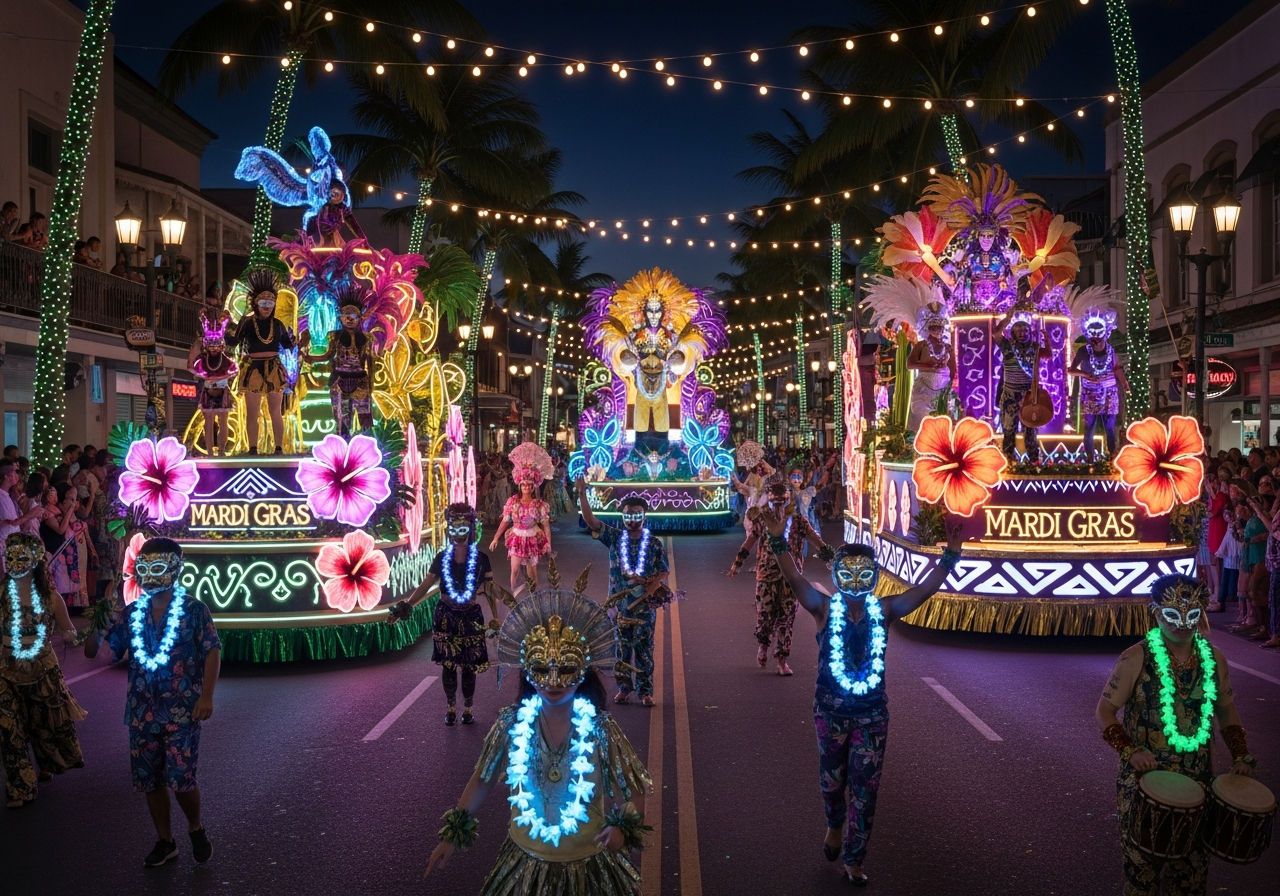
    Mardi Gras street event on Fort Street Mall with event time window
    Fort Street Mall (King St. → Beretania St.), Downtown Honolulu, Oahu
    Feb 17, 2026 - Feb 17, 2026
    Kailua 10‑Miler 2026
    Sports/Running
    TBA

    Kailua 10‑Miler 2026

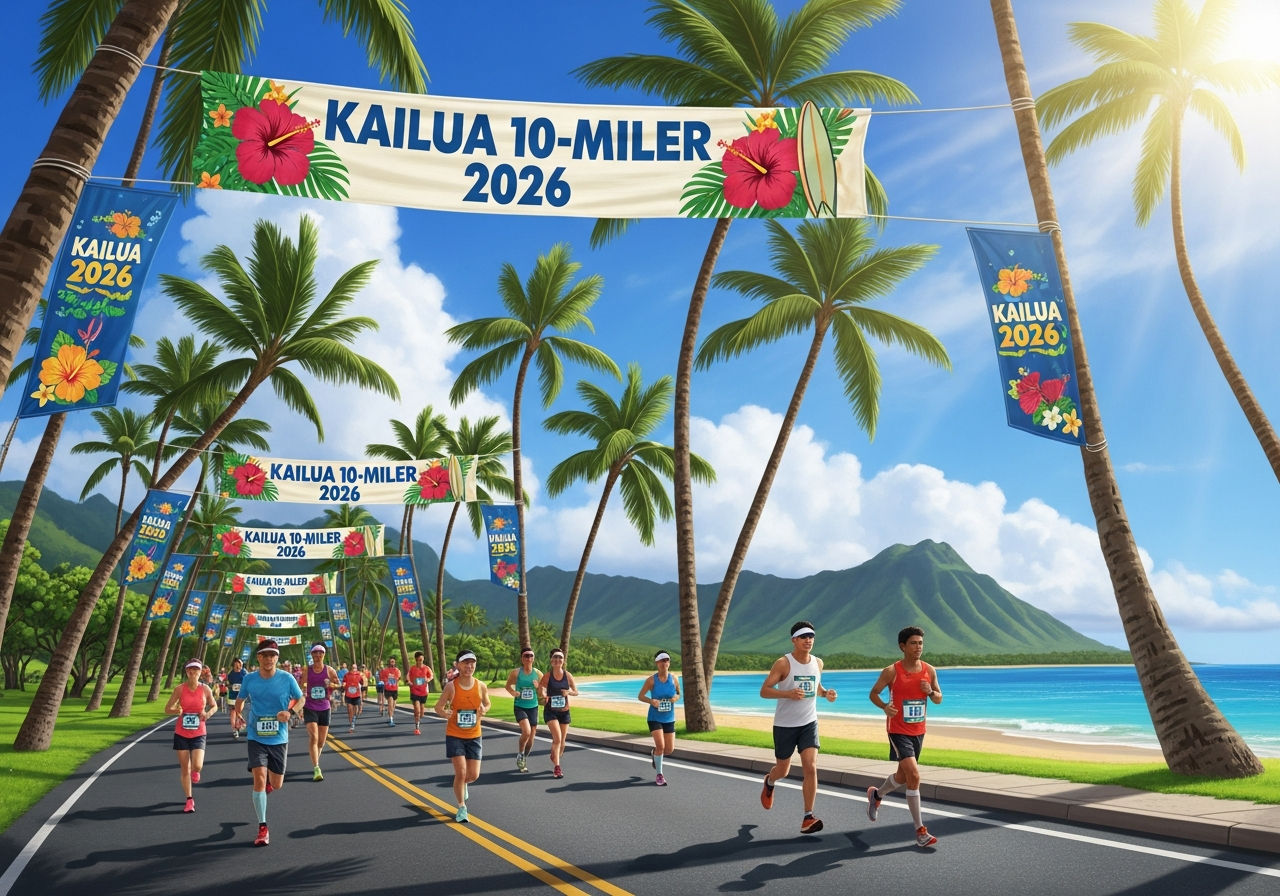
    Kailua 10‑Miler 2026 Oʻahu (run with a companion Kailua 5K) is scheduled for Sunday, February 22, 2026, giving runners an unforgettable Windward Side race day with ocean air, neighborhood energy, and a strong local running-community vibe. It’s one of the most loved distance events in Kailua because it blends an achievable “long run” challenge with a scenic island setting that feels worlds away from Waikīkī.

    Kailua 10‑Miler 2026 Oʻahu: what the event is

    The Kailua 10‑Miler is a road running race in Kailua on the island of Oʻahu, typically paired with a 5K option so both serious runners and casual participants can join the same race morning. It’s associated with the Mid-Pacific Road Runners Club (MPRRC), Hawaiʻi’s largest running club, which organizes a full calendar of races across Oʻahu. For visitors, this is a great “local” event to build a trip around because it’s community-based and set in a town that’s known for beaches, small shops, and laid-back island life.

    The 10-mile distance sits in a sweet spot: longer than a 10K but less daunting than a half marathon, which makes it ideal for runners training toward spring races or simply wanting a memorable island challenge. Add Kailua’s breezy coastal feel and you have an Oʻahu running experience that feels both athletic and deeply scenic.

    Confirmed 2026 date and race format

    The Road Runners Club of America (RRCA) event listing for “Kailua 5K & 10 Miler” confirms the 2026 date as 02/22/2026. That same listing points to Mid-Pacific Road Runners Club’s race page as the official event URL and registration link, tying the race to the local organizing club. While some third-party listings and older pages reflect prior-year dates, the RRCA listing is the clearest published confirmation for the 2026 event date available here.

    Because this is a paired event (10-miler and 5K), the race morning tends to be lively and inclusive: competitive runners, training groups, first-time race participants, and supporters all in one place. That mix is part of what makes Kailua races so visitor-friendly, especially if you’re traveling with friends or family who want different distances.

    What makes Kailua an ideal island race destination

    Kailua sits on Oʻahu’s Windward Side, known for trade winds, lush Koʻolau mountain views, and an oceanfront lifestyle that feels relaxed and local. This setting is a natural fit for distance running because the scenery distracts you from the effort and the cooler breezes often make longer miles more comfortable than hotter urban routes. The Kailua 10‑Miler also gives visitors a reason to explore beyond Honolulu and spend meaningful time in a neighborhood that locals love.

    Race weekends in Kailua pair beautifully with simple island pleasures: sunrise beach walks, local cafés, and post-run recovery with a swim or a gentle stroll. If you’re the type of traveler who chooses destinations based on experiences rather than only landmarks, this event can become the anchor for a Windward Oʻahu itinerary.

    Course experience: what runners can expect

    A detailed 2026 course map was not confirmed in the sources captured here. However, the Kailua 10‑Miler’s reputation and location suggest a route that highlights classic Kailua scenery and neighborhoods, often with a blend of residential streets and wider roads that support race operations.

    As a visitor, the best way to prepare is to train for rolling mileage and wind conditions. On the Windward Side, breezes can be your friend for cooling, but they can also be a pacing factor on open sections. If you’re chasing a personal best, practice steady effort. If you’re running for the experience, allow yourself to enjoy the island environment and the community cheering along the route.

    Race weekend highlights and community vibe

    Events organized through major local running clubs often feel welcoming, and MPRRC is known for organizing many Oʻahu races across the year. The Kailua 10‑Miler & 5K format also encourages a festive staging area, with runners warming up, families gathering, and friends meeting at the finish to celebrate. For travelers, this is one of the easiest ways to connect with island residents in a natural, friendly setting.

    If you’re visiting from outside Hawaiʻi, this is also a great race to wear your hometown club gear or country colors. Island running communities tend to be curious and welcoming, and races often become small cultural exchanges on the move.

    Practical travel tips for visiting runners

    Plan lodging on the Windward Side if you want a calm, beach-town stay and minimal race-morning travel. If you’re staying in Waikīkī, the drive to Kailua is manageable, but race morning traffic, parking, and early start times can add stress, so build buffer time.

    Helpful planning checklist:

    • Book a rental car early if your trip includes multiple Windward activities.
    • Pack anti-chafe essentials and sun protection, because even early island mornings can be bright.
    • Do at least one shakeout run in Kailua before race day to get familiar with the humidity and wind.

    If you’re coming from colder climates, arrive a day or two early so your body adjusts. Hydration matters more than many visitors expect on Oʻahu, especially for longer distances like 10 miles.

    Pricing and registration: what’s confirmed and what isn’t

    The RRCA listing confirms the date and provides the event URL and registration link pointing to Mid-Pacific Road Runners Club. However, registration pricing for Kailua 10‑Miler 2026 is not shown in the RRCA listing snippet provided here, and the MPRRC race page linked in that listing is labeled with a prior year in its URL, so a 2026 fee cannot be confirmed from the sources captured. For accurate pricing, the best approach is to use the RRCA-provided registration link and check the active registration page once it updates for the 2026 edition.

    Budgeting tip: treat the entry fee as just one part of the cost, and plan for travel essentials like accommodation, local transport, and post-race food. Kailua has plenty of casual spots perfect for a recovery meal, and that local brunch is often the real reward after a 10-miler.

    Make Kailua 10‑Miler 2026 the centerpiece of your Oʻahu trip

    Kailua 10‑Miler 2026 offers a Windward Side race morning that blends challenge and island beauty in a way that’s hard to replicate anywhere else. With a confirmed race date of February 22, 2026 and a paired 5K option, it’s ideal for solo travelers, couples, and groups who want a shared athletic experience on Oʻahu. Mark the date, watch the official registration link for updates, and plan a weekend in Kailua where your island memories are measured not only in photos, but also in miles.

    Verified Information at glance

    Event Name: Kailua 5K & 10 Miler (Kailua 10‑Miler 2026)

    Event Category: Road running race (10-mile and 5K distances)

    Confirmed Date (2026): February 22, 2026

    Island / Area: Kailua, Oʻahu, Hawaiʻi

    Organizer / Club association: Mid-Pacific Road Runners Club (linked as event URL and registration source via RRCA listing)

     (RRCA listing reference)

    Pricing: Not confirmed in the referenced sources for the 2026 edition

    Venue / exact start location: Not confirmed in the referenced sources for the 2026 edition

    Kailua (Windward Oʻahu), Oahu
    Feb 22, 2026 - Feb 22, 2026
    Honolulu Festival (30th Annual)
    Culture/Festival
    TBA

    Honolulu Festival (30th Annual)

    Honolulu Festival (30th Annual) returns to Oʻahu on March 13–15, 2026, turning Waikīkī and the Hawaiʻi Convention Center area into a weekend of Pacific Rim performances, cultural exhibitions, and a celebrated finale with fireworks over Waikīkī Beach. If you want a single event that captures Oʻahu’s multicultural identity in a way you can see, hear, and taste, the Honolulu Festival is one of the island’s best March travel anchors.

    Honolulu Festival (30th Annual) on Oʻahu: A Cultural Crossroads

    The Honolulu Festival is widely described as Hawaiʻi’s premier cultural event, created to promote mutual understanding, economic cooperation, and ethnic harmony among Hawaiʻi and the Pacific Rim region. In practice, that mission becomes a joyful Oʻahu weekend where hula, taiko, dance troupes, and cultural groups share stages and exhibition spaces alongside craft fairs and specialty bazaars. The event is especially meaningful on Oʻahu because Honolulu has long been a crossroads of Asia, the Pacific, and Hawaiʻi, and the festival reflects that mix in a way that feels welcoming to visitors and locals alike.

    For travelers, the timing is also ideal. Mid-March is a sweet spot in Hawaiʻi, after peak winter holiday crowds but still within a season where the island feels lively, making it easier to combine festival days with beach time, hiking, and neighborhood exploring.

    Key Dates and Core Venues (2026)

    The official Honolulu Festival website confirms the 30th Honolulu Festival will be held March 13–15, 2026 (Fri–Sun), and notes that March 13 is for invitation-only school programs only. GoHawaii’s official event listing also confirms the dates as March 13–15, 2026, and lists the Hawaiʻi Convention Center (1801 Kalākaua Ave, Honolulu) as the primary venue. This matters for planning because it places you within walking distance of Waikīkī and the Ala Moana area, so you can build a car-light itinerary and rely on walking, rideshares, or TheBus for most of the weekend.

    What to Expect: Performances, Fairs, and Cultural Showcases

    GoHawaii’s listing emphasizes the festival’s “Aloha & Mahalo” 30th anniversary theme and positions the event as a multi-day cultural celebration. While the full schedule is extensive and changes year to year, the festival’s public-facing highlights are consistent and easy for visitors to enjoy:

    • Cultural stage performances at the main venues and partner sites.
    • Craft fairs and exhibition-style browsing at the Hawaiʻi Convention Center.
    • Events that spill into Waikīkī, creating a festival feel beyond the convention hall.

    If you’re visiting Oʻahu with family, Honolulu Festival is particularly friendly because much of the experience is visual and easy to enjoy without needing deep context. You can walk in, watch a performance, browse stalls, and try something new, all in one afternoon.

    The Waikīkī Finale: Fireworks and Parade Energy

    Honolulu Festival is known for a strong finale energy in Waikīkī, and the official site highlights that donations help support fireworks launched into the night sky over Waikīkī. The festival’s official schedule page lists “Nagaoka Hanabi (Nagaoka Fireworks)” at Waikīkī Beach, and for the published schedule example it shows a time of 20:30–20:45. The festival also explains that Nagaoka Fireworks have served as the finale for years and are presented with a message of world peace, tied to cultural connections and sister-city history.

    For visitors, the practical takeaway is to plan at least one Waikīkī evening during the weekend. Even if you spend most of your day inside the convention center, the shoreline finale vibe is what makes the festival feel uniquely Oʻahu.

    Tickets and Pricing (Verified)

    Honolulu Festival ticketing information is clearly published through the official admission sales page for entry at the Hawaiʻi Convention Center. Verified pricing details include:

    • Walk-in tickets at HCC: Adults $10 per day, Seniors (65+) $8 per day, and 18 and under free.
    • Presale 2-day ticket: $12 (noted on the admission sales page).
    • The same official page notes tickets are non-refundable and recommends buying online in advance to avoid long lines.

    These prices make the Honolulu Festival a high-value Oʻahu cultural activity, especially compared to many ticketed luaus and large-scale shows.

    Local Oʻahu Travel Tips for Festival Weekend

    Because the primary venue is the Hawaiʻi Convention Center, it’s easiest to stay in Waikīkī, Ala Moana, or nearby Honolulu neighborhoods so you can walk or take short rides to festival sites. For a smooth day:

    • Go early if you want to browse the fair areas before peak crowds.
    • Carry a light layer for indoor air conditioning.
    • If you’re attending multiple days, consider the two-day presale option to reduce entry friction.

    To round out the weekend, pair your festival time with nearby Oʻahu landmarks. Waikīkī Beach is the obvious one for sunset and evening strolls, but you can also add Ala Moana Center for shopping and food, or a quick visit to nearby cultural and museum spaces depending on your interests.

    Make Honolulu Festival Your March 2026 Oʻahu Highlight

    Honolulu Festival (30th Annual) runs March 13–15, 2026 on Oʻahu, anchored at the Hawaiʻi Convention Center and culminating in signature Waikīkī moments like the festival fireworks. With affordable entry pricing and a program built around Pacific Rim cultural performances, crafts, and community celebration, it’s one of the easiest ways to experience Honolulu’s multicultural spirit in one weekend. Build your trip around a few hours at the convention center, save one evening for Waikīkī’s festival atmosphere, and come experience why this 30th anniversary edition is such a special reason to visit Oʻahu in March.

    Verified Information at a Glance

    Event Name:

    • Honolulu Festival (30th Annual)

    Event Category:

    • Cultural festival (Pacific Rim cultural celebration, performances, exhibitions)

    Island/City:

    • Oʻahu, Honolulu, Hawaiʻi

    Confirmed Dates (2026):

    • March 13–15, 2026 (Fri–Sun)

    Note (confirmed):

    • March 13 is for invitation-only school programs only

    Primary Venue (confirmed):

    • Hawaiʻi Convention Center, 1801 Kalākaua Ave, Honolulu, HI 96815-1513

    Ticket Pricing (verified):

    • Walk-in Adults $10/day; Seniors (65+) $8/day; 18 and under free; presale 2-day ticket $12

    Fireworks Element (confirmed):

    • Nagaoka Hanabi (Nagaoka Fireworks) at Waikīkī Beach listed on the official schedule page (example time shown 20:30–20:45).
    Honolulu / Waikīkī (Hawaiʻi Convention Center area), Oahu
    Mar 13, 2026 - Mar 15, 2026
    Waikiki Spam Jam 2026
    Food, Community
    Free

    Waikiki Spam Jam 2026

    The 22nd Annual Waikiki Spam Jam returns to Oahu on Saturday, April 25, 2026, transforming Kalakaua Avenue into a culinary celebration from 4:00 PM to 10:00 PM. This free family-friendly festival honors Hawaii's unique love affair with Spam while serving as a major fundraiser for the Hawaii Foodbank and other local charities. The 2026 event promises expanded programming including the Dine-In Spam Event from April 18 through May 3, allowing visitors to experience creative Spam dishes at participating Waikiki restaurants throughout the celebration period.

    More than just a food festival, Waikiki Spam Jam has become one of Hawaii's premier cultural celebrations, drawing over 40,000 attendees annually to experience live entertainment on three stages, unique culinary creations, and the warm community spirit that defines island life. USA Today has recognized the event as one of the "Top Ten Best Cultural Festivals" in the nation for three consecutive years, cementing its status as a must-visit attraction for both locals and visitors.

    2026 Festival Schedule and Highlights

    Main Block Party: April 25, 2026

    The festival transforms five city blocks of Kalakaua Avenue from Seaside Avenue to Lili'uokalani Avenue into a vibrant block party featuring over 30 restaurants and food vendors. Street closures begin at 2:00 PM with the festival running from 4:00 PM to 10:00 PM, creating a pedestrian paradise in the heart of Waikiki.

    Three entertainment stages provide continuous programming throughout the evening, featuring local artists, hula performances, and live music that showcases Hawaii's diverse cultural heritage. The festival concludes with Hawaii's first-ever food festival drone show at 9:00 PM, offering a spectacular finale over Waikiki Beach.

    Extended Dine-In Experience: April 18 - May 3, 2026

    The Dine-In Spam Event allows visitors to experience the celebration beyond the single-day block party. Participating Waikiki restaurants create unique Spam-inspired menu items available for two weeks, offering a "can-to-table" restaurant week experience that showcases the culinary creativity that has made Spam an integral part of Hawaiian cuisine.

    Cultural Significance and Historical Background

    Spam's Hawaiian Legacy

    Hawaii's relationship with Spam began during World War II when the canned meat was introduced as a protein-rich, shelf-stable food source for military personnel stationed in the Pacific. As soldiers shared their rations with local residents during wartime rationing, Spam became integrated into Hawaiian cooking traditions and evolved from necessity into a beloved cultural staple.

    Today, Hawaii consumes over 7 million cans of Spam annually, representing nearly five cans per person each year and making the islands the highest per-capita consumer of Spam in the United States. This remarkable consumption reflects how completely Spam has been embraced by Hawaiian culture, appearing in everything from convenience store snacks to upscale restaurant dishes.

    From Military Ration to Cultural Icon

    The transformation of Spam from wartime sustenance to cultural symbol represents the resilience and adaptability that characterizes Hawaiian communities. Local cooks integrated Spam into traditional Hawaiian dishes, creating fusion cuisine that reflects the islands' diverse cultural influences while maintaining authentic local flavors.

    Spam musubi has become the most iconic representation of this cultural integration, combining Japanese rice techniques with American processed meat to create a distinctly Hawaiian dish found in every convenience store, restaurant, and local kitchen. This culinary creativity demonstrates how Hawaiian culture transforms outside influences into authentic local traditions.

    Festival Entertainment and Activities

    Three-Stage Entertainment Program

    The Outrigger Resorts Stage in front of the Outrigger Waikiki Beach Resort features headline performers and established Hawaiian artists throughout the evening. Previous years have showcased talents including Kala'e and Kalena, Tavana, and Kaylee Shimizu from NBC's The Voice, creating a concert-quality experience within the festival atmosphere.

    The Southwest Airlines Stage fronting the Royal Hawaiian Center presents a diverse lineup ranging from K-pop acts like POP 808 Hawaii to contemporary Hawaiian musicians. The Hawaiian Music Preservation Society Stage at the Hyatt Regency Waikiki Beach Resort celebrates traditional Hawaiian culture with hula performances and cultural demonstrations.

    Family-Friendly Activities

    Keiki Korner provides activities specifically designed for children, including games, crafts, and photo opportunities with festival characters Spammy and Musubi. Families can enjoy these activities while adults explore the diverse food offerings and entertainment options throughout the festival.

    The festival's drone show at 9:00 PM offers a family-friendly spectacle visible from Waikiki Beach, with the best viewing location near the Duke Kahanamoku statue. This innovative addition provides a memorable conclusion to the evening that appeals to visitors of all ages.

    Culinary Highlights and Vendor Participation

    Creative Spam Innovations

    The 2026 festival features over 30 participating restaurants and vendors creating unique Spam-inspired dishes that demonstrate the remarkable versatility of this beloved ingredient. Past festival offerings have included Spam gelato, Spam and truffle cream, deep-fried Spam bombs, and Spam butter mochi, showcasing the culinary creativity that has made this event internationally renowned.

    Participating vendors range from local food trucks like Da Bald Guy (Spam sloppy joe burgers and Spam corn chowder) to established restaurants like Duke's Waikiki (teriyaki Spam katsu sliders and candied Spam Hula Pie) and Maui Brewing Company (deep-fried Spam bombs with Kupu Whiskey garlic soy sauce). This diversity ensures that every palate finds something appealing within the festival's extensive offerings.

    Merchandise and Shopping

    The festival includes official Spam merchandise booths selling exclusive festival items, locally crafted gifts, and Spam-themed retail products. Collaborations with local boutiques like Eden in Love create unique festival merchandise including tumblers, pouches, and bags that serve as memorable souvenirs.

    Limited-edition festival merchandise is available both at the event and through the online Spam Shop, which operates during the festival period to accommodate visitors who want to take home a piece of this unique Hawaiian celebration.

    Charitable Mission and Community Impact

    Supporting Hawaii's Food Security

    The Hawaii Foodbank serves as the primary beneficiary of funds raised through the Waikiki Spam Jam, with the organization operating as Hawaii's only Feeding America affiliate. The festival maintains two donation tents accepting non-perishable food items and monetary contributions, with donors entered to win prizes including Southwest Airlines round-trip tickets.

    Since its inception, the festival has raised over $250,000 and collected more than 35,000 pounds of food for distribution to nearly 200 member agencies across Oahu and Kauai. The 2024 festival alone raised over $49,000 while collecting 1,600 pounds of canned goods, demonstrating the event's significant ongoing impact on Hawaii's food security.

    Additional Community Partnerships

    The festival also supports the Waikiki Community Center, which has served the local community for 40 years by providing multi-generational services including tuition assistance for pre-K children from low-income families and programs serving over 6,400 seniors annually. The Visitor Aloha Society of Hawaii receives festival support for its mission to assist visitors who experience crime, injury, or other adversities during their Hawaii stay.

    Practical Information for Visitors

    Location and Transportation

    The festival takes place along Kalakaua Avenue from Seaside Avenue to Lili'uokalani Avenue, directly in the heart of Waikiki's main tourism district. This central location places the event within walking distance of most Waikiki hotels and resorts, making it easily accessible for visitors.

    Parking becomes extremely limited during the festival due to street closures and high attendance, with organizers strongly recommending public transportation, ride-sharing services, or staying at nearby hotels. TheBus provides regular service to the area, though visitors should expect longer wait times and crowded conditions during peak festival hours.

    Street Closures and Access

    Kalakaua Avenue closes completely to vehicle traffic from 2:00 PM to midnight on Saturday, April 25, 2026, creating a safe pedestrian environment for the estimated 40,000+ attendees. These closures affect a significant portion of Waikiki's main thoroughfare, requiring visitors to plan alternative routes if traveling by car.

    Festival Logistics

    Free admission makes the festival accessible to all visitors, though food and merchandise require separate purchases from individual vendors. The festival operates rain or shine, with Hawaii's typical April weather featuring temperatures in the low 80s and occasional brief showers.

    Reusable bags are recommended for carrying food purchases and merchandise, with festival-branded bags available for purchase at merchandise booths. The compact festival area allows easy movement between stages, food vendors, and activity areas throughout the evening.

    Planning Your Visit

    Accommodation Recommendations

    Outrigger Resorts offers special festival discounts on rooms at several Waikiki properties, allowing visitors to stay within walking distance of the festival while supporting a key event sponsor. Southwest Airlines also provides discounted airfare for visitors flying to Hawaii specifically for the festival.

    Festival Strategy

    Arriving early ensures the best experience with easier parking, shorter food lines, and optimal positioning for entertainment performances. The festival's six-hour duration allows plenty of time to sample multiple food vendors, enjoy entertainment on all three stages, and participate in family activities.

    The drone show at 9:00 PM serves as the festival's climactic moment, with the best viewing area located on Waikiki Beach near the Duke Kahanamoku statue. Planning the evening to conclude with this spectacular display provides a memorable ending to the festival experience.

    Join over 40,000 food lovers and culture enthusiasts at the 22nd Annual Waikiki Spam Jam on April 25, 2026, for Hawaii's most unique culinary celebration. Experience creative Spam dishes from over 30 vendors, enjoy live entertainment on three stages, and participate in the drone show finale while supporting Hawaii's food security mission. Mark your calendar now for this free festival that perfectly captures the innovative spirit and generous heart of Hawaiian culture.

    Waikiki (Kalakaua Avenue), Oahu
    Apr 25, 2026 - Apr 25, 2026
    Honolulu Triathlon 2026
    Triathlon event
    TBA

    Honolulu Triathlon 2026

    Event Overview: Honolulu Triathlon 2026

    Honolulu Triathlon 2026 is confirmed for Sunday, May 17, 2026 on Oʻahu, with the race based at Ala Moana Beach Park in Honolulu. With ocean swimming, a fast bike along Ala Moana Blvd, and a run through the park toward Kewalo Basin, it’s one of the most scenic ways to experience the island’s energy, coastline, and community spirit in a single morning.

    Honolulu Triathlon 2026 Oʻahu: An Island Race Day in the Heart of Honolulu

    Some triathlons feel remote and rugged. The Honolulu Triathlon feels iconic and local at the same time. You race in the Pacific, ride along Honolulu’s oceanfront roads, and run through one of the city’s most loved parks, with palm trees, sea air, and spectators who can actually see the action up close.

    For travelers, this event is also a smart way to do an active island trip without needing a car-heavy itinerary. Ala Moana is central, close to Waikīkī and downtown, and the race format allows you to compete in the morning and still enjoy the beach, food, and sunset afterward.

    Confirmed Date and Main Venue (Ala Moana Beach Park)

    The official Honolulu Triathlon homepage confirms: “The 2026 date is set for May 17th, 2026 (SUN).” The official schedule page confirms the race starts at Ala Moana Beach Park, with transition opening early in the morning and the swim course open for warm-ups.

    The schedule also confirms packet pickup and late registration take place on Saturday, May 16 at Ala Moana Beach Park, Magic Island. For visitors, this means Honolulu Triathlon weekend has a clear structure: Saturday for check-in and course familiarization, Sunday for race day, and plenty of time to explore Oʻahu on either side.

    Race Formats and What You’ll Actually Do

    Honolulu Triathlon is built to welcome a range of athletes, from first-timers to competitive racers. The official event registration listing confirms multiple event options including:

    • Olympic triathlon (individual and relay)
    • Sprint triathlon (individual and relay)
    • Youth and junior categories
    • Kids races
    • An aquathlon
    • A 10K run

    Olympic Triathlon: Classic Triathlon on an Island

    The official Olympic Triathlon page confirms the Olympic distance is 1500m swim, 40K bike, 10K run. It also explains the swim is a single-loop ocean course along the shore at Ala Moana Beach Park, with lifeguards and rescue support monitoring the water.

    The bike course is described as being on the ocean side of Ala Moana Blvd with a turnaround under a viaduct at Lagoon Drive, with Olympic athletes doing two loops (as noted on the official page). The run course is described as closed to vehicle traffic and primarily inside Ala Moana Beach Park, with a short extension toward Kewalo Basin Harbor.

    Sprint Triathlon and Other Options

    The official registration listing shows Sprint categories (including individual, relay, and a corporate challenge relay), plus youth, junior, and kids categories. If you’re visiting Oʻahu and want to participate without the full Olympic-distance training load, the Sprint option is often the sweet spot for a “race vacation” that still leaves energy for island exploring afterward.

    Entry Fees and Key Costs (Confirmed)

    Entry fees for the May 17, 2026 event are published on the official registration platform listing, with pricing that increases closer to race day. Examples of confirmed fees include:

    • Olympic Triathlon (Hawaiʻi resident): $190 early, rising to $260 closer to race day.
    • Olympic Triathlon (out-of-state): $210 early, rising to $280.
    • Sprint Triathlon (Hawaiʻi resident): $180 early, rising to $250.
    • Sprint Triathlon (out-of-state): $200 early, rising to $270.
    • 10K run: $45 early, rising to $85.
    • Aquathlon: $60 early, rising to $100.

    The event FAQ confirms the race is sanctioned by USA Triathlon, and every participant must either have an annual USAT membership or purchase a one-day membership, with adults paying $15 and children under 17 paying $10 for the one-day membership. That’s an important budgeting detail for visitors, because it is typically paid alongside your entry fee if you don’t already have a USAT annual membership.

    Registration Rules and What to Know Before You Book Flights

    The official registration page confirms:

    • Online registration opens Aug. 1.
    • Online registration closes the Tuesday before the race (subject to change).
    • On-site registration is available during packet pickup only.
    • No race day registration.

    The third-party registration listing also reiterates: no race day registration, with online registration closing ahead of race day and on-site registration limited to packet pickup. If you’re traveling from outside Hawaiʻi, that means you should complete registration well before you arrive, and treat Saturday packet pickup as non-negotiable.

    What Makes This Triathlon Special for an Island Trip

    A Course That’s Easy to Spectate

    Because the swim is along the shore and the run stays largely in and around Ala Moana Beach Park, supporters can watch without needing to drive all over the island. That makes it a strong pick for family travel, friend groups, and first-time racers who want familiar faces nearby.

    Honolulu Landmarks Built Into Your Race Weekend

    Ala Moana Beach Park and Magic Island are major local hangouts, and the run’s extension toward Kewalo Basin Harbor adds a classic Honolulu waterfront feel. After the finish, you can cool down with a walk by the water, then head toward Waikīkī or Kakaʻako for food and coffee.

    Practical Travel Tips for Honolulu Triathlon 2026

    Where to Stay

    If you want the easiest race morning, stay near Ala Moana or the Waikīkī edge closest to Ala Moana Blvd. It reduces pre-dawn transport stress and makes it easier to return to your room quickly after the finish.

    Getting Around on Race Weekend

    Race mornings start early, and parking can be limited near popular parks. Plan to walk, use rideshare, or park farther away and arrive early.

    What to Pack

    • Ocean swim essentials and anti-chafe products, because saltwater and humidity can be unforgiving.
    • A light layer for the early morning transition window.
    • Sun protection for spectators and athletes alike.

    Verified Information at a Glance

    Item: Confirmed details

    Event name: Honolulu Triathlon 2026

    Event category: Triathlon event weekend (Olympic and Sprint triathlon plus relay and running options)

    Confirmed race dates: May 16–17, 2026 (packet pickup May 16; race day May 17)

    Confirmed race day: Sunday, May 17, 2026

    Confirmed location: Ala Moana Beach Park, Honolulu, Oʻahu

    Olympic distance (confirmed): 1500m swim / 40K bike / 10K run

    Entry fee examples (confirmed): Olympic: $190–$280 depending on resident status and timing; Sprint: $180–$270; 10K run: $45–$85; Aquathlon: $60–$100.

    Membership/insurance fee (confirmed): USAT one-day membership: $15 adults, $10 under 17 (if no annual membership).

    Registration rules (confirmed): Online registration opens Aug 1; closes Tuesday before race (subject to change); on-site at packet pickup only; no race day registration.

    If you want an Oʻahu trip in 2026 that blends ocean adventure with a true local Honolulu morning, plan for May 16–17, base yourself near Ala Moana, and join the Honolulu Triathlon community on May 17 to swim in the Pacific, ride the island’s waterfront roads, and run through Ala Moana’s palm-lined paths before celebrating your finish with the beach and the city right at your doorstep.

    Ala Moana Beach Park, Oahu
    May 17, 2026 - May 17, 2026

    Past Events

    Makaha Time Trial 2026
    Sports/Cycling
    TBA

    Makaha Time Trial 2026

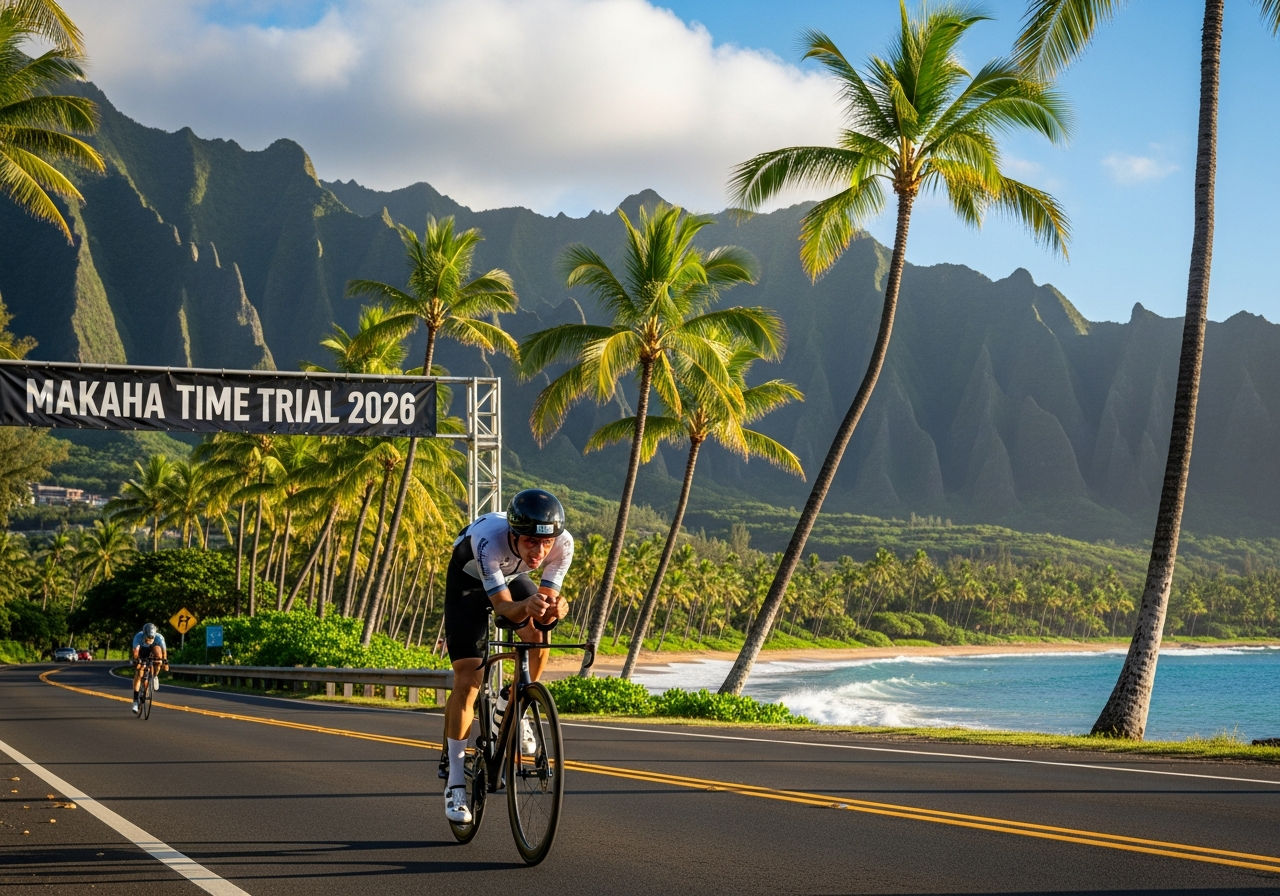
    Makaha Time Trial 2026 on Oʻahu is a morning cycling time trial on Sunday, February 1, 2026, sponsored by Hawaiʻi Bicycling League and listed on the City and County of Honolulu’s major parades and street activities schedule. It’s one of those classic island race days where athletes chase speed against the clock on the West Side, while visitors get a front-row view of Oʻahu’s raw coastal beauty around Mākaha and Waiʻanae.

    Makaha Time Trial 2026 Oʻahu: what the event is

    Makaha Time Trial is a road cycling race format where riders start in intervals and race individually against time rather than head-to-head in a pack. That structure makes it exciting in a different way: it’s about pacing, aerodynamics, and steady power, all set against Oʻahu’s dramatic West Side scenery. The Hawaiʻi Bicycling League lists Mākaha Time Trial among its events across Hawaiʻi, reinforcing that this is part of the state’s organized cycling calendar.

    For island visitors, the appeal is twofold: you can watch local athletes and visiting riders test themselves early in the year, and you can explore a less-touristed side of Oʻahu where the landscape feels wilder than Waikīkī. The event is also recognized as a significant activity on the Honolulu Department of Transportation Services schedule of major parades and street activities, which means road impacts and lane closures are officially anticipated.

    Confirmed 2026 date and traffic timing

    The City and County of Honolulu DTS “2026 Oahu schedule of major parades and street activities” lists MAKAHA TIME TRIAL on Sunday, February 1, 2026. The same schedule provides operational timing details: 7:00 AM lane closes and 8:30 AM lane reopens (approximate). It also identifies the event sponsor as the Hawaii Bicycling League, which aligns with the organization’s statewide cycling events listings.

    Because this is a time trial and not a mass-participant fun run, the morning window is relatively tight, which helps both participants and the local community. For travelers staying on the West Side or driving through early, it’s smart to plan around those lane closure times to avoid delays.

    Where Makaha Time Trial happens on the island

    The official Honolulu street activity schedule confirms the event name and timing but does not publish a full route map in the snippet shown. The Hawaiʻi Bicycling League identifies the event location simply as “Mākaha,” placing it on Oʻahu’s leeward coast in the Waiʻanae area. For visitors, this points to the West Side corridor along Farrington Highway, an area known for long ocean views, rugged shoreline, and beach parks that feel far from the resort bubble.

    Mākaha itself is famous for surf culture and a strong local identity, and visiting for a race morning offers a respectful way to witness community life in motion. The best approach is to treat the area like someone’s home, not an attraction: drive carefully, park legally, and keep the beaches and roads clean.

    Why the West Side makes this time trial special

    Cycling on Oʻahu’s West Side is about scenery and conditions. Trade winds, sun, and open road segments can turn a time trial into a true test of pacing and mental focus. Because the Makaha Time Trial is an early-morning event, riders often experience cooler temperatures and calmer traffic patterns, which is ideal for safe, fast efforts.

    For spectators, it’s also a beautiful time to be out. Sunrise light on the leeward coast can be spectacular, and watching riders push through the course gives the morning a purposeful, athletic energy that feels very island: outdoors, communal, and tied to the landscape.

    Race-day highlights and what to expect

    Makaha Time Trial is listed as a sponsored event by Hawaiʻi Bicycling League, and it appears in the league’s event list for February 2026, suggesting it’s part of the organized competitive season. That usually means you’ll see a mix of experienced racers on aero setups and newer riders using the event to test fitness and form. The time trial format also makes the viewing experience dynamic, because riders are spread out and you can catch multiple competitors over the morning window.

    Even if you’re not racing, it’s a fun event to build around:

    • Bring coffee and breakfast, then watch the early starts roll out.
    • Explore nearby beaches after the lane reopens.
    • Pair the morning with a West Side drive for photography and ocean views.

    Oʻahu island culture and local relevance

    Visiting Mākaha for an athletic event is also a chance to experience a different Oʻahu rhythm. The West Side has deep local roots, a strong sense of community, and beach culture that is proudly not polished for tourists. If you come for the Makaha Time Trial 2026, support small local food spots, respect beach etiquette, and keep your travel footprint light.

    For travelers planning an island trip around sports, this event pairs nicely with other Oʻahu experiences: hiking in the Koʻolau range on another day, cultural sites around Honolulu, and beach time in quieter areas once you’ve explored the West Side.

    Practical travel tips for participants and spectators

    Because the official city schedule shows lane closures starting at 7:00 AM, plan to arrive early if you need to park or access specific areas. If staying in Waikīkī or Honolulu, build in drive time to the leeward coast and account for early-morning conditions. For spectators, sun protection matters even in the morning, and bringing water is essential because West Side stretches can feel hot once the sun rises.

    For cyclists traveling with a bike, confirm race-day logistics and any required registration steps through Hawaiʻi Bicycling League’s official channels, since the city schedule focuses on traffic impacts rather than participant instructions. It’s also a good idea to carry basic repair tools, because island roads and wind conditions can be unforgiving on race wheels.

    Pricing and registration: what’s available right now

    The official Honolulu schedule confirms the event and sponsor but does not list registration pricing. The Hawaiʻi Bicycling League events page confirms the event name and month placement but does not show a fee in the snippet provided. Because of that, pricing for Makaha Time Trial 2026 cannot be confirmed from the sources captured here, and the most reliable path is to check Hawaiʻi Bicycling League’s official registration links once they publish the 2026 race page.

    Make Makaha Time Trial 2026 part of your Oʻahu trip

    Makaha Time Trial 2026 is a great excuse to see the leeward coast at its best: early morning light, ocean views, and a community sports vibe that feels authentically Oʻahu. With the event confirmed for Sunday, February 1, 2026 and lane closures noted from 7:00 AM to about 8:30 AM, it’s easy to plan around, whether you’re racing or spectating. Add it to your island calendar, head to Mākaha with respect and curiosity, and let a simple time trial morning become a standout memory from your Oʻahu adventure.

    Verified Information at glance

    Event Name: Makaha Time Trial

    Event Category: Cycling time trial (road cycling)

    Confirmed Date (2026): Sunday, February 1, 2026

    Confirmed Sponsor: Hawaii Bicycling League

    Confirmed Location Area: Mākaha, Oʻahu, Hawaiʻi (as listed by Hawaiʻi Bicycling League events page)

    Traffic Management (confirmed): Lane closes 7:00 AM; lane reopens approximately 8:30 AM

    Venue / route map: Not confirmed in the referenced sources

    Pricing: Registration fees not confirmed in the referenced sources

    West Oʻahu (Keawaʻula Beach Park → Makaha Beach Park route), Oahu
    Feb 1, 2026 - Feb 1, 2026
    Johnny Faerber 10K Run 2026
    Sports/Running
    TBA

    Johnny Faerber 10K Run 2026

    Johnny Faerber 10K Run 2026 on Oʻahu takes place Sunday, February 1, 2026 with a 7:00 AM start, and it runs the iconic Honolulu coastline corridor from Kapiʻolani Park toward Diamond Head and Kahala before finishing near the Honolulu Marathon finish-line area. It’s a classic island road race that pairs fast 10K energy with sunrise ocean views, making it a perfect pick for visitors who want to experience Hawaiʻi running culture beyond Waikīkī sightseeing.

    Johnny Faerber 10K Run 2026 Oʻahu: what it is

    The Johnny Faerber 10K is a road running race in Honolulu and the third event in the Aloha Series (also referred to on RunSignup as the Great Aloha Readiness Series). It’s associated with Mid-Pacific Road Runners Club and is also listed on the City and County of Honolulu’s official street usage schedule, which indicates it’s a well-established, permit-supported event that affects major roads during the early morning. For runners, the appeal is straightforward: a 10K distance that feels achievable for newcomers but still competitive for experienced athletes aiming to run strong and finish fast.

    For island travelers, the Johnny Faerber 10K Run offers something many visitors never get: a local, early-morning Honolulu experience that’s active, community-centered, and scenic. It’s also a smart “training race” option if you’re building fitness for longer events, since the Aloha Series is designed as a multi-race progression during January into early February.

    Confirmed 2026 date, start time, and schedule window

    RunSignup lists the Johnny Faerber 10K event date as Sunday, February 1, 2026, with a 7:00 AM HST start time and an end time of 10:30 AM HST. The Honolulu Department of Transportation Services street activity schedule also lists the Johnny Faerber 10K Run on February 1, 2026, confirming it as a permitted event with lane impacts. That city schedule notes lanes closing at 5:30 AM and reopening at approximately 9:30 AM, which is helpful for spectators, drivers, and runners planning pre-race arrival.

    Because the event takes place on high-profile roads around Honolulu’s most visited coastal areas, arriving early matters, especially if you need parking near Kapiʻolani Park. If you’re staying in Waikīkī, this is one of the easiest Oʻahu races to reach on foot, by rideshare, or via a short drive.

    Course overview and island scenery

    The City of Honolulu schedule provides a detailed route description, showing the race starting on Kalākaua Ave, heading out toward Diamond Head Rd and Kahala Ave, and then returning to finish at the Honolulu Marathon finish-line area. It also includes streets such as Paikau St, 22nd Ave, Kilauea Ave, and ʻElepaio St, giving a clear sense that the course moves through a mix of coastline views and classic Honolulu neighborhoods. For runners, this usually feels like a tour of the Diamond Head side of town, where morning light and ocean air combine to create ideal race conditions.

    From a visitor’s perspective, the course’s proximity to Diamond Head and the coastline makes it especially memorable, even if you are running it at pace and not stopping for photos. It’s the kind of island route where the scenery gives you a lift when the 10K starts to bite.

    Aloha Series connection and why runners love it

    RunSignup positions Johnny Faerber 10K as the third race in the Aloha Series, alongside Bob & Ron’s Manoa 5K and the Chapson Diamond Head Dash 8K. The Aloha Series is listed with event dates spanning from January 4, 2026 through February 1, 2026, offering a structured way to stay consistent with training while enjoying a tour of different Honolulu running routes. If you’re visiting Oʻahu for a few weeks or planning an extended stay, joining the full series can add rhythm to your island mornings and introduce you to local runners quickly.

    Even if you only do the 10K, you’ll still feel the “series” energy, since many participants treat it as a milestone race and a social anchor in their winter running calendar. That community feel is one reason Oʻahu races can be so enjoyable for travelers: you’re stepping into an existing running culture rather than attending a one-off tourist event.

    Registration pricing and what’s included

    RunSignup lists the Johnny Faerber 10K price as $40.00 race fee + $3.40 SignUp fee, and it notes that pricing increases to $45.00 after December 1, 2025 at 11:59 PM HST. Findarace also displays a combined “incl. fee” price of $43.40 for the Johnny Faerber 10K and indicates a long sleeve T-shirt in its listing, aligning with the idea that apparel may be part of the registration package depending on the organizer’s offering. For the most reliable and current pricing details, the RunSignup event page is the strongest source because it lists both the base race fee and the platform fee clearly.

    If you want a broader island running experience, RunSignup lists the full Aloha Series price as $100.00 race fee + $7.00 SignUp fee, with a price increase after November 11, 2025. That series pricing can be useful for runners who will be on Oʻahu across the full date range and want multiple race mornings built into their trip.

    Travel tips for runners visiting Oʻahu

    If you’re traveling to Oʻahu for the Johnny Faerber 10K Run 2026, staying in Waikīkī or near Kapiʻolani Park is the most convenient for race-morning logistics, since the course begins on Kalākaua Avenue and finishes near the Honolulu Marathon finish area. Plan to pick up your packet ahead of time, since RunSignup notes packet pick-up occurs the day before the event. Bring a light layer for pre-sunrise waiting time, then shift to breathable gear once the race starts, because Honolulu mornings can warm quickly.

    Race-week hydration matters on the islands, especially if arriving from colder climates. Plan a simple pre-race breakfast, and consider doing an easy shakeout run along the Ala Wai Canal or the Waikīkī beachfront path so your legs adjust to local conditions. For spectators, the lane closure window listed by the city (5:30 AM to about 9:30 AM) is the key detail for planning drives or meetups.

    Island culture and local highlights around the race

    One of the best parts of running in Honolulu is that the race environment naturally blends with everyday island life. The streets around Diamond Head and Kapiʻolani Park feel deeply local in the early morning, before beach crowds build and tour buses roll. After the finish, it’s easy to lean into classic Oʻahu recovery: a relaxed breakfast, a beach walk, or a gentle ocean dip if you’re used to it.

    Because the course corridor includes major Honolulu streets, it also puts runners close to famous landmarks and neighborhoods that can shape the rest of the day’s itinerary. If you’re traveling with family or friends who aren’t racing, they can enjoy sunrise near Kapiʻolani Park and then explore Waikīkī while you’re on course

    Make Johnny Faerber 10K Run 2026 your Honolulu race morning

    The Johnny Faerber 10K Run 2026 is a rare chance to experience Oʻahu like a local runner: early start, coastal air, Diamond Head roads, and a finish near the Honolulu Marathon finish-line area that feels iconic even for first-time visitors. With an official race date of February 1, 2026, a 7:00 AM start time, and a clearly posted entry fee structure on RunSignup, planning is straightforward if you register early and arrive before road closures begin. If a Hawaii trip is already on the calendar, lace up, set that early alarm, and join the Honolulu running community for a sunrise 10K that turns your island vacation into a story worth telling.

    Verified Information at glance

    Event Name: Johnny Faerber 10K Run

    Event Category: Road running race (10K)

    Confirmed Date (2026): Sunday, February 1, 2026

    Confirmed Start Time: 7:00 AM HST

    Confirmed End Time (event window on RunSignup): 10:30 AM HST

    Confirmed City Lane Closures: 5:30 AM lanes close; approximately 9:30 AM lanes reopen

    Confirmed Location (island/city): Honolulu, Oʻahu, Hawaiʻi

    Confirmed Start Area (city route listing): Kalākaua Ave

    Confirmed Route Streets (city route listing): Diamond Head Rd, Kahala Ave, Paikau St, 22nd Ave, Kilauea Ave, ʻElepaio St (and return to finish area)

    Confirmed Finish Area (city route listing): Honolulu Marathon finish line area

    Organizer/Sponsor (city listing): RRCA / Mid-Pacific Road Runners Club

    Registration Platform: RunSignup (Aloha Series event page includes Johnny Faerber 10K details)

    Confirmed Pricing (individual 10K): $40.00 race fee + $3.40 SignUp fee; price increases to $45.00 after December 1, 2025

    Packet Pick-up: Day before the event (noted on Aloha Series listing)

    Honolulu (route around Waikīkī/Diamond Head/Kāhala per permit), Oahu
    Feb 1, 2026 - Feb 1, 2026
    Akahai 5K, 10K & Half Marathon 2026
    Sports/Running
    TBA

    Akahai 5K, 10K & Half Marathon 2026

    When Martin Luther King Jr. weekend arrives on Saturday, January 17, 2026, runners from across the Pacific and mainland will gather at Wai Kai in Ewa Beach for the 4th annual Akahai 5K, 10K & Half Marathon, one of Oahu's most scenic and runner-friendly race experiences. Hosted by Aloha Racing, this flat and fast course showcases breathtaking views of Hoakalei Country Club, Ernie Els' championship golf course (home to the LPGA LOTTE Championship), and Oahu's stunning Leeward Coast at Nimitz Beach. Whether you're a competitive runner chasing a personal record on sea-level terrain, a casual jogger seeking a tropical destination race, or a visitor looking to combine fitness with an island vacation, Akahai delivers the perfect blend of athletic challenge, natural beauty, and authentic Hawaiian hospitality.

    Confirmed Date, Times, and Race Schedule

    Saturday, January 17, 2026 Race Day

    Location: Wai Kai, 91-1621 Keone'ula Boulevard, Ewa Beach, HI 96706

    Volunteer Check-In: 5:00 AM

    Race Day Packet Pick-Up Opens: 5:30 AM (photo ID required)

    Race Start Times:

    • Half Marathon: 7:00 AM (packet pick-up closes 6:45 AM)
    • 10K: 7:15 AM (packet pick-up closes 7:00 AM)
    • 5K: 7:30 AM (packet pick-up closes 7:15 AM)

    Awards Ceremonies:

    • 5K Awards: 8:15 AM
    • 10K Awards: 8:45 AM
    • Half Marathon Awards: 9:45 AM​

    Pre-Race Packet Pick-Up

    Thursday, January 15, 2026

    Time: 4:30 PM to 6:30 PM

    Location: Ka Makana Swim Club, 91-1410 Keone'ula Boulevard, Ewa Beach

    Services: Early packet pick-up and walk-up registration (photo ID required)​

    Early packet pick-up helps you avoid race morning lines and allows more time for pre-race preparation and breakfast.

    Course Details: Flat, Fast, and Scenic

    The Routes

    All three distances start and finish at Wai Kai, the emerging resort destination in Ewa Beach that's transforming Oahu's west coast. The courses are designed for speed with minimal elevation change, making Akahai ideal for personal records and Boston Marathon qualifiers.​

    5K Course (3.1 miles):

    • Out-and-back route
    • Views of Hoakalei Country Club and golf course
    • Returns the same path to finish line
    • Perfect for first-time racers and families​

    10K Course (6.2 miles):

    • Extends through Hoakalei development
    • Left turn onto Geiger Road
    • Turnaround point just over 0.5 miles on Geiger
    • Returns to Wai Kai finish
    • Coastal views and resort scenery​

    Half Marathon Course (13.1 miles):

    • Full extension of 10K route plus additional out-and-back
    • Continues to Coral Sea Road
    • Straightaway surrounded by natural island beauty
    • Breathtaking Leeward Coast ocean views
    • Scenic turnaround before return to finish
    • Fast, flat terrain ideal for PR attempts​

    Why Runners Love This Course

    • Flat and Fast: Minimal elevation change makes it PR-friendly
    • Scenic Beauty: Ocean views, golf course vistas, and resort architecture
    • Well-Supported: Multiple aid stations with water and electrolytes
    • Safe: Course marshals and traffic control throughout
    • January Weather: Typically 70-75°F at start, warming to low 80s​

    Registration and Pricing

    Entry Fees (Including Processing Fees)

    5K: $43.40 (includes $3.40 processing fee)

    10K: $64.60 (includes $4.60 processing fee)

    Half Marathon: $96.40 (includes $6.40 processing fee)​

    How to Register

    • Online: RunSignup.com or aloharacing.com (recommended)
    • Early In-Person: Thursday, January 15 at Ka Makana Swim Club
    • Race Day: Walk-up registration available (subject to capacity)​

    What's Included

    • Official race bib and timing chip
    • Finisher medal for all distances
    • Post-race refreshments
    • Awards ceremony participation
    • Professional chip timing results
    • Race photos (typically available for purchase)
    • Access to vendor expo and prize giveaways​

    The Meaning of Akahai

    The race name "Akahai" carries deep cultural significance. In Hawaiian, "akahai" means kindness, gentleness, and tenderness. It's one of the five fundamental values in the Hawaiian code of conduct known as the Aloha Spirit. By naming the race Akahai, organizers honor Hawaiian values while welcoming runners with warmth and hospitality that extends beyond competition to create an inclusive, supportive environment for athletes of all levels.​

    This commitment to the aloha spirit is evident in everything from the friendly volunteers to the post-race celebrations, making Akahai more than just a race but a cultural experience.

    Race Weekend Experience

    Why MLK Weekend?

    The Martin Luther King Jr. holiday weekend makes Akahai particularly attractive for:

    • Mainland Runners: Three-day weekend allows travel without using vacation days
    • Destination Racers: Combine race with 3-4 day Oahu vacation
    • Family Trips: Kids are out of school, making it family-friendly
    • Weather: January offers perfect running conditions (70s-80s, minimal rain)
    • Whale Watching: Peak humpback whale season in Hawaiian waters​

    Pairing with Other January Oahu Events

    Saturday, January 17 is a busy day on Oahu. Consider combining Akahai with:

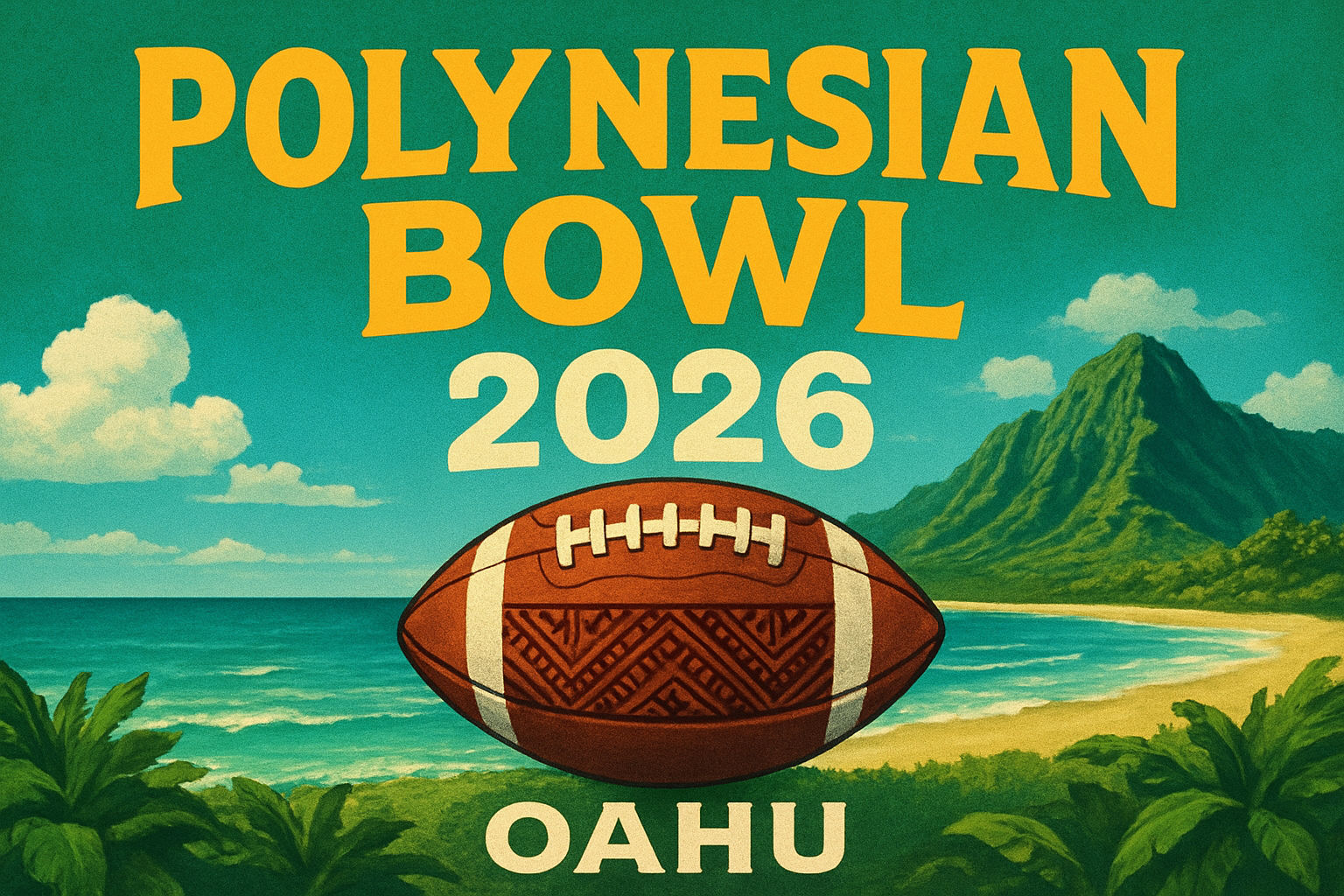
    • Polynesian Bowl: High school all-star football (Friday, Jan 16)
    • ʻOnipaʻa Peace March: Cultural commemoration (Friday, Jan 16)
    • TransPacific Volleyball Championships: Youth volleyball (Jan 16-19)
    • Oahu Tattoo Expo: Body art festival (Jan 16-18)

    Multiple events create a vibrant island atmosphere during MLK weekend.

    Travel Planning for Runners

    Getting to Oahu

    Daniel K. Inouye International Airport (HNL) in Honolulu is approximately 15-20 miles from Ewa Beach, about 25-35 minutes by car depending on traffic.

    Ground Transportation:

    • Rental car (recommended for race access)
    • Uber/Lyft to Ewa Beach ($25-40 from airport)
    • Hotel shuttle (check with accommodation)

    Where to Stay

    Ewa Beach Area (Closest to Race):

    • Limited hotel options but convenient race morning
    • Vacation rentals and Airbnb available
    • Quiet, residential feel away from tourist crowds

    Ko Olina Resort (10 minutes west):

    • Luxury resorts including Aulani Disney Resort, Four Seasons
    • Beautiful lagoon beaches
    • Higher price point but resort amenities
    • Easy drive to Ewa Beach start line

    Waikiki (30-40 minutes east):

    • Widest hotel selection (budget to luxury)
    • Iconic beach, dining, nightlife
    • Requires early morning drive to race
    • Best for combining race with Oahu tourism

    Airport Area:

    • Budget-friendly options
    • 20-minute drive to Ewa Beach
    • Less scenic but convenient for short stays

    Race Morning Logistics

    • Leave by 5:45 AM if staying in Waikiki (allow traffic buffer)
    • Parking: Free at Wai Kai venue (arrive by 6:00 AM for best spots)
    • Breakfast: Eat 2-3 hours before your start time
    • Hydration: Bring water for pre-race and post-race
    • Clothing: Light running gear; mornings can be slightly cool, warms quickly

    What to Pack and Prepare

    Race Day Essentials

    • Photo ID (required for packet pick-up)
    • Confirmation email (digital or printed)
    • Running gear (shorts, singlet, sports bra)
    • Running shoes (broken-in, not new)
    • Race belt or bib pins (often provided with packet)
    • Sunscreen (reef-safe, required by Hawaii law)
    • Sunglasses and hat for sun protection
    • Water bottle for before and after
    • Post-race change of clothes
    • Cash for food trucks and vendors

    Training Considerations

    Flat Course Benefits:

    • Less leg fatigue than hilly courses
    • Faster finish times
    • Good for testing speed work

    Heat Preparation:

    • If coming from cold climates, arrive 2-3 days early for acclimatization
    • Train in warmer conditions if possible
    • Practice hydration strategy for tropical heat
    • Start conservatively to avoid early burnout

    Post-Race Activities and Recovery

    Immediate Post-Race

    • Awards ceremonies for top finishers and age group winners
    • Prize giveaways and raffle drawings
    • Vendor expo and sponsor booths
    • Photo opportunities with backdrop and medals
    • Food trucks and refreshments​

    Recovery and Vacation Extension

    Beach Time:

    • Ko Olina Lagoons (10 minutes away)
    • Nimitz Beach (visible from course)
    • Waikiki Beach (if staying east)

    Gentle Activities:

    • Snorkeling at Electric Beach or Ko Olina
    • Whale watching tours (peak season)
    • Spa treatments for muscle recovery
    • Pearl Harbor historic sites

    Adventure Options:

    • North Shore surf watching
    • Hiking Diamond Head or Manoa Falls
    • Road trip to Haleiwa town
    • Sunset sail off Waikiki

    Why Choose Akahai for Your Destination Race

    Unique Advantages

    Scenic Beauty Without Hills: Unlike many coastal races, Akahai delivers ocean views on flat terrain, making it PR-friendly without sacrificing scenery.​

    Growing Resort Destination: Wai Kai and Hoakalei are transforming Ewa Beach into a premier resort area, offering modern amenities with authentic local flavor.

    Intimate Scale: At approximately 1,000-2,000 participants across three distances, Akahai avoids the overwhelm of mega-marathons while maintaining professional organization.

    Cultural Connection: The emphasis on Hawaiian values (akahai/kindness) and aloha spirit creates genuine warmth often missing in mainland races.

    Perfect Timing: MLK weekend + January weather + whale season = ideal vacation race opportunity.​

    Call to Action: Register for Paradise

    The Akahai 5K, 10K & Half Marathon 2026 offers more than a finish line. It delivers an experience that fuses athletic achievement with island beauty, personal records with Pacific sunrises, and competitive spirit with Hawaiian kindness. Whether you're chasing that elusive PR on a flat, fast course, running your first race in paradise, or simply seeking a compelling reason to visit Oahu in January, registration is open now at RunSignup.com and aloharacing.com.

    Lock in your spot for Saturday, January 17, book your Oahu accommodation, and start training for the islands. When the gun fires at Wai Kai and you run past championship golf courses with the Leeward Coast sparkling in morning light, you'll understand why destination races in Hawaii aren't just about the miles but the memories created along the way.

    The course is waiting. The ocean views are calling. Your island PR awaits.

    Verified Information at a Glance

    Event Category: Destination running race with multiple distance options

    Official Name: Akahai 5K, 10K & Half Marathon (4th Annual)​

    Date: Saturday, January 17, 2026 (MLK Weekend)​

    Location: Wai Kai, 91-1621 Keone'ula Boulevard, Ewa Beach, HI 96706​

    Start Times:

    • Half Marathon: 7:00 AM
    • 10K: 7:15 AM
    • 5K: 7:30 AM​

    Entry Fees:

    • 5K: $43.40 (includes $3.40 fee)
    • 10K: $64.60 (includes $4.60 fee)
    • Half Marathon: $96.40 (includes $6.40 fee)​

    Course Type: Out-and-back, flat and fast, paved roads​

    Highlights:

    • Views of Hoakalei Country Club and Ernie Els golf course
    • Oahu Leeward Coast ocean views
    • Nimitz Beach scenery
    • Minimal elevation change (PR-friendly)​

    Pre-Race Packet Pick-Up: Thursday, January 15, 4:30-6:30 PM at Ka Makana Swim Club, 91-1410 Keone'ula Blvd​

    Race Day Schedule:

    • 5:00 AM: Volunteer check-in
    • 5:30 AM: Packet pick-up opens
    • 8:15 AM: 5K awards
    • 8:45 AM: 10K awards
    • 9:45 AM: Half Marathon awards​

    Registration: RunSignup.com, aloharacing.com, or walk-up (subject to capacity)​

    Organizer: Aloha Racing​

    What's Included: Race bib, timing chip, finisher medal, refreshments, awards ceremony​

    Airport: Daniel K. Inouye International (HNL), approximately 25-35 minutes from venue

    Meaning: "Akahai" means kindness/gentleness in Hawaiian, reflecting aloha spirit values

    All dates, times, pricing, and course details confirmed through official Aloha Racing event page and registration platforms.​


    Oahu, Oahu
    Jan 17, 2026 - Jan 17, 2026
    TransPacific Volleyball Championships 2026
    Sports/Volleyball
    Free

    TransPacific Volleyball Championships 2026

    When Martin Luther King Jr. weekend arrives on January 17-19, 2026, Oahu transforms into the epicenter of youth volleyball excellence as the 8th Annual TransPacific Volleyball Championships brings together over 360 teams from Hawaii, the continental United States, Canada, China, Mexico, American Samoa, and Thailand. Centered at the Hawaii Convention Center in Honolulu with satellite venues across the island, this three-day tournament isn't just about volleyball. It's an international celebration of athleticism, cultural exchange, and island hospitality that showcases top-tier competition while immersing mainland and international visitors in authentic Hawaiian experiences. Whether you're traveling with a competing team, supporting athletes, or simply seeking one of Oahu's most energetic January events, the TransPacific Volleyball Championships delivers competition, culture, and unforgettable island memories.

    Confirmed Dates and Tournament Schedule

    Main Event Dates

    Tournament Days: Friday, January 16 through Monday, January 19, 2026 (MLK Weekend)

    Competition Schedule:

    • Friday, January 16: Opening Day activities and preliminary matches
    • Saturday, January 17: Full tournament day with morning and afternoon waves
    • Sunday, January 18: Continuation rounds and bracket play
    • Monday, January 19: Championship matches and finals

    The four-day format on a long holiday weekend makes it ideal for mainland teams and families to justify the travel investment, combining volleyball with a mini Oahu vacation.​

    Daily Competition Waves

    To accommodate 360+ teams across multiple age divisions, the tournament operates in waves:

    Morning Wave: 8:00 AM or 9:00 AM to 3:00 PM

    Afternoon Wave: 3:00 PM to 9:00 PM

    Monday Schedule: Typically focuses on championship matches at Hawaii Convention Center and Blaisdell Arena​

    Schedules are typically posted one week before the tournament, allowing teams and families to plan sightseeing and activities around match times.

    Venues: Where the Action Happens

    Primary Venues

    Hawaii Convention Center (Main Hub)

    1801 Kalākaua Avenue, Honolulu, HI 96815

    • Tournament headquarters and primary competition site
    • Multiple courts set up in exhibition halls
    • Live streaming available (Convention Center matches only)
    • Steps from Ala Moana Center and Waikiki Beach​

    Blaisdell Arena

    777 Ward Avenue, Honolulu, HI 96814

    • Historic multi-purpose arena hosting championship matches
    • Elevated seating for spectator viewing
    • Downtown Honolulu location​

    Satellite Locations Across Oahu

    To accommodate 360+ teams, additional matches occur at:

    • Radford High School, Salt Lake (Central Oahu)
    • Pearl City High School, Pearl City (Central Oahu)
    • King Intermediate School, Kaneohe (Windward Oahu)
    • Beyond Ball Sports Complex, Kailua (Windward Oahu)
    • Palama Settlement Gym, Downtown Honolulu
    • Chaminade University, Honolulu​

    This island-wide footprint allows teams and families to explore different Oahu neighborhoods beyond tourist-heavy Waikiki.

    Competition Structure and Teams

    AAU Super Regional Status

    The TransPacific Volleyball Championships operates as an AAU Super Regional tournament, offering significant benefits:

    Championship Rewards:

    • Winning teams receive FREE entry to AAU National Championships in Orlando, FL
    • Alternative options: West Coast Championships in Las Vegas or Volleyball Festival in Phoenix
    • Divisions with 16+ girls teams or 12+ boys teams qualify for free entries
    • Smaller divisions receive discounted entry fees​

    Age Divisions and Team Capacity

    Girls Divisions: 12U, 14U, 16U, 18U (72 teams per division capacity)

    Boys Divisions: 14U, 16U, 18U (32-72 teams per division)​

    Entry Fee: $800 per team (registration through transpacificvolleyball.com)​

    International and Mainland Representation

    The "TransPacific" name reflects the tournament's global reach. Expected participants include:

    Pacific Region:

    • Hawaii clubs (Oahu, Maui, Big Island, Kauai)
    • American Samoa
    • Teams from Pacific islands

    Mainland USA:

    • California powerhouse clubs
    • West Coast teams (Washington, Oregon, Nevada)
    • Mainland clubs seeking January competition

    International:

    • Canada (BC, Alberta volleyball clubs)
    • China (youth development programs)
    • Mexico (border state teams)
    • Thailand (Southeast Asian representation)​

    This diversity creates a unique cultural exchange environment where young athletes experience international competition without leaving U.S. soil.

    Special Events: Beyond the Court

    Ho'omākaukau Opening Ceremony Luau

    Date: Friday, January 16, 2026

    Time: 5:00 PM to 9:00 PM

    Location: Ala Moana Center, Makai Deck (Mall Level 2, Diamond Head Wing facing ocean)

    Price: TBD (early bird tickets available)

    The opening ceremony luau provides an exclusive celebration for athletes, coaches, families, and guests featuring:

    • Traditional Hawaiian feast with kalua pig, lomi salmon, poi, and island favorites
    • Polynesian entertainment including hula and fire knife dancing
    • Cultural education about Hawaiian values and volleyball's place in island life
    • Team bonding and networking opportunities
    • Limited spots—advance tickets required​

    ProspectsHI College Showcase

    Date: Friday, January 17, 2025

    Time: 2:00 PM to 3:30 PM

    Who Should Attend: High school volleyball players (typically 16U and 18U) seeking college exposure

    The college showcase connects elite tournament participants with college coaches and recruiters scouting talent. Limited spots make early registration essential for serious prospects.​

    'Āina Day Cultural Activities

    The tournament incorporates 'Āina Day experiences designed to:

    • Educate mainland and international visitors about Hawaiian culture
    • Promote responsible tourism and environmental stewardship
    • Connect volleyball families with local businesses and cultural practitioners
    • Deepen appreciation for the host community beyond competition​

    Travel Planning for Families and Teams

    Getting to Oahu

    Daniel K. Inouye International Airport (HNL) in Honolulu serves all major mainland cities with direct flights. January typically offers:

    • Moderate post-holiday airfares
    • Pleasant weather (70-80°F, minimal rain)
    • Peak whale watching season
    • Lower hotel demand than December

    Booking Timeline: Teams should book flights and hotels 3-4 months in advance (October-November 2025) for best rates during MLK weekend.

    Where to Stay

    Waikiki (Most Popular):

    • Walking distance to Hawaii Convention Center (main venue)
    • Beach access between matches
    • Restaurants, shopping, nightlife
    • Family-friendly hotel options

    Ala Moana Area:

    • Adjacent to Convention Center
    • Ala Moana Center shopping
    • Less touristy than Waikiki
    • Often lower rates than beachfront

    Airport Area Hotels:

    • Budget-friendly options
    • Quick access to central Oahu satellite venues
    • Rental car recommended
    • Limited beach/dining walkability

    North Shore:

    • Relaxed surf town atmosphere
    • World-class beaches
    • 45-60 minutes to Honolulu venues
    • Best for teams playing at satellite locations with free days

    Tournament Accommodations Partner

    The tournament works with official hotel partners offering group rates and team blocks. Check transpacificvolleyball.com for discount codes and preferred properties.​

    What to Do Between Matches

    Quick Activities (2-3 Hours)

    Diamond Head Crater Hike: Early morning summit before matches

    Waikiki Beach: Swimming, surfing lessons, stand-up paddleboarding

    Ala Moana Beach Park: Local beach popular with families

    Pearl Harbor: USS Arizona Memorial and Battleship Missouri

    Half-Day Adventures

    North Shore: Drive to Haleiwa town, watch winter surf, sample shrimp trucks

    Kailua/Lanikai: Windward beaches with turquoise water and offshore islands

    Hanauma Bay: World-class snorkeling (reservations required)

    Polynesian Cultural Center: Immersive Pacific Island village experience

    Evening Activities

    Luaus: Paradise Cove, Polynesian Cultural Center, Aulani Disney Resort

    Sunset at Magic Island: Ala Moana Beach Park peninsula

    Waikiki Entertainment: Street performers, beachfront dining

    Duke's Canoe Club: Live music and beachfront atmosphere

    The tournament schedule's morning and afternoon waves allow strategic planning of island activities around match times.

    Spectator Information

    Tickets and Admission

    General admission spectator tickets are available through transpacificvolleyball.com. Pricing for 2026 hasn't been announced, but expect:

    • Single-day passes: $10-15
    • Weekend passes: $25-40
    • Children under certain age: Free or reduced
    • Live streaming passes: Available for Hawaii Convention Center matches only​

    What Makes It Worth Watching

    Even if you don't have a competing athlete, the TransPacific Volleyball Championships offers:

    • Elite Competition: Top regional and national youth talent
    • International Flair: Teams from multiple countries bringing diverse playing styles
    • Energy: 360+ teams create constant action across multiple courts
    • Cultural Element: Hawaiian hospitality and aloha spirit throughout venues
    • College Recruiting: Watch future collegiate stars being scouted


    Oahu, Oahu
    Jan 17, 2026 - Jan 18, 2026
    Onipaʻa Peace March 2026
    Cultural/Memorial
    Free

    Onipaʻa Peace March 2026

    Every year on the Friday closest to January 17, thousands gather in Honolulu for the ʻOnipaʻa Peace March, a solemn procession commemorating the 1893 overthrow of the Hawaiian Kingdom and honoring Queen Liliʻuokalani, the last reigning monarch of Hawaii. On Friday, January 16, 2026, marking 133 years since the illegal overthrow, the annual march will once again bring together Native Hawaiians, local residents, students, and visitors in a powerful display of cultural remembrance and peaceful solidarity. Starting at Mauna ʻAla, the Royal Mausoleum, and culminating at ʻIolani Palace in downtown Honolulu, this free public event offers both locals and visitors a profound opportunity to connect with Hawaiian history, witness living culture, and stand in support of Hawaiian sovereignty and justice.

    Confirmed Date, Time, and Schedule

    Event Details for 2026

    Date: Friday, January 16, 2026

    Start Time: 8:00 AM (gates open at Mauna ʻAla Royal Mausoleum)

    March Begins: 9:30 AM

    Event Concludes: Approximately 2:00 PM at ʻIolani Palace

    Admission: FREE and open to the public​

    Daily Schedule

    8:00 AM - Mauna ʻAla Royal Mausoleum

    • Gates open
    • Protocol ceremonies led by Kawaikapuokalani
    • Traditional Hawaiian chants (oli)
    • Blessing and preparation for march​

    9:30 AM - March Begins

    • Procession departs Mauna ʻAla
    • Route follows Nuuanu Avenue to Beretania Street to downtown Honolulu
    • Kahili bearers carry sacred feather standards
    • Portrait of Queen Liliʻuokalani carried alongside Hawaiian flags
    • Participants walk approximately 2.5 miles to ʻIolani Palace​

    11:00 AM - 2:00 PM - ʻIolani Palace Grounds

    • Commemorative ceremonies and speeches
    • Live Hawaiian music and entertainment
    • Cultural demonstrations and educational exhibits
    • Free lunch provided for participants
    • School groups and community presentations​

    Historical Context: Why ʻOnipaʻa Matters

    The 1893 Overthrow

    On January 17, 1893, a group of American businessmen, supported by U.S. Marines from the USS Boston, illegally overthrew Queen Liliʻuokalani and the Hawaiian Kingdom government. The queen, whose motto was "E ʻonipaʻa i ka ʻimi naʻauao" (Be steadfast in the seeking of knowledge), surrendered under protest to avoid bloodshed among her people.​

    The overthrow led to:

    • End of Hawaiian sovereignty and self-governance
    • Establishment of the Republic of Hawaii (1894)
    • Illegal annexation by the United States (1898)
    • Long-lasting impacts on Native Hawaiian land rights, culture, and political status

    The Meaning of ʻOnipaʻa

    The word "ʻOnipaʻa" translates to "steadfast" or "immovable" in Hawaiian. It was Queen Liliʻuokalani's personal motto and has become a rallying cry for Hawaiian sovereignty movements and cultural preservation efforts. The annual peace march embodies this spirit of steadfastness in remembering history and advocating for justice.​

    The First March: 1993 Centennial

    The modern ʻOnipaʻa Peace March tradition began on January 17, 1993, the 100th anniversary of the overthrow. Organized by Ka Lāhui Hawaii, an estimated 15,000 to 20,000 people marched from Aloha Tower to ʻIolani Palace in what became the largest demonstration in Hawaii's history. The event included a dramatic re-enactment of the overthrow and powerful speeches calling for recognition of injustice.​

    Since 2015, the march format has evolved to begin at Mauna ʻAla (the Royal Mausoleum where Hawaiian monarchs are laid to rest) and proceed to ʻIolani Palace, creating a more ceremonial and culturally grounded procession.​

    The Route: From Mauna ʻAla to ʻIolani Palace

    Starting Point: Mauna ʻAla Royal Mausoleum

    Address: 2261 Nuuanu Avenue, Honolulu, HI 96817

    Mauna ʻAla, meaning "fragrant hills," serves as the final resting place for Hawaiian royalty including King Kalākaua and Queen Liliʻuokalani. The morning protocol at this sacred site sets the tone for the march with traditional Hawaiian ceremonies honoring the ancestors.​

    Getting There:

    • Public parking available near the mausoleum (arrive early, fills quickly)
    • TheBus Route 4 stops nearby on Nuuanu Avenue
    • Rideshare drop-off at 2261 Nuuanu Avenue
    • Shuttles available from ʻIolani Palace area (check organizer announcements)​

    The March Route

    The procession follows approximately 2.5 miles through historic Honolulu:

    Mauna ʻAla → Nuuanu Avenue (south) → Beretania Street (toward downtown) → approach to ʻIolani Palace grounds​

    Participants walk at a contemplative pace, often taking 60-90 minutes to complete the route. The march is accompanied by oli (chanting), Hawaiian flags, purple kahili (feather standards), and the portrait of Queen Liliʻuokalani carried ceremonially.​

    Destination: ʻIolani Palace

    Address: 364 South King Street, Honolulu, HI 96813

    ʻIolani Palace, the only royal palace on U.S. soil, served as the residence and seat of government for Hawaiian monarchs. It was here that Queen Liliʻuokalani was imprisoned in 1895 after being accused of supporting a counter-revolution. Today, the palace grounds serve as the gathering point for the post-march commemoration.​

    What to Expect at the Event

    Cultural Protocols

    The ʻOnipaʻa Peace March is a sacred and solemn commemoration, not a parade or party. Participants should:

    • Dress respectfully (aloha wear, comfortable walking shoes)
    • Maintain a respectful, contemplative demeanor during the march
    • Follow the lead of Hawaiian cultural practitioners for oli and ceremonies
    • Ask permission before photographing people, especially during protocol
    • Stay hydrated and wear sun protection for the 2.5-mile walk

    At ʻIolani Palace

    Once the march reaches the palace grounds, the atmosphere shifts to education and community gathering:

    Speeches and Testimonies:

    • Hawaiian sovereignty advocates
    • Cultural practitioners and historians
    • Community leaders and activists
    • Student representatives

    Entertainment:

    • Traditional Hawaiian music and hula
    • Performances honoring Queen Liliʻuokalani
    • Cultural demonstrations

    Amenities:

    • Free lunch for participants (plan to stay through early afternoon)
    • Educational exhibits and materials
    • School groups presenting projects on Hawaiian history
    • Opportunities to learn about sovereignty issues​

    Who Should Attend

    Local Residents and Hawaiian Community

    The march serves as an important annual gathering for Native Hawaiians and local residents to remember shared history, connect with culture, and demonstrate support for Hawaiian sovereignty and justice.

    Students and Educators

    Many Oahu schools participate in the march as part of Hawaiian history education. Students carry signs, perform oli, and present projects at the palace. It's a powerful living history lesson that brings textbooks to life.​

    Visitors and Mainland Residents

    Respectful visitors are welcome to participate and bear witness. The march offers rare insight into contemporary Hawaiian culture, the ongoing impacts of colonization, and the resilience of Native Hawaiian identity. It's an opportunity to learn history that mainstream tourism often overlooks.

    Families

    The event is family-friendly and educational for children, though parents should prepare kids for a 2.5-mile walk and explain the solemn nature of the commemoration beforehand.

    Practical Information for Participants

    What to Bring

    • Comfortable walking shoes (2.5 miles on pavement)
    • Water bottle (stay hydrated in tropical sun)
    • Sun protection (hat, sunglasses, reef-safe sunscreen)
    • Light rain jacket (January can bring passing showers)
    • Small backpack or bag for personal items
    • Hawaiian flag or respectful signage (optional but encouraged)

    What NOT to Bring

    • Large bags or backpacks (security considerations)
    • Alcohol or recreational substances
    • Disrespectful signage or costumes
    • Expectations of a party atmosphere

    Parking and Transportation

    Public Parking:

    • Limited street parking near Mauna ʻAla (arrive before 7:30 AM)
    • Downtown Honolulu parking garages within walking distance of ʻIolani Palace
    • Consider parking downtown and taking shuttle to Mauna ʻAla​

    Public Transit:

    • TheBus serves both Mauna ʻAla area and downtown Honolulu
    • Check routes 1, 2, 3, 4, 13 for connections

    Shuttles:

    • Organizers typically arrange shuttles between ʻIolani Palace and Mauna ʻAla
    • Check event social media (@KaLahuiHawaii1893 on Facebook) for updates​

    Accessibility

    The march route follows public sidewalks and streets. Participants with mobility challenges can:

    • Drive directly to ʻIolani Palace and join the gathering there
    • Contact organizers about accessibility accommodations
    • Use mobility aids on the walking route (pace is slow and accommodating)

    Connecting with Hawaiian History Year-Round

    September ʻOnipaʻa Celebrations

    In addition to the January peace march, Hawaii celebrates Queen Liliʻuokalani's birthday in September with:

    • ʻOnipaʻa Birthday Celebration at ʻIolani Palace
    • Interfaith church services
    • "Mai Poina: The Overthrow" living history walking tours
    • Cultural performances and demonstrations​

    ʻIolani Palace Tours

    Visit ʻIolani Palace throughout the year for guided tours exploring Hawaiian royal history, architecture, and the queen's imprisonment. Tours must be booked in advance through iolanipalace.org.

    Bishop Museum

    The Bishop Museum in Honolulu houses extensive collections on Hawaiian culture, history, and the monarchy period, offering deeper context for understanding the ʻOnipaʻa commemoration.

    Call to Action: Stand with Hawaiian History

    The ʻOnipaʻa Peace March 2026 invites you to walk alongside thousands in remembrance, respect, and support for Hawaiian sovereignty and cultural preservation. Whether you're a local resident reconnecting with your heritage, a student learning living history, or a visitor seeking authentic cultural understanding, Friday, January 16 offers a profound opportunity to engage with Hawaii beyond beaches and resorts.

    Arrive at Mauna ʻAla Royal Mausoleum by 8:00 AM, wear comfortable shoes and respectful attire, and prepare to walk 2.5 miles through Honolulu's historic streets to ʻIolani Palace. Bring water, bring humility, and bring willingness to listen and learn. When the march begins at 9:30 AM and the kahili rise above the crowd carrying Queen Liliʻuokalani's portrait forward, you'll be part of a living tradition that honors the past while demanding justice for the future.

    ʻOnipaʻa. Be steadfast. Never forget.

    Verified Information at a Glance

    Event Category: Annual commemorative peace march and cultural gathering

    Official Name: ʻOnipaʻa Peace March​

    Date: Friday, January 16, 2026​

    Commemoration: 133 years since the 1893 overthrow of the Hawaiian Kingdom​

    Schedule:

    • 8:00 AM: Gates open at Mauna ʻAla, protocol ceremonies​
    • 9:30 AM: March begins​
    • 11:00 AM - 2:00 PM: Gathering at ʻIolani Palace with speeches, entertainment, free lunch​

    Starting Location: Mauna ʻAla Royal Mausoleum, 2261 Nuuanu Avenue, Honolulu, HI 96817​

    Ending Location: ʻIolani Palace, 364 South King Street, Honolulu, HI 96813​

    Distance: Approximately 2.5 miles walking route​

    Expected Attendance: 7,000+ participants​

    Admission: FREE and open to the public​

    Amenities:

    • Free lunch for participants​
    • Shuttles between venues​
    • Schools welcome​

    Organizers: Ka Lāhui Hawaii, The Queens Court, Mutual Aid Ka Lahui​

    Meaning of ʻOnipaʻa: "Be steadfast" (Queen Liliʻuokalani's motto)​

    Cultural Elements: Protocol at Royal Mausoleum, kahili bearers, Queen's portrait, Hawaiian flags, oli (chanting), commemorative speeches, Hawaiian music and hula​

    All dates, times, routes, and event details confirmed through official organizer announcements and City of Honolulu street usage permits.​


    Honolulu, Oahu
    Jan 16, 2026 - Jan 16, 2026
    Oahu International Tattoo & Art Fest 2026
    Arts/Convention
    TBA

    Oahu International Tattoo & Art Fest 2026

    When Martin Luther King Jr. weekend arrives on January 16-18, 2026, the Hawaii Convention Center in Honolulu transforms into the epicenter of Pacific tattoo artistry as the Oahu International Tattoo & Art Expo brings together over 100 tattoo artists from around the world for three days of live tattooing, art competitions, cultural demonstrations, and body art celebration. Hosted by Triple Crown Tattoo Expos, this second annual event blends Hawaii's rich tattoo heritage with contemporary styles from Japanese traditional to Polynesian tribal, American traditional to photorealism, creating an immersive experience for tattoo enthusiasts, art collectors, and curious visitors exploring Oahu's creative scene during peak winter travel season.

    Confirmed Dates, Times, and Location

    Event Schedule

    Dates: Friday, January 16 through Sunday, January 18, 2026 (MLK Weekend)

    Venue: Hawaii Convention Center, 1801 Kalākaua Avenue, Honolulu, HI 96815

    Daily Hours: (Typical tattoo convention schedule based on industry standards)

    • Friday: 12:00 PM to 10:00 PM
    • Saturday: 11:00 AM to 10:00 PM
    • Sunday: 11:00 AM to 8:00 PM

    The three-day format on a long holiday weekend makes it ideal for mainland visitors and neighbor island residents to justify travel, combining the expo with a Waikiki beach vacation just steps away.​

    Hawaii Convention Center: Prime Location

    The Hawaii Convention Center sits at the gateway between Waikiki and downtown Honolulu, offering:

    • Walking distance from Waikiki hotels (10-15 minutes)
    • Direct access via Ala Moana Boulevard and Kalākaua Avenue
    • Adjacent to Ala Moana Center shopping
    • Multiple parking options and public transit connections
    • Professional exhibition space with climate control
    • Easy access to beach, dining, and nightlife​

    This central Honolulu location allows attendees to seamlessly blend expo visits with classic Oahu activities like morning beach time, afternoon tattooing, and evening entertainment.

    Ticket Pricing and How to Attend

    Admission Options

    Based on similar Hawaii tattoo conventions and preliminary pricing information:

    Single Day Pass: $20

    2-Day Pass: $30

    Full Weekend Pass: $50 (best value, saves $10)

    Children 12 and under: FREE

    Military Discount: Available with valid ID​

    Tickets can be purchased:

    • Online in advance (recommended)
    • At the door (subject to capacity)
    • Through official event social media channels (@oahutattooexpo on Instagram)​

    What's Included

    Your admission covers:

    • Access to 100+ tattoo artist booths
    • Live tattooing demonstrations and opportunities
    • Art competitions and judging
    • Cultural performances and demonstrations
    • Vendor marketplace
    • Photo opportunities with featured artists
    • Seminars and panel discussions (schedule TBD)

    Featured Artists and Styles

    100 Tattooers from Around the World

    The Oahu International Tattoo & Art Expo brings diverse artistic talent including:​

    Pacific and Polynesian Masters:

    • Traditional Hawaiian tattooing (kakau) practitioners
    • Samoan tatau artists preserving ancient techniques
    • Contemporary Polynesian fusion designers
    • Island-based artists blending tribal with modern styles

    International Styles:

    • Japanese traditional and irezumi specialists
    • American traditional (old school) legends
    • Photorealism and portrait artists
    • Blackwork and geometric designers
    • Neo-traditional innovators
    • Watercolor and abstract artists

    Local Hawaii Talent:

    • Oahu-based tattooers from renowned island shops
    • Neighbor island artists (Maui, Big Island, Kauai)
    • Rising stars in Hawaii's tattoo community

    Booking On-Site Tattoos

    Many artists accept walk-up appointments during the expo, while others require advance booking through social media or their shops. Best practices:

    • Research artists before the event through Instagram hashtag #oahutattooexpo
    • Bring reference photos and design ideas
    • Expect to pay deposits for larger pieces
    • Smaller tattoos ($100-300) are most common for convention walk-ups
    • Book appointments early Friday for weekend slots​

    Competitions and Entertainment

    Tattoo Contest Categories

    Convention competitions typically include:

    Traditional Categories:

    • Best Black and Grey
    • Best Color
    • Best Portrait
    • Best Sleeve
    • Best Back Piece
    • Best Small Tattoo
    • Best Traditional

    Specialty Categories:

    • Best Polynesian
    • Best Japanese
    • Best Cover-Up
    • Best First Tattoo
    • Judges' Choice
    • People's Choice

    Winners often receive cash prizes, trophies, and recognition that elevates both artist and collector profiles in the tattoo community.

    Live Entertainment

    Expect daily programming including:

    • Live music performances (local bands, DJs)
    • Body painting demonstrations
    • Hula and Polynesian cultural performances
    • Fire knife dancing (traditional Samoan art)
    • Artist Q&A panels
    • Tattoo technique demonstrations
    • Meet-and-greets with celebrity tattooers

    Entertainment schedules are typically posted on social media one week before the event.​

    Cultural Context: Tattoo Heritage in Hawaii

    Ancient Hawaiian Tattooing (Kakau)

    Before Western contact, tattooing held profound spiritual and social significance in Hawaiian culture. Traditional kakau used hand-tapped tools made from bone, turtle shell, or wood to apply geometric patterns signifying:

    • Family lineage and genealogy
    • Personal accomplishments and status
    • Protection and spiritual connection
    • Island identity and belonging

    The Oahu International Tattoo & Art Expo honors this heritage by featuring practitioners who maintain ancient techniques alongside contemporary artists pushing boundaries.

    Modern Hawaii Tattoo Scene

    Today, Hawaii sits at the crossroads of Pacific and global tattoo culture, with:

    • World-renowned shops in Honolulu, Kailua, and across islands
    • Fusion of Polynesian tribal with Japanese, American, and European styles
    • Deep respect for cultural authenticity in traditional work
    • Thriving community of artists and collectors
    • International destination status for tattoo enthusiasts

    The expo celebrates this unique position where ancient traditions meet cutting-edge artistry.

    Planning Your Visit

    What to Bring

    For Getting Tattooed:

    • Valid government-issued photo ID (required, minimum age 18)
    • Cash (many artists prefer cash, though some accept cards)
    • Reference photos and design ideas
    • Comfortable clothing providing access to tattoo location
    • Water bottle and snacks (tattooing can take hours)
    • Pain management mindset (avoid alcohol before/during)

    For Spectating:

    • Camera or smartphone (ask permission before photographing artists/clients)
    • Comfortable walking shoes (lots of standing and exploring)
    • Light layers (convention center air conditioning)
    • Small bag for vendor purchases

    Etiquette and Best Practices

    • Respect working artists: Don't interrupt during active tattooing
    • Ask before photographing: Always get permission for photos of tattoos or artists
    • Touch is off-limits: Never touch artwork, equipment, or fresh tattoos
    • Plan bathroom/food breaks: Long tattoo sessions require preparation
    • Tip your artist: 15-20% is customary for quality work
    • No alcohol or drugs: Most conventions maintain sober environments

    Beyond the Expo: Oahu Activities

    Friday Pre-Expo and Evening

    Morning: Diamond Head sunrise hike, Waikiki beach time

    Noon: Expo opening, browse artists, book weekend appointments

    Evening: Waikiki Friday fireworks (9:30 PM), beach bars, live music

    Saturday Full Day

    Morning: Early expo entry for best artist availability

    Afternoon: Continue expo or break for lunch at Ala Moana Center

    Late Afternoon: Watch competition judging and awards

    Evening: North Shore sunset dinner, Haleiwa town exploration

    Sunday and Monday Extension

    Sunday: Final expo day, last chance for walk-up tattoos

    Monday (MLK Day): Recovery activities like snorkeling, spa, or whale watching (peak season)

    Pairing with Other January Events

    The MLK weekend in Honolulu is particularly active:​

    • Polynesian Bowl (Friday, Jan 16): High school all-star football at Kunuiākea Stadium
    • TransPacific Volleyball Championships (Jan 16-19): 360+ youth teams competing
    • Sony Open in Hawaii (Jan 13-19): PGA Tour event at Waialae Country Club
    • Whale watching season: Peak humpback activity in Hawaiian waters

    You can easily combine multiple events into one island weekend.

    Where to Stay

    Waikiki (Most Convenient):

    • Walking distance to Hawaii Convention Center
    • Every budget level from hostels to luxury resorts
    • Beach access, dining, nightlife
    • Iconic Oahu experience

    Ala Moana Area:

    • Adjacent to expo venue
    • Ala Moana Center shopping
    • Slightly less touristy than Waikiki
    • Good hotel values

    Downtown Honolulu:

    • Historic district charm
    • Chinatown dining and nightlife
    • Short ride to expo
    • Lower rates than beachfront

    North Shore:

    • Surf town atmosphere
    • World-famous beaches
    • 45-60 minutes to Honolulu
    • Better for extended stays with rental car

    Book early for MLK weekend—January is popular for whale watching and winter sun seekers.

    Getting to Oahu

    Daniel K. Inouye International Airport (HNL) offers direct flights from major mainland cities. January travel tips:

    • Book 2-3 months in advance for best airfares
    • Pack reef-safe sunscreen (required by Hawaii law)
    • Bring light layers for air-conditioned venues
    • Consider carry-on only for weekend trips
    • Arrange ground transport (rental car, Uber, or hotel shuttle)

    Call to Action: Ink Your Island Adventure

    The Oahu International Tattoo & Art Fest 2026 offers a rare opportunity to experience world-class tattoo artistry in paradise. Whether you're ready to commit to that dream sleeve, seeking inspiration for your next piece, or simply curious about the intersection of ancient Hawaiian tattoo traditions and contemporary body art, January 16-18 at the Hawaii Convention Center delivers an unforgettable experience.

    Grab your weekend pass now, research featured artists on Instagram, and start planning your Oahu escape. Book your Waikiki hotel, secure your flight, and prepare to witness 100+ artists transforming skin into living art while trade winds blow and whales breach just offshore. When the needles buzz and ink flows at the Hawaii Convention Center, you'll be part of a cultural celebration that honors Hawaii's tattoo heritage while pushing the art form's future.

    The artists are coming. The island is ready. Your next tattoo awaits.

    Verified Information at a Glance

    Event Category: International tattoo convention and body art expo

    Official Name: Oahu International Tattoo & Art Expo (2nd Annual)​

    Dates: Friday, January 16 through Sunday, January 18, 2026 (MLK Weekend)​

    Venue: Hawaii Convention Center, 1801 Kalākaua Avenue, Honolulu, HI 96815​

    Featured Artists: 100+ tattoo artists from Hawaii, mainland USA, and international locations​

    Ticket Pricing:

    • Single Day Pass: $20
    • 2-Day Pass: $30
    • Full Weekend Pass: $50 (save $10)
    • Children 12 and under: FREE
    • Military discount available​

    Hosted By: Triple Crown Tattoo Expos​

    Event Elements:

    • Live tattooing and bookings
    • Art competitions and judging
    • Vendor marketplace
    • Cultural performances
    • Live entertainment
    • Seminars and demonstrations

    Social Media: @oahutattooexpo (Instagram)​

    Location Benefits:

    • Walking distance from Waikiki
    • Adjacent to Ala Moana Center
    • Near beaches, dining, nightlife
    • Easy public transit and rideshare access

    Age Requirement: 18+ with valid ID for tattoos; all ages welcome as spectators

    Airport: Daniel K. Inouye International (HNL), approximately 15-20 minutes from venue

    All dates, venue, artist count, and pricing confirmed through official event promotions and multiple ticketing sources.​

    Honolulu, Oahu
    Jan 16, 2026 - Jan 18, 2026
    Polynesian Bowl 2026
    Sports/Football
    TBA

    Polynesian Bowl 2026

    Mark your calendars for Friday, January 16, 2026 at 4:00 PM Hawaii Time, when Kunuiākea Stadium on the Kamehameha Schools Kapālama campus in Honolulu hosts the Polynesian Bowl, the nation's premier high school all-star football game celebrating Polynesian athletes and culture. This isn't just another all-star game. The Polynesian Bowl uniquely honors the outsized influence of Polynesian players on American football while giving mainland visitors a compelling reason to experience Oahu in January, when humpback whales fill the waters and trade winds keep temperatures perfect. Whether you're a football fan traveling from the mainland, a local family, or a recruit's supporter, this guide covers everything you need to know about the 2026 Polynesian Bowl.

    Confirmed Date, Time, and Venue Details

    When and Where

    Date: Friday, January 16, 2026

    Kickoff: 4:00 PM Hawaii Time (6:00 PM Pacific / 9:00 PM Eastern)

    Venue: Kunuiākea Stadium, Kamehameha Schools Kapālama Campus, 210 Konia Circle, Honolulu, HI 96817

    Broadcast: Live on NFL Network​

    The Friday evening kickoff creates ideal conditions for both attending fans and mainland television viewers, with post-game activities extending into Honolulu's vibrant nightlife.

    The Stadium: Kunuiākea at Kamehameha Schools

    Kunuiākea Stadium, meaning "backbone of the gods," sits on the historic Kamehameha Schools Kapālama campus overlooking Honolulu and the Pacific Ocean. The intimate 5,000-seat venue (smaller than typical college stadiums) creates an electric atmosphere where fans sit close to the action, perfect for observing elite high school talent executing plays at the highest level.​

    The stadium location on Kamehameha Schools' campus adds cultural authenticity to the event. Founded in 1887 to educate Native Hawaiian children, Kamehameha Schools embodies the Hawaiian values of education, heritage preservation, and community that underpin the Polynesian Bowl's mission.

    What Is the Polynesian Bowl?

    History and Mission

    The Polynesian Bowl showcases the nation's top high school football players with Polynesian heritage (Hawaiian, Samoan, Tongan, Fijian, and other Pacific Islander ancestries) alongside elite non-Polynesian athletes in a nationally televised all-star game. Organized by Shriners Sports and broadcast on NFL Network, the game has become a must-watch event for college recruiters, NFL scouts, and football fans seeking to identify tomorrow's college and professional stars.​

    The event celebrates Polynesian culture's profound impact on American football. Despite representing less than 1% of the U.S. population, Polynesian players account for over 200 athletes in the NFL and thousands more competing at the college level. The Polynesian Bowl honors this legacy while providing exposure for the next generation of talent.

    Team Format: Makai vs. Mauka

    Players divide into two teams reflecting Hawaiian geography and culture:

    Team Makai (Ocean): Wears blue jerseys representing the ocean and coastal lowlands

    Team Mauka (Mountain): Wears white jerseys representing the mountains and uplands

    The 2025 game saw Team Makai defeat Team Mauka 28-21 in a competitive contest that showcased future college stars.​

    The 2026 Roster: Elite Talent from Across America

    Player Selection Process

    The 2026 Polynesian Bowl roster features approximately 80-100 of the nation's top high school senior football players selected through:

    • Heritage: Players with documented Polynesian ancestry
    • Performance: Elite statistics and film evaluation
    • Rankings: Top-rated recruits from major recruiting services like 247Sports
    • Regional representation: Players from traditional Polynesian strongholds (Hawaii, California, Utah, Texas, Washington) plus emerging areas
    • Position balance: Complete offensive and defensive rosters to field competitive teams

    Notable 2026 Roster Highlights

    The confirmed 2026 roster includes players from powerhouse programs and Polynesian community strongholds:​

    Hawaii Representatives:

    • Kahuku High School (Oahu): Multiple linemen and linebackers
    • Punahou School (Honolulu): Offensive tackle
    • Nanakuli High School (Oahu): Tight end

    Mainland Polynesian Hubs:

    • California: Mater Dei, St. John Bosco, Long Beach Poly
    • Utah: Lone Peak, Corner Canyon programs
    • Texas: DeSoto, Duncanville pipeline
    • Washington: O'Dea Seattle tradition

    Recruiting Power: Many 2026 Polynesian Bowl participants hold scholarship offers from Alabama, USC, Ohio State, Oregon, BYU, and other elite college programs, with several ranked among the nation's top 100 high school players.​

    Tickets, Pricing, and How to Attend

    Ticket Information

    General admission tickets for the 2026 Polynesian Bowl are available through multiple platforms including Vivid Seats, TickPick, and Event Tickets Center. As of late 2025, specific 2026 pricing hasn't been finalized, but based on previous years:​

    Expected Pricing:

    • General Admission: $25-50 per ticket
    • VIP or Premium Seating: $75-150 per ticket
    • Group rates: Available for teams, families, and organizations

    General Admission Format: Most seats are general admission, allowing fans to choose their own seating on a first-come, first-served basis. Arriving 60-90 minutes before kickoff ensures optimal seating selection.​

    Where to Buy Tickets

    • Official Site: polynesianbowl.com
    • Secondary Markets: Vivid Seats, TickPick, StubHub, Event Tickets Center
    • Day of Game: Box office sales typically available if not sold out

    Pro Tip: Tickets purchased early through official channels often include discounts and avoid secondary market service fees.

    Game Week Experience and Activities

    Practice Week and Community Events

    The week leading up to the Polynesian Bowl features:

    • Tuesday-Wednesday: Team practices at local high school facilities (often open to public viewing)
    • Thursday: Position drills, team meetings, cultural activities
    • Friday Morning: Final walkthrough and team breakfast
    • Pre-Game: Tailgating, food trucks, and Polynesian cultural performances outside Kunuiākea Stadium

    Halftime and Cultural Elements

    The Polynesian Bowl halftime show typically features:

    • Traditional Hawaiian hula performances
    • Polynesian drumming and dance troupes
    • Recognition of outstanding Polynesian athletes
    • Military tributes (Shriners Sports connection)

    These cultural elements distinguish the Polynesian Bowl from generic all-star games, creating an authentic Hawaiian experience that honors the islands' heritage.

    Travel Planning: Getting to Oahu for the Game

    Flying to Honolulu

    Daniel K. Inouye International Airport (HNL) serves Oahu with direct flights from major mainland cities and inter-island connections. January typically offers:

    • Moderate airfares (post-holiday, pre-February peak)
    • Consistent weather (70-80°F, minimal rain)
    • Whale watching season in full swing
    • Lower hotel occupancy than Christmas/New Year's

    Book flights and hotels 2-3 months in advance for best rates and availability.

    Where to Stay

    Waikiki (Closest to Stadium):

    • 10-15 minute drive to Kamehameha Schools
    • Beach access, dining, nightlife
    • Budget to luxury accommodation options
    • Easy Uber/Lyft access to stadium

    Downtown Honolulu:

    • 5-10 minutes to Kunuiākea Stadium
    • Business district hotels often have January deals
    • Walking distance to Chinatown and cultural attractions
    • Limited beach access

    Ala Moana/Makiki Area:

    • Midpoint between Waikiki and stadium
    • Ala Moana Center shopping
    • Local neighborhood feel
    • Moderate pricing

    North Shore:

    • 45-60 minutes to stadium (allow traffic time)
    • World-class surfing beaches
    • Relaxed, less touristy atmosphere
    • Requires rental car

    Getting to the Stadium

    Rideshare (Uber/Lyft): Most convenient option from Waikiki or downtown hotels ($15-25 each way)

    Rental Car: Available but parking near campus is limited on game day. Consider dropping off passengers then parking in nearby neighborhoods.

    Public Transit (TheBus): Routes serve the Kapālama area, but frequency may not align with game end times.

    Organized Tours: Some hotels and tour operators offer Polynesian Bowl transportation packages.

    What to Do Beyond the Game

    Friday Pre-Game Activities

    Morning: Pearl Harbor historic sites (USS Arizona Memorial, USS Missouri)

    Afternoon: Iolani Palace, Honolulu Museum of Art, or Diamond Head hike

    Early Evening: Head to stadium area for pre-game atmosphere

    Saturday/Sunday Extension

    Whale Watching: January is peak humpback whale season

    Snorkeling: Hanauma Bay, Shark's Cove (North Shore)

    Cultural Sites: Polynesian Cultural Center (North Shore), Bishop Museum

    Beach Time: Waikiki, Lanikai, Kailua beaches

    Hiking: Manoa Falls, Makapu'u Lighthouse, Lanikai Pillbox

    The Polynesian Bowl weekend creates the perfect framework for a 4-5 day Oahu vacation combining football, culture, and island activities.

    Why the Polynesian Bowl Matters

    Pipeline to College and NFL Success

    The Polynesian Bowl serves as a proven showcase for elite talent. Past participants include current NFL stars and college All-Americans who credit the game with raising their profiles and providing mainland exposure.

    Cultural Celebration

    Beyond football, the event honors Polynesian values of family (ohana), respect (aloha), and community (kapu). It brings together Polynesian families from Hawaii, California, Utah, and beyond to celebrate shared heritage on Hawaiian soil.

    Economic Impact on Oahu

    The game draws thousands of visitors to Oahu in January (a slower tourism month), supporting hotels, restaurants, and local businesses while showcasing the island's capacity to host high-profile sporting events.

    Youth Inspiration

    For young Polynesian athletes watching from the stands or on TV, the Polynesian Bowl demonstrates that excellence in football and pride in heritage go hand in hand, inspiring the next generation to pursue both athletic and cultural goals.

    Call to Action: Experience Football and Culture in Paradise

    The Polynesian Bowl 2026 isn't just a football game. It's a cultural celebration, a talent showcase, and an unforgettable Oahu experience all rolled into one Friday evening at Kunuiākea Stadium. Secure your tickets now through polynesianbowl.com, book your Waikiki hotel with January availability, and plan to arrive early enough to explore Pearl Harbor, hike Diamond Head, or watch whales breach off the South Shore.

    Whether you're following a specific recruit, celebrating Polynesian heritage, or simply seeking an exciting reason to visit Oahu in winter, the Polynesian Bowl delivers on every level. When kickoff arrives at 4:00 PM on January 16, you'll sit in an intimate island stadium watching tomorrow's college and NFL stars compete under the Hawaiian sun, surrounded by the aloha spirit that makes this event truly special.

    The islands are calling. The best high school football players in America are coming. Will you be there?

    Verified Information at a Glance

    Event Category: High school all-star football game celebrating Polynesian athletes and culture

    Official Name: Polynesian Bowl 2026

    Date: Friday, January 16, 2026​

    Kickoff Time: 4:00 PM Hawaii Time / 6:00 PM Pacific Time / 9:00 PM Eastern Time​

    Venue: Kunuiākea Stadium, Kamehameha Schools Kapālama Campus, 210 Konia Circle, Honolulu, HI 96817​

    Stadium Capacity: Approximately 5,000 seats (intimate atmosphere)​

    Teams: Team Makai (Ocean, blue jerseys) vs. Team Mauka (Mountain, white jerseys)​

    Broadcast: Live on NFL Network​

    Roster: 80-100 elite high school senior football players with Polynesian heritage plus select non-Polynesian athletes​

    Ticket Format: General admission seating​

    Ticket Availability: polynesianbowl.com, Vivid Seats, TickPick, Event Tickets Center​

    Organizer: Shriners Sports (nonprofit)​

    Airport: Daniel K. Inouye International Airport (HNL), Honolulu, approximately 15-20 minutes from stadium

    Cultural Elements: Polynesian halftime performances, Hawaiian music, cultural demonstrations

    2025 Result: Team Makai defeated Team Mauka 28-21​

    National Combine: March 20-22, 2026 in Las Vegas (invitation-only player evaluation event, $395 high school / $295 middle school)​

    All dates, times, venue information, and roster details confirmed through official Polynesian Bowl sources and ticketing platforms.​

    Honolulu, Oahu
    Jan 16, 2026 - Jan 16, 2026
    Sony Open in Hawaii 2026
    Sports, Golf
    TBA

    Sony Open in Hawaii 2026

    The Sony Open in Hawaii 2026 returns to the legendary Waialae Country Club from January 12-18, 2026, marking the 28th year that Sony has sponsored this prestigious PGA Tour event. As the first full-field tournament of the calendar year, the Sony Open attracts 120 of the world's top golf professionals to compete for a $7.9 million purse while showcasing the natural beauty of Oahu to a global television audience.

    Located just minutes from Waikiki Beach in Honolulu's prestigious Kahala neighborhood, Waialae Country Club offers spectators an unparalleled combination of championship golf and tropical paradise. The tournament serves as both a world-class sporting event and Hawaii's largest charity golf fundraiser, having generated over $24 million for local nonprofits since Sony's sponsorship began in 1999.

    Tournament Schedule and Key Events

    Practice Rounds and Pro-Ams: January 12-14, 2026

    The tournament week begins on Monday, January 12 with the traditional tournament blessing at 9:30 AM, followed by the Dream Cup Pro-Am and Monday Pro-Am with free admission for spectators. Tuesday, January 13 features practice rounds beginning at 8:00 AM, offering fans their first opportunity to watch the world's best golfers navigate Waialae's challenging layout.

    Wednesday, January 14 showcases the Official Pro-Am starting at 7:00 AM, where PGA Tour professionals team with amateur partners including celebrities, business leaders, and high-profile guests. A concurrent Satellite Pro-Am takes place at Hoakalei Country Club beginning at 9:30 AM, expanding the tournament's community reach across Oahu.

    Championship Rounds: January 15-18, 2026

    The four-day championship begins Thursday, January 15 at 7:10 AM with the first round, where all 144 players in the field compete for position heading into the weekend. Friday, January 16 features the second round starting at 7:00 AM, after which the field is cut to the low 65 players and ties for weekend competition.

    Saturday, January 17 and Sunday, January 18 showcase the final two rounds beginning at 8:00 AM, culminating in the awards ceremony at the 18th green following Sunday's conclusion. The tournament's unique format finishing at the par-5 18th hole has produced memorable playoff finishes, including recent dramatic victories by Nick Taylor and Grayson Murray.

    Waialae Country Club: A Seth Raynor Masterpiece

    Waialae Country Club opened on February 1, 1927, designed by legendary golf course architect Seth Raynor and his associate Charles Banks. Tragically, Raynor died of pneumonia in January 1926, one year before his Hawaiian masterpiece opened for play, making Waialae one of his final and most enduring designs.

    Course Design and Features

    The 7,020-yard, par-70 layout features Raynor's signature "ideal holes" inspired by famous holes from courses around the world. The course incorporates template designs from St. Andrews (Road Hole), National Golf Links (Short hole), North Berwick (Redan), and Biarritz Golf Club, creating a unique collection of world-famous hole concepts in tropical paradise.

    Waialae's iconic coconut palms form the living "W" logo behind the 7th green, creating one of golf's most recognizable and photographed backdrops with the Pacific Ocean serving as the ultimate water hazard. The course features 83 strategically placed bunkers, fairways lined with coconut, monkey pod, and kiawe trees, and Bermuda grass playing surfaces maintained to PGA Tour standards.

    Recent Restoration Efforts

    Golf course architect Tom Doak has been working with Waialae in recent years to restore Raynor's original design concepts, including the redan-style 17th hole with its large left bunker and four smaller right-side bunkers. These restoration efforts ensure that modern players experience Raynor's intended strategic challenges while maintaining the course's championship credentials.

    Tournament History and Legacy

    From Hawaiian Open to Sony Sponsorship

    The tournament began in 1965 as the Hawaiian Open, making it one of the longest-running events on the PGA Tour. Originally conceived as a fall tournament, the event moved to its current January date in 1971 and has remained Hawaii's signature professional golf event for over five decades.

    Sony Corporation became the title sponsor in 1999, creating one of the longest-running corporate partnerships in professional golf. United Airlines served as the title sponsor from 1991-1998, preceding Sony's 28-year commitment that extends through 2026.

    Notable Champions and Records

    Five players have captured multiple Sony Open victories: Hubert Green, Corey Pavin, Lanny Wadkins, Ernie Els, and Jimmy Walker, each winning twice. Els (2003, 2004) and Walker (2014, 2015) achieved back-to-back victories, while all five multiple winners have also captured major championships.

    Local golf history was made when Ted Makalena won in 1966 and David Ishii claimed victory in 1990, representing the only two Hawaii-born champions in tournament history. In 1983, Isao Aoki became Japan's first PGA Tour winner with a dramatic eagle-3 on the 72nd hole, holing out a wedge shot to defeat Jack Renner by one stroke.

    John Huston set a remarkable scoring record in 1998, shooting 28-under par to break Ben Hogan's PGA Tour record that had stood since 1945. The tournament also gained attention for granting four consecutive sponsor invitations to teenage phenom Michelle Wie from 2004-2007, beginning when she was just 14 years old.

    Community Impact and Charitable Mission

    Friends of Hawaii Charities

    The Friends of Hawaii Charities organizes the Sony Open and directs all tournament proceeds to benefit Hawaii's nonprofit community. Since 1999, the organization has generated over $24 million for more than 350 Hawaii charities, with annual distributions now exceeding $1.2 million.

    The organization's four-year partnership with Hawaii Community Foundation focuses funding on three critical areas: helping families transition out of poverty through the ALICE Initiative, supporting kupuna aging in place programs, and increasing healthy development opportunities for under-resourced children ages 0-5 through the Promising Minds Initiative.

    Economic Impact

    The Sony Open generates significant economic benefits for Hawaii, attracting visitors from around the world while showcasing Oahu to millions of television viewers. The tournament's $7.9 million purse, combined with visitor spending on accommodations, dining, and activities, creates substantial revenue for the local tourism industry.

    Spectator Experience and Amenities

    Ticket Information and Pricing

    General admission tickets for the Sony Open start at approximately $64 for practice rounds and early tournament days, with weekend rounds commanding premium pricing. Multi-day packages and premium experiences offer enhanced viewing opportunities and hospitality amenities.

    Tournament week passes provide the best value for committed golf fans, offering access to all practice rounds, pro-ams, and championship competition. VIP packages include preferred parking, exclusive hospitality areas, and enhanced food and beverage options.

    Course Access and Viewing Areas

    Waialae's compact layout allows spectators to easily walk between holes and follow their favorite players throughout the round. The course's natural amphitheater design, particularly around the finishing holes, creates excellent viewing opportunities for dramatic tournament moments.

    Premium viewing areas include grandstands at the 1st tee, 18th green, and strategic locations throughout the course where spectators can witness multiple holes from single vantage points. The famous coconut palm "W" behind the 7th green serves as both a scenic backdrop and popular gathering spot for spectators.

    Travel and Accommodation Tips

    Location and Transportation

    Waialae Country Club sits in Honolulu's upscale Kahala neighborhood at 4997 Kahala Avenue, approximately 15 minutes from Waikiki hotels and 20 minutes from Honolulu International Airport. The tournament provides shuttle service and preferred parking options for ticket holders.

    Public transportation and ride-sharing services offer convenient access to the tournament, though early arrival is recommended during peak attendance periods. The course's proximity to Kahala Mall and luxury resorts provides additional amenities and dining options within walking distance.

    Weather and Preparation

    January weather in Honolulu features average temperatures in the upper 70s with cooling trade winds and minimal rainfall, creating ideal conditions for outdoor spectating. Sunscreen, comfortable walking shoes, and light layers are recommended for full-day tournament attendance.

    Daily Format and Timing

    The tournament's early morning starts accommodate television schedules while allowing spectators to enjoy afternoon activities around Oahu. Four-day championship format with a 36-hole cut ensures that only the best players compete during weekend rounds, creating elevated excitement for Saturday and Sunday spectators.

    Experience world-class professional golf in tropical paradise at the Sony Open in Hawaii 2026 from January 12-18 at Waialae Country Club. Witness PGA Tour stars compete on Seth Raynor's legendary course design while supporting Hawaii's charitable community through the tournament's remarkable giving mission. Secure your tickets now for this unique combination of championship golf, Hawaiian hospitality, and island beauty that has captivated golf fans for nearly three decades.

    Waialae Country Club, Honolulu, Oahu
    Jan 12, 2026 - Jan 18, 2026
    First Night Honolulu 2025
    Holiday, Community
    TBA

    First Night Honolulu 2025

    First Night Honolulu 2025 offers families and visitors a unique alcohol-free New Year's Eve celebration on Tuesday, December 31, 2025, featuring downtown festivities, cultural entertainment, and Hawaii's signature warmth that makes ringing in the new year an unforgettable experience. While traditional First Night celebrations emphasize community-based, family-friendly activities without alcohol, Honolulu's version blends this concept with the island's distinctive aloha spirit and tropical setting.

    The celebration takes place across multiple venues in downtown Honolulu and Waikiki, offering early evening activities perfect for families with children who want to celebrate the new year without staying up until midnight. From 5:00 PM through the early evening hours, visitors can enjoy live entertainment, cultural performances, and festive activities that capture the spirit of New Year's while maintaining Hawaii's family-oriented values.

    What Makes First Night Honolulu Special

    Unlike many New Year's Eve celebrations that center around nightclub scenes and alcohol, First Night Honolulu emphasizes community, culture, and family participation. The event provides an alternative for visitors seeking a meaningful way to transition into the new year while experiencing authentic Hawaiian hospitality and entertainment.

    The celebration incorporates traditional Hawaiian music, hula performances, and local cultural elements that give visitors insight into island traditions while marking the passage of time. This cultural foundation distinguishes Honolulu's First Night from mainland versions, creating a uniquely Hawaiian interpretation of the family-friendly New Year's concept.

    2025 Event Schedule and Activities

    Early Celebration at Dave & Buster's: 5:00 PM - 8:00 PM

    Dave & Buster's Honolulu hosts a family-friendly banquet from 5:00 PM to 8:00 PM on December 31, 2025, featuring tasty bites, unlimited soft drinks, and video game play. The celebration includes a video ball drop, DJ music, magic shows, balloon twisting, and a ginger ale toast that allows families to "ring in 2025" while children can still get to bed on time.

    International Market Place Grand Lanai: 7:00 PM - 1:00 AM

    The International Market Place transforms its Grand Lanai into a festive celebration space with free admission for all ages. Eight open-air restaurants including Stripsteak Waikiki, Moani Waikiki, and Herringbone offer special dinner menus for the last meal of 2024. The highlight comes at midnight with Waikiki's only Rooftop Pineapple Drop, a unique Hawaiian twist on the traditional New Year's countdown.

    Wai Kai Family Celebration: 9:00 PM - 1:00 AM

    Wai Kai presents a family-friendly New Year's Eve celebration featuring live entertainment, lawn games, and a dazzling fireworks show at midnight. Kids and adults can enjoy activities including a roaming photo booth, surf sessions, and food from The LookOut and Boardwalk Cafe.

    Cultural and Spiritual Elements

    Daijingu Temple December Great Grand Purification

    The Daijingu Temple of Hawaii offers a spiritual approach to New Year's transition with their December Great Grand Purification ceremony from 10:00 PM to 11:00 PM on December 31, 2025. This traditional Shinto ceremony, followed by Joyasai to usher in the New Year, provides a contemplative alternative for those seeking meaningful reflection during the year's transition.

    From midnight until 4:30 PM on January 1st, the temple remains open for blessings from a Shinto Priest, allowing visitors to begin 2026 with spiritual intention and cultural awareness. This option appeals to families interested in experiencing Hawaii's diverse spiritual traditions while celebrating the new year.

    Alternative Celebration Options

    Turtle Bay Resort North Shore Soirée

    The Ritz-Carlton Oahu at Turtle Bay Resort hosts an elegant New Year's Eve soirée from 8:00 PM to midnight, featuring handcrafted cocktails, live entertainment, and dancing under the stars. This North Shore celebration offers families a more upscale but still age-appropriate option for welcoming 2026 with glamour and excitement.

    Waikiki Beach Fireworks Viewing

    For families preferring a more relaxed celebration, Waikiki Beach offers spectacular viewing opportunities for the midnight fireworks display launched from a barge offshore. Prime viewing locations include Prince Hotel, Fort DeRussy, Halekulani Hotel, Moana Surfrider, Kuhio Beach, and Queen's Surf Beach, though arriving early ensures the best spots.

    Historical Context and Community Spirit

    The First Night movement began in Boston in 1976 as an alcohol-free alternative to traditional New Year's Eve celebrations, emphasizing community participation, cultural programming, and family-friendly activities. Honolulu's adoption of this concept reflects the island's commitment to inclusive celebrations that honor both visitors and residents while maintaining cultural authenticity.

    Hawaii's interpretation incorporates local traditions such as hula, Hawaiian music, and the spirit of ohana (family) that naturally align with First Night principles. This cultural integration creates celebrations that feel distinctly Hawaiian while serving the practical needs of families traveling with children.

    Practical Information for Families

    Transportation and Parking

    Downtown Honolulu and Waikiki become busy during New Year's Eve celebrations, making early arrival essential for securing parking. The Waikiki Trolley offers holiday-themed transportation that includes stops at major celebration venues while providing a festive atmosphere for families.

    Ride-sharing services like HoloHolo operate throughout the evening but expect increased demand and longer wait times during peak celebration hours. Planning transportation in advance, including return trips, ensures families can enjoy celebrations without logistical stress.

    Dining and Refreshments

    Many First Night Honolulu venues provide food options suitable for families, from casual bites at Dave & Buster's to special dinner menus at International Market Place restaurants. Non-alcoholic beverages remain the focus, with specialty drinks and mocktails available at most celebration venues.

    Local food trucks and vendors often operate during downtown celebrations, offering traditional Hawaiian snacks like malasadas, shave ice, and plate lunches that provide authentic island flavors during the festivities.

    Weather and Comfort Considerations

    December weather in Honolulu averages around 80°F with occasional light showers, making outdoor celebrations comfortable for families. Evening temperatures typically drop to the mid-70s, creating pleasant conditions for walking between venues and enjoying outdoor activities.

    Lightweight layers work best for families planning to attend multiple venues, as indoor air conditioning can create temperature variations throughout the evening. Comfortable walking shoes are essential for navigating between celebration sites and dealing with increased pedestrian traffic.

    Photography and Memory Making

    The unique tropical setting of Honolulu's New Year's celebrations provides countless photo opportunities, from the Pineapple Drop at International Market Place to fireworks over Waikiki Beach. Many venues offer professional photo opportunities or roaming photographers who capture family memories during the celebration.

    Social media-worthy moments include the cultural performances, traditional Hawaiian entertainment, and scenic backdrops that make Honolulu's First Night celebrations distinctive from mainland versions. These visual memories help families document their unique New Year's experience in paradise.

    Safety and Family Considerations

    First Night celebrations prioritize family safety through alcohol-free environments, well-lit venues, and family-oriented programming that creates comfortable spaces for children of all ages. Security presence at major venues ensures families can focus on enjoying celebrations rather than safety concerns.

    Age-appropriate activities at each venue cater to different family dynamics, from toddler-friendly early celebrations to late-evening events suitable for teenagers and adults. This variety allows families to customize their New Year's experience based on children's ages and energy levels.

    Join thousands of families for First Night Honolulu 2025 on December 31st, where the spirit of aloha meets New Year's magic in an alcohol-free celebration perfect for all ages. Choose from early evening festivities at Dave & Buster's, the unique Pineapple Drop at International Market Place, or beachside fireworks viewing that creates unforgettable memories. Book your accommodation now and experience how Hawaii's warmth and cultural richness transform New Year's Eve into a celebration the whole family will treasure.

    Downtown Honolulu (multiple venues), Oahu
    Dec 31, 2025 - Jan 1, 2026
    Honolulu Marathon 2025
    Sports, Running
    TBA

    Honolulu Marathon 2025

    The JAL Honolulu Marathon 2025 celebrates its 53rd year on Sunday, December 14, 2025, bringing together over 35,000 runners from around the world for the fourth-largest marathon in the United States. This iconic race begins at 5:00 AM with a spectacular fireworks display on Ala Moana Boulevard, taking participants on a breathtaking 26.2-mile journey through downtown Honolulu, past Diamond Head, and along Hawaii's stunning coastline before finishing in Kapiolani Park.

    What sets the Honolulu Marathon apart from other major races is its welcoming spirit and inclusive approach - there are no time limits, no qualifying standards, and no lottery system. Every registered participant, regardless of pace, receives the full marathon experience with official timing, finisher medals, and the famous post-race malasadas that have become a beloved tradition.

    Race Weekend Events and Schedule

    Kalakaua Merrie Mile: December 13, 2025

    The marathon weekend kicks off on Saturday, December 13 at 7:00 AM with the Kalakaua Merrie Mile, a festive one-mile race down Kalakaua Avenue in the heart of Waikiki. This family-friendly event serves as the perfect warm-up for marathon participants while offering visiting friends and family members of all ages a chance to experience race day excitement.

    Start to Park 10K: December 14, 2025

    Running concurrent with the full marathon, the Start to Park 10K begins at the same 5:00 AM start time and follows the first 10 kilometers of the marathon course. Participants experience the dramatic early morning start with fireworks before finishing in Kapiolani Park, making it an excellent option for those wanting to be part of the marathon atmosphere without the full 26.2-mile commitment.

    The Historic Course and Scenic Highlights

    The Honolulu Marathon course offers one of the most scenic marathon experiences in the world, beginning at Ala Moana Beach Park and winding through Hawaii's most iconic landscapes. The route showcases the best of Oahu, from urban landmarks to pristine coastlines, creating an unforgettable running experience that combines athletic challenge with tropical beauty.

    Downtown Honolulu (Miles 2-3)

    Runners pass through historic downtown Honolulu along the harbor, featuring the iconic Aloha Tower, Iolani Palace (the only royal palace on American soil), the gilded statue of King Kamehameha, and Kawaiahao Church built with coral blocks from nearby reefs. These early miles immerse participants in Hawaiian history and culture while the sun begins to rise over the Pacific.

    Waikiki and Diamond Head (Miles 5-6)

    The course transitions to world-famous Waikiki Beach along Kalakaua Avenue, offering spectacular ocean views as runners approach the iconic Diamond Head crater. This section provides some of the most photographed moments of the race, with the volcanic crater serving as a dramatic backdrop against the emerging sunrise.

    Kahala and Hawaii Kai (Miles 6-18)

    The middle section takes runners through the upscale Kahala neighborhood before heading out on the Kalanianaole Highway toward Hawaii Kai. This stretch features rolling hills, ocean views, and the famous turnaround point that marks the halfway distance, where many runners pause to take in the panoramic coastal scenery.

    The Return Journey (Miles 19-26.2)

    The return route brings runners back through Kahala with strong spectator support before rounding Diamond Head on the ocean side for the final stretch. The course concludes with a gentle downhill finish into Kapiolani Park, where exhausted but elated participants are greeted with leis, medals, and the celebration atmosphere that defines Hawaiian hospitality.

    Rich History and Cultural Significance

    The Honolulu Marathon began in 1973 when former Mayor Frank Fasi organized the inaugural race after being inspired by the Boston Marathon and its positive community impact. What started with modest participation has grown into one of the world's premier marathons, with over 585,000 runners having started the race since its inception.

    Dr. Jack Scaff, a cardiologist who prescribed running as therapy for heart disease, played a crucial role in the marathon's early growth and philosophy. His approach emphasized health and personal achievement over competition, establishing the inclusive spirit that continues to define the event today. In 1995, the Honolulu Marathon achieved the distinction of being the world's largest marathon with 34,434 entrants.

    The race gained international prominence when Japan Air Lines became the title sponsor in 1985, cementing its appeal among Japanese runners who now comprise approximately 30% of participants. This international connection has created a unique cultural exchange that enriches the race experience for all participants.

    Registration and Practical Information

    Entry Requirements and Fees

    Registration is open to anyone aged seven and older, with no qualifying times or lottery system. Early registration offers the best value, with fees increasing as race day approaches:

    • By June 1: $185 (U.S./Canada) / $190 (International)
    • June 2 - September 6: $205 / $250
    • September 7 - October 12: $225 / $300
    • October 13 - December 4: $245 / $310
    • Expo Registration: $450

    Students and active U.S. military personnel receive a 20% discount on registration fees. Group bookings of four or more participants receive a 10% discount and the convenience of sharing a personalized registration link.

    Packet Pickup and Expo

    The Honolulu Marathon Expo takes place at the Hawaii Convention Center (1801 Kalakaua Avenue) from December 11-13, 2025. Packet pickup is mandatory and includes race bibs with embedded timing chips, which cannot be mailed or distributed on race day. Expo hours are:

    • Thursday, December 11: 10:00 AM - 6:00 PM
    • Friday, December 12: 9:00 AM - 7:00 PM
    • Saturday, December 13: 9:00 AM - 5:00 PM

    Weather and Training Considerations

    December weather in Honolulu averages around 80°F with moderate humidity, creating tropical conditions that differ significantly from most mainland training environments. The month typically receives 3-4 inches of rainfall through brief showers followed by sunshine, which can increase humidity levels without significantly cooling temperatures.

    Runners training in cooler climates should prepare for heat and humidity through indoor training with extra layers, sauna sessions, or treadmill workouts in warm environments. Arriving in Hawaii several days before the race allows for acclimatization, though many successful participants rely on proper hydration and pacing strategies rather than extensive heat training.

    Race Day Logistics

    Getting to the Start

    Free shuttle service operates from the Honolulu Zoo parking area on Kapahulu Avenue from 2:00 AM to 4:00 AM for transportation to the start line. Walking from Waikiki hotels is recommended for those staying nearby, as the distance is manageable and avoids potential shuttle delays.

    Participants should arrive at the start area on Ala Moana Boulevard by 4:30 AM, with the start line closing at 5:30 AM. Color-coded bibs indicate starting area assignments, though early arrival ensures optimal positioning regardless of projected finish time.

    Post-Race Celebration

    The finish area at Kapiolani Park offers comprehensive amenities including medal presentation, finisher shirts, hydration stations, and the famous fresh malasadas. Race results appear on large screens with a 20-minute delay, allowing participants to see their finish even after leaving the immediate area.

    Cultural Elements and Community Spirit

    The Honolulu Marathon embodies the aloha spirit that defines Hawaiian culture, with volunteers, spectators, and fellow runners creating an atmosphere of encouragement and celebration. Local schools, community groups, and businesses line the course offering water, entertainment, and enthusiastic support that motivates participants through challenging miles.

    The race's "no time limit" policy reflects Hawaiian values of inclusion and perseverance, ensuring every participant experiences the full journey regardless of pace. This philosophy has made the Honolulu Marathon particularly popular among first-time marathoners, many of whom return year after year as part of an extended ohana (family).

    Economic Impact and Community Benefits

    The 2024 Honolulu Marathon generated over $150 million in direct economic impact for Hawaii, demonstrating the race's significance beyond athletics. With 70% of participants visiting from outside Hawaii, the event serves as a major tourism driver while showcasing Oahu's natural beauty and cultural richness to a global audience.

    Experience the magic of running 26.2 miles through paradise at the JAL Honolulu Marathon 2025 on December 14th. Register today to join over 35,000 runners from around the world, witness the spectacular sunrise over Diamond Head, and create memories that will last a lifetime. Whether you're seeking your first marathon finish or adding another beautiful course to your running resume, the aloha spirit and scenic beauty of Hawaii await your arrival at the start line.

    Ala Moana Boulevard to Diamond Head, Oahu
    Dec 14, 2025 - Dec 14, 2025
    Honolulu City Lights 2025
    Holiday, Community
    Free

    Honolulu City Lights 2025

    Honolulu City Lights 2025 transforms downtown Honolulu into a tropical winter wonderland, celebrating its 41st year as Oahu's premier holiday tradition. The month-long celebration kicks off with opening night festivities on Saturday, November 29, 2025, featuring the beloved Electric Light Parade, tree lighting ceremony, and block party at Honolulu Hale.

    This beloved Hawaiian holiday tradition draws thousands of visitors to downtown Honolulu each December, where the grounds of Honolulu Hale and Frank F. Fasi Civic Center sparkle with twinkling lights, festive displays, and the warmth of island aloha spirit. The celebration continues nightly through January 1, 2026, offering families and visitors a unique opportunity to experience Christmas in paradise.

    Opening Night Spectacular: November 29, 2025

    The 2025 opening ceremony begins at 5:30 PM on Saturday, November 29, with the official tree lighting scheduled for approximately 6:00 PM. Mayor Rick Blangiardi will illuminate the majestic 55-foot Cook Pine Christmas tree that stands prominently in front of Honolulu Hale, officially launching the holiday season across the islands.

    Block Party Festivities

    The celebration starts at 4:00 PM with a vibrant block party featuring local food vendors along Punchbowl Street and across the Frank F. Fasi Civic Grounds. Visitors can enjoy authentic Hawaiian plate lunches, malasadas, shave ice, and other island favorites while soaking in the festive atmosphere with live entertainment and cultural performances.

    Public Workers' Electric Light Parade

    The highlight of opening night is the spectacular Public Workers' Electric Light Parade, beginning at 6:15 PM from 'A'ala Park. The parade travels along South King Street from River Street to Kawaiaha'o Street, featuring approximately 57 units with marching bands, decorated floats, community organizations, and thousands of twinkling lights. The parade passes directly in front of Honolulu Hale, where the mayor officially lights the Christmas tree as the procession continues.

    A Rich History of Island Holiday Magic

    Honolulu City Lights began in 1985 as a simple community celebration and has evolved into one of Hawaii's most cherished holiday traditions. What started with just one tree on the lawn of Honolulu Hale has grown into an expansive display that captures the unique spirit of Christmas in Hawaii. The celebration combines mainland Christmas traditions with Hawaiian culture, creating a distinctly local holiday experience that resonates with both residents and visitors.

    The event is presented by the City and County of Honolulu in partnership with the Friends of Honolulu City Lights, a nonprofit organization dedicated to preserving and enhancing this beloved tradition. Their collaborative efforts ensure that each year's celebration maintains the community spirit and cultural authenticity that makes Honolulu City Lights special.

    2025 Highlights and Special Features

    Enhanced Light Displays

    Following the success of the 40th anniversary celebration in 2024, the 2025 display continues to feature enhanced decorations including illuminated tunnels, dozens of decorated trees throughout the grounds, and festive motifs lining Alapa'i and Beretania Streets. These additions create a more immersive holiday experience with multiple photo opportunities and interactive elements for families.

    Beloved Characters Return

    The iconic Shaka Santa and Tūtū Mele (Grandma Song) figures return in 2025, representing Hawaii's unique take on Christmas characters. Shaka Santa trades his traditional red suit and snow boots for island-appropriate attire, while Tūtū Mele wears her favorite muumuu and Hawaiian jewelry, embodying the spirit of Christmas in paradise.

    Interactive Family Activities

    Children can enjoy keiki train rides and free photos with Santa at the Mission Memorial Auditorium on opening night, sponsored by Hawaiian Telcom. These family-friendly activities continue throughout the celebration, making Honolulu City Lights a must-visit destination for visitors traveling with children.

    Cultural Aspects and Local Traditions

    Honolulu City Lights beautifully blends Christmas traditions with Hawaiian culture, creating a celebration that feels authentically local while maintaining the universal joy of the holiday season. The event showcases how Hawaii's diverse communities come together to celebrate, with participating organizations representing various cultural backgrounds and city departments.

    The celebration features traditional Hawaiian music and hula performances alongside Christmas carols, creating a unique cultural fusion that defines the holiday experience in Hawaii. Local schools, community groups, and city departments contribute decorated trees and wreaths, making the display a true community effort.

    What to See and Do

    The Grand Christmas Tree

    The centerpiece 55-foot Cook Pine Christmas tree stands majestically in front of Honolulu Hale, adorned with thousands of twinkling lights that illuminate the downtown skyline each evening from 6:00 PM until dawn. This magnificent tree serves as the focal point for photos and gatherings throughout the holiday season.

    Corridor of Lights and Wreath Display

    Inside Honolulu Hale, visitors can explore the famous Corridor of Wreaths, where city departments, community organizations, and schools display their creative holiday decorations. Each wreath tells a unique story and represents the diverse communities that make up Oahu's population.

    Department Christmas Trees

    The interior courtyard features multiple Christmas trees decorated by various city departments, each showcasing different themes and creative interpretations of the holiday spirit. These displays provide insight into how different sectors of city government celebrate the season while serving the community.

    Practical Information for Visitors

    Dates and Hours

    Honolulu City Lights 2025 runs from opening night on Saturday, November 29, 2025, through January 1, 2026. The outdoor lights illuminate nightly at approximately 6:00 PM and remain on until sunrise, automatically switching off around 6:00 AM. Indoor displays at Honolulu Hale are typically accessible during regular business hours and extended evening hours during peak season.

    Location and Access

    The celebration takes place at Honolulu Hale (Honolulu City Hall) and the Frank F. Fasi Civic Center in downtown Honolulu. The address is 530 South King Street, Honolulu, easily accessible by public transportation, ride-sharing, or personal vehicle. Visitors should plan for limited parking in the downtown area, especially during opening night and weekends.

    Food and Vendors

    Food vendors operate nightly from 6:00 PM to 9:00 PM throughout December, offering local favorites and holiday treats. These vendors provide an authentic taste of Hawaii's diverse culinary scene, from traditional Hawaiian plate lunches to Asian-inspired holiday desserts.

    Transportation and Parking Tips

    Getting There

    Downtown Honolulu is accessible via TheBus routes that serve the area, though service may be modified during the Electric Light Parade on opening night. Visitors staying in Waikiki can take trolley tours specifically designed for Honolulu City Lights viewing, offering convenient transportation and guided commentary. These tours typically operate throughout December and provide round-trip service from major Waikiki hotels.

    Parking Considerations

    Street closures affect the downtown area during opening night festivities, particularly along South King Street for the Electric Light Parade. Visitors should arrive early to secure parking in nearby lots or consider using alternative transportation methods. Public parking is available in downtown structures, though spaces fill quickly during peak times.

    Special Events Throughout December

    Ongoing Programming

    Beyond opening night, Friends of Honolulu City Lights presents various family-friendly events throughout December. These may include special performances, cultural presentations, and themed nights that enhance the overall celebration. Visitors can check the official website for updated event schedules and special programming announcements.

    Annual Wreath Contest

    The annual wreath contest invites community participation and showcases the creativity of local organizations, schools, and businesses. This beloved tradition adds a competitive element to the celebration while encouraging community involvement in the holiday displays.

    Photography and Memory-Making

    The illuminated displays provide countless opportunities for holiday photography, from the grand Christmas tree to intimate family moments among the twinkling lights. The unique Hawaiian Christmas atmosphere creates memorable backdrops that capture the distinctive spirit of celebrating the holidays in paradise. Professional photographers often visit during the celebration to capture the magical interplay of tropical surroundings and holiday decorations.

    Join thousands of families and visitors for Honolulu City Lights 2025, where Hawaiian hospitality meets holiday magic in downtown Honolulu. Mark your calendar for opening night on November 29, 2025, experience the wonder of the Electric Light Parade, and create unforgettable memories at Oahu's most beloved holiday celebration. The lights are waiting to welcome you to Christmas in paradise.

    Honolulu Hale (City Hall), Oahu
    Nov 29, 2025 - Nov 29, 2025
    Vans Triple Crown of Surfing 2025
    Sports, Surfing
    Free

    Vans Triple Crown of Surfing 2025

    The Vans Triple Crown of Surfing stands as the most prestigious series in professional surfing, transforming Oahu's North Shore into the epicenter of the wave-riding universe each winter. This legendary competition series brings together the world's elite surfers to battle Hawaii's most powerful and challenging waves across three iconic venues from November through December.

    The Crown Jewels of Competition

    Hawaiian Pro at Haleiwa

    The Triple Crown journey begins at Haleiwa Ali'i Beach Park, where the Reef Hawaiian Pro showcases surfing's technical artistry. This opening event typically runs from November 12-24, featuring the quick, punchy bowl waves that demand precision and adaptability. Haleiwa's conditions serve as the perfect testing ground, where surfers must demonstrate their ability to read fast-changing wave faces and execute critical maneuvers in tight sections.

    Vans World Cup of Surfing at Sunset Beach

    The second jewel of the crown unfolds at the legendary Sunset Beach, running from November 25 through December 6. This venue presents some of the most physically demanding surfing conditions on the planet, with waves spreading across a massive playing field that tests every aspect of a competitor's fitness and wave knowledge. The powerful, sloping faces of Sunset require surfers to cover enormous distances while maintaining speed and control through constantly shifting wave sections.

    Billabong Pipe Masters at Pipeline

    The crown culminates at the world's most famous and dangerous wave, the Banzai Pipeline at Ehukai Beach Park. Running December 8-20, the Pipe Masters represents the ultimate test of courage, skill, and wave knowledge. These deep, throaty barrels have defined surfing excellence for decades, where competitors must navigate shallow reef and thundering lips to claim victory at surfing's most revered venue.

    Rich History and Cultural Legacy

    The Triple Crown tradition began in 1983, founded by former World Champion Fred Hemmings and Randy Rarick. What started as a celebration of Hawaiian wave riding has evolved into surfing's second most important trophy, representing mastery across the sport's most diverse and challenging conditions. The series came under Vans' ownership in 1998, cementing its status as a cornerstone of professional surfing.

    Hawaiian surf legends have dominated the competition throughout its history, with Sunny Garcia claiming six titles and John John Florence earning multiple crowns in recent years. The championship honors surfers who can adapt their skills across three completely different wave types, from Haleiwa's technical bowls to Sunset's power walls and Pipeline's perfect but perilous barrels.

    The North Shore Experience

    Prime Viewing Season

    Winter swells arrive on Oahu's North Shore from November through February, when North Pacific storms generate the massive waves that make this coastline legendary. The surf season officially runs from late September through April, but the Triple Crown period represents the peak of big wave activity, with waves regularly reaching 20-30 feet and occasionally exceeding 40 feet at outer reef breaks.

    Cultural Immersion

    The North Shore offers visitors far more than world-class surfing competitions. The charming surf town of Haleiwa provides an authentic Hawaiian experience, with local shops, restaurants, and the famous rainbow shave ice that has become a North Shore tradition. The area maintains its laid-back surf culture while hosting the world's most prestigious wave-riding events.

    Accommodation and Access

    Visitors can choose from various accommodation options, including beachside condos and the exclusive Turtle Bay Resort. The North Shore sits approximately one hour's drive from Waikiki, making it accessible for day trips while offering the option to stay immersed in the surf culture throughout the competition season.

    Competition Format and Significance

    The Vans Triple Crown awards both individual event championships and an overall series title. Surfers accumulate points across all three events, with the series champion determined by consistent performance rather than dominance at a single venue. This format rewards well-rounded surfers who can excel in Hawaii's diverse wave conditions, from technical precision to raw power surfing.

    Recent years have seen format innovations, including digital competitions during the pandemic and the addition of women's divisions. The series maintains its cultural significance while adapting to modern professional surfing's evolving landscape.

    Beyond the Competition

    The Eddie Aikau Big Wave Invitational

    The North Shore also hosts "The Eddie," the Quiksilver In Memory of Eddie Aikau Big Wave Invitational at Waimea Bay. This legendary event runs only when waves reach a minimum of 40 feet, having been held just eight times since 1985. When conditions align, this invitation-only contest celebrates the spirit of Hawaiian waterman Eddie Aikau and showcases the ultimate in big wave surfing.

    Year-Round Surf Culture

    While winter brings the massive swells and international competitions, the North Shore maintains its surf appeal throughout the year. Summer months offer gentler conditions perfect for learning, while the shoulder seasons of September-October and March-April provide excellent surf with fewer crowds.

    Planning Your Visit

    Best Viewing Times

    The Triple Crown typically runs from mid-November through mid-December, with specific event dates dependent on wave conditions. Competition organizers choose the best surf days within each event window, meaning visitors should plan flexible schedules to catch the action when conditions peak.

    Getting Around

    The three competition venues span approximately seven miles of coastline, all easily accessible via Kamehameha Highway. Parking can be challenging during peak competition days, so arriving early or using alternative transportation helps ensure the best viewing experience.

    Local Respect

    The North Shore operates on respect for local surf culture and ocean safety. Visitors should observe competition areas from designated viewing zones and always heed posted warning signs, as these waves can be dangerous even for experienced surfers.

    The Future of Professional Surfing

    Recent announcements indicate significant changes coming to professional surfing, with Pipeline returning as the season finale for the World Surf League Championship Tour starting in 2026. This change reinforces Pipeline's status as surfing's ultimate proving ground and ensures the Vans Triple Crown's continued relevance in professional surfing's evolution.

    The World Surf League continues to honor surfing's 50-year professional history while adapting formats to meet modern audiences and athlete needs. The Triple Crown's legacy as surfing's most comprehensive test ensures its place in the sport's future, regardless of broader tour changes.

    Experience the magic of Hawaii's winter swells and witness surfing history in the making at the 2025 Vans Triple Crown of Surfing. Book your North Shore accommodation now and prepare to witness the world's best surfers take on the planet's most legendary waves in this ultimate test of skill, courage, and wave mastery.

    North Shore (Pipeline, Sunset Beach, Haleiwa), Oahu
    Nov 12, 2025 - Dec 20, 2025
    Halloween on Oʻahu 2025
    Holiday, Nightlife
    Free

    Halloween on Oʻahu 2025

    Halloween on Oʻahu in 2025 stretches from mid‑October thrills to a full Friday‑night crescendo on October 31, blending family pumpkin patches and block‑party energy in Waikīkī with haunted attractions, bar crawls, concerts, and ghost tours rooted in island lore. Expect neighborhood trick‑or‑treat activations in the week leading up, then a Halloween Night sidewalk celebration along Kalākaua Avenue where costumed locals and visitors mingle under the palms — an unofficial gathering that reliably turns Waikīkī into a living costume parade without a formal street‑closure permit for the entire boulevard.

    Key dates and island vibe

    • Halloween Night is Friday, October 31, 2025, with the biggest crowds along Kalākaua Avenue from sunset through late evening; security presence is typically heavier, and crossing points can slow as the sidewalk party swells.
    • The week before features themed concerts, bar crawls, museum nights, and family markets listed on Oʻahu event calendars, making the final weekend a dense run‑up to the 31st.
    • Waikīkī’s Halloween is organic rather than a single “official” block party; the fun lives on sidewalks, in hotel venues, and within bar and club events that publish their own entries and ticketing.

    Signature happenings to watch

    • Waikīkī sidewalk celebration: By nightfall on the 31st, Kalākaua’s promenade becomes a rolling costume runway — a great spot for people‑watching and photos if staying mindful of crowd flow and curbs; arrive early to find a comfortable stretch to linger.
    • Haunted Plantation (Waipahu): Hawaiʻi’s Plantation Village transforms into one of the Islands’ scariest haunts, with timed entries across late October and on Halloween; recommended for ages 12+ and not for the faint of heart; reservations required and cash-only entry at the door per recent seasons.
    • Bar crawls and night shows: Multiple Halloween bar crawls in Honolulu run on the final Saturday and on the 31st, alongside museum lawn parties and specialty concerts; event calendars list Boos & Brews at Bishop Museum, official bar‑crawl runs, and venue‑specific Halloween lineups on the 31st.

    Family-friendly fall fun

    • Pumpkin patches and harvest festivals: Waimānalo Country Farms runs its Fall Harvest through early November with a sunflower walk, pumpkin patch photos, and keiki activities; Aloun Farms schedules school pumpkin tours in mid‑to‑late October; both are great daytime pairings before night events.
    • Shopping center trick‑or‑treat: Malls and neighborhood centers around the island post trick‑or‑treat hours and costume contests on the final weekend — a gentler option for small keiki before Waikīkī’s evening surge.
    • Concerts and movies: Seasonal symphony‑with‑film performances and Halloween classics pop up during the last weekend (e.g., Harry Potter in Concert listed Oct 25–26 in 2025), adding non‑scary options before the big night.

    Ghost tours and island lore

    • Night Marchers and haunted Honolulu walks: Guided tours explore legends of huakaʻi pō (Night Marchers), downtown hauntings, and Waikīkī stories with lantern‑lit routes; book early for Halloween week slots.
    • Storytelling evenings: Eerie talk‑story events like “Do You Believe in Ghosts?” with Hawaiʻi’s noted storyteller Lopaka Kapanui are listed late October and sell out fast; watch arts calendars for seats at museum theaters.

    Calendars, permits, and closures

    • Events calendar: Oʻahu’s October listings centralize Halloween programming across the island, including bar crawls, museum events, and family markets; refresh frequently as venues finalize the last‑minute adds.
    • City permits: Honolulu’s parade and street‑activity schedule tracks formal closures. Many Halloween‑branded events happen off‑street or in gated venues; check postings for any neighborhood road impacts the week before Halloween (e.g., school parades, craft fairs, or community runs).
    • Waikīkī advisories: Police and city posts issue weekend traffic guidance for major closures; while the Waikīkī sidewalk crowd on Halloween is not a single permitted parade, expect heavy pedestrian volumes and potential lane adjustments for unrelated events around late October weekends.

    Safety and etiquette

    • Costumes and comfort: Choose breathable fabrics and secure footwear for long walks; bring a light layer for ocean breezes after 9 p.m. and keep valuables zipped and close in crowds.
    • Crowd awareness: Stick to the makai‑side promenade in Waikīkī for the best flow; avoid blocking store entrances or crosswalks; step out of the stream to take photos. Use designated rideshare zones on Kuhio or side streets to avoid Kalākaua congestion.
    • Keiki timing: Families often visit Waikīkī earlier in the evening, then shift to hotel events or head home as adult festivities ramp up; for small keiki, daytime patches and mall trick‑or‑treats are easiest.

    Practical planning

    • Book early: Haunted Plantation nights and Halloween bar crawls sell out; reserve in mid‑October and screenshot bar‑code confirmations with low signal on busy nights.
    • Parking: Use hotel garages or rideshare for Waikīkī; for Waipahu and museum events, arrive at opening to secure lots and allow 20–30 minutes for entry queues.
    • Pairing ideas: Do a daytime harvest visit at Waimānalo or Aloun Farms, sunset picnic in Ala Moana Beach Park, then a Waikīkī costume stroll and a reserved venue party to cap the night.

    Sample Halloween week on Oʻahu

    • Saturday, Oct 25: Pumpkin patch morning; afternoon market; evening bar crawl in Honolulu or a concert‑with‑film at Blaisdell.
    • Thursday, Oct 30: Ghost tour in Downtown or Waikīkī; low‑key costume dinner in Kaimukī or Kakaʻako.
    • Friday, Oct 31: Early dinner in Waikīkī; 6:30–9:00 p.m. costume walk along Kalākaua; ticketed party or museum lawn event to finish; rideshare from Kuhio after 10:30 p.m..

    Neighborhood notes

    • Museum lawn parties: Bishop Museum’s Boos & Brews pairs live music, bites, and themed drinks with lawn space that works well for groups; listed for Oct 31 in 2025 calendars.
    • Community festivals: The city permit schedule lists The Great Pumpkin Festival lane closures in Aina Haina on Oct 18; expect more small‑scale neighborhood events the two weekends before Halloween that can affect parking and local traffic.
    • Waikīkī festivals in November: Large Kalākaua closures resume for non‑Halloween festivals in early November (e.g., Oʻahu Festival, Nov 8), so travelers staying beyond Halloween can catch a formal street market the week after.

    Verified details at a glance

    • Halloween Night: Friday, Oct 31, 2025; Kalākaua Avenue fills with costumed revelers in an unofficial sidewalk celebration; plan for crowds and slower movement.
    • Haunted attraction: Haunted Plantation at Hawaiʻi’s Plantation Village operates select nights in late October plus Halloween; 12+ recommended; reservations required; cash at door; Waipahu.
    • Bar crawls and parties: Multiple Honolulu crawls and venue‑hosted Halloween events appear on Oct 25 and Oct 31; check listings for tickets and start times.
    • Family options: Pumpkin patches (Waimānalo; Aloun school tours), mall trick‑or‑treats, and concerts‑with‑film on the weekend before Halloween.
    • Permits/closures: City schedule lists formal October closures (e.g., Great Pumpkin Festival in Aina Haina on Oct 18); Waikīkī Halloween crowds are managed primarily on sidewalks, not via a dedicated full‑street permit.

    Set the costume, map a daytime harvest stop, and claim a stretch of Kalākaua by sunset for the island’s most photogenic people‑watch. Book Haunted Plantation or a bar crawl in advance, use rideshare for Waikīkī, and keep the night easy with a reserved party or museum lawn event. Halloween on Oʻahu is equal parts spooky and aloha — a week of stories, sweets, and skyline strolls that ends with an oceanfront costume promenade few places can match.

    Various, Oʻahu, Oahu
    Oct 31, 2025 - Oct 31, 2025
    Hawaiʻi Food & Wine Festival – Oʻahu 2025
    Culinary, Festival
    TBA

    Hawaiʻi Food & Wine Festival – Oʻahu 2025

    The Hawaiʻi Food & Wine Festival’s Oʻahu slate returns in November 2025 with multi‑day marquee tastings, chef collaborations, culinary workshops, and philanthropic dinners staged across Honolulu’s most storied venues, led by co‑founders and James Beard Award–winning chefs Roy Yamaguchi and Alan Wong. Official festival pages confirm the 2025 season dates spanning October–November statewide, with the culminating Oʻahu events concentrated in early to mid‑November and featuring international guest chefs cooking alongside Hawaiʻi’s top culinary talent, winemakers, and mixologists to champion local agriculture and sustainability. Tourism and partner listings reinforce the fall window and presenting partnerships, noting that Oʻahu typically hosts the festival’s showpiece galas after Maui and Hawaiʻi Island kick off the statewide program.

    Dates, venues, and scope

    • Season window: The festival’s 2025 edition runs across October and November, with Oʻahu events traditionally scheduled in early to mid‑November following Neighbor Island kickoffs; presenting partner pages and the festival hub point guests toward Oʻahu as the culminating stop on the statewide circuit.
    • Venues: Past and partner listings highlight premiere Oʻahu sites such as Halekulani (presenting partner), Consolidated Theatres Ward/Kakaʻako precinct for select film‑adjacent culinary crossovers, and luxury resorts and cultural institutions that host tastings, chef collabs, and wine seminars; final 2025 venue lineup will publish on the festival site with ticket links as programming is announced in late summer and early fall.
    • Scale: Expect dozens of visiting chefs, winemakers, and bar teams from across the U.S. and Asia Pacific cooking with Hawaiʻi chefs, with each headline event spotlighting local farms, fisheries, and producers under the festival’s mission of sustainability and agricultural support.

    What to expect on Oʻahu in 2025

    • Grand tastings and signature galas: The Oʻahu arc traditionally features the largest walk‑around tasting of the season and black‑tie or cocktail‑attire galas that pair chef stations with curated wine lists and premium spirits; expect thematic through‑lines tied to Hawaiʻi produce, reef‑safe seafood, and mindful sourcing.
    • Collaboration dinners and demos: Multi‑course, ticketed dinners match visiting stars with Honolulu’s acclaimed kitchens for one‑night menus and chef table experiences, while daytime seminars and demos dig into technique, beverage pairing, and product storytelling.
    • Philanthropy first: Proceeds support culinary education, local agriculture, and sustainability initiatives; the festival’s founding purpose remains to grow Hawaiʻi’s food system resilience and develop the next generation of culinary talent in the Islands.

    Leadership and legacy

    • Founders: Chefs Roy Yamaguchi and Alan Wong launched the festival to connect global culinary voices with Hawaiʻi’s farmers and fishers, leveraging chef star power to create lasting economic and educational impact at home.
    • Impact: Over the years, HFWF has raised millions for local nonprofits and scholarship funds while elevating Hawaiʻi’s culinary brand internationally; Oʻahu, as the state’s largest market, consistently draws the biggest crowds and most ambitious productions.

    Tickets, passes, and on‑sale timing

    • On‑sale cadence: The festival typically unveils the full chef roster and event lineup in late summer, with Oʻahu tickets going on sale shortly after; early purchase is recommended for headline tastings and intimate chef collabs that sell out quickly.
    • How to buy: All tickets and packages are sold through the festival’s official website; presenting partner pages such as Halekulani also surface select events and exclusive experiences tied to hosted venues.
    • Seating notes: Seated dinners are assigned by host; walk‑around tastings are open‑flow with VIP early entry available on select events; dietary accommodations vary by event and must be requested in advance through official channels.

    Signature themes and experiences

    • Hawaiʻi on the plate: Expect menus that feature taro, breadfruit, local beef and pork, reef‑safe fish, tropical fruits, Upcountry greens, and value‑added products from local makers, with chefs asked to source locally and tell the provenance stories on the plate.
    • Wine and spirits: International wineries, sake brewers, and craft distillers pour side by side with local producers; Oʻahu events often spotlight premium pairings and reserve pours during VIP hours.
    • Zero‑waste ethos: Many events incorporate waste‑reduction strategies and composting, highlighting Hawaiʻi‑grown innovation around sustainability in both agriculture and hospitality.

    Practical planning for visitors

    • Where to stay: Waikīkī and Kakaʻako place attendees near signature venues and dining; Halekulani, as presenting partner, often anchors marquee Oʻahu events and can be a convenient luxury base with walkability to beachfront and dining.
    • Getting around: Use rideshare between venues in Waikīkī, Kakaʻako, and downtown; parking fills quickly at hotel venues and urban lots during peak event windows.
    • What to wear: Cocktail attire for galas and smart casual for tastings; Oʻahu’s evenings in November are warm but breezy — bring a light layer for outdoor beachfront events.
    • Extend the trip: Tie in HIFF45 screenings at Consolidated Ward or Kahala if dates overlap, or pair with Aloha Festivals early September if planning a longer fall stay; Honolulu’s cultural calendar is rich across September–November.

    For locals and industry

    • Support local: The festival is as much about community as it is about culinary spectacle; buying tickets direct and sharing feedback with organizers helps fine‑tune programming for Hawaiʻi’s audiences and producers.
    • Producer showcases: Farmers, fishers, and makers gain exposure through on‑site activations and chef shout‑outs; Oʻahu events often include market‑style elements or chef‑led introductions to producers.
    • Talent pipeline: HFWF’s educational components, from student stages to mentorship events, connect local culinary students with visiting chefs and hospitality leaders.

    How Oʻahu’s arc typically unfolds

    • Opening tasting: A high‑energy walk‑around with dozens of stations, live entertainment, and dedicated wine and cocktail zones.
    • Chef collab series: Several nights of prix‑fixe dinners in Honolulu’s top dining rooms, pairing visiting chefs with resident stars for one‑time menus.
    • Closing gala or signature dinner: A philanthropic capstone with auctions or special announcements that underscore the festival’s mission and community investments.

    Watch for 2025 announcements

    • Chef roster: Expect a blend of returning icons and first‑time Oʻahu guests from Asia, North America, and Oceania; the festival’s social feeds reveal participating chefs as contracts finalize.
    • Themed events: Look for menu focuses such as “From Mauka to Makai,” “Plant‑Forward Hawaiʻi,” or “Sake & Pacific Seafood,” which have framed past tastings and dinners; 2025 titles and themes will publish with tickets.
    • Community days: Family‑friendly demos, markets, or keiki cooking activities often punctuate the Oʻahu schedule to broaden access and inspire future chefs.

    Verified details at a glance

    • Festival: Hawaiʻi Food & Wine Festival, Oʻahu 2025 slate within the statewide fall program.
    • Timing: Oʻahu events in early–mid November 2025, following October/early‑November Neighbor Island engagements; final dates and venues published by the festival.
    • Presenting partner: Halekulani; partner pages reference Oʻahu as a centerpiece host for the 2025 season.
    • Program style: Grand tastings, chef collaboration dinners, beverage seminars, and philanthropic galas with a strong sustainability and local agriculture focus.
    • Tickets: Sold exclusively via the festival’s official website; on‑sale announcements roll out late summer into early fall; popular Oʻahu events sell quickly.

    Reserve November for a culinary week that tastes like Hawaiʻi now. Watch the festival’s lineup drop, lock in Oʻahu tickets early, and set a table for chef collaborations that pair island ingredients with global technique. Then arrive hungry for stories as much as for courses — and be part of a fall tradition that feeds community, honors producers, and sends guests home inspired to support Hawaiʻi’s food future.

    Multiple venues, Oʻahu, Oahu
    Oct 30, 2025 - Nov 2, 2025
    Honolulu Pride (parade + events) 2025
    Cultural, Parade
    Free

    Honolulu Pride (parade + events) 2025

    Honolulu Pride 2025 returns to Waikīkī with a full weekend of events from Friday to Sunday, October 17–19, centered on a sunset Pride Parade down Kalākaua Avenue at 4:00 p.m. on Saturday, October 18, followed by a night-time Pride Festival at the Tom Moffatt Waikīkī Shell from 5:00 p.m. with 70+ community booths and a four-hour entertainment lineup. The official site confirms the weekend cadence, the 2025 theme Ho‘omau, and that tickets and merch go on sale August 1, while the Hawai‘i LGBT Legacy Foundation and partner calendars also list the parade-and-festival timing and locations in Waikīkī alongside opening parties, after-parties, and a Sunday drag brunch to close the weekend.

    Dates, theme, and headline events

    • Pride theme: Ho‘omau — honoring queer resilience, unity, and perseverance through a weekend of culture, visibility, and aloha in the heart of Waikīkī.
    • Weekend dates: October 17–19, 2025; primary events on Saturday, October 18 (Parade at 4:00 p.m.; Festival at 5:00 p.m.).
    • Ticketing: Festival tickets and official merch launched August 1; additional nightlife and partner events will continue to be added across the month.

    Weekend schedule at a glance

    • Thursday, Oct 16 (prelude): Opening night showcase at Hawai‘i Theatre Center; community entertainment to set the tone for the weekend.
    • Friday, Oct 17: Official Pride opening party at Scarlet Honolulu, the island’s marquee LGBTQ+ nightclub; more community listings populate as the date nears.
    • Saturday, Oct 18:
    • Pride Parade at 4:00 p.m.: Sunset march on Kalākaua Avenue celebrating community organizations, nonprofits, schools, businesses, and allies.
    • Pride Festival at 5:00 p.m.: Night event at Waikīkī Shell featuring national and local performers, 70+ booths, food and beverage vendors, resource fair, and ‘ohana and kūpuna zones.
    • Official after-party: Hula’s Bar & Lei Stand hosts the Saturday capstone after the festival.
    • Sunday, Oct 19: Rainbow Drag Brunch presented with Hawaiian Airlines and Alaska Airlines to close the weekend with humor, heels, and pancakes.

    Parade route and how to watch

    • Route: Starts at Magic Island (Ala Moana), proceeds along Ala Moana Blvd and Kalākaua Avenue, and finishes near Kapiʻolani Park, with spectating along Waikīkī’s beachfront corridor.
    • Start time: 4:00 p.m. for better shade and cooler temps; arrive early to secure sidewalks near Duke’s Lane, Royal Hawaiian Center, or Moana Surfrider for premium views.
    • How to participate: Marching groups register through the Hawai‘i LGBT Legacy Foundation via the Pride site; community, school, business, and ally entries are encouraged.

    Festival details

    • Venue and timing: Tom Moffatt Waikīkī Shell from 5:00 p.m. following the parade, within walking distance from the route and Kapiʻolani Park.
    • What’s on: Live entertainment spanning national and local acts, a 70+ booth footprint mixing resource organizations, artisans, and vendors, plus themed food and drink.
    • Zones and access: ‘Ohana and kūpuna spaces create inclusive areas for families and elders; accessibility seating and flat routes are available at major venue points.

    Month-long Pride on O‘ahu

    • October Pride Month: Honolulu Pride lives within a broader October slate with film screenings, art shows, drag brunches, pool parties, and cultural programming; event calendars aggregate Pride-week and Pride-month happenings across the island.
    • Legacy and visibility: Pride Month aligns with LGBT History Month, National Coming Out Day (Oct 11), and Spirit Day, bringing community education and cultural events into the October mix.

    Planning tips

    • Book early: Waikīkī hotels fill for Pride weekend; reserve lodging and nightlife tickets soon after the August 1 ticket drop to secure preferred seating and entry windows.
    • Move smart: Use rideshare to staging and venue zones; marchers should plan drop-off near Magic Island; spectators can position along Kalākaua and then walk to the Shell after the last unit passes.
    • Dress and comfort: Light layers, comfortable shoes, and sunscreen; consider a compact seat pad for curbside viewing; bring hydration for the parade and a light jacket for the evening festival breeze.

    Community and culture

    • Presented by: Hawai‘i LGBT Legacy Foundation, producing the state’s largest annual LGBTQIA+/MVPFAFF+ celebration in partnership with local businesses, nonprofits, and sponsors.
    • Inclusive spaces: Pride Festival programming explicitly includes family and elder zones, alongside resource fairs that connect attendees with health services, advocacy groups, and community organizations.

    Volunteer, sponsor, and get involved

    • Volunteer: Pride welcomes volunteers for parade logistics, festival operations, and community engagement; contact info@hawaiilgbtlegacy.com via the official site.
    • Sponsor and exhibit: Booths, sponsorships, and hospitality activations can be requested through the Foundation’s channels; AARP Hawai‘i and other civic partners note planned booth activations for 2025.
    • Stay updated: Follow @honolulupride on Instagram and subscribe to the Pride newsletter; organizers continue to drop lineup, vendor, and timing updates through September and early October.

    Sample weekend itinerary

    • Friday, Oct 17: Check-in; sunset drinks in Waikīkī; Pride opening party at Scarlet Honolulu.
    • Saturday, Oct 18: Brunch; secure parade viewing by 3:15 p.m.; watch the 4:00 p.m. parade; walk to the Shell for the 5:00 p.m. Festival; after-party at Hula’s.
    • Sunday, Oct 19: Rainbow Drag Brunch; beach time at Queen’s or Kaimana; optional museum or shopping stroll before departure.

    Verified details at a glance

    • Weekend: Honolulu Pride, October 17–19, 2025.
    • Parade: Saturday, Oct 18, 4:00 p.m., Kalākaua Avenue; sunset start.
    • Festival: Saturday, Oct 18, 5:00 p.m., Tom Moffatt Waikīkī Shell; 70+ booths and four hours of live entertainment.
    • Theme: Ho‘omau (to persevere, continue).
    • Tickets & merch: On sale August 1; more event drops through fall.
    • Registration: Parade and festival participation via Hawai‘i LGBT Legacy Foundation.

    Mark the weekend, book the stay, and bring the glitter. Claim a viewing spot on Kalākaua for the 4:00 p.m. parade, then follow the rainbow tide to the Shell for a night of music, connection, and aloha. With Ho‘omau as its heartbeat, Honolulu Pride 2025 invites everyone to celebrate resilience, visibility, and joy on Waikīkī’s shoreline this October.

    Honolulu / Waikīkī, Oahu
    Oct 17, 2025 - Oct 19, 2025
    Hawaii International Film Festival Fall (HIFF) 2025
    Film, Arts
    TBA

    Hawaii International Film Festival Fall (HIFF) 2025

    Hawai‘i International Film Festival Fall 2025 (HIFF45) lights up O‘ahu from October 15–26 in Honolulu, then expands islandwide through mid‑November with screenings and events on West O‘ahu and the Neighbor Islands, marking the festival’s 45th anniversary with premieres, awards, a new industry conference, and community programs rooted in aloha. Official festival dates place the Honolulu run first, followed by Kapolei and Neighbor Island engagements through November 16, with early‑bird passes already on sale and the first wave of films announced in late August. Social and partner channels echo the schedule and confirm that HIFF45 is presented by Halekulani, with in‑theater venues centered at Consolidated Theatres Kahala and Consolidated Theatres Ward with TITAN LUXE for O‘ahu, alongside special presentations at Regal Dole Cannery in the build‑up to fall.

    Key dates and where it happens

    • Honolulu: October 15–26, 2025, the flagship in‑person run with galas, spotlights, and competitive sections.
    • West O‘ahu & Neighbor Islands: October 28–November 16, 2025, including Kapolei (Oct 28–30), Kaua‘i (Nov 1–2), Waimea on Hawai‘i Island and Maui (Nov 8–9), Hilo (Nov 14–16), and Moloka‘i (Nov 15–16) per the first‑look announcement.
    • Venues: Consolidated Theatres Kahala and Ward with TITAN LUXE are the primary O‘ahu cinemas listed by the presenting sponsor; HIFF’s in‑person pages also reference activity at Regal Dole Cannery around HIFF Selects and member presentations ahead of the festival.

    What HIFF45 brings in 2025

    • World and U.S. premieres, Asia‑Pacific focus: HIFF continues as a vanguard forum for Asian and Pacific cinema, with a programming ethos of “cinema without borders” and “stories without limits” that highlights new voices from across the region alongside global standouts.
    • First‑ever HIFILM Industry Conference: 2025 introduces an industry conference during the fall festival, complementing screenings with panels, keynotes, workshops, and professional networking to catalyze production and distribution ties in Hawai‘i and the Pacific.
    • Academy Award–qualifying shorts: HIFF remains an Oscar‑qualifying festival for short films; winners of Best Short Film and Best Made in Hawai‘i Short are eligible for Animated or Live Action Short consideration at the Academy Awards.

    Passes, tickets, and program drops

    • Early‑bird passes: On sale now via HIFF.org for the 45th anniversary edition, with tiered benefits that typically include priority reservations, discounted ticket blocks, and access to special events.
    • Lineup reveals: A first wave of ten films was released August 29, with the full lineup scheduled for mid‑September; film pages and the Elevent ticket portal will populate with showtimes as the schedule locks.
    • Social updates: HIFF’s Instagram bio and posts list the 10/15–26 Honolulu dates and the 10/28–11/16 Neighbor Island window, with rolling venue and member event updates ahead of fall; X/Twitter mirrors pass‑sale prompts and date confirmations.

    Submissions and eligibility (for filmmakers)

    • Final deadlines for 2025 submissions closed in June, with notification on August 29; HIFF prioritizes Hawai‘i premieres and favors world or U.S. premieres, with rules detailed on FilmFreeway and HIFF’s call‑for‑entries pages.
    • Categories: Features, shorts, documentary, animation, experimental, student films, and Made in Hawai‘i, with a historical emphasis on Native Hawaiian and Pacific Islander storytellers as a core mandate.

    Venues and viewing experience on O‘ahu

    • Consolidated Theatres Kahala: A key HIFF venue for premieres and festival programs; the HIFF venue page outlines address and ongoing HIFF Selects screenings that prime audiences year‑round.
    • Consolidated Theatres Ward with TITAN LUXE: Premium large‑format auditoriums near Kaka‘ako arts and dining; often a hub for gala screenings and special presentations.
    • Regal Dole Cannery: Frequently used for special advance screenings and HIFF Selects; August programming in 2025 included member events and international previews.

    What’s new and notable in 2025

    • HIFILM Industry Conference: New to HIFF45, this forum aims to convene producers, distributors, streamers, and creators for panels and workshops that support Hawai‘i’s production ecosystem and cross‑Pacific collaboration; details roll out with the full schedule in September.
    • Wider island reach: With Kapolei and multiple Neighbor Island stops on weekends through November 16, HIFF45 continues the statewide model that makes HIFF distinctive among U.S. festivals.
    • Education and ‘Ōpio Fest momentum: After rebranding the spring showcase to HIFF ‘Ōpio Fest in 2025, the fall festival builds on youth‑centric programs and education tracks to connect emerging creatives with industry and craft workshops.

    Planning tips for attendees

    • Book passes early: Anniversary‑year demand and the new conference may push certain screenings and sessions to capacity; passes unlock earlier booking windows when showtimes drop mid‑September.
    • Map your cluster: Plan blocks of films at Ward or Kahala for easier parking and dining between screenings; Kaka‘ako eateries near Ward and Kahala Mall restaurants simplify tight turnarounds.
    • Leave buffers for Q&As: HIFF’s signature post‑screening discussions often run long—build 30–45 minutes of cushion before the next film, especially for gala and spotlight titles.
    • Neighbor Island weekends: If traveling, align with Kaua‘i (Nov 1–2), Waimea/Maui (Nov 8–9), Hilo (Nov 14–16), or Moloka‘i (Nov 15–16) dates; two‑day passes at partner venues typically bundle shorts and features with guest Q&As.

    For filmmakers and industry

    • Premiere positioning: HIFF’s Hawai‘i premiere policy and Oscar‑qualifying shorts track make it a strategic launch pad for regional and awards‑tactic campaigns; the HIFILM conference adds meetings and panels to amplify exposure.
    • Community impact: HIFF’s mission centers cultural exchange across Asia, the Pacific, and North America; Made in Hawai‘i competitions and Native Hawaiian/PI spotlights remain pillars, with awards announced during the festival’s closing days.
    • Press and buyers: Expect local and regional press, Pacific‑focused critics’ programs (e.g., HOCCI cohort calls), and streamers scouting Asia‑Pacific and Indigenous content; monitor HIFF’s industry newsletter for accreditation windows.

    Why HIFF matters

    • A bridge festival: HIFF’s geographies and curatorial lens make it a rare bridge between Asia‑Pacific cinema and North American audiences, building careers and conversations that ripple far beyond a single market.
    • Statewide and inclusive: Few U.S. festivals travel programming across an archipelago; HIFF’s Honolulu anchor and Neighbor Island weekends improve access and cultivate statewide film culture.
    • Track record: From award‑winning shorts that move on to the Oscars to early looks at international breakouts, HIFF consistently surfaces talent and stories that define the year in cinema.

    Verified details at a glance

    • Festival: HIFF45 Fall Festival presented by Halekulani.
    • Honolulu dates: Oct 15–26, 2025.
    • West O‘ahu & Neighbor Islands: Oct 28–Nov 16, 2025, with island‑specific weekends published in the first‑look release.
    • Venues (O‘ahu): Consolidated Theatres Kahala and Ward with TITAN LUXE; pre‑festival and member events at Regal Dole Cannery.
    • Passes: Early‑bird passes on sale at HIFF.org; full lineup in mid‑September; Elevent portal for tickets and showtimes.
    • New in 2025: HIFILM Industry Conference during the fall festival.
    • Oscar‑qualifying shorts: Best Short Film and Best Made in Hawai‘i Short eligible for Academy Awards consideration.

    Reserve passes now, pencil the Honolulu window for galas and spotlights, and plan a Neighbor Island weekend for an encore closer to home. When the full lineup drops in mid‑September, build a personal schedule with space for Q&As and the new industry conference—and be ready to discover films that cross oceans and cultures while staying rooted in aloha on O‘ahu screens this fall.

    Multiple venues, Honolulu, Oahu
    Oct 15, 2025 - Nov 16, 2025
    First Friday Honolulu 2025
    Arts, Community
    Free

    First Friday Honolulu 2025

    First Friday Honolulu turns Chinatown and the Arts District into a monthly gallery walk and street party from 5 p.m. to 9 p.m., with late‑night music and dancing that keep the neighborhood humming well past closing time. In 2025, the tradition continues on the first Friday of every month, with anchors like The ARTS at Marks Garage, Capitol Modern: the Hawaiʻi State Art Museum, and a constellation of bars, boutiques, restaurants, and pop‑up markets that rotate exhibits, performances, and specials to welcome locals and visitors alike. The official FirstFridayHawaii.com hub carries month‑specific calendars, interactive maps, and newsletters, while venue pages confirm recurring First Friday evening programs, ensuring fresh reasons to explore downtown Honolulu throughout the year.

    What it is and when it happens

    • Core hours are 5–9 p.m. on the first Friday each month, when galleries and shops extend hours, street performers set up, and food and drink specials roll out; clubs and live‑music rooms then carry the vibe late into the night with themed First Friday parties.
    • The official site describes First Friday as a free, self‑guided gallery walk and neighborhood celebration centered in Chinatown and the Arts District, with monthly newsletters and updated calendars posted in the days leading up to each date.
    • Capitol Modern lists First Friday evening programs on its 2025 events calendar, confirming museum participation on September 5, October 3, and November 7, among others, with galleries open and special programming from 5–9 p.m..

    2025 anchors and recurring highlights

    • Capitol Modern: Hawaiʻi State Art Museum opens galleries and hosts evening programs during First Friday, including rotating collaborations like Night//Shift pop‑ups with Shangri La on select months, all free and family‑friendly from 5–9 p.m..
    • The ARTS at Marks Garage: A community arts center with monthly exhibitions and performances anchors Nuʻuanu Avenue activity, drawing steady First Friday foot traffic to the gallery and surrounding blocks.
    • Nightlife and live music: Bars and clubs across Hotel, Smith, Nuʻuanu, and Bethel streets program special First Friday nights; long‑running venues like Bar 35, Scarlet Honolulu, Proof Social Club, and Dragon Upstairs publish First Friday listings and late‑night hours in the archive.

    Planning a First Friday evening

    • Start with art: Begin at Capitol Modern on South Hotel Street for free evening gallery access and live activations, then stroll Nuʻuanu Avenue and Hotel Street for openings at Marks Garage and nearby galleries from 5 p.m..
    • Map the route: Use FirstFridayHawaii.com’s interactive map and calendar to spot shows, performances, and dining specials; the site updates monthly and aggregates profiles, deals, and anchor events in one place.
    • Stay for music: After 9 p.m., flow into Chinatown’s live‑music rooms and clubs; listings archives show First Friday themes and extended hours that keep the night lively across multiple venues.

    Getting there, parking, and safety

    • Timing and transport: Plan to arrive by 5 p.m. to catch gallery openings and avoid peak parking demand. Consider rideshare to reduce time circling garages and to simplify late‑night returns.
    • Parking maps: First Friday guides link to updated parking maps for garages and lots within walking distance of Nuʻuanu, Hotel, and Bethel streets; street parking is limited and fills early.
    • Street smarts: Like any urban nightlife district, stay aware, travel in small groups, and stick to lit, busy corridors when moving between venues after 9 p.m..

    Why it resonates

    • Community and culture: First Friday has been central to the revitalization of Honolulu’s Downtown/Chinatown arts scene, providing recurring foot traffic that sustains galleries, small businesses, and performance spaces month after month.
    • Free and flexible: With no tickets required for the neighborhood experience and multiple free anchors like Capitol Modern open late, the evening scales for families early and nightlife audiences later, all within walking distance.
    • Always new: Monthly refreshes of exhibits, performances, and pop‑ups mean repeat visits always uncover something different, from artisan markets to film screenings and dance takeovers.

    2025 museum updates that matter

    • Capitol Modern confirms it remains open for First Friday evenings from 5–9 p.m., even as daytime hours shift to Wednesday–Saturday, 10 a.m.–4 p.m., starting August 1, 2025; Friday Night Tempo programs typically land on third Fridays, complementing First Friday earlier in the month.
    • The museum’s 2025 event listings show specific First Friday dates and additional Friday programs tied to the Hawai‘i Triennial and other exhibitions, enhancing the art options on core nights.

    Insider tips to make the most of it

    • Book dinner ahead: Popular Chinatown restaurants fill quickly; reserve early tables near Nuʻuanu or Bethel and step out for gallery hops between courses.
    • Pace the night: Hit galleries 5–7 p.m., grab a snack or dessert, then return for street performances and live sets before moving to clubs after 9 p.m..
    • Seek the specials: The official site and venue posts flag drink deals, happy hours, and one‑night‑only performances that are easy to miss without a glance at the calendar.

    Sample itinerary

    • 5:00 p.m.: Capitol Modern First Friday — walk the galleries and enjoy free evening programming.
    • 6:30 p.m.: Stroll Nuʻuanu to The ARTS at Marks Garage for the current exhibition and performances.
    • 7:30 p.m.: Grab a bite along Hotel or Smith; check the First Friday calendar for pop‑up markets or sidewalk sets.
    • 9:00 p.m.–late: Choose a live‑music room or club running a First Friday party; listings archives show options like Dragon Upstairs jazz, Bar 35 DJs, Scarlet dance nights, and Proof Social Club showcases.

    Verified details at a glance

    • Frequency and hours: First Friday of every month, 5–9 p.m., with nightlife continuing after 9 p.m. in Chinatown and the Arts District.
    • Official hub: FirstFridayHawaii.com with calendars, maps, newsletters, and venue profiles; updated monthly with new exhibits and specials.
    • Museum anchor: Capitol Modern First Friday evenings 5–9 p.m., free entry; additional Friday programs listed on the museum calendar.
    • Nightlife continuity: Bars and clubs across Chinatown run First Friday themes and extended hours, as reflected in event calendar archives.

    First Friday is a standing date with Honolulu’s creative heart. Mark the first Friday each month, skim the official calendar for openings and specials, and arrive ready to wander from galleries to stages to late‑night dance floors. With free museum nights, fresh exhibits, and a neighborhood that comes alive after dark, 2025 is the perfect year to make First Friday a ritual — and to share the discovery with friends new to Honolulu’s art scene.

    Chinatown Arts District, Oahu
    Oct 3, 2025 - Oct 3, 2025
    Waimānalo Country Farms Fall Harvest 2025
    Family, Seasonal
    TBA

    Waimānalo Country Farms Fall Harvest 2025

    Waimānalo Country Farms’ Fall Harvest 2025 returns to O‘ahu’s windward side with a pumpkin patch, blooming sunflower fields, hayrides, farm animals, and crave‑worthy country grinds from Saturday, September 27 through Sunday, November 9, 2025. The farm confirms open days, hours, pricing notes, what is and is not included, and on‑site rules for a smooth, family‑friendly visit set against the Ko‘olau mountains — no advance reservations required for the daytime festival in 2025, first‑come first‑served while bloom and pumpkins last. Regional roundups and recent “We Tried It” features align on the flow visitors can expect, from weekend morning openings and weekday afternoon sessions to pumpkin pricing, keiki policies, and the farm’s famous lemonade and cornbread at the market and grub stands.

    Dates, hours, and entry

    • Dates: Saturday, Sept 27 to Sunday, Nov 9, 2025 (pending bloom and while pumpkin supplies last).
    • Hours:
    • Monday–Friday: Open 1 p.m.; last entry 4 p.m.; fields and market close 4:30 p.m..
    • Saturday–Sunday: Open 9 a.m.; last entry 4 p.m.; fields and market close 4:30 p.m..
    • Admissions: All guests age 3 and up pay admission; keiki 2 and under are free. Kama‘āina and military discounts are typically offered with Hawai‘i ID or military ID at the gate per local listings in prior seasons.
    • Reservations: Daytime festival is first‑come, first‑served in 2025; only field trips (9 a.m.–12 p.m. weekdays), private picnics, photography sessions, or special events require prior booking.

    What’s included and what costs extra

    • Included with entry: Access to the pumpkin patch photo areas, strolls through designated paths in the sunflower fields, farmyard ambiance, and market/grub stand access for food and beverage purchases.
    • Pumpkins: Sold separately at the pumpkin stand; typical pricing ranges from $2 to $20 depending on size, as noted by the farm and local guides.
    • Sunflowers: Pre‑cut stems are sold at the Country Market Stand for $3 per flower; do not cut or pick sunflowers in the fields.
    • Food and drinks: Famous ‘Nalo‑Made fresh‑squeezed lemonades, cornbread, farm honey, Dakota super sweet corn, and rotating snacks and gifts at the stands; full grub availability is strongest on weekends.

    How the day flows

    • Weekdays: A relaxed, post‑school vibe begins at 1 p.m.; weekday afternoons are ideal for photos in softer light and lighter crowds before the 4:30 p.m. close.
    • Weekends: Gates open at 9 a.m.; arrive early for easier parking, cooler temperatures, and open photo spots in the pumpkin and sunflower fields; last entry at 4 p.m. with a 4:30 p.m. close.
    • Keiki activities: Hayrides and a keiki activity zone are featured in prior seasons; check on‑site boards for day‑specific offerings and any weather or field updates.

    House rules and tips

    • Respect the fields: Stay on marked paths, do not pick flowers, and avoid damaging pumpkins; “you break it, you buy it” applies at the patch.
    • Dress and comfort: Family‑friendly dress is required; bring sun protection and closed‑toe shoes suitable for farm terrain; no eating or drinking in the fields and please use trash cans to keep the farm clean.
    • Pets and smoking: No pets, smoking, vaping, alcohol, or drug use on site; ADA service dogs permitted.
    • Vehicles: Note the 9.5‑foot height clearance for vehicles; drive slowly through the neighboring subdivision and under 4 mph on the farm road.
    • Weather and closures: Operations are weather and crop dependent; the farm may close for heavy rain, crop loss, or other unforeseen issues — check the farm’s official page or Instagram before driving out.

    Pricing guidance and discounts

    • General admission: Prior season features cite typical ranges of roughly $6–$16 including taxes/fees; the farm’s current page emphasizes that admission applies to ages 3+ and that pumpkins and sunflowers are purchased separately at stands.
    • Discounts: Kama‘āina and military ID discounts have been offered in recent years (e.g., $3 off), and keiki 2 and under are free; confirm day‑of at the check‑in desk.

    Photography and special bookings

    • Photo etiquette: The farm encourages quick photo turns at popular backdrops to keep lines moving; tripods and professional shoots often require advance reservation and fees.
    • Private experiences: Private picnics in the patch or among the sunflowers, field trips, and special events are available by reservation; field trips run 9 a.m.–12 p.m. on weekdays.
    • Sunflower seasons: Separate spring/summer sunflower events and the fall sunflowers have distinct calendars, often with different reservation policies; fall harvest daytimes in 2025 do not require reservations.

    How to get there and where to park

    • Location: 41‑225 Lupe St., Waimānalo, O‘ahu; about 30–40 minutes from Waikīkī via H‑1 and Kalaniana‘ole Highway depending on traffic.
    • Parking: On‑site parking fills during peak hours; arrive at weekend opening for the easiest experience, or consider weekdays after 1 p.m. for lighter crowds.
    • Nearby stops: Pair the farm with Waimānalo Beach for a morning swim, Lanikai pillbox hike earlier in the day, or a plate lunch in Kailua before an afternoon farm visit.

    Why families love it

    • Hands‑on fall fun: A pumpkin patch and sunflower rows in Hawai‘i are a rare seasonal treat; kids can see and feel a working farm while enjoying the classic hayride and keiki zone.
    • Signature tastes: Fresh lemonades and hot cornbread are worth the trip; bring cash for some stands and cards for others to keep lines moving.
    • Photo memories: Backdrops and designated photo areas are set with the Ko‘olau ridgeline, fields, and pumpkins as the stage; plan a few outfits for family holiday photos.

    Sample visit plan

    • Weekend morning: Arrive 9 a.m., park easily, check in, and head straight to the pumpkin patch for shots before crowds; next, stroll the sunflower paths and grab lemonade; finish with a hayride and a keiki zone visit; depart by 11:30 a.m. for lunch in Kailua.
    • Weekday afternoon: Arrive 1–1:30 p.m., enjoy cooler light and fewer lines, focus on photos and shopping at the market stand; last entry 4 p.m., fields close 4:30 p.m..

    Verified details at a glance

    • Event: Waimānalo Country Farms Fall Harvest Festival and Pumpkin Patch.
    • Dates: Sept 27 – Nov 9, 2025 (pending bloom; pumpkins available from opening while supplies last).
    • Hours: Mon–Fri open 1 p.m.; Sat–Sun open 9 a.m.; last entry 4 p.m.; fields and market close 4:30 p.m..
    • Admission: Ages 3+ require admission; keiki 2 and under free; Kama‘āina/military discounts referenced in recent guides; pumpkins and sunflowers sold separately.
    • Pricing cues: Pumpkins $2–$20 by size; pre‑cut sunflowers $3 per stem; famous lemonade, cornbread, honey, and sweet corn at market/grub stands.
    • Reservations: Not required for daytime festival in 2025; required only for field trips, private picnics, photography sessions, and special events.
    • Rules: Stay on paths, no picking flowers, no pets, no smoking or alcohol, family‑friendly attire, slow driving in neighborhood and on farm.

    Mark a fall weekend and make a windward day of it: beach morning, farm afternoon, lemonade in hand, and pumpkins in the trunk. With dates set for Sept 27 to Nov 9, plus first‑come entry and plentiful photo ops in the sunflowers and patch, Waimānalo Country Farms is ready for another season of autumn memories under the Ko‘olau.

    Waim?nalo Country Farms, Oahu
    Sep 27, 2025 - Nov 9, 2025
    Hawaii Walls Kalihi 2025
    Arts, Community
    Free

    Hawaii Walls Kalihi 2025

    Hawaiʻi Walls returns to Kalihi from Tuesday to Sunday, September 16–21, 2025, transforming school campuses and neighborhood corridors with more than 50 new murals, live painting, talks, pop‑ups, and community celebrations that spotlight Hawaiʻi’s creative industries and the power of public art. Official announcements from the festival’s channels set the six‑day window and confirm the Kalihi focus, with this year’s production centered on Farrington High School and neighboring sites, following recent editions that expanded from Kakaʻako into Kalihi–Pālama and Kapālama Kai with large‑scale collaborations led by founder Jasper Wong and a majority local artist roster. Island event calendars echo the dates, listing Hawaiʻi Walls in Kalihi across the September 19–21 weekend and noting the festival’s role in Oʻahu’s packed cultural month alongside Aloha Festivals and Honolulu Tech Week.

    Dates, place, and scope

    • Dates: September 16–21, 2025, with artists on walls daily and public programming layered throughout the week.
    • Core locations: Kalihi, centered at Farrington High School with additional walls in the surrounding Kalihi–Pālama district; past years featured school campuses such as Kalihi Kai and Puʻuhale Elementary, and sites in Kapālama Kai and Bishop Museum corridors.
    • Scale and mix: More than 50 new murals for 2025, following 40–70 murals produced in prior editions; the lineup typically blends about 70 percent Hawaiʻi‑based artists with 30 percent visiting guests to elevate local voices while exchanging techniques and styles.

    What to expect in 2025

    • Live painting all week: Artists start early and work through sunset, with the public welcome to observe, ask questions from a respectful distance, and watch pieces come to life in real time.
    • Artist talks and panels: Evening and mid‑week talks with featured muralists and curators give insight into process, materials, and place‑based storytelling that guides design choices on Kalihi walls.
    • Pop‑ups, exhibits, and music: Partner galleries and creative crews activate spaces with openings, photo shows, and night events, continuing the model of exhibits like Thinkspace at Gangway Gallery and community parties at venues including White Sands Hotel in recent years.
    • Community days: School‑centered programming and family‑friendly activities encourage students to meet artists, learn about creative careers, and see their campus transformed with color and narrative.

    Roots and evolution

    Formerly known as POW! WOW! Hawaiʻi, the rebranded World Wide Walls festival has deep Honolulu roots stretching back to 2010 in Kakaʻako before expanding to Kalihi–Pālama and Kapālama Kai. The mission pairs beautification with education and safety goals, increasing foot traffic and neighborhood pride while opening pathways into design, fabrication, and creative tech for local youth. Kamehameha Schools, a key district landowner, has partnered on Kapālama Kai murals and amplifies the festival’s intent to seed long‑term opportunity in Hawaiʻi’s creative industries.

    Why Kalihi

    Founder Jasper Wong’s personal connection to Kalihi — where he spent time in his family’s bakery and grocery — informs the 2025 focus on school campuses and everyday corridors, not just tourist districts. Murals here are designed to reflect community stories, languages, and hopes, with female artists and emerging local talent featured prominently in recent lineups and a continued emphasis on majority Hawaiʻi‑based creators. The result is a festival that belongs to the neighborhood while welcoming global dialogue.

    How to visit and follow the art

    • Mural map: The official map drops on festival channels before the week begins; the 2025 announcement points to a Kalihi cluster with Farrington High School as the largest concentration of new work.
    • Best times: Mornings for planning and early sketches; afternoons for big color fills and large‑gestures; golden hour for detail and photo‑friendly light. Bring sun protection and water, and be mindful around lifts and cones.
    • Etiquette: Do not touch wet walls or enter taped zones; ask before filming where students are present; respect campus rules and any quiet times during school hours.

    Programs and partners

    • School collaborations: With the 2024 edition painting 40 murals across three public schools and community sites, expect 2025 to continue artist‑student interactions, classroom visits where permitted, and campus‑specific narratives.
    • Exhibitions and talks: Look for a mid‑week artist conversation with headline muralists and a gallery opening; past partners include Thinkspace and local creative collectives that stage pop‑ups during festival nights.
    • Community sponsors: Neighborhood organizations, local businesses, and cultural institutions often support lifts, paint, and hospitality; Kamehameha Schools has previously hosted and commissioned Kapālama Kai walls within the festival’s orbit.

    Travel planning

    • Getting there: Kalihi is 10–15 minutes by car from downtown Honolulu and 15–20 minutes from Waikīkī off the H‑1; TheBus routes serve Dillingham, King, and School Streets near key clusters. Parking is limited during school hours — rideshare is easiest for daytime visits.
    • Pair with nearby sites: Combine wall‑watching with a Bishop Museum visit, a Palama Settlement history stop, or a Kapālama Kai food run; many murals sit within short drives of these anchors.
    • When to shoot: Early morning shadows add depth; late afternoon brings warm tones. Avoid blocking sidewalks or student routes and step across the street for wider frames.

    Responsible viewing and equity

    Hawaiʻi Walls foregrounds safety and respect alongside expression. Ask permission for close‑ups of people, especially students; defer to crew and school staff when lifts move; and consider donating to festival partners or buying from participating local businesses to sustain the ecosystem that makes the art possible.

    Sample 2‑day itinerary

    • Day 1: Start at Farrington High School for the largest mural cluster; walk the perimeter to see multiple pieces in progress; lunch on Dillingham; afternoon loop through Kalihi Kai School corridors; evening artist talk or gallery opening.
    • Day 2: Morning at Puʻuhale Elementary and nearby walls; Bishop Museum visit for cultural context; sunset pass through Kapālama Kai to see legacy pieces from 2023 and new works linking Kalihi and Kapālama.

    Why it matters

    Public art in Kalihi is more than a backdrop. It is a living gallery for keiki and kūpuna, a signal of investment in neighborhoods beyond tourist zones, and a training ground where Hawaiʻi’s artists and fabricators build careers. With 50‑plus new murals planned in 2025 and a week of access for the community to watch, ask, learn, and celebrate, Hawaiʻi Walls offers a rare, transparent look at the making of culture in place.

    Verified details at a glance

    • Event: Hawaiʻi Walls (World Wide Walls) Kalihi 2025.
    • Dates: September 16–21, 2025.
    • Focus: 50+ new murals centered on Farrington High School with additional Kalihi–Pālama sites; live painting, talks, exhibits, and community events.
    • 2024 reference: Sept 16–22 week with 40 murals at Farrington, Kalihi Kai, and Puʻuhale; artist talks, gallery shows, and community parties.
    • Partners and context: Kamehameha Schools support in Kapālama Kai; mission to elevate local artists, beautify corridors, and inspire youth into creative careers.

    Bring a hat, your curiosity, and time to wander. Start at Farrington to watch color rise on campus walls, then follow the map into Kalihi–Pālama as artists sign pieces and lifts come down. Hawaiʻi Walls is a chance to see Honolulu’s next wave of creative voices at work — and to be part of a week that leaves the neighborhood brighter long after the paint dries.

    Kalihi, Honolulu, Oahu
    Sep 16, 2025 - Sep 21, 2025
    Honolulu Tech Week 2025
    Conference, Tech
    TBA

    Honolulu Tech Week 2025

    Honolulu Tech Week 2025 is confirmed for Monday to Sunday, September 8–14, 2025, with 50-plus events across more than 20 venues, connecting 3,000 participants through panels, keynotes, workshops, mixers, product launches, hackathons, and community meetups that spotlight Hawaiʻi’s growing innovation economy. The official site and calendar list the dates, mission, and scale, while partner organizations and venue hosts corroborate the week-long footprint and open, community-hosted format spanning coworking spaces, university hubs, corporate offices, museums, and restaurants across Honolulu. Anchored by the mission to accelerate tech talent, capital, and adoption in Hawaiʻi, HTW convenes founders, student engineers, industry executives, remote professionals, content creators, and policy and education leaders in a curated series that blends learning and relationship-building in equal measure.

    Dates, scope, and who attends

    • Dates: September 8–14, 2025 (Monday–Sunday), a full week of daytime and evening programming across the city.
    • Scale: 50+ events, 20+ venues, 3,000+ participants expected, with rolling confirmations published on the live calendar and social feeds.
    • Audience: Founders, student engineers, technical leads, creative technologists, investors, remote workers, educators, civic leaders, and sector stakeholders spanning AI, cloud, cyber, UX, blockchain, climate, agrifood, defense tech, and more.

    What to expect in 2025

    • Citywide, community-hosted events: The week is a decentralized festival of talks, workshops, show-and-tells, labs, mixers, and showcases curated by local leaders and global partners, rather than a single-venue conference.
    • Program cadence: Morning coffees and skill-building workshops, midday panels and product demos, late-afternoon fireside chats, and evening mixers and meetups, all structured to maximize discovery and cross-pollination.
    • Strategic themes: AI across sectors, UX and customer experience for island markets, blockchain and Web3, defense and dual-use innovation, ocean and climate tech, agrifood systems, edtech and talent pathways, and public-private collaboration models.

    Confirmed calendar highlights

    The public calendar and partner pages surface select headline sessions and community anchors, with more being approved each week:

    • HTW 2025 Pre-Tech Week Overview + Q&A (virtual): Early September briefing for attendees and hosts to plan schedules and ask logistics questions.
    • Hawaiʻi’s Waves of Innovation (HTDC at Entrepreneurs Sandbox): An opening-week anchor hosted by the state’s innovation agency, aligning HTW with Hawaiʻi’s broader tech development strategy.
    • “Adapting Your Creative Business to AI Integration” with Kwaku Alston & La Mer Walker (Inspiration Hawaiʻi Museum): A creative-tech salon bridging AI and media arts; ticketed, listed at $25–$30 on partner calendars.
    • The Agent Lab: Build a Team of AI Agents for Flow & Focus (Hawaiʻi Women in Tech, Hawaiʻi Center for AI): A hands-on AI productivity workshop (listed as sold out), signaling strong demand for practitioner-level AI sessions.
    • Leading in the Age of AI Fireside Chat (Digital Promise, Hawaiʻi Women in Tech): An education-forward conversation on AI leadership and learning ecosystems.
    • AI Agrifood Tech Summit (RISE Center): Precision agriculture, supply chains, and sustainable food systems through an AI lens, tailored to Hawaiʻi’s agrifood context.
    • Talent Leadership Mixer & DJ Set (BoxJelly): Workforce strategy meets culture, focused on building teams and pipelines from Hawaiʻi, framed as a networking and hiring forum.
    • Pacific Blockchain Summit: Decentralized technologies for Pacific commerce, governance, and community, expanding the regional dimension of HTW.
    • UX 101 with UXHI: Foundational user and customer experience practices tuned for island markets, tourism, and services.
    • Blue Startups Cohort 17 Demo Day (Entrepreneurs Sandbox): One of the Pacific’s leading accelerators showcases new ventures to investors and partners.
    • Pasifika in Tech Pau Hana: Celebrating Pacific Islander talent and networks in tech, centering cultural grounding and collaboration.
    • Bitcoin Surf Social (Waikīkī): Community networking paired with surf, mixing crypto culture with Hawaiʻi’s beach lifestyle.
    • HTW 2025 Official VIBE CODING Hackathon (Sandbox): A centerpiece hackathon that sold out in advance, underscoring the developer momentum around the week.

    Organizers, partners, and signals of support

    • Official hub: HonoluluTechWeek.com serves the overview, mission, and registration; the lu.ma master calendar provides real-time listings and approvals for community-hosted events.
    • Institutional backing: Hawaiʻi Technology Development Corporation (HTDC) promotes HTW as aligned with state innovation goals and talent development, inviting the broader ecosystem to participate and host.
    • University ecosystem: The University of Hawaiʻi ICS calendar lists HTW with dates and framing around talent, capital, and adoption, reinforcing academic-industry bridges during the week.
    • Social proof: Official Instagram and partner accounts amplify dates, track RSVPs, and share sold-out notices, indicating high demand for hands-on AI, startup showcases, and community mixers.

    How to plan the week

    • Register early: Sign up on the official site to unlock the calendar and updates; subscribe to the lu.ma calendar to receive approvals and capacity alerts as events publish and fill.
    • Map by venue clusters: Entrepreneurs Sandbox and Kakaʻako venues, BoxJelly, RISE Center, university spaces, and downtown offices form logical clusters; plan travel time between clusters to avoid missing transitions.
    • Mix formats: Balance deep-dive workshops and summits with lighter mixers and pau hana sessions to build relationships — a core value in Hawaiʻi’s business culture.
    • Watch capacity: Many labs, hackathons, and niche salons sell out; join waitlists and identify alternates in the same time block to stay productive.
    • Consider the supporter membership: Some guides flag a low-cost supporter tier that may grant priority perks at select events while signaling commitment to the community.

    Travel tips and logistics

    • Where to stay: Kakaʻako/Kapiʻolani corridor, Ala Moana/Waikīkī edges, or downtown for easy access to multiple clusters; expect standard September demand, so book early.
    • Getting around: TheBus, Biki bikes, rideshare, and walkable corridors around Kakaʻako help avoid parking stress; leave buffers for peak transitions, particularly late afternoon.
    • What to bring: Light layers for strong AC indoors, water bottle, notebook or tablet, business cards or QR contact, and a flexible agenda synced to the lu.ma calendar for live changes.

    Why Honolulu Tech Week matters

    • Bridge market: Hawaiʻi’s position between North America and Asia, defense and civilian markets, and tourism and diversified sectors creates a unique testing ground for dual-use and cross-cultural solutions — a recurring theme across HTW.
    • Talent and retention: By convening students, remote workers, and founders, the week underscores local career pathways and aims to reduce brain drain, with HTDC and university partners reinforcing the pipeline.
    • Community-first model: Decentralized hosting across companies, nonprofits, and grassroots organizers makes HTW a living map of the ecosystem, not just a centralized conference.

    Sample 3-day plan

    • Day 1: Morning AI workshop; lunchtime founder fireside; afternoon “Waves of Innovation” at Sandbox; evening mixer in Kakaʻako.
    • Day 2: UXHI design session; Blue Startups Demo Day; Pasifika in Tech Pau Hana.
    • Day 3: Pacific Blockchain Summit; talent mixer at BoxJelly; late community social or hackathon drop-in if space opens.

    Verified details at a glance

    • Dates: September 8–14, 2025.
    • Scale: 3,000+ attendees, 50+ events, 20+ venues.
    • Calendar: Live listings and RSVPs on lu.ma/hitechweek; rolling event approvals daily.
    • Organizers and partners: Honolulu Tech Week (official), HTDC, university and community hosts, company venues.
    • Highlighted sessions: AI, UX, blockchain, agrifood, talent, demo day, hackathon, and community pau hanas; multiple sellouts already posted.

    Mark the calendar, subscribe to the live schedule, and map a route through Kakaʻako’s venues and Sandbox sessions with buffers for real conversations. Whether attending for AI tooling, startup discovery, or community building, Honolulu Tech Week is designed to help talent connect with opportunity and ideas connect with Hawaiʻi’s real-world markets. Register now, curate a personal program, and be part of a week that turns talk into traction across Oʻahu’s innovation scene.

    Honolulu, Oahu
    Sep 8, 2025 - Sep 14, 2025
    Aloha Festivals 2025
    Cultural, Festival
    Free

    Aloha Festivals 2025

    Aloha Festivals 2025 fills September on O‘ahu with protocol, pageantry, music, food, and community, anchored by three signature events that bookend the month in Waikīkī. The official schedule confirms the Royal Court Investiture and Opening Ceremony on Saturday, September 6 from 4–6 p.m. at Helumoa Gardens and The Royal Grove, the 71st Annual Waikīkī Ho‘olaule‘a on Saturday, September 20 from 6–10 p.m. on Kalākaua Avenue, and the 77th Annual Floral Parade on Saturday, September 27 from 9 a.m.–12 p.m. along a route from Ala Moana Park through Kalākaua to Kapi‘olani Park, with broadcast and livestream coverage presented by KHON for viewers statewide and beyond. Each event threads Native Hawaiian cultural protocols, mele and hula, island cuisine, and family-friendly experiences into one cohesive celebration of aloha—making September an ideal time to experience Honolulu’s living culture on the street, under the palms, and along the shoreline.

    Key dates and venues

    • Royal Court Investiture & Opening Ceremony: Saturday, Sept 6, 2025, 4–6 p.m.; Helumoa Gardens at The Royal Hawaiian and The Royal Grove at Royal Hawaiian Center; the evening introduces the Aloha Festivals Royal Court with oli, hula, and pageantry to open the month-long celebration.
    • Waikīkī Ho‘olaule‘a (Hawai‘i’s largest block party): Saturday, Sept 20, 2025, 6–10 p.m.; Kalākaua Avenue transforms into a beachfront street festival of local food, artisan crafts, and multiple entertainment stages featuring top island artists and award-winning hālau hula.
    • 77th Annual Floral Parade: Saturday, Sept 27, 2025, 9 a.m.–12 p.m.; route from Ala Moana Park through Waikīkī on Kalākaua Avenue to Kapi‘olani Park; pā‘ū riders, fresh-flower floats, bands, and cultural groups; narration at grandstands by Ala Moana Park, Prince Waikiki, Royal Hawaiian Center, and Moana Surfrider; KHON broadcast/livestream to follow.

    What the events celebrate

    Aloha Festivals began in 1946 as Aloha Week and evolved into Hawai‘i’s premier September cultural celebration. The Royal Court honors aliʻi traditions, ensuring the festival remains rooted in protocol and history. The Ho‘olaule‘a showcases contemporary and traditional performance, cuisine, and crafts along Honolulu’s signature beachfront boulevard. The Floral Parade, in its 77th year, closes the month with a spectacular procession that visually unites islands and communities in one procession of lei, pā‘ū riding, and music.

    2025 highlights and updates

    • The official site confirms dates, venues, and formats for all three signature events, including the return of the Waikīkī Ho‘olaule‘a and the Floral Parade route with narrated grandstands for better spectator experiences.
    • KHON will again present the official broadcast and livestream of the Floral Parade, expanding access to those unable to attend in person; broadcast details will be posted by the festival as the date approaches.
    • O‘ahu’s events calendars echo the dates, framing the Ho‘olaule‘a as one of Hawai‘i’s largest block parties, and the Floral Parade as a Saturday morning showcase of hula, pā‘ū riding, marching bands, and flower-bedecked floats.

    How to plan each day

    • Royal Court Investiture & Opening Ceremony (Sept 6): Arrive early at Helumoa Gardens to observe the Royal Court’s investiture with oli and hula, then move to The Royal Grove for performances. This is a protocol-forward evening — be mindful, give space to the procession, and enjoy cultural presentations in the heart of Waikīkī.
    • Waikīkī Ho‘olaule‘a (Sept 20): Kalākaua Avenue is pedestrian-only during event hours. Walk from either end, graze on local classics, and catch rotating stage schedules announced by the festival. Families will find keiki-friendly spots near food courts and craft booths, while music lovers can map out stage-hopping between hula and contemporary sets.
    • Floral Parade (Sept 27): Scout a viewing zone near a grandstand to hear narration explaining pā‘ū units, island representations, and float details. Ala Moana Park and Kapi‘olani Park anchors have more space; Royal Hawaiian Center and Moana Surfrider stands offer central Waikīkī vibes. Arrive before 8:30 a.m. to settle in; the pageant rolls 9 a.m.–noon.

    Cultural etiquette and respect

    • Protocol first: The Investiture is a time to observe respectfully. Let the Royal Court pass unobstructed, and refrain from flash photography during oli and sacred segments.
    • Leave no trace: Block parties and parades draw big crowds. Use designated bins, pack out, and encourage keiki to help with kuleana to the space.
    • Learn through narration: The grandstand commentary is a live cultural lesson — from pā‘ū’s historic equestrian arts to each island’s lei traditions — making it a great place for visitors new to Hawaiian cultural expressions.

    Getting around, parking, and access

    • Road closures: Kalākaua closes for both Ho‘olaule‘a (evening) and the parade (morning), with detours onto Kuhio and Ala Wai boulevards. Plan for extra time, rideshare drop-offs mauka of the parade route, and walking access to stages and viewing points.
    • Transit and parking: Consider TheBus to avoid garage congestion. If driving, use structured parking at Ala Moana Center for the parade start or resort garages in central Waikīkī and walk in from Kuhio Avenue for the block party.
    • Accessibility: Grandstands and curb cuts near crosswalks improve access for wheelchairs and strollers; arrive early to secure barrier-free lines-of-sight and avoid curb crowding.

    Food, crafts, and stages

    • What to eat: Plate lunches, poke bowls, shave ice, malasadas, and specialty items representing communities across O‘ahu fill the Ho‘olaule‘a’s food booths. Try modern twists on local favorites alongside classic Hawaiian fare in one easy walk.
    • Crafts: Look for fresh lei, lauhala weaves, kapa-inspired prints, and artisan jewelry from local makers. Many vendors accept cards; bring small bills for quicker lines.
    • Stages: The Ho‘olaule‘a schedules multiple stages with top local artists and award-winning hālau hula. Expect packed sets at prime hours; step between stages to balance crowd density and keep keiki engaged.

    Make a weekend of it

    • Pairing ideas:
    • Sept 6 weekend: Combine the Investiture with a sunset stroll and dinner at a Waikīkī restaurant to reflect on what was presented at Helumoa Gardens and The Royal Grove.
    • Sept 20 weekend: Ho‘olaule‘a on Saturday night, then a Sunday morning of beach time at Queen’s or Kaimana, with a museum visit at Bishop Museum or ‘Iolani Palace to deepen context around what you saw on stage.
    • Sept 27 weekend: Morning parade followed by a Kapi‘olani Park picnic or Honolulu Zoo visit, keeping the day easy after an early start.

    Key 2025 confirmations

    • Dates and times come directly from the Aloha Festivals site, with staging details, locations, and the KHON parade broadcast/livestream listed in the official copy.
    • The Waikīkī Ho‘olaule‘a’s description as Hawai‘i’s largest annual block party and schedule details for the evening are confirmed on the festival site.
    • Island events calendars and travel media echo the dates and routes, reinforcing reliability for travel planning and accommodations.

    Verified details at a glance

    • Royal Court Investiture & Opening Ceremony: Sat, Sept 6, 2025; 4–6 p.m.; Helumoa Gardens (The Royal Hawaiian) and The Royal Grove (Royal Hawaiian Center).
    • Waikīkī Ho‘olaule‘a: Sat, Sept 20, 2025; 6–10 p.m.; Kalākaua Avenue block party with food, crafts, hula, and live music.
    • 77th Annual Floral Parade: Sat, Sept 27, 2025; 9 a.m.–12 p.m.; Ala Moana Park to Kapi‘olani Park via Kalākaua; narrated grandstands; KHON broadcast/livestream.
    • Source confirmation: AlohaFestivals.com event pages with dates, places, and formats; GoHawaii events brief adds summary context for parade and block party scale.

    September is the moment to be in Honolulu. Set dates for the Investiture and Opening Ceremony, clear Saturday night for Hawai‘i’s biggest block party, and claim a grandstand spot for the flower-filled finale. Book stays and tables early, ride share to Kalākaua, and arrive with an open heart — Aloha Festivals 2025 invites everyone to learn, listen, dance, and carry the spirit of aloha forward long after the last lei has been laid.

    Waikīkī / Honolulu, Oahu
    Sep 6, 2025 - Sep 28, 2025
    Annual Waikīkī Roughwater Swim - 2025
    Sports, Swim
    TBA

    Annual Waikīkī Roughwater Swim - 2025

    The Annual Waikīkī Roughwater Swim returns on Monday, September 1, 2025, with an 8:30 a.m. start at Kaimana (Sans Souci) Beach and a point-to-point course across Waikīkī to Duke Kahanamoku Beach, continuing a Labor Day tradition that began in 1970. Online registration opens April 2 and remains available through August 30, with tiered entry fees and limited in-person and race-day registration the day before and the morning of the event in Waikīkī. This 54th edition covers 2.384 miles (3.84 km), requires the official race cap, and enforces simple, fair suit rules that keep the focus on pure open-water swimming in the warm, clear waters off O‘ahu’s south shore.

    Date, time, place

    • Race date and time: Monday, September 1, 2025; start 8:30 a.m. HST, check-in from 7:00 a.m. per local listings; online registration closes at midnight HST August 30.
    • Start: Sans Souci (Kaimana) Beach, between the Waikīkī Natatorium and the Kaimana Beach Hotel at the base of Lē‘ahi (Diamond Head).
    • Finish: Duke Kahanamoku Beach fronting Hilton Hawaiian Village, with the official finishing line up the beach beyond the water’s edge.

    Distance, course, and format

    • Course length: 2.384 miles / 3.84 kilometers, swum point-to-point across Waikīkī Bay, typically out through Kapua Channel and north along the bay to the Hilton channel at the finish.
    • Format: Seeded wave starts by estimated time to reduce congestion; safety flotilla of lifeguards, paddlers, and boats patrols the course. Swimmers who do not pass designated buoys or cutoffs may be pulled for safety per the race committee.
    • Time limit: Historical guidance states a cutoff around 2 hours 40 minutes; swimmers must cross the land-based finish line to record an official time.

    Registration, fees, and what’s included

    • Registration windows and pricing:
    • Through June 16: $80 (online).
    • June 17–August 9: $90 (online).
    • August 10–August 30: $100 (online; closes midnight HST Aug 30).
    • August 31: $115 (in-person late reg).
    • September 1: $125 (race-day entry, limited availability).
    • Entry includes: Official WRS swim cap and event shirt (tank option for early entries before 8/11 as noted by the organizer’s feed).
    • Where to register: Event site registration portal and Finish Line Productions listing for the 54th Annual Waikīkī Roughwater Swim.

    Suit, gear, and conduct rules

    • Mandatory cap: The official WRS color cap must be worn throughout; body marking is required and must remain visible.
    • Suits: Men may wear briefs, box/square cuts, or jammers; women may wear one- or two-piece suits from shoulder to hip without shoulder coverage. No tri suits, swim skins, buoyant fabrics, wetsuits, fins (except in a separate fin division), flotation devices, or any performance aids; penalties or disqualification apply for non-compliance.
    • Escorts: No personal escorts (surfboards, kayaks, boats) permitted to ensure fair competition and clear safety lanes.

    Tide, weather, and conditions

    • Tide forecast (race listing): High tide near 7:52 a.m. (~1.88 ft) and low tide around 2:32 p.m., with sunrise at 6:15 a.m. on race day, typical for late-summer mornings in Waikīkī.
    • Conditions: Expect warm water, tradewind chop, and variable currents near channels and reef edges; sighting landmarks and buoys is essential across the bay.

    Start logistics and waves

    • Check-in and numbering: Bring email confirmation; proceed to body marking and cap pickup (organizers email bib numbers near race weekend).
    • Waves: Seeded groups of roughly 150–200 swimmers release in intervals to spread the field; faster entrants go earlier to reduce crowding and ensure clear safety oversight across the course.
    • Cutoffs and pulls: Swimmers behind schedule at critical buoys may be removed for safety and transported to shore; safety is prioritized over finishing at all times.

    Why this swim is iconic

    • History and influence: A Labor Day staple since 1970, the Waikīkī Roughwater helped inspire the swim leg of the original Hawaiian Ironman triathlon and remains one of the world’s best-known ocean races, recognized in global open-water rankings and island swim lists.
    • Setting: A route that begins under Diamond Head and finishes on Duke Kahanamoku’s namesake beach blends athletic challenge with the birthplace of modern surfing, giving the finish a uniquely Hawaiian resonance.
    • Community: Hosted by the Waikiki Roughwater Swim Committee with support from the Waikiki Swim Club, the event attracts Olympians, elites, and first-timers, creating a shared field with real depth and welcoming spirit.

    Training and race-day tips

    • Prepare for sighting and chop: Practice bilateral breathing, sighting every 6–10 strokes, and steady pacing in wind chop; local conditions often mean small, frequent corrections across the bay.
    • Practice channel entries: The start line at Sans Souci leads into Kapua Channel with reef edges and variable current; swim a rehearsal line in the days before if possible.
    • Start strategy: Seed accurately to avoid mismatched packs; swimming clean water in a compatible wave group often saves time and stress compared with starting too far back.
    • Nutrition: Eat a familiar, light breakfast 2–3 hours before; hydrate early. Race morning crowds make last-minute food runs tricky, so plan ahead.
    • Gear check: Anti-chafe, tinted goggles for glare, and a backup pair; secure your timing and body marking per instructions. Minimal extra gear is best in warm, short-course ocean swims.

    Spectator and logistics guide

    • Best viewing: Sans Souci (Kaimana) Beach for the start energy and Duke Kahanamoku Beach for the run-up finish line; hotel lanais and the pier area near Hilton give elevated views during final approach.
    • Parking and transit: Waikīkī street parking is tight; use hotel parking, rideshare, or walk from accommodations. Allow extra time for check-in, body marking, and wave calls.
    • Post-race: Finishers exit past the line for refreshments and awards; meet family and friends well beyond the finish chute to relieve congestion.

    After the finish: celebrate and recover

    • Refuel: Waikīkī cafés near Kalia Road and the Hilton lagoon offer easy options for breakfast or early lunch; rehydrate and get shade soon after finishing.
    • Active recovery: An easy lagoon float, short walk, or gentle stretch keeps muscles loose; avoid extended sun exposure right after a long saltwater swim.
    • Extend the trip: Consider the Waikiki Double Roughwater Swim (scheduled Oct 4, 2025) or other Waikiki Swim Club ocean races if staying longer into fall.

    Verified details at a glance

    • Name: 54th Annual Waikīkī Roughwater Swim.
    • Date: Monday, September 1, 2025 (Labor Day); start 8:30 a.m..
    • Start/finish: Start at Kaimana (Sans Souci) Beach; finish at Duke Kahanamoku Beach by Hilton Hawaiian Village.
    • Distance: 2.384 miles / 3.84 km; point-to-point across Waikīkī.
    • Registration: Opens April 2; online through Aug 30; late reg Aug 31; limited race-day entry Sept 1.
    • Fees: $80 (to Jun 16); $90 (to Aug 9); $100 (to Aug 30); $115 (Aug 31); $125 (Sept 1).
    • Rules: Official WRS cap mandatory; fair-suit policy; no personal escorts; non-compliance may incur penalties or disqualification.

    Set the alarm for a sunrise check-in, seed a wave that matches the pace, and let the trade winds and the Diamond Head skyline frame a storied swim. Secure a spot before online registration closes, review the course and suit rules, and plan an easy finish meet-up at Duke’s beach. On Labor Day 2025, join a field that has defined ocean swimming for more than half a century — and savor every stroke across Waikīkī’s blue.

    Waikīkī, Oahu
    Sep 1, 2025 - Sep 1, 2025

    Photo Gallery

    Oahu gallery 1
    Oahu gallery 2
    Oahu gallery 3
    Oahu gallery 4
    Oahu gallery 5

    Popular Events at Oahu

    Lantern Floating Hawaiʻi (Memorial Day)

    Lantern Floating Hawaiʻi (Memorial Day)

    <p>Lantern Floating Hawaiʻi (Memorial Day) on Oʻahu is a deeply moving sunset remembrance ceremony at Ala Moana Beach Park, where thousands gather to honor loved ones and float candle-lit lanterns on the ocean in a shared expression of aloha. It’s one of the most meaningful island events in Honolulu because it welcomes everyone, regardless of background, and transforms Memorial Day into a moment of collective reflection and hope.</p><h2>What is Lantern Floating Hawaiʻi on Oʻahu?</h2><p>Shinnyo Lantern Floating Hawaiʻi is an annual ceremony conducted at Ala Moana Beach in Honolulu, where candle-lit lanterns are floated on the water to carry gratitude and prayers. The official ceremony description emphasizes that everyone is welcome, regardless of belief or background, to participate in this physical expression of love and remembrance.</p><p>The ceremony is often referred to as “Many Rivers, One Ocean,” a theme that reflects how individual remembrances come together into a shared experience. For visitors, this is what makes Lantern Floating Hawaiʻi feel different from a typical festival: it’s quiet, emotional, and community-focused, yet still visually unforgettable when the ocean fills with warm points of light.</p><h2>When it Happens: Memorial Day on Oʻahu</h2><p>Lantern Floating Hawaiʻi is held every year on <strong>Memorial Day</strong>, making it a consistent late-May event for travelers planning an Oʻahu spring trip. The official site also frames it as an annual Memorial Day ceremony of remembrance, gratitude, and aloha.</p><p>The evening timing is a major part of the atmosphere. A Honolulu event guide notes the ceremony runs approximately <strong>6:30 p.m. to 7:30 p.m.</strong>, which aligns with the event’s sunset setting on Ala Moana’s shoreline.</p><h2>Where it Happens: Ala Moana Beach Park and the Honolulu Shoreline</h2><p>The ceremony takes place at <strong>Ala Moana Beach in Honolulu</strong>, with the official site consistently identifying Ala Moana Beach as the location. This setting is a huge reason the event resonates with both locals and visitors: Ala Moana Beach Park is centrally located, close to Waikīkī and downtown Honolulu, and the ocean horizon provides a natural stage for the floating lanterns.</p><p>Ala Moana also gives visitors an easy way to combine island sightseeing with meaningful cultural participation. You can spend the day exploring Waikīkī, the Ala Moana area, or nearby Honolulu neighborhoods, then return to the beach for the ceremony without needing a long drive across the island.</p><h2>The Story Behind the Ceremony: Remembrance, Gratitude, and Aloha</h2><p>Lantern Floating Hawaiʻi is designed to hold space for grief and healing. The ceremony page explains that by sharing feelings of loss and grief, participants may also experience hope, courage, and compassion, creating a desire for connection and healing.</p><p>It’s also intentionally inclusive and communal. The official description notes that whether you attend in person, watch the broadcast on television, or view the livestream online, the goal is a shared experience of aloha that can turn a personal moment into collective harmony and empathy.</p><p>For travelers, this matters because it clarifies expectations. This is not an event where the best experience comes from pushing to the front; it’s an event where the best experience comes from listening, being present, and respecting the people around you.</p><h2>What to Expect: The Lanterns, The Messages, and The Ocean Glow</h2><p>The visual heart of Lantern Floating Hawaiʻi is the lantern itself. The official FAQs state that there will be <strong>6,000 lanterns floated</strong> and explain that individual lanterns are distributed at the event for those who want to personally place a lantern into the water.</p><h3>How to Get a Lantern (and what you can write)</h3><p>The official site explains that lanterns can be received <strong>first-come, first-served</strong> at the Lantern Request Tent on the day of the event, <strong>free of charge</strong>. The FAQs also state that individual lanterns are available at no cost, <strong>one per family or group</strong>, with three blank sides for writing remembrances.</p><p>If you cannot attend in person, the official site explains that remembrances can still be included via Collective Remembrance Lanterns floated by volunteers. This is a helpful option for travelers who have limited time on Oʻahu or who prefer to witness from farther back instead of joining the lantern launch area.</p><h3>Can you bring your own lantern?</h3><p>The answer is <strong>no</strong>. The official FAQs ask attendees not to float homemade lanterns, citing safety and environmental concerns, including flammability testing and the fact that official lanterns are designed to stop against special lines strung across the water so they won’t float out to sea.</p><h3>What happens to the lanterns afterward?</h3><p>Lantern Floating Hawaiʻi is designed to be responsible and respectful. The FAQs explain that volunteers in canoes make efforts to retrieve each lantern after the ceremony, that lanterns are cleaned and stored for refurbishment, and that remembrances and prayers are handled in a spiritually respectful way.</p><h2>Is Lantern Floating Hawaiʻi Free? Pricing and Donations</h2><p>There is <strong>no cost to participate</strong>. The official FAQs state that everyone is welcome to attend, place a remembrance on a lantern, or float a lantern, free of charge.</p><p>Donations are voluntary and have a defined purpose. The FAQs explain that voluntary donations received at the beach on the day of the ceremony are gifted to the City &amp; County of Honolulu for maintenance and beautification of Ala Moana Beach Park, while donations can also support Shinnyo Lantern Floating Hawaiʻi activities through its donation channels.</p><h2>Practical Travel Tips for Attending on Memorial Day</h2><p>Lantern Floating Hawaiʻi draws very large crowds, so a little planning makes a big difference. A Honolulu guide warns that parking can be a challenge and suggests using <strong>paid parking at Ala Moana Center</strong> and walking across to the beach.</p><p>Other practical points to plan around:</p><ul><li><strong>Arrive early</strong> if you want a lantern, because lantern distribution is first-come, first-served and limited.</li><li>Bring your own food and non-alcoholic beverages, because the official FAQs state the ceremony does not sell food or beverage and encourages attendees to come prepared.</li><li>Expect a respectful, emotional atmosphere near the waterline where lanterns are released, and give space to people who are actively placing remembrances.</li></ul><h2>Local Relevance: Why This Event Fits Honolulu and Oʻahu</h2><p>Ala Moana Beach Park is one of Honolulu’s most accessible shoreline gathering places, which makes it a natural home for a ceremony built around community and inclusion. Because the event happens on Memorial Day, it also aligns with the island’s broader tradition of honoring service members and loved ones through meaningful public gatherings.</p><p>For visitors staying in Waikīkī, Lantern Floating Hawaiʻi can become a powerful anchor moment in an Oʻahu vacation. It’s a reminder that Hawaiʻi is not only a scenic destination, but also a place where local community, memory, and spiritual practice are visible and shared.</p><h2>Verified Information at a Glance</h2><ul><li>Event name: <strong>Shinnyo Lantern Floating Hawaiʻi (Lantern Floating Hawaiʻi)</strong></li><li>Event category: <strong>Memorial Day remembrance ceremony (community cultural and spiritual gathering)</strong></li><li>Typically held: <strong>Memorial Day (late May)</strong></li><li>Location: <strong>Ala Moana Beach, Honolulu, Oʻahu</strong></li><li>Lantern count (official): <strong>6,000 lanterns floated</strong> (as stated in FAQs).</li><li>Cost to attend and participate: <strong>Free to attend; free to place a remembrance or float a lantern.</strong></li><li>Lantern availability: <strong>Individual lanterns distributed first-come, first-served at the Lantern Request Tent; one lantern per family/group.</strong></li><li>Homemade lanterns: <strong>Not allowed due to safety and environmental concerns.</strong></li><li>Food and drink: The ceremony does not sell food or beverage; attendees are encouraged to bring their own, with fixed concession stands in the park area noted as the compliant purchase option.</li></ul><p>If you’re planning an Oʻahu trip for Memorial Day, make space in your island itinerary for Lantern Floating Hawaiʻi at Ala Moana Beach Park, arrive early to write a remembrance, and stay through sunset to watch thousands of lights drift across the water in one of Honolulu’s most unforgettable expressions of aloha.</p>

    Typically in late-May
    Vans Triple Crown of Surfing (North Shore)

    Vans Triple Crown of Surfing (North Shore)

    <p>Vans Triple Crown of Surfing on OʻahuVans Triple Crown of Surfing (North Shore) (Oʻahu) is a legendary winter surf series that showcases elite professional surfing across three iconic North Shore breaks: Haleʻiwa, Sunset Beach, and the Banzai Pipeline. Held during the heart of Oʻahu’s big-wave season from November into December, it’s one of the best times to visit the North Shore if you want pure island adrenaline, beach culture, and a front-row view of Hawaiʻi’s most famous waves.</p><h2>What is the Vans Triple Crown of Surfing on Oʻahu?</h2><p>The Triple Crown of Surfing is a series of professional surfing events held annually since 1983 on the North Shore of Oʻahu, a coastline known for winter swells that can reach extreme heights. It was founded by former world champion Fred Hemmings and Randy Rarick, and later came under Vans’ ownership in 1998, cementing its identity as the Vans Triple Crown of Surfing.</p><p>The series is built around a simple concept with huge impact: test surfers across different waves, in different conditions, at three of the most revered surf zones in the world. Hawaiian Airlines’ island guide describes it as potentially the ultimate test in big-wave surfing because it forces competitors to adapt to the distinct challenges of each location.</p><h2>When is the Triple Crown Held? (North Shore Surf Season Timing)</h2><p>Vans Triple Crown of Surfing is tightly linked to Oʻahu’s winter swells, and the event window typically spans&nbsp;mid-November through late December. Hawaiian Airlines’ guide notes the three contest windows run between <strong>November 12 and December 20</strong>, reflecting a multi-week seasonal series rather than a single weekend.</p><p>Wikipedia also lists those approximate holding periods for the three primary stops, showing how the series traditionally unfolds from Haleʻiwa to Sunset Beach to Pipeline as the season progresses. For visitors, this timing is perfect if you want to pair North Shore surf watching with Honolulu holiday travel, since Oʻahu is festive in December and the North Shore is alive with surf culture.</p><h2>Where it Happens: The Three Legendary Venues</h2><p>The Triple Crown is synonymous with three North Shore locations, each with its own personality and wave behavior. Together, they create a “road trip” feel even if you stay in one North Shore base, because the breaks are close enough to explore in the same day.</p><h3>Haleʻiwa: Hawaiian Pro at Aliʻi Beach Park</h3><p>One of the series’ key stops is the Hawaiian Pro at Haleʻiwa Aliʻi Beach Park. Hawaiian Airlines’ guide lists this as a contest location and provides the park name and general area, reinforcing that Haleʻiwa is part of the official Triple Crown geography.</p><p>For travelers, Haleʻiwa is also the most walkable, visitor-friendly North Shore town. This makes it an ideal place to stay, eat, and shop between surf sessions while keeping the contest action close.</p><h3>Sunset Beach: World Cup of Surfing</h3><p>Another primary stop is Sunset Beach, home to the World Cup of Surfing event in the series. Hawaiian Airlines’ guide lists Sunset Beach as one of the three separate beaches hosting the Triple Crown contests.</p><p>Sunset is famous for powerful waves and shifting conditions that demand experience and patience. Watching here gives you the “big ocean” feeling that defines Oʻahu winter.</p><h3>Ehukai Beach Park: The Banzai Pipeline</h3><p>The final piece of the Triple Crown story is Pipeline at Ehukai Beach Park, home of the Banzai Pipeline. Both Wikipedia and Hawaiian Airlines identify Pipeline as a core venue, and Hawaiian Airlines specifically references the Pipe Masters at Banzai Pipeline as part of the three-event series.</p><p>For spectators, Pipeline is iconic because it’s one of the most famous surf spots in the world. It is also a place where safety and respect matter, because ocean conditions can be dangerous and shorelines can be unpredictable.</p><h2>Why the Triple Crown Feels Like a True Island Festival</h2><p>The Vans Triple Crown of Surfing isn’t only a sports competition, it’s a seasonal gathering of surfers, families, photographers, board shapers, and fans who treat the North Shore as sacred ground during winter. Wikipedia describes the series as a long-running annual event, and that longevity is why it feels embedded in island culture rather than just “an event passing through.”</p><p>Hawaiian Airlines’ guide frames the Triple Crown as taking place at “the most famous surf spot in the world, Oahu’s North Shore,” underscoring how deeply the event is tied to place. When you visit during the series, you’re also stepping into the wider North Shore winter scene: food trucks, local surf shops, beach lookouts, and the daily ritual of watching the swell forecast.</p><h2>Practical Travel Tips for Watching on the North Shore</h2><p>Seeing Vans Triple Crown of Surfing in person is thrilling, but it requires planning. The events take place across public beach parks, and winter conditions can bring crowds, traffic, and limited parking.</p><h4>Helpful, realistic tips:</h4><ul><li><strong>Arrive early</strong> and expect traffic on Kamehameha Highway near major breaks during contest days, especially at Sunset and Pipeline.</li><li>Bring <strong>reef-safe sun protection and light rain protection</strong>, since North Shore winter weather can shift quickly.</li><li>Watch from <strong>safe, designated areas</strong> on the beach and respect lifeguard signage and ocean conditions, particularly at Pipeline.</li><li>If you want a calmer experience, choose <strong>midweek mornings</strong>, since weekends can draw more visitors chasing the “North Shore winter” moment.</li></ul><h2>Pricing: Is It Free to Attend?</h2><p>Triple Crown contests are staged on public beaches and beach parks, and major visitor guides note that spectators can watch without paying an admission ticket. PandaOnline’s event write-up explicitly states that <strong>admission is free</strong> and visitors can stake out their spots on North Shore beaches.</p><p>Your main costs are transportation, food, and any optional paid experiences like tours. The simplest approach is to pack water and snacks, plan your parking strategy early, and treat the day like a beach adventure with a world-class sports show in front of you.</p><h2>Verified Information at a Glance</h2><ul><li><strong>Event name:</strong>&nbsp;Vans Triple Crown of Surfing (Triple Crown of Surfing)</li><li><strong>Event category:</strong>&nbsp;Professional surfing competition series (big-wave winter surf events)</li><li><strong>Typically held:</strong>&nbsp;Mid-November through late December (winter swell season on Oʻahu’s North Shore).</li><li><strong>Main island and region:</strong>&nbsp;Oʻahu, North Shore</li><li><strong>Core venues:</strong>&nbsp;Haleʻiwa (Aliʻi Beach Park), Sunset Beach, and Pipeline (Ehukai Beach Park / Banzai Pipeline).</li><li><strong>Founded:</strong>&nbsp;1983 by Fred Hemmings and Randy Rarick; series came under Vans ownership in 1998.</li><li><strong>Admission:</strong>&nbsp;Public-beach spectator viewing is described as free.</li></ul><p>If you want to feel the North Shore at its wild, world-famous best, plan an Oʻahu trip during Vans Triple Crown of Surfing season, base yourself near Haleʻiwa for easy exploring, and spend your days chasing swell lines from Sunset to Pipeline while the island’s winter surf culture unfolds right in front of you.</p>

    Typically in mid-November through late December
    Aloha Festivals (Oʻahu)

    Aloha Festivals (Oʻahu)

    <p>Aloha Festivals (Oʻahu) is Hawaiʻi’s signature month-long cultural celebration, filling September with hula, music, history, and community pride, capped by major Waikīkī events like the Waikīkī Ho‘olaule‘a block party and the Floral Parade. It’s one of the best times to visit Oʻahu because you can pair classic island sights like Waikīkī and Kapiʻolani Park with living Hawaiian culture staged by thousands of volunteers.</p><h2>Discover the Aloha Festivals on Oʻahu</h2><p>Aloha Festivals is described as Hawaiʻi’s premier cultural showcase, preserving the unique traditions of the islands through a free, community-supported celebration of Hawaiian music, dance, and history. The organization’s history page notes it is the largest Hawaiian cultural celebration in the U.S., beginning in 1946 as “Aloha Week,” created to perpetuate Hawaiʻi’s traditions.</p><p>Oʻahu is the centerpiece island for the best-known signature events. The Aloha Festivals organization states that the festival has become a statewide celebration with major events on the island of Oʻahu, produced by thousands of volunteers and attended by more than 100,000 people.</p><h2>History and Meaning: Why This Festival Matters</h2><p>Aloha Festivals began as a post-war cultural effort to honor and preserve Hawaiian heritage through public celebration. According to Aloha Festivals’ official history, it started in 1946 as Aloha Week and later expanded, becoming Aloha Festivals in 1991.</p><p>That origin story is important for visitors because it explains the tone. This is not a commercial pop-up event, but a community-supported nonprofit effort, funded through donations, sponsors, merchandise sales, and support from the Hawaiʻi Tourism Authority, with a mission centered on cultural perpetuation.</p><h2>When Aloha Festivals (Oʻahu) is Typically Held</h2><p>Aloha Festivals’ main Oʻahu programming happens throughout <strong>September</strong>, and the official organization describes it as a free month-long celebration. The official FAQ also notes that Aloha Festivals is comprised of three main signature events occurring throughout September on Oʻahu.</p><p>September timing is ideal for travelers who want warm water, long daylight, and a full calendar of cultural happenings. It also aligns perfectly with a Waikīkī-based island vacation because several signature events are staged directly on Kalākaua Avenue and along the Waikīkī corridor.</p><h2>Signature Events in Waikīkī and Honolulu</h2><p>Aloha Festivals on Oʻahu is best experienced by planning around its signature events, then adding smaller cultural moments around them. The festival’s official channels emphasize major public-facing celebrations in Waikīkī that are easy for visitors to attend.</p><h3>Waikīkī Ho‘olaule‘a: Hawaiʻi’s Largest Block Party</h3><p>The Waikīkī Ho‘olaule‘a is described on the official festival site as Hawaiʻi’s largest block party, transforming Kalākaua Avenue into a beachfront street festival with booths featuring Hawaiʻi cuisine, crafts, and culture. The same page highlights multiple stages with entertainment, including top local artists and award-winning hālau hula.</p><p>For travelers, this is the easiest “instant immersion” event on the island. You can show up in Waikīkī, follow the music, taste local flavors, shop artisan crafts, and feel the energy of a street festival that is distinctly Oʻahu.</p><h3>Aloha Festivals Floral Parade: A Waikīkī Classic</h3><p>Aloha Festivals’ Floral Parade is a colorful procession through Waikīkī showcasing Hawaiian culture, including floats decorated with fresh flowers and the traditional art of pāʻū riding. The official Floral Parade page also describes the route as running from Ala Moana Park through Kalākaua Avenue to Kapiʻolani Park, which makes it easy to combine parade viewing with iconic Oʻahu landmarks.</p><p>This parade is a perfect fit for an island audience because it’s visually spectacular and rooted in Hawaiian traditions. It also provides one of the best “only on Oʻahu” mornings you can plan, especially if you like photography, marching bands, hula performances, and community pageantry.</p><h3>Royal Court Investiture: Ceremonial Kickoff</h3><p>Aloha Festivals highlights the Royal Court as part of its opening traditions, presented with hula, chant, and pageantry as a ceremonial way to begin the season. The official Aloha Festivals homepage references the Royal Court’s introduction as a kickoff moment, reinforcing that this celebration is anchored in cultural protocol and storytelling, not just entertainment.</p><h2>What to Do Beyond the Big Events</h2><p>Aloha Festivals is designed to be scannable for visitors and meaningful for locals. Even if your trip only overlaps part of September, you can still build a rich Oʻahu itinerary by pairing festival nights with daytime island exploration.</p><h4>Ideas that pair naturally with Aloha Festivals (Oʻahu):</h4><ul><li>Watch the Floral Parade along Kalākaua Avenue, then walk into Kapiʻolani Park afterward for a relaxed post-parade break.</li><li>Spend your morning at Ala Moana Park, then stay nearby for parade viewing if you want grandstand-style narration options mentioned by the official parade page.</li><li>Explore Waikīkī on foot before the Ho‘olaule‘a, then return for the block-party atmosphere when Kalākaua Avenue transforms into a cultural street festival.</li></ul><h2>Pricing: Is Aloha Festivals Free?</h2><p>Aloha Festivals is presented as a free, community-supported celebration. The official homepage describes it as a free month-long celebration and frames it as a gift to locals and visitors alike.</p><p>That said, attending can still involve personal spending. The Waikīkī Ho‘olaule‘a description emphasizes food and crafts vendors, which means visitors typically spend on meals, treats, and artisan goods while enjoying free entertainment.</p><h2>Practical Travel Tips for Visitors on Oʻahu</h2><p>Aloha Festivals is easy to attend, but Waikīkī logistics matter. The official Aloha Festivals FAQ mentions dedicated parking guidance for the Ho‘olaule‘a and Floral Parade via an event parking page, which is a reminder to plan transportation rather than trying to improvise in peak crowds.</p><h4>A few practical tips that help:</h4><ul><li>Stay in Waikīkī if you want the simplest walk-to-event experience for Kalākaua Avenue signature events.</li><li>Arrive early for the Floral Parade if you want a clear view, since the official page suggests grandstand zones and highlights narration viewpoints.</li><li>Bring water and sun protection, because many prime viewing spots are outdoors along the parade route and block-party corridor.</li></ul><h2>Verified Information at a Glance</h2><ul><li><strong>Event name:</strong> Aloha Festivals (Oʻahu signature events)</li><li><strong>Event category:</strong> Hawaiian cultural celebration (music, dance, history, community events)</li><li><strong>Typically held:</strong> September (month-long celebration; signature events occur throughout September on Oʻahu).</li><li><strong>Origins:</strong> Began in 1946 as “Aloha Week”; became “Aloha Festivals” in 1991.</li><li><strong>Scale (official):</strong> Largest Hawaiian cultural celebration in the U.S.; major events on Oʻahu; staged by thousands of volunteers; attended by more than 100,000 people.</li><li><strong>Signature event (confirmed):</strong> Waikīkī Ho‘olaule‘a, described as Hawaiʻi’s largest block party on Kalākaua Avenue with food, crafts, culture booths, and multiple entertainment stages.</li><li><strong>Signature event (confirmed):</strong> Aloha Festivals Floral Parade through Waikīkī, route from Ala Moana Park through Kalākaua Avenue to Kapiʻolani Park; features flower-covered floats and pāʻū riding.</li><li><strong>Pricing:</strong> Presented as a free month-long celebration; visitors may spend on food and craft vendors.</li></ul><p>If you want to feel the real spirit of Oʻahu, plan a September trip around Aloha Festivals, choose a spot on Kalākaua Avenue for the Floral Parade, arrive hungry for the Waikīkī Ho‘olaule‘a, and let Hawaiian music, hula, and island pride guide your days and nights in Waikīkī.</p>

    Typically in September
    Honolulu Marathon

    Honolulu Marathon

    <h2>Experience the Honolulu Marathon on Oʻahu</h2><p>Honolulu Marathon Oahu is one of the world’s most welcoming big-city marathons, pairing a sunrise start in Honolulu with an island course that finishes in Kapiʻolani Park near Waikīkī. Held in December and known for its no-time-limit spirit, it’s a true “run-cation” event that blends endurance, aloha culture, and iconic Oʻahu scenery in one unforgettable morning.</p><h2>What Makes the Honolulu Marathon So Special?</h2><p>The Honolulu Marathon is a 26.2-mile race in Honolulu on the island of Oʻahu and is branded as the JAL Honolulu Marathon due to long-running title sponsorship. It was first held in 1973 and typically takes place on the second Sunday in December, making it a consistent winter travel anchor for runners who want warm weather and an island atmosphere.</p><p>One reason it appeals to both first-timers and experienced marathoners is its welcoming structure. The official Honolulu Marathon site promotes the event as “26.2 miles in Paradise,” and widely cited event descriptions emphasize that the race has <strong>no time limit</strong>, creating an inclusive vibe where finishing matters more than pace.</p><h2>Key Dates and Timing</h2><h3>When the Honolulu Marathon is Typically Held</h3><p>The Honolulu Marathon is typically held in <strong>December</strong>, usually on the second Sunday of the month. The official race information confirms a <strong>5:00 AM start time</strong> on race morning, which is intentional for heat management and also creates a dramatic pre-dawn atmosphere as Honolulu wakes up.</p><p>Starting early is part of the Honolulu Marathon identity. The official “Getting to the Start” page explains that all start groups begin at 5:00 AM and that runners stage by colored start groups based on predicted finish time.</p><h2>Course Overview: Start in Downtown Honolulu, Finish in Kapiʻolani Park</h2><p>Honolulu Marathon’s route is one of the most scenic big-city marathon setups in the U.S., and official race logistics confirm the key anchors. The official site lists the start location as Ala Moana Boulevard/Queen Street Extension and the finish location as Kapiʻolani Park.</p><p>These locations matter for visitors planning a trip to Oʻahu. The start area is close to Ala Moana Beach Park and central Honolulu, while the finish in Kapiʻolani Park puts you steps from Waikīkī’s shoreline and near the Honolulu Zoo area.</p><h3>Oʻahu Landmarks Along the Way</h3><p>Even if you do not memorize every turn, the Honolulu Marathon is designed to show off Honolulu’s most recognizable urban-island geography. A partner race page describing the route notes that the course goes through urban Honolulu, passes Ala Moana Center, enters Waikīkī, and highlights the Ala Wai Canal area as a prominent feature.</p><p>For spectators, this means the marathon is easy to watch in multiple places without spending the entire morning in one spot. The start, Waikīkī stretches, and the Kapiʻolani Park finish area all offer strong viewing energy.</p><h2>Race Weekend Atmosphere on the Island</h2><p>Honolulu Marathon is more than one race. The official Honolulu Marathon site promotes a marathon weekend that includes additional events like the Start to Park 10k and the Kalākaua Merrie Mile.</p><p>This matters for island travelers because it turns race weekend into a full itinerary. Runners often arrive early to adjust to time zones and heat, then use the weekend events as a fun way to shake out legs before the marathon and to celebrate with family members who may not be running 26.2 miles.</p><h2>Registration and Pricing: What to Budget For</h2><p>Honolulu Marathon registration fees vary by registration window and participant category. The official “How to Enter” page shows entry fees that start lower during early registration windows and rise later, and it lists separate pricing for Hawaiʻi residents and for USA &amp; Canada residents.</p><p>Examples of official entry fees listed on the Honolulu Marathon site include:</p><ul><li>Honolulu Marathon: <strong>Hawaiʻi residents</strong> (early window pricing shown at <strong>$96 and $122</strong> depending on the specific early period).</li><li>Honolulu Marathon: <strong>USA &amp; Canada residents</strong> (early window pricing shown at <strong>$138 and $152</strong> depending on the specific early period).</li><li>Start to Park 10k: <strong>$75 and $85</strong> in early windows.</li><li>Kalākaua Merrie Mile: <strong>$35 and $45</strong> in early windows.</li></ul><p>The same page also notes a <strong>10% discount for group bookings of 5 or more entries</strong> and describes a payment plan option (“Pay monthly with Let’s Do This”) to split the registration fee into three payments.</p><h2>Practical Travel Tips for Honolulu Marathon Runners and Spectators</h2><p>Honolulu is an easy island destination, but marathon morning logistics still require a plan. The official race logistics page provides detailed guidance on start area access, road closures, and shuttle options, which helps visitors avoid common race-morning mistakes.</p><h3>Getting to the Start (Ala Moana Area)</h3><p>The official page lists the start location on Ala Moana Boulevard/Queen Street Extension and notes that runners must enter the starting line area from specific access points due to security and road closure policies. It also mentions <strong>complimentary shuttles running from the Honolulu Zoo to the start between 2 AM and 4 AM</strong>, while cautioning that shuttles are limited and cannot guarantee arrival on time.</p><h3>Bag Drop and Clothing Logistics</h3><p>The official site notes there is <strong>no clothing check-in at the start area on race day</strong> and describes bag drop as available at the finish line only, with clothing check-in in Kapiʻolani Park. That detail is important for visitors staying in Waikīkī because you may want to plan layers carefully and coordinate what you carry from your hotel.</p><h3>Where to Stay on Oʻahu for Race Weekend</h3><p>Waikīkī is popular because it’s close to the finish at Kapiʻolani Park and also convenient for pre-race expo visits and dining. (This is common travel logic; the official finish location supports the convenience.) If you are staying closer to Ala Moana, you can walk to the start more easily, but you’ll need a plan to get back from the finish area afterward.</p><h2>Island Culture: The Aloha Spirit of Race Day</h2><p>Honolulu Marathon is often framed as a “people’s race” where the island community cheers for everyone, not just the fastest runners. A University of Hawaiʻi System article on the marathon’s evolution notes that the race debuted in 1973 and grew into one of the world’s largest marathons and a major economic engine for Hawaiʻi, reflecting how deeply it has become part of the state’s sports culture.</p><p>For visitors, this is what makes the Honolulu Marathon Oʻahu experience feel different from many mainland events. The morning feels celebratory, the setting is unmistakably island, and the finish in Kapiʻolani Park gives you an instant post-race reward: ocean air, palm trees, and Waikīkī nearby.</p><h2>Verified Information at a Glance</h2><ul><li>Event name: <strong>Honolulu Marathon (JAL Honolulu Marathon)</strong></li><li>Event category: <strong>Road running marathon (26.2 miles)</strong></li><li>Typically held: <strong>December, typically the second Sunday in December</strong></li><li>Start time: <strong>5:00 AM</strong></li><li>Start location: <strong>Ala Moana Boulevard/Queen Street Extension</strong></li><li>Finish location: <strong>Kapiʻolani Park</strong></li><li>Notable feature: <strong>No time limit</strong> (widely promoted characteristic of the event)</li><li>Entry fees (official examples shown): Hawaiʻi residents and USA/Canada residents have different fee tiers; early-window marathon fees shown at <strong>$96–$152</strong> depending on category and registration period, with separate fees for Start to Park 10k and Kalākaua Merrie Mile.</li><li>Transport note (official): <strong>Limited complimentary shuttles run from the Honolulu Zoo to the start between 2 AM and 4 AM.</strong></li></ul><p>If Oʻahu is calling and you want a race that feels like a vacation without losing the thrill of a major marathon, claim your Honolulu Marathon spot early, plan your Waikīkī stay for an easy finish-line walk, and get ready to greet the island sunrise with 26.2 miles of aloha through Honolulu.</p>

    Typically in December

    Fall in Love with Oahu

    Discover the magic of this tropical paradise. From stunning beaches to vibrant culture,Oahu offers unforgettable experiences for every traveler.