Seychelles

    Seychelles

    Mahé & Praslin

    Granite boulders, nature reserves

    4.8
    Guest Rating
    25°C
    Partly Cloudy
    Humidity: 80%
    Wind: 20 km/h
    Live Temperature
    6
    Active Events

    About Seychelles

    Seychelles features unique granite boulder formations, pristine beaches, and rare wildlife including giant tortoises. The Vallée de Mai on Praslin is a UNESCO World Heritage site.

    Giant granite boulders, smooth as ancient sculptures, frame coves of powdery white sand. The water is a dozen shades of blue, and the air is thick with the scent of tropical flowers and damp earth. This is the Seychelles, an archipelago in the Indian Ocean that feels like a lost world, a place where nature is the main event. Seychelles travel is about slowing down, island hopping, and discovering beaches so beautiful they hardly seem real.

    The Seychelles is a nation of 115 islands, but most visitors focus on the three main granite islands: Mahé, Praslin, and La Digue. Mahé is the largest and home to the capital, Victoria, and the international airport. It has a mountainous interior covered in lush forest and a coastline dotted with beautiful bays. Praslin is quieter, home to the legendary Vallée de Mai forest. La Digue is the smallest of the three, a place where bicycles are the main form of transport and the pace of life is wonderfully slow. Island hopping by ferry or small plane is...

    Climate & Weather

    Tropical climate with year-round warm temperatures and trade winds.

    Best Time to Visit

    April to May and October to November for mild weather and fewer crowds

    Top Highlights

    Granite boulders

    Vallée de Mai

    Giant tortoises

    Popular Activities

    Nature walks
    Beach activities
    Wildlife watching
    Photography

    Quick Info

    Timezone
    UTC+4
    💰Currency
    Seychellois Rupee (SCR)
    🗣️Language
    Seychellois Creole, English, French
    Temperature
    27°C

    Upcoming Events

    International Conference on Law and Economics (ICLE) 2026
    Conference
    TBA

    International Conference on Law and Economics (ICLE) 2026

    International Conference on Law and Economics (ICLE) 2026 Seychelles is a rare mix of professional development and island travel, bringing law-and-economics discussions to the lush, ocean-lined setting of Mahé. One ICLE 2026 listing states that the International Conference on Law and Economics (ICLE-2026) will be held in Anse Boileau, Seychelles on 09th and 10th February 2026. A related “Important Dates” page for the same conference listing shows the conference dates as 09th–10th Feb 2026, with a submission deadline of 13th Jan 2026 and a registration deadline of 20th Jan 2026.​

    For island-minded attendees, this is the kind of event where the value is twofold: you can present or attend sessions during the day, then step outside into Seychelles’ calm coastal atmosphere, which makes networking feel easier and thinking feel clearer.

    Verified conference dates and key deadlines (what’s confirmed)

    If you’re planning flights, accommodation, and paper submission timelines, these details are already published in the ICLE Seychelles listing:

    • Conference name: International Conference on Law and Economics (ICLE-2026).​
    • Confirmed location (city/area): Anse Boileau, Seychelles.​
    • Confirmed dates: 09–10 February 2026.​
    • Submission deadline (listed): 13 January 2026.​
    • Registration deadline (listed): 20 January 2026.​

    Important note for travelers: another ICLE Seychelles listing page exists online showing 30–31 March 2026 in Anse Boileau, which suggests the organizer runs multiple ICLE editions or there are multiple postings. The February 9–10, 2026 dates are specifically confirmed on a dedicated ICLE-2026 page and its linked dates page.​

    Where is Anse Boileau (and why it works for a conference)?

    Anse Boileau is a coastal area on Mahé, the main island of Seychelles, known for a relaxed local feel compared with busier hubs. As a conference destination, it’s appealing because you get a quieter base while still being within reach of the island’s main infrastructure.

    For attendees, this creates a practical rhythm:

    • Morning: sessions, panels, and presentations.
    • Afternoon: quick coastal reset, café stop, or a short walk.
    • Evening: dinner by the water and informal networking that feels natural rather than forced.

    Because the listing confirms only “Anse Boileau, Seychelles” and does not specify a hotel or conference center name, it’s wise to hold off on booking non-refundable accommodation until the organizer publishes the exact venue address.​

    What ICLE typically covers (law + economics angles)

    Most “law and economics” conferences sit at the intersection of policy, regulation, markets, and real-world governance. While the accessible ICLE Seychelles listings focus mainly on logistics, they frame the event as a platform for academics and professionals to meet, exchange ideas, and collaborate.​

    Common themes you can reasonably expect at a law and economics gathering include:

    • Regulatory policy and market design.
    • Competition law and antitrust economics.
    • Public finance, development policy, and institutions.
    • Legal frameworks that shape investment, trade, and innovation.

    If you’re attending from outside Seychelles, this is also a strong opportunity to connect with participants who value cross-border perspectives, especially in topics like global regulation, international business law, and economic development.

    Why Seychelles is an inspiring place to attend

    Seychelles is one of those island destinations that naturally supports deep focus. When the environment is calm, conversations tend to be better and breaks are actually restorative. That matters for a topic like law and economics, which often benefits from long-form discussion, debate, and time to reflect.

    A Seychelles conference can also be ideal for:

    • Academics who want a “work + recovery” trip that still feels serious.
    • Professionals who can add 2–4 days after the conference for island exploration.
    • Presenters who want a memorable setting for professional milestones.

    Practical travel tips for ICLE 2026 Seychelles

    Arrive with a buffer day

    Since the conference dates are Feb 9–10, 2026, arriving on Feb 7 or Feb 8 helps protect you from travel delays and lets you adjust to island time before sessions begin.​

    Plan your submission and registration timeline

    The listed deadlines are tight, so build backwards:

    • Paper submission deadline is Jan 13, 2026.​
    • Registration deadline is Jan 20, 2026.​

    If you need visa processing time, employer approvals, or university funding paperwork, treat early January as your internal deadline, not the organizer’s deadline.

    Where to stay on Mahé

    Until the exact venue is confirmed, choose accommodation that keeps you flexible. Anse Boileau is on Mahé, so staying on Mahé makes the most sense for an early-February business trip. Once the organizer publishes the venue details, you can optimize for walking distance or short taxi rides.

    What to pack

    Seychelles is tropical, but conferences still mean indoor air conditioning and professional settings:

    • Lightweight business attire.
    • A light layer for session rooms.
    • Comfortable shoes for short walks between meetings and meals.

    Pricing and registration fees (what’s confirmed)

    No official registration fee amount was confirmed in the sources accessed here. The ICLE pages cited provide dates and deadlines, but they do not list pricing in the accessible snippets used for verification.​

    Budgeting tip: plan for conference registration plus island costs like accommodation, meals, and local transport, and watch the organizer’s updates closely since the registration deadline is listed as Jan 20, 2026.​

    Build a Seychelles itinerary around the conference

    A smart way to experience Seychelles without overextending:

    • Pre-conference: one afternoon to adjust and do a short coastal walk in Mahé.
    • Conference days (Feb 9–10): keep evenings relaxed for networking dinners.
    • Post-conference: add 2–3 days for beach time and island-hopping if your schedule allows.

    Because ICLE is in early February, it can also fit neatly into a wider Indian Ocean travel plan, especially if you want to pair Seychelles with another island stop.

    Seychelles has a way of making professional travel feel human again, and ICLE 2026 in Anse Boileau offers a strong reason to bring your work to the island. Lock in February 9–10, 2026, plan around the listed January deadlines, and consider adding a few extra days so you can explore Mahé’s coastline and culture once the final session ends.​

    Verified Information at glance

    Event Category: Academic / professional conference (law and economics)​

    Event Name: International Conference on Law and Economics (ICLE-2026)​

    Confirmed Location (area): Anse Boileau, Seychelles​

    Confirmed Dates: 09–10 February 2026​

    Confirmed Submission Deadline (listed): 13 January 2026​

    Confirmed Registration Deadline (listed): 20 January 2026​

    Venue (specific building/hotel): Not confirmed in the sources accessed (only “Anse Boileau, Seychelles” is specified)​

    Pricing: Not confirmed in the sources accessed (no published fee amount in the verified listings)​


    Anse Boileau, Mahé, Seychelles
    Feb 9, 2026 - Feb 10, 2026

    Past Events

    New Year’s Eve Celebrations 2026
    Holiday, Nightlife
    Free

    New Year’s Eve Celebrations 2026

    New Year’s Eve in Seychelles is equal parts beachside bliss and island‑wide party, with countdowns on Mahé, Praslin, and La Digue framed by resort galas, waterfront DJs, and festive fireworks over the bays. As 2026 approaches, the biggest concentrations of events are around Beau Vallon and Bel Ombre on Mahé’s north coast, Eden Island’s Boardwalk and marina venues, and hotel programs that roll from sunset dinners into midnight shows. Local event roundups show a reliable pattern: beachfront buffets and gala dinners start early, live bands and DJs take over by late evening, and crowds gather on the sand and marina promenades for the midnight moment.

    Where celebrations happen

    • North Mahé beach zone: Beau Vallon and Bel Ombre are perennial hot spots, with venues such as Fisherman’s Cove, STORY/Trader Vic’s, and independent beach bars hosting themed dinners and after‑parties, steps from the shoreline countdown. Listings and past programs spotlight these properties for NYE packages and live entertainment.
    • Eden Island and the Boardwalk: The marina strip fills with NYE dinners and DJ sets, often with late closings and waterfront views for the midnight show; venues regularly advertise special menus and live acts.
    • Around the islands: Resorts on Praslin and La Digue run their own gala dinners and countdowns, with beachfront stages and family‑friendly service times that mirror Mahé’s rhythm. Event guides call out Le Duc de Praslin’s holiday programming as a consistent anchor.

    What a Seychelles NYE looks like

    • Early evening: Sundowner cocktails segue into buffets or set‑menu dinners at beachfront restaurants; hotel programs often include kids’ options and live acoustic sets before the main stage.
    • Late night: DJs and bands turn up tempo from 10 p.m., and crowds spread between resort lawns, beach bars, and marina promenades as the countdown nears. Free‑entry beach parties like Beau Vallon’s Beach Shak feature regularly alongside ticketed gala nights.
    • Midnight moment: Fireworks have been part of the north‑coast tradition in peak years, with bursts visible across bays where resorts stage their own displays or coordinate timed shows; travel and resort content consistently frame fireworks as a hallmark of NYE on the islands.

    How to choose a NYE base

    • Stay on the sand: Booking Beau Vallon/Bel Ombre resorts places the party at the doorstep and removes post‑midnight transport hassles; this area is repeatedly listed with multiple dinner‑plus‑party options.
    • Marina vibe: Eden Island offers a compact, walkable lineup of venues with diverse price points and an easy stroll between dinner and DJ floors, a pattern highlighted in event guides.
    • Family first: Properties with early gala seatings and kids’ menus, like those in Bel Ombre and on Praslin, make it simple to catch fireworks then head back before the small hours.

    Booking and price cues

    • Reserve early: Waterfront terraces and gala buffets sell out; local “What’s On” listings for recent NYEs show tiered pricing, set menus, and ticketed entry for after‑parties. Locking dinner plus access typically ensures best viewing.
    • Typical formats: Expect set‑menu or buffet pricing for dinner, with separate or bundled entry to after‑parties; some venues run all‑inclusive packages that make budgeting straightforward.

    Sample NYE plan on Mahé

    • 6:00–7:00 p.m.: Sundowner on Beau Vallon or Eden Island, then a confirmed gala seating.
    • 9:30–11:30 p.m.: Move to the beachfront lawn or Boardwalk DJ set for countdown energy; check stamped re‑entry or wristbands if moving between venues.
    • Midnight: Watch the sky light up from the beach or marina; then either drift to a late‑night dance floor or walk the shoreline as the crowds cheer in the new year.

    Culture and etiquette

    • Dress code: Island‑elegant works everywhere—light fabrics and sandals for beaches; smart‑casual or resort chic for gala dining. NYE white‑party themes and masquerades are common.
    • Family‑friendly pacing: Early dinners and live music blocks are suited to children; many programs list kids’ pricing and entertainment hours in their event posts.
    • Respect the shore: Keep glass off the sand, use bins, and follow venue guidance on viewing areas for fireworks and countdowns.

    Getting around safely

    • Pre‑book transfers: Taxi demand spikes after midnight; staying within walking distance of the venue is the simplest plan. Marina and Beau Vallon strips are walkable, which local roundups emphasize in choosing a base.
    • Keep essentials light: Bring ID, payment, and a charged phone; wear comfortable footwear for boardwalks and sand.

    What about Victoria?

    • Capital festivities: In some years, Victoria hosts city countdowns and street parties, historically around central venues; travelers commonly split time between the capital and resort zones, but resort areas hold the densest concentration of guaranteed dinners and countdowns. Community posts and traveler forums have referenced downtown parties in past seasons.


    Extend the celebration

    • New Year’s Day: Many restaurants run brunches or BBQs on January 1, allowing a relaxed start to the year with toes in the sand; recent listings show mid‑day buffets at popular Beau Vallon venues.
    • Island‑hopping: Consider a January hop to Praslin or La Digue after the holiday rush to enjoy quieter beaches and reef time with lingering festive menus.

    Practical tips for 2026 planning

    • Watch local listings: Inside Seychelles posts dense “What’s On” schedules each December, consolidating dinner menus, ticket prices, and party start times across islands; scanning these roundups in early December is the fastest way to build an itinerary.
    • Weather: Expect warm, humid nights with passing showers; most venues have covered space, but a light layer and flexible footwear make the night easier.
    • Photos and keepsakes: Marina promenades and beach fireworks offer great angles—avoid flash during fireworks to capture the color and reflections.

    Verified essentials at a glance

    • Hubs: Beau Vallon/Bel Ombre (north Mahé) and Eden Island Boardwalk for the broadest mix of dinners, DJs, and midnight viewing.
    • Fireworks: A noted feature of Seychelles NYE, visible across resort bays and beachfronts in recent seasons, highlighted by travel and resort materials.
    • Bookings: Reserve gala dinners and party tickets early; popular venues sell out before the holiday week.
    • Family notes: Early seatings, kids’ pricing, and beachfront viewing zones are common in resort programs.

    Choose a shoreline table, follow the music to the sand, and step into 2026 with the Indian Ocean glittering at midnight. With beach bars, marina boardwalks, and island‑elegant gala nights, Seychelles’ New Year’s Eve delivers celebration at every scale—secure reservations, plan a walkable base, and ring in the year under tropical fireworks.

    , Seychelles
    Dec 31, 2025 - Jan 1, 2026
    All Saints’/All Souls observances 2025
    Cultural, Observance
    Free

    All Saints’/All Souls observances 2025

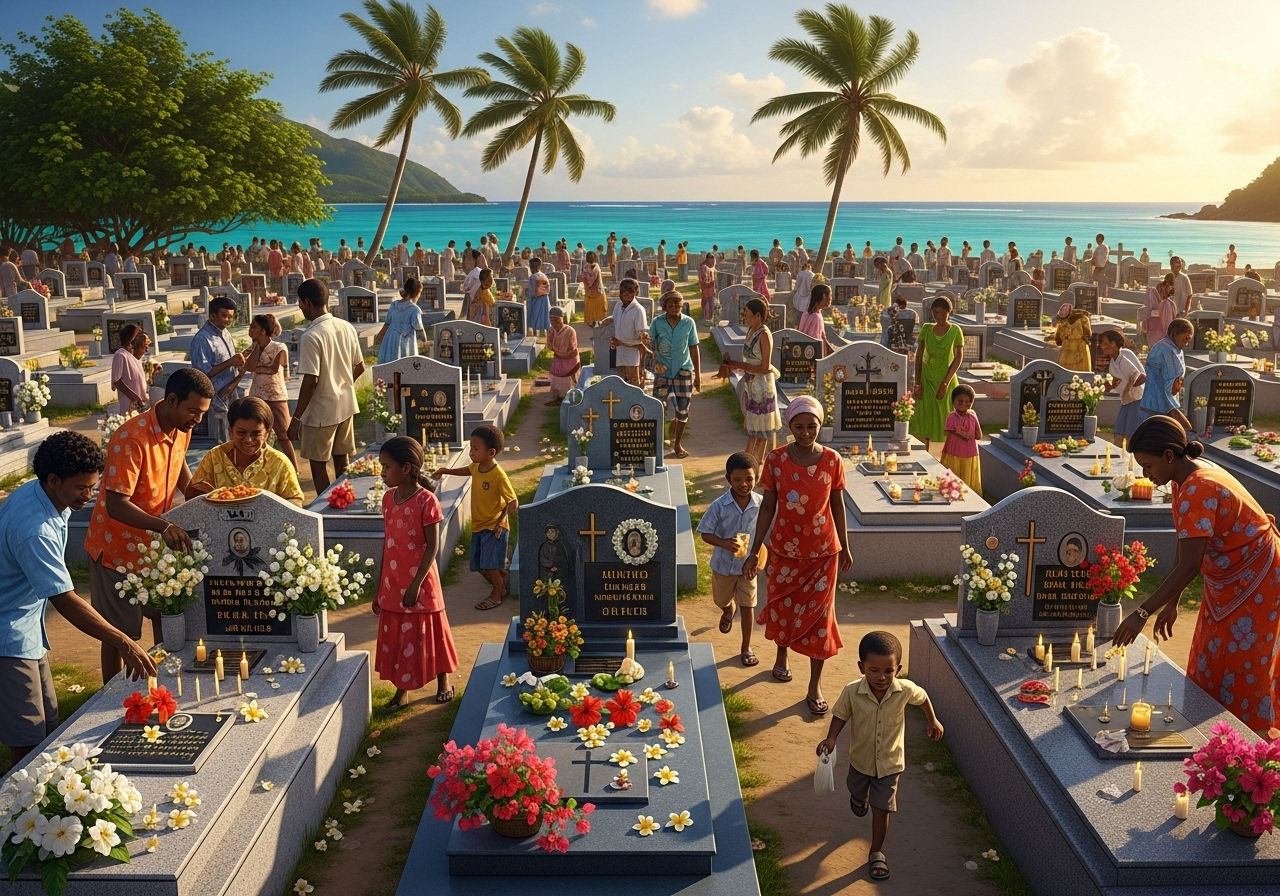
    All Saints’ and All Souls observances in Seychelles blend deep Catholic devotion with island customs, filling churches and cemeteries with flowers, candles, and family gatherings at the turn of November. All Saints’ Day (La Toussaint) is a national public holiday on Saturday, November 1, 2025, followed by All Souls’ Day on Sunday, November 2, a quieter commemoration focused on prayers for the departed. Official holiday calendars, tourism and culture guides, and local histories confirm the public holiday status, Creole traditions of cemetery visits, and the significance of historic burial grounds on Mahé where families tend graves and light candles from dusk.

    Dates and public holiday status

    • All Saints’ Day falls on Saturday, November 1, 2025, and is a designated public holiday in Seychelles; most offices close, and many businesses keep reduced hours. Government lists and global holiday calendars confirm the date and status.
    • All Souls’ Day follows on Sunday, November 2, 2025; it is widely observed liturgically but is not listed as a separate public holiday, with primary focus on Masses and cemetery prayers.

    What Seychellois do

    • Church and cemetery: Families attend Mass then visit cemeteries to clean headstones, place fresh flowers, and light candles at loved ones’ graves, a practice described locally as central to La Toussaint and the following day’s All Souls observance.
    • Evening remembrance: As night falls on November 1, cemeteries are illuminated by candles, creating a solemn glow across rows of graves, a regional Catholic custom echoed in Seychelles sources.
    • Family time: After services and cemetery visits, households gather for meals and quiet remembrance, reinforcing the day’s role in community bonding.

    Where observances unfold

    • Mont Fleuri Cemetery (Mahé): The largest cemetery in Seychelles, opened in 1875, with thousands of interments and historic graves from the 19th and 20th centuries; a focal point for All Saints/All Souls visits in the capital region.
    • Bel Air Cemetery (Mahé): The oldest historic burial ground near Victoria, where families also pay respects; noted for figures of folklore and early colonial history, adding cultural resonance to cemetery traditions.
    • Parish grounds across the islands: Parish cemeteries in districts on Mahé, Praslin, and La Digue host local gatherings for prayers and blessings of graves after Mass.

    Cultural and historical context

    • Catholic heritage: French mission roots shaped a predominantly Catholic culture, making La Toussaint a salient national observance with cemetery rituals, floral offerings, and candles tied to honoring saints and the faithful departed.
    • Historic sites and memory: Local histories document Mahé’s burial grounds, from Bel Air’s 18th–19th century notables to Mont Fleuri’s clerics, officials, and families, situating present‑day commemorations within a long arc of island memory.

    Practical tips for visitors

    • Expect closures: November 1 is a public holiday; banks, offices, and some shops close or keep shorter hours; plan errands and bookings accordingly.
    • Candle etiquette: Buy candles and flowers early; at cemeteries, keep pathways clear, speak softly, and avoid flash photography near worshippers during prayers or blessings.
    • Dress and conduct: Modest, respectful attire is appreciated at Mass and in cemeteries; follow any posted guidance from parish staff during grave blessings.

    Attending services

    • Parish Masses: Catholic parishes across Mahé, Praslin, and La Digue hold special Liturgies on November 1; All Souls’ Day on November 2 features requiem prayers and often cemetery blessings. Check local parish boards for times.
    • Language: Services may be in English, French, or Seychellois Creole, reflecting the islands’ multilingual tradition; visitors are welcome to join respectfully.

    Visiting historic cemeteries

    • Bel Air Cemetery, Victoria: Oldest official burial ground, tied to early French settlement; known for the “giant boy” legend and graves of sailors, clergy, and colonial figures; visits on La Toussaint connect folklore and faith.
    • Mont Fleuri Cemetery: Extensive grounds with distinctive crosses, vaults, and tombstones; many families focus All Souls prayers here, lighting candles at dusk.
    • Safety and access: Use established paths, bring a small flashlight after dark, and be mindful of uneven ground typical of historic sites.

    Broader Christian calendar link

    • Continuity of feasts: All Saints’ Day in Seychelles is part of an annual Christian cycle that includes Corpus Christi in June and the Assumption in August, also public holidays that reflect the islands’ Catholic identity.
    • Global resonance: Candle‑lit cemetery traditions on All Saints/All Souls mirror wider Catholic practices around the world, underscoring the shared meaning of remembrance and prayer for the departed.

    Sample two‑day observance plan

    • November 1 (All Saints’): Morning Mass at a Victoria parish; afternoon visit to Mont Fleuri Cemetery to place flowers; return near sunset to light candles; quiet family dinner.
    • November 2 (All Souls’): Requiem Mass; stop at Bel Air Cemetery for graveside prayers; walk Victoria’s historic core to reflect on island heritage and faith.

    Respectful photography and storytelling

    • Photography: If documenting the candlelight, avoid intrusive flash; ask before photographing individuals at graves; panoramic shots from paths maintain privacy and reverence.
    • Learning more: Cemetery plaques and parish boards sometimes include historical notes; pairing a visit with the Seychelles News Agency’s heritage features enriches understanding.

    Verified essentials at a glance

    • All Saints’ Day 2025: Saturday, November 1; public holiday in Seychelles; churches and cemeteries central to observance.
    • All Souls’ Day 2025: Sunday, November 2; observed with requiem Masses and grave blessings; not a separate public holiday listing.
    • Traditions: Mass attendance, cleaning and decorating graves, and candlelight vigils at dusk; family gatherings after services.
    • Key sites: Mont Fleuri Cemetery and Bel Air Cemetery on Mahé, plus parish cemeteries across the islands.

    Plan an early‑November stay that honors the islands’ quiet, luminous traditions. Attend Mass, bring flowers and candles to historic cemeteries, and witness a community’s gentle remembrance under the Creole sky. La Toussaint and All Souls in Seychelles offer a moving window into faith and family—arrive with respect, take part with care, and let the candlelight tell the story.


    , Seychelles
    Nov 1, 2025 - Nov 2, 2025
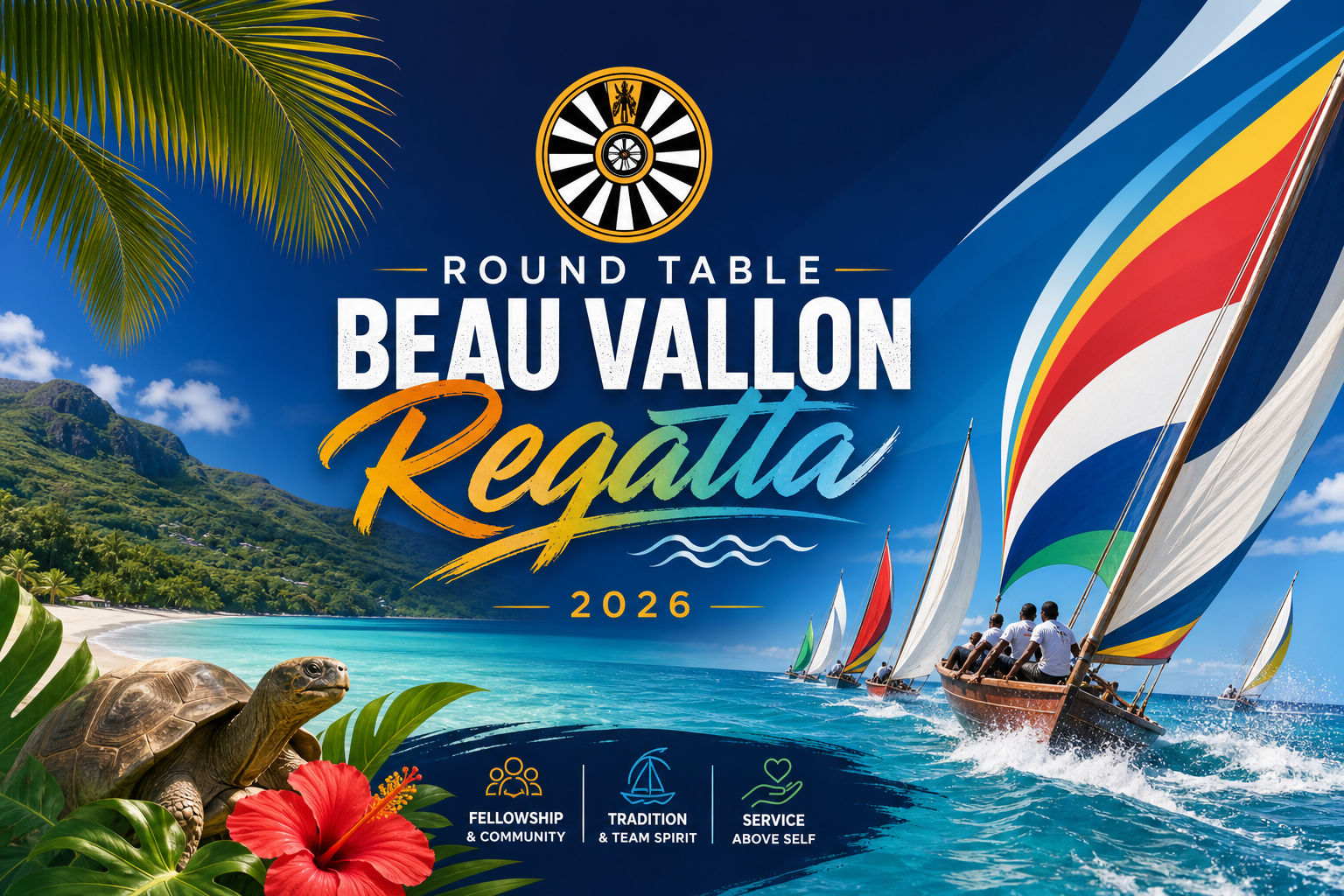
    Beau Vallon Regatta 2025
    Cultural, Nautical
    TBA

    Beau Vallon Regatta 2025

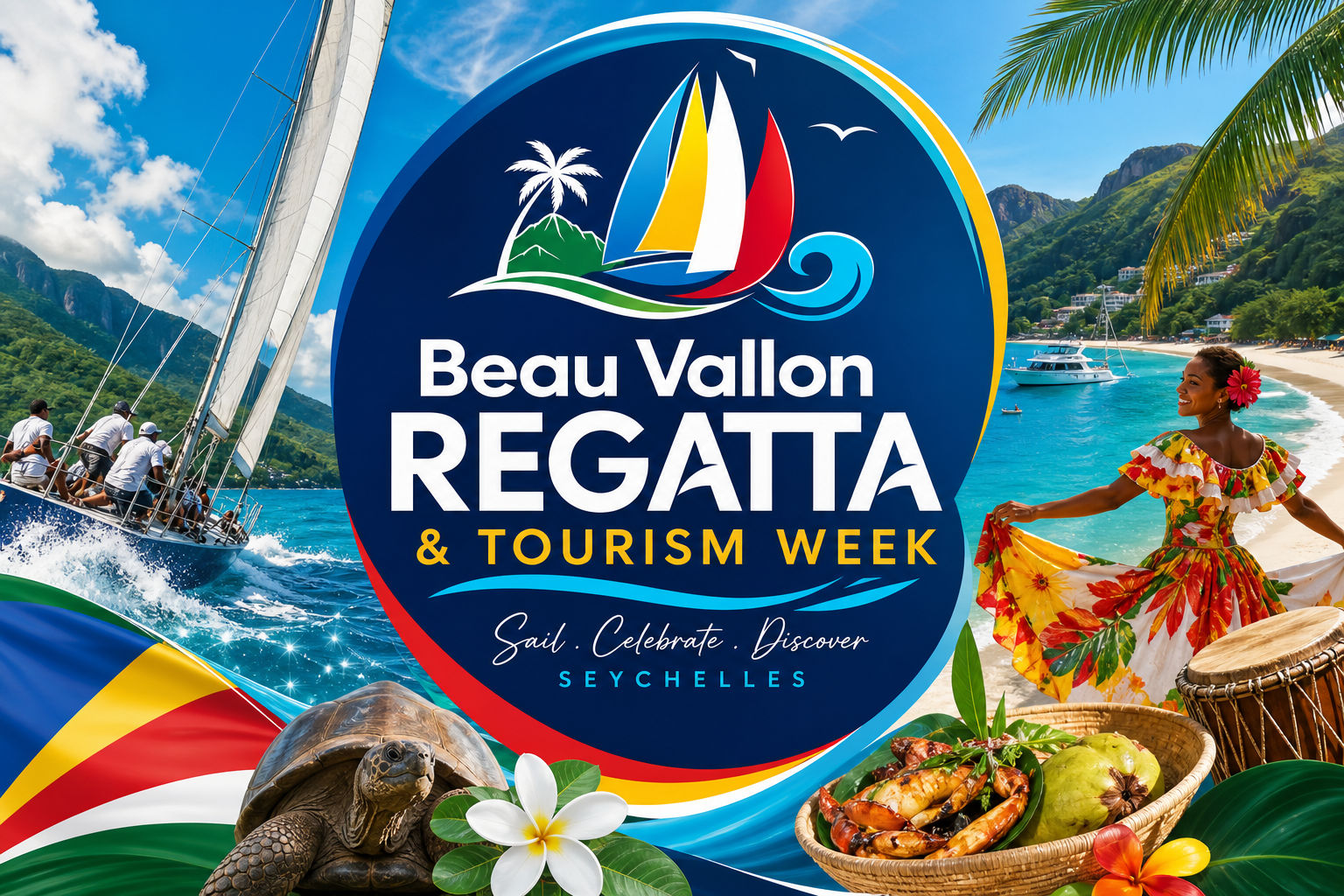
    Beau Vallon Regatta 2025 brings Seychelles’ most beloved beach weekend back to Mahé on October 17–19, transforming Beau Vallon into a high‑energy seaside fairground of music, Creole food, water sports, and classic contests that locals and visitors have cherished for decades. Organizers and official partners confirm that the 2025 edition, branded “Regatta Kreolite,” is woven into the Festival Kreol calendar and raises funds to support elderly homes, blending island fun with a strong community purpose. Expect three days of concerts, beach games, food and craft stalls, regatta‑style activities, and the return of crowd‑favorite competitions that have long defined this heritage event on Seychelles’ most famous shore.

    Dates, place, and purpose

    • Dates: Friday to Sunday, October 17–19, 2025, on Beau Vallon Beach, Mahé, confirmed by the event’s media partner announcements and the official Regatta 2025 campaign launch.
    • Venue: Beau Vallon, the wide, palm‑lined bay on Mahé’s northwest coastline that first hosted the regatta 52 years ago, returns as the festival’s natural amphitheater for main stages, food courts, and beach activities.
    • Mission: Regatta Kreolite channels proceeds to elderly homes across Seychelles, pairing entertainment with tangible social impact and aligning the weekend with the wider Festival Kreol community ethos.

    What to expect over three days

    • Beach festival energy: A non‑stop program of live music, DJs, and cultural performances anchors the beachfront, alongside pop‑up kitchens serving Creole specialties from afternoon into the night. Previews highlight “music, mouthwatering Creole food, water sports, and non‑stop entertainment.”
    • Water and sand competitions: Regatta traditions bring wet‑and‑wild fun back to the shoreline, with races, family games, and lighthearted contests that locals love to enter and crowds love to watch. Historical guides to the Round Table Beau Vallon Regatta describe tug‑of‑war, sprint‑style antics, and the hilariously slippery Greasy Pole Contest that closes the weekend on a high.
    • Community marketplace: Food, beverage, and sponsor stalls line the beach walk, offering snacks, drinks, giveaways, and festival‑only promotions—part of the regatta’s long history as a community fair that brings island businesses and artisans face to face with festivalgoers.

    How it fits into the cultural calendar

    • Part of Festival Kreol: In 2025, Regatta Kreolite is explicitly framed as a Festival Kreol highlight weekend, syncing with October’s island‑wide Creole culture celebrations. This alignment ensures even bigger crowds and a broader cultural slate, from dance to gastronomy.
    • Heritage event revived and refreshed: Over the years, the Beau Vallon Regatta has run in late September and sometimes earlier, but 2025’s October dates situate the weekend clearly within the Creole season while keeping the event’s signature beach atmosphere intact.

    Food, music, and vibe

    • Creole flavors: Expect octopus curry, grilled fish, chutneys, coconut‑rich sweets, and crowd‑pleasing street snacks designed for beach grazing between concerts and contests. The 2025 preview emphasizes a full spectrum of food vendors across the weekend.
    • Live sets and DJs: Big‑stage and beach‑bar performances keep energy high from day to night, with curated lineups spanning Creole rhythms, pop covers, and dance‑floor‑ready sets for a diverse crowd. Media partner plans mention behind‑the‑scenes coverage, interviews, and a comprehensive live guide to performances.
    • Family‑friendly and social: The regatta has always been a gathering space for multigenerational fun, with the 2025 edition reiterating activities suitable for families while also featuring nighttime entertainment for adults.

    Signature traditions locals love

    • Greasy Pole Contest: A comedic showdown of balance and grit on a grease‑coated pole reaching over the water, with cash or prizes at the top. It’s the regatta’s unofficial finale that draws huge beachside crowds.
    • Beach games and raffles: Tug‑of‑war and fairground games add a carnival feel, while charity raffles historically culminate in a grand prize draw, tying the weekend’s fun to community fundraising.
    • “Miss Regatta” people’s vote: The media partner teased a People’s Choice vote for Miss Regatta 2025, hinting at pageant or ambassador elements that engage the audience beyond the shoreline.

    Practical planning

    • Where to stay: Base in Beau Vallon or Bel Ombre for walkable access to the beach and stages; Victoria and the north coast are a short taxi ride away. Many guesthouses and hotels run full during the event weekend, so early bookings are recommended.
    • Getting there: Taxis, hotel shuttles, and public buses serve Beau Vallon; arrive early on Saturday and Sunday to beat traffic and secure a spot on the sand for headline moments like the Greasy Pole Contest.
    • What to bring: Beach shoes, sun protection, a light evening layer, and a reusable bottle to stay hydrated. Cash is helpful for stalls and quick purchases, even as many vendors accept cards.

    Responsible enjoyment

    • Keep the beach pristine: Use the bin stations and avoid single‑use plastics where possible; volunteers and partner teams work hard to leave Beau Vallon spotless after each night.
    • Respect safety zones: Observe marked areas for competitions and water entries; follow marshal instructions during high‑crowd segments and nighttime concerts.
    • Support the cause: Every snack, raffle ticket, and vendor visit helps drive the fundraising mission for elderly homes—enjoy the weekend and amplify the impact.

    Sample weekend plan

    • Friday (Oct 17): Sunset arrival at Beau Vallon; opening sets at the main stage; first bites of Creole street food and a shoreline stroll to get the lay of the land.
    • Saturday (Oct 18): Morning beach time; midday water games and sponsor activations; late‑afternoon competitions; evening concerts and DJ sets stretching into the night.
    • Sunday (Oct 19): Brunch at beach stalls; family‑friendly activities; Greasy Pole Contest finale and community raffle moments; closing performances and a final sea dip at twilight.

    New in 2025: media access and engagement

    • Real‑time coverage: As official media partner, Inside Seychelles will publish previews, live guides, backstage stories, and post‑event highlights, making it easier to navigate the schedule and catch must‑see moments.
    • Audience participation: Expect interactive features like Miss Regatta People’s Choice voting and social polls to bring spectators closer to the action all weekend.

    Why the Beau Vallon Regatta is unmissable

    • Seychelles’ social heart: Few events tie together beach life, Creole culture, and charitable purpose as naturally as the regatta, which has welcomed generations to play, dance, and give back on the sand.
    • Festival Kreol synergy: With the 2025 edition embedded in October’s Creole celebrations, the weekend becomes both a party and a cultural showcase for visitors seeking authentic island experiences.
    • A perfect beach setting: Beau Vallon’s broad bay provides a pristine stage for water games by day and music under the stars at night, framed by palms and surf.

    Verified details at a glance

    • Event: Regatta Kreolite — Beau Vallon Regatta 2025.
    • Dates: October 17–19, 2025; three days on Beau Vallon Beach, Mahé.
    • Part of: Festival Kreol 2025; charitable focus on supporting elderly homes.
    • Program pillars: Live music and DJs, Creole food stalls, water and beach competitions, family activities, sponsor activations, and classic contests such as the Greasy Pole.
    • Heritage note: The regatta returns to the beach where it first began over five decades ago, renewing a tradition loved across Seychelles.

    Circle the dates, book a room by the bay, and pack for long days on the sand followed by starry‑sky concerts. With community at its core and Festival Kreol spirit in full swing, Beau Vallon Regatta 2025 is the best reason to dance, cheer, and taste Seychelles all in one unforgettable beach weekend.

    , Seychelles
    Oct 17, 2025 - Oct 19, 2025
    Festival Kreol – 40th Edition
    Cultural, Heritage
    TBA

    Festival Kreol – 40th Edition

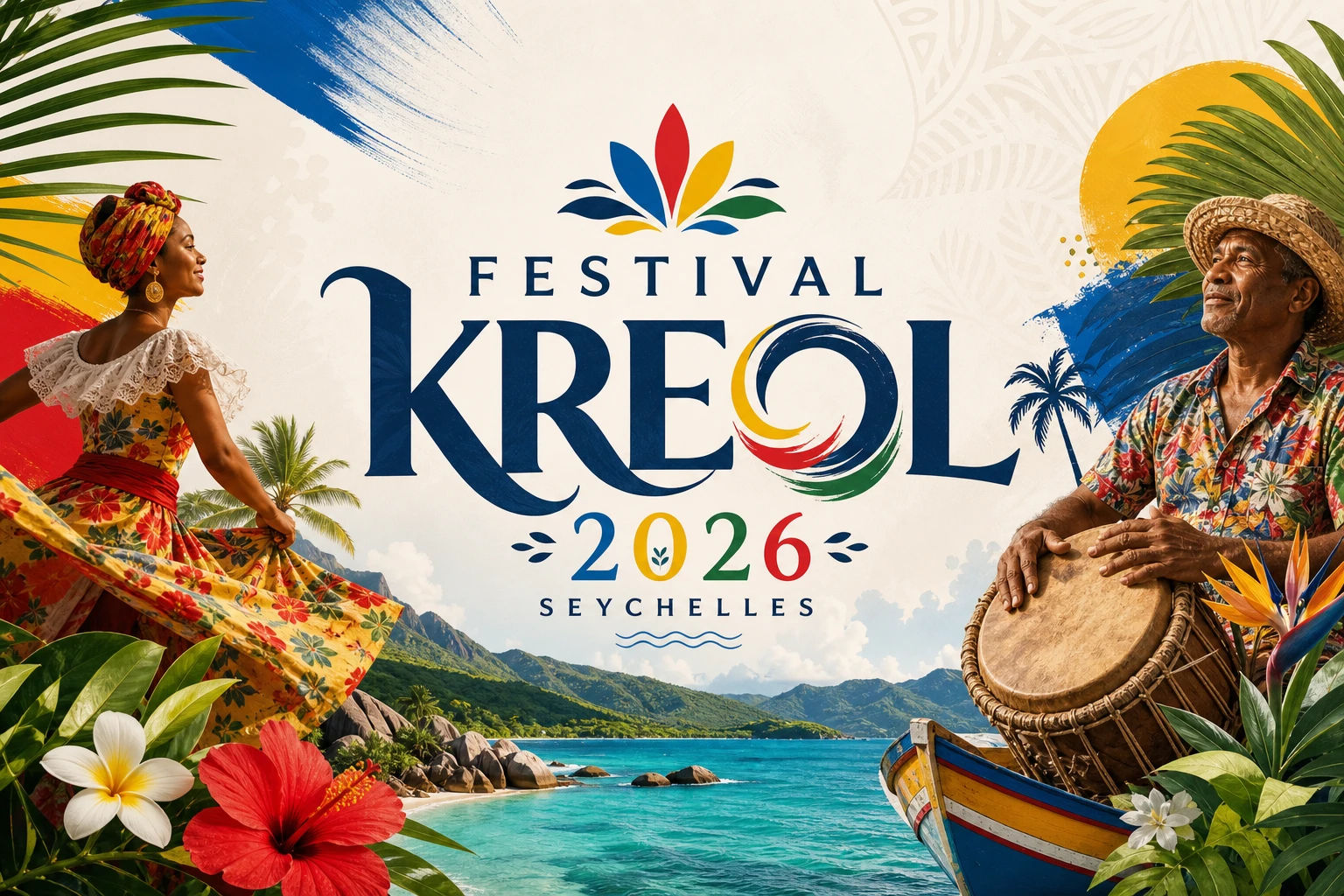
    Festival Kreol 2025 marks the 40th edition of Seychelles’ signature celebration of Creole identity, running island‑wide from October 3 to October 31 with a full month of music, dance, food, parades, and community rituals that make Victoria the “Creole Capital” each October. Official event listings and partner announcements confirm the milestone dates and the expanded scope for this anniversary year, with cultural agencies, tourism bodies, and brand partners rolling out campaigns, program previews, and heritage activations ahead of the festival. Visitors can expect daytime cultural bazaars and food fairs, evening concerts and kanmtole dances, flagship street parades such as Laserenad, family days like Dimans Kreol, and a closing Balbobes where locals and guests dance into the night.

    Dates, scope, and who organizes it

    • Dates and footprint: October 3–31, 2025 across Mahé, Praslin, La Digue, and outlying communities, with the capital Victoria hosting headline days that brand the city as “Creole Capital” for the month. Local event calendars list the full‑month span for the 40th edition.
    • Lead stakeholders: The Seychelles National Institute of Culture, Heritage & the Arts coordinates the program with cultural partners and sponsors, while Tourism Seychelles highlights Festival Kreol as a key 2025 anchor and partner brands activate special editions.
    • Partner activations: Air Seychelles signed on as an official partner for 2025, offering discounted airfares to regional delegates and aligning travel with the cultural calendar during the festival window.

    What to expect in 2025

    • Music and dance: Expect nightly programs featuring moutya and sega rhythms, traditional kanmtole dances, and modern Creole music showcases in Victoria and community stages, with artists drawn from across the Creole world. Preview listings flag a broad sweep of performances for the 40th year.
    • Culinary culture: Street markets and curated food fairs emphasize octopus curry, grilled fish, ladob, chutneys, and cassava and breadfruit specialties, paired with local beverages. The cultural bazaar model returns in Victoria with artisans and small producers.
    • Parades and family days: Laserenad, the high‑energy float and costume parade through Victoria, headlines the street calendar, while Dimans Kreol brings an all‑ages day of games, food, and music that centers families and elders. Past coverage documents Laserenad’s scale and competitive floats.
    • Visual arts and heritage: Exhibitions, storytelling, and language programs celebrate Kreol Seselwa, while workshops and school activations bring youth into the heart of the month‑long program.

    Signature events explained

    • Laserenad: A joyous procession of themed floats, dancers, and community troupes parading through the capital, with juried categories and invited international groups. Archived reporting shows thousands lining the route and cross‑island and international participation.
    • Cultural Bazaar: A collaborative market in Victoria bringing live music, traditional foods, and craftwork from Seychellois artisans, often delivered in partnership with Enterprise Seychelles Agency.
    • Dimans Kreol: A family‑first day of Creole games, music, and cuisine, designed to unite generations and anchor community pride.
    • Balbobes: The traditional closing ball featuring live kanmtole bands and dance under the stars, a beloved finale for locals and visitors alike.

    40th‑edition highlights and tie‑ins

    • Month‑long arcs: Inside Seychelles and tourism calendars spotlight a full October of programming for the 40th, signaling more events, wider community reach, and special anniversary content across the islands.
    • Brand collaborations: Seychelles Breweries’ “Celebrate Seychelles” art campaign selected artist James Agricole to feature on limited‑edition SeyBrew labels for Festival Kreol 40, a cultural tie‑in that champions local creativity during the anniversary year.
    • Theme days in Victoria: Social previews tease “Creole Capital Celebrations” slated for Thursday October 24 in Victoria, typically a day of concentrated public festivities that bring the month’s strands together in the capital.

    Travel planning

    • When to book: October is peak for cultural travel; flights and hotels fill around the main Victoria events and closing weekend. Partner fare discounts via Air Seychelles apply to regional delegates; international travelers should book early and monitor festival updates.
    • Where to stay: Base in Victoria or Beau Vallon on Mahé for headline nights; add nights on Praslin or La Digue to experience community events and quieter coastal celebrations during the month.
    • Getting around: Inter‑island ferries and domestic flights connect Mahé, Praslin, and La Digue; within Mahé, buses and taxis link Victoria with event sites. Arrive early for parade days when roads around the capital close.

    Cultural etiquette and tips

    • Dress and decorum: Lightweight attire for humid evenings; a modest, comfortable style is welcome at community events. Ask before photographing elders and children, and be mindful of performers’ space during parades and dances.
    • Language and participation: A few words of Kreol Seselwa go a long way; many workshops and storytelling sessions welcome visitors. Engage respectfully and support artisans at bazaar stalls.
    • Sustainability: Use designated bins, carry a reusable bottle, and follow volunteer directions during crowd flows; community groups and cultural agencies shoulder cleanup and safety across busy nights.

    Sample four‑day festival plan

    • Day 1 (Victoria): Morning craft and language workshops; lunch at the cultural bazaar; evening sega/moutya showcase at a central stage.
    • Day 2 (Mahé communities): Village‑based storytellers and culinary pop‑ups; night kanmtole dance in an outdoor square.
    • Day 3 (Laserenad): Claim a curb spot early; watch the float parade through Victoria; dinner from street vendors and live music into the evening.
    • Day 4 (Dimans Kreol or Balbobes): Family day with traditional games and performances, or dress for Balbobes to dance with a live band under the stars.

    Why Festival Kreol matters

    • A living heritage showcase: The festival affirms Seychellois identity through language, music, food, and intergenerational rituals that unite locals and diaspora communities each year. Tourism Seychelles elevates the 40th edition as a national milestone in the 2025 calendar.
    • Regional Creole bridge: The program welcomes artists and groups from other Creole nations, strengthening ties across the Francophone and Creolophone world while keeping Seychellois traditions at the center.

    Verified details at a glance

    • Name and milestone: Festival Kreol — 40th Edition in 2025.
    • Dates: October 3–31, 2025, across Seychelles, with Victoria as the headline hub.
    • Signature events: Laserenad parade, Cultural Bazaar in Victoria, Dimans Kreol family day, Balbobes closing dance, plus nightly music and dance showcases island‑wide.
    • Partners and previews: Tourism Seychelles and NICHA lead; Air Seychelles confirmed as festival partner; brand activations and art campaigns tied to the 40th anniversary.

    Mark the October dates and come ready to taste, dance, and learn. With a month‑long slate for the 40th anniversary, Festival Kreol 2025 is the moment to experience Seychelles’ Creole heartbeat — from Laserenad’s color to Balbobes’ joy. Book early, build a flexible itinerary, and let Victoria’s rhythms guide an unforgettable cultural journey.

    , Seychelles
    Oct 3, 2025 - Oct 31, 2025
    Freediving Seychelles Liveaboard Retreat 2025
    Marine, Wellness
    TBA

    Freediving Seychelles Liveaboard Retreat 2025

    What’s confirmed for September 2025

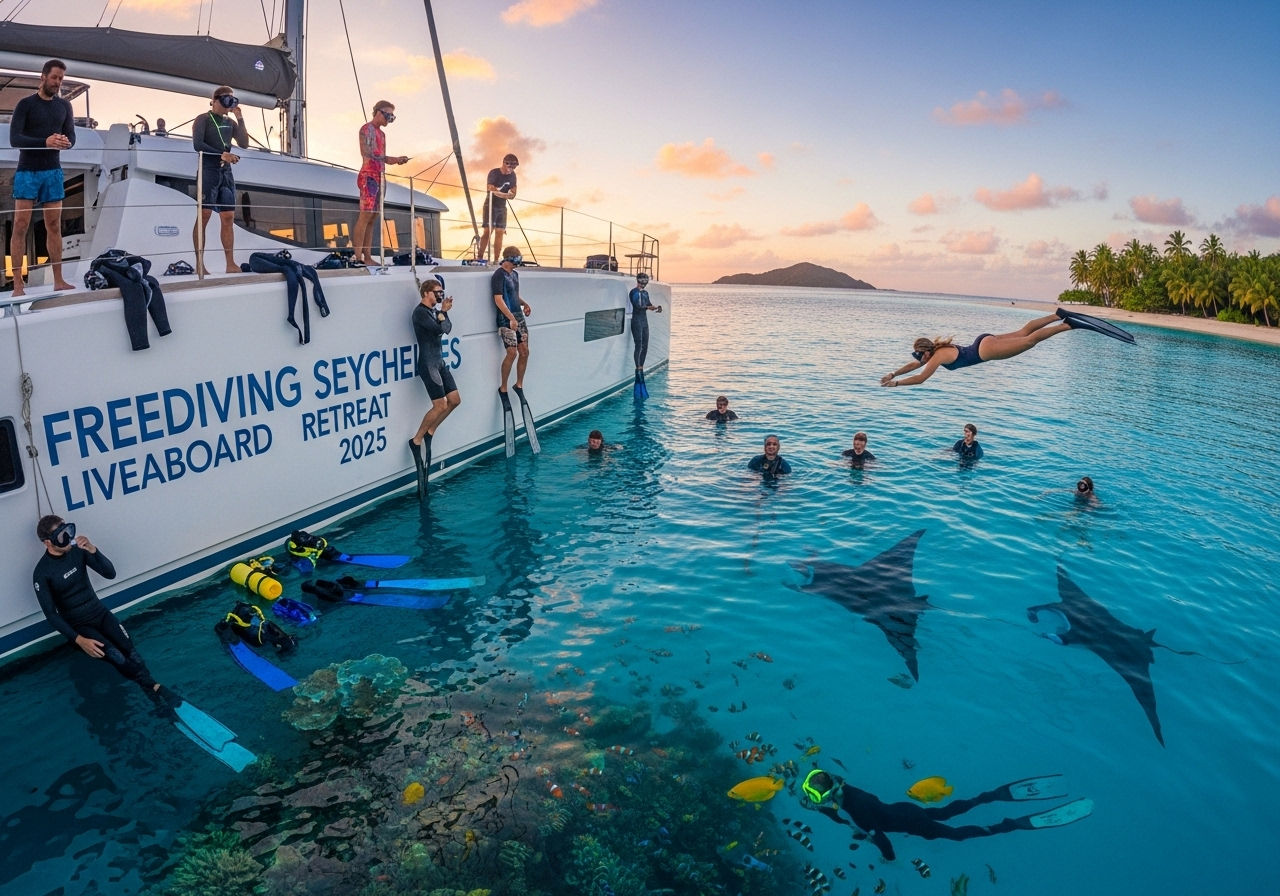
    • Dates and location: September 4–13, 2025, Madagascar liveaboard expedition organized by Freediving Seychelles, departing from Nosy Be’s Hell‑Ville port. The plan highlights whale season, remote reefs, and a mix of freediving and scuba with full yacht support.
    • Format and vessel: A 10‑day catamaran liveaboard on “Lonestar,” an 85‑ft luxury yacht with en‑suite cabins, large lounge, tender, and crew that includes captain, chef, hostess, divemaster, and freediving instructors; activities span unlimited coached freediving, eight guided scuba dives, yoga, meditation, paddleboarding, photography, and island exploration.
    • Group size and vibe: Up to 12 guests plus crew, small‑group coaching, whale‑watching opportunities typical for September in the Nosy Be region, and a wellness overlay similar to the Seychelles sailings.

    Seychelles liveaboard context from the same team

    • Seychelles retreat model: The operator’s Seychelles liveaboards are holistic 8‑day catamaran retreats to the Amirantes Outer Islands, blending freediving line sessions, manta/shark/turtle encounters, yoga, breathwork, and mindful sailing. The most recent published Seychelles dates are April 5–12, 2025, at €3,500 per person. A prior November 16–23, 2024 sailing was advertised and filled.
    • September status for Seychelles: No official September 2025 Seychelles liveaboard is listed on the operator’s retreats page. If a late‑season Seychelles sailing is added, it has not been posted to the public schedule.

    Alternatives if September timing is fixed

    • Madagascar with the same crew: Join the September 4–13, 2025 Madagascar expedition, which mirrors the Seychelles liveaboard’s coaching and wellness structure, with a seasonal focus on whale sharks and humpbacks in the Nosy Be archipelago.
    • Land‑based Seychelles in September: Combine AIDA training and guided fun dives from Mahé or Praslin with day‑charter sailing. Course and “Try Freediving” sessions are listed for Seychelles across August–September 2025 through partner booking portals.
    • General Seychelles liveaboards: Scuba‑centric Seychelles boats run year‑round; while not freedive‑dedicated, private charters can be adapted with a freedive coach onboard if arranged in advance.

    How to proceed

    • If seeking September 2025 with this team: Book the Madagascar expedition (Sept 4–13) and request cabin availability, skill prerequisites (AIDA 2+ strongly encouraged), and payment terms directly with Freediving Seychelles via the retreats contact.
    • If Seychelles is mandatory: Ask the operator if a late‑September Seychelles sailing will be added; otherwise, target the next confirmed Seychelles liveaboard window (April 5–12, 2025) or a future Outer Islands date to be announced.

    Verified details at a glance

    • September 2025 liveaboard by this operator: Madagascar, September 4–13, 2025, departing Nosy Be; unlimited freediving, guided scuba (8 dives), yoga, and island landings on an 85‑ft catamaran with full crew.
    • Recent Seychelles liveaboard: Amirantes Outer Islands, April 5–12, 2025; €3,500 per person; holistic freedive retreat with yoga, breathwork, and manta/shark/turtle encounters.
    • No public Seychelles September 2025 departure posted: Operator’s retreats page lists April Seychelles and September Madagascar; Instagram posts corroborate the schedule cadence.

    If a Seychelles liveaboard in September is the priority, reach out to the host to see if a late‑season Amirantes sailing will be added; if dates are fixed for September, the Madagascar expedition is the operator’s liveaboard offering for that month with the same coaching team and comfort level.

    , Seychelles
    Sep 4, 2025 - Sep 13, 2025

    Photo Gallery

    Seychelles gallery 1
    Seychelles gallery 2
    Seychelles gallery 3
    Seychelles gallery 4
    Seychelles gallery 5

    Popular Events at Seychelles

    SUBIOS – Seychelles Ocean Festival

    SUBIOS – Seychelles Ocean Festival

    <p>Seychelles Ocean Festival - Event DescriptionSUBIOS, now known as the Seychelles Ocean Festival, is the islands’ signature celebration of marine life, ocean conservation, and water-based culture, bringing together exhibitions, talks, community activities, and ocean experiences on Mahé. Typically held in late November, it’s an ideal event for travelers who want their Seychelles island holiday to include purpose, learning, and memorable encounters with the sea that shapes local life.</p><h2>What is SUBIOS – Seychelles Ocean Festival?</h2><p>SUBIOS originally stood for “Sub Indian Ocean Seychelles” and began as an underwater festival focused on the world beneath the waves. A Seychelles Nation archive report notes that Subios was first conceived and launched in 1990, with a clear mission to help Seychellois people appreciate what exists under the sea so it can be better cared for.</p><p>Over time, the event evolved and expanded. Seychelles’ Tourism Department explains that the Seychelles Ocean Festival (SOF) was originally under the name SUBIOS and has grown into a key event on the national calendar, expanding beyond diving to include a wider marine spectrum such as sailing, water sports, sustainable seafood gastronomy, and community engagement.</p><h2>When the festival is typically held</h2><p>Recent official coverage places the Seychelles Ocean Festival in late November, running across multiple days. Seychelles News Agency reports the festival taking place from Thursday to Saturday, November 28 to November 30, emphasizing that this is the event’s seasonal slot after a multi-year hiatus.</p><p>Another official Tourism Department release describes the festival opening on the evening of November 27 and running from November 28 to November 30, reinforcing late November as the typical timing window. For travel planning, late November can be a sweet spot: you still get warm ocean conditions, and you’re visiting when Seychelles is actively showcasing marine stewardship.</p><h2>Where SUBIOS happens: Victoria, museums, and ocean-facing venues</h2><p>SUBIOS and the Seychelles Ocean Festival are strongly connected to Victoria on Mahé, especially through exhibitions and opening events. The Tourism Department notes an opening event hosted at the National Museum of Seychelles, with an exhibition developed in collaboration with the Save Our Seas Foundation and the National History Museum, featuring underwater photography and a sustainability-focused approach.</p><p>Festival programming can also extend to coastal areas tied to water sports and community engagement. Seychelles News Agency references activities that cater to locals and foreigners, including a family fun day and arts and crafts workshops, showing how the festival reaches beyond a single indoor venue.</p><h2>The festival’s purpose: conservation with an island heartbeat</h2><p>What makes SUBIOS different from a typical beach event is its mission. Seychelles’ Tourism Department highlights that the festival emphasizes sustainability, education, and community involvement, showcasing both the beauty and fragility of Seychelles’ marine environment.</p><p>This matters for visitors because it changes the tone of your trip. Seychelles News Agency quotes a Save Our Seas representative emphasizing new ideas like virtual reality sets for people who cannot put their head underwater, reinforcing that the festival is designed to share the ocean experience widely, not only with divers.</p><h2>What to do at SUBIOS: signature highlights</h2><p>SUBIOS is best enjoyed as a mix of inspiring exhibitions and hands-on experiences.</p><h3>Underwater photography and visual exhibitions</h3><p>The festival has long been linked with underwater imagery, and official coverage shows that tradition continues. The Tourism Department describes a special exhibition with underwater photography and a digital, sustainability-focused approach, created with partners including Save Our Seas Foundation and the National History Museum.</p><p>If you love photography, plan time for the exhibits early in your visit. You’ll enjoy them more when you’re not rushing between beach time and evening plans.</p><h3>Film screenings and documentary premieres</h3><p>SUBIOS has a strong film component, often used to tell conservation stories. Seychelles News Agency notes the premiere of a documentary titled “Coconuts to Conservation,” showing how the festival uses storytelling to connect visitors with real ocean protection work.</p><h3>Family-friendly and community events</h3><p>This is not an adults-only marine science conference. Seychelles News Agency reports that activities are designed to cater to everyone, with emphasis on children and community engagement through family fun day activities, community storytelling, and arts and crafts workshops.</p><h3>Diving and ocean experiences</h3><p>While the festival expanded beyond diving, underwater exploration remains a natural fit. A Seychelles Ocean Festival overview highlights diving excursions led by experienced guides and educational workshops that deepen understanding of marine conservation and biodiversity.</p><p>For travelers, this makes SUBIOS a smart anchor for an island itinerary: schedule a dive or snorkel day, then follow it with exhibitions and talks that help you understand what you just saw underwater.</p><h3>Cultural aspects: how the ocean shapes Seychelles identity</h3><p>SUBIOS feels authentic because it reflects a basic truth about Seychelles: the ocean is central to life, identity, and tourism. In the official Tourism Department release, speakers emphasize that the ocean is “at the heart of the Seychelles experience,” tying the festival directly to how the islands see themselves.</p><p>It’s also a festival where local youth often play a role. The same release describes student performances and poems during the opening ceremony, which adds warmth and community pride to what could otherwise feel like a purely educational event.</p><h2>Practical travel tips for visitors</h2><h3>Best island base</h3><p>Because key exhibitions and openings are held in Victoria on Mahé, staying on Mahé is the most convenient choice for festival week. If you want to add Praslin or La Digue, treat SUBIOS days as your Mahé chapter and island-hop afterward.</p><h3>What to bring</h3><p>Pack for a mix of indoor and outdoor events. Bring light layers for air-conditioned venues, plus reef-safe sun protection and water shoes if you plan to join ocean activities.</p><h3>Build a “sea and city” itinerary</h3><p>A simple rhythm works well:</p><ul><li>Morning: snorkel, dive, or beach time.</li><li>Afternoon: exhibitions or talks in Victoria.</li><li>Evening: film screening or special program night.</li></ul><h2>Pricing: what does SUBIOS cost?</h2><p>Many core elements such as public exhibitions and community activities are often designed to be accessible to broad audiences, especially families. Seychelles News Agency emphasizes public participation and family attendance, which typically signals community-style access rather than exclusive ticketing.</p><p>However, some experiences can be paid add-ons. Diving excursions, guided ocean outings, and certain workshops may be priced separately depending on the operator and what’s included.</p><h2>Verified Information at a glance</h2><ul><li>Event name: <strong>SUBIOS (original name) and Seychelles Ocean Festival (current expanded festival format).</strong></li><li>Event category: <strong>Ocean and conservation festival (marine education, exhibitions, film, water activities, community events).</strong></li><li>Typically held: <strong>Late November (multi-day program).</strong></li><li>Main island / location: <strong>Mahé, with key events and openings in Victoria (including the National Museum of Seychelles and National History Museum collaborations).</strong></li><li>Origins: <strong>Subios was first conceived and launched in 1990 as an underwater festival with a mission of building appreciation for the underwater world.</strong></li><li>What it includes: <strong>Sustainability-focused exhibitions with underwater photography, film screenings and documentary premieres, family and community activities, plus marine experiences such as diving excursions depending on the program.</strong></li><li>Pricing: <strong>Many public-facing activities are designed for broad community participation, while optional experiences like diving excursions may have separate costs depending on operators and inclusions.</strong></li></ul><p>Plan your Seychelles island escape for late November, spend your mornings in turquoise water and your afternoons in Victoria’s ocean exhibits, and let SUBIOS, the Seychelles Ocean Festival, turn your beach holiday into a deeper connection with the marine world that makes these islands extraordinary.</p>

    Typically in Late November
    Seychelles Regatta

    Seychelles Regatta

    <p>Seychelles Regatta Event DescriptionSeychelles Regatta is a high-energy beachside celebration on Mahé that blends sailing and water sports with Creole food, live music, and community fun at the famous sands of Beau Vallon. Typically staged around <strong>late September to October</strong> (timing can vary), it’s one of the best ways to experience Seychelles as a living island culture, not just a postcard destination.</p><h2>What is the Seychelles Regatta?</h2><p>In Seychelles, “Regatta” is commonly associated with the Beau Vallon Regatta, a lively festival format that combines on-water competition with shore-based entertainment and cultural festivities. A recent official media partner page describes Regatta as “Seychelles’ most-loved bash” and a Seychellois tradition that brings people together to celebrate Creole culture through music, food, water sports, and nonstop entertainment at Beau Vallon.</p><p>This isn’t a regatta in the narrow, yacht-club-only sense. It’s designed so travelers, locals, families, and sports enthusiasts can all find their place, whether you come for the races, the beach games, or the festival atmosphere.</p><h2>When Seychelles Regatta is Typically Held</h2><p>Seychelles Regatta is usually referenced as taking place in <strong>late September</strong>, although organizers have also staged editions earlier, including in August. The event doesn’t always follow a strict calendar, which is why confirming dates before booking is essential if you’re planning your island trip around it.</p><p>Some editions are scheduled in <strong>October</strong> and can align with other major cultural celebrations. For example, an official media partner listing shows Regatta running from <strong>October 17–19</strong> at Beau Vallon as part of Festival Kreol programming, reinforcing that October can be a key window for this event on Mahé.</p><h2>Where the Action Happens: Beau Vallon, Mahé</h2><p>Beau Vallon Beach on Mahé is the regatta’s signature setting, turning one of Seychelles’ best-known swimming beaches into a festival shoreline. The same event page emphasizes that Beau Vallon “will come alive” during Regatta with food, music, water sports, and entertainment, confirming the beach as both venue and vibe.</p><p>For island travelers, Beau Vallon is a perfect base. It’s close to Victoria for day trips, it has a strong choice of restaurants and accommodations, and it’s easy to spend the morning snorkeling or paddling before festival energy builds later in the day.</p><h2>The Best Things to Do at Seychelles Regatta</h2><p>Seychelles Regatta is at its best when you treat it like a full beach day that turns into an island party.</p><h3>Watch Racing and Water Sports Up Close</h3><p>Regatta programming often includes on-water sports that are easy to watch from the sand, making it ideal for travelers who love “spectator-friendly” events. A schedule overview for a recent edition lists activities such as canoe racing, water polo, and sailing race formats, showing how varied the water sports component can be.</p><h3>Join Beach Games and Community Challenges</h3><p>Regatta is known for playful beach competitions that lean into island humor and camaraderie. A Beau Vallon regatta guide highlights activities like tug-of-war and the “Greasy Pole Contest,” describing them as part of the event’s lively mix of sport and fun.</p><h3>Eat Creole Food and Follow the Music</h3><p>Food and music are not side attractions at Seychelles Regatta. The official media partner page describes “mouthwatering Creole food” and “three days of live music, culture, sports, and celebration,” making it clear this is a festival for the senses as much as it is a sporting event.</p><h2>Cultural Meaning: A Beach Festival with Purpose</h2><p>Seychelles Regatta is often positioned as a community tradition, not just entertainment. A recent edition was described as raising funds to support elderly homes across Seychelles, which adds a meaningful local dimension to the weekend’s celebrations.</p><p>This is one reason the atmosphere feels welcoming. You’re stepping into a public island gathering where locals come to celebrate together, and visitors are simply invited to join in with respect and good energy.</p><h2>Travel Tips for a Smooth Seychelles Regatta Trip</h2><h3>Choose the Right Island Base</h3><p>Because the main regatta celebrations are at Beau Vallon on Mahé, staying on Mahé is the most convenient plan if Regatta is your priority. You can still add island-hopping to Praslin or La Digue before or after the event, but Mahé keeps you close to the action.</p><h3>Arrive Early and Pace Your Day</h3><p>Beau Vallon is popular even on normal days, so Regatta weekend can feel busy. Plan a relaxed early arrival to claim a comfortable beach spot, then drift between water sports viewing, food stalls, and music as the day unfolds.</p><h3>What to Pack</h3><p>Bring sun protection, water, and a light layer for evening breezes off the Indian Ocean. Comfortable sandals or water shoes help if you plan to join beach games or spend time near the shoreline during sports events.</p><h2>Pricing: What Does Seychelles Regatta Cost?</h2><p>Seychelles Regatta is presented as a public beach festival, and much of the experience is accessible without a ticket, especially general access to Beau Vallon and the festival atmosphere. Most visitor costs typically come from accommodation, transport, and food and drink spending at the beach during the event weekend.</p><p>If you plan to participate in specific competitions, entry rules may vary depending on the sport federation or organizer. For example, a schedule page notes some activities are open to the public with on-site registration, while others are reserved for registered athletes, so participation depends on the activity.</p><h2>Verified Information at a Glance</h2><ul><li><strong>Event Name:</strong> Seychelles Regatta (commonly referenced as Beau Vallon Regatta / Regatta Kreolite).</li><li><strong>Event Category:</strong> Beach regatta and cultural festival (water sports, sailing-related activities, live music, Creole food, community games).</li><li><strong>Typically Held:</strong> Often in late September (dates can vary and may shift earlier or into October depending on edition).</li><li><strong>Main Venue:</strong> Beau Vallon Beach, Mahé, Seychelles.</li><li><strong>Key Experiences:</strong> Live music and Creole food on the beach, plus water sports and community competitions such as tug-of-war and the Greasy Pole contest (as commonly described in event coverage).</li><li><strong>Participation:</strong> Some activities may be open to the public with on-site registration, while others may be for registered athletes depending on the sport.</li><li><strong>Pricing:</strong> Much of the beach festival experience is generally accessible without a ticket; costs mainly depend on travel, dining, and any optional paid activities.</li></ul><p>Plan your Seychelles island escape around Beau Vallon’s biggest weekend, spend your days in the sea and your evenings with Creole food and live music on the sand, and make Seychelles Regatta the highlight that turns your beach holiday into a true island celebration.</p>

    Typically in late September
    FetAfrik

    FetAfrik

    <p>FetAfrik Event DescriptionSeychelles FetAfrik is the islands’ vibrant celebration of African roots and identity, bringing music, dance, art, and food into the spotlight through a festive, community-first program on Mahé. Timed around <strong>Africa Day</strong>, FetAfrik adds a powerful cultural layer to a Seychelles island holiday, inviting travelers to experience the archipelago beyond beaches through living heritage and contemporary creativity.</p><h2>What is FetAfrik in Seychelles?</h2><p>FetAfrik is described by Seychelles Cultural Foundation as a homage to Seychelles’ African roots, held annually on Mahé and showcasing a fusion of music, dance, art, and culinary delights. It’s also positioned as an event that celebrates one of the key origins of Seychellois people within a Creole nation, emphasizing the African strand of a broader multicultural identity.</p><p>The festival is not only about performances. Seychelles News Agency reports FetAfrik includes activities such as exhibitions, arts and crafts bazaars, African-themed bazaars, and a <em>moutya</em> dance night, reinforcing that it’s a multi-format cultural week rather than a single stage show.</p><p><br></p><h2>When FetAfrik is Typically Held (and Why Dates Can Vary)</h2><p>FetAfrik is usually organized around <strong>Africa Day</strong>, which is celebrated annually on May 25, and activities often start on or near that date. Seychelles News Agency notes FetAfrik activities kicked off to coincide with Africa Day on May 25 and describes it as an event organized around Africa Day each year.</p><p>Some official and media listings also place FetAfrik in <strong>late June</strong> for multi-day festival programming, for example describing an edition running from June 25 to June 27. Practically, this means FetAfrik can be referenced in two ways: as a celebration tied to Africa Day (May 25) and as a scheduled multi-day festival program that may occur later depending on organizers and calendar planning.</p><p><br></p><h2>Where FetAfrik Happens on the Islands</h2><p>FetAfrik is hosted on <strong>Mahé</strong>, with Victoria frequently serving as a central gathering point for cultural venues and public events. Seychelles News Agency describes a FetAfrik launch event at the National Museum of History in Victoria, which signals that major cultural institutions in the capital play a role in FetAfrik programming.</p><p>You may also find FetAfrik bazaar-style activities hosted in other Mahé districts. Community announcements have referenced FetAfrik bazaars at Domaine de Val des Prés in Au Cap, showing that the festival can spread into neighborhoods beyond central Victoria.</p><p><br></p><h2>The Meaning Behind FetAfrik: African Heritage in a Creole Nation</h2><p>FetAfrik exists to honor the African dimension of Seychelles’ cultural identity and to celebrate heritage in a way that feels current and alive. Seychelles News Agency quotes officials describing FetAfrik as a celebration of the diversity, contribution, and strength of African heritage and cultural history that should be preserved for future generations.</p><p>The festival also highlights the importance of <em>moutya</em>. In the same report, FetAfrik organizers explicitly pay homage to <em>moutya</em> as a direct connection with African ancestry and note its inscription on UNESCO’s list of intangible heritage in December 2021, which helps explain why <em>moutya</em> nights are such a meaningful part of FetAfrik programming.</p><p><br></p><h2>FetAfrik Highlights: What to Do and What to Look For</h2><p>Because FetAfrik can include several days of programming, the best plan is to pick a few “anchor experiences” that fit your travel style, then stay flexible for pop-up events.</p><h3>Cultural Performances: Music and Dance with African Influence</h3><p>FetAfrik is widely described as featuring live music and dance performances that reflect African heritage and its influence on Seychellois culture. Seychelles Cultural Foundation emphasizes the festival’s fusion approach, while Seychelles News Agency describes a launch evening featuring African dress, music, and dance.</p><h3>Arts, Crafts, and Bazaars</h3><p>If you love markets and handmade items, FetAfrik is a strong match. Seychelles News Agency reports that FetAfrik activities include arts and crafts bazaars and an African theme bazaar, creating a shopping-and-culture experience that feels very “island social life.”</p><p><br></p><h3>Exhibitions and Heritage Storytelling</h3><p>FetAfrik often includes exhibitions that connect the present-day festival to historical memory. Seychelles News Agency mentions an exhibition titled “Out of Africa” displayed at the museum during FetAfrik activities, showing how the event blends performance with education and reflection.</p><p><br></p><h3>Moutya Night: The Heartbeat Experience</h3><p>If you want one FetAfrik experience that feels unforgettable, make space for a <em>moutya</em> night. Seychelles News Agency describes an evening ending with a moutya and references moutya again as a direct cultural link to African ancestry, reinforcing its importance in FetAfrik celebrations.</p><p><br></p><h2>Travel Tips for FetAfrik on Mahé</h2><p>Mahé is easy to explore, but FetAfrik days reward smart planning, especially if you want to balance beaches with evening cultural events.</p><p><strong>Useful tips:</strong></p><ul><li>Base yourself within easy reach of <strong>Victoria</strong> if you want to attend multiple events across several days.</li><li>Treat FetAfrik as an evening-focused festival and keep your mornings open for beaches like Beau Vallon or coastal drives around the island.</li><li>If you’re interested in bazaars, arrive early to browse calmly before peak crowds and to get the best selection of handmade goods.</li><li>Pack light layers for warm evenings and bring comfortable shoes for standing and walking at markets and performance areas.</li></ul><p><br></p><h2>Pricing: What Does FetAfrik Cost?</h2><p>FetAfrik is primarily a cultural celebration hosted through public institutions and community programming, and many festival components such as public bazaars, exhibitions, and performances are commonly accessible without a single ticketed entry system. Visitor costs typically come from travel logistics, transport around Mahé, and purchases at bazaars and food stalls.</p><p>Because schedules can include specific organized nights or venues, confirm any paid-entry events through official listings from the Seychelles Cultural Foundation or festival communications close to your travel dates.</p><p><br></p><h2>Verified Information at a Glance</h2><ul><li>Event name: <strong>FetAfrik (Seychelles)</strong></li><li>Event category: <strong>Cultural heritage festival celebrating African roots</strong> (music, dance, arts, crafts, culinary offerings).</li><li>Typically held: Organized around <strong>Africa Day</strong> (May 25), with some scheduled multi-day festival programs also listed in <strong>late June</strong> depending on edition and planning.</li><li>Main island / location: <strong>Mahé</strong>, with key cultural activities hosted in and around <strong>Victoria</strong> (including the National Museum of History).</li><li>Signature experiences mentioned in reporting: Arts and crafts bazaars, African-themed bazaar, exhibitions, and <em>moutya</em> dance night.</li><li>Pricing: Many public cultural activities are typically accessible without a single general admission ticket; visitor costs are mainly travel and on-site spending, while any special events depend on the program.</li></ul><p>Plan your Seychelles island escape to overlap with FetAfrik on Mahé, spend your day in the sea and your evenings in the rhythms of African heritage, and step into Victoria’s cultural spaces and bazaars to experience the Seychelles as a living, dancing, story-rich Creole nation that’s proud of where it comes from.</p>

    Typically in Africa Day (May 25)
    Seychelles Carnival of Victoria

    Seychelles Carnival of Victoria

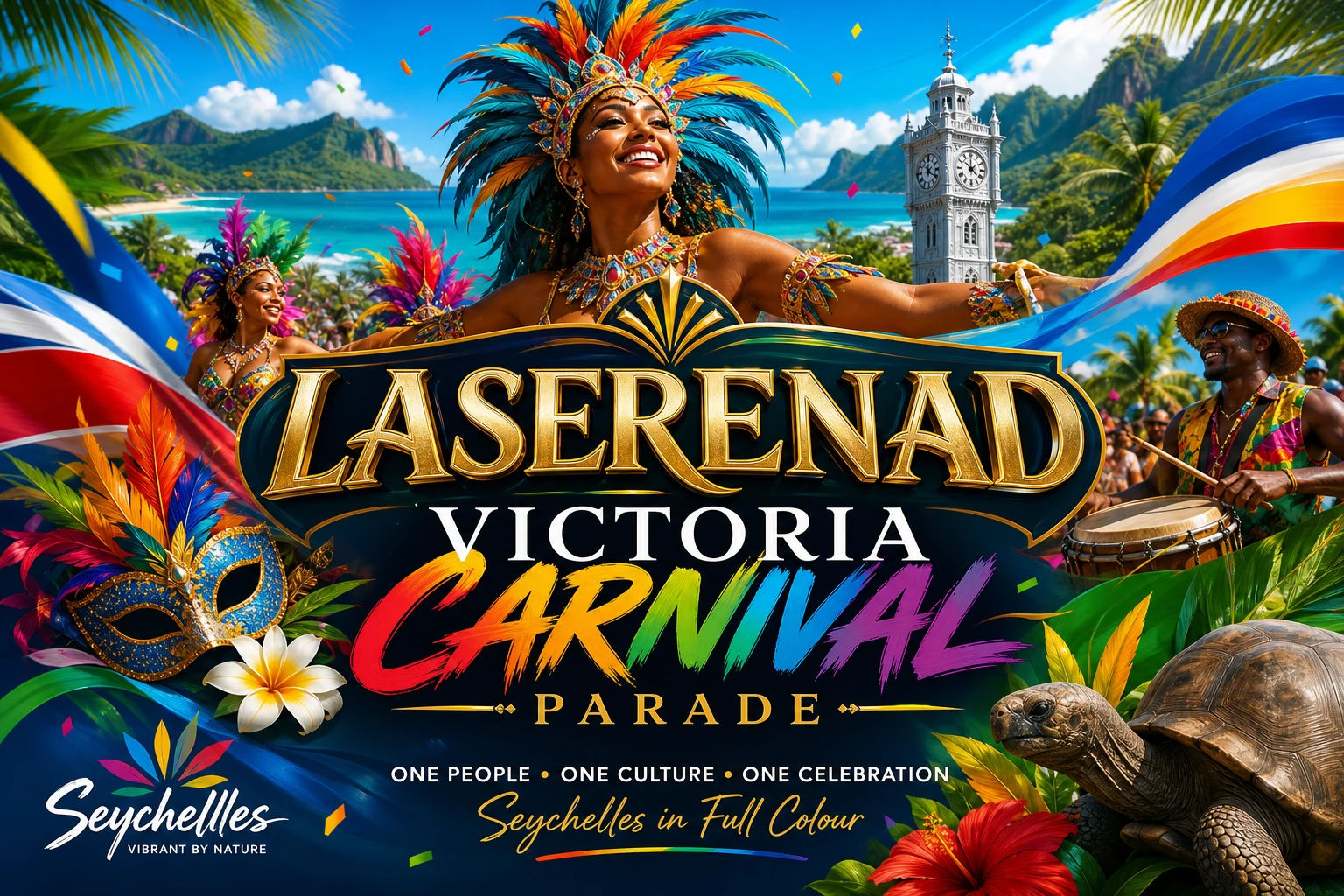
    <h2>Experience the Vibrant Seychelles Carnival of Victoria</h2><p>Seychelles Carnival of Victoria is the archipelago’s show-stopping street celebration, where international carnival groups and local performers transform Victoria, Mahé into a vibrant parade of costumes, music, dance, and cultural pride. Often described as a “carnival of carnivals,” it brings multiple countries into one island capital for a multi-day festival that feels both global and unmistakably Seychellois.</p><p><br></p><h2>What is the Seychelles Carnival of Victoria?</h2><p>The event is widely known as the <strong>Carnaval International de Victoria</strong> (International Carnival of Victoria), staged in the heart of Victoria, the capital city of Seychelles. A Seychelles News Agency retrospective notes the carnival began in <strong>2011</strong> and quickly became a regular feature on Seychelles’ calendar, designed as a “melting pot of cultures” with a street procession, performances, and food stalls.</p><p>One reason this carnival works so well for island travelers is its scale and accessibility. Seychelles News Agency describes locals and visitors lining the streets of Victoria to watch the grand parade, highlighting how central street viewing is to the experience.</p><p><br></p><h2>When the Carnival of Victoria is Typically Held</h2><p>The Carnival of Victoria has historically been staged across <strong>three days</strong> and commonly falls between <strong>February and April</strong>, with many editions held in April. A Vanilla Islands announcement for a past edition confirms an April timeframe for a three-day program in Victoria, reflecting the event’s typical seasonal placement.</p><p>Because dates can shift depending on planning calendars and partner participation, it’s best to confirm timing through official tourism or carnival channels as you finalize flights and accommodation.</p><p><br></p><h2>Where It Happens: Victoria, Mahé and Iconic Local Landmarks</h2><p>The beating heart of the Seychelles Carnival of Victoria is downtown Victoria on Mahé, where the main procession moves through the capital’s streets. For visitors, this makes planning straightforward: base yourself on Mahé, stay within easy reach of Victoria, and you can experience the parade without complicated island-hopping logistics.</p><p>To add local flavor to your carnival days, pair the parade with stops at:</p><ul><li>Victoria Market, often recommended as a place to experience local vendors and food energy around event time.</li><li>The walkable city core, where the carnival atmosphere typically expands beyond the parade route into music, food, and street celebrations.</li></ul><p><br></p><h2>History and Meaning: “Carnival of Carnivals”</h2><p>The Carnival of Victoria was created to bring cultures together in a single celebration and to increase Seychelles’ international visibility as a destination. Vanilla Islands describes it as a “melting pot of cultures” with major media attention and participation from international carnivals, which is why it earned the nickname “carnival of carnivals.”</p><p>Seychelles News Agency’s overview adds helpful historical context: Seychelles had a one-off carnival event in 1972 tied to tourism, and the modern Carnival International de Victoria emerged decades later and began running from 2011 onward. That background explains the event’s big ambition: it’s not only a party, it’s also a cultural showcase that positions a small island nation on a world stage.</p><p><br></p><h2>What to Expect: Highlights, Activities, and Island Vibes</h2><h3>The Grand Parade in Victoria</h3><p>The parade is the main event and the moment to plan your day around. Seychelles News Agency reports that crowds line the streets of Victoria to watch the grand procession, and that international groups participate alongside local performers.</p><p>Expect:</p><ul><li>Elaborate costumes and themed floats.</li><li>International carnival delegations mixing with Seychellois cultural groups.</li><li>A lively, street-level atmosphere where the city feels open, social, and celebratory.</li></ul><p><br></p><h3>Music, Dance, and Cultural Performances</h3><p>The Carnival of Victoria is framed as more than a parade. Seychelles News Agency describes festival-style programming that includes performances and food stalls in addition to the procession, giving visitors plenty to do before and after parade time.</p><p><br></p><h3>Food Stalls and “Taste of the Islands” Moments</h3><p>Food is often part of the broader carnival environment, especially in public areas around Victoria where stalls and vendors become part of the festival scene. If you want your trip to feel rooted in Seychelles rather than only “event viewing,” schedule time to eat locally in the city between performances.</p><p><br></p><h2>Practical Travel Tips for Carnival Week on an Island</h2><p>A smooth carnival experience comes from planning for tropical weather, crowds, and timing.</p><p>Tips that make a difference:</p><ul><li>Arrive early to secure a good parade viewing spot, especially in central Victoria.</li><li>Prepare for sun and sudden showers with sunscreen, water, and a light rain layer.</li><li>If your hotel is outside Victoria, plan transport ahead since busy event hours can slow movement into the city center.</li><li>Build beach time into your mornings and carnival time into afternoons and evenings, so the trip still feels like a Seychelles island holiday.</li></ul><p><br></p><h2>Pricing: What It Costs to Attend</h2><p>Many core carnival experiences, especially watching the parade from public streets, are typically accessible without a ticket. A travel guide notes the carnival is free to attend, which aligns with the public, street-based nature of the main procession.</p><p>Visitor costs usually come from travel logistics such as flights, accommodation on Mahé, local transport, and food and drink in Victoria during peak days. If you choose add-ons like organized viewing experiences or special events, those would be priced separately depending on the organizer.</p><p><br></p><h2>Verified Information at a Glance</h2><ul><li>Event name: <strong>Seychelles Carnival of Victoria</strong> (Carnaval International de Victoria)</li><li>Event category: <strong>Cultural street carnival</strong> (international parade, performances, music, costumes, food stalls).</li><li>Typically held: Historically a <strong>three-day</strong> event held between <strong>February and April</strong>, often in <strong>April</strong> (dates vary by edition).</li><li>Main location: <strong>Victoria, Mahé, Seychelles</strong> (city streets and central areas).</li><li>Background: Modern carnival began in <strong>2011</strong> and developed international visibility with participation from global carnival groups.</li><li>Pricing: Public street viewing is commonly described as <strong>free</strong>, with visitor spending mainly on travel and on-the-ground costs.</li></ul><p>Plan your Seychelles island getaway around the Carnival of Victoria, claim your spot along the parade route, explore Victoria’s market and streets between performances, and let this “carnival of carnivals” be the reason your trip feels like you stepped into a celebration the whole world was invited to share.</p>

    Typically in February or April
    Festival Kreol

    Festival Kreol

    <h2>Festival Kreol Seychelles - Event DescriptionFestival Kreol Seychelles: A Celebration of Creole Identity</h2><p>Festival Kreol Seychelles is the islands’ biggest celebration of Creole identity, when Victoria on Mahé bursts into music, dance, food fairs, fashion, and street-level culture that welcomes visitors into everyday Seychellois life. Traditionally held in the last week of October, it’s a perfect time to visit the archipelago for a trip that blends beach days with a true cultural festival atmosphere.</p><h2>What is Festival Kreol in Seychelles?</h2><p>Festival Kreol is an annual cultural festival dedicated to preserving and promoting Seychellois Creole customs, especially in a world where globalization can erode local traditions. Seychelles Cultural Encounters describes it as a celebration of cultural patrimony in its fullness, including music, cuisine, dress, language, and dance, with the capital Victoria becoming the vibrant hub of activities.</p><p>What makes it stand out for an islands audience is how naturally it fits the destination. You can swim and snorkel in the morning, then spend the evening tasting Creole dishes, listening to live performances, and watching the streets of Victoria turn into a cultural stage.</p><h2>When Festival Kreol is Typically Held</h2><p>Festival Kreol takes place every year during the last week of October, when the seasonal southeast monsoon winds begin to ease across the Seychelles archipelago. Seychelles Cultural Encounters specifically frames the festival as happening “every year, during the last week of October,” with Victoria at the center of the celebrations.</p><p>For trip planning, this timing is ideal because it supports a balanced itinerary. Festival days provide nightly energy, while daytime still leaves room for island hopping to Praslin and La Digue or for nature escapes on Mahé.</p><h2>Where the Festival Happens: Victoria, Mahé, and the Wider Islands</h2><p>Victoria on Mahé is described as the festival’s main focal point, where celebrations “explode” in color and activity. The same source explains that Mahé becomes a “seething cauldron” of Creole activities, reinforcing that Mahé is the core base for visitors who want to attend multiple events across the week.</p><p>Even if you’re staying on quieter shores, you can treat Victoria as your festival “city break” within the island trip. Many travelers plan beach accommodation elsewhere on Mahé, then head into Victoria for key nights such as music shows, cultural dance evenings, and food fairs.</p><h2>The Festival Story: Why Creole Culture Takes Center Stage</h2><p>Festival Kreol is framed as an expression of pride in Seychelles’ multicultural heritage. Seychelles Cultural Encounters describes it as a manifestation of pride in African, Asian, and European heritage, which helps explain why the festival feels so diverse in sound, flavor, and style.</p><p>This is also a festival built to protect living traditions. The same source emphasizes preservation and promotion of cultural customs, making the event more than entertainment; it’s an annual “reset button” that brings language, food, music, and identity back into the spotlight.</p><h2>Festival Kreol Highlights You Shouldn’t Miss</h2><p>Festival Kreol is a full-week cultural immersion, and the best approach is to pick a few signature experiences that match your travel style.</p><h3>Vilaz Kreol and the Food Fairs</h3><p>Food is one of the most tempting reasons to attend. Seychelles Cultural Encounters highlights the festival food fairs and describes a wide range of Creole cuisine offered, including sausage pilau, grilled snapper, and octopus curry cooked with coconut milk and cinnamon.</p><p>Festival tasting is also one of the easiest ways to understand the Seychelles beyond resorts. Trying local dishes in a social, public setting gives you cultural context you don’t always get from a standard restaurant meal.</p><h3>Lafoli lanmod: The Fashion Show</h3><p>Festival Kreol also celebrates contemporary Creole style. Seychelles Cultural Encounters describes an evening of “Lafoli lanmod,” a fashion show featuring Seychellois models and tropical glamour, including the versatility of batik pareos.</p><p>If you’re a visual traveler, this is a smart event to prioritize. It connects heritage textiles and island creativity in a modern, photo-friendly format.</p><h3>Kamtole, Kontredans, and Social Dance Nights</h3><p>Music and dance are central to the festival identity. Seychelles Cultural Encounters describes “Kamtole” as a distinctly Seychellois Creole social evening featuring multiple dances, with the highlight being the kontredans (contredance).</p><p>For visitors, this is a golden chance to participate rather than only watch. Even if you don’t dance, being in the crowd helps you feel the rhythms and community energy that define Creole celebration.</p><h3>Moutia: Bonfire, Drums, and Late-Night Rhythm</h3><p>If you want the most atmospheric cultural moment, look for moutia. Seychelles Cultural Encounters describes moutia as a nocturnal dance where a bonfire is lit to heat the cowhide drum, creating an intoxicating rhythm and a sensual, traditional vibe.</p><p>This is where Festival Kreol feels like an island memory you carry home. The sound, firelight, and night air combine into something that feels both ancient and alive.</p><h3>Dimans Kreol: The Sunday Beach Picnic</h3><p>Festival Kreol doesn’t stay in the city. Seychelles Cultural Encounters describes “Dimans Kreol” as a Sunday picnic organized on one of Seychelles’ beaches, where a large segment of the population comes seaside for a family-style Creole Sunday.</p><p>For travelers, this is one of the most island-authentic experiences. It blends the destination’s natural beauty with local community life in a way that’s hard to replicate on a regular holiday week.</p><h3>Bal Bobes: The All-Night Dance Celebration</h3><p>Festival Kreol builds toward high-energy nights. Seychelles Cultural Encounters describes “Bal bobes” as a major cultural revelry that runs from early evening until dawn, with soup served at midnight.</p><p>If you’re choosing one late night to go all-in, this is it. Plan a slow next morning, because the festival isn’t rushing, and neither should you.</p><h2>Cultural Etiquette and Smart Festival Habits</h2><p>Festival Kreol is welcoming, but a little awareness goes a long way.</p><ul><li>Ask before taking close-up photos of performers or participants, especially in intimate dance settings like moutia and Kamtole evenings.</li><li>Try at least one unfamiliar dish at the food fairs, because the festival is designed to showcase the “whole gamut” of Creole cuisine.</li><li>Pace yourself across the week, since the festival is described as a week of cultural exultation with many activities and late nights.</li></ul><h2>Travel Tips for a Smooth Festival Kreol Trip</h2><h3>Where to Stay</h3><p>Staying on Mahé keeps you closest to Victoria, the festival’s central hub. If you prefer quieter beaches, choose accommodation slightly outside the city and commute in for key nights, so you get both relaxation and festival energy.</p><h3>Getting Around</h3><p>Victoria is compact, which makes it easy to attend multiple events in one night if you plan your evening route. For beach days and island-hopping, keep your schedule flexible so you can return to Mahé in time for the headline nights you care most about.</p><h3>What to Pack</h3><p>Pack for warm, humid evenings and the possibility of tropical rain showers. Comfortable shoes matter, because festival fun often means walking and standing at food fairs and performance areas in town.</p><h2>Pricing: What Festival Kreol Typically Costs</h2><p>Festival Kreol is a public cultural celebration, and many events, street activities, and viewing experiences are commonly accessible without a single “festival ticket.” Visitor costs usually come from travel logistics such as accommodation, transport between islands, and food and drink spending at fairs and stalls, especially if you plan to sample widely.</p><p>Because some activities can be organized events, workshops, or special evenings, it’s smart to confirm any paid-entry nights through official festival announcements close to your travel dates.</p><h2>Verified Information at a Glance</h2><ul><li><strong>Event Name:</strong> Festival Kreol Seychelles</li><li><strong>Event Category:</strong> Cultural heritage festival (Creole music, dance, cuisine, fashion, language, crafts).</li><li><strong>Typically Held:</strong> Last week of October (annual week-long celebration).</li><li><strong>Primary Location / Venues:</strong> Victoria (capital) on Mahé is the main hub, with Mahé described as the center of Creole activities during the festival.</li><li><strong>Signature Experiences:</strong> Food fairs and Creole cuisine; Lafoli lanmod fashion show; Kamtole social dance and kontredans; moutia bonfire drum dance; Dimans Kreol beach picnic; Bal bobes all-night dance with midnight soup.</li><li><strong>Pricing:</strong> Many experiences are public-festival style, with most visitor spending tied to travel, accommodation, and food stalls; confirm any paid special events via official festival communications.</li></ul><p>Book your island escape for late October, base yourself on Mahé so you can step into Victoria’s streets each evening, and let Festival Kreol Seychelles fill your trip with the tastes, rhythms, and warmth that make the archipelago unforgettable long after the beach tan fades.</p>

    Typically in last week of October

    Fall in Love with Seychelles

    Discover the magic of this tropical paradise. From stunning beaches to vibrant culture,Seychelles offers unforgettable experiences for every traveler.