Fiji

    Fiji

    Pacific

    Turquoise lagoons, diving, island hopping

    4.8
    Guest Rating
    21°C
    Foggy
    Humidity: 97%
    Wind: 4 km/h
    Live Temperature
    14
    Active Events

    About Fiji

    Warm air scented with frangipani, water in every shade of blue, and a welcome that begins with “Bula!” Fiji is the kind of place that slows your steps and lifts your mood in the first hour. Whether you are dreaming of a honeymoon hideaway or a family adventure, Fiji travel delivers calm lagoons, friendly villages, and a mix of comfort and culture that feels genuine from the start.

    Set in the South Pacific, Fiji is an archipelago of more than 300 islands, with two main hubs, Viti Levu and Vanua Levu. Most arrivals land near Nadi on Viti Levu, then fan out to the Mamanuca and Yasawa island chains for soft‑sand strips and clear, shallow reefs. Vanua Levu and Taveuni feel wilder and greener, with waterfalls, rainforest hikes, and world‑class diving. This variety makes planning easy. You can pair time on a resort beach with day trips to villages, gardens, and reef passes, or hop a small boat to find your own quiet cove.

    If you are here for Fiji beaches, you will have plenty to choose from. The Mamanucas are postcard perfect, with sandbars that appear at low tide and lagoons that look painted. The Yasawas stretch farther north with long, empty strands and...

    Climate & Weather

    Tropical climate with year-round warm temperatures and trade winds.

    Best Time to Visit

    May to October for dry, pleasant weather

    Top Highlights

    333 islands

    Coral reefs

    Bula spirit

    Popular Activities

    Diving
    Snorkeling
    Island hopping
    Cultural ceremonies

    Quick Info

    Timezone
    UTC+12
    💰Currency
    Fijian Dollar (FJD)
    🗣️Language
    English, Fijian, Hindi
    Temperature
    26°C

    Upcoming Events

    Fiji Hamilton Sevens NZ (rugby sevens tournament) 2026
    Sports/Rugby
    TBA

    Fiji Hamilton Sevens NZ (rugby sevens tournament) 2026

    Fiji Hamilton Sevens NZ 2026 is a two-day rugby sevens tournament in Hamilton, New Zealand, bringing island-style Fijian energy to FMG Stadium Waikato on Friday, February 6 and Saturday, February 7, 2026. It’s a high-tempo summer sports weekend where rugby, Pacific culture, and Waikato hospitality blend into an experience that feels part tournament and part island festival.

    Fiji Hamilton Sevens NZ 2026 overview

    The Fiji Hamilton Sevens NZ is a rugby sevens tournament held in Hamilton, New Zealand, and it is organized and supported by the Fiji Society Hamilton. The event is scheduled at FMG Stadium Waikato, a major venue in Hamilton’s Frankton area, and the 2026 edition is listed across official event and ticketing pages as taking place on February 6 to 7, 2026. For fans who love fast rugby, sevens is ideal because every match is short, explosive, and packed with line breaks, offloads, and tries.

    This tournament also stands out because it carries strong Pacific identity in an Aotearoa setting, reflecting the Fijian community’s influence and presence in the Waikato region. If “island spirit” is part of why Fiji is loved worldwide, Fiji Hamilton Sevens NZ offers a way to feel that spirit through sport, community, and shared celebration.

    Background and rugby history in Hamilton

    Hamilton has a long-standing relationship with top-level rugby sevens, including hosting the New Zealand Sevens tournament at Waikato Stadium for many years. Fiji has also had strong historical performances in Hamilton in elite sevens contexts, including notable tournament wins reported in New Zealand sports media. That history matters because it frames Hamilton as a city that understands sevens culture, crowd energy, and the rhythm of a two-day tournament.

    While Fiji Hamilton Sevens NZ is its own distinct event, its presence at FMG Stadium Waikato taps into that established sevens tradition and gives fans another reason to travel to the Waikato during summer. For international visitors, it’s also a chance to pair rugby with a wider New Zealand itinerary, from city breaks to nature escapes.

    What makes the Fiji Hamilton Sevens unique

    FMG Stadium Waikato promotes the event as an “unmissable weekend of non-stop rugby action,” positioning it as a high-energy festival-style tournament rather than a quiet club day. The tournament’s origin story is tied to the Fiji Society Hamilton, which reinforces that this is more than sport: it is also community expression. In practice, that often means a crowd atmosphere influenced by Pacific pride, strong support for teams, and a social vibe that feels welcoming to visitors.

    For travelers from island nations or anyone seeking an islands-style cultural buzz, this event can feel like a Pacific gathering hosted in New Zealand’s green heartland. Hamilton’s easy-to-navigate layout also makes it practical for weekend travel, especially if staying near the CBD, Frankton, or riverfront areas.

    2026 dates, venue, and matchday format

    The event listing at FMG Stadium Waikato shows Fiji Hamilton Sevens NZ running February 6 to 7, 2026 with an 8:00 AM start time. Ticket listings also specify options like “Friday” and “Two Day Pass,” confirming it’s designed as a full weekend experience rather than a single day event. The venue address is associated with FMG Stadium Waikato at 128 Seddon Road, Frankton, Hamilton, which is a well-known stadium location for major events.

    Stadium experience in Hamilton

    FMG Stadium Waikato is a central sports venue in Hamilton and is set up for large crowds, food options, and easy entry flows for major matchdays. Sitting close to the action helps first-time sevens fans appreciate the speed of play, but higher seats can be great for seeing defensive patterns and support lines develop. If going with friends, the two-day format makes it easy to pace the weekend: intense rugby during match blocks, then breaks for food, social time, and exploring the city.

    Tickets and pricing guidance

    Official event pages direct fans to buy tickets via Ticketek, and Ticketek listings show products such as a Two Day Pass and a Friday ticket for the February 6 to 7, 2026 dates at FMG Stadium Waikato. The publicly visible Ticketek snippet confirms ticket types and event timing, but it does not show face-value prices within the snippet itself. Some resale marketplaces list tickets, but pricing there can vary by seller and may not represent official face value, so it’s safest to use the official Ticketek pathway for confirmed pricing.

    When planning a trip, budget beyond tickets for accommodation, local transport, food, and optional add-ons like city tours or a side trip into the Waikato countryside. Because summer weekends can be busy, booking accommodation early near the stadium zone or the CBD can reduce stress and improve the overall matchday experience.

    What to do in Hamilton between matches

    Hamilton’s Waikato River is a signature landmark, and river walks are an easy way to reset between match sessions without needing a car. This is also a great way to experience the city’s relaxed summer vibe before heading back to the stadium atmosphere. If time allows, nearby day-trip options around the Waikato region can add a nature component to a rugby weekend, balancing sport with scenery.

    Food-wise, Hamilton’s neighborhoods around the CBD and Frankton offer plenty of casual dining options for groups, which suits the social rhythm of a sevens weekend. Staying near transit routes or within walking distance of key areas helps keep logistics smooth, especially if attending both days.

    Pacific culture, island pride, and the fan atmosphere

    Fiji Hamilton Sevens NZ is closely associated with the Fiji Society Hamilton, and that connection shapes the cultural feel of the weekend. For many visitors, the best part of a Pacific-rooted sports event is the crowd energy: singing, chanting, team colors, and a community vibe that feels inclusive even for first-timers. This is the kind of event where bringing friends and leaning into the spirit of the stands can be just as memorable as the tries scored on the field.

    The tournament also offers a meaningful connection point for the Fijian diaspora and Pacific communities in Aotearoa, giving the weekend a celebratory tone that goes beyond sport alone. For travelers who love island culture, it can be a refreshing alternative to more corporate sports events.

    Travel tips for international and island visitors

    Hamilton is accessible via domestic connections through Auckland, and it’s practical to plan a long weekend around the tournament dates. Booking accommodation early is key, and staying near Frankton can be convenient for stadium access. If flying in, consider arriving the day before to settle in, collect tickets, and explore a bit of the city.

    Pack for New Zealand summer conditions: light layers for warm afternoons and something warmer for cooler evenings. If attending both days, comfortable shoes matter because sevens tournaments involve a lot of walking, standing, and moving around during match blocks. For a smoother experience, keep match essentials simple: phone power bank, water, sun protection, and a small bag that meets venue entry rules.

    Make February 2026 a rugby getaway

    Fiji Hamilton Sevens NZ delivers a summer sports weekend that combines the speed of rugby sevens with the warmth of Pacific community culture, all hosted at a major Hamilton venue. With confirmed dates on February 6 and 7, 2026 at FMG Stadium Waikato, it’s an easy event to build into a wider New Zealand trip for fans traveling from across the islands or from farther abroad. Lock in your tickets through the official Ticketek link, plan a Waikato weekend with friends, and get ready to feel that first “Bula” moment when the stadium buzz kicks in and the rugby starts flying.

    Verified Information at glance

    Event Name: Fiji Hamilton Sevens NZ (Fiji Hamilton Sevens)

    Event Category: Rugby sevens tournament

    Dates (2026): Friday, February 6, 2026 and Saturday, February 7, 2026

    Venue: FMG Stadium Waikato

    Venue Address: 128 Seddon Road, Frankton, Hamilton 3204, New Zealand

    Ticketing: Tickets sold via Ticketek (official pathway referenced by event site)

    Confirmed Ticket Types Shown: Two Day Pass; Friday ticket (Ticketek listing snippet)

    Pricing: Official face-value prices not confirmed in the publicly visible snippets referenced here; resale prices vary by seller

    Organizer/Support (as stated by event site): Organized and supported by the Fiji Society Hamilton

    FMG Stadium Waikato, Hamilton (NZ), Fiji
    Feb 6, 2026 - Feb 7, 2026
    South Pacific Tourism Exchange (SPTE) 2026
    Conference/Trade
    TBA

    South Pacific Tourism Exchange (SPTE) 2026

    South Pacific Tourism Exchange (SPTE) 2026 in Fiji: An Overview

    South Pacific Tourism Exchange (SPTE) 2026 is confirmed for 25–26 March 2026 in Nadi, Fiji, hosted at the Crowne Plaza Fiji Nadi Bay Resort & Spa. It’s the Pacific region’s flagship tourism trade event, bringing together tourism operators and international buyers to build partnerships that shape island travel across Fiji and the wider South Pacific.

    SPTE is positioned as the premier regional Pacific tourism trade event, designed for business-to-business meetings, networking, and long-term relationship building between Pacific sellers and global travel buyers. The buyers page on the official SPTE website confirms the event targets wholesalers, travel agencies, and OTAs that sell and package Pacific Island products, including those new to selling the Pacific who want to develop networks with tourism operators. For Fiji, this kind of event matters because it influences what the world sees, books, and experiences next, from island resorts and boutique stays to cultural tours and responsible travel products.

    For travelers and event seekers, SPTE also offers a unique angle on Nadi. Even though it’s a trade exchange rather than a public festival, it brings serious energy to the gateway city where so many Fiji journeys begin.

    Verified SPTE 2026 Dates and Venue

    The official SPTE website lists the event as 25–26 March 2026 in Fiji and names the venue as Crowne Plaza Fiji Nadi Bay Resort & Spa. A Pacific Tourism Organisation post also confirms SPTE 2026 is set for 25th and 26th March 2026 in Nadi, Fiji. Together, these sources verify the key logistics for planning: dates, destination, and the specific resort venue in Nadi Bay.

    Who Attends SPTE and Why It Matters for Island Tourism

    SPTE is structured around two primary groups: Pacific tourism operators (the sellers) and international travel trade buyers who package and sell island travel products. The official buyers page confirms it is open to wholesalers, travel agencies, and OTAs, including newcomers to Pacific selling who want to explore opportunities and forge business networks with Pacific tourism operators. This is exactly how island tourism supply chains get built: the people who design itineraries, set distribution, and promote islands in global markets meet face-to-face with the on-the-ground operators who deliver experiences.

    Because Fiji is one of the South Pacific’s best-connected hubs, hosting SPTE in Nadi makes practical sense. It’s a natural gateway for delegates and a strong stage for showcasing Fiji’s hospitality and island professionalism.

    What to Expect at SPTE: Meetings, Networking, and Market Energy

    While the official sources captured here do not provide a full schedule, the nature of SPTE is clearly described as an exchange where networking and business connections are central, and where registered buyers meet Pacific tourism operators. Expect structured appointments alongside informal relationship-building moments that often happen in island settings, such as hosted networking functions and resort-based gatherings typical of trade events. If you’re a tourism professional, SPTE is not about passive attendance. It’s about arriving with clear goals, a strong product pitch, and time blocked for meetings.

    For Fiji-based operators, it’s also a rare opportunity to meet many global partners in one place without having to travel to multiple international shows. For international buyers, it can be an efficient way to refresh Pacific portfolios and discover new suppliers, especially as sustainability and community-based travel become more important to clients.

    Registration and Fees: What's Confirmed (and What's Not)

    The SPTE official site indicates registration is open, but specific pricing is not available in the captured source text, so registration fees cannot be verified here. The official buyers page provides a critical detail for travel trade: Pacific Tourism Organisation has a selection-based hosted buyer program and states it will subsidise SPTE attendance and waive registration fees for invited hosted buyers, while airfares and accommodation are at the buyer’s own account. This is important if you’re a buyer evaluating ROI, because fee waivers can change the event economics significantly, but confirmation depends on selection and approval.

    For sellers and non-hosted attendees, fees may apply, but those amounts are not confirmed in the official sources captured here.

    Making the Most of SPTE 2026 in Nadi Bay

    Since SPTE 2026 is hosted at Crowne Plaza Fiji Nadi Bay Resort & Spa, it places delegates close to Nadi’s airport access and the Denarau corridor that many visitors associate with Fiji’s resort side. Nadi is also well-positioned for pre- or post-event exploration of Fiji’s island network, especially for delegates wanting to add site inspections or familiarisation travel. This is a smart way to turn a work trip into deeper product knowledge.

    Quick Planning Tips for First-Time Delegates

    • Confirm whether you are attending as a buyer or seller, because selection and support may differ.
    • Build a meeting plan early, since SPTE is designed around business connections rather than general sessions.
    • Budget for accommodation and flights even if you are applying to hosted buyer support, because the official guidance states airfare and accommodation remain the buyer’s responsibility.

    Why SPTE is Relevant Beyond the Trade Floor

    Even if you’re not a delegate, SPTE has a ripple effect that travelers eventually feel. When buyers discover a new Fiji eco-lodge, a community-based cultural experience, or a lesser-known outer-island operator, those products can appear in future tour packages and travel platforms. In that sense, SPTE helps decide what stories get told about the islands and which communities benefit from tourism growth.

    For Fiji, hosting SPTE reinforces Nadi’s status as a Pacific connector, a place where global tourism decisions can happen while surrounded by warm hospitality and island culture.

    Explore Fiji Through the Lens of SPTE 2026

    SPTE 2026 is confirmed for 25–26 March 2026 in Nadi, Fiji, hosted at Crowne Plaza Fiji Nadi Bay Resort & Spa, and it’s set up to connect Pacific tourism operators with international buyers shaping the future of island travel. If your work touches the Pacific, this is the kind of event where meaningful partnerships start, where product ideas turn into bookable itineraries, and where Fiji’s role as a regional hub becomes tangible in a single, high-energy week. Mark the dates, secure your Nadi base, and come experience the South Pacific tourism industry where it feels most natural, on an island gateway built for connection and discovery.

    Verified Information at a Glance

    • Event Name: South Pacific Tourism Exchange (SPTE) 2026
    • Event Category: Tourism trade event (B2B tourism exchange)
    • Country/Location: Nadi, Fiji
    • Confirmed Dates: 25–26 March 2026
    • Confirmed Venue: Crowne Plaza Fiji Nadi Bay Resort & Spa
    • Who it’s for (confirmed): Wholesalers, travel agencies, and OTAs selling and packaging Pacific Island products, including those new to selling the Pacific
    • Buyer program (confirmed): Selection-based hosted buyer program with subsidised attendance and waived registration fees for qualifying invited hosted buyers
    • Costs not included for buyers (confirmed): Airfares and accommodation are at the buyer’s own account
    • Registration pricing (publicly verified): Not available in captured official sources
    Nadi, Viti Levu, Fiji
    Mar 25, 2026 - Mar 26, 2026
    Fiji Tourism Exchange (FTE) 2026
    Conference/Trade
    TBA

    Fiji Tourism Exchange (FTE) 2026

    Discover the Fiji Tourism Exchange (FTE) 2026

    Fiji Tourism Exchange (FTE) 2026 is confirmed for 27–28 March 2026. Tourism Fiji has announced it as Fiji’s premier tourism industry trade event, marking its return in March. For an islands audience, FTE is a behind-the-scenes powerhouse where the travel trade meets Fijian tourism operators, shaping how future Fiji holidays are packaged, sold, and experienced.

    Fiji Tourism Exchange (FTE) 2026: What It Is

    FTE stands for Fiji Tourism Exchange, a tourism trade event organised by Tourism Fiji that connects Fiji’s tourism industry with international buyers and media. Tourism Fiji’s media release describes FTE as uniting the global travel trade, media, and Fiji’s tourism operators for two days of business networking and showcasing Fiji’s experiences. In plain terms, this is where the “Fiji you book” gets built, as wholesalers, travel agencies, and travel media get direct access to resorts, DMCs, attraction operators, and experience providers.

    Even though it’s a business event rather than a public festival, it still matters to island travellers because it influences what kinds of Fiji trips become more visible, more bookable, and better supported in the market.

    Verified Dates for FTE 2026

    Mark Your Calendars: March 27–28

    Tourism Fiji’s official “Save the Date” media release confirms FTE will return on 27–28 March 2026. A Tourism Fiji LinkedIn announcement also confirms the same dates, calling it Fiji’s premier tourism industry event happening 27–28 March 2026. Additional coverage from Islands Business repeats that Tourism Fiji announced FTE’s return in March 2026, aligning with the official announcement.

    These dates are important for business visitors planning flights into Nadi International Airport and for suppliers arranging product launches or trade-ready offerings for Fiji’s upcoming peak season.

    Venue and Location: What We Know (And Don't Know Yet)

    The official Tourism Fiji media release confirms the dates for 2026, but the venue is not confirmed in the accessible sources captured here. Tourism Fiji’s general FTE page provides venue details for FTE 2025 (Denarau Island Convention Center, Sheraton Fiji Golf & Beach Resort), but it does not confirm the venue for FTE 2026 in the snippet available here.

    For accuracy, this article treats the FTE 2026 venue as not yet verified based on the currently captured official sources.

    Why FTE Matters for Fiji’s Islands and Communities

    Tourism Fiji describes FTE as a platform that connects international buyers with local tourism products, creating partnership opportunities that strengthen and grow the sector. That type of trade linkage matters in an island nation like Fiji because tourism demand often depends on distribution and representation in overseas markets, especially for outer-island resorts and niche operators that are less visible online.

    Industry reporting about the 2025 edition highlights the scale of the exchange format, citing thousands of business meetings and broad international participation, which shows how FTE functions as a high-volume matchmaking engine for Fiji tourism. When more buyers and media leave Fiji with stronger relationships and clearer product knowledge, the benefits can flow to more parts of the country, including cultural tourism, marine experiences, and community-based offerings.

    What to Expect at Fiji Tourism Exchange 2026

    Tourism Fiji’s announcement frames FTE as two days of business networking, knowledge sharing, and showcasing Fiji’s experiences, which indicates a structured trade show format rather than casual drop-in sessions. The same reporting indicates the timing is strategic, placing FTE ahead of Fiji’s peak season to maximize business outcomes for international partners and local operators.

    If attending as a delegate, expect a schedule driven by:

    • Pre-set appointments and meetings.
    • Product showcases and destination storytelling.
    • Networking functions that lean into Fiji’s hospitality style.

    Because detailed programming is not yet confirmed in the verified sources captured here, any specific agenda items should be checked on Tourism Fiji’s corporate channels as they release the 2026 program.

    Registration and Pricing (What’s Available)

    Tourism Fiji’s announcement confirms the event dates and purpose, but does not publish registration pricing in the captured official source. As a result, FTE 2026 delegate fees or ticket prices cannot be confirmed in this article at this time.

    For the most reliable pricing, registration deadlines, and delegate categories, monitor Tourism Fiji’s official corporate website announcements as new FTE 2026 details are released.

    Planning a Work Trip to Fiji Around FTE

    Because FTE is a tourism trade exchange, many delegates will base themselves near Fiji’s main tourism hub around Nadi and Denarau, then extend trips for site inspections and product updates. The best approach is to:

    • Arrive at least a day early to adjust and prepare for meetings.
    • Add post-event nights for resort inspections or outer-island extensions.
    • Schedule cultural and community experiences that you may want to sell or feature later, since firsthand context is valuable in island destination marketing.

    Experience Fiji Through the Lens of FTE 2026

    Fiji Tourism Exchange (FTE) 2026 is confirmed for 27–28 March 2026, bringing the global travel trade, media, and Fiji’s tourism operators together for two days of relationship-building and destination showcasing. If work involves Fiji, the South Pacific, or island travel product development, FTE is one of the most efficient ways to refresh knowledge, meet partners face-to-face, and discover what’s new before the peak season momentum begins. Hold those March dates, keep an eye on Tourism Fiji’s updates for venue and registration details, and get ready to explore Fiji not just as a destination, but as a living tourism community built on warmth, connection, and island pride.

    ​Verified Information at a Glance

    Event Details

    • Event Name: Fiji Tourism Exchange (FTE) 2026
    • Event Category: Tourism industry trade event (B2B exchange for travel trade, media, and tourism operators)
    • Country: Fiji
    • Confirmed Dates: 27–28 March 2026
    • City/Venue: Not confirmed in captured official sources for 2026
    • Organiser (confirmed): Tourism Fiji
    • Purpose (confirmed): Unites global travel trade, media, and Fiji tourism operators for business networking and showcasing Fiji experiences
    • Pricing/registration fees: Not confirmed in captured official sources
    Fiji , Fiji
    Mar 27, 2026 - Mar 28, 2026
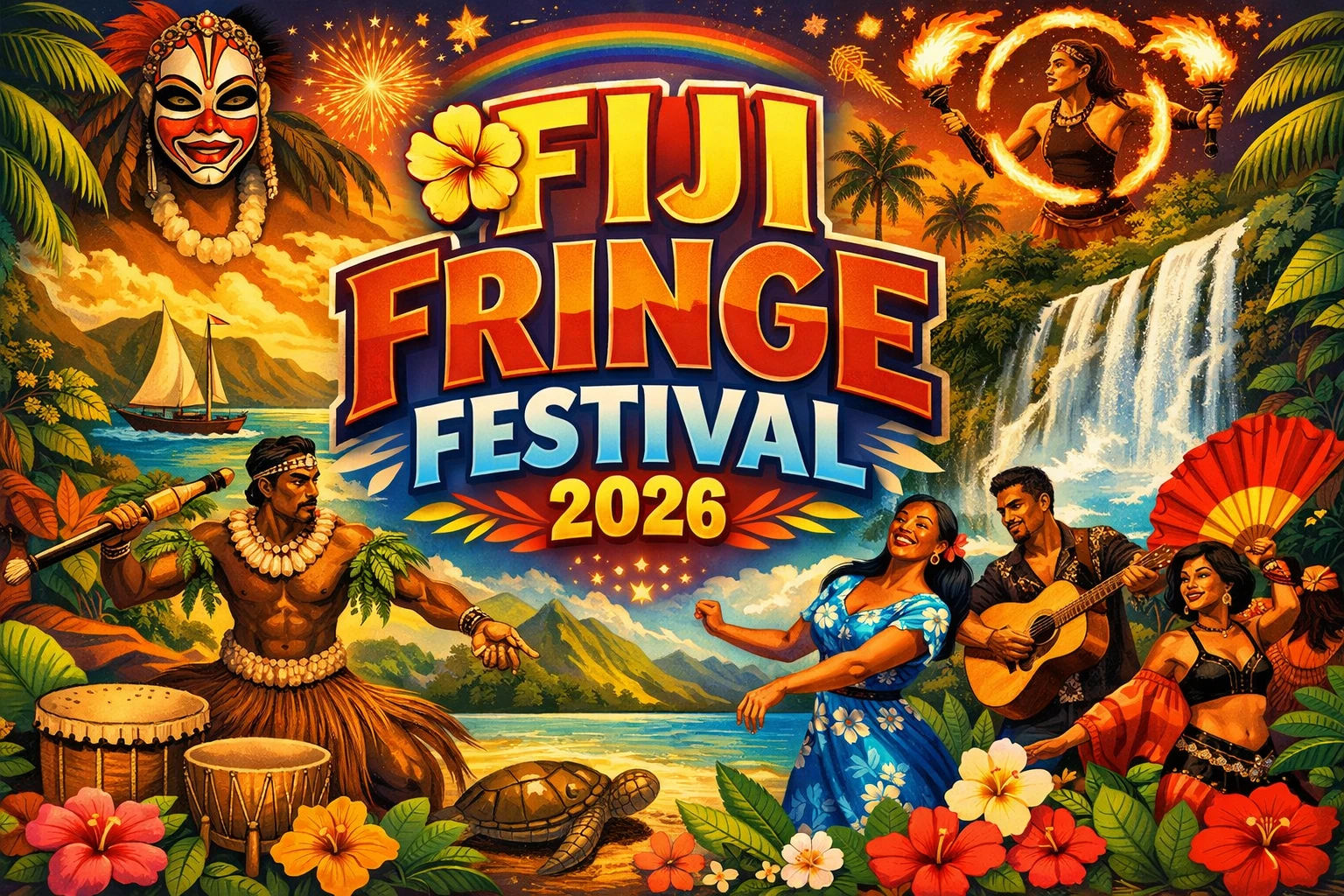
    Fiji Fringe Festival 2026
    Festival (Performing arts)
    Free

    Fiji Fringe Festival 2026

    Fiji Fringe Festival 2026: Confirmed Dates and Exciting Details

    Fiji Fringe Festival 2026 is confirmed for April 10–18, 2026, staged across multiple venues in Suva and Nadi, bringing nine days of theatre, dance, music, comedy, and cultural events to Fiji’s two most traveler-friendly hubs. Tickets are not on sale yet, so pricing for 2026 is not confirmed, but the dates and multi-venue format are set, making it easy to plan an island arts getaway now and lock in flights and accommodation early.


    Fiji Fringe Festival 2026: The Island Arts Week That Turns Suva and Nadi into a Stage

    Fiji is famous for lagoons, reef breaks, and warm hospitality, but there’s another side of the islands that many visitors miss: a living, evolving creative scene. Fiji Fringe Festival is where that energy becomes visible. For nine days in April 2026, the festival brings fresh work in theatre, dance, music, comedy, and cultural performance into public spaces and venues across Suva and Nadi.

    What makes Fiji Fringe Festival 2026 especially appealing for an islands audience is that it’s not limited to one city. It is designed across both Suva and Nadi, which means you can shape the trip to match your travel style. Stay in Suva for an urban-cultural immersion, base in Nadi for easy resort access and island-hopping, or do a split stay and treat the festival as your reason to explore both sides of Viti Levu.


    Confirmed Dates and Locations for 2026 (Suva and Nadi)

    The Festivals Company’s official event page confirms the festival runs from April 10, 2026 to April 18, 2026, with the location listed as multiple venues across Suva and Nadi. It also confirms the festival includes a “vibrant mix” of theatre, dance, music, comedy, culture, and more, highlighting both Fijian and international talent.

    Fiji Traveller also calls out that Fiji Fringe Festival 2026 is being extended to nine full days, aligning with the April 10–18 timeline. For travel planning, that means you have flexibility: you can attend opening weekend, mid-week shows, or the closing stretch, depending on flights and hotel prices.


    What Makes It “Fringe” in Fiji: Bold Programming and Fresh Voices

    The Festivals Company describes Fiji Fringe as “bold and unforgettable,” emphasizing “fresh stories” and “daring performances,” which is a hallmark of fringe-style festivals. The appeal is variety. Instead of one headliner act, you get a calendar of smaller shows and experiences, often designed to be approachable, surprising, and intimate.

    This format also fits island travel beautifully. You can spend daytime hours snorkeling, hiking, or visiting markets, then shift into creative evenings that give your trip depth. Fiji Fringe lets you experience Fiji in a way that is not only postcard scenery, but also contemporary culture and storytelling.


    What to Expect: Theatre, Dance, Music, Comedy, and Culture

    Fiji Fringe Festival 2026 is explicitly described as including:

    • Theatre
    • Dance
    • Music
    • Comedy
    • Culture and more

    Because it’s spread over multiple venues, expect a mix of performance environments: formal stages for theatre and dance, casual spaces for comedy, and community-forward venues for cultural showcases. For visitors, this variety is an advantage, because it keeps your nights different even if you attend multiple shows in one week.


    Suva vs Nadi: How to Choose Your Base

    Suva: Fiji’s Cultural Capital Feel

    Suva is Fiji’s capital and often the best place to feel local urban life: museums, cafés, waterfront areas, and a working-city rhythm. If you want your Fiji Fringe Festival 2026 trip to be cultural-first, Suva is the natural base because you’ll be close to the festival’s city-centre energy and the kind of venues that suit theatre and live performance.

    Nadi: Easy Access for Island Travelers

    Nadi is the gateway for most visitors, and it’s ideal if you’re pairing Fiji Fringe with classic island experiences like day trips, resorts, or a quick hop to the Mamanucas. Since the official festival listing confirms events across Suva and Nadi, you can enjoy fringe programming while still keeping your days open for beach time and excursions.

    A great approach is a split stay: start in Nadi for arrival ease and island excursions, then move to Suva for a more local, arts-driven second half, or do it in reverse depending on your flight schedule.


    How to Plan Your Fiji Fringe Festival Itinerary (A Simple, Realistic Structure)

    A fringe festival rewards light planning. Instead of trying to see everything, build your schedule around a few anchor nights:

    • Pick 2–3 must-see performance nights in your preferred city.
    • Leave 1 night unplanned for a last-minute discovery.
    • Keep mornings free for island activities so the trip still feels like Fiji.

    Because Fiji Fringe Festival 2026 is nine days long, you do not need to pack shows into every evening to feel like you “did it right.”


    Ticketing and Pricing: What’s Confirmed for 2026

    The Festivals Company event page explicitly states: “Tickets are not on sale.” As a result, 2026 pricing is not yet confirmed in the available official information.

    For travelers, the best move is to plan dates first and keep a flexible entertainment budget for tickets once the full schedule is released. Many fringe events are priced to encourage attending multiple shows, so it’s reasonable to plan for more than one performance night once tickets open, even if exact 2026 rates are still pending. (Check the official festival ticketing link closer to April 2026.)


    Practical Travel Tips for an Island Arts Trip in April

    • Book accommodation early if you want to stay near major venues, because a multi-venue festival week can tighten availability in the most walkable areas.
    • Plan local transport between venues, especially if you choose a split stay between Suva and Nadi.
    • Pack light layers for evenings and bring comfortable shoes, since fringe nights often include walking between venues and standing in casual performance spaces.


    Verified Information at a Glance

    Item: Confirmed details

    Event Name: Fiji Fringe Festival 2026

    Event Category: Multi-arts festival (theatre, dance, music, comedy, culture)

    Confirmed 2026 Dates: April 10–18, 2026

    Confirmed Duration Note: Described as nine days (“now even longer”)

    Confirmed Locations: Multiple venues across Suva and Nadi, Fiji

    Ticket Status: Tickets not on sale yet (pricing not confirmed).


    If you want a Fiji trip in 2026 that blends island days with creative nights, lock in April 10–18, choose Suva, Nadi, or both as your base, and experience Fiji Fringe Festival the way it’s meant to be enjoyed: show by show, story by story, with the islands as your backdrop and the stage lights as your evening adventure.

    , Fiji
    Apr 10, 2026 - Apr 18, 2026
    OFC U-15 Girls’ Youth Development Tournament 2026
    Sports tournament (Football/Soccer)
    TBA

    OFC U-15 Girls’ Youth Development Tournament 2026

    OFC U-15 Girls’ Youth Development Tournament 2026: Confirmed Dates and Location

    The OFC U-15 Girls’ Youth Development Tournament 2026 is confirmed for May 4–12, 2026 in Lautoka, Fiji, providing a regional pathway event for emerging girls’ football talent across Oceania. It’s part of OFC’s broader 2026 competition calendar and reflects a growing commitment to youth development, with Fiji again playing a central hosting role in the Pacific’s football ecosystem.

    Why This Pacific Youth Event Matters

    In the Pacific, sport is more than entertainment. It’s community, identity, and opportunity. The OFC U-15 Girls’ Youth Development Tournament is designed to create those opportunities early, giving young players international match experience while building confidence, friendships, and a sense of belonging to something bigger than one island or one club.

    For traveling families, coaches, and island football fans, events like this are also special because they are approachable. Youth tournaments tend to be friendly, community-centered, and easy to enjoy in person, especially in a place like Fiji where football is deeply woven into local life. If you want a sports trip that feels meaningful, this is the kind of event where the stakes are development, not pressure, and the atmosphere is supportive rather than corporate.

    Confirmed Dates and Host Location: May 4–12 in Lautoka, Fiji

    Oceania Football Confederation’s official event listing confirms:

    • Event: OFC U-15 Girl’s Youth Development Tournament 2026
    • Dates: May 4 to May 12
    • Venue/Host city: Lautoka, Fiji

    OFC’s 2026 tournament schedule announcement also confirms the tournament is held 4–12 May in Fiji, listing it as part of the confederation’s official 2026 calendar. For planning purposes, that means you can confidently book travel for early May 2026 around Lautoka, while waiting for match schedules and participating teams to be finalized.

    What the Tournament Is: Development-Focused Football for U-15 Girls

    OFC’s schedule announcement frames the event within an “age-grade pathway,” emphasizing regional accessibility and development across Oceania. It also highlights that, for the first time, both boys’ and girls’ U-15 development tournaments are held in the same year under OFC’s partnership with UEFA Together, with the girls’ tournament in Fiji in May.

    That context matters because it shows the tournament isn’t random. It’s part of a structured pathway approach, where OFC is investing in talent identification, competition exposure, and player growth. For young athletes, these tournaments can be formative, not just for football skills, but for travel confidence, leadership, and learning how to perform as part of a team in unfamiliar conditions.

    What Visitors Can Expect on the Ground in Fiji

    While the OFC event listing confirms the dates and venue city, it does not yet publish a full match schedule, stadium list, or ticketing plan in the content provided here. Even so, the host city detail is enough to plan the “shape” of your trip.

    Lautoka as an Island Travel Base

    Lautoka sits on the western side of Viti Levu, Fiji’s main island, which is a convenient region for travelers. You can combine match days with classic Fiji experiences: markets, waterfront walks, local food, and day trips toward the Coral Coast or nearby island excursions from the west. The ability to blend sport and island exploration is one reason youth tournaments can be great travel anchors.

    Family-Friendly Sports Trip Vibe

    Youth development tournaments often attract families and supporters from across the region, creating a community atmosphere. If you’re traveling with young athletes or children, this is a more accessible sporting environment than pro-level events, with a focus on participation, learning, and positive support.

    How to Plan a Trip Around the Tournament (Practical, Island-Focused)

    Because the tournament spans nine days (May 4–12), most visitors won’t attend every match. A smarter strategy is to choose a 4–6 day window:

    • Arrive one day before your first planned match day to settle in.
    • Attend 2–3 match days total.
    • Keep at least one day entirely free for Fiji exploring, rest, and flexibility.

    If you’re traveling as part of a team delegation, build in buffer time for weather and transport. Pacific island schedules can be affected by local conditions, and a flexible plan keeps the trip enjoyable.

    Ticketing and Pricing: What Is Confirmed (and What Isn’t)

    The OFC event page confirms the event dates and host city, but it does not provide ticket pricing or spectator entry information in the content shown here. The OFC 2026 schedule announcement similarly lists dates and hosts but does not include ticket prices.

    For a publication-ready travel guide, the most accurate statement is: pricing is not yet published by OFC for this event, and spectators should check the official OFC event page closer to May 2026 for match schedules, venues, and access details.

    Cultural and Island Context: Supporting Women’s Football in Oceania

    One of the most powerful reasons to attend events like this is what it represents. OFC explicitly positions the 2026 calendar around development pathways and notes its partnership approach, including the UEFA Together partnership that supports U-15 development tournaments. For the Pacific, where travel between island nations can be challenging and expensive, having structured youth opportunities is a meaningful step.

    Attending as a supporter is one small way to contribute to that momentum. It creates atmosphere, encourages players, and reinforces that girls’ football in Oceania deserves visibility.

    Verified Information at a Glance

    Item: Confirmed details

    Event name: OFC U-15 Girls’ Youth Development Tournament 2026

    Event category: Youth football (soccer) development tournament (girls’ U-15)

    Confirmed 2026 dates: May 4–12, 2026

    Confirmed host country: Fiji

    Confirmed host city/venue listing: Lautoka, Fiji

    Ticket pricing: Not published in the official OFC event listing or schedule announcement content provided here.

    If you want a Pacific islands trip in 2026 that combines sport with purpose, plan for Lautoka from May 4–12, follow the matches as Oceania’s next generation takes the field, and make time to explore Fiji in between, because supporting the OFC U-15 Girls’ Youth Development Tournament is a chance to witness the future of women’s football in the region while experiencing island hospitality at its best.

    , Fiji
    May 4, 2026 - May 12, 2026

    Past Events

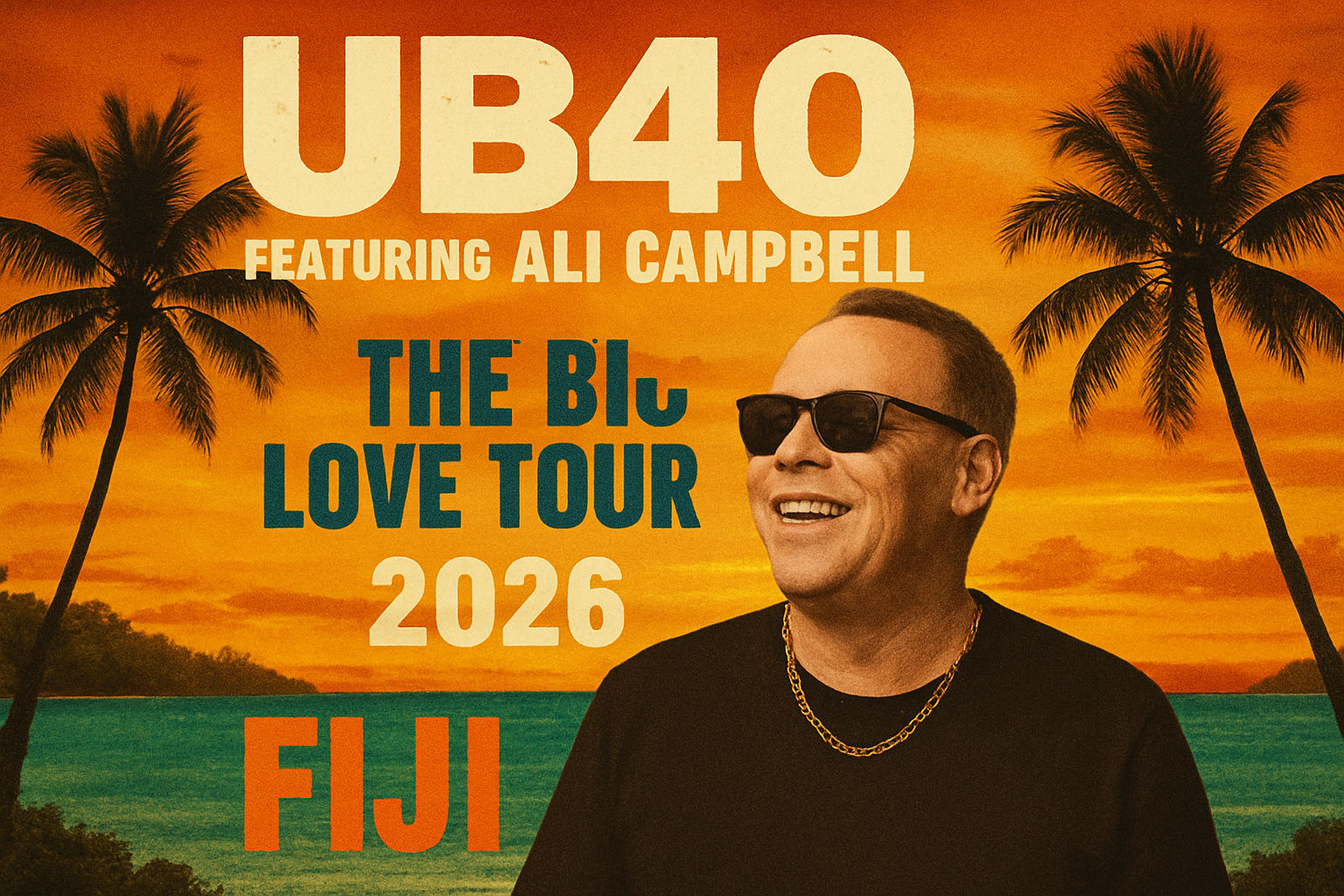
    UB40 Featuring Ali Campbell - The Big Love Tour  2026
    Music/Concert
    TBA

    UB40 Featuring Ali Campbell - The Big Love Tour 2026

    UB40 Featuring Ali Campbell brings The Big Love Tour to King Charles Park in Nadi on Friday, January 30, 2026, delivering reggae anthems under the stars with support from New Zealand's Katchafire, Fiji's Paradise Roots, Nicky & Ouvacast, and DJ Vibez. Expect classics like "Red Red Wine," "Can't Help Falling in Love," and "Kingston Town" performed live by one of the world's best-selling reggae acts, alongside a lineup that celebrates Pacific roots music and island unity. With gates opening at 2:00 PM and tickets on sale now, this is Fiji's biggest concert event of early 2026.​

    Date, time, and venue

    • Date: Friday, January 30, 2026.​
    • Gates: 2:00 PM (early entry to secure spots and enjoy support acts).​
    • Venue: King Charles Park, Nadi, Fiji (outdoor concert ground).​
    • Lineup: UB40 Featuring Ali Campbell (headliner), Katchafire, Paradise Roots, Nicky & Ouvacast, DJ Vibez.​

    King Charles Park is Nadi's premier outdoor event space, located near the Nadi River and a short drive from the airport and Denarau Island resorts.​

    Who is UB40 Featuring Ali Campbell?

    UB40, formed in Birmingham, England in 1978, became one of the world's top-selling reggae bands with over 70 million records sold worldwide. Their blend of reggae, pop, and lovers rock produced timeless hits that dominated charts across decades. Ali Campbell, the group's original lead vocalist, fronts UB40 Featuring Ali Campbell, continuing the band's legacy with the iconic voice fans know from the original recordings.​

    The hits you will hear

    • "Red Red Wine": A cover of Neil Diamond's song transformed into a reggae classic and global chart-topper.​
    • "Can't Help Falling in Love": UB40's reggae rendition of Elvis Presley's ballad.​
    • "Kingston Town": A Lord Creator cover that became one of UB40's signature tracks.​
    • Plus deep cuts, fan favorites, and new material from The Big Love Tour setlist.​

    Supporting lineup: Katchafire and local talent

    • Katchafire: New Zealand's roots reggae giants, known for smooth harmonies, tight rhythms, and a loyal Pacific fanbase.​
    • Paradise Roots: Fiji's homegrown reggae heroes bringing island soul to the lineup.​
    • Nicky & Ouvacast: Local favorites with a reputation for high-energy sets and crowd connection.​
    • DJ Vibez: Spinning dancehall, reggae classics, and Pacific sounds between sets.​

    This lineup creates a full-day reggae festival atmosphere, blending international legends with Pacific pride.​

    Tickets and pricing

    Tickets are on sale now at www.ub40fiji.com and via TicketMax Fiji. Ticket tiers, pricing, and VIP options are published on the official site; early buyers secure best availability before sections sell out.​

    • Purchase link: www.ub40fiji.com (official event site).​
    • Ticketing partner: TicketMax Fiji.​
    • Promo: Fiji Airways offers a 10% discount on selected flights using promo code UB40 for fans traveling to Fiji for the concert.​

    Travel and accommodation

    Getting to Nadi

    • Fly into Nadi International Airport (NAN): The main gateway to Fiji, with direct connections from Australia, New Zealand, USA, and Asia.​
    • From the airport to King Charles Park: About 10–15 minutes by taxi; FJD $15–$25 depending on traffic and negotiation.​
    • From Denarau Island: Approximately 20 minutes by car; arrange taxis or rideshare in advance.​

    Where to stay

    • Denarau Island resorts: Sofitel, Hilton, Radisson, and Sheraton offer full-service beachfront stays 20 minutes from the venue.​
    • Nadi town: Budget and mid-range hotels within walking distance or short taxi rides; local flavor and easy concert access.​
    • Airbnb and guesthouses: Options in Martintar and Namaka for smaller groups and self-catering.​

    Book early—January is peak season, and the concert will draw fans from across the Pacific and beyond.​

    What to pack and wear

    • Clothing: Light, breathable outfits; it's tropical and humid. Hats, sunglasses, and reef-safe sunscreen for daytime.​
    • Footwear: Comfortable sneakers or sandals you can stand and dance in for hours.​
    • Essentials: Refillable water bottle, portable charger, cash for vendors, and a small dry bag for phone and valuables.​
    • Layers: A light jacket or sarong for evening breezes after sunset.​

    Day-of logistics and tips

    • Arrive early: Gates at 2:00 PM mean you can claim good spots, enjoy the opening acts, and settle in before UB40 takes the stage.​
    • Hydration: Drink water between beers and cocktails; tropical heat and dancing add up quickly.​
    • Security and bags: Expect bag checks and security screening; travel light and follow posted policies.​
    • Meet points: Set a regroup location with your crew in case you get separated during peak sets.​

    Beyond the concert: Nadi and the Mamanucas

    • Garden of the Sleeping Giant: Orchid collection and peaceful gardens a short drive from Nadi town.​
    • Sri Siva Subramaniya Temple: Fiji's largest Hindu temple, colorful and open to respectful visitors.​
    • Port Denarau: Marina restaurants, shops, and departure point for island day trips.​
    • Mamanuca Islands: Quick boat rides to snorkeling, beach clubs, and resort islands.​

    Extend your Fiji stay to enjoy the concert and explore the island's beaches, culture, and marine life.​

    The Big Love Tour Pacific leg

    The Fiji concert is part of UB40's wider Pacific tour, which includes:

    • Tonga: Teufaiva Stadium, Tongatapu, January 28, 2026 (tour opener).​
    • Fiji: King Charles Park, Nadi, January 30, 2026.​
    • Samoa: Apia Park, January 31, 2026.​

    This routing makes UB40's 2026 Pacific leg a celebration of island reggae culture across the region.​

    Why this concert matters

    Ali Campbell's statement captures the spirit: "I'm so excited to be coming back to Fiji with the Big Love Tour. The islands have always embraced UB40's music, and we can't wait to share this special night with our fans in Fiji."​

    Reggae's roots in resistance, unity, and love resonate deeply across the Pacific, making UB40's return a homecoming for a sound that bridges Birmingham and the islands.​

    Call to action

    Lock your tickets at www.ub40fiji.com now, book flights with the UB40 promo code for 10% off Fiji Airways fares, and plan a Nadi base for late January 2026. Arrive when gates open at 2:00 PM, claim your spot, and let the reggae anthems roll from afternoon heat into starlit island night. This is your chance to sing "Red Red Wine" with thousands under the Fijian sky.​

    Verified Information at a Glance

    • Event: UB40 Featuring Ali Campbell - The Big Love Tour 2026, Fiji​
    • Date: Friday, January 30, 2026​
    • Gates: 2:00 PM​
    • Venue: King Charles Park, Nadi, Fiji​
    • Lineup: UB40 Featuring Ali Campbell (headliner), Katchafire, Paradise Roots, Nicky & Ouvacast, DJ Vibez​
    • Tickets: On sale now at www.ub40fiji.com and TicketMax Fiji​
    • Travel promo: Fiji Airways 10% discount on selected flights with code UB40​
    • Airport: Nadi International Airport (NAN), 10–15 minutes from venue​
    • Context: Part of UB40's Big Love Tour Pacific leg (Tonga Jan 28, Fiji Jan 30, Samoa Jan 31)​


    King Charles Park, Nadi, Fiji
    Jan 30, 2026 - Jan 30, 2026
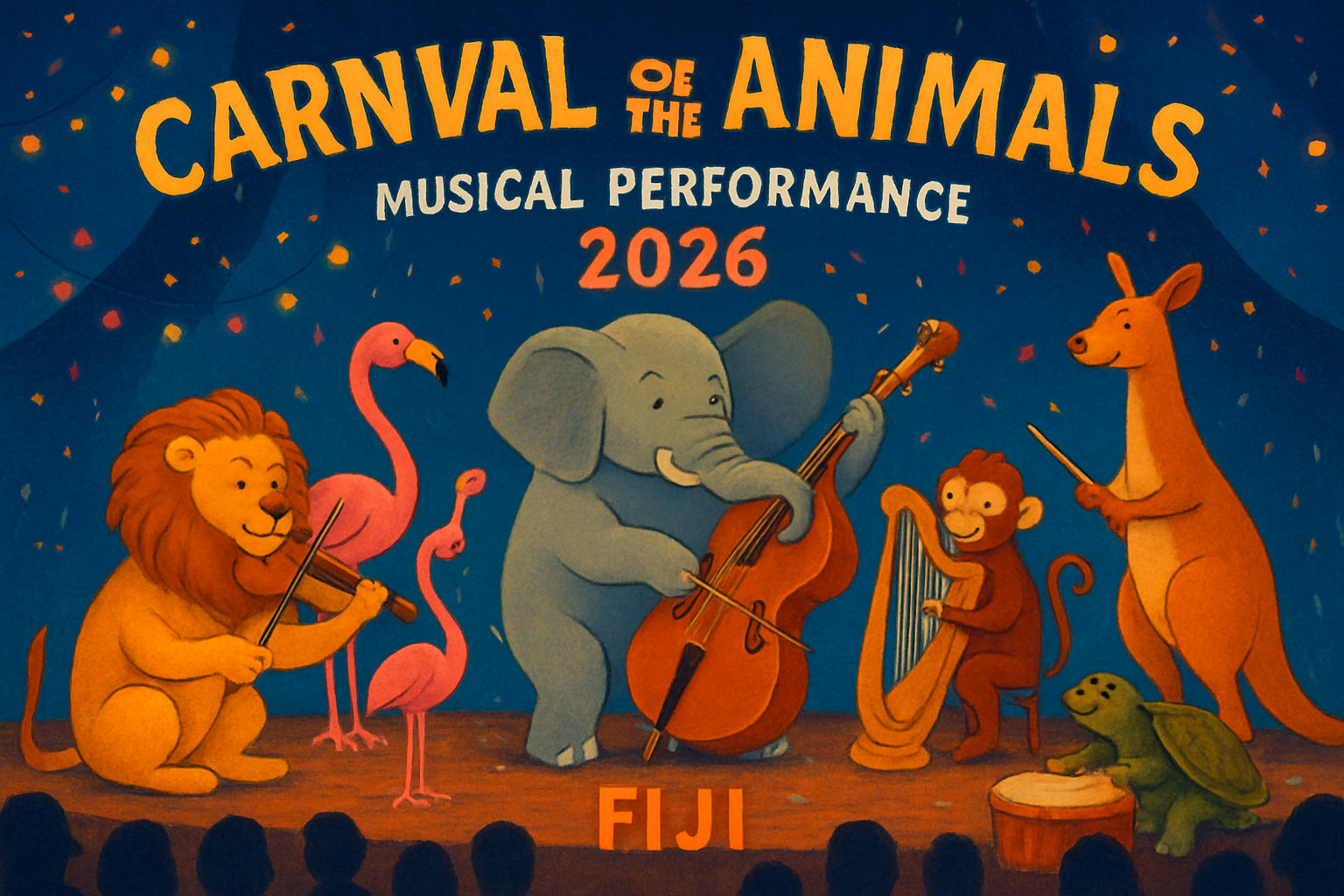
    Carnival of the Animals Musical Performance 2026
    Music/Theatre
    TBA

    Carnival of the Animals Musical Performance 2026

    Sofitel Fiji Resort & Spa on Denarau Island presents Carnival of the Animals on Saturday, January 3 and Monday, January 5, 2026, bringing Camille Saint-Saëns' beloved orchestral suite to the Grand Ballroom for two family-friendly performances that combine captivating melodies with playful storytelling. Designed for guests of all ages, this musical journey celebrates nature's most wonderful creatures through fourteen whimsical movements, from the majestic lion to the graceful swan, the lumbering elephant to the shimmering aquarium. If your Fiji holiday overlaps with early January 2026, these performances offer a unique cultural moment that pairs island relaxation with world-class music.​

    Confirmed dates, times, and venue

    • Dates: Saturday, January 3, 2026 and Monday, January 5, 2026.​
    • Venue: Sofitel Grand Ballroom, Sofitel Fiji Resort & Spa, Denarau Island, Nadi.​
    • Times: Not yet published; expect afternoon or early evening slots suitable for families. Check Sofitel's event page closer to the date.​
    • Audience: Fun for guests of all ages, with content accessible to children and engaging for adults.​

    The Grand Ballroom at Sofitel offers air-conditioned comfort, professional acoustics, and seating that accommodates both resort guests and external ticket holders.​

    What is Carnival of the Animals?

    Composed in 1886 by French composer Camille Saint-Saëns, Le Carnaval des Animaux (The Carnival of the Animals) is a humorous musical suite featuring fourteen short movements, each depicting a different animal or group of animals. Originally written as a light-hearted diversion for private performance, it has become one of the most popular works in classical music, frequently paired with narration, visual projections, or dance.​

    The fourteen movements

    1. Introduction and Royal March of the Lion: Majestic opening with roaring strings.
    2. Hens and Roosters: Clucking piano and strings.
    3. Wild Donkeys (Swift Animals): Rapid scales evoking galloping.
    4. Tortoises: A slow, comical take on Offenbach's Can-Can.
    5. The Elephant: Double bass waltz representing a lumbering elephant.
    6. Kangaroos: Bouncing piano figures.
    7. Aquarium: Shimmering, watery textures with glasslike tones.
    8. Characters with Long Ears: Braying violin slides.
    9. The Cuckoo in the Deep Woods: Clarinets echoing cuckoo calls.
    10. Aviary: Flute birdsong over piano ripples.
    11. Pianists: A cheeky movement satirizing student piano practice.
    12. Fossils: A fast xylophone romp quoting old tunes.
    13. The Swan: The most famous movement, a serene cello solo.
    14. Finale: All the animals return in a joyful closing parade.​

    Performances for children often include narration, visual aids, or interactive elements to help young audiences follow the story and identify each creature.​

    Why this performance matters in Fiji

    Classical music performances of this caliber are rare on Fiji's outer islands, making the Sofitel event a special opportunity for visitors and locals to experience live orchestral work in a resort setting. The choice of Carnival of the Animals is family-friendly and culturally universal, welcoming both seasoned concertgoers and first-time classical listeners.​

    What to expect at the Sofitel Grand Ballroom

    • Seating: Likely a mix of reserved and general admission; arrive early for best views if seating is not assigned.​
    • Duration: The suite runs approximately 22–25 minutes in full performance; expect a 45–60 minute program if narration, introductions, or encore pieces are included.​
    • Dress code: Smart casual or resort evening wear; comfortable and family-appropriate.​
    • Amenities: Air-conditioned hall, restrooms, and likely a pre-show reception or post-show refreshments depending on ticketing tier.​

    Tickets and pricing

    Ticket details for the January 2026 performances have not been published as of November 2025. Check Sofitel Fiji's Special Events page or contact the resort directly for ticket on-sale dates, pricing tiers, and any packages that bundle performance access with dining or accommodation.​

    Resort guests may receive priority booking or complimentary access; external visitors should confirm availability and payment options ahead of time.​

    Getting to Sofitel Fiji Resort & Spa, Denarau Island

    • Location: Denarau Island, a planned resort zone 20 minutes from Nadi International Airport (NAN).​
    • From the airport: Taxis, hotel shuttles, and rideshare operate frequently; expect FJD $25–$35 for a private taxi.​
    • From Nadi town: About 10 minutes by car; taxis and buses are available.​
    • Parking: On-site parking for resort guests and visitors; valet service may be available.​

    Making a weekend of it: Denarau and beyond

    On Denarau Island

    • Port Denarau Marina: Restaurants, shops, and departure point for island-hopping day trips to the Mamanucas and Yasawas.​
    • Golf: Denarau Golf and Racquet Club offers 18 holes with ocean views.​
    • Spas: Sofitel and neighboring resorts offer world-class spa treatments.​

    Day trips from Denarau

    • Mamanuca Islands: Quick boat rides to snorkeling, beach clubs, and resorts.​
    • Cloud 9 Floating Bar: A two-level floating platform with pizza, cocktails, and DJ sets.​
    • Yasawa Islands: Full-day cruises to pristine beaches and coral reefs.​
    • Nadi: Garden of the Sleeping Giant (orchid collection) and Sri Siva Subramaniya Temple.​

    What to pack for the performance

    • Clothing: Light layers for air-conditioned comfort; avoid overly casual beachwear for evening shows.​
    • For children: Quiet toys or coloring books for any pre-show wait; snacks if allowed.​
    • Essentials: Phone for photos (ask about photography policy), water bottle, and small cash for refreshments.​

    Family and accessibility notes

    • Stroller-friendly: The Grand Ballroom is accessible; check with Sofitel for stroller parking or designated seating.​
    • Child engagement: Carnival of the Animals is designed with young listeners in mind; movements are short, and the animal theme keeps attention.​
    • Quiet zones: If your child becomes restless, step into the lobby; ushers can help you re-enter between movements.​

    Cultural context: music in Fiji

    While Fiji's cultural identity centers on traditional meke (dance and song), iTaukei choral traditions, and Indo-Fijian classical and folk music, the island nation welcomes international artists and touring productions. Events like Carnival of the Animals at Sofitel expand Fiji's performing arts calendar and offer educational opportunities for local children and music students.​

    Call to action

    Mark Saturday, January 3 and Monday, January 5, 2026 on your calendar, watch Sofitel Fiji's event page for ticket releases, and plan an early-year island escape that pairs snorkeling, sunset dinners, and classical music under one roof. Bring the family, settle into the Grand Ballroom, and let Saint-Saëns' menagerie of musical creatures remind you that the best travel moments blend relaxation, culture, and wonder.​

    Verified Information at a Glance

    • Event: Carnival of the Animals Musical Performance​
    • Dates: Saturday, January 3, 2026 and Monday, January 5, 2026​
    • Venue: Sofitel Grand Ballroom, Sofitel Fiji Resort & Spa, Denarau Island, Nadi​
    • Category: Family-friendly classical music performance featuring Camille Saint-Saëns' orchestral suite​
    • Audience: All ages; designed for children and adults​
    • Tickets: Details TBA; check Sofitel Fiji's Special Events page for on-sale dates and pricing​
    • Duration: Approximately 22–25 minutes for the suite; 45–60 minutes with narration and program elements​
    • Access: Denarau Island, 20 minutes from Nadi International Airport (NAN); taxis and shuttles available​
    • Resort amenities: On-site dining, spa, marina access, golf, and day-trip departures


    Sofitel Fiji Resort & Spa, Denarau, Fiji
    Jan 3, 2026 - Jan 5, 2026
    New Year's Eve Celebrations 2026
    Holiday, Celebration
    Free

    New Year's Eve Celebrations 2026

    New Year's Eve 2026 in Fiji promises to be an extraordinary tropical celebration where traditional Fijian hospitality meets spectacular countdown festivities across the archipelago's most stunning locations. From the vibrant celebrations at Albert Park in Suva to the luxurious resort galas in Denarau, visitors can choose from intimate beachside countdowns under coconut palms or grand fireworks spectacles reflecting off crystal-clear lagoons. With Fiji among the first nations to welcome 2026, the celebration begins at 6:00 AM UTC on December 31st, offering early birds worldwide a chance to ring in the new year 18 hours ahead of New York, surrounded by pristine beaches, warm tropical breezes, and the genuine bula spirit that makes every Fijian celebration unforgettable.

    Major celebration destinations and events

    Suva, Fiji's capital and largest city, anchors the country's New Year's Eve celebrations with festivities centered around Albert Park, where locals gather on blankets for an authentic community countdown experience. The city's celebration maintains a distinctly Fijian character, featuring local food vendors, traditional music, and a relaxed atmosphere where the focus remains on family gatherings and community spirit rather than elaborate commercial productions. The celebration often begins with church services where Fijians give thanks for the passing year and pray for prosperity in the year ahead, reflecting the deep spiritual foundation that underlies Fijian holiday traditions.

    Port Denarau in Nadi provides a more polished celebration experience, with coordinated fireworks displays, live music stages, and fire dancing performances that create a spectacular beachfront party atmosphere. The marina area becomes the focal point for visitors seeking a blend of sophistication and island charm, with multiple resorts coordinating their countdown activities to create synchronized fireworks displays that illuminate the entire coastline. The area's accessibility and concentration of dining, entertainment, and accommodation options make it ideal for international visitors wanting a comprehensive New Year's Eve experience.

    Resort celebrations and luxury experiences

    Fiji's world-renowned resorts elevate New Year's Eve celebrations to extraordinary heights, with each property creating unique experiences that showcase both international sophistication and authentic Fijian culture. The Sheraton Fiji Resort at Denarau hosts special New Year's feasts accompanied by live music and traditional Fijian entertainment, while the Radisson Blu creates elaborate masquerade parties featuring buffet dinners and dancing that extends well past midnight. These resort celebrations often include traditional meke performances, where skilled Fijian dancers and musicians share cultural stories through drums, chants, and movement that create deeply moving spiritual experiences.

    Luxury properties like VOMO Island Resort and InterContinental Fiji Golf Resort & Spa host their major annual events on New Year's Eve, featuring indulgent multi-course dinners, premium wine selections, and exclusive entertainment that justifies their reputation as premier celebration destinations. The Jean-Michel Cousteau Resort and Paradise Cove Resort in the Yasawa Islands offer intimate celebrations that emphasize ecological awareness and cultural authenticity, providing guests with meaningful connections to Fijian environmental and social values alongside festive entertainment.

    Island-hopping celebrations and unique venues

    The Mamanuca and Yasawa Islands provide unique New Year's Eve experiences that emphasize the adventure and romance of celebrating in remote tropical paradise. Beachcomber Island Resort offers island-hopping pub crawls that allow guests to experience multiple resort celebrations in a single evening, creating diverse party experiences that showcase different aspects of Fijian hospitality and entertainment styles. These inter-island celebrations often feature boat transfers between venues, allowing guests to enjoy sunset cocktails on one island before moving to another for dinner and dancing.

    Likuliku Lagoon Resort in the Mamanuca Islands creates intimate overwater bungalow experiences where couples can enjoy private celebrations with personalized service and direct lagoon access. The resort's adults-only policy and focus on romance makes it ideal for honeymoon couples and anniversary celebrations, while its traditional Fijian architecture and cultural programming provide authentic island experiences enhanced by luxury amenities.

    Traditional Fijian cultural elements

    Fijian New Year's Eve celebrations seamlessly blend international traditions with indigenous customs that reflect the islands' deep spiritual and community values. The traditional yaqona (kava) ceremony plays a central role in many celebrations, where participants share the ceremonial drink from coconut shells while offering prayers and good wishes for the coming year. This ritual symbolizes peace, unity, and community bonds that extend beyond the immediate celebration into the year ahead, creating meaningful spiritual connections among participants.

    Many celebrations begin with church services that emphasize gratitude, reflection, and hope for the future, reflecting the strong Christian influence in Fijian society while maintaining connections to traditional spiritual practices. The combination of prayer, thanksgiving, and communal celebration creates a distinctive New Year's Eve atmosphere that prioritizes spiritual renewal and community strengthening over purely secular entertainment. Fire dancing performances, traditional music, and storytelling sessions provide cultural education opportunities that help visitors understand the rich heritage that shapes contemporary Fijian celebrations.

    Beachfront parties and casual celebrations

    Wailoaloa Beach near Nadi becomes a hub for casual beachfront celebrations, with multiple venues hosting DJ parties, live bands, and fire shows that create a vibrant party atmosphere directly on the sand. Smugglers Cove Beach Resort and Sailor's Beach both host New Year's Eve parties that emphasize dancing, music, and beachside socializing in relaxed environments where guests can move freely between venues and activities. These beach parties often feature local musicians performing traditional and contemporary Fijian music alongside international DJs who create diverse soundscapes appealing to varied musical tastes.

    The Coral Coast provides more intimate beachside celebrations where smaller groups gather around torches and bonfires for quiet countdown experiences under star-filled skies. Sigatoka Beach and other Coral Coast locations offer opportunities for private celebrations where families and couples can create personalized New Year's Eve experiences while still enjoying distant views of resort fireworks displays lighting up the coastline.

    Family-friendly activities and special events

    Many Fiji resorts create specialized programming for families with children, ensuring that New Year's Eve celebrations accommodate all ages while maintaining excitement and engagement throughout the evening. Outrigger Fiji Beach Resort on the Coral Coast hosts sunset parties specifically designed for younger guests, allowing families to celebrate earlier in the evening before children become tired while still participating in countdown traditions. These family events often include cultural activities, games, and performances that educate children about Fijian traditions while providing entertainment appropriate for various age groups.

    Resort kids' clubs often organize special New Year's Eve activities including traditional craft making, cultural storytelling, and mini countdown celebrations that allow children to participate in age-appropriate versions of adult festivities. These programs provide parents with opportunities to enjoy adult celebrations while ensuring their children have supervised, engaging activities that create positive holiday memories.

    Dining experiences and culinary highlights

    New Year's Eve dining in Fiji showcases the islands' exceptional culinary diversity, with restaurants and resorts creating special menus that blend international cuisine with local ingredients and traditional Fijian flavors. Many establishments offer extensive buffet spreads featuring fresh seafood, tropical fruits, and traditional dishes like kokoda (Fijian ceviche), lovo (earth oven-cooked meats), and cassava preparations that provide authentic cultural dining experiences alongside familiar international options.

    Luxury resorts often create themed dining experiences that incorporate multiple courses, wine pairings, and entertainment interludes that extend the dining experience throughout the evening. These elaborate presentations frequently include live cooking demonstrations, traditional food preparation methods, and educational components that teach guests about Fijian culinary history and techniques while providing exceptional gastronomic experiences.

    Accommodation and planning considerations

    New Year's Eve represents peak season in Fiji, requiring advance planning and early reservations to secure preferred accommodations and celebration packages. Luxury beachfront resorts typically release their New Year's Eve packages several months in advance, with overwater bungalows and premium oceanfront villas selling out quickly due to limited inventory and high international demand. Budget-conscious travelers can find value in mid-range properties and backpacker accommodations that offer proximity to public celebration areas without premium resort pricing.

    Many resorts offer comprehensive packages that include accommodation, dining, entertainment, and transportation, providing convenient one-stop booking for complete holiday experiences. These packages often include airport transfers, welcome drinks, cultural activities, and exclusive access to resort celebration events, making them attractive options for visitors seeking hassle-free vacation planning.

    Weather and timing advantages

    December in Fiji features ideal weather conditions for outdoor celebrations, with warm temperatures typically ranging from 75-85°F (24-29°C), gentle trade winds, and minimal rainfall creating perfect conditions for beachside festivities and outdoor dining. The summer season provides long daylight hours and generally stable weather patterns, though brief tropical showers can occur and often create dramatic rainbows that enhance the natural beauty of sunset celebrations.

    Fiji's position relative to international time zones creates unique opportunities for extended New Year's celebrations, with the country among the first to welcome 2026 at 6:00 AM UTC on December 31st. This early timing allows visitors to celebrate the Fijian New Year and then connect with family and friends in other time zones throughout the following day, creating extended celebration periods and multiple opportunities to mark the transition to 2026.

    Transportation and inter-island travel

    Reaching Fiji for New Year's Eve celebrations typically requires flying into Nadi International Airport, with increased flight schedules during holiday periods from major international destinations including Australia, New Zealand, United States, and Asia. Domestic transportation between Fiji's main islands utilizes scheduled flights, ferry services, and private boat charters, though holiday periods may require advance booking due to increased demand from both tourists and locals traveling for celebrations.

    Inter-island transportation for celebration hopping requires coordination with resort concierges or tour operators who can arrange boat transfers, helicopter flights, or seaplane services that allow guests to experience multiple venues and islands during their stay. These transportation options often become part of the celebration experience themselves, providing scenic aerial and water views of Fiji's stunning landscapes.

    Photography and memory creation

    Fiji's New Year's Eve celebrations provide exceptional opportunities for photography and memory creation, with the combination of tropical settings, cultural performances, and spectacular fireworks displays creating stunning visual compositions. The interplay of torchlight, ocean reflections, and fireworks against palm-silhouetted skies creates dramatic lighting conditions that result in unique celebration imagery distinct from typical urban New Year's Eve photography.

    Many resorts offer professional photography services during their New Year's Eve celebrations, allowing guests to focus on enjoying the experience while ensuring high-quality documentation of their tropical celebration. The cultural elements, including traditional dress, fire dancing, and ceremonial activities, provide rich photographic subjects that capture both the festive atmosphere and authentic Fijian cultural expressions.

    Health and safety considerations

    Celebrating New Year's Eve in Fiji requires attention to tropical health considerations including sun protection, hydration, and insect prevention, particularly during outdoor evening events. The combination of alcohol consumption, warm temperatures, and extended celebration periods necessitates regular hydration and moderation to ensure comfortable and safe participation in festivities.

    Water safety becomes particularly important during beachfront celebrations, with visitors advised to exercise caution during nighttime beach activities and avoid swimming during celebrations when visibility and supervision may be reduced. Most resorts provide safety guidelines and supervision during their organized events, ensuring that celebration activities remain safe while maximizing enjoyment.

    Book your tropical paradise New Year's Eve experience now for 2026 in Fiji, where pristine beaches meet spectacular countdown celebrations and traditional Fijian hospitality creates the perfect welcome to the new year. Whether you choose an intimate overwater bungalow celebration with champagne and sunset views, a vibrant beachfront party with fire dancing and local music, or a luxury resort gala featuring traditional meke performances and gourmet dining, Fiji offers unforgettable ways to ring in 2026 surrounded by crystal-clear lagoons and warm island breezes. Reserve your accommodation and celebration packages early, plan for inter-island adventures, and prepare to welcome the new year in one of the world's most beautiful settings where every sunset creates the perfect prelude to an extraordinary midnight celebration in paradise.


    Suva, Nadi, resort areas, Fiji
    Dec 31, 2025 - Jan 1, 2026
    Your Paradise 2025
    Music, Festival
    TBA

    Your Paradise 2025

    Boutique island electronic music festival with artists and activities across the Mamanucas.

    Your Paradise returns to Fiji on October 23–28, 2025, for five nights and six days of intimate, island‑based electronic music across the Mamanuca Islands, with packages that include accommodation, ground and sea transfers, daily breakfast, and access to all billed artists in a capped event that hosts up to roughly 600 guests, artists, and staff on a private resort charter. The 2025 edition marks the ninth annual Your Paradise and debuts a new home base on Mana Island, while continuing the formula of main‑stage pool and beach sets plus limited‑capacity add‑on parties at iconic offshore venues, all set against Fiji’s reefs and lagoon sunsets.

    Dates, place, and what’s included

    • Dates: Thursday to Tuesday, October 23–28, 2025, in the Mamanuca Islands, Fiji.
    • Base: Mana Island Resort & Spa serves as the chartered home base for 2025, with guests ferried from Port Denarau and back according to pre‑assigned sailing slots.
    • Packages: Five‑night stays with accommodation, island transfers, daily breakfast, and access to all billed artists; add‑on experiences and boat parties are sold separately in August 2025 and beyond until sold out.
    • Capacity: Up to 600 attendees including artists and crew, keeping the experience intentionally small and social so guests and artists share the island together.

    Tickets and payments

    • Availability: Fewer than 100 packages remained as of late May 2025 per the event homepage, with solo, couple, and group packages offered and a per‑person deposit model securing space.
    • Payment: A USD/AUD deposit holds the booking; attendees can pay in full or via instalments, with name‑change cutoffs, refund restrictions, and travel‑insurance requirements detailed in the 2025 terms.
    • Transfers: The main ferries depart Port Denarau from 9:30 a.m. to 3:15 p.m. on October 23 and return from the island between 10:45 a.m. and 4:40 p.m. on October 28; limited transfers outside these windows are available on request.

    Music programming and 2025 lineup signals

    Your Paradise curates a cross‑section of electronic artists that foregrounds house, melodic and progressive sounds, bass‑leaning club sets, and leftfield electronica in intimate settings where attendees and performers mingle freely. Official channels began teasing 2025 talent in August, with social posts confirming the first artist wave that includes CASSÖ and Nimino, and subsequent announcements previewing “our biggest lineup ever” for late October on Mana Island. Media coverage confirms the date shift and venue update, noting that after a short break the festival returns to Fiji with the same boutique ethos at a breathtaking new home base.

    Add‑on experiences

    Beyond main‑island programming, Your Paradise is known for “extras” that become core memories: floating‑platform day parties, private‑island sunsets, sailing takeovers, dawn wellness cruises, and snorkeling excursions turned listening sessions. The festival’s June update framed 2025 add‑ons as elevated, limited‑capacity experiences released ahead of the event, with priority to confirmed package holders. Past years have featured Cloud 9 and Malamala Beach Club among others for off‑island add‑ons; while 2025 partner venues publish their own operations independently, official add‑on access is handled directly by Your Paradise and sold only through the event’s booking system once announced.

    A day in paradise

    • Morning: Breakfast, a beach swim, and optional wellness or water activity before early afternoon sets kick off.
    • Afternoon: Poolside headline‑caliber sets on the main stage roll into a golden‑hour showcase on the beach.
    • Night: After‑dark programming under the palms, followed by optional add‑ons or ambient socials that keep the vibe warm and unhurried.
    • The curated itinerary promised for 2025 blends downtime and discovery with “welcome party” mixers, cultural interludes, beach games, and guided tours that connect guests to Fijian flavors and traditions between sets.

    Culture and community

    Your Paradise positions itself as “more than a festival,” leaning into small‑community magic and artist proximity: no photo pits, few barriers, and a chartered island that makes for spontaneous collaborations and sunrise conversations at the beach bar. Reviews framed it as “an Eden on a human scale” that erases the audience‑artist divide, inviting guests to live the music in a place where the Pacific and the sounds feel inseparable. That intimacy is central to why the event caps attendance and wraps so much of the logistics into packages instead of day tickets.

    Practical planning

    • Age and entry: Your Paradise is 18+ and fully licensed; outside alcohol is prohibited and subject to police‑assisted bag checks when boarding ferries and on arrival per on‑island RSA and safety rules.
    • Name changes and cutoffs: Name changes are permitted up to September 30, 2025, with a fee up to AUD $150; final guest names must be confirmed by August 30, 2025, to avoid cancellation risk per terms.
    • Visas and entry: Some passports require a visa to enter Fiji; the festival site links to Fiji government visa‑exempt lists and entry requirements and recommends comprehensive travel insurance for all attendees.
    • Packing: Lightweight tropical attire, swimwear, reef‑safe sunscreen, a light rain layer, and cash/card for on‑island purchases not included in packages; all transfers between Port Denarau and Mana Island are consolidated by the festival.

    Why 2025 stands out

    • New island base: Mana Island becomes the main stage for Your Paradise in 2025, offering new swim spots, beaches, and reef access while preserving the event’s trademark intimacy and off‑island add‑on style.
    • Biggest lineup signals: With social channels touting the “biggest lineup ever” and first artist announcements rolling in mid‑August, the 2025 music program is positioned to rival the festival’s standout years while keeping the capped‑capacity experience intact.
    • Nearly sold out: The main site signaled fewer than 100 packages remaining by late May, underscoring demand for the five‑night charter format and the balance of music, travel, and community Your Paradise is known for.

    Travel and pairing ideas

    • Before and after: Build in a night at Denarau pre‑ferry and another after the return for spa time and a gentle re‑entry; the festival’s fixed ferry windows make same‑day international connections risky.
    • Island hops: Add a Mamanuca day cruise, a Malamala Beach Club daybed, or a Coral Coast stay after the event if schedules allow; Fiji’s wet and dry seasons make October a sweet spot for warm, drier days.
    • Surf and snorkel: Book a guided snorkel or surf lesson on Mana or via festival partners; the reef lagoons around the Mamanucas are beginner‑friendly with clear water and gentle protection on calm days.

    Verified details at a glance

    • Event: Your Paradise Fiji, ninth annual edition.
    • Dates: October 23–28, 2025 (five nights, six days).
    • Base: Mana Island Resort & Spa, Mamanuca Islands; Port Denarau ferry transfers included with packages.
    • Packages include: Accommodation, ground and sea transfers, daily breakfast, and access to all billed artists; add‑ons sold separately from August 2025.
    • Capacity and vibe: ~600 total guests, artists, and crew; boutique, artist‑proximate atmosphere by design.
    • First artists and lineup promises: CASSÖ and Nimino announced, with “biggest lineup ever” messaging in mid‑August posts.
    • Policies: 18+ only; bag checks for alcohol; name‑change and cutoff dates; strong travel‑insurance requirement; event reschedule clause if insufficient packages sell, with full package refunds outlined.

    Your Paradise is designed to feel personal, sun‑warmed, and unforgettable. If a capped island charter, sunrise swims, and nights of electronic music under Fijian stars speak to the soul, secure a package while they remain, watch for add‑on drops, and choose a ferry slot early. Then arrive open to connection and ready for five nights where the line between artist and audience disappears, and paradise takes its time to unfold on the sands of Mana Island.

    Mamanuca Islands, Fiji
    Oct 23, 2025 - Oct 28, 2025
    Fiji Regatta Week 2025
    Sailing, Festival
    TBA

    Fiji Regatta Week 2025

    Fiji Regatta Week 2025 is confirmed for Friday to Tuesday, 12–16 September 2025, at Musket Cove Island Resort & Marina in the Mamanuca Islands, bringing five days of relaxed racing, fun rallies, and legendary shoreside festivities that have made this gathering the South Pacific’s most beloved cruising regatta for four decades. Hosted by Musket Cove Yacht Club (MCYC) with The Yacht Sales Co. as major sponsor, the 41st edition invites an international fleet to “sail by day, party by night” in classic Fiji style, with registration now open and moorings, marina berths, and resort packages available for visiting crews and their families.

    Dates, place, and how to enter

    • Dates: 12–16 September 2025 (Fri–Tue), with a daily mix of on‑water events and evening socials.
    • Location: Musket Cove Island Resort & Marina, Malolo Lailai, Mamanuca Islands, Fiji — a sheltered hub with berths, moorings, fuel, a general store, showers, laundry, ATM, and access to resort restaurants and bars.
    • Registration: Skippers can register now via Musket Cove’s official Yacht Club & Marina page; the 2025 41st Regatta form is live, with fees FJ$150 per adult and FJ$70 per child under 12, and optional pre‑purchase of “Musket Money” tokens at FJ$7 each for bars and food kiosks.
    • Plan ahead: Marina and mooring facilities are limited during regatta week; early registration and accommodation bookings are urged to avoid disappointment.

    What to expect in 2025

    Industry partners and sailing media confirm a packed programme much like the storied 40th anniversary in 2024, when more than 60 yachts filled the bay. Expect a balance of friendly competition and social fun:

    • Daily racing and rallies tailored to a range of boat types and skill levels.
    • Themed social events most evenings with prizegivings, live music, and island hospitality under the stars.
    • Signature traditions such as Pirates Day, a costumed dash to nearby Beachcomber Island, and a regatta‑wide costume theme in 2025 of “Your Favourite Superhero” with prizes for the best‑dressed crews.

    MCYC’s published skeleton schedule lists five consecutive dates from Fri 12 to Tue 16 September “subject to change,” aligning with sponsor and marina announcements and confirming the event rhythm for travel planning.

    Why Musket Cove

    Musket Cove has been a cruising magnet since the 1970s, with a deep‑water harbour, protected moorings, and a famously welcoming yacht club that requires only one thing to join — arrive in your own yacht. The resort‑marina ecosystem makes regatta week uniquely easy: race by day, then roll straight into barefoot beach bars, poolside downtime, or a spa treatment before the evening’s prizegiving. The club’s inclusive ethos has helped the regatta grow into one of Fiji’s best‑loved international sporting events, drawing sailors who return year after year for camaraderie as much as competition.

    The sailing

    • Courses and conditions: Expect turquoise trades and sunshine, with courses set across the Mamanuca lagoon and between nearby islands, designed to be spirited rather than punishing and suitable for cruisers and multihulls as well as keels.
    • Fleet mix: From bluewater cruisers on world tours to local racers and charter cats, the starting lines reflect the Pacific’s diverse sailing culture; handicapping and fun‑run formats keep things friendly.
    • Safety and logistics: MCYC coordinates briefings, safety notes, and course boards, and the marina team provides fuel and practical support between races; the general store, laundry, and showers keep crews comfortable throughout the week.

    Shoreside highlights

    • Welcome and prizegivings: Each night carries a social theme with live music and food, culminating in a closing celebration that toasts the week’s winners and the fleet’s shared stories.
    • Pirates Day: A cherished tradition — dress the crew, hoist the Jolly Roger, and make for Beachcomber Island in full costume.
    • Island life: Non‑sailors can lounge by the pool, book spa treatments, wander the beaches, or hop a snorkel trip while the fleet races, then join the party after sunset.

    Costs and on‑island spending

    • Entry fees: FJ$150 per adult, FJ$70 per child under 12, covering sailing and social events.
    • Musket Money: Pre‑purchase tokens at FJ$7 each for easy payments at yacht club bars and food outlets; credit‑card payments incur a 3.5 percent admin fee, with bank transfer also accepted.
    • Moorings and berths: Contact the marina early; capacity is finite during regatta week and fills quickly.

    Getting there and practical tips

    • Approaches: The Mamanucas are accessible from Port Denarau by ferry or tender; visiting yachts approach via charted passes and anchor or pick up a mooring at Musket Cove per marina instruction.
    • Clearance: International arrivals must clear customs and biosecurity at designated ports such as Lautoka/Port Denarau before cruising to Musket Cove; plan paperwork and reporting prior to regatta week.
    • Packing list: Reef‑safe sunscreen, polarized sunglasses, good hats, light foulies for passing showers, a handheld VHF, and costume kit for Pirates Day and the 2025 superhero theme.

    Extend the adventure

    Musket Cove sits within reach of world‑class cruising grounds:

    • Yasawa chain: Dramatic limestone peaks, manta cleaning stations, blue lagoons, and traditional village visits.
    • Malolo barrier: Kiting, snorkeling, and surfing on nearby reefs when conditions line up.
    • Further afield: Great Astrolabe Reef off Kadavu for divers and spearfishers; Taveuni’s “Garden Island” for waterfalls and soft‑coral drifts if time allows post‑regatta.

    Community and culture

    Regatta week is as much about people as it is about sailing. The beachfront barbecue at the yacht club, nightly yarns under the palms, and shared fixes at the dock build friendships that outlast the final horn. The event also channels visitors into local businesses and showcases Fijian hospitality to a global fleet, a point celebrated by sponsors and media covering the 41st edition.

    Verified details at a glance

    • Event: Musket Cove Fiji Regatta Week (41st edition).
    • Dates: 12–16 September 2025 (Fri–Tue).
    • Place: Musket Cove Island Resort & Marina, Malolo Lailai, Mamanuca Islands.
    • Host/club: Musket Cove Yacht Club & Marina.
    • Major sponsor: The Yacht Sales Co..
    • Registration: Open now; fees FJ$150 adult, FJ$70 child; Musket Money tokens FJ$7; capacity limited for marina/moorings.
    • Programme flavour: Day races and rallies; nightly socials; Pirates Day and 2025 “Favourite Superhero” costume theme.

    Raise the crew, book the berth, and chart a course to Malolo Lailai. With registrations open and dates locked, now is the time to secure a spot for a week that blends trade‑wind sailing with the friendliest parties in the South Pacific. Head to Musket Cove’s Yacht Club & Marina page to register and pre‑purchase Musket Money, line up resort packages, and get ready for five unforgettable days of sails, sunsets, and island hospitality at Fiji Regatta Week 2025.

    Musket Cove, Mamanuca, Fiji
    Sep 12, 2025 - Sep 15, 2025
    Suva International Short Film Festival 2025
    Film, Arts
    TBA

    Suva International Short Film Festival 2025

    The Suva International Short Film Festival (SISFF) returns to Fiji’s capital for a three‑day celebration of storytelling, craft, and culture in mid‑September 2025, with official communications confirming a September festival at Damodar City Event Cinemas in Suva and public “save the date” posts setting the window across 11–13 September 2025 in this year’s events calendar. Organized with strong support from Film Fiji, SISFF invites entries from Fiji and across the Pacific, runs filmmaker education components, and screens an international mix of shorts that reflect the region’s voices alongside global perspectives, continuing a multi‑year commitment to audience development and industry training in the country’s main movie hub.

    Dates, venue, and call for entries

    • Festival window: Film Fiji’s Training & Development listings confirm SISFF 2025 is set for mid‑September at Damodar Cinemas Suva, published as 16–18 September in earlier notices, while subsequent save‑the‑date posts and events listings align on the long weekend of 11–13 September across public calendars; organizers signalled selection notifications for 15 August 2025, placing screenings firmly in the second half of September.
    • Venue: Damodar City Event Cinemas, Grantham Road, Suva — the commercial cinema complex that hosts major cultural film events in Fiji and provides multiple screens for short film blocks, gala sessions, and talks.
    • Submissions: Film Fiji’s call opened in April with a final deadline of 13 June 2025 and selection announcements on 15 August 2025, encouraging filmmakers from Fiji and the Pacific to submit fiction, doc, and animation shorts for curation in SISFF’s 2025 program.

    Festival ethos and partners

    SISFF is positioned by Film Fiji as both a showcase and a skills bridge, pairing curated screenings with capacity development for emerging creators. Past editions have partnered with world‑leading festivals such as Clermont‑Ferrand to present award‑winning international shorts alongside local work, while Film Fiji has used the platform to link high schools and tertiary students with training via initiatives like the pilot Media Learning Program in collaboration with AFTRS and Fiji’s Ministry of Education. This combination of exhibition and education continues in 2025, with training and development pages promoting SISFF in tandem with a broader year‑round film culture that includes the European Film Festival, the Pacific Human Rights Film Festival, and touring programs hosted at Damodar.

    What to expect on screen

    • Pacific stories first: Short films by Fijian and Pacific Island filmmakers form the festival’s spine, with themes spanning identity, environment, family, migration, and contemporary youth culture, presented in high‑quality DCPs in a mainstream cinema environment.
    • International selections: Curated shorts from global partners appear in special programs, delivering a comparative lens on technique and narrative trends and giving local audiences access to the best of world short cinema without leaving Suva.
    • Community premieres: SISFF acts as a welcoming premiere stage for student films, first‑time directors, and micro‑budget projects, often paired with Q&As that encourage audience engagement and feedback for creators.

    Program shape and schedule

    While the final 2025 timetable publishes closer to the event, the working pattern is consistent:

    • Opening night: A gala shorts program with a filmmaker welcome and partner acknowledgments at Damodar City.
    • Thematic blocks: Two days of shorts grouped by theme or form, such as “Pacific Voices,” “Animation & Experimenta,” “Docs of the Deep Blue,” and “Youth Lens,” each followed by brief discussions when talent is present.
    • Industry sessions: Morning or midday workshops and panels hosted by Film Fiji and guests, covering topics such as directing actors, producing on a budget, grant writing, and festival strategy, aimed at lifting production craft across Fiji and the region.

    Selection and awards

    Film Fiji’s April call for entries outlined the submission window and timelines leading to a mid‑August selection notice, after which the festival publishes the official selection list and schedules Q&As where possible; SISFF’s partnership with international festivals in prior years underscores a juried or curated recognition component that highlights excellence while emphasizing learning and access over competition. Audience choice commendations and youth awards are frequently deployed at Pacific short film showcases and are likely to feature in SISFF 2025 to nurture community involvement and celebrate emerging voices.

    How SISFF fits Fiji’s 2025 cultural calendar

    SISFF lands in a packed September week for Suva and Nadi, with the Home Coming Festival in Nadi (Sept 5–7), the Munro Leys Suva Marathon (Sept 6), and SISFF (Sept 11–13) creating a continuous run of cultural and sport events that position Suva as a creative hub mid‑month. Film Fiji’s listings also highlight a busy first half of the year with the European Film Festival and other touring programs, so SISFF serves as the bespoke local‑plus‑Pacific platform in September where Fijian films stand center stage.

    Travel planning and practical info

    • Getting there: Suva’s Damodar City complex sits on Grantham Road, about 25–30 minutes from Nausori Airport (SUV) and 3–4 hours by road from Nadi; visitors flying internationally into Nadi can connect by domestic flight or bus to Suva.
    • Where to stay: Hotels near Albert Park and Victoria Parade, including the Holiday Inn Suva and Grand Pacific Hotel, place guests close to cinemas, restaurants, and waterfront walks between sessions.
    • Tickets and access: SISFF traditionally uses cinema‑based ticketing or free public sessions subject to capacity depending on the block and partners; details finalize with the program release following August selection notifications.
    • Festival cadence: Plan for evening gala screenings, daytime thematic blocks, and morning or afternoon panels; leave time for meals at Damodar’s eateries or Suva’s center between sessions.

    For filmmakers: how to prepare

    • Deliverables: With selection notifications slated mid‑August, ensure final exhibition files, captions, and stills are ready; confirm DCP or high‑bitrate file specs with the programming team to avoid last‑minute technical issues.
    • Press materials: A concise logline, director’s bio, stills, and a 30–60 second trailer help SISFF and media partners promote the work effectively in the short window between August announcements and mid‑September screenings.
    • Audience engagement: Prepare a brief post‑screening talk and consider making a behind‑the‑scenes short for social; audiences value craft insights and cultural context in Q&As.

    Why SISFF matters

    SISFF is one of the few dedicated short‑film platforms in the central Pacific that pairs theatrical presentation with real training pathways. Film Fiji’s coordination with global festivals and education partners shows a sustained effort to build Fiji’s film ecosystem from classrooms to cinemas, and a belief that short films can carry local stories to the world while strengthening national identity at home. For audiences, SISFF is a chance to see Suva’s perspectives mirrored on the big screen alongside international excellence, all in a welcoming festival atmosphere at Damodar.

    Verified details at a glance

    • Event: Suva International Short Film Festival (SISFF) 2025.
    • Dates: Mid‑September; public save‑the‑date and event listings cite Sept 11–13, 2025; Film Fiji’s calendar posts SISFF as Sept 16–18 in earlier notices, with final schedule locked after Aug 15 selection announcements.
    • Venue: Damodar City Event Cinemas, Suva.
    • Submissions timeline: Deadline June 13, 2025; selection notification Aug 15, 2025.
    • Program: Pacific and international shorts, opening gala, thematic blocks, filmmaker Q&As, and training sessions hosted with Film Fiji partners.

    Circle mid‑September in the calendar, book a base near Suva’s waterfront, and plan to spend three days discovering new voices at Damodar City. Follow Film Fiji and SISFF channels for the final program drop after the August selection announcements, then claim seats early for the gala and the blocks that speak most. Whether a filmmaker, student, or curious movie lover, SISFF offers a front‑row seat to Pacific storytelling on a big screen — and a vibrant space to learn, connect, and be inspired by what comes next.

    Suva, Fiji
    Sep 11, 2025 - Sep 13, 2025
    Munro Leys Suva Marathon 2025
    Sports, Running
    TBA

    Munro Leys Suva Marathon 2025

    The Munro Leys Suva Marathon 2025 takes over Fiji’s capital on Saturday, September 6, 2025, with a full marathon, half marathon, 10K road race, and a four‑runner team marathon looping along Suva’s waterfront and finishing at historic Albert Park Pavilion between 6:00 a.m. and noon. Organized by the Suva Marathon Club with title partner Munro Leys, the event anchors Fiji’s road‑running calendar with accessible pricing for locals, an international category, and race‑weekend logistics that make it easy to travel in, pick up a bib, and toe the line along Queen Elizabeth Drive at sunrise.

    Date, venue, and schedule

    • Date: Saturday, September 6, 2025.
    • Venue hub: Albert Park Stadium and Pavilion, Suva, with race festival activity from 8:00 a.m. to 12:00–1:00 p.m. and the finish at the Pavilion.
    • Race‑week bib pickup: Friday, September 5, 2025, 3:00–7:00 p.m., Holiday Inn Suva, Banyan Room, opposite Albert Park; number and packet collection is mandatory unless pre‑arranged with organizers.
    • Start times: Marathon 6:00 a.m.; Half Marathon 6:15 a.m.; 10K 7:00 a.m.; Team Marathon 7:15 a.m.; all events conclude by midday.

    Tourism Fiji’s event listing mirrors the schedule window and venue, listing a 6:00 a.m. start and noon wrap at Albert Park Stadium with registration links available via the official channels.

    Distances, routes, and fees

    • Marathon 42.2 km: Four out‑and‑back laps from Albert Park along Victoria Parade to Queen Elizabeth Drive, turning around at approximately 4.5 km, then back to Albert Park for a Cakobau Road loop each lap; start 6:00 a.m..
    • Fees: FJ$5 concessional for students/unemployed/55+, FJ$30 standard, FJ$50 recommended entry including a trust donation, FJ$150 international entry.
    • Half Marathon 21.1 km: Two laps of the waterfront out‑and‑back with Albert Park loops; start 6:15 a.m..
    • Fees: Same concessional, standard, recommended, and international structure as the marathon.
    • 10K Road Race: Out and back on Queen Elizabeth Drive from the Suva Bowling Club with an Albert Park loop to finish; start 7:00 a.m..
    • Fees: Same concessional, standard, recommended, and international structure as above.
    • Team Marathon 4 x 10.55 km: Four‑runner relay, start 7:15 a.m., team fee FJ$100; legs cover the same 10.55 km loop from the Suva Bowling Club to the waterfront turnaround and back to Albert Park.

    Event aggregators list the race under “Island Chill Suva Marathon” with the same September 6, 2025 date and distances, reflecting historical naming and confirming the program breadth for visiting runners comparing calendars.

    Registration and partner ticketing

    • How to enter: Register via Suva Marathon Club’s official site and linked platforms; TicketMax hosts the 2025 event page and sales path with the date and headline details for quick sign‑up.
    • Early pricing note: The club’s participant page outlines an early bird structure on select categories until July 31, then standard pricing from August 1, encouraging timely entry before the final month’s rush.
    • Sponsorship update: Rexona is 2025 naming partner for the 10K with a FJ$15,000 sponsorship, speaking to the event’s scale and community focus; organizers cite more than 1,000 participants across all distances in recent editions.

    Course experience and conditions

    Suva’s waterfront route is flat to gently rolling, with sea breezes along Queen Elizabeth Drive and energetic support near Albert Park for each lap. The early starts are designed to beat the tropical heat and humidity; hydration is key from the first 5 km and runners should plan to use every aid station. The multi‑lap format keeps athletes close to the heart of Suva for easy spectating, pacing support, and a festive finish in front of the Pavilion and Fiji Museum precincts where the race village runs from mid‑morning into early afternoon.

    Travel logistics and where to stay

    • Stay steps from the start: The Holiday Inn Suva and the Grand Pacific Hotel sit directly across from Albert Park and are recommended by the organizers, with race‑weekend rates and the Friday bib pickup inside Holiday Inn’s Banyan Room for maximum convenience.
    • Getting to Suva: Most international flights land at Nadi (NAN), not Suva; connect with a 30‑minute domestic flight to Suva’s Nausori Airport, take an intercity bus, or book a three‑hour scenic drive from Nadi to Suva; Fiji Airways and regional carriers serve the route.
    • Make a weekend of it: Suva offers shopping, dining, nightlife, the Fiji Museum, and easy access to Pacific Harbour adventure activities within 40 minutes; plan Friday pickup, Saturday race, and Sunday sightseeing or recovery.

    Race‑day tips

    • Hydration and sun: Start well‑hydrated, carry electrolytes if personal fueling requires it, and apply sunscreen even for pre‑dawn starts; humidity can spike by mid‑morning.
    • Pacing the laps: Aim for even or slight negative splits across the predictable out‑and‑back and park loops; use the Pavilion pass‑throughs to reset cadence and fueling.
    • Support crew: Family and friends can set up near Cakobau Road and along Queen Elizabeth Drive before the turnaround; the lap design makes spotting and re‑spotting simple for the half and full.
    • Packet pickup: Collection on Friday is mandatory unless you have pre‑cleared alternative arrangements; bring ID and be ready to review course maps, start pens, and any last‑minute notices on road closures and water points.

    Community and purpose

    The Suva Marathon Club describes the day as a festival of running for all abilities, from elite marathoners to first‑time 10K entrants and workplace relay teams. The fee ladder includes a low concessional rate and a “recommended entry” that adds a small donation to support the trust’s costs and year‑round community programming, including monthly social runs and the Namosi Challenge trail race that leverages a section of the Eco‑Challenge Fiji course. Local media and partners frame 2025 as another step in building Fiji’s running culture, with the race now a movement that unites competitive athletes and weekend runners in the streets of the capital.

    For international entrants

    • Entry category: Choose the international entry for marathon/half/10K if visiting from abroad; organizers streamline communication on pickup, hotels, and transport from Nadi or Nausori.
    • Climate acclimation: Fly in by Thursday if possible to adjust to heat and humidity; a light shakeout along Victoria Parade on Friday after pickup helps preview wind direction and pavement.
    • Add‑on experiences: Book a Sunday or Monday day trip to Pacific Harbour or a cultural tour in Suva; Tourism Fiji’s event page links are handy for planning around the race.

    Verified details at a glance

    • Event: Munro Leys Suva Marathon 2025.
    • Date: Saturday, Sept 6, 2025; race window 6:00 a.m.–12:00 noon.
    • Venue hub: Albert Park Stadium and Pavilion, Suva; finish at Pavilion.
    • Distances: Marathon 42.2 km; Half Marathon 21.1 km; 10K Road Race; Team Marathon 4 x 10.55 km.
    • Starts: Marathon 6:00; Half 6:15; 10K 7:00; Team Marathon 7:15.
    • Fees: Concessional FJ$5; Standard FJ$30; Recommended FJ$50; International FJ$150; Team Marathon FJ$100 per team.
    • Bib pickup: Friday, Sept 5, 3:00–7:00 p.m., Holiday Inn Suva, Banyan Room.
    • Registration: Via Suva Marathon Club and TicketMax event page.
    • Partners: Munro Leys title partner; Rexona naming rights partner for the 10K with FJ$15,000 sponsorship.

    The sunrise start, flat waterfront views, and a finish under the palms at Albert Park make this race a beautiful way to run Fiji. Secure a bib before late‑August price changes, book a room near the start, and plan to collect a number on Friday at the Holiday Inn. Then line up with Suva’s running community on September 6 and let the city carry every step — from the first dawn kilometers on Queen Elizabeth Drive to the last cheers at the Pavilion finish.

    Suva, Fiji
    Sep 6, 2025 - Sep 6, 2025
    Home Coming Festival 2025
    Music, Festival
    TBA

    Home Coming Festival 2025

    Three-day island music festival with major Pacific artists; family-friendly with GA and VIP areas.

    Home Coming Festival 2025 lands in Nadi, Fiji for three days of island music, culture, and community on Friday to Sunday, September 5–7, 2025, transforming King Charles Park into a massive, all‑ages outdoor celebration headlined by Pacific stars with VIP and VVIP upgrades for 18+ zones. The official festival site and Tourism Fiji event listing confirm dates, venue, and ticket tiers, while ticketing partner pages publish pricing from FJD $139 and a multi‑wave lineup that blends global island headliners with beloved Fiji and regional acts across three nights. Organized by a Fiji‑led team and supported by local partners, Home Coming positions itself as Fiji’s biggest music festival, a “come home” invitation for the diaspora and a showcase for Pacific artistry on a world‑class stage.

    Dates, venue, tickets

    • Dates and times: Friday–Sunday, Sept 5–7, 2025; daily programming from late afternoon into the night, with Tourism Fiji listing a 3 p.m. start time.
    • Venue: King Charles Park, Nadi, a central location near Nadi International Airport with transport links, hotels, and dining within minutes.
    • Tickets: General Admission (all ages), VIP, and VVIP (18+ restricted areas) are sold via the official festival site and TicketMax, with listed starting price from FJD $139 for GA on partner sites; pricing varies by day and tier.

    Lineup and headliners

    • Announced acts: Multiple waves feature Maoli, J Boog, Spawnbreezie, Common Kings, Aaradhna, House of Shem, Tomorrow People, Sammy Johnson, Sons of Zion, Lomez Brown, Irie Love, Swiss, Ratu, Justin Wellington, Black Rose Reunion, and more regional favorites, with a third and final announcement teased.
    • Official channels: The festival’s Instagram and X accounts promote the three‑day dates, headliners, FAQs, and performer spotlights, aligning with the main site and ticketing content.
    • Programming: Expect live bands, guest DJs, special collaborations, cultural segments, and nightly anchor sets that lean into reggae, roots, R&B, island pop, and Pacific soul across a large outdoor stage build at the park.

    What to expect on site

    • Entry and zones: GA is open to all ages with family‑friendly amenities; VIP and VVIP offer 18+ access to elevated viewing, dedicated bars, faster entry, and premium rest areas as detailed in festival FAQs and sales pages.
    • Food and culture: Local vendors serve Fijian and Pacific flavors, with brand activations and cultural programming woven into changeovers to keep the island vibe strong between headliners.
    • Production: Full concert stage, sound, and lighting with festival‑scale footprint; partner posts and 2024 after‑movie references show a pro build that meets touring artist specs in an outdoor park environment.

    Community, purpose, and roots

    Home Coming is framed by organizers and artists as a homecoming in the literal and cultural sense — a chance for the Fijian diaspora, Pacific neighbors, and visitors to gather in Nadi and celebrate shared heritage through music and dance. A public note attributed to George “Fiji” Veikoso, a global Fijian music icon, invites audiences to “come home” for the festival’s second edition, underscoring pride, connection, and the intent to platform local and regional talent alongside international names. Tourism Fiji amplifies the event as “Fiji’s biggest music festival,” highlighting its role in cultural storytelling and destination promotion during a stacked early‑September week that also includes the WSL Finals window and major sports events.

    Travel planning

    • Getting there: Fly into Nadi International Airport (NAN), a short drive to King Charles Park; taxis and rideshares are plentiful, and many hotels run shuttles.
    • Where to stay: Denarau Island resorts, Nadi town hotels, and airport‑area lodgings are all within 10–25 minutes; booking early is wise with concurrent events that weekend.
    • Getting around: Use licensed taxis or pre‑booked transfers; confirm pickup points after the show due to post‑event traffic near the park. Festival communications will post transport tips closer to show week.

    Buying tickets and choosing tiers

    • Families: GA suits mixed‑age groups and keeps budget predictable; check FAQ for permitted items and child policies before arrival.
    • Groups and celebrants: VIP provides a comfortable upgrade with dedicated bars and viewing; VVIP typically adds the best sightlines and amenities for adults who prefer a lounge‑style experience.
    • Price cues: TicketMax lists “From $139 FJD” for entry, with tiered options; buy early to avoid tier increases or sellouts on individual days.

    Festival day tips

    • Arrive early: Beat peak queues, explore food stalls, and catch opening acts; Tourism Fiji shows a 3 p.m. daily start, with main headliners later in the night.
    • Hydration and comfort: Fiji’s evenings are warm and humid — bring a refillable bottle if allowed, sun protection for late‑day sun, and light rain gear for passing showers per FAQ guidance.
    • Payments: Expect a mix of cash and cashless; ATMs near Nadi town can be busy on event days — plan withdrawals ahead.
    • Accessibility: Outdoor park ground is generally flat; check official channels for accessibility entrances or viewing areas in VIP/VVIP zones.

    Culture and respect

    • Bula spirit: Home Coming leans into Fijian hospitality; greet vendors and staff with a “Bula,” dispose of rubbish properly, and leave space for families with children in GA.
    • Photography: Personal photos are welcomed; drones are typically restricted; respect artist and crowd privacy per posted rules.
    • Community impact: Buying local food and merchandise supports small businesses; festival partners often include national brands and community groups active in youth and arts initiatives.

    Pairing the weekend

    • Add a day: Combine the festival with a Denarau beach day, a Mamanuca Islands day cruise, or a Sabeto mud pool and Garden of the Sleeping Giant excursion between show days.
    • Sports and surf: The WSL Finals window at Cloudbreak runs Aug 27–Sept 4; arriving Sept 4–5 can catch any spillover surf buzz before opening night in Nadi.
    • Food and nightlife: Pre‑show eats in Martintar or Denarau, post‑show drinks at Nadi’s bars and lounges; designate drivers or book transfers early.

    Verified details at a glance

    • Name: Home Coming Festival 2025.
    • Dates: Sept 5–7, 2025.
    • Venue: King Charles Park, Nadi.
    • Tickets: GA (all ages), VIP/VVIP (18+ zones), from FJD $139 via TicketMax; tiered pricing applies.
    • Headliners: Maoli, J Boog, Spawnbreezie, Common Kings, Aaradhna, House of Shem, Tomorrow People, Sammy Johnson, Sons of Zion, Lomez Brown, Irie Love, Swiss, Ratu, Justin Wellington, Black Rose Reunion, and more; third wave pending.
    • Official channels: Website and Instagram list dates and link to tickets and FAQs; Tourism Fiji event page confirms schedule and venue.

    Home Coming 2025 is the weekend to circle for a pure island‑music high in the heart of Nadi. Secure tickets in the preferred tier, reserve a base near King Charles Park, and plan meals and transfers so the focus stays on the music. Then join the Pacific family under the lights as legends and new voices share one stage — and feel what it means to come home to Fiji through song, rhythm, and community.

    King Charles Park, Nadi, Fiji
    Sep 5, 2025 - Sep 7, 2025
    World Surf League Finals 2025
    Sports, Surfing
    TBA

    World Surf League Finals 2025

    Season finale to crown WSL champions at Cloudbreak in a one-day winner-take-all format during the event window.

    The World Surf League Finals 2025 will crown the men’s and women’s World Champions at Cloudbreak, Fiji, in a one‑day, winner‑take‑all showdown during a waiting period from August 27 to September 4, 2025, marking the first time the WSL has moved its Finals Day from California to the South Pacific reef pass off Tavarua Island. Cloudbreak replaces Lower Trestles as the title‑decider venue, bringing surfing’s biggest annual climax to one of the most revered left‑hand reef breaks on Earth, with long, heavy barrels and critical sections that demand total commitment from the WSL Final 5. The shift has been welcomed by surfers and fans as a return to high‑consequence surf for the sport’s ultimate test, with Tourism Fiji confirming its partnership and celebrating the global spotlight on Fijian waves and hospitality.

    Dates and format

    • Waiting period: August 27–September 4, 2025, with a single competition day called on the best forecast within that window at Cloudbreak, off Tavarua Island.
    • One‑day format: The WSL Final 5 face off in seeded, progressive matches for each tour, culminating in a best‑of‑three World Title match; 2025 format updates include top seeds starting with Priority and the No. 1 clinching the title by winning the first heat of the best‑of‑three.
    • Broadcast: Live on WorldSurfLeague.com and WSL channels, with global coverage highlighting Cloudbreak’s wave quality and the Finals’ winner‑takes‑all tension.

    Why Cloudbreak

    Cloudbreak is a fast, powerful left over shallow reef, famed for holding 2–20‑foot surf with deep barrels and high‑speed walls that expose any hesitation, making it an authentic arena for crowning champions. The venue has long history in pro surfing, including CT events dating back to 1999, and returns to the calendar via a multi‑year partnership with Fiji’s government that also reintroduced a Fiji CT stop in 2024 as a prelude to the 2025 Finals. Moving Finals Day to Cloudbreak aligns the sport’s pinnacle with a wave of consequence, answering years of debate over small‑wave title deciders and restoring a proving ground worthy of the crown.

    The match‑day ladder

    The Finals keep the proven “Final 5” ladder: Match 1 pits seeds 4 vs 5, the winner meets seed 3 in Match 2, that winner meets seed 2 in Match 3, and the survivor faces seed 1 in the best‑of‑three World Title match. With the 2025 rule tweak, the top seed starts with Priority in all matches and can clinch the title with a single heat win in the best‑of‑three — a nod to rewarding season‑long dominance while maintaining the Finals’ sudden‑death drama for lower seeds. Expect strategy around priority, reef positioning, and wave selection to be decisive at a lineup that punishes errors and rewards deep tube riding under pressure.

    Who to watch

    Previews from surf media frame 2025 storylines around elite tube riders and power surfers calibrated for left‑hand reef barrels: names like Jack Robinson, Italo Ferreira, Griffin Colapinto, Jordy Smith, and Yago Dora appear in pre‑event practice rosters and spot checks, alongside women’s standouts Caroline Marks, Caitlin Simmers, Molly Picklum, and Bettylou Sakura Johnson, whose backhand at Cloudbreak and Restaurants is closely watched. Red Bull’s event spot check emphasizes the window and the reef’s dynamics, while the WSL’s official practice stream from Tavarua ahead of the window confirms the finalists’ acclimatization and specialty showcase heats for local Fijian surfers.

    Forecast chatter and backup bank

    Forecast updates suggest the league will monitor multiple South Pacific pulses to choose the best day of the window, with contingency to shift focus to Restaurants — the razor‑shallow sister reef that can turn on under certain swells — if it delivers superior quality for the Finals day call. WSL’s deputy commissioner has signaled a 24‑hour yellow alert protocol during the window, with a possible run on September 2 based on model guidance at the outset, underscoring the Finals’ chase‑the‑best‑day philosophy in Fiji.

    How to watch or attend

    • Streaming: Full live broadcast on WorldSurfLeague.com and WSL social channels, with heats on demand, highlights, and analysis packages.
    • On site: Cloudbreak breaks offshore of Tavarua and nearby Namotu; access is by boat with limited spectator capacity tied to resort stays and charters. Tourism Fiji’s Finals hub confirms the dates and explains the one‑day format, encouraging visitors to plan resort‑based viewing and island experiences around the window.
    • Travel timing: Arrive in Fiji ahead of August 27 and plan to stay through September 4 to maximize the chance of seeing Finals Day live; boat access is weather‑dependent and coordinated locally.

    Travel tips for the Finals window

    • Where to stay: Tavarua and Namotu are the closest resort bases to Cloudbreak; mainland resorts near Nadi and the Mamanuca Islands offer broader availability but require more complex boat logistics on Finals Day. Booking well in advance is essential during the Finals window.
    • Getting around: Domestic boat transfers and charters arrange lineup proximity; obey local guidelines and reef etiquette. Even resort‑based viewing may be weather‑limited.
    • What to pack: Reef‑safe sunscreen, hat, polarized sunglasses, and camera with a long lens for boat‑based viewing; if surfing in the area outside event times, bring a high‑tide bootie and respect local access rules.

    Culture and etiquette

    Fiji’s warm hospitality and “Bula” spirit are part of the Finals experience, and Tourism Fiji underscores the event’s role in uplifting local communities and inspiring youth surfers. Visitors should prioritize respectful conduct in villages and resorts, support local businesses, and be mindful of reef conservation — Cloudbreak and Restaurants are living ecosystems as well as world‑class waves.

    Why this Finals matters

    This is the first Finals outside California since the Final 5 era began in 2021, and the first at a wave that has defined modern performance surfing for decades. Fans pushed for a high‑stakes reef to decide titles, and the WSL listened; the result is a Finals Day where tube riding, positioning, and commitment in real power surf will decide the crowns. With format refinements to reward the No. 1 seed and a window sized for swell hunting, the 2025 showdown promises a champion forged in Fiji’s heaviest, most storied water.

    Sample week plan in Fiji

    • Days 1–2: Arrive Nadi, transfer to resort; boat out to watch practice sessions near Tavarua when conditions allow; schedule reef‑safe snorkeling or island tours between calls.
    • Days 3–5: Stay alert for yellow or green light; arrange boat seat via resort or charter the day before the call; pack sun protection and secure cameras.
    • Post‑Finals: Extend two days to surf, dive, or relax; not all swells suit spectators, but Fiji’s reefs and beaches deliver world‑class experiences beyond Cloudbreak.

    Verified details at a glance

    • Location: Cloudbreak, off Tavarua Island, Fiji.
    • Waiting period: August 27 – September 4, 2025.
    • Format: One‑day, winner‑take‑all; Final 5 ladder; top seed starts with Priority and can clinch by winning first heat of best‑of‑three Title match.
    • Replacement: Cloudbreak replaces Lower Trestles as Finals Day site beginning 2025.
    • Watch: Live on WorldSurfLeague.com; Tourism Fiji event hub active for dates and travel inspiration.
    • Forecast approach: 24‑hour alerts; possibility to use Restaurants if it outperforms Cloudbreak on the chosen day.

    The world’s best will meet Fiji’s best wave for a title day that puts courage and craft on full display. Set notifications for the August 27–September 4 window, lock in a Fijian base if attending, and be ready to tune in when the call drops — history is set to be ridden at Cloudbreak, and new World Champions will rise from deep inside the blue.

    Cloudbreak, Coral Coast, Fiji
    Aug 27, 2025 - Sep 4, 2025

    Photo Gallery

    Fiji gallery 1
    Fiji gallery 2
    Fiji gallery 3
    Fiji gallery 4
    Fiji gallery 5

    Popular Events at Fiji

    Fiji Marathon

    Fiji Marathon

    <h2><strong>Fiji Marathon</strong></h2><p><em>Run through island landscapes, warm smiles, and Pacific spirit</em></p><p>The <strong>Fiji Marathon</strong> is more than a race. It is an island experience where ocean breezes meet tropical roads, where cheers come from village corners, and where runners from around the world share the joy of moving through one of the South Pacific’s most welcoming destinations. Hosted on the islands of <strong>Fiji</strong>, this event brings together competitive athletes, casual runners, and first-time marathoners for a celebration of endurance, community, and island culture.</p><p>If you are looking to combine a meaningful sporting challenge with a tropical getaway, the <strong>Fiji Marathon</strong> offers something special. You are not just chasing a finish time. You are running through a living postcard of palm trees, coastal roads, and friendly faces calling out “Bula” as you pass.</p><blockquote>The Fiji Marathon is where running becomes a cultural journey, shaped by island landscapes and the warmth of the Fijian people.</blockquote><h2>What Is the Fiji Marathon?</h2><h3>A Signature Running Event in the South Pacific</h3><p>The Fiji Marathon is an organized road race event typically offering multiple distance options, including:</p><ul><li>Full marathon (42.2 km)</li><li>Half marathon (21.1 km)</li><li>Shorter fun runs or 10 km races, depending on the year</li></ul><p>This structure makes the event accessible to a wide range of participants, from serious marathon runners to travelers who want a relaxed island run.</p><h3>Why Fiji Is a Unique Marathon Destination</h3><p>Fiji is not a traditional marathon hotspot like major world cities. That is exactly what makes it appealing. Instead of skyscrapers, you run past beaches, resort areas, villages, and coastal scenery. Instead of crowds pressed against barricades, you are greeted by locals offering encouragement and smiles.</p><p>The Fiji Marathon blends sport with island hospitality, turning race day into a shared celebration.</p><h2>The Background and Growth of the Fiji Marathon</h2><h3>From Local Race to International Draw</h3><p>Over the years, the Fiji Marathon has grown from a regional event into a race that attracts international participants. Runners often plan their island holidays around the marathon, combining training and competition with relaxation and exploration.</p><h3>Community Involvement and Island Pride</h3><p>One of the defining features of the Fiji Marathon is community support. Volunteers, local schools, and residents often line parts of the course, helping create a welcoming atmosphere that sets this race apart from more commercial events.</p><h2>When the Fiji Marathon Is Typically Held</h2><h3>Seasonal Timing That Suits Island Running</h3><p>The <strong>Fiji Marathon is typically held during Fiji’s drier months</strong>, most often between <strong>May and July</strong>. This period offers:</p><ul><li>Cooler, more comfortable running temperatures</li><li>Lower humidity compared to peak summer</li><li>Pleasant conditions for outdoor activities</li></ul><p><strong>Exact dates may change from year to year</strong>, so runners are encouraged to confirm the specific race weekend with official event announcements when planning travel.</p><h2>Where the Fiji Marathon Takes Place</h2><h3>Common Host Areas in Fiji</h3><p>While the exact host location can vary by year, the Fiji Marathon is commonly associated with:</p><ul><li><strong>Viti Levu</strong>, Fiji’s main island</li><li>Areas near major towns or resort hubs for accessibility</li></ul><p>Past editions and general planning often focus on regions that allow for scenic road routes and easy accommodation access.</p><h3>Island Scenery Along the Course</h3><p>Depending on the route, runners may experience:</p><ul><li>Coastal stretches with ocean views</li><li>Palm-lined roads</li><li>Resort and village landscapes</li><li>Open island skies with mountain backdrops</li></ul><p>The surroundings become part of the motivation, especially during longer distances.</p><h2>What Makes the Fiji Marathon Stand Out</h2><h3>A Relaxed but Meaningful Race Atmosphere</h3><p>The Fiji Marathon balances structure with island ease. Aid stations, volunteers, and race logistics are in place, but the mood remains friendly and calm rather than intense and crowded.</p><h3>A Welcoming Environment for International Runners</h3><p>Fiji is known for its hospitality, and race day reflects that. Many runners comment on how approachable and supportive locals are, even if they are simply watching from the roadside.</p><h3>A Race You Can Pair With a Vacation</h3><p>Few marathons allow you to finish a long run and then recover with a swim in the ocean or a sunset meal by the beach. In Fiji, this is part of the appeal.</p><h2>Cultural Aspects of Running in Fiji</h2><h3>Sport and Community Connection</h3><p>Fijians have a strong sporting culture, particularly around rugby, but endurance sports are also respected. Events like the Fiji Marathon bring the community together and showcase how sport bridges cultures.</p><h3>Respectful Interaction on Race Day</h3><p>Running through villages or populated areas means you are sharing space with everyday island life. Runners are encouraged to:</p><ul><li>Acknowledge spectators with smiles and simple greetings</li><li>Respect local customs and property</li><li>Be patient and observant in shared areas</li></ul><p>These small gestures often create memorable interactions.</p><h2>Travel Tips for Runners Attending the Fiji Marathon</h2><h3>Getting to Fiji and Race Areas</h3><p>Most international runners arrive through <strong>Nadi International Airport</strong> on Viti Levu. From there:</p><ul><li>Accommodation is accessible by taxi or hotel transfer</li><li>Race organizers usually provide guidance or transport details closer to event day</li></ul><h3>Where to Stay</h3><p>Choosing accommodation depends on your preferences:</p><ul><li>Resorts near the race area for convenience and recovery</li><li>Hotels near towns for access to shops and local food</li><li>Beachfront stays for relaxation after race day</li></ul><p><strong>Booking early is recommended</strong>, especially if the marathon coincides with peak travel season.</p><h3>What to Pack for an Island Marathon</h3><ul><li>Lightweight running gear suited to warm conditions</li><li>Sun protection such as caps and sunscreen</li><li>Hydration solutions suitable for tropical running</li><li>Recovery gear for post-race days</li></ul><p>Training in warm weather before arrival is helpful for comfort and safety.</p><h2>Race Day Experience: What to Expect</h2><h3>Aid Stations and Support</h3><p>Aid stations are typically positioned along the course, providing water and basic support. As with many island races, runners should not expect the scale of mega city marathons but can rely on friendly and committed volunteers.</p><h3>Course Conditions</h3><p>Running surfaces are generally paved roads. Conditions may include:</p><ul><li>Sun exposure</li><li>Light breezes</li><li>Occasional uneven surfaces in less urban areas</li></ul><p>Adjust pacing accordingly, especially for the full marathon distance.</p><h3>Crossing the Finish Line Island-Style</h3><p>Finish areas often feel celebratory rather than rushed. Runners are encouraged to enjoy the moment, relax, and connect with fellow participants.</p><h2>Pricing and Registration</h2><h3>Entry Fees</h3><p>Registration fees for the Fiji Marathon typically vary by distance and registration period. Because pricing can change each year, it is best to:</p><ul><li>Review official race announcements for current fees</li><li>Register early when possible</li></ul><p>Entry fees generally cover:</p><ul><li>Race participation</li><li>Basic race support</li><li>Finisher recognition</li></ul><p>Travel, accommodation, and extras are usually separate.</p><h2>Pairing the Fiji Marathon With Island Adventures</h2><h3>Recovery Days Done Right</h3><p>After race day, Fiji offers ideal recovery options:</p><ul><li>Gentle swims in warm waters</li><li>Lagoon cruises</li><li>Spa treatments at resorts</li><li>Slow days exploring markets or villages</li></ul><h3>Explore Beyond the Race</h3><p>If time allows, consider:</p><ul><li>Day trips to nearby islands</li><li>Cultural village visits</li><li>Nature walks and waterfalls</li></ul><p>The Fiji Marathon can be the highlight of a longer island adventure.</p><h2>Who the Fiji Marathon Is Perfect For</h2><ul><li>Runners who want a destination race with real character</li><li>Athletes seeking a marathon away from crowded city courses</li><li>Travelers combining sport and holiday</li><li>First-time marathon runners looking for a supportive environment</li></ul><p>This is a race built around experience as much as performance.</p><h2>Why the Fiji Marathon Belongs on Your Running Calendar</h2><p>Races around the world challenge your endurance. The <strong>Fiji Marathon</strong> challenges your sense of connection. It invites you to run not just with determination, but with openness to place and people. From the first sunrise miles to the final steps over the finish, the island atmosphere surrounds you with encouragement and beauty.</p><p>If you are planning your next running adventure and want something beyond the ordinary, set your sights on Fiji. Train with purpose, arrive with curiosity, and let the Fiji Marathon turn your race into a story you will tell long after your running shoes are packed away.</p><h2>Verified Information at a Glance</h2><ul><li><strong>Event Name:</strong> Fiji Marathon</li><li><strong>Event Category:</strong> Road running race and endurance sports event</li><li><strong>Country / Island Nation:</strong> Fiji</li><li><strong>Primary island:</strong> Viti Levu</li><li><strong>Typically held:</strong> During the <strong>drier season, most commonly between May and July</strong></li><li><strong>Common race distances:</strong> Full marathon (42.2 km), half marathon (21.1 km), and shorter fun run options depending on the year</li><li><strong>Race setting:</strong> Road course featuring coastal, resort, and island town landscapes</li><li><strong>Pricing:</strong> Entry fees <strong>vary by year and race category</strong>; confirm official registration details for current pricing</li><li><strong>Best pairing experiences:</strong> Beach recovery days, island excursions, cultural visits, lagoon and nature activities</li></ul>

    Typically in During the drier season, most commonly between May and July
    South Indian Fire Walking Festival

    South Indian Fire Walking Festival

    <h2>South Indian Fire Walking Festival Fiji</h2><p><em>A powerful island tradition of faith, devotion, and living culture</em></p><p>Fiji is often celebrated for its turquoise waters and warm island hospitality, but beyond the beaches lies a cultural depth shaped by many communities who call the islands home. One of the most striking and spiritually charged events in the country is the <strong>South Indian Fire Walking Festival Fiji</strong>, a sacred ceremony rooted in South Indian Hindu tradition and practiced with deep devotion by the Indo‑Fijian community.</p><p>This festival is not staged for tourism. It is a living religious observance that has been passed down through generations since the arrival of South Indian indentured labourers in Fiji in the late 19th century. For respectful visitors, witnessing a fire walking festival offers a rare and deeply moving insight into faith, endurance, and community life on the islands of Fiji.</p><blockquote>The South Indian Fire Walking Festival in Fiji is an unforgettable expression of belief where faith meets courage on sacred ground.</blockquote><h2>What to Expect at the South Indian Fire Walking Festival</h2><h3>A Ritual of Devotion and Purification</h3><p>Fire walking is a traditional Hindu ritual practiced mainly by followers of <strong>Lord Murugan</strong>, also known as Subramanya Swami. Participants walk barefoot across a bed of hot embers as an act of faith, penance, gratitude, or fulfillment of a vow.</p><p>In Fiji, the South Indian Fire Walking Festival is most closely associated with <strong>Tamil Hindu temples</strong>, and it remains a deeply respected religious ceremony rather than a performance event. The ritual is believed to demonstrate purity of mind and devotion, with protection granted through faith and prayer.</p><h3>Why it is Significant on a Pacific Island</h3><p>The presence of this ceremony in Fiji reflects the country’s multicultural identity. Indo‑Fijians, particularly those of South Indian Tamil descent, have preserved religious traditions brought from India while adapting them to life on Pacific islands. The fire walking festival is one of the most visible and enduring examples of this cultural continuity.</p><h2>Historical Roots of Fire Walking in Fiji</h2><h3>Arrival of South Indian Traditions</h3><p>Between 1879 and 1916, thousands of Indians arrived in Fiji under the indenture system. Among them were many South Indian Tamils who brought with them temple rituals, festivals, language, and religious beliefs.</p><p>Despite distance from India, these communities rebuilt temple life in Fiji. Fire walking ceremonies became a way to maintain religious identity, community bonds, and spiritual discipline on island soil far from their ancestral homeland.</p><h3>Passed Down Through Generations</h3><p>Today, fire walking festivals are organized by temple committees and community elders. Preparation, rituals, and songs are taught orally and through practice, ensuring the festival retains authenticity and spiritual meaning rather than becoming ceremonial display.</p><h2>When the South Indian Fire Walking Festival Is Held in Fiji</h2><h3>Typical Timing During the Year</h3><p>The <strong>South Indian Fire Walking Festival Fiji</strong> is not tied to a fixed calendar date. Instead, it is linked to the Tamil Hindu calendar and temple schedules.</p><p>Most fire walking ceremonies in Fiji are typically held between:</p><ul><li><strong>June and September</strong>, with a higher concentration during <strong>July and August</strong></li></ul><p>The specific dates vary by temple and community, often following weeks of prayer, fasting, and ritual preparation.</p><p>Travelers interested in attending should check locally with temples or community notices once on the island.</p><h2>Where Fire Walking Takes Place in Fiji</h2><h3>Major Locations and Communities</h3><p>Fire walking ceremonies are most commonly held in areas with established Tamil Hindu populations, including:</p><ul><li><strong>Suva and its surrounding suburbs</strong></li><li><strong>Nausori</strong></li><li><strong>Lautoka</strong></li><li><strong>Nadi</strong></li><li>Smaller towns on <strong>Viti Levu</strong></li></ul><p>Temples dedicated to Lord Murugan or South Indian deities serve as the focal point for the ceremonies.</p><h3>Temple Grounds and Sacred Spaces</h3><p>The ritual takes place within temple compounds or adjacent open areas prepared specifically for the ceremony. A long trench of burning embers is created, blessed, and sanctified through chanting and prayer before participants begin the walk.</p><h2>What Happens During the Fire Walking Festival</h2><h3>Weeks of Preparation Before the Walk</h3><p>Participants do not simply arrive on the day to walk on fire. Preparation often includes:</p><ul><li>Fasting or strict dietary observances</li><li>Daily prayers and temple visits</li><li>Abstaining from alcohol, meat, and negative behavior</li><li>Spiritual cleansing and mental discipline</li></ul><p>This period of preparation is considered essential for both physical and spiritual readiness.</p><h3>The Day of the Ceremony</h3><p>On the day of the fire walk, the atmosphere at the temple is solemn yet supportive. The sequence usually includes:</p><ul><li>Extended prayers and chanting in Tamil</li><li>Drumming and devotional music</li><li>Religious rituals led by priests</li><li>Lighting and preparation of the fire pit</li></ul><p>As the embers settle, devotees walk across the fire one by one, often entering a trance‑like state of concentration and faith.</p><h3>After the Fire Walk</h3><p>Participants typically proceed directly to the temple or holy water area where:</p><ul><li>Feet are washed or cooled</li><li>Blessings are given</li><li>Offerings are made in gratitude</li></ul><p>Family members and supporters often wait quietly, offering prayers rather than celebration.</p><h2>Cultural and Spiritual Meaning for the Community</h2><h3>Faith Over Spectacle</h3><p>To the Indo‑Fijian Hindu community, fire walking is not about proving physical endurance. It is a sacred promise, a moment of surrender to divine will, and a test of inner purity. The belief is that true devotion protects the faithful from harm.</p><h3>Strengthening Community Bonds</h3><p>The festival brings families and generations together. Elders guide younger members, children observe respectfully, and the entire community shares responsibility for safety, order, and spiritual care.</p><h3>A Living Example of Fiji’s Diversity</h3><p>Fire walking highlights how Fiji’s cultural identity extends beyond its indigenous and colonial history. It reflects the enduring contributions of Indian communities who have shaped the islands socially, spiritually, and economically.</p><h2>Attending the Fire Walking Festival as a Visitor</h2><h3>Is the Festival Open to the Public?</h3><p>Yes, <strong>respectful visitors are usually welcome to observe</strong>, but this is not a tourist show. Attending requires sensitivity, patience, and quiet respect for religious practices.</p><p>Always follow instructions from temple organizers and local community members.</p><h3>Key Etiquette for Visitors</h3><ul><li>Dress modestly with shoulders and knees covered</li><li>Remain quiet during prayers and the fire walk</li><li>Do not obstruct participants or ceremonial areas</li><li>Ask permission before taking photos or videos, and accept refusal gracefully</li><li>Avoid cheering or loud reactions</li></ul><p>Your role as a visitor is to witness, not to disrupt.</p><h2>Travel Tips for Experiencing the Festival</h2><h3>Planning Your Trip</h3><p>Since dates vary:</p><ul><li>Plan travel for <strong>mid‑year</strong> if fire walking is a priority</li><li>Ask hotel staff, local drivers, or cultural centers about upcoming ceremonies</li><li>Be flexible with your schedule</li></ul><h3>Getting Around</h3><p>Most fire walking ceremonies take place in urban or semi‑urban areas on <strong>Viti Levu</strong>, making them accessible by:</p><ul><li>Taxi</li><li>Local transport</li><li>Guided cultural tours, if available</li></ul><h3>What to Bring</h3><ul><li>Lightweight, respectful clothing</li><li>Comfortable walking shoes</li><li>Water and sun protection</li><li>A calm and observant mindset</li></ul><h2>Is There a Cost to Attend?</h2><p>The <strong>South Indian Fire Walking Festival in Fiji is generally free to attend</strong> for observers. It is a religious event, not a ticketed festival.</p><p>Visitors may wish to:</p><ul><li>Make a small donation to the temple</li><li>Purchase food from local vendors if present</li></ul><p>Any contribution should be offered respectfully and without expectation.</p><h2>Pairing the Festival With Other Island Experiences</h2><p>While attending the fire walking festival, you can also explore:</p><ul><li><strong>Suva’s Municipal Market</strong> for local food and culture</li><li>The <strong>Sri Siva Subramaniya Temple</strong> in Nadi on non‑ceremony days</li><li>Museums and cultural centers that explain Indo‑Fijian history</li><li>Fiji’s natural landscapes to balance spiritual observation with island relaxation</li></ul><p>This creates a deeper understanding of Fiji beyond resorts.</p><h2>Why the South Indian Fire Walking Festival Is Worth Experiencing</h2><p>In a world where many traditions are diluted for entertainment, the <strong>South Indian Fire Walking Festival Fiji</strong> stands as a powerful reminder of living faith. It is intense, emotional, and humbling. Watching individuals step across fire with calm determination leaves a lasting impression that no photograph can capture.</p><p>If you seek a meaningful cultural experience on the islands of Fiji, plan your visit with respect and curiosity, find a local temple hosting this sacred ritual, and allow yourself to witness one of the most profound expressions of devotion practiced anywhere in the Pacific. Standing quietly at the edge of the embers, you will not only see a ceremony, you will feel the heartbeat of a community that has kept its faith alive across oceans and generations.</p><h2>Verified Information at a Glance</h2><ul><li><strong>Event Name:</strong> South Indian Fire Walking Festival</li><li><strong>Event Category:</strong> Religious and cultural Hindu festival</li><li><strong>Country / Island Nation:</strong> Fiji</li><li><strong>Primary communities:</strong> Indo‑Fijian Tamil Hindu communities</li><li><strong>Typically held:</strong> <strong>June to September</strong> (exact dates vary by temple and Tamil Hindu calendar)</li><li><strong>Common locations:</strong> Suva, Nadi, Lautoka, Nausori and surrounding areas on Viti Levu</li><li><strong>Main venues:</strong> Tamil Hindu temples and adjoining ceremonial grounds</li><li><strong>Key highlights:</strong> Fire walking ritual, devotional chanting, drumming, weeks of spiritual preparation</li><li><strong>Admission and pricing:</strong> <strong>Free to attend</strong> as an observer; small temple donations are optional and respectful</li><li><strong>Visitor notes:</strong> Modest dress and respectful behavior required; photography only with permission</li></ul>

    Typically in June to September
    Fiji Day Celebrations (Oct 10)

    Fiji Day Celebrations (Oct 10)

    <h2>Fiji Day Celebrations (Oct 10) Fiji</h2><p><em>A nation-wide island celebration of independence, culture, and unity</em></p><p>Every year on <strong>October 10</strong>, the islands of <strong>Fiji</strong> come together to celebrate one of the most important moments in the country’s modern history. <strong>Fiji Day Celebrations (Oct 10) Fiji</strong> mark the anniversary of Fiji’s independence and the birth of the nation as a sovereign state. Across cities, towns, villages, and outer islands, the day is honored with ceremonies, cultural performances, sporting events, parades, and community gatherings that reflect Fiji’s deep pride and shared identity.</p><p>For visitors, Fiji Day offers a rare opportunity to experience the islands beyond beaches and resorts. It is a time when tradition, history, and modern island life blend naturally. Whether you are in <strong>Suva</strong>, <strong>Nadi</strong>, <strong>Lautoka</strong>, or a smaller island community, you will feel the festive atmosphere and the genuine warmth with which Fijians welcome guests to celebrate alongside them.</p><p>Fiji Day is not just a national holiday. It is an island-wide expression of pride, resilience, and community spirit.</p><h2>What Is Fiji Day and Why It Matters</h2><h3>The Meaning of October 10</h3><p><strong>Fiji Day</strong> commemorates <strong>October 10, 1970</strong>, the day Fiji gained independence from British colonial rule. It represents sovereignty, self-determination, and the shared future of the Fijian people. For many locals, the day is both reflective and joyful, honoring the journey of the nation while celebrating its progress.</p><h3>A Holiday That Belongs to Everyone</h3><p>Unlike some formal national holidays, Fiji Day is deeply inclusive. It is celebrated across ethnic, cultural, and religious communities, reflecting Fiji’s multicultural identity. Indigenous iTaukei traditions, Indo-Fijian culture, and influences from other Pacific communities all find space within the celebrations.</p><h2>A Brief History of Fiji Day</h2><h3>From Colonial Past to Independent Nation</h3><p>Fiji Day marks the transfer of authority from Britain to the people of Fiji. Since 1970, the day has remained a symbol of unity and independence. Over time, celebrations have evolved from formal state ceremonies to large-scale public events that involve the whole nation.</p><h3>How Celebrations Have Grown Over the Years</h3><p>What began as official ceremonies has expanded into:</p><ul><li>Cultural showcases</li><li>Community festivals</li><li>Sporting competitions</li><li>School and youth programs</li><li>Church services and family gatherings</li></ul><p>Today, Fiji Day is as much about looking forward as it is about remembering history.</p><h2>When Fiji Day Is Celebrated</h2><h3>Confirmed Annual Date</h3><p><strong>Fiji Day is celebrated every year on October 10.</strong></p><h3>How Long Celebrations Last</h3><p>While October 10 is the main day, celebrations often extend across several days in early to mid-October. You may find:</p><ul><li>Opening ceremonies before the 10th</li><li>Cultural performances across the weekend</li><li>Sports events and community programs leading up to and after the holiday</li></ul><p>This extended schedule makes it ideal for travelers who want to align their island visit with Fiji Day activities.</p><h2>Where to Experience Fiji Day Celebrations</h2><h3>Suva: The National Focal Point</h3><p>As the capital city, <strong>Suva</strong> hosts some of the most prominent Fiji Day activities. Visitors can expect:</p><ul><li>Official ceremonies and parades</li><li>Cultural performances</li><li>Public gatherings and festivities</li><li>Community concerts and entertainment</li></ul><p>Suva’s central role makes it a prime location for travelers interested in both history and contemporary island culture.</p><h3>Nadi and Lautoka: Accessible and Lively</h3><p>In <strong>Nadi</strong> and <strong>Lautoka</strong>, Fiji Day celebrations tend to be lively and community-focused, offering:</p><ul><li>Local performances</li><li>Family-friendly events</li><li>Food stalls and markets</li><li>Easy access for visitors arriving through Nadi International Airport</li></ul><p>These western towns are popular with travelers who want convenience without missing the festive atmosphere.</p><h3>Outer Islands and Villages</h3><p>Fiji Day is not limited to major towns. On outer islands and in villages, celebrations may include:</p><ul><li>Church services</li><li>Traditional ceremonies</li><li>Community feasts</li><li>Cultural storytelling and dance</li></ul><p>These smaller-scale events often feel deeply personal and offer visitors a powerful cultural connection.</p><h2>Highlights of Fiji Day Celebrations (Oct 10) Fiji</h2><h3>National Ceremonies and Parades</h3><p>In larger centers, Fiji Day often features ceremonial events that include:</p><ul><li>Flag-raising ceremonies</li><li>Speeches by community leaders</li><li>Military or civic parades</li><li>Cultural honor guards</li></ul><p>These formal moments set the tone for the day and are usually open to the public.</p><h3>Cultural Performances and Showcases</h3><p>One of the most exciting parts of Fiji Day is the cultural programming. Across the islands, you may see:</p><ul><li>Traditional meke dances</li><li>Indo-Fijian music and performances</li><li>Contemporary Pacific artistic expressions</li><li>Youth and school groups presenting local culture</li></ul><p>Each performance reflects a piece of Fiji’s story.</p><h3>Music, Food, and Island Celebration</h3><p>As the day progresses, Fiji Day often takes on a festive feel with:</p><ul><li>Live music and entertainment</li><li>Food stalls serving Fijian and Indo-Fijian cuisine</li><li>Local markets and craft displays</li><li>Community concerts and evening celebrations</li></ul><p>Food plays a central role, bringing people together in shared enjoyment.</p><h3>Sports and Community Competitions</h3><p>Sport is a key part of Fijian identity. Fiji Day frequently includes:</p><ul><li>Rugby matches</li><li>Traditional sports demonstrations</li><li>Community competitions</li><li>Youth sporting events</li></ul><p>Watching or attending these activities offers insight into everyday island life.</p><h2>Cultural Significance of Fiji Day</h2><h3>A Shared National Identity</h3><p>Fiji Day reinforces the idea of unity across cultural lines. It is a reminder that Fiji’s strength lies in its diversity and shared values of respect, hospitality, and community.</p><h3>Passing History to Younger Generations</h3><p>Schools, youth groups, and families actively participate in Fiji Day events. Through performances and storytelling, younger generations learn the importance of independence and national pride.</p><h2>How Visitors Can Enjoy Fiji Day Respectfully</h2><h3>Is Fiji Day Open to Visitors?</h3><p>Yes. <strong>Fiji Day celebrations are public events</strong>, and visitors are welcomed warmly. Travelers are encouraged to observe, participate where appropriate, and enjoy the festivities respectfully.</p><h3>Admission and Pricing</h3><p>Most Fiji Day activities are <strong>free to attend</strong>, particularly:</p><ul><li>Public ceremonies</li><li>Parades</li><li>Community performances</li><li>Outdoor celebrations</li></ul><p>Visitors typically only spend money on food, crafts, transport, or optional special events.</p><h2>Travel Tips for Experiencing Fiji Day in October</h2><h3>Why October Is a Great Time to Visit Fiji</h3><p>October sits between peak tourist seasons and offers:</p><ul><li>Warm island weather</li><li>Fewer crowds than mid-year peaks</li><li>A strong cultural calendar thanks to Fiji Day</li></ul><p>It is an excellent month for travelers seeking culture and comfort.</p><h3>Getting Around During Fiji Day</h3><p>Transport may be busier around October 10. Helpful tips include:</p><ul><li>Allowing extra travel time within cities</li><li>Booking accommodation close to main event areas</li><li>Using local taxis or walking where possible</li></ul><h3>What to Wear</h3><ul><li>Light, breathable clothing</li><li>Comfortable footwear for standing and walking</li><li>Modest attire for ceremonies and community events</li><li>Sun protection for daytime activities</li></ul><h3>Photography and Etiquette</h3><ul><li>Ask permission before close-up photos</li><li>Be respectful during ceremonies and prayers</li><li>Avoid interrupting performances</li><li>Engage with locals using polite greetings and interest</li></ul><h2>Pair Fiji Day With Other Island Experiences</h2><h3>Explore Cultural Landmarks</h3><p>While attending Fiji Day events, consider visiting:</p><ul><li><strong>Fiji Museum</strong> in Suva</li><li>Local markets in Suva, Nadi, or Lautoka</li><li>Community cultural centers</li></ul><p>These deepen your understanding of Fiji’s history and traditions.</p><h3>Enjoy Nature and Beaches Between Events</h3><p>Fiji Day celebrations often occur alongside normal island life. You can still:</p><ul><li>Visit nearby beaches</li><li>Take short island excursions</li><li>Explore rainforests and waterfalls</li></ul><p>This balance allows you to enjoy both celebration and relaxation.</p><h2>Why Fiji Day Belongs on Your Island Travel Calendar</h2><p>Fiji Day is more than a date on the calendar. It is a moment when the islands pause to reflect, celebrate, and reconnect. The music, the flags, the traditional dances, and the community gatherings reveal the soul of Fiji in a way no guidebook or resort experience can.</p><p>If you want to experience Fiji at its most meaningful, plan your visit around <strong>October 10</strong>, step into local celebrations in Suva, Nadi, Lautoka, or a village setting, and allow yourself to share in a day that defines what it means to be part of the Fijian islands. From morning ceremonies to evening festivities, Fiji Day invites you to celebrate independence, culture, and island pride alongside the people who live it every day.</p><h2>Verified Information at a Glance</h2><ul><li><strong>Event Name:</strong> Fiji Day Celebrations</li><li><strong>Event Category:</strong> National holiday and cultural celebration</li><li><strong>Country / Island Nation:</strong> Fiji</li><li><strong>Confirmed Date:</strong> <strong>October 10</strong> annually</li><li><strong>Typically held:</strong> Main celebrations on October 10, with surrounding events in early to mid-October</li><li><strong>Key locations:</strong> Suva, Nadi, Lautoka, towns and villages across Fiji’s islands</li><li><strong>Typical activities:</strong> National ceremonies, parades, cultural performances, sports events, food stalls, community gatherings</li><li><strong>Admission and pricing:</strong> Most events are <strong>free to attend</strong>; visitors pay for food, transport, and optional activities</li><li><strong>Best places to combine with celebrations:</strong> Suva city landmarks, Nadi and Lautoka town centers, village communities, nearby beaches and island excursions</li></ul>

    Typically in October 10
    Bula Festival (Nadi)

    Bula Festival (Nadi)

    <h2>Bula Festival (Nadi), Fiji</h2><p><em>A joyful island celebration of culture, community, and the famous Fijian welcome</em></p><p>If there is one word that captures the spirit of Fiji, it is <strong>“Bula.”</strong> You hear it the moment you arrive, spoken with a smile that feels genuine and warm. Each year in the gateway town of <strong>Nadi</strong>, that greeting takes on an even bigger meaning during the <strong>Bula Festival (Nadi) Fiji</strong>, one of the most colorful and inclusive cultural events on the islands.</p><p>Set on the western side of <strong>Viti Levu</strong>, near Fiji’s main international airport, the Bula Festival transforms Nadi into a lively carnival of music, dance, storytelling, and community pride. It is a celebration designed for locals first, yet visitors are welcomed openly, invited to join in, taste island flavors, and experience Fiji beyond the resort gates.</p><blockquote>The Bula Festival in Nadi is the sound, rhythm, and feeling of Fiji coming together in one joyful island gathering.</blockquote><h2>What to Expect at the Bula Festival in Nadi</h2><h3>A Celebration Inspired by Fiji’s Most Famous Word</h3><p>The <strong>Bula Festival</strong> is a community and cultural festival named after Fiji’s well-known greeting, a word that expresses life, happiness, and goodwill. Held annually in <strong>Nadi</strong>, the festival reflects the town’s multicultural identity and its role as a crossroads for travelers and island communities alike.</p><p>The event typically showcases:</p><ul><li>Live cultural performances</li><li>Music and dance from across Fiji</li><li>Community presentations and school groups</li><li>Food stalls and craft vendors</li><li>The popular Bula Queen cultural program</li></ul><p>It is lively, friendly, and ideal for anyone wanting to understand how island culture is lived day to day.</p><h3>Why Nadi is the Perfect Host Town</h3><p>Nadi is often the first place visitors experience in Fiji. While many travelers pass quickly through on their way to island resorts, the Bula Festival reveals Nadi’s deeper character. The town is diverse, social, and culturally rich, making it an ideal setting for a festival that celebrates unity and local talent.</p><h2>The History and Meaning of the Bula Festival Fiji</h2><h3>Community Roots and Island Pride</h3><p>The Bula Festival grew from a desire to celebrate local identity in western Fiji. Over time, it became a major community-led event that highlights:</p><ul><li>Cultural understanding</li><li>Youth development</li><li>Artistic expression</li><li>Shared island values</li></ul><p>Local schools, cultural groups, and families play a key role, ensuring the festival stays authentic and accessible.</p><h3>More Than Entertainment</h3><p>While music and dancing catch the eye, the festival carries messages of togetherness and cultural respect. The Bula Festival reminds both locals and visitors that Fiji’s strength lies in its diversity and its people.</p><h2>Key Dates for the Bula Festival (Nadi)</h2><h3>Annual Timing on the Fiji Calendar</h3><p>The <strong>Bula Festival in Nadi</strong> is typically held <strong>annually in July</strong>, often running for about a week. July is part of Fiji’s dry season, bringing pleasant weather that is ideal for outdoor events and evening celebrations.</p><p>Although dates can shift slightly depending on the year, travelers planning a Fiji visit in <strong>July</strong> have a strong chance of coinciding with the festival.</p><h2>Where the Festival Takes Place in Nadi</h2><h3>Central Locations and Community Venues</h3><p>Festival activities are usually spread across central Nadi locations, often including:</p><ul><li>Designated festival grounds within the town area</li><li>Open-air performance spaces</li><li>Nearby parks and public venues</li></ul><p>Because Nadi is compact, moving between events, food stalls, and performances is easy for visitors.</p><h3>Exploring Nadi During Festival Week</h3><p>The Bula Festival is also a great reason to explore more of Nadi, including:</p><ul><li><strong>Nadi Town Centre</strong> for shopping and local cafés</li><li><strong>Sri Siva Subramaniya Temple</strong>, the largest Hindu temple in the Southern Hemisphere</li><li><strong>Wailoaloa Beach</strong>, popular for sunsets and casual evening outings</li><li>Local markets where island life unfolds naturally</li></ul><h2>Highlights of the Bula Festival (Nadi) Fiji</h2><h3>Cultural Performances from Across the Islands</h3><p>One of the festival’s biggest attractions is its rich performance schedule. Visitors can enjoy:</p><ul><li>Traditional iTaukei dances and drumming</li><li>Indo-Fijian music and performances</li><li>Contemporary Pacific styles</li><li>Youth groups and school presentations</li></ul><p>The variety reflects the real Fiji you encounter beyond postcards.</p><h3>The Bula Queen Cultural Program</h3><p>The Bula Queen program is a centerpiece of the festival. It is a cultural ambassador initiative that emphasizes:</p><ul><li>Knowledge of tradition and heritage</li><li>Public speaking and confidence</li><li>Community service and leadership</li></ul><p>Watching Bula Queen contestants share stories and cultural skills offers an inspiring look at Fiji’s younger generation and how traditions are passed forward.</p><h3>Island Food and Market Atmosphere</h3><p>A trip to the Bula Festival is not complete without sampling local food. Expect stalls offering:</p><ul><li>Fijian barbecue-style dishes</li><li>Indo-Fijian curries and snacks</li><li>Island sweets and tropical fruit</li><li>Fresh coconut drinks and local treats</li></ul><p>Craft stalls often sit alongside food vendors, selling handmade jewelry, island art, and souvenirs that support local makers.</p><h3>Family-Friendly Fun and Evening Entertainment</h3><p>The festival is designed for all ages. Alongside cultural stages, you may find:</p><ul><li>Children’s activities</li><li>Talent shows</li><li>Live bands and DJ sets in the evenings</li><li>Closing celebrations that draw large crowds</li></ul><h2>Cultural Significance of the Bula Festival for Fiji</h2><h3>A Reflection of Multicultural Island Life</h3><p>Fiji is home to diverse cultures, and Nadi reflects this diversity beautifully. The Bula Festival allows different traditions to be presented side by side, encouraging understanding and shared enjoyment.</p><h3>A Festival Driven by Community</h3><p>Unlike resort-based events, the Bula Festival is grounded in community participation. You will see families cheering for local performers, elders guiding younger participants, and visitors welcomed as guests rather than spectators.</p><h2>Attending the Bula Festival Respectfully</h2><h3>Is the Festival Open to Tourists?</h3><p>Yes. The <strong>Bula Festival in Nadi is open to the public</strong>, and visitors are warmly welcomed. It is one of the easiest cultural festivals in Fiji to attend without advance planning.</p><h3>Admission and Pricing</h3><p>In most years:</p><ul><li><strong>Entry to festival grounds is free or very low-cost</strong></li><li>Visitors mainly spend money on food, drinks, and crafts</li><li>Some special shows or seating areas may be ticketed depending on the program</li></ul><p>This accessibility makes the Bula Festival a great choice for budget-conscious travelers.</p><h2>Travel Tips for Attending the Bula Festival in Nadi</h2><h3>Getting to Nadi on the Island of Viti Levu</h3><p>Most international travelers arrive at <strong>Nadi International Airport</strong>, which is only minutes from festival locations. Transport options include:</p><ul><li>Taxis</li><li>Local buses</li><li>Hotel transfers</li></ul><p>This makes it easy to attend festival events even if you are staying at nearby resorts.</p><h3>Where to Stay During the Festival</h3><p>Good base areas include:</p><ul><li>Hotels in and around <strong>Nadi town</strong></li><li>Resorts near <strong>Wailoaloa Beach</strong></li><li>Areas between Nadi and Denarau Island, depending on your travel style</li></ul><p>July is a busy month, so booking accommodation early is recommended.</p><h3>What to Wear and Bring</h3><ul><li>Light clothing suitable for warm island days</li><li>Comfortable footwear for walking</li><li>A refillable water bottle</li><li>Sun protection for daytime events</li><li>A light layer for evening breezes</li></ul><p>Modest, respectful attire during cultural performances is appreciated.</p><h3>Photography and Etiquette</h3><ul><li>Ask permission before close-up photos of performers</li><li>Be mindful during ceremonial moments</li><li>Support local vendors and artisans</li></ul><p>Visitors who show respect are often rewarded with friendly conversations and invitations to learn more about island traditions.</p><h2>Pair the Bula Festival With Other Nadi and Island Experiences</h2><h3>Explore Nadi’s Cultural Landmarks</h3><p>Between festival events, visit:</p><ul><li>Sri Siva Subramaniya Temple</li><li>Local markets and craft centers</li><li>Nadi’s surrounding villages</li></ul><h3>Easy Day Trips from Nadi</h3><p>The west coast location makes day trips simple:</p><ul><li>Relax at Wailoaloa Beach</li><li>Take excursions to nearby islands</li><li>Explore inland areas for waterfalls and village life</li></ul><p>The Bula Festival fits perfectly into a wider Viti Levu itinerary.</p><h2>Why Bula Festival (Nadi) Fiji Belongs on Your Travel Plans</h2><p>The <strong>Bula Festival in Nadi</strong> captures Fiji at its most genuine. It is joyful without being staged, welcoming without being overwhelming, and deeply rooted in the everyday lives of its people. While beach resorts show one side of Fiji, the Bula Festival shows the heart of the islands, where community, culture, and celebration are inseparable.</p><p>If you are planning a Fiji trip in July, leave room in your itinerary for Nadi, follow the sound of music and laughter into the festival grounds, and allow the spirit of “Bula” to turn your island visit into a meaningful memory you will carry long after the journey ends.</p><h2>Verified Information at a Glance</h2><ul><li><strong>Event Name:</strong> Bula Festival</li><li><strong>Event Category:</strong> Cultural festival and community celebration</li><li><strong>Island / Location:</strong> Nadi, Viti Levu, Fiji</li><li><strong>Typically held:</strong> <strong>July</strong>, annually</li><li><strong>Duration:</strong> Usually around one week</li><li><strong>Main venues:</strong> Central festival grounds and public event spaces in and around Nadi town</li><li><strong>Key highlights:</strong> Cultural performances, Bula Queen cultural program, food and craft stalls, music and community entertainment</li><li><strong>Admission and pricing:</strong> Generally <strong>free or low-cost entry</strong>; visitors mainly pay for food, crafts, and optional ticketed shows</li><li><strong>Local landmarks to explore nearby:</strong> Nadi Town Centre, Sri Siva Subramaniya Temple, Wailoaloa Beach, local markets and neighborhoods</li></ul>

    Typically in July
    Hibiscus Festival (Suva)

    Hibiscus Festival (Suva)

    <p><em>A vibrant island celebration of culture, creativity, and community in Fiji’s capital</em></p><p>Every year, the city of <strong>Suva</strong> transforms into a colorful stage of music, laughter, performance, and island pride during the <strong>Hibiscus Festival (Suva) Fiji</strong>. Known as the largest and most loved cultural festival in the country, this event brings together people from across Fiji’s islands to celebrate diversity, talent, and tradition over several unforgettable days.</p><p>For travelers, the Hibiscus Festival offers more than entertainment. It is a living expression of Fiji’s multicultural identity, blending Indigenous iTaukei heritage with Indo-Fijian, Pacific, and global influences. If you want to experience Fiji beyond resorts and beaches, there is no better time to explore the island capital than during the Hibiscus Festival.</p><blockquote>The Hibiscus Festival in Suva is not just an event. It is Fiji’s heart on display, joyful, welcoming, and proudly island-born.</blockquote><h2>Unveiling the Hibiscus Festival in Suva</h2><h3>Fiji’s Longest-Running and Most Iconic Festival</h3><p>The <strong>Hibiscus Festival</strong> is Fiji’s premier cultural and community event, traditionally held in <strong>Suva</strong>, the capital city on the island of <strong>Viti Levu</strong>. It is best known for its week-long celebrations that include:</p><ul><li>Cultural performances</li><li>Music and dance shows</li><li>Food stalls and craft markets</li><li>Community competitions</li><li>The famous Hibiscus Queen cultural program</li></ul><p>First staged in the 1950s, the festival has grown into a major national celebration that attracts locals and visitors alike.</p><h3>Why Suva is the Perfect Host City</h3><p>Suva is often described as Fiji’s political and cultural hub. Unlike resort towns, Suva is a working island city, full of markets, neighborhoods, schools, and waterfront spaces. The Hibiscus Festival fits naturally into this setting, filling public venues with energy while keeping a strong community focus.</p><h2>A Look Back: The History of the Hibiscus Festival Fiji</h2><h3>Origins Rooted in Community Spirit</h3><p>The Hibiscus Festival began as a small local event aimed at promoting unity and showcasing talent in Fiji’s capital. Over time, it evolved into a national festival that reflects the country’s multicultural character and island pride.</p><p>Today, it remains deeply community-oriented. Schools, cultural groups, and local organizations participate alongside performers and artists from across Fiji.</p><h3>The Significance of the Hibiscus Name</h3><p>The hibiscus flower is a symbol of the Pacific and of Fiji itself. It represents beauty, warmth, and hospitality. Naming the festival after this iconic island bloom reflects the spirit behind the event.</p><h2>When the Hibiscus Festival Is Typically Held in Fiji</h2><h3>Annual Timing in the Fijian Calendar</h3><p>The <strong>Hibiscus Festival (Suva) Fiji</strong> is traditionally held <strong>annually in August</strong>, usually lasting about a week. The timing aligns with the island’s cooler and drier season, making it comfortable for outdoor events and evening shows.</p><p>Exact dates can vary from year to year depending on the official calendar, but travelers planning for <strong>August</strong> have the best chance of coinciding with the festival.</p><h2>Where the Festival Takes Place in Suva</h2><h3>Key Venues and Locations</h3><p>The main festival activities are typically centered around major public spaces in Suva, often including:</p><ul><li>Festival grounds within Suva city</li><li>Public stages and performance areas</li><li>Nearby parks and community venues</li></ul><p>Because Suva is compact, it is easy for visitors to move between events, food stalls, and cultural shows without long travel times.</p><h3>Exploring Surrounding Neighborhoods</h3><p>When visiting during the festival, take time to explore:</p><ul><li><strong>Suva City Centre</strong> for shopping and cafés</li><li><strong>Suva Municipal Market</strong>, one of the liveliest on the island</li><li>The historic waterfront areas</li><li>Local neighborhoods where community events often continue after official programs</li></ul><h2>Highlights of the Hibiscus Festival (Suva) Fiji</h2><h3>Cultural Performances from Across the Islands</h3><p>One of the biggest draws is the range of live performances. Expect:</p><ul><li>Traditional iTaukei dancing and drumming</li><li>Indo-Fijian music and cultural shows</li><li>Pacific island influences from neighboring regions</li><li>Contemporary performances by local artists</li></ul><p>The diversity of Fiji’s population shines during the festival, making each night feel fresh and exciting.</p><h3>The Hibiscus Queen Cultural Competition</h3><p>Rather than focusing only on beauty, the Hibiscus Queen program emphasizes:</p><ul><li>Cultural knowledge</li><li>Community leadership</li><li>Confidence and communication</li><li>Pride in island heritage</li></ul><p>Watching contestants present stories, skills, and traditions offers real insight into modern Fiji and its future leaders.</p><h3>Food, Crafts, and Island Flavors</h3><p>Festival grounds are lined with stalls offering:</p><ul><li>Local Fijian dishes such as lovo-style foods</li><li>Indo-Fijian curries and street snacks</li><li>Pacific-inspired treats and sweets</li><li>Handmade crafts, jewelry, and island art</li></ul><p>Trying a little from different stalls is part of the fun and a great way to experience Fiji’s culinary diversity in one place.</p><h3>Music, Family Fun, and Evening Entertainment</h3><p>The festival is family-friendly and social. Alongside main performances, you will find:</p><ul><li>Youth and school group shows</li><li>Comedy and talent segments</li><li>Live bands and DJ nights</li><li>Fireworks or closing celebrations depending on the year</li></ul><h2>Cultural Importance of the Hibiscus Festival in Fiji</h2><h3>A Platform for Unity and Expression</h3><p>Fiji is home to many cultures, languages, and traditions. The Hibiscus Festival creates a space where all are celebrated together. It is common to see families of different backgrounds enjoying performances side by side.</p><h3>Education Through Celebration</h3><p>Many festival events focus on cultural storytelling and education. For visitors, this means learning through experience rather than lectures. You leave with a deeper understanding of island life simply by being present.</p><h2>How to Experience the Hibiscus Festival as a Visitor</h2><h3>Is the Festival Open to Tourists?</h3><p>Yes. The <strong>Hibiscus Festival in Suva is open to the public</strong>, and visitors are warmly welcomed. You do not need special access to enjoy most events.</p><h3>Admission and Pricing</h3><p>In many years, <strong>general entry to the festival grounds is free or very low-cost</strong>, especially for daytime events. Some evening shows or special concerts may have ticketed seating, but overall:</p><ul><li>Many activities are free</li><li>Costs mainly come from food, crafts, and optional paid shows</li></ul><p>This makes the Hibiscus Festival one of the most accessible cultural events in Fiji.</p><h2>Travel Tips for Attending the Hibiscus Festival in Suva</h2><h3>Getting to Suva on the Island of Viti Levu</h3><p>Most international visitors arrive via <strong>Nadi International Airport</strong> on Viti Levu. From there:</p><ul><li>Flights connect to Suva’s local airport</li><li>Overland travel by bus or car takes several hours through scenic island landscapes</li></ul><p>Once in Suva, transport is easy and affordable.</p><h3>Where to Stay During the Festival</h3><p>Good accommodation options include:</p><ul><li>Hotels in <strong>central Suva</strong> for easy access</li><li>Areas near the city for quieter evenings</li><li>Waterfront zones if you want island views</li></ul><p>August is a busy time, so booking ahead is advised.</p><h3>What to Wear and Bring</h3><ul><li>Light, breathable clothing</li><li>Comfortable shoes for walking festival grounds</li><li>A small bag for purchases and water</li><li>Modest attire for daytime events is appreciated</li></ul><p>Evenings can be lively but generally relaxed.</p><h3>Respectful Festival Etiquette</h3><ul><li>Ask permission before photographing individuals, especially performers</li><li>Be respectful during cultural presentations</li><li>Support local vendors and craftspeople</li></ul><p>A friendly smile and genuine interest go a long way in Suva.</p><h2>Pair the Festival With Other Suva and Island Experiences</h2><h3>Explore Suva’s Cultural Side</h3><p>Between festival events, visit:</p><ul><li><strong>Fiji Museum</strong></li><li><strong>Thurston Gardens</strong></li><li>Local art galleries and cafés</li></ul><p>These spots deepen your understanding of the island’s history and creativity.</p><h3>Day Trips from Suva</h3><p>If you have extra time:</p><ul><li>Explore nearby beaches and coastal villages</li><li>Visit rainforest areas inland</li><li>Take a short ferry or road trip to other parts of Viti Levu</li></ul><p>The Hibiscus Festival works well as the centerpiece of a longer island itinerary.</p><h2>Why the Hibiscus Festival Belongs on Your Fiji Travel Calendar</h2><p>Fiji is known globally for turquoise lagoons and luxury stays, but the <strong>Hibiscus Festival (Suva) Fiji</strong> shows you something even more valuable: the soul of the islands. It is where voices, rhythms, and stories come together in an atmosphere of openness and joy.</p><p>If you want to understand Fiji through its people, plan your island trip for August, head to Suva, follow the sound of music and laughter, and allow yourself to be part of a celebration that has united generations. The Hibiscus Festival is not something you simply watch. It is something you experience, remember, and carry with you long after you leave the island.</p><h2>Verified Information at a Glance</h2><ul><li><strong>Event Name:</strong> Hibiscus Festival</li><li><strong>Event Category:</strong> Cultural festival and community celebration</li><li><strong>Island / Location:</strong> Suva, Viti Levu, Fiji</li><li><strong>Typically held:</strong> <strong>August</strong>, annually</li><li><strong>Duration:</strong> Usually around one week</li><li><strong>Main venues:</strong> Designated festival grounds and public performance spaces in and around Suva city</li><li><strong>Key highlights:</strong> Cultural performances, Hibiscus Queen program, food and craft stalls, music and entertainment</li><li><strong>Admission and pricing:</strong> Many festival activities are <strong>free or low-cost</strong>; visitors primarily pay for food, crafts, and optional ticketed shows</li><li><strong>Best nearby landmarks:</strong> Suva City Centre, Suva Municipal Market, Thurston Gardens, Fiji Museum</li></ul><p>If you are looking for an island festival that reflects real community spirit and celebrates culture with pride and joy, the Hibiscus Festival in Suva is waiting to welcome you.</p>

    Typically in August

    Fall in Love with Fiji

    Discover the magic of this tropical paradise. From stunning beaches to vibrant culture,Fiji offers unforgettable experiences for every traveler.