.png)
A legendary island voyaging race and the vibrant celebrations that follow each landing
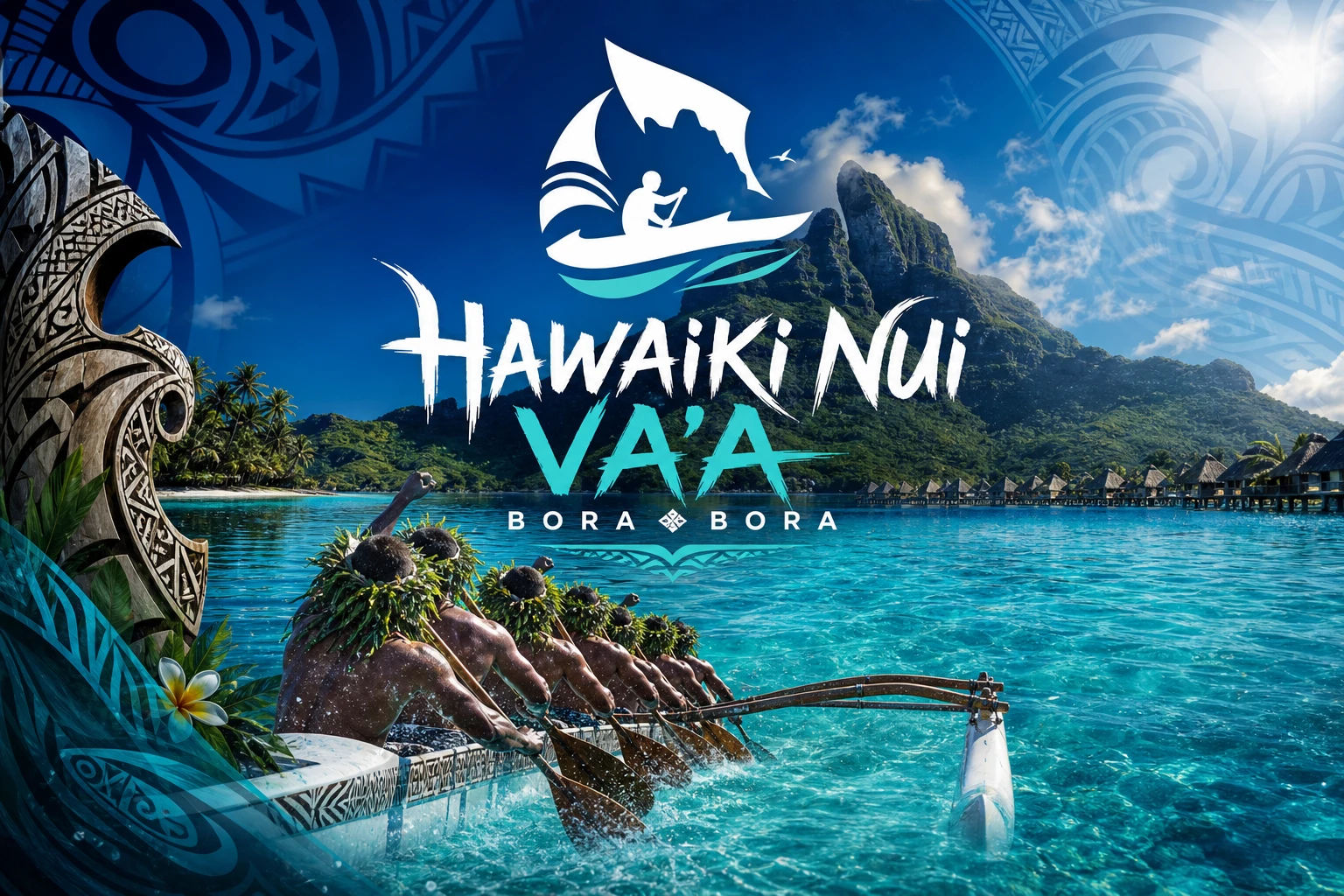
Every November, the turquoise lagoons and open channels of French Polynesia become the stage for one of the most respected outrigger canoe races in the world. Hawaiki Nui Vaʻa is not simply a sporting competition. It is a powerful expression of Polynesian ocean heritage, teamwork, endurance, and ancestral pride. While the race itself draws elite Vaʻa crews from across the Pacific, the canoe race stopovers transform each host island into a cultural celebration that welcomes locals and travelers alike.
From Huahine to Raiatea and finally to Bora Bora, the stopovers of Hawaiki Nui Vaʻa offer rare opportunities to observe traditional voyaging culture up close, experience island festivities, and connect with communities that live by the rhythm of the sea.
Understanding Hawaiki Nui Vaʻa and Its Cultural Meaning
What Hawaiki Nui Vaʻa Represents
The name Hawaiki Nui refers to the ancient homeland found throughout Polynesian oral tradition. The race honors the long distance voyages once made by Polynesian navigators using stars, winds, and waves. Today, Hawaiki Nui Vaʻa stands as the pinnacle of outrigger canoe racing in French Polynesia and one of the most demanding events in the Vaʻa calendar.
Crews paddle six person outrigger canoes, relying on perfect synchronization, strength, and mental resilience as they cross wide ocean channels between islands.
Why the Stopovers Matter
The stopovers are more than rest points. They reflect the traditional welcome once given to voyagers arriving by sea. Each island greets the paddlers with ceremony, food, music, and community pride, turning the race into a shared cultural experience rather than a closed sporting event.
History of Hawaiki Nui Vaʻa
Origins of the Race
Hawaiki Nui Vaʻa was first held in 1992 and quickly gained international recognition. It was designed to revive long distance inter island paddling and to celebrate Polynesian maritime identity.
Over the decades, the race has grown in prestige, attracting top teams from Tahiti, the outer islands, Hawaii, New Zealand, and beyond. Winning Hawaiki Nui Vaʻa is considered one of the highest honors in the sport.
Growth of the Island Celebrations
As the race gained popularity, host islands developed traditions around welcoming the crews. These stopovers became festivals in their own right, blending competitive excitement with authentic island culture.
When Hawaiki Nui Vaʻa Takes Place
Confirmed Annual Dates
Hawaiki Nui Vaʻa is held annually in November, typically late November.
The race runs over three days, with confirmed scheduling that generally follows this pattern:
- Day 1: Huahine to Raiatea
- Day 2: Raiatea to Bora Bora
- Day 3: Lagoon racing and final ceremonies in Bora Bora
In recent confirmed editions, race dates have fallen around November 24 to November 26, with slight variations depending on the calendar year.
November weather offers warm temperatures and favorable ocean conditions while avoiding the peak cyclone season.
The Race Route and Stopover Islands
Huahine Stopover
The spiritual beginning of the journey
Why Huahine is Significant
Huahine is often regarded as one of the most traditional islands in French Polynesia. Its strong cultural identity and connection to ancient marae make it a meaningful starting point for Hawaiki Nui Vaʻa.
Stopover Experience
Before the race begins, Huahine hosts opening ceremonies, team briefings, and community gatherings. When crews depart, locals line the shore to offer blessings and encouragement.
For visitors, Huahine provides a peaceful and deeply cultural introduction to the race atmosphere, with fewer crowds and close interaction with local residents.
Raiatea Stopover
The sacred heart of Polynesian voyaging
Arrival at the Birthplace of Navigation
The first major stopover occurs in Raiatea, long considered the spiritual center of Polynesia. This island is home to Taputapuātea, a UNESCO World Heritage site and ancient center of navigation and ceremony.
Crews arriving from Huahine are greeted with powerful welcomes that honor the island’s status as the birthplace of Polynesian wayfinding.
Island Celebrations
Raiatea’s stopover includes:
- Canoe arrivals visible from coastal villages
- Community feasts and shared meals
- Cultural performances featuring drumming and dance
- Opportunities to meet paddlers and teams
This stopover balances recovery with celebration, creating a festive yet respectful atmosphere.
Bora Bora Stopover
The dramatic finale in a legendary lagoon
A World Famous Finish
The final and most anticipated stopover takes place in Bora Bora. Paddlers arrive after crossing open ocean and enter one of the world’s most beautiful lagoons beneath Mount Otemanu.
Spectators gather along lagoon shores, beaches, and boats to witness the arrival, making this stopover a visual highlight of Hawaiki Nui Vaʻa.
Lagoon Races and Closing Festivities
On the final day, short races or exhibitions may occur inside the lagoon, followed by award ceremonies and celebrations. Bora Bora’s community and visitors come together to honor the winners and all participants.
Highlights of the Hawaiki Nui Vaʻa Stopovers
Spectacular Canoe Arrivals
Each stopover arrival is emotional and powerful. Crews often reach shore exhausted yet determined, greeted by cheers, music, and family support. These moments showcase the human spirit behind the sport.
Cultural Performances
Traditional drumming, chanting, and dance form an essential part of each welcome. Performances reflect the island’s identity and reinforce the cultural significance of ocean voyaging.
Community Connection
Unlike ticketed sports events, Hawaiki Nui Vaʻa stopovers encourage interaction. Visitors can speak with paddlers, observe authentic traditions, and feel genuinely included in the celebration.
Cultural Importance of the Race and Stopovers
Honoring Ancestral Navigation
Hawaiki Nui Vaʻa reinforces the knowledge and skills that allowed Polynesians to settle the Pacific. The race revives pride in ocean literacy, teamwork, and respect for nature.
Strengthening Island Bonds
By linking islands through paddling rather than air travel, the race symbolizes unity across the Society Islands and strengthens cultural ties between communities.
Admission and Pricing Information
Free Public Access
One of the most appealing aspects of Hawaiki Nui Vaʻa canoe race stopovers is that spectating is free. Visitors can watch arrivals, ceremonies, and celebrations without purchasing tickets.
Optional Costs
Costs for visitors typically include:
- Transportation between islands
- Accommodation during race week
- Food and local events
No official admission fees are charged for stopover viewing areas.
Travel Tips for Experiencing the Stopovers
Where to Stay
Travelers often choose to base themselves in:
- Huahine village areas for the opening leg
- Raiatea coastal accommodations near arrival points
- Bora Bora lagoon side hotels or guesthouses for the final stopover
Booking several months in advance is recommended, as November draws increased demand.
Getting Around
Local ferries, flights, scooters, and boats are the most reliable ways to move between islands and viewing areas. Lagoon boats provide unforgettable perspectives during Bora Bora arrivals.
What to Bring
- Sun protection and light clothing
- Respectful attire during ceremonies
- Reusable water bottles
- A camera or binoculars
Exploring the Islands During Race Week
Beyond the Paddling
Between race events, visitors often explore:
- Snorkeling and lagoon excursions
- Hiking viewpoints in Huahine and Raiatea
- Cultural sites such as Taputapuātea
- Local markets and village cafés
The stopovers create natural pauses perfect for island discovery.
Why the Hawaiki Nui Vaʻa Stopovers Are So Special
The Hawaiki Nui Vaʻa (Canoe Race Stopovers) offer far more than sport. They represent a living connection between past and present, where ocean, island, and people unite through tradition and determination. Witnessing these arrivals and celebrations allows travelers to experience French Polynesia at its most authentic.
Standing on the shore as outrigger canoes arrive after hours at sea, hearing drums echo across the lagoon, and sharing energy with island communities is something that stays with you long after the race ends. Planning a November visit around Hawaiki Nui Vaʻa opens the door to one of the most meaningful island experiences in the Pacific.
Verified Information at a Glance
- Event Name: Hawaiki Nui Vaʻa
- Event Category: Outrigger Canoe Race and Cultural Event
- Location: Society Islands, French Polynesia
- Primary Stopovers: Huahine, Raiatea, Bora Bora
- Typically Held: Late November
- Event Duration: 3 days
- Confirmed Race Route:
- Day 1: Huahine to Raiatea
- Day 2: Raiatea to Bora Bora
- Day 3: Lagoon events and ceremonies in Bora Bora
- Spectator Admission: Free public access
- Estimated Dates Example: Around November 24 to November 26
- Participants: Elite Polynesian and international Vaʻa teams
Exact dates, arrival locations, and ceremonial schedules are confirmed annually by race organizers. Visitors are encouraged to check local island announcements when planning travel around the event.
%202026.webp)