.png)
Heiva i Bora Bora (Heiva Festival)
A vibrant island celebration of Polynesian culture, dance, and ancestral pride
Each year, when the dry season settles gently over French Polynesia, the island of Bora Bora comes alive with rhythm, color, and cultural pride during Heiva i Bora Bora, one of the most anticipated island festivals in the Leeward Islands. As a local expression of the wider Heiva celebrations held across Tahiti and the islands, this festival honors Polynesian heritage through dance, music, sport, and storytelling in one of the most beautiful lagoon settings on Earth.
For travelers seeking more than luxury resorts and postcard views, Heiva i Bora Bora (Heiva Festival) offers an authentic window into island life. It is a time when the community gathers, traditions are celebrated openly, and visitors are warmly welcomed to experience the living culture of Bora Bora.
Understanding the Meaning of Heiva in Polynesian Culture
What Heiva Represents
The word Heiva translates broadly to celebration or festival. Historically, Heiva marked important communal gatherings that included ceremonies, competitions, and rituals rooted in Polynesian belief systems. During the colonial era, many of these practices were discouraged or banned, but they survived through community resilience.
In modern times, Heiva has become a cultural revival movement. It celebrates Polynesian identity, language, music, and physical expression while honoring ancestors and traditional knowledge.
Heiva in Bora Bora
While Heiva i Tahiti is the largest and most internationally known celebration, Heiva i Bora Bora brings these traditions to a more intimate island setting. The festival reflects local history, island specific dance styles, and community involvement unique to Bora Bora.
History of Heiva i Bora Bora
Cultural Revival and Pride
Heiva festivals gained renewed importance in the late 20th century as Polynesians reclaimed and revitalized cultural expressions. Bora Bora embraced Heiva as a way to preserve traditional arts and pass them on to younger generations.
Over time, Heiva i Bora Bora has grown into a key event on the island’s cultural calendar, supported by local associations, schools, and cultural leaders.
A Festival Rooted in Community
Unlike large scale commercial festivals, Heiva i Bora Bora remains deeply local. Performers are often island residents, families take part together, and preparations begin months in advance. That sense of belonging is felt in every performance and ceremony.
When Heiva i Bora Bora Takes Place
Confirmed Festival Season
Heiva i Bora Bora is traditionally held between late June and July, aligning with the wider Heiva season across French Polynesia.
While exact dates vary slightly each year, festivals on Bora Bora commonly take place from mid June through mid July, with main dance competitions and performances concentrated in early to mid July.
For example, recent editions have featured performances around the first two weeks of July, depending on scheduling and island coordination.
Where the Festival Is Held on the Island
Main Performance Venues
Key festival events typically take place at:
- Place Tiare in Vaitape, a central and well known gathering area
- Open air cultural stages near Vaitape village
- Community grounds with lagoon or mountain backdrops
These venues allow both locals and visitors to enjoy performances in an open and welcoming environment, often under the stars.
Island Wide Celebrations
In addition to central performances, smaller events, workshops, and rehearsals may occur across Bora Bora’s neighborhoods and villages, creating a festive atmosphere throughout the island.
Highlights of Heiva i Bora Bora
Traditional Dance Competitions
Dance is the heart of Heiva. Groups perform both ʼōteʼa, a powerful and rhythmic drum based dance, and aparima, a softer style that uses hand movements to tell stories.
Performances are judged on:
- Choreography and synchronization
- Authenticity of movements
- Costumes made from natural materials
- Emotional expression and storytelling
The energy and precision of these dances reflect months of hard work and deep cultural knowledge.
Polynesian Drumming and Music
Live percussion using pahu and toʼere drums drives the performances. Musicians sit behind dancers, creating complex rhythms that echo coral, ocean, and ancestral heartbeat.
Traditional chants in Tahitian language accompany many performances, adding depth and historical meaning.
Sports and Cultural Activities
Traditional Athletic Competitions
Heiva is also a celebration of physical strength and skill. Depending on the year, Heiva i Bora Bora may include:
- Stone lifting competitions
- Coconut husking
- Spear throwing
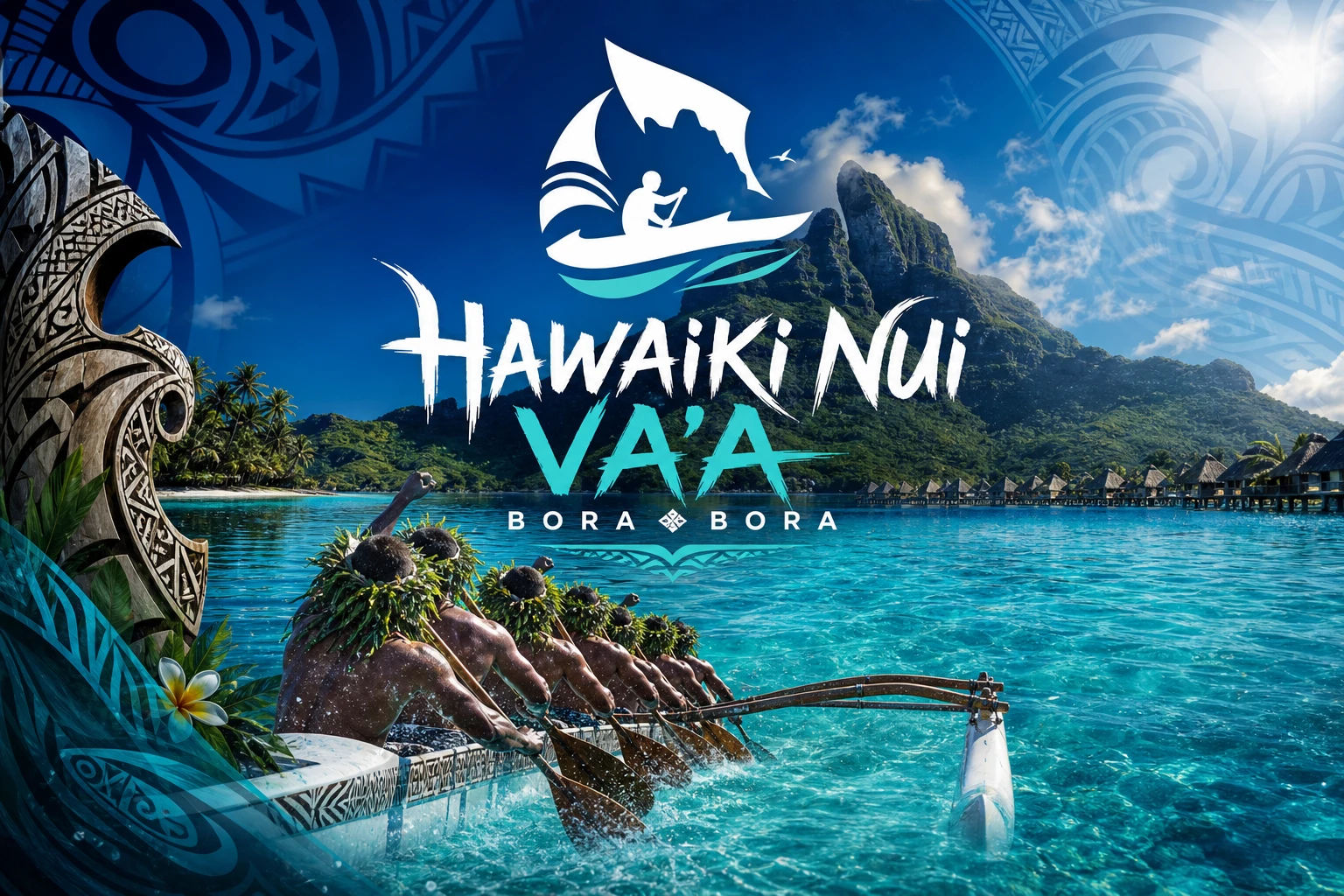
- Outrigger canoe events
These sports honor the strength and resilience valued in Polynesian society.
Handicrafts and Cultural Displays
Visitors can also enjoy exhibitions of traditional crafts such as weaving, wood carving, and costume making. These displays show how cultural knowledge is preserved and adapted for modern life.
Cultural Importance for Bora Bora
Preserving Language and Identity
Heiva provides an important platform for the Tahitian language, which is used extensively during performances and announcements. This reinforces linguistic pride and cultural continuity.
Younger performers learn directly from elders and cultural leaders, ensuring traditions are passed forward with respect and accuracy.
Community Pride and Unity
For Bora Bora residents, Heiva is a moment of unity. Families, schools, and neighborhoods support performers with costumes, logistics, and encouragement. Visitors often remark on the warmth and inclusion they feel during festival events.
Admission and Pricing Information
Free Public Performances
Most Heiva i Bora Bora events are free and open to the public, especially outdoor dance competitions and cultural showcases. This accessibility reflects the festival’s community spirit and ensures everyone can participate.
Occasional Ticketed Events
Some special evenings or reserved seating areas may require a modest fee, particularly if hosted at specific venues. When charged, pricing is typically affordable and aimed at covering logistical costs rather than profit.
Travel Tips for Visiting During Heiva
Best Time to Book
July is peak season in Bora Bora, both for tourism and cultural events. Accommodation and flights should be booked well in advance to secure preferred options.
What to Wear
- Light, breathable clothing
- Comfortable sandals or walking shoes
- Respectful attire for cultural settings
- A light jacket for evening breezes
Photographers should avoid flash during performances unless permitted.
Getting Around
Bora Bora is small and easy to navigate by bicycle, scooter, or shuttle. Event venues in Vaitape are accessible from most accommodations.
Exploring Bora Bora Beyond the Festival
Nearby Attractions
Between performances, visitors often explore:
- Matira Beach, one of the island’s most famous stretches of sand
- Lagoon snorkeling and coral gardens
- Mount Otemanu viewpoints
- Local shops and cafés in Vaitape
Heiva week creates a perfect balance between cultural immersion and island relaxation.
Why Heiva i Bora Bora Is a Must Experience Island Festival
The Heiva i Bora Bora (Heiva Festival) is more than a celebration. It is a living expression of Polynesian identity set against one of the world’s most breathtaking landscapes. From the thunder of drums to the grace of dancers under the night sky, Heiva connects past and present in a deeply moving way.
Witnessing Heiva in Bora Bora means stepping into the heart of island culture, sharing moments shaped by ancestry, artistry, and pride. Plan your summer island journey around this festival and let Bora Bora welcome you not only with beauty, but with soul.
Verified Information at a Glance
- Event Name: Heiva i Bora Bora
- Event Category: Cultural Festival and Traditional Arts
- Location: Bora Bora Island, French Polynesia
- Primary Venues: Place Tiare, Vaitape and community performance grounds
- Typically Held: Late June to July
- Peak Festival Period: Early to mid July
- Main Activities: Polynesian dance competitions, drumming, chanting, traditional sports, crafts
- Admission: Mostly free public events, occasional modest fees for select seating
- Audience: Local community, cultural travelers, island visitors
Exact dates, schedules, and seating arrangements are confirmed annually by local organizers and the municipality of Bora Bora. Visitors are advised to check current year announcements when planning their trip.
%202026.webp)