Mauritius
    Indian Ocean

    Mauritius

    Beaches, multicultural vibes, golf resorts

    4.7
    Guest Rating
    19°C
    Rainy
    Humidity: 100%
    Wind: 14 km/h
    Live Temperature
    25
    Active Events
    About

    The story of Mauritius

    Mauritius offers a unique blend of African, Indian, Chinese, and European cultures. Known for luxury golf resorts, beautiful beaches, and diverse cuisine reflecting its multicultural heritage.

    Morning on Mauritius begins with a soft breeze over the lagoon and the sound of waves brushing the reef. Sugarcane fields glow green, mountain peaks rise in sharp silhouettes, and the water shifts from pale turquoise to deep blue. Mauritius travel blends postcard beaches with lively towns, diverse culture, and easy day trips into nature. It is an island that feels welcoming from the first “bonjour,” “namaste,” or “salaam,” and it rewards slow days as much as active ones.

    Set in the Indian Ocean, east of Madagascar, Mauritius is a volcanic island ringed by coral reef. Calm lagoons edge much of the coast, which makes swimming and snorkeling a simple joy. Inland, the terrain rises to rugged peaks and cool forests, with trails leading to lookouts and waterfalls. The island’s cultural mix is part of its charm. Creole, Indian, Chinese, and French influences shape everyday life, from temple festivals and street snacks to music and architecture.

    If you are mapping out Mauritius things to do, start with the sea. On the west coast, Flic‑en‑Flac offers a long...

    Climate & Weather

    Tropical climate with year-round warm temperatures and trade winds.

    Best Time to Visit

    May to December for cool, dry, and sunny weather

    Highlights

    Top highlights

    Multicultural heritage

    Golf courses

    Coral reefs

    Activities

    Popular activities

    Golf
    Cultural tours
    Water sports
    Beach activities
    Essentials

    Quick info

    Timezone
    UTC+4
    💰Currency
    Mauritian Rupee
    🗣️Language
    English, French, Mauritian Creole
    Temperature
    26°C
    What's On

    Upcoming events

    Tamil Fire Walking Festival (Thimithi) 2026
    Religious / Cultural
    Free

    Tamil Fire Walking Festival (Thimithi) 2026

    Tamil Fire Walking Festival in Mauritius: A Sacred Island Experience Worth Witnessing

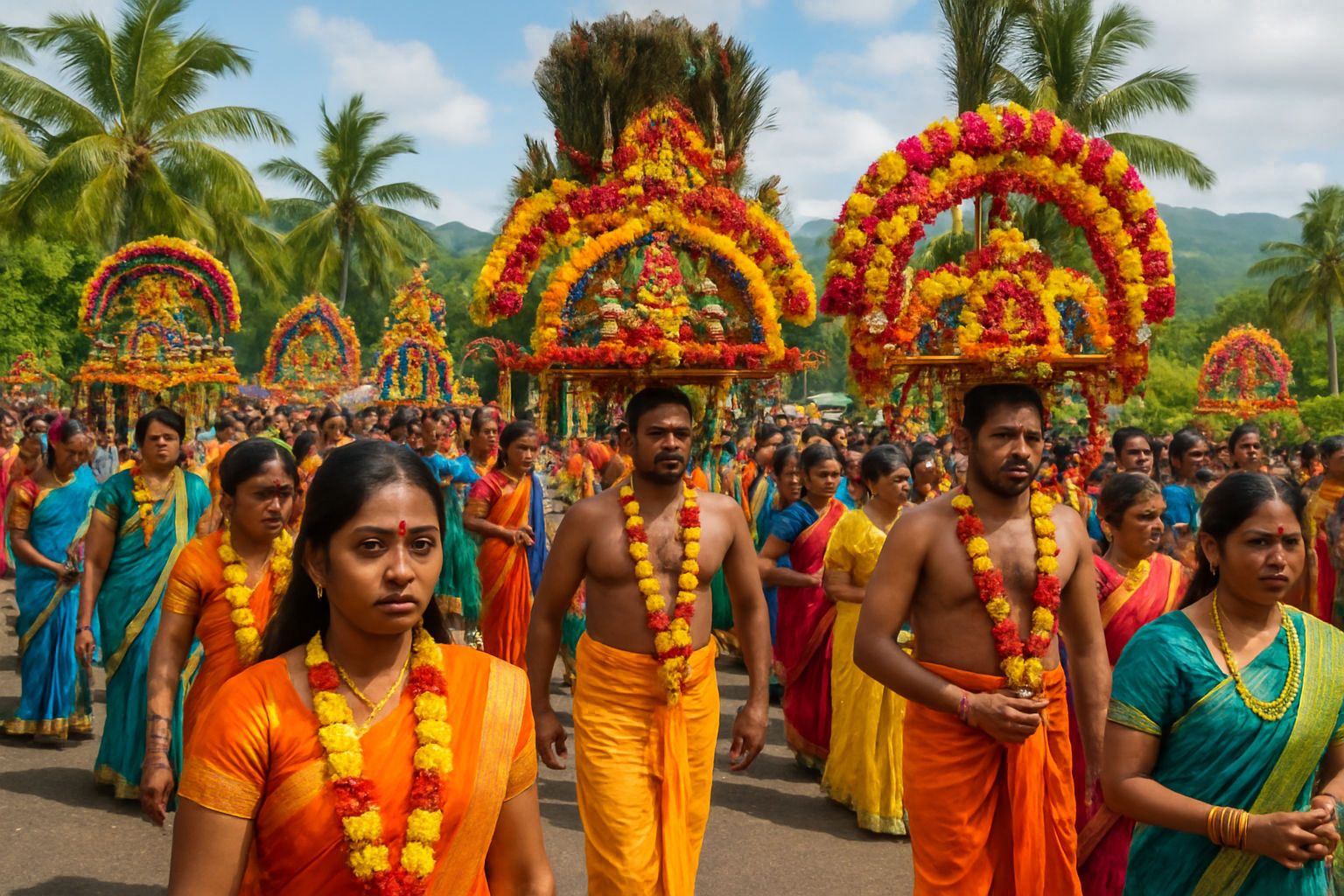
    The Tamil Fire Walking Festival in Mauritius, widely known as Thimithi, is one of the island’s most powerful expressions of faith, courage, and community, centered on fire walking in honor of Draupadi within the Tamil Hindu tradition. Reliable online sources confirm the festival is observed in Mauritius, linked to temples such as the Draupadi Amman Kovil in Saint Pierre, and typically takes place during the broader December to February season, although no single island-wide official date for this year could be verified from the available public sources.

    For travelers drawn to authentic island culture, this is the kind of event that stays with you. Beyond the glowing embers and temple rituals, the festival opens a window into Mauritian life where ancestry, worship, food, music, and family ties all come together in a deeply rooted way.


    What is the Tamil Fire Walking Festival in Mauritius?

    The Tamil Fire Walking Festival in Mauritius is a Tamil Hindu religious observance built around a ritual walk across hot embers. It honors Draupadi, the heroine of the Mahabharata, and symbolizes purity, devotion, endurance, and divine protection.

    In Mauritius, Thimithi is not simply a dramatic public spectacle. It is part of a larger sacred cycle that includes prayer, fasting, temple worship, purification, and community preparation before the fire-walking ceremony takes place.

    That deeper meaning is what makes the festival so compelling for visitors. You are not just watching an event. You are stepping into a living tradition that reflects the strength of Mauritian Tamil culture and the wider religious diversity of the island.


    Why Thimithi Matters on This Island

    Mauritius is often celebrated for its lagoons, beaches, and mountain views, but its identity goes far beyond scenery. The Government of Mauritius describes the country as a cosmopolitan culture shaped by Indian, African, European, and Chinese ancestry, with a strong tradition of collective participation in festivals and shared cultural values.

    That setting helps explain why Thimithi feels so important here. It is both a spiritual act and a cultural marker, showing how traditions brought by earlier generations have remained visible and meaningful in modern Mauritian life.

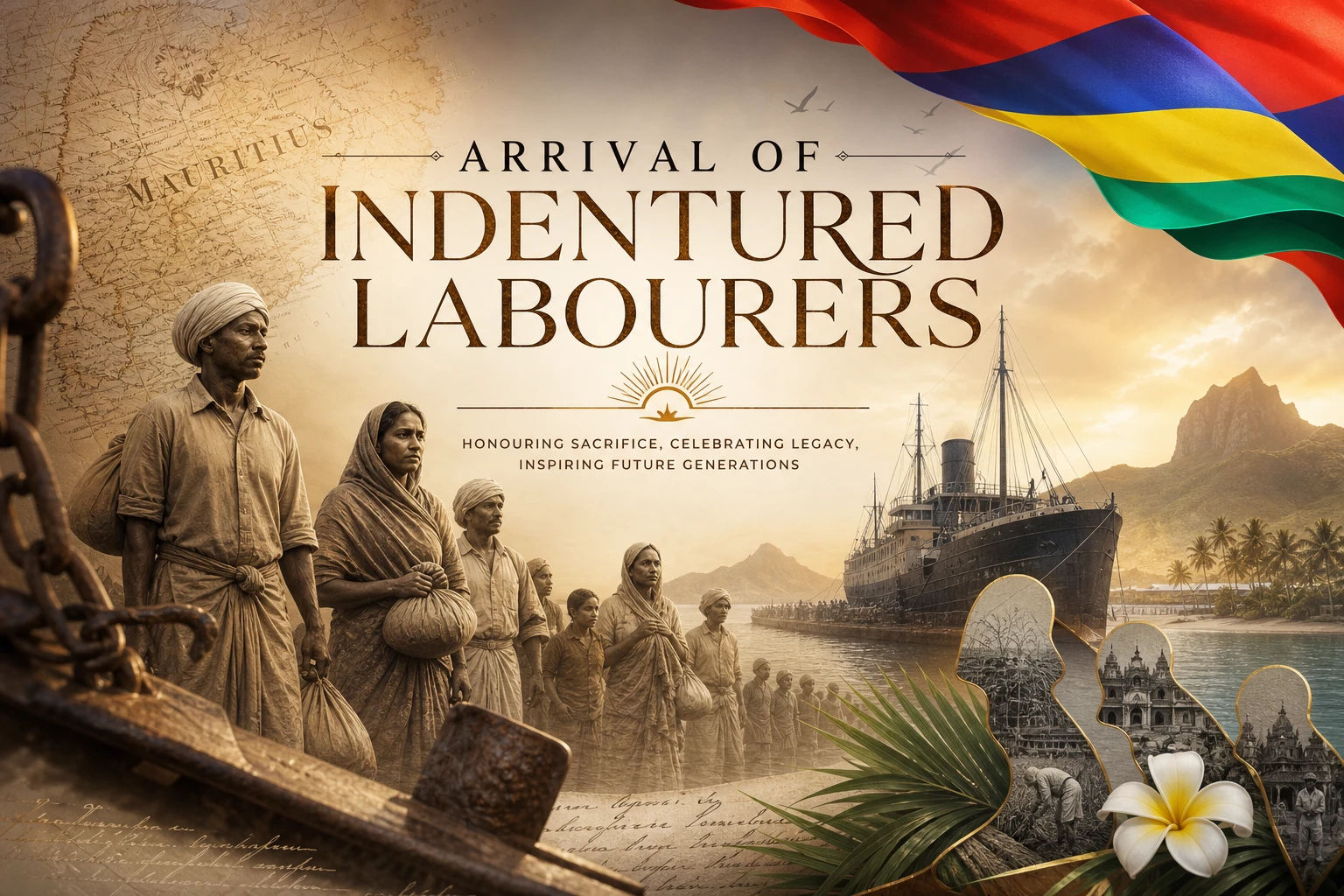
    The island’s story also supports this connection. Government history pages note that large numbers of Indian laborers were brought to Mauritius during the nineteenth century, fundamentally changing the fabric of society, while more than 457,000 indentured laborers from several regions passed through the Aapravasi Ghat system between 1834 and 1920.

    For anyone interested in heritage travel, that historical background adds real depth to the experience. When you attend the Tamil Fire Walking Festival in Mauritius, you are not just seeing a ritual. You are seeing one part of the long cultural journey that helped shape the island itself.


    The History and Spiritual Meaning Behind the Fire Walk

    According to descriptions of Thimithi in Mauritius, the festival’s origins lie in ancient Hindu mythology and the story of Draupadi, who is said to have crossed fire to prove her purity and devotion. This belief is central to the symbolism of the ceremony and explains why devotees approach the ritual with such seriousness and reverence.

    The act of walking on fire is therefore not about performance or danger for its own sake. It is a vow-based expression of faith, where discipline, prayer, and belief all matter as much as the actual crossing of the embers.

    This is one reason Thimithi stands apart from many visitor-facing cultural events. The atmosphere remains spiritual first, communal second, and only then interesting to outsiders, which is exactly why respectful travelers often find it so memorable.


    When the Tamil Fire Walking Festival in Mauritius Takes Place

    Finding exact confirmed dates for the Tamil Fire Walking Festival in Mauritius can be difficult because public sources do not show one official island-wide master schedule. What can be confirmed is the seasonal pattern. Mauritius travel sources place fire-walking observances between December and February, while another local source specifically mentions January and February in Beaux Songes.

    At the same time, the Mauritius-based Thimithi page also connects the tradition to the Tamil month of Aadi, described there as July to August, which reflects how fire-walking traditions can vary by region and temple context across the wider Tamil world. For Mauritius trip planning, the most location-specific and visitor-focused references available still point to the local December to February window rather than a single fixed public date.

    That means the smartest travel strategy is simple:

    • Plan around the broader fire-walking season on the island.
    • Check with the temple or a trusted local cultural source before traveling to attend.
    • Treat any unverified calendar listing with caution unless it names the exact temple and organizer.


    Confirmed Places Linked to the Festival

    One of the clearest venue references available online is the Draupadi Amman Kovil in Saint Pierre, which is specifically named as a temple associated with Thimithi rituals in Mauritius. The source explains that celebrations begin with rituals and prayers at temples dedicated to Draupadi before the main fire-walking act.

    Another confirmed locality is Beaux Songes, where one Mauritius source says visitors may attend fire-walking ceremonies in January and February. This gives travelers at least two concrete place references to guide further local verification.

    These places also fit naturally into a broader island itinerary:

    • Saint Pierre works well from central Mauritius, with easy connections to Moka, Quatre Bornes, Curepipe, and Port Louis.
    • Beaux Songes can be combined with west coast stays around Flic en Flac, Tamarin, Black River, and the road toward Chamarel.
    • Visitors can pair festival travel with cultural landmarks such as Aapravasi Ghat in Port Louis, the SSR Botanic Garden in Pamplemousses, Grand Bassin, or Le Morne Cultural Landscape.


    What Happens During the Ceremony

    The most striking part of the Tamil Fire Walking Festival in Mauritius is the barefoot crossing over a bed of hot coals. One Mauritius source explains that devotees prepare through rigorous fasting and purification before taking part in the ritual.

    Another local source says fire-walking participants may spend around ten days in purification, meditation, and prayer before the ceremony, then cool their feet in milk after crossing the embers. That detail gives visitors a much better sense of how disciplined and spiritually structured the event really is.

    Around the fire walk itself, the atmosphere is often shaped by:

    • Temple prayers and offerings.
    • Family participation and community support.
    • Traditional Tamil sweets and delicacies shared during the celebration.
    • A mood that blends devotion, silence, anticipation, and collective emotion.

    For a visitor, that combination can be powerful. The fire pit may draw the eye, but the real heart of the event lies in the build-up, the vow, and the sense of shared belief surrounding it.


    Cultural Highlights for Visitors

    One of the most rewarding aspects of this festival is how clearly it reflects the island’s multicultural identity. Mauritius presents itself officially as a place where literature, dance, music, local crafts, religion, and tradition all express its diversity, and Thimithi sits naturally within that larger picture.

    A visit during the festival season can also connect beautifully with the rest of the island experience. In the same trip, you might explore Port Louis markets, admire mountain views near Trou aux Cerfs at 605 meters above sea level, visit Pamplemousses, spend time at Blue Bay Marine Park, or head south toward Le Morne and Chamarel.

    That contrast is part of what makes Mauritius so rewarding. One day you are at a beach framed by coral reefs, and the next you are witnessing an ancient temple tradition carried forward by a close-knit island community.


    Practical Tips for Attending Respectfully

    If you hope to attend the Tamil Fire Walking Festival in Mauritius, approach it the way you would any sacred event. Respect comes first, and a little preparation will make the experience much smoother.


    Visitor Tips

    • Dress modestly, especially if you are entering temple grounds or standing close to worship areas.
    • Arrive early, because the prayers and preparations before the fire walk are an important part of the experience.
    • Ask before taking close photos of devotees, priests, or ritual offerings.
    • Carry water and plan for warm, humid island weather if attending during the local summer season.
    • Do not assume participation is open to tourists, since the fire walk is described as a vow-based religious act performed after fasting and purification.


    Getting Around

    • From central stays, Saint Pierre is a practical base for a culture-focused outing.
    • From west coast resorts, Beaux Songes may be easier to reach than inland temple sites farther north or east.
    • Private taxi or pre-arranged driver service is often the simplest option if the event finishes late or transport is limited.


    Pricing and Entry Information

    No confirmed public ticket price for the Tamil Fire Walking Festival in Mauritius could be found in the available sources. The event is described as a temple-centered religious observance rather than a standard ticketed entertainment attraction, which suggests that many visitors attend as observers rather than through a formal paid entry system.

    That said, costs may still arise through transportation, private guides, organized cultural tours, or voluntary donations at a temple. Since no official published admission fee was confirmed, travelers should verify details directly with the venue or local organizer before planning around a paid event format.


    A Moving Reason to Explore Mauritius Beyond the Beach

    There are many reasons to visit Mauritius, but few experiences reveal the island’s soul quite like Thimithi. It brings together memory, ritual, family, and faith in a way that feels immediate and profoundly human, far beyond what a brochure or beach itinerary can ever show.

    If your travels are guided by curiosity, culture, and the search for experiences that feel real, place the Tamil Fire Walking Festival in Mauritius on your radar. Time your visit carefully, confirm the local temple schedule, and discover an island tradition that glows long after the embers fade.


    Verified Information at a Glance

    • Event name: Tamil Fire Walking Festival, also known as Thimithi.
    • Event category: Tamil Hindu religious festival and fire-walking ceremony.
    • Spiritual focus: Honors Draupadi from the Mahabharata tradition.
    • Confirmed island-wide official date: No single island-wide official date could be confirmed from the available public sources.
    • Confirmed event season in Mauritius: December to February.
    • Additional confirmed local timing reference: January and February in Beaux Songes.
    • Additional source reference on traditional observance timing: The Mauritius Thimithi page links the tradition to the Tamil month of Aadi, July to August.
    • Confirmed venue or place reference: Draupadi Amman Kovil, Saint Pierre.
    • Additional confirmed locality: Beaux Songes.
    • Main ritual: Devotees walk barefoot across hot coals.
    • Preparation period: Rigorous fasting and purification are part of the lead-up, and one local source mentions around 10 days of purification, meditation, and prayer.
    • Post-ritual detail: Feet may be cooled in milk after the fire walk.
    • Visitor status: Best suited for respectful observation unless temple authorities state otherwise.
    • Pricing: No confirmed public ticket price found in the available sources.
    Tamil temples, island-wide, Mauritius
    Jun 1, 2026 - Jul 31, 2026
    Ahmed Sylla – Origami (Comedy Show) 2026
    Comedy / Live Show
    TBA

    Ahmed Sylla – Origami (Comedy Show) 2026

    Ahmed Sylla – Origami in Mauritius: A Stand-Up Night the Island Will Be Talking About

    Ahmed Sylla – Origami in Mauritius is shaping up to be one of the standout live entertainment events on the island, with confirmed listings showing the French comedian’s one-man show at Trianon Convention Centre on Sunday 21 June 2026. Public event pages also confirm that this is presented as Ahmed Sylla’s first-ever show in Mauritius, with tickets listed from Rs 800 to Rs 2,700, a runtime of about 1 hour 20 minutes, and a French-language performance built around laughter, emotion, and personal storytelling.

    For island audiences who enjoy big touring performances with personality and heart, this event has genuine appeal. It brings a major francophone comedy name to Mauritius in a venue that already feels familiar to concertgoers and live-show fans across Quatre Bornes, Trianon, Rose Hill, and the wider central plateau.


    What is Ahmed Sylla – Origami?

    Origami is Ahmed Sylla’s fourth one-man show, and official event descriptions present it as a blend of stand-up, life reflection, colorful characters, and emotionally grounded humor. The premise draws on the idea of folding, comparing human destiny to paper shaped by choices, failures, joys, departures, and dreams.

    That theme gives the show a little more range than a fast set of disconnected jokes. According to the event description, Ahmed Sylla uses the show to imagine how his own life might have unfolded if he had not left his hometown and dared to dream bigger, which gives the material both intimacy and comic tension.

    For Mauritian audiences, that matters because it suggests a show with personality as well as punchlines. Rather than being built only on crowd work or sketch-style gags, Origami appears to aim for something more rounded, funny, sensitive, and recognizably human.


    Why this comedy show matters in Mauritius

    Mauritius has a strong appetite for live performance, especially when the event mixes entertainment with a sense of occasion. A show like Ahmed Sylla – Origami fits well into the island’s cultural rhythm because francophone comedy already resonates with many local audiences, especially in central urban areas where French-language media and live events have a visible presence.

    There is also the novelty factor. The official event pages describe this as Ahmed Sylla’s first time performing in Mauritius, which makes the evening feel less like another tour date and more like a real island premiere.

    That first-visit angle gives the event extra energy. In a place where audiences often value the atmosphere around a night out just as much as the performance itself, the chance to see a well-known comedian arrive in Mauritius for the first time adds real excitement.


    Who is Ahmed Sylla?

    Based on the event listing, Ahmed Sylla is positioned as a major name across the French-speaking live entertainment world, with the Mauritius date presented as part of his comeback on stage with a brand-new show. The same description says he has already conquered some of the biggest stages in the francophone world before bringing Origami to the island.

    Even without overexplaining his broader career, that alone tells visitors and local audiences a lot. This is not a small club act or an unknown performer testing material. It is a headline comedy event anchored by a recognized touring artist.

    That scale is important in Mauritius, where internationally known French-speaking acts can create a strong buzz, especially when they appear in central venues accessible from multiple parts of the island.


    Confirmed date, time, and venue

    The most important practical details are already confirmed by public event pages. Ahmed Sylla – Origami is listed for Sunday 21 June 2026 at Trianon Convention Centre in Quatre Bornes, with doors opening at 18:00 and the performance scheduled for 19:00 according to the Otayo listing.

    This is useful for planning because Trianon Convention Centre is one of the better-known live event venues in central Mauritius. Its location makes it fairly convenient whether you are coming from Ebene, Rose Hill, Beau Bassin, Moka, Curepipe, or even the west coast with a bit of advance transport planning.

    The timing also suits a proper evening out. With doors opening at 18:00 and a runtime of about 1 hour 20 minutes, visitors can comfortably pair the show with dinner before or after, especially in Quatre Bornes, Trianon, Ebene, or nearby city zones.


    Ticket prices and seating options

    One of the strongest advantages for event planning is that ticket pricing is clearly published. The MyGuide Mauritius listing shows four ticket categories:

    • VIP: Rs 2,700.
    • Category 1: Rs 2,100.
    • Category 2: Rs 1,200.
    • Category 3: Rs 800.

    That range gives the event a fairly broad audience appeal. It allows fans who want a premium experience to book VIP seating, while still keeping the show accessible to people looking for a more affordable comedy night in Mauritius.

    Compared with many imported live performances, this tiered structure is practical for the island market. It makes the event suitable for couples, groups of friends, and even a family night out for audiences comfortable with French-language comedy.


    What to expect from the show

    The official event description gives a clear picture of the tone. It promises a clever mix of authentic stand-up and colorful characters, with laughter balanced by emotion and a more personal thread running through the performance.

    The MyGuide Mauritius listing adds to that by describing high-tempo storytelling, quick crowd moments, quotable punchlines, and personal tales folded into broader life themes. That combination suggests a show that should feel dynamic on stage rather than static or overly literary.

    For viewers, that usually means a more satisfying night. You are likely getting not just one comedic mode, but a shifting performance style that moves between observation, self-reflection, theatrical character work, and direct audience energy.


    Why the central island setting works so well

    Trianon and Quatre Bornes are especially well placed for major cultural events in Mauritius. They sit close to busy residential and commercial zones and remain relatively easy to access from different parts of the island, which matters for an evening show with a strong turnout.

    That central location also opens up the night beyond the venue itself:

    • Visitors staying in Ebene can reach the venue quickly and pair the show with restaurants or bars nearby.
    • Guests based in Rose Hill or Beau Bassin can build a very easy local evening around the event.
    • Those staying in coastal resort areas such as Flic en Flac, Tamarin, or Grand Baie can still attend with pre-booked transport and turn it into a special night in the center of the island.

    This is one reason events at Trianon Convention Centre often feel bigger than a local neighborhood night. They pull together audiences from different corners of Mauritius and create a true island-wide atmosphere.


    Language, audience, and overall vibe

    The show is confirmed to be in French, which is an important detail for anyone booking tickets. In Mauritius, that still gives the performance a broad potential audience because French remains widely used in media, culture, and daily communication, especially in urban and cultural settings.

    The runtime of about 1 hour 20 minutes is another positive sign. It is long enough to feel substantial, but short enough to keep the pacing tight and the evening easy to manage for visitors or locals attending after work.

    The overall vibe, based on the official descriptions, looks polished but accessible. It is presented as a warm, funny, and deeply human evening, designed to work just as well for devoted Ahmed Sylla fans as for people simply looking for a memorable live show in Mauritius.


    Practical visitor tips for the night

    If you are planning to attend Ahmed Sylla – Origami in Mauritius, a few practical details will make the evening smoother. The official listings already provide enough information to help with timing, access, and comfort.

    Before you go

    • Arrive close to door opening time at 18:00 if you want a more relaxed entry experience.
    • Keep your ticket category in mind before booking, since the price difference between sections is significant.
    • Remember that the performance is in French, so language comfort will shape how much you enjoy the material.

    At the venue

    • Food and drinks are sold on site according to the event information.
    • Outside food and drink are not allowed.
    • On-site parking is not available for VIP ticket holders and other categories, and nearby outside parking is offered on a first-come, first-served basis.

    Transport ideas

    • If you are coming from central Mauritius, taxi or private drop-off is likely the easiest choice.
    • If you are staying on the coast, especially in the west or north, pre-arranged transport makes more sense than deciding last minute after the show.
    • If you want dinner before the performance, Quatre Bornes, Ebene, and nearby commercial zones offer convenient options.


    Why this event deserves a place on your Mauritius calendar

    Not every touring show feels worth building an evening around, but this one has several advantages that make it stand out. It is a first-time Mauritius appearance, it comes with clearly published dates and pricing, and it promises a show that mixes laughter with genuine personality rather than relying on one-note material.

    It also lands at a good point on the island calendar. Late June in Mauritius is often a pleasant period for outings, and a well-produced indoor comedy event offers a different kind of island experience from the usual beach, restaurant, or resort plan.

    If you enjoy francophone comedy, live storytelling, and nights out that feel both polished and personal, Ahmed Sylla – Origami in Mauritius looks like a strong choice. Book early, plan the evening around Trianon, and be there when one of the French-speaking comedy scene’s most recognizable voices unfolds his newest show on the island.


    Verified Information at a glance

    • Event name: Ahmed Sylla – Origami.
    • Event category: Comedy show, one-man show, live entertainment event.
    • Performer: Ahmed Sylla.
    • Confirmed date: Sunday 21 June 2026.
    • Confirmed time: Doors open at 18:00 and the performance is listed for 19:00 on the event listing.
    • Confirmed venue: Trianon Convention Centre, Quatre Bornes, Mauritius.
    • Language: French.
    • Duration: Approximately 1 hour 20 minutes.
    • Confirmed ticket prices: VIP Rs 2,700, Category 1 Rs 2,100, Category 2 Rs 1,200, Category 3 Rs 800.
    • On-site services: Food and drinks available on site.
    • Entry rule: No outside food or drink allowed.
    • Parking note: No on-site parking access for VIP holders and other categories; nearby outside parking is first-come, first-served.
    • Special note: The event is presented as Ahmed Sylla’s first-ever show in Mauritius.
    Trianon Convention Centre, Quatre Bornes, Mauritius
    Jun 21, 2026 - Jun 21, 2026
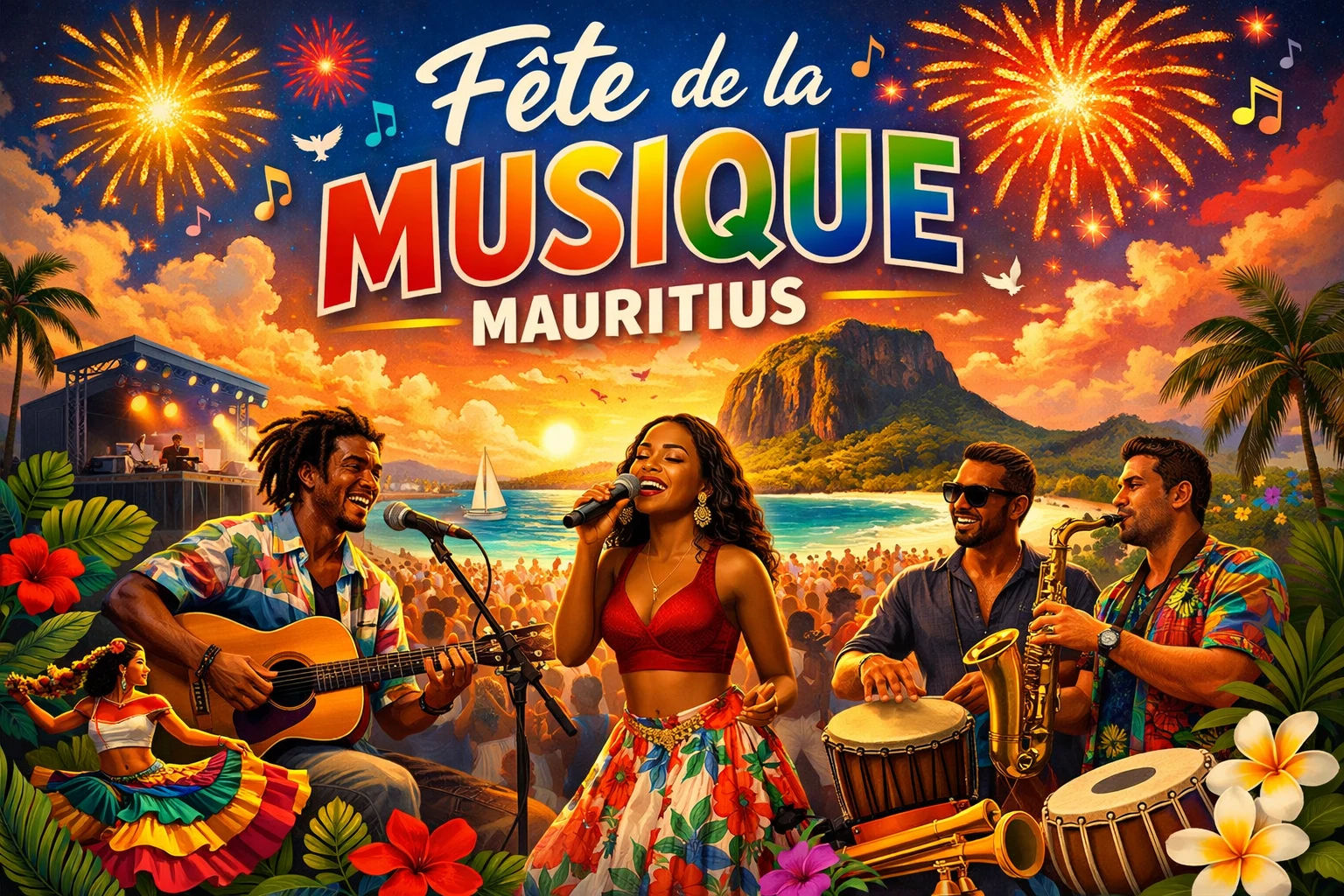
    Fête de la Musique – Mauritius 2026
    Music Festival / Cultural
    Free

    Fête de la Musique – Mauritius 2026

    Fête de la Musique in Mauritius: Where the Island Finds Its Rhythm

    Fête de la Musique in Mauritius is one of the island’s most joyful cultural moments, bringing live music into public spaces and inviting both locals and visitors to celebrate sound, creativity, and community. Publicly available sources confirm that Fête de la Musique is tied to 21 June internationally, that Mauritius has hosted local editions including programming at the Institut Français de Maurice in Rose Hill, and that the IFM has promoted an open-to-all, free-entry format built around live and spontaneous music-making.

    For travelers who want more than beaches and hotel shows, this event offers a lively, human side of Mauritius. It is where the island’s French links, Creole energy, multicultural identity, and love of live performance all come together in one vibrant atmosphere.


    What is Fête de la Musique?

    Fête de la Musique began in France and has grown into an international celebration of live music held on 21 June, the day of the summer solstice in the northern hemisphere. Its original spirit is simple and inclusive, encouraging both amateur and professional musicians to perform in public and making music accessible to everyone.

    That spirit translates especially well to Mauritius. The island already has a strong tradition of public celebration, shared festivals, and mixed musical influences, so Fête de la Musique fits naturally into local cultural life.

    In Mauritius, the event is best understood as more than a concert night. It is a broader cultural happening where open stages, local artists, community spaces, and a festive crowd all help turn an ordinary June day into something memorable.


    Why Fête de la Musique feels at home in Mauritius

    Mauritius has a deeply musical identity. The Government of Mauritius describes the country as a cosmopolitan culture where dance, music, religion, literature, and traditions reflect the coexistence of Indian, African, European, and Chinese heritage.

    That mix can be heard in everyday Mauritian music. The same government source highlights sega as the island’s best-known folkloric music and dance, played with instruments such as the ravanne, maravanne, and triangle, while seggae emerged later as a fusion of sega and reggae.

    This cultural layering makes Fête de la Musique in Mauritius feel especially organic. On an island where music already lives in street life, family gatherings, festivals, beachside venues, and cultural institutions, a celebration built around public performance does not feel imported. It feels right at home.


    The meaning of the event for an island audience

    There is something particularly fitting about Fête de la Musique in an island setting. Islands often carry strong local sound identities, and Mauritius is no exception, with sega, seggae, Indian classical influences, gospel, jazz, pop, urban music, and francophone performance traditions all part of the wider scene.

    For visitors, that means the event can be much richer than a simple music festival. It becomes a way to understand how Mauritians gather, celebrate, and express identity through rhythm and voice.

    It also suits the scale and character of Mauritius beautifully. A place known for close-knit communities, public plazas, shopping promenades, heritage neighborhoods, and coastal hangouts can turn music day into something intimate and festive at the same time.


    The history behind Fête de la Musique

    Internationally, Fête de la Musique first took shape in France in the early 1980s and has since expanded to hundreds of cities in more than 100 countries. Its goal has remained remarkably consistent, which is to encourage live music in public spaces and open the experience to everyone rather than a narrow ticket-buying audience.

    Mauritius’ strong historical connection with French language and culture helps explain why the event resonates here. Government material on Mauritian history and culture notes the island’s long French influence and continued French-style cultural presence, which remains visible in language, lifestyle, and public arts life.

    That cultural continuity helps position Fête de la Musique in Mauritius as both international and local. It carries a French cultural lineage, yet it is shaped on the island by Mauritian audiences, Mauritian performers, and the island’s own musical vocabulary.


    Confirmed dates and what they mean for travelers

    The most important confirmed date attached to Fête de la Musique is 21 June. Multiple sources identify the celebration as taking place on that date internationally, and Mauritian coverage of past editions also ties local events to 21 June or the days immediately around it.

    For Mauritius specifically, public reporting from a previous local edition shows events happening on 21 June at the Institut Français de Maurice in Rose Hill, along with additional related programming on later dates such as 24 June at Grand-Baie La Croisette and 25 June at the Conservatoire François Mitterrand in Quatre Bornes. This suggests that while the anchor date is 21 June, some Mauritius programming may extend into a wider music-week format depending on organizers.

    For travelers, this is useful because it means you should not only watch the exact date itself. If you are visiting Mauritius around late June, there may be several music-related events connected to the celebration in different parts of the island.


    Confirmed venues and local places connected to the event

    One of the clearest confirmed venues is the Institut Français de Maurice in Rose Hill. Its event page promotes “Fêtons la musique” as an open event with free entry at the amphitheatre, running from 14:30 to 20:00 and welcoming amateur and professional musicians alike.

    Past Mauritian media coverage also points to other places connected with local Fête de la Musique celebrations, including the Conservatoire François Mitterrand in Quatre Bornes and Grand-Baie La Croisette in the north. These examples show how the celebration can spread across urban, suburban, and lifestyle-focused spaces on the island.

    That geographic spread makes the event attractive for visitors staying in different parts of Mauritius:

    • Rose Hill and Quatre Bornes work well for those based in the center of the island.
    • Grand Baie offers an easy option for visitors staying in the north near beaches, marinas, and shopping districts.
    • A music-focused day trip can also be paired with nearby stops in Port Louis, Moka, Pamplemousses, or the west coast depending on where the final programme lands.


    What to expect at Fête de la Musique in Mauritius

    The atmosphere of Fête de la Musique is usually open, relaxed, and social. Rather than one tightly controlled main stage only, the idea is to create space for music to happen more freely, often through open stages and community-friendly programming.

    At the Institut Français de Maurice, the confirmed format emphasizes exactly that spirit. The event description highlights a return to the simple roots of the celebration with unplugged energy, open stages, and participation from beginners, singers, instrumentalists, and slammers as well as more experienced performers.

    That format is good news for visitors because it creates a welcoming atmosphere. Even if you do not know the artists, you can still enjoy the feeling of discovery that makes Fête de la Musique special, where one set leads to another and the crowd responds to the moment rather than a rigid lineup.


    Music, culture, and the Mauritian mood

    If there is one thing Mauritius does especially well, it is blending influences into something distinctively its own. The island’s musical life reflects African roots, Indian traditions, French and European echoes, and modern global genres that all coexist in a compact but lively cultural space.

    This is why Fête de la Musique in Mauritius can feel so layered. One venue may lean toward acoustic sets and francophone acts, another toward DJs and youth culture, and another toward more traditional local styles or crossover artists. Past coverage of Mauritian editions shows that this mix can include live stage acts, electro sets, and a broad range of performance styles.

    For an island audience, that diversity is not unusual. It is part of everyday life in Mauritius, where the same day can include dholl puri for lunch, sega on the radio, French conversation in town, and a sunset by the sea with people from many backgrounds sharing the same public space.


    Practical tips for attending

    If you want to enjoy Fête de la Musique in Mauritius comfortably, plan like a local rather than like someone attending a huge fenced festival. The event is often rooted in cultural venues and public spaces, so flexibility matters.

    Useful visitor tips

    • Keep 21 June as your anchor date, but watch for related events in the surrounding days.
    • Check the Institut Français de Maurice and local event listings close to your travel dates for the most current programme.
    • Arrive early if the venue is free and open to all, especially in places like Rose Hill where good spots can fill quickly.
    • Use a taxi or rideshare if you plan to move between venues in the evening.
    • Dress light and comfortable for June weather, but bring a light layer if you will be outside later in the evening in central upland areas like Rose Hill or Quatre Bornes.
    • Combine the event with a meal nearby, since towns like Rose Hill, Quatre Bornes, and Grand Baie offer plenty of casual dining options before or after the music.


    Pricing and access

    One of the strongest practical details confirmed for Mauritius is that the IFM event page describes “Fêtons la musique” as open to all with free entry. That is very much in keeping with the international spirit of Fête de la Musique, which is built on public access and shared enjoyment rather than exclusivity.

    However, not every Mauritius-linked event around the same period appears to follow the same model. A previous Mauritian programme reported ticket sales of Rs 500 for one IFM-associated Dreamers event on 21 June, which shows that some side events or partner programmes may be ticketed even when the broader celebration includes free-access performances.

    For travelers, the best approach is straightforward:

    • Expect many music-day activities to be free or low-cost.
    • Check the exact venue and organizer because side events may have different pricing.
    • Budget separately for transport, food, and drinks even if entry itself is free.


    Why this event deserves a place on your Mauritius itinerary

    Fête de la Musique in Mauritius is the kind of event that reveals the island through sound rather than scenery. It lets you experience the energy of local neighborhoods, the warmth of public culture, and the ease with which Mauritius turns music into a shared social language.

    It also fits beautifully into a wider late-June island trip. You can spend your morning in Port Louis, your afternoon in Rose Hill or Quatre Bornes, your evening in Grand Baie or by the coast, and end the day feeling like you have seen a version of Mauritius that many resort-only visitors miss.

    If you want an island experience that feels alive, communal, and unmistakably local, keep Fête de la Musique on your travel calendar and be there when Mauritius turns up the volume.


    Verified Information at a glance

    • Event name: Fête de la Musique, also known internationally as World Music Day.
    • Event category: Public music celebration and cultural festival.
    • Confirmed core date: 21 June.
    • Confirmed Mauritius connection: Mauritius has hosted local Fête de la Musique programming, including events reported in Rose Hill, Quatre Bornes, and Grand Baie.
    • Confirmed venue: Institut Français de Maurice, amphitheatre, Rose Hill.
    • Confirmed Mauritius event format at IFM: Open to all, free entry, open stages for amateur and professional musicians, singers, instrumentalists, and slammers.
    • Confirmed IFM programme time: 14:30 to 20:00.
    • Confirmed additional Mauritius-linked places from previous local coverage: Conservatoire François Mitterrand in Quatre Bornes and Grand-Baie La Croisette.
    • Confirmed pricing: Free entry at the Institut Français de Maurice event page.
    • Additional pricing example from prior Mauritius coverage: One Dreamers event at IFM on 21 June was reported with tickets at Rs 500, which suggests some side events may be ticketed.
    • Best planning note: Use 21 June as the main date, but watch for surrounding-day programming in Mauritius.
    Port Louis City Hall, Conservatoire, Telfair, IFM (island-wide), Mauritius
    Jun 21, 2026 - Jun 21, 2026
    Mauritius Open Air Festival (MOAF) 2026
    Cultural Festival / Music
    TBA

    Mauritius Open Air Festival (MOAF) 2026

    Mauritius Open Air Festival: A Big Island Celebration of Music, Food, and Community

    Mauritius Open Air Festival, widely known as MOAF, is a major Mauritian culture festival held in London rather than on the island itself, and confirmed listings show the next edition taking place on Sunday 26 July 2026 at Copthall Playing Fields in Barnet from 12 pm to 8 pm. Public event information describes it as the 17th edition of the festival, highlights live Mauritian music, dance performances, street food, family-friendly activities, and a line-up including Blakkayo, Claudio Veeraragoo, Bigg Frankii, Donovan Bts, ANONYM, and Tipti Delia.

    That detail matters right away because the name can easily cause confusion. Despite the title Mauritius Open Air Festival, the confirmed 2026 event is a diaspora celebration of Mauritian culture in London, designed to bring the sounds, flavors, and spirit of the island to Mauritians abroad and to anyone curious about Mauritius.


    What is the Mauritius Open Air Festival?

    Mauritius Open Air Festival is a large open-air cultural event centered on Mauritian identity, music, food, and community gathering. Its official pages present it as a celebration of the best of Mauritian culture, bringing together performers, dancers, vendors, families, and festivalgoers for a full day of island-inspired entertainment.

    The festival is not just about one music stage. Based on the official website and ticket page, MOAF blends live performances, Mauritian dance, street food, family activities, and arts-focused experiences into a broader cultural day out.

    That wider format is a big part of its appeal. Rather than feeling like a narrow niche concert, the event is framed as a full Mauritian celebration where sound, taste, memory, and community all share the same space.


    An Island Festival Beyond the Island

    One of the most interesting things about MOAF is that it celebrates Mauritius outside Mauritius. The confirmed 2026 edition is set in Barnet, London, yet its branding, programming, and food all revolve around Mauritian heritage and island culture.

    This gives the event a dual identity. It is a London summer festival on one level, but it also functions as a cultural bridge linking the Mauritian diaspora to the island’s music, cuisine, language, and collective memory.

    For people who know Mauritius through holidays, family roots, or cultural curiosity, that can be especially powerful. A festival like this becomes a reminder that island identity is not confined to geography. It travels through people, stories, songs, and shared traditions.


    Why MOAF Matters for Mauritian Culture

    The official event description calls MOAF the UK’s biggest celebration of Mauritian culture, which signals both scale and ambition. It is positioned not just as a casual gathering, but as a flagship cultural showcase where Mauritian heritage is presented proudly and publicly through music, dance, food, and family participation.

    Other coverage tied to the festival also points to its reach. A charity page connected with MOAF says thousands experienced the festival’s celebration of Mauritian culture, with past editions featuring major sega artists and bands such as Velex Mizika, Jason Heerah, Lin, Otentik Groove Band, Alain Ramanisum, Laura Beg, and DJ Assad.

    That matters because music has long been one of the strongest expressions of Mauritian identity. Whether through sega, seggae, dance music, or modern crossover sounds, MOAF gives Mauritian culture a large public stage and helps keep it visible across generations living beyond the island.


    Confirmed Date, Time, and 2026 Venue

    The practical information for the 2026 edition is unusually clear. The Eventbrite listing confirms that Mauritius Open Air Festival 2026 will take place on Sunday 26 July 2026 from 12 pm to 8 pm.

    The same listing confirms the venue as Copthall Playing Fields, Champion Way, Page Street, London NW4 1PS, and notes that the festival is moving there for 2026 as a new, larger, and more accessible location with improved facilities and more parking. It also confirms a free shuttle service from the nearest underground station.

    For anyone planning to attend, these details are especially helpful because outdoor festivals can live or die on access and logistics. The move to a bigger site suggests the organizers are planning for a larger crowd and a smoother overall visitor experience.


    The Lineup and Entertainment Highlights

    The 2026 Eventbrite page already lists a group of confirmed performers, which gives the festival a strong head start. The names shown are Blakkayo, Claudio Veeraragoo, Bigg Frankii, Donovan Bts, ANONYM, and Tipti Delia.

    This lineup reflects the broad musical character many people associate with Mauritius. Claudio Veeraragoo is closely linked with Mauritian music heritage, while Blakkayo is widely associated with the island’s modern urban and seggae-influenced music scene, giving the programme both nostalgic and contemporary appeal.

    That mix matters for atmosphere. A festival becomes more memorable when it can satisfy multiple generations at once, and the MOAF format seems built exactly for that, with performers capable of drawing long-time sega fans, younger Mauritian audiences, and curious newcomers alike.


    Food, Flavors, and the Sensory Side of MOAF

    Food is clearly one of the festival’s major attractions. The official event page specifically mentions Mauritian favorites such as dhal puri and gajacks, along with Phoenix beer and other island treats.

    The main festival website reinforces that focus by calling attention to authentic street food and a culinary lineup designed to showcase the vibrant flavors of Mauritius. It also says the event includes a wider range of global food vendors, which broadens the offering while keeping Mauritian cuisine at the center.

    For visitors, this is one of the best reasons to attend even if you are not primarily going for the music. Mauritian food is one of the most compelling parts of the island experience, and MOAF seems designed to let people taste that culture directly rather than just hear about it.


    Family-Friendly Atmosphere and Activities

    MOAF is not positioned as a niche adults-only music gathering. The 2026 Eventbrite listing notes that under-18s can attend with a parent or legal guardian, and the official festival website describes family fun, interactive workshops, face painting, and activities for both children and adults.

    That family dimension is a major strength. Festivals that genuinely welcome multiple age groups often create a warmer atmosphere, and this seems especially important for an event built around community, heritage, and intergenerational connection.

    It also broadens the kind of day MOAF can be. For some, it is a nostalgia-filled reunion with Mauritian sounds and snacks. For others, it is a summer outing with kids, dancing, and open-air entertainment. For many, it is both at once.


    The Setting and Why It Works

    An open-air setting suits Mauritian culture remarkably well. Music, dance, food stalls, and informal gathering all feel more alive outdoors, and MOAF’s move to Copthall Playing Fields suggests the organizers want more room for the event’s growing scale and a more comfortable visitor flow.

    London’s summer festival environment also gives MOAF the kind of visibility that diaspora culture events thrive on. It allows Mauritian identity to be celebrated publicly and joyfully in a city where people from many backgrounds are already used to exploring different food and music cultures.

    That makes the event easy to recommend not only to Mauritians abroad, but also to travelers, London locals, and mixed groups of friends. You do not need to know everything about Mauritius in advance to enjoy the festival. You just need curiosity and a willingness to step into the atmosphere.


    Practical Tips for Attending MOAF 2026

    If you are planning to attend Mauritius Open Air Festival 2026, a little preparation will help you enjoy the day more comfortably. Since it runs for eight hours in an open-air venue, it makes sense to think of it as a full-day outing rather than a short stop.


    Before You Go

    • Keep the confirmed date and time in mind: Sunday 26 July, 12 pm to 8 pm.
    • Check ticket availability early on the official page, especially if the festival continues to grow in popularity.
    • Plan your route in advance, since the venue has changed for 2026.


    Getting There

    • The venue is Copthall Playing Fields in Barnet, London NW4 1PS.
    • A free shuttle service from the nearest underground station is confirmed for 2026.
    • The new site is promoted as more accessible and with more parking than previous editions.


    What to Expect on the Day

    • Expect live Mauritian music, dance, street food, drinks, and a festive crowd.
    • Arrive with enough time to explore the food stalls and family activities, not just the main performances.
    • Bring the kind of clothing that works for a British summer outdoor event, which means comfortable layers and some weather flexibility.


    Pricing and Ticket Policy

    The fetched event page confirms several practical ticketing details but does not show a standard ticket price in the retrieved text. What is clearly confirmed is that the event is in person, lasts around eight hours, has a no-refunds policy, and allows under-18s only with a parent or legal guardian.

    Because the available content does not provide a visible general admission figure, it would be inaccurate to invent or estimate pricing. The safest and most useful approach for readers is to check the live ticketing page directly for the latest price bands and availability.

    That said, the presence of a full Eventbrite listing and an established official website suggests a well-organized ticketing process rather than an informal walk-in event. For a summer diaspora festival of this size, early booking usually makes the most sense.


    Why MOAF Stands Out on the Cultural Calendar

    What makes Mauritius Open Air Festival special is not only the music or the food, though both matter. It is the way the event gathers the island’s identity into one open, joyful, accessible experience, where sega rhythms, Mauritian snacks, family fun, and cultural pride all meet in the same field.

    It is also a festival with momentum. The official pages describe the 2026 edition as the 17th, point to an even bigger return after the previous event, and emphasize improved facilities, stronger access, and a wide-ranging cultural programme.

    If you want to experience Mauritian culture beyond postcards and travel brochures, MOAF offers something much more immediate. Save the date, bring your appetite, and step into a day where music, flavor, and island warmth come alive far beyond the shores of Mauritius.


    Verified Information at a Glance

    • Event name: Mauritius Open Air Festival 2026, also known as MOAF.
    • Event category: Mauritian cultural festival, open-air music and food event, family-friendly community festival.
    • Confirmed location: London, England, not Mauritius.
    • Confirmed venue: Copthall Playing Fields, Champion Way, Page Street, London NW4 1PS.
    • Confirmed date: Sunday 26 July 2026.
    • Confirmed time: 12 pm to 8 pm.
    • Edition number: Described as the 17th edition on the 2026 event listing.
    • Main attractions: Live Mauritian music, dance performances, Mauritian street food, family activities, and cultural experiences.
    • Confirmed food mentions: Dhal puri, gajacks, Phoenix beer, and island treats.
    • Confirmed lineup on the event page: Blakkayo, Claudio Veeraragoo, Bigg Frankii, Donovan Bts, ANONYM, Tipti Delia.
    • Accessibility note: Free shuttle service from the nearest underground station is confirmed.
    • Entry policy: Under-18s allowed with a parent or legal guardian.
    • Refund policy: No refunds.
    • Pricing: A live ticketed Eventbrite page exists, but no visible confirmed general ticket price appeared in the retrieved content.
    Copthall Playing Fields, London (Mauritian diaspora event), Mauritius
    Jul 26, 2026 - Jul 26, 2026
    Archive

    Past events

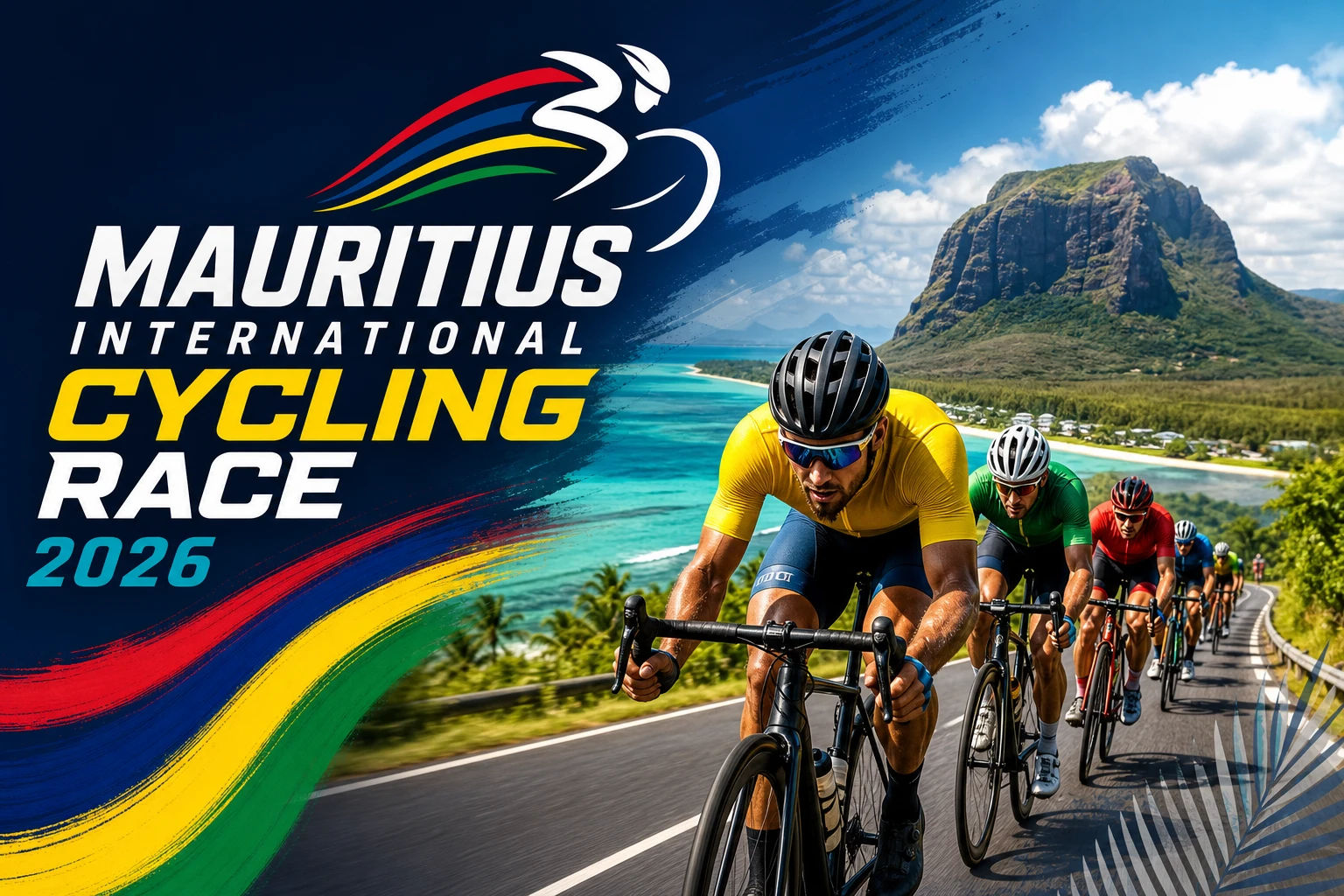
    2026 Africa Triathlon Sprint Championships (Blue Bay)
    Sports tournament
    Past
    Free

    2026 Africa Triathlon Sprint Championships (Blue Bay)

    Blue Bay, Mauritius
    Apr 12, 2026 - Apr 12, 2026
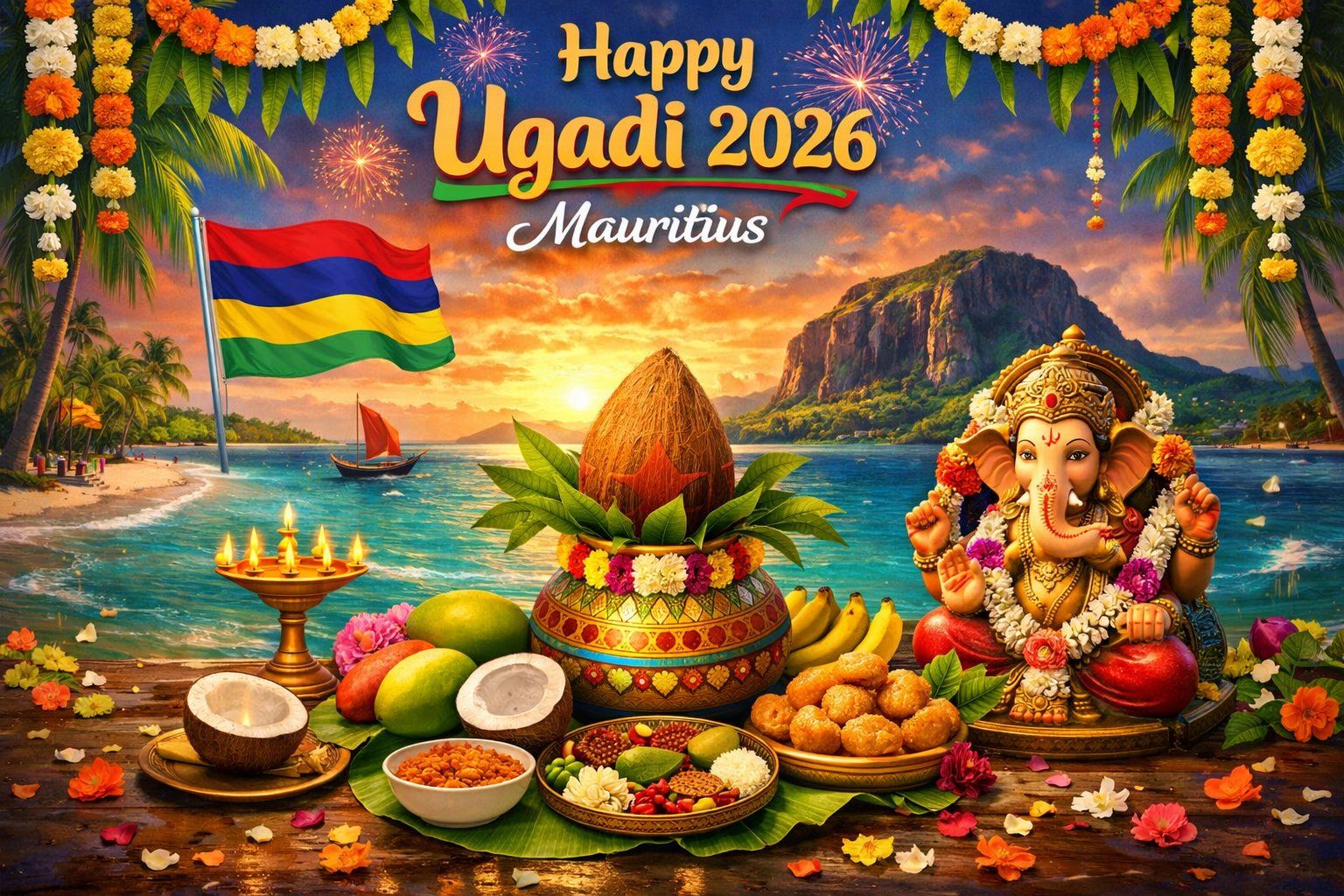
    Ugaadi (Ugadi) 2026
    Public holiday/Religious
    Past
    Free

    Ugaadi (Ugadi) 2026

    Mar 19, 2026 - Mar 19, 2026
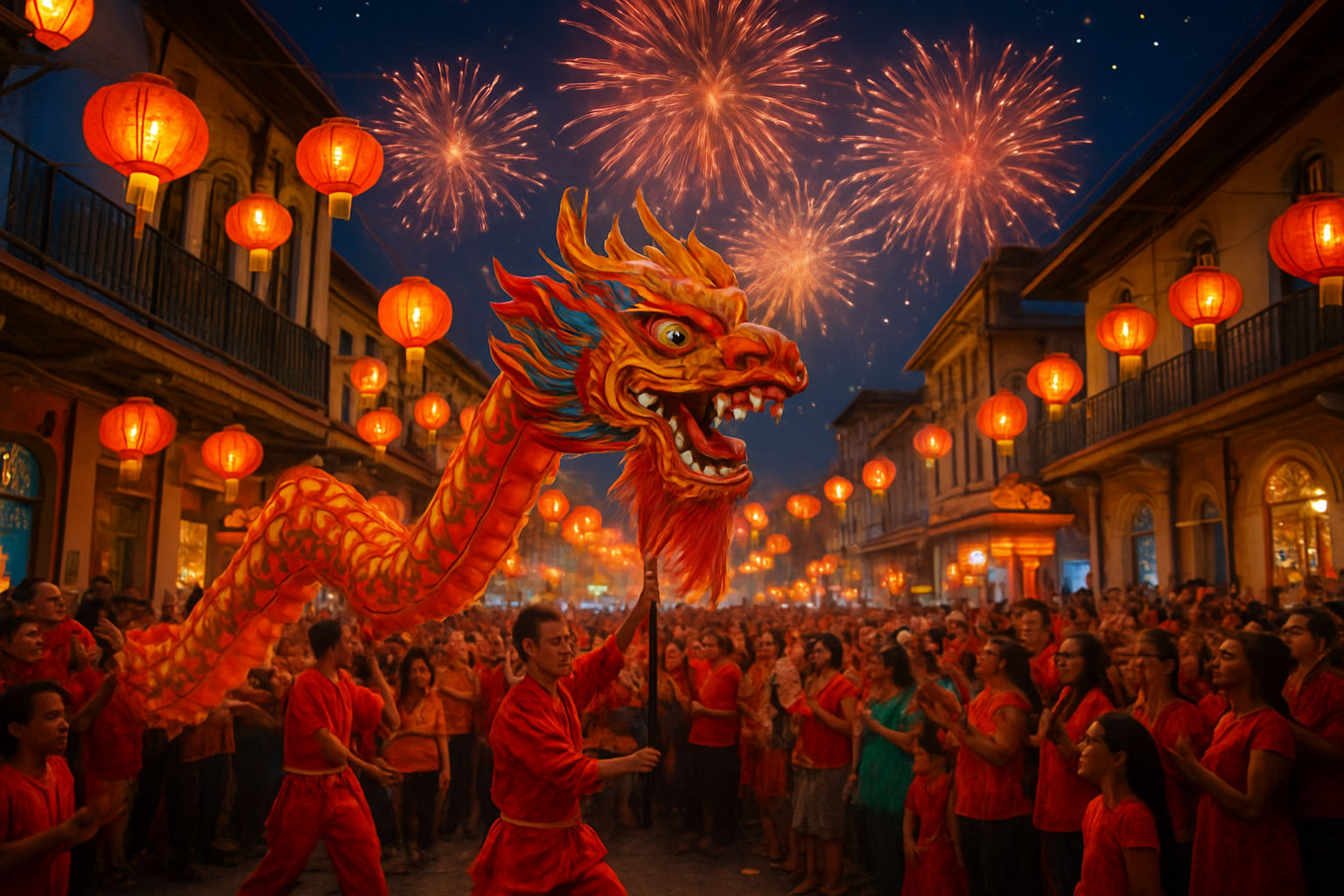
    Chinese Spring Festival 2026
    Cultural Festival
    Past
    Free

    Chinese Spring Festival 2026

    Port Louis, Grand Bassin
    Feb 17, 2026 - Feb 17, 2026
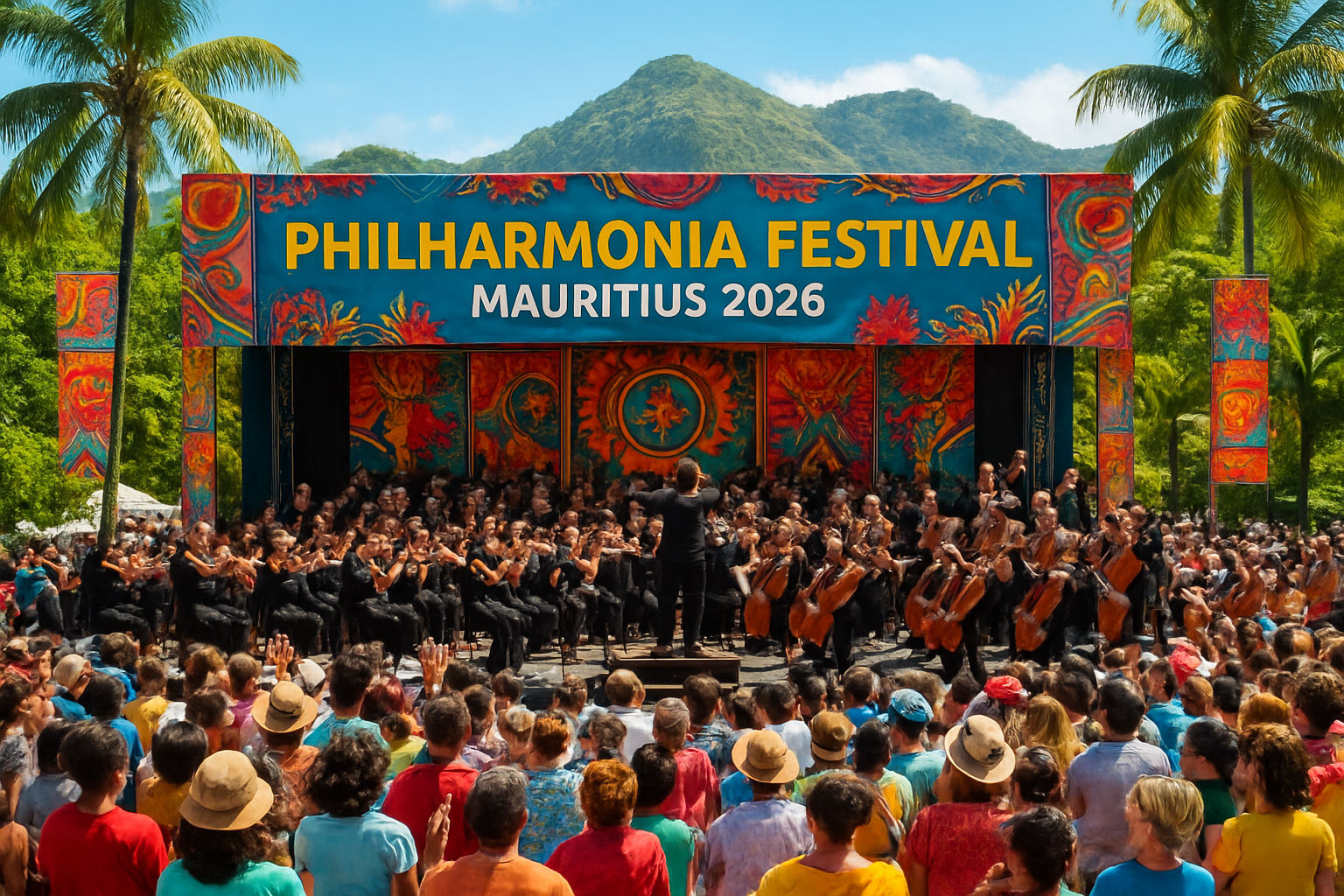
    Philharmonia Festival in Mauritius 2026
    Music Festival
    Past
    TBA

    Philharmonia Festival in Mauritius 2026

    Mahatma Gandhi Institute (MGI), Moka
    Feb 7, 2026 - Feb 15, 2026
    Thaipoosam Cavadee 2026
    Religious Festival
    Past
    Free

    Thaipoosam Cavadee 2026

    Port Louis, Grand Bassin
    Feb 1, 2026 - Feb 1, 2026
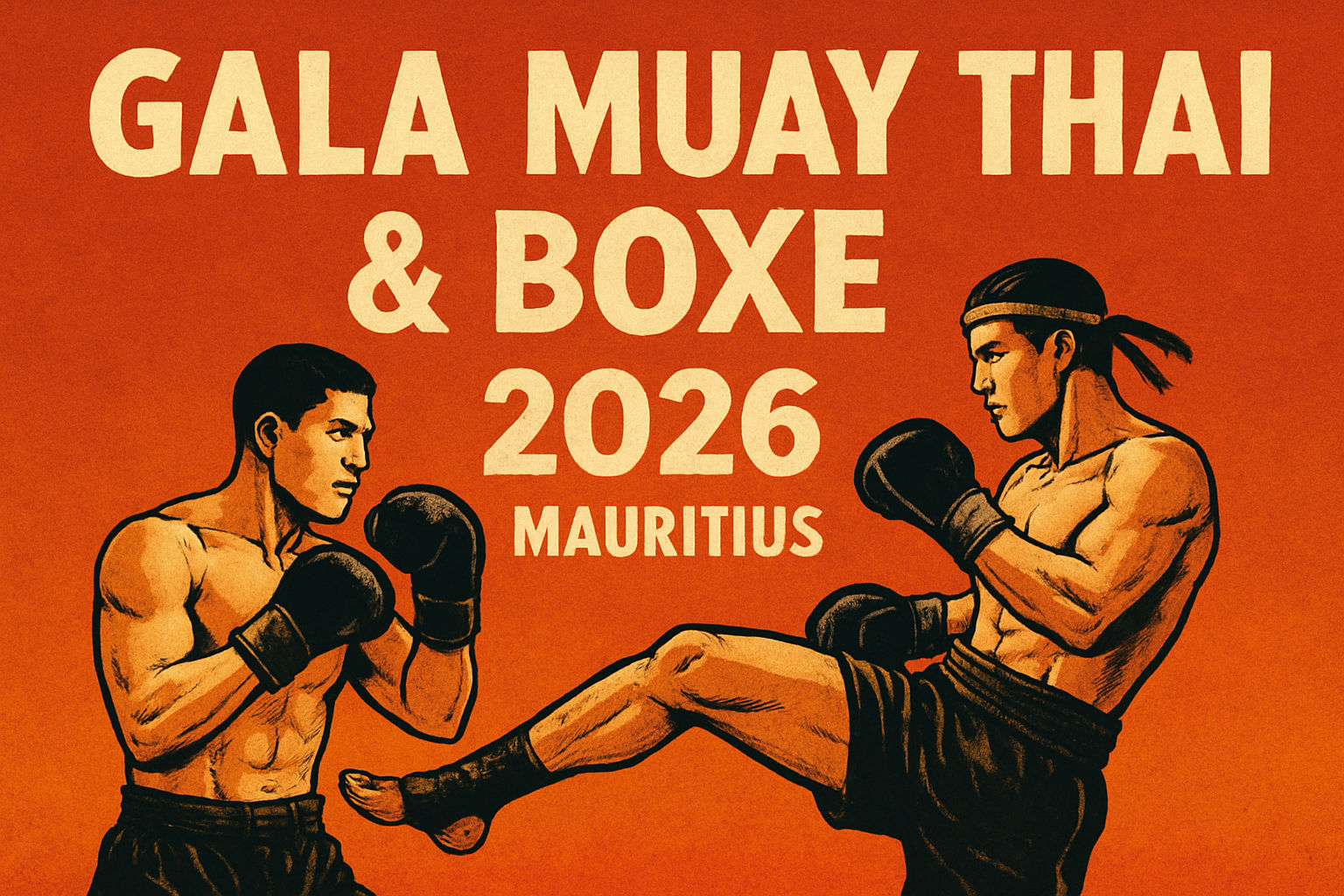
    GALA MUAY THAI & BOXE 2026
    Sports/Combat Sports
    Past
    $32

    GALA MUAY THAI & BOXE 2026

    Côte d'Or National Sports Complex
    Jan 31, 2026 - Jan 31, 2026
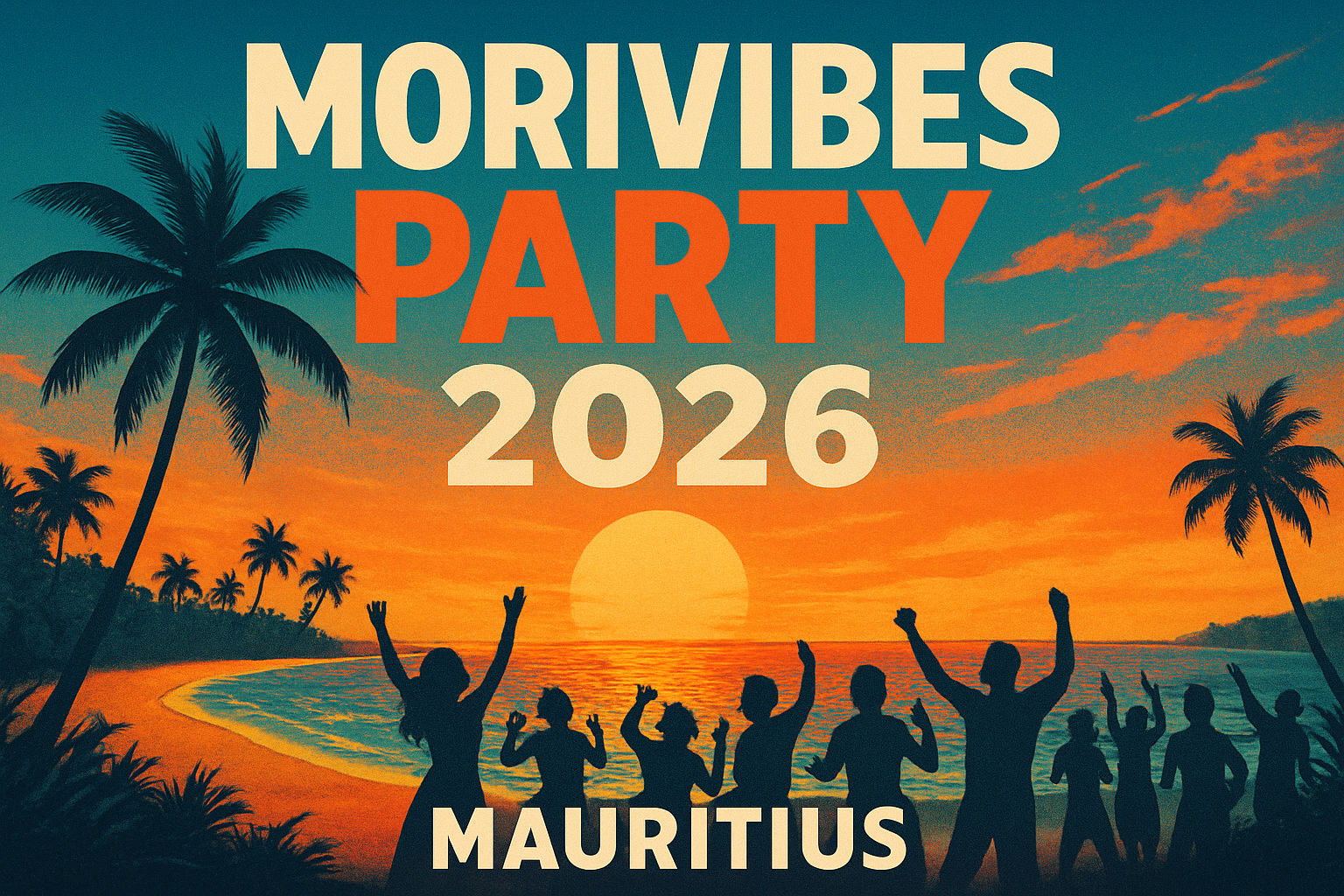
    Morivibes Party 2026
    Music/Party
    Past
    $20

    Morivibes Party 2026

    Le Suffren Hotel & Marina, Port Louis
    Jan 3, 2026 - Jan 3, 2026
    ONE LIVE Muzik Festival 2025
    Music, Festival
    Past
    $48 - $55

    ONE LIVE Muzik Festival 2025

    Dec 6, 2025 - Dec 9, 2025
    Devdas – Le Musical (FR/EN shows) 2025
    Theatre, Musical
    Past
    $22 - $27

    Devdas – Le Musical (FR/EN shows) 2025

    Dec 5, 2025 - Dec 13, 2025
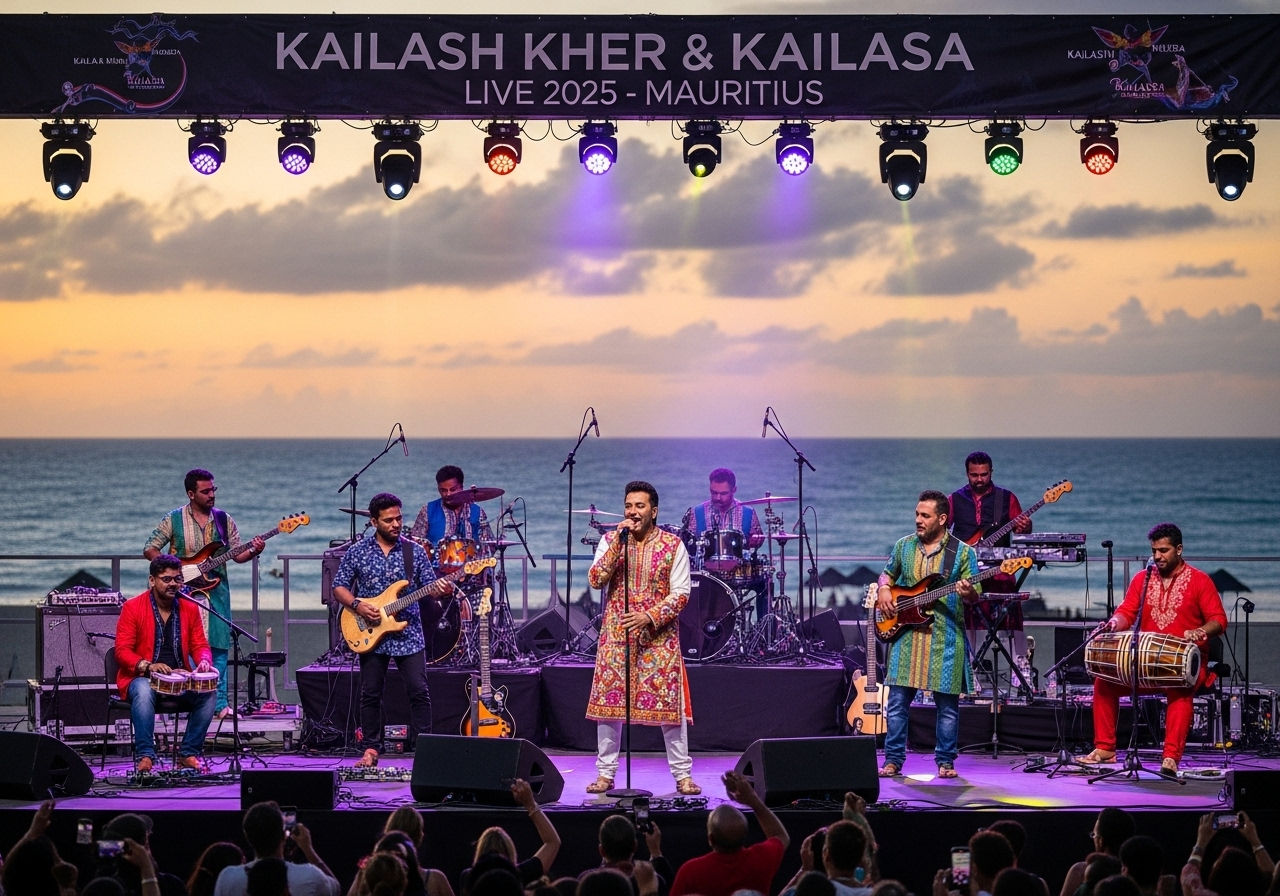
    Kailash Kher & Kailasa Live 2025
    Music, Concert
    Past
    $27 - $60

    Kailash Kher & Kailasa Live 2025

    Nov 23, 2025 - Nov 23, 2025
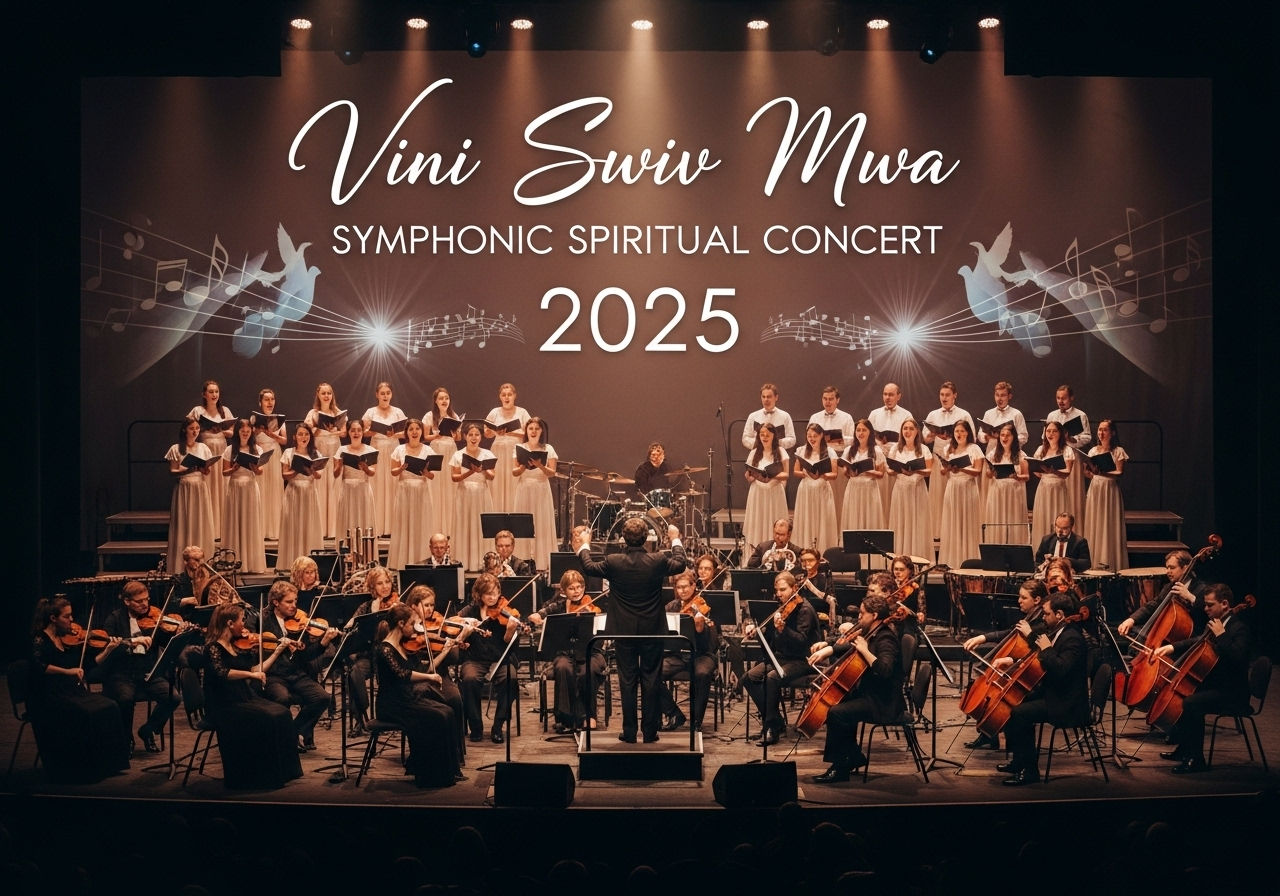
    Vini Swiv Mwa – Symphonic Spiritual Concert 2025
    Music, Concert
    Past
    $11 - $22

    Vini Swiv Mwa – Symphonic Spiritual Concert 2025

    Nov 21, 2025 - Nov 21, 2025
    Ravine Sonore 2025
    Music, Festival
    Past
    Free

    Ravine Sonore 2025

    Nov 14, 2025 - Nov 15, 2025
    Désiré François & Cassiya 2025
    Music, Concert
    Past
    $17 - $25

    Désiré François & Cassiya 2025

    Nov 8, 2025 - Nov 8, 2025
    Nawell Tout Court (Stand‑up) 2025
    Comedy, Show
    Past
    $17 - $30

    Nawell Tout Court (Stand‑up) 2025

    Nov 2, 2025 - Nov 2, 2025
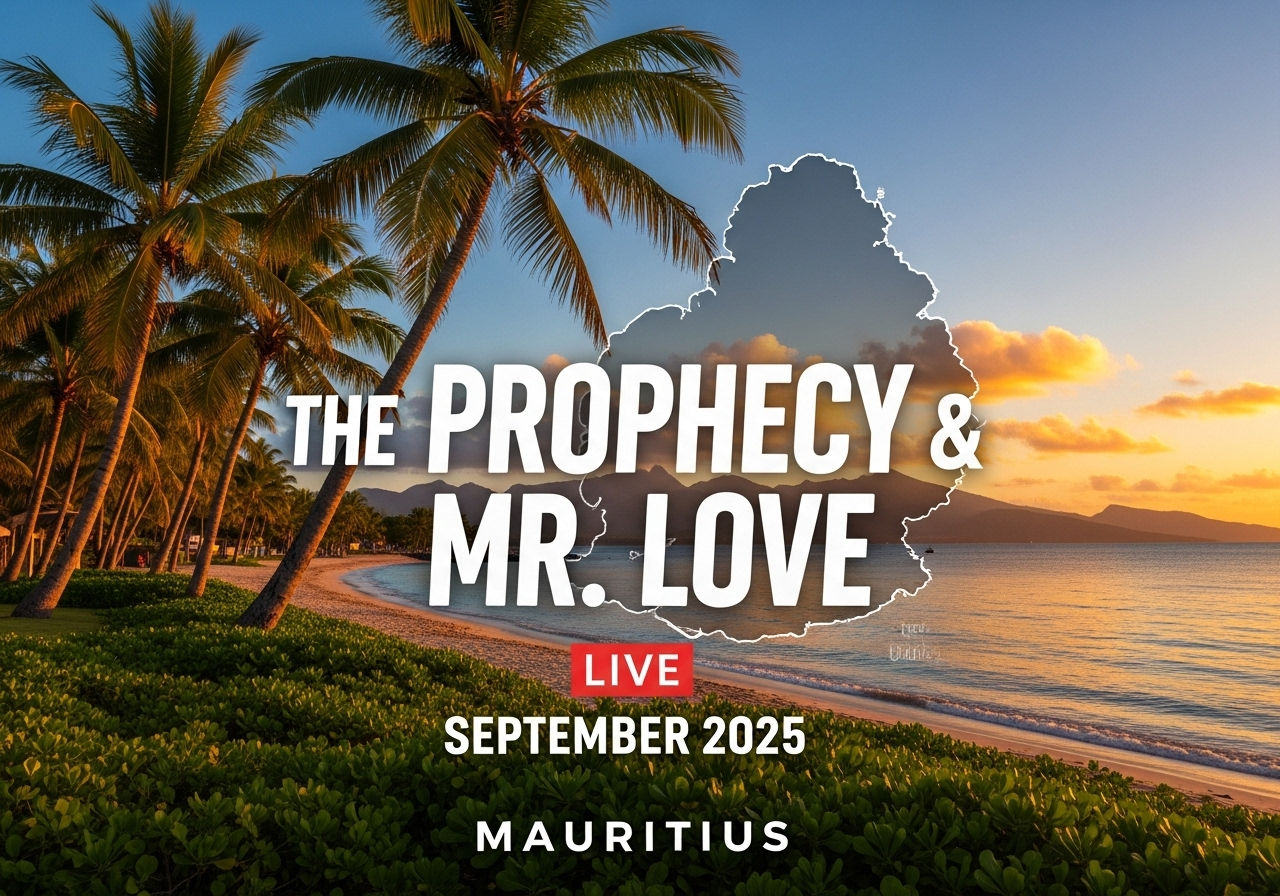
    The Prophecy & Mr. Love Live - September 2025
    Music, Concert
    Past
    $18

    The Prophecy & Mr. Love Live - September 2025

    Tekoma Restaurant, Gros Cailloux
    Oct 18, 2025 - Oct 18, 2025
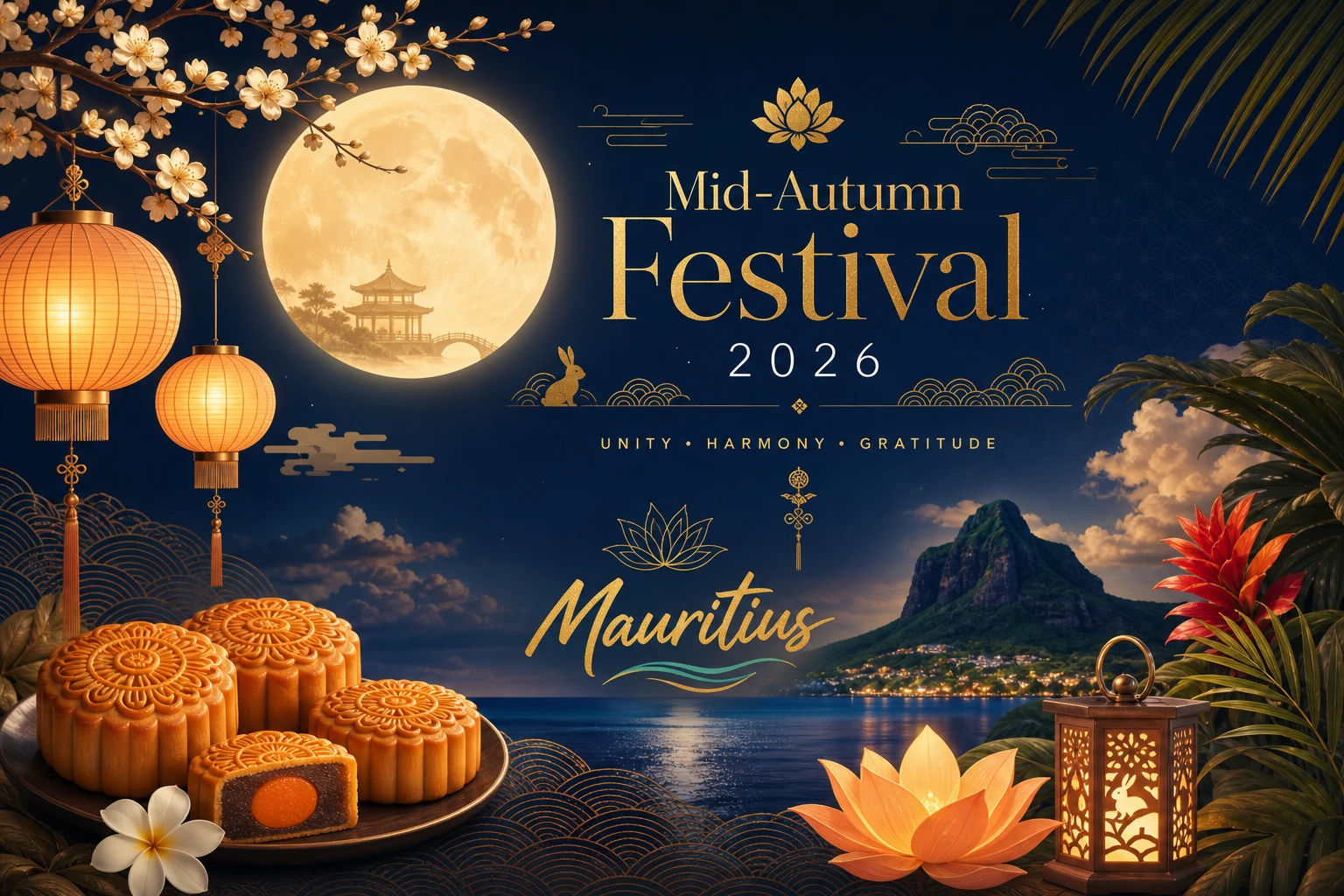
    Mid Autumn Festival (Moon Festival) - 2025
    Cultural, Festival
    Past
    Free

    Mid Autumn Festival (Moon Festival) - 2025

    Island-wide (Chinese associations)
    Oct 6, 2025 - Oct 6, 2025
    BOLLYLAND Code White Boiler Room 2025
    Clubbing, Music
    Past
    $11 - $14

    BOLLYLAND Code White Boiler Room 2025

    Le Dôme Amigo (North)
    Oct 4, 2025 - Oct 4, 2025
    Ferney Trail (Marathon & Trail Races) - 2025
    Sports, Trail Running
    Past
    TBA

    Ferney Trail (Marathon & Trail Races) - 2025

    Domaine de Ferney (Grand Port)
    Sep 13, 2025 - Sep 13, 2025
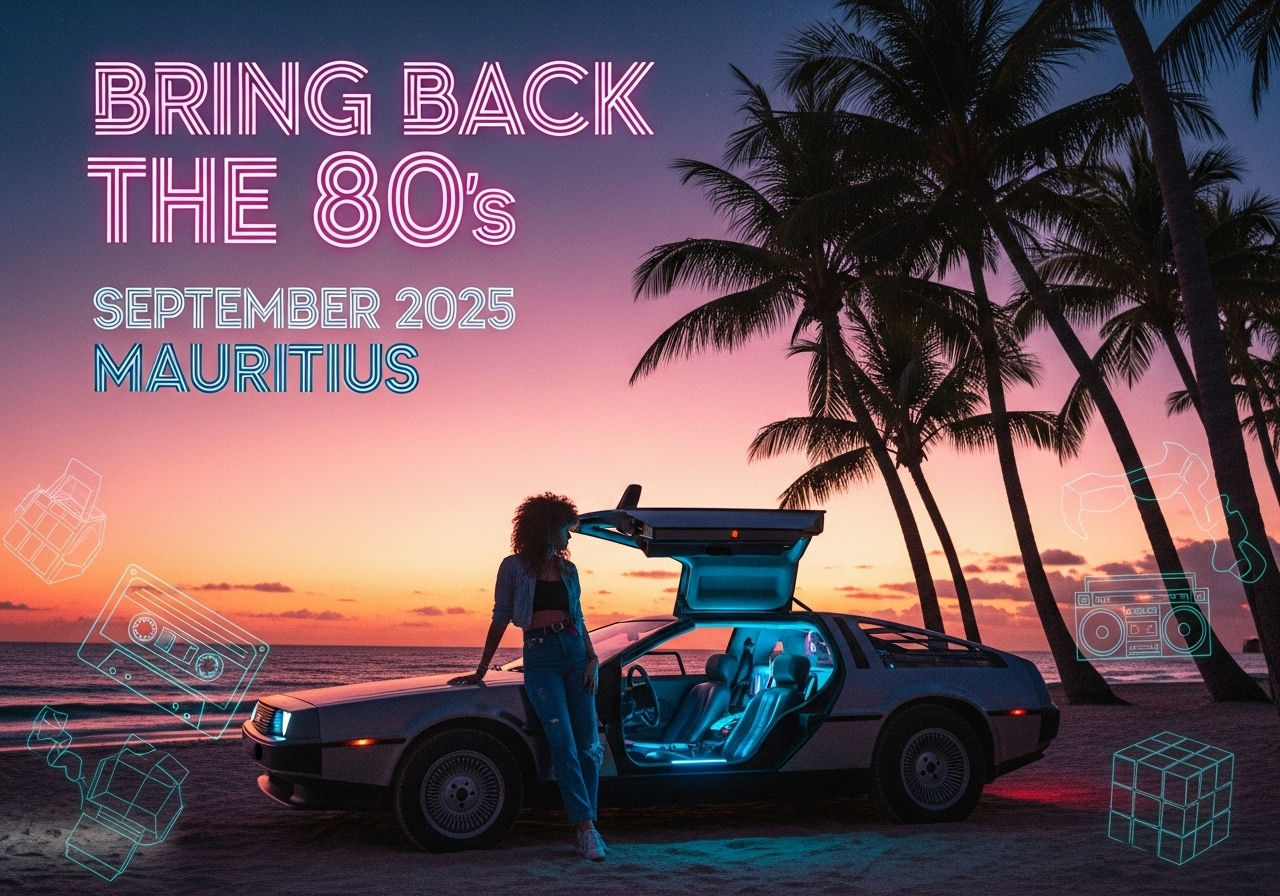
    Bring Back the 80s - September 2025
    Music, Concert
    Past
    $26 - $28

    Bring Back the 80s - September 2025

    Château de Labourdonnais
    Sep 6, 2025 - Sep 6, 2025
    The Mystik Garden Festival: MoBlack & Ten Walls (Live) 2025
    Music, Festival
    Past
    TBA

    The Mystik Garden Festival: MoBlack & Ten Walls (Live) 2025

    TBA (North)
    Sep 6, 2025 - Sep 6, 2025
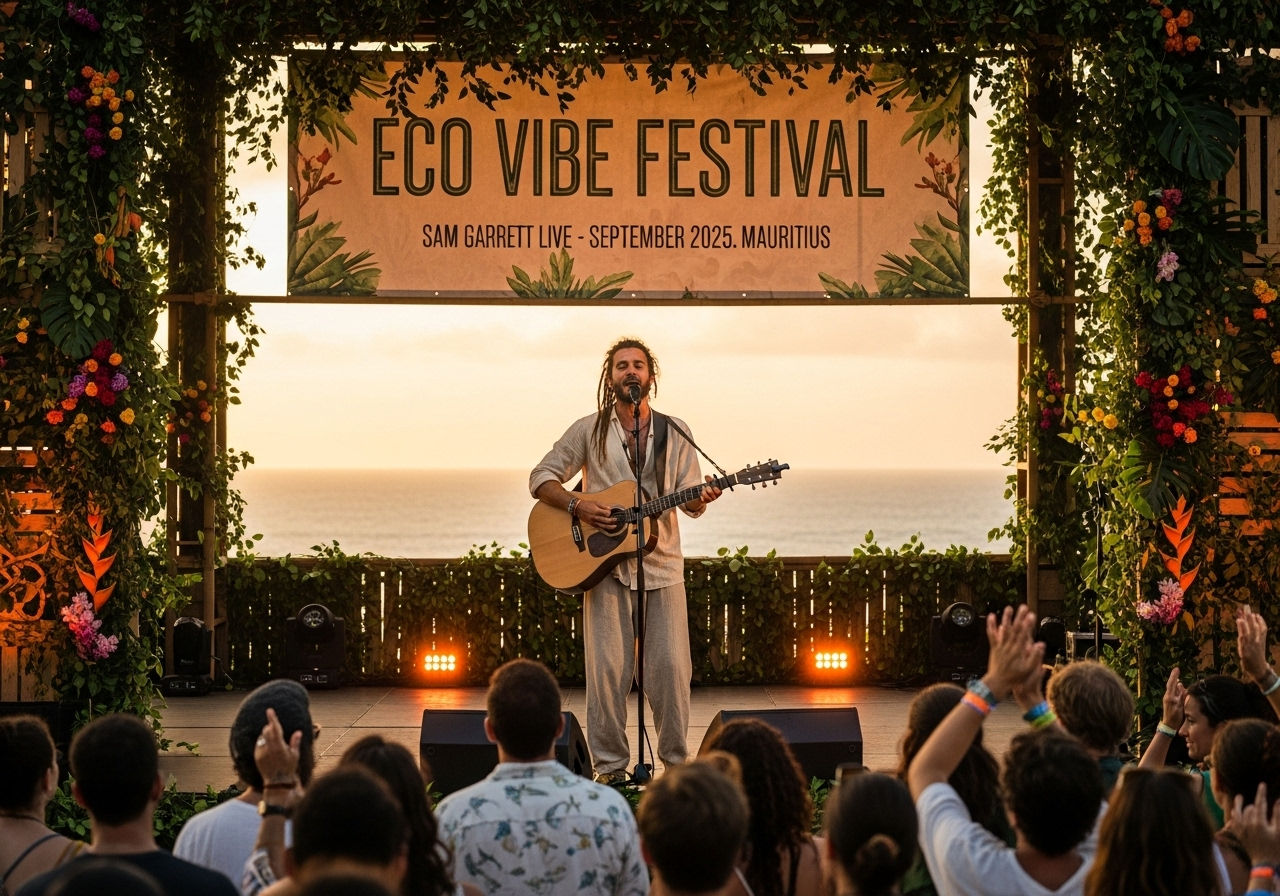
    Eco Vibe Festival Sam Garrett Live - September 2025
    Music, Festival
    Past
    $31 - $40

    Eco Vibe Festival Sam Garrett Live - September 2025

    Holy Garden Ranch, Vacoas
    Sep 6, 2025 - Sep 6, 2025
    Gallery

    Photo gallery

    Mauritius gallery 1
    Mauritius gallery 2
    Mauritius gallery 3
    Mauritius gallery 4
    Mauritius gallery 5
    Always Popular

    Popular at Mauritius

    Maha Shivaratri

    Typically in February and March

    Maha Shivaratri

    Discover Maha Shivaratri Mauritius: A Journey of Deep Devotion Maha Shivaratri Mauritius is the island’s most significant Hindu pilgrimage, when hundreds of thousands of devotees walk from towns and villages across the island to the sacred crater lake of Grand Bassin, also known as Ganga Talao. For visitors, it is a rare opportunity to witness Mauritius as a spiritual island nation, with prayer, music, community hospitality, and deep devotion unfolding across roads, villages, and temple grounds. What is Maha Shivaratri in Mauritius? Maha Shivaratri means the “Great Night of Shiva” and is a major Hindu festival dedicated to Lord Shiva. In Mauritius, the celebration is defined by pilgrimage, with devotees traveling on foot from all around the island to Grand Bassin (Ganga Talao) to make offerings at shrines located around the lake. This festival is not a staged performance. It is a living religious observance rooted in prayer, fasting, and vows, and it shapes the rhythm of the entire island as roads fill with pilgrims and roadside volunteer stations offer support. When to Experience Maha Shivaratri (Best Months to Plan Your Trip) Maha Shivaratri in Mauritius is a public holiday celebrated on the thirteenth night and fourteenth day of the eleventh Hindu month, and it usually falls between February and March . Because the date is based on the Hindu calendar, the exact day changes each year, so travelers should confirm the holiday date before booking . The pilgrimage begins in the days leading up to the main night. Mauritius Attractions notes that devotees start their pilgrimage a few days before the celebration, which means the island atmosphere builds gradually, offering visitors multiple chances to witness the journey, not only the destination. Grand Bassin (Ganga Talao): The Sacred Heart of the Event Grand Bassin, also called Ganga Talao, is the focal point of Maha Shivaratri in Mauritius. Pilgrims travel to this sacred lake in the southwest of the island, where Hindu shrines and devotional sites create a powerful setting for worship and offerings. MauritiusNow specifically notes that offerings are made at the shrines at Grand Bassin and mentions a 33-metre-high statue of Lord Shiva as part of the site’s religious landscape. For visitors, that landmark helps orient the experience: once you reach the Grand Bassin area, you are in the spiritual center of the pilgrimage. The Pilgrimage Experience: Walking, Kanwars, and Community Support One of the most unforgettable parts of Maha Shivaratri Mauritius is the journey itself. Mauritius Attractions explains that devotees come from all around the island and will walk miles to reach Grand Bassin, often dressed in white to collect sacred water. Many pilgrims carry kanwars (also commonly spelled kawars ), which are special structures built for the occasion and carried on the shoulders during the march. Along the route, Mauritius Attractions notes that benefactors set up tents where devotees are offered drinks and food, creating a strong sense of island-wide community care and hospitality. What Happens at the Lake? Reaching Grand Bassin is only part of the ritual. Mauritius Attractions explains that devotees pray at the banks of the lake, collect water, and bring it back to their localities to pour over the Shivalingam at their local mandir. The night dimension is also central. Mauritius Attractions describes devotees remaining awake and fasting, and explains that the Shivalingam is sprinkled with milk, holy water brought back from Ganga Talao, honey, and sugar as part of the ritual practice. Cultural Depth: Why Maha Shivaratri is So Important on This Island Mauritius is a multicultural island with public holidays across multiple religions, and Maha Shivaratri is one of the most prominent and widely felt of these observances. The festival’s scale in Mauritius is shaped by the large Hindu population and by the national tradition of honoring diverse cultural roots through official holidays and shared respect. For island travelers, this makes the event uniquely accessible. You do not need to be Hindu to appreciate the power of the pilgrimage, but you do need to approach it with humility, patience, and an understanding that you are witnessing worship and vows, not entertainment. Travel Tips for Visitors Attending Maha Shivaratri Mauritius Maha Shivaratri can be an incredible cultural addition to a Mauritius vacation, but it requires thoughtful planning. The experience involves crowds, road congestion, and long processions, especially close to Grand Bassin. Practical Advice for a Respectful Visit Expect to see pilgrims on many roads across the island as they walk toward Grand Bassin in the days leading up to the festival. Plan extra travel time if you are driving, since movement can be slow near pilgrimage routes and the Grand Bassin area. Dress modestly and comfortably if visiting the lake area, and keep a respectful distance from active rituals and prayer circles. Avoid blocking pilgrims for photos and do not step into processional paths; observe from the side and let the pilgrimage flow. If you want a deeper experience, consider hiring a local guide for the day. Many visitors benefit from contextual explanations about what offerings mean, how to behave near shrines, and where it is appropriate to stand. Tickets and Pricing: What Does it Cost? Maha Shivaratri in Mauritius is a public holiday observance and pilgrimage, so there is no standard admission ticket to watch the pilgrimage or visit Grand Bassin during the festival period. Visitor costs typically come from transport, optional guided tours, and personal spending such as food and water while traveling. If you are staying in a resort area, transportation is the biggest planning element. Consider arranging a driver or tour so you can focus on the experience rather than navigating traffic and parking around the lake during peak times. Verified Information at a Glance Event name: Maha Shivaratri (Great Night of Shiva) Mauritius Event category: Hindu religious festival and major island pilgrimage (public holiday) Typically held: February to March (date varies annually by Hindu calendar) Main pilgrimage destination: Grand Bassin, also called Ganga Talao, a sacred lake in Mauritius Core traditions (confirmed): Pilgrimage on foot from around the island Devotees dressed in white Carrying kanwars Roadside tents offering drinks and food Prayer at the lake Collecting sacred water to pour over the Shivalingam at local mandirs All-night prayer and fasting Site landmark noted: Shrines at Grand Bassin include a 33-metre-high statue of Lord Shiva . Pricing: No ticketed entry is described for public pilgrimage viewing; costs are mainly travel logistics and optional guided experiences. If you want to see Mauritius as more than a tropical escape, plan your island journey for the Maha Shivaratri season between February and March, visit Grand Bassin with respect, and witness the pilgrimage roads and lake-side prayers that make this one of the most moving spiritual gatherings anywhere in the Indian Ocean.

    Cavadee (Thaipoosam Cavadee)

    Typically in January/February

    Cavadee (Thaipoosam Cavadee)

    Cavadee (Thaipoosam Cavadee) in Mauritius is one of the island’s most powerful Tamil Hindu pilgrimages, marked by days of fasting and purification followed by a dramatic, deeply spiritual procession to the temple with offerings and richly decorated cavadi structures. For travelers seeking an authentic island cultural experience beyond beaches and resorts, Cavadee reveals Mauritius as a living, multicultural nation where devotion, music, color, and community move together through the streets. What is Cavadee (Thaipoosam Cavadee) in Mauritius? Thaipoosam Cavadee is a Tamil Hindu festival dedicated to Lord Murugan (also known as Lord Subramaniam), celebrated in Mauritius as a public holiday. Office Holidays describes it as being observed on the full moon in the 10th month of the Tamil calendar, which falls between January and February. The heart of the celebration is a vow fulfilled through devotion, endurance, and ritual. Devotees typically observe a period of fasting in the days leading up to the festival, then take part in a barefoot pilgrimage to the temple carrying a cavadee and offerings such as a pot of milk, with some participants also undertaking piercings as an act of penance and faith. When Cavadee is Typically Held (Best Months to Plan a Trip) Cavadee in Mauritius is typically held between January and February , aligned with the Tamil month of Thai and the full moon timing described by official holiday sources. Because it is calculated according to a lunar calendar, the exact date changes from year to year, so travelers should confirm the holiday date for their travel year before booking flights and accommodation. This timing is also ideal for island travel because it falls during Mauritius’ summer season, when many visitors are already planning beach and lagoon experiences. Adding Cavadee to your itinerary lets you blend coastal relaxation with a cultural immersion day that is unforgettable in a completely different way. The Story and Symbolism Behind the Kavadi Office Holidays explains the traditional legend behind the cavadee: a devotee named Idumban is instructed to carry two mountain peaks using a kavadi yoke, and the story becomes the basis for the belief that carrying the cavadee to the temple brings blessings. In Mauritius, the kavadi carried in the procession symbolizes this sacred burden and the devotee’s willingness to sacrifice for spiritual purpose. A Mauritius cultural article also explains that the cavadee is typically arched and decorated with flowers and a portrait of the divinity, reinforcing that it is not only an object of endurance but also an offering of beauty and devotion. That visual artistry is one of the reasons the Cavadee procession feels so striking to visitors, even before they understand the full religious meaning. What You Will See on the Day: Procession, Offerings, and Rituals Cavadee day begins long before the procession moves. Devotees prepare through fasting and prayer, and Office Holidays notes that on the festival day many devotees have their cheeks, tongues, or chests pierced with needles before walking barefoot to the temple. Along the way, the cavadee is carried as the centerpiece of the vow. Office Holidays describes the cavadee as an arc made from materials such as wood, metal, or plastic, decorated with flowers and carried along with a pot of milk, which is placed at the feet of a divinity statue upon arrival at the temple. In Mauritius, the experience can be intense and emotional as well as visually spectacular. A local Mauritius account describes the procession atmosphere with incense, music, and multi-colored saris, and notes that pilgrims may enter trance-like states during the ritual, with prayer continuing throughout the ceremony. Fire-walking and Other Dramatic Devotional Acts Some Cavadee celebrations include additional acts of devotion beyond the main procession. Office Holidays states that the ceremony can include spectacular fire-walking and sword-climbing rituals as part of the wider observance. For visitors, it’s important to approach these moments with respect and sensitivity. The same local account emphasizes the importance of being discreet and not intrusive, especially because the rituals can be visually intense for some people, including children. Where to Experience Cavadee in Mauritius Cavadee is celebrated at Tamil temples across Mauritius, and the most important factor is finding a temple community with a published procession route for the year you visit. A Mauritius cultural article identifies Surinam (in the south of Mauritius, near Souillac) as one of the “high places” of Cavadee, showing that significant celebrations occur beyond the main tourist resort zones. For travelers, this is a chance to explore new parts of the island. If your Mauritius itinerary includes coastal drives, you can combine Cavadee viewing with scenic southern routes while still focusing your main days on beaches, lagoons, and island excursions. Cultural Aspects: Mauritius, Tamil Heritage, and Island Identity Thaipoosam Cavadee is especially significant in Mauritius because of the island’s rich Indian and Tamil heritage. Office Holidays notes that Mauritius is the only country in Africa where Hinduism is the largest religion, and that many Hindus in Mauritius are descended from Tamils, helping explain why Thaipoosam Cavadee is one of the most popular festivals on the island. This festival is also a window into how Mauritius functions as a multicultural island society. The Mauritius cultural account highlights that Mauritians observe many different religious holidays across faiths and communities, and frames Cavadee as part of that broader shared respect and coexistence. Travel Tips for Visitors Attending Cavadee Cavadee is welcoming to respectful visitors, but it requires a different mindset than a standard sightseeing stop. The goal is to observe with care, give space to pilgrims, and let the ceremony unfold without disruption. Practical Tips for Attending: Arrive early because procession areas can become crowded and parking can fill quickly near temples. Dress modestly and comfortably , with shoulders and knees covered if you plan to enter temple areas or stand close to devotees. Ask before photographing individuals , and never block the path of a procession. If you are sensitive to intense visuals, keep a respectful distance , as the ritual elements can be powerful and sometimes graphic. Pricing: What Does Cavadee Cost? Cavadee in Mauritius is a public holiday and a religious pilgrimage, so there is typically no admission ticket required to watch the procession from public areas. Your costs as a traveler are mainly transportation to the temple area, optional guided cultural experiences, and personal spending such as food and water during the day. If you plan to join a guided excursion, confirm what is included, as some local operators offer cultural day tours that incorporate Cavadee viewing and regional sightseeing. For independent visitors, the most important “cost” is time and respect, making sure your schedule allows for slow movement and crowd conditions near procession routes. Verified Information at a Glance Event name: Cavadee (Thaipoosam Cavadee) Mauritius Event category: Tamil Hindu religious festival and pilgrimage (public holiday) Typically held: January to February, on the full moon in the 10th month of the Tamil calendar (Tamil month of Thai) Core practices (confirmed): Period of fasting before the festival; barefoot pilgrimage to the temple; carrying the cavadee and a pot of milk; placing the cavadee at the feet of a divinity statue upon arrival Ritual elements (confirmed): Some devotees pierce cheeks, tongues, and chests with needles as part of vows; fire-walking and sword-climbing are also described as part of the ceremony Local Mauritius viewing note (example location): Surinam (south of Mauritius, near Souillac) described as a significant place to witness Cavadee Pricing: No standard ticket price is required to observe public processions; costs are mainly travel logistics and optional guided experiences. If Mauritius is on your island travel list, consider timing your trip for Cavadee season between January and February, choose a temple community where you can observe respectfully, and let the sounds of drums, the scent of incense, and the devotion of the procession show you a side of Mauritius that stays with you long after the beach photos fade.

    Fall in love withMauritius

    From stunning beaches to vibrant culture, Mauritius offers unforgettable experiences for every traveler.