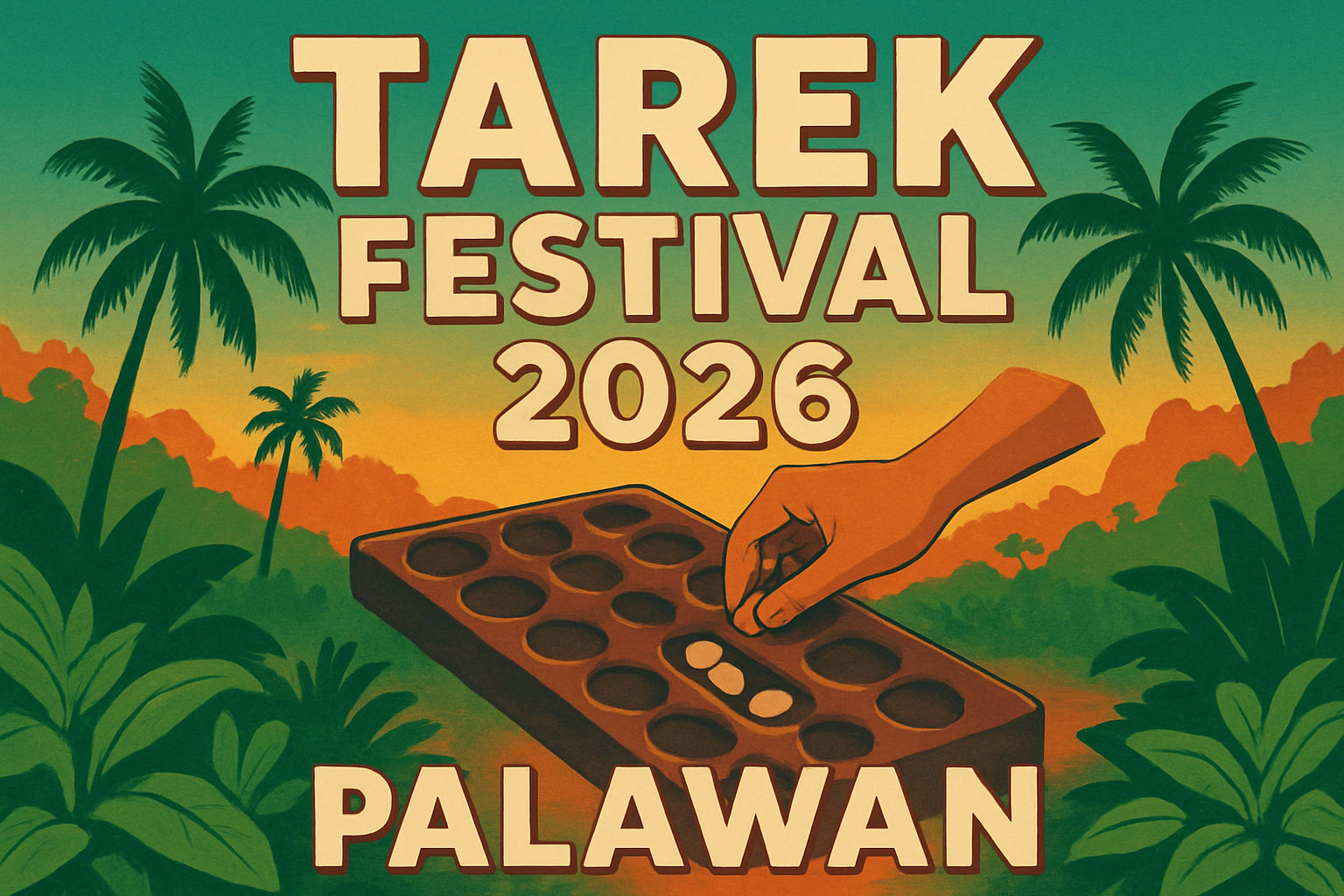
When the full moon rises over Aborlan, Palawan during the third week of January 2026, the indigenous Tagbanua and Batak tribes will gather to perform the Tarek, a sacred ritual dance that has echoed through the island's forests for generations. This annual celebration, held exclusively under the brilliant light of a full moon, offers visitors a rare window into living indigenous culture where stamping feet on bamboo floors create hypnotic rhythms, where colorful handwoven costumes honor ancestral traditions, and where dance serves as both prayer and protection against malevolent spirits. Far from the tourist beaches of Puerto Princesa and El Nido, the Tarek Festival in Aborlan municipality represents authentic Palawan, where cultural preservation meets spiritual practice in one of the Philippines' most meaningful indigenous celebrations.
Confirmed Timing and Location
When to Attend
Month: January 2026 (third week)
Specific Timing: Coincides with the full moon in the third week of January
2026 Full Moon: January 13, 2026 falls on Tuesday, placing the festival likely around January 13-18, 2026
Location: Municipality of Aborlan, Palawan
Admission: Free (community cultural event)
The Tarek Festival follows the lunar calendar rather than fixed Gregorian dates, meaning it shifts slightly each year to align with the full moon. This celestial timing holds deep spiritual significance for the Tagbanua and Batak peoples, who view the moon as a supreme entity influencing agriculture, health, and community welfare.
Getting to Aborlan
From Puerto Princesa:
- Distance: Approximately 68 kilometers (42 miles) south
- Travel time: 1.5 to 2 hours by van or bus
- Route: South National Highway (main road connecting Puerto Princesa to southern Palawan)
Transportation Options:
- Public vans and buses: Depart from San Jose Terminal in Puerto Princesa throughout the day
- Private hire: Tricycle or van rental for groups (arrange through Puerto Princesa hotels)
- Tour operators: Some Palawan cultural tour companies include Tarek Festival in January itineraries
Aborlan serves as the gateway to southern Palawan and marks the transition from Palawan's tourist center to more remote, culturally rich areas.
The Meaning and Origins of Tarek
A Pre-Planting Ritual Dance
The Tarek is fundamentally a pre-planting ritual dance performed by the Batak tribe and other Pala'wan indigenous groups to ensure agricultural success and community prosperity. The word "Tarek" refers to both the dance itself and the stamping motion that creates rhythmic percussion against bamboo floors laid specifically for the ceremony.
Cultural Significance
Spiritual Protection: The primary purpose of Tarek is to drive away evil spirits (malevolent supernatural forces) that might harm the community, damage crops, or bring illness. Through synchronized stamping and chanting, dancers create powerful vibrations believed to repel negative energies.
Divine Blessing: Beyond protection, Tarek serves as a prayer for continued prosperity, asking ancestral spirits and nature deities (called "tiladmanen") for favorable growing conditions, abundant harvests, and community health.
Cultural Transmission: The Tarek Festival allows elders to pass traditional knowledge to younger generations, ensuring the dance's survival despite modernization pressures. Pala'wan elders actively teach the movements, rhythms, and spiritual meanings to youth, preserving intangible cultural heritage.
The Dance: Movement, Music, and Ritual
The Bamboo Floor and Basal Music
The Tarek dance takes place on a specially constructed bamboo floor that serves as both stage and percussion instrument. As dancers stamp their feet in unison, the hollow bamboo creates resonant, rhythmic sounds that blend with "Basal"—traditional music produced by percussion instruments including gongs, drums, and bamboo instruments.
This combination of foot-stamping percussion and instrumental music creates a hypnotic soundscape that can continue for hours, building in intensity as the ritual progresses.
Traditional Dance Movements
The Tarek incorporates several fundamental steps passed down through generations:
Taptap: Basic stamping motion creating the signature Tarek rhythm
Baw'bawi: Coordinated group movements representing unity
Sinaraksakan: More complex synchronized patterns requiring years of practice
These movements aren't merely aesthetic but carry spiritual meaning, with each gesture and formation designed to channel protective energy and communicate with the supernatural realm.
Costumes and Adornments
Dancers wear traditional handwoven clothing and accessories crafted by Batak artisans using natural materials from Palawan's forests:
- Woven textiles: Made from plant fibers with intricate geometric patterns
- Beaded accessories: Necklaces, headbands, and armbands featuring traditional designs
- Natural dyes: Colors derived from forest plants and minerals
- Feather ornaments: Representing connection to nature and birds as spirit messengers
The vibrant costumes serve both practical and symbolic functions, honoring ancestral traditions while displaying the tribe's craftsmanship and cultural identity.
The Indigenous Communities Behind Tarek
The Batak Tribe
The Batak are one of Palawan's original indigenous groups, semi-nomadic forest dwellers with population estimates between 300-500 individuals concentrated in northern and central Palawan, including areas around Aborlan. Despite external pressures, the Batak maintain animistic spiritual beliefs where nature spirits inhabit forests, rivers, and mountains.
The Tarek represents a rare public performance of Batak spiritual practices, which are typically conducted within family or community contexts away from outsider observation.
The Tagbanua People
The Tagbanua constitute Palawan's largest indigenous group, with communities throughout the island. Known for their rich oral traditions, ritual dances, and intimate knowledge of forest ecology, the Tagbanua have preserved their cultural identity despite centuries of external influence.
In Aborlan, Tagbanua communities collaborate with Batak groups in Tarek celebrations, demonstrating inter-tribal cooperation and shared spiritual worldviews.
The Pala'wan Community
The broader Pala'wan indigenous community, which includes multiple tribal groups, views the moon (called "Bulen") as a supreme celestial entity. Folk literature like "Bulen ne Datu Ulu Eel" (The Moon of Chief Ulu Eel) reflects ancient beliefs that the moon governs agricultural cycles, influences human behavior, and serves as a conduit to the divine.
This lunar spirituality explains why Tarek can only be performed during the full moon, when spiritual power is believed to reach its peak.
What Visitors Can Expect
Festival Atmosphere
Unlike commercialized festivals in major tourist destinations, the Tarek Festival maintains an authentic, community-focused atmosphere. Expect:
- Intimate setting: Performances occur in or near tribal communities, not massive stadiums
- Spiritual reverence: The event is a sacred ritual first, tourist attraction second
- Community participation: Local residents actively engage in ceremonies, not just perform for observers
- Minimal commercial activity: Few vendors, authentic focus on cultural preservation
Duration and Schedule
The Tarek ritual can last several hours, typically beginning in the evening as the full moon rises and continuing late into the night. The extended duration allows dancers to enter trance-like states believed necessary for effective spiritual communication.
Visitors should plan to attend the entire ceremony to understand its full context and show respect for the sacred nature of the ritual.
Photography and Etiquette
Permitted with Respect:
- Photographing dance performances is generally allowed
- Ask permission before photographing individuals closely
- Turn off flash during nighttime rituals to avoid disrupting the sacred atmosphere
Cultural Protocols:
- Dress modestly (covered shoulders and knees)
- Remain quiet during ritual prayers and chants
- Follow local guides' instructions about where to stand and when to move
- Do not touch ritual objects or dance floor without permission
- Avoid alcohol consumption before or during attendance
Pairing Tarek Festival with Palawan Travel
Extend Your Aborlan Visit
Aporawan Cave: Limestone cave system near Aborlan featuring underground rivers and unique rock formations
Local markets: Experience authentic Palawan daily life and purchase Batak crafts directly from artisans
Forest trails: Guided hikes into indigenous territories (arrange through community guides)
Southern Palawan Exploration
Quezon (50 km south): Fishing communities, mangrove forests
Brooke's Point (100 km south): Rural coastal town, gateway to southern wilderness
Balabac Islands (far south): Remote pristine islands for adventurous travelers
Northern Return Route
Puerto Princesa: UNESCO Underground River, city tourism infrastructure
Sabang: Beach area near Underground River, nature activities
Port Barton: Backpacker-friendly beach town (can combine with Arawedan Festival if dates align)
Practical Travel Information
Where to Stay
Aborlan Accommodations:
- Limited hotel options (basic lodges and guesthouses)
- Consider homestays arranged through local tour operators for authentic experience
Puerto Princesa Base (Recommended):
- Wide range of hotels and resorts
- Day trip to Aborlan for festival
- Better dining and tourist services
What to Bring
- Cash: ATMs limited in Aborlan; bring sufficient pesos
- Insect repellent: Evening outdoor events attract mosquitoes
- Light jacket: January evenings can be cool
- Flashlight or headlamp: Limited lighting in rural areas
- Water and snacks: Vendor availability may be minimal
- Respectful clothing: Long pants/skirts, covered shoulders
Best Time Beyond Festival
If you miss the January full moon window, Aborlan and southern Palawan offer year-round cultural and nature experiences. However, the Tarek ritual dance occurs exclusively during January's third-week full moon, making it a once-annual opportunity.
Call to Action: Witness Living Culture Under the Full Moon
The Tarek Festival 2026 invites you to step beyond Palawan's tourist beaches into the island's spiritual heart, where ancient rhythms echo under January's full moon and indigenous communities maintain traditions stretching back centuries. Plan your visit to Aborlan during the third week of January 2026, coordinate with the lunar calendar, and prepare for an experience that transcends typical tourism.
When the Batak and Tagbanua dancers stamp bamboo floors and their movements blur the line between prayer and performance, when the Basal percussion blends with nocturnal forest sounds, when the full moon illuminates faces painted with ancestral patterns, you'll understand why some journeys aren't measured in miles but in connections to cultures that hold keys to humanity's oldest wisdom.
Book your Puerto Princesa accommodation now, mark January 13-18, 2026 in your calendar, and prepare to witness the Tarek. The full moon is rising. The spirits are listening. Will you be there?
Verified Information at a Glance
Event Category: Indigenous cultural festival and ritual dance ceremony
Official Name: Tarek Festival
Location: Municipality of Aborlan, Palawan, Philippines
Timing: Third week of January during full moon
2026 Estimated Dates: January 13-18, 2026 (centered around January 13 full moon)
Participating Groups: Tagbanua tribe, Batak tribe, Pala'wan indigenous community
Main Feature: Tarek ritual dance performed on bamboo floors with Basal percussion music
Cultural Purpose:
- Pre-planting agricultural ritual
- Protection against evil spirits
- Seeking divine blessings for prosperity
- Cultural preservation and transmission
Admission: Free community cultural event
Distance from Puerto Princesa: 68 kilometers (42 miles) south, approximately 1.5-2 hours
What to Expect:
- Traditional woven costumes and handmade accessories
- Synchronized stamping dance creating rhythmic percussion
- Nighttime performance under full moon
- Spiritual/ritual atmosphere
- Community participation
Related Festival: Follows Pagdiwata ritual celebrations
Cultural Significance: Recognized as intangible cultural heritage requiring active preservation