Palawan

    Palawan

    Philippines

    Limestone cliffs, lagoons

    4.7
    Guest Rating
    23°C
    Partly Cloudy
    Humidity: 94%
    Wind: 6 km/h
    Live Temperature
    10
    Active Events

    About Palawan

    Palawan boasts dramatic limestone cliffs, hidden lagoons, and the famous Underground River. El Nido and Coron offer some of the world's most beautiful seascapes and diving spots.

    Imagine gliding in a kayak through a hidden lagoon, limestone cliffs rising around you like ancient walls. The water is so clear you can see coral gardens below, and the only sounds are the dip of your paddle and the call of a sea eagle. This is Palawan, an island province in the Philippines that feels like a secret you are lucky to be in on. Palawan travel is about raw nature, island hopping, and simple days that end with fiery sunsets over the sea.

    Stretching southwest from the main Philippine islands, Palawan is a long, narrow island with a rugged spine of mountains and a coastline dotted with hundreds of smaller islands. The main hubs for travelers are El Nido in the north and Coron, on a nearby island, both famous for their dramatic karst landscapes and bright blue water. Puerto Princesa, the capital, is the gateway for most flights and home to one of the world’s most incredible underground rivers.

    The best Palawan things to do are on the water. In...

    Climate & Weather

    Tropical climate with year-round warm temperatures and trade winds.

    Best Time to Visit

    December to May for dry, sunny weather

    Top Highlights

    Underground river

    El Nido cliffs

    Pristine beaches

    Popular Activities

    Island hopping
    Cave exploring
    Snorkeling
    Beach activities

    Quick Info

    Timezone
    UTC+8
    💰Currency
    Philippine Peso
    🗣️Language
    Filipino, English
    Temperature
    28°C

    Upcoming Events

    Love Affair with Nature 2026
    Environment/Community
    Free

    Love Affair with Nature 2026

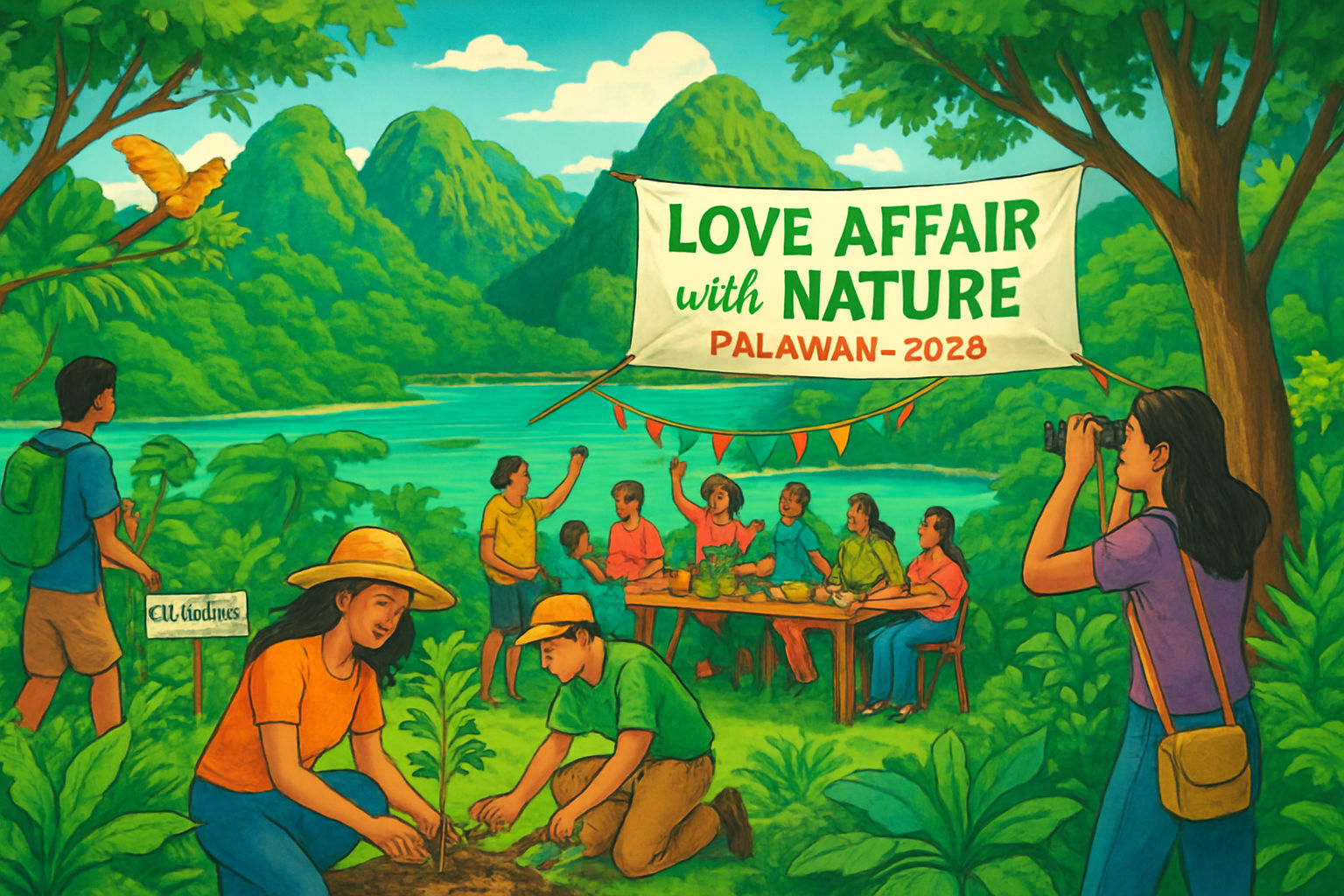
    Love Affair with Nature 2026 in Palawan is Puerto Princesa City’s signature Valentine’s Day environmental celebration, best known for its community mangrove planting activity and, in many years, a mass wedding component. If island travel is about more than beaches, this is the kind of event that lets visitors take part in something deeply local: protecting coastal ecosystems while experiencing Puerto Princesa’s warm community spirit.

    Love Affair with Nature 2026 in Palawan

    Love Affair with Nature is held every year on February 14 as Puerto Princesa’s unique way of celebrating Valentine’s Day by showing love for the environment. The festival blends a romantic theme with hands-on eco action, centered on planting mangroves in coastal zones to help restore degraded areas and build resilience for island communities. It has also featured supporting activities such as environmental quiz bees, film showings, band concerts, and beach games that make the day feel festive and community-driven.

    For travelers seeking authentic island culture, Love Affair with Nature in Palawan offers a rare chance to join locals in a tradition rooted in stewardship. Unlike typical Valentine events focused only on dining or nightlife, Puerto Princesa turns February 14 into a meaningful island gathering that celebrates relationships and responsibility in the same breath.

    Background and history of the event

    Puerto Princesa’s Love Affair with Nature began as an overnight event with various activities that culminated in mangrove planting in Barangay San Jose. A few years later, organizers shifted it to a dawn activity and made a mass wedding a major focus, strengthening the tradition of pairing romantic celebration with environmental action. The event has grown into a long-running annual initiative that has supported wide-scale mangrove planting across different shorelines in the city.

    The tradition is recognized locally and nationally as a distinct Puerto Princesa practice, and it is often highlighted in Palawan festival calendars as a key February event. Reporting has noted that the event resumed after pandemic-related pauses and continued to bring the community together for mangrove planting and mass wedding ceremonies.

    What makes Love Affair with Nature special for island travelers

    The most memorable part of Love Affair with Nature is that it turns visitors into participants, not just spectators, through community mangrove planting. Mangroves are vital island ecosystems because they support fisheries as nurseries, help stabilize coastlines, and contribute to overall coastal health. Puerto Princesa’s program emphasizes this ecological role while making the experience approachable, social, and family-friendly.

    For an islands audience, the appeal is clear: this is Palawan travel with purpose. Instead of only photographing turquoise water, visitors get to contribute to the living shoreline that protects communities and supports marine life.

    Highlights and activities to expect

    Love Affair with Nature is known for a mangrove planting festivity in coastal zones, designed to restore degraded mangrove areas and build public awareness. The festival has also been described as featuring community activities such as environmental quiz bees, film showings, band concerts, and beach games that add entertainment and learning to the day. In some years, a mass wedding becomes a core highlight, bringing couples and families together in a public celebration tied to the event’s environmental message.

    Government and civic organizations also participate, reflecting how deeply the event is embedded in Puerto Princesa’s identity and environmental programs. That mix of community, ceremony, and service creates an island event atmosphere that feels sincere rather than staged.

    Local Palawan culture and places to explore nearby

    Puerto Princesa is a gateway city where island nature and daily life meet, and Love Affair with Nature fits that identity. Visitors can pair the event with classic Puerto Princesa landmarks and nature experiences such as the Puerto Princesa Subterranean River National Park, a UNESCO World Heritage Site often highlighted for its dramatic limestone karst cliffs and underground river boat tours. The city’s coastal zones and mangrove areas also reinforce why the festival exists, especially for travelers who want to understand Palawan beyond postcard beaches.

    If staying in the city center, explore local neighborhoods around the main thoroughfares, then plan a day trip to nature areas before or after February 14 to keep the island theme consistent. This approach lets the festival be part of a bigger Palawan itinerary that blends environment, culture, and community.

    Practical travel tips for attending in Puerto Princesa

    Because Love Affair with Nature happens annually on February 14, plan flights and accommodations well ahead, especially if combining it with other Palawan peak-season travel. Wear light, breathable clothing suitable for coastal conditions, and bring sun protection and water since mangrove planting is outdoors and can involve heat and humidity. Expect the event timing to be early, as it has been described as a dawn activity, so staying close to the meeting point or coastal planting site can make the morning easier.

    For visitors unfamiliar with mangrove planting, local organizers and partner agencies often provide guidance so participants can plant correctly and safely. Consider adding extra days in Puerto Princesa to explore nature attractions and support local businesses, which strengthens the event’s eco-tourism value for the island community.

    Costs and what to budget for

    Online sources describing Love Affair with Nature focus on the community activity and environmental mission, and do not consistently list an official ticket price for participation. Budget primarily for travel essentials: flights into Puerto Princesa, accommodation, local transport, meals, and optional guided tours to nearby attractions. If attending as a visitor, check official Puerto Princesa City information pages and local environment office updates closer to February 2026 for any confirmed participation guidelines, assembly areas, or requirements.

    Palawan is often visited for its natural landmarks, so pairing the festival with a nature itinerary can offer strong value even without a ticketed event structure. This makes Love Affair with Nature a meaningful anchor date for a February island trip.

    Plan your Love Affair with Nature 2026 Palawan trip

    Love Affair with Nature 2026 is a Valentine’s Day experience that feels unmistakably Palawan: community-led, nature-forward, and rooted in coastal protection through mangrove planting. For anyone building an island itinerary around authentic local events, February 14 in Puerto Princesa is a date worth circling because it reflects how the city celebrates love by investing in its shoreline and future. Make room in your Palawan plans to join the planting, meet locals, and experience a Puerto Princesa tradition that turns a simple holiday into a shared act of island stewardship.

    Verified Information at glance

    Event Name: Love Affair with Nature

    Event Category: Environmental festival / community mangrove planting event (Valentine’s Day themed)

    Primary Location: Puerto Princesa City, Palawan, Philippines

    Typical Date: February 14 (annual)

    Theme/Focus: Mangrove planting in coastal zones to restore degraded mangrove areas and promote awareness of mangroves and coastal ecosystems

    Noted Activity Formats: Mangrove planting; additional community activities such as environmental quiz bees, film showing, band concert, and beach games (varies by year)

    Commonly Referenced Areas: Barangay San Jose is cited in the event history; festival calendars also reference Barangays San Jose and San Manuel in Puerto Princesa City

    Pricing: No official ticket price or registration fee confirmed in the referenced sources

    Barangays San Jose & San Manuel, Puerto Princesa City, Palawan
    Feb 14, 2026 - Feb 14, 2026
    Puerto Princesa Marathon 2026
    Sports/Running
    TBA

    Puerto Princesa Marathon 2026

    Puerto Princesa Marathon 2026 in Palawan brings runners to the heart of one of the Philippines' most stunning island destinations for the very first full-distance event on February 22, 2026. Held at Balayong People's Park amid the blooming balayong trees, this island marathon combines competitive racing across 5K, 10K, 21K, and 42K distances with the natural beauty and vibrant culture of Palawan. Runners from across the islands and beyond can expect a scenic course, festive atmosphere tied to the Balayong Festival, and a chance to experience Puerto Princesa's nickname as the City in the Forest.

    Discover the Puerto Princesa Marathon 2026

    The Puerto Princesa Marathon 2026 marks a milestone as the inaugural full marathon in this Palawan island gem, organized by the Tandikan Tri Team to celebrate running alongside the Balayong Festival. Set for Saturday, February 22, 2026, at Balayong People's Park, the event offers distances for all levels, from beginners tackling the 5K to elite athletes chasing a 42K personal best. Early bird registration, which ended November 15, 2025, locked in affordable rates, but spots remain available through the official online form and Facebook page.

    This island marathon stands out by weaving running with Palawan's eco-friendly vibe, where participants dash past lush greenery and coastal views that highlight the region's UNESCO-recognized wonders. Unlike urban races, it invites runners to embrace the slower pace of island life, complete with local cheers and post-race festivities under the balayong trees in full bloom.

    Event Dates, Distances, and Registration Details

    The main event kicks off on February 22, 2026, with waves starting early morning at Balayong People's Park in Puerto Princesa City. Race categories include 5KM at Php1,500 early rate, 10KM at Php1,700, 21KM at Php2,000, and the full 42KM at Php2,500, all per the initial pricing before potential increases. Registration happens via a Google Form linked on the Puerto Princesa Marathon Facebook page, ensuring easy access for island hoppers and mainland visitors alike.

    Note a separate Puerto Princesa International Marathon listed for May 31, 2026, which may draw international crowds, but the February edition focuses on local energy and festival ties. Runners receive essentials like official singlets, race bibs, and finisher medals, with longer distances offering additional perks such as timing chips.

    Course Highlights and Island Scenery

    The Puerto Princesa Marathon 2026 course starts and finishes at Balayong People's Park, threading through Puerto Princesa's tree-lined streets and waterfront paths that showcase the island's forest-meets-sea charm. Full marathoners cover a looping route likely passing landmarks like the Baywalk Park and Rizal Avenue, echoing past Palawan races that highlighted the city's green corridors. Shorter distances keep the vibe accessible, winding past parks and neighborhoods for a flat, fast profile ideal for personal records amid tropical breezes.

    Runners get sweeping views of Palawan's karst landscapes in the distance, with the course designed to minimize traffic and maximize safety on paved roads. This setup lets athletes soak in the island's clean air and vibrant flora, turning every kilometer into a postcard moment of Palawan paradise.

    History of Running in Palawan Islands

    Palawan has built a running legacy with events like the 2016 Palawan Express Marathon, the province's first full 42K that drew over 1,000 participants past tourist spots from Mendoza Park along Rizal Avenue. That race set the stage for multisport growth, including IRONMAN 70.3 Puerto Princesa, whose courses from Baywalk Park to Iwahig Bridge highlight the city's scenic potential. The 2026 edition builds on this by partnering with the Balayong Festival, infusing running with cultural pride.

    Local groups like the Philippine National Police and Coast Guard have joined past races, fostering a community spirit that carries into the Tandikan Tri Team's vision for inclusive island athletics. This history positions the Puerto Princesa Marathon 2026 as a natural evolution, drawing both seasoned marathoners and newcomers to Palawan's trails.

    Cultural Aspects and Balayong Festival Ties

    Tied to the Balayong Festival, the marathon celebrates Puerto Princesa's floral heritage with blooming pink trees framing the start line at Balayong People's Park. Participants experience Palawan's cultural mix of indigenous Tagbanua influences, Spanish colonial echoes in landmarks like the Plaza Cuartel, and modern eco-tourism ethos. Post-race vibes include local music, food stalls with island staples like tamilok and fresh seafood, blending athletic achievement with community feasts.

    The event underscores Palawan's clean and green reputation, encouraging runners to respect no-trace principles amid the island's protected mangroves and bays. This cultural layer makes the marathon more than a race; it becomes a gateway to Palawan's harmonious island lifestyle.

    Race Day Activities and Highlights

    Expect a full morning of action on February 22, 2026, with aid stations stocked for hydration, medical support, and cheering zones manned by locals. Highlights include awards ceremonies under the balayong canopy, photo ops with finisher medals, and family-friendly zones for spectators at the park. Longer distance runners might tackle out-and-back segments toward coastal areas, while all finishers enjoy the electric atmosphere of Puerto Princesa's first dedicated marathon.

    Family and friends can explore nearby spots like the Puerto Princesa Subterranean River during wait times, tying race day to broader island adventures. The Tandikan Tri Team promises a well-organized spectacle, complete with live updates via their social channels.

    Travel Tips for Palawan Island Visitors

    Fly into Puerto Princesa International Airport, with direct flights from Manila, Cebu, and other islands making access straightforward. Book accommodations early near Balayong Park or Baywalk, such as eco-resorts or city hotels, to cut commute times on race morning. February weather brings dry, mild conditions perfect for running, but pack light layers for early starts and rain ponchos for surprise showers.

    Local transport like tricycles and jeepneys keeps costs low, while grabbing fresh mango shakes or halo-halo from roadside stalls fuels pre-race prep. For international runners, secure a visa on arrival if needed, and confirm health protocols via official channels. Island hoppers should align the marathon with side trips to El Nido or Coron for extended Palawan magic.

    Practical Information for Runners

    Registration remains open post-early bird, with fees potentially rising, so check the Facebook page for updates. Prepare by training on similar flat terrain, hydrating with coconut water, and acclimating to humidity a few days early. Race packets likely include singlets sized during signup, with bib pickup the day before at designated spots.

    Budget for extras like post-race massages or souvenir stalls, and follow traffic rules on the course for safety. Families can join shorter fun runs if available, making it a shared island memory.

    Training and Preparation for Island Marathon Success

    Build endurance with long runs mimicking the 42K distance, incorporating Palawan-inspired interval sessions on beach paths if training elsewhere. Focus on heat adaptation through tempo workouts, and carb-load with local-inspired rice bowls pre-race. Connect with the Tandikan Tri Team via social media for course previews and training tips tailored to Puerto Princesa's terrain.

    Recovery post-race involves gentle walks to nearby mangroves or spa sessions, extending your island stay. This prep turns the Puerto Princesa Marathon 2026 into a triumph of body and spirit amid Palawan's wonders.

    Imagine crossing the finish line at Balayong People's Park on February 22, 2026, medal in hand, surrounded by cheering locals and blooming balayong trees in the heart of Palawan. Whether chasing a personal best or savoring your first island marathon, this event promises unforgettable moments in one of the world's most beautiful settings. Head to the official registration form or Facebook page today, lace up your shoes, and join the running revolution in Puerto Princesa.

    Verified Information at a Glance

    Event Name: Puerto Princesa Marathon 2026

    Event Category: Road running event with festival ties / first full marathon in Puerto Princesa

    Organizer: Tandikan Tri Team

    Dates: February 22, 2026

    Duration: One-day event with multiple start times

    Venue: Balayong People's Park, Puerto Princesa City, Palawan

    Distances: 5KM, 10KM, 21KM, 42KM

    Early Bird Registration Fees (per person): 42KM – Php2,500; 21KM – Php2,000; 10KM – Php1,700; 5KM – Php1,500

    Inclusions: Official singlet, race bib, finisher medal (all distances); additional perks for longer races

    Festival Tie-in: Balayong Festival with blooming trees

    Target Participants: Runners of all levels seeking scenic island marathon experience


    Balayong People’s Park, Puerto Princesa City, Palawan
    Feb 22, 2026 - Feb 22, 2026
    Balayong Festival (Puerto Princesa Foundation Day celebrations) 2026
    Culture/Festival
    Free

    Balayong Festival (Puerto Princesa Foundation Day celebrations) 2026

    Balayong Festival 2026 is the signature Puerto Princesa Foundation Day celebration in Palawan, officially anchored on March 4 and themed around the blooming balayong (Palawan cherry) tree. For travelers, it’s one of the best times to visit Puerto Princesa City because you get culture, parades, and community pride layered onto an already iconic island gateway to Palawan adventures.

    Balayong Festival 2026 in Puerto Princesa, Palawan

    Balayong Festival is more than a street party. It’s Puerto Princesa City’s annual celebration of its founding anniversary, wrapped in a pink-and-proud symbol: the balayong tree, known locally as the Palawan cherry. The City Government of Puerto Princesa explains that “Balayong” is the local Cuyuno name for Palawan cherry and describes it as a symbol of feminine dominance, female beauty, and love in the language of herbs. That symbolism shapes the festival’s vibe, you’ll see floral-inspired costumes, community performances, and a strong sense that Puerto Princesa is celebrating what makes its island identity unique.

    For an islands audience, this is exactly the kind of city festival worth planning around. Puerto Princesa is often treated as a jump-off point to the Underground River or El Nido, but during Balayong Festival, the city itself becomes the main attraction for at least a day.

    Verified Date and What it Commemorates

    The official Puerto Princesa tourism calendar lists March 4 as the Balayong Festival date and confirms it commemorates the founding anniversary of Puerto Princesa, highlighted by street dancing, a float parade, and planting of Palawan cherry blossoms. The City Government’s festival page also confirms that an ordinance declared the 4th day of March as Balayong Festival and states it is in celebration of the founding anniversary of the City of Puerto Princesa.

    If you’re scheduling flights and hotel nights, treat March 4 as the must-be-in-town date, then add extra days for island excursions and nearby nature spots.

    History and Roots: Why the Balayong Became a Festival Icon

    According to the City Government of Puerto Princesa, the city launched the first Balayong Festival in 2005 as part of efforts to bring the balayong tree back into the limelight, including planting a thousand trees in a nature park. The same page notes that after the first festival’s success, the city council passed Ordinance No. 288 (dated October 28, 2005) declaring March 4 as Balayong Festival. This backstory gives the festival a deeper meaning: it’s not only about entertainment, it’s also about shaping the city’s image, environmental pride, and cultural identity through an emblematic local tree.

    The official page also ties the founding anniversary story to March 4, 1872, describing Spanish colonizers arriving and identifying a settlement area, and referencing the site where the first mass in Puerto Princesa was held, now connected with Eulalia Park. For visitors, that adds historical texture to what might otherwise feel like “just another parade day.”

    What to Expect: Street Dancing, Float Parade, and Tree Planting

    The Puerto Princesa tourism calendar explicitly highlights three signature elements:

    • Street dancing.
    • Float parade.
    • Planting of Palawan cherry blossoms (balayong).

    A Palawan events calendar also describes Balayong Festival as commemorating the founding anniversary of Puerto Princesa with street dancing, float parade, and planting of the Palawan cherry. In other words, you can plan your day around watching performances, capturing photos of floral floats, and then following the community energy to tree planting or civic programs that connect celebration with stewardship.

    Where to Experience the Festival in the City

    The official sources confirm Puerto Princesa City as the location, but they do not specify a single fixed route or venue for 2026 within the captured pages. In practice, festival activities often concentrate in the downtown core and major public spaces, so it’s smart to stay centrally if your goal is to walk to events, watch street performances, and avoid transportation delays during parades.

    Puerto Princesa is also known for its Baywalk area, and past city celebrations often use this waterfront setting for community gatherings, though specific 2026 Balayong Festival staging details should be checked closer to the date through city announcements.

    How Balayong Festival Fits a Palawan Island Itinerary

    Balayong Festival is ideal as the cultural “front door” to a longer Palawan trip. Puerto Princesa is already a gateway for travelers who want nature, beaches, and island-hopping, so you can structure your visit like this:

    • Arrive before March 4 to settle in and explore Puerto Princesa food spots and cafés.
    • Spend March 4 as a full festival day.
    • Add excursions after, such as planning a nature day trip or continuing onward to other parts of Palawan.

    Even if you’re heading to El Nido or Coron afterward, attending Balayong Festival makes the trip feel more rooted in local culture rather than purely scenic.

    Pricing and Tickets (What’s Verified)

    Balayong Festival is a civic and cultural celebration of Puerto Princesa’s founding anniversary, and the official sources reviewed here do not list ticket prices or paid entry requirements for the main festival day. Because no official pricing is published in the captured sources, it’s best to treat Balayong Festival as generally public and community-based, while budgeting separately for optional tours, transportation, food stalls, and any special ticketed side-events that may be announced later.

    Practical Travel Tips for Balayong Festival Week

    A smooth festival experience in Puerto Princesa comes down to simple planning:

    • Book accommodations early if you want a central location for March 4, since city celebrations can increase demand.
    • Expect crowds around parade routes and bring sun protection and water.
    • Keep a flexible schedule so you can follow the most exciting performances as they move through the city.
    • Use the festival day to try local food and treats, since civic celebrations often bring out pop-up vendors and community booths.

    Make March 4 Your Puerto Princesa Highlight

    Balayong Festival 2026 is Puerto Princesa City’s signature founding anniversary celebration, officially tied to March 4, with traditions like street dancing, a float parade, and Palawan cherry blossom planting that showcase the city’s pride and identity. With roots dating to the city’s 2005 launch of the festival and its official recognition through an ordinance declaring March 4 as Balayong Festival, it’s a meaningful cultural moment in Palawan’s capital. If you want to see Puerto Princesa beyond the airport transfer and the tour pickup, plan to be in town for Balayong Festival, follow the music through the streets, and let Palawan’s “cherry blossom” celebration welcome you into the heart of the island community.

    Verified Information at a Glance

    • Event Name: Balayong Festival (Puerto Princesa Foundation Day celebrations)
    • Event Category: City foundation anniversary cultural festival (street dancing, float parade, tree planting)
    • Location: Puerto Princesa City, Palawan, Philippines
    • Confirmed Anchor Date: March 4 (declared as Balayong Festival day)
    • What it Commemorates (confirmed): Founding anniversary of the City of Puerto Princesa
    • Highlights (confirmed): Street dancing, float parade, planting of Palawan cherry blossoms
    • Balayong Meaning (confirmed): Local Cuyuno name for Palawan cherry; described as a symbol of feminine dominance, female beauty, and love in the language of herbs
    • Festival Origin (confirmed): City Government started the Balayong Festival in 2005 and planted a thousand trees; Ordinance No. 288 (Oct 28, 2005) declared March 4 as Balayong Festival
    • Ticket Pricing: Not published in the captured official sources
    , Palawan
    Mar 4, 2026 - Mar 4, 2026

    Past Events

    Arawedan Festival 2026
    Cultural Tour/Expedition
    $3590 - $3990

    Arawedan Festival 2026

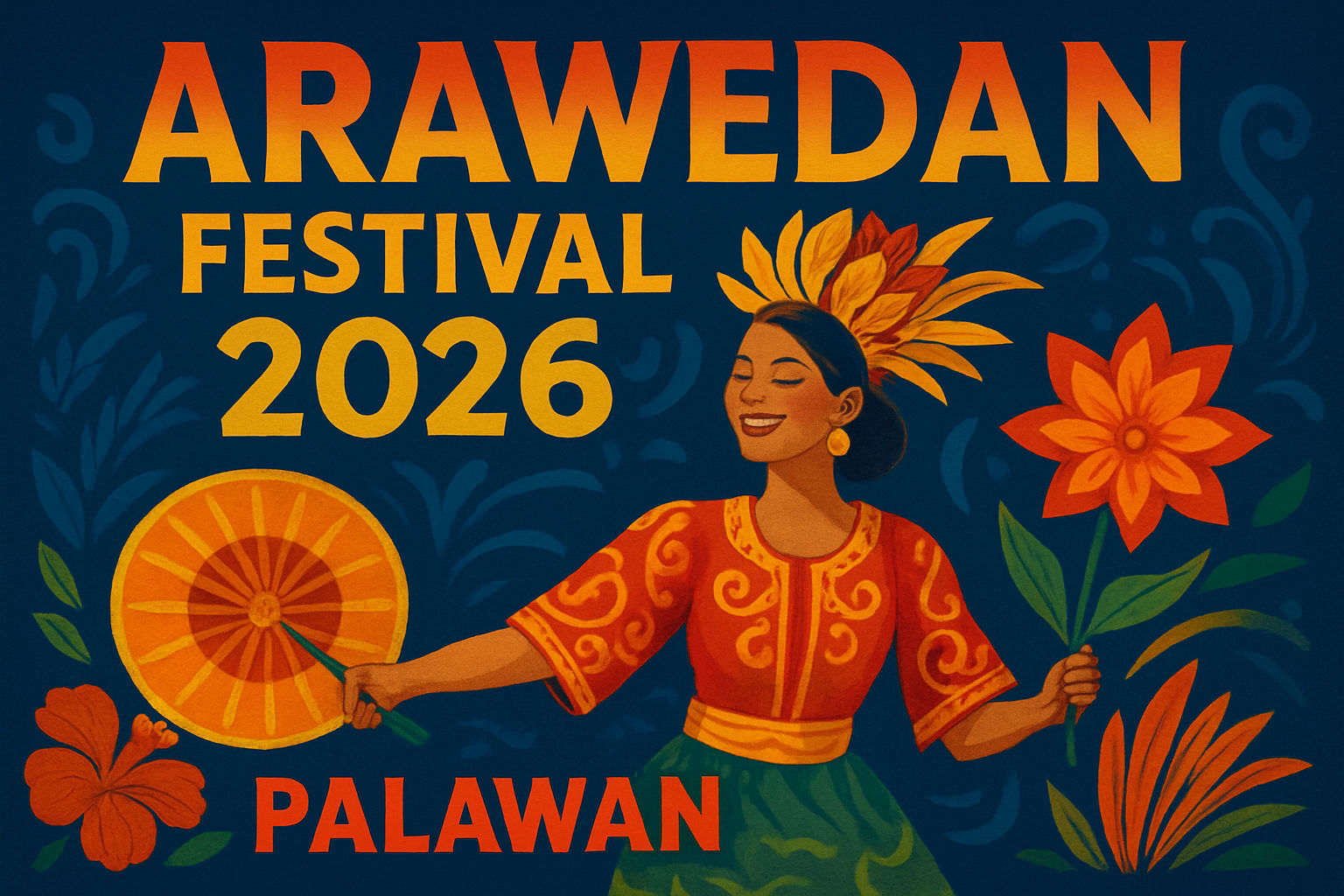
    Arawedan Festival 2026 in Palawan is celebrated in Port Barton, San Vicente, bringing island visitors into a lively community gathering built around food, parades, and local pride. While some tour listings bundle “Arawedan Festival 2026” into multi-day Palawan expeditions, the most consistent local reference places the festival in Port Barton, a coastal village known for laid-back beaches and a gateway to island-hopping in San Vicente.

    Arawedan Festival 2026 Palawan at a glance

    Arawedan Festival is a Port Barton celebration in San Vicente, Palawan, described in Palawan event calendars as featuring activities like street parades with creatively costumed participants and a showcase of local delicacies. The name “Arawedan” is often explained as a Cuyunon term meaning “holding together,” reflecting the festival’s emphasis on community unity and shared celebration. For travelers planning an island itinerary, Arawedan Festival is an opportunity to experience Port Barton beyond its beaches by joining a cultural moment that locals look forward to each year.

    Because the event is rooted in a small coastal barangay, it tends to feel intimate and authentic, the kind of island festival where visitors are welcomed into the rhythm of local life rather than kept at a distance. It pairs naturally with the Port Barton travel experience: slow mornings, sea views, and evenings that come alive with community gatherings and food.

    The story behind Arawedan Festival in Port Barton

    Port Barton has become one of Palawan’s most beloved island corners, and Arawedan Festival is part of what keeps its community identity distinct from bigger, more commercialized destinations. Sources describing the festival frame it as a community event with parades and local food, highlighting a welcoming vibe and a strong sense of togetherness. That meaning aligns with the common explanation of “Arawedan” as “holding together,” a theme that resonates in small island communities where celebration is often linked with cooperation and shared effort.

    In a province known for its natural wonders and eco-tourism reputation, festivals like Arawedan add cultural depth to a Palawan trip, showing visitors how locals gather, create, and celebrate in their own style. This is especially appealing for travelers who want their island holiday to include human stories, not just scenery.

    What to expect at Arawedan Festival 2026

    Arawedan Festival in Port Barton is described as featuring a variety of activities, including street parades with bands adorned in creative costumes and a focus on delicious local delicacies. In practical terms, this usually means an island street atmosphere with music, groups walking or dancing through key village roads, and vendors offering snacks and regional dishes that reflect Palawan’s coastal pantry. Even if you arrive without knowing anyone, festivals in small Palawan communities often feel inclusive because most activities happen in public spaces where locals and visitors naturally mix.

    Island food and local delicacies

    Food is one of the most reliable ways to connect with Palawan culture, and Arawedan Festival is explicitly noted for its “mouth-watering delicacies.” Expect simple, satisfying island fare that highlights seafood, grilled items, and merienda-style snacks that are easy to eat while watching a parade or chatting with locals. For travelers, the best approach is to sample widely and lightly, then return for favorites once you find the stalls with the longest local lines.

    Street parades and creative costumes

    The festival is also described as having street parades with bands adorned in creative costumes, which signals a playful, community-made spectacle rather than a polished, corporate production. This is where Port Barton’s character shines because costumes and props tend to reflect local humor, island materials, and a shared sense of fun. Bring a camera and comfortable walking sandals, because the best viewing is often found by strolling alongside the parade route rather than standing in one spot.

    Why Port Barton is a perfect festival setting

    Port Barton is often chosen by travelers who want a quieter Palawan island experience compared with busier hubs, and that relaxed vibe makes cultural events feel more personal. Between festival moments, visitors can enjoy Port Barton’s beach scene, calm waters, and the boat-trip culture that defines San Vicente’s coastline. Even outside festival time, Port Barton’s charm is tied to its balance of nature and community, and Arawedan Festival adds a concentrated dose of that community spirit.

    Palawan has gained international attention as a must-visit destination, which increases interest in experiences that go beyond typical sightseeing. For that kind of traveler, Arawedan Festival provides a reason to schedule a Palawan trip around culture and community rather than only around tours.

    Cultural aspects travelers should respect

    Arawedan Festival reflects local identity and togetherness, so visitors should approach it as guests in a living community, not as tourists at a staged attraction. That means asking permission before close-up photos, supporting local vendors, and being mindful of waste in a coastal setting where plastic pollution can quickly harm beaches and marine life. If you join dancing or parade-following, follow locals’ cues and keep a respectful distance from performers unless invited in.

    Because the festival takes place in Port Barton, it’s also smart to respect quiet hours and community spaces, especially near residential areas and beachfront paths. The most rewarding island festival experiences come from matching the community’s pace: friendly, curious, and unhurried.

    Travel tips for getting to Arawedan Festival in Palawan

    Most travelers reach Port Barton via Puerto Princesa City, then continue by van or private transfer to San Vicente and onward to Port Barton. Plan buffers in your schedule because island road travel can be affected by weather, traffic, and seasonal demand, particularly during periods when festivals draw more visitors. Booking accommodation early is also wise because Port Barton is a smaller destination with limited inventory compared with Puerto Princesa or El Nido.

    Where to stay in Port Barton

    Port Barton has a range of stays, from simple beach cottages to mid-range resorts, and staying close to the village center can make it easier to catch festival activities on foot. If you prefer quieter nights, choose lodging slightly outside the busiest beach stretch, then walk or tricycle in for parade and food activities. Travelers who want a broader itinerary can split time between Port Barton for Arawedan and Puerto Princesa for city conveniences and side trips.

    What to pack for an island festival

    Pack light, breathable clothing, reef-safe sunscreen, insect repellent, and a reusable water bottle. Since festival activities often involve walking in the sun, bring a hat and comfortable sandals or shoes that can handle sandy paths. Having small cash bills helps for food stalls and community vendors, especially in smaller island settings.

    Costs and pricing information

    Local calendar sources describe Arawedan Festival activities but do not confirm an official ticket price or entry fee. Some “Arawedan Festival 2026” listings online appear as packaged cultural tour or expedition products with prices in the thousands of dollars, which are tour-package rates rather than a confirmed festival admission fee. For budgeting, assume the main festival experience is community-based, then plan expenses around accommodation, local transportation, food, and optional island-hopping tours from Port Barton.

    Make Arawedan Festival part of a bigger Palawan itinerary

    Arawedan Festival works best as a centerpiece for a slower Palawan trip: a few days in Port Barton for beach time and community events, plus extra days for exploring the province’s headline nature attractions. Many visitors pair San Vicente coastal stops with a broader Palawan route that includes Puerto Princesa for gateway logistics and other northern Palawan highlights. This approach lets you experience both sides of Palawan travel: iconic landscapes and intimate island culture.

    If a Palawan journey is on the calendar for 2026, consider timing it so you can join the Port Barton community when Arawedan Festival lights up the village with food, music, and parade energy, then stay a little longer to let the island calm settle back in around you.

    Verified Information at glance

    Event Name: Arawedan Festival

    Event Category: Cultural community festival (food and street parade focused)

    Confirmed Location: Port Barton, San Vicente, Palawan, Philippines

    Confirmed Activities Mentioned in Sources: Local delicacies showcase; street parades with bands in creative costumes

    Meaning of “Arawedan” (commonly cited): Cuyunon term meaning “holding together”

    Dates (2026): No official Arawedan Festival 2026 dates confirmed in the referenced sources

    Venue details: No specific 2026 venue site confirmed beyond Port Barton location

    Pricing: No official festival entry fee confirmed; a separate third-party tour-package listing shows $3,590 to $3,990 for an “Arawedan Festival 2026” expedition package

    If Port Barton’s beaches are already on your Palawan wishlist, plan your trip so you can experience Arawedan Festival in the place where it feels most real: on the village streets, beside the sea, sharing food, music, and celebration with the local island community.


    Port Barton, Palawan
    Jan 23, 2026 - Jan 24, 2026
    Tarek Festival 2026
    Cultural Tour/Expedition
    $3590 - $3990

    Tarek Festival 2026

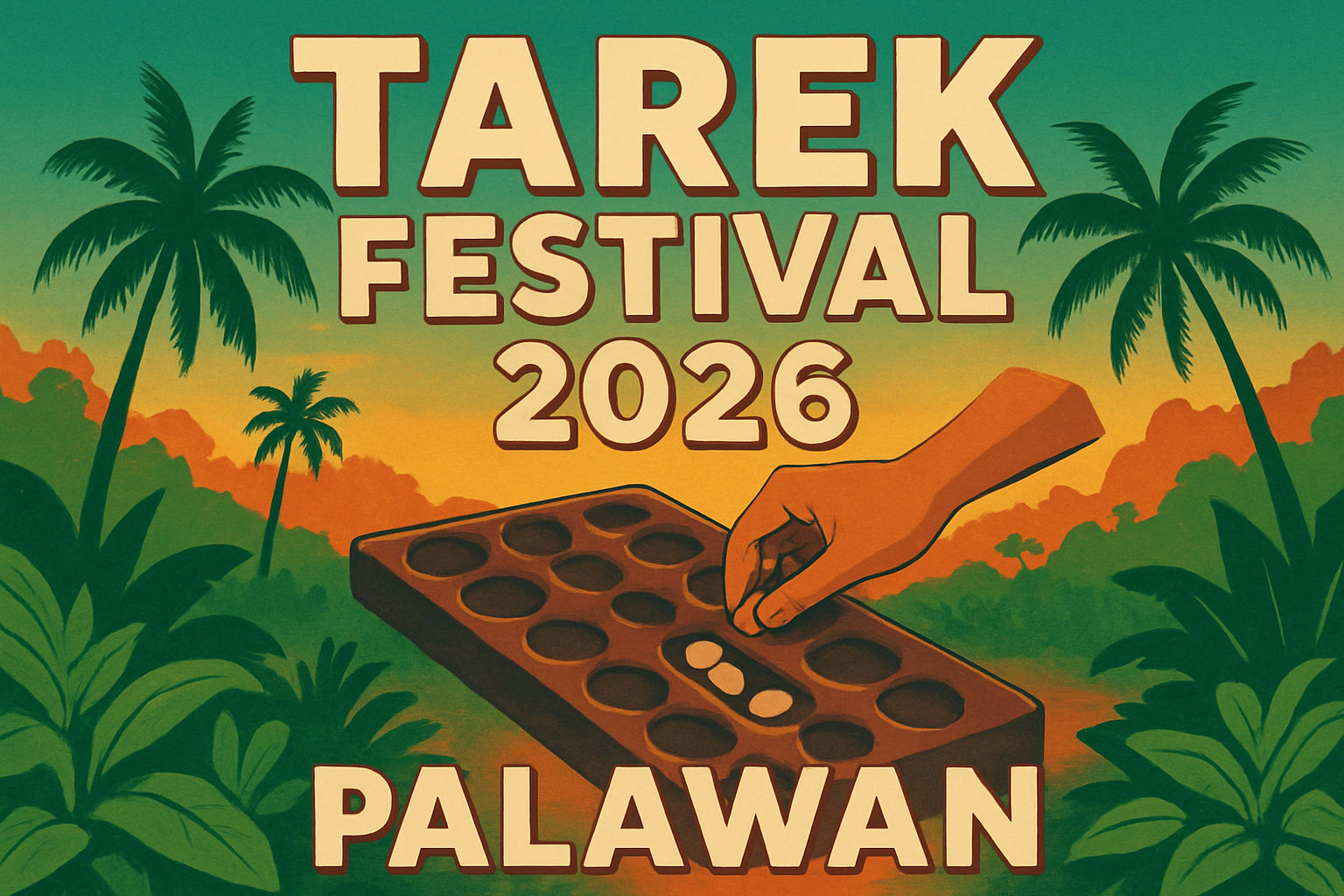
    When the full moon rises over Aborlan, Palawan during the third week of January 2026, the indigenous Tagbanua and Batak tribes will gather to perform the Tarek, a sacred ritual dance that has echoed through the island's forests for generations. This annual celebration, held exclusively under the brilliant light of a full moon, offers visitors a rare window into living indigenous culture where stamping feet on bamboo floors create hypnotic rhythms, where colorful handwoven costumes honor ancestral traditions, and where dance serves as both prayer and protection against malevolent spirits. Far from the tourist beaches of Puerto Princesa and El Nido, the Tarek Festival in Aborlan municipality represents authentic Palawan, where cultural preservation meets spiritual practice in one of the Philippines' most meaningful indigenous celebrations.

    Confirmed Timing and Location

    When to Attend

    Month: January 2026 (third week)

    Specific Timing: Coincides with the full moon in the third week of January

    2026 Full Moon: January 13, 2026 falls on Tuesday, placing the festival likely around January 13-18, 2026

    Location: Municipality of Aborlan, Palawan

    Admission: Free (community cultural event)​

    The Tarek Festival follows the lunar calendar rather than fixed Gregorian dates, meaning it shifts slightly each year to align with the full moon. This celestial timing holds deep spiritual significance for the Tagbanua and Batak peoples, who view the moon as a supreme entity influencing agriculture, health, and community welfare.​

    Getting to Aborlan

    From Puerto Princesa:

    • Distance: Approximately 68 kilometers (42 miles) south
    • Travel time: 1.5 to 2 hours by van or bus
    • Route: South National Highway (main road connecting Puerto Princesa to southern Palawan)

    Transportation Options:

    • Public vans and buses: Depart from San Jose Terminal in Puerto Princesa throughout the day
    • Private hire: Tricycle or van rental for groups (arrange through Puerto Princesa hotels)
    • Tour operators: Some Palawan cultural tour companies include Tarek Festival in January itineraries​

    Aborlan serves as the gateway to southern Palawan and marks the transition from Palawan's tourist center to more remote, culturally rich areas.

    The Meaning and Origins of Tarek

    A Pre-Planting Ritual Dance

    The Tarek is fundamentally a pre-planting ritual dance performed by the Batak tribe and other Pala'wan indigenous groups to ensure agricultural success and community prosperity. The word "Tarek" refers to both the dance itself and the stamping motion that creates rhythmic percussion against bamboo floors laid specifically for the ceremony.​

    Cultural Significance

    Spiritual Protection: The primary purpose of Tarek is to drive away evil spirits (malevolent supernatural forces) that might harm the community, damage crops, or bring illness. Through synchronized stamping and chanting, dancers create powerful vibrations believed to repel negative energies.​

    Divine Blessing: Beyond protection, Tarek serves as a prayer for continued prosperity, asking ancestral spirits and nature deities (called "tiladmanen") for favorable growing conditions, abundant harvests, and community health.​

    Cultural Transmission: The Tarek Festival allows elders to pass traditional knowledge to younger generations, ensuring the dance's survival despite modernization pressures. Pala'wan elders actively teach the movements, rhythms, and spiritual meanings to youth, preserving intangible cultural heritage.​

    The Dance: Movement, Music, and Ritual

    The Bamboo Floor and Basal Music

    The Tarek dance takes place on a specially constructed bamboo floor that serves as both stage and percussion instrument. As dancers stamp their feet in unison, the hollow bamboo creates resonant, rhythmic sounds that blend with "Basal"—traditional music produced by percussion instruments including gongs, drums, and bamboo instruments.​

    This combination of foot-stamping percussion and instrumental music creates a hypnotic soundscape that can continue for hours, building in intensity as the ritual progresses.

    Traditional Dance Movements

    The Tarek incorporates several fundamental steps passed down through generations:​

    Taptap: Basic stamping motion creating the signature Tarek rhythm

    Baw'bawi: Coordinated group movements representing unity

    Sinaraksakan: More complex synchronized patterns requiring years of practice

    These movements aren't merely aesthetic but carry spiritual meaning, with each gesture and formation designed to channel protective energy and communicate with the supernatural realm.

    Costumes and Adornments

    Dancers wear traditional handwoven clothing and accessories crafted by Batak artisans using natural materials from Palawan's forests:

    • Woven textiles: Made from plant fibers with intricate geometric patterns
    • Beaded accessories: Necklaces, headbands, and armbands featuring traditional designs
    • Natural dyes: Colors derived from forest plants and minerals
    • Feather ornaments: Representing connection to nature and birds as spirit messengers​

    The vibrant costumes serve both practical and symbolic functions, honoring ancestral traditions while displaying the tribe's craftsmanship and cultural identity.

    The Indigenous Communities Behind Tarek

    The Batak Tribe

    The Batak are one of Palawan's original indigenous groups, semi-nomadic forest dwellers with population estimates between 300-500 individuals concentrated in northern and central Palawan, including areas around Aborlan. Despite external pressures, the Batak maintain animistic spiritual beliefs where nature spirits inhabit forests, rivers, and mountains.​

    The Tarek represents a rare public performance of Batak spiritual practices, which are typically conducted within family or community contexts away from outsider observation.

    The Tagbanua People

    The Tagbanua constitute Palawan's largest indigenous group, with communities throughout the island. Known for their rich oral traditions, ritual dances, and intimate knowledge of forest ecology, the Tagbanua have preserved their cultural identity despite centuries of external influence.​

    In Aborlan, Tagbanua communities collaborate with Batak groups in Tarek celebrations, demonstrating inter-tribal cooperation and shared spiritual worldviews.

    The Pala'wan Community

    The broader Pala'wan indigenous community, which includes multiple tribal groups, views the moon (called "Bulen") as a supreme celestial entity. Folk literature like "Bulen ne Datu Ulu Eel" (The Moon of Chief Ulu Eel) reflects ancient beliefs that the moon governs agricultural cycles, influences human behavior, and serves as a conduit to the divine.​

    This lunar spirituality explains why Tarek can only be performed during the full moon, when spiritual power is believed to reach its peak.

    What Visitors Can Expect

    Festival Atmosphere

    Unlike commercialized festivals in major tourist destinations, the Tarek Festival maintains an authentic, community-focused atmosphere. Expect:

    • Intimate setting: Performances occur in or near tribal communities, not massive stadiums
    • Spiritual reverence: The event is a sacred ritual first, tourist attraction second
    • Community participation: Local residents actively engage in ceremonies, not just perform for observers
    • Minimal commercial activity: Few vendors, authentic focus on cultural preservation​

    Duration and Schedule

    The Tarek ritual can last several hours, typically beginning in the evening as the full moon rises and continuing late into the night. The extended duration allows dancers to enter trance-like states believed necessary for effective spiritual communication.​

    Visitors should plan to attend the entire ceremony to understand its full context and show respect for the sacred nature of the ritual.

    Photography and Etiquette

    Permitted with Respect:

    • Photographing dance performances is generally allowed
    • Ask permission before photographing individuals closely
    • Turn off flash during nighttime rituals to avoid disrupting the sacred atmosphere

    Cultural Protocols:

    • Dress modestly (covered shoulders and knees)
    • Remain quiet during ritual prayers and chants
    • Follow local guides' instructions about where to stand and when to move
    • Do not touch ritual objects or dance floor without permission
    • Avoid alcohol consumption before or during attendance​

    Pairing Tarek Festival with Palawan Travel

    Extend Your Aborlan Visit

    Aporawan Cave: Limestone cave system near Aborlan featuring underground rivers and unique rock formations

    Local markets: Experience authentic Palawan daily life and purchase Batak crafts directly from artisans

    Forest trails: Guided hikes into indigenous territories (arrange through community guides)

    Southern Palawan Exploration

    Quezon (50 km south): Fishing communities, mangrove forests

    Brooke's Point (100 km south): Rural coastal town, gateway to southern wilderness

    Balabac Islands (far south): Remote pristine islands for adventurous travelers

    Northern Return Route

    Puerto Princesa: UNESCO Underground River, city tourism infrastructure

    Sabang: Beach area near Underground River, nature activities

    Port Barton: Backpacker-friendly beach town (can combine with Arawedan Festival if dates align)

    Practical Travel Information

    Where to Stay

    Aborlan Accommodations:

    • Limited hotel options (basic lodges and guesthouses)
    • Consider homestays arranged through local tour operators for authentic experience

    Puerto Princesa Base (Recommended):

    • Wide range of hotels and resorts
    • Day trip to Aborlan for festival
    • Better dining and tourist services

    What to Bring

    • Cash: ATMs limited in Aborlan; bring sufficient pesos
    • Insect repellent: Evening outdoor events attract mosquitoes
    • Light jacket: January evenings can be cool
    • Flashlight or headlamp: Limited lighting in rural areas
    • Water and snacks: Vendor availability may be minimal
    • Respectful clothing: Long pants/skirts, covered shoulders

    Best Time Beyond Festival

    If you miss the January full moon window, Aborlan and southern Palawan offer year-round cultural and nature experiences. However, the Tarek ritual dance occurs exclusively during January's third-week full moon, making it a once-annual opportunity.

    Call to Action: Witness Living Culture Under the Full Moon

    The Tarek Festival 2026 invites you to step beyond Palawan's tourist beaches into the island's spiritual heart, where ancient rhythms echo under January's full moon and indigenous communities maintain traditions stretching back centuries. Plan your visit to Aborlan during the third week of January 2026, coordinate with the lunar calendar, and prepare for an experience that transcends typical tourism.

    When the Batak and Tagbanua dancers stamp bamboo floors and their movements blur the line between prayer and performance, when the Basal percussion blends with nocturnal forest sounds, when the full moon illuminates faces painted with ancestral patterns, you'll understand why some journeys aren't measured in miles but in connections to cultures that hold keys to humanity's oldest wisdom.

    Book your Puerto Princesa accommodation now, mark January 13-18, 2026 in your calendar, and prepare to witness the Tarek. The full moon is rising. The spirits are listening. Will you be there?

    Verified Information at a Glance

    Event Category: Indigenous cultural festival and ritual dance ceremony

    Official Name: Tarek Festival​

    Location: Municipality of Aborlan, Palawan, Philippines​

    Timing: Third week of January during full moon​

    2026 Estimated Dates: January 13-18, 2026 (centered around January 13 full moon)

    Participating Groups: Tagbanua tribe, Batak tribe, Pala'wan indigenous community​

    Main Feature: Tarek ritual dance performed on bamboo floors with Basal percussion music​

    Cultural Purpose:

    • Pre-planting agricultural ritual
    • Protection against evil spirits
    • Seeking divine blessings for prosperity
    • Cultural preservation and transmission​

    Admission: Free community cultural event​

    Distance from Puerto Princesa: 68 kilometers (42 miles) south, approximately 1.5-2 hours

    What to Expect:

    • Traditional woven costumes and handmade accessories
    • Synchronized stamping dance creating rhythmic percussion
    • Nighttime performance under full moon
    • Spiritual/ritual atmosphere
    • Community participation​

    Related Festival: Follows Pagdiwata ritual celebrations​

    Cultural Significance: Recognized as intangible cultural heritage requiring active preservation​

    Aborlan, Palawan
    Jan 12, 2026 - Jan 18, 2026
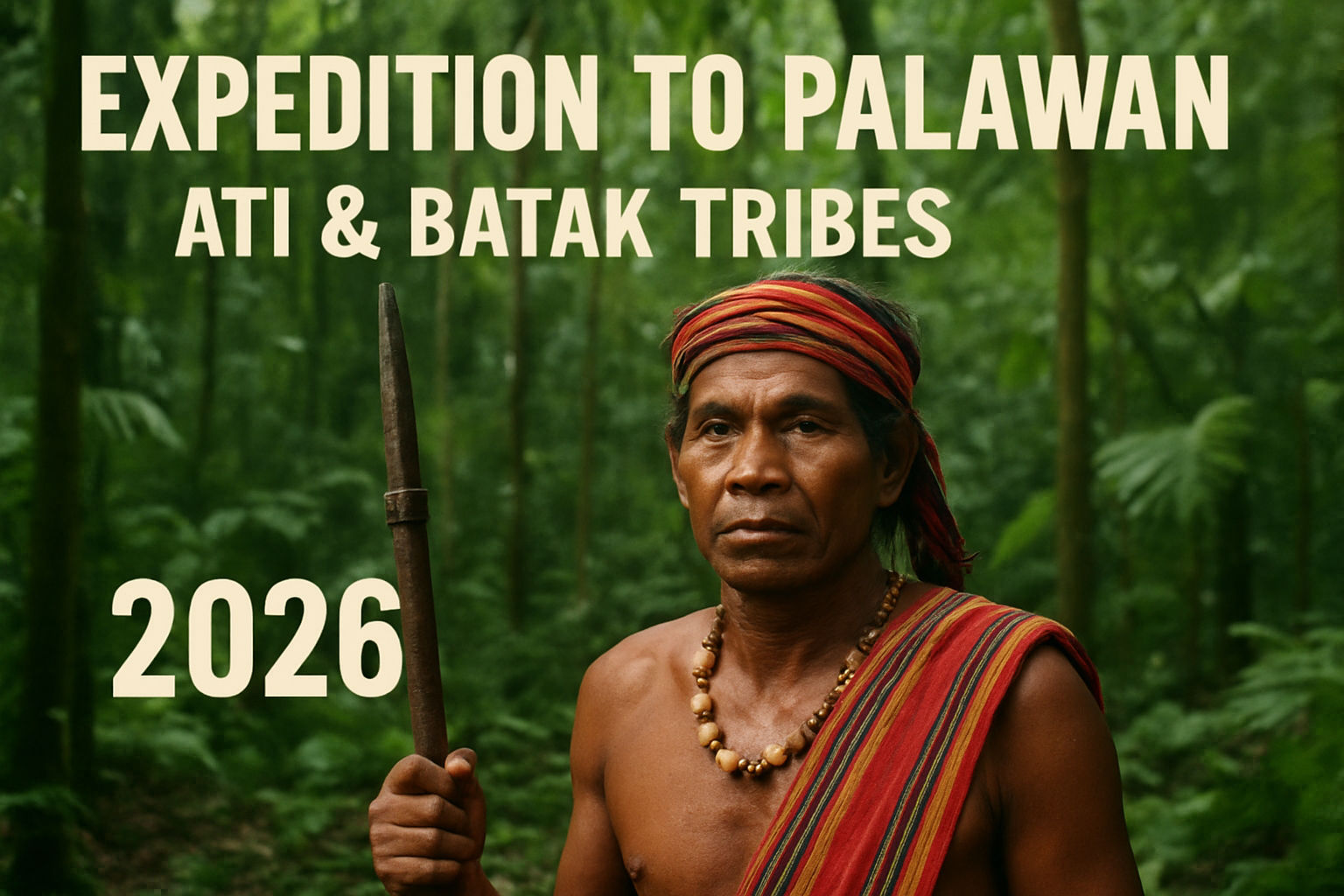
    Expedition to Palawan: Ati & Batak Tribes 2026
    Cultural Tour/Expedition
    $3590 - $3990

    Expedition to Palawan: Ati & Batak Tribes 2026

    Deep within the emerald forests of Palawan and across the shores of Boracay, ancient cultures thrive. From January 11-19, 2026, Mzungu Expeditions invites adventurous travelers to embark on a transformative 9-day journey that bridges modern life with traditions stretching back thousands of years. This carefully curated expedition combines intimate encounters with the Batak tribe in Palawan's northern jungles and the Ati people of Boracay and Panay with participation in the legendary Ati-Atihan Festival, known as the "mother of all Philippine festivals." Far from typical tourist trails, this immersive experience offers respectful cultural exchange, UNESCO World Heritage natural wonders, and the rare privilege of learning directly from indigenous communities who serve as living guardians of ancestral knowledge. Whether you're a cultural anthropology enthusiast, responsible traveler, or simply seeking authentic connections beyond resort beaches, this expedition delivers profound insights into the Philippines' indigenous heart.

    Confirmed Dates, Duration, and Expedition Logistics

    Schedule Overview

    Travel Dates: January 11-19, 2026 (Sunday to Monday)

    Duration: 9 days / 8 nights

    Group Size: 6 to 12 participants (small group ensures intimate cultural exchanges)

    Starting Point: Puerto Princesa, Palawan

    Ending Point: Manila or Kalibo, depending on flight arrangements​

    Cost and What's Included

    Price per Person (based on double occupancy):

    • 11-12 participants: $3,590 USD
    • Smaller groups: Pricing adjusts based on final participant count​

    Included:

    • All accommodations (4-star hotels and resorts)
    • All meals as specified in itinerary (breakfast, lunch, dinner on most days)
    • All ground transportation in the Philippines
    • Professional English-speaking guide throughout
    • Entry fees to Puerto Princesa Underground River (UNESCO site)
    • Village visits and cultural performances by Batak and Ati tribes
    • Ati-Atihan Festival participation
    • Boat transfers and domestic ferry tickets
    • Token gifts to tribal communities​

    Not Included:

    • International flights to/from Philippines
    • Domestic flight Puerto Princesa to Manila (day 1)
    • Travel insurance (strongly recommended)
    • Personal expenses and tips
    • Alcoholic beverages beyond what's included​

    Day-by-Day Expedition Highlights

    Day 1: January 11, 2026 – Arrival in Puerto Princesa

    Participants arrive independently in Puerto Princesa, Palawan by late afternoon or evening. The expedition officially begins with a welcome dinner at Princesa Garden Island Resort & Spa, where the guide will brief the group on the upcoming journey and cultural protocols for tribal visits.​

    Day 2: January 12, 2026 – Batak Tribe Immersion

    The expedition's first cultural encounter begins with a 1.5-hour trek through lush jungle terrain, crossing multiple rivers to reach a traditional Batak village. This semi-nomadic indigenous group, numbering only about 300-500 individuals, represents one of approximately 70 indigenous communities in the Philippines.​

    Cultural Highlights:

    • Welcome ceremony by community leaders in traditional attire
    • Demonstration of traditional hunting techniques using handmade weapons
    • Performance of ritual dances and sounds used to honor nature spirits
    • Learn about Batak animistic belief system (panyaen malicious spirits and divata benevolent spirits)
    • Observe traditional crafts including weaving and tool-making
    • Direct interaction with tribe members about their semi-sedentary lifestyle​

    The Batak were once fully nomadic but government policies forced settlement into small villages. Despite this, they maintain spiritual forest connections and regularly venture into the jungle for harvests that hold both economic and sacred significance. Their animistic worldview sees spirits residing in all nature, with shamans undergoing spiritual possession to communicate with the divine and heal community members.​

    Day 3: January 13, 2026 – Puerto Princesa Underground River

    The expedition transitions from cultural immersion to natural wonder with a visit to the Puerto Princesa Subterranean River National Park, a UNESCO World Heritage Site and one of the New 7 Wonders of Nature. Travelers journey by boat to the national park entrance, then switch to canoes for a mystical voyage through the 8.2-kilometer underground river system featuring spectacular rock formations, cathedral-like chambers, and unique cave ecosystems.​

    Days 4-6: January 14-16, 2026 – Boracay Island

    The group travels to world-famous Boracay Island, balancing the expedition's cultural focus with opportunities to experience Boracay's legendary white sand beaches, turquoise waters, and vibrant island atmosphere. Accommodations at Savoy Hotel Boracay Newcoast provide comfort while the expedition prepares for upcoming Ati tribe encounters.​

    Day 7: January 17, 2026 – Ati Tribe Village Visit

    On Boracay and neighboring Panay Island, participants meet the Ati people, Negrito descendants who migrated to the Philippines approximately 45,000 years ago during the Paleolithic period. Distinguished by darker skin and round eyes compared to later Malay settlers, the Ati were the original inhabitants of these islands.​

    Village Experience:

    • Welcome performance by Ati children
    • Tour of the 2-hectare walled village housing about 200 Ati people
    • Visit 30 houses plus community facilities (school, clinic, chapel, ceremonial site)
    • Explore the Ati Heritage Center museum showcasing historical artifacts
    • Learn about Ati expertise in herbal medicine and hunting
    • Observe traditional fishing and farming techniques
    • Preparation and context for participating in Ati-Atihan Festival​

    The Ati maintain animistic beliefs with nature spirits guarding water, sky, and mountains. This village visit provides crucial cultural context for understanding the deeper meanings behind the Ati-Atihan Festival the following day.

    Day 8: January 18, 2026 – Ati-Atihan Festival

    The expedition culminates in participating in the Ati-Atihan Festival in Kalibo, Aklan, one of the Philippines' most vibrant and historically significant celebrations. Dating back to 1212 (some sources say 1212, others the 13th century), this festival commemorates two pivotal events: the peaceful land treaty between Malay settlers and indigenous Ati people, and the veneration of Santo Niño (the Child Jesus).​

    Festival Legend:

    When fair-skinned Malay refugees from Borneo arrived on Panay Island in the 13th century, they negotiated with the local Ati tribe to purchase valley land. When the Ati later suffered crop failure, the Malays shared their harvest. In gratitude, the Ati held a celebration with songs and dances. The Malays painted their faces black in honor of their Ati neighbors and joined the festivities, establishing a tradition of cross-cultural unity that continues 800+ years later.​

    Festival Experience:

    • Street dancing in tribal costume
    • Rhythmic drumming and chanting ("Hala Bira! Pwera Pasma!")
    • Face painting and traditional adornment
    • Witness massive parades with competing groups
    • Experience the syncretic blend of indigenous and Catholic traditions
    • Immerse in the most colorful, rhythm-filled celebration in Philippine culture​

    Day 9: January 19, 2026 – Departure

    The expedition concludes with transfers to Manila or Kalibo for international flights home, carrying memories and cultural insights that transcend typical tourism.​

    The Batak People: Guardians of Palawan's Forests

    The Batak tribe represents one of the Philippines' most endangered indigenous groups, with population estimates ranging from 300 to 500 individuals concentrated in northern and central Palawan. Descended from early human migrations from mainland Asia thousands of years ago, the Batak have inhabited Palawan's forests since time immemorial.​

    Traditional Lifestyle:

    • Semi-sedentary existence balancing village life with forest forays
    • Subsistence through cultivation, gathering, hunting, and fishing
    • Animistic spiritual beliefs with shamans serving as intermediaries with spirit world
    • Traditional crafts including basket weaving, hunting tool creation
    • Deep knowledge of forest ecology and herbal medicine​

    Contemporary Challenges:

    Government resettlement policies transformed the Batak from fully nomadic to village-dwelling, though they maintain strong forest connections. While gaining access to education and healthcare, the Batak face threats to traditional culture from modernization, land encroachment, and declining population numbers. This expedition provides direct financial support to the community while fostering cross-cultural understanding.​

    The Ati People: First Inhabitants of the Visayas

    The Ati (also called Aeta or Ayta) belong to Negrito ethnic groups, among the oldest continuous populations in the Philippines with genetic links to the first humans to inhabit Southeast Asia 45,000+ years ago. On Boracay and Panay, the Ati were the original inhabitants before Austronesian-speaking peoples arrived approximately 5,000 years ago.​

    Cultural Identity:

    • Distinctive physical features (darker skin, tightly curled hair, shorter stature)
    • Animistic religion with nature spirit veneration
    • Traditional semi-nomadic hunter-gatherer lifestyle
    • Expertise in herbal medicine and forest knowledge
    • Complex relationship with land rights and modernization​

    The 2-hectare Ati village on Boracay represents efforts to preserve cultural identity while adapting to contemporary pressures, providing education and healthcare while maintaining traditional beliefs and practices.

    Responsible Tourism and Cultural Protocols

    Before the Expedition

    • Research Batak and Ati cultures to approach encounters with informed respect
    • Prepare appropriate clothing (modest, suitable for jungle trekking)
    • Ensure travel insurance covers adventure activities
    • Book international flights with flexible policies
    • Obtain any required vaccinations and medications​

    During Tribal Visits

    • Always ask permission before photographing people or sacred sites
    • Follow guide's instructions regarding gift-giving and cultural protocols
    • Engage with genuine curiosity and humility, not as spectators
    • Support local crafts by purchasing directly from artisans
    • Respect that not all aspects of culture are for outsider viewing​

    Environmental Responsibility

    • Leave no trace in pristine forest environments
    • Use reef-safe sunscreen in marine areas
    • Minimize single-use plastics
    • Support local conservation initiatives
    • Respect wildlife and natural habitats​

    Practical Travel Information

    Getting to Puerto Princesa

    International Connections:

    • Fly into Manila (Ninoy Aquino International Airport)
    • Domestic connection Manila to Puerto Princesa (approximately 1.5 hours)
    • Arrival January 11 or early January 12 works for expedition start​

    Physical Requirements

    • Moderate fitness level required for 1.5-hour jungle trek to Batak village
    • Ability to cross rivers and hike uneven terrain
    • Comfort with rustic conditions during village visits
    • Willingness to participate in festival activities​

    What to Pack

    • Lightweight, quick-dry clothing for trekking
    • Water shoes or sandals for river crossings
    • Rain jacket and sun protection
    • Insect repellent and basic first aid
    • Camera with extra batteries
    • Respectful clothing for cultural ceremonies
    • Small gifts for tribal communities (coordinate with organizer)​

    Call to Action: Journey Beyond Tourism

    The Expedition to Palawan: Ati & Batak Tribes 2026 offers more than a vacation. It delivers transformation through authentic cultural exchange, rare access to indigenous communities, and participation in living traditions that connect us to humanity's deepest roots. From January 11-19, join a small group of conscious travelers on a journey that honors ancestral wisdom while supporting communities fighting to preserve their heritage.

    Spaces are limited to 6-12 participants to ensure meaningful interactions and minimize cultural impact. Register now through Mzungu Expeditions to secure your place on this extraordinary expedition. When you trek through Palawan's forests to meet Batak elders, when Ati children welcome you with songs, when you paint your face and dance at Ati-Atihan Festival, you'll understand that the greatest journeys aren't measured in miles but in connections forged across cultures and time.

    The tribes are waiting. The festival drums are calling. Your expedition begins now.

    Verified Information at a Glance

    Event Category: Cultural immersion expedition and indigenous tribe experience

    Official Name: Expedition to the Philippines 2026: Palawan Island, the Ati and Batak Tribes​

    Dates: January 11-19, 2026 (Sunday to Monday)​

    Duration: 9 days / 8 nights​

    Organizer: Mzungu Expeditions​

    Group Size: 6-12 participants (small group format)​

    Cost: $3,590 USD per person (based on 11-12 participants, double occupancy)​

    Primary Locations:

    • Puerto Princesa, Palawan (Days 1-3)
    • Boracay Island (Days 4-7)
    • Kalibo/Aklan, Panay (Day 8)

    Key Experiences:

    • Batak Tribe village visit (Day 2, January 12)
    • Puerto Princesa Underground River UNESCO site (Day 3, January 13)
    • Ati Tribe village experience (Day 7, January 17)
    • Ati-Atihan Festival participation (Day 8, January 18)​

    Accommodations:

    • Princesa Garden Island Resort & Spa 4* (Palawan)
    • Savoy Hotel Boracay Newcoast 4* (Boracay)​

    Included: All meals (most days), accommodations, ground transportation, professional guide, tribal visit fees, UNESCO entry, festival participation​

    Physical Requirements: Moderate fitness for 1.5-hour jungle trek crossing rivers​

    Starting Point: Puerto Princesa, Palawan (arrive Jan 11 or early Jan 12)​

    All dates, pricing, itinerary details, and cultural program information confirmed through official Mzungu Expeditions expedition page.​

    Puerto Princesa, El Nido, various tribal areas, Palawan
    Jan 11, 2026 - Jan 19, 2026
    Ati-Atihan sa Palawan 2026
    Cultural, Religious
    Free

    Ati-Atihan sa Palawan 2026

    The Ati-Atihan sa Palawan represents a unique cultural celebration that brings the vibrant spirit of the Philippines' oldest festival to the pristine islands of Palawan, offering visitors an extraordinary blend of indigenous heritage and tropical paradise. While the traditional Ati-Atihan Festival originates in Kalibo, Aklan, Palawan hosts its own distinctive versions of this celebration, particularly in Cuyo and other municipalities, where participants blacken their skin and dance with complete abandon to honor the indigenous Ati people and celebrate the Santo Niño. This remarkable festival experience in 2026 will showcase Palawan's commitment to preserving indigenous culture while providing visitors with authentic Filipino cultural immersion in one of the world's most beautiful destinations.

    Historical Origins and Cultural Significance

    The Ati People's Legacy

    The Ati-Atihan festival honors the indigenous Ati people, a Negrito ethnic group believed to have arrived in the Philippines from Borneo 20,000 to 30,000 years ago, making them among the earliest inhabitants of the archipelago. These indigenous peoples originally inhabited Panay Island but their cultural influence spread throughout the Philippines, including Palawan, where similar indigenous communities have maintained their ancestral traditions. The festival's name "Ati-Atihan" literally means "to imitate the Ati people," reflecting the deep respect and recognition given to these original Filipinos.

    The celebration commemorates the historic treaty between Spanish colonizers and indigenous tribes, as well as the veneration of Santo Niño (the Child Jesus), creating a unique syncretic festival that blends pre-Christian animistic practices with Catholic religious traditions. This cultural fusion reflects the complex history of the Philippines, where indigenous beliefs adapted to incorporate Christian elements while maintaining their essential spiritual practices.

    Palawan's Indigenous Connection

    Palawan's version of Ati-Atihan connects directly to the province's rich indigenous heritage, including the Tagbanua, Batak, and Palaw'an peoples who share similar cultural roots with the Ati people. The festival serves as a celebration of indigenous resilience and cultural preservation, highlighting how these communities have maintained their traditions while adapting to modern influences. This celebration becomes particularly meaningful in Palawan, where indigenous communities continue to play vital roles in environmental conservation and cultural preservation.

    Cuyo's Spectacular Ati-Atihan Celebration

    Traditional Dance and Rituals

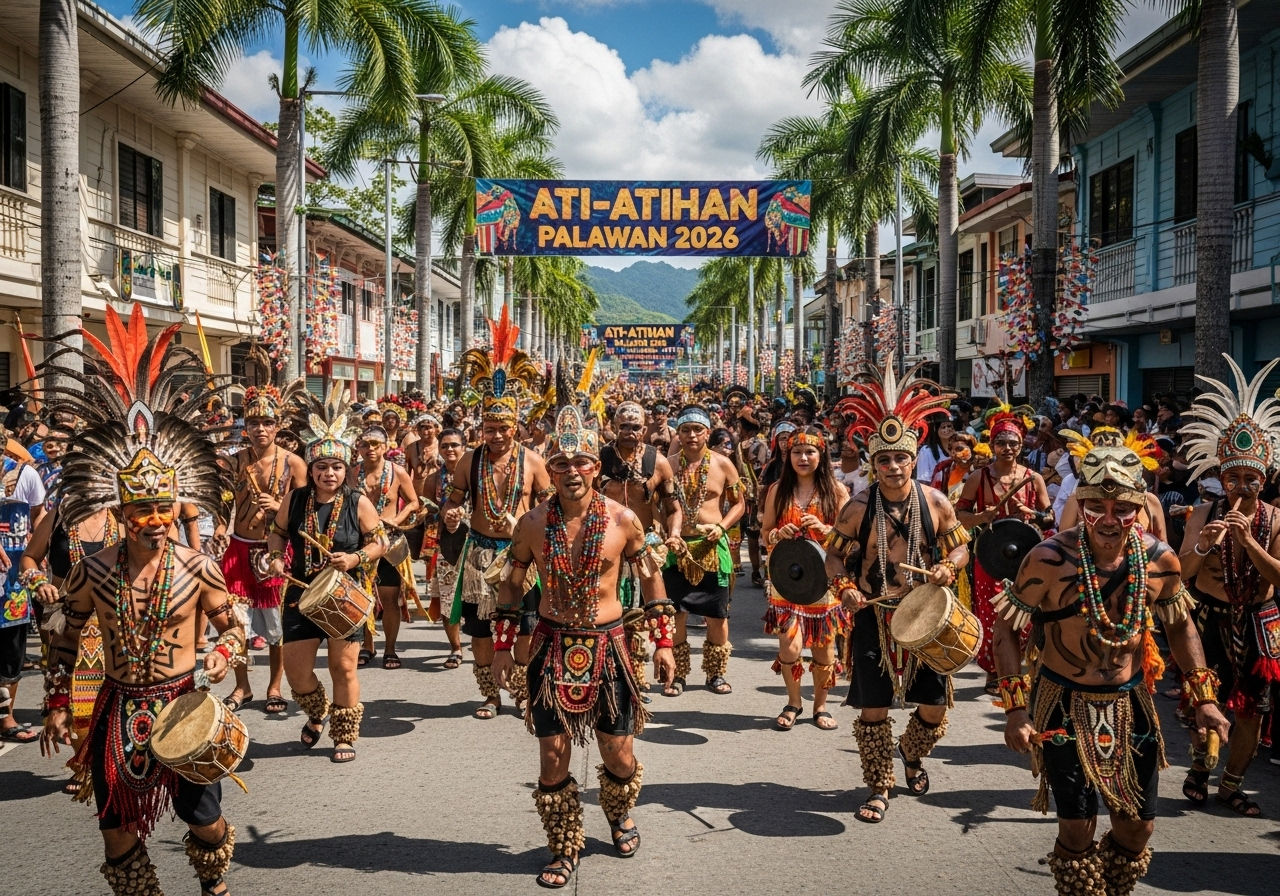
    The Cuyo Fiesta, held annually in August, features Palawan's most spectacular Ati-Atihan celebration, where participants blacken their skin and dance with complete abandon to the rhythmic beat of traditional drums. The festival transforms this small island town into a vibrant cultural showcase where participants cover their faces with soot and paint them with anyel (indigo) before donning colorful headgear made of coconut fiber and chicken feathers.

    The traditional costumes are masterpieces of indigenous artistry, adorned with coconut leaves, native bead necklaces, and authentic accessories that reflect centuries-old crafting traditions. Men carry spears and bow and arrows while women carry woven baskets, creating a visual representation of traditional gender roles and community structure. The dance itself consists of participants lined up on opposite sides of the street, performing lively combinations of hops, jumps, and sways while chanting traditional songs that have been passed down through generations.

    Street Performances and Community Participation

    The Cuyo Ati-Atihan features colorful parades, dance performances, musical shows, and dramatic re-enactments of San Agustin's historical confrontation with native peoples, providing educational entertainment that brings Philippine history to life. The festival maintains authentic elements including a dancing clown who chases women participants, causing joyful shrieks and laughter until coins are thrown as traditional payment for entertainment.

    This community-centered celebration encourages both locals and visitors to participate actively in the festivities, breaking down barriers between performers and audience members. The inclusive nature of the celebration reflects Filipino hospitality and the communal spirit that characterizes indigenous cultures throughout Palawan.

    Coron's Ati-Atihan Experience

    Expanded Festival Reach

    While Ati-Atihan traditionally associates with Kalibo, Aklan, the festival has expanded its reach throughout the Philippines, with Coron hosting its own version of this vibrant celebration. Coron's Ati-Atihan takes place in January, infusing the island paradise with contagious enthusiasm for life through lively street parades, traditional dances, and colorful costumes.

    Participants in Coron paint their bodies in black soot, imitating the indigenous Ati people while engaging in joyful revelry that combines religious devotion with cultural celebration. The festival's dynamic energy transforms Coron into a cultural hub where visitors can experience authentic Filipino traditions while enjoying the stunning natural beauty of the island.

    Integration with Local Culture

    Coron's Ati-Atihan celebration integrates seamlessly with the island's existing cultural framework, particularly connecting with the indigenous Tagbanua people who are the original inhabitants of the area. This connection creates authentic cultural exchanges where visitors can learn about multiple indigenous traditions while participating in festivities that celebrate shared Filipino heritage.

    The festival provides opportunities for cultural education, allowing participants to understand the historical significance of indigenous peoples in Philippine society while enjoying contemporary celebrations that keep these traditions alive. This educational aspect makes Coron's Ati-Atihan particularly valuable for international visitors seeking meaningful cultural experiences.

    2026 Festival Expedition Experiences

    Mzungu Expeditions Cultural Tour

    A specialized cultural expedition company offers comprehensive Ati-Atihan experiences for 2026, featuring an 9-day/8-night journey from January 11-19, 2026, that combines Palawan exploration with authentic festival participation. This expedition includes visits to the Ati and Batak tribes, providing intimate cultural encounters that prepare participants for the festival experience.

    The expedition package, priced from $3,590-$4,090 per person depending on group size, includes accommodation at premium resorts such as Princesa Garden Island Resort and Spa in Puerto Princesa and extends to El Nido for comprehensive Palawan exploration. Participants visit the Ati Heritage Center to learn about tribal historical milestones while observing traditional fishing and farming techniques that have been preserved for generations.

    Educational and Cultural Immersion

    The expedition emphasizes educational components, including visits to heritage centers that serve as chapels, schools, and museums showcasing Ati historical artifacts. Participants learn directly from tribal members about the festival's significance, understanding how the celebration commemorates both the historical treaty between tribes and Spanish colonizers and the veneration of Santo Niño.

    This immersive approach provides context that enhances festival participation, allowing visitors to appreciate the deeper spiritual and cultural meanings behind the colorful celebrations. The expedition includes traditional activities such as underground river exploration, island hopping, and cultural workshops that create comprehensive Philippine cultural experiences.

    Festival Activities and Celebrations

    Traditional Music and Dance

    Palawan's Ati-Atihan celebrations feature traditional Filipino music performed with indigenous instruments, creating authentic soundscapes that transport participants to pre-colonial times. The rhythmic drumbeats serve as the heartbeat of the festival, providing the steady tempo that guides traditional dance movements and community singing.

    Dance performances showcase various regional styles that have evolved over centuries, with each community adding its own cultural elements while maintaining core traditional movements. These performances serve as living museums, preserving ancient choreography and musical traditions that might otherwise be lost to modernization.

    Religious and Spiritual Elements

    The festival maintains strong connections to Catholic traditions through the veneration of Santo Niño, with religious processions and masses forming integral parts of the celebration. These religious elements reflect the syncretic nature of Philippine culture, where indigenous spiritual practices merged with Catholic Christianity to create unique hybrid traditions.

    Prayer services and blessing ceremonies provide spiritual depth to the festivities, allowing participants to experience both the joyful celebration and the serious religious devotion that characterize Filipino cultural practices. These elements make the festival meaningful for both cultural tourists and religious pilgrims.

    Practical Information for 2026 Visitors

    Festival Timing and Schedules

    The 2026 Ati-Atihan celebrations in Palawan will follow traditional Filipino festival calendars, with Cuyo's celebration taking place in August and Coron's version occurring in January. The main Ati-Atihan Festival in Kalibo, which many Palawan tour packages connect with, takes place on the third Sunday of January (January 18, 2026).

    Visitors planning to experience multiple Ati-Atihan celebrations can design itineraries that include both Palawan's local versions and the main Kalibo festival, creating comprehensive cultural experiences that span several months. The expedition packages typically include coordination between different festival locations.

    Transportation and Accessibility

    Cuyo Island requires special transportation arrangements due to its remote location, typically accessed through chartered boats or special tour arrangements from Puerto Princesa. Coron provides easier access through regular flights and ferry services, making it more accessible for independent travelers.

    The comprehensive expedition packages include all transportation between destinations, eliminating logistical challenges for international visitors. For independent travelers, advance planning is essential to coordinate transportation schedules with festival dates.

    Accommodation and Booking

    Festival periods require advance accommodation booking, particularly for remote locations like Cuyo where accommodation options are limited. Coron offers more diverse accommodation choices, from budget hostels to luxury resorts that can accommodate different traveler preferences.

    The organized expedition includes premium accommodation with packages designed to provide comfort while maintaining authentic cultural experiences. Early booking discounts of 10% are available for reservations made before August 11, 2025.

    Cultural Sensitivity and Participation Guidelines

    Respectful Engagement

    Visitors participating in Palawan's Ati-Atihan celebrations should approach the festivities with respect for indigenous cultures and religious traditions. The festival represents sacred cultural practices that have deep spiritual significance for indigenous communities.

    Appropriate participation includes learning about the historical context, following local customs regarding costume and face painting, and showing respect during religious ceremonies. Photography should be conducted with permission, particularly during spiritual or ceremonial moments.

    Environmental Consciousness

    Palawan's Ati-Atihan celebrations increasingly incorporate environmental awareness, reflecting the province's commitment to UNESCO World Heritage site preservation. Participants are encouraged to follow sustainable tourism practices that protect the natural environments where festivities take place.

    The festivals often include educational components about environmental conservation, connecting indigenous cultural preservation with ecological protection. This approach helps visitors understand the interconnected relationship between cultural traditions and environmental stewardship.

    Festival Impact and Community Benefits

    Cultural Preservation

    Palawan's Ati-Atihan celebrations serve crucial roles in preserving indigenous cultures and passing traditions to younger generations. These festivals provide platforms for cultural education, ensuring that traditional practices remain vibrant and relevant in contemporary society.

    The celebrations create economic opportunities for indigenous communities while maintaining cultural authenticity, providing sustainable models for cultural tourism. Local artisans benefit from increased demand for traditional crafts, costumes, and cultural products.

    Tourism and Economic Development

    The festivals attract both domestic and international visitors, contributing to Palawan's tourism economy while promoting cultural awareness. These celebrations position Palawan as a destination for meaningful cultural experiences beyond its famous natural attractions.

    The economic benefits support community development while encouraging cultural preservation, creating positive cycles where tradition preservation becomes economically viable. This model demonstrates how cultural tourism can support both indigenous communities and visitor experiences.

    Join the vibrant celebration of indigenous Filipino culture in 2026 by experiencing Palawan's unique Ati-Atihan festivals, where ancient traditions come alive against the backdrop of pristine tropical paradise. Whether participating in Cuyo's authentic August celebration with traditional soot-painting and coconut fiber costumes, joining Coron's energetic January festivities, or embarking on comprehensive cultural expeditions that combine multiple indigenous experiences, Palawan offers unprecedented opportunities to connect with the living heritage of the Philippines' first peoples. Book your cultural adventure now to witness these extraordinary celebrations where every drumbeat echoes centuries of tradition, every dance movement tells ancestral stories, and every painted face honors the resilient spirit of indigenous Filipino culture in one of the world's most breathtaking destinations.

    Verified Information at Glance

    Event Name: Ati-Atihan sa Palawan 2026

    Main Locations: Cuyo (August), Coron (January), Cultural Expeditions

    Cuyo Festival: August 2026, traditional Ati-Atihan with soot painting and dancing

    Coron Celebration: January 2026, vibrant street parades and cultural performances

    Cultural Expedition: January 11-19, 2026, comprehensive 9-day experience

    Expedition Cost: $3,590-$4,090 per person (group size dependent)

    Traditional Elements: Black soot face painting, coconut fiber costumes, drum music

    Cultural Significance: Honors indigenous Ati people and Santo Niño traditions

    Religious Aspects: Catholic masses, processions, Santo Niño veneration

    Indigenous Connection: Celebrates Tagbanua, Batak, Palaw'an, and Ati heritage

    Booking: Early bird discount 10% before August 11, 2025

    Access: Puerto Princesa gateway, special transport to remote locations

    Various municipalities, Palawan
    Jan 11, 2026 - Jan 19, 2026
    New Year's Beach Countdown 2026
    Holiday, Celebration
    Free

    New Year's Beach Countdown 2026

    Palawan stands ready to host extraordinary New Year's Beach Countdown celebrations for 2026, offering world-class tropical experiences across its pristine archipelago destinations. From Puerto Princesa's spectacular "Bagong Taon Bagong Buhay Sa Baybay" festivities at Balayong People's Park to El Nido's TownSquare fireworks festivals and exclusive luxury resort celebrations on private islands, Palawan delivers unmatched diversity for welcoming 2026 in paradise. This magnificent province combines stunning limestone karst landscapes, crystal-clear lagoons, world-class beach resorts, and authentic Filipino hospitality to create New Year experiences that range from intimate beachside gatherings to spectacular fireworks displays over pristine tropical waters.

    Puerto Princesa's Grand New Year Celebration

    Bagong Taon Bagong Buhay Sa Baybay Festival

    Puerto Princesa, Palawan's capital city, hosts the province's largest New Year celebration with the annual "Bagong Taon Bagong Buhay Sa Baybay" (New Year New Life by the Bay) festival at the scenic Balayong People's Park. This spectacular event features comprehensive entertainment including fireworks displays, film screenings, sing-along contests, trivia competitions, and cultural presentations that showcase Filipino New Year traditions. The celebration transforms the waterfront park into a vibrant community gathering where locals and visitors unite to welcome 2026 with traditional Filipino customs and modern entertainment.

    The festival typically begins in the early evening with family-friendly activities and builds toward midnight fireworks that illuminate Puerto Princesa Bay. The event serves as the centerpiece of Palawan's New Year celebrations, drawing visitors from across the province and international tourists seeking authentic Filipino cultural experiences. The celebration emphasizes community unity and environmental consciousness, reflecting Puerto Princesa's status as a UNESCO World Heritage city.

    Luxury Hotel New Year Packages

    Puerto Princesa's premium hospitality establishments traditionally offer comprehensive New Year's Eve packages for 2026, following successful patterns established in previous years. Astoria Palawan leads with all-inclusive experiences featuring gourmet dinner buffets, live entertainment including bands and fire dancers, party favors, and private fireworks displays. Their beachfront location provides perfect settings for elegant countdown celebrations with panoramic ocean views.

    Princesa Garden Island Resort and Spa offers unique floating villa experiences with luxury accommodations, spa treatments, and exclusive dining options. The resort's floating villas provide intimate settings for New Year celebrations while maintaining easy access to Puerto Princesa's cultural attractions and the famous Underground River. These venues typically feature professional entertainment, gourmet cuisine showcasing both international and Filipino specialties, and carefully choreographed midnight celebrations.

    El Nido's Spectacular Beach Countdown

    TownSquare Official Fireworks Festival

    El Nido presents its signature New Year's Eve Fireworks Festival at TownSquare, featuring top DJs, spectacular fireworks displays visible across Bacuit Bay, and diverse entertainment options that capitalize on the destination's dramatic limestone cliff backdrop. This official celebration combines professional event production with El Nido's natural amphitheater setting, where towering karst formations create stunning acoustics and visual effects for fireworks displays.

    The festival attracts international visitors seeking Instagram-worthy New Year experiences, with the dramatic limestone cliffs and pristine lagoons providing unparalleled natural scenery. Professional DJs provide soundtracks that complement the tropical setting while fireworks reflect off the calm waters of Bacuit Bay, creating magical visual experiences that define luxury tropical celebrations.

    Luxury Resort Celebrations

    El Nido Resorts on Miniloc and Lagen Islands offer exclusive New Year experiences in eco-luxury settings surrounded by pristine lagoons and protected marine environments. These resorts provide intimate celebrations for guests staying in overwater cottages and forest rooms, with private beach access and personalized service. Activities include guided kayaking through hidden lagoons, snorkeling in coral gardens, and sunset sailing that builds toward midnight celebrations.

    Seda Lio Resort presents upscale New Year festivities with "vibrant beats, captivating music, and stunning fireworks displays" that showcase the resort's commitment to luxury hospitality. The resort's location within the Lio Tourism Estate provides controlled environments for sophisticated celebrations while maintaining access to El Nido's natural attractions. These venues typically offer multi-day packages that combine New Year celebrations with adventure activities and spa treatments.

    Las Cabanas and Nacpan Beach Celebrations

    Las Cabanas Beach and the nearby Nacpan Beach area provide more relaxed alternatives for New Year celebrations, with beachfront bars and restaurants offering countdown festivities in natural settings. These locations appeal to travelers seeking authentic beach experiences without formal resort structures, providing opportunities to celebrate alongside both locals and international backpackers.

    The wide, pristine beaches allow for bonfire gatherings, informal fireworks displays, and beach parties that continue throughout the night. Many visitors choose to combine hotel accommodations in El Nido town with beach celebrations at these more remote locations, accessing them by tricycle or motorbike for authentic island experiences.

    Coron's Intimate Island Celebrations

    Traditional Town Square Festivities

    Coron offers intimate New Year celebrations in its compact town square, where visitors can experience authentic Filipino traditions alongside local families. The celebrations typically include community fireworks displays, local music performances, traditional Filipino games, and genuine cultural immersion opportunities that provide insights into provincial Philippine life.

    The town's small scale allows visitors to easily participate in multiple celebration venues throughout the evening, from local bars offering karaoke competitions to family gatherings where international visitors are welcomed as honored guests. This authentic approach appeals to travelers seeking cultural connections beyond typical tourist experiences.

    Premium Resort Experiences

    Two Seasons Coron Island Resort & Spa on Bulalacao Island provides luxury New Year celebrations in pristine marine environments. The resort's overwater villas offer direct access to world-class diving and snorkeling sites, allowing guests to celebrate 2026 surrounded by vibrant coral gardens and tropical marine life. The secluded island location ensures privacy while providing stunning natural settings for midnight festivities.

    Club Paradise Palawan on Dimakya Island specializes in romantic New Year experiences for couples, featuring sunset cruises, beachside dining, and intimate fireworks displays designed for honeymooners and anniversary celebrations. The resort's location within protected marine environments provides access to exceptional diving while maintaining exclusivity for special occasion celebrations.

    Ultra-Luxury Private Island Experiences

    Amanpulo Resort Exclusive Celebrations

    Amanpulo Resort on private Pamalican Island represents the pinnacle of luxury New Year celebrations in Palawan, offering exclusive experiences for discerning travelers seeking ultimate privacy and world-class service. The resort's private island location ensures complete exclusivity while providing access to pristine beaches, world-class spa facilities, and personalized celebrations tailored to individual preferences.

    Amanpulo's New Year packages typically include private villa accommodations, personalized dining experiences, exclusive beach access, spa treatments, and carefully choreographed celebrations that can include private fireworks displays or intimate beachside gatherings. The resort's commitment to sustainability and environmental stewardship ensures that celebrations maintain harmony with the pristine natural environment.

    The resort's location in the Cuyo Archipelago provides access to multiple uninhabited islands for private excursions and exclusive beach experiences that can be incorporated into extended New Year celebrations. Guests can enjoy activities ranging from sailing and diving to cultural excursions while maintaining the privacy and luxury service that defines Amanpulo experiences.

    Adventure and Wellness New Year Experiences

    Kite Retreats and Active Celebrations

    Specialized adventure operators offer unique New Year experiences combining celebration with active pursuits, such as the "2026 Kite Palawan Retreat" that provides 7-night stays beginning in January 2026. These experiences combine kiteboarding instruction, yoga practices, professional coaching, and community building with New Year celebrations that appeal to active travelers.

    The retreat format includes airport transportation, comprehensive meals prepared by local chefs, kiteboarding equipment and instruction, daily yoga sessions, and "Wonder Within Workshops" that provide holistic approaches to celebrating new beginnings. Professional photography and videography services capture both the celebration and adventure experiences.

    Eco-Tourism and Conservation Celebrations

    Many Palawan New Year experiences incorporate environmental consciousness and conservation awareness, reflecting the province's UNESCO World Heritage status and commitment to sustainable tourism. Beach resort celebrations often include coral reef conservation programs, mangrove reforestation activities, and educational components about marine ecosystem protection.

    Eco-luxury resorts like those in the El Nido Resorts group combine New Year festivities with environmental stewardship programs, allowing guests to participate in meaningful conservation activities while enjoying world-class hospitality. These experiences appeal to travelers seeking purposeful celebration that contributes positively to destination preservation.

    Cultural Immersion and Local Traditions

    Filipino New Year Customs

    Palawan New Year celebrations incorporate authentic Filipino traditions that add cultural depth to beach countdown experiences. These customs include making loud noises at midnight through fireworks, firecrackers, and shouting to chase away evil spirits and attract good fortune for 2026. Traditional Filipino foods feature prominently, including round fruits symbolizing prosperity, sticky rice treats representing family unity, and fresh seafood celebrating Palawan's maritime abundance.

    Local families often welcome international visitors to join their celebrations, sharing beliefs such as wearing polka dots for luck, jumping at midnight for growth, keeping doors and windows open to invite good fortune, and displaying colorful decorations to ensure a bright year ahead. These authentic interactions provide meaningful cultural exchanges that enhance the celebration experience.

    Indigenous Cultural Elements

    Palawan's New Year celebrations often incorporate elements from the province's indigenous communities, including the Tagbanua, Batak, and Palaw'an peoples. Traditional music, dances, and handicrafts feature in many celebration programs, providing visitors with authentic insights into Palawan's rich cultural heritage. These elements reflect the province's commitment to preserving indigenous cultures while sharing them respectfully with visitors.

    Practical Planning for New Year 2026

    Transportation and Logistics

    Puerto Princesa International Airport serves as the primary gateway for New Year visitors, with increased flight schedules typically available during the holiday period. Transportation between Puerto Princesa and El Nido requires approximately 4-5 hours by land via shared transfers, private vans, or bus services that should be booked well in advance during peak season.

    Inter-island transportation to resort locations requires coordination with individual properties, as many luxury resorts provide dedicated boat transfers or seaplane services for their guests. Planning transportation well in advance is essential, as holiday periods see increased demand for all forms of transportation throughout Palawan.

    Accommodation Booking Strategy

    New Year 2026 accommodation booking should begin at least 6-12 months in advance, particularly for luxury resorts and premium locations in El Nido and Coron. Many resorts offer early booking incentives and package deals that include New Year celebrations, spa treatments, and adventure activities.

    Budget-conscious travelers should consider Puerto Princesa as a base for New Year celebrations, with day trips to other locations providing access to diverse experiences while maintaining more affordable accommodation costs. Mid-range options in El Nido town provide good value while offering access to both organized celebrations and independent beach experiences.

    Weather and Seasonal Considerations

    December-January represents Palawan's optimal dry season with comfortable temperatures averaging 24-30°C (75-86°F) and minimal rainfall. This period provides ideal conditions for beach celebrations, outdoor dining, and water activities that typically accompany New Year festivities.

    Visitors should pack lightweight, breathable clothing for daytime activities, slightly warmer layers for evening celebrations, waterproof protection for water activities, and appropriate attire for both casual beach celebrations and formal resort events. The dry season ensures reliable weather for fireworks displays and outdoor celebrations.

    Begin planning your ultimate New Year 2026 celebration in Palawan's pristine paradise, where crystal-clear lagoons, dramatic limestone cliffs, and world-class hospitality create unforgettable ways to welcome the new year. Whether choosing intimate beachside gatherings in El Nido, exclusive luxury on private islands, authentic cultural experiences in Puerto Princesa, or adventure-filled celebrations combining kiteboarding and yoga, Palawan offers New Year experiences that will forever change how you think about tropical celebrations. Reserve your piece of paradise now for December 31, 2025, and prepare to welcome 2026 surrounded by some of the most breathtaking natural beauty on Earth, where every sunset promises new adventures and every midnight firework reflects the magic of island life.

    Verified Information at Glance

    Event Name: New Year's Beach Countdown 2026 Palawan

    Main Event: Bagong Taon Bagong Buhay Sa Baybay at Balayong People's Park, Puerto Princesa

    Dates: December 31, 2025 - January 1, 2026

    Key Locations: Puerto Princesa, El Nido, Coron, Private Islands

    El Nido Festival: TownSquare Official Fireworks Festival with top DJs

    Luxury Resorts: Amanpulo (Pamalican Island), El Nido Resorts, Two Seasons Coron

    Main Gateway: Puerto Princesa International Airport

    Weather: Dry season, 24-30°C (75-86°F), minimal rainfall

    Cultural Elements: Filipino New Year traditions, fireworks, community celebrations

    Adventure Options: Kite retreats, eco-tourism, conservation programs

    Booking Advice: Reserve 6-12 months in advance for peak season

    Transportation: 4-5 hours Puerto Princesa to El Nido, resort transfers available

    El Nido, Coron beaches, Palawan
    Dec 31, 2025 - Jan 1, 2026
    Passini Kat Aborlan 2025
    Cultural, Community
    Free

    Passini Kat Aborlan 2025

    Passini Kat Aborlan 2025 brings four days of faith, dance, and community to southern Palawan from September 28 to October 1, honoring Aborlan’s patron, St. Thérèse of the Child Jesus, with a lively blend of parish rites, street parades, cultural shows, agri-trade fairs, pageants, and plaza concerts. Regional festival calendars and compiled national lists align on the dates and character of the celebration, describing it as a socio-cultural fiesta where religious processions meet folk and street dancing in indigenous-inspired costumes, framed by the town’s coastal-agricultural identity. Expect mornings at market stalls, afternoons with choreographed performances, and evenings of music and variety on the municipal stage as Aborlan welcomes residents and travelers to share in its patronal feast.

    Dates, place, and meaning

    • When: September 28 to October 1, 2025, anchoring on the October 1 feast day of St. Thérèse of the Child Jesus, Aborlan’s patron saint. Multiple sources list the same four-day window for Passini Kat Aborlan.
    • Where: Aborlan, Palawan, about an hour’s drive south of Puerto Princesa along the South National Highway, with festivities centered around the parish, municipal plaza, and adjacent streets.
    • What it celebrates: A “socio-cultural celebration of the feast of patron St. Thérèse of the Child Jesus” that combines novena and Mass with community parades, cultural presentations, and fairs that showcase Aborlan’s people and produce.

    What to expect across four days

    • Religious rites and procession: Parish-led novena and a feast day Mass on October 1 set the spiritual heart of the festival, followed by a procession bearing the image of St. Thérèse through decorated streets, echoing the patronal fiesta tradition across the Philippines.
    • Street and folk dancing: Contingents from schools and barangays perform choreographies in colorful, indigenous-inspired attire, a hallmark highlighted in local event calendars that track Palawan’s fiestas.
    • Agri-trade and food fair: Stalls feature farm harvests, cashews, seafood, handwoven crafts, and local delicacies, offering a direct taste of Aborlan’s coastal and agricultural life.
    • Sports, pageants, variety: Basketball or volleyball exhibitions, talent competitions, and a search for festival royalty usually round out daytime schedules, leading into live band nights and cultural medleys on the plaza stage.

    How it fits Palawan’s cultural season

    • September–October arc: Passini Kat Aborlan arrives as municipal fiestas pick up after midyear provincial events, forming part of a wider circuit of town celebrations noted by Palawan festival guides for travelers building autumn itineraries.
    • Cultural mosaic: Aborlan’s annual rhythm also includes indigenous-focused festivals such as the Tarek festival (Tagbanua and Batak traditions). Passini Kat sits alongside these celebrations, reflecting the town’s blend of indigenous heritage and Catholic devotion across the year.

    Planning the visit

    • Getting there: From Puerto Princesa, ride a southbound bus or van toward Aborlan and southern municipalities; travel time is roughly one hour, traffic permitting. Day trips are feasible, though fiesta nights run late.
    • Where to stay: Base in Puerto Princesa for a wider range of hotels and return by van, or book a local guesthouse to enjoy evening programs without a late drive. Palawan event overviews suggest combining a fiesta day with nearby beach or farm visits.
    • Daily flow: Mornings are relaxed for browsing fairs and markets; parades and cultural showcases peak mid- to late afternoon; patronal rites and grand concerts cluster around September 30 and the October 1 feast day.

    Food, crafts, and what to try

    • Cashews and kakanin: Palawan cashews, rice cakes, and seafood snacks are staples at fiesta stalls; look for local pancit, grilled skewers, and halo-halo as the day warms.
    • Handiwork: Woven bags and baskets, woodcraft, and shell craft made by local artisans appear at agri-trade and craft booths, often at prices friendlier than city shops.
    • Coastal treats: Depending on the catch, basic seafood grills and soups pop up around the plaza or at eateries just off the main roads.

    Respectful participation

    • Procession etiquette: When the santo and parish banners pass, step aside and avoid blocking the route; join in singing or prayers if comfortable, or observe quietly.
    • Photo sense: Performers welcome applause and photos after sets; ask consent for close-ups, especially of children and elders in traditional attire.
    • Dress and comfort: Light, modest clothing suits both liturgy and street festivities; bring a hat, sunscreen, and small bills for stalls; keep personal items close in crowded areas.

    Sample two-day fiesta plan

    • Day 1 (Sept 30): Arrive before noon; explore the agri-trade fair and craft stalls; lunch on cashew snacks and barbecue; secure a spot for the afternoon street dancing showcase; enjoy the evening’s cultural variety show and live band.
    • Day 2 (Oct 1): Feast day Mass at St. Thérèse parish; join or observe the post-Mass procession; browse food stalls; watch the pageant or closing concert before heading back to Puerto Princesa.

    Why it’s worth the trip

    • Community at the center: Passini Kat Aborlan is made by and for locals, yet welcoming to visitors—ideal for experiencing Palawan’s town life beyond headline destinations.
    • Vivid visuals: Indigenous-inspired costumes, banners, and choreographies set against palm-lined roads and coastal light make superb photo stories with respectful distance.
    • Easy pairing: Combine Aborlan’s fiesta with routes south toward Narra or Quezon, or return to Puerto Princesa for Underground River and Honda Bay excursions after the feast day.

    Verified details at a glance

    • Event: Passini Kat Aborlan, Aborlan, Palawan.
    • Dates: September 28 to October 1, 2025 (aligned with St. Thérèse’s Oct 1 patronal feast).
    • Nature: Socio-cultural patronal fiesta with religious rites, street and folk dancing in indigenous-inspired costumes, agri-trade and food fairs, sports, pageants, and night concerts.
    • Travel note: About an hour south of Puerto Princesa by road; buses and vans run all day.

    Mark the late-September dates, plan an easy road trip from Puerto Princesa, and step into Aborlan’s patronal celebration. From Mass and procession to dance showcases, food stalls, and music under the stars, Passini Kat Aborlan 2025 invites travelers to share in Palawan’s community spirit—come to cheer, taste, and celebrate alongside the town that keeps this tradition alive.


    Aborlan, Palawan
    Sep 28, 2025 - Oct 1, 2025
    Pangalipay Festival – Feast of San Miguel (El Nido) 2025
    Cultural, Religious Fiesta
    Free

    Pangalipay Festival – Feast of San Miguel (El Nido) 2025

    El Nido’s Pangalipay Festival returns in 2025 as the town’s joyful patronal celebration for the Feast of San Miguel, filling the last week of September with novena rites, street and fluvial processions, cultural shows, parades, sports, and beach‑front concerts that lead into the September 29 feast day. Regional festival overviews describe Pangalipay as El Nido’s signature fiesta, blending religious devotion to Saint Michael the Archangel with community pageantry and coastal traditions, while Palawan festival calendars place the celebration in the final week of September, culminating on San Miguel’s day. Expect mornings with parish activities, afternoons of choreographed street performances and civic parades, and nights of music and variety programs along the bay as residents welcome visitors to share in the town’s biggest annual gathering.

    Dates, place, and meaning

    • When: Final week of September, culminating on San Miguel’s feast day, September 29, 2025. Palawan festival calendars and national festival lists align on the late‑September window for El Nido’s patronal fiesta.
    • Where: El Nido, northern Palawan, with a program that radiates from the parish church and municipal plaza to Rizal Street and the beachfront promenade facing Bacuit Bay.
    • What Pangalipay means: In Filipino/Visayan usage, pangalipay evokes joy or festivity, fitting a patronal celebration that mixes religious rites with community pageantry and coastal life. Festival guides cite Pangalipay Festival as El Nido’s feast of San Miguel, uniting faith and town culture.

    Core traditions and highlights

    • Novena and feast day Mass: The nine‑day novena leads into the September 29 Mass honoring San Miguel, the festival’s spiritual center. Parish and municipal partners coordinate a schedule that balances liturgy with outdoor celebrations.
    • Processions: A town procession bearing Saint Michael’s image follows the feast day Mass along decorated streets; in many coastal fiestas, a companion fluvial procession or boat blessing occurs, and El Nido’s bay provides a picturesque setting when scheduled.
    • Street and cultural dancing: School and barangay contingents stage choreographed dances in colorful, tradition‑inspired costumes. Palawan event overviews note such presentations as hallmarks of municipal fiestas.
    • Parades and shows: Civic parades with floats and cultural medleys roll down main streets, often ending at the plaza with program showcases and awards for contingents and floats.
    • Sports and pageants: Basketball or volleyball exhibitions, fun runs, talent contests, and a search for festival royalty typically appear on Pangalipay schedules, mirroring other Palawan town fiestas.
    • Night concerts by the bay: Variety shows and live bands take over the plaza or beachfront stage, bringing together residents and travelers against Bacuit Bay’s limestone silhouettes.

    How Pangalipay fits Palawan’s fiesta season

    • Late‑September anchor: Pangalipay closes out September’s patronal feasts before early‑October fiestas farther south; provincial festival calendars highlight it for visitors planning a north‑bound route from Puerto Princesa.
    • Cultural mosaic of Palawan: Alongside El Nido’s fiesta are municipal celebrations across the province, from Aborlan’s Passini Kat to Narra’s Palay Festival later in October; together they form a living map of Palawan’s communities and devotions.

    Travel planning for 2025

    • Getting there: Fly to Lio Airport (El Nido) or fly to Puerto Princesa and take a van‑bus 5–6 hours north. During fiesta week, book transport and lodging early as demand spikes.
    • Where to stay: El Nido town proper places guests near the plaza and bayfront programs; Corong‑Corong and Caalan offer quieter stays within walking or tricycle distance of events. Book early for Sept 27–30 nights.
    • Moving around: Narrow streets fill during parades; walk or use tricycles outside program hours. Allow buffers around Mass, procession times, and evening shows when crowd density rises.

    What to eat, drink, and buy

    • Fiesta staples: Expect grilled skewers, pancit, lumpia, kakanin (rice cakes), and halo‑halo at pop‑up stalls near the plaza. Seafood stalls serve fresh catch and quick plates reflecting El Nido’s coastal pantry.
    • Island treats: Cashews from northern Palawan, dried seafood, and coconut‑based sweets often appear at fiesta booths; look for small producers who travel in for festival days.
    • Crafts: Woven bags and baskets, shell and woodcraft souvenirs, and small artworks make good mementos; buy directly from local makers when possible.

    Respectful ways to take part

    • During religious segments: Step aside for the santo and banners, keep hats off inside or at church thresholds, and avoid blocking processions for pictures.
    • Photographing culture: Ask permission for close‑ups of performers in traditional dress; share smiles and thanks after sets; avoid flash during night liturgy.
    • Dress and comfort: Light, modest clothing suits both Mass and street events; add a hat, sunscreen, and a foldable fan for midday; carry small bills for booths.

    Build a 3‑day Pangalipay itinerary

    • Day 1 (Sept 27 or 28): Arrive and settle in; late afternoon market stroll and street food; evening variety program at the plaza by the bay.
    • Day 2 (Sept 28 or 29 morning): Parish novena or feast day Mass; post‑Mass town procession; lunch on seafood and pancit; afternoon street dancing and parade; sunset photos on the beachfront; live band night.
    • Day 3 (Sept 30): Island‑hopping before crowds, or inland waterfall visit; return by late afternoon for pageant or closing concert and fireworks if scheduled.

    Pairing fiesta with island‑hopping

    • Island‑hopping etiquette: Avoid scheduling long boat tours during core fiesta hours. Book early morning loops (Tour A or B) and return by early afternoon for parades and shows. Coordinate with operators, as tricycle lines and streets may be closed at program times.
    • Golden‑hour strategy: End island tours at a near‑town beach for a quick turnaround into sunset along Rizal Street or the promenade before evening shows begin.

    Why go in 2025

    • Community at eye level: Pangalipay reveals El Nido’s heart beyond its world‑famous lagoons, with neighbors cooking, dancing, singing, and praying together; visitors are welcomed into the flow.
    • Iconic backdrops: Parades and performances unfold within sight of limestone karsts and boats moored in Bacuit Bay, making every segment exceptionally photogenic when shot thoughtfully.
    • Seasonal timing: Late September brings warmer seas and slightly thinner visitor volumes than peak summer, while fiesta energy fills the town with music and color.

    Practical tips

    • Book ahead: Reserve rooms and transfers well in advance for Sept 27–30; consider flexible rates in case schedule items shift with weather.
    • Hydrate and shade: Midday sun is intense; plan indoor breaks or shaded cafés between program blocks.
    • Cash and connectivity: ATMs can queue; keep small bills ready for markets. Mobile data may slow around the plaza during peak hours.
    • Safety: Follow marshal instructions on parade routes; watch curbs and cables at night; keep valuables secure and carry only essentials into dense crowds.

    Verified details at a glance

    • Event: Pangalipay Festival — Feast of San Miguel (El Nido), Palawan.
    • Dates: Final week of September, culminating on September 29, 2025 (San Miguel feast day).
    • Nature: Patronal fiesta with novena and Mass, processions, street and cultural dancing, civic parades, sports, pageants, beach‑front concerts, and market fairs.
    • Travel: Fly into El Nido or via Puerto Princesa with a 5–6 hour van ride; book lodging near town or Corong‑Corong; walk or tricycle during closures.

    Mark the calendar for the last week of September, secure a room by the bay, and plan mornings on the islands with afternoons and evenings saved for the fiesta. From church bells and parades to dances and concerts under the karsts, Pangalipay Festival 2025 invites everyone to celebrate San Miguel and the spirit of El Nido—come ready to clap, taste, and be part of the town’s most joyful week.


    El Nido, Palawan
    Sep 25, 2025 - Sep 29, 2025

    Photo Gallery

    Palawan gallery 1
    Palawan gallery 2
    Palawan gallery 3
    Palawan gallery 4
    Palawan gallery 5

    Popular Events at Palawan

    Love Affair with Nature Festival

    Love Affair with Nature Festival

    <p>Love Affair with Nature Festival in Palawan is Puerto Princesa’s uniquely island-style Valentine’s Day celebration, where romance meets conservation through community mangrove planting, beach activities, and environmental awareness events. Held every February 14, it’s one of the most meaningful times to visit Puerto Princesa because you get a destination experience that blends coastal beauty with real eco-action.</p><h2>Love Affair with Nature Festival: What It Is</h2><p>Love Affair with Nature is Puerto Princesa City’s expression of love for Mother Nature, celebrated in an extraordinary way on Valentine’s Day. The City Government of Puerto Princesa describes it as a yearly celebration with a romantic theme “with a twist of environmental activity,” featuring a mangrove planting festivity in coastal zones to restore degraded mangrove areas.</p><p>Unlike many Valentine’s events that focus only on dinners and flowers, this festival makes environmental stewardship the main love story. The city’s official description emphasizes that the event heightens awareness of the ecological role of mangroves and other coastal ecosystems in the “vital web of life,” making it both a community celebration and a conservation campaign.</p><h2>When It’s Held in Palawan</h2><p>Love Affair with Nature takes place on <strong>February 14</strong> in Puerto Princesa City. Puerto Princesa’s official tourism calendar lists February 14 specifically and explains that the event lets citizens express their love for Mother Nature by participating in mangrove tree planting activities.</p><p>For travelers, February is a strong month to explore Palawan because you can combine festival day with classic Puerto Princesa experiences before or after, such as city sightseeing, food trips, and day tours in nearby coastal zones.</p><h2>The Festival Story: How It Evolved Over Time</h2><p>The city’s official write-up explains that the first Love Affair with Nature was originally an overnight event with various activities, culminating with mangrove planting in Barangay San Jose. Three years later, organizers shifted the focus to a dawn event and made a mass wedding part of the celebration, reinforcing how the festival blends romance symbolism with nature action.</p><p>This evolution is part of what makes the event feel authentic and locally rooted. It’s not a copied template festival, but a Puerto Princesa tradition that grew from community participation and environmental need.</p><h2>Why Mangroves Matter in an Island Province</h2><p>Mangrove planting is the heart of Love Affair with Nature for a reason. The official city description explains that mangroves form important nurseries for many fish and shrimp species and also support spiny lobster larvae, which is a direct link between mangrove forests and island livelihoods.</p><p>Mangroves also support daily life beyond fisheries. The same official write-up notes that mangroves provide good quality wood, basic ingredients for medicines, fruits, and seafood products like oysters and shells.</p><p>Puerto Princesa connects the festival to measurable environmental impact. The city states that around 800,000 mangroves have been planted in different shorelines of the city with a survival rate of 87 percent, highlighting that this is a long-running restoration effort, not a symbolic one-day planting.</p><h2>Festival Highlights: What Visitors Can Do and Experience</h2><p>Love Affair with Nature is designed to feel like a celebration, not a lecture. The city describes a variety of activities that keep the day lively while still centered on conservation.</p><h3>Mangrove Planting in Coastal Zones</h3><p>The main signature activity is mangrove planting in Puerto Princesa’s coastal zones, intended to restore degraded mangrove areas. This is the most meaningful “participation moment” for visitors, because you can physically take part in the same activity locals use to protect their shoreline.</p><p>If you attend, follow local instructions closely. Mangrove planting is simple, but proper spacing, handling, and site care matter for survival rates and long-term ecosystem health.</p><h3>Environmental Quiz Bees and Film Showings</h3><p>The festival includes environmental quiz bees and film showings as part of its education and awareness approach. These activities help the event stay family-friendly and community-centered, offering ways for students, youth groups, and visitors to learn while still enjoying the festival atmosphere.</p><h3>Band Concerts and Beach Games</h3><p>The city also lists band concerts and beach games among the activities that “liven up the event,” which gives it a fun island vibe beyond planting. This combination is what makes Love Affair with Nature a great fit for travelers: you can join a conservation activity, then stay for music and beach energy.</p><h2>Cultural Aspects: Valentine’s Day with a Palawan Twist</h2><p>This festival reflects a Palawan perspective on love: love for people, and love for place. By tying Valentine’s Day to mangrove restoration, Puerto Princesa turns a global holiday into a local ritual that supports the island’s coasts and communities.</p><p>It also reinforces Puerto Princesa’s wider identity as a city known for nature-forward tourism and environmental responsibility. When visitors participate respectfully, they become part of a shared story that locals have been building for years across multiple shorelines.</p><h2>Travel Tips for Attending Love Affair with Nature in Puerto Princesa</h2><p>Because Love Affair with Nature is hands-on and coastal, the best experience comes with a little preparation.</p><h3>Practical Tips:</h3><ul><li>Plan your trip around <strong>February 14</strong>, since the official tourism calendar lists that date for the festival.</li><li>Wear quick-dry clothing and footwear you do not mind getting muddy, because mangrove planting typically involves soft coastal ground.</li><li>Bring sun protection, water, and a hat, especially if activities start at dawn or run through the morning.</li><li>Check local announcements close to your travel date for the exact coastal site and schedule, since the city describes the event generally and specific locations can vary year to year.</li></ul><h2>Pricing: What Does It Cost?</h2><p>Love Affair with Nature is presented as a public civic event focused on participation and environmental awareness. The official descriptions emphasize citizen involvement in mangrove tree planting and list activities like quiz bees, film showings, concerts, and beach games, without listing an admission fee or ticket price.</p><p>For visitors, the most realistic costs are travel-related rather than ticket-based. Budget for transportation within Puerto Princesa to the planting site, snacks or meals, and optionally a guided eco-tour add-on if you want deeper interpretation of mangrove ecosystems.</p><h2>Verified Information at a Glance</h2><ul><li><strong>Event Name:</strong> Love Affair with Nature (Puerto Princesa, Palawan)</li><li><strong>Event Category:</strong> Environmental and community festival (mangrove planting, awareness activities, beach events)</li><li><strong>Typically Held:</strong> February 14 (Valentine’s Day)</li><li><strong>Location:</strong> Puerto Princesa City, Palawan (coastal zones for mangrove planting; original planting noted in Barangay San Jose).</li><li><strong>Core Activities (Official):</strong> Mangrove planting to restore degraded mangrove areas; environmental quiz bees; film showing; band concert; beach games.</li><li><strong>Festival Evolution (Official):</strong> Began as an overnight event; later shifted to a dawn event with a mass wedding as a focal point.</li><li><strong>Environmental Impact (Official):</strong> Around 800,000 mangroves planted in city shorelines with a reported 87% survival rate.</li><li><strong>Pricing:</strong> No ticket price listed in official descriptions; framed as a public participation event.</li></ul><p>If you want your Palawan trip to feel personal and purposeful, plan for February 14 in Puerto Princesa, join the Love Affair with Nature mangrove planting, and let your island Valentine’s Day be one that gives something back to the coastline you came to enjoy.</p>

    Typically in Feburary
    Balayong Festival (Puerto Princesa)

    Balayong Festival (Puerto Princesa)

    <p>Balayong Festival (Puerto Princesa) is the city’s signature March celebration, blending street dancing, float parades, and tree-planting around the beloved&nbsp;balayong, the local Cuyuno name for the Palawan Cherry with light pink blossoms. Timed with Puerto Princesa’s founding anniversary on March 4, it’s one of the most meaningful moments to visit this island city because you get culture, community, and nature symbolism in one week of festivities.</p><h2>Balayong Festival Puerto Princesa: What It Is All About</h2><p>Balayong Festival is an annual city celebration created to revive the “Palawan Cherry” and bring its pink blooms back into the spotlight as a symbol of Puerto Princesa’s identity. The City Government of Puerto Princesa explains that “Balayong” is the local Cuyuno name for Palawan Cherry, described as a small-to-medium tree whose blossoms symbolize feminine dominance, female beauty, and love in the language of herbs.</p><p>The festival also has a civic purpose beyond the blossoms. The same official city page explains that March 4 is celebrated as Balayong Festival in connection with the founding anniversary of the City of Puerto Princesa, making it both a nature-inspired celebration and a charter-day style community gathering.</p><h2>When Balayong Festival Is Typically Held</h2><p>Balayong Festival is celebrated on <strong>March 4</strong> every year. Puerto Princesa’s official tourism calendar specifically lists March 4 as Balayong Festival and notes that it commemorates the founding anniversary of Puerto Princesa, highlighted by street dancing, a float parade, and planting of Palawan Cherry blossoms.</p><p>This timing also aligns with the natural bloom season that the city government associates with balayong trees. The official city page mentions the vision of highlighting balayong blooms during February and March, which makes early March a particularly fitting time to experience the festival atmosphere while the city is leaning into its “pink season” identity.</p><h2>The Festival Story: How Balayong Became a City Symbol</h2><p>Balayong Festival began in 2005. The official city write-up explains that to revive the Palawan Cherry’s splendor, the city government started the first Balayong Festival in 2005 and planted a thousand trees in the nature park.</p><p>After the first celebration, the festival became formalized through local legislation. The same source states that the City Council passed <strong>Ordinance No. 288 (October 28, 2005)</strong> declaring the 4th day of March as Balayong Festival, explicitly linking it to Puerto Princesa’s founding anniversary.</p><h2>What to Expect: Highlights and Activities Visitors Love</h2><p>Balayong Festival is designed to be lively and photogenic, but also community-rooted. Puerto Princesa’s tourism calendar summarizes the main public highlights as street dancing, float parade, and the planting of Palawan Cherry blossoms.</p><h3>Street Dancing: The Heartbeat of Balayong Festival</h3><p>Street dancing is one of the most anticipated elements because it turns the city into a moving stage. The official calendar positions street dancing as a core highlight of the <strong>March 4 celebration</strong>, which usually means coordinated performances from schools, community groups, and organizations.</p><p>For travelers, street dancing is the best moment to feel the local energy. It’s also where you’ll notice how Puerto Princesa uses costume design, rhythm, and formation choreography to tell stories about identity, nature, and pride in place.</p><h3>Float Parade: A Moving Showcase of Puerto Princesa Pride</h3><p>The float parade is another centerpiece. Puerto Princesa’s calendar lists the float parade as part of Balayong Festival’s <strong>March 4 highlights</strong>, which typically turns main city roads into a spectator-friendly experience where visitors can watch the celebration pass by.</p><p>If you’re traveling with family or you prefer a calmer viewing experience than street dancing crowds, parade viewing can be the easiest way to participate without feeling rushed.</p><h3>Tree Planting: The Festival’s Island-Rooted Meaning</h3><p>Tree planting is not a side detail here, it’s part of the festival’s purpose. The city’s official story explains that Balayong Festival began alongside a large-scale effort to plant trees in the nature park, reinforcing that the festival is tied to environmental beautification and long-term identity building, not only performances.</p><p>For an islands audience, this is what makes Balayong Festival feel authentic. It’s a celebration that literally grows over time, with trees planted as part of the city’s effort to shape Puerto Princesa into a destination known not just for the Underground River, but also for its seasonal blooms and green urban spaces.</p><h2>Cultural Context: Why Balayong Matters in Palawan</h2><p>Balayong Festival reflects how Puerto Princesa blends civic history with nature symbolism. The official city page connects <strong>March 4</strong> to the city’s early settlement history, mentioning Spanish explorers arriving and identifying a plateau suitable for settlement, and references the first mass area associated with what is now Eulalia Park.</p><p>That historical layer matters for visitors because it expands your understanding of Puerto Princesa beyond being a gateway city. When you attend Balayong Festival, you’re participating in a local founding anniversary that residents see as part of their identity and shared story.</p><h2>Travel Tips for Attending Balayong Festival in Puerto Princesa</h2><p>Balayong Festival is one of the easier Palawan events to attend because it’s in Puerto Princesa City, the province’s main transport hub for flights and accommodations. A smooth trip comes down to timing and comfort.</p><h3>Practical Tips:</h3><ul><li>Arrive a day or two before <strong>March 4</strong> so you can explore the city and still catch the main street dancing and parade highlights without rushing.</li><li>Stay near central Puerto Princesa so you can access parade routes and festival areas by short ride or walk.</li><li>Pack light rain protection and breathable clothing since March can still feel warm and humid, especially when you’re standing outdoors to watch performances.</li><li>Pair Balayong Festival with nearby nature trips, since Puerto Princesa is also the staging point for other Palawan adventures. (This is an itinerary strategy supported by the city’s role as a hub.)</li></ul><h2>Pricing: Is Balayong Festival Free?</h2><p>Balayong Festival is a city celebration rather than a ticketed concert series. The official tourism calendar describes public highlights like street dancing and float parades, which are typically <strong>free to watch</strong> from public areas.</p><p>Visitor costs usually come from personal spending: transportation within the city, food, and optional tours before or after festival day. If there are ticketed evening events in a specific year, those are usually announced separately, so it’s worth checking the city’s event posts close to your travel dates.</p><h2>Verified Information at a Glance</h2><ul><li><strong>Event name:</strong> Balayong Festival (Puerto Princesa), Palawan</li><li><strong>Event category:</strong> City founding anniversary cultural festival (street dancing, float parade, tree planting)</li><li><strong>Typically held:</strong> March 4 (annual celebration)</li><li><strong>Location:</strong> Puerto Princesa City, Palawan</li><li><strong>Festival meaning:</strong> “Balayong” is the local Cuyuno name for the Palawan Cherry, known for light pink blossoms and described as symbolizing feminine dominance, female beauty, and love.</li><li><strong>Festival origin:</strong> First Balayong Festival held in 2005, alongside planting a thousand trees in the nature park.</li><li><strong>Official declaration:</strong> City Ordinance No. 288 (Oct. 28, 2005) declared March 4 as Balayong Festival.</li><li><strong>Typical activities (official):</strong> Street dancing, float parade, planting of Palawan Cherry blossoms.</li><li><strong>Pricing:</strong> No standard ticket price is listed in official summaries; key public activities are typically free to view from public areas.</li></ul><p>If you want to experience Puerto Princesa as a living island city with its own traditions, plan your Palawan trip around <strong>March 4</strong>, find a great viewing spot for the street dancing and float parade, and make time to visit the areas where balayong trees are celebrated so you can feel why this festival is one of Puerto Princesa’s most heartfelt and colorful celebrations.</p>

    Typically in March 4
    Puerto Princesa Subterranean River Anniversary

    Puerto Princesa Subterranean River Anniversary

    <h2>Discover the Puerto Princesa Subterranean River Anniversary in Palawan</h2><p>Puerto Princesa Subterranean River Anniversary in Palawan is celebrated through city-led and park-led commemorations that honor the world-famous Puerto Princesa Subterranean River National Park, a UNESCO World Heritage Site and one of the New7Wonders of Nature. For travelers, it’s an ideal time to experience Palawan’s most iconic natural landmark with extra community energy, conservation messaging, and culture-forward activities that highlight why this island province is globally loved.</p><h2>What the Puerto Princesa Subterranean River Anniversary Celebrates</h2><p>When people say “Puerto Princesa Subterranean River Anniversary,” they’re usually referring to one of two major milestone dates connected to the Underground River’s global recognition. The park was inscribed as a UNESCO World Heritage Site on <strong>December 4</strong>, a date repeatedly referenced in official Puerto Princesa information about the park’s World Heritage inscription.</p><p>There is also a second, highly celebrated date tied to its New7Wonders recognition. The Puerto Princesa Underground River was provisionally chosen as one of the New7Wonders of Nature on <strong>November 11</strong>, and the Philippines officially declared November 11 of every year as “Puerto Princesa Underground River Day” through Proclamation No. 816.</p><p>Because of these two milestones, anniversary-style celebrations in Puerto Princesa often cluster around early November (Underground River Day) and early December (UNESCO inscription anniversary), depending on which commemoration the city and partners are spotlighting.</p><h2>When It's Typically Held: November and December</h2><p>The most consistent annual public celebration linked to the Underground River is <strong>Puerto Princesa Underground River Day on November 11</strong>. A Philippine News Agency report notes that the city government and park management invite the public to celebrate “Underground River Day” through the Subaraw Biodiversity Festival, with programming running in early November and culminating on November 11.</p><p>In addition, the UNESCO milestone is associated with early December. Official Puerto Princesa park information states that the site was inscribed to the World Heritage List on December 4, which is why the park and local tourism community often mark early December as a meaningful anniversary period too.</p><p>For visitors, the travel takeaway is simple: if you want to see the Underground River with an added cultural and conservation layer, plan your Palawan trip around <strong>November 11</strong> or the first week of <strong>December</strong>.</p><h2>Where It Happens: Sabang and Puerto Princesa's Protected Coastline</h2><p>The Underground River is located within the Puerto Princesa Subterranean River National Park, and it is commonly accessed via travel to <strong>Sabang</strong>, a coastal village that serves as the gateway for tours. Wikipedia notes that the park is mostly accessed through road trips to Sabang, from which boats take visitors toward the park.</p><p>In practice, the “anniversary” experience can unfold in multiple places. Some activities happen in Puerto Princesa City (especially if tied to festival programming and public celebrations), while the core nature experience happens in Sabang and the park itself, where visitors take the Underground River tour.</p><h2>Subaraw Biodiversity Festival: The Modern Anniversary Atmosphere</h2><p>One of the most recognizable anniversary-linked public events is the Subaraw Biodiversity Festival. The Philippine News Agency reports that the city government and PPSRNP management celebrate Underground River Day through Subaraw, describing it as a festival with biodiversity activities and entertainment, with the name “Subaraw” derived from suba (river) and taraw (limestone cliff).</p><p>This is where the anniversary becomes visitor-friendly. Even if you’ve already done the Underground River tour, attending during Subaraw season can add a stronger understanding of why the park matters to local livelihoods, conservation priorities, and Puerto Princesa’s identity as an eco-tourism leader.</p><h2>Why the Underground River Is Globally Significant (And Why Locals Celebrate It)</h2><p>The Puerto Princesa Subterranean River National Park is recognized internationally for its limestone karst landscape and underground river ecosystem. UNESCO’s site description highlights that the underground river emerges directly into the sea and that the lower portion is subject to tidal influence, a distinguishing natural feature.</p><p>It’s also celebrated because of global public recognition. New7Wonders’ official page notes that Puerto Princesa Underground River was provisionally chosen as one of the New7Wonders of Nature on November 11, 2011, and that this selection was officially confirmed on January 28, 2012.</p><p>For Puerto Princesa and Palawan, these recognitions are not just “titles.” The Philippine News Agency report ties Underground River Day celebrations directly to tourism and conservation, emphasizing that the festival supports the tourism industry while also reinforcing protection of the PPUR.</p><h2>What Visitors Can Do During the Anniversary Period</h2><h3>Take the Underground River Tour</h3><p>The Underground River tour itself is the main attraction and a classic Palawan bucket-list experience. The official Underground River site describes paddle-boat tours that allow visitors to appreciate cave rock formations as well as bats and swiftlets inside the cave.</p><p>Because this is a protected area, permits and capacity controls can apply depending on season and visitor volume. A practical approach is to book your tour through an accredited operator or confirm availability early, especially during festival-linked dates.</p><h3>Add a Mangrove Forest Tour in Sabang</h3><p>If you want a more immersive eco-experience, the park’s official site describes the Sabang River mangrove forest tour as a community-based sustainable ecotourism project, with paddle boats and an option to contribute by planting mangrove saplings in designated areas. This is a meaningful complement to the cave tour because it highlights the broader “mountain-to-sea” ecosystem the park is known for.</p><h3>Catch Subaraw Cultural and Biodiversity Activities</h3><p>Subaraw is designed to be participatory. The Philippine News Agency report emphasizes biodiversity-focused activities plus entertainment events, which means you can look for parades, community shows, educational stations, or conservation campaigns depending on the year’s program.</p><h2>Practical Travel Tips for Anniversary Week in Palawan</h2><p>Anniversary periods can draw extra visitors, so logistics matter.</p><h4>Helpful planning tips:</h4><ul><li>Use Puerto Princesa City as your base for supplies and accommodation, then plan a day trip or overnight to Sabang for the Underground River and mangrove tour experiences.</li><li>Expect road travel time from the city to Sabang since Wikipedia notes access is typically via road trip to the coastal village.</li><li>If you’re visiting around <strong>November 11</strong>, check local announcements for Subaraw Biodiversity Festival schedules, since PNA notes the festival can run multiple days leading up to November 11.</li><li>Pack rain protection, because late-year travel in Palawan can include changing weather conditions, and your experience includes boat transfers and coastal areas.</li></ul><h2>Pricing: What Does It Cost?</h2><p>Anniversary celebrations like public festivals may be free to attend, but the Underground River tour itself typically involves permits, boat fees, and transport costs depending on your tour package and booking method. The official Underground River site focuses on describing tours and conservation projects rather than publishing a single public entrance fee table in the excerpt captured here, so prices are best confirmed through accredited tour operators or official booking channels before you travel.</p><p>A practical budgeting approach is to plan for:</p><ul><li>Transport between Puerto Princesa City and Sabang.</li><li>Underground River tour package costs (often bundled with permits and boat transfers).</li><li>Optional add-ons like the mangrove paddle boat tour and mangrove planting contributions.</li></ul><h2>Verified Information at a Glance</h2><ul><li><strong>Event name:</strong> Puerto Princesa Subterranean River Anniversary celebrations (often tied to Puerto Princesa Underground River Day and UNESCO World Heritage milestones).</li><li><strong>Event category:</strong> Nature and conservation commemoration, often with festival programming (Subaraw Biodiversity Festival).</li><li><strong>Typically held (key dates):</strong></li><li class="ql-indent-1"><strong>November 11:</strong> Officially declared “Puerto Princesa Underground River Day” via Proclamation No. 816.</li><li class="ql-indent-1"><strong>December 4:</strong> UNESCO World Heritage inscription date for the park (often referenced as a milestone anniversary).</li><li><strong>Primary destination:</strong> Puerto Princesa Subterranean River National Park, Palawan</li><li><strong>Gateway location:</strong> Sabang village is a primary access point for tours.</li><li><strong>Global recognition (confirmed):</strong> Provisionally chosen as a New7Wonders of Nature on Nov. 11, 2011; officially confirmed on Jan. 28, 2012.</li><li><strong>Festival tie-in (confirmed):</strong> Subaraw Biodiversity Festival is used to celebrate Underground River Day with biodiversity activities and entertainment events.</li><li><strong>Pricing:</strong> No single fixed public “anniversary ticket price” is published in the official tour description excerpt; tour costs typically depend on permits and package inclusions, while many public celebration elements are community events.</li></ul><p>If Palawan is on your bucket list, plan your visit around Puerto Princesa Subterranean River anniversary season in November or early December, join the Subaraw Biodiversity Festival energy when it’s running, and book your Underground River and Sabang mangrove tours so you experience the province’s most famous natural wonder with the deeper context it deserves.</p>

    Typically in November and December
    Baragatan sa Palawan

    Baragatan sa Palawan

    <h2>Discover the Heart of Palawan: Baragatan sa Palawan Festival</h2><p>Baragatan sa Palawan is Palawan’s biggest cultural gathering, a province-wide “meeting” of municipalities in Puerto Princesa City each June, filled with street dances, float parades, local products, food, music, and community pride. If you want to experience Palawan beyond island-hopping and beaches, Baragatan is the festival that shows the soul of the province, from indigenous heritage and hometown crafts to the flavors and stories that locals carry into the capital.</p><h2>What is Baragatan sa Palawan?</h2><p>Baragatan sa Palawan is the provincial festival of Palawan, designed as a convergence of people, culture, and products from across the province. A Philippine News Agency report explains that the term “Baragatan” comes from a Cuyunon word meaning “to meet,” reflecting the festival’s purpose as a coming together of Palawan’s diverse communities.</p><p>It is also tied to Palawan’s history as a province. The same report states that the Baragatan Festival commemorates the founding of Palawan’s civil government, which is why the celebration carries a strong sense of identity and civic pride, not just entertainment.</p><p>For travelers, this means you’ll see more than performances. Baragatan is a showcase of municipalities and local organizations presenting what they do best: cultural presentations, agricultural exhibits, trade fairs, and competitions that feel like a friendly but passionate inter-town “showcase week.”</p><h2>When is Baragatan sa Palawan Typically Held?</h2><p>Baragatan is a <strong>June</strong> festival, commonly staged in the third week of June as a week-long celebration in Puerto Princesa City. A Palawan festival guide describes Baragatan as a week-long festival held every third week of June, when locals from all over Palawan gather in Puerto Princesa City, where the Provincial Capitol is located.</p><p>The specific dates can shift year to year, and recent official announcements show that the festival can run across multiple weeks in June depending on the program. For example, the Philippine Information Agency reported one festival schedule running from June 6 to 23, illustrating how the event can extend beyond a single week.</p><h2>Where It Happens: Puerto Princesa City and the Provincial Capitol Area</h2><p>Baragatan sa Palawan is centered in Puerto Princesa City, the provincial capital of Palawan. A Palawan festivals guide notes that locals gather in Puerto Princesa City where the Provincial Capitol is located, which is why many festival activities are clustered around the capitol grounds and central city zones.</p><p>This makes Baragatan accessible for visitors. You can stay in Puerto Princesa and experience the festival while still using the city as a jumping-off point for other Palawan highlights such as the Puerto Princesa Underground River area and nearby beaches. (Those side trips are optional, but Puerto Princesa’s role as a hub makes the festival easy to pair with classic Palawan travel.)</p><h2>Festival Background: Why It’s Called a “Meeting”</h2><p>Baragatan’s name is not just branding. The Philippine News Agency report emphasizes that “Baragatan” means “to meet,” and the festival is structured to bring together delegations from Palawan’s municipalities, creating a rare all-in-one showcase of the province.</p><p>A Palawan cultural guide also frames Baragatan as an opportunity for far municipalities to bring products and identity into the city center, which is why so much of the event includes trade, exhibits, and stalls. If you’re the kind of island traveler who loves markets and local crafts, this is one of the best times to shop for authentic Palawan-made items in one place.</p><h2>What to Expect: Highlights and Activities Visitors Love</h2><p>Baragatan programming evolves each year, but the festival consistently includes a mix of major crowd events and all-day browsing experiences. Expect a lively city feel in Puerto Princesa, with delegations representing municipalities through costumes, dance styles, floats, and local products.</p><h3>Street Dancing and Cultural Performances</h3><p>Street dancing is one of the festival’s defining experiences. A regional festival listing notes that the festival includes street dance competitions alongside float parades and cultural presentations, reinforcing that performance is central to the celebration.</p><p>A Palawan travel guide also mentions street dances and cultural shows as part of the grand opening parade atmosphere. For visitors, this is the moment where Palawan’s diversity becomes visible: different municipalities bring distinct costumes, music, and storytelling traditions into the same streets.</p><h3>Float Parade and the “Grand Opening” Vibe</h3><p>Baragatan’s opening is often marked by a parade culture that feels both ceremonial and fun. The Palawan festival guide describes a grand parade featuring colorful floats as part of the opening week, which is why photographers and families tend to plan around opening-day highlights.</p><h3>Trade Fair and Local Products</h3><p>Baragatan is also a showcase of Palawan’s economic creativity. The MIMAROPA regional festivals page describes Baragatan as featuring cultural, agricultural, and trade fairs and exhibits that bring together people from 23 municipalities and Puerto Princesa City.</p><p>A Palawan travel guide describes vendor huts built within the capitol grounds where traders and delegates from different municipalities can showcase products that don’t always reach Puerto Princesa due to distance. Visitors can browse handcrafted accessories, woven items, and Palawan delicacies like cashews, making the festival feel like a living “best of Palawan” market.</p><h3>Contests, Sports, and Community Events</h3><p>Beyond the big parades and dances, Baragatan includes a wide variety of competitions. A Palawan guide lists activities such as sports competitions, concerts, quiz bees, photo contests, and beauty pageants organized as part of the festival week.</p><p>This breadth is why Baragatan feels like a true island-season celebration rather than a one-day show. Even if you miss the opening parade, there’s often something happening every day that still delivers the festival atmosphere.</p><h2>Cultural Significance for Palawan as an Island Province</h2><p>Palawan is often marketed globally for lagoons and beaches, but Baragatan highlights the people behind the scenery. The festival brings municipalities together in a way that celebrates cultural identity, shared history, and community achievement across a geographically long, island-and-islet province.</p><p>The Philippine Information Agency has also highlighted Baragatan as a platform to showcase Indigenous Peoples’ culture, arts, and local products, reinforcing that this is not only entertainment but also cultural representation. For respectful travelers, that’s an invitation to watch and learn, support artisans, and treat cultural performances as living heritage rather than a tourist “show.”</p><h2>Travel Tips for Attending Baragatan sa Palawan</h2><p>Baragatan is easiest when you plan around Puerto Princesa logistics and June weather.</p><h4>Practical Tips:</h4><ul><li>Stay near central Puerto Princesa so you can walk or take short rides to the Provincial Capitol area and main event zones.</li><li>Expect heat and humidity in June, so bring water, sun protection, and light clothing for daytime browsing and parade watching.</li><li>Plan a flexible schedule because event times can shift, and the festival can run across multiple June dates depending on the year.</li><li>If you’re shopping at the trade fair, bring a reusable bag and set a budget, since the stalls are designed to tempt you with crafts and delicacies from across Palawan.</li></ul><h2>Pricing: Is Baragatan sa Palawan Free?</h2><p>Baragatan is a public festival with many open community events, and typical costs for visitors come from personal spending rather than admission. The available guides focus on parades, street dancing, and trade fairs rather than ticketed entry, suggesting that spectators generally attend public portions without a formal ticket.</p><p>The easiest way to budget is to plan for:</p><ul><li>Food and drinks from vendors and local restaurants.</li><li>Shopping at the trade fair for crafts, woven goods, and local delicacies.</li><li>Transport within Puerto Princesa (especially if you’re not staying downtown).</li></ul><h2>Verified Information at a Glance</h2><ul><li><strong>Event name:</strong> Baragatan sa Palawan (Baragatan Festival)</li><li><strong>Event category:</strong> Provincial cultural festival and trade fair (cultural shows, street dancing, float parade, local products and exhibits)</li><li><strong>Meaning of “Baragatan”:</strong> From a Cuyunon word meaning “to meet,” reflecting the festival’s role as a convergence of communities.</li><li><strong>Typically held:</strong> June, commonly described as the third week of June (dates vary by year and can extend across multiple weeks).</li><li><strong>Main location:</strong> Puerto Princesa City, Palawan</li><li><strong>Key venue area:</strong> Provincial Capitol grounds area (as the provincial capital gathering point).</li><li><strong>What it commemorates:</strong> Founding of Palawan’s civil government (as described by Philippine News Agency).</li><li><strong>Pricing:</strong> Public festival setting with costs mainly from food, shopping, and transport; no standard admission ticket is emphasized in the referenced guides.</li></ul><p>If Palawan is your dream island province, plan a June trip to Puerto Princesa, follow the drumbeats to the street dances and floats, and spend an afternoon shopping the Baragatan stalls so you go home with more than photos, bringing back a real piece of Palawan’s culture, flavors, and community pride.</p>

    Typically in June

    Fall in Love with Palawan

    Discover the magic of this tropical paradise. From stunning beaches to vibrant culture,Palawan offers unforgettable experiences for every traveler.