%20Festival%202025.%20Saint%20Lucia.png?updatedAt=1757088478401)
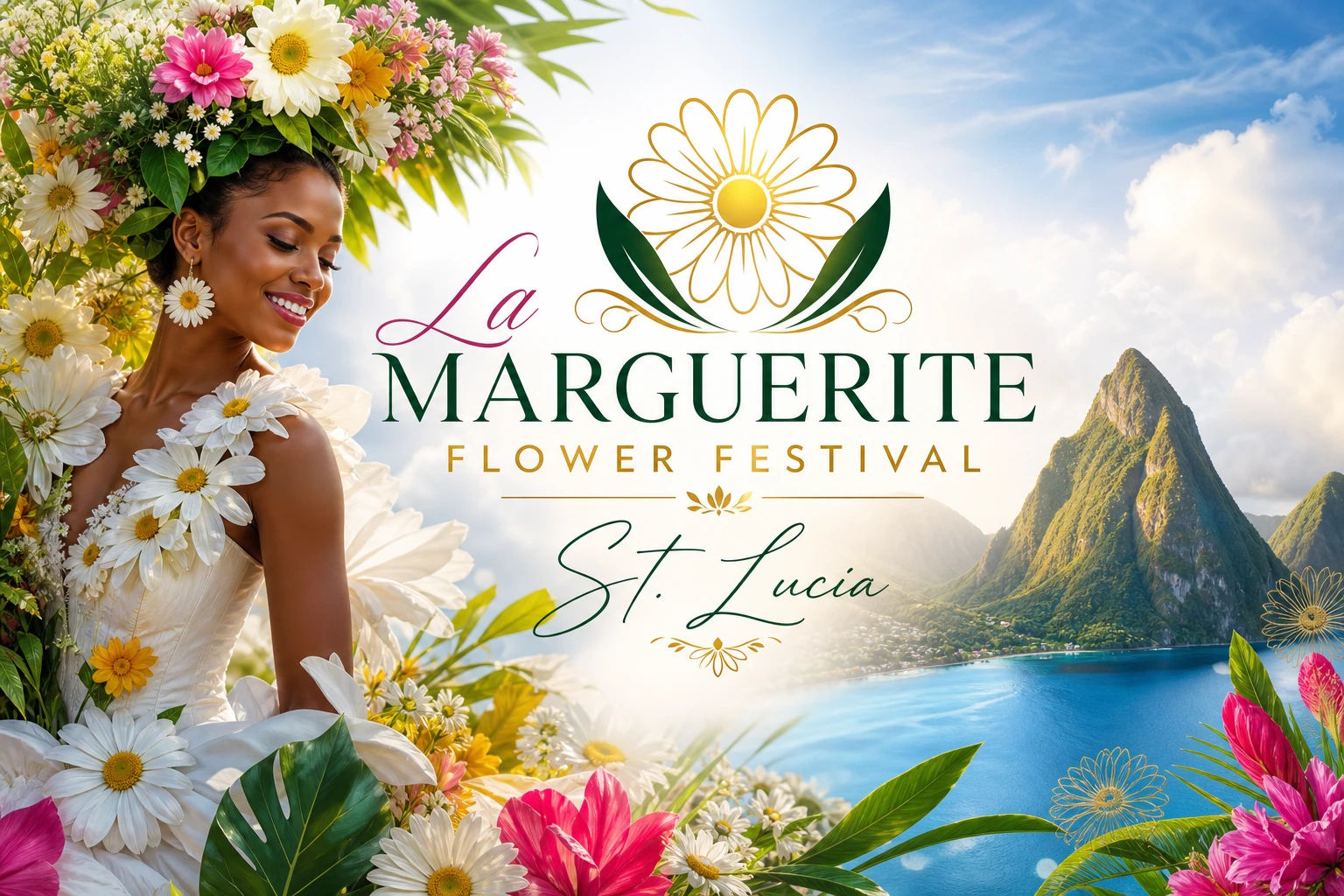
La Marguerite (La Magwit) Festival 2025 blossoms across Saint Lucia on Friday, October 17, 2025, honoring the island’s Marguerite “flower society” with a day of Creole song, procession, pageantry, and purple‑trimmed finery linked to the feast of St. Margaret Mary Alacoque. The Saint Lucia Tourism Authority lists October 17 as the 2025 observance, while the Cultural Development Foundation (CDF) and government releases outline how the feast day typically unfolds: a morning church service, a costumed parade through the host town, and an afternoon into evening of traditional songs and dances in the square, all led by the Marguerite society’s “royal court” and chorus. The festival stands as the second of the island’s two national flower traditions alongside La Rose on August 30, together forming a living pillar of Saint Lucian cultural identity.
Date, meaning, and setting
- Date: Friday, October 17, 2025, aligned with the feast of St. Margaret Mary Alacoque, the patronal anchor for La Magwit each year. The official Saint Lucia festivals and events page explicitly lists the La Marguerite Flower Festival on that date.
- What it is: A community‑led celebration by the Marguerite societies featuring church liturgy in the morning and public festivities after, with participants dressed in purple hues and Marguerite floral displays, singing traditional compositions that praise their flower and playful rivalries with La Rose.
- How the day flows: Recent CDF schedules show a typical pattern — 10 a.m. service at the parish church, a parade of groups through the host town, then stage presentations in the central square. In 2024 the main celebration was produced in Vieux Fort following this cadence, and organizers signal similar structure in 2025.
Cultural roots and rivalry
- The flower societies: La Rose and La Marguerite are longstanding community associations that parody royal courts through characters such as kings, queens, police, magistrates, doctors, and nurses, each with assigned roles and costumes. The societies originated in colonial times and evolved into proud expressions of Creole belonging and gentle rivalry.
- Songs and instruments: Performances weave banjo, guitar, drums, baha, and chak‑chak with call‑and‑response choruses. Lyrics extol the Marguerite and answer the taunts of La Rose, sustaining a musical “conversation” that is central to both festivals.
- Heritage recognition: The twin flower festivals are documented as significant expressions of Saint Lucia’s intangible cultural heritage, frequently highlighted by cultural agencies and educators as touchstones of identity.
2025 location and organizers
- Where to go: The Saint Lucia Tourism Authority confirms the national date; host‑town confirmation is issued closer to the day by the CDF and local committees. In 2024 Vieux Fort hosted La Marguerite with church, parade, and Independence Square stage program; 2025 updates will name the lead community following the same template.
- Who leads: The Cultural Development Foundation collaborates with the Msgr. Patrick Anthony Folk Research Centre (FRC), parishes, and Marguerite societies to produce the feast day, with announcements rolling through September and early October.
Dress, colors, and roles
- Colors and dress: Purple predominates for La Marguerite, with participants in court‑style costumes, headpieces, and floral displays. Visitors are welcome to wear purple accents or madras to honor the day.
- The “royal court”: A scripted cast of characters animates the society’s procession and stage show, echoing historic parodies and community roles that have been passed down for generations.
How the festival fits in October
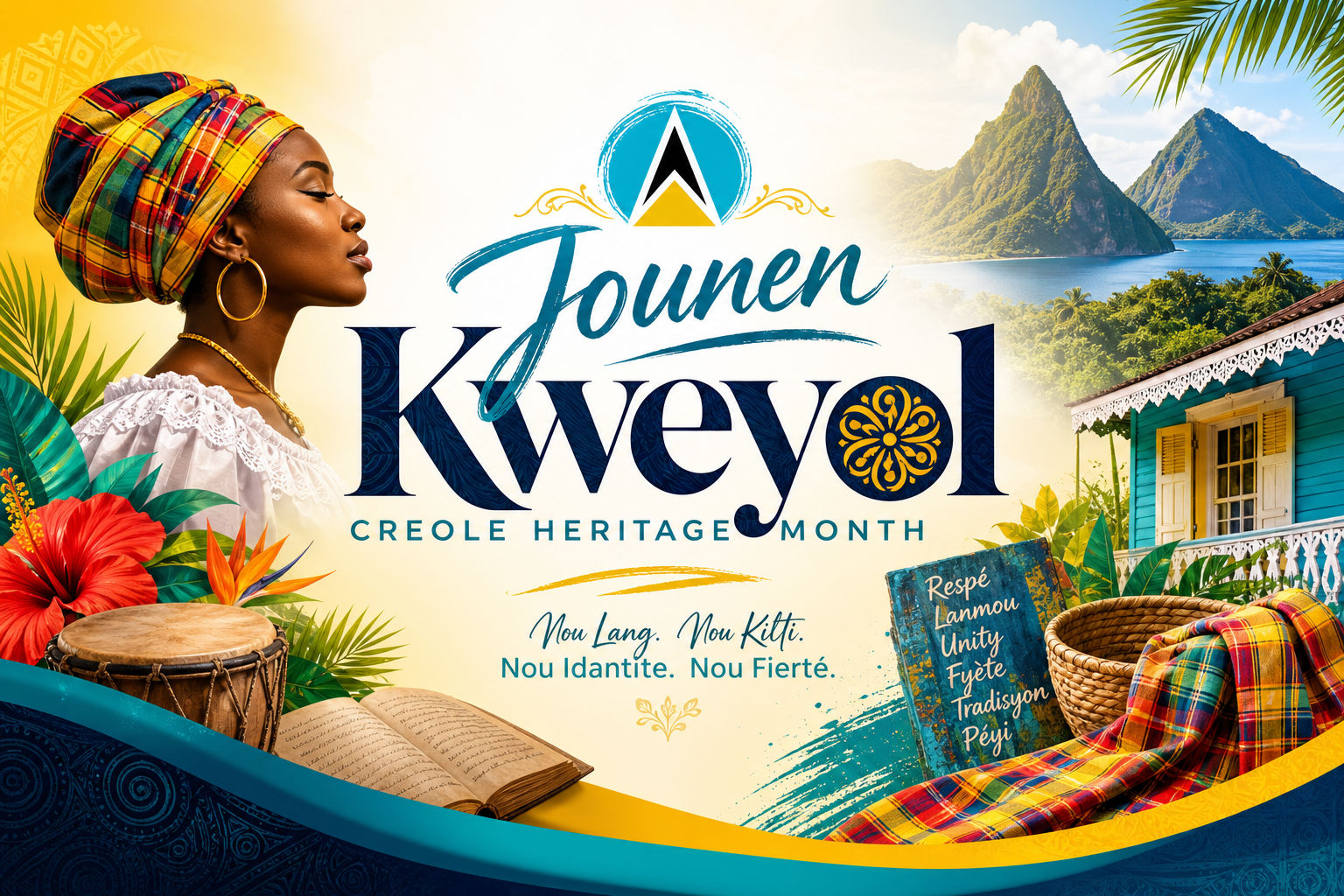
- Within Creole Heritage Month: La Marguerite falls in mid‑October, just before the island‑wide Jounen Kwéyòl (Creole Day) on the last Sunday of the month, creating a crescendo of Creole celebrations. National tourism and event calendars frame October as Creole Heritage Month leading to Jounen.
- With La Rose in August: The August 30 La Rose festival mirrors La Marguerite in structure and significance, but with red motifs and Rose society songs and symbols; together the pair expresses a playful, historic rivalry.
What to expect on the day
- Morning: A Catholic Mass honoring the feast day sets a contemplative tone, often with prayers or hymns in Kwéyòl.
- Midday: The parade carries the society’s characters and chorus through town streets, with music, dancing, and floral regalia drawing onlookers from homes and businesses.
- Afternoon/evening: Performances in the main square gather families for songs, skits, and speeches that celebrate the Marguerite legacy; food and craft vendors typically line the periphery.
Travel tips and practical information
- Where to base: If the host is in the south (e.g., Vieux Fort), consider stays in Vieux Fort, Soufrière, or Laborie; if the north hosts, Rodney Bay or Castries provide easy access by car. The national events page is a good first stop for date confirmation before choosing lodging.
- Getting around: Rent a car or arrange a taxi to arrive before the church service; parking is easier earlier in the day. Expect some street closures around parade time.
- What to wear and bring: Light, breathable clothing with a purple accent; comfortable shoes for standing and walking; sun protection and a reusable bottle for the afternoon.
- Respectful participation: Ask before close‑up photos of elders or children in costume; step aside during liturgical moments; purchase from local vendors to support community organizers.
Learn the tradition
- Listen for key songs: Choruses that repeat “Marguerite” motifs and witty lyrical replies to La Rose signals the heart of the exchange. Bring a small notebook or record short clips where permitted to remember refrains.
- Look for instruments: Seek out the chak‑chak (shaker), baha, and banjo, which set the flower‑society sound apart from other Creole ensembles.
- Ask about roles: Parade characters are gateways to history — policemen and magistrates in costume hint at how communities once mirrored and subverted colonial hierarchies through performance.
Sample La Magwit day plan
- 9:00 a.m.: Arrive in the host town; walk the square and note parade route markers.
- 10:00 a.m.: Attend or observe the church service at the parish; be mindful of photography rules.
- 12:00–1:00 p.m.: Find a vantage point for the parade; watch for the king, queen, and chorus groups in purple.
- 2:00–5:00 p.m.: Enjoy stage performances, support food and craft vendors, and learn a song refrain to join the chorus.
- Evening: Sunset photos of the square’s purple finery and a relaxed dinner in town or nearby.
Verified details at a glance
- Name: La Marguerite (La Magwit) Flower Festival.
- Date: Friday, October 17, 2025 (feast of St. Margaret Mary Alacoque).
- Core elements: Church service, costumed parade, songs and dances by Marguerite societies, purple displays, community vendors in the host town square.
- Context: Second of Saint Lucia’s two national flower festivals, paired with La Rose on August 30; both are pillars of Creole Heritage Month activities in October.
- Organizers: Cultural Development Foundation with FRC, parishes, and Marguerite societies; host town named closer to the date via official channels.
Mark October 17 and plan to stand in a Saint Lucian square awash in purple song. Arrive for the morning service, follow the parade as the Marguerite court winds through town, and stay for performances that keep a cherished tradition alive. La Magwit 2025 is an open invitation to witness — and hum along with — a floral society that has sung Saint Lucia’s story for generations