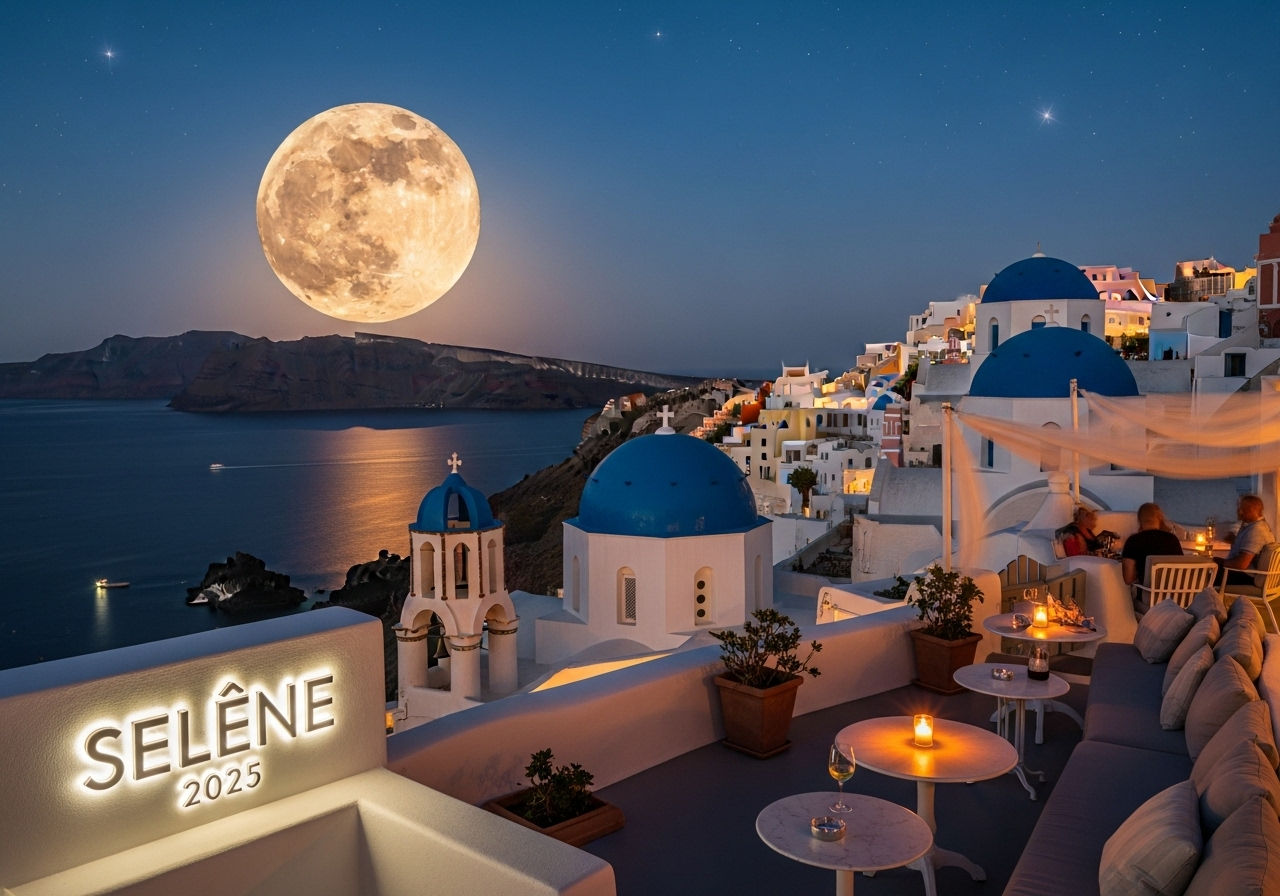
Santorini

    Santorini

    Greece

    Sunsets, whitewashed villages

    4.8
    Guest Rating
    16°C
    Partly Cloudy
    Humidity: 76%
    Wind: 20 km/h
    Live Temperature
    10
    Active Events

    About Santorini

    Santorini is famous for its dramatic cliffs, whitewashed buildings, and spectacular sunsets in Oia. This volcanic island offers unique black sand beaches and excellent local wines.

    Sun-drenched white buildings tumble down a cliff, blue domes match the sea below, and the air feels warm and still. This is Santorini, an island that looks exactly like its postcards, only better. It is a place of dramatic views, legendary sunsets, and a pace that encourages you to sit, watch, and soak it all in. Santorini travel is about finding a spot on a terrace, ordering a glass of crisp white wine, and letting the island’s beauty do the rest.

    Santorini is the crescent-shaped rim of a massive volcano that erupted thousands of years ago. This geography is everything. The west side of the island is the caldera, a sheer cliff that drops into the deep blue sea. Here, the famous villages of Oia and Fira cling to the edge, a maze of whitewashed lanes, boutique hotels, and tiny chapels. The east and south coasts are gentler, sloping down to unique beaches of volcanic sand and pebbles.

    When it comes to Santorini beaches, forget what you know about soft white sand. Here, the...

    Climate & Weather

    Tropical climate with year-round warm temperatures and trade winds.

    Best Time to Visit

    Late April to early November for warm weather and fewer crowds

    Top Highlights

    Oia sunsets

    Volcanic beaches

    Cycladic architecture

    Popular Activities

    Sunset viewing
    Wine tasting
    Beach activities
    Photography

    Quick Info

    Timezone
    UTC+3
    💰Currency
    Euro (EUR)
    🗣️Language
    Greek
    Temperature
    23°C

    Upcoming Events

    Carnival Season (Apokreo) 2026
    Cultural/Festival
    Free

    Carnival Season (Apokreo) 2026

    Carnival Season, known across Greece as Apokreo or Apokries, brings color, costumes, and joyful chaos to villages and islands in the weeks before Orthodox Lent. In 2026, Greek Carnival runs from Sunday 15 February through Clean Monday on 2 March, with the most intense celebrations across the final two weekends. While mainland cities like Patras and Xanthi host the largest parades, Santorini offers a more intimate island version of Apokreo, with masquerade parties in Fira, bonfire traditions in traditional villages, and local customs rooted in Cycladic life rather than tourist spectacle.​

    Understanding Apokreo: Greece’s Carnival Season

    Apokreo literally means “away from meat,” referring to the gradual move toward fasting that leads into the 40‑day Lenten period before Orthodox Easter. The season blends ancient Dionysian rituals of feasting and disguise with Christian calendars, creating weeks of parties, costume parades, and community gatherings that symbolically push winter away and welcome spring.​

    Apokreo 2026 in Greece officially runs between 15 February and 2 March, culminating on the last Sunday of Carnival just before Clean Monday, when Lent begins. Within this window, key days structure the season:​

    • Tsiknopempti, or “Smoky Thursday,” when Greeks grill and eat as much meat as possible, falls in late February 2026.​
    • Tyrini, or “Cheese Week,” follows, when dairy remains on the table but meat starts to disappear.​
    • The final Carnival weekend sees the biggest parades and costume events in cities and villages before the solemnity of Clean Monday.​

    On Santorini, these same dates frame village celebrations, house parties, and local traditions that show the island at its most playful between winter quiet and the tourism rush of spring and summer.

    Carnival on an Island: What Makes Santorini’s Apokreo Different

    Unlike the massive floats and televised parades of Patras, Santorini’s Carnival Season feels like a set of overlapping village festivals woven into the island’s volcanic landscape and whitewashed settlements. Travel guides note that while the best known, large‑scale Carnivals are in Patras, Athens, Xanthi, and Skyros, islands throughout the Aegean celebrate Apokries with their own distinctive customs, masks, and gatherings.​

    On Santorini, you are more likely to join:

    • A masked street band walking through Pyrgos’ alleys with drums and clarinets.
    • A costume party in a bar in Fira or Firostefani overlooking the caldera.
    • A small village parade with children in fancy dress, grandparents watching from doorways, and the smell of grilled meat drifting from courtyards on Tsiknopempti.

    The scale is smaller, but the authenticity is stronger. Rather than grandstands and organized tourism, you encounter community events where islanders celebrate with each other and happily fold respectful visitors into the fun.

    Key Dates for Carnival Season 2026 in Santorini

    Because Apokreo dates follow the Orthodox Easter calendar, travel resources publish multi‑year schedules to help visitors plan. For 2026, widely cited calendars give:​

    • Carnival Season (Apokries) 2026: 15 February to 2 March 2026.​
    • Clean Monday (Kathara Deftera): 2 March 2026, the first day of Lent and the end of Carnival.​

    Travel guides focused on Greece in February also highlight Carnival Season as the signature event of that month, noting that in 2026 the festival spans most of the second half of February with peak celebrations on the final weekend before Clean Monday.​

    For Santorini, this means you will likely find:

    • Village parties and smaller gatherings beginning around the middle of February.
    • Tsiknopempti meat‑grilling celebrations in late February.
    • Main local parades, masquerades, and bonfires across the weekend of 28 February to 1 March 2026, just before Clean Monday.

    Exact 2026 Santorini village programs are published closer to the date by local municipalities and cultural associations, but the national framework provides reliable planning dates.

    Village Celebrations: Pyrgos, Megalochori, and Traditional Santorini

    Santorini’s most atmospheric Carnival experiences usually unfold in its traditional inland villages rather than the most touristy strips. Travel features on the island highlight Megalochori and Pyrgos as places where authentic community life thrives year‑round behind the island’s iconic views.​​

    Pyrgos: Twisting Alleys and Hilltop Views

    Pyrgos, a hillside village with preserved Cycladic architecture and castle ruins, becomes a natural stage for Carnival evenings. Narrow lanes and small squares provide ideal spaces for masked groups to roam, singing and playing music as they move from house to house. Local associations often organize evening events in village squares, with traditional music, dancing, and simple costumes that draw on island history rather than store‑bought themes.

    From Pyrgos, views across the island to the caldera and the Aegean create unforgettable backdrops for Carnival nights, especially when torches or small bonfires illuminate white churches and stone alleyways.

    Megalochori: Courtyards and Hidden Passages

    Megalochori, described as “Santorini artisans’ little secret,” retains a web of narrow pathways, courtyards, and vaulted houses that feel made for Apokreo. During Carnival Season, you may find:​

    • Groups of masked villagers moving along the lanes with musical instruments.
    • House gatherings where food, wine, and storytelling blend into late‑night laughter.
    • Children playing in costume around village squares while adults share mezedes and local wine.

    Because Megalochori lies away from the main caldera strip, these events feel particularly authentic, giving visitors who stay or wander through the village a true sense of Santorini’s social fabric beyond hotels and viewpoints.

    Carnival in Fira and the Caldera Settlements

    Fira, Firostefani, and Imerovigli, perched along the caldera rim, also participate in Apokreo, though in more cosmopolitan style. Bars and clubs in Fira often host themed Carnival parties across the final weeks of February, with DJs, costume contests, and decorations that lean into both Greek and international Carnival imagery.

    Because February and early March are still low season, these parties feel more local than in summer. You will dance alongside islanders, seasonal workers who have stayed through winter, and a smaller number of travelers who chose Santorini specifically for its off‑season peace and cultural life. Windows may look onto the caldera’s cliffs and the sleeping volcano, a surreal contrast to the bright costumes inside.

    Food, Wine, and Island Flavors During Apokreo

    Greek Carnival Season is closely tied to eating and drinking traditions. Guides to Apokries note that the whole period is associated with feasting, particularly on meat during Tsiknopempti and hearty dishes before Lent begins.​

    On Santorini during Carnival 2026, expect tavernas to:

    • Grill plenty of pork, lamb, and sausages on Tsiknopempti, with smoke and aromas drifting through village streets.
    • Serve dishes featuring fava (split pea purée), tomato keftedes (tomato fritters), and white eggplant alongside meat plates, connecting Carnival feasting with Santorini’s agricultural identity.
    • Pour local Assyrtiko and Vinsanto wines, reminding visitors that the island’s volcanic soils and terraced vineyards remain central to its culture and economy.

    Joining locals for a Tsiknopempti feast or weekend dinner in a village taverna during Carnival Season lets you experience the “Apokreo table” as it was intended: crowded, noisy, and filled with laughter before the quieter days of Lent.​

    Travel Tips: Experiencing Apokreo 2026 on Santorini

    When to Go

    To experience Carnival Season (Apokreo) 2026 on Santorini, aim to be on the island between 20 February and 2 March, capturing Tsiknopempti, the final Carnival weekend, and possibly Clean Monday kite‑flying or Lenten food traditions. If you can only choose one weekend, the last weekend before Clean Monday (around 28 February to 1 March 2026) is the best bet for parades and organized events.​

    Weather and Packing

    February in Greece is still winter, and Santorini can be cool, windy, and occasionally rainy. Travel planners for Greece in February note average daytime temperatures around 10–15°C, cooler at night, and advise layered clothing, waterproof jackets, and closed shoes.​

    For Carnival nights in villages or open squares, bring:

    • A warm jacket and scarf.
    • Comfortable shoes for walking cobbled streets.
    • A simple costume accessory (mask, hat, or cape) if you want to blend into the Apokreo spirit without over‑packing.

    Where to Stay

    For Carnival Season, staying either in Fira or in a traditional village offers different experiences:

    • Fira/Firostefani: Closer to bars, bus routes, and potential organized Carnival parties; easier without a car.
    • Pyrgos or Megalochori: Closer to village traditions and local gatherings; quieter, more embedded in year‑round community life.

    Winter accommodation prices are generally lower than summer peak rates, so Carnival can be an excellent time to enjoy Santorini’s quality hotels and guesthouses at better value.​

    Getting Around

    With reduced winter bus schedules, renting a car for a few days can help you move between Fira, Pyrgos, Megalochori, and other villages where events take place. Roads are quieter than in summer, but nighttime driving in villages requires care due to narrow lanes and limited lighting.

    If you prefer not to drive, base yourself in a village where you expect to spend most evenings, and use daytime buses or taxis for island exploration.

    Respecting Local Traditions

    Although Carnival Season is about fun, Apokreo is also woven into Greece’s religious calendar and community rhythms. Travel resources emphasize that Carnival is directly tied to the lead‑up to Lent and to customs that originated in both ancient Dionysian worship and Christian practice.​

    As a visitor in Santorini during Apokreo 2026:

    • Enjoy the costumes and parties, but respect churches and religious spaces if you encounter processions or Lenten services.
    • Ask before photographing individuals in costume, especially in small villages.
    • Remember that for many locals, Carnival is about family, village bonds, and continuity as much as about tourism.

    Showing appreciation for these deeper layers of meaning will enrich your own experience and strengthen the island’s welcome toward off‑season visitors.

    Make Carnival Season 2026 Your Santorini Secret

    Choosing Santorini for Carnival Season (Apokreo) 2026 means seeing this legendary island through a completely different lens. Instead of cruise crowds and packed sunset spots, you find masked children racing through village squares, grills smoking on Tsiknopempti, and elders watching over impromptu dances in alleys that tourists rarely see in summer.

    Plan your trip for late February 2026. Book a room in Fira, Pyrgos, or Megalochori. Pack warm layers and a playful mask. Then follow the music and laughter through Santorini’s winter streets as Apokreo brings light and joy to the volcanic landscape before Lent.

    Let Carnival Season 2026 be the year you discover Santorini as an island of living traditions, not just a postcard view. The drums, costumes, and village feasts are waiting. Will you join the dance?

    Verified Information at glance

    Event Category: Cultural / Religious pre‑Lenten festival (Carnival Season – Apokreo)​

    Event Name: Carnival Season (Apokreo / Apokries) 2026 – Santorini

    Country / Island: Greece – Cyclades Islands, Santorini

    Confirmed National Carnival Period 2026:

    • Carnival / Apokries Season in Greece: 15 February 2026 to 2 March 2026​
    • Clean Monday (Kathara Deftera – start of Lent): 2 March 2026​

    Key Thematic Days (Greece‑wide):

    • Tsiknopempti (“Smoky Thursday” meat‑feast during Carnival weeks)​
    • Tyrini (“Cheese Week” before Lent; dairy but no meat)​

    Nature of Events:

    • Pre‑Lenten Carnival with masquerade parties, village gatherings, food and wine, small parades, and traditional customs​
    • On islands like Santorini, Apokreo is celebrated in villages and towns rather than with large city‑scale parades​

    Typical Santorini Locations:

    • Fira and caldera‑side settlements for bar‑based costume parties
    • Traditional inland villages such as Pyrgos and Megalochori for local gatherings and small processions​​

    Associated Customs (Greece‑wide, also present in islands):

    • Costumes and masks, often inspired by folklore or humorous themes​
    • Meat‑heavy feasts on Tsiknopempti, then rich food and wine before fasting​
    • Music, dancing, and community events leading up to Clean Monday​

    Pricing / Access:

    • Public Carnival events (parades, village gatherings) are free to attend; food, drink, and bar parties charged separately at local rates​

    Weather / Travel Notes:

    • February is winter in Greece; travel planners highlight cooler, sometimes rainy conditions and recommend layered clothing​


    Island-wide, Santorini
    Feb 15, 2026 - Mar 2, 2026
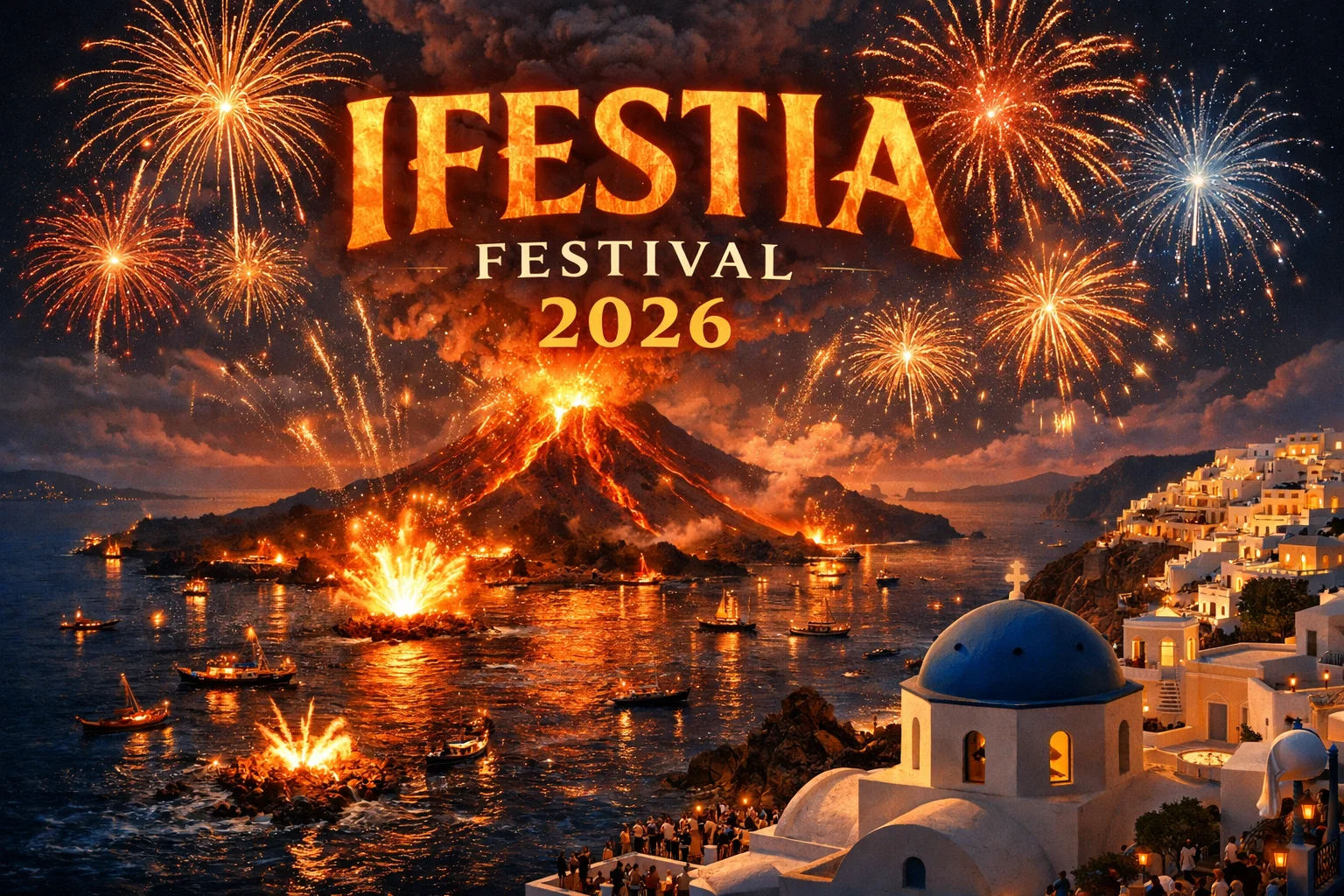
    Ifestia Festival 2026
    Cultural/Festival
    TBA

    Ifestia Festival 2026

    Ifestia Festival 2026 Santorini: The Island Night the Caldera Becomes a Stage

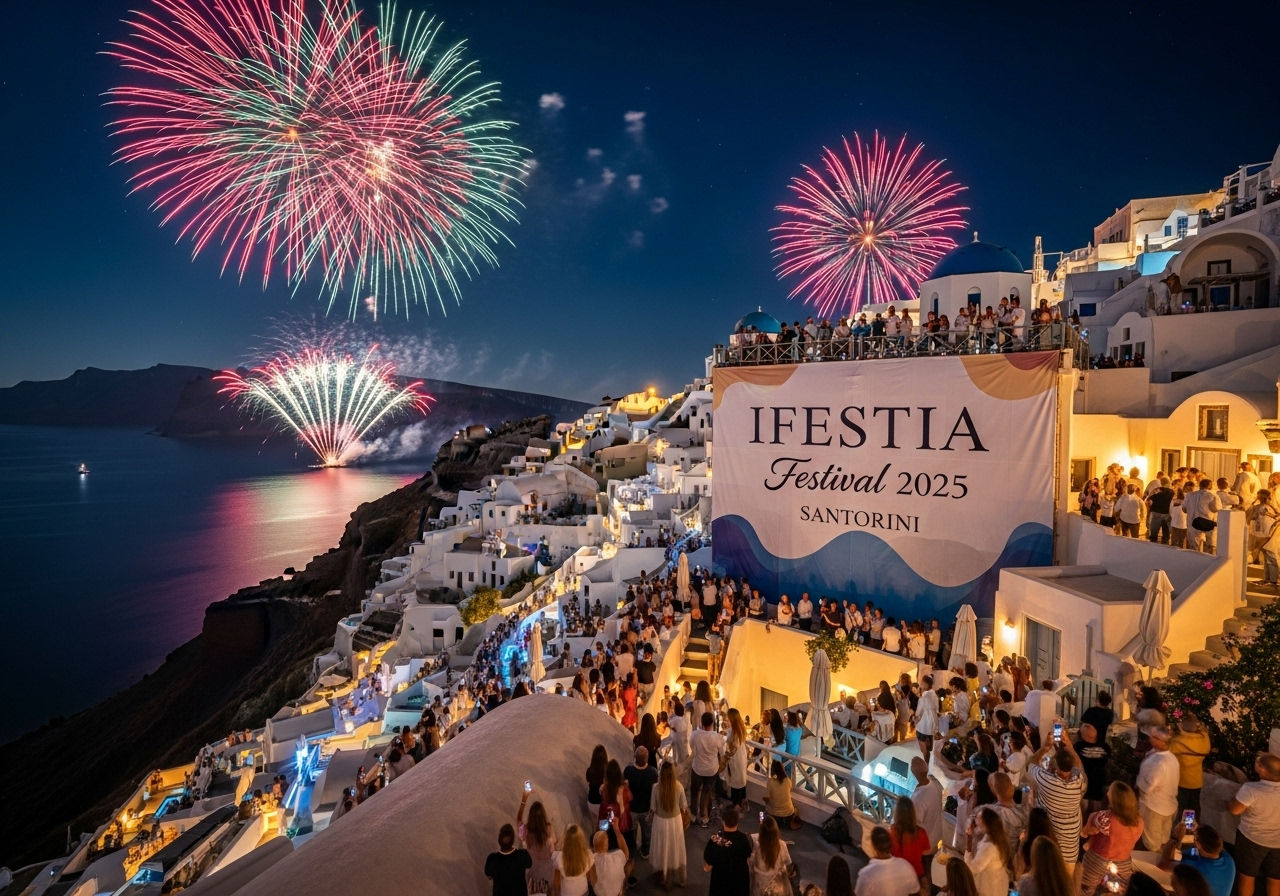
    Ifestia Festival (also written Ifaisteia) is Santorini’s signature late-summer spectacle, famous for a caldera-wide fireworks and light show that reenacts the island’s volcanic power. For 2026, multiple travel calendars and guides place Ifestia in September 2026, but an official, island authority date for 2026 is not consistently published yet, so the safest planning approach is to aim for September and confirm the exact day closer to travel.

    Santorini is already one of the most cinematic islands on earth in daylight, but Ifestia is the night when the island feels truly otherworldly. The cliffs of Fira, Imerovigli, Firostefani, and Oia become natural amphitheaters facing the caldera, while boats gather on the water and the sky fills with bursts designed to resemble lava, smoke, and volcanic eruptions.

    If your travel style is “island views plus a once-a-year event,” Ifestia is the kind of night that can anchor an entire Santorini itinerary. It’s also a rare Greek island festival where nature is the theme and the venue at the same time: the caldera is not a backdrop, it’s the point.


    The Story Behind Ifestia: Fire, Myth, and Santorini’s Volcanic Identity

    Santorini’s modern shape was formed by volcanic activity, and one widely cited milestone is the massive eruption around 1600 BCE that helped create the caldera. Ifestia is named in reference to Hephaestus, the Greek god of fire and volcanoes, and the event is framed as a tribute to the natural forces that shaped the island’s landscape and history.

    In cultural terms, this is why the festival feels different from a typical fireworks show. It is designed as storytelling: a dramatic sequence of sound, light, and pyrotechnics that symbolizes destruction and creation, echoing how Santorini itself was built.


    When is Ifestia Festival 2026?

    A consistent detail across Santorini-focused guides is that Ifestia is typically held in September, during late summer. A 2025 news report adds that the event is established on the third weekend of every September, positioning it as a strategic cultural weekend that also extends Santorini’s tourist season.

    However, sources vary on the exact 2026 date, and some are clearly “to be confirmed,” so it’s best to treat the precise day as pending until the Municipality of Thira or official island channels publish it. For travel planning, that still gives you a strong window: book Santorini for September 2026, then finalize your exact hotel nights once the official announcement appears.


    The Main Event: Volcanic Eruption Reenactment Over the Caldera

    The centerpiece of Ifestia is the volcanic-style fireworks show launched over the caldera, choreographed to mimic eruption-like effects. A 2025 report describes a full program of smoke, bangs, and “lava-like explosions,” with the show launched from the volcano itself, over three kilometers away from the viewing area along the caldera rim.

    In 2025, coverage also noted a drone light show with narration as part of the evening’s storytelling, followed by the fireworks finale that lit up the caldera. For 2026, the exact production elements can change, but the defining experience remains the same: Santorini’s caldera becomes a panoramic stage you can watch from cliffside villages, terraces, or out on the water.


    Best Places to Watch Ifestia on the Island

    The most important viewing rule is simple: elevation helps, because you want a wide-open caldera view rather than a narrow street-level angle. One Santorini guide specifically recommends elevated viewpoints from Fira, Oia, Firostefani, and Imerovigli as popular areas to watch the fireworks over the caldera.


    Oia: Iconic Views, Heavy Demand

    Oia is visually legendary, and it’s a natural magnet for Ifestia night, especially if you want the full “Santorini postcard” atmosphere. The trade-off is crowds and logistics, so it’s wise to secure dinner reservations early or choose a viewing spot where you can settle in well before the show begins.


    Imerovigli and Firostefani: Panoramic Caldera Terraces

    Imerovigli and Firostefani are repeatedly suggested for elevated caldera viewing, and they often feel slightly calmer than the tightest parts of Oia while still offering dramatic wide angles. If you want a “walkable cliff path” vibe between viewpoints, this zone is ideal.


    Fira: Central, Energetic, Easy to Combine with Dining

    Fira offers a lively atmosphere with plenty of dining and bar options, plus easy access to viewpoints along the caldera edge. It’s a strong choice if you want to pair Ifestia with a full evening out rather than a single scenic stop.


    By Sea: The Caldera Cruise Experience

    If you want the most immersive perspective, watching from a boat inside the caldera is a classic upgrade. Santorini guides note that boats gather in the caldera’s waters during the festival and that many local companies offer special cruises timed for Ifestia night.

    This option is especially appealing for couples and small groups because it turns the night into a complete island experience: sunset at sea, caldera silhouettes, and then the fireworks overhead without the shoulder-to-shoulder crowding of the cliff paths.


    What to Expect on the Ground: Crowds, Sound, and Timing Tips

    Ifestia happens in one of Europe’s most famous island settings, so crowds should be expected, especially along the caldera rim in the best-known villages. A Santorini guide strongly recommends making arrangements early because the island is particularly popular around the festival period.

    Practical tips that make the night smoother:

    • Arrive at your viewing area early and avoid last-minute driving, since caldera villages have narrow roads and limited parking.
    • Bring a light layer, because the caldera edge can feel breezy at night even in September.
    • If you’re sensitive to loud sound, consider ear protection, especially for children (if you’re traveling as a family).


    Pricing: What It Costs to Attend Ifestia

    Ifestia is generally experienced as a public spectacle visible from many cliffside viewpoints, which means there is no standard “entry ticket” just to see the show from public areas. The costs travelers actually pay usually come from Santorini logistics: accommodation, dining with views, and optional boat cruises that package the night as a premium experience.

    Because cruise and restaurant packages vary widely by provider and seating type, it’s best to treat Ifestia pricing as “free to view, paid to upgrade.” If your goal is to keep the trip budget-friendly, pick a public caldera viewpoint and pack a simple picnic, then splurge another day on a winery visit or a sunset dinner elsewhere.


    Verified Information at a Glance

    Item: Confirmed details

    • Event name: Ifestia Festival (Ifaisteia) Santorini
    • Event category: Cultural festival and fireworks spectacle themed around Santorini’s volcanic history
    • Timing (confirmed generally): Typically held in September (late summer)
    • Tradition and theme (confirmed): Fireworks show over the caldera designed to reenact volcanic eruptions; named after Hephaestus (god of fire/volcanoes)
    • Main viewing areas (confirmed suggestions): Fira, Oia, Firostefani, Imerovigli (caldera viewpoints)
    • Sea-view option (confirmed): Caldera cruises are offered as a way to watch from the water
    • Notable production detail (2025 reporting): Drone light show with narration plus fireworks reenactment launched from the volcano, over 3 km from viewing area
    • Pricing: No standard public entry fee indicated for viewing from public areas; cruises and dining packages add paid upgrades

    If Santorini is calling your name in 2026, plan for a September stay, choose your caldera-side base in Fira, Imerovigli, or Oia, and give yourself one unforgettable night to watch the island’s volcanic story written across the sky, because Ifestia is Santorini at its most dramatic and most deeply itself.

    Island-wide, Santorini
    Sep 19, 2026 - Sep 19, 2026

    Past Events

    Epiphany Day Blessing of the Waters 2026
    Religious, Traditional
    Free

    Epiphany Day Blessing of the Waters 2026

    Experience one of Greece's most profound and spectacular religious celebrations as Epiphany Day Blessing of the Waters 2026 transforms Santorini's harbors and coastal areas into sacred venues on January 6, 2026. This ancient Orthodox Christian tradition, also known as Theophany or "Ta Fota" (The Lights), marks the glorious culmination of the 12-day Christmas season with breathtaking ceremonies that combine spiritual devotion, brave swimming traditions, and authentic Greek island culture.

    The Sacred Significance of Epiphany in Greek Orthodox Tradition

    Commemorating Christ's Baptism and Divine Revelation

    Epiphany Day celebrates the baptism of Jesus Christ by John the Baptist in the Jordan River, representing the moment when God's voice declared "You are my Son, the Beloved; with you I am well pleased". This pivotal biblical event revealed the Holy Trinity for the first time, with God the Father's voice from heaven, Jesus the Son in the waters, and the Holy Spirit appearing as a dove.

    The feast day holds immense significance as the second most important celebration in the Greek Orthodox calendar after Easter, symbolizing the illumination of all creation by God's sanctifying presence. The name "Theophany" literally means "God shining forth," while "Ta Fota" translates to "The Lights," both reflecting the divine illumination that occurred during Christ's baptism.

    The End of the Dodekaimero Christmas Period

    January 6, 2026, marks the final day of Greece's beloved 12-day Christmas celebration period (Dodekaimero), bringing the festive season to its magnificent spiritual climax. This timing makes Epiphany particularly meaningful for visitors experiencing authentic Greek Orthodox traditions while witnessing the ceremonial transition from holiday celebration to spiritual renewal.

    According to Greek folklore, Epiphany also sends the mischievous kallikantzari (Christmas trolls) back to the earth's depths, where they return to chopping at the tree of life until the following December. This adds a whimsical element to the otherwise solemn religious observance.

    The Great Blessing of Waters Ceremony in Santorini

    Double Blessing Tradition

    The Blessing of Waters ceremony occurs twice during the Epiphany celebration. The first blessing, called "Mikros Agiasmos" (The Small Sanctification), takes place on January 5, 2026 (Epiphany Eve) inside Santorini's Orthodox churches using baptismal fonts. Faithful participants receive small bottles of this blessed water to take home for household blessings.

    The spectacular second blessing occurs on January 6, 2026, at Santorini's harbors, ports, and coastal areas in a public ceremony that draws entire communities together. This outdoor blessing, known as the "Great Sanctification of Water," represents the celebration's most dramatic and visually stunning element.

    The Sacred Cross Retrieval Ceremony

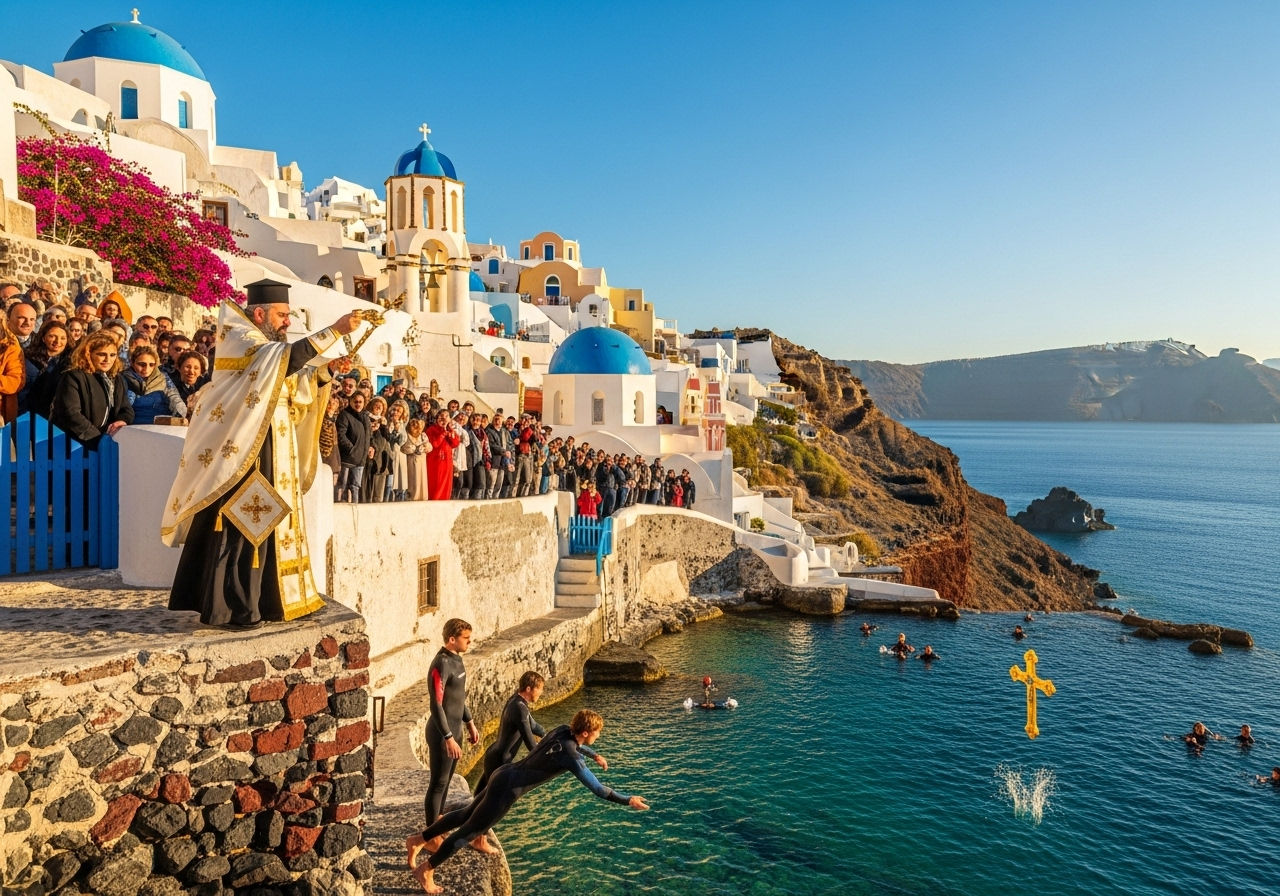
    The ceremony's climax arrives when Orthodox priests throw wooden crosses into Santorini's harbor waters while brave swimmers, traditionally young men but increasingly including women, plunge into the cold January Aegean Sea to retrieve them. The first person to successfully capture the cross and return it to the priest receives a special blessing believed to bring good fortune, protection from evil spirits, and excellent health throughout the entire year.

    Multiple crosses are often thrown during the ceremony, giving several participants opportunities to receive these sacred blessings while ensuring broader community participation. The successful retrieval of each cross triggers celebrations including horn blasts from boats, smoke flares, and cheers from gathered crowds.

    Santorini's Unique Epiphany Celebration Locations

    Fira Harbor and Port Areas

    Fira's main port and harbor areas serve as primary venues for Santorini's Epiphany celebrations, providing dramatic backdrops with the island's iconic caldera views. The port's infrastructure accommodates large gatherings while offering safe access to blessed waters for both ceremonial purposes and brave swimmers.

    The Orthodox Metropolitan Cathedral of Fira plays a central role in organizing the procession from church to harbor, with priests leading the community in traditional crucession (procession with the cross) through Fira's historic streets. This creates a moving spectacle as hundreds of faithful follow religious leaders toward the water blessing ceremony.

    Oia's Traditional Harbor Setting

    Oia's charming harbor offers a more intimate venue for Epiphany celebrations, with the village's famous architecture and sunset location creating stunning visual backdrops for the sacred ceremony. The traditional Cycladic Orthodox church of Panagia Platsani in Oia's central square serves as the starting point for local processions.

    The smaller scale of Oia's celebration allows for more personal interactions between visitors and local community members while maintaining the ceremony's authentic character and spiritual significance.

    Coastal Villages and Traditional Fishing Harbors

    Traditional fishing villages throughout Santorini host their own Epiphany celebrations, often featuring local fishing boats decorated for the occasion and participating in the water blessing ceremony. These intimate community gatherings provide opportunities for visitors to experience authentic Greek island traditions away from larger tourist crowds.

    Cultural Traditions and Spiritual Practices

    Epiphany Eve Carol Singing

    January 5, 2026 (Epiphany Eve) features children and teenagers singing traditional "Fota kalanda" (Epiphany carols) throughout Santorini's villages. These special songs carry the message of Jesus' baptism from house to house, with singers receiving traditional treats and small monetary gifts from welcoming households.

    The Epiphany carols differ from Christmas and New Year songs, focusing specifically on the baptism in the Jordan River and the divine revelation that occurred. This maintains the distinct character of each celebration within the extended holiday period.

    Name Day Celebrations

    Epiphany Day serves as a double celebration for individuals named Theofanis, Theofania, Iordanis, Fani, Fotis, Foteini, or Ourania, who celebrate their name day alongside the religious feast. These name day celebrations add personal significance to the community-wide religious observance.

    Local tavernas and restaurants often offer special meals and gatherings for these celebrants, creating additional opportunities for visitors to experience authentic Greek hospitality during the sacred season.

    The Release of White Doves

    Three white doves are traditionally released during or after the cross retrieval ceremony, symbolizing the presence of the Holy Trinity (Agia Triada). This beautiful ritual adds visual splendor to the ceremony while reinforcing the theological significance of the Trinity's revelation during Christ's baptism.

    The dove release creates particularly photogenic moments as the white birds soar over Santorini's dramatic volcanic landscape and crystal-clear Aegean waters.

    January Weather and Practical Considerations

    Winter Swimming Conditions

    January temperatures in Santorini create challenging conditions for the traditional cross retrieval swimming, with air temperatures averaging 10-15°C (50-59°F) and water temperatures around 16-18°C (61-64°F). While these conditions require courage and determination, they remain manageable for prepared swimmers.

    The brave participants often include both locals and adventurous visitors, with some swimmers participating annually as personal spiritual traditions. Medical support and warming facilities are typically available at ceremony locations.

    Comfortable Viewing Weather

    Despite the challenging swimming conditions, January weather provides comfortable viewing conditions for ceremony observers, with mild daytime temperatures and typically clear skies. The winter sun creates beautiful atmospheric lighting that enhances photography opportunities.

    Dressing in layers proves advisable for extended outdoor viewing, while waterproof footwear helps navigate potentially wet harbor areas during and after the ceremonies.

    Participating in Santorini's Epiphany Celebrations

    Church Service Attendance

    Visitors are warmly welcomed to attend morning church services before the harbor ceremonies, experiencing traditional Orthodox liturgies featuring Byzantine chants and ancient rituals. These services provide spiritual context and deeper understanding of the ceremony's religious significance.

    Respectful behavior and modest dress (covering shoulders and knees) ensure appropriate participation in sacred services while demonstrating cultural sensitivity. Many services include English translations or explanatory materials for international visitors.

    Photography and Cultural Documentation

    The spectacular visual elements of Epiphany celebrations create exceptional photography opportunities, from the solemn church processions through Santorini's picturesque streets to the dramatic moments of cross throwing and retrieval. The combination of traditional costumes, religious ceremonies, and stunning island backdrops produces memorable images.

    Respectful photography practices include avoiding flash during religious services and maintaining appropriate distances during sacred moments while still capturing the ceremony's authentic atmosphere.

    Community Feast and Social Gathering

    Post-ceremony celebrations often include community gatherings at local tavernas and harbor-side venues where participants and observers share traditional foods, blessed bread, and fellowship. These social elements provide opportunities for cultural exchange and deeper connections with local communities.

    Traditional Greek hospitality ensures visitors feel welcomed to participate in these gatherings, often featuring special seasonal foods and drinks that complement the spiritual celebration.

    Planning Your Sacred Island Experience

    Accommodation and Transportation

    January represents Santorini's quietest tourism season, ensuring peaceful accommodations and authentic cultural experiences without overwhelming crowds. Many hotels offer special winter packages that include cultural activities and traditional meals.

    Advance planning ensures availability for the Epiphany period, as some accommodations close during winter months while others provide intimate, personalized service perfect for cultural immersion.

    Local Services and Dining

    Traditional tavernas and restaurants throughout Fira and Oia often remain open during Epiphany celebrations, serving special seasonal menus featuring blessed bread, traditional sweets, and regional specialties. These dining experiences allow visitors to taste authentic Greek Orthodox holiday foods.

    Local boat operators may offer special viewing excursions for the water blessing ceremonies, providing unique perspectives on the celebrations while supporting community businesses.

    Cultural Etiquette and Participation Guidelines

    Understanding basic Greek customs enhances the experience, including learning appropriate greetings like "Chronia Polla" (Many Years) for name day celebrants and "Kalo Fos" (Good Light) for Epiphany wishes. These small gestures demonstrate respect for local traditions.

    Participating in the ceremony as an observer requires respectful attention during sacred moments while remaining open to community interactions and cultural learning opportunities.

    Witness one of Christianity's most ancient and meaningful celebrations by joining Santorini's Epiphany Day Blessing of the Waters 2026 on January 6th. From the solemn morning church services to the thrilling cross retrieval ceremonies in island harbors, this extraordinary sacred tradition offers profound spiritual experiences combined with authentic Greek island culture. Plan your winter visit to Santorini and discover why this 2,000-year-old celebration continues to inspire faith, courage, and community unity in one of the Mediterranean's most beautiful settings.

    Verified Information at a Glance

    Event: Epiphany Day Blessing of the Waters 2026 Santorini

    Date: Monday, January 6, 2026

    Epiphany Eve: Sunday, January 5, 2026 (church services, carol singing)

    Religious Significance: Commemorates baptism of Jesus Christ and revelation of Holy Trinity

    Greek Names: Theophany, Ta Fota (The Lights), Feast of the Epiphany

    Main Venues: Fira Harbor, Oia Harbor, coastal areas throughout Santorini

    Church Starting Points: Orthodox Metropolitan Cathedral (Fira), Panagia Platsani (Oia)

    Double Blessing: January 5 evening (church), January 6 morning (harbor)

    Key Tradition: Priests throw wooden crosses, swimmers dive to retrieve them

    Weather: 10-15°C air, 16-18°C water, mild viewing conditions

    Cultural Elements: Carol singing, name day celebrations, white dove releases

    Entry: Free public religious celebration

    Special Participants: Those with Greek Orthodox names related to light/baptism

    Community Aspects: Post-ceremony feasts, blessed water distribution, social gatherings

    Season End: Final day of 12-day Christmas period (Dodekaimero)

    Public Holiday: Official holiday in Greece, businesses closed


    Athinios Port, various coastal locations, Santorini
    Jan 6, 2026 - Jan 6, 2026
    New Year's Eve Intimate Celebrations 2026
    Holiday, Community
    Free

    New Year's Eve Intimate Celebrations 2026

    Experience the most enchanting and romantic New Year's Eve intimate celebrations 2026 in Santorini, where ancient Greek traditions blend with sophisticated luxury from December 31, 2025, into January 1, 2026. This iconic Cycladic island offers couples and small groups the perfect setting for meaningful celebrations, combining breathtaking caldera views, world-class dining, and authentic Greek Orthodox customs in an atmosphere of peaceful winter serenity.

    The Magic of Winter Santorini for New Year's Celebrations

    Peaceful Off-Season Romance

    December and January in Santorini provide the ideal backdrop for intimate New Year's celebrations, with the island transformed into a serene sanctuary away from summer crowds. This quieter atmosphere allows couples to experience the authentic charm of traditional Greek life while enjoying luxury amenities and personalized service that would be impossible during peak season.

    The dramatic volcanic landscapes, iconic blue-domed churches, and traditional Cycladic architecture create stunning romantic settings enhanced by soft winter light and occasional dramatic skies. Many locals describe this period as when visitors truly feel like they belong to the island community.

    Comfortable Mediterranean Climate

    Winter temperatures in Santorini remain surprisingly comfortable for outdoor celebrations, with daytime highs averaging 14-18°C (57-64°F) and nighttime lows around 9-12°C (48-54°F). While December and January bring occasional rain and wind, clear sunny days are common, creating perfect conditions for romantic walks, wine tasting, and sunset viewing.

    The island receives approximately 125-150 hours of sunshine during these months, providing ample opportunities for outdoor activities and photography sessions against Santorini's iconic backdrops.

    Greek Orthodox New Year Traditions and Cultural Immersion

    Vasilopita: The Sacred New Year's Cake Ceremony

    One of the most meaningful traditions visitors can experience is the cutting of Vasilopita (Saint Basil's cake) at midnight on December 31, 2025. This sacred Greek Orthodox custom involves cutting a special cake containing a hidden coin, with whoever finds it receiving Saint Basil's blessing for the entire coming year.

    Saint Basil serves as the Greek equivalent of Santa Claus, delivering gifts on January 1st (his feast day) rather than Christmas. This tradition stems from historical legends where Saint Basil helped his community during times of hardship by hiding treasures in bread to distribute fairly among families.

    Many luxury hotels and restaurants throughout Fira and Oia incorporate authentic Vasilopita ceremonies into their New Year's celebrations, allowing visitors to participate in this meaningful cultural tradition while enjoying sophisticated hospitality.

    Midnight Church Services and Spiritual Reflections

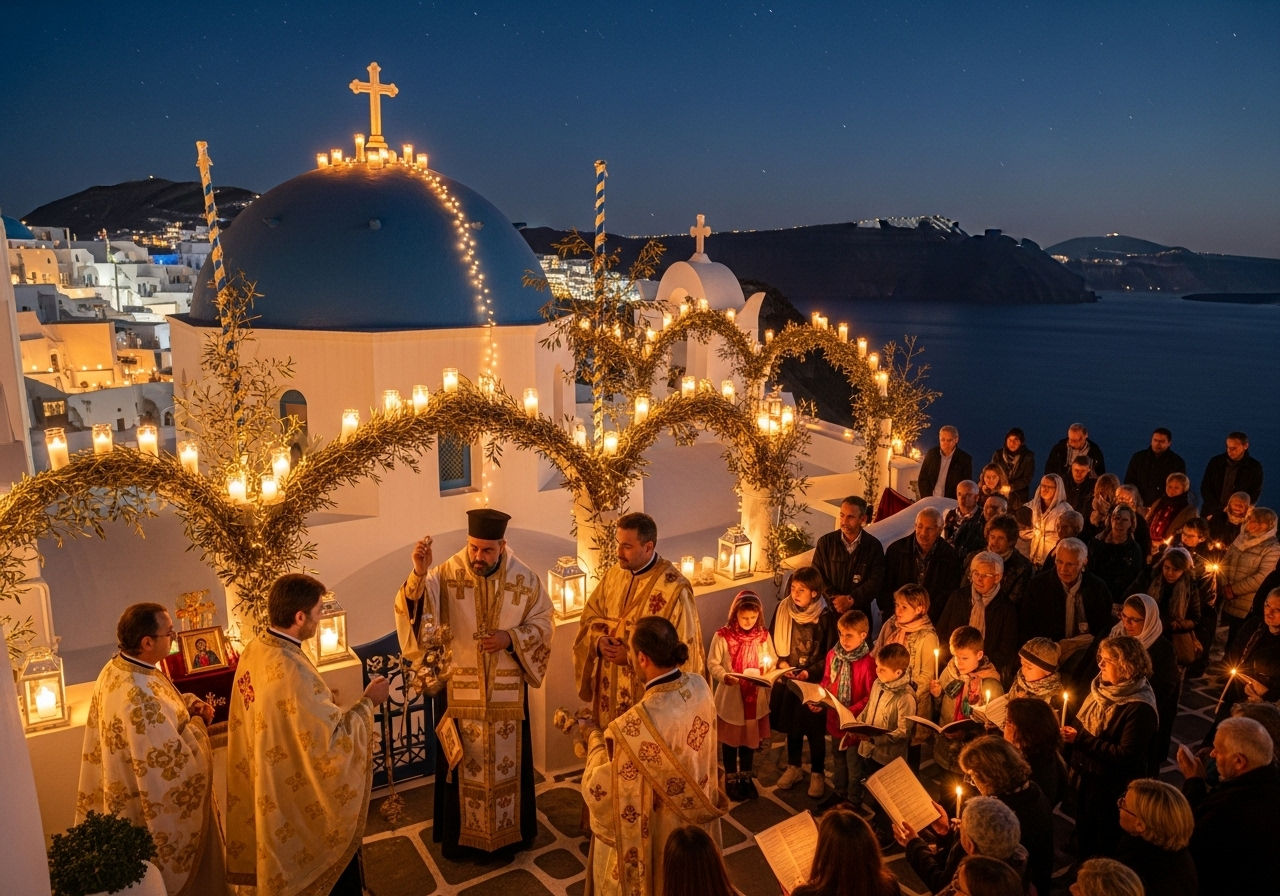
    Greek Orthodox New Year's Eve services provide profound spiritual experiences for couples seeking meaningful ways to transition into 2026. Local churches throughout Santorini host special midnight services where attendees give thanks for the past year while seeking blessings for the future.

    The midnight ringing of church bells across the island creates an atmospheric soundtrack that enhances the spiritual ambiance and connects visitors to centuries-old traditions.

    Luxury Private Dining Experiences

    Caldera-View Private Dinners

    Mystique Hotel's private dining program offers the ultimate romantic experience with intimate dinners served on private balconies overlooking the dramatic caldera. These picture-perfect experiences feature Greek-influenced cuisine crafted by skilled chefs while guests watch spectacular sunsets and enjoy gentle sea breezes in complete privacy.

    The hotel operates daily from 7:00 PM to 11:30 PM and creates customized romantic atmospheres with fresh flowers, candlelit settings, and personal waiter service. These intimate celebrations perfectly capture Santorini's synonymous relationship with romance.

    Canaves Oia Suites Elite Dining

    Canaves Oia Suites specializes in private dining experiences tailored to individual desires, from romantic dinners to intimate celebrations that become truly extraordinary. Their luxury accommodations provide the ultimate foundation for sophisticated New Year's celebrations in one of Santorini's most exclusive locations.

    The resort offers award-winning fine dining at Petra Restaurant with breathtaking caldera and volcano views, plus the intimate Panorama Balcony Experience that envelops guests in cerulean skies and endless Aegean Sea vistas.

    West East Suites In-Suite Romance

    West East Suites in Imerovigli creates ultimate intimacy with private candlelit dinners designed for two, served directly in luxury suites with spectacular caldera views. These exclusive experiences feature extraordinary cuisine prepared for special occasions like New Year's celebrations, anniversaries, and romantic milestones.

    The in-suite private dining eliminates distractions while maximizing romance, allowing couples to celebrate New Year's Eve in complete privacy while enjoying world-class hospitality and stunning volcanic landscape views.

    Exclusive New Year's Eve Venues and Celebrations

    Anantara Santorini Midnight Serenade

    Anantara Santorini hosts the "Santorini Midnight Serenade" featuring intimate New Year's Eve celebrations enhanced by live duo band performances. The curated set menu provides sophisticated dining experiences while soft melodies create perfect romantic atmospheres for welcoming 2026.

    This luxury hotel celebration combines elegant dining with authentic Greek hospitality in settings designed specifically for couples seeking memorable New Year's experiences.

    Esperisma's Ultimate Romance

    Esperisma Hotel offers private New Year's dinners with personal waiters, fresh flower arrangements, and candlelit settings on exclusive private balconies. As sunset sets the sky on fire, skilled chefs serve delectable dishes from award-winning menus while couples enjoy champagne and incredible caldera views.

    The experience concludes with decadent desserts while guests reflect on an extraordinary day in Santorini, making these celebrations essential components of any island visit.

    Magma Resort Private Butler Service

    Magma Resort provides private butler dinner experiences at Astra Lounge featuring Aegean Sea views under starry skies. These exquisite private dining celebrations invite couples to indulge in sophisticated cuisine while enjoying personalized service in one of Santorini's most romantic settings.

    Intimate Activities and Romantic Experiences

    Private Wine Tasting and Vineyard Tours

    December proves ideal for Santorini wine experiences as harvest season concludes and local wineries offer special winter tastings featuring volcanic soil wines. Many vineyards create romantic sunset tours with wine tasting, dinner, and cocktails specifically designed for couples seeking intimate experiences.

    The pure wine tradition tours provide opportunities for wine-loving couples to explore Santorini's rich winemaking heritage while enjoying peaceful moments together in picturesque vineyard settings.

    Sunset Catamaran Cruises

    New Year's Eve catamaran cruises offer unique ways to celebrate while enjoying Santorini's stunning coastlines and dramatic caldera views. These intimate sailing experiences include delicious drinks, beautiful scenery, and the island's unique charm combined for unforgettable celebrations under starry skies.

    Some operators offer evening excursions specifically timed for New Year's Eve, featuring midnight celebrations on the water with possibilities of fireworks displays illuminating the night sky.

    Photography and Romantic Walks

    Winter's softer light and dramatic atmospheric conditions create perfect opportunities for romantic photography sessions throughout Santorini's iconic locations. The peaceful off-season atmosphere allows couples to capture intimate moments at famous landmarks without overwhelming crowds.

    Oia's sunset viewing areas, Fira's caldera walkways, and traditional village streets provide stunning backdrops for New Year's memories while the comfortable temperatures make extended outdoor exploration enjoyable.

    Luxury Accommodation for New Year Celebrations

    Honeymoon-Style Resorts and Suites

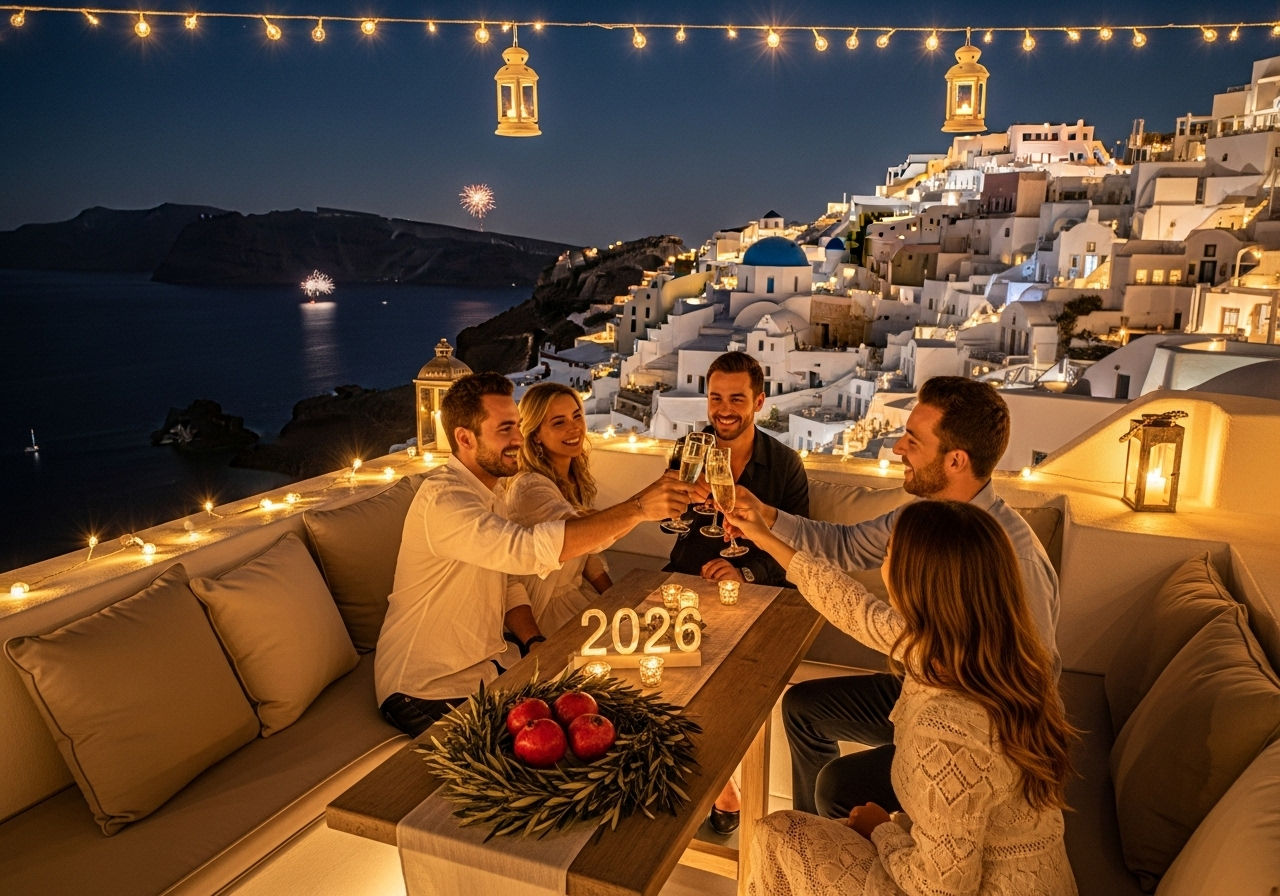
    Santorini's luxury hotels offer special New Year's packages designed specifically for romantic celebrations. These properties provide honeymoon-style amenities, couples' spa treatments, and private terraces perfect for intimate champagne toasts as 2026 begins.

    Many resorts include infinity pools, cave suites, and caldera views that create perfect settings for romantic New Year's celebrations while maintaining the privacy couples desire.

    Cave Hotels and Traditional Architecture

    Traditional cave hotels carved into Santorini's cliffs provide unique accommodation experiences that enhance romantic New Year's celebrations. These distinctive properties offer intimate settings with modern amenities while maintaining authentic Cycladic character.

    The combination of traditional architecture, luxury appointments, and dramatic views creates atmospheric settings where couples can celebrate New Year's Eve in complete privacy and comfort.

    Cultural Activities and Local Experiences

    Traditional Village Exploration

    Winter months provide ideal opportunities for exploring Santorini's traditional villages including Pyrgos, Megalochori, and Emporio without summer crowds. These authentic communities maintain traditional Greek island life while offering intimate tavernas and local cultural experiences.

    Many villages feature cozy family-run restaurants that remain open during winter months, providing authentic dining experiences where couples can interact with local families and experience genuine Greek hospitality.

    Art Galleries and Cultural Sites

    Santorini's art galleries, museums, and cultural sites operate year-round and provide intimate cultural experiences perfect for couples seeking meaningful activities. The Museum of Prehistoric Thera and Akrotiri Archaeological Site offer fascinating insights into ancient civilizations.

    These cultural experiences add depth to romantic celebrations while allowing couples to discover Santorini's rich historical heritage in peaceful, uncrowded settings.

    Planning Your Intimate New Year Celebration

    Booking Recommendations and Availability

    Advanced reservations prove essential for luxury restaurants and private dining experiences during New Year's celebrations. Many venues offer special New Year's packages ranging from €120-€500 per couple depending on service levels and menu selections.

    Private dining experiences typically include four-course gourmet meals, wine pairings, dedicated waiter service, and romantic table settings with pricing reflecting the intimate, personalized nature of these celebrations.

    Transportation and Local Access

    Winter ferry schedules and flight connections provide reliable access to Santorini during New Year's period, though with reduced frequency compared to summer months. The island's compact size makes walking between celebration venues easy and romantic.

    Many luxury hotels provide private transportation services and can arrange romantic transfers between venues, ensuring seamless experiences for couples celebrating New Year's Eve.

    Weather Preparation and Dress Recommendations

    Pack layers for varying conditions including light jackets for evening celebrations and comfortable walking shoes for exploring traditional villages. Despite winter timing, many days remain pleasant enough for outdoor dining and sunset viewing.

    Elegant casual attire works perfectly for most New Year's celebrations, though some fine dining venues may prefer smart casual dress codes for their special holiday menus.

    Embrace the magic of an authentic Greek New Year by choosing Santorini for your intimate 2026 celebrations. From private candlelit dinners overlooking dramatic calderas to traditional Vasilopita ceremonies and peaceful village explorations, this extraordinary island offers the perfect blend of luxury, culture, and romance. Reserve your exclusive New Year's experience now and discover why Santorini's winter celebrations create memories that last far beyond the holiday season, where ancient traditions meet modern luxury in one of the world's most beautiful settings.

    Verified Information at a Glance

    Event: New Year's Eve Intimate Celebrations 2026 Santorini

    Date: December 31, 2025 - January 1, 2026

    Season: Off-season/Winter (peaceful, fewer crowds)

    Weather: 14-18°C day, 9-12°C night, 125-150 sunshine hours

    Key Tradition: Vasilopita (Saint Basil's cake) ceremony at midnight

    Saint Basil's Day: January 1, 2026 (Greek gift-giving day)

    Private Dining Venues: Mystique Hotel, Canaves Oia Suites, West East Suites, Esperisma, Magma Resort

    Pricing: Private dining from €120-€500+ per couple

    Luxury Hotels: Anantara Santorini, various cave hotels and caldera-view resorts

    Activities: Wine tasting, sunset cruises, village exploration, photography walks

    Main Locations: Oia, Fira, Imerovigli, Firostefani

    Cultural Experience: Greek Orthodox midnight services, traditional village life

    Booking: Advanced reservations essential for New Year's Eve

    Atmosphere: Romantic, intimate, culturally authentic, luxury hospitality

    Unique Features: Caldera views, volcanic landscapes, traditional architecture, personalized service


    Oia, Fira (local establishments), Santorini
    Dec 31, 2025 - Jan 1, 2026
    Greek Orthodox Christmas Celebrations 2025
    Religious, Holiday
    Free

    Greek Orthodox Christmas Celebrations 2025

    Discover the enchanting world of Greek Orthodox Christmas celebrations 2025 in Santorini, where ancient Byzantine traditions blend with stunning Cycladic beauty from December 25, 2025, through January 6, 2026. This sacred 12-day period, known as Dodekaimero, transforms the iconic island into a spiritual sanctuary where visitors can experience authentic Greek Orthodox customs, traditional carols, and centuries-old religious ceremonies in one of the world's most breathtaking settings.

    The Sacred 12-Day Greek Orthodox Christmas Season

    Dodekaimero: From Christmas to Epiphany

    Greek Orthodox Christmas in Santorini follows the traditional Eastern Orthodox calendar, creating an extended festive season that begins on December 25, 2025, and concludes with Epiphany on January 6, 2026. This 12-day celebration period (Dodekaimero) offers visitors a unique opportunity to witness authentic Greek Orthodox traditions that have remained largely unchanged for centuries.

    Unlike Western Christmas celebrations, Greek Orthodox Christmas emphasizes profound religious devotion, extended family gatherings, and spiritual reflection rather than commercialized festivities. The Orthodox Church serves as the central pillar of all celebrations, with midnight masses, special liturgies, and sacred ceremonies providing deeply meaningful spiritual experiences.

    Key Feast Days and Sacred Observances

    The Christmas season includes several significant feast days that build toward the Christmas climax. Saint Nicholas Day on December 6, 2025 marks the beginning of the festive season, particularly meaningful in maritime Santorini where Saint Nicholas serves as the patron saint of sailors. Christmas Day on December 25 focuses on family feasting and religious observance, while New Year's Day (January 1, 2026) brings the traditional gift-giving associated with Saint Basil rather than Santa Claus.

    The season culminates with Epiphany on January 6, 2026, featuring the spectacular blessing of waters ceremony where brave swimmers dive into Santorini's harbors to retrieve blessed crosses.

    Sacred Churches and Christmas Mass Locations

    Orthodox Metropolitan Cathedral of Fira

    The Orthodox Metropolitan Cathedral of Fira serves as Santorini's primary venue for Christmas celebrations and midnight mass on Christmas Eve, December 24, 2025. Built in 1827, this stunning white cathedral with its distinctive bell tower and blue domes overlooks the dramatic caldera, creating one of the most spectacular settings for Christmas worship in the Mediterranean.

    The cathedral, also known as the Metropolitan Cathedral of the Presentation of Christ, serves as the seat of the Greek Orthodox Metropolis of Thera, Amorgos and the neighboring islands, making it the religious center for the entire region. The interior features beautiful frescoes and religious artwork, while the courtyard offers breathtaking caldera views that enhance the spiritual atmosphere.

    Church of Panagia in Oia

    The charming Church of Panagia in Oia provides an intimate setting for Christmas services, often featuring local choirs and traditional Orthodox liturgies. This picturesque church, located near Oia's bus terminal, welcomes both locals and visitors to experience authentic Greek Orthodox worship amid the village's iconic architecture.

    The church frequently hosts special Christmas services with local children participating in bell-ringing ceremonies before services, creating magical moments that capture the essence of Greek Orthodox Christmas traditions.

    Traditional Christmas Customs and Island Heritage

    Kalanda: The Ancient Carol Tradition

    One of Santorini's most beloved Christmas traditions involves Kalanda, the ancient Greek carol-singing custom performed on Christmas Eve morning, December 24, 2025. Children and teenagers roam the island's villages carrying small metallic triangles, visiting homes and businesses while asking "Na ta poume?" ("Shall we sing them?") before performing traditional Christmas carols.

    These traditional songs, with roots tracing back to Byzantine times, feature blessings and good wishes for households rather than familiar Western Christmas melodies. Participants receive traditional Greek Christmas treats like melomakarona and kourabiedes, along with small monetary gifts, creating community connections that strengthen island bonds.

    The Kalanda tradition continues on New Year's Eve and Epiphany Eve (January 5, 2026), with different carols for each celebration that honor Saint Basil and commemorate Christ's baptism respectively.

    Karavaki: Christmas Boats Replace Trees

    Santorini maintains the traditional Greek custom of decorating Karavaki (Christmas boats) instead of Christmas trees, reflecting the island's deep maritime heritage. These decorative boats, ranging from small household displays to large installations in town squares, symbolize safe homecoming for seafaring family members and honor Greece's nautical culture.

    The boat decorations appear throughout Fira, Oia, and traditional villages, often illuminated with twinkling lights that create magical displays against Santorini's distinctive architecture. This unique tradition connects visitors to authentic Greek maritime customs while providing distinctive photo opportunities.

    Sacred Foods and Culinary Traditions

    Christopsomo: The Sacred Christmas Bread

    Christopsomo (Christ's Bread) represents the centerpiece of Greek Orthodox Christmas celebrations in Santorini, traditionally baked on Christmas Eve, December 24, 2025. This ceremonial round loaf features religious symbols and family-specific designs representing the household's occupation, blessed by the family patriarch before being shared at Christmas dinner.

    Local bakeries throughout Fira and Oia prepare elaborate Christopsomo loaves, while many families maintain the tradition of home baking using recipes passed down through generations. The bread symbolically represents the body of Christ and creates meaningful moments of spiritual connection during family gatherings.

    Traditional Christmas Sweets and Delicacies

    Melomakarona (honey-soaked cookies) and kourabiedes (butter-dusted almond cookies) fill bakery windows and family tables throughout Santorini during the Christmas season. These traditional sweets, prepared weeks in advance, represent essential elements of Greek Orthodox Christmas celebrations and provide authentic tastes of island heritage.

    Vasilopita, the special New Year cake containing a hidden coin, brings good fortune to whoever discovers it in their slice during New Year's Day celebrations on January 1, 2026. This beloved tradition creates anticipation and excitement as families gather to discover who will have luck throughout the coming year.

    Christmas Weather and Island Atmosphere

    Perfect December Climate for Celebrations

    December weather in Santorini provides ideal conditions for Christmas celebrations, with comfortable daytime temperatures ranging from 14°C to 18°C (57°F to 64°F) and mild nighttime lows between 9°C and 12°C (48°F to 54°F). This pleasant Mediterranean climate allows for extended outdoor activities including church services, carol singing, and evening celebrations.

    The island receives approximately 8 to 9 hours of daylight during December, with sunrise around 7:15 AM and sunset between 5:00 PM and 5:15 PM. Despite occasional rain showers, the season still enjoys sunny intervals with softer winter sunlight that creates unique atmospheric quality across the volcanic landscape.

    Peaceful Winter Ambiance

    Santorini's quieter winter atmosphere during Christmas season provides ideal conditions for experiencing authentic Greek Orthodox traditions without overwhelming summer crowds. This peaceful setting allows for meaningful cultural immersion and genuine interactions with local communities during their most sacred celebrations.

    The island's dramatic caldera views, iconic windmills, and traditional architecture create stunning backdrops for Christmas photography while the reduced tourist numbers ensure more intimate experiences at churches and local celebrations.

    Christmas Activities and Cultural Experiences

    Midnight Mass and Religious Services

    Christmas Eve midnight mass on December 24, 2025 provides the most profound spiritual experience of the Orthodox Christmas season. The Orthodox Metropolitan Cathedral in Fira hosts the primary celebration, with beautiful liturgies featuring traditional Byzantine chants and rituals unchanged for centuries.

    Many smaller churches throughout Santorini also offer intimate Christmas Eve services, allowing visitors to experience authentic community worship alongside local families. These services typically begin late evening and continue past midnight, creating deeply moving spiritual experiences.

    Traditional Christmas Feasting

    Christmas Day, December 25, 2025 emphasizes elaborate family feasts featuring traditional Greek dishes rather than gift-giving. Local tavernas throughout Fira, Oia, and traditional villages serve special Christmas menus highlighting regional specialties including roasted lamb, seasonal vegetables, and traditional preparations.

    Many restaurants offer egg and lemon chicken soup, stuffed cabbage, and roasted meats accompanied by local wines and traditional breads, providing authentic tastes of Greek Orthodox Christmas celebrations. These dining experiences showcase Santorini's culinary heritage while honoring religious fasting traditions.

    Wine Tasting and Vineyard Tours

    December proves ideal for Santorini wine tasting experiences as harvest season concludes and wineries offer special Christmas tours. The island's world-renowned volcanic soil wines provide perfect accompaniments to traditional holiday foods while showcasing local winemaking heritage dating back centuries.

    Many vineyards offer Christmas-themed tastings featuring traditional Greek wines paired with seasonal treats, creating unique cultural experiences that combine religious celebration with agricultural traditions.

    New Year and Epiphany Celebrations

    Saint Basil's Day Gift-Giving

    January 1, 2026 (Saint Basil's Day) represents the traditional gift-giving day in Greek Orthodox culture, when Agios Vasilis (Saint Basil) brings presents to children rather than Santa Claus. This uniquely Greek tradition distinguishes Orthodox celebrations from Western Christmas customs while maintaining the joy of holiday gift exchanges.

    Families gather for the traditional cutting of Vasilopita cake containing a hidden coin that brings good fortune to whoever discovers it in their slice. This beloved ritual creates anticipation and excitement while connecting families to centuries-old Greek traditions.

    Epiphany Water Blessing Ceremony

    January 6, 2026 (Epiphany Day) concludes the Christmas season with the spectacular Blessing of the Waters ceremony at Santorini's harbors and coastal areas. This sacred Orthodox tradition commemorates the baptism of Jesus Christ through priests blessing the Aegean waters while communities gather for meaningful spiritual observances.

    The most thrilling moment occurs when priests throw Holy Crosses into harbor waters and brave swimmers dive into the cold January sea to retrieve them. The person who successfully retrieves the cross receives blessings believed to bring health and good fortune throughout the entire year.

    Planning Your Sacred Christmas Experience

    Accommodation and Reservations

    Winter accommodations in Santorini offer excellent value and intimate experiences during the Christmas period, with many hotels providing special holiday packages including traditional meals and cultural activities. The island's reduced winter tourism creates opportunities for more personalized service and authentic local interactions.

    Advanced booking ensures availability during the Christmas and New Year period when locals and visitors gather for celebrations, though options remain more accessible than during peak summer months.

    Cultural Etiquette and Participation

    Visitors are warmly welcomed to attend Orthodox services and participate in public celebrations like carol singing and the Epiphany ceremony. Respectful behavior during religious observances includes modest dress covering shoulders and knees when entering churches, and understanding that services follow traditional Orthodox liturgies.

    Learning basic Greek Christmas greetings like "Kala Christougena" (Merry Christmas) and "Chronia Polla" (Many Years) enhances cultural interactions and demonstrates respect for local traditions.

    Experience the authentic soul of Greek Orthodox Christianity by joining Santorini's Christmas celebrations 2025 during the sacred Dodekaimero period. From midnight masses at the spectacular Metropolitan Cathedral to traditional carol singing through whitewashed villages, this extraordinary island offers an unparalleled opportunity to witness centuries-old Orthodox traditions while enjoying Mediterranean winter beauty. Plan your spiritual journey for December 25, 2025, through January 6, 2026, and discover why Santorini's Greek Orthodox Christmas creates memories that resonate far beyond the holiday season.

    Verified Information at a Glance

    Event: Greek Orthodox Christmas Celebrations 2025 Santorini

    Dates: December 25, 2025 - January 6, 2026 (Dodekaimero - 12 Days)

    Christmas Day: Thursday, December 25, 2025

    New Year's Day: Wednesday, January 1, 2026

    Epiphany: Monday, January 6, 2026

    Main Churches: Orthodox Metropolitan Cathedral (Fira), Church of Panagia (Oia)

    Christmas Eve Midnight Mass: December 24, 2025 (Orthodox Metropolitan Cathedral)

    Kalanda Carol Singing: December 24, 31, 2025 & January 5, 2026 mornings

    Saint Nicholas Day: December 6, 2025

    Weather: 14-18°C daytime, 9-12°C nighttime, 8-9 hours daylight

    Traditional Foods: Christopsomo bread, melomakarona, kourabiedes, vasilopita

    Unique Traditions: Christmas boats (karavaki), water blessing ceremony, coin in cake

    Cathedral Address: Orthodox Metropolitan Cathedral, Fira, Santorini

    Service Language: Greek Orthodox liturgy with traditional Byzantine chants

    Entry: Free public celebrations, church services open to all visitors

    Cultural Focus: Religious devotion, family gatherings, maritime traditions

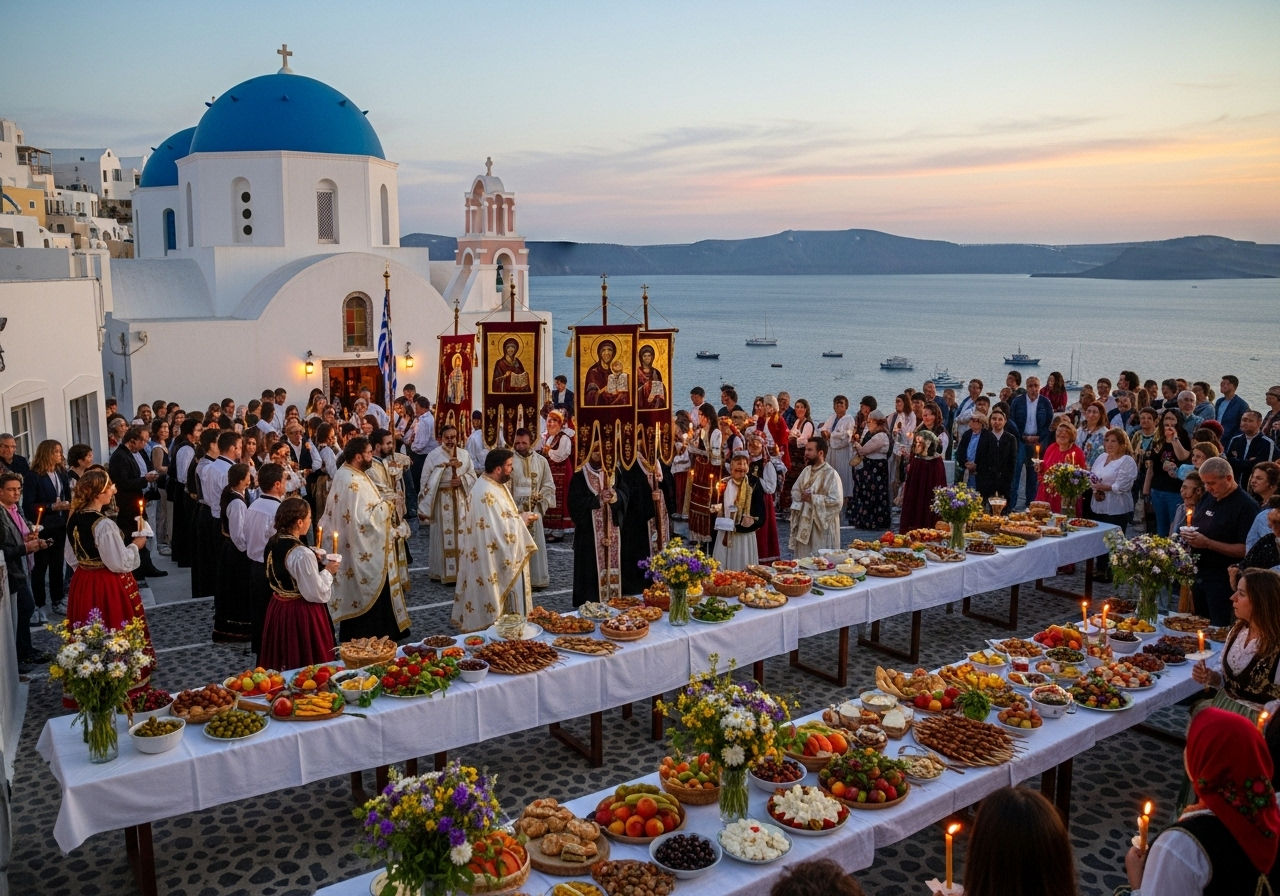
    Churches island-wide (notably Panagia Episkopi), Santorini
    Dec 24, 2025 - Jan 6, 2026
    Feast of Agia Matrona 2025
    General
    TBA

    Feast of Agia Matrona 2025

    Experience one of Santorini's most authentic and beloved religious festivals as the Feast of Agia Matrona 2025 transforms the charming village of Finikia into a spectacular celebration of faith, tradition, and community spirit on October 19-20, 2025. This deeply rooted Orthodox Christian festival combines sacred religious observances with joyful cultural traditions, offering visitors an intimate glimpse into the authentic soul of this iconic Greek island.

    Saint Matrona of Chios: The Miraculous Life Behind the Celebration

    A 15th Century Saint of Extraordinary Devotion

    Saint Matrona of Chios, also known as Saint Matrona Chiopolitida, was born Maria in the village of Volissos on the island of Chios during the 14th century to wealthy and pious parents Leon and Anna. From her youth, she demonstrated an unwavering commitment to monastic life, refusing marriage to dedicate herself entirely to spiritual pursuits and service to God.

    After her parents' death, Maria distributed much of her inheritance to the poor and used the remainder to build a monastery in the Palaiókastro quarter of Chios town, where she took the monastic name Matrona. Her exceptional devotion, spirituality, and understanding inspired other young women to join the monastery, leading to her election as abbess following the previous abbess's death.

    Miracles and Divine Protection

    Saint Matrona's life was marked by extraordinary miracles and divine interventions. When Genoese conquerors attempted to plunder monasteries across Chios, including hers, the saint prayed for divine protection. According to Orthodox tradition, when attackers threatened the nuns, bolts of lightning struck from heaven, killing the assailants and causing the invaders to flee in terror.

    Saint Matrona died on October 20, 1462, after receiving Holy Communion and advising her fellow nuns during a seven-day illness. Her holy relics continued performing miracles after death, drawing pilgrims with various afflictions who found healing at her tomb. This miraculous legacy explains why the October 20th feast day remains so significant across the Greek islands, particularly in Santorini.

    Finikia Village: The Perfect Sacred Setting

    Historical Agricultural Heart of Oia

    Finikia village serves as the perfect setting for this sacred celebration, located less than 1 kilometer from famous Oia and approximately 10 kilometers from Fira. This small traditional settlement was formerly the agricultural heart of Oia, where farmers lived close to their fields and vineyards, producing excellent wines in the famous kanaves (underground wineries) carved into volcanic rock.

    The village gets its name from the palm tree (foinikos in Greek) that stands prominently in the courtyard of the Church of Agia Matrona, serving as a distinctive landmark and reference point for the entire settlement. With only about 50 permanent residents, Finikia maintains an authentic, unhurried atmosphere that perfectly complements the sacred nature of the festival.

    Architectural Treasures and Winery Heritage

    Finikia showcases traditional Cycladic architecture with characteristic cave houses featuring low doors, rounded roofs, and archways designed to remain cool in summer and well-insulated for winter. The village entrance features a distinctive gateway made of dark volcanic stones forming an impressive archway.

    The settlement's winery heritage remains visible throughout the village, with many historic kanaves dating back to 1798 now transformed into unique accommodations while preserving their authentic architectural character. During its heyday, Finikia boasted approximately 150-200 working wineries, making it a crucial center of Santorini's wine production.

    The Historic Church of Agia Matrona

    19th Century Architectural Marvel

    The Church of Agia Matrona was constructed in 1859 by Francesco Platis, a prominent shipowner from Oia, at an amphitheater-like location within Finikia settlement. This sacred edifice demonstrates traditional Cycladic church architecture while maintaining the distinctive character that defines Santorini's religious buildings.

    The church courtyard features the iconic palm tree that gives the village its name and serves as both a spiritual symbol and practical landmark for visitors navigating the traditional stone pathways. This palm tree has become synonymous with the festival celebration and appears in countless photographs documenting this beloved annual event.

    Festival Celebrations and Sacred Traditions

    Two-Day Sacred Observance

    The Feast of Agia Matrona begins on October 19, 2025, with evening vespers at the historic church, followed by one of Santorini's most beautiful traditional festivals. The celebration reaches its climax on October 20, 2025, the official feast day commemorating Saint Matrona's death in 1462.

    This timing proves perfect for visitors, as the festival occurs after the summer tourist crowds have departed, allowing locals and visitors to participate in authentic community celebrations without overwhelming crowds. The intimate atmosphere creates genuine opportunities for cultural exchange and meaningful spiritual experiences.

    Revival of Historic Kanaves

    The festival uniquely revives the historic underground wineries (kanaves) that once defined Finikia's identity. These ancient wine cellars, carved directly into volcanic rock, fill with life as residents and visitors gather to share traditional foods, local wines, and celebratory music.

    The underground wineries create atmospheric venues where the sounds of traditional instruments like lutes, violins, and tsabounas echo through stone chambers while participants enjoy the warm hospitality characteristic of Greek island celebrations.

    Traditional Foods and Authentic Island Cuisine

    Time-Honored Culinary Preparations

    The festival features elaborate traditional food preparations that begin on October 19th with community cooking in large cauldrons and wood ovens. The signature dish includes salted cod with onions, olive oil, boiled potatoes, and fresh tomatoes, representing authentic Cycladic flavors.

    Meat dishes cooked in large cauldrons and aromatic rice pilaf provide hearty sustenance for the all-night celebrations. These communal cooking traditions foster community bonds while preserving culinary heritage passed down through generations.

    Wine and Local Specialties

    Local wines play a central role in the celebration, with wine tasting events and contests adding festive elements to the religious observance. Santorini's renowned volcanic soil wines provide perfect accompaniments to traditional dishes while honoring the village's historic winemaking legacy.

    Serving tables are set up in beautiful locations, including large patios of historic buildings directly across from the church, creating picturesque dining venues where visitors can experience authentic Greek hospitality.

    Music, Dancing, and Cultural Activities

    Traditional Musical Heritage

    The festival celebration features authentic traditional music with musicians from neighboring islands joining local performers to create rich musical experiences. This inter-island collaboration demonstrates the broader Aegean cultural connections while showcasing distinctive local musical traditions.

    Traditional dances fill the village streets and winery courtyards, with both locals and visitors participating in circle dances that continue late into the evening. These participatory elements ensure that festival attendees become active participants rather than passive observers.

    All-Night Celebration

    The festivities continue throughout the night until early morning hours, creating an immersive experience that truly captures the spirit of Greek island celebrations. This extended timeline allows for deep cultural immersion and the development of lasting memories.

    The Sacred Morning Procession

    Icon Procession Through Decorated Streets

    October 20th morning features the solemn procession of Saint Matrona's icon through Finikia's narrow alleyways, which are specially decorated with aromatic plants including rosemary and sweet-scented pelargonium. This sacred ritual creates a sensory experience that combines visual beauty with natural fragrances.

    The morning Orthodox liturgy provides spiritual focus following the joyful evening celebrations, demonstrating the seamless integration of sacred and celebratory elements characteristic of Greek Orthodox festivals.

    Community Coffee and Continued Hospitality

    Following the religious service and procession, the community gathers in the church courtyard beneath the characteristic palm tree for traditional coffee and continued fellowship. This morning gathering provides opportunities for reflection on the festival's spiritual significance while maintaining the warm community atmosphere.

    Planning Your Sacred Island Experience

    Optimal Timing and Weather

    October weather in Santorini provides ideal conditions for outdoor celebrations, with comfortable temperatures and clear skies perfect for evening festivities and morning processions. The post-summer timing ensures pleasant weather without the intense heat that characterizes peak tourist season.

    Accommodation and Transportation

    Finikia offers unique accommodation options in converted historic wineries that provide authentic experiences while maintaining modern comfort levels. These cave house accommodations allow visitors to sleep in the same type of structures where festival celebrations take place.

    The village's proximity to Oia (less than 1 km) and Fira (10 km) makes it easily accessible by foot, car, or public transportation, while offering a more peaceful alternative to busier tourist areas.

    Cultural Etiquette and Participation

    Visitors are warmly welcomed to participate in festival activities, including traditional dances and communal meals. Respectful behavior during religious services and genuine interest in local customs enhance the experience for both visitors and community members.

    Experience the authentic heart of Santorini's spiritual and cultural heritage by joining the Feast of Agia Matrona 2025 in the enchanting village of Finikia. This sacred celebration offers an unparalleled opportunity to witness centuries-old traditions while participating in genuine Greek Orthodox community life. Mark your calendar for October 19-20, 2025, and prepare to be transformed by this magical blend of faith, tradition, and island hospitality that creates memories lasting far beyond the festival weekend.

    Verified Information at a Glance

    Event: Feast of Agia Matrona 2025

    Dates: October 19-20, 2025

    Location: Church of Agia Matrona, Finikia Village, Santorini

    Saint's Feast Day: October 20 (commemorating Saint Matrona of Chios, died 1462)

    Church History: Built 1859 by Francesco Platis, Oia shipowner

    Schedule: Evening vespers October 19, all-night festival, morning liturgy October 20

    Village Location: Less than 1 km from Oia, 10 km from Fira

    Key Features: Historic palm tree in church courtyard, underground kanaves wineries

    Traditional Foods: Salted cod with vegetables, meat in cauldrons, rice pilaf

    Music: Traditional lutes, violins, tsabounas, local and visiting island musicians

    Morning Ritual: Icon procession through streets decorated with rosemary and herbs

    Community Size: Approximately 50 permanent Finikia residents

    Timing Advantage: Post-tourist season for authentic local atmosphere

    Entry: Free community celebration, no admission charges

    Cultural Focus: Greek Orthodox traditions, Cycladic heritage, wine culture


    Church of Agia Matrona, Finikia Village, Santorini, Santorini
    Oct 19, 2025 - Oct 20, 2025
    Santorini Experience 2025
    Sports, Running & Swim
    TBA

    Santorini Experience 2025

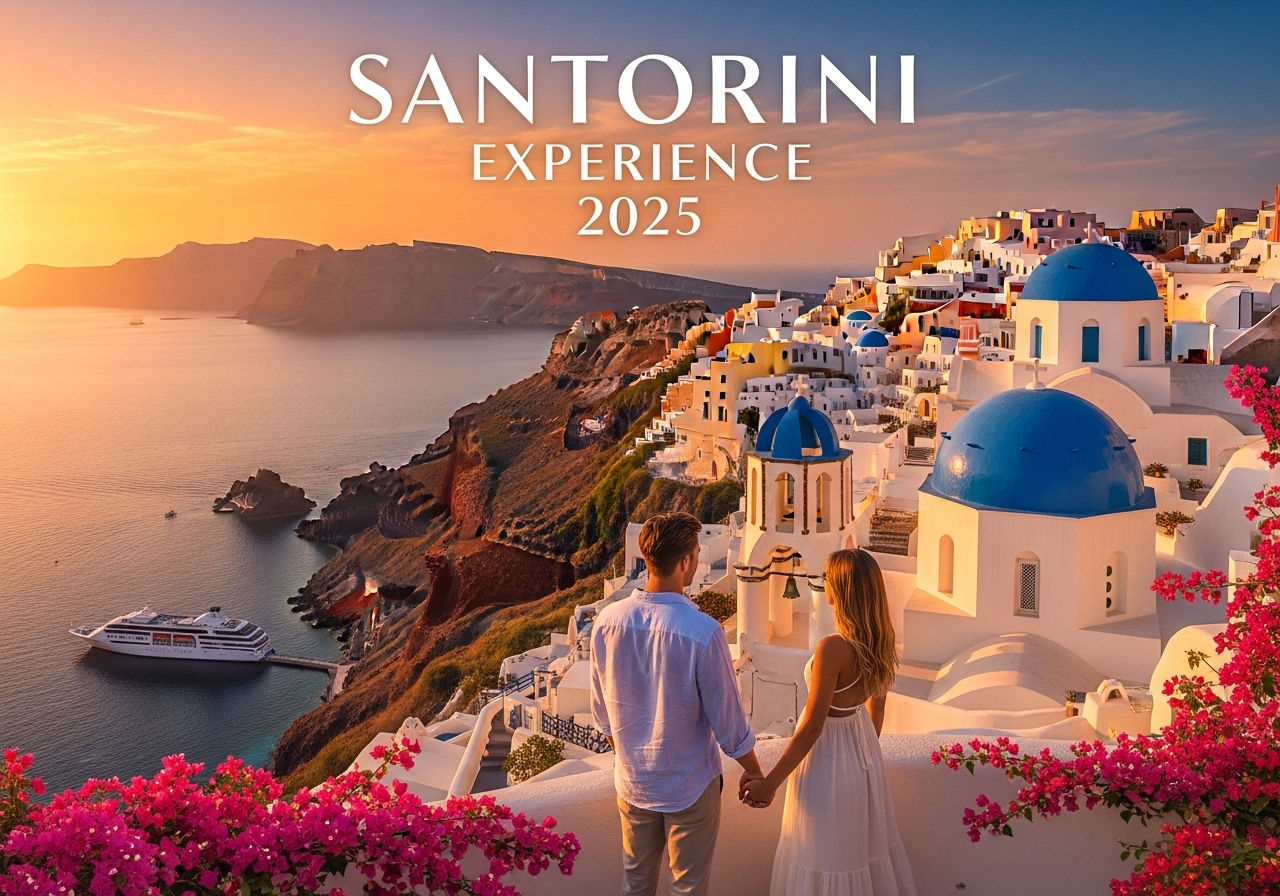
    Santorini Experience 2025 returns Friday to Sunday, October 10–12, 2025, uniting open-water swimming and caldera‑edge trail running in one of the world’s most dramatic island settings. Official channels confirm the 10th‑anniversary edition with a signature 2.4 km swim from the volcano to Fira’s Old Port and three cliff‑line runs of 5 km, 10 km, and 15 km starting and finishing in Oia, threading Imerovigli and Firostefani for uninterrupted views above the Aegean. Registration is open, travel partner offers are live, and the program blends athlete services with family‑friendly activities so the entire weekend feels as welcoming as it is unforgettable.

    Dates, disciplines, and setting

    • Dates: October 10–12, 2025, with activities and bib pickup across three days, anchored by Saturday and Sunday race windows on Santorini.
    • Events: 2.4 km open‑water swim from the volcano to the Old Port of Fira, plus 5 km “Aristides Alafouzos,” 10 km, and 15 km trail runs on the caldera rim between Oia, Imerovigli, and Firostefani.
    • Terrain: Deep‑blue caldera waters, stair‑stitched villages, and volcanic single‑track above the sea deliver the island’s defining vistas on both swim and run courses.

    The iconic swim: volcano to Fira

    • Course: A single 1.5‑mile (2.4 km) line that starts at the Santorini volcano and finishes at the Old Port of Fira, crossing caldera waters that plunge hundreds of meters deep at mid‑channel.
    • Safety and direction: Designed by national‑team coach Nikos Gemelos with mandatory tow buoys, full lifeguard coverage, rescue boats, and coordination with the Santorini Boatmen’s Association; swimmers ride the cable car for free on presentation of their race registration.
    • Who’s coming: 2025 highlights include elite and Olympian names such as Nora Drakou, Yasu Hirai Fukuoka, and Paralympian Efthymia Gouli, showcasing a field that mixes champions with first‑timers in the same waters.

    The caldera runs: Oia to Imerovigli and back

    • Distances and routes: 5 km, 10 km, and 15 km options start and finish at Oia’s desalination plant, climbing and rolling across volcanic paths and village promenades through Imerovigli and Firostefani, with sections suited to both power‑walking (5 km) and endurance pacing (15 km).
    • Experience: Expect rugged terrain, stair sections, and balcony‑like track segments with constant exposure to the caldera’s cliffs and the volcano beyond — a route profile built more for rhythm and views than raw speed.
    • Community feel: Villagers and visitors line narrow lanes to cheer, blurring race and festival as runners crest steps and viewpoints above Ammoudi and the caldera.

    Registration, pricing, and what’s included

    • Registration status: Open now through official portals; the event marks its 10th anniversary with limited slots per discipline to preserve safety and course flow.
    • Athlete pack: Technical T‑shirt, swim cap for swimmers, bib/timing chip, commemorative bag, finisher medal, baggage services, on‑course hydration, medical support, and sponsor gifts — picked up at Alafouzos Sport (official sports store) in Fira or race‑day desks.
    • Resident access: Free participation for Santorini residents via local registration through Alafouzos Sport; details and windows are posted by organizers for each discipline.

    Travel offers and supporters

    • Travel perks: 30% discount on Blue Star Ferries tickets and vehicles; preferred rates from SIXT’s premium vehicle fleet; hotel partners across the island with event rates.
    • Key partners: Co‑organized with the Municipality of Thira and ActiveMedia Group; partners include SIXT (Premium Mobility), Blue Star Ferries, Vikos (Official Water), Lifeguard Patrol (Lifeguard Partner), Caldera Yachting, Santorini Nautical Club, and Humanity Greece.

    Schedule snapshot

    • Friday: Athlete check‑in, expo moments, and shake‑out walks along Oia’s lanes or Fira’s promenade to preview the run and swim finish zones.
    • Saturday: Caldera run races from Oia with rolling starts by distance; afternoon recovery and sunset viewpoints across Imerovigli and Firostefani.
    • Sunday: 2.4 km swim from the volcano to the Old Port of Fira; cable car access supports swift transfers from port to town after the finish.

    How to prepare

    • Open‑water readiness: Practice sighting, drafting, and pacing on steady 1.5–2 km efforts; caldera chop and cross‑currents can require stronger line choice than lake swims. Mandatory tow buoy increases visibility and calm.
    • Caldera running: Train stair repeats and rolling trail efforts; invest in grippy trail shoes that handle volcanic grit and short paved connectors through towns.
    • Heat and hydration: Mid‑October is milder than summer but still sunny; carry light electrolytes for the 10 km and 15 km routes and plan shaded cooldowns post‑finish.

    Spectator and family guide

    • Best viewpoints: Oia’s castle ridge and Imerovigli balconies for runners; the Old Port of Fira pier and switchbacks above the finish for swimmers. The cable car links the port with Fira for smooth spectator movement on swim day.
    • Ammoudi Bay tips: For cliff‑edge scenery and post‑race dining, descend Oia’s 200+ steps to Ammoudi for seafood and golden‑hour photos; allow time for a steady climb back up or arrange a ride from the bay.
    • Family activities: Afternoon boat tours of the caldera, hot‑spring swims, and winery visits pair well with race mornings; many hotels offer shuttle guidance for event logistics.

    Culture and course context

    • Why Santorini: The island’s amphitheater‑shaped caldera, whitewashed villages, and volcanic geology make every kilometer cinematic — a spirit the event embraces by routing runners along cliff paths and swimmers across the caldera line from the volcano itself.
    • Designed by experts: The swim course is set by coach Nikos Gemelos and backed by local maritime partners who know the caldera’s winds, currents, and safe escort lines.
    • Inclusive by design: From free local entries to 5 km routes suited for power walkers and families, the weekend prioritizes participation and shared memories along with elite performance.

    Practical planning

    • Where to stay: Oia for run starts and iconic sunsets; Fira for cable‑car access to the Old Port swim finish and central transport; Imerovigli for quieter nights within easy reach of both hubs.
    • Getting around: Book vehicles early with partner rates; use the cable car on swim day for quick ascents; expect narrow lanes and limited parking at Ammoudi and port areas — plan extra time.
    • Packing list: Tow buoy (provided/required for swimmers), trail shoes with grip, sunglasses and cap, light layers for breezy ridges and boat transfers, and a compact dry bag for the Old Port.

    Verified details at a glance

    • Dates: October 10–12, 2025; 10th‑anniversary edition.
    • Swim: 2.4 km from the volcano to the Old Port of Fira; free cable‑car use for registered swimmers.
    • Runs: 5 km “Aristides Alafouzos,” 10 km, 15 km; start/finish in Oia; routes via Imerovigli and Firostefani.
    • Registration: Open with athlete pack inclusions; free entries for Santorini residents via Alafouzos Sport in Fira.
    • Travel offers: 30% Blue Star Ferries discount; SIXT vehicle deals; hotel partner rates islandwide.
    • Safety: Technical direction by coach Nikos Gemelos; lifeguards, rescue boats, and Boatmen’s Association support on swim day.

    Mark the calendar, secure a bib, and start building confidence on stairs, trails, and steady swims. Plan a stay that splits time between Oia’s start lines and Fira’s finish pier, then let the caldera frame every effort, photo, and toast. Santorini Experience 2025 is built for athletes, families, and dreamers — a long weekend where sport, sea, and volcanic light come together on the edge of the Aegean.


    Oia, Imerovigli, Firostefani; Old Port of Fira, Santorini
    Oct 10, 2025 - Oct 12, 2025
    IFESTIA Festival 2025
    Cultural, Fireworks
    TBA

    IFESTIA Festival 2025

    Santorini’s IFESTIA Festival 2025 is set for Saturday, September 20, 2025, turning the caldera into a colossal natural stage for a volcanic “eruption” re‑enactment with synchronized fireworks, sound, and light viewed from cliffside villages or by boat on the Aegean. Regional event listings and hospitality partners confirm the date and evening timing just after sunset, noting that the spectacle simulates lava flows and explosions over the volcano while music and live elements create an immersive, once‑a‑year celebration of the island’s seismic soul. Expect a single, concentrated night that anchors a weekend of culture and dining in Fira, Oia, Imerovigli, and Pyrgos, with prime viewing from terraces, restaurants, and the water.

    What IFESTIA is

    • Essence: IFESTIA is Santorini’s signature volcanic celebration, a dramatic night show that recreates the island’s ancient eruption with pyrotechnics choreographed to music over the caldera. It blends history, spectacle, and place in a way no other festival does, with the volcano itself as centerpiece.
    • One‑night focus: The main event happens on a single September evening, drawing islandwide attention to the caldera. The festival’s cultural feel is amplified by pre‑ and post‑show gatherings in cliffside towns, but the fireworks remain the heart of the experience.

    2025 confirmed date and timing

    • Date: Saturday, September 20, 2025, shortly after sunset. Multiple reputable event pages and hotel guides list this specific date for the caldera fireworks and eruption reenactment.
    • What to expect: A choreographed pyrotechnic display over the volcano with music and sound design that simulates lava, ash bursts, and flowing fire. Boats gather in the caldera and terraces fill along the rim for a panoramic view.

    Best places to watch

    • From the rim: Pyrgos, Fira, and Oia are repeatedly cited as exceptional vantage points, with many restaurants and hotels offering dedicated terrace dining and viewing packages for IFESTIA night. Booking early secures sightlines over the caldera.
    • From the sea: Boat tours coordinate positioning inside the caldera for close‑in perspectives beneath the fireworks. This water‑level view intensifies the illusion of a live eruption unfolding above.
    • Ammoudi Bay note: For post‑show atmosphere and cliffside ambience near Oia, Ammoudi Bay offers memorable dining and photo opportunities; allow time for steps and transfers before and after the show.

    What the show looks and feels like

    • Visuals: Eruption‑like fireworks create “lava” cascades and explosive bursts, with colors and sequences selected to tell a volcanic story in the sky. Lighting and sound effects elevate the theatre of the evening.
    • Atmosphere: Thousands watch from terraces and decks under a violet sky, with music echoing off the caldera cliffs. Boats anchor in the bay with mast lights twinkling, adding to the layered spectacle.

    Planning and reservations

    • Make reservations early: Demand for view terraces and boat places is intense. Restaurants and hotels open bookings weeks to months in advance; event pages urge early commitments for the best angles.
    • Terrace packages: Many venues sell curated menus or set dinners timed for the show. These packages often include prime seats, wine pairings, and lingering after the fireworks for a relaxed finish.
    • Boat tours: Caldera cruises for IFESTIA are a standout option. Operators position vessels strategically and often include drinks or live music onboard. Bring light layers for the evening breeze.

    Weekend flow: how to build the trip

    • Friday: Arrive and acclimate in Fira or Oia; walk the rim path for scouting views. Book a sunset table to preview the skyline and choose Saturday’s vantage.
    • Saturday day: Explore Pyrgos, Imerovigli, or wineries on the higher slopes for panoramic caldera looks and lunch. Return to the base with time to dress and get to your sunset reservation.
    • Saturday night: Watch the eruption show just after sunset from a booked terrace or boat. Expect applause and a festive energy across the clifftop towns.
    • Sunday: Recover with a relaxed caldera walk or beach time; revisit the rim at golden hour for post‑festival photos after crowds ease.

    Practical tips for the night

    • Arrive early: Even with reservations, plan extra time for narrow lanes and crowd flow along the rim villages. Seating windows are strict on event night.
    • Dress smart: Coastal evenings in September are mild with a breeze; bring a light layer and wear shoes comfortable enough for cobblestones and steps.
    • Photography: Use a tripod or steady surface and a wide lens for full caldera frames. If shooting from a boat, brace against railings and shoot slightly ahead of bursts to capture peak light.

    Cultural and historical notes

    • Volcanic roots: IFESTIA’s story pays homage to the Minoan or Thera eruption, a Bronze Age event that shaped Santorini’s crescent and the Aegean’s history. The reenactment is contemporary art rooted in deep time and local identity.
    • A Santorini original: For decades, late‑summer “Volcanoes” nights have marked the calendar, evolving into today’s IFESTIA—an islandwide celebration that links visitors and residents through shared wonder at the caldera’s power.

    Accessibility and family guidance

    • Family‑friendly: The fireworks and music captivate all ages. For small children, avoid the densest terraces and position slightly back from railings to reduce crowd pressure. Consider ear protection for sensitive kids.
    • Mobility: Santorini’s steps and narrow lanes can be challenging. When booking, request accessible seating or transport advice from hotels and restaurants. Boats typically assist with careful boarding; notify crews in advance of any special needs.

    Alternatives if terraces are sold out

    • Village perches: Public viewpoints in Pyrgos or upper Fira can still yield sweeping views if arriving early. Bring water and patience as space fills.
    • Balcony stays: Some hotels market caldera‑view rooms specifically for IFESTIA. If dining options are booked, a private balcony can be an intimate, crowd‑free solution.
    • Waterfront edges: Lower‑elevation viewpoints capture reflections on the sea and the upward angle of the “eruption,” especially dramatic in longer exposures.

    Verified details at a glance

    • Date: Saturday, September 20, 2025, shortly after sunset.
    • Nature of event: Volcanic eruption reenactment with fireworks, music, and light over the caldera.
    • Best viewing: Pyrgos, Fira, Oia, or by boat in the caldera; reserve early for terraces or cruises.
    • Experience notes: Strong emphasis on dining‑and‑view packages, terrace seating, and sea‑level perspectives; one of Santorini’s most photographed nights of the year.

    Book the terrace, secure a spot on a caldera boat, or claim a balcony and let the island’s most storied night unfold. With IFESTIA confirmed for September 20, 2025, plan a weekend that pairs the eruption show with sunset walks, cliffside dinners, and a Sunday of slow seaside pleasures. When the first bursts bloom over the volcano, the caldera’s curve lights up — and Santorini’s magic feels close enough to touch.

    Caldera (Fira/Oia viewpoints; boats), Santorini
    Sep 20, 2025 - Sep 20, 2025
    Valeron at Wet Stories 2025
    Music, Nightlife
    TBA

    Valeron at Wet Stories 2025

    Valeron’s summer appearances at Wet Stories in Santorini have become a magnet for sunset‑to‑late‑night beach sessions, blending live instrumentation with deep, organic house on the black sands of Perivolos. For 2025, Wet Stories confirms Valeron as part of its Sunday music series with at least three announced dates — Sunday July 20 at 22:30, Sunday August 17 at 21:00, and Sunday September 14 at 22:00 — set on the venue’s seaside stage where international and Greek headliners rotate weekly all summer. Official lineups and social posts lock the July, August, and September slots, while Wet Stories’ parties page presents Valeron among the season’s headliners, emphasizing the venue’s focus on cross‑cultural grooves and live‑leaning performances that fit the Cycladic setting.

    Dates, times, and vibe

    • Confirmed 2025 dates:
    • Sunday, July 20 — start 22:30, Valeron at Wet Stories.
    • Sunday, August 17 — start 21:00, Valeron returns for a peak‑season Sunday.
    • Sunday, September 14 — start 22:00, a shoulder‑season finale in Santorini.
    • Series format: The venue runs a curated Sunday program with world‑class DJs through summer 2025; Valeron’s sets sit alongside guests like Kiko Navarro, Chris IDH, and international names highlighted across Wet Stories’ weekly posters.
    • Sound and setting: Expect live‑inflected deep house and organic, Mediterranean rhythms carried by sea breeze, framed by the Perivolos shoreline and Wet Stories’ open‑air lighting.

    Venue essentials: Wet Stories, Perivolos

    • Location: On Santorini’s Perivolos Beach, a wide stretch of black sand on the island’s south coast, with a full day‑to‑night beach club and restaurant setup.
    • What it offers: Sunbeds and cabanas, a fine‑casual restaurant with Mediterranean dishes, signature cocktails, and an award‑tilted bar program, plus a fashion boutique and frequent DJ bookings from Greece and abroad.
    • Why it fits Valeron: The club’s “Sunday Music Events” brand spotlights artists who fuse instruments, global influences, and modern house — a lane Valeron helped popularize across Cycladic venues.

    Tickets, tables, and how to book

    • Entry: Many Sundays operate with table reservations and door management rather than conventional ticketing. Check Wet Stories’ weekly posts and WhatsApp contact on flyers for table minimums and guest list policy.
    • Reservations: Book sunbeds or dinner early for prime sunset seating before the set. For night sessions, reserve a high‑table or lounge near the dance area; peak July and August Sundays fill quickly.
    • Timing: Aim to arrive 60–90 minutes before billed start to glide through seating and settle into the floor as energy builds. Valeron’s July start is posted at 22:30; the August return is an earlier 21:00.

    What to expect in the set

    • Musical signature: Organic house with Mediterranean melodic lines, oud‑ or violin‑like timbres, hand percussion textures, and modern deep‑house structure; transitions lean musical rather than purely percussive.
    • Crowd: A cosmopolitan mix — island travelers, Greek weekenders, and repeat guests who follow the Sunday series — often rolling in from dinner for the headliner.
    • Production: Open‑air lighting, beach‑level stage risers, and tightly mixed sound designed for outdoor clarity; the sea breeze acts as a natural chiller on warm nights.

    Make a full Santorini day of it

    • Day plan:
    • Morning: Hit Perivolos or Perissa for swims and water sports; secure a sunbed at Wet Stories if staying through sunset.
    • Afternoon: Long lunch at the Wet Stories restaurant; try Mediterranean plates and a bottle of local Assyrtiko before a shaded siesta.
    • Sunset to night: Freshen up and move to the lounge or floor as the Sunday ritual begins; stay for the full headline slot and late‑night seaside unwind.

    Getting there and back

    • From Fira/Oia: 25–45 minutes by taxi or private transfer depending on traffic. Pre‑book returns during peak weeks; island roads narrow after midnight.
    • Parking: On‑site and nearby beach road parking exists but fills by sundown in July and August; arrive early if driving.
    • Dress code: Elevated beachwear by day; resort‑casual at night. Comfortable shoes for sand and decking make dancing easier.

    Food and drinks to try

    • Plates: Fresh fish, salads, and Mediterranean mains from Chef Alex Untila’s kitchen; the menu mixes local produce with subtle Asian accents.
    • Cocktails and wine: Signature cocktails and a strong Greek wine list centered on Santorini whites; ask for Assyrtiko pairings that match sea‑fresh plates.

    Alternatives and complements

    • Other Sundays: Kiko Navarro, Natalie Jane, and international guest DJs appear on adjacent Sundays in July and August, giving options if Valeron dates sell out.
    • Mid‑week: While Valeron’s 2025 Santorini sets are posted on Sundays, Wet Stories often programs weeknight guest slots; watch the venue’s Instagram for late adds.

    Photography and etiquette

    • Golden hour: Shoot sunset colors over Perivolos before the headliner; after dark, step back from the floor for light‑trail shots. Avoid flash near the booth.
    • Respect the space: Keep paths clear for servers; don’t block stairs or railings; celebrate, but be mindful of beach neighbors sharing the night.

    Verified details at a glance

    • Artist and venue: Valeron at Wet Stories, Perivolos Beach, Santorini.
    • 2025 dates posted: Jul 20 (22:30), Aug 17 (21:00), Sep 14 (22:00).
    • Series: Sunday Music Events — weekly international and Greek headliners across summer.
    • Booking: Reserve tables via Wet Stories’ channels; weekly Instagram flyers list WhatsApp contact and lineup.
    • Venue profile: Black‑sand beachfront club‑restaurant with boutique, signature cocktails, and frequent DJ bookings.

    Pick the night, lock a sunset table, and let the music rise as the shoreline glows. With Valeron’s 2025 Sundays locked at Wet Stories — July 20, August 17, and September 14 — Santorini offers a perfect arc from beach day to Balearic‑tinged Greek night, carried by deep, organic grooves on Perivolos’ black sand. Reserve early, dress light, and be ready to dance with the Aegean at your feet

    Wet Stories (Perivolos), Santorini
    Sep 14, 2025 - Sep 14, 2025
    Harvest Moon at Selene 2025
    Culinary, Wine
    TBA

    Harvest Moon at Selene 2025

    Special full-moon grape-harvest themed dining event with wine pairings and live music at Santorini’s emblematic Selene Winebar.
    Selene Winebar (Pyrgos), Santorini
    Sep 7, 2025 - Sep 7, 2025

    Photo Gallery

    Santorini gallery 1
    Santorini gallery 2
    Santorini gallery 3
    Santorini gallery 4
    Santorini gallery 5

    Popular Events at Santorini

    Megalochori Festival

    Megalochori Festival

    <h2>Discover the Megalochori Festival on Santorini Island</h2><p>Megalochori Festival on Santorini island is best understood as the village’s traditional <strong>panigiri</strong> celebrations, where a church feast day turns into an open-air community night with food, music, and dancing. The best-known Megalochori panigiri in Santorini’s annual calendar is the feast of <strong>Agioi Anargyri</strong> on <strong>July 1</strong>, hosted in Megalochori.</p><p><br></p><h2>What is the Santorini Megalochori Festival?</h2><p>“Megalochori Festival” is often used by travelers as a catch-all phrase for the village’s seasonal celebrations, especially its panigiria, which are religious feast days followed by community festivities. A Santorini festivals guide lists “Agioi Anargyri in Megalochori” among the island’s panigiria, supporting Megalochori’s role in Santorini’s living festival culture rather than a single fixed-ticket event.</p><p>For visitors, this matters because the experience feels authentic and local. You’re not entering a stadium-style festival; you’re stepping into a village square atmosphere where tradition, hospitality, and island flavor come first.</p><p><br></p><h2>Why Megalochori is the Perfect Festival Village</h2><p>Megalochori is widely described as a traditional village with classic Cycladic architecture and a calmer pace compared with the caldera-front towns. That setting makes festival nights feel especially atmospheric: narrow lanes, whitewashed walls, church courtyards, and a sense that the village itself is the venue.</p><p>Megalochori is also strongly connected to Santorini’s wine identity, with vineyards surrounding the area and a long-established wine culture in the region. Even if your main goal is a festival evening, many travelers pair Megalochori with winery tastings and village walks to turn the night into a full island experience.</p><p><br></p><h2>When is the Megalochori Festival Typically Held?</h2><p>The most clearly listed Megalochori village feast in Santorini’s panigiri calendar is <strong>July 1</strong>, the feast of <strong>Agioi Anargyri</strong> in Megalochori. Since panigiria are tied to the Orthodox feast-day calendar, they tend to recur annually on the same date, though exact evening schedules can vary locally.</p><p>If you want a broader “Megalochori festival season” feel, summer is the safest window to plan around because multiple panigiria and cultural events take place across the island during that period.</p><p><br></p><h2>What Happens at a Megalochori Panigiri?</h2><p>A typical Santorini panigiri begins with a religious service and then shifts into a community celebration with music, dancing, and shared food. A guide to panigiria in Santorini frames them as community events where religious observance blends with local celebration, helping visitors understand why the village gathers so wholeheartedly.</p><p><br></p><h2>Food, Music, and Island Hospitality</h2><p>Megalochori celebrations are often described in terms of local dishes and a lively village atmosphere with dancing and music. This is where you’ll feel the island’s social culture: families out together, long tables, and a welcoming energy that is different from the “sunset rush” in more tourist-heavy spots.</p><p><br></p><h2>Culture You Can Actually Join</h2><p>Panigiri-style events are participatory by nature. Visitors are typically welcome to watch respectfully, sample local food, and join dancing when invited, as long as the church portion of the evening is treated with appropriate respect.</p><p><br></p><h2>Where to Go in Megalochori on Festival Night</h2><p>Megalochori’s village core is compact, so festival energy tends to concentrate around the church associated with the feast and nearby lanes and squares. Arriving early lets you explore the village calmly, then choose a good spot once crowds build.</p><p>If you want to build a full itinerary, pair the festival evening with a daytime village walk through Megalochori’s traditional streets and architecture, which travel guides frequently highlight as part of its charm.</p><p><br></p><h2>Travel Tips for Visitors (Practical and Easy)</h2><p>Festival nights on Santorini island are magical, but they are smoother with a simple plan.</p><ul><li>Arrive early and park outside the tight village core when possible, since small lanes can bottleneck when crowds gather.</li><li>Dress comfortably and bring a light layer, because village evenings can feel cooler even in summer.</li><li>If you’re staying in Fira, Pyrgos, or Kamari, plan your return transport ahead of time so you’re not relying on last-minute availability.</li></ul><p><br></p><h2>Pricing: What It Usually Costs</h2><p>A Megalochori panigiri is generally a community celebration rather than a ticketed festival, so there is typically <strong>no admission fee</strong> to simply attend the public festivities. Visitor spending is usually on food, drinks, and transport, and supporting local vendors is one of the best ways to contribute to village life during these events.</p><p>Because pricing details can vary by the specific setup each year, the most reliable approach is to treat this as a low-cost cultural night and budget mainly for dinner and local treats.</p><p><br></p><h2>Verified Information at a Glance</h2><ul><li>Event name: <strong>Megalochori Festival</strong> (village panigiri celebrations in Megalochori, Santorini).</li><li>Event category: <strong>Religious and cultural village festival</strong> (panigiri with feast-day observance, then music, food, and dancing).</li><li>Typically held: <strong>July 1</strong> (Agioi Anargyri panigiri in Megalochori is listed on Santorini’s panigiri calendar).</li><li>Venue / location: <strong>Megalochori village</strong>, centered around the church and village gathering areas associated with the feast.</li><li>Pricing: <strong>Generally unticketed community festivities</strong>; visitor costs mainly for food, drinks, and transport.</li></ul><p>If you want to feel Santorini island beyond the caldera viewpoints, plan your visit around a Megalochori festival night, wander the village lanes before sunset, and stay late for the music, dancing, and shared tables that make this part of the island’s culture unforgettable.</p>

    Typically in July 1
    Santorini Wine Festival

    Santorini Wine Festival

    <h2>Welcome to the Santorini Wine Festival</h2><p>Santorini Wine Festival is a must for wine-loving travelers who want to taste the island’s volcanic character in one place, meeting local producers and sampling iconic varieties in a lively festival setting. Set against Santorini’s caldera views and traditional villages, it turns a classic island holiday into a deeper cultural experience rooted in vineyard life and local hospitality.</p><p><br></p><h2>What to Expect at the Santorini Wine Festival</h2><p>Santorini Wine Festival is presented as a wine-focused celebration in Fira, inviting visitors to savor the island’s terroir through tastings and a festival atmosphere. While Santorini is widely known for cliffside sunsets and whitewashed architecture, this festival highlights something just as defining: the island’s relationship with the vine and the volcanic soil that shapes its wines.</p><p>For many travelers, the biggest appeal is simple: you can taste a wide range of Santorini labels without planning separate winery appointments, then continue your night in the island’s capital with dining, bars, and caldera strolls.</p><p><br></p><h2>Why Santorini Wine is Different (and Why the Festival Matters)</h2><p>Santorini’s wines are closely associated with the island’s unique environment and long-standing wine culture, which is why a dedicated festival fits the island so well. The festival positioning around <strong>“timeless terroir”</strong> reflects how Santorini wine is typically experienced: not just as a drink, but as an expression of place, climate, and tradition.</p><p>A wine festival on Santorini island also makes wine culture accessible to visitors who are not wine experts. Instead of needing deep knowledge, you can simply taste, compare, and discover what styles match your palate, then bring that knowledge to winery visits later in the trip.</p><p><br></p><h2>When Santorini Wine Festival is Typically Held</h2><p>Listings for Santorini Wine Festival indicate it is a recurring event associated with the island’s festival calendar, and it is commonly referenced as a seasonal celebration for visitors. Since timing can vary by organizer and venue, it’s smart to confirm dates close to travel planning through the festival’s official channels or current listings.</p><p>If your goal is to pair the festival with winery visits, plan additional days on the island so you can explore vineyards in daylight and keep festival time for evening tastings and social energy.</p><p><br></p><h2>Where to Go: Fira and Nearby Island Wine Stops</h2><p>Santorini Wine Festival is associated with Fira, the island’s main hub and one of the easiest places to base yourself for events, dining, and transport. Staying in or near Fira also makes it easier to explore nearby caldera-edge neighborhoods like Firostefani and Imerovigli, which are well-positioned for sunset walks before a night of tastings.</p><p>To round out the festival experience, consider adding at least one winery visit elsewhere on the island. Santorini’s wine identity is also strongly linked with larger winery venues and tasting spaces that host events, such as Santo Wines, which is referenced as an event venue for wine-focused nights on the island.</p><p><br></p><h2>Highlights and Experiences at the Festival</h2><p>Santorini Wine Festival is designed around tasting and discovery, often described in terms of savoring the island’s terroir. While the exact programming can vary, the overall experience usually centers on trying different local wines, learning directly from producers or presenters, and enjoying a social, island-evening atmosphere.</p><p>Common festival-style moments to look for:</p><ul><li>Walk-around tastings where you can compare different Santorini labels side by side.</li><li>Food pairings that help you understand how Santorini wine fits local dining, especially with island ingredients.</li><li>A lively night-out feel in Fira, where you can continue the evening after tastings without long travel back to your hotel.</li></ul><p><br></p><h2>Cultural Flavor: Wine on Santorini is Part of Everyday Life</h2><p>A Santorini wine festival feels especially authentic because wine is not an “add-on” to island culture. It is woven into the island’s food traditions, celebrations, and sense of place, which is why many travelers find that one tasting leads to a full wine itinerary of vineyard visits and bottle hunting.</p><p>This is also a great event for travelers who enjoy talking to locals. Wine festivals naturally spark conversations about villages, family traditions, harvest stories, and which bottles people bring to Easter tables or summer dinners.</p><p><br></p><h2>Travel Tips for Festival Nights on a Busy Island</h2><p>A smooth festival experience comes down to timing, comfort, and a plan for getting back safely.</p><p>Practical tips:</p><ul><li>Arrive early to get your bearings in Fira and avoid last-minute crowd stress.</li><li>Eat before heavy tasting so you can enjoy flavors without rushing, then plan a relaxed dinner afterward.</li><li>Wear comfortable shoes, because Fira’s lanes, steps, and viewpoints can be slippery or uneven at night.</li><li>If you’re staying outside Fira, pre-plan transportation, since event nights can make taxis and transfers harder to coordinate.</li></ul><p><br></p><h2>Pricing: What It Costs</h2><p>Pricing depends on the organizer and whether the ticket includes a tasting package, a glass, or food pairings, so it’s best confirmed through the festival’s official page or current event listing. Some visitors build their budget around two parts: the event entry or tasting fee, plus additional spending on bottles or winery visits afterward.</p><p>If you’re traveling as a couple or group, consider planning a shared bottle strategy. Taste broadly at the festival, then buy only the favorites to bring home or enjoy later in your Santorini stay.</p><p><br></p><h2>Verified Information at a Glance</h2><ul><li>Event name: <strong>Santorini Wine Festival</strong></li><li>Event category: <strong>Food and drink festival (wine tasting focused)</strong>.</li><li>Typically held: <strong>Seasonal recurring event on Santorini’s festival calendar; confirm exact dates via official channels or current listings.</strong></li><li>Primary location: <strong>Fira, Santorini island.</strong></li><li>What it features: <strong>Wine-focused celebration positioned around tasting the island’s terroir.</strong></li><li>Pricing: <strong>Varies by organizer and package; confirm via the official festival page or current listing.</strong></li></ul><p>Make Santorini Wine Festival the centerpiece of your island trip, plan a sunset walk along the caldera before the tastings begin, and let each glass guide you deeper into Santorini’s volcanic story, one sip at a time.</p>

    Typically in Seasonal recurring event
    Ifestia Festival

    Ifestia Festival

    <p>Ifestia Festival - Santorini's Dramatic NightSantorini’s Ifestia Festival is the island’s most dramatic night of the year, when the caldera becomes a stage for a volcanic eruption reenactment with fireworks, light, and music. Typically held in September, Ifestia celebrates Santorini’s powerful volcanic identity and delivers a once-in-a-lifetime spectacle from cliffside villages like Fira and Oia or from boats gathered on the water inside the caldera.</p><p><br></p><h2>What is the Ifestia Festival in Santorini?</h2><p>Ifestia (sometimes written I-Festia) is a signature Santorini festival inspired by the island’s volcanic heritage and named after Hephaestus, the Greek god associated with fire and volcanoes. A detailed Santorini guide explains that the event pays tribute to the natural forces that formed the island, linking today’s celebration to the volcano that shaped the caldera and Santorini’s dramatic landscape.</p><p>At its core, Ifestia is a theatrical “story told with light.” The festival’s main highlight is a volcanic fireworks show over the caldera, designed to recreate the feeling of eruptions that formed the island, with the Aegean Sea as the backdrop.</p><p><br></p><h2>When Ifestia is Typically Held</h2><p>Ifestia Festival typically takes place in September, during late summer when Santorini is still warm, lively, and filled with visitors. Santorini View notes that Ifestia is usually held in September and frames it as a prime time for cultural events on the island.</p><p>Because the show is weather-dependent and organized as a specific night event, it’s worth building a “buffer” into your trip. Plan several nights on the island around September so you can still enjoy Santorini even if conditions shift timing.</p><p><br></p><h2>Where It Happens: The Caldera and the Best Viewpoints</h2><p>The Ifestia fireworks and eruption reenactment take place over the caldera, visible from many cliffside viewpoints and best experienced from elevated villages or a boat on the water. Santorini View emphasizes that the key is to watch from an elevated view and names Fira, Oia, Firostefani, and Imerovigli as popular viewing spots with panoramic caldera perspectives.</p><p><br></p><h2>Watching Ifestia from Fira, Firostefani, and Imerovigli</h2><p>If you want the classic caldera promenade vibe, Fira, Firostefani, and Imerovigli offer wide-open views and plenty of dining options nearby. These are ideal if you want to pair the show with dinner, a sunset drink, and an easy walk back to your hotel.</p><p><br></p><h2>Watching Ifestia from Oia</h2><p>Oia is famous for sunsets, but Ifestia gives the village a different kind of glow. From terraces and viewpoints, you’ll see the caldera light up in bursts that reflect on the sea below.</p><p><br></p><h2>Watching Ifestia from the Sea (The Most Immersive Option)</h2><p>Many travelers consider a caldera cruise the best way to experience Ifestia, because you’re inside the amphitheater of the caldera looking up at the cliffs and fireworks. Santorini View mentions boats gathering in the caldera waters as an ideal viewpoint, and encourages booking a caldera cruise for a unique perspective.</p><p>A cruise listing for an Ifestia experience describes sailing into the heart of the festival to watch the volcanic reenactment from the water, often combined with sunset views and a stop on Thirassia for a traditional dinner, with an optional swim in nearby thermal springs. This style of experience is especially appealing to an island audience because it turns a festival night into a full sea-and-sky itinerary.</p><p><br></p><h2>The Story and Symbolism: Why a Volcano Festival Fits Santorini</h2><p>Santorini’s landscape is inseparable from its volcano. Santorini View explains that volcanic activity shaped the island and that the caldera’s formation is tied to a major ancient eruption, which is why Ifestia feels like more than entertainment; it’s a cultural nod to the island’s origin story.</p><p>The festival’s name reinforces that identity. By referencing Hephaestus, the celebration draws on Greek myth and the symbolism of fire as both destructive and creative. It’s the same theme you see in Santorini itself: rugged volcanic rock, bright white architecture, and a sea that looks calm even when the ground beneath it has a fiery past.</p><p><br></p><h2>What Happens During Ifestia Night</h2><h3>The Volcanic Fireworks Reenactment</h3><p>The centerpiece is the caldera fireworks show that simulates volcanic eruptions with intense light and sound. Santorini View describes the show as recreating lava flows and explosions, with music and sometimes live acts adding dramatic structure to the night.</p><p><br></p><h3>Music, Atmosphere, and a “Festival Night” Mood</h3><p>Ifestia is often accompanied by music, giving the fireworks a cinematic feel rather than a random display. Santorini View notes that explosions are accompanied by music and live acts, creating an immersive experience.</p><p>For visitors, this means the best way to enjoy the evening is to treat it like a special occasion. Arrive early, choose your viewpoint, and settle in.</p><p><br></p><h2>Travel Tips for an Unforgettable Ifestia Experience</h2><p>Ifestia is a high-demand night on Santorini island, and small decisions can make a big difference.</p><h3>Choose Your Viewing Strategy Early</h3><p>Two solid options:</p><ul><li>Cliffside viewing from Fira, Firostefani, Imerovigli, or Oia for a classic “caldera balcony” experience.</li><li>Sea viewing on a caldera cruise for a front-row perspective with sunset and dinner add-ons.</li></ul><h3>Book Restaurants and Cruises in Advance</h3><p>Santorini View notes that the island is particularly popular during Ifestia and recommends making arrangements early. Cruise operators also market Ifestia as a signature night, often bundling it with dinner and transport, which can sell out quickly.</p><h3>Expect Crowds and Plan Your Movement</h3><p>If you’re watching from the villages, plan to walk. Streets can be crowded, viewpoints fill up, and traffic can be slow during peak moments. Choose a meeting point with your group, and keep your plan simple.</p><p><br></p><h2>Pricing: What Ifestia Costs</h2><p>Ifestia can be experienced in two main ways: free public viewpoints or paid cruises and packages.</p><ul><li>Watching from public caldera viewpoints is generally free, with costs mainly tied to food, drinks, and transportation.</li><li>Boat cruises and curated experiences are paid, and pricing varies by operator and inclusions.</li></ul><p>A published cruise experience description includes transport, guide, boat cruise, dinner, and a glass of wine, showing that many packages are designed as all-in evenings rather than a simple boat ticket. Since prices change by operator, the most accurate approach is to compare inclusions (dinner, hotel pickup, hot springs stop) rather than only the headline price.</p><p><br></p><h2>Verified Information at a Glance</h2><ul><li>Event name: Ifestia Festival (Santorini)</li><li>Event category: Cultural festival and volcanic eruption reenactment (fireworks, music, caldera spectacle).</li><li>Typically held: September</li><li>Main setting: Santorini caldera (fireworks over the caldera, visible from caldera villages and from boats).</li><li>Top viewing areas mentioned: Fira, Oia, Firostefani, Imerovigli.</li><li>Signature highlight: Volcanic fireworks show designed to recreate eruption visuals over the caldera, often synchronized with music.</li><li>Paid experience option: Caldera cruises marketed specifically for Ifestia, often including dinner on Thirassia and optional thermal springs swimming depending on the package.</li><li>Pricing: Public viewpoints can be enjoyed without a ticket, while cruises and curated experiences are paid and vary by operator and inclusions.</li></ul><p>Plan a September Santorini island escape, claim a caldera-view spot in Fira or Oia, or book a boat inside the volcanic amphitheater, and let the Ifestia Festival show you the island’s true origin story in the most Santorini way possible: fire in the sky, music in the air, and the caldera glowing beneath your feet.</p>

    Typically in September
    Easter (Greek Orthodox Holy Week)

    Easter (Greek Orthodox Holy Week)

    <h2>Experience the Magic of Santorini Easter</h2><p>Santorini Easter, celebrated through Greek Orthodox Holy Week, is one of the island’s most moving and visually unforgettable traditions, with candlelit processions, flower-filled churches, and a midnight Resurrection liturgy that lights up the caldera night. If you want to experience Santorini as a living island community rather than only a postcard destination, Holy Week is the time when villages like Pyrgos, Oia, Fira, and Megalochori reveal their most authentic side.</p><h2>What Makes Santorini Easter So Special</h2><p>Greek Orthodox Holy Week on Santorini is not a single event, but a full spiritual and cultural journey that unfolds day by day across the island’s villages. The Seajets guide describes Holy Week in Santorini as a “journey into the very soul of the island,” with daily services, bell towers ringing, and churches filled with people participating devoutly.</p><p>This is also one of the most atmospheric times to explore Santorini on foot. The same guide highlights village strolling during Easter, calling out Pyrgos, Emporio, Megalochori, Oia, and Fira as places where traditions, aromas, and festive energy come together.</p><h2>When Greek Orthodox Holy Week Happens in Santorini</h2><p>Greek Orthodox Holy Week takes place in the days leading up to Easter Sunday, generally in spring, with events spanning Lazarus Saturday, Holy Thursday, Good Friday, Holy Saturday (Resurrection night), and Easter Sunday. The Seajets guide outlines multiple Holy Week moments including:</p><ul><li>Lazarus Saturday</li><li>Maundy Thursday preparations</li><li>The Good Friday Epitaph procession</li><li>The Resurrection at midnight on Holy Saturday</li><li>Easter Sunday feasting</li></ul><p>Because Orthodox Easter is date-shifting, planning is best done by choosing the year’s Easter Sunday first, then building your trip around the week before it. That timing detail matters on an island like Santorini, where ferry schedules, hotel availability, and restaurant openings can vary by season.</p><h2>Where to Experience Santorini Holy Week</h2><p>Holy Week traditions are practiced across Santorini, and the best approach is to visit at least one village each night from Thursday through Sunday.</p><h3>Pyrgos: The Iconic Good Friday Glow</h3><p>If there’s one Santorini Holy Week moment travelers talk about for years, it’s Good Friday night in Pyrgos. The Seajets guide explains that Pyrgos transforms into a luminous spectacle on Good Friday, with hundreds of tin cans used as lanterns placed on terraces and windowsills, illuminating the entire village as the Epitaph procession moves through the streets.</p><p>This is a uniquely island-photogenic tradition because Pyrgos sits high on the island. Seeing the village lit up from afar, then walking its alleys in candlelight while incense and rose water scent the air, feels like stepping into a different era.</p><h3>Oia: Holy Week Centered at Panagia Platsani</h3><p>Oia is another powerful setting for Holy Week, especially for travelers who want the combination of village beauty and community ritual. Seajets notes that in Oia, all Holy Week services are held at Panagia Platsani, the church in the square.</p><p>Because Oia is compact and walkable, it’s easy to arrive before the service, grab a quiet dinner, and then experience the evening procession or liturgy without needing to drive afterward.</p><h3>Fira and Oia: Epitaph Procession Through Narrow Alleys</h3><p>Good Friday is marked by the Epitaph procession across the island, and the atmosphere in Santorini’s main towns is unforgettable. The Seajets guide states that in Fira and Oia, the Epitaph procession winds through narrow alleys while residents shower the streets with rose petals.</p><p>This detail matters for travelers because it helps you choose where to stand and what to expect. Instead of one big parade route, you get intimate, echoing alleyways where candlelight reflects off white walls and the crowd moves slowly with the ritual.</p><h3>Megalochori: Lazarus Saturday and the “Cross of Lazarus”</h3><p>Santorini also has a distinctive Lazarus Saturday tradition. Seajets describes a large “Lazarus” cross, about 15 to 20 meters high, made of shipwood and covered with rosemary or alyssum, erected in the central square of Megalochori (and other villages) and decorated by young women with bay leaves and flowers.</p><p>It’s also noted that children create small flower-and-branch crosses and place them at the entrances of their homes for good luck. For visitors, Lazarus Saturday is a beautiful time to see island tradition in a daytime setting, before the heavier, more emotional ceremonies of Good Friday.</p><h2>What to Expect During Holy Week: Day-by-Day Highlights</h2><p>Holy Week on Santorini is best understood as a rhythm: preparation, mourning, light, then celebration.</p><h3>Holy Thursday: Eggs, Buns, and Church Decorations</h3><p>On Holy Thursday, locals dye eggs and prepare traditional buns and tsoureki, while churches are decorated with flowers in preparation for the Crucifixion. Seajets notes that the evening Passion service can feel especially intense in smaller village churches, where candlelight creates an overwhelming devotional atmosphere.</p><p>For island travelers, this is the best night to slow down. Choose a small village church if you want a quieter, more intimate experience.</p><h3>Good Friday: The Epitaph and Candlelit Emotion</h3><p>Good Friday is the most visually dramatic night in many Santorini villages. The Seajets guide describes the Epitaph procession happening “in a river of light and emotion,” with scents of incense and rose water, and highlights Pyrgos’s tin-lantern illumination as the standout spectacle.</p><h3>Holy Saturday: Midnight Resurrection and Fireworks</h3><p>The Resurrection is celebrated on Holy Saturday night, typically around midnight, and it is one of Santorini’s most exciting moments. Seajets describes churches glowing with candlelight, bells ringing joyfully, and impressive fireworks illuminating the sky across the island.</p><p>It also notes that the Monastery of Prophet Elias offers a stunning view of fireworks across Santorini, even without a bell tower, making it a powerful viewpoint experience for those who want a panoramic island-wide look at the celebration.</p><h3>Easter Sunday: Food, Music, and Island Hospitality</h3><p>After the fasting of Lent, Easter Sunday becomes a full celebration of food and togetherness. Seajets notes lambs roasted on spits, kokoretsi prepared early, and tables filled with local specialties such as Santorinian meletinia, while groups sing, dance, and celebrate late into the night.</p><p>The guide also highlights local wines like Vinsanto and mentions traditional foods served during the Easter period such as fava, tomato fritters, and sgardoumia, tying Holy Week to Santorini’s culinary identity.</p><h2>Cultural Etiquette: How to Participate Respectfully</h2><p>Greek Orthodox Holy Week is deeply meaningful to locals, so a respectful approach enhances everyone’s experience.</p><p>Helpful etiquette:</p><ul><li>Dress modestly when attending services, especially in village churches.</li><li>Keep voices low and avoid blocking processions in narrow alleys, particularly in Fira and Oia where routes pass through tight spaces.</li><li>Ask before photographing individuals up close during solemn moments, especially on Good Friday.</li></ul><h2>Practical Travel Tips for an Island Holy Week Trip</h2><p>Holy Week is popular, but it can also be one of the most rewarding shoulder-season times to explore Santorini.</p><p>Travel planning tips:</p><ul><li>Base yourself in Fira for easy access to multiple villages, or in Pyrgos if Good Friday is your top priority.</li><li>Plan transport early on Good Friday and Holy Saturday night since roads and parking can become challenging around village centers during processions.</li><li>Build in downtime during the day, because evenings can run late, especially with midnight Resurrection services and post-service meals.</li></ul><h2>Pricing: What Does Santorini Easter Cost?</h2><p>Santorini Easter traditions are public religious and cultural observances, so there is no admission fee to attend church services or watch village processions. Visitor costs are mainly practical travel expenses such as accommodation, transport, and meals, especially if you plan to dine out on Easter weekend or book a caldera-view stay.</p><p>If you want to support local communities, consider purchasing traditional baked goods, local wine, or dining at family-run tavernas, which helps keep the island’s seasonal culture thriving.</p><h2>Verified Information at a Glance</h2><ul><li>Event name: <strong>Santorini Easter (Greek Orthodox Holy Week)</strong></li><li>Event category: <strong>Religious and cultural observance</strong> (Orthodox Holy Week services, processions, and Easter celebrations).</li><li>Typically held: <strong>Spring</strong>, during the week leading up to Orthodox Easter Sunday (Lazarus Saturday through Easter Sunday).</li><li>Key locations on the island: <strong>Pyrgos, Oia, Fira, Megalochori, Emporio.</strong></li><li>Signature traditions:</li><li class="ql-indent-1">Good Friday in Pyrgos with tin-lantern illumination and the Epitaph procession.</li><li class="ql-indent-1">Epitaph procession through Fira and Oia alleys, with rose petals scattered by residents.</li><li class="ql-indent-1">Lazarus Saturday “Cross of Lazarus” in Megalochori, described as a 15–20 meter cross decorated with herbs and flowers.</li><li class="ql-indent-1">Holy Saturday midnight Resurrection with candlelight, bells, and fireworks across the island, with Prophet Elias monastery noted as a strong viewpoint.</li><li class="ql-indent-1">Pricing: No ticket required for public religious services and processions; costs are mainly travel, lodging, and meals.</li></ul><p>Plan your spring island escape to match Greek Orthodox Holy Week, spend Good Friday night in glowing Pyrgos, follow the candlelit Epitaph through Fira or Oia, and stay up for the midnight Resurrection so you can experience Santorini Easter the way locals do: with light, music, tradition, and a sense of community that transforms the entire island.</p>

    Typically in Spring, during the week leading up to Orthodox Easter Sunday
    Santorini International Music Festival

    Santorini International Music Festival

    <h2>Santorini International Music Festival: A Celebration of Classical Music</h2><p>Santorini International Music Festival is a long-running classical music tradition on the Greek island of Santorini, bringing acclaimed performers to Fira for elegant concerts each September. Set against the island’s caldera views, whitewashed architecture, and late-summer glow, it’s one of the most memorable ways to experience Santorini after sunset.</p><p><br></p><h2>What is the Santorini International Music Festival?</h2><p>Santorini International Music Festival is a high-level music festival held in Fira, known for presenting internationally respected artists and serious concert programming in an intimate island setting. The Athens Concert Hall (Megaron) describes it as a festival where “the greatest artists of the international stage gather” every September at Fira for high-level music-making.</p><p>Unlike beach-club nightlife, this is Santorini’s refined cultural side. It’s the kind of event that pairs perfectly with slow evenings on the caldera, pre-concert dinners in Fira, and a deeper look at the island beyond the postcard viewpoints.</p><p><br></p><h2>When it’s Typically Held: Best Month to Plan</h2><p>The festival is held every <strong>September</strong> in Fira. This timing is ideal for many island travelers because September often brings warm sea temperatures and slightly calmer crowds compared with peak mid-summer, while Santorini still feels vibrant and open.</p><p>A practical planning note is that the festival schedule is concert-based, so it’s best to check the official program once it’s released and then align your island stay around the nights you most want to attend.</p><p><br></p><h2>Where it Happens on the Island: Fira’s Cultural Heart</h2><p>Santorini International Music Festival takes place in <strong>Fira</strong>, the island’s capital and a natural hub for dining, nightlife, and cultural venues. Fira is also one of the easiest bases for visitors who want to explore multiple parts of the island, with transport links to villages like Oia, Imerovigli, and Pyrgos, plus quick access to caldera viewpoints.</p><p>Some festival concerts have been hosted at the <strong>Petros M. Nomikos Conference Centre</strong> in Fira, a venue frequently referenced in festival communications and listings. This matters for travel logistics because staying in or near Fira makes it easier to enjoy concerts without worrying about late-night rides back from other villages.</p><p><br></p><h2>Background and Artistic Identity</h2><p>The festival was founded by pianist <strong>Athena Capodistria</strong>, who also serves as the festival’s artistic director. The Megaron Athens Concert Hall notes this directly, highlighting her role in shaping the festival’s artistic contribution over decades.</p><p>This founder-led identity is part of why the festival feels curated rather than commercial. The programming is typically centered on classical repertoire and chamber-style performance values, which suits Santorini’s intimate venues and creates a “listen closely” atmosphere rather than a stadium vibe.</p><p><br></p><h2>What to Expect: Concert Nights with an Island Atmosphere</h2><h3>Classical Music in an Iconic Setting</h3><p>The festival’s reputation is built on serious music-making. The Megaron describes “high-level music-making” and international-stage artists gathering in Fira, which signals performances aimed at listeners who appreciate quality musicianship.</p><p>For travelers, the experience is as much about place as it is about sound. You’re hearing classical music while staying on a volcanic island shaped by history, sea, and caldera cliffs, which makes even a short concert trip feel elevated.</p><h3>A Mix of Artists and Ensembles</h3><p>Festival concerts can feature a variety of performers, from soloists to ensembles and orchestral groups. The Megaron’s festival celebration event references multiple performers and ensembles, reflecting the festival’s ability to bring together diverse classical artists connected to the festival’s legacy.</p><p>If you love planning trips around cultural nights out, this is a strong “anchor event” because it offers something you can’t replicate with a simple playlist back home.</p><p><br></p><h2>Cultural and Local Relevance: Pairing Music with Santorini Life</h2><p>Santorini is often marketed as a romance and scenery destination, but it also has a quieter cultural layer that many visitors miss. The Santorini International Music Festival is a gateway into that layer because it encourages you to slow down and experience the island as a place where art and community gather, not only a place to photograph.</p><p>Easy ways to weave the festival into an island itinerary:</p><ul><li>Book a sunset viewpoint early, then head to Fira for dinner and a concert night.</li><li>Combine a concert with daytime exploration of historic villages and local wineries, then shift into “dress-up and listen” mode after dark.</li><li>Use Fira as your base so you can enjoy post-concert strolling along the caldera promenade.</li></ul><p><br></p><h2>Practical Travel Tips for Visitors</h2><h3>Where to Stay</h3><p>Staying in <strong>Fira</strong> is the most convenient option for festival nights because the concerts are held there, and you can walk back to your hotel after the performance. If you prefer quieter evenings, villages like Imerovigli or Pyrgos can work well, but you’ll want to plan transportation back after the concert.</p><h3>What to Wear</h3><p>Aim for smart-casual attire. Santorini evenings can be breezy, especially on caldera-side terraces, so bring a light layer.</p><h3>Getting Around</h3><p>Santorini’s roads can be busy during late summer. Plan extra time for transport if you’re coming into Fira from Oia, Kamari, or the south of the island on concert nights.</p><p><br></p><h2>Pricing: Ticket Costs and What’s Available</h2><p>Ticket prices vary depending on the concert program, the venue, and seating categories. Festival communications indicate that tickets may be sold at the entrance for some concert nights, suggesting flexible access for visitors already on the island.</p><p>Because pricing and purchasing methods can change based on the specific concert and venue partner, the best approach is to confirm tickets through the festival’s official channels once the program is announced. For budgeting, plan for a ticket cost plus a dinner or drinks in Fira, since many travelers treat the concert as a full evening experience.</p><p><br></p><h2>Verified Information at a Glance</h2><ul><li>Event name: <strong>Santorini International Music Festival</strong> (International Music Festival of Santorini)</li><li>Event category: <strong>International classical music festival</strong> (concert series).</li><li>Typically held: <strong>September</strong></li><li>Primary location: <strong>Fira, Santorini (Thira), Greece</strong></li><li>Founder / artistic director: <strong>Pianist Athena Capodistria</strong></li><li>Common venue reference: <strong>Petros M. Nomikos Conference Centre</strong> in Fira is cited in festival communications and local listings as a concert location.</li><li>Pricing: Ticket prices vary by concert; some concert listings note tickets available at the entrance, but visitors should confirm details through official festival sources.</li></ul><p>If Santorini is on your island travel list, plan for a September escape, spend your days on caldera walks and beach time, and save at least one evening for the Santorini International Music Festival so you can experience the island through music, atmosphere, and the kind of cultural night out that stays with you long after you fly home.</p><p><br></p>

    Typically in September

    Fall in Love with Santorini

    Discover the magic of this tropical paradise. From stunning beaches to vibrant culture,Santorini offers unforgettable experiences for every traveler.