%202026%20Santorini.png)
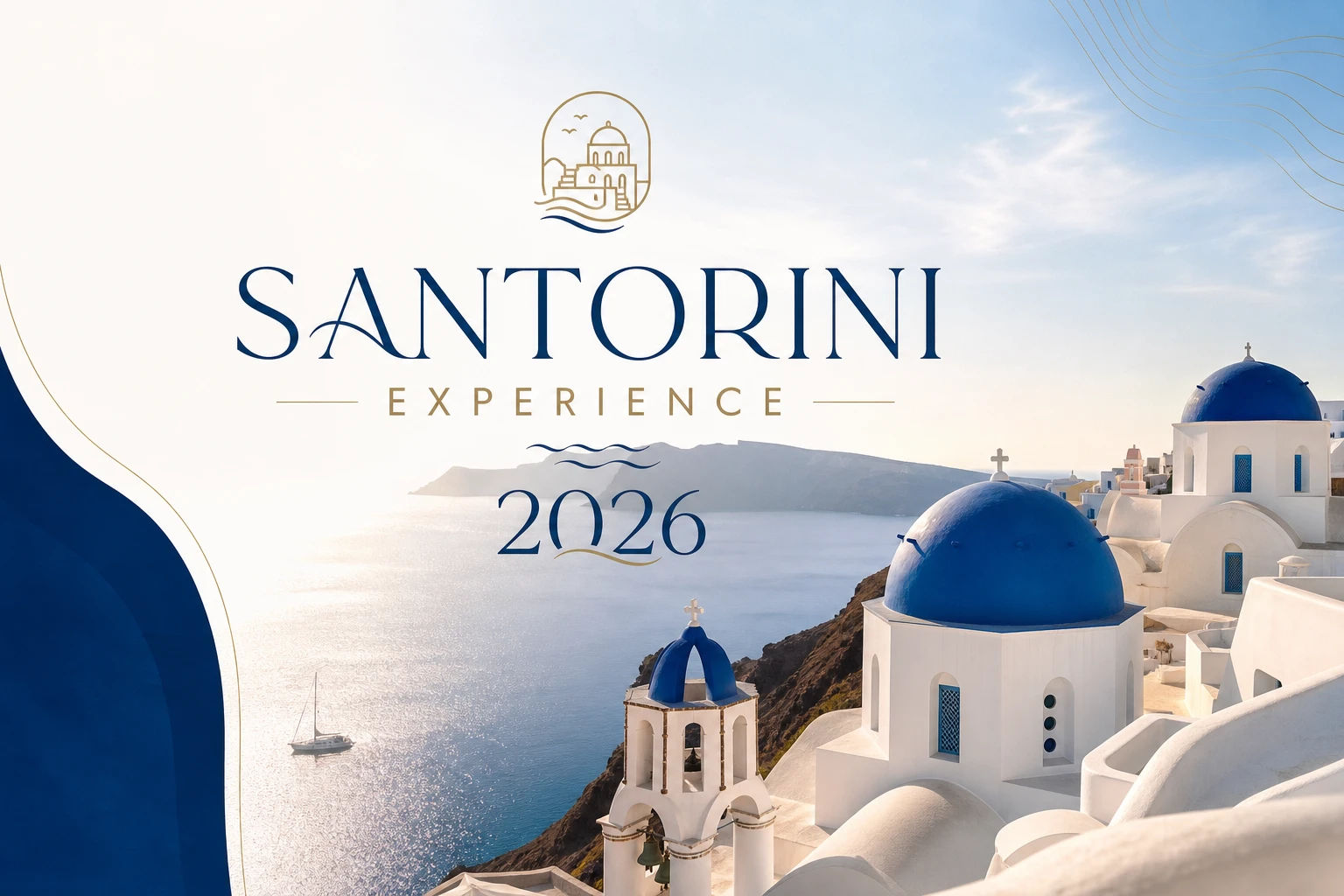
Carnival Season, known across Greece as Apokreo or Apokries, brings color, costumes, and joyful chaos to villages and islands in the weeks before Orthodox Lent. In 2026, Greek Carnival runs from Sunday 15 February through Clean Monday on 2 March, with the most intense celebrations across the final two weekends. While mainland cities like Patras and Xanthi host the largest parades, Santorini offers a more intimate island version of Apokreo, with masquerade parties in Fira, bonfire traditions in traditional villages, and local customs rooted in Cycladic life rather than tourist spectacle.
Understanding Apokreo: Greece’s Carnival Season
Apokreo literally means “away from meat,” referring to the gradual move toward fasting that leads into the 40‑day Lenten period before Orthodox Easter. The season blends ancient Dionysian rituals of feasting and disguise with Christian calendars, creating weeks of parties, costume parades, and community gatherings that symbolically push winter away and welcome spring.
Apokreo 2026 in Greece officially runs between 15 February and 2 March, culminating on the last Sunday of Carnival just before Clean Monday, when Lent begins. Within this window, key days structure the season:
- Tsiknopempti, or “Smoky Thursday,” when Greeks grill and eat as much meat as possible, falls in late February 2026.
- Tyrini, or “Cheese Week,” follows, when dairy remains on the table but meat starts to disappear.
- The final Carnival weekend sees the biggest parades and costume events in cities and villages before the solemnity of Clean Monday.
On Santorini, these same dates frame village celebrations, house parties, and local traditions that show the island at its most playful between winter quiet and the tourism rush of spring and summer.
Carnival on an Island: What Makes Santorini’s Apokreo Different
Unlike the massive floats and televised parades of Patras, Santorini’s Carnival Season feels like a set of overlapping village festivals woven into the island’s volcanic landscape and whitewashed settlements. Travel guides note that while the best known, large‑scale Carnivals are in Patras, Athens, Xanthi, and Skyros, islands throughout the Aegean celebrate Apokries with their own distinctive customs, masks, and gatherings.
On Santorini, you are more likely to join:
- A masked street band walking through Pyrgos’ alleys with drums and clarinets.
- A costume party in a bar in Fira or Firostefani overlooking the caldera.
- A small village parade with children in fancy dress, grandparents watching from doorways, and the smell of grilled meat drifting from courtyards on Tsiknopempti.
The scale is smaller, but the authenticity is stronger. Rather than grandstands and organized tourism, you encounter community events where islanders celebrate with each other and happily fold respectful visitors into the fun.
Key Dates for Carnival Season 2026 in Santorini
Because Apokreo dates follow the Orthodox Easter calendar, travel resources publish multi‑year schedules to help visitors plan. For 2026, widely cited calendars give:
- Carnival Season (Apokries) 2026: 15 February to 2 March 2026.
- Clean Monday (Kathara Deftera): 2 March 2026, the first day of Lent and the end of Carnival.
Travel guides focused on Greece in February also highlight Carnival Season as the signature event of that month, noting that in 2026 the festival spans most of the second half of February with peak celebrations on the final weekend before Clean Monday.
For Santorini, this means you will likely find:
- Village parties and smaller gatherings beginning around the middle of February.
- Tsiknopempti meat‑grilling celebrations in late February.
- Main local parades, masquerades, and bonfires across the weekend of 28 February to 1 March 2026, just before Clean Monday.
Exact 2026 Santorini village programs are published closer to the date by local municipalities and cultural associations, but the national framework provides reliable planning dates.
Village Celebrations: Pyrgos, Megalochori, and Traditional Santorini
Santorini’s most atmospheric Carnival experiences usually unfold in its traditional inland villages rather than the most touristy strips. Travel features on the island highlight Megalochori and Pyrgos as places where authentic community life thrives year‑round behind the island’s iconic views.
Pyrgos: Twisting Alleys and Hilltop Views
Pyrgos, a hillside village with preserved Cycladic architecture and castle ruins, becomes a natural stage for Carnival evenings. Narrow lanes and small squares provide ideal spaces for masked groups to roam, singing and playing music as they move from house to house. Local associations often organize evening events in village squares, with traditional music, dancing, and simple costumes that draw on island history rather than store‑bought themes.
From Pyrgos, views across the island to the caldera and the Aegean create unforgettable backdrops for Carnival nights, especially when torches or small bonfires illuminate white churches and stone alleyways.
Megalochori: Courtyards and Hidden Passages
Megalochori, described as “Santorini artisans’ little secret,” retains a web of narrow pathways, courtyards, and vaulted houses that feel made for Apokreo. During Carnival Season, you may find:
- Groups of masked villagers moving along the lanes with musical instruments.
- House gatherings where food, wine, and storytelling blend into late‑night laughter.
- Children playing in costume around village squares while adults share mezedes and local wine.
Because Megalochori lies away from the main caldera strip, these events feel particularly authentic, giving visitors who stay or wander through the village a true sense of Santorini’s social fabric beyond hotels and viewpoints.
Carnival in Fira and the Caldera Settlements
Fira, Firostefani, and Imerovigli, perched along the caldera rim, also participate in Apokreo, though in more cosmopolitan style. Bars and clubs in Fira often host themed Carnival parties across the final weeks of February, with DJs, costume contests, and decorations that lean into both Greek and international Carnival imagery.
Because February and early March are still low season, these parties feel more local than in summer. You will dance alongside islanders, seasonal workers who have stayed through winter, and a smaller number of travelers who chose Santorini specifically for its off‑season peace and cultural life. Windows may look onto the caldera’s cliffs and the sleeping volcano, a surreal contrast to the bright costumes inside.
Food, Wine, and Island Flavors During Apokreo
Greek Carnival Season is closely tied to eating and drinking traditions. Guides to Apokries note that the whole period is associated with feasting, particularly on meat during Tsiknopempti and hearty dishes before Lent begins.
On Santorini during Carnival 2026, expect tavernas to:
- Grill plenty of pork, lamb, and sausages on Tsiknopempti, with smoke and aromas drifting through village streets.
- Serve dishes featuring fava (split pea purée), tomato keftedes (tomato fritters), and white eggplant alongside meat plates, connecting Carnival feasting with Santorini’s agricultural identity.
- Pour local Assyrtiko and Vinsanto wines, reminding visitors that the island’s volcanic soils and terraced vineyards remain central to its culture and economy.
Joining locals for a Tsiknopempti feast or weekend dinner in a village taverna during Carnival Season lets you experience the “Apokreo table” as it was intended: crowded, noisy, and filled with laughter before the quieter days of Lent.
Travel Tips: Experiencing Apokreo 2026 on Santorini
When to Go
To experience Carnival Season (Apokreo) 2026 on Santorini, aim to be on the island between 20 February and 2 March, capturing Tsiknopempti, the final Carnival weekend, and possibly Clean Monday kite‑flying or Lenten food traditions. If you can only choose one weekend, the last weekend before Clean Monday (around 28 February to 1 March 2026) is the best bet for parades and organized events.
Weather and Packing
February in Greece is still winter, and Santorini can be cool, windy, and occasionally rainy. Travel planners for Greece in February note average daytime temperatures around 10–15°C, cooler at night, and advise layered clothing, waterproof jackets, and closed shoes.
For Carnival nights in villages or open squares, bring:
- A warm jacket and scarf.
- Comfortable shoes for walking cobbled streets.
- A simple costume accessory (mask, hat, or cape) if you want to blend into the Apokreo spirit without over‑packing.
Where to Stay
For Carnival Season, staying either in Fira or in a traditional village offers different experiences:
- Fira/Firostefani: Closer to bars, bus routes, and potential organized Carnival parties; easier without a car.
- Pyrgos or Megalochori: Closer to village traditions and local gatherings; quieter, more embedded in year‑round community life.
Winter accommodation prices are generally lower than summer peak rates, so Carnival can be an excellent time to enjoy Santorini’s quality hotels and guesthouses at better value.
Getting Around
With reduced winter bus schedules, renting a car for a few days can help you move between Fira, Pyrgos, Megalochori, and other villages where events take place. Roads are quieter than in summer, but nighttime driving in villages requires care due to narrow lanes and limited lighting.
If you prefer not to drive, base yourself in a village where you expect to spend most evenings, and use daytime buses or taxis for island exploration.
Respecting Local Traditions
Although Carnival Season is about fun, Apokreo is also woven into Greece’s religious calendar and community rhythms. Travel resources emphasize that Carnival is directly tied to the lead‑up to Lent and to customs that originated in both ancient Dionysian worship and Christian practice.
As a visitor in Santorini during Apokreo 2026:
- Enjoy the costumes and parties, but respect churches and religious spaces if you encounter processions or Lenten services.
- Ask before photographing individuals in costume, especially in small villages.
- Remember that for many locals, Carnival is about family, village bonds, and continuity as much as about tourism.
Showing appreciation for these deeper layers of meaning will enrich your own experience and strengthen the island’s welcome toward off‑season visitors.
Make Carnival Season 2026 Your Santorini Secret
Choosing Santorini for Carnival Season (Apokreo) 2026 means seeing this legendary island through a completely different lens. Instead of cruise crowds and packed sunset spots, you find masked children racing through village squares, grills smoking on Tsiknopempti, and elders watching over impromptu dances in alleys that tourists rarely see in summer.
Plan your trip for late February 2026. Book a room in Fira, Pyrgos, or Megalochori. Pack warm layers and a playful mask. Then follow the music and laughter through Santorini’s winter streets as Apokreo brings light and joy to the volcanic landscape before Lent.
Let Carnival Season 2026 be the year you discover Santorini as an island of living traditions, not just a postcard view. The drums, costumes, and village feasts are waiting. Will you join the dance?
Verified Information at glance
Event Category: Cultural / Religious pre‑Lenten festival (Carnival Season – Apokreo)
Event Name: Carnival Season (Apokreo / Apokries) 2026 – Santorini
Country / Island: Greece – Cyclades Islands, Santorini
Confirmed National Carnival Period 2026:
- Carnival / Apokries Season in Greece: 15 February 2026 to 2 March 2026
- Clean Monday (Kathara Deftera – start of Lent): 2 March 2026
Key Thematic Days (Greece‑wide):
- Tsiknopempti (“Smoky Thursday” meat‑feast during Carnival weeks)
- Tyrini (“Cheese Week” before Lent; dairy but no meat)
Nature of Events:
- Pre‑Lenten Carnival with masquerade parties, village gatherings, food and wine, small parades, and traditional customs
- On islands like Santorini, Apokreo is celebrated in villages and towns rather than with large city‑scale parades
Typical Santorini Locations:
- Fira and caldera‑side settlements for bar‑based costume parties
- Traditional inland villages such as Pyrgos and Megalochori for local gatherings and small processions
Associated Customs (Greece‑wide, also present in islands):
- Costumes and masks, often inspired by folklore or humorous themes
- Meat‑heavy feasts on Tsiknopempti, then rich food and wine before fasting
- Music, dancing, and community events leading up to Clean Monday
Pricing / Access:
- Public Carnival events (parades, village gatherings) are free to attend; food, drink, and bar parties charged separately at local rates
Weather / Travel Notes:
- February is winter in Greece; travel planners highlight cooler, sometimes rainy conditions and recommend layered clothing
%202026.webp)