Corsica

    Corsica

    France

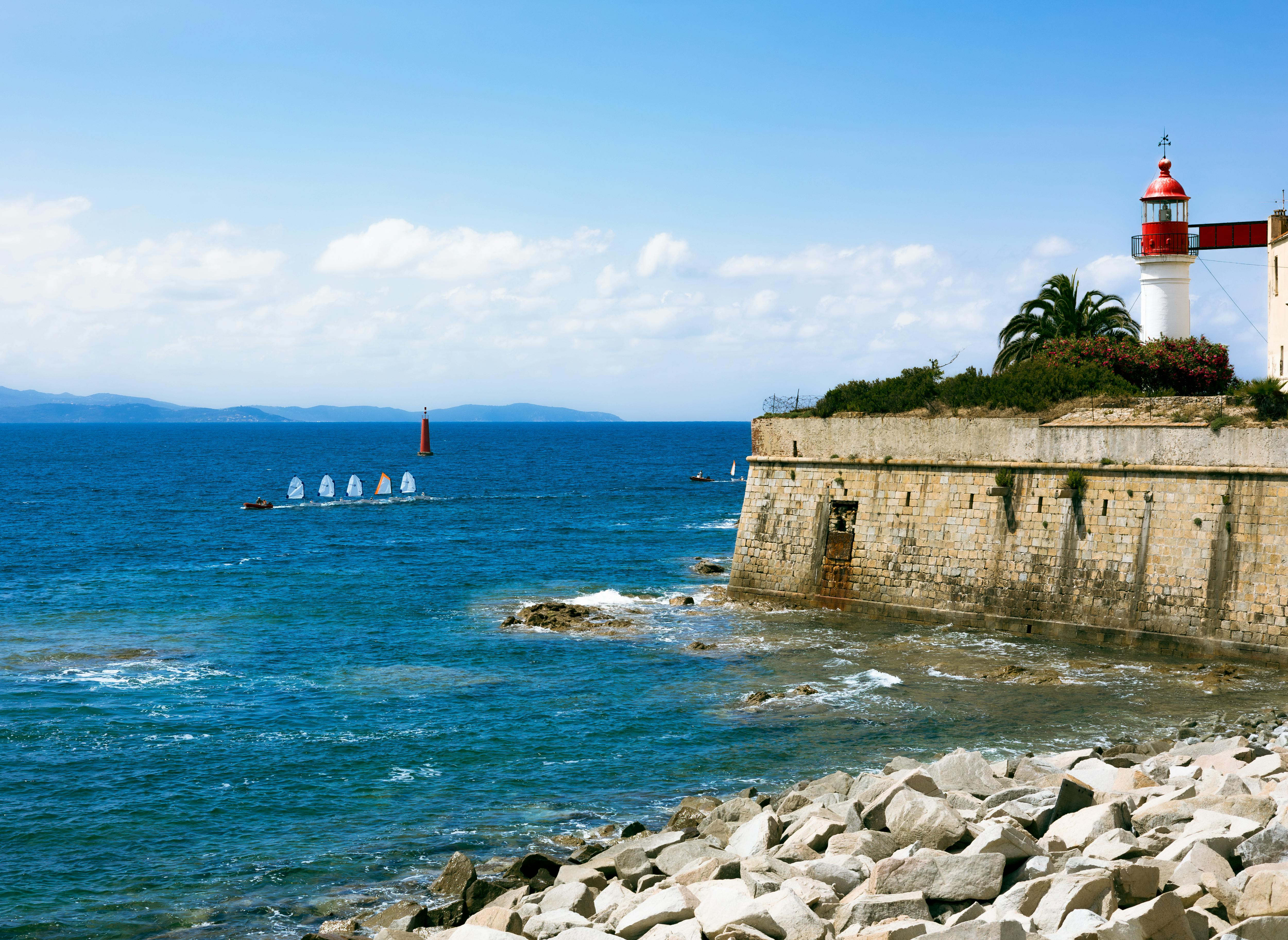
    A stunning Mediterranean island known as the "Island of Beauty" with dramatic mountains, pristine beaches, and charming hilltop villages.

    4.7
    Guest Rating
    3°C
    Showers
    Humidity: 97%
    Wind: 34 km/h
    Live Temperature
    15
    Active Events

    About Corsica

    Corsica is a unique blend of French sophistication and Italian charm, offering visitors an unforgettable Mediterranean experience. The island boasts rugged mountains, crystal-clear waters, and a rich cultural heritage that sets it apart from other destinations.

    From the stunning beaches of Porto-Vecchio to the dramatic cliffs of Bonifacio, Corsica offers diverse landscapes and experiences. The island is also home to some of the best hiking trails in Europe, including the famous GR20.

    Climate & Weather

    Tropical climate with year-round warm temperatures and trade winds.

    Best Time to Visit

    May to September

    Top Highlights

    Stunning beaches and turquoise waters

    Dramatic mountain landscapes

    Historic Genoese towers

    World-class hiking trails

    Authentic Corsican cuisine

    Charming medieval villages

    Popular Activities

    Hiking the GR20 trail
    Beach hopping along the coast
    Exploring Bonifacio's cliffs
    Wine tasting in Patrimonio
    Boat tours to Scandola Reserve
    Traditional village tours

    Quick Info

    Timezone
    Central European Time (CET)
    💰Currency
    Euro (€)
    🗣️Language
    French, Corsican
    Temperature
    25°C

    Upcoming Events

    Wetlands Days in Corsica (Les Journées Mondiales des Zones Humides) 2026
    Nature / Outdoors
    Free

    Wetlands Days in Corsica (Les Journées Mondiales des Zones Humides) 2026

    Wetlands Days in Corsica 2026, known in French as Les Journées Mondiales des Zones Humides (JMZH), is the perfect way to discover Corsica’s lagoons, marshes, ponds, and river mouths through guided walks, talks, workshops, and family activities. The national JMZH coordination site confirms that JMZH 2026 runs from 31 January to 1 March 2026, and the 2026 theme is “Zones humides et savoirs traditionnels : célébrer l’héritage culturel”. In other words, this isn’t only about biodiversity. It’s also about how island communities have lived with wetlands for generations, from fishing and grazing traditions to landscape knowledge that still matters today.​

    Confirmed 2026 dates and theme

    Corsica’s Wetlands Days sit inside a France-wide calendar, so the official dates are set at national level. The JMZH 2026 call for participation confirms:

    • Official period: 31 January to 1 March 2026.​
    • Theme (2026): “Zones humides et savoirs traditionnels : célébrer l’héritage culturel”.​
    • The same national guidance explains that the theme is optional, and activities only need to meet two criteria to be labeled JMZH:
    • They must be about wetlands.
    • They must take place during the official period.​

    For Corsica travelers, this is useful because it means you can plan a trip anywhere between early February and late February and still find wetland activities being offered around the island.

    What “Wetlands Days” looks like on the island

    JMZH is not a single festival site with one entrance gate. It is a network of many local events hosted by associations, public agencies, natural area managers, schools, and community groups. The national JMZH page explains that each February, Wetlands Day marks the anniversary of the Ramsar Convention and is used to celebrate wetlands’ importance while reminding the public of their fragility.​

    Typical JMZH activities across France include:

    • Nature outings and guided walks.
    • Workshops, exhibitions, and school activities.
    • Talks, film screenings, conferences, and community work days.​

    Because Corsica has a rich mosaic of wetlands, the island’s JMZH programming usually emphasizes lagoon ecology, birdlife, and human-nature relationships that are strongly Mediterranean in character.

    Corsica’s wetlands: why they’re worth visiting

    Corsica’s wetlands are not just “nice scenery.” They are core ecosystems for birds, amphibians, fish nurseries, and water regulation, and they sit at the intersection of nature and island culture. The Observatoire Régional des Zones Humides de Corse explains that Corsica’s wetlands represent more than 33,000 hectares spread across the whole territory, with natural wetlands such as lagoons, temporary ponds, and lakes being a particular focus of studies and monitoring.​

    That diversity is what makes Wetlands Days in Corsica so rewarding: you can explore saltwater lagoons near the coast, freshwater ponds inland, and seasonal “temporary” wetlands that appear and disappear with the Mediterranean climate cycle.

    Where to experience wetlands in Corsica

    Because JMZH activities are decentralized, the best approach is to choose a base and then pick activities nearby once local schedules are published on the national listing platform. The JMZH organizers confirm that activities are listed via the “J’agis pour la nature” platform, which is used to publish the national program and manage registrations where needed.​

    When planning a Corsica wetlands-focused itinerary, consider the island’s wetland “hot zones”:

    • Big coastal lagoons and marsh systems around the eastern coastal plain, often strong for birdwatching.
    • River mouths and estuaries near coastal towns, where fresh and salt water mix and migratory birds feed.
    • Temporary ponds and upland wetlands that are less famous but deeply linked to Mediterranean ecology.

    Corsica’s regional wetland observatory is also a useful place to watch for locally relevant training days and technical events that sometimes open to broader audiences, even if many listings are aimed at professionals.​

    What to expect in February 2026

    Formats and accessibility

    JMZH events are typically designed for broad public access, from families to amateur naturalists, with many free or low-cost activities. The national guidance focuses on participation and mobilization rather than ticket revenue, and it emphasizes that organizers can use the national platform to manage free sign-ups if group sizes need to be controlled.​

    Pricing (what is confirmed)

    There is no single ticket price for Wetlands Days in Corsica because JMZH is a decentralized label applied to many events. The national JMZH guidance provides the official dates and labeling criteria, but it does not set a universal entry fee for local activities.​

    Practical expectation:

    • Many walks and public events will be free, while some specialized guided activities may require registration or a small fee depending on the organizer and logistics.


    Cultural angle: “traditional knowledge” in Corsica’s wetlands

    The 2026 theme focuses on the cultural heritage tied to wetlands. The JMZH 2026 announcement explains that wetlands are the origin of an exceptional heritage that can only be protected by accounting for the uses and knowledge of populations who have lived in these places for generations.​

    In Corsica, that theme fits naturally because island life has long blended:

    • Coastal fishing and lagoon harvesting traditions.
    • Grazing and small-scale agriculture on seasonal wet ground.
    • Place-based knowledge about flooding, freshwater sources, and seasonal changes.

    When choosing which Corsica JMZH event to attend, look for walks or talks that explicitly connect ecology to local livelihoods and history. Those are often the most memorable experiences for travelers.

    Travel tips for Wetlands Days in Corsica 2026

    When to go

    Because the official window is 31 January to 1 March 2026, you have a wide planning range. A smart travel window is:

    • Early February for strong JMZH activity density and quieter shoulder-season travel, with fewer crowds than summer.​


    Where to stay

    Good bases for a wetlands-focused Corsica itinerary depend on what you want to see:

    • Bastia / Biguglia area: strong access to northeastern lagoons and coastal wetlands, plus an easy airport and rail connections.
    • Porto-Vecchio area: good access to southeastern lagoons and beaches, with winter calm and dramatic scenery.
    • Corte (central): ideal if you want to combine wetlands activities with mountain landscapes and rivers.

    What to pack

    • Waterproof shoes or hiking shoes with grip, especially for muddy paths.
    • Binoculars if birdwatching is a goal.
    • A light rain jacket and layers, since Corsica in February can be cool and changeable.

    How to find the official program

    The national JMZH organizer site confirms that events are listed on the J’agis pour la nature platform during the JMZH period. Check that platform in January 2026 and filter by Corsica (Corse) and by your travel dates.​

    Call-to-action: plan a nature-first Corsica trip

    If you want to see Corsica beyond beaches and summer crowds, plan your trip around Wetlands Days in Corsica 2026. Save the official JMZH window 31 January to 1 March 2026, follow the program listings as they appear, and choose at least one guided outing that connects wetlands ecology with island heritage and traditional knowledge. Corsica’s lagoons, temporary ponds, and coastal marshes are at their most atmospheric in winter, and a JMZH walk is one of the best ways to experience the island with local experts.​

    Verified Information at glance

    Event Category: Environmental awareness and nature education program (Wetlands / biodiversity)​

    Event Name: Les Journées Mondiales des Zones Humides (JMZH) 2026, often referred to as Wetlands Days / World Wetlands Day programming​

    Confirmed 2026 official dates (France-wide, includes Corsica): 31 January – 1 March 2026​

    Confirmed 2026 theme: “Zones humides et savoirs traditionnels : célébrer l’héritage culturel”​

    Confirmed participation rules (labeling criteria):

    • Theme is optional; to be labeled JMZH, an activity must focus on wetlands and take place during the official period​

    Confirmed program platform:

    • Activities are listed and managed via “J’agis pour la nature” for national visibility and registrations​

    Corsica wetlands context (verified):

    • Corsica has more than 33,000 hectares of wetlands across the territory, including natural wetlands such as lagoons, temporary ponds, and lakes, which are monitored through the regional observatory​

    Pricing:

    • No single ticket price is set at the national level because JMZH is a labeled network of many local events; costs, if any, depend on local organizers​


    Island-wide (wetlands sites), Corsica
    Jan 31, 2026 - Mar 1, 2026
    Cine Donne (Bastia) 2026
    Film/Culture
    Free

    Cine Donne (Bastia) 2026

    Cine Donne (Bastia) 2026 is a women’s film festival on the island of Corsica, created by the Communauté d’Agglomération de Bastia and organized by Arte Mare, featuring screenings, premieres, talks, roundtables, and exhibitions focused on women’s ideas and creative work. The specific 2026 dates for Cine Donne in Bastia are not confirmed in the official sources captured here, so this article is written as a practical island travel guide to the festival and how to plan your trip once the 2026 program is released.

    Cine Donne Bastia: What the Festival Is All About

    Cine Donne was created in 2022 as part of a commitment by the Communauté d’Agglomération de Bastia to take action against violence against women, and the festival aims to spotlight women, their ideas, their struggles, and their works through cinema and cultural programming. The official description explains that Cine Donne is “wanted and conceived” by the agglomeration community and “orchestrated” by the association Arte Mare, with the purpose of putting creation “au féminin” at the center. For travelers, that means Cine Donne is not just a set of screenings, it’s a wider cultural moment in Bastia, with discussions and exhibitions designed to deepen the experience beyond the theatre seat.

    This is one of the best kinds of island events to travel for because it blends culture with place. Bastia is a port city with a strong identity, and a festival that celebrates women’s voices gives you a reason to explore the town slowly, with purpose, between sessions.

    What is Confirmed for Cine Donne 2026 (and What is Not)

    The official Cine Donne page confirms the festival’s origin (created in 2022), its organizers (Communauté d’Agglomération de Bastia + Arte Mare), and the types of programming it includes: premieres, meetings, round tables, and exhibitions. The same official page provides confirmed dates for a past edition (2024), but it does not publish 2026 dates in the captured content. A third-party cultural agenda page mentions “Cine Donne 2026” with date claims, but because it is not an official organizer page, those dates should not be treated as verified for travel planning.

    So, for the “Verified Information at glance” section at the end, only the organizer, festival category, and format can be confirmed from official sources here, while 2026 dates and venue-by-venue details remain unconfirmed.

    Festival Format: Screenings Plus Conversations

    Cine Donne is structured to make film a starting point for conversation. The official page states that the festival includes:

    • Avant-premières (premieres).
    • Rencontres (meetings/talks).
    • Tables rondes (roundtables).
    • Expositions (exhibitions).

    If you’re traveling to Corsica for Cine Donne, the best way to enjoy it is to treat the festival like a cultural itinerary rather than a checklist. Pick one premiere, one talk, and one exhibition, then leave time to explore Bastia in between. That balance makes the trip feel like an island holiday with a cultural heartbeat, not a marathon of screenings.

    Why Cine Donne is a Great Corsica Island Trip Idea

    Corsica is often sold on dramatic coastline and mountain roads, but the island’s cities and cultural venues matter just as much for travelers who want depth. Cine Donne gives you a reason to be in Bastia during the shoulder season, when the city feels more local and less rushed. The festival’s mission-driven foundation and its emphasis on women’s contributions to cinema also make it a meaningful event to attend, not only entertaining.

    And because the festival involves discussions and roundtables, it’s also a great fit for solo travelers. You’re not only watching films, you’re sharing a space where dialogue is expected, and that can make meeting people feel natural.

    Local Relevance: Experiencing Bastia Between Screenings

    Bastia is a city that rewards wandering. A film festival trip here is best paced with short walks, long coffees, and unplanned detours. The port setting gives the city a natural rhythm, and festival days tend to flow better when you build in breathing space between events.

    A practical “Cine Donne day” in Bastia could look like this:

    • Morning: café and a slow walk around the city center.
    • Afternoon: a screening or exhibition.
    • Early evening: a roundtable or talk.
    • Night: dinner, then one more film if you feel energized.

    That structure also keeps you from burning out, especially if you’re attending multiple festival days.

    Travel Tips for Corsica (Bastia-focused)

    Even without confirmed 2026 dates, it’s still smart to plan the basics early once the official dates are released:

    • Bastia is a major arrival point for Corsica (ferry and air access), so it’s a practical base for a festival trip.
    • Book accommodation within walking distance of likely cultural venues, so you can move easily between screenings and dinner plans.
    • If you want to add an island road trip, plan 1–2 extra days before or after the festival to explore beyond Bastia.

    Because the official festival page shows Cine Donne expanding across regions of the island in past editions, it’s also worth watching for multi-town programming once the 2026 schedule is published.

    Tickets and Pricing (Not Confirmed for 2026)

    Ticket pricing for Cine Donne 2026 is not confirmed in the official source content captured here. A third-party listing mentions a general price range (5–7€), but it is not an official organizer publication and could change by year, venue, or event type. For accuracy, it’s best to wait for the official 2026 program and ticketing announcement before quoting prices in a travel plan.

    Explore Cine Donne in Bastia in 2026

    Cine Donne is a Corsica island festival that brings women’s cinema and women’s creative voices to the forefront through premieres, talks, roundtables, and exhibitions, created by the Communauté d’Agglomération de Bastia and organized by Arte Mare. While the festival’s exact 2026 dates and venues are not confirmed in the official sources captured here, the festival’s identity and format are clear, and they make Bastia a compelling cultural destination once the program drops. If Corsica is on your travel list, keep Cine Donne on your radar and plan to explore Bastia during festival season, when the city’s port-side charm pairs beautifully with nights at the cinema and conversations that stay with you long after the credits roll.

    Verified Information at a Glance

    Event Details

    • Event Name: Cine Donne (Festival du film de femmes), Bastia
    • Event Category: Women’s film festival / cultural film event
    • Island/Region: Corsica (France), in and around Bastia

    Organizational Information

    • Organizer / Initiator (confirmed): Communauté d’Agglomération de Bastia (CAB)
    • Produced/Orchestrated by (confirmed): Association Arte Mare

    Festival Format & Status

    • Festival format (confirmed): Premiers, meetings, roundtables, exhibitions
    • Dates for 2026: Not confirmed in official source content captured here
    • Venues for 2026: Not confirmed in official source content captured here
    • Ticket pricing for 2026: Not confirmed in official source content captured here
    Bastia, Corsica
    Mar 9, 2026 - Mar 10, 2026
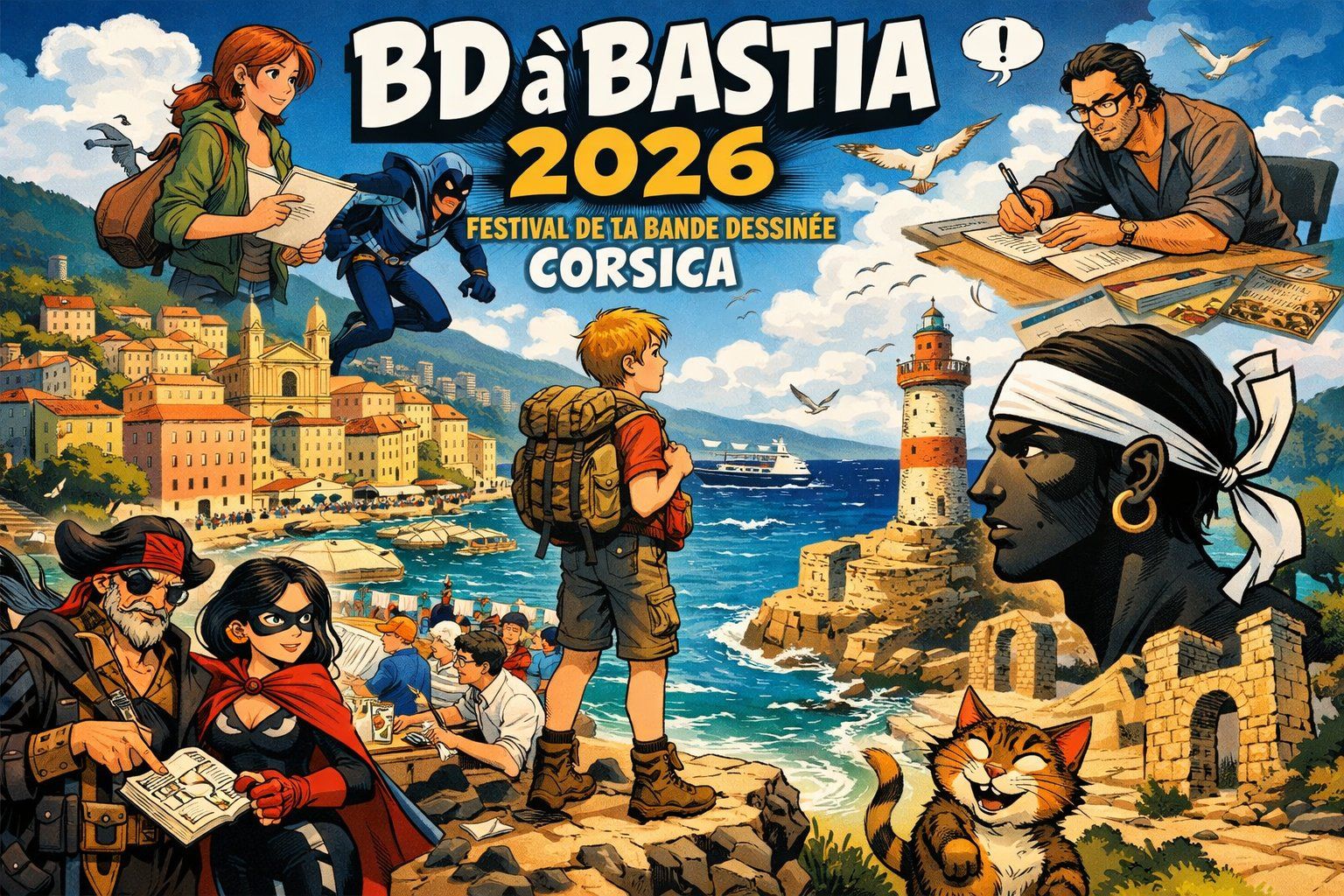
    BD à Bastia 2026
    Arts/Festival
    TBA

    BD à Bastia 2026

    BD à Bastia 2026 (Corsica) takes place March 26–29, 2026 in Bastia, offering four days dedicated to comics and illustration, from emerging voices to established creators and youth illustration. On the island of Corsica, it’s one of the most rewarding spring cultural trips because you can pair festival days with Bastia’s port-city atmosphere, cafés, galleries, and easy escapes to Cap Corse scenery.

    BD à Bastia 2026: What the Festival Is All About

    BD à Bastia is officially described as “Rencontres de la Bande-Dessinée et de l’Illustration,” a festival initiative that began in 1993 and returns each year in early spring with four days devoted to comics and illustration. The festival’s positioning is broad, covering emerging paths, “great classics,” confirmed authors, and illustration for youth. This variety makes BD à Bastia a strong event for travelers because it’s not only for hardcore collectors, it’s also built for curious visitors who want to discover new storytelling styles and visual worlds.

    Bastia’s island character adds a special layer. Corsica is known for dramatic landscapes, but BD à Bastia is proof the island also has a living creative scene, with a festival model built around encounters, discovery, and conversation.

    Verified Dates and Core Locations in Bastia

    The Centre Culturel Una Volta page confirms: “La prochaine édition de BD à Bastia se tiendra du 26 au 29 mars 2026.” Bastia Tourism’s festival agenda listing also shows the event running from March 26, 2026 (08:00) to March 29, 2026 (17:00), reinforcing the same timeframe.

    BD à Bastia programming typically unfolds across several cultural spaces, and the Corsica cultural agenda notes festival locations that include Café Una Volta, Centre Culturel Alb’Oru, Cinéma le Régent, Galerie Noir & Blanc, Galerie Una Volta, and L’Arsenale for a past edition. Because venue-by-venue schedules can change annually, the confirmed 2026 detail here is the festival date range, while the exact 2026 screening and event venues should be confirmed through the official Una Volta program announcements as they are published.

    Why BD à Bastia Is Perfect for an Island Spring Break

    Late March is an ideal time to visit Corsica if you like walking cities without peak-season crowds. A four-day festival format gives your trip structure, while still leaving time for island wandering. BD à Bastia is also designed as “rencontres,” meaning the festival culture leans toward meeting creators, discovering work, and engaging with illustration as an art form, not only shopping.

    For an islands audience, this matters. Instead of treating Corsica as a “scenery-only” destination, BD à Bastia gives you a reason to travel for culture and still enjoy the coast, local food, and the port mood of Bastia.

    What to Expect: Exhibitions, Talks, Youth Illustration, and Discovery

    The Una Volta festival description emphasizes the breadth of BD à Bastia’s curation across:

    • Emerging artists and new directions in comics.
    • Established creators and major works.
    • Youth illustration, making the festival family-friendly and education-friendly.

    This creates a festival experience that can work for different travel styles:

    • If you’re traveling as a couple, it’s a creative date-night style festival with exhibits and talks.
    • If you’re traveling with children, youth illustration and related activities can make it accessible.
    • If you’re a creator, it’s a chance to see curation trends and connect with a community in a smaller, more personal setting than mega festivals.

    Bastia Local Relevance: Experiencing the City Around the Festival

    Bastia is a port city, and that naturally complements a comics and illustration festival. Festival days tend to flow well when you plan around short walks, café breaks, and evening meals in town. If you base yourself near the city center, you can keep the trip simple: morning exhibition, afternoon talk, evening stroll, repeat.

    To make BD à Bastia feel like a full Corsica trip, consider adding an “island contrast day”:

    • Spend one morning at BD à Bastia, then take the afternoon for a short drive or excursion toward Cap Corse viewpoints.
    • Or stay fully urban for two days, then use day three for nature and coast.

    That balance lets you enjoy both sides of Corsica: cultural Bastia and the wider island landscape.

    Practical Travel Tips for BD à Bastia 2026

    Because the dates are fixed at March 26–29, 2026, book accommodation early if you want to stay in central Bastia at a walkable distance from festival venues. If you’re flying in, arrive on March 25 so you can start fresh on March 26 without rushing.

    Helpful Planning Checklist:

    • Choose a hotel base close to central Bastia for easy evening movement.
    • Bring a tote or poster tube if you plan to buy prints, books, or art.
    • Leave space in your luggage, because illustration festivals have a way of turning “just browsing” into collecting.

    Tickets and Pricing (Not Confirmed)

    Ticket pricing for BD à Bastia 2026 is not confirmed in the official source content captured here. Some third-party sites list the event dates and category, but they do not provide verified 2026 ticket pricing. For accuracy, plan to check Una Volta’s official festival announcements closer to the event for passes, single-event tickets, and any free-entry exhibits.

    Make BD à Bastia 2026 Your Corsica Culture Trip

    BD à Bastia 2026 is confirmed for March 26–29, 2026, bringing four days of comics and illustration to Bastia on the island of Corsica. With a festival identity shaped since 1993 and a focus that spans emerging artists, established creators, and youth illustration, it’s the kind of event that can anchor a spring island getaway with real cultural depth. Block the dates, plan your Bastia base, and explore Corsica through a festival that turns the city into a living gallery of stories, art, and conversation.

    Verified Information at a Glance

    • Event Name: BD à Bastia 2026 (Rencontres de la Bande-Dessinée et de l’Illustration)
    • Event Category: Comics and illustration festival
    • Island/Region: Corsica (France)
    • City: Bastia
    • Confirmed Dates (2026): March 26 to March 29, 2026
    • Festival history (confirmed): Initiated in 1993
    • Festival focus (confirmed): Emerging voices, classics, established authors, and youth illustration
    • Venues: Multi-venue format is typical, but exact 2026 venue list not confirmed in captured official text
    • Ticket pricing: Not confirmed in captured official sources
    Bastia, Corsica
    Mar 26, 2026 - Mar 29, 2026
    Festi Bocca (Bonifacio culinary festival) 2026
    Food festival
    $7

    Festi Bocca (Bonifacio culinary festival) 2026

    Festi Bocca 2026 in Bonifacio: Corsica’s Island Flavors in a Cliffside Citadel

    Festi Bocca (Bonifacio’s culinary festival) returns for its second edition on April 25–26, 2026 in Bonifacio, Corsica, centered in the Quartier Pisan inside the citadel. Entry is paid via 1‑day or 2‑day passes, and the festival is designed to be accessible and festive, mixing a large producers’ market, food areas, live chef cooking, workshops, and Saturday-night music into one of the most delicious spring weekends on this Mediterranean island.

    Bonifacio is already one of the most dramatic towns in the Mediterranean, perched on white limestone cliffs at Corsica’s southern tip. During Festi Bocca, that scenery becomes the backdrop for something equally memorable: a celebration of Corsican terroir, local producers, and chef-driven creativity that turns the citadel into a walkable food village.

    For an islands audience, Festi Bocca is exactly the kind of event that makes travel feel purposeful. Instead of planning your Corsica trip around only beaches and boat rides, you can build your itinerary around a weekend where the island’s tastes, crafts, and community come together in one place. And because it takes place in late April, it also helps you experience Corsica in shoulder season, when the light is beautiful and the pace is more relaxed than midsummer.

    Confirmed Dates and Location for Festi Bocca 2026

    Festi Bocca’s official program page confirms the festival runs on April 25 and April 26, 2026 and describes it as the second edition of the event. Visit Corsica, the island’s official tourism website, also lists Festi Bocca in Bonifacio from 25/04/2026 to 26/04/2026, reinforcing the dates in an authoritative destination calendar.

    As for location, Festi Bocca’s practical information page says the festival takes place in the citadel, specifically in the Quartier Pisan, a short walk from the Hôtel de Ville and the post office. A Bonifacio tourism listing likewise identifies the location as Quartier Pisan, Bonifacio.

    That venue choice matters because Quartier Pisan is not only central, it’s atmospheric. It places you inside Bonifacio’s historic core, where narrow streets, stone walls, and viewpoints create a natural “festival circuit” as you wander between tastings and demonstrations.

    What Festi Bocca Actually Is: Market, Street Food, Chefs, and a Saturday Night Party

    Festi Bocca is built like a food festival you can explore at your own pace. Bonifacio’s tourism listing describes key zones such as:

    • Da Cumprà, a large market of producers and artisans showcasing Corsican products and crafts.
    • Da Manghà – Chjesa, a gourmet break area with food trucks and tasty stalls for casual eating.
    • Da Manghjà – Loggia, where chefs cook live using products selected from the market, with opportunities to watch and interact.
    • Da Imparà, the workshops and masterclasses component where you can learn techniques and know-how.
    • Da Campà, a show-cooking area with lively chef-and-producer “duels.”

    The festival also leans into music and celebration. The Bonifacio tourism listing notes that Saturday evening ends with a party atmosphere, including concerts and tastings, “until midnight.” This is important for travelers: Festi Bocca is not only daytime browsing, it’s a full island night out in one of Corsica’s most iconic towns.

    The Cultural Heart of the Festival: Corsican Terroir and Craftsmanship

    Festi Bocca’s official practical information describes it as a must-see culinary rendezvous in Bonifacio, placed under the high patronage of pastry chef Pierre Hermé and sponsored by three‑Michelin‑star chef Marc Veyrat, with a program focused on Corsican producers and artisans. Even if you’re not tracking celebrity chef culture, this detail signals the festival’s ambition and the level of culinary credibility it wants to build in only its second edition.

    But the true star is the island itself. The producer-and-artisan market brings the flavors of Corsica into one concentrated setting: cheeses, oils, wines, and crafted tableware that connect food with place. If you love island travel for its distinct identity, this is where Corsica’s identity becomes tangible.

    Practical Details: Opening Hours, Access, and What Your Ticket Includes

    One of the best things about Festi Bocca is that it’s built for visitors, not only locals.

    Opening Hours (Confirmed)

    Festi Bocca’s practical page lists festival hours for its first edition (2025), showing a weekend pattern of:

    • Saturday: 10:00 to 00:00
    • Sunday: 10:00 to 18:00

    Because these are explicitly described under the 2025 edition on the practical page, treat them as a strong reference for how the weekend is structured, but confirm exact 2026 hours when the final 2026 practical info is posted.

    Ticketing: Paid Entry (Confirmed)

    The practical info page confirms that a paid entry ticket is required, with a choice between a 1‑day pass and a 2‑day pass, and it recommends buying online for faster entry. It also notes that a masterclass ticket does not include festival entry, so you need both if you book a workshop.

    Parking and Shuttles Included (Confirmed Benefit)

    A standout detail is that Festi Bocca states the ticket price includes:

    • Parking in municipal lots.
    • Transport to the festival site by bus and/or small train.

    The same page lists free shuttle circuits and schedules and notes that access to the Haute‑Ville is restricted during the festival, with residents prioritized, which is useful for visitors driving in.

    Pricing for Festi Bocca 2026: What’s Available

    A Bonifacio tourism listing displays adult rates of €7.50 and €11 (presented as “Adult Rate” options), indicating ticket pricing exists and may vary by pass type or timing. However, the official Festi Bocca practical page confirms that passes exist but does not publish the euro amounts directly in the content shown here, so travelers should verify final 2026 pricing and what each rate corresponds to (1‑day vs 2‑day, online vs on-site) through the official ticketing link once released.

    How to Plan Your Corsica Trip Around Festi Bocca

    Where to Stay: Bonifacio Base vs Southern Corsica Loop

    Festi Bocca’s practical page includes a list of nearby hotels, residences, and even camping options with “from” prices, showing that accommodation ranges from budget to luxury around Bonifacio. For travelers, the simplest strategy is to stay in Bonifacio itself so you can walk to the citadel and enjoy Saturday night concerts without worrying about late transport.

    If you’re building a broader island route, Bonifacio also works as a southern anchor for exploring beaches and coastal viewpoints, then returning for festival hours.

    Getting Around During the Event

    Because access to the Haute‑Ville is restricted during the festival and shuttles are part of the plan, it’s smart to use the recommended parking areas and ride the bus or small train into the citadel zone. This is also part of the experience, since Bonifacio’s port-to-citadel movement is one of the town’s classic “arrival feelings.”

    What to Do Between Tastings (Island Highlights Nearby)

    Bonifacio is made for scenic breaks:

    • Viewpoints along the cliffs.
    • The marina area for a pre-festival coffee.
    • Short walks through the citadel streets before you dive back into chef demos.

    If you’re traveling with friends, Festi Bocca becomes the perfect shared plan. You can split up, meet again at the market, then regroup for Saturday night music.

    Verified Information at a Glance

    Item: Confirmed details

    • Event name: Festi Bocca (Bonifacio culinary festival)
    • Event category: Culinary / gastronomy festival (market, tastings, chef demos, workshops, concerts)
    • Confirmed 2026 dates: April 25–26, 2026
    • Confirmed location: Quartier Pisan, citadel of Bonifacio, Corsica
    • Confirmed core activities: Producers’ and artisans’ market (Da Cumprà), food areas, live chef cooking, workshops/masterclasses, show-cooking battles, Saturday night concerts.
    • Admission: Paid entry required, 1‑day and 2‑day passes; masterclass ticket does not include entry.
    • Transport inclusion: Ticket includes municipal parking and shuttle transport (bus and/or small train) to festival site.
    • Pricing: Adult rates shown as €7.50 and €11 on a Bonifacio listing; confirm which pass each rate applies to via official ticketing.

    If you’ve been craving an island trip where you can taste the place as much as you can photograph it, set your sights on Bonifacio for April 25–26, 2026, arrive hungry, wander the Quartier Pisan with a glass of Corsican wine in hand, and let Festi Bocca turn Corsica’s southern citadel into your most flavorful weekend of the year.

    Quartier Pisan, citadel of Bonifacio, Corsica , Corsica
    Apr 25, 2026 - Apr 26, 2026
    Fiera di u Vinu (Corsican wine fair) 2026
    Food & drink festival
    TBA

    Fiera di u Vinu (Corsican wine fair) 2026

    Fiera di u Vinu 2026 Corsica: The Island Wine Weekend in Cap Corse

    Fiera di u Vinu (Corsican wine fair) 2026 is confirmed for May 9–10, 2026 in Luri, in the Cap Corse region of northern Corsica. This annual-style island wine gathering brings together winegrowers, tastings, masterclasses, and concerts, creating one of the most inviting ways to discover Corsica through its vineyards, villages, and shared table culture.

    Corsica is often called the “Island of Beauty,” but if you want to understand the island beyond the scenery, you follow the flavors. Fiera di u Vinu is exactly that kind of travel experience: two days where the village of Luri becomes a meeting point for Corsican wine, local products, and the social ritual of tasting together.

    This is not a quiet wine shop sampling. It’s a fair, with an island-community feeling, where you can move from producer conversations to guided masterclasses and then into evening concerts, all within the relaxed pace of a Corsican village. For travelers, it’s a perfect excuse to explore Cap Corse, a region known for coastal drives, hilltop viewpoints, and a rugged character that feels different from the more famous southern beaches.


    Confirmed Dates and Location for 2026 (Luri, Cap Corse)

    Foires de Corse confirms: “Fiera di u vinu, luri 9 è 10 di maghju 2026”, clearly setting the fair in Luri on May 9 and 10, 2026. That same listing explains the event, once sedentary in Luri, adopted an itinerant approach across Corsica’s main wine areas, and notes it will return to Luri in 2026.

    This matters for planning because Luri is in Cap Corse, the peninsula north of Bastia. Staying in or near Cap Corse for this weekend lets you combine the fair with scenic village stops, coastal viewpoints, and short hikes between tastings. And if you are building a broader Corsica itinerary, Luri can be your “north island” anchor before you head south toward Bonifacio or Porto-Vecchio.


    What the Fair Is: Winegrowers, Tastings, Masterclasses, and Concerts

    Foires de Corse describes the fair as a showcase for Corsican AOP regions, bringing together many winegrowers, with masterclasses, tastings, and concerts alongside other stands that benefit from the fair’s draw. Visit Corsica also describes the event with the same core elements, noting that masterclasses, tastings, and concerts accompany the many winegrowers present, along with other stands at this special fair.

    For a visitor, this combination is what makes Fiera di u Vinu feel like a true island event rather than a formal trade expo. You can learn something, taste widely, and still enjoy the social atmosphere that Corsican villages do so well.


    The Story Behind Fiera di u Vinu: Tradition with a Modern Itinerary

    Foires de Corse explains that the fair was formerly based in Luri, then chose to “export itself” by becoming itinerant across Corsica’s main viticultural lands, rotating between Luri, Île-Rousse, and Figari to highlight different AOPs. In other words, the event has evolved to represent the full island, not only one village.

    For 2026, the return to Luri brings the fair back to Cap Corse, a region that feels intensely Corsican in its scale and scenery. Cap Corse is ideal for slow travel: driving through hamlets, stopping for viewpoints, and experiencing local life that is less touristic than the southern hotspots.


    What to Do at Fiera di u Vinu 2026 (How to Enjoy It Like a Traveler)

    1) Taste with Intention, Not Urgency

    Wine fairs can feel overwhelming if you try to sample everything. A better approach is to choose a theme:

    • Try a cross-section of Corsican whites, rosés, and reds.
    • Compare producers from the same AOP.
    • Focus on one grape style and see how it expresses itself across vineyards.

    Because the fair is designed around many growers and stands, the value is in conversation as much as in tasting.


    2) Book a Masterclass If You Want Deeper Understanding

    Both Foires de Corse and Visit Corsica highlight masterclasses as a core part of the fair experience. If you’re the kind of traveler who likes guided learning, masterclasses turn the event from “fun tasting weekend” into “Corsica wine education on the island itself.”


    3) Stay for the Concerts

    Concerts are not an add-on here; they’re part of the fair’s identity. This is where Fiera di u Vinu becomes more than a daytime visit: it becomes an evening atmosphere, with music and community that makes Luri feel alive.


    Local Relevance: Why Luri and Cap Corse Are Perfect for a Wine Fair

    Cap Corse is a peninsula where coastal beauty meets inland tradition. Luri sits within that landscape, and the fair gives you an easy reason to spend time in the region rather than only passing through on a day drive from Bastia.

    If you’re building an island itinerary, pair the fair with:

    • A scenic Cap Corse loop drive (plan stops for viewpoints and villages).
    • A Bastia day for old town streets and harbor dining.
    • A longer Corsica route southward after the weekend.

    This way, Fiera di u Vinu becomes the cultural “anchor weekend” in a larger Corsica trip.


    Practical Travel Tips for Fiera di u Vinu 2026

    Getting There

    Most travelers reach northern Corsica via Bastia (ferry or airport), then drive into Cap Corse. Luri is not difficult to reach, but roads are narrower and slower than mainland highways, so build in buffer time, especially if you’re arriving on the same day you want to taste.

    Where to Stay

    For convenience, stay in Cap Corse villages or in the Bastia area and drive in each day. If you plan to enjoy evening concerts, staying closer to Luri is the safer, more relaxed option.

    What to Pack

    • Comfortable walking shoes for village streets.
    • A light layer for evening temperature changes.
    • Sun protection if you’re combining the fair with coastal viewpoints.
    • A plan for responsible tasting: designate a driver or arrange transport.


    Pricing: What Is Confirmed for 2026

    In the sources available here, the 2026 dates and location are clearly confirmed, but 2026 entry pricing is not published in the retrieved official descriptions. Because wine fairs often have a tasting glass/pass system, you should confirm the 2026 ticketing and tasting package details when the organizers publish the full practical info for the year.


    Verified Information at a Glance

    Item: Confirmed details

    Event Name: Fiera di u Vinu (Corsican wine fair)

    Event Category: Wine and winegrowers fair (tastings, masterclasses, concerts, local stands)

    Confirmed 2026 Dates: May 9–10, 2026

    Confirmed Location: Luri, Cap Corse, Corsica (France)

    Confirmed Program Elements: Masterclasses, tastings, concerts; winegrowers present; additional regional stands.

    Pricing: Not confirmed in the cited 2026 sources; check organizer updates for entry and tasting pass details.

    If Corsica is on your 2026 list and you want to taste the island with locals rather than just admire it from a viewpoint, plan your Cap Corse stay around May 9–10 in Luri, spend the day meeting winegrowers and discovering new cuvées, and then let the concerts carry you into a warm Corsican night where the island’s culture feels as generous as the pour.

    Luri, Cap Corse, Corsica (France) , Corsica
    May 9, 2026 - May 10, 2026
    Porto Latino Festival (Saint-Florent) 2026
    Music
    TBA

    Porto Latino Festival (Saint-Florent) 2026

    Porto Latino Festival 2026 in Saint-Florent Corsica

    Porto Latino Festival 2026 ignites Saint-Florent in Corsica with four nights of salsa, samba, and world rhythms from August 4 to 7, 2026, set against the dramatic backdrop of the town's historic citadel overlooking the turquoise Gulf of Saint-Florent. This iconic Corsican music celebration transforms the island's chic northern port into a pulsating dance haven, blending Latin beats with Mediterranean vibes that draw thousands of revelers to sway under starry summer skies.

    Porto Latino stands as Corsica's premier summer music festival, rooted in Saint-Florent's citadel and marina, where the island's rugged beauty meets sultry nightlife. Originally launched to spotlight Latin sounds, it has evolved into an eclectic extravaganza featuring salsa, merengue, reggaeton, pop, and international stars, all echoing across the bay. For island lovers, the event captures Corsica's dual soul: wild mountains by day, vibrant port parties by night, perfectly timed for August's peak warmth.

    Saint-Florent, dubbed the "Corsican Saint-Tropez," offers more than beats. Its white-sand beaches like Lotu and Saleccia fringe the festival zone, while nearby Patrimonio vineyards provide daytime wine tastings amid ancient olive groves. The 2026 edition promises the classic four-day format, building from chill opening sets to explosive finales.

    Confirmed Dates and Venue Details

    Expect Porto Latino Festival 2026 from Tuesday, August 4 to Friday, August 7, mirroring the 20th edition's structure at the Citadel of Saint-Florent. This limestone fortress, built by Genoese rulers in 1439, crowns a promontory with panoramic views of the gulf, marina, and Teghime Pass mountains. Concerts kick off around 9 PM nightly, with gates opening earlier for food stalls and warm-ups.

    The open-air citadel grounds host 5,000–10,000 fans per night, blending historic stone walls with modern sound systems. Overflow crowds gather on nearby beaches or yachts in the port. Organizers typically announce the full lineup in spring via portolatino.fr, with tickets on sale by June.

    History and Evolution of Porto Latino

    Porto Latino debuted over two decades ago as a Latin music tribute, inviting salsa legends to Saint-Florent's citadel to celebrate Corsica's sunny shores. Early editions spotlighted merengue and samba icons, drawing crowds eager for tropical escapes in the Mediterranean. By its 20th year in 2018, the festival had broadened to world music, hosting acts like Earth, Wind & Fire, Kool & the Gang, and Charlie Winston, while keeping Latin roots alive.

    The event ties into Saint-Florent's layered past: a Roman outpost called Cersunum, a Genoese stronghold against French sieges, and Pasquale Paoli's launchpad during independence wars. Today, it honors that resilience with joyful nights, supporting local economy through tourism and youth programs. Recent shifts saw some editions move toward Bastia, but the citadel remains the spiritual home for purists.

    Festival Highlights and Performances

    Porto Latino pulses with non-stop energy across four nights.

    Nightly Lineups and Dance Zones

    Headliners take the main stage from 11 PM, backed by DJ sets and live bands. Past crowds raved about high-energy salsa workshops, beachside merengue flash mobs, and after-parties spilling into dawn. 2026 likely features a mix: Latin stars, electro-salsa fusions, and surprise guests.

    Food and Wine Experiences

    Stalls serve Corsican specialties like brocciu cheese fritters, grilled sardines, and Patrimoine AOC wines from nearby vines. Festival bars flow with local muscat and piñoli, pairing perfectly with rhythms.

    Daytime Vibes

    Pre-festival, join beach volleyball at Plage de la Roya, paragliding over Serra di Pignu, or citadel art exhibits. Sunset aperitifs at waterfront spots set the tone.

    Cultural Aspects and Island Connections

    Porto Latino weaves Corsica's multicultural tapestry: Genoese architecture, Italian influences via proximity, and Latin flair echoing the island's sunny soul. It celebrates Sainte Anne Church processions (July 26) and fisherman heritage, with beats nodding to Mediterranean trade routes. Locals blend polyphonic singing—UNESCO-listed—with samba, creating unique fusions that honor Nebbio Valley traditions.

    The festival fosters community: young Corsicans DJ alongside globals, while families picnic on beaches. It spotlights sustainability, with eco-vineyards and beach clean-ups tying into island pride.

    Travel Tips for Porto Latino 2026

    Getting to Saint-Florent

    Fly into Bastia-Poretta Airport (BIA), 30 minutes away, with Ryanair and Air France from Europe. Rent cars (EUR 40–80/day) for flexibility; shuttles run festival nights. Ferries from Nice or Livorno dock at nearby Bastia.

    Where to Stay

    • Saint-Florent Marina: Boutique hotels like La Roya Village (EUR 200–400/night).
    • Patrimoine Area: Agriturismos amid vines (EUR 150–250).
    • Beaches: Camp at Lotu or glamp nearby. Book 6 months ahead—August peaks.

    Budget and Logistics

    Tickets range EUR 30–50 per night, EUR 120–180 for 4-day pass (2025 rates; expect similar). VIP options add pit access. Arrive early for parking; wear comfy shoes for dancing on stone. Cash for stalls; ATMs scarce.

    Taxis surge post-midnight—pre-book or walk beach paths.

    Safety and Etiquette

    Family-friendly till 11 PM, then 18+ vibes. Hydrate (free water points); respect noise curfews. No glass bottles; support local vendors.

    Nearby Attractions and Extended Stays

    Pair Porto Latino with Citadel exhibits, Murato Romanesque Church hikes, or Désert des Agriates boat trips to Saleccia Beach. Dive Tépacap sites or taste wines at Clos Culombu. Bastia's A Notte di a Memoria (July 20) previews the energy.

    Porto Latino 2026 Calls You to Dance

    Porto Latino Festival 2026 lights up Saint-Florent's citadel August 4–7, fusing salsa heat with Corsica's coastal magic. Grab passes, stake a beach spot, and lose yourself in rhythms echoing from Genoese walls to gulf waves—immerse in the island's hottest summer heartbeat.

    Verified Information at a Glance

    Event Name: Porto Latino Festival 2026

    Event Category: Latin/world music festival (salsa, samba, merengue, eclectic headliners, DJs, workshops)

    Island: Corsica (Saint-Florent, northern coast)

    Confirmed Dates: August 4–7, 2026 (4 nights, based on annual early August pattern)

    Venue: Citadel of Saint-Florent (open-air grounds overlooking gulf/marina)

    Key Locations: Citadel main stage; nearby Plage de la Roya, Patrimonio vineyards, Sainte Anne Church

    Pricing: Tickets ~EUR 30–50/night, 4-day pass ~EUR 120–180 (past editions; 2026 TBA via portolatino.fr)

    Porto Latino Festival (Saint-Florent) 2026, Corsica
    Aug 4, 2026 - Aug 7, 2026

    Past Events

    Agrumes Bastelicaccia 2026 (Citrus Festival)
    Food & Drink / Market
    TBA

    Agrumes Bastelicaccia 2026 (Citrus Festival)

    Agrumes Bastelicaccia 2026, often promoted as Les Agrumes en Fête, is one of Corsica’s most uplifting winter gatherings, celebrating island-grown citrus, local producers, and the flavors that make Corse-du-Sud feel sunlit even in February. The official festival website confirms that the 2026 edition will take place on 14 and 15 February 2026 at the salle des fêtes de Bastelicaccia (Corse-du-Sud). Visit Corsica’s official tourism calendar also lists “LES AGRUMES EN FÊTE 2026 – BASTELICACCIA” running from 14/02/2026 to 15/02/2026, reinforcing the same mid‑February dates for planning.​

    If you love island destinations, food festivals, and market-style weekends where you can meet growers and taste the land, this Corsica citrus festival is a perfect excuse to explore the Ajaccio region in the quieter season.

    Confirmed dates and venue for 2026

    Planning a trip gets easier when the essential details are already published. Here’s what is confirmed in official listings:

    • Event name: Les Agrumes en Fête (Agrumes Bastelicaccia).​
    • Confirmed dates: 14–15 February 2026.​
    • Confirmed location: Bastelicaccia, Corse-du-Sud (Corsica).​
    • Confirmed venue: Salle des fêtes de Bastelicaccia.​

    These dates land right in the heart of Corsica’s winter citrus season vibe, when markets and producers often showcase fragrant fruit like clementines, oranges, lemons, and other local varieties.

    What makes Bastelicaccia a citrus destination

    Bastelicaccia sits in the wider Ajaccio area, where mild coastal weather and fertile valleys help support orchards and small producers. The festival’s identity is rooted in local promotion and valorization of citrus, and official festival communications highlight the organizing association APVAB (Association de Promotion et de Valorisation des Agrumes de Bastelicaccia) as the group behind the event.​

    Visit Corsica categorizes the event under “Art of living and gastronomy,” which signals a mix of tastings, producer stands, and food culture rather than a purely agricultural trade show. That’s good news for travelers, because it means the event is designed to be enjoyable even if you’re not an expert in horticulture.​

    What to expect at Agrumes Bastelicaccia 2026

    While the full 2026 program schedule may be published closer to February, official descriptions and past festival messaging make the overall format clear: a community festival centered on citrus, local partnerships, and a public-friendly setting. The municipal and partner ecosystem around the event is emphasized in the organizer’s announcements, including collaborations with the Mairie de Bastelicaccia, regional community partners, and Corsican institutions, which points to a well-supported local event rather than a pop-up market.​

    A citrus festival weekend in Corsica typically includes experiences like:

    • Producer stalls featuring fresh citrus and citrus-based products (jams, liqueurs, pastries, honey pairings).
    • Tastings and simple food experiences that let you compare varieties side by side.
    • Family-friendly activities that make the event accessible beyond dedicated foodies.
    • Local media and community presence that gives the weekend a real island-town feel.​

    If you’re visiting Corsica for culture and food, this kind of festival is ideal because it gives you a “one stop” introduction to local flavors, and it naturally leads to conversations with growers and artisans.

    Island culture and seasonal travel: why February works

    Corsica in February has a different rhythm from summer, and that’s a big advantage. Roads are less crowded, restaurants are easier to book, and you can explore villages and coastlines without heat pressure. Agrumes Bastelicaccia adds a warm focal point to the season, turning a winter weekend into something festive and sensory.

    Because the festival dates are mid‑February, you can pair the event with:

    • A day in Ajaccio, exploring museums, cafés, and the waterfront.
    • A scenic drive toward the Golfe d’Ajaccio coastline for viewpoints and quiet beaches.
    • A village loop through the Celavu-Prunelli area, which is referenced through tourism partnerships connected to the event.​

    This is the kind of trip where you come home with citrus in your bag, new producer addresses on your phone, and a stronger feel for Corsica’s everyday food identity.

    Practical tips for visiting Agrumes Bastelicaccia 2026

    Getting there

    Bastelicaccia is close to Ajaccio, making it convenient if you’re flying into Ajaccio Napoleon Bonaparte Airport and renting a car. Staying in Ajaccio or nearby coastal towns gives you flexibility to attend the festival and explore surrounding scenery the same day.

    Where to stay

    For a smooth weekend plan:

    • Stay in Ajaccio for dining choice, evening atmosphere, and easy road access to Bastelicaccia.
    • Stay closer to Porticcio if you want a quieter coastal base, then drive in for festival hours. (Porticcio appears among the partner communes referenced in organizer communications).​

    What to bring

    • A tote or small cooler bag if you plan to purchase fruit, preserves, or bottled products.
    • Cash plus card options, since smaller producers can vary in payment methods.
    • A light jacket and comfortable shoes, since February can be crisp even when sunny.

    Tickets and pricing: what’s confirmed (and what isn’t yet)

    At this stage, official sources confirm the dates and venue, but no official entry price or ticket schedule is published in the sources accessed. The Visit Corsica listing provides event timing and location details without pricing information, which often suggests a public-entry fair format, but ticketing can still apply for tastings or special workshops if the organizers choose.​

    Best approach for visitors:

    • Plan your budget for purchases and tastings on-site.
    • Check the official site as February approaches for any posted entry fee, workshop bookings, or timetable updates.​

    Make Agrumes Bastelicaccia part of a bigger Corsica food trip

    If you’re building a Corsica itinerary around food culture, Agrumes Bastelicaccia 2026 pairs well with:

    • A local market morning in Ajaccio, then the festival in Bastelicaccia.
    • A coastal seafood lunch, followed by an afternoon tasting citrus products and meeting producers.
    • A scenic sunset drive back along the gulf, finishing with a Corsican dinner featuring local cheese, charcuterie, and wine.

    The festival’s charm is that it is specific: it celebrates citrus, and that specificity makes the experience memorable.

    A warm final invitation

    Circle 14–15 February 2026, head to Bastelicaccia’s salle des fêtes, and let Corsica’s citrus season guide your weekend. Wander the stands, taste what’s in season, talk to local producers, and use the festival as your starting point for exploring the Ajaccio region with fresh eyes and a brighter palate.​

    Verified Information at glance

    Event Category: Gastronomy and local “art of living” festival (citrus-focused)​

    Event Name: Les Agrumes en Fête 2026 (Agrumes Bastelicaccia 2026)​

    Confirmed Dates: 14 February 2026 to 15 February 2026​

    Confirmed Location: Bastelicaccia, Corse-du-Sud, Corsica (France)​

    Confirmed Venue: Salle des fêtes de Bastelicaccia​

    Confirmed Organizer (named in official communications):

    • APVAB (Association de Promotion et de Valorisation des Agrumes de Bastelicaccia)​

    Pricing (2026):

    • Not confirmed in the official sources accessed; check the official festival website for any entry fee or ticketing updates as the dates approach​


    Bastelicaccia (near Ajaccio), Corsica
    Feb 14, 2026 - Feb 15, 2026
    “Les hypnotiseurs” (Bastia) 2026
    Live show
    Free

    “Les hypnotiseurs” (Bastia) 2026

    “Les hypnotiseurs” (Bastia) 2026 is a live hypnosis stage show scheduled in the Bastia area on Wednesday, February 11, 2026 (10:00–11:30) and Saturday, February 14, 2026 (15:00). It’s a fun, conversation-starting night out to add to a Corsica island trip, especially if you want something different from beaches and food markets while staying close to Bastia’s cultural scene.

    “Les hypnotiseurs” in Bastia 2026: What to Expect

    “Les Hypnotiseurs” is promoted as a live performance built around hypnosis, participation, and surprise, designed to entertain while also demystifying what hypnosis is and how it works. The show’s official description highlights a staged format mixing pedagogy, humor, emotion, and performance elements, presented by three hypnotists with different styles. For visitors, that combination is ideal: it’s accessible even if French isn’t your first language, because the energy of audience reactions and stage moments carries much of the experience.

    In an island context, this kind of performance fits perfectly into a Corsica itinerary. Bastia is a port city where evenings can be relaxed and social, and a theatre-style show gives you a memorable “night plan” after a day of coastal exploration.

    Confirmed 2026 Dates and Times

    The Bastia Tourism event listing confirms two 2026 scheduled performances:

    • Wednesday, February 11, 2026, 10:00 to 11:30.
    • Saturday, February 14, 2026, 15:00.

    The listing also describes the event as recurring and indicates “see all dates,” which suggests multiple listings exist, but only the two dates above are explicitly shown in the search result snippet captured here. For planning a Corsica trip, treat these two dates as the reliable anchors for 2026 scheduling in the Bastia area.

    Location: Bastia Area (Biguglia / Albore District)

    A Bastia Tourism “Spectacles” listing page references the event “Les hypnotiseurs” at Spaziu Culturale Carlu Rocchi in Biguglia, near Bastia, which aligns with how many visitors experience “Bastia” events in the greater urban area. The broader city agenda portal for Bastia also highlights the Centru culturale Alb’Oru as a major programming venue for 2025–2026, reinforcing that the Bastia area’s cultural activity often sits within a network of nearby venues rather than one single theatre.

    Because the Bastia Tourism page is the key source confirming the 2026 show dates, it’s best to verify the exact venue name and seating details directly on that event page when booking. This matters because even small venue changes can affect transportation plans and arrival times.

    What to Expect at the Show: Audience Energy and Participation

    This show’s appeal is the feeling that anything can happen. The official “Les Hypnotiseurs” show description emphasizes a performance style that blends explanation with live demonstrations, alongside comedic and emotional moments. It also highlights the presence of multiple hypnotists and different approaches, suggesting a dynamic pace rather than one repeated format for the entire runtime.

    If you’re the type of traveler who loves experiences, not just sightseeing, this is a great Corsica night out because it creates a shared moment with locals. Even if you don’t go on stage, the audience participation element is part of what makes live hypnosis shows feel uniquely “in the room.”

    Planning Your Island Day Around “Les hypnotiseurs” (Bastia Travel Tips)

    Bastia is one of the easiest bases for exploring northern Corsica, and adding a show night gives your trip a stronger structure. A simple plan:

    • Morning: coffee and a walk in Bastia’s city center, then a coastal drive or a village stop.
    • Afternoon: return early, relax, and have dinner before the show.
    • Night: enjoy the performance, then finish with a late stroll near the port if you want that classic island-city evening feeling.

    If you’re attending the February 11 daytime showing (10:00–11:30), flip the day: do the show first, then use the afternoon for exploring and the evening for dining.

    Tickets and Pricing (Not Confirmed)

    Ticket pricing for “Les hypnotiseurs” (Bastia) 2026 is not confirmed in the sources captured here. The safest approach is to treat pricing as variable by venue and seating, and check the official booking link provided on the Bastia Tourism listing or the venue’s ticket office details before traveling.

    Experience “Les hypnotiseurs” in Corsica in 2026

    “Les hypnotiseurs” in the Bastia area is confirmed on February 11 and February 14, 2026, offering a lively, memorable performance option while you explore Corsica as an island destination. Pair it with a Bastia base, spend your days on scenic northern Corsica routes, and keep one evening or afternoon reserved for a show that’s designed to surprise you. If you’re building a Corsica itinerary for February 2026, these dates are an easy way to add culture, laughter, and a distinctive local night out to your island trip.

    Verified Information at a Glance

    • Event Name: “Les hypnotiseurs” (live hypnosis show)
    • Event Category: Live performance / show (spectacle)
    • Island/Region: Corsica, France
    • City/Area: Bastia area (event listings reference Bastia and nearby Biguglia)
    • Confirmed Dates & Times (2026):
    • Wednesday, Feb 11, 2026 (10:00–11:30)
    • Saturday, Feb 14, 2026 (15:00)
    • Venue: Spaziu Culturale Carlu Rocchi (Biguglia) is referenced in Bastia’s spectacle listings; exact venue for each date should be confirmed on the event page when booking
    • Ticket pricing: Not confirmed in captured sources
    Bastia, Corsica
    Feb 11, 2026 - Feb 14, 2026
    Bastia Italian Film Festival (early Feb) 2026
    Film/Festival
    TBA

    Bastia Italian Film Festival (early Feb) 2026

    Bastia’s Italian Film Festival is a perfect early‑February reason to visit Corsica, when the island feels authentic, walkable, and wonderfully local. Filmitalia lists the 38th edition of the Festival du Cinéma Italien de Bastia as running January 31 to February 15, 2026 in Bastia, Corsica, with the festival’s address listed at RCI, Rue de la Miséricorde, F‑20200 Bastia and the official site shown as festivalcineitalienbastia.com. That places the festival firmly in the “early Feb” window, with two weeks of screenings, new releases, tributes, and a strong audience culture in a city that already feels like a bridge between Corsica and Italy.​

    Confirmed dates and festival hub

    If you’re planning travel, the key facts are already published:

    • Festival name: Festival du Cinéma Italien de Bastia (Bastia Italian Film Festival).​
    • Edition: 38th edition.​
    • Confirmed 2026 dates: January 31 – February 15, 2026.​
    • Address / hub listed: RCI, Rue de la Miséricorde, F‑20200 Bastia.​

    The festival’s social channels also announce the same dates for the 38th edition, reinforcing that the program will span from the end of January through mid‑February 2026.​

    What makes Bastia’s Italian Film Festival special

    This festival is not “Italian cinema dropped into France.” It’s Italian cinema presented in a place that naturally understands it. Filmitalia notes that Bastia is a member, alongside Villerupt and Annecy, of a French network of Italian film festivals, and that its selection usually includes many new films plus a tribute to past cinema. The same source notes that the festival runs a competition that awards several prizes including an Audience Award, which hints at a public that actively participates rather than just watches.​

    Filmitalia also states that the event is organized with the collaboration of Istituto Luce Cinecittà, a major Italian cinema institution, underscoring the festival’s credibility and its direct connection to Italy’s film ecosystem.​

    Venues and the Bastia film atmosphere

    For visitors, Bastia is an easy city to “live” between screenings. The festival uses Bastia locations connected with its cultural institutions and cinemas, and Filmitalia’s listing points directly to the RCI address on Rue de la Miséricorde as a key festival contact point. Corsican cultural listings for recent editions show that Bastia’s Italian film festival has used multiple venues in town such as the Centru culturale Alb’Oru and Bastia cinemas, reflecting a multi‑screen approach that allows repeats and varied programming across the city.​

    That multi‑venue feel is part of the charm: you can watch a contemporary Italian drama in one venue, step out into cool sea air, then cross town for a classic screening or a discussion event.

    What you’ll likely see in the 2026 program

    The 2026 full program and ticketing are usually released closer to the festival dates, but verified descriptions of how the festival is built help you understand what to expect:

    • New Italian films (often including films not yet widely distributed in France).​
    • A tribute section focused on past cinema, which Filmitalia describes as part of the festival’s normal selection pattern.​
    • A competitive slate with multiple prizes including an Audience Award.​
    • Beyond screenings, Corsican cultural agendas for recent editions mention complementary programming such as conferences, exhibitions, musical events, and gastronomic buffets, along with school screenings, showing the festival’s broader cultural footprint in Bastia.​

    In practical terms, this is a festival that works for both cinephiles and travelers: you can attend a few highlight screenings and still spend plenty of time enjoying Bastia itself.

    Why early February is a great time to visit Bastia

    Early February is an underrated season for Corsica. Crowds are lighter, restaurant reservations are easy, and Bastia feels like a real port city rather than a summer postcard. Pairing the festival with the city’s everyday life can be the most rewarding way to experience Corsica:

    • Walk the old streets near the port and pause in cafés between screenings.
    • Explore viewpoints and coastal promenades for a reset after intense films.
    • Use Bastia as a base for a short winter road trip into Cap Corse, where views stay dramatic even when beach season is off.

    The festival dates spanning Jan 31 to Feb 15 also make it flexible: you can build a long weekend, a full week, or even a two‑week stay if you want deep program immersion.​

    Ticket prices and how to plan realistically

    No official 2026 ticket price list is published in the sources accessed here. The festival’s official site is active but does not display detailed 2026 pricing in the accessible landing content captured, so the safest approach is to plan for typical cinema‑festival pricing and confirm once the festival publishes its 2026 ticketing page.​

    Practical planning tips:

    • Check the official festival site as soon as the 2026 program drops, because popular evenings and special guests can sell out first.​
    • If you want maximum flexibility, plan to buy a pass or multi‑ticket booklet if offered, since multi‑venue festivals often use that format.

    Local relevance: how to enjoy Bastia like a filmgoer

    To write your own “Bastia festival week” story, it helps to plan days around the city’s natural rhythm:

    • Morning: coffee and a walk around the old port area before the first screening.
    • Midday: a long lunch, then a matinee film.
    • Late afternoon: a cultural talk or a second screening.
    • Evening: a feature film plus a simple Corsican dinner afterward.

    Cinephile tip: when you are watching a festival with an Audience Award, the crowd reaction matters. Choose at least one high‑demand screening, arrive early, and experience the room as part of the film.​

    Travel tips: getting to Bastia and staying in town

    Bastia is one of Corsica’s most accessible gateways, with:

    • Bastia Poretta Airport connections via mainland France and seasonal European routes.
    • Ferry links that can make a combined Italy–Corsica itinerary very appealing, especially for travelers already planning an Italian cinema themed trip.

    Where to stay for festival convenience:

    • Central Bastia / near the port: easiest for walking to venues and cafés.
    • Near Alb’Oru or cinema venues: if the program confirms those sites again, staying nearby reduces taxi needs on late nights.​

    Because the festival spans two full weeks, accommodation prices can vary by weekend. Booking early lets you choose a neighborhood that matches your style.

    Build your 2026 Corsica film trip

    If you’ve been looking for a winter cultural escape that feels European, coastal, and distinctly local, the Bastia Italian Film Festival 2026 is a strong reason to choose Corsica. Save the dates January 31 to February 15, 2026, watch for the program release, and plan a trip that balances screenings with slow walks along the port and long Corsican dinners after the lights come up. Visit the official festival channels to track schedule and ticket updates, then come to Bastia ready to discover new Italian films, revisit classics, and experience Corsica at its most genuine.​

    Verified Information at glance

    Event Category: Film festival (Italian cinema)​

    Event Name: Festival du Cinéma Italien de Bastia (Bastia Italian Film Festival)​

    Confirmed edition: 38th edition​

    Confirmed dates (covers early Feb): January 31 – February 15, 2026​

    Confirmed city and region: Bastia, Corsica (France)​

    Confirmed festival address / contact hub listed: RCI, Rue de la Miséricorde, F‑20200 Bastia​

    Festival format (verified descriptions):

    • Selection typically includes many new films and a tribute to past cinema​
    • Competition awarding multiple prizes including an Audience Award​
    • Organized with the collaboration of Istituto Luce Cinecittà​

    Venues context (recent editions):

    • Corsican cultural listings show the festival has used multiple Bastia venues such as Centru culturale Alb’Oru and local cinemas, indicating a multi‑venue format​

    Pricing (2026):

    • Not yet confirmed in the accessible official sources captured here; check the official festival site for 2026 ticketing once published​


    Bastia, Corsica
    Jan 31, 2026 - Feb 15, 2026
    Diana Saliceti in Concert 2026
    Music/Concert
    TBA

    Diana Saliceti in Concert 2026

    Diana Saliceti returns to Corsican stages in 2026 with confirmed winter dates in Porto‑Vecchio and Biguglia, showcasing a voice that bridges contemporary songwriting and the island’s poetic tradition. Audiences can experience her intimate storytelling and Corsican‑language repertoire in two of the island’s best acoustic settings: La Salle Rouge in Porto‑Vecchio and Espace culturel Charles Rocchi in Biguglia. These early‑year concerts invite travelers and locals to pair a night of music with coastal walks, old‑town dinners, and winter‑light photography from Bastia to Bonifacio.​

    Confirmed 2026 dates and venues

    • Tuesday 27 January 2026, 20:30 — La Salle Rouge, Porto‑Vecchio. The city agenda and tourism office list the date with time and venue confirmation.​
    • Friday 20 March 2026, 20:30 — Espace culturel Charles Rocchi, Biguglia (near Bastia). The venue’s program page lists “Diana Saliceti” with time and purchase button.​

    Both halls are known for clear sightlines and warm sound, well matched to voice‑led concerts that favor lyric and timbre over amplified bombast.

    The artist and the music

    Diana Saliceti is recognized for a contemporary Corsican sound rooted in poetry, melody, and careful phrasing. Her projects move between solo, trio, and collaborative formats, often integrating elements inspired by island polyphony while remaining author‑driven and modern. In 2025 she appeared alongside major Corsican ensembles and festivals; the 2026 dates continue that trajectory with focused winter evenings designed for close listening.​

    Expect a set that balances:

    • Corsican‑language songs carried by voice and a small acoustic core.
    • Arrangements that highlight text clarity and the hall’s resonance.
    • Moments of hush followed by dynamic swells that feel conversational rather than theatrical.

    How to book tickets

    • Porto‑Vecchio (La Salle Rouge): The municipal culture portal and the tourism agenda display “Concert : Diana Saliceti — Mardi 27 janvier — 20h30 — Salle Rouge.” Follow the agenda link to the city’s ticketing interface or purchase via the venue’s box office.​
    • Biguglia (Espace Charles Rocchi): The venue’s program page lists “Diana Saliceti — 20 mars à 20h30” with a direct “Acheter” link for seats. Booking early is recommended for central rows.​

    Pricing notes: Halls of this size in Corsica typically post accessible public rates, with reduced prices for students and concessions. Final 2026 prices are displayed at checkout on the respective venue pages.​

    Getting there and where to stay

    • Porto‑Vecchio (South Corsica): Fly into Figari–Sud Corse (FSC), a 25–30 minute drive to the old town. La Salle Rouge sits within the cultural complex of Portivechju, allowing a pre‑show dinner in the citadel and a short walk to the hall. Winter roads are quiet; parking near the venue is manageable on weeknights.​
    • Biguglia (Haute‑Corse): From central Bastia, allow 15–20 minutes along the RT11 to Espace Charles Rocchi. The commuter corridor has regular traffic before 19:30, so plan a slightly earlier departure to collect tickets and settle in. Overnighting in Bastia puts you close to Terra Vecchia cafés and the Vieux Port for post‑show walks.​

    Make the evening memorable

    • Porto‑Vecchio pairing: Arrive early for a stroll through the citadel, then share a plate of fiadone and a glass of Figari or Sartène before the 20:30 start. After the encore, pause on the bastions for a night view across the marina.​
    • Biguglia pairing: Dine in Bastia’s old town near Place du Marché or Toga Marina, then reach the hall by 19:45. After the performance, a calm loop around Place Saint‑Nicolas captures the harbor lights.​

    What to expect in the hall

    • Doors: Typically 45–60 minutes before the start; aim for 19:45 to avoid queues.
    • Seating: Numbered seats; ushers guide quickly to rows.
    • Sound: These rooms reward quiet audiences. Phones off, cameras away during a cappella or low‑dynamics passages.
    • Merch: Limited runs of CDs or books may be available at the foyer table; bring a card and a small cash backup.

    Practical travel tips for winter in Corsica

    • Weather: Cool evenings with sea breeze; a light coat is useful for post‑show walks.
    • Transport: Taxis are available but pre‑book for late pickups. Drivers in Biguglia often wait at the venue rank after shows.
    • Language: Announcements and program notes are in French and Corsican. Even without fluency, the performance arc reads clearly through melody and phrasing.

    Extend your trip: from Bastia to the Extreme Sud

    • North: Cap Corse day drive from Bastia to Erbalunga and Nonza for coastal photos and cafés.
    • South: Bonifacio’s clifftop lanes by day, then Porto‑Vecchio’s old town by evening.
    • Islands thread: For music‑minded travelers, scan agendas in Calvi, Corte, and Ajaccio for additional winter concerts by Corsican ensembles.

    Staying updated

    • Porto‑Vecchio: City culture agenda and the tourism office calendar list live dates, times, and event cards with booking paths.​
    • Biguglia: The venue’s program page provides the direct purchase link and any late schedule notes.​
    • Artist channels: Official site and social feeds announce added dates, collaborations, and summer festival stops.​

    Ready to hear Diana Saliceti live in Corsica?

    Choose your hall, secure seats, and build an easy island itinerary around the music. January in Porto‑Vecchio offers citadel charm and quiet streets. March near Bastia brings harbor lights, Terra Vecchia suppers, and a short ride to one of the region’s most comfortable listening rooms. Reserve now, arrive early, and let the voice lead the evening.

    Verified Information at a Glance

    • Event: Diana Saliceti in Concert 2026 — Corsica​
    • Confirmed dates and times:
    • Tue 27 January 2026, 20:30 — La Salle Rouge, Porto‑Vecchio​
    • Fri 20 March 2026, 20:30 — Espace culturel Charles Rocchi, Biguglia​
    • Venues:
    • La Salle Rouge (Porto‑Vecchio cultural complex)​
    • Espace culturel Charles Rocchi, Biguglia (near Bastia)​
    • Ticketing: Venue pages list purchase links and box‑office contacts; prices shown at checkout; concessions commonly available​
    • Artist references: Recent agenda listings and official site highlight collaborations, festival appearances, and ongoing concert activity​


    Bastia, Corsica
    Jan 27, 2026 - Jan 27, 2026
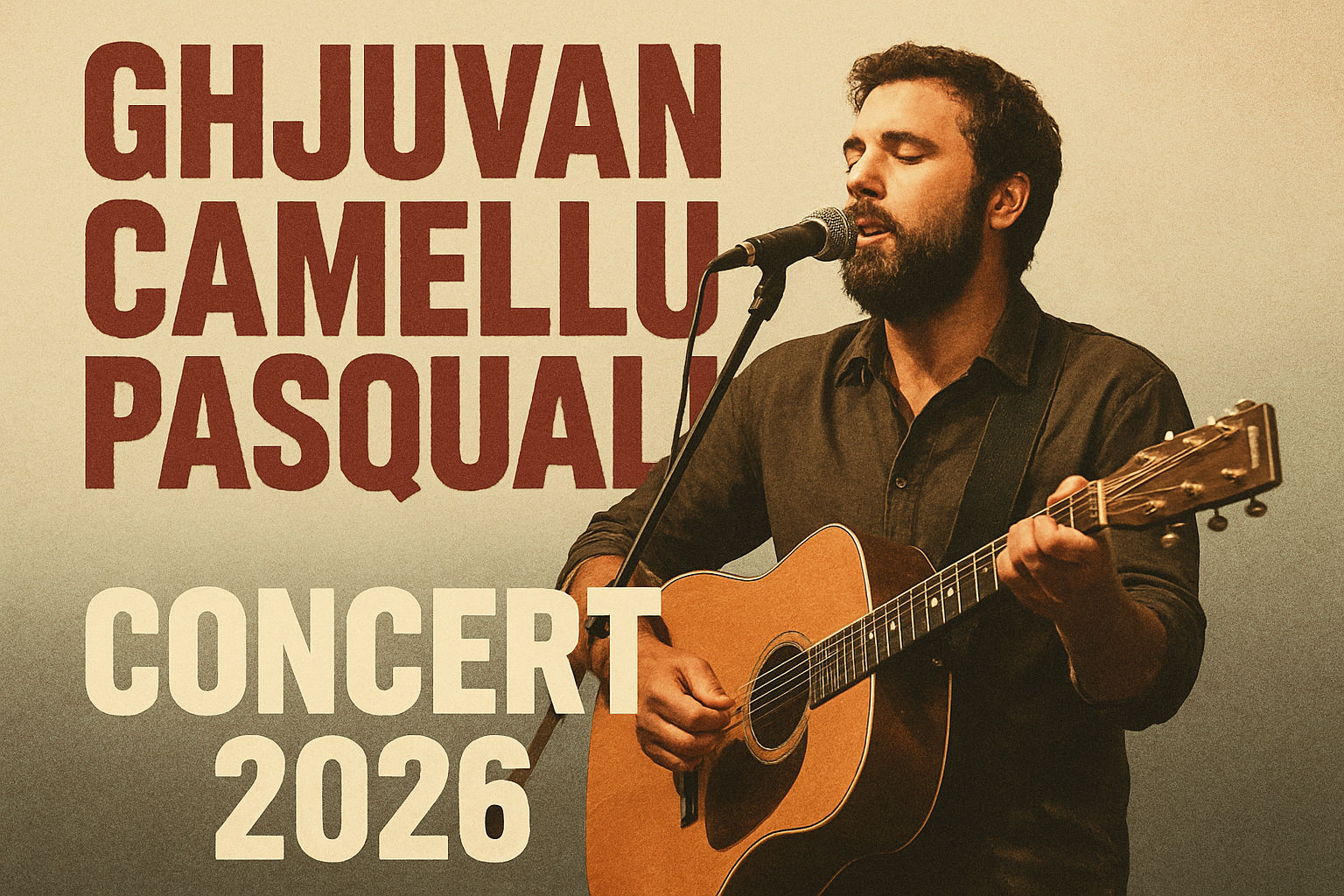
    Ghjuvan Camellu Pasquali Concert 2026
    Music/Concert
    TBA

    Ghjuvan Camellu Pasquali Concert 2026

    Corsican singer–poet Ghjuvan Camellu Pasquali opens 2026 with an intimate concert in northern Corsica, presenting “Di stintu è di core,” a new work that blends island memory, poetry, and contemporary polyphony. The confirmed date is Wednesday 7 January 2026 at 8:30 PM at the Espace culturel Charles Rocchi in Biguglia, a modern hall just south of Bastia known for its crystalline acoustics and carefully curated winter program. Tickets are already listed via the venue and regional ticketing platforms, making this one of the first must‑book cultural nights of the Corsican year.​

    Confirmed date, venue, and program

    • Date and time: Wednesday 7 January 2026, 20:30 (8:30 PM).​
    • Venue: Espace culturel Charles Rocchi (Spaziu Culturale Carlu Rocchi), Biguglia, Haute‑Corse.​
    • Program title: “Di stintu è di core,” an original work realized by Ghjuvan Camellu Pasquali.​

    The Charles Rocchi Cultural Space sits at the heart of Biguglia’s cultural season, with a winter calendar that regularly features Corsican vocal music alongside touring artists. The 2025–2026 listings highlight Pasquali’s night as an early‑year anchor, with the event positioned between major December and January bookings at the same venue.​

    Tickets and booking

    The official event listing for “Di stintu è di core” links to local ticket sales. Phone and online options are published alongside the event page, including a direct number for the Biguglia cultural office (billetterie). Regional ticketing hub CorseBillet also lists the concert for Wednesday 7 January with an “Info & Réservations” button, guiding buyers to the correct purchase path. Booking early secures best seating and avoids last‑minute surges during the holiday period.​

    • Billetterie contact: phone shown on the Biguglia page; online ticketing link available on the same listing.​
    • Alternate portal: CorseBillet event card “DI STINTU È DI CORE – U cuncertu – BIGUGLIA” with date and venue confirmation.​

    The artist: voice of Castagniccia, rooted in the island

    Ghjuvan Camellu Pasquali hails from San Damiano in Castagniccia, a mountain region famous for chestnut forests, heritage chapels, and a living tradition of Corsican verse. His concerts often travel between civic halls and centuries‑old churches from Belgodere to Urtaca, weaving original texts with polyphonic textures that nod to paghjella while embracing contemporary arrangements. For 2026, advance cultural agendas in Balagne also note a January touring window in Calvi, indicating a broader winter presence on the island beyond the Biguglia premiere.​

    What to expect musically

    “Di stintu è di core” translates loosely as “By instinct and by heart,” suggesting a program grounded in instinctive melody and heartfelt narrative. Expect:

    • Original songs in Corsican with poetic narratives and contemporary acoustic textures.
    • Moments of a cappella harmony influenced by traditional island vocal forms.
    • A dialogue between solo voice, small ensemble, and the hall’s natural resonance to carry text and timbre.

    Pasquali’s previous nights have mixed intimate storytelling with crescendos that feel communal, especially when audiences in Balagne and Castagniccia join softly on familiar refrains.

    Getting there: Bastia to Biguglia

    Biguglia lies on the plain just south of Bastia along the RT20/RT11 corridor. From central Bastia, allow about 15–20 minutes by car depending on evening traffic; parking is available around the cultural complex. The Bastia–Furiani–Biguglia bus line offers evening service on weekdays; confirm the return timetable before the concert to avoid gaps after 10 PM. Taxis and rideshare services operate between Bastia rail station, Lucciana, and Biguglia, and can be reserved ahead for post‑show pickup.​

    Local tip: Dine early around Bastia’s Terra Vecchia or Toga Marina, then head to Biguglia for doors opening roughly 45 minutes before showtime.

    Make it a Corsican evening

    • Pre‑show flavors: Try stufatu (Corsican stew), lonzu, and brocciu beignets in Bastia’s old town. Pair with a Patrimonio or a Sciaccarellu by the glass.
    • Post‑show stroll: If you stay in Bastia, a night walk around Place Saint‑Nicolas offers a quiet harbor view after the applause.
    • Weekend extension: Combine the concert with a winter day in Cap Corse—Erbalunga’s Théâtre de Verdure in summer hosts big names, but in winter the village lanes and sea walls have their own music.

    Accessibility and seating

    Espace Charles Rocchi is a modern, accessible venue with numbered seating. If you require assistance or wheelchair seating, contact the billetterie by phone at purchase; staff can place you near aisles with easiest access. The site typically opens doors well ahead of the curtain to allow a calm arrival and bar service where scheduled.​

    Why January 7 is unmissable

    • First big voice of the year: The date places Pasquali at the start of the 2026 cultural calendar, a signal of the island’s vocal traditions carrying into the new year.​
    • A hall that flatters song: Charles Rocchi’s acoustics favor voice and strings—ideal for Corsican timbres.​
    • A new work: “Di stintu è di core” is billed as an original realization by the artist, making this date a premiere moment for audiences who follow contemporary Corsican songcraft.​

    Practical tips for the night

    • Arrive early: Aim for 19:45 to collect tickets, find your seat, and settle in.
    • Dress smart‑casual: January nights can be cool; bring a light coat.
    • Language notes: Lyrics are in Corsican; program notes may be Corsican/French. The emotional arc lands powerfully regardless of fluency.
    • Respect the hush: Corsican audiences hold silence for a cappella passages—save applause for the wave of the final note.

    Beyond Biguglia: additional 2026 sightings

    Cultural calendars in Balagne list a Ghjuvan‑Camellu Pasquali concert window in Calvi between 19 and 23 January 2026, suggesting further northern‑Corsica dates after the Biguglia premiere. For summer, look for the artist across village festivals such as Urtachemu in Urtaca or church concerts in Belgodere, where archives show previous appearances. Checking regional agendas (isula.corsica and agenda‑balagne.corsica) in early January helps pin down additional dates.​

    How to stay updated

    • Venue page: Espace culturel Charles Rocchi maintains a live program page with purchase links.​
    • Event hub: Agenda.corsica publishes date, time, and concise descriptions for northern venues.​
    • Ticketing: CorseBillet aggregates the Biguglia date and other island events under a unified booking interface.​

    Ready to begin the Corsican year with a voice that carries the island’s pine‑scented hills and harbor lights? Book your seat for January 7 in Biguglia, plan a pre‑show plate in Bastia, and let “Di stintu è di core” draw you into the heart of Corsican song.

    Verified Information at a Glance

    • Event: Ghjuvan Camellu Pasquali — “Di stintu è di core”​
    • Date: Wednesday, 7 January 2026, 20:30​
    • Venue: Espace culturel Charles Rocchi (Spaziu Culturale Carlu Rocchi), Biguglia, Haute‑Corse​
    • Ticketing: Venue billetterie phone and online link; also listed on CorseBillet (event card with date/venue)​
    • Additional notes: Artist is featured in Balagne cultural agenda with a January 19–23 Calvi window, indicating further 2026 appearances in the region


    Porto-Vecchio, Corsica
    Jan 7, 2026 - Jan 7, 2026
    Epiphany Celebrations (Fête des Rois) 2026
    Holiday, Cultural
    Free

    Epiphany Celebrations (Fête des Rois) 2026

    The Epiphany, celebrated on January 6 as Fête des Rois (Festival of Kings) in Corsica, marks the arrival of the Three Wise Men to honor the infant Jesus while also signaling the official end of the Christmas season on this Mediterranean island. This beloved tradition blends French customs like sharing galette des rois (kings' cake) with distinctive Corsican cultural elements including religious processions, family gatherings, and the continuation of nativity scene displays in island churches and homes. From the bakeries of Ajaccio preparing thousands of almond-filled galettes to the baroque churches of Bastia hosting special masses, from mountain villages maintaining centuries-old customs to coastal towns combining celebration with mild January seaside strolls, Corsican Epiphany offers visitors authentic experiences of island traditions during the quieter winter season. Whether you're drawn to the religious significance, the delicious pastries, or the warm community celebrations, the Fête des Rois provides perfect opportunity to discover Corsican culture beyond the summer beach season.

    The Significance of Epiphany in Christian Tradition

    Epiphany, also known as Three Kings' Day or Twelfth Night, commemorates the visit of the Magi (Three Wise Men or Three Kings) to the infant Jesus in Bethlehem. According to Christian tradition, these learned men from the East followed a star to find the newborn king, bringing gifts of gold, frankincense, and myrrh. Their arrival represented the first manifestation (epiphany) of Christ to the Gentile world beyond Jewish tradition.

    The date of January 6 falls twelve days after Christmas (hence "Twelfth Night"), completing what is known as Christmastide or the Twelve Days of Christmas. In many Christian traditions, Epiphany holds equal or greater importance than Christmas itself, as it celebrates Christ's revelation to all humanity rather than merely his birth.

    Different Christian denominations and cultures emphasize various aspects of Epiphany. Western traditions focus on the Magi's visit, while Eastern Orthodox churches celebrate Jesus's baptism in the Jordan River as the primary epiphany moment. Some cultures also incorporate the wedding at Cana as part of Epiphany celebrations, recognizing it as another manifestation of Christ's divine nature.

    In France and Corsica, the day is officially called "l'Épiphanie" or more commonly "Fête des Rois" (Festival of Kings), with celebrations centered on the tradition of sharing galette des rois, a special cake that transforms the religious commemoration into a joyful social custom bringing families, friends, and communities together.

    Corsican Epiphany Traditions and Customs

    The Galette des Rois: Centerpiece of Celebration

    The galette des rois forms the heart of Epiphany celebrations in Corsica, as throughout France. This round, flat pastry made from puff pastry (pâte feuilletée) filled with almond cream (frangipane) becomes ubiquitous in island bakeries throughout January, though consumption peaks on January 6 itself.

    The tradition involves hiding a small charm called a "fève" (literally "bean," though modern versions are often porcelain or plastic figurines) inside the galette before baking. After the cake is served, whoever discovers the fève in their slice becomes king or queen for the day, wearing a golden paper crown provided with the galette and receiving the privilege of choosing their royal consort.

    Corsican bakeries pride themselves on creating exceptional galettes, with bakers competing informally for local reputation. Some follow classic French recipes precisely, while others incorporate subtle Corsican touches like incorporating local almonds or adding hints of island flavors such as myrtle or citrus zest to the frangipane.

    In southern France and increasingly in Corsica, an alternative version called "gâteau des rois" appears, particularly popular in Provence and Mediterranean regions. This brioche-style crown-shaped cake studded with candied fruits and pearl sugar reflects Italian and Spanish influences closer to the island's cultural connections.

    Religious Observances

    Corsican churches observe Epiphany with special masses commemorating the Magi's journey. Many parishes organize processions reenacting the Three Kings' arrival, with participants dressed as the Wise Men carrying symbolic gifts through village streets to the church where nativity scenes remain displayed.

    The island's numerous baroque churches, particularly in Bastia's Terra Vecchia quarter and villages throughout Castagniccia and Balagne regions, create magnificent settings for Epiphany celebrations. The ornate interiors with gold leaf, painted ceilings, and elaborate altarpieces provide appropriate grandeur for honoring the visiting kings.

    Traditional Corsican polyphonic singing (canti corsi) enhances religious services, with local groups performing sacred music specific to Epiphany celebrations. These haunting, complex harmonies create deeply moving experiences for attendees, whether regular churchgoers or visitors attending for cultural interest.

    Family and Community Gatherings

    Epiphany provides occasion for extended family gatherings, continuing the holiday season's emphasis on togetherness. Corsican families share galettes after festive meals featuring seasonal specialties and local products.

    In some traditional households, particularly in mountain villages, older customs persist including blessing homes on Epiphany, hanging special greenery over doorways, or performing rituals believed to ensure good fortune for the coming year. These practices, while less widespread than formerly, continue in families maintaining close ties to ancestral traditions.

    Villages may organize community celebrations including shared meals, children's activities focused on the Three Kings story, and social events bringing neighbors together. These gatherings reinforce the communal bonds essential to Corsican island society, particularly in smaller communities.

    Celebrations Across the Island

    Ajaccio: Capital City Festivities

    Ajaccio's bakeries become centers of activity in early January, with windows displaying impressive arrays of galettes des rois in various sizes. The city's main patisseries like those along Cours Napoléon and in the old town compete to create the most beautiful and delicious versions, often selling out entirely on January 6.

    Families gather in homes and restaurants for Epiphany meals featuring galette as the celebratory dessert. Many Ajaccio restaurants offer special Epiphany menus incorporating the tradition of sharing galette with guests.

    The city's churches, including the baroque cathedral where Napoleon was baptized, hold special Epiphany masses. The cathedral's nativity scene, elaborate and artistically significant, remains on display through Epiphany before being carefully dismantled for another year.

    Bastia: Northern Island Traditions

    Bastia celebrates Epiphany with characteristic northern Corsican devotion to religious tradition. The Terra Vecchia's baroque churches including Saint-Jean-Baptiste, with its distinctive twin bell towers, host well-attended Epiphany services featuring traditional music and solemn observances.

    The old port area's cafes and patisseries serve galettes des rois alongside coffee and local pastries, with families and friends gathering in these social spaces to share the traditional cake. The Italian influences present in Bastia mean both puff pastry galettes and brioche-style crowns appear in bakery windows.

    Some Bastia neighborhoods maintain traditions of children processing door-to-door singing Epiphany songs (similar to Christmas caroling) in exchange for treats, though this custom has diminished with modernization.

    Mountain Villages and Rural Celebrations

    Mountain villages throughout Castagniccia, Niolu, and other interior regions maintain some of Corsica's most traditional Epiphany observances. In communities where religious devotion remains strong and population demographics skew older, customs persist that have faded in more cosmopolitan coastal areas.

    Village churches organize Epiphany processions with participants carrying lanterns through narrow streets to symbolize the star guiding the Magi. These intimate ceremonies, attended by entire small communities, create powerful experiences of continuity with past generations.

    Rural families gather for substantial meals featuring mountain products including wild boar, chestnut preparations, and hearty cheeses before sharing galettes purchased from village bakers or, in some cases, prepared at home using family recipes.

    Coastal Towns: Mild January Celebrations

    Coastal communities including Porto-Vecchio, Calvi, Propriano, and L'Île-Rousse celebrate Epiphany with the advantage of mild January weather permitting outdoor activities. Families might combine traditional galette sharing with beach walks or outdoor gatherings that northern European winter weather would prohibit.

    The tourism industry's relative quiet in January means these celebrations feel authentic and local rather than oriented toward visitors, though travelers present are warmly welcomed to participate in bakery purchases and any public events organized.

    The Galette des Rois Experience

    Bakery Shopping

    Purchasing galette des rois from a Corsican bakery represents an essential Epiphany experience. Bakeries display galettes in various sizes to accommodate different group sizes, typically serving 4, 6, 8, or more people. Prices vary by size and bakery prestige, generally ranging from €15-€40.

    The baker usually asks how many people will share the galette and includes appropriate number of paper crowns. The fève is already hidden randomly in the cake, maintaining the element of surprise.

    Many bakeries offer advance ordering for larger galettes or to guarantee availability on January 6 itself when demand peaks. Some create special artistic versions with elaborate decorations or premium fillings commanding higher prices.

    The Sharing Ritual

    Traditional protocol governs galette sharing, though families and groups may modify the customs. Typically:

    1. The youngest person present hides under the table while the galette is cut
    2. As each slice is separated, the hidden child names who will receive it
    3. This ensures random distribution and prevents the cutter from giving the fève-containing slice to a favorite
    4. All participants eat their slices, with anticipation building as pieces disappear without the fève appearing
    5. Whoever finds the fève in their slice is crowned king or queen
    6. The newly crowned royal chooses their king or queen consort from others present
    7. The pair wears crowns for the remainder of the celebration
    8. In some traditions, the royal pair buys the next galette, ensuring the custom continues

    Variations and Modern Adaptations

    While classic almond frangipane filling dominates, innovative bakers create variations including:

    • Chocolate filling instead of almond
    • Apple compote with cinnamon
    • Pistachio cream
    • Corsican chestnut cream incorporating local products
    • Combinations like chocolate-pear or apple-hazelnut

    Health-conscious versions reduce sugar or use alternative ingredients, while artisan bakers emphasize organic, local components and traditional techniques.

    For children's celebrations, special galettes feature popular character figurines as fèves, turning the traditional religious symbol into collectible fun.

    Practical Information for Visitors

    Timing Your Visit

    January 6, 2026, falls on a Tuesday, with Epiphany celebrations primarily occurring on that specific date though bakeries sell galettes throughout January. Some families celebrate on the nearest weekend (January 3-4 in 2026) for convenience, meaning bakeries see busy sales throughout the first January week.

    Corsica in early January offers advantages for cultural tourists:

    • Fewer visitors than summer, creating authentic local atmosphere
    • Mild weather compared to northern Europe (8-15°C/46-59°F)
    • Lower accommodation prices than peak season
    • Genuine interaction with island traditions

    Participating in Celebrations

    Visitors can experience Epiphany traditions through:

    • Purchasing galettes: Visit bakeries to buy your own and organize informal sharing with travel companions
    • Restaurant celebrations: Some establishments offer special Epiphany meals with galette included
    • Church services: Attend Epiphany masses to experience religious aspects; visitors welcomed
    • Cultural centers: Some towns organize events explaining traditions for educational purposes
    • Private invitations: Corsicans are famously hospitable; if invited to share galette, accept graciously

    Where to Stay

    Accommodation is readily available and affordable in January:

    • Ajaccio and Bastia offer hotels, B&Bs, and vacation rentals
    • Smaller towns have limited options but good availability
    • Mountain villages may have few choices; book ahead
    • Coastal areas mostly quiet in winter; confirm facilities operate

    Getting Around

    Ferry services from mainland France and Italy operate year-round with reduced winter frequency. Book ahead for January travel, particularly if bringing a vehicle.

    Flights to Ajaccio and Bastia continue throughout winter with connections to French mainland cities. January sees lower demand, meaning better prices than summer but fewer flight options.

    Rental cars allow exploration of different island regions for varied Epiphany experiences, from coastal bakeries to mountain village processions.

    What to Pack

    • Clothing: Layers for variable January weather; light jacket or sweater sufficient during day; warmer coat for evenings
    • Rain gear: January can be wet; waterproof jacket advisable
    • Walking shoes: Comfortable footwear for village and town exploration
    • Appetite: Come hungry for galette sampling!

    Beyond Epiphany: January on Corsica

    Visitors exploring Corsica for Epiphany can enjoy the island's other winter attractions:

    Natural Beauty: Mountain scenery potentially snow-capped; coastal walks without summer crowds; crisp clear days for photography

    Cultural Sites: Museums, historic sites, and churches accessible with shorter queues than summer; winter light enhancing photography

    Local Life: Experience authentic Corsican rhythms without tourist season bustle; interact with locals in their daily environment

    Cuisine: Winter seasonal specialties including wild boar, chestnut dishes, and hearty mountain fare

    Affordability: January prices significantly lower than summer for accommodation, dining, and activities

    Discover Epiphany Traditions on the Island of Beauty

    The Fête des Rois on Corsica invites you to experience authentic Mediterranean island traditions during the enchanting period when Christmas decorations linger, religious devotion remains fervent, and families gather one final time before the holiday season officially concludes. This is your opportunity to taste exceptional galettes des rois baked by skilled Corsican artisans, to witness baroque church ceremonies enhanced by polyphonic singing, to share in community celebrations welcoming you warmly despite being a visitor.

    January 6, 2026, approaches. Plan now to experience Epiphany on the Island of Beauty. Book your winter escape to Corsica where mild Mediterranean weather permits comfortable exploration. Research bakeries renowned for their galettes. Check church service times if you wish to attend traditional masses. Consider organizing your own galette sharing with fellow travelers or, if fortunate, with Corsican friends encountered during your visit.

    Imagine biting into flaky puff pastry revealing rich almond cream, hoping your piece contains the hidden fève granting royal status for the day. Picture yourself wearing the golden paper crown, laughing with new friends or family, continuing a tradition stretching back centuries. Envision walking through village streets where generations have celebrated this same festival, feeling connected to island history and culture.

    The galettes are baking in wood-fired ovens, their buttery aroma floating through island streets. The crowns are waiting to adorn lucky finders. The fèves are hiding in their almond cream treasure chambers. The churches are preparing their most beautiful Epiphany celebrations. Corsican families are gathering to honor the Three Kings while sharing sweetness and joy.

    Don't let January 6, 2026, pass without experiencing how this Mediterranean island celebrates one of Christianity's most significant festivals. Let Corsica show you that winter travel offers rewards summer cannot match, that authentic cultural experiences await those willing to visit during quieter seasons, that galette des rois tastes somehow better when purchased from a Corsican baker who greets you warmly in island dialect.

    The Three Kings found their way to Bethlehem by following a star. Let Corsica's star guide you to authentic Epiphany celebrations blending French tradition with island character. Your crown awaits.

    Verified Information at a Glance

    Event Name: Epiphany Celebrations / Fête des Rois (Festival of Kings) 2026

    Category: Religious Holiday / Cultural Tradition / Culinary Celebration

    Date: Tuesday, January 6, 2026

    Religious Significance: Commemoration of Three Wise Men (Magi) visiting infant Jesus; twelfth day of Christmas; end of Christmastide

    Celebration Locations: Throughout Corsica

    • Ajaccio: Capital city bakeries, restaurants, cathedral
    • Bastia: Terra Vecchia churches, old port bakeries
    • Corte: Mountain town traditions
    • Villages: Island-wide community celebrations
    • Churches: Epiphany masses throughout Corsica

    Main Tradition: Sharing galette des rois (kings' cake) with hidden fève (charm); finder becomes king/queen for the day

    Galette des Rois:

    • Type: Puff pastry filled with almond frangipane (most common)
    • Alternative: Brioche crown with candied fruits (southern style)
    • Price: €15-€40 depending on size and bakery
    • Availability: Throughout January; peak demand January 6
    • Includes: Paper crown(s) with purchase
    • Hidden charm: Fève (bean/figurine) randomly placed

    Religious Services:

    • Special Epiphany masses in churches
    • Nativity scenes remain displayed through January 6
    • Processions in some villages
    • Polyphonic singing (canti corsi) at services

    Family Traditions:

    • Sharing galette at family gatherings
    • Festive meals featuring Corsican specialties
    • Continuation of holiday season celebrations
    • Final major gathering before Christmas season ends

    Cultural Activities:

    • Church processions reenacting Magi's journey
    • Community celebrations in villages
    • Special restaurant menus
    • Bakery competitions for best galette

    Weather: Mild Mediterranean winter

    • Temperatures: 8-15°C (46-59°F)
    • Possible rain; pack waterproof jacket
    • Sunny days common
    • Mountains cooler; potential snow at elevation

    Getting There:

    • Ferries: Year-round from France/Italy (reduced frequency)
    • Flights: Ajaccio and Bastia airports
    • Advance booking: Recommended for January travel

    Accommodation: Widely available; off-season rates

    • Hotels, B&Bs, vacation rentals
    • Lower prices than summer
    • Book ahead for best selections

    Language: French (official), Corsican (local)

    Costs:

    • Galette: €15-€40
    • Restaurant Epiphany meal: €30-€60 per person
    • Church services: Free
    • Accommodation: €50-€150 per night (off-season rates)

    Best For:

    • Culinary enthusiasts
    • Cultural travelers
    • Religious observers
    • Families seeking authentic traditions
    • Winter sun-seekers

    What to Pack:

    • Layers for variable weather
    • Waterproof jacket
    • Comfortable walking shoes
    • Appetite for pastry!

    Timing Tips:

    • January 6 is the primary celebration day
    • Bakeries sell galettes throughout January
    • Weekend January 3-4 sees many family celebrations
    • Church services typically morning of January 6

    Etiquette:

    • If sharing galette, follow traditional protocols
    • Respect religious services; modest dress for churches
    • Purchase from local bakeries to support artisans
    • Accept invitations graciously if offered

    Related Traditions:

    • Dismantling Christmas decorations after Epiphany
    • Removing nativity scenes January 6
    • "Blessing of homes" in traditional families
    • Children's processions in some areas

    Historical Note: Epiphany marks official end of Christmas season (Twelve Days of Christmas); traditionally when decorations come down

    Advantage of January Visit:

    • Authentic local atmosphere (few tourists)
    • Mild weather versus northern Europe
    • Lower prices across services
    • Genuine cultural immersion

    Information Sources:

    • Local bakeries for galette availability
    • Church schedules for service times
    • Tourist offices for cultural events
    • Municipal websites for community celebrations

    Note: While January 6 is the official date, celebrations may occur on surrounding days as families adjust for work schedules. Bakeries begin selling galettes in late December and continue through mid-January.

    , Corsica
    Jan 6, 2026 - Jan 6, 2026
    New Year's Eve Celebrations 2026
    Holiday, Community
    Free

    New Year's Eve Celebrations 2026

    New Year's Eve on Corsica offers a unique Mediterranean twist on holiday celebrations, where mild winter weather, stunning coastal and mountain scenery, and distinctive island culture create memorable ways to welcome 2026. From fireworks illuminating Ajaccio's Gulf to elegant galas in historic hotels, from traditional family gatherings celebrating Capodannu (Corsican New Year) to lively beach parties in southern coastal towns, the island provides diverse options for celebrating the year's transition. Unlike crowded mainland European celebrations, Corsican New Year's Eve maintains intimate, authentic character while offering the sophistication of French holiday traditions blended with island warmth and hospitality. Whether you're seeking romantic waterfront dinners, energetic nightclub parties, cultural experiences with local traditions, or peaceful mountain retreats to reflect on the passing year, Corsica's New Year's Eve celebrations promise experiences as unique as the island itself.

    The Corsican Approach to New Year's Eve

    Corsicans celebrate New Year's Eve (San Silvestru in Corsican, Réveillon du Nouvel An in French) with enthusiasm that reflects both French mainland traditions and distinctive island character. The celebration emphasizes gathering with family and friends, enjoying elaborate festive meals, and welcoming the new year with optimism and joy.

    The island's relatively small population (approximately 340,000 permanent residents) means celebrations maintain personal, community-oriented character even in larger towns. Rather than massive anonymous crowds, New Year's Eve on Corsica typically involves gatherings where locals and visitors mingle naturally, creating welcoming atmosphere for travelers seeking authentic experiences.

    Corsican New Year traditions incorporate elements from various cultural influences. The French love of elaborate multi-course dinners features prominently, with restaurants creating special menus showcasing regional products. Italian proximity brings touches of Italian festivity including abundant sparkling wine (prosecco alongside champagne) and emphasis on good fortune symbols. Ancient Corsican customs persist in some families, particularly in mountain villages where older traditions survive more intact.

    The mild December climate, with temperatures typically ranging from 8°C to 15°C (46°F to 59°F) in coastal areas, allows outdoor celebrations unimaginable in colder European locations. Fireworks displays over harbors, beach gatherings, and outdoor concerts benefit from weather that requires only light jackets rather than heavy winter coats.

    Major Celebration Locations Across the Island

    Ajaccio: The Capital's Grand Celebration

    Ajaccio, Corsica's largest city and administrative capital, hosts the island's most substantial New Year's Eve celebration. The festivities center around Place Foch and the waterfront, where the city organizes public entertainment, live music, and at midnight, a spectacular fireworks display over the Gulf of Ajaccio.

    Thousands gather in the city center as midnight approaches, creating festive atmosphere with countdown celebrations, champagne toasts, and collective jubilation as 2026 arrives. The fireworks launching from near the harbor illuminate both sky and water, with the explosions reflecting off the Mediterranean creating doubled spectacle.

    Ajaccio's restaurants offer special New Year's Eve menus (réveillon menus) featuring Corsican specialties elevated for the celebration. Expect elaborate multi-course meals including seafood from local waters, Corsican charcuterie and cheeses, premium meats, and decadent desserts, all paired with excellent Corsican and French wines.

    Hotels in Ajaccio host gala dinners and parties, with many offering packages including accommodation, festive dinner, entertainment, and champagne toast at midnight. The waterfront hotels particularly capitalize on their locations, offering balcony views of fireworks for guests.

    Nightclubs and bars throughout the city organize special New Year's Eve events with DJs, live music, open bars, and extended hours continuing into the early morning of January 1. Cover charges typically range from €30-€100 depending on venue and package inclusions.

    Bastia: Northern Island Festivities

    Bastia, the island's second city and principal port, celebrates New Year's Eve with characteristic northern Corsican style. The Terra Vecchia (Old Town) and Place Saint-Nicolas become focal points for celebrations, with the city organizing entertainment and fireworks for public enjoyment.

    Bastia's Italian architectural heritage and close historical ties to Genoa infuse New Year's celebrations with subtle Italian touches. Restaurants offer seafood-focused menus reflecting the port city's maritime identity, while bars and cafes fill with revelers enjoying aperitifs before dinner and digestifs after midnight.

    The old port creates romantic setting for waterfront strolls before and after midnight, with the citadel and baroque churches providing atmospheric backdrops. Many visitors combine dinner reservations with walks through the illuminated old quarter, experiencing the city's beauty enhanced by festive decorations.

    Bastia's hotels and event venues host galas ranging from formal affairs with dress codes to casual parties with contemporary music. The city's younger demographic (boosted by the university) ensures energetic nightlife continuing well past midnight.

    Porto-Vecchio: Southern Glamour

    Porto-Vecchio in southern Corsica attracts visitors seeking upscale, glamorous New Year's celebrations. The town's reputation as a summer jet-set destination carries into winter, with several high-end venues organizing sophisticated parties and galas.

    Restaurants around the marina and in the old town offer premium dining experiences with emphasis on fine wines, fresh seafood, and elegant presentation. The waterfront setting allows midnight champagne toasts with views across the harbor toward the Mediterranean.

    Beach clubs that operate year-round sometimes organize special beach parties for New Year's Eve, taking advantage of the southern coast's relatively mild weather. These events blend Corsican island atmosphere with international party culture, attracting younger crowds seeking energetic celebrations.

    The nearby beaches of Palombaggia and Santa Giulia, while quieter in winter than summer, offer beautiful settings for private gatherings or peaceful midnight moments watching stars over the Mediterranean.

    Calvi and Balagne Region

    Calvi in northwestern Corsica provides charming setting for New Year's Eve with its dramatic citadel overlooking the harbor. The town organizes modest public celebrations, while restaurants in the citadel and around the marina offer festive dinners.

    Calvi's New Year's Eve attracts visitors seeking more intimate celebrations than major cities provide, with the compact old town creating cozy atmosphere. The citadel's elevated position offers panoramic views across the gulf, making it excellent spot for watching any fireworks displays.

    Villages throughout the Balagne region including L'Île-Rousse, Sant'Antonino, and Pigna may host small community celebrations or special dinners at local restaurants. These provide authentic experiences of Corsican village life during the holidays.

    Corte and Mountain Celebrations

    Corte, the island's historical capital nestled in the mountains, offers alternative to coastal celebrations. The university town's youthful energy combines with traditional mountain character for unique New Year's Eve atmosphere.

    Restaurants in Corte emphasize hearty mountain cuisine including wild boar, chestnut preparations, and substantial cheeses from shepherds in surrounding valleys. The setting, with the citadel perched dramatically above town, creates memorable backdrop for holiday dining.

    Some mountain villages hold community gatherings where locals welcome visitors to share traditional celebrations including special meals, music, and midnight toasts. These intimate events provide rare glimpses into authentic Corsican culture and hospitality.

    Traditional Corsican New Year Foods and Customs

    The Réveillon Feast

    The centerpiece of Corsican New Year's Eve is the réveillon feast, an elaborate dinner beginning late evening and often extending past midnight. Traditional menus showcase the island's exceptional products through multiple courses:

    Appetizers might include seafood platters with oysters, langoustines, and smoked fish, or Corsican charcuterie including prisuttu, coppa, and figatellu paired with local cheeses.

    First courses often feature luxurious preparations like lobster bisque, foie gras with fig jam, or special pasta dishes incorporating local ingredients.

    Main courses emphasize premium proteins: whole grilled fish, roasted lamb from mountain flocks, wild boar preparations (traditional in Corsica), or beef from Corsican cattle.

    Cheese course naturally showcases Corsican varieties including aged tomme, brocciu preparations, and fleur du maquis herb-crusted cheese.

    Desserts include French classics like bûche de Noël (Yule log) alongside Corsican specialties such as fiadone (brocciu cheesecake), canistrelli cookies, and chestnut desserts.

    Lucky Foods and Traditions

    Like many cultures, Corsicans observe food traditions believed to bring luck for the new year:

    Lentils feature in some New Year's Day meals, their coin-like shape symbolizing prosperity. A Corsican twist involves lentils cooked with figatellu sausage.

    Pomegranates symbolize abundance due to their many seeds. Some families break pomegranates at midnight, with the scattering seeds representing scattered blessings.

    Fish rather than meat at midnight represents moving forward (fish swim forward) rather than backward into the past year.

    Champagne or sparkling wine for the midnight toast is universal, often followed by Corsican liqueurs including myrtle liqueur, chestnut liqueur, or orange liqueur.

    Midnight Rituals

    As midnight approaches, Corsican families and friends gather for countdown celebrations. The traditions include:

    Countdown with television (watching the Champs-Élysées celebration in Paris) or local events, culminating in synchronized cheering and "Bonne Année!" (Happy New Year!) wishes.

    Kisses and embraces with everyone present, wishing health, happiness, and prosperity for 2026.

    Champagne toasts accompanied by cries of "Salute!" (health/cheers in Corsican) and "Santé!" (health in French).

    Fireworks viewing either from windows, balconies, or outside gatherings.

    Extended celebration with music, dancing, and often additional food and drink continuing into early morning hours.

    Parties, Galas, and Entertainment

    Hotel and Restaurant Galas

    Many of Corsica's upscale hotels and renowned restaurants organize New Year's Eve galas featuring:

    • Multi-course gourmet dinners with wine pairings
    • Live music entertainment (jazz, French chanson, contemporary)
    • Champagne reception and midnight toast
    • Dancing after dinner
    • Party favors and festive decorations
    • Optional accommodation packages

    Prices for these galas typically range from €150-€400 per person depending on venue prestige and package inclusions. Reservations are essential, often requiring booking months in advance for the most sought-after locations.

    Nightclub Events

    Corsican nightclubs in major towns organize special New Year's Eve parties with:

    • Guest DJs or live bands
    • Extended operating hours (often until 6 AM or later)
    • Open bar packages or champagne included in cover
    • Countdown celebrations with special effects
    • Themed decorations and festive atmosphere

    Entry typically costs €30-€100 depending on club and inclusions. Advance tickets often offer discounts compared to door prices, assuming events don't sell out.

    Casino Celebrations

    Casinos in Ajaccio, Bastia, and other locations host New Year's Eve events combining gaming with entertainment, dining, and celebrations. These attract guests seeking sophisticated atmosphere with multiple entertainment options under one roof.

    Beach and Outdoor Parties

    Weather permitting (and December can be quite mild on Corsican coasts), some venues organize beach parties or outdoor celebrations. These less formal events appeal to younger crowds and those seeking casual, energetic atmosphere.

    Practical Information for New Year's Eve Visitors

    Booking and Planning

    Reservations: For popular restaurants and galas, book by October or November to secure preferred venues. Hotels in major towns should be booked by December at latest for New Year's Eve.

    Transportation: Ferries and flights operate on modified schedules during holiday season. Book transportation by November to ensure availability and reasonable prices.

    Accommodation: Minimum night requirements (often 2-3 nights minimum) are common for New Year's Eve bookings in popular locations. Expect premium pricing compared to regular winter rates.

    Advance Planning: Research and reserve gala packages, restaurant tables, and entertainment tickets well ahead, as walk-in options will be severely limited on December 31.

    Weather and What to Pack

    Temperature: 8-15°C (46-59°F) in coastal areas; cooler in mountains

    Precipitation: Rain possible; waterproof jacket advisable

    Attire: Layers for variable conditions; formal wear for galas; casual options for informal celebrations

    Footwear: Comfortable shoes for walking; elegant shoes for fancy dinners

    Transportation on New Year's Eve

    Driving: Exercise caution as celebrations increase impaired driving risk. Designated drivers essential for groups.

    Taxis: Limited availability; pre-book return transportation from dinner or party venues.

    Walking: In compact town centers like Ajaccio's waterfront or Bastia's Terra Vecchia, walking between venues is feasible and pleasant.

    Public Transit: Limited or non-existent in smaller towns; major cities may operate reduced late-night service.

    Budget Considerations

    Gala dinner: €150-€400 per person

    Restaurant réveillon menu: €80-€200 per person

    Nightclub entry: €30-€100

    Accommodation: €100-€300+ per night (premium for NYE)

    Drinks and extras: Budget €50-€100 additional per person

    Total budget: €300-€800+ per person for comprehensive New Year's Eve experience including accommodation, dining, and entertainment.

    Safety and Considerations

    Crowds: While smaller than major European cities, popular locations will be busy. Arrive early for good positions at public gatherings.

    Weather: Mild but can be rainy. Outdoor celebrations may be affected by weather.

    Closing hours: Not everything operates late. Confirm hours for any services needed New Year's Day.

    Quiet options: For those seeking peaceful celebrations, mountain villages and rural locations offer escape from busier coastal towns.

    New Year's Day on Corsica

    January 1 is a public holiday throughout France, meaning most businesses close. Many Corsicans spend the day recovering from celebrations, enjoying relaxed family time, and perhaps taking walks to appreciate the island's natural beauty.

    Some traditional activities include:

    New Year's Day lunch: Often featuring leftover specialties from the réveillon or specific dishes like lentils with sausage for good luck.

    Beach walks: Weather permitting, strolls along empty winter beaches offer peaceful way to begin the year.

    Mountain hikes: Hardy individuals enjoy first hikes of the year in Corsican mountains, weather permitting.

    Museum visits: Some cultural sites open on New Year's Day, offering activities for those seeking indoor entertainment.

    Welcome 2026 on the Island of Beauty

    New Year's Eve on Corsica invites you to celebrate the arrival of 2026 in one of the Mediterranean's most spectacular settings, where island traditions, French sophistication, and mild winter weather combine for unforgettable experiences. This is your opportunity to escape typical winter celebrations for something extraordinary, where you can toast the new year under starry skies with Mediterranean breezes replacing icy winds.

    Imagine welcoming 2026 with champagne on a Corsican waterfront, fireworks painting reflections across harbor waters, the scents of maquis herbs perfuming the night air. Picture yourself at an elegant gala in a historic hotel, or dancing in a packed nightclub with new friends from across Europe, or sharing intimate dinner with loved ones overlooking moonlit beaches.

    December 31, 2025, approaches. Now is the moment to plan your Corsican New Year's Eve adventure. Research venue options from Ajaccio's grand celebrations to intimate mountain village gatherings. Book your accommodation before the best locations fill. Reserve tables at renowned restaurants or tickets to exclusive galas. Arrange your ferry crossing or flight to this island paradise.

    Corsica awaits to share its unique blend of traditions, hospitality, and natural beauty as 2025 becomes 2026. The restaurants are preparing their most spectacular menus, the hotels are decorating their ballrooms, the fireworks are ready to light the Mediterranean sky, and the island's warm people are preparing to welcome visitors into their celebrations.

    Don't spend New Year's Eve somewhere ordinary when extraordinary experiences await on the Island of Beauty. Let Corsica's mountains, beaches, villages, and cities provide the backdrop for your transition into 2026. Create memories that will carry you through the entire year ahead, stories of the night you celebrated on a Mediterranean island where ancient traditions meet contemporary celebration, where sophistication blends with authenticity, where every moment feels special.

    The countdown begins. Will you answer Corsica's invitation to ring in 2026 island style?

    Verified Information at a Glance

    Event Name: New Year's Eve Celebrations 2026 Corsica (Réveillon du Nouvel An 2026)

    Category: Holiday Celebration / New Year's Eve Events / Cultural Festivities

    Date: Wednesday, December 31, 2025 (transitioning to January 1, 2026)

    Major Celebration Locations:

    • Ajaccio: Place Foch and waterfront, largest public celebration
    • Bastia: Terra Vecchia and Place Saint-Nicolas
    • Porto-Vecchio: Marina and old town, upscale celebrations
    • Calvi: Citadel and harbor area
    • Corte: Mountain town celebrations
    • Various villages: Community gatherings throughout island

    Public Events:

    • Fireworks displays in major towns (typically midnight)
    • Live music and entertainment in city centers
    • Countdown celebrations in public squares
    • Free attendance at public gatherings

    Ticketed Events:

    • Hotel galas: €150-€400 per person
    • Restaurant réveillon menus: €80-€200 per person
    • Nightclub parties: €30-€100 entry
    • Casino events: Various price points

    Traditional Features:

    • Multi-course réveillon feast
    • Champagne toast at midnight
    • Corsican specialties (charcuterie, cheeses, seafood)
    • Family and community gatherings
    • Fireworks over harbors and bays

    Weather: Mild Mediterranean winter

    • Temperatures: 8-15°C (46-59°F) coastal areas
    • Rain possible; dress in layers
    • Warmer than northern Europe
    • Mountains cooler; possible snow at elevation

    Booking Requirements:

    • Restaurants: Reserve by October-November
    • Hotels: Book by December; 2-3 night minimums common
    • Galas: Advance tickets essential
    • Transportation: Book ferries/flights by November

    Getting There:

    • Ferries: Modified holiday schedules from France/Italy
    • Flights: Ajaccio and Bastia airports
    • Car rental: Available but book early

    Accommodation: €100-€300+ per night (premium NYE pricing)

    Transportation: Limited public transit; taxis scarce; pre-book or designate drivers

    Language: French (official), Corsican (local), some English in tourist areas

    Currency: Euro (€)

    Dress Code: Varies by venue

    • Galas: Formal/cocktail attire
    • Restaurants: Smart casual to dressy
    • Nightclubs: Club wear
    • Public celebrations: Casual, weather-appropriate

    January 1: Public holiday; most businesses closed; restaurants limited; good day for nature walks

    Budget: €300-€800+ per person for full NYE experience (accommodation, dining, entertainment)

    Safety Tips:

    • Pre-arrange designated drivers
    • Book return transportation in advance
    • Arrive early at public events for good positions
    • Keep valuables secure in crowds

    Local Traditions:

    • "Bonne Année!" and "Salute!" toasts
    • Lucky foods (lentils, fish, pomegranates)
    • Extended celebrations into early morning
    • New Year's Day family gatherings

    Best For: Couples seeking romance, groups wanting upscale experiences, travelers desiring unique Mediterranean NYE, those preferring mild weather to snow

    Information Sources:

    • Visit Corsica: visit-corsica.com
    • City tourism offices for specific event listings
    • Individual venue websites for gala details
    • Local press for public event schedules

    Note: Specific 2025-2026 event details, exact times, and final pricing are typically announced in autumn 2025. Check official sources starting October-November for confirmed information.

    , Corsica
    Dec 31, 2025 - Jan 1, 2026
    Christmas Markets Corsica 2025
    Market, Holiday
    Free

    Christmas Markets Corsica 2025

    Christmas markets transform Corsica into a Mediterranean winter wonderland each December, blending French holiday traditions with distinctive island culture to create celebrations unique to this sun-kissed French territory. From the capital city of Ajaccio's bustling Place Foch to Bastia's atmospheric Terra Vecchia quarter, from mountain villages like Corte to coastal towns including Porto-Vecchio, Corsican Christmas markets offer visitors opportunities to discover local artisan crafts, taste seasonal specialties, and experience the island's warm hospitality during the festive season. Unlike the famous Christmas markets of Alsace or Germany, Corsican celebrations maintain intimate, authentic character while showcasing the island's unique identity through traditional music, regional foods, and locally produced gifts. Whether you're a winter sun-seeker escaping cold northern climates or a culture enthusiast exploring Mediterranean holiday traditions, Corsica's Christmas markets promise memorable experiences combining mild weather, stunning scenery, and genuine island charm.

    The Character of Corsican Christmas Markets

    Corsican Christmas markets differ significantly from their mainland European counterparts, reflecting the island's distinct cultural identity and Mediterranean climate. Rather than snow-covered squares with mulled wine warming frozen fingers, Corsican markets often operate under relatively mild December skies where temperatures hover between 8°C and 15°C (46°F to 59°F), allowing comfortable outdoor browsing without heavy winter gear.

    The island's markets emphasize local production and Corsican identity over mass-produced decorations and generic holiday items. Visitors discover handcrafted goods by Corsican artisans, traditional foods from island producers, and decorations reflecting Mediterranean aesthetics rather than Alpine themes. This authenticity creates markets that feel genuine rather than commercial, intimate rather than overwhelming.

    Corsican language and traditions infuse these celebrations with unique character. Polyphonic singing groups perform traditional "Paghjelle" carols, their haunting harmonies echoing through squares. Artisans demonstrate traditional crafts including knife-making, wood carving, and textile weaving. Local musicians play Corsican instruments including the cetera (16-string lute) and pifana (flute), creating soundscapes distinct from Germanic Christmas tunes dominating mainland markets.

    The scale remains manageable, with most markets featuring 20-50 vendors rather than the hundreds found at major European Christmas markets. This smaller size encourages personal interactions between visitors and artisans, creating opportunities for conversations about products, traditions, and island life that large commercial markets rarely permit.

    Major Christmas Market Locations Across the Island

    Ajaccio: The Capital's Holiday Celebration

    Ajaccio, Corsica's largest city and Napoleon Bonaparte's birthplace, hosts the island's most substantial Christmas market in the historic center around Place Foch and Place du Diamant. The market typically opens in early December and continues through the end of the month, with exact 2025 dates generally announced in October.

    The Ajaccio Christmas market features wooden chalets arranged around the palm-tree-lined squares, creating a uniquely Mediterranean holiday atmosphere. Vendors sell Corsican specialties including charcuterie (coppa, lonzu, figatellu), cheeses (brocciu, tomme corse), honey from maquis wildflowers, chestnut products, local wines, and artisan olive oils.

    Craft vendors offer pottery featuring Corsican motifs, leather goods, jewelry incorporating coral and semi-precious stones, traditional knives, woven textiles, and wooden items crafted from island olive and chestnut wood. Many artisans are present to discuss their work, explain techniques, and customize items for purchasers.

    The market area often features a small carousel for children, entertainment stages hosting musical performances and dance demonstrations, and food stalls serving hot chestnuts, beignets (Corsican doughnuts), and seasonal specialties. The nearby Citadel and harbor create picturesque backdrops for evening visits when lights illuminate both market and waterfront.

    Bastia: Northern Island Holiday Tradition

    Bastia, Corsica's second city and principal port, creates a festive atmosphere in its Terra Vecchia (Old Town) and around Place Saint-Nicolas during December. The Bastia Christmas market typically operates from early December through Christmas, transforming the central squares into holiday gathering places.

    Bastia's market benefits from the city's baroque architecture and Italian influences (Bastia historically connected closely with Genoa). The vendors offer similar Corsican products as Ajaccio but with northern island specialties more prominent, including oils from nearby Casinca olive groves and Cap Corse wines.

    The market's position near the old port allows combining shopping with waterfront strolls, visits to the baroque churches of Terra Vecchia, and exploration of the Citadel's museums. Evening illuminations create romantic atmosphere as lights reflect off the harbor waters.

    Corte: Mountain Christmas Spirit

    Corte, the island's historical capital nestled in the mountains, hosts a smaller but charming Christmas market typically held over selected weekends in December. The town's dramatic setting, with its eagle's nest citadel overlooking the confluence of two rivers, provides spectacular backdrop for holiday celebrations.

    Corte's market emphasizes mountain traditions and products from the island's interior: chestnut specialties (flour, cakes, beer), mountain cheeses from shepherds, honey from high-altitude wildflowers, and crafts from artisans in surrounding villages. The university town atmosphere adds youthful energy to the festivities.

    The compact market in the town center allows easy exploration while providing access to Corte's museums, the citadel, and hiking trails into the surrounding mountains for visitors wanting to combine holiday shopping with outdoor activities.

    Porto-Vecchio and Southern Towns

    Porto-Vecchio in southern Corsica typically hosts Christmas markets and holiday events around the marina and historic center during December. The town's position near some of the island's most beautiful beaches creates unique atmosphere where visitors can combine morning beach walks with afternoon market browsing.

    Southern Corsican markets feature products from the Alta Rocca and Extreme Sud regions, including olive oils from Sainte-Lucie-de-Tallano, wines from Porto-Vecchio and Figari appellations, and crafts from artisans in picturesque villages like Zonza and Quenza.

    Other southern towns including Bonifacio (weather permitting given its exposed cliff-top position) and Propriano may host smaller Christmas events, markets, or artisan fairs during the holiday season.

    Smaller Village Markets and Events

    Throughout December, numerous Corsican villages host single-day Christmas markets, holiday fairs, or special events:

    • Calvi in northwestern Corsica occasionally organizes markets in the citadel or near the marina
    • L'Île-Rousse celebrates with Christmas decorations and artisan sales around the covered market
    • Sartène in the south combines its historic ambiance with holiday festivities
    • Propriano hosts events around its harbor
    • Various Balagne villages coordinate weekend markets rotating between communities

    Check local mairies (town halls) and tourist offices for specific dates and details about smaller village celebrations during November when schedules are finalized for December 2025.

    Traditional Corsican Christmas Foods and Crafts

    Seasonal Delicacies

    Corsican Christmas markets showcase the island's exceptional food products, many with AOC or AOP protected designation of origin status:

    Charcuterie: Air-dried sausages and hams including prisuttu (similar to prosciutto), coppa (cured pork collar), lonzu (cured pork loin), and figatellu (liver sausage). These products from pigs raised semi-wild in the maquis exhibit distinctive flavor from the animals' chestnut and acorn diet.

    Cheeses: Brocciu, Corsica's signature fresh whey cheese used in both savory and sweet preparations, appears alongside aged varieties like tomme corse and fleur du maquis (with herbs). Vendors often offer tastings paired with local honey or fruit preserves.

    Chestnuts: December markets feature chestnut products including roasted chestnuts sold hot from braziers, chestnut flour for traditional pulenda and castagnacci cakes, chestnut cream spreads, and chestnut beer from local microbreweries.

    Olive Oil: Premium extra virgin olive oils from Corsican AOC production, featuring varieties like Ghjermana di Casinca and Sabine. These oils, with their fruity character and peppery finish, make excellent gifts and souvenirs.

    Honey: Corsican honey from diverse ecosystems including maquis wildflowers, chestnut blossoms, clementine groves, and mountain herbs. The six AOC-designated honey types represent some of Europe's finest.

    Wines: Corsican appellations including Patrimonio, Ajaccio, Figari, and Vin de Corse showcase native varieties like Niellucciu, Sciaccarellu, and Vermentinu. Many producers offer market tastings.

    Canistrelli: These traditional Corsican cookies, available in flavors including anise, lemon, chestnut, and fig, are popular Christmas treats and gifts.

    Artisan Crafts and Gifts

    Corsican Christmas markets feature handcrafted items reflecting island traditions:

    Knives: Traditional Corsican knives with curved blades, particularly shepherd's knives, crafted by local artisans. These functional works of art feature handles in boxwood, ram horn, or olive wood, often incorporating the Moor's Head symbol.

    Pottery and Ceramics: Handmade items including serving vessels, decorative pieces, and functional dinnerware featuring Corsican motifs, Mediterranean colors, and traditional designs.

    Textiles: Woven goods including blankets, throws, and kitchen linens using traditional patterns and techniques. Some artisans demonstrate weaving on antique looms.

    Wooden Items: Cutting boards, serving vessels, utensils, and decorative pieces crafted from Corsican olive, chestnut, and arbutus wood. The aromatic woods retain pleasant scents even after crafting.

    Jewelry: Pieces incorporating coral from Corsican waters, semi-precious stones, and designs referencing island heritage including Celtic and Moorish influences.

    Natural Cosmetics: Soaps, creams, and beauty products using Corsican essential oils from maquis plants including immortelle (helichrysum), myrtle, and rosemary. These distinctive scents capture the island's aromatic landscape.

    Cultural Events and Entertainment

    Polyphonic Singing Performances

    Corsican polyphonic singing (canti corsi) ranks among UNESCO's intangible cultural heritage, and Christmas markets provide excellent venues for experiencing this haunting vocal tradition. Groups of male singers perform traditional paghjelle, their interweaving three or more-part harmonies creating powerful emotional impact without instrumental accompaniment.

    Christmas-specific repertoire includes both sacred carols and secular seasonal songs performed in Corsican language. The vocal tradition's ancient roots and continuing vitality make these performances highlights of market visits.

    Folk Dance and Music

    Traditional Corsican dance groups occasionally perform at larger markets, wearing period costumes and executing choreography passed through generations. Musicians demonstrate traditional instruments including the cetera (16-string Corsican lute), pifana (flute), and mandulina (mandolin), sometimes inviting audience participation.

    Contemporary Corsican musicians also perform, blending traditional influences with modern styles to create music unique to the island. These performances introduce visitors to Corsican musical culture beyond polyphonic singing.

    Nativity Scenes and Religious Traditions

    Corsican villages create elaborate nativity scenes (presepi) in churches and public spaces, often featuring miniature representations of island villages, landscapes, and traditional life. These artistic installations, sometimes automated with moving figures, attract visitors throughout December.

    Christmas Eve midnight mass (Messa di Mezzanotte) in Corsican churches incorporates traditional music and local customs, with many villages maintaining unique liturgical traditions. While not market events per se, these observances represent important aspects of island Christmas culture.

    Practical Information for Visitors

    December Weather on the Island

    December in Corsica brings mild Mediterranean winter conditions pleasant for market visits:

    • Temperatures: 8°C to 15°C (46°F to 59°F) in coastal areas; cooler in mountains
    • Rainfall: December is one of the wetter months; pack rain gear
    • Sunshine: Still considerable compared to northern Europe; approximately 4-5 hours daily
    • Snow: Possible in mountains above 1,000 meters; coastal areas rarely see snow

    This mild climate allows comfortable market browsing without extreme cold, though evenings cool significantly. Layers work well: light jacket or sweater during day, warmer coat for evening visits.

    What to Pack

    • Clothing: Layers including long sleeves, light sweater or fleece, waterproof jacket, long pants, comfortable walking shoes
    • Accessories: Light scarf, umbrella or rain jacket, sun protection (still necessary in Mediterranean)
    • Practical items: Reusable shopping bag for purchases, cash (some vendors don't accept cards)
    • Camera: Capture festive decorations against Mediterranean backdrops

    Getting Around Corsica in December

    Ferries: Continue operating year-round from mainland France and Italy, though with reduced frequency compared to summer. Advanced booking recommended for holiday travel periods.

    Flights: Ajaccio and Bastia airports maintain service to French mainland cities throughout winter, with reduced schedules compared to peak season. Book early for best rates.

    Car Rental: Essential for visiting multiple markets and exploring the island. Winter sees lower rates than summer, though availability in major towns remains good. Some mountain roads may close temporarily during snow or ice.

    Driving Considerations: Corsican roads are winding and narrow. Winter darkness comes early (sunset around 5 PM), and occasional rain makes roads slippery. Allow extra time for journeys.

    Accommodation

    December is low season for Corsican tourism, making accommodation readily available at lower rates than summer:

    • Hotels: Major towns offer options from budget to luxury
    • Guesthouses: B&Bs provide personal hospitality and local knowledge
    • Vacation Rentals: Apartments and houses available at off-season rates
    • Booking: While not necessary far in advance, securing accommodation near markets for Christmas week itself (December 20-26) is wise

    Budget Considerations

    • Market entry: Free at all locations
    • Food purchases: €5-€20 for specialty items; full meals €15-€35
    • Crafts and gifts: €10-€100+ depending on items
    • Accommodation: €50-€150 per night depending on type and location
    • Transportation: Rental car €30-€60 per day; ferry/flight varies significantly by booking timing

    Embrace Island Holiday Traditions This December

    Corsica's Christmas markets invite you to experience Mediterranean holiday celebrations where mild winter weather, stunning scenery, and authentic island culture create magical seasonal experiences. This is your opportunity to discover Corsican traditions beyond the summer beach season, exploring the island when tourism quiets and local life takes center stage.

    December 2025 offers perfect timing to escape cold northern winters while maintaining festive holiday atmosphere. Imagine browsing artisan crafts under blue skies, tasting charcuterie and cheese while overlooking the Mediterranean, hearing haunting polyphonic harmonies echo through baroque squares. Picture yourself carrying bags filled with olive oil, honey, and handcrafted gifts while planning tomorrow's beach walk or mountain hike.

    The Christmas markets reveal Corsica's generous spirit, where vendors eagerly share stories about their products and traditions. Experience authentic island hospitality at its warmest, discovering why Corsicans maintain fierce pride in their heritage while welcoming visitors to share in celebrations.

    Plan your journey now. Research 2025 market dates as they're announced in autumn. Book ferry or flight tickets for December travel. Reserve accommodation in your preferred towns. Prepare to discover that Christmas on a Mediterranean island offers experiences as magical as any snow-covered Alpine market, with the bonus of mild weather, stunning natural beauty, and distinctive cultural traditions found nowhere else.

    The palm trees are decorated with lights, the craft vendors are preparing their finest works, the food producers are selecting their best products, the polyphonic singers are warming their voices. Corsica's Christmas markets await your discovery, promising holiday memories infused with Mediterranean sunshine, island authenticity, and warm Corsican hospitality.

    Will you answer the call to experience Christmas, Corsican style?

    Verified Information at a Glance

    Event Name: Christmas Markets Corsica (Marchés de Noël de Corse)

    Category: Holiday Markets / Seasonal Festivals / Cultural Events

    2025 Season: Typically early December through December 26-31 (exact dates announced October-November)

    Major Market Locations:

    • Ajaccio: Place Foch and Place du Diamant, capital city
    • Bastia: Place Saint-Nicolas and Terra Vecchia, northern Corsica
    • Corte: Town center, mountain region
    • Porto-Vecchio: Marina and historic center, southern Corsica
    • Additional markets: Calvi, L'Île-Rousse, Sartène, Propriano, various villages

    Operating Hours: Typically 10 AM-7 PM or later; specific hours vary by location

    Admission: Free at all locations

    Featured Products:

    • Corsican charcuterie (AOC prisuttu, coppa, lonzu, figatellu)
    • Artisan cheeses including brocciu
    • Olive oil (AOC Oliu di Corsica)
    • Honey (6 AOC varieties)
    • Chestnuts and chestnut products
    • Local wines from Corsican appellations
    • Traditional canistrelli cookies
    • Handcrafted knives, pottery, textiles, jewelry
    • Natural cosmetics with maquis essences

    Cultural Activities:

    • Polyphonic singing (UNESCO heritage)
    • Traditional music and dance performances
    • Artisan demonstrations
    • Children's entertainment
    • Nativity scenes (presepi)

    Weather: Mild Mediterranean winter

    • Temperatures: 8-15°C (46-59°F) coastal
    • Rain possible; pack waterproof clothing
    • Sunshine: 4-5 hours daily average
    • Mountains cooler; coastal areas rarely see snow

    Getting There:

    • Ferries: Year-round from France (Nice, Marseille, Toulon) and Italy (Livorno, Savona, Genoa)
    • Flights: Ajaccio and Bastia airports serve French mainland cities
    • Car rental: Essential for visiting multiple markets

    Language: French (official), Corsican (local)

    Best Time to Visit: Early to mid-December for full market selection; avoid December 25 when many markets close

    Accommodation: Widely available at off-season rates; book Christmas week (Dec 20-26) earlier

    Tourist Information:

    • Visit Corsica: visit-corsica.com
    • Ajaccio Tourism: ajaccio-tourisme.com
    • Bastia Tourism: bastia-tourisme.corsica
    • Local mairies (town halls) for village market schedules

    Unique Features:

    • Mediterranean climate allows comfortable outdoor browsing
    • Emphasis on locally produced, authentic Corsican products
    • Intimate scale fostering personal interactions
    • Blend of French and Corsican traditions
    • Combine market visits with beaches, hiking, cultural sites

    Budget: €50-€150 daily including accommodation, meals, shopping (excluding transportation to Corsica)

    Note: Specific 2025 dates for individual markets are typically announced 6-8 weeks before December. Check official tourism websites and local sources starting October 2025 for confirmed schedules and any special programming.

    , Corsica
    Dec 7, 2025 - Dec 24, 2025
    Corsican Chestnut Festival (A Festa di a Castagna) 2025
    Cultural, Food
    Free

    Corsican Chestnut Festival (A Festa di a Castagna) 2025

    The Corsican Chestnut Festival, known locally as A Fiera di a Castagna, returns to the mountain village of Bocognano from December 5-7, 2025, for three extraordinary days celebrating the island's most treasured agricultural heritage. As Corsica's most significant regional fair, this annual December gathering attracts over 20,000 visitors and more than 150 producers and craftsmen who transform a heated 3,000 m² space into a vibrant celebration of the chestnut and its countless culinary applications. From chestnut beer and flour to polenta, fritters, and artisanal products, this island festival offers an authentic taste of Corsican culture, tradition, and gastronomy that has sustained mountain communities for centuries.​

    The History and Significance of Corsica's Chestnut Heritage

    Chestnut cultivation has profoundly shaped Corsican island identity since the 16th century, earning the chestnut tree the nickname "l'arbre à pain" (the bread tree) for its vital role in feeding island populations. For generations, chestnuts served as a primary food source for Corsican mountain communities, ground into flour for bread, polenta, and countless traditional dishes that sustained families through harsh winters.​

    The Bocognano Chestnut Fair launched in the early 1970s when a dedicated group of volunteers recognized the urgent need to preserve Corsica's declining chestnut production. What began as a modest effort to save traditional castaneiculture (chestnut growing) has evolved into an essential economic and cultural event for the Ajaccio and Gravona regions.​

    Since establishing itself as a major festival in 1982, the fair has grown exponentially, welcoming visitors from across the island and beyond. The event's timing outside the summer tourist season underscores its genuine importance to local agricultural communities rather than serving as mere tourist entertainment.​

    In 2006, Corsican chestnut flour earned prestigious AOC (Appellation d'Origine Contrôlée) recognition, followed by PDO (Protected Designation of Origin) status in 2010 under the designation "Farine de châtaigne corse - Farina Castagnina Corsa". These quality certifications acknowledge the unique characteristics and traditional production methods that distinguish Corsican chestnut products on the international stage.​

    A Fiera di a Castagna 2025: What to Expect

    Festival Dates and Location

    The 2025 edition of A Fiera di a Castagna takes place December 5-7, 2025, in Bocognano, a picturesque mountain village nestled in central Corsica. The festival operates in a heated 3,000 m² covered space at the Foyer rural de Bucugnà 'U Castagnu', ensuring comfortable conditions despite December's cool mountain weather.​

    Bocognano sits approximately 30 kilometers from Ajaccio on the road toward Corte, making it accessible for visitors based in Corsica's capital or exploring the island's mountainous interior. The village's location in traditional chestnut-growing territory provides an authentic setting for this agricultural celebration.​

    Over 150 Producers and Craftsmen

    More than 150 agro-food producers and artisans converge on Bocognano for the three-day festival, showcasing the remarkable diversity of chestnut-based products and traditional Corsican crafts. Visitors discover chestnuts prepared in countless forms including:​

    Chestnut-Based Foods:

    • Fresh roasted chestnuts
    • Chestnut flour and bread
    • Pulenda (traditional chestnut polenta)
    • Chestnut fritters and cakes
    • Chestnut cream and jam
    • Granaghjoli (chestnut flour pasta)
    • Savory chestnut preparations with pork and wild boar

    Beverages:

    • Chestnut beer
    • Chestnut liqueurs
    • Local wines that pair with chestnut dishes

    Artisanal Products:

    • Handcrafted items using chestnut wood
    • Traditional Corsican crafts
    • Local honey and preserved foods
    • Corsican charcuterie (cured meats)
    • Brocciu cheese and dairy products​

    Educational and Cultural Programming

    The festival extends far beyond simple commerce, offering rich educational programming that celebrates and preserves Corsican agricultural heritage :​

    Regional Chestnut Flour Competition: Local producers compete for recognition of the finest traditional chestnut flour, highlighting quality differences based on terroir, production methods, and craftsmanship.​

    Symposia and Conferences: Expert discussions address topics including chestnut grove renovation, modernizing processing methods, creating value-added products, and professionalizing what historically operated as a subsistence economy.​

    Culinary Demonstrations: Skilled cooks showcase traditional and contemporary chestnut recipes, revealing the versatility of this remarkable ingredient in Corsican cuisine.​

    Children's Activities: Family-friendly programming ensures younger generations connect with island agricultural traditions and understand the chestnut's cultural significance.​

    Concerts and Entertainment: Live music performances celebrate Corsican cultural expressions, often featuring traditional polyphonic singing.​

    Experiencing Corsican Chestnut Cuisine

    Traditional Dishes

    Corsican chestnut cuisine reflects centuries of culinary creativity born from necessity. Traditional dishes showcase the chestnut's remarkable versatility in both sweet and savory applications :​

    Pulenda: This traditional chestnut flour polenta serves as the foundation for quintessential Corsican meals, often accompanied by figatellu (Corsican liver sausage), fresh brocciu (local fromage frais), and fried egg. The combination of hot polenta with cold cheese, sweet and savory elements creates a distinctive flavor profile beloved by islanders.​

    Chestnut Flour Bread: Dense, slightly sweet bread made from pure chestnut flour or blended with wheat, representing the "bread tree's" most literal interpretation.​

    Soups and Veloutés: Rich, warming chestnut soups perfect for December's cold weather, often enriched with local pork or wild boar.​

    Desserts: Chestnut tarts, flans, cakes, and pastries that appear on menus throughout Corsican restaurants and pastry shops, especially during autumn and winter.​

    Modern Chestnut Applications

    Contemporary Corsican chefs continue innovating with chestnuts, creating modern dishes that honor tradition while appealing to evolved palates :​

    • Chestnut accompaniments for foie gras
    • Chestnut-crusted meats and poultry
    • Refined chestnut desserts in upscale restaurants
    • Fusion dishes incorporating chestnuts into international cuisine
    • Artisanal chestnut products for gourmet markets​

    The chestnut's distinctive flavor even influences Corsican wild boar, as these animals feast on chestnuts in island forests, imparting unique taste to their meat.​

    Planning Your Visit to Bocognano

    Getting to Bocognano

    By Car: Bocognano sits on the main N193 road connecting Ajaccio to Corte, approximately 30 kilometers from the island's capital. The scenic drive through mountainous terrain takes roughly 40 minutes from Ajaccio.​

    Shuttle Services: During the festival, organizers provide shuttle buses from designated parking areas to the festival grounds, as the small village cannot accommodate thousands of vehicles. Arrive early and follow posted signs to shuttle parking locations.​

    By Public Transport: Check with Corsica's intercity bus services for routes connecting Ajaccio or Corte to Bocognano during festival dates.

    Accommodation Options

    Bocognano itself offers limited accommodation as a small mountain village. Most visitors base themselves in nearby locations:

    Ajaccio (30 km): Corsica's capital provides the widest range of hotels, vacation rentals, and amenities, with easy access to Bocognano via the N193.​

    Corte (40 km): This historic mountain town offers charming accommodations and serves as an excellent base for exploring central Corsica's rugged interior.

    Rural Guesthouses: Agritourism properties and chambres d'hôtes (bed and breakfasts) in surrounding mountain villages provide authentic Corsican hospitality.

    Book accommodations well in advance, as the festival attracts 15,000-20,000 visitors over the three-day period. December availability near Bocognano fills quickly during festival weekend.​

    December Weather in Mountain Corsica

    December in Bocognano's mountainous location requires preparation for cool, potentially wet conditions:

    Temperature Range: 5-12°C (41-54°F) during the day, dropping near freezing at night.

    Weather Conditions: Expect possibilities of rain, wind, and even occasional snow at higher elevations, though the festival space is heated and covered.​

    What to Wear:

    • Warm layers including thermal base layers
    • Waterproof jacket and sturdy boots
    • Hat, gloves, and scarf for outdoor transitions
    • Comfortable walking shoes for exploring the village

    The covered, heated festival space ensures comfortable conditions while browsing producer stalls and enjoying demonstrations, but outdoor movement between parking, shuttles, and village exploration demands winter preparation.​

    Festival Admission and Logistics

    While specific 2025 admission prices weren't published at the time of research, the festival typically maintains accessible pricing to encourage broad participation in celebrating Corsican agricultural heritage. Check the official Fiere di Corsica website or Visit Corsica tourism portal for current pricing information.​

    Timing Your Visit:

    • The festival operates all three days (December 5-7)
    • Morning hours (10 AM-12 PM) tend to be less crowded
    • Afternoon and early evening see peak attendance
    • Sunday typically draws the largest crowds

    What to Bring:

    • Reusable shopping bags for purchasing products
    • Cash and credit cards (small producers may prefer cash)
    • Camera or smartphone for photos
    • Appetite for tasting chestnut specialties
    • Open mind for discovering new flavors and traditions

    Beyond the Festival: Exploring Bocognano and Surroundings

    Cascades des Anglais

    Just outside Bocognano, the Cascades des Anglais (English Waterfalls) offer stunning natural beauty accessible via scenic hiking trails. These waterfalls, named for British tourists who "discovered" them in the 19th century, provide excellent opportunities for nature walks and photography.​

    Corsican Mountain Villages

    The festival provides an ideal excuse to explore central Corsica's traditional mountain villages, each preserving distinctive architecture, customs, and ways of life largely unchanged for generations. Consider visiting:

    • Vizzavona: Mountain resort village with hiking access to Monte d'Oro
    • Venaco: Historic village offering panoramic mountain views
    • Vivario: Charming settlement along the Vecchio River valley

    Corte: Corsica's Historic Heart

    Located 40 kilometers north of Bocognano, Corte served as Corsica's capital during brief independence (1755-1769) and houses the island's only university. The dramatic citadel perched on rocky heights, old town's winding streets, and Museum of Corsica make Corte essential for understanding island history and culture.​

    Prunelli Gorges

    The spectacular Prunelli Gorges near Bocognano offer dramatic landscapes where the river has carved deep channels through granite mountains, creating scenery popular with hikers and photographers.​

    Other Corsican Island Festivals and Events

    While A Fiera di a Castagna stands as one of Corsica's most significant agricultural fairs, the island celebrates its distinctive culture through numerous festivals year-round :​

    Spring/Summer:

    • Wine festivals celebrating Corsican viticulture
    • Cheese festivals in mountain regions
    • Olive oil celebrations in northwestern Corsica
    • Music festivals featuring traditional polyphonic singing
    • Village festas honoring patron saints

    Autumn:

    • Fig festivals in September
    • Chestnut celebrations in various mountain villages
    • Harvest festivals throughout wine regions

    Winter:

    • Traditional Corsican Christmas customs including U Focu fire tradition
    • Religious processions and midnight masses
    • New Year's Eve celebrations across the island​

    These seasonal celebrations reveal the deep connection between Corsican island identity, agricultural traditions, and cultural heritage.​

    The Cultural Significance of A Festa di a Castagna

    The Bocognano Chestnut Festival transcends simple agricultural fair status to embody Corsican cultural preservation efforts. Several factors contribute to its profound significance:​

    Economic Impact: The festival supports local producers, craftsmen, and rural economies during the off-season when tourism diminishes. Revenue generated helps sustain traditional agricultural practices that might otherwise disappear.​

    Cultural Transmission: By showcasing chestnut cultivation, processing, and culinary applications, the festival educates younger generations about practices that sustained their ancestors. Without such educational efforts, traditional knowledge risks extinction.​

    Quality Standards: The festival's regional flour competition and emphasis on AOC/PDO products encourages producers to maintain high standards while innovating within traditional frameworks.​

    Community Cohesion: The gathering strengthens bonds among rural Corsican communities, providing opportunities for social interaction, knowledge sharing, and collective celebration of shared heritage.​

    Tourism Development: While authentically serving local needs, the festival attracts visitors who discover Corsica beyond summer beaches, supporting year-round economic diversification.​

    Discover the Authentic Heart of Island Corsica

    Don't miss the opportunity to experience A Fiera di a Castagna December 5-7, 2025, in Bocognano's mountain setting, where Corsican agricultural tradition comes alive through the golden chestnut harvest. Book your Corsican accommodations now for this early December weekend, allowing time to explore the island's stunning interior beyond the festival grounds.​

    Taste traditional pulenda with figatellu, sample artisanal chestnut beers and liqueurs, purchase authentic Corsican products directly from producers, and immerse yourself in living culture that has sustained island communities for centuries. The festival's covered, heated venue ensures comfortable exploration even in December weather, while the warm hospitality of Corsican people creates unforgettable experiences.​

    Whether you're a food enthusiast seeking authentic culinary traditions, a cultural traveler interested in agricultural heritage, or a visitor wanting to experience Corsica beyond summer tourism, A Festa di a Castagna offers rare insight into the island's soul. Join over 20,000 fellow visitors in celebrating the remarkable chestnut and the Corsican mountain culture it represents.​

    The chestnuts are roasting, the pulenda is steaming, and Bocognano awaits with open arms and generous portions of island hospitality. Mark December 5-7, 2025, on your calendar and discover why this modest mountain village has become synonymous with authentic Corsican celebration.​

    Verified Information at a Glance

    Event Name: A Fiera di a Castagna / Corsican Chestnut Festival​

    Category: Agricultural Fair / Cultural Festival / Food Celebration​

    Dates: December 5-7, 2025 (Friday through Sunday)​

    Location: Bocognano, Corsica, France​

    Venue: Foyer rural de Bucugnà 'U Castagnu' (heated, covered 3,000 m² space)​

    Distance from Ajaccio: Approximately 30 kilometers via N193​

    Expected Attendance: 15,000-20,000 visitors over three days​

    Number of Exhibitors: 150+ producers and craftsmen​

    Festival History: Founded early 1970s; established as major event since 1982​

    Featured Products:

    • Fresh and roasted chestnuts
    • Chestnut flour (AOC/PDO certified)
    • Chestnut beer, wine, and liqueurs
    • Traditional foods including pulenda, bread, and pastries
    • Corsican charcuterie and cheese
    • Artisanal crafts and wood products​

    Activities Include:

    • Regional chestnut flour competition
    • Culinary demonstrations
    • Symposia and conferences on chestnut cultivation
    • Children's activities
    • Live music and concerts
    • Producer tastings and sales​

    Admission: Check official website for current pricing​

    Transportation: Shuttle buses provided from designated parking areas​

    Weather: December temperatures 5-12°C (41-54°F); dress warmly​

    Organizer: Fiere di Corsica (Fédération des Foires Rurales Agricoles et Artisanales de Corse)​

    Contact:

    • Location: Le Chateau, Immeuble Mairie, 20231 Venaco, France
    • Phone: +33 (0)4 95 47 15 19​

    Official Tourism Information: Visit Corsica official website​

    Certification: Corsican chestnut flour holds AOC (2006) and PDO (2010) designations​

    Accommodation: Book early in Ajaccio (30 km) or Corte (40 km); limited options in Bocognano​

    Nearby Attractions:

    • Cascades des Anglais waterfalls
    • Prunelli Gorges
    • Corte historic town and citadel
    • Mountain hiking trails​

    Verified Sources: Visit Corsica official tourism website, Fiere di Corsica organizers, EventsEye trade show directory confirm all details​


    , Corsica
    Dec 5, 2025 - Dec 7, 2025

    Photo Gallery

    Corsica gallery 1
    Corsica gallery 2
    Corsica gallery 3
    Corsica gallery 4
    Corsica gallery 5

    Popular Events at Corsica

    Porto Latino Festival (Saint-Florent)

    Porto Latino Festival (Saint-Florent)

    <h1>Porto Latino Festival (Saint-Florent), Corsica</h1><p><em>A summer burst of Latin rhythm on an island harbor town made for dancing</em></p><p>There are Corsican summer nights that feel effortless: warm air drifting in from the sea, boats rocking softly in the marina, and the lights of a waterfront town reflecting across the water. In <strong>Saint-Florent</strong>, one of the most photogenic harbors on the island, those nights get an extra dose of energy during the <strong>Porto Latino Festival</strong>. This lively event brings <strong>Latin music, dance, and party atmosphere</strong> to the heart of the Nebbiu region, turning the port into a stage where travelers and locals share the same rhythm.</p><p>If you are searching for a festival that pairs perfectly with an island holiday, <strong>Porto Latino Festival (Saint-Florent) in Corsica</strong> is a strong contender. You get culture and celebration without the massive scale of mega-festivals, plus the unbeatable setting of Saint-Florent’s marina, beaches, and nearby vineyards. Come for the music, stay for the atmosphere, and discover how naturally Corsica blends coastal beauty with summer celebration.</p><blockquote>Porto Latino Festival is a reminder that Corsica is not only mountains and beaches. It is also a warm, welcoming island that loves good music and long nights by the sea.</blockquote><h2>Where Saint-Florent Fits on the Island of Corsica</h2><h3>A harbor town with Riviera-style charm</h3><p>Saint-Florent sits on the north coast of Corsica, at the edge of the <strong>Désert des Agriates</strong> and the <strong>Nebbiu</strong> region. Often compared to a mini Saint-Tropez, it has a polished marina feel, but it still carries an unmistakably Corsican personality. You will find:</p><ul><li>A lively waterfront lined with cafés and restaurants</li><li>Narrow streets that feel relaxed even in peak season</li><li>Easy access to beaches that look almost Caribbean on sunny days</li></ul><p>For event seekers, it is a dream base. Everything is walkable, evenings are naturally social, and the town’s port provides the perfect festival backdrop.</p><h3>Local landmarks to explore between festival moments</h3><p>Porto Latino Festival pairs beautifully with Saint-Florent’s surroundings, including:</p><ul><li>The <strong>Citadelle de Saint-Florent</strong>, watching over the port</li><li>The <strong>marina promenade</strong>, ideal for sunset strolls</li><li>The <strong>Désert des Agriates</strong>, gateway to famous beaches like <strong>Saleccia</strong> and <strong>Lotu</strong></li><li>Nearby wine country around <strong>Patrimonio</strong>, a must for Corsican wine lovers</li></ul><h2>What Is Porto Latino Festival?</h2><h3>A Latin-inspired music and dance festival in Saint-Florent</h3><p><strong>Porto Latino Festival</strong> is known for bringing Latin energy to Saint-Florent, typically through live performances and DJ-led nights centered around Latin rhythms and dance culture. The festival’s appeal is its blend of:</p><ul><li>Waterfront summer atmosphere</li><li>Dance-friendly programming</li><li>A holiday setting that makes everything feel lighter and more festive</li></ul><p>Travelers often choose it because it offers an event experience without sacrificing the laid-back island vibe.</p><h3>Why it feels so right in Corsica</h3><p>Corsica is a Mediterranean island, and Mediterranean culture naturally embraces outdoor evenings, music in public spaces, and social nightlife. Saint-Florent’s port becomes a natural gathering point, and Latin rhythms fit the mood perfectly. Even if you arrive as a casual listener, you may leave as a dancer.</p><h2>When Porto Latino Festival Is Typically Held</h2><p>Porto Latino Festival is generally associated with the <strong>summer season in Corsica</strong>, when Saint-Florent is at its liveliest and the island’s event calendar is full. Most visitors plan for <strong>mid to late summer</strong>.</p><p>Because dates can vary by edition and year, the safest travel planning approach is:</p><ul><li>Treat Porto Latino Festival as a <strong>summer event</strong>, often in <strong>July or August</strong></li><li>Confirm the exact dates and nightly schedule closer to travel time through official local announcements and on-island postings</li></ul><p>This matters because accommodation in Saint-Florent is highly sought-after in summer, especially around event weekends.</p><h2>Festival Highlights: What You Will Experience</h2><h3>Music that invites you to move</h3><p>Porto Latino Festival is built around rhythm. While lineups change, the emphasis is typically on Latin sounds that keep the crowd engaged and dancing. Depending on the night, you may encounter:</p><ul><li>Live bands or performance-led sets</li><li>DJ programming that leans into salsa, bachata, reggaeton, and Latin-influenced party music</li><li>A crowd that comes for movement, not just listening</li></ul><p>If you want a festival where participation is part of the fun, this is it.</p><h3>Dancing in a harbor setting</h3><p>Saint-Florent’s port atmosphere is one of the festival’s biggest assets. The combination of sea air, open space, and summer warmth makes dancing feel effortless. It is the kind of event where:</p><ul><li>Couples dance together without feeling self-conscious</li><li>Groups of friends turn the night into a mini holiday celebration</li><li>Visitors and locals mix naturally</li></ul><h3>The Saint-Florent summer vibe</h3><p>Even outside the main festival area, the whole town feels energized. Expect busy terraces, music spilling from bars, and a general sense that Saint-Florent is in celebration mode. If you want a festival that blends into your trip rather than dominating it, Porto Latino fits beautifully.</p><h2>How to Make the Most of Porto Latino Festival in Corsica</h2><h3>Arrive early and enjoy Saint-Florent before the night begins</h3><p>A perfect Porto Latino day often looks like:</p><ul><li>Late morning coffee by the marina</li><li>Afternoon beach time or a boat excursion</li><li>Sunset aperitif with views of the port</li><li>Festival night and dancing</li></ul><p>This pacing lets you experience Saint-Florent as an island destination, not just an event stop.</p><h3>Combine the festival with iconic nearby beaches</h3><p>One of the best reasons to attend Porto Latino Festival is location. Saint-Florent gives easy access to:</p><ul><li><strong>Plage de Saleccia</strong></li><li><strong>Plage du Lotu</strong></li></ul><p>These beaches are famous for pale sand and clear water. Many visitors reach them by boat shuttle or off-road routes. Pairing beach days with festival nights creates a classic Corsican summer rhythm.</p><h3>Add Patrimonio wine country to your itinerary</h3><p>Just a short drive away, <strong>Patrimonio</strong> is one of Corsica’s best-known wine areas. If you enjoy local culture, this is a high-value add-on:</p><ul><li>Visit vineyards and tasting rooms when available</li><li>Try Corsican whites and reds with island charcuterie</li><li>Enjoy quieter inland scenery between lively nights</li></ul><h2>Cultural Notes: Latin Rhythm Meets Corsican Island Life</h2><h3>A festival that feels social and open</h3><p>Porto Latino Festival is typically less about strict schedules and more about shared atmosphere. That fits Corsica well, where evenings are naturally communal. Expect a friendly mood and a sense of celebration that is easy for visitors to join.</p><h3>Respectful festival behavior goes a long way</h3><p>Saint-Florent is a small town that hosts many visitors in summer. For a smooth experience:</p><ul><li>Keep noise respectful when walking back late at night</li><li>Use bins and keep the waterfront clean</li><li>Be patient with service during busy peak season evenings</li></ul><p>These simple habits help keep the festival welcome strong.</p><h2>Practical Travel Tips for Saint-Florent During Porto Latino Festival</h2><h3>Getting to Saint-Florent on the island</h3><p>Saint-Florent is in northern Corsica, accessible by road from major hubs like Bastia. The drive is scenic, with mountain and coastal views depending on your route. In summer, allow extra time due to traffic and busy parking conditions.</p><h3>Where to stay for the best festival experience</h3><p>For easy nights and minimal logistics, consider:</p><ul><li>Staying within walking distance of the <strong>marina and town center</strong></li><li>Choosing accommodation with air conditioning if traveling in peak summer heat</li><li>Booking early, especially if the festival falls during a busy weekend</li></ul><p>If Saint-Florent is fully booked, nearby bases in the Nebbiu region can work, but you will want to plan transport carefully for late nights.</p><h3>What to pack</h3><ul><li>Light summer clothing and comfortable shoes for dancing</li><li>A small layer for breezy harbor nights</li><li>Sun protection for daytime beach plans</li><li>A reusable water bottle for staying hydrated</li></ul><h3>Parking and getting around</h3><p>Saint-Florent is walkable, but parking can be tight in high season. If possible:</p><ul><li>Arrive earlier in the day to secure parking</li><li>Walk from your accommodation rather than relying on late-night driving</li></ul><h2>Ticketing, Pricing, and What Visitors Should Expect</h2><p>Pricing for Porto Latino Festival can vary depending on the edition, nightly programming, and whether events are held in open public spaces or ticketed venues.</p><p>To stay factually accurate without guessing:</p><ul><li>Expect that <strong>some festival components may be ticketed</strong>, especially headline nights or organized parties</li><li>Other moments, especially those integrated into town nightlife, may feel more open-access</li><li>The most reliable way to know exact prices is to check the festival’s official ticketing information for the year you plan to attend</li></ul><p>If you are traveling on a budget, plan for typical island peak-season costs such as accommodation, meals, and transport, and treat tickets as an additional expense depending on the program.</p><h2>Why Porto Latino Festival Belongs on Your Corsica Summer Calendar</h2><p>Corsica is an island known for wild landscapes, cliff-lined coasts, and mountain villages, but its summer events reveal another side: playful, social, and music-driven. <strong>Porto Latino Festival (Saint-Florent)</strong> is a standout because it captures the essence of an island holiday. You can spend the day swimming in turquoise water, tasting wine in Patrimonio, or exploring the Saint-Florent citadel, then end the night dancing by the harbor under warm Mediterranean skies.</p><p>If you want a festival that feels like Corsica itself, beautiful, lively, and easy to love, set your sights on Saint-Florent in summer, follow the music toward the port, and give yourself permission to dance until the island night becomes a memory you will want to relive.</p><h2>Verified Information at a Glance</h2><ul><li><strong>Event Name:</strong> Porto Latino Festival</li><li><strong>Event Category:</strong> Music and dance festival with Latin-themed programming</li><li><strong>Island / Region:</strong> Saint-Florent, Northern Corsica (France), Nebbiu area</li><li><strong>Typical setting and venues:</strong> Saint-Florent harbor area and town center zones associated with summer events; specific venues vary by edition</li><li><strong>Typically held:</strong> <strong>Summer season</strong>, commonly <strong>July or August</strong> (exact dates vary by year)</li><li><strong>Typical activities:</strong> Live music and DJ sets, Latin rhythm-focused dance atmosphere, nightlife programming linked to the port setting</li><li><strong>Pricing:</strong> Varies by edition and event format; some elements may be ticketed while other public-facing moments may be free to access</li><li><strong>Local landmarks to pair with your visit:</strong> Citadelle de Saint-Florent, Désert des Agriates, Saleccia and Lotu beaches, Patrimonio wine area, Saint-Florent marina and promenade</li></ul>

    Typically in July or August
    A Festa di a Nazione (Corsican National Day)

    A Festa di a Nazione (Corsican National Day)

    <p><em>A proud island celebration of identity, culture, and freedom</em></p><p>On the rugged Mediterranean island of <strong>Corsica</strong>, identity is not a souvenir. It is spoken in the language you hear in village cafés, sung in polyphonic harmonies inside stone churches, and carried in the memory of a people shaped by mountains and sea. Each year, <strong>A Festa di a Nazione</strong>, also known as <strong>Corsican National Day</strong>, brings this spirit into sharp focus with a day of remembrance and celebration across the island.</p><p>Held on <strong>December 8</strong>, A Festa di a Nazione honors <strong>Corsica’s patron saint, the Immaculate Conception</strong>, and also reflects the island’s long history of self-determination and cultural pride. If you are planning a winter trip to Corsica, this is one of the most meaningful moments to experience local traditions in their most authentic form.</p><h2>What Is A Festa di a Nazione in Corsica?</h2><h3>A National Day With Deep Island Meaning</h3><p>A Festa di a Nazione is Corsica’s symbolic national day, widely recognized as a cultural and historical marker of Corsican identity. While the religious calendar anchors the date on <strong>December 8</strong>, the celebration also resonates with the island’s political and cultural story.</p><p>You will see Corsican flags, hear the Corsican language spoken with confidence, and find communities gathering in both large towns and small mountain villages. For visitors, it feels less like a staged event and more like an island-wide heartbeat.</p><h3>Why December 8 Matters</h3><p>December 8 is the Feast of the Immaculate Conception, a significant Catholic date. In Corsica, it has an added layer of meaning because the Immaculate Conception is regarded as the island’s protector. Over time, this day became strongly linked with expressions of Corsican national identity.</p><h2>The History Behind Corsican National Day</h2><h3>The Island’s Story of Identity and Autonomy</h3><p>Corsica has a distinct cultural heritage shaped by centuries of shifting rule, local resistance, and a strong connection to land and community. The island’s modern identity is often associated with historic figures such as <strong>Pascal Paoli</strong>, who remains a central symbol of Corsican nationhood and political thought.</p><p>A Festa di a Nazione is not a military parade or a flashy carnival. It is a public statement of continuity: Corsica remembers who it is, where it has been, and what it wants to preserve.</p><h3>Faith, Culture, and Community in One Day</h3><p>In Corsica, religious tradition and cultural identity often move together. On December 8, you may find solemn church services alongside cultural events that highlight the Corsican language, music, and local history. The tone varies by location, but the underlying mood is pride, respect, and belonging.</p><h2>Where to Experience A Festa di a Nazione on the Island of Corsica</h2><p>Corsica is an island of regions, each with its own flavor. A Festa di a Nazione can be felt across the island, but some places are especially atmospheric for visitors.</p><h3>Ajaccio: Capital City Energy</h3><p>In <strong>Ajaccio</strong>, the island’s capital, you can expect a stronger public presence, with community gatherings and cultural programming depending on the year. Ajaccio also offers excellent off-season travel infrastructure, making it a practical base in December.</p><h3>Bastia: Tradition in the North</h3><p><strong>Bastia</strong> is known for its old port, baroque churches, and tight-knit neighborhoods. Winter events here often feel intimate, with a strong local character. Walking through the old streets near the Vieux Port and then stepping into a candlelit service can be unforgettable.</p><h3>Corte: The Heart of the Mountains</h3><p>If you want to feel Corsica’s inland soul, <strong>Corte</strong> is a powerful place to be. This historic university town in the mountains often carries Corsican identity strongly. The dramatic landscape of the <strong>Restonica Valley</strong> nearby makes the trip worthwhile even beyond the celebrations.</p><h3>Village Corsica: The Most Authentic Experience</h3><p>Some of the most moving moments of A Festa di a Nazione happen in small villages, especially in regions like <strong>Balagne</strong>, <strong>Castagniccia</strong>, and parts of <strong>Alta Rocca</strong>. Expect quiet streets, community warmth, and traditions that feel personal rather than performative.</p><h2>What to Do During A Festa di a Nazione: Highlights and Experiences</h2><h3>Attend a December 8 Church Service</h3><p>Many celebrations begin with religious observance. Even if you are not religious, attending respectfully offers insight into how Corsicans connect tradition to daily life. You may see:</p><ul><li>Candlelight processions or church gatherings</li><li>Hymns and Corsican choral singing</li><li>Local families dressed for the occasion</li></ul><h3>Listen for Corsican Polyphonic Singing</h3><p>Corsican polyphony is one of the island’s most distinctive cultural treasures. Around major religious dates, including December 8, you may encounter choral performances in churches or community spaces. The sound is raw, powerful, and deeply rooted in place.</p><h3>Look for Cultural Events and Community Gatherings</h3><p>Depending on the town and the year, Corsican National Day may include:</p><ul><li>Talks or commemorations connected to Corsican history</li><li>Cultural performances</li><li>Local associations hosting gatherings celebrating Corsican language and identity</li></ul><p>Because programming can differ across the island, the best approach is to check locally once you arrive, especially at town halls, churches, and community notice boards.</p><h2>Corsican Food and Winter Flavors to Try</h2><p>A Festa di a Nazione is also a chance to taste Corsica in winter, when the island’s culinary traditions turn hearty and comforting.</p><p>Look for:</p><ul><li><strong>Charcuterie</strong> such as <em>prisuttu</em>, <em>coppa</em>, and <em>lonzu</em></li><li><strong>Chestnut-based foods</strong> (Corsica is famous for chestnuts, especially in Castagniccia)</li><li><strong>Brocciu</strong> (when in season), the iconic Corsican cheese used in both savory and sweet dishes</li><li>Local wines and spirits, enjoyed responsibly in winter warmth</li></ul><p>If you are visiting markets in Ajaccio or Bastia in early December, you may also find seasonal products and regional specialties that feel very different from summer tourist menus.</p><h2>Practical Travel Tips for Visiting Corsica in December</h2><h3>Weather and What to Pack</h3><p>Corsica in December is cooler and quieter. Coastal towns are mild compared to the mountains, where temperatures can drop and weather can shift quickly.</p><p>Pack:</p><ul><li>A warm jacket and layers</li><li>Rain protection</li><li>Comfortable shoes for cobbled streets and village walking</li></ul><h3>Getting Around the Island</h3><p>Corsica is an island built for road travel. In winter:</p><ul><li>Driving is often the easiest way to reach villages</li><li>Mountain roads can be slower and occasionally affected by weather</li><li>Public transport exists but is less frequent outside major routes</li></ul><p>If you stay in Ajaccio, Bastia, Corte, or Calvi, you can combine town celebrations with scenic day trips.</p><h3>Why Winter Is a Hidden Gem for Island Travelers</h3><p>Summer shows Corsica’s beaches. December shows Corsica’s soul. You will find:</p><ul><li>Fewer crowds</li><li>More authentic interactions</li><li>A calmer pace that suits cultural exploration</li></ul><p>For travelers who love island heritage, A Festa di a Nazione is an ideal reason to discover Corsica beyond peak season.</p><h2>How to Be a Respectful Visitor During Corsican National Day</h2><p>A Festa di a Nazione is meaningful for locals, so a respectful approach goes a long way.</p><ul><li>Dress modestly for church visits</li><li>Keep a quiet tone during religious moments</li><li>Ask before photographing people in intimate settings</li><li>Learn a few words of Corsican or French, even simple greetings</li></ul><p>Showing curiosity and respect often leads to warmer conversations and real local recommendations.</p><h2>Why A Festa di a Nazione Belongs on Your Corsica Itinerary</h2><p>Corsica is a Mediterranean island of dramatic contrasts: sea cliffs and granite peaks, French administration and a fiercely distinct culture, modern life and ancient tradition. <strong>A Festa di a Nazione</strong> brings all those layers together in one day.</p><p>It is a celebration you do not just watch. You feel it in the quiet of a candlelit church, in the harmonies that fill old stone walls, in the pride of a flag hanging from a balcony, and in the way locals speak about their island with conviction.</p><p>If you want to experience Corsica as more than a postcard destination, plan your winter trip around <strong>December 8</strong>, follow the sound of singing through Ajaccio, Bastia, Corte, or a small hillside village, and let the island’s national day guide you into the heart of Corsican culture. Come ready to listen, to learn, and to be welcomed into a tradition that is still alive across this remarkable island.</p><ul><li><strong>Event Name:</strong> A Festa di a Nazione (Corsican National Day)</li><li><strong>Event Category:</strong> Cultural heritage day with religious observance</li><li><strong>Typically Held:</strong> <strong>December 8</strong> (annual)</li><li><strong>Island / Region:</strong> Corsica (France)</li><li><strong>Main Locations:</strong> Island-wide, notably <strong>Ajaccio</strong>, <strong>Bastia</strong>, <strong>Corte</strong>, and village communities</li><li><strong>Primary Venues:</strong> Churches, town centers, and community gathering spaces (varies by town)</li><li><strong>Typical Activities:</strong> Religious services, community commemorations, cultural performances, Corsican singing in some locations</li><li><strong>Admission / Pricing:</strong> Generally <strong>free</strong> to attend public religious and community events; visitors pay for transport, food, and lodging</li><li><strong>Best For:</strong> Cultural travelers, island heritage seekers, off-season visitors</li><li><strong>Travel Season Notes:</strong> Winter conditions possible in the mountains; a quieter atmosphere across the island</li></ul>

    Typically in December 8 (annual)
    Fêtes Napoléoniennes (Ajaccio)

    Fêtes Napoléoniennes (Ajaccio)

    <p><em>Step into the imperial past on a Mediterranean island that shaped Napoleon’s beginnings</em></p><p>Ajaccio is more than Corsica’s capital. It is a sunlit harbor city where palm-lined boulevards meet granite hills, where the scent of sea air mixes with espresso, and where one of history’s most famous figures began his journey. Each year, the <strong>Fêtes Napoléoniennes (Ajaccio)</strong> invite locals and visitors to relive the city’s Napoleonic heritage through parades, costumes, performances, music, and living history experiences that feel perfectly at home on this proud island.</p><p>For travelers who love culture and atmosphere, the <strong>Fêtes Napoléoniennes in Ajaccio, Corsica</strong> are a memorable way to explore the island beyond beaches. You will see Ajaccio’s historic center transform into a stage, with uniforms, gowns, and period details bringing the early 19th century back to life. It is festive without being artificial, rooted in the city’s identity, and ideal for anyone searching for an authentic Corsican event with strong local character.</p><blockquote>Ajaccio does not just “celebrate” Napoleon. It places him in context, as a child of Corsica and a symbol woven into the city’s streets, museums, and memory.</blockquote><h2>Why Ajaccio Is the Heart of Napoleonic Corsica</h2><h3>Napoleon’s birthplace on a Mediterranean island</h3><p>Napoleon Bonaparte was born in <strong>Ajaccio in 1769</strong>, and the city embraces that history in a way you can feel as you wander. The old town is compact and walkable, with warm-toned buildings, lively squares, and a waterfront that makes even a simple stroll feel cinematic.</p><p>Key Napoleonic landmarks in Ajaccio include:</p><ul><li><strong>Maison Bonaparte</strong> (Napoleon’s birthplace and family home, now a museum)</li><li><strong>Cathédrale Santa Maria Assunta</strong>, where Napoleon was baptized</li><li><strong>Musée Fesch</strong>, known for its art collections and strong cultural importance in Ajaccio</li><li>Statues, plaques, and street names that trace the Bonaparte presence across the city</li></ul><p>When the Fêtes Napoléoniennes arrive, these landmarks become more than sightseeing stops. They become part of the festival’s atmosphere.</p><h3>The island identity behind the pageantry</h3><p>Corsica’s identity is distinct, shaped by language, music, and a fierce sense of place. The festival’s appeal comes from this blend: imperial-era imagery set against a truly Corsican backdrop. Ajaccio’s cafés, markets, and neighborhood life continue as usual, but with added theatrical sparkle.</p><h2>When the Fêtes Napoléoniennes Are Typically Held</h2><p>The <strong>Fêtes Napoléoniennes in Ajaccio</strong> are typically held in the <strong>summer season</strong>, most often <strong>in July</strong>. Timing can vary from year to year depending on programming and municipal scheduling, so travelers planning a dedicated trip should confirm dates closer to departure through local tourism channels and city announcements.</p><p>Summer is also one of the best times to enjoy Corsica’s island lifestyle, with long evenings perfect for outdoor performances, waterfront dining, and festival nights in the old town.</p><h2>The Best Things to Do at the Fêtes Napoléoniennes in Ajaccio</h2><h3>Costumed parades and living history in the old town</h3><p>One of the biggest draws is seeing Ajaccio’s streets filled with <strong>Napoleonic-era costumes</strong>. Expect:</p><ul><li>Period uniforms and ceremonial dress</li><li>Re-enactors marching through central routes</li><li>Photogenic moments in Ajaccio’s squares and along the port</li></ul><p>Even if you arrive without a detailed plan, you can follow the sound of drums or music and quickly find yourself in the middle of the action.</p><h3>Open-air performances, music, and evening ambience</h3><p>Festival programming often includes cultural performances that suit Ajaccio’s warm nights. You may encounter:</p><ul><li>Concerts and traditional music elements</li><li>Public performances in squares</li><li>Family-friendly entertainment that keeps the mood welcoming</li></ul><p>Because Ajaccio is a compact city, it is easy to combine performances with dinner by the harbor or a sunset walk along the seafront.</p><h3>Markets, crafts, and local flavors with an island twist</h3><p>Corsica’s food culture is a highlight year-round, and festival periods are a great excuse to explore local products. Look out for:</p><ul><li>Corsican charcuterie such as <strong>coppa, lonzu, prisuttu</strong></li><li>Local cheeses including <strong>brocciu</strong> (seasonal) and aged varieties</li><li>Honey, jams, and chestnut-based specialties</li><li>Corsican wines and aperitifs enjoyed responsibly</li></ul><p>Ajaccio’s markets and food spots give you the “real island” experience alongside the historical theme.</p><h2>Cultural Context: What the Festival Represents in Corsica</h2><h3>More than a tribute to an emperor</h3><p>For Ajaccio, Napoleon is part of local history and tourism, but the festival is not only about grandeur. It is also about:</p><ul><li>Celebrating Ajaccio’s heritage and architecture</li><li>Bringing residents together in the city center</li><li>Sharing history with younger generations through lively storytelling</li></ul><p>The atmosphere tends to be celebratory and curious rather than heavy. You will see locals enjoying the spectacle, visitors learning as they go, and a city proud to host something unique on the island.</p><h3>Corsican pride remains the foundation</h3><p>Corsica’s cultural identity stands on its own. During the Fêtes Napoléoniennes, you can still feel everyday Ajaccio: the Corsican language in conversation, the island pace, and the strong relationship with the sea. That balance is what makes the event especially appealing for travelers.</p><h2>A One-Day and Two-Day Itinerary for Festival Visitors</h2><h3>If you only have one day in Ajaccio</h3><ul><li>Start at <strong>Maison Bonaparte</strong> for historical grounding</li><li>Visit the old town and stop at the <strong>cathedral</strong></li><li>Spend late afternoon around central squares where events often occur</li><li>Enjoy festival performances, then dine by the port</li></ul><h3>If you have a weekend on the island</h3><p>Day 1: Ajaccio festival day</p><ul><li>Explore the festival program and historic center</li><li>Add a sunset walk on the seafront</li></ul><p>Day 2: Island landscapes near Ajaccio</p><ul><li>Take a scenic drive or excursion to the <strong>Sanguinaires Islands</strong> viewpoint area for dramatic coastal scenery</li><li>Swim or relax at nearby beaches if weather suits</li><li>Return to the city for a final evening atmosphere</li></ul><p>This mix gives you both the event and the island nature that makes Corsica so unforgettable.</p><h2>Practical Travel Tips for the Fêtes Napoléoniennes (Ajaccio)</h2><h3>Getting to Ajaccio on the island of Corsica</h3><p>Ajaccio is a major gateway city for Corsica. Visitors typically arrive via:</p><ul><li>Flights into Ajaccio’s airport</li><li>Ferries from mainland ports to Ajaccio’s harbor</li></ul><p>Once in the city, you can explore most festival areas on foot.</p><h3>Where to stay for the best festival experience</h3><p>For easy access to parades and evening events, stay near:</p><ul><li>Ajaccio city center and the old town</li><li>The waterfront area close to the port</li><li>Walkable neighborhoods that allow quick access without needing a car</li></ul><p>Summer is popular in Corsica, and festival periods can increase demand, so booking ahead is wise.</p><h3>What to pack for a summer heritage festival</h3><ul><li>Light clothing for warm days</li><li>Comfortable shoes for cobbled streets</li><li>A light layer for evening sea breezes</li><li>Sun protection and water for daytime walking</li></ul><h3>Accessibility and crowd comfort</h3><p>Expect busier streets during peak parade times. If you prefer a calmer experience, watch from slightly quieter side streets near the main routes, then move into the squares for performances later.</p><h2>How to Enjoy the Festival Respectfully and Authentically</h2><p>The Fêtes Napoléoniennes are welcoming and visitor-friendly, but they take place in a lived-in city. A few simple habits make your experience smoother:</p><ul><li>Do not block parade routes or re-enactment spaces</li><li>Ask before photographing performers up close</li><li>Support local cafés and artisan shops rather than only souvenir stands</li><li>Keep your schedule flexible, island-style</li></ul><p>Ajaccio’s charm often appears in the in-between moments: a conversation with a shop owner, a spontaneous street performance, or a quiet alleyway that suddenly opens onto a bright square.</p><h2>Why the Fêtes Napoléoniennes Belong on Your Corsica Travel List</h2><p>Many Mediterranean islands offer summer festivals, but <strong>Ajaccio’s Fêtes Napoléoniennes</strong> have a rare combination: strong historical identity, beautiful setting, and a city layout that makes it easy to experience everything on foot. You can spend the day in museums and narrow streets, then end the night outdoors with performances and warm island air.</p><p>If you are building a Corsica itinerary that includes culture, local atmosphere, and memorable events, this festival offers a clear anchor point. Come for the costumes and pageantry, stay for Ajaccio’s old town charm, and let the island show you how history feels when it is still part of everyday life. Plan your trip to Ajaccio in summer, keep your camera ready, and make time to wander the festival streets until you find the moment that makes you feel like you have stepped into Corsica’s living story.</p><h2>Verified Information at glance</h2><ul><li><strong>Event Name:</strong> Fêtes Napoléoniennes (Ajaccio)</li><li><strong>Event Category:</strong> Cultural heritage festival, historical re-enactment, city celebration</li><li><strong>Where it takes place:</strong> Ajaccio, Corsica (France), primarily in the historic center and waterfront areas</li><li><strong>Primary setting and venues:</strong> Ajaccio old town streets and squares, areas around Maison Bonaparte, central public spaces, and the port-side promenades</li><li><strong>Typically held:</strong> <strong>Summer</strong>, most often <strong>July</strong> (exact dates vary by year)</li><li><strong>Typical activities:</strong> Costume parades, historical re-enactments, public performances, music, local markets and artisan presence, heritage-focused visits</li><li><strong>Admission and pricing:</strong> Many street events are typically <strong>free to watch</strong>; museums and certain organized activities may require a paid ticket depending on the program</li><li><strong>Best for:</strong> Culture-focused travelers, families, history lovers, island event seekers</li><li><strong>Planning notes:</strong> Book accommodations early for summer; arrive early for parades to secure good viewing spots; confirm the year’s schedule locally closer to travel dates</li></ul>

    Typically in July
    Festival de Musique de Calvi (Polyphonic Singing Festival)

    Festival de Musique de Calvi (Polyphonic Singing Festival)

    <h2>Where Corsican Voices Rise Between Sea, Citadel, and Mountains on a Mediterranean Island</h2><p>Calvi is the kind of island town that stays with you. A bright marina lined with cafés, a monumental citadel perched above the bay, and the Balagne hills rolling away into fragrant maquis. But when the <strong>Festival de Musique de Calvi</strong>, often associated with <strong>Corsican polyphonic singing</strong>, arrives, the atmosphere changes. The streets slow down, evenings become more attentive, and the island’s most iconic sound takes center stage.</p><p>Polyphonic singing in Corsica is not background music. It is heritage, storytelling, and collective emotion. Hearing it in Calvi, with the sea breeze drifting up toward the citadel, is one of those travel experiences that feels both intimate and grand. If you are planning a cultural trip to the island of Corsica, this is a festival worth building your itinerary around.</p><blockquote>The Festival de Musique de Calvi is a gateway into Corsica’s living voice, where tradition meets artistry in one of the island’s most scenic settings.</blockquote><h2>Understanding Corsican Polyphonic Singing on the Island</h2><h3>What Makes Corsican Polyphony So Powerful</h3><p>Corsican polyphonic singing, often performed <em>a cappella</em>, blends multiple vocal lines into harmonies that can feel raw, spiritual, and deeply human. The sound is shaped by the island itself: mountain communities, church traditions, and generations of oral transmission.</p><p>You will often hear:</p><ul><li><strong>Tight harmonies</strong> that create a resonant, almost vibrating texture</li><li><strong>Sacred and secular repertoires</strong>, from church hymns to folk songs</li><li>A strong sense of <strong>place</strong>, with lyrics and themes tied to Corsican life</li></ul><p>Even if you do not understand the language, the emotion carries. For many visitors, it is a defining memory of Corsica.</p><h3>Why Calvi is an Ideal Setting</h3><p>Calvi sits in <strong>Balagne</strong>, a region often called the garden of Corsica. The town’s acoustics, stone architecture, and historic venues make it a natural stage for vocal music. Add the sunset light on the citadel walls, and you have an atmosphere that elevates every note.</p><h2>Festival de Musique de Calvi: What It Is and What to Expect</h2><h3>A Music Festival with an Island Soul</h3><p>The <strong>Festival de Musique de Calvi</strong> is presented as a celebration of music in Calvi, with programming that typically includes Corsican vocal traditions and concerts in evocative venues. While the phrase “Polyphonic Singing Festival” is often used by travelers and event seekers to describe the experience, it is important to recognize that festival lineups can include a range of musical styles depending on the year.</p><p>What tends to remain consistent is the island focus: showcasing Corsican culture, voices, and the unique character of Calvi.</p><h3>Typical Festival Atmosphere</h3><p>Expect an event that feels:</p><ul><li><strong>Cultural and local</strong>, not overly commercial</li><li><strong>Evening-focused</strong>, ideal for warm island nights</li><li><strong>Walkable</strong>, since Calvi’s center is compact and easy to explore on foot</li></ul><p>The festival experience often pairs beautifully with late dinners, waterfront strolls, and a calm, respectful concert mood.</p><h2>When the Festival de Musique de Calvi Is Typically Held</h2><p>The festival is generally associated with the <strong>spring to early summer season</strong> in Corsica, a time when the island is warm, lively, and not yet at peak summer density in every corner.</p><p>Because event scheduling can change from year to year, the safest planning approach is:</p><ul><li>Treat it as a <strong>seasonal Calvi cultural event</strong>, often in <strong>late spring or early summer</strong></li><li>Confirm exact dates through local Calvi event listings and on-island announcements closer to travel time</li></ul><p>This matters for booking, since Calvi is popular and rooms can fill quickly when festivals, sailing events, and summer travel overlap.</p><h2>Highlights: Best Ways to Experience the Polyphonic Singing Festival Vibe</h2><h3>Concerts in Historic and Atmospheric Venues</h3><p>Polyphonic singing shines in reverberant spaces. In Calvi, performances may take place in:</p><ul><li>Churches and chapels with stone interiors</li><li>Historic spaces near the citadel</li><li>Outdoor settings where the sea and skyline become part of the stage</li></ul><p>If you can choose only one concert, pick an evening performance in a stone venue. The acoustics make the harmonies feel almost physical.</p><h3>Discovering Corsican Groups and Guest Artists</h3><p>A major joy of a music festival on an island is discovery. You may hear:</p><ul><li>Established Corsican ensembles with deep traditional roots</li><li>Younger voices blending tradition with contemporary arrangements</li><li>Guest musicians who complement Corsican polyphony rather than overshadow it</li></ul><p>If you love cultural travel, this is the kind of festival where you leave with new favorite artists and a better understanding of the island.</p><h3>The Calvi Setting Itself: Citadel, Marina, and Balagne Light</h3><p>Even outside performance hours, the festival days feel special because Calvi is a destination in its own right. Build in time to:</p><ul><li>Walk up to the <strong>Citadel of Calvi</strong> for panoramic views</li><li>Explore the old streets inside the citadel walls</li><li>Enjoy the marina at golden hour, when the town glows</li></ul><p>This mix of music and landscape is exactly why island festivals are so memorable.</p><h2>What Else to Do in Calvi During the Festival</h2><h3>Explore the Citadel of Calvi</h3><p>The citadel is the town’s crown. Wander its ramparts, take in the views of the bay, and notice how the stone and sea create a calm, timeless mood. It also helps you understand why Calvi is such a powerful stage for voice-based music.</p><h3>Take a Beach Break Between Concerts</h3><p>Calvi’s long sandy beach makes it easy to combine culture with classic island relaxation. A morning swim or a lazy afternoon by the water pairs perfectly with an evening concert.</p><h3>Day Trips in Balagne: Villages and Viewpoints</h3><p>If you have time, explore Balagne’s hilltop villages, known for craft traditions, scenery, and a slower pace. Even a short drive can take you into a different Corsica: quieter, greener, and more rooted in village life.</p><h2>Corsican Culture You Will Feel Through the Music</h2><h3>Language, Identity, and Emotion</h3><p>Corsican music is closely tied to language and identity. Polyphonic singing often carries themes of:</p><ul><li>Faith and tradition</li><li>Love and loss</li><li>Island history and belonging</li></ul><p>Listening with attention is part of the experience. Many visitors find that polyphony becomes a doorway into Corsican culture more effective than any museum label.</p><h3>A Respectful Concert Culture</h3><p>Polyphonic performances tend to be listened to with a certain reverence, even when they are not strictly religious. Plan to:</p><ul><li>Arrive a bit early</li><li>Keep phones quiet and lights off</li><li>Avoid talking during songs</li></ul><p>This respectful atmosphere is part of what makes the experience so moving.</p><h2>Travel Tips for the Festival de Musique de Calvi, Corsica</h2><h3>Getting to Calvi on the Island</h3><p>Calvi is in northwestern Corsica and is reachable by:</p><ul><li>Road from other Corsican towns</li><li>Regional transport options depending on season</li></ul><p>If you are building an island itinerary, Calvi pairs well with stops in <strong>L’Île-Rousse</strong>, inland Balagne villages, and scenic routes along the coast.</p><h3>Where to Stay for a Music-Focused Trip</h3><p>For easy walking access to venues and evenings out, consider:</p><ul><li>The <strong>Calvi marina</strong> area for restaurants and convenience</li><li>The <strong>historic center</strong> closer to the citadel for atmosphere</li><li>Quieter edges of town if you prefer calm nights after concerts</li></ul><h3>What to Pack</h3><ul><li>Light layers for evening breezes</li><li>Comfortable shoes for cobbled streets and citadel climbs</li><li>A small scarf or shawl for church venues</li></ul><h3>Accessibility and Comfort</h3><p>Some venues may involve steps or uneven stone surfaces, especially around historic areas. If mobility is a concern, choose accommodations near the flatter marina zones and plan routes in advance.</p><h2>Pricing and Tickets: What Visitors Should Know</h2><p>Pricing for the Festival de Musique de Calvi can vary depending on the year’s programming and venues. In many Corsican towns, some public cultural moments may be free, while formal concerts often require tickets.</p><p>To avoid giving incorrect figures, the most reliable guidance is:</p><ul><li>Expect a mix of <strong>ticketed concerts</strong> and possibly <strong>free public moments</strong></li><li>Check the official program when released to confirm <strong>ticket prices and reservation requirements</strong></li></ul><p>If you are traveling in a group or during popular weeks, booking ticketed events early is usually a smart move.</p><h2>How to Make the Most of Your Island Festival Experience</h2><h3>Build Your Days Around Evenings</h3><p>Concerts often happen at night, so plan:</p><ul><li>Beach and sightseeing during daytime</li><li>A relaxed dinner schedule</li><li>A short rest before the performance</li></ul><h3>Eat Like a Local in Balagne</h3><p>Look for Corsican specialties such as:</p><ul><li>Local charcuterie: <strong>coppa, lonzu, prisuttu</strong></li><li>Cheeses and seasonal dishes</li><li>Corsican wines that match seafood and summer meals</li></ul><h3>Slow Down and Let the Island Set the Rhythm</h3><p>Corsica rewards unhurried travel. Leave space for the unexpected: a small chapel you wander into, a rehearsal sound drifting through a street, a conversation that leads you to a hidden viewpoint.</p><h2>Verified Information at a Glance</h2><ul><li><strong>Event Name:</strong> Festival de Musique de Calvi (often associated by visitors with Corsican polyphonic singing)</li><li><strong>Event Category:</strong> Music festival and cultural heritage event</li><li><strong>Island / Region:</strong> Calvi, Balagne region, Corsica (France)</li><li><strong>Typical setting and venues:</strong> Calvi town center, historic spaces near the Citadel of Calvi, and other local performance venues depending on the year</li><li><strong>Typically held:</strong> Late spring to early summer (exact dates vary by year and should be confirmed with the published program)</li><li><strong>Core cultural focus:</strong> Corsican vocal traditions, including polyphonic singing, alongside broader musical programming depending on the edition</li><li><strong>Pricing:</strong> Varies by concert and program; some events may be free while key performances are commonly ticketed</li><li><strong>Best nearby landmarks to pair with the festival:</strong> Citadel of Calvi, Calvi marina, Calvi beach, Balagne hill villages</li></ul><h1><br></h1>

    Typically in Late spring to early summer
    Calvi on the Rocks

    Calvi on the Rocks

    <p><em>An island music festival where Balagne sunsets, electronic beats, and Calvi’s citadel create pure summer energy</em></p><p><em>If you are chasing the kind of island night you will talk about for years, </em><strong>Calvi on the Rocks in Corsica</strong><em> belongs at the top of your list.</em> Set in the stunning seaside town of <strong>Calvi</strong> in the Balagne region, this festival blends electronic music, beach culture, and Corsican scenery into a signature Mediterranean experience. Think daytime sets in the sun, late-night dancing under the stars, and the iconic silhouette of the <strong>Citadel of Calvi</strong> watching over the bay.</p><p>Unlike many big-city festivals, Calvi on the Rocks feels personal because the island sets the rhythm. You move between the marina, the beach, and historic streets, with the sea always close and the mountains never far. Whether you come for the lineup, the location, or the atmosphere, Calvi on the Rocks turns Corsica into a soundtrack.</p><blockquote>Calvi on the Rocks is not just a festival on an island. It is a full Corsican summer story, told through music, coastline, and long golden hours.</blockquote><h2>What is Calvi on the Rocks?</h2><h3>A Flagship Electronic Music Festival on the Island of Corsica</h3><p><strong>Calvi on the Rocks</strong> is a well-known electronic music festival hosted in Calvi, Corsica. It has built its reputation around quality DJ programming, a beach-forward lifestyle, and a setting that feels effortlessly cinematic. The event attracts a mix of international visitors and French and Corsican festivalgoers, with a vibe that balances style, freedom, and the easygoing pace of island life.</p><h3>Why Calvi is the Perfect Host Town</h3><p>Calvi is one of Corsica’s most scenic destinations. The town wraps around a bright bay with a long sandy beach, a lively marina, and the dramatic citadel perched above the old town. During Calvi on the Rocks, these elements become part of the festival identity. You can swim and recover during the day, explore local food spots at sunset, and head back into the music as the night builds.</p><h2>A Quick Background: How the Festival Became a Corsican Summer Icon</h2><p>Calvi on the Rocks emerged as part of a broader wave of boutique European festivals that focused on atmosphere as much as headliners. Over the years it has become a summer marker for Calvi, helping to position the island of Corsica as more than beaches and hiking. It is now recognized for bringing contemporary electronic culture into a distinctly Corsican setting.</p><p>The result is a festival that feels modern without losing its sense of place. You are not in a generic venue. You are in Calvi, with Corsican landscapes shaping the mood at every hour.</p><h2>When Calvi on the Rocks is Typically Held</h2><p><strong>Calvi on the Rocks is typically held in early summer, usually in July.</strong> Dates can shift from year to year, and festival programming may run across several days with day parties and night events.</p><p>If you are planning a trip specifically for Calvi on the Rocks in Corsica, it is smart to:</p><ul><li>Target <strong>July</strong> as your travel window</li><li>Book accommodation early since Calvi becomes very busy in summer</li><li>Confirm the exact dates and ticket details once the yearly edition is announced</li></ul><h2>The Festival Experience: What to Expect in Calvi</h2><h3>Daytime Beach Energy and Open-Air Sets</h3><p>One of the defining pleasures of Calvi on the Rocks is the day-to-night flow. The festival is closely linked to <strong>beach culture</strong>, with daytime events that capture the best of island summer.</p><p>Expect:</p><ul><li>Sunlit sets and relaxed dancing</li><li>A crowd that looks ready for both the beach and the night</li><li>That uniquely Mediterranean feeling where music, salt air, and sunlight blur together</li></ul><h3>Nighttime Parties with a More Intense Pulse</h3><p>As the sun dips behind the hills and the citadel lights up, the mood shifts. Nights tend to feel more immersive, with bigger energy and a stronger club-like atmosphere.</p><p>If you love electronic music, Calvi on the Rocks is built for you. If you are newer to the scene, it is still a welcoming festival because the environment does a lot of the work. The island setting makes everything feel lighter and more joyful.</p><h3>A Stylish, International Crowd with an Island Attitude</h3><p>You will meet travelers from across Europe, especially from France, alongside Corsicans who know how to do summer well. The vibe often lands somewhere between chic and carefree. It is a festival where people dress up, but the beach is never far, and the town remains relaxed.</p><h2>Music, Lineups, and the Sound of Calvi on the Rocks</h2><p>Calvi on the Rocks is strongly associated with <strong>electronic and dance music</strong>, typically featuring DJs and producers across house, techno, and related genres. Lineups vary each year, often mixing established names with newer talent.</p><p>To get the most from the music:</p><ul><li>Follow the festival’s stage schedule so you can plan your must-see sets</li><li>Mix headline moments with smaller sets where the crowd is lighter</li><li>Keep one night flexible so you can go where the energy feels best</li></ul><h2>Island Culture Meets Festival Life in Corsica</h2><h3>Balagne Flavor Beyond the Dancefloor</h3><p>Calvi on the Rocks is a great excuse to explore <strong>Balagne</strong>, a region known for beautiful hill villages, artisan traditions, and a slower rhythm than the mainland. If you want to add depth to your festival trip, balance your nights with a few quiet daytime cultural moments.</p><p>Ideas that fit perfectly around the festival:</p><ul><li>Visit the <strong>Citadel of Calvi</strong> for views over the bay</li><li>Wander the old streets inside the citadel walls</li><li>Eat local Corsican food at a simple, family-run spot away from the marina</li></ul><h3>What to Eat and Drink Like a Local</h3><p>Corsica’s food identity is strong and distinct. Between events, look for:</p><ul><li>Corsican charcuterie: <strong>coppa, lonzu, prisuttu</strong></li><li><em>Local cheeses and seasonal specialties</em></li><li><em>Fresh seafood in Calvi’s marina restaurants</em></li><li><em>Corsican wines that match warm nights and long meals</em></li></ul><p>A festival trip feels richer when you eat like you are on an island, not just attending an event.</p><h2>Practical Travel Tips for Calvi on the Rocks, Corsica</h2><h3>Getting to Calvi on the Island</h3><p>Calvi is in northwestern Corsica. Depending on your travel style, you may arrive via:</p><ul><li>Regional transport across Corsica</li><li>Flights into Corsica followed by road travel</li><li>Ferries to Corsica with onward travel to Calvi</li></ul><p>Once in town, you can do a lot on foot, especially if you stay near the center, the beach, or the marina.</p><h3>Where to Stay for Festival Convenience</h3><p>For a smooth Calvi on the Rocks experience, consider:</p><ul><li><strong>Calvi marina area</strong> for dining and walkability</li><li>The <strong>town center</strong> for quick access to shops and late-night movement</li><li>A quieter stay slightly outside the center if you want better sleep between events</li></ul><p>In July, availability can tighten fast, so booking early is one of the best festival decisions you can make.</p><h3>What to Pack for a Corsican Summer Festival</h3><p>Keep it simple, island-ready, and practical:</p><ul><li>Light clothing and swimwear</li><li>Comfortable sandals plus walking shoes</li><li>Sun protection and a reusable water bottle</li><li>A light layer for breezier nights by the sea</li></ul><h3>Staying Safe and Comfortable</h3><p>Corsican summer heat can be real, especially during long days. Pace yourself:</p><ul><li>Hydrate often</li><li>Take a beach break during the hottest hours</li><li>Plan transport back to your accommodation in advance after late events</li></ul><h2>How to Plan the Perfect Calvi on the Rocks Itinerary</h2><h3>A 3-Day Festival-Style Plan</h3><p><strong>Day 1:</strong> Arrive and settle in</p><ul><li>Explore the marina and beach</li><li>Sunset walk toward the citadel</li><li>Start with a night event to get a feel for the vibe</li></ul><p><strong>Day 2:</strong> Full island festival flow</p><ul><li>Morning swim or relaxed brunch</li><li>Daytime set and beach time</li><li>Dinner in town, then a big night out</li></ul><p><strong>Day 3:</strong> Recovery plus culture</p><ul><li>Slow morning and local food</li><li>Visit the citadel for views and history</li><li>Choose one last must-see set or closing party energy</li></ul><p>This structure keeps your energy steady and lets you experience Calvi as a real Corsican destination, not just a festival backdrop.</p><h2>Why Calvi on the Rocks Should Be Your Next Island Festival</h2><p>There are plenty of music festivals in Europe, but very few deliver what <strong>Calvi on the Rocks in Corsica</strong> offers: the combination of a top-tier island setting, a dance culture that flows from day into night, and a town that is beautiful enough to be its own headline.</p><p>Calvi gives you the best of Corsica in one place: sea, mountains, old stone streets, and that Balagne light that makes evenings feel endless. Add the pulse of electronic music and a crowd that comes to celebrate summer properly, and you have a festival experience that feels both elevated and easy.</p><p>If you have been waiting for a sign to book a summer trip to Corsica, make it this one: choose your July dates, lock in your stay in Calvi, and let Calvi on the Rocks show you how unforgettable an island festival can be when the music meets the Mediterranean.</p><h2>Verified Information at a Glance</h2><ul><li><strong>Event Name:</strong> Calvi on the Rocks</li><li><strong>Event Category:</strong> Electronic music festival and beach party event</li><li><strong>Island / Region:</strong> Calvi, Balagne, Corsica (France)</li><li><strong>Typically held:</strong> <strong>Early summer, usually July</strong> (exact dates vary by year)</li><li><strong>Main setting and venues:</strong> Calvi beach and event spaces in and around Calvi, with the town center, marina, and citadel area forming the broader festival backdrop</li><li><strong>Typical programming:</strong> DJ sets, daytime beach parties, nighttime festival events, ancillary pop-ups and brand activations depending on the edition</li><li><strong>Pricing:</strong> Ticketed event with prices varying by year and pass type; confirm current pricing when the official ticket sale opens</li><li><strong>Local landmarks to pair with your visit:</strong> Citadel of Calvi, Calvi marina, Calvi beach, Balagne hill villages nearby</li></ul>

    Typically in July

    Fall in Love with Corsica

    Discover the magic of this tropical paradise. From stunning beaches to vibrant culture,Corsica offers unforgettable experiences for every traveler.