Tahiti

    Tahiti

    French Polynesia

    Overwater bungalows, culture

    4.8
    Guest Rating
    18°C
    Partly Cloudy
    Humidity: 78%
    Wind: 10 km/h
    Live Temperature
    15
    Active Events

    About Tahiti

    Tahiti is the largest island in French Polynesia, known for its overwater bungalows, black pearl farms, and rich Polynesian culture. Experience traditional dance, local cuisine, and stunning lagoons.

    The air in Tahiti is soft and sweet, scented with tiare flowers and salt from the sea. Jagged green peaks, draped in clouds, rise from the center of the island, while the bustling energy of Papeete’s waterfront gives way to quiet valleys and black sand beaches. As the gateway to French Polynesia, Tahiti is more than just a stopover; it is a vibrant island with a soul of its own. Tahiti travel is a blend of adventure, culture, and the simple joy of watching a sunset over a calm lagoon.

    Shaped like a figure eight, the island is made of two parts: the larger Tahiti Nui and the wilder, more secluded peninsula of Tahiti Iti. The interior is a world of deep valleys, towering waterfalls, and lush rainforest, best explored on a 4x4 tour. This is where you feel the island’s mana, or spirit. The culture is a beautiful mix of Polynesian tradition and French influence, from the rhythm of traditional dance to the fresh baguettes sold in every market.

    While its...

    Climate & Weather

    Tropical climate with year-round warm temperatures and trade winds.

    Best Time to Visit

    May to October for dry, pleasant weather

    Top Highlights

    Overwater bungalows

    Black pearl farms

    Polynesian culture

    Popular Activities

    Overwater stays
    Cultural shows
    Pearl farm tours
    Lagoon activities

    Quick Info

    Timezone
    UTC-10
    💰Currency
    CFP franc (XPF)
    🗣️Language
    French, Tahitian
    Temperature
    27°C

    Upcoming Events

    Paul Gauguin Cruises  Society Islands & Tahiti 2026
    Cruise/Port call
    TBA

    Paul Gauguin Cruises Society Islands & Tahiti 2026

    Cruise itinerary shows arrival in Tahiti Feb 6 (evening) and disembark Feb 7 (morning), which can affect Papeete port activity and shore excursions
    Papeete, Tahiti, Tahiti
    Feb 6, 2026 - Feb 7, 2026
    Fenua Reggae Festival  2026
    Music/Festival
    TBA

    Fenua Reggae Festival 2026

    Large reggae festival listed by Tahiti Tourisme for Feb 2026 (Saturday event; venue noted as Vairai Park)
    Parc Vairai, Punaauia (Tahiti), Tahiti
    Feb 7, 2026 - Feb 7, 2026
    ParauParau Tahiti (PPT) 2026
    Conference/Trade
    TBA

    ParauParau Tahiti (PPT) 2026

    ParauParau Tahiti (PPT) 2026 is the flagship B2B travel trade workshop for The Islands of Tahiti, designed to connect global tourism professionals with local suppliers in an immersive island setting. Tahiti Tourisme confirms that the sixth edition of ParauParau Tahiti – PPT 2026 will be held in partnership with Air Tahiti Nui and that the event is scheduled from February 19 to 20, 2026. For anyone selling or promoting Tahiti, PPT is the moment when new product ideas, partnerships, and on-the-ground knowledge all come together in one place.

    Unlike a consumer festival, ParauParau Tahiti is built for travel advisors, tour operators, product managers, and media, but it still taps directly into the island atmosphere that makes French Polynesia so compelling.

    Verified dates, venue, and who PPT 2026 is for

    Tahiti Tourisme’s corporate site provides the core logistics for PPT 2026:

    • Event name: ParauParau Tahiti – PPT 2026.
    • Edition: Sixth edition of the event.
    • Dates: February 19–20, 2026.
    • Venue: Hilton Hotel Tahiti, on the island of Tahiti.
    • Key partners: Air Tahiti Nui identified as official international carrier.
    • Target audience: International product managers (buyers), tour operators, travel agents, and international media.

    A dedicated information page for international product managers explicitly states that ParauParau Tahiti – PPT 2026 will be held from February 19–20, 2026 at the Hilton Hotel Tahiti, and outlines registration details for overseas buyers. Another page notes that international media are also invited and that PPT hosts a press room and resources specifically for them.

    What ParauParau Tahiti (PPT) is and why it matters

    ParauParau Tahiti is positioned as a trade workshop rather than a public expo. Tahiti Tourisme describes PPT as a professional exchange event that brings together local tourism providers and international partners to develop and strengthen Tahiti product in global markets. The focus is on:

    • Pre-scheduled business appointments.
    • Product updates from hotels, cruise lines, DMCs, and activity providers.
    • Training and destination briefings led by Tahiti Tourisme.

    As a participant, you are not only seeing a brochure version of the islands. You are hearing directly from stakeholders who operate on Tahiti, Moorea, Bora Bora, and across other archipelagos, and you are doing it in an environment designed to speed up real business decisions.

    Event highlights: what happens during PPT 2026

    While the full 2026 program grid is not posted in detail, Tahiti Tourisme’s PPT information explains the structure and what attendees can expect. For international product managers (buyers), the PPT 2026 page notes:

    • The event takes place on February 19–20, 2026 at Hilton Hotel Tahiti.
    • Registration is required and includes participation in pre-arranged business meetings with local suppliers.

    The international media page adds that PPT 2026 provides:

    • A dedicated press room.
    • Meetings with Tahiti Tourisme representatives and local partners.
    • Story and content opportunities tied directly to The Islands of Tahiti tourism product.

    In practice, this means your days at PPT are likely to include:

    • One-on-one appointments with hotel and cruise reps.
    • Briefings on new itineraries, sustainability initiatives, or niche products.
    • Networking events that feel very different when they are steps away from a Tahitian lagoon.

    Location context: Hilton Hotel Tahiti and being based on Tahiti island

    Hilton Hotel Tahiti is confirmed as the PPT 2026 venue. That location is practical for three reasons:

    • It is close to Faa’a International Airport, making arrivals and departures easier for short stays.
    • It faces Moorea across the channel, giving you an immediate sense of the wider island landscape even if your schedule is tight.
    • It is well-positioned for quick pre- or post-event excursions around Tahiti island.

    A 2026 French Polynesia group tour itinerary, which also uses Hilton Hotel Tahiti in its lineup, notes that the property combines lagoon views with convenient access to Papeete and serves as a comfortable base for exploring Tahiti’s cultural and natural highlights. That reinforces why it is a suitable hub for a trade event like PPT.

    How ParauParau Tahiti fits into Tahiti’s broader tourism strategy

    A Tahiti Tourisme RFP document for its 2026 global agency work references ParauParau Tahiti as a key professional exchange platform within the destination’s larger marketing and distribution strategy. The same document highlights strategic priorities such as promoting The Islands of Tahiti as a slow, inclusive, and sustainable tourism destination, and dispersing visitors across all archipelagos.

    PPT supports these goals by:

    • Exposing international trade partners to lesser-known islands and products, not only the classic Bora Bora icons.
    • Emphasizing small-scale, culturally respectful experiences that match Tahiti’s positioning as a premium yet authentic destination.

    For agents and product managers, PPT is where those talking points turn into concrete itineraries and contracts.

    Travel planning tips for attending PPT 2026

    When to arrive and depart

    Since the event dates are February 19–20, 2026, arriving on February 18 is the safest approach. This gives time to recover from long-haul flights and be fully present for the first morning of meetings. Many participants will either:

    • Add a pre-event stay on Moorea or another nearby island.
    • Or extend after PPT for personal travel or familiarization visits.

    Combining PPT with on-the-ground product research

    Being already in French Polynesia is a chance to experience what you sell. If schedules and budgets allow, consider:

    • A short Moorea stay to experience lagoon excursions or land tours.
    • A Bora Bora or Raiatea extension to see overwater or guesthouse product firsthand.

    Align these with what your clients most ask about and what Tahiti Tourisme emphasizes in its strategic priorities for 2026.

    Practicalities on site

    Hilton Hotel Tahiti’s location near Papeete makes it easy to:

    • Visit downtown markets and waterfront areas in short windows between sessions.
    • Dine on local food or French–Polynesian fusion options nearby.

    For meetings, bring a light jacket or layer for air-conditioned spaces and leave enough buffer between appointments to network casually in the hallways and common areas.

    Pricing and registration: what is and isn’t published

    Tahiti Tourisme’s PPT 2026 pages for international buyers and media explain that registration is required, but they do not publish a specific participation fee in the content captured here. This suggests that:

    • Registration details, including any costs, are provided directly to qualified participants once they apply or are invited.
    • Some participants (particularly buyers and media) may be hosted or co-hosted under specific programs, which is common in tourism trade events.

    For budgeting, assume costs for:

    • International flights to Tahiti (often with Air Tahiti Nui, named as official carrier).
    • Accommodation before or after PPT if not included in any hosted arrangement.
    • Personal expenses, meals outside official functions, and any pre/post touring.

    ParauParau Tahiti (PPT) 2026 is more than a conference room in the tropics. It is where the future stories of Tahiti travel are written, deal by deal and itinerary by itinerary. With dates locked for February 19–20, 2026 at Hilton Hotel Tahiti, this is the moment to align your own product strategy with the direction Tahiti Tourisme is taking, then step outside between sessions and let the real Islands of Tahiti remind you why travelers fall in love with this destination in the first place.

    Verified Information at glance

    Event Category: B2B tourism trade workshop / professional exchange event

    Event Name: ParauParau Tahiti – PPT 2026

    Edition: Sixth edition

    Confirmed Dates: February 19–20, 2026

    Confirmed Venue: Hilton Hotel Tahiti, island of Tahiti

    Official international carrier partner: Air Tahiti Nui

    Target participants (confirmed): International product managers (buyers), tour operators, travel agents, and international media

    Registration / pricing: Registration required; specific participation fees not published in the accessible PPT 2026 pages (details provided directly to qualified participants)

    Hilton Hotel Tahiti, Tahiti
    Feb 19, 2026 - Feb 20, 2026
    Moorea Marathon 2026
    Sport/Running
    TBA

    Moorea Marathon 2026

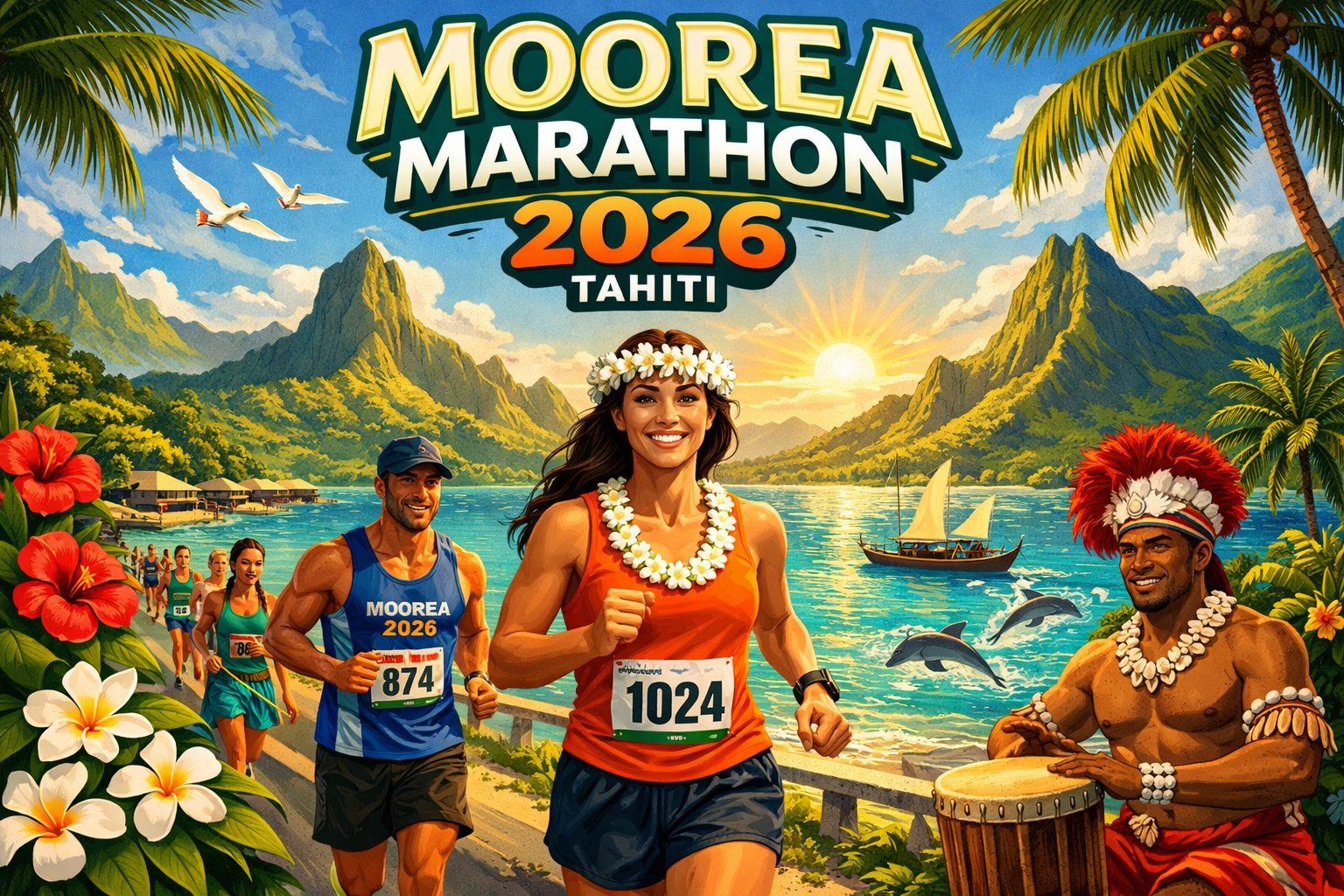
    The Moorea Marathon 2026 is confirmed for March 28–29, 2026 at Taʻahiamanu Beach (Tahiamanu Public Beach) on the island of Moorea, in French Polynesia (Tahiti). It’s a bucket-list running weekend where lush volcanic peaks and a turquoise lagoon frame every kilometer, making it one of the most scenic island races in the South Pacific.

    Moorea Marathon 2026: The Iconic Tahiti Island Race

    Often called “Tahiti’s paradise race,” the Moorea Marathon is built around an experience that feels uniquely Polynesian: sunrise starts, warm ocean air, and a festive race village by the sand. Air Tahiti Nui describes Moorea Marathon 2026 as taking place at Taʻahiamanu Beach in Moorea, inviting runners to experience the excitement of the event over two days. Tahiti Tourisme lists it as an official event on the destination calendar, reinforcing that this is a recognized island highlight, not a small local fun run.

    For travelers, Moorea is also one of the easiest outer islands to add to a Tahiti itinerary. The race becomes a reason to slow down on Moorea rather than treating it as a quick day trip.

    Verified Dates and Festival Base (Tahiamanu Beach)

    Air Tahiti Nui confirms Moorea Marathon 2026 will take place on March 28 and 29 at Taʻahiamanu Beach in Moorea. Tahiti Tourisme’s event listing also references the Moorea Marathon 2026 happening on Saturday 28 March at Tahiamanu plage, aligning with the official two-day weekend frame. Another Tahiti Tourisme listing provides the opening times for both days, showing 28 March 2026 and 29 March 2026 as the operating dates for the event.

    This is the key planning piece for flights to Tahiti (Papeete) and accommodation on Moorea. You’ll want to be on the island before Saturday morning to avoid ferry-day stress.

    Distances and Race Weekend Feel (What's Confirmed)

    Air Tahiti Nui’s Moorea Marathon 2026 newsletter states the weekend includes 2 days / 7 races, and it shows race programming across Saturday and Sunday with check-in and bib distribution early in the morning at Tahiamanu Beach. The same document confirms a Saturday program including Half-Marathon and 10Km, and a Sunday program including the Marathon, plus shorter races including 5 Km, 3 Km, 1 Km, and a Fun Race.

    That multi-distance format makes Moorea Marathon 2026 appealing for couples, families, and friend groups. One person can tackle the marathon while others choose a 10K or a fun run, then everyone meets back at the beach for the celebration.

    Start Times and Schedule (Verified)

    The Air Tahiti Nui newsletter includes a detailed race-day schedule. Verified highlights include:

    Saturday, March 28, 2026

    • 05:00 AM: Check-in and bib distribution.
    • 06:00 AM: Briefing.
    • 06:15 AM: Half-Marathon.
    • 09:00 AM: 10Km.
    • 11:00 AM: Prize ceremony.

    Sunday, March 29, 2026

    • 05:00 AM: Check-in and bib distribution.
    • 05:45 AM: Briefing.
    • 06:00 AM: Marathon.
    • 09:15 AM: 5 Km.
    • 10:00 AM: 3 Km.
    • 10:30 AM: 1 Km.
    • 10:45 AM: Fun Race.
    • 11:30 AM: Prize ceremony.

    Tahiti Tourisme’s listing also supports the early-morning event window, showing opening times starting at 04:30 on both days.

    Why This Race is a Moorea Island Travel Dream

    Moorea is famous for dramatic mountain silhouettes and lagoon views, and the race weekend is designed to keep you close to that scenery. Air Tahiti Nui’s description centers the event at Tahiamanu Beach, which is known as a public beach area ideal for gatherings and oceanfront start/finish energy. The newsletter also emphasizes the event as “run + live music & fun + surprises,” signaling that this is not a sterile race environment, it’s a true island weekend celebration.

    If you’re traveling for running experiences, Moorea Marathon is the kind of event where the destination is as important as the finish time.

    Registration and Pricing (What Can Be Verified)

    The sources retrieved here confirm dates, location, and multi-race programming, but they do not provide official public entry fees for Moorea Marathon 2026 in the captured content. Because pricing is not shown in these verified sources, specific registration costs cannot be stated here. Air Tahiti Nui does confirm that registered athletes can request a discount form by contacting contact@fenuaevents.com, and notes the discount is valid only for athletes registered for one of the Moorea Marathon 2026 events.

    For accurate pricing, check the official event website or the registration portal referenced in the Air Tahiti Nui newsletter (which points to mooreamarathon.com and fenuamoove.com).

    Getting to Moorea: Tahiti Travel Planning Tips

    Moorea is reached via Tahiti (Papeete), and race logistics are simplest when you arrive at least one day early. The race schedule includes very early check-in and briefings, so staying on Moorea the night before your race is the most comfortable plan. If you’re arriving from overseas, build in extra buffer time so jet lag doesn’t collide with a 5:00 AM check-in.

    A smart island-running approach:

    • Arrive Tahiti (Papeete), transfer to Moorea, and sleep on the island.
    • Do a short shakeout walk near the beach, then rest.
    • Race early, then recover with lagoon time and local food.

    Make Moorea Marathon 2026 Your Tahiti Highlight

    Moorea Marathon 2026 is confirmed for March 28–29, 2026, based at Taʻahiamanu Beach on Moorea, with a full weekend program that includes the marathon, half marathon, 10K, and multiple shorter races. With early starts and prize ceremonies that keep the energy focused at the beach, it’s built for runners who want an authentic island sporting atmosphere in French Polynesia. If Tahiti has been calling and you want to earn your lagoon time in the most memorable way possible, make Moorea your race weekend home and come run where mountains meet the sea at Tahiamanu Beach.

    Verified Information at a Glance

    Event Name: Moorea Marathon 2026

    Event Category: Road running event weekend (Marathon, Half Marathon, 10K, 5K, 3K, 1K, Fun Race)

    Island/Location: Moorea, French Polynesia (Tahiti)

    Confirmed Dates: March 28–29, 2026

    Confirmed Venue Base: Taʻahiamanu Beach (Tahiamanu Public Beach / Tahiamanu plage)

    Opening Times (listed): 28 March 2026 from 04:30 to 11:00; 29 March 2026 from 04:30 to 11:30

    Verified Race Schedule Highlights: Half Marathon 06:15 (Sat); 10Km 09:00 (Sat); Marathon 06:00 (Sun); 5Km 09:15 (Sun); 3Km 10:00 (Sun); 1Km 10:30 (Sun); Fun Race 10:45 (Sun)

    Registration Pricing: Not published in the captured verified sources

    Airfare Discount Note (confirmed): Registered athletes can request a discount form via contact@fenuaevents.com (Air Tahiti Nui).

    Moorea (Tahiamanu Beach area), Tahiti
    Mar 28, 2026 - Mar 29, 2026

    Past Events

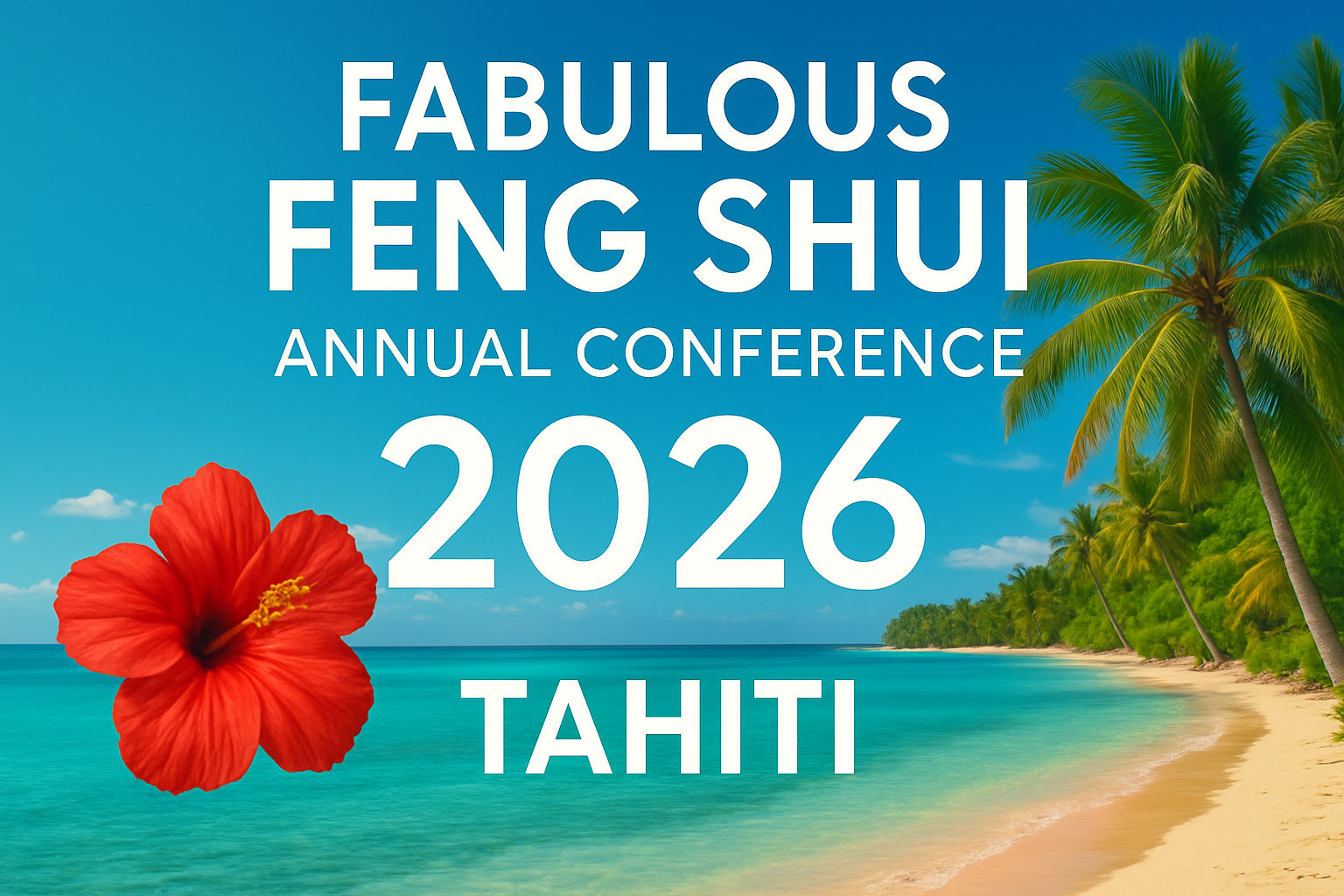
    Fabulous Feng Shui Annual Conference 2026
    Conference/Wellness
    TBA

    Fabulous Feng Shui Annual Conference 2026

    When the Year of the Fire Horse gallops into 2026, the islands of French Polynesia will host one of the Pacific's most unique cultural events. On Saturday, January 10, 2026, from 8:30 AM to 4:30 PM, the Fabulous Feng Shui Annual Conference returns to the Hilton Tahiti in Faa'a for a full-day immersion into ancient Chinese wisdom adapted for island living. Organized by Le Petit Cochon FengShui, this annual gathering blends traditional feng shui principles with the vibrant energy of Polynesian culture, offering participants practical tools to align their homes, careers, and personal energy with the dynamic forces of 2026's Fire Horse year. Whether you're a feng shui practitioner, a curious beginner, or simply seeking to optimize your island lifestyle through ancestral wisdom, this conference delivers actionable insights in one of the world's most beautiful settings.

    Confirmed Date, Time, and Venue

    Event Schedule

    Date: Saturday, January 10, 2026

    Time: 8:30 AM to 4:30 PM (full-day conference)

    Venue: Hilton Tahiti, Faa'a, Tahiti

    Full Address: BP 60 98702, Faa'a, French Polynesia

    Organizer: Le Petit Cochon FengShui

    Contact: +689 87 78 00 85​

    The Hilton Tahiti: Perfect Setting

    The Hilton Tahiti sits on Faa'a's coastline just minutes from Faa'a International Airport, offering panoramic lagoon views, professional conference facilities, and the luxurious ambiance befitting a transformative feng shui experience. The hotel's architecture naturally incorporates principles of flow and balance, making it an ideal venue for exploring energy dynamics.​

    For mainland and international attendees, the location couldn't be more convenient: land at Faa'a airport, check into your hotel, and walk or take a short taxi ride to the conference venue.

    Ticket Pricing and Registration

    Ticket Tiers

    The conference offers multiple pricing options to accommodate different budgets and learning goals:

    Tarif 1 - Early Pig (Early Bird):

    15,500 CFP per person (approximately $155 USD)

    Limited availability for early registrations​

    Tarif 2 - Fabulous 2026 (Standard Registration):

    18,800 CFP per person (approximately $188 USD)

    Standard admission after early bird period closes​

    Tarif 3 - PACK FIRE (Fabulous 2026 + BaZi):

    44,300 CFP per person (approximately $443 USD)

    Includes conference plus personalized BaZi (Chinese astrology) reading​

    Tarif 4 - PACK RED (Fabulous 2026 + Annual Forecast):

    34,300 CFP per person (approximately $343 USD)

    Includes conference plus personalized annual forecast​

    What's Included in Your Registration

    • Full-day conference attendance (8:30 AM - 4:30 PM)
    • Gourmet buffet lunch at Hilton Tahiti restaurant
    • Exclusive "Fabulous Feng Shui 2026" workbook with predictions, recommendations, and practical advice for the Fire Horse year
    • All conference materials and handouts
    • Networking opportunities with fellow feng shui enthusiasts
    • Access to expert presenters and Q&A sessions​

    How to Register

    Tickets are available through Weezevent at: my.weezevent.com/fabulous-fengshui-2026

    Early bird pricing rewards advance planning, so book as soon as possible to secure the lowest rate.​

    The Year of the Fire Horse: What It Means for 2026

    Chinese Zodiac Background

    The Chinese zodiac follows a 12-year cycle, with each year represented by an animal sign. 2026 brings the Year of the Fire Horse, a powerful combination that occurs only once every 60 years (the full cycle of 12 animals x 5 elements). The last Fire Horse year was 1966, making 2026 particularly significant.​

    Fire Horse Energy Characteristics

    Passionate and Dynamic: Fire Horse years bring intense energy, rapid change, and bold action. Expect opportunities for ambitious projects, career breakthroughs, and passionate pursuits.​

    Speed and Movement: The Horse element emphasizes forward momentum, travel, communication, and social connection. Combined with Fire, this creates an accelerated, high-energy year.​

    Independence and Freedom: Fire Horse energy favors independence, entrepreneurship, and breaking free from restrictions. It's a year for bold moves and authentic self-expression.​

    Challenges: The intensity of Fire Horse energy can lead to burnout, impulsiveness, or conflicts if not properly channeled. The conference will teach techniques to harness this power constructively.​

    Conference Program Highlights

    Main Topics and Presentations

    Major Energy Trends of 2026:

    Learn how the Fire Horse influences global events, economic patterns, and personal life across all zodiac signs.​

    Fire Horse Influence on Your Projects:

    Discover how to align business ventures, creative projects, and personal goals with 2026's dynamic energy for maximum success.​

    Feng Shui for Your Living Spaces:

    Receive specific recommendations for arranging your home, office, and outdoor spaces to attract prosperity, harmony, and well-being during the Fire Horse year.​

    Essential Feng Shui Tips for 2026:

    Practical, actionable advice including:

    • Which directions favor prosperity in 2026
    • Colors and elements to emphasize or avoid
    • Auspicious dates for major life decisions
    • Cures for challenging annual star positions
    • Personalized adjustments based on your birth element​

    Interactive Elements

    The conference format encourages participation through:

    • Q&A sessions with feng shui experts
    • Sharing circles for participant insights
    • Practical demonstrations of feng shui adjustments
    • Tools and techniques you can implement immediately​

    Why Attend in Tahiti?

    The Polynesian-Feng Shui Connection

    While feng shui originates from Chinese tradition, its principles of energy flow, natural harmony, and environmental balance resonate deeply with Polynesian culture. Traditional Tahitian society understood the importance of site selection (marae placement), directional orientation, and living in harmony with natural elements—concepts that parallel feng shui philosophy.​

    Hosting the conference in Tahiti creates a unique synergy where ancient Chinese wisdom meets Pacific island spirituality in one of Earth's most naturally balanced environments.

    Island Setting Benefits

    Natural Chi Flow: Tahiti's lagoons, mountains, and trade winds create powerful natural energy flows that enhance conference learning and personal transformation.​

    Retreat Atmosphere: The island setting removes participants from mainland distractions, allowing deeper focus on personal energy cultivation.​

    Vacation Integration: Combine conference attendance with a Tahitian holiday, exploring black sand beaches, snorkeling in crystal lagoons, and experiencing Polynesian culture.​

    Planning Your Trip to Tahiti

    Getting to Faa'a

    Faa'a International Airport (PPT): Tahiti's main airport is literally next door to the Hilton, making conference logistics exceptionally easy. International flights connect through:

    • Los Angeles (8-hour direct flights)
    • Auckland, New Zealand
    • Tokyo, Japan
    • Paris, France (via Air Tahiti Nui)

    Inter-Island Connections: If staying on Moorea or Bora Bora, take the morning ferry or short flight to Tahiti on January 10.​

    Where to Stay

    Hilton Tahiti (Conference Venue):

    Book directly at the conference hotel for maximum convenience. Walk from your room to the conference, enjoy the same facilities as conference spaces, and network with fellow participants throughout the weekend.

    Other Faa'a Options:

    • Manava Suite Resort Tahiti (luxury waterfront)
    • Budget guesthouses and pension (family-run accommodations)
    • Airbnb options in Faa'a and Papeete

    Alternative Islands:

    • Stay on Moorea and ferry over for the day (35-minute crossing)
    • Combine with Bora Bora visit (extend your trip before or after)

    Book early—January is popular for whale watching season and summer vacation travelers escaping winter.

    What to Pack

    • Light, breathable clothing: Tahiti in January is warm (77-86°F / 25-30°C)
    • Conference-appropriate attire: Smart casual island wear
    • Notebook and pen: For taking notes during sessions
    • Sunscreen and hat: For exploring between sessions
    • Swimsuit: Hotel pool and lagoon access
    • Light jacket: Air-conditioned conference rooms can be cool

    Extending Your Tahiti Experience

    Before or After the Conference

    Cultural Sites:

    • Arahoho Blowhole (natural water spout)
    • Maraa Grotto caves
    • Museum of Tahiti and Her Islands (Polynesian cultural history)
    • Papeete Market (colorful local market, closed Sundays)

    Natural Attractions:

    • Fautaua Waterfall hike
    • Papenoo Valley 4x4 tours
    • Snorkeling at PK18 (popular lagoon spot)
    • Black sand beaches on the east coast

    Day Trips:

    • Moorea (dolphin watching, snorkeling, mountain hikes)
    • Tetiaroa atoll (Marlon Brando's private island, now eco-resort)

    Whale Watching:

    January is prime season for humpback whales migrating through Tahitian waters. Book a tour for the day after the conference to celebrate your newly balanced energy while witnessing nature's giants.

    The Feng Shui Community in French Polynesia

    The Fabulous Feng Shui conference represents a growing interest in feng shui principles among French Polynesia's diverse population. Le Petit Cochon FengShui has built a loyal following through:

    • Annual conferences since at least 2022​
    • Year-round consultations and workshops
    • Integration of feng shui with Polynesian building traditions
    • Education about adapting Chinese principles to tropical island architecture

    The conference attracts participants from across French Polynesia, New Caledonia, Australia, New Zealand, and sometimes from as far as France and North America, creating an international yet intimate community of practitioners.

    Call to Action: Align Your Energy in Paradise

    The Fabulous Feng Shui Annual Conference 2026 offers a rare opportunity to master the Year of the Fire Horse's dynamic energy while surrounded by Tahiti's natural beauty. Secure your early bird ticket now at my.weezevent.com/fabulous-fengshui-2026, book your flight to Faa'a, and prepare to transform how you approach your living spaces, career goals, and personal energy for the year ahead.

    When you walk into the Hilton Tahiti on January 10 carrying your exclusive Fabulous Feng Shui 2026 workbook, when you share insights over a gourmet lunch overlooking turquoise lagoons, when you implement Fire Horse recommendations that shift energy in your home and life, you'll understand why some learning happens best where earth's natural chi flows strongest.

    The Fire Horse is galloping toward 2026. Your island sanctuary awaits. Register today and ride the wave of transformation.

    Verified Information at a Glance

    Event Category: Feng shui annual conference and wellness workshop

    Official Name: Fabulous Feng Shui Annual Conference 2026​

    Date: Saturday, January 10, 2026​

    Time: 8:30 AM to 4:30 PM​

    Venue: Hilton Tahiti, Faa'a, Tahiti, French Polynesia​

    Theme: Year of the Fire Horse energy and feng shui adjustments for 2026​

    Organizer: Le Petit Cochon FengShui​

    Contact: +689 87 78 00 / +689 87 78 00 85​

    Ticket Pricing:

    • Early Bird (Tarif 1): 15,500 CFP (~$155 USD)
    • Standard (Tarif 2): 18,800 CFP (~$188 USD)
    • PACK FIRE (Tarif 3): 44,300 CFP (~$443 USD, includes BaZi reading)
    • PACK RED (Tarif 4): 34,300 CFP (~$343 USD, includes annual forecast)​

    Registration: my.weezevent.com/fabulous-fengshui-2026​

    Included:

    • Full-day conference (8:30 AM - 4:30 PM)
    • Gourmet buffet lunch at Hilton restaurant
    • Exclusive "Fabulous Feng Shui 2026" workbook
    • All conference materials​

    Language: French (primary), with potential English elements given international audience

    Airport: Faa'a International Airport (PPT), adjacent to venue

    All dates, pricing, venue, and program details confirmed through official Tahiti Tourisme listings and Weezevent registration platform

    Tahiti (venue TBA), Tahiti
    Jan 10, 2026 - Jan 10, 2026
    Traditional New Year Fishing Blessing 2026
    Cultural, Traditional
    Free

    Traditional New Year Fishing Blessing 2026

    The Traditional New Year Fishing Blessing 2026 represents a profound spiritual and cultural celebration that continues ancient Polynesian maritime traditions as communities across French Polynesia welcome the new year with ceremonial blessings for their fishing boats and ocean journeys. This sacred ritual, typically observed during the first days of January 2026, brings together fishermen aboard their traditional "poti marara" vessels for prayers, blessings, and community ceremonies that honor Tangaroa, the Polynesian god of the sea, while ensuring safety and abundant catches for the coming year. These deeply spiritual gatherings reflect thousands of years of Polynesian maritime heritage, demonstrating how ancient traditions continue to provide meaning and protection for modern island communities.

    Ancient Origins of Polynesian Fishing Blessings

    Sacred Relationship with the Ocean

    Polynesian fishing blessing ceremonies stem from millennia-old spiritual traditions that recognize the ocean as a sacred entity requiring respect, reverence, and proper protocol before entering its domain. In Tautira and other traditional fishing communities, fishermen gather on their poti marara (traditional Tahitian fishing boats) with heads bowed in prayer, asking for safety and abundant catches while acknowledging their dependence on oceanic abundance. These ceremonies reflect the Polynesian understanding that successful fishing requires spiritual preparation alongside practical skills.

    The tradition connects directly to ancient Polynesian cosmology, where Tangaroa (known as Kanaloa in Hawaiian tradition) serves as the supreme deity governing all oceanic life and maritime activities. Before any fishing expedition, proper acknowledgment of Tangaroa through prayer, offerings, and ceremonial protocols ensures divine protection and blessing. This spiritual framework transforms fishing from simple resource extraction into sacred communion with the natural world.

    Traditional Blessing Protocols

    Traditional Polynesian fishing blessings follow specific protocols that vary between island communities but maintain common elements of prayer, offering, and community participation. The ceremony master leads participants through traditional karakia (incantations) that invite abundance while demonstrating respect for marine resources. Many ceremonies include the sprinkling of holy water over boats and fishing equipment, similar to other maritime blessing traditions worldwide.

    The first fish caught after blessing ceremonies often receives special treatment, with many communities returning it to the sea as an offering of gratitude and respect. This practice demonstrates the reciprocal relationship between fishermen and the ocean, acknowledging that taking from the sea requires giving back. These protocols ensure that fishing remains sustainable and spiritually appropriate.

    Contemporary Poti Marara Blessing Ceremonies

    Traditional Vessels and Modern Applications

    The poti marara, originally designed for hunting flying fish (marara in Tahitian), now serves as the primary vessel for New Year fishing blessing ceremonies across French Polynesia. These distinctive 22-foot boats, renowned for their stability and traditional Polynesian design, provide perfect platforms for community blessing gatherings. Modern poti marara vessels maintain traditional hull shapes adapted to high-sea waves while incorporating contemporary safety equipment.

    The boat's traditional design elements carry spiritual significance, with specific construction techniques and materials reflecting ancestral knowledge passed down through generations. During blessing ceremonies, the poti marara becomes a sacred space where community members gather to honor maritime traditions while preparing for the year's fishing activities. The vessel's connection to traditional flying fish hunting adds historical depth to contemporary blessing practices.

    Community Participation and Cultural Preservation

    New Year fishing blessing ceremonies unite entire communities in shared maritime traditions, bringing together experienced fishermen, family members, and younger generations learning traditional practices. These gatherings serve crucial cultural preservation functions, ensuring that ancient protocols continue to guide contemporary fishing activities. Community participation demonstrates collective commitment to maintaining Polynesian maritime heritage.

    The ceremonies provide opportunities for elders to share traditional knowledge with younger community members, including proper blessing protocols, sustainable fishing practices, and spiritual relationships with marine environments. This intergenerational knowledge transfer ensures that traditional practices remain vibrant and relevant in modern contexts. The community aspect transforms individual fishing activities into collective cultural expressions.

    Rāhui Integration and Conservation Blessings

    Traditional Marine Conservation

    Many New Year fishing blessing ceremonies now incorporate rāhui principles, the ancient Polynesian conservation system that temporarily restricts access to marine resources to allow ecosystem recovery. This integration demonstrates how traditional spiritual practices support contemporary environmental conservation efforts. Communities that establish rāhui during blessing ceremonies create sacred periods when fishing areas receive protection through both spiritual and practical means.

    The combination of blessing ceremonies with rāhui declarations reflects evolved understanding of traditional practices, where spiritual relationships with the ocean include responsibility for marine ecosystem health. These conservation-focused blessings acknowledge that abundant fishing requires healthy marine environments. The practice demonstrates how ancient wisdom provides frameworks for addressing contemporary environmental challenges.

    Scientific Collaboration and Cultural Revival

    Contemporary fishing blessing ceremonies increasingly involve collaboration between traditional practitioners and marine scientists, creating hybrid approaches that combine ancestral knowledge with modern conservation science. This collaboration enhances the effectiveness of both traditional practices and scientific conservation methods. Research demonstrates that community-based conservation approaches like rāhui achieve higher success rates than purely regulatory systems.

    The integration of scientific research with traditional blessing ceremonies provides documentation of marine ecosystem changes while maintaining cultural authenticity. These collaborations help communities adapt traditional practices to address contemporary challenges like climate change and overfishing. The approach demonstrates how traditional spiritual practices can inform modern environmental management.

    Ceremonial Elements and Spiritual Practices

    Prayer and Blessing Rituals

    New Year fishing blessing ceremonies begin with traditional prayers led by ceremony masters or community elders who maintain knowledge of proper protocols. These prayers, often conducted in Tahitian or other Polynesian languages, invoke protection from oceanic deities while expressing gratitude for marine abundance. The spiritual preparation emphasizes respect for the ocean's power and the fishermen's dependence on divine protection.

    Traditional conch shells (pū) announce the beginning of blessing ceremonies, their distinctive sound carrying across lagoons to signal the sacred nature of the gathering. The use of traditional instruments connects contemporary ceremonies with ancestral practices, maintaining cultural continuity across generations. These auditory elements create sacred atmospheres that distinguish blessing ceremonies from ordinary fishing preparations.

    Offerings and Sacred Protocols

    Blessing ceremonies typically include offerings to oceanic deities, ranging from traditional foods and flowers to the first fish caught during blessed fishing expeditions. These offerings demonstrate reciprocal relationships with marine environments, acknowledging that receiving abundance requires giving back to the ocean. The specific types and timing of offerings vary between communities but maintain common themes of respect and gratitude.

    Many ceremonies include sprinkling blessed water over boats, fishing equipment, and participants, creating sacred protection for upcoming fishing activities. This practice mirrors blessing traditions found in many maritime cultures worldwide while maintaining distinctly Polynesian spiritual elements. The water blessing transforms ordinary fishing equipment into sacred tools protected by divine influence.

    Cultural Tourism and Visitor Participation

    Respectful Cultural Exchange

    Some New Year fishing blessing ceremonies welcome respectful visitor participation, providing unique opportunities for cultural exchange and education about Polynesian maritime traditions. Visitors who participate appropriately in these ceremonies gain profound insights into the spiritual dimensions of Polynesian life while supporting cultural preservation efforts. These experiences offer alternatives to superficial tourist activities by providing meaningful connections with living traditions.

    Tour operators specializing in cultural experiences may arrange visits to fishing blessing ceremonies, ensuring that visitor participation respects traditional protocols while supporting local communities. These arrangements require careful coordination between tourism providers and traditional practitioners to maintain ceremonial authenticity. Appropriate visitor participation contributes to cultural preservation by demonstrating international appreciation for Polynesian traditions.

    Educational Components and Cultural Learning

    Fishing blessing ceremonies that include visitors often feature educational components explaining the spiritual significance of traditional practices, the importance of marine conservation, and the role of fishing in Polynesian culture. These educational elements help international visitors understand the deeper meanings behind ceremonial activities while promoting appreciation for indigenous knowledge systems. The learning opportunities demonstrate how traditional practices address contemporary environmental challenges.

    Photography and documentation of blessing ceremonies requires permission from community leaders and adherence to cultural protocols that respect the sacred nature of these gatherings. Appropriate documentation helps preserve traditional knowledge while sharing Polynesian culture with global audiences. These records serve important functions for cultural preservation and educational outreach.

    Practical Information for Visitors

    Finding Authentic Blessing Ceremonies

    Authentic New Year fishing blessing ceremonies typically occur in traditional fishing communities throughout French Polynesia during the first week of January 2026, though specific dates depend on lunar calendars and community schedules. Visitors interested in experiencing these ceremonies should contact local cultural centers, fishing cooperatives, or community leaders well in advance to arrange appropriate participation. Advance coordination ensures that visitor presence enhances rather than disrupts sacred ceremonies.

    The most authentic blessing ceremonies occur in smaller fishing communities on outer islands where traditional practices remain strongest. Communities in Tautira, Maupiti, Taha'a, and other traditional fishing centers maintain particularly strong ceremonial traditions. Access to these remote locations requires planning and often involves charter boat transportation.

    Cultural Sensitivity and Appropriate Behavior

    Visitors attending fishing blessing ceremonies should dress respectfully, remain quiet during prayer portions, and follow guidance from community leaders regarding appropriate participation. Photography should only occur with permission and should avoid disrupting ceremonial activities. Bringing small gifts or offerings for ceremony leaders demonstrates respect for traditional hospitality customs.

    Understanding basic Polynesian cultural values including respect for elders, environmental stewardship, and spiritual practices enhances visitor experiences while showing appropriate cultural appreciation. Learning about traditional fishing methods, marine conservation practices, and the significance of community cooperation provides context for understanding ceremony importance. This preparation transforms attendance from passive observation to meaningful cultural exchange.

    Economic and Social Impact

    Supporting Local Communities

    Respectful cultural tourism around fishing blessing ceremonies provides economic benefits for traditional fishing communities while supporting cultural preservation efforts. Visitor fees, guide services, transportation, and accommodation generate income that helps maintain traditional practices and community infrastructure. These economic benefits create incentives for preserving traditional knowledge and practices.

    The integration of cultural tourism with traditional ceremonies must balance economic opportunities with cultural authenticity, ensuring that commercialization doesn't compromise sacred practices. Community-controlled tourism approaches allow traditional practitioners to maintain control over how their culture is shared. This model demonstrates sustainable cultural tourism that benefits both visitors and host communities.

    Cultural Preservation and Intergenerational Transfer

    Fishing blessing ceremonies serve crucial roles in transferring traditional knowledge from elder practitioners to younger community members. These intergenerational exchanges ensure that ancient protocols, spiritual practices, and sustainable fishing methods continue in contemporary contexts. The ceremonies provide structured opportunities for cultural learning that might otherwise be lost.

    The revival of traditional practices like rāhui through blessing ceremonies demonstrates how ancient wisdom addresses modern environmental challenges. Younger community members who participate in these ceremonies develop appreciation for traditional knowledge while learning practical skills for sustainable fishing. This cultural continuity strengthens community identity while providing tools for environmental stewardship.

    Environmental Connection and Sustainability

    Traditional Ecological Knowledge

    Fishing blessing ceremonies embody traditional ecological knowledge systems that recognize complex relationships between spiritual practices, community cooperation, and environmental stewardship. These ceremonies demonstrate how traditional cultures developed sustainable resource management systems through spiritual frameworks. The practices show that effective conservation requires both scientific understanding and cultural commitment.

    The integration of blessing ceremonies with marine conservation efforts demonstrates practical applications of traditional knowledge for addressing contemporary environmental challenges. Communities that maintain traditional blessing practices often show higher levels of environmental stewardship and sustainable fishing practices. These connections demonstrate the practical value of maintaining cultural traditions.

    Climate Change Adaptation

    Traditional fishing blessing ceremonies increasingly address climate change impacts on marine ecosystems, with prayers and rituals acknowledging changing ocean conditions and their effects on fishing communities. These adaptations demonstrate how traditional practices evolve to address new challenges while maintaining core spiritual and cultural elements. The flexibility of traditional systems provides models for adaptive management approaches.

    Communities that maintain strong traditional practices often show greater resilience in facing environmental changes, partly because their cultural systems emphasize long-term thinking and community cooperation. The spiritual frameworks provided by blessing ceremonies help communities cope with uncertainty while maintaining hope for ocean abundance. These cultural resources complement scientific approaches to climate adaptation.

    Experience the profound spiritual beauty of Traditional New Year Fishing Blessing ceremonies in French Polynesia, where ancient Polynesian maritime traditions continue to guide modern island communities in their sacred relationship with the ocean. Join respectful gatherings aboard traditional poti marara vessels as community elders lead prayers to Tangaroa, the god of the sea, while blessing fishing boats and equipment for the coming year's abundance. These authentic cultural experiences offer unique opportunities to witness living traditions that demonstrate how spiritual practices, environmental conservation, and community cooperation create sustainable relationships with marine environments. Contact local cultural centers and fishing communities now to arrange participation in these sacred ceremonies that connect visitors with thousands of years of Polynesian wisdom while supporting cultural preservation efforts that keep ancient traditions alive in the modern world.

    Verified Information at Glance

    Event Name: Traditional New Year Fishing Blessing 2026

    Typical Timing: First week of January 2026 (dates vary by community)

    Traditional Vessels: Poti marara (traditional Tahitian fishing boats)

    Spiritual Focus: Prayers to Tangaroa (Polynesian sea god) for safety and abundance

    Key Locations: Tautira, Maupiti, Taha'a, traditional fishing communities

    Ceremonial Elements: Prayer, blessed water sprinkling, conch shell (pū) announcements

    Cultural Integration: Rāhui marine conservation practices

    Community Participation: Fishermen, families, elders, community members

    Traditional Offerings: First fish returned to sea, food, flowers

    Modern Collaboration: Marine scientists and traditional practitioners

    Cultural Sensitivity: Advance permission required, respectful behavior essential

    Access: Contact local cultural centers, fishing cooperatives

    Conservation Focus: Sustainable fishing and marine ecosystem protection


    Coastal areas, fishing villages, Tahiti
    Jan 1, 2026 - Jan 7, 2026
    New Year's Eve Papeete 2026
    Holiday, Celebration
    Free

    New Year's Eve Papeete 2026

    New Year's Eve Papeete 2026 transforms French Polynesia's vibrant capital into an extraordinary tropical paradise celebration on December 31, 2025, featuring spectacular fireworks displays, cultural performances, and luxury resort festivities that welcome 2026 in true Polynesian style. The crown jewel of these celebrations is the Hilton Hotel Tahiti's "Voice of the 5 Archipelagos" New Year's Eve extravaganza, beginning at 6:00 PM and culminating with the island's biggest and most beautiful fireworks display at midnight. This unique cultural journey celebrates all five French Polynesian archipelagos through traditional music, dance, and entertainment, creating an authentic island experience that blends international New Year traditions with the legendary warmth of Polynesian hospitality.

    The Voice of the 5 Archipelagos Celebration

    Hilton Hotel Tahiti's Premier New Year Event

    The Hilton Hotel Tahiti presents the signature "Voice of the 5 Archipelagos" New Year's Eve celebration, inviting guests on an enchanting cultural and sensory journey to discover the unique identity of each island group in French Polynesia. This comprehensive celebration explores Na Hiro E Pae (The Austral Islands), Henua Enana (The Marquesas), Totaiete (The Society Islands), and Tuamotu & Ma'areva (The Tuamotu & Gambier Islands) through traditional music, dance performances, and cultural presentations.

    The evening features Mickey, Tahiti's favorite host, leading guests through this festive voyage with legendary energy and authentic Polynesian storytelling. The celebration combines dinner, entertainment, and fireworks in a comprehensive package designed to showcase the rich cultural diversity of French Polynesia while providing world-class hospitality. Reservations can be made by calling 40 86 48 84 or emailing [email protected].

    Cultural Immersion and Traditional Entertainment

    The celebration emphasizes authentic cultural experiences that educate guests about the distinct characteristics of each archipelago while maintaining festive New Year atmospheres. Traditional performances include ancient Polynesian chants, contemporary island music, traditional dance demonstrations, and storytelling sessions that connect visitors with the spiritual heritage of each island group. The program details, featured artists, menu selections, and complete reservation information are announced closer to the event date.

    The cultural components provide meaningful contexts for understanding how different Polynesian communities have maintained their unique identities while sharing common cultural foundations. This educational approach transforms the New Year celebration into an immersive cultural experience that goes far beyond typical hotel party entertainment.

    Spectacular Fireworks and Midnight Celebrations

    Island's Premier Fireworks Display

    The Hilton Hotel Tahiti promises the island's biggest and most beautiful fireworks display to welcome 2026, creating spectacular visual celebrations that reflect off the lagoon waters and illuminate the dramatic mountain silhouettes of Tahiti. The fireworks finale caps the evening's cultural journey, providing breathtaking conclusions to the multi-hour celebration. The timing and scale of this display makes it the premier New Year's Eve fireworks show in French Polynesia.

    The waterfront location of the Hilton Hotel Tahiti provides perfect vantage points for fireworks viewing, with lagoon reflections doubling the visual impact of the pyrotechnic displays. Guests can enjoy champagne toasts while watching fireworks burst over the tropical paradise setting, creating quintessential New Year memories in one of the world's most beautiful destinations.

    Midnight Countdown and Toast Ceremony

    The celebration builds toward a traditional midnight countdown that incorporates both international New Year customs and Polynesian blessing traditions. Guests gather to say "Ia Ora Na i te Matahiti 'Āpī" (Welcome to the New Year) together, creating community connections that reflect the inclusive spirit of Polynesian culture. The champagne toast ceremony follows Polynesian protocols while maintaining familiar New Year traditions.

    The midnight moment features coordinated lighting effects, music, and fireworks that create magical transitions from 2025 to 2026. The combination of cultural authenticity and international celebration elements ensures that guests experience both familiar New Year traditions and unique Polynesian customs.

    Luxury Cruise New Year Experiences

    Atlantis Tahiti New Year Cruise

    The premier Atlantis New Year Tahiti cruise operates from December 28, 2025, to January 6, 2026, aboard the luxury Oceania Riviera, offering an exclusive all-gay New Year celebration for over 1,250 guests. This extraordinary 9-day voyage includes overnight stays in Papeete for embarkation, visits to Moorea on December 29, and two full days in Bora Bora for December 30-31, culminating with New Year's Eve fireworks celebrations in one of the world's most romantic destinations.

    Cruise pricing ranges from $3,499 for inside cabins to $5,799 for penthouse balcony suites, with all rates per person plus port fees and tips. The luxury Oceania vessel provides 5-star service, gourmet dining, and comprehensive entertainment programming specifically designed for New Year celebrations. Pre and post-cruise packages at the new Hilton Hotel near the airport and port provide seamless transitions for international travelers.

    New Year's Eve in Bora Bora

    The cruise's highlight occurs on December 31, 2025, with an unforgettable New Year's Eve celebration in Bora Bora featuring "majestic fireworks and mesmerizing light displays against this stunning island paradise". Bora Bora's dramatic Mount Otemanu provides a spectacular backdrop for midnight celebrations, while pristine white-sand beaches and crystal-clear emerald waters create perfect settings for New Year festivities.

    The cruise itinerary continues with New Year's Day 2026 in Raiatea, the sacred South Pacific gem where guests can wake up in the new year surrounded by lush valleys, green mountains, and hidden underwater wonders. Activities include diving in neon-turquoise lagoons, canoe expeditions, jet ski adventures, sunset catamaran cruises, and shopping for exquisite Tahitian pearls.

    Resort New Year Celebrations

    Four Seasons Bora Bora Festivities

    Four Seasons Resort Bora Bora presents comprehensive New Year's Eve celebrations featuring lavish dinners across four venues with gourmet cuisine paired with live performances. The resort's signature New Year's Eve party celebrates under the stars with gala entertainment, countdown festivities filled with fireworks, and island rhythms that create perfect tropical New Year atmospheres. Kids For All Seasons Tamari'i Club provides specialized New Year's Eve parties for younger guests.

    The resort's festive season programming extends from the holiday period through New Year's Day, featuring special dining experiences including a New Year's Day brunch at Fare Hoa Beach Bar & Grill with island views and toes-in-the-sand dining. Cultural activities include Oro'a Night celebrations with French-crafted Polynesian feasts enhanced by live local music and Tahitian dance performances.

    Conrad Bora Bora Nui Spectacular

    Conrad Bora Bora Nui offers premium New Year's Eve dinner buffets priced at 49,000 XPF per person (approximately $450 USD), featuring tender wagyu beef, slow-roast suckling pig, and aromatic lemongrass shrimp. The celebration includes spectacular fireworks bursting over the lagoon and fire dancers lighting up the night sky with dazzling performances. Champagne is provided for guests of legal drinking age during the midnight celebration.

    The resort's lagoon-facing location provides unobstructed views of fireworks displays while fire dancer performances create additional entertainment that showcases traditional Polynesian artistry. The combination of luxury dining, cultural performances, and natural beauty creates comprehensive New Year experiences that justify the premium pricing.

    Traditional Polynesian New Year Customs

    Cultural Integration and Local Traditions

    Papeete's New Year celebrations incorporate traditional Polynesian customs that add cultural depth to international holiday observances. Local families often gather for quiet celebrations that emphasize reflection, gratitude, and spiritual preparation for the new year, contrasting with more elaborate hotel and resort festivities. These cultural traditions provide authentic contexts for understanding how Polynesian communities adapt global celebrations to local values.

    The integration of traditional blessing ceremonies, ancestral recognition, and spiritual practices creates meaningful frameworks for New Year celebrations that honor both international customs and Polynesian heritage. Visitors who participate respectfully in these traditions gain deeper appreciation for Polynesian culture while experiencing unique New Year customs.

    Community Celebrations and Local Participation

    Local New Year celebrations in Papeete often center around family gatherings, community events, and religious observances that welcome international visitors while maintaining cultural authenticity. Place Vaiete transforms into a community celebration space where locals and visitors gather to enjoy the roulottes (food trucks) and waterfront atmosphere during New Year's Eve. The pleasant seafront location provides natural gathering spaces for both formal celebrations and informal community events.

    The evening atmosphere at Place Vaiete features diverse culinary options including Chinese food, pancakes, pizzas, and traditional fish and meat dishes at reasonable prices, creating accessible celebration venues for visitors of all budgets. The combination of free parking, public conveniences, and exhibition spaces for local craftsmen creates comprehensive community celebration environments.

    Practical Planning Information

    Climate and Seasonal Considerations

    December 31, 2025, occurs during Tahiti's warm, humid summer season with temperatures ranging from 80-85°F (26-29°C) and occasional tropical showers. The warm tropical climate allows for outdoor celebrations, beachside parties, and water-based activities that would be impossible in colder New Year destinations. Evening temperatures remain comfortable for outdoor dining and entertainment, though visitors should prepare for humidity and possible rain showers.

    The tropical setting creates unique opportunities for New Year celebrations including beach parties, lagoon swimming, sunset viewing, and outdoor dining under palm trees. Lightweight, breathable clothing is essential, along with light rain protection and sun protection for daytime activities. The warm weather allows for resort activities including swimming, snorkeling, and water sports throughout the New Year period.

    Transportation and Accommodation

    New Year's Eve represents peak season for Tahiti tourism, requiring advance booking for flights, hotels, and activities. The Hilton Hotel Tahiti, located in Faa'a near the international airport, provides convenient access for international visitors while offering comprehensive New Year celebration packages. Early reservations are essential for preferred accommodations and celebration events.

    Inter-island transportation during New Year's period requires coordination with Air Tahiti schedules or cruise ship itineraries. Many visitors choose to combine Papeete celebrations with visits to Bora Bora, Moorea, or other Society Islands during extended holiday stays. The proximity of Faa'a International Airport to major hotels facilitates international travel connections.

    Pricing and Budget Considerations

    New Year's Eve celebrations in Papeete range from budget-friendly community events to luxury hotel packages exceeding $400 per person. The Hilton Hotel Tahiti's Voice of the 5 Archipelagos celebration requires advance reservations with pricing details announced closer to the event date. Luxury cruise options range from $3,499 to $5,799 per person for comprehensive 9-day experiences.

    Budget-conscious visitors can enjoy community celebrations at Place Vaiete and other public venues, while those seeking luxury experiences have access to world-class resort celebrations with premium dining and entertainment. The diversity of options ensures that visitors with different budgets can participate meaningfully in New Year celebrations.

    Cultural Sensitivity and Participation

    Respectful Engagement with Local Customs

    Visitors should approach Papeete's New Year celebrations with respect for both international customs and traditional Polynesian values. The cultural components of celebrations provide educational opportunities to learn about Polynesian heritage while participating in festivities. Photography and participation in cultural presentations should follow local protocols and show appropriate respect for traditional practices.

    The emphasis on cultural education within celebration programming demonstrates Polynesian communities' commitment to sharing their heritage while maintaining authentic traditions. Visitors who engage respectfully with cultural presentations contribute positively to cultural preservation while enhancing their own celebration experiences.

    Environmental Consciousness

    New Year celebrations in Papeete increasingly emphasize environmental awareness appropriate to UNESCO World Heritage locations. Resort celebrations incorporate sustainable practices including locally-sourced ingredients, environmentally-friendly decorations, and waste reduction programs. Visitors can support environmental stewardship by choosing eco-conscious celebration options and respecting marine environments.

    The natural beauty that makes Papeete an attractive New Year destination requires protection through responsible tourism practices. Supporting local businesses, respecting natural environments, and following sustainable tourism guidelines contribute to preserving Tahiti's appeal for future celebrations.

    Extended Celebration Opportunities

    Multi-Island New Year Experiences

    Many visitors extend their New Year celebrations to include multiple French Polynesian islands, creating comprehensive holiday experiences that showcase the diversity of the archipelago. Cruise packages provide structured ways to experience New Year celebrations across different islands while enjoying luxury amenities and professional entertainment. Independent travelers can design custom itineraries that combine Papeete's urban celebrations with resort experiences on outer islands.

    The variety of island experiences available during New Year period includes everything from intimate resort celebrations to community gatherings, adventure activities, and cultural immersion programs. Extended stays allow visitors to experience both the excitement of major celebrations and the peaceful beauty of Polynesian island life.

    Post-New Year Activities

    New Year's Day 2026 in French Polynesia is a public holiday with most businesses closed, providing opportunities for relaxation and reflection after New Year's Eve celebrations. Resort activities continue with New Year's Day brunches, spa treatments, water sports, and cultural activities that help guests transition into the new year. The holiday atmosphere extends through the first week of January, maintaining festive spirits while allowing for recovery from celebration activities.

    Many visitors use the New Year period to explore Tahitian culture through museum visits, cultural center tours, traditional craft workshops, and local market experiences that provide deeper insights into Polynesian life. The combination of celebration and cultural exploration creates comprehensive travel experiences that extend far beyond simple party attendance.

    Celebrate the arrival of 2026 in spectacular tropical paradise style at New Year's Eve Papeete, where the island's biggest fireworks display illuminates crystal-clear lagoon waters beneath star-filled Pacific skies. From the Hilton Hotel Tahiti's extraordinary "Voice of the 5 Archipelagos" cultural celebration to luxury cruise experiences in Bora Bora's pristine waters, Papeete offers New Year festivities that blend authentic Polynesian culture with international holiday traditions in breathtaking settings. Whether choosing intimate resort celebrations, community gatherings at waterfront venues, or comprehensive multi-island cruise experiences, this tropical paradise provides New Year memories that will warm your heart long after you return to colder climates. Book your island New Year adventure now and discover why welcoming 2026 in French Polynesia creates once-in-a-lifetime experiences where warm ocean breezes replace winter winds and tropical abundance replaces traditional holiday limitations.

    Verified Information at Glance

    Event Name: New Year's Eve Papeete 2026

    Date: Wednesday, December 31, 2025

    Main Celebration: "Voice of the 5 Archipelagos" at Hilton Hotel Tahiti, Faa'a

    Start Time: 6:00 PM (18:00) December 31, 2025

    Host: Mickey, legendary Tahitian entertainer

    Fireworks: Island's biggest and most beautiful display at midnight

    Reservations: Phone: 40 86 48 84, Email: [email protected]

    Cultural Theme: Journey through 5 French Polynesian archipelagos

    Atlantis Cruise: December 28, 2025 - January 6, 2026, Oceania Riviera

    Cruise Pricing: $3,499-$5,799 per person plus fees

    Conrad Bora Bora: New Year's Eve buffet 49,000 XPF ($450) per person

    Weather: 80-85°F (26-29°C), warm and humid with possible showers

    Public Holiday: New Year's Day January 1, 2026

    Alternative Venue: Place Vaiete waterfront community celebrations

    Papeete waterfront, Tahiti
    Dec 31, 2025 - Jan 1, 2026
    Christmas Market Papeete 2025
    Market, Holiday
    Free

    Christmas Market Papeete 2025

    The Christmas Market Papeete 2025 transforms Tahiti's vibrant capital into a unique tropical holiday wonderland, combining traditional European Christmas market charm with authentic Polynesian culture from December 13-24, 2025. This extraordinary celebration features the official Christmas Exhibition at Park Expo of Mama'o alongside traditional downtown Christmas festivities that illuminate Papeete's waterfront with twinkling lights, local handicrafts, and festive food markets. The 12-day holiday extravaganza offers visitors an unprecedented opportunity to experience Christmas in paradise, where warm tropical breezes carry the sounds of Polynesian carols, palm trees sparkle with decorative lights, and traditional island hospitality creates unforgettable holiday memories beneath swaying coconut palms.

    The Official Christmas Exhibition at Park Expo

    Main Holiday Shopping Destination

    The centerpiece of Christmas Market Papeete 2025 takes place at the Park Expo of Mama'o, featuring a comprehensive 12-day Christmas Exhibition from December 13-24, 2025, organized by DB Tahiti. This premier holiday shopping destination transforms into a tropical Christmas wonderland with dedicated shopping areas, local designers' showcases, and the beloved Santa Claus Fair that delights both children and adults. The exhibition provides the perfect opportunity for visitors to stock up on unique Polynesian gifts while experiencing authentic island holiday traditions.

    The venue features diverse shopping zones that cater to different tastes and budgets, from luxury Tahitian pearl jewelry and handcrafted wood carvings to contemporary Polynesian fashion and artisanal food products. Local designers present their latest collections, offering visitors exclusive access to one-of-a-kind pieces that blend traditional Polynesian motifs with modern design sensibilities. The Santa Claus Fair creates magical experiences for families, featuring interactive activities, gift competitions, and special appearances by a tropically-adapted Père Noël.

    Prize Competitions and Interactive Activities

    Throughout the 12-day celebration, visitors can participate in numerous prize competitions and interactive activities that add excitement to the holiday shopping experience. These competitions feature locally-produced prizes including Tahitian pearls, traditional handicrafts, spa services at luxury resorts, and cultural experience packages that allow winners to explore Polynesian traditions. The competitive elements create community engagement while encouraging visitors to explore all aspects of the exhibition.

    Interactive workshops allow visitors to learn traditional Polynesian crafting techniques, from flower crown making to traditional weaving, providing hands-on cultural experiences alongside shopping opportunities. These activities demonstrate how Polynesian communities adapt global holiday traditions to local cultural contexts, creating unique celebrations that honor both international customs and indigenous heritage.

    Downtown Papeete Holiday Transformation

    Waterfront Illuminations and Festive Displays

    Papeete's downtown area undergoes a spectacular transformation for the Christmas season, with elaborate illuminations decorating Pomare Boulevard along the waterfront and the historic city hall creating magical evening atmospheres. The municipal Christmas decorations blend tropical elements with traditional holiday themes, featuring palm trees adorned with twinkling lights, hibiscus flower garlands, and Polynesian-inspired holiday displays. These illuminations create stunning photographic opportunities as the warm evening breezes carry the sounds of traditional Polynesian Christmas carols across the harbor.

    Local merchants contribute to the festive atmosphere by creating elaborate Christmas-themed store window displays that amaze both children and adults while encouraging holiday shopping. These displays showcase the creativity of local businesses, featuring combinations of European Christmas traditions with tropical island elements such as surfboard Christmas trees, seashell decorations, and tropical flower arrangements. The waterfront setting provides unique backdrops for holiday celebrations, where visitors can enjoy warm evening breezes while experiencing Christmas magic.

    Traditional Handicraft Showcases

    The Polynesian Handicraft Art Association presents extraordinary displays of traditional skills and diverse handicraft work in the Assembly Hall of French Polynesia during the Salon de Noël from December 20-24. This prestigious exhibition showcases the finest examples of Polynesian artistry, including intricate wood carvings, traditional tapa cloth, woven pandanus baskets, and contemporary interpretations of ancestral designs. The showcase provides visitors with authentic cultural experiences while supporting local artisans and preserving traditional knowledge.

    Master craftspeople demonstrate traditional techniques throughout the exhibition, allowing visitors to observe the creation of items they might purchase while learning about the cultural significance of different art forms. These demonstrations include traditional drum making, Tahitian quilt creation, and the intricate process of black pearl cultivation that has made Tahiti famous worldwide. The educational components help visitors appreciate the skill and cultural knowledge represented in each handcrafted item.

    Tiare Flower Festival Integration

    Celebrating Polynesia's National Flower

    The Christmas Market season coincides with the annual Tahiti Tiare Day celebration in December, creating a unique fusion of holiday festivities with the honoring of French Polynesia's national flower. The Tiare, known scientifically as Gardenia Tahitensis, is celebrated as the world's most fragrant flower and serves as an important symbol of Polynesian culture. During the Christmas market period, individual Tiare flowers are distributed throughout Papeete's streets, shops, and even at the international airport, creating a distinctly Polynesian holiday atmosphere.

    Local businesses compete to create the most impressive floral decorations and displays, which can be found in shops, banks, post offices, and other buildings across Papeete. These floral displays combine Christmas themes with the natural beauty of tropical flowers, creating unique holiday decorations that exist nowhere else in the world. The integration of Tiare celebrations with Christmas markets demonstrates how Polynesian communities adapt global traditions to local cultural contexts.

    Fragrant Holiday Experiences

    The presence of Tiare flowers throughout the Christmas market areas creates sensory experiences unique to Tahitian holiday celebrations. The flower's intense fragrance, considered the most potent of any flower species, infuses the market areas with natural perfume that becomes synonymous with Polynesian Christmas memories. Visitors often incorporate fresh Tiare flowers into their holiday shopping experiences, using them to create natural decorations or as gifts that capture the essence of tropical Christmas celebrations.

    Local vendors offer Tiare-infused products including perfumes, soaps, oils, and beauty products that allow visitors to take the distinctive scent home as unique Christmas souvenirs. These products represent authentic Polynesian traditions while serving as meaningful gifts that connect recipients with the magical atmosphere of Christmas in Tahiti.

    Place Vaiete Evening Food Markets

    Tropical Christmas Dining Experiences

    The famous Place Vaiete roulottes (food trucks) create unique Christmas dining experiences throughout December, transforming Papeete's waterfront into an outdoor Christmas food market each evening. These traditional food trucks, operating year-round, take on special holiday significance during the Christmas market period, offering festive versions of local favorites alongside traditional holiday treats adapted to tropical tastes.

    The roulottes provide diverse culinary options including Chinese food, pancakes, pizzas, fresh fish, and meat dishes, all served in the magical atmosphere created by Christmas lights reflecting off the harbor waters. During the Christmas market period, many roulottes offer special holiday menus featuring tropical adaptations of traditional Christmas foods, such as coconut-based desserts, fresh fruit accompaniments, and local fish prepared with holiday spices.

    Waterfront Holiday Atmosphere

    The combination of warm evening breezes, twinkling Christmas lights, and the sounds of Polynesian music creates an unparalleled dining atmosphere at Place Vaiete during the Christmas season. Families and visitors gather at picnic tables overlooking the harbor, enjoying affordable meals while watching the sunset paint the sky in tropical colors. The setting provides perfect opportunities for holiday socializing, as the communal atmosphere encourages conversations between locals and international visitors.

    Children particularly enjoy the festive atmosphere, where they can play safely in the public spaces while adults enjoy dinner and drinks. The presence of public conveniences, free parking, and the "Fare pote'e" exhibition space housing local craftspeople creates a comprehensive family-friendly holiday destination.

    Municipal Market Holiday Shopping

    Traditional Market Christmas Experience

    The famous Municipal Market of Papeete takes on special significance during the Christmas season, as vendors decorate their stalls with holiday themes while maintaining the authentic local market atmosphere that makes this destination special. The large and bustling market hall offers local farm products, handicrafts, souvenirs, and a variety of fish and food products, all enhanced with festive decorations during the Christmas market period.

    Vendors create special holiday displays featuring traditional Polynesian Christmas decorations, seasonal tropical fruits arranged in festive patterns, and holiday-themed handicrafts that blend local traditions with Christmas motifs. The market's covered structure provides comfortable shopping conditions even during occasional tropical showers, while the central location makes it easily accessible for visitors staying throughout Papeete.

    Local Products and Holiday Gifts

    The Christmas season brings special selections of locally-produced items perfect for holiday gift-giving, including fresh tropical fruits, artisanal food products, traditional crafts, and seasonal decorations made from natural island materials. Local vendors often create special Christmas product bundles featuring combinations of tropical treats, handcrafted items, and cultural artifacts that represent authentic Polynesian holiday traditions.

    The market atmosphere during Christmas becomes particularly vibrant as local families shop for holiday ingredients and decorations, creating authentic cultural experiences for visitors who want to understand how Polynesians celebrate Christmas. The interaction between vendors and customers reflects the warm community spirit that characterizes Polynesian culture, especially during holiday seasons.

    Cultural Integration and Unique Features

    Polynesian Christmas Traditions

    The Christmas Market Papeete 2025 showcases unique Polynesian adaptations of Christmas traditions, demonstrating how global holidays evolve when celebrated in different cultural contexts. Local Christmas celebrations incorporate traditional Polynesian music, with ukulele versions of Christmas carols and traditional drums providing rhythmic accompaniments to holiday songs. These musical adaptations create distinctly Polynesian soundscapes that make Christmas in Tahiti unlike celebrations anywhere else in the world.

    Traditional Polynesian storytelling becomes part of Christmas celebrations, with local legends and ancestral stories incorporated into holiday programming. Children learn both international Christmas stories and traditional Polynesian tales that emphasize themes of generosity, community, and connection with nature. These cultural integrations help preserve Polynesian heritage while embracing global holiday traditions.

    Climate and Seasonal Contrasts

    December in Papeete features very warm and breezy weather with temperatures ranging from 80-82°F (26-28°C), creating tropical Christmas experiences that contrast dramatically with traditional European winter celebrations. The warm climate allows for outdoor Christmas markets that would be impossible in colder climates, enabling extended evening events and comfortable daytime shopping. Visitors experience the unique sensation of Christmas shopping in shorts and sandals while enjoying warm ocean breezes.

    The tropical setting influences Christmas decorations and themes, with palm trees serving as Christmas trees, tropical flowers replacing traditional evergreen decorations, and beach themes incorporated into holiday displays. These adaptations create visual experiences that challenge traditional Christmas imagery while maintaining the festive spirit that characterizes holiday celebrations.

    Practical Visitor Information

    Event Dates and Operating Hours

    The Christmas Exhibition at Park Expo of Mama'o operates from December 13-24, 2025, providing 12 consecutive days of holiday shopping and cultural experiences. While specific daily hours haven't been announced, typical Tahitian retail operations suggest hours from approximately 8:00 AM to 6:00 PM, with possible extended evening hours during peak shopping periods. Visitors should contact DB Tahiti at 40 53 37 00 for detailed scheduling and special event information.

    Downtown Papeete's Christmas illuminations and merchant displays typically operate throughout December, with waterfront lighting activated each evening from dusk until late night. The Municipal Market operates daily with extended hours during the Christmas season, while Place Vaiete roulottes begin service each evening as the sun sets. The coordination of multiple venues creates opportunities for visitors to experience different aspects of the Christmas market throughout each day.

    Transportation and Accessibility

    Papeete's compact downtown area makes the various Christmas market venues easily accessible on foot, with most locations within walking distance of major hotels and the cruise ship terminal. The Park Expo of Mama'o location requires short taxi rides or public transportation from downtown hotels, while Place Vaiete offers free parking for visitors arriving by rental car.

    International visitors arrive through Faa'a International Airport, located approximately 20 minutes from downtown Papeete by taxi or rental car. During the Christmas season, transportation demand increases, so advance arrangements for airport transfers and local transportation are recommended. The waterfront location of many Christmas market venues provides convenient access for cruise ship passengers and visitors staying at waterfront hotels.

    Accommodation and Seasonal Considerations

    December represents high season for Tahiti tourism, with increased demand for accommodation during the Christmas market period. Visitors should book hotels, resorts, and vacation rentals well in advance to secure preferred locations and pricing. Many luxury resorts and hotels offer special Christmas packages that include market access, cultural activities, and holiday dining experiences.

    The warm tropical climate requires lightweight, breathable clothing for daytime market visits, with light layers for evening events when ocean breezes provide natural cooling. Visitors should pack sun protection, comfortable walking shoes, and waterproof bags for potential tropical showers. The humid climate may require additional consideration for preserving purchased handicrafts and food items during extended market visits.

    Budget Planning and Cost Considerations

    Market Entry and Shopping Costs

    While specific admission prices for the Christmas Exhibition haven't been announced, similar Tahitian cultural exhibitions typically charge modest entry fees of 500-1000 CFP francs ($5-10 USD). Shopping costs vary dramatically depending on item selection, from affordable local crafts and food items (1000-5000 CFP) to luxury items like Tahitian pearls and high-end handicrafts (10,000-100,000+ CFP).

    The downtown Christmas market areas, Municipal Market, and Place Vaiete roulottes offer free access, with costs only for purchases and dining. Food costs at the roulottes remain very reasonable, with complete meals typically costing 1500-3000 CFP ($15-30 USD). The variety of price points ensures that visitors with different budgets can participate meaningfully in the Christmas market experience.

    Value and Unique Experience Factors

    The Christmas Market Papeete 2025 offers exceptional value for visitors seeking unique cultural experiences that cannot be found elsewhere in the world. The combination of tropical climate, Polynesian culture, and Christmas traditions creates memories and photographic opportunities that justify travel costs for many international visitors.

    The educational and cultural components, including traditional craft demonstrations, musical performances, and authentic local interactions, provide value beyond simple shopping experiences. Many visitors consider the Christmas market an essential cultural immersion opportunity that enhances their understanding of how global traditions adapt to local contexts.

    Experience the magic of Christmas in paradise at Papeete's extraordinary 2025 Christmas Market, where tropical breezes carry the scent of Tiare flowers through festively decorated palm trees and warm evening waters reflect twinkling holiday lights. From December 13-24, immerse yourself in this unique cultural celebration that blends European Christmas market traditions with authentic Polynesian hospitality, creating holiday memories unlike any other destination on Earth. Whether shopping for handcrafted Tahitian pearls beneath swaying coconut palms, enjoying fresh tropical cuisine at waterfront roulottes, or watching master artisans demonstrate traditional crafts, this 12-day celebration offers unparalleled opportunities to experience Christmas where warm ocean breezes replace winter winds and fragrant tropical flowers replace evergreen trees. Book your tropical Christmas adventure now and discover why celebrating the holidays in French Polynesia creates memories that will warm your heart long after you return to colder climates.

    Verified Information at Glance

    Event Name: Christmas Market Papeete 2025

    Main Exhibition: Christmas Exhibition at Park Expo of Mama'o

    Dates: December 13-24, 2025 (12 days)

    Organizer: DB Tahiti

    Contact: 40 53 37 00

    Main Features: Shopping area, Designers' area, Santa Claus Fair, Prize competitions

    Downtown Events: Waterfront illuminations, Merchant window displays

    Dates: Throughout December 2025

    Handicraft Showcase: Salon de Noël, December 20-24, Assembly Hall

    Tiare Festival: December 2025 (concurrent with Christmas markets)

    Place Vaiete: Evening food markets, daily operations

    Municipal Market: Holiday decorations and special Christmas products

    Weather: 80-82°F (26-28°C), warm and breezy

    Access: Downtown Papeete, walking distance between venues

    Papeete town center, Tahiti
    Dec 14, 2025 - Dec 25, 2025
    Tahitian Christmas Celebrations 2025
    Religious, Holiday
    Free

    Tahitian Christmas Celebrations 2025

    The Tahitian Christmas Celebrations 2025 transform French Polynesia into a tropical holiday wonderland from December 13-25, featuring unique Polynesian adaptations of traditional Christmas customs that blend European influences with indigenous island culture. These extraordinary festivities occur during "Matari'I I ni'a," the traditional season of abundance when nature provides its richest bounty of tropical fruits, flowers, and seafood, creating perfect timing for Christmas celebrations in paradise. Unlike cold-weather Christmas traditions, Tahitian celebrations feature warm ocean breezes carrying the scent of tiare flowers, aito trees decorated with colorful tropical ornaments, and families gathering on pristine beaches to share Christmas Eve feasts beneath star-filled Pacific skies.

    Traditional Tahitian Christmas Customs

    Quiet Family Celebrations and Cultural Fusion

    Tahitian Christmas celebrations are characterized by intimate family gatherings that emphasize quiet contemplation, heartfelt conversations, and abundant feasting rather than elaborate parties or dancing. These peaceful celebrations reflect the island's French colonial influence combined with Polynesian values of family unity and spiritual connection. Christmas Eve holds particular significance, with families gathering in their homes for prayer, reflection, and the preparation of special meals that blend traditional Tahitian ingredients with French culinary techniques.

    The cultural fusion evident in Tahitian Christmas traditions demonstrates how global holidays adapt to local contexts while maintaining their essential spiritual meaning. French influences appear in customs such as children filling their shoes with treats on Christmas morning, with the charming tradition that bigger shoes receive more goodies. This delightful custom creates excitement among Tahitian children while maintaining connections to European Christmas traditions brought by colonial influences.

    Unique Decorations and Tropical Adaptations

    Tahitian Christmas decorations embrace vibrant tropical colors that extend far beyond traditional red, white, and green palettes. Rainbow-colored lights, garlands, wreaths, and tree ornaments transform island homes into festive celebrations of both Christmas spirit and Polynesian aesthetic sensibilities. Local families create handmade decorations using floral pareu fabric and woven pandanus fibers that blend seamlessly with traditional Polynesian home designs featuring dark wood and colorful tifaifai quilts.

    The aito tree (Casuarina equisetifolia) serves as Tahiti's natural Christmas tree, with its pine-like foliage providing perfect foundations for tropical holiday decorations. Rather than cutting these trees, families decorate living aito trees in their gardens with colorful ornaments and lights, creating spectacular outdoor Christmas displays that can withstand tropical weather. Indoor celebrations often feature artificial Christmas trees that complement the elaborate outdoor decorations while providing focal points for gift-giving traditions.

    Christmas Exhibition and Holiday Shopping

    Park Expo Christmas Market Experience

    The centerpiece of Tahitian Christmas celebrations features the comprehensive Christmas Exhibition at Park Expo of Mama'o from December 13-24, 2025, organized by DB Tahiti. This premier holiday destination transforms into a tropical Christmas wonderland featuring dedicated shopping areas, local designers' showcases, and the beloved Santa Claus Fair that creates magical experiences for families. The 12-day exhibition provides perfect opportunities for visitors to acquire unique Polynesian gifts while experiencing authentic island holiday traditions.

    The exhibition features diverse zones catering to different tastes and budgets, from luxury Tahitian pearl jewelry and handcrafted wood carvings to contemporary Polynesian fashion and artisanal food products. Prize competitions throughout the celebration offer locally-produced rewards including traditional handicrafts, spa services, and cultural experiences that enhance visitor engagement. Contact information (40 53 37 00) allows visitors to obtain detailed scheduling and special event information.

    Traditional Handicraft Showcases

    The prestigious Salon de Noël from December 20-24 at the Assembly Hall of French Polynesia showcases extraordinary displays of traditional Polynesian artistry by the Polynesian Handicraft Art Association. This exhibition features intricate wood carvings, traditional tapa cloth, woven pandanus baskets, and contemporary interpretations of ancestral designs that represent the finest examples of local craftsmanship. Master craftspeople demonstrate traditional techniques including drum making, Tahitian quilt creation, and black pearl cultivation processes.

    These demonstrations provide educational components that help visitors understand the cultural significance and skill required for each handcrafted item. The showcase supports local artisans while preserving traditional knowledge, creating authentic cultural experiences that connect visitors with Polynesian heritage. The timing during Christmas week makes these exhibitions perfect for acquiring meaningful gifts that carry deep cultural significance.

    Religious Celebrations and Spiritual Observances

    Christmas Eve and Christmas Day Services

    Tahitian Christmas celebrations maintain strong spiritual foundations through well-attended Christmas masses on December 24 and 25, 2025, that are definitely worth experiencing for visitors seeking authentic cultural immersion. These religious services showcase the deep Christian faith that characterizes Polynesian communities while featuring beautiful traditional singing that reflects local musical traditions. The Christmas Eve midnight mass on December 24 represents a particularly significant celebration where locals wear their finest handmade dresses, traditional hats, and ceremonial attire.

    The religious ceremonies provide opportunities to witness authentic Polynesian Christian traditions that blend European liturgical practices with indigenous cultural expressions. Churches throughout Tahiti and the outer islands feature special Christmas decorations, traditional music, and community gatherings that welcome visitors while maintaining the sacred nature of these celebrations. Protestant churches are particularly renowned for their exceptional singing traditions and intricate handwoven hats made from local foliage.

    Community Prayer and Family Worship

    Christmas Eve traditions include family gatherings for home prayer sessions that emphasize gratitude, reflection, and spiritual preparation for Christmas Day celebrations. These intimate religious observances reflect Polynesian values of family unity and spiritual connection while maintaining the quiet, contemplative nature that characterizes Tahitian Christmas celebrations. Families create sacred spaces in their homes where they gather for prayer, traditional songs, and storytelling that connects Christmas themes with Polynesian cultural values.

    The emphasis on home-based spiritual observances demonstrates how Tahitian families maintain religious traditions while adapting them to local cultural contexts. Children learn both international Christmas stories and traditional Polynesian tales that emphasize themes of generosity, community connection, and harmony with nature. These spiritual practices provide meaningful foundations for the festive celebrations that follow.

    Traditional Food and Festive Dining

    French-Polynesian Culinary Fusion

    Tahitian Christmas dining represents extraordinary culinary fusion featuring the finest combinations of French sophistication and Polynesian ingredients available during the season of abundance. Traditional Christmas meals include smoked turkey (opposite to American Thanksgiving timing), foie gras, fresh oysters, and champagne that represent imported luxury products reserved for special occasions. These expensive French delicacies are complemented by locally-harvested seafood including lobster, kaveu (coconut crab), and korori (mother-of-pearl muscle) that showcase Polynesia's marine abundance.

    Many families choose between expensive imported specialties and traditional family gatherings centered around roasted milk-fed veal accompanied by abundant local beer to keep extended families well-fed throughout the celebration. The variety of dining options reflects different economic circumstances while maintaining the central importance of abundant food sharing in Polynesian Christmas traditions. Fresh tropical fruits including avocados, breadfruit, bananas, and fe'i create natural accompaniments that celebrate the season's natural bounty.

    Hotel and Resort Christmas Dining

    Luxury hotels and resorts throughout Tahiti offer special Christmas Eve dinners and holiday packages that cater to international visitors seeking upscale holiday dining experiences. Le Tahiti by Pearl Resort presents Christmas Eve dinner celebrations starting at 6 PM on December 24, designed to delight both young and old palates. These hotel celebrations provide alternatives for visitors when local businesses close for family observances.

    Resort dining experiences feature fresh seafood barbecues, rainbow salads, exotic fruit medleys, and crisp wines that emphasize the tropical paradise setting. The emphasis on fresh, locally-sourced ingredients creates dining experiences that contrast dramatically with traditional cold-weather Christmas foods while maintaining festive celebration atmospheres. Professional service and beachside settings enhance these dining experiences with uniquely Polynesian touches.

    Bora Bora Christmas Celebrations

    Village de Noël Christmas Fair

    Bora Bora's Christmas celebrations begin two weeks before Christmas with the opening of the Village de Noël, considered the island's premier Christmas Fair. This highly animated four-day gathering features stalls focused on handmade Bora Bora products ranging from jewelry crafted from shells and engraved Tahitian mother-of-pearl to local-style clothing. Colorful pottery inspired by Polynesian culture and traditional musical instruments create diverse shopping opportunities amid massive displays of local fruits, flowers, and famous Tahitian monoi oil.

    The fair atmosphere includes continuous ukulele and guitar performances that charm attendees while creating authentic Polynesian entertainment. Float competitions feature elaborate decorations judged by recently elected Miss and Mister Bora Bora, creating carnival atmospheres under large white tents. The celebration demonstrates community pride in traditional culture while providing platforms for local artisans to showcase their craftsmanship.

    Christmas Carols and Cultural Performances

    Bora Bora's Christmas celebrations feature spectacular nights of Christmas carols that showcase the exceptional singing traditions of Polynesian churches. Ecumenical gatherings include choirs from Mormon, Adventist, Catholic, and Protestant churches joined by groups like Bora Gospel in comprehensive Christmas choral celebrations. The Protestant Maohi Church is particularly outstanding with wonderful harmonies and deep rich voices that encapsulate uniquely Tahitian sounds flowing from their himene singing culture.

    These musical celebrations reflect Polynesians' innate passion for festivities, singing, and sharing in spirits of joy. The exceptional singing in Polynesian churches provides unique cultural experiences that demonstrate how Christmas traditions have been adapted to local musical traditions. Children's dance performances featuring traditional tamure dancing create additional entertainment that celebrates both Christmas themes and Polynesian cultural heritage.

    Holiday Activities and Entertainment

    Traditional Music and Dance Celebrations

    Tahitian Christmas entertainment features traditional French Polynesian dance performances that create magical evening celebrations. Fire-lit performances with soft sea breezes provide perfect atmospheres for elegant Polynesian ladies wearing fresh frangipani flowers in their hair while supporting their warrior dance partners. These performances offer alternatives to traditional European Christmas entertainment while maintaining festive celebration spirits.

    The integration of traditional Polynesian entertainment with Christmas celebrations demonstrates how local communities maintain cultural authenticity while embracing global holiday traditions. Ukulele performances of Christmas carols and traditional drums providing rhythmic accompaniments create distinctly Polynesian soundscapes that make Christmas in Tahiti unlike celebrations anywhere else. These musical adaptations preserve local cultural expressions while incorporating familiar holiday themes.

    Resort Activities and Water Sports

    Luxury resorts provide extensive Christmas activity programs featuring water sports, cultural activities, and special entertainment designed for holiday visitors. Activities include jet-skiing, sport fishing, para-sailing, glass-bottomed boat tours, jeep safaris, tank diving, and swimming with sharks that take advantage of Tahiti's spectacular marine environments. Butler services at premium properties arrange water sports, activities, luggage handling, and in-room breakfast delivery that enhance holiday experiences.

    The Westin Bora Bora Resort and Spa offers Christmas celebration packages that include daily breakfast, tropical Christmas activities, and exclusive holiday programming. These resort experiences provide luxury alternatives to traditional Christmas celebrations while maintaining tropical paradise settings. Private boat rides, romantic sundowners, and viewpoint sunset viewing create unique holiday experiences that capitalize on Polynesia's natural beauty.

    Practical Information for Visitors

    Climate and Seasonal Considerations

    December Christmas celebrations in Tahiti occur during the warm, humid season with temperatures ranging from 80-85°F (26-29°C) and occasional tropical showers. This tropical Christmas weather allows for outdoor celebrations, beach activities, and comfortable evening gatherings that would be impossible in colder climates. The warm climate influences Christmas decorations, entertainment, and dining options while creating unique opportunities for beach-based holiday celebrations.

    Visitors should pack lightweight, breathable clothing suitable for warm, humid conditions while including light rain protection for occasional tropical showers. The tropical setting creates opportunities for Christmas experiences including beach picnics, sunset celebrations, and water-based activities that contrast dramatically with traditional winter Christmas celebrations. Sun protection, comfortable sandals, and waterproof bags enhance comfort during outdoor Christmas activities.

    Transportation and Accommodation

    December represents high season for Tahiti tourism, requiring advance booking for flights, hotels, and activities. Christmas cruise packages operate from December 20-27, 2025, featuring visits to multiple Society Islands including Huahine, Raiatea, Taha'a, and Bora Bora. These comprehensive packages provide structured ways to experience Christmas celebrations across multiple islands while enjoying luxury cruise amenities.

    Hotel Christmas packages at properties like The Brando offer festive season programs from December 21 - January 4 that include special dining, cultural activities, and holiday entertainment. Advance reservations ensure availability for preferred properties and activities during peak season demand. Inter-island transportation requires coordination with cruise schedules or Air Tahiti flights that may have modified schedules during holiday periods.

    Business Hours and Service Availability

    Most local businesses, restaurants, and markets close on Christmas Eve and Christmas Day as families gather for private celebrations. Visitors should plan accordingly by securing meals at hotels that offer Christmas dining or making advance arrangements for restaurant reservations. Some roulottes (food trucks) may operate on Christmas Eve, though most local dining options become limited during peak family celebration periods.

    Cultural attractions, markets, and tour operators typically close December 24-25, requiring visitors to plan alternative activities during these family-focused celebration days. Hotel concierge services provide assistance with activity planning and restaurant reservations during limited-service holiday periods. The Christmas Exhibition operates through December 24, providing shopping opportunities until Christmas Eve.

    Cultural Sensitivity and Participation

    Respecting Local Traditions

    Visitors should approach Tahitian Christmas celebrations with respect for the quiet, family-focused nature of local traditions. Unlike party-focused celebrations common in other destinations, Tahitian Christmas emphasizes intimate family gatherings, spiritual reflection, and meaningful conversations. International visitors are welcomed at religious services and cultural events while maintaining appropriate respect for sacred and family traditions.

    Photography during religious services should be conducted discretely with permission, particularly during midnight masses and traditional ceremonies. The emphasis on handmade traditional attire and cultural authenticity creates opportunities for respectful cultural observation and learning. Visitors can participate meaningfully by attending public celebrations while respecting private family traditions.

    Environmental Consciousness

    Tahitian Christmas celebrations increasingly emphasize environmental awareness appropriate to UNESCO World Heritage locations. The celebration occurs during the natural abundance season when local fruits, flowers, and seafood provide sustainable ingredients for holiday feasting. Visitors can support sustainable practices by choosing locally-sourced products, respecting marine environments, and participating in eco-friendly activities.

    Traditional decorations using natural materials demonstrate environmentally-conscious celebration approaches that visitors can appreciate and emulate. The emphasis on fresh, local ingredients and natural decorations provides educational opportunities about sustainable holiday practices. Supporting local artisans and culturally-authentic products contributes to cultural preservation while minimizing environmental impact.

    Experience the extraordinary magic of Christmas in paradise during Tahitian Christmas Celebrations 2025, where warm tropical breezes carry the scent of tiare flowers through colorfully decorated aito trees and families gather on pristine beaches for intimate holiday feasts beneath star-filled Pacific skies. From December 13-25, immerse yourself in unique cultural traditions that blend French colonial influences with authentic Polynesian hospitality, creating Christmas memories unlike any other destination on Earth. Whether attending midnight mass in historic island churches, shopping for handcrafted Tahitian pearls at the Christmas Exhibition, or enjoying fresh seafood feasts while traditional dancers perform beneath swaying palm trees, these celebrations offer unparalleled opportunities to experience Christmas where warm ocean waters replace winter snow and tropical abundance replaces cold-weather traditions. Book your tropical Christmas adventure now and discover why celebrating the holidays in French Polynesia creates memories that will warm your heart with island magic long after you return to colder climates.

    Verified Information at Glance

    Event Name: Tahitian Christmas Celebrations 2025

    Main Celebration Dates: December 24-25, 2025 (Christmas Eve and Christmas Day)

    Christmas Exhibition: December 13-24, 2025, Park Expo of Mama'o

    Organizer: DB Tahiti, Contact: 40 53 37 00

    Salon de Noël: December 20-24, Assembly Hall of French Polynesia

    Religious Services: Christmas Eve midnight mass December 24, Christmas Day services December 25

    Cultural Season: Matari'I I ni'a (season of abundance)

    Traditional Features: Quiet family celebrations, French-Polynesian cuisine, aito tree decorations

    Christmas Eve Traditions: Home prayer, shoe-filling custom, family feasts

    Bora Bora Village de Noël: Two weeks before Christmas, 4-day celebration

    Christmas Dining: Hotel packages available, local businesses closed Dec 24-25

    Weather: 80-85°F (26-29°C), warm and humid with occasional showers

    Tourism Season: High season, advance booking required

    Island-wide (churches, communities), Tahiti
    Dec 13, 2025 - Dec 25, 2025
    Polynesian Tattoo Convention 2025
    Cultural, Arts
    TBA

    Polynesian Tattoo Convention 2025

    The Polynesian Tattoo Convention 2025, officially known as the Tahiti Tattoo Fest, transforms Tahiti into the epicenter of global tattoo artistry from October 30 to November 2, 2025, at the prestigious Hilton Hotel Tahiti in Faa'a. This extraordinary second edition celebrates the ancient art of Polynesian tattooing while bringing together renowned tattoo artists from around the world to honor traditions that have shaped global tattoo culture for centuries. The four-day festival represents a unique fusion of ancestral Polynesian practices with contemporary tattoo artistry, offering visitors immersive cultural experiences that celebrate the sacred art of "tatau" in its spiritual homeland.

    The Sacred Art of Polynesian Tattooing

    Ancient Origins and Cultural Significance

    Polynesian tattooing, known as "tatau" in Tahitian and "kakau" in Hawaiian, represents one of humanity's oldest and most spiritually significant forms of body art, dating back over 2,000 years in French Polynesia. The practice serves as far more than decoration, functioning as a spiritual language that communicates personal history, social status, family lineage, and connection to ancestral spirits. Traditional Polynesian tattoos tell stories through intricate geometric patterns, each design element carrying specific meanings that reflect the wearer's journey, achievements, and spiritual beliefs.

    The art form nearly disappeared during French colonial periods when missionary influence suppressed indigenous practices, making the contemporary revival through events like the Tahiti Tattoo Fest crucial for cultural preservation. The convention honors traditional masters who maintained these practices through difficult periods while celebrating new generations of artists who blend ancestral techniques with contemporary innovation.

    Traditional Tools and Sacred Techniques

    Authentic Polynesian tattooing utilizes traditional hand-tapping methods with instruments crafted from natural materials including bone combs, bamboo handles, and natural pigments derived from charcoal and plant materials. The 2025 convention features six master practitioners of traditional tattooing alongside contemporary machine artists, providing visitors with rare opportunities to witness and experience authentic ancient techniques.

    The traditional tapping method, requiring hours or days to complete individual pieces, creates distinctive visual textures impossible to achieve with modern electric machines. These hand-tapped tattoos carry additional spiritual significance, as the extended process allows for meditation, storytelling, and deeper connection between artist and recipient.

    Festival Highlights and Artist Showcase

    International Artist Assembly

    The Tahiti Tattoo Fest 2025 brings together carefully selected tattoo artists representing diverse styles and cultural backgrounds, creating unique opportunities for artistic exchange and cultural learning. The international roster includes masters from Hawaii, Samoa, New Zealand, Australia, the United States, and Europe, each bringing distinctive techniques and cultural perspectives to this Polynesian celebration.

    This global assembly reflects tattooing's evolution from ancient Polynesian practice to worldwide phenomenon, demonstrating how traditional Pacific Island art forms have influenced contemporary tattoo culture across continents. Visitors can observe diverse artistic approaches while learning how different cultures have adapted and interpreted Polynesian design principles.

    Traditional vs. Contemporary Demonstrations

    The festival features daily demonstrations contrasting traditional hand-tapping techniques with modern electric machine artistry, providing educational insights into how tattooing has evolved while maintaining spiritual significance. Traditional artists demonstrate the meditative aspects of hand-tapping while contemporary artists showcase technical innovations that allow for new artistic possibilities.

    These side-by-side comparisons help visitors understand the relationship between ancient practices and modern innovations, illustrating how traditional knowledge continues to inform contemporary artistic expression. Interactive workshops allow visitors to experience both traditional and modern techniques under expert guidance.

    Cultural Immersion and Educational Programs

    "Tavana Salmon - Return to the Roots" Theme

    The 2025 festival operates under the profound theme "Tavana Salmon - Return to the Roots," honoring the cultural renaissance that has brought Polynesian tattooing back to prominence after periods of suppression. This theme celebrates the courage of cultural practitioners who maintained traditional knowledge through difficult historical periods while recognizing contemporary artists who continue this sacred legacy.

    The theme emphasizes the spiritual and cultural dimensions of Polynesian tattooing beyond its aesthetic appeal, encouraging participants to understand the deeper meanings behind traditional designs and their connections to Polynesian worldviews. Educational components explore how tattoos function as cultural identity markers and spiritual protection in traditional Polynesian society.

    Ceremonial Opening and Cultural Presentations

    The festival begins with traditional Polynesian ceremonies including 'Orero (storytelling), traditional song and dance performances, and the sacred 'Ōro'a 'Ava ceremony that blesses the gathering and honors ancestral spirits. These opening ceremonies create appropriate spiritual frameworks for the tattoo artistry to follow.

    Daily cultural presentations feature traditional Polynesian music, dance performances, and storytelling sessions that provide context for understanding tattoo symbolism and cultural significance. These presentations help international visitors appreciate the deeper spiritual dimensions of Polynesian art forms.

    Competition Categories and Awards

    Prestigious Tattoo Contests

    The Tahiti Tattoo Fest features comprehensive tattoo competitions across multiple categories, celebrating excellence in both traditional and contemporary styles. Competition categories include Best Traditional Polynesian Design, Best Contemporary Interpretation, Most Innovative Technique, and the prestigious Grand Prize recognizing the festival's most outstanding tattoo artwork.

    Judging panels include master tattoo artists, cultural experts, and community leaders who evaluate entries based on technical excellence, cultural authenticity, artistic innovation, and spiritual significance. These competitions provide platforms for emerging artists to gain recognition while honoring established masters who maintain traditional standards.

    Cultural Arts and Crafts Competitions

    Beyond tattooing, the festival includes competitions celebrating related Polynesian art forms including traditional carving, weaving, and contemporary interpretations of cultural themes. These competitions demonstrate the interconnected nature of Polynesian artistic traditions and their contemporary evolution.

    Awards recognize both technical mastery and cultural authenticity, encouraging artists to maintain traditional standards while exploring creative innovations. The competition framework helps preserve cultural knowledge while fostering artistic development.

    Practical Information and Visitor Experience

    Festival Schedule and Daily Activities

    The four-day festival runs from Thursday, October 30, through Sunday, November 2, 2025, with daily hours from 8:00 AM to 6:00 PM. Each day features different programming focus areas: Opening Day celebrates traditional ceremonies and artist introductions, Day Two emphasizes demonstrations and workshops, Day Three features competitions and cultural performances, while the Final Day concludes with awards ceremonies and closing festivities.

    The extended daily hours allow visitors to experience diverse aspects of the festival while providing ample time for tattoo appointments, cultural workshops, and educational presentations. Evening programs extend activities beyond official hours with traditional music performances and cultural celebrations.

    Location and Venue Information

    The 2025 festival takes place at the Hilton Hotel Tahiti in Faa'a, providing a larger venue than previous editions to accommodate growing international interest. The hotel's location offers convenient access to Tahiti's international airport while providing luxury amenities for international visitors.

    The venue change to the Hilton reflects the festival's growth and commitment to providing enhanced experiences for both artists and visitors. The hotel's conference facilities accommodate workshops, competitions, and cultural presentations while providing professional spaces for tattoo artistry.

    Accommodation and Travel Planning

    October-November represents Tahiti's shoulder season with comfortable temperatures and lower humidity, providing ideal conditions for outdoor cultural activities and healing tattoo artwork. Advance accommodation booking is essential, particularly at the host Hilton Hotel and nearby properties in Faa'a and Papeete.

    International visitors should plan 7-10 day stays to fully experience the festival while allowing time for tattoo healing and exploring Tahiti's cultural and natural attractions. Extended stays provide opportunities to visit traditional tattoo sites, cultural centers, and natural locations that inspired traditional Polynesian designs.

    Health, Safety, and Professional Standards

    Tattoo Safety and Hygiene Protocols

    The Tahiti Tattoo Fest maintains strict health and safety standards for all participating artists, requiring compliance with international tattoo industry hygiene protocols. Professional artists use sterile equipment, single-use needles, and approved inks while following comprehensive sanitation procedures.

    Health authorities work with festival organizers to ensure all tattooing meets medical safety standards while respecting traditional practices. Visitors receive guidance about proper tattoo aftercare in tropical climates and access to medical support if needed.

    Cultural Sensitivity and Respect

    The festival emphasizes cultural respect and appropriate engagement with Polynesian tattoo traditions, providing educational resources about the spiritual significance of traditional designs. Visitors learn about cultural protocols regarding sacred symbols and appropriate ways to honor Polynesian heritage through tattoo artistry.

    Guidelines help international visitors understand the difference between cultural appreciation and appropriation while encouraging respectful participation in traditional practices. Educational components ensure that tattoo choices honor rather than trivialize Polynesian cultural heritage.

    Economic Impact and Cultural Preservation

    Tourism and Community Benefits

    The Tahiti Tattoo Fest generates significant economic benefits for local communities while supporting cultural preservation initiatives. Local artisans, cultural practitioners, hotels, restaurants, and transportation services benefit from increased visitor spending during the festival period.

    The festival provides platforms for local tattoo artists to gain international recognition while creating markets for traditional crafts, cultural performances, and educational services. These economic opportunities support community members who maintain traditional cultural practices.

    Cultural Heritage Preservation

    Beyond economic benefits, the festival serves crucial cultural preservation functions by documenting traditional techniques, training new practitioners, and maintaining living connections to ancestral knowledge. The event provides incentives for young Polynesians to learn traditional arts while creating global appreciation for Pacific Island cultures.

    Educational components ensure that tattoo tourism contributes positively to cultural preservation rather than commercializing sacred practices inappropriately. The festival model demonstrates how cultural events can support both economic development and heritage preservation.

    Preparing for Your Cultural Journey

    What to Expect and How to Participate

    First-time visitors should prepare for immersive cultural experiences that go far beyond typical tattoo conventions, including traditional ceremonies, spiritual practices, and deep cultural education. The festival welcomes participants of all backgrounds while emphasizing respect for Polynesian cultural protocols.

    Advance preparation includes learning about Polynesian culture, understanding tattoo symbolism, and considering the spiritual significance of receiving traditional artwork in its cultural homeland. Educational resources help visitors make informed choices about tattoo designs and cultural participation.

    Budget Planning and Cost Considerations

    While specific ticket pricing for 2025 hasn't been announced, similar Pacific tattoo conventions typically charge $20-30 per day or $50-65 for multi-day passes. Additional costs include tattoo artwork (ranging from hundreds to thousands of dollars depending on size and complexity), accommodation, meals, and cultural activities.

    Many participating artists offer ticket price discounts toward tattoo costs, effectively making festival admission free for visitors who receive artwork. Budget planning should account for the unique opportunity to receive authentic Polynesian tattoos from master practitioners in their cultural homeland.

    Immerse yourself in the sacred art of Polynesian tattooing at the 2025 Tahiti Tattoo Fest, where ancient traditions meet contemporary artistry in the spiritual homeland of "tatau." Experience four days of cultural celebration featuring master practitioners of traditional hand-tapping techniques alongside renowned international artists, all set against the breathtaking backdrop of Tahiti's pristine beauty. Whether seeking authentic Polynesian artwork, cultural education, or artistic inspiration, this extraordinary festival offers once-in-a-lifetime opportunities to connect with living traditions that have influenced global tattoo culture for centuries. Reserve your place now for October 30-November 2, 2025, and join this incredible celebration where every tattoo tells a story, every ceremony honors ancestors, and every moment connects you with the profound spiritual heritage of Polynesian art.

    Verified Information at Glance

    Event Name: Polynesian Tattoo Convention 2025 (Tahiti Tattoo Fest)

    Edition: 2nd Annual Edition

    Dates: October 30 - November 2, 2025 (4 days)

    Venue: Hilton Hotel Tahiti, Faa'a

    Daily Hours: 8:00 AM - 6:00 PM

    Theme: "Tavana Salmon - Return to the Roots"

    Featured Artists: International and Polynesian tattoo masters

    Traditional Artists: 6 masters of hand-tapping techniques

    Activities: Competitions, workshops, cultural ceremonies, demonstrations

    Opening Ceremony: Traditional 'Orero, songs, dances, 'Ōro'a 'Ava ceremony

    Cultural Focus: Authentic Polynesian tattooing traditions and spiritual practices

    Payment Methods: Bank/credit cards, cash accepted

    Location Access: Near Tahiti International Airport


    Papeete (convention venues), Tahiti
    Oct 30, 2025 - Nov 2, 2025
    Hawaiki Nui Va'a (final stage arrivals) 2025
    Sports, Cultural
    Free

    Hawaiki Nui Va'a (final stage arrivals) 2025

    The Hawaiki Nui Va'a 2025 culminates in spectacular fashion on November 1, 2025, as hundreds of outrigger canoes arrive at the world-famous Matira Beach finish line in Bora Bora, marking the conclusion of French Polynesia's most prestigious sporting event. This 32nd edition of the "Super Bowl of outrigger canoe racing" brings together over 2,000 va'a paddlers from across French Polynesia and international teams for the ultimate test of endurance, skill, and Polynesian spirit. The final stage arrivals transform Bora Bora into a vibrant celebration of traditional Polynesian culture, where ancient maritime traditions meet modern athletic competition in one of the world's most stunning tropical settings.

    The Epic Three-Day Journey

    Stage Three: Tahaa to Bora Bora Final Push

    The climactic final stage of Hawaiki Nui Va'a 2025 takes place on Friday, November 1, covering the most challenging 58-kilometer open-ocean crossing from Tahaa to Bora Bora. This grueling leg represents the ultimate test of endurance and seamanship, as six-person crews battle ocean swells, changing winds, and fatigue accumulated over the previous two days of racing. The current course record for this demanding final stage stands at an impressive 4 hours, 7 minutes, and 1 second, demonstrating the elite level of competition these waters witness annually.

    Teams must navigate the treacherous open ocean between the islands while maintaining their paddling rhythm and boat positioning for over four hours. The route requires strategic decision-making as crews choose between northern and southern approaches to maximize favorable currents and wind conditions. Weather conditions can dramatically impact race outcomes, with headwinds, rain, and rising swells adding layers of complexity that separate championship teams from the field.

    The Complete Racing Circuit

    The 2025 Hawaiki Nui Va'a begins on Wednesday, October 29, with the opening 45-kilometer stage from Huahine to Raiatea, where teams establish early positioning for the overall championship. Thursday, October 30, features the middle 26-kilometer sprint stage from Raiatea to Tahaa within protected lagoon waters, providing tactical racing that often reshuffles the leaderboard. The cumulative 129-kilometer total distance makes this the world's most demanding outrigger canoe race, requiring both explosive speed and marathon endurance.

    The overall winner is determined by combined time across all three stages, with the fastest recorded total time being 9 hours, 20 minutes, and 51 seconds, achieved by Shell Va'a in 2009. This three-day format tests every aspect of outrigger canoe racing, from open-ocean navigation and wave-riding skills to lagoon sprinting and tactical positioning.

    Matira Beach: The Ultimate Finish Line

    World's Most Beautiful Racing Venue

    Matira Beach in Bora Bora serves as the spectacular finish line for Hawaiki Nui Va'a 2025, widely recognized as one of the world's most beautiful beaches and the perfect amphitheater for this Polynesian sporting spectacle. The pristine white sand beach stretches along crystal-clear lagoon waters with Mount Otemanu's dramatic silhouette providing a breathtaking backdrop as exhausted but triumphant teams cross the finish line.

    The beach's natural geography creates ideal viewing conditions for spectators, with shallow, warm lagoon waters allowing supporters to wade out and cheer approaching canoes. The limpid, Listerine-colored waters become filled with small boats, traditional Polynesian canoes, and enthusiastic supporters creating a colorful maritime celebration. The contrast between the intense athletic competition and the paradisiacal setting makes the Matira Beach finish line arrivals an unforgettable experience.

    Cultural Celebration and Traditional Welcome

    Following the competition, traditional Polynesian music and dancing transform Matira Beach into a vibrant cultural celebration that honors both the athletic achievements and the deep cultural significance of va'a racing. Flower crowns, traditional costumes, and ear-to-ear grins characterize the post-race atmosphere as athletes and supporters unite in celebration of Polynesian maritime heritage. The finish line festivities provide authentic insights into Polynesian culture, where ancient navigation traditions blend seamlessly with contemporary sporting excellence.

    Local families and communities welcome arriving teams with traditional songs, dances, and ceremonies that reflect the spiritual significance of ocean voyaging in Polynesian culture. These celebrations continue well into the evening, featuring local cuisine, handicrafts, and cultural performances that immerse visitors in authentic Tahitian traditions.

    Racing Categories and International Participation

    Elite Competition Categories

    The 2025 Hawaiki Nui Va'a features nine distinct racing categories designed to accommodate different skill levels and demographics while maintaining the event's elite competitive standards. The premier Senior and Veteran Men's categories complete all three challenging stages, representing the pinnacle of outrigger canoe racing worldwide. These elite crews train year-round for this ultimate test, with many teams representing corporate sponsors and maintaining professional-level preparation programs.

    Women's categories participate in the middle stage between Raiatea and Tahaa, covering 24.5 kilometers in both lagoon and open-sea conditions. Junior categories for both men and women provide pathways for young paddlers to experience this iconic race while developing skills for future elite competition. The Company category, racing from Raiatea to Bora Bora, encourages corporate participation and team-building while maintaining competitive standards.

    International Teams and Global Appeal

    Hawaiki Nui Va'a attracts international teams from across the Pacific and beyond, making it truly the world championship of outrigger canoe racing. Teams from Hawaii, California, New Zealand, Australia, and other Pacific nations regularly participate, bringing diverse racing styles and techniques that elevate the competition level. International participation has grown consistently since the race's 1992 inception, with foreign crews now comprising significant portions of several categories.

    The race's international recognition comes from its combination of extreme athletic demands and authentic Polynesian cultural authenticity. Unlike many modernized sporting events, Hawaiki Nui Va'a maintains its traditional roots while providing world-class competition that attracts elite athletes globally.

    Cultural Significance and Historical Context

    Ancient Polynesian Maritime Traditions

    Outrigger canoeing, known as "va'a" in Tahitian, represents over 4,000 years of Polynesian maritime heritage, serving as the original transportation method that enabled ancient Polynesians to navigate and settle Pacific islands. The Hawaiki Nui Va'a celebrates this profound cultural legacy, connecting contemporary athletes with ancestral voyaging traditions that required extraordinary seamanship and courage. Each paddle stroke in the race echoes the movements of ancient navigators who crossed vast ocean distances using traditional knowledge of currents, winds, and celestial navigation.

    The race name "Hawaiki Nui" refers to the legendary Polynesian homeland, with "Hawaiki Nui" meaning "the great Hawaiki," the mythical cradle of Polynesian civilization from which all Pacific islands were colonized. Raiatea, the race's central island, holds special significance as the location of Marae Taputapuatea, considered the spiritual center of Polynesian culture and the launching point for ancient voyaging expeditions.

    Modern Cultural Revival and Preservation

    The Hawaiki Nui Va'a represents a successful modern revival of traditional Polynesian culture, demonstrating how ancient practices can maintain relevance and vitality in contemporary society. The race has inspired a generation of young Polynesians to connect with their maritime heritage while developing athletic excellence. This cultural revival extends beyond sport, influencing traditional canoe building, navigation techniques, and ocean-based lifestyles throughout French Polynesia.

    The event serves as an annual reminder of Polynesian ancestors' extraordinary voyaging achievements, celebrating the courage and skill required to navigate vast Pacific distances in traditional vessels. Modern participants honor this legacy while pushing the boundaries of human endurance and athletic performance.

    Spectator Experience and Tourism Impact

    Following the Race: Supporter Boats and Maritime Celebration

    One of Hawaiki Nui Va'a's most distinctive features is the massive flotilla of supporter boats that follow the racing canoes throughout each stage, creating a colorful regatta that rivals the competition itself. Hundreds of boats ranging from luxury yachts to traditional Polynesian vessels accompany the racers, their occupants cheering, providing support, and creating a maritime festival atmosphere. This floating celebration allows spectators to experience the race from unique ocean perspectives while maintaining the traditional Polynesian community support systems.

    The supporter flotilla includes official race boats, media vessels, safety craft, and private boats carrying families, friends, and tourists who want to experience the race intimately. Many boats feature traditional Polynesian decorations, music, and cultural performances that continue throughout the racing stages. This mobile celebration creates unforgettable experiences for visitors while demonstrating the deep community connections that make va'a racing a cultural phenomenon rather than merely a sporting event.

    Tourism and Economic Impact

    Hawaiki Nui Va'a generates significant tourism revenue for French Polynesia, particularly benefiting the Leeward Islands where the race takes place. Hotels, restaurants, transportation services, and local businesses experience peak demand during the race period, with many establishments booking months in advance. The event attracts international visitors who extend their stays to explore the racing islands, creating lasting economic benefits beyond the race weekend.

    The race has become a cornerstone event for Tahiti's tourism calendar, showcasing the islands' natural beauty, cultural authenticity, and world-class hospitality to global audiences. International media coverage and social media sharing during the event provide invaluable promotion for French Polynesia as a premier Pacific destination.

    Practical Information for 2025 Visitors

    Event Schedule and Key Dates

    The 2025 Hawaiki Nui Va'a takes place from Wednesday, October 29, through Saturday, November 1, with the spectacular final stage arrivals at Matira Beach occurring on Friday, November 1. Stage 1 (Huahine to Raiatea) begins Wednesday morning, Stage 2 (Raiatea to Tahaa) takes place Thursday, and the climactic Stage 3 (Tahaa to Bora Bora) concludes Friday with evening celebrations continuing through Saturday.

    Recommended arrival timing includes 2-3 days before the race begins to acclimate and secure optimal viewing positions, with departures 2-3 days after to explore the racing islands and experience traditional va'a paddling in Bora Bora's lagoons. The race coincides with French Polynesia's October school holidays, creating festive family atmospheres throughout the participating islands.

    Transportation and Accommodation

    Inter-island transportation during Hawaiki Nui Va'a requires advance planning, as flights and ferries between Huahine, Raiatea, Tahaa, and Bora Bora experience peak demand. Air Morea and Air Tahiti provide additional flights during race periods, while charter boats offer unique opportunities to follow the race directly. Many visitors choose to base in Bora Bora for the final stage while making day trips to earlier race locations.

    Accommodation booking should occur 6-12 months in advance, particularly for Bora Bora properties with Matira Beach access. Luxury resorts, family pensions, and boat charters provide diverse options for experiencing the race, with many establishments offering special packages that include race viewing, cultural activities, and traditional meals. Private yacht charters allow ultimate flexibility for following the entire race while enjoying premium amenities.

    Viewing Options and Cultural Activities

    Optimal race viewing combines land-based positions at key points with boat-based following for comprehensive experiences. Matira Beach provides the ultimate finish line viewing, while boat charters allow close-up race following and unique photographic opportunities. Many tour operators offer specialized Hawaiki Nui Va'a packages that include traditional Polynesian cultural activities alongside race viewing.

    Cultural activities during the race period include traditional canoe building demonstrations, Polynesian navigation workshops, local craft markets, and authentic food experiences featuring fresh seafood and tropical specialties. Evening entertainment features traditional dancing, live music, and storytelling sessions that provide deeper insights into Polynesian maritime culture.

    Safety and Environmental Considerations

    Race Safety and Ocean Awareness

    Hawaiki Nui Va'a maintains comprehensive safety protocols given the challenging open-ocean racing conditions and large number of participants. Official safety boats patrol each race stage while medical teams station at key points along the courses. Weather monitoring systems provide real-time updates to race organizers who maintain authority to modify or postpone stages if conditions become dangerous.

    Spectator boats must follow official guidelines to ensure racer safety while maintaining clear navigation channels. The race organization coordinates with French Polynesian maritime authorities to manage the complex logistics of hundreds of racing canoes and support vessels.

    Environmental Stewardship

    The race emphasizes environmental protection throughout the participating islands, with organizers promoting sustainable tourism practices and marine conservation. Traditional Polynesian values that emphasize harmony with ocean environments influence all race activities, from waste management to reef protection protocols. The event serves as a platform for ocean conservation education while celebrating the natural beauty that makes this race unique.

    Witness the culmination of French Polynesia's greatest sporting spectacle as elite outrigger canoe teams battle across 58 kilometers of open Pacific Ocean before arriving triumphantly at world-famous Matira Beach on November 1, 2025. Experience the raw power of Polynesian maritime tradition combined with world-class athletic competition as hundreds of va'a cross the finish line amid celebrations of flower crowns, traditional music, and authentic island hospitality. Reserve your place now for this extraordinary cultural and sporting celebration where ancient voyaging traditions meet modern championship racing in the most beautiful natural amphitheater on Earth. Whether following by chartered yacht, cheering from Matira Beach, or joining the floating supporter flotilla, the Hawaiki Nui Va'a final stage arrivals offer once-in-a-lifetime experiences that connect visitors with the heart of Polynesian culture in paradise.

    Verified Information at Glance

    Event Name: Hawaiki Nui Va'a Final Stage Arrivals 2025

    Edition: 32nd Annual Edition

    Final Stage Date: Friday, November 1, 2025

    Complete Event Dates: October 29 - November 1, 2025

    Final Stage Route: Tahaa to Bora Bora (58 kilometers)

    Finish Line: Matira Beach, Bora Bora

    Total Race Distance: 129 kilometers over three stages

    Stage 1: Huahine to Raiatea (45km) - October 29

    Stage 2: Raiatea to Tahaa (26km) - October 30

    Stage 3: Tahaa to Bora Bora (58km) - November 1

    Course Record: 4h 07' 01" (final stage), 9h 20' 51" (overall)

    Participants: Over 2,000 paddlers, hundreds of six-person crews

    Racing Categories: Nine categories including Senior Men, Women, Juniors, Companies

    Tahiti (Papeete harbor area), Tahiti
    Oct 29, 2025 - Nov 1, 2025
    Tahiti Yoga Festival 2025
    Wellness, Culture
    TBA

    Tahiti Yoga Festival 2025

    Tahiti Yoga Festival 2025 debuts as the first international yoga gathering in The Islands of Tahiti, set for Friday to Monday, October 3–6, 2025, at Le Tahiti by Pearl Resorts on Matavai Bay in Arue. The four-day program blends yoga, meditation, music, wellness workshops, and Polynesian cultural ceremonies, with optional pre- and post-festival immersions on October 2 and 7 to deepen practice and exploration. Festival announcements confirm the dates, host hotel, and format, positioning this inaugural edition as a sister gathering to the established Sedona Yoga Festival and as a soulful, inclusive event open to all experience levels.

    Dates, venue, and what’s included

    • Dates: October 3–6, 2025; optional add-on immersions October 2 and October 7, designed for deeper study and integration.
    • Venue: Le Tahiti by Pearl Resorts (Arue, Tahiti), set on Matavai Bay with oceanfront lawns and indoor spaces suited to multi-track classes, concerts, and ceremonies.
    • Format: A festival-style schedule with daily yoga and meditation, workshops, live music, healing sessions, and Polynesian cultural activities; an opening ceremony on October 3 and a full-moon closing on October 6 frame the experience.

    The vision and its roots

    • Inaugural edition: Organizers present 2025 as Tahiti’s first-ever yoga festival, created as a “soul-deep journey” that weaves ancient wisdom with modern modalities in a destination renowned for mana, or life force.
    • A sister festival: The event is introduced as a sister gathering to Sedona Yoga Festival, inviting cross-community participation and offering a discounted pass bundle for travelers attending both.
    • Inclusive by design: The festival is open to all levels, from newcomers to seasoned teachers, with a lineup of international presenters and facilitators and programming that supports accessibility and personal pacing.

    Program highlights

    • Ceremonies and culture: Opening ceremony on October 3 and a full-moon closing on October 6; cultural elements include Polynesian songs, dance, and rituals intended to anchor practice in the islands’ heritage.
    • Classes and workshops: Yoga flows, pranayama, meditation, and specialized workshops (e.g., healing modalities, philosophy, integrative practices) scheduled across multiple days and spaces on property.
    • Music and community: Evening music and community gatherings complement daytime sessions, with the oceanfront setting shaping the festival’s rhythm and social connections.

    How to attend

    • Passes and registration: Festival passes are sold via the official site; travel packages are available separately and do not include festival passes by default—attendees book lodging and passes in two steps.
    • Travel packages: Sample packages pair Oceanview rooms at Le Tahiti by Pearl Resorts with airport transfers and tours (e.g., a full-day Papenoo Valley 4×4 excursion), while clearly noting that festival passes are additional.
    • Ways to be involved: The festival invites presenters and partners to apply through the official “Be Involved” portal, reflecting an ecosystem approach that welcomes teachers, brands, and service providers.

    Why Tahiti, why October

    • Setting with mana: With 118 islands and a fraction of the visitor density of many tropical destinations, The Islands of Tahiti offer uncrowded spaces and a profound connection to nature that align with contemplative practice.
    • Seasonal sweet spot: Early October sees warm, calm conditions ideal for oceanfront ceremonies and outdoor practice, while aligning with shoulder-season travel windows for better availability.

    A day at the festival

    • Morning: Sunrise meditation on the lawn; dynamic flow or gentle practice tracks; mindful ocean time between sessions.
    • Midday: Workshops on breath, philosophy, or integrative healing; nutritious lunch on property or nearby.
    • Afternoon: Specialty classes and small-group sessions; quiet time for journaling or spa visits.
    • Evening: Music, satsang-style talks, or cultural showcases; restful wind-down ahead of the next morning’s practice.

    Practical travel tips

    • Getting there: Fly into Faa’a International Airport (PPT) near Papeete; Arue is a short drive along the east coast road. Packages often include airport transfers and guaranteed early check-in/late checkout for smooth arrivals and departures.
    • Where to stay: The host hotel places attendees at the heart of the program; alternative lodging nearby can work, but on-property stays maximize immersion and ease.
    • What to pack: Lightweight yoga apparel, reef-safe sunscreen, a sun hat, refillable water bottle, travel yoga mat or mat towel, and a light layer for ocean breezes; consider earplugs and an eye mask for quality rest.

    Wellness and cultural etiquette

    • Hydration and pacing: Hydrate consistently and listen to the body; schedule rest pockets between workshops to avoid overloading on day one.
    • Respect for place: Participate in cultural segments with openness; follow facilitators’ lead for rituals and land acknowledgements; photography etiquette applies during sacred moments.
    • Sustainable choices: Use refill stations, minimize single-use plastics, and choose reef-friendly products to honor the islands’ fragile ecosystems.

    Extend the experience

    • Pre/post immersions: October 2 and 7 immersions encourage deeper study on either side of the main program—ideal for those seeking teacher development or personal exploration.
    • Island add-ons: Combine the festival with a Moorea or Bora Bora escape, a lagoon sail, a Papenoo Valley 4×4 tour, or a coral nursery visit to extend healing time in nature.

    Who will be there

    • Presenters: The festival curates an international faculty drawn from yoga, meditation, sound, and integrative wellness. Founder interviews and social posts tease teacher reveals and the guiding ethos behind curation.
    • Community: Attendees span teachers, health professionals, artists, entrepreneurs, therapists, and students from North America, Oceania, and Europe, with a welcoming lean toward travelers aged 40+ and first-timers to the islands.

    Booking checklist

    • Reserve room or package: Secure a room at Le Tahiti by Pearl Resorts or book a travel package that includes transfers and tours; confirm festival pass is booked separately.
    • Purchase festival pass: Choose pass type on the official site; track communications for schedules, presenter updates, and onsite logistics.
    • Plan arrivals and extras: Consider arriving October 2 for the optional immersion and to settle in; schedule spa, add-on tours, and restaurant reservations ahead.

    Verified details at a glance

    • Event: Tahiti Yoga Festival (inaugural edition).
    • Dates: October 3–6, 2025; optional immersions October 2 and 7.
    • Venue: Le Tahiti by Pearl Resorts, Matavai Bay, Arue.
    • Format: Yoga, meditation, workshops, music, healing sessions, and Polynesian cultural experiences; opening on October 3; full-moon closing on October 6.
    • Sister gathering: Linked to Sedona Yoga Festival, with bundle opportunities for attendees of both.
    • Registration: Passes via the official festival site; travel packages available separately through partners; passes not included in packages by default.

    Set an intention, pick a pass, and let Tahiti’s ocean horizon become the edge of the mat. With four days of heart-centered practice, cultural ceremony, and community in a place defined by mana, Tahiti Yoga Festival 2025 is an invitation to breathe deeper, move with purpose, and return home renewed. Reserve a room, secure a pass, and step into the circle by the sea.

    , Tahiti
    Oct 3, 2025 - Oct 6, 2025
    Mister Tahiti 2025 (Election Night)
    Culture, Pageant
    TBA

    Mister Tahiti 2025 (Election Night)

    Mister Tahiti 2025 steps onto the legendary To’ata stage in Papeete on Saturday, September 27, 2025, with an outdoor election night that blends pageantry, Polynesian pride, live performances, and a stadium-style crowd under the stars. The event is organized by the Mister Tahiti Committee and hosted in Espace To’ata, with doors opening from late afternoon and the main show beginning around 17:00–18:00. Official listings confirm the date, venue, and ticket purchase points, while local media highlight the 10 candidates and the build-up events leading to the big night. Expect dinner-table and grandstand seating options, high-energy stage segments rooted in Tahitian culture, and an atmosphere that feels equal parts gala and cultural festival.

    Date, time, and venue

    • When: Saturday, September 27, 2025; election night programming begins late afternoon, with the stage show from approximately 17:00–18:00 in Espace To’ata, downtown Papeete. The tourism listing and event agendas align on the To’ata timing and format.
    • Where: Espace To’ata, the open-air cultural amphitheater facing the lagoon next to the Paofai waterfront. It is a signature venue for major Tahitian shows, including Heiva and national pageants.
    • Who organizes: Mister Tahiti Committee; the official event page notes the committee as organizer and directs attendees to approved ticket outlets.

    Tickets and seating

    • How to buy: Seats are sold as dinner packages or grandstand tickets via Tahitian Box points of sale (Mamao and Centre Vaima) and through the event’s official online channels. The tourism listing explicitly notes ticket access through local outlets and the Mister Tahiti site.
    • Entry times: Admission begins around 16:00 for check-in, with the show scheduled from 17:00 or 18:00 depending on ticket class; the on-sale page indicates registration from 16:00.
    • Categories: Dinner tables near the stage and tribune seating in the stands; booking early is recommended to secure preferred views for choreography, interviews, and the coronation.

    What to expect on election night

    • The candidates: Ten contestants, ages roughly 18–43, compete for the title and ambassador role; local media unveiled the lineup in July and confirmed the To’ata final for September 27.
    • Staging and themes: Teasers promise a “mythic night” with the power of Pacific “warriors,” mixing choreographed segments, fashion and fitness presentations, interviews, and cultural tableaux tailored for To’ata’s big stage.
    • Audience role: Fans can support favorites in person; some editions introduce people’s choice or social activations during the evening to amplify crowd participation.

    The 2025 build-up

    • Pre-events: The 2025 cycle includes a masked ball on August 16 at the Hilton with a Rome theme and a candidates’ cohesion trip in Bora Bora in late July; the organizing team also announced a Mister festival in Bora Bora on November 15 as a post-election showcase.
    • Promotion: The official Mister Tahiti social channels and local guides have kept momentum with reveals, photo shoots, and ticketing updates through late summer into September.

    Cultural significance

    • Ambassador role: Mister Tahiti is more than a beauty title; it selects an ambassador for Polynesian values, language, and community causes, mirroring the ceremonial weight Miss Tahiti carries in the women’s pageant.
    • To’ata symbolism: Holding the election at To’ata aligns the show with Tahiti’s high-culture performance calendar, honoring the venue where Heiva and national celebrations take place and reaffirming the event’s stature.

    Practical planning

    • Getting there: Espace To’ata lies along Boulevard de la Reine Pomare IV. Many attendees walk from central Papeete or arrive by taxi; expect evening road congestion and plan a buffer for check-in queues.
    • Dress code: Smart-casual to elegant; island evening wear fits To’ata’s open-air setting. Bring a light layer for ocean breezes and comfortable shoes for stairs in the tribunes.
    • Nearby options: The Paofai waterfront and central Papeete offer restaurants for pre-show drinks or post-show toasts; book tables early on election night.

    How the night flows

    • Arrival and check-in: Ticket checks and seating from 16:00; dinner guests are typically asked to arrive earlier than grandstand ticketholders for service timing.
    • Stage program: Opening performance and candidate introductions; themed segments and interviews; interludes with live music and dance; final Q&A and coronation.
    • Post-coronation: Photo moments on the esplanade and media interviews; downtown Papeete remains lively for celebratory plans with friends and family.

    Tips for a seamless evening

    • Buy early: Dinner tables and central tribune seats go first; follow Mister Tahiti’s official channels for any late seating releases.
    • Time your arrival: Aim 45–60 minutes before showtime to navigate seating, enjoy pre-show ambiance, and avoid last-minute lines.
    • Stay hydrated: It can be warm early in the evening; water stations and venue concessions are available, but carrying a small fan or handkerchief is handy at To’ata.

    Weekend pairing ideas

    • Saturday in Papeete: Browse the Papeete Market in the morning, stroll the waterfront gardens at Paofai in late afternoon, then head to To’ata for the show.
    • Sunday unwind: Consider a Moorea day trip or a lagoon tour to round out a culture-and-scenery weekend anchored by election night at To’ata.

    Why attend in 2025

    • Elevated production: With a full To’ata build-out, sound and light tailored for a major crowd, and a 10-contestant field, 2025 promises a polished, high-energy showcase.
    • A genuine local lens: Mister Tahiti celebrates “tane” (men) as culture bearers and modern ambassadors, offering a perspective on Polynesian identity that is both contemporary and deeply rooted.
    • A festive Papeete night: The setting delivers a festival vibe in the heart of the capital, with sea breezes, skyline views, and easy access to dining and nightlife before or after the coronation.

    Verified details at a glance

    • Event: Mister Tahiti 2025 — Election Night.
    • Date and time: Saturday, September 27, 2025; doors from 16:00; stage program from about 17:00–18:00.
    • Venue: Espace To’ata, Papeete.
    • Organizer: Mister Tahiti Committee.
    • Tickets: Dinner and grandstand seats at Tahitian Box Mamao and Centre Vaima; online options via official links.
    • Candidates: Ten finalists presented in July; election night and post-events (including a November 15 Mister festival in Bora Bora) announced by local media.

    Reserve seats, plan dinner along the waterfront, and get ready to cheer under the open sky as To’ata lights up for Mister Tahiti 2025. With ten contenders, a spectacular stage, and a crowd that brings the mana to life, this is the perfect night to experience Tahiti’s modern pageantry wrapped in timeless island spirit.


    , Tahiti
    Sep 27, 2025 - Sep 27, 2025
    Hawaiki Nui Va’a Solo 2025
    Sport, Canoe
    Free

    Hawaiki Nui Va’a Solo 2025

    Hawaiki Nui Va’a Solo 2025 brings three days of elite, one‑paddler outrigger racing to Tahiti from Thursday 18 September to Saturday 20 September 2025, marking the fourth edition of this 91‑kilometre V1 marathon. The official organizer and the Tahitian Va’a Federation list the dates and route, confirming a three‑stage challenge starting in Tautira and finishing at Taaone, Pirae, with a final ocean leg toward Moorea that tests even the most seasoned solo paddlers. Tourism and event calendars echo the schedule, positioning the Solo as the September keystone of Tahiti’s va’a season ahead of the iconic V6 Hawaiki Nui Va’a in late October.

    Dates, stages, and route

    • Dates: Thursday 18 to Saturday 20 September 2025. This is the fourth edition of Hawaiki Nui Va’a Solo on the va’a calendar.
    • Stage plan: Three consecutive race days totalling about 91 km. Organizer publications detail a Tautira start on Day 1, a coastal transit past Hitia’a and Pointe Vénus on Day 2, and a long‑form ocean leg on Day 3 departing Hitimahana toward Moorea before the official finish at Taaone, Pirae. Tourism listings describe the segments as 22 km (Tautira–Hitia’a), 27 km (Hitia’a–Pointe Vénus), and 42 km (Hitimahana–Moorea), illustrating the Solo’s coastal and open‑ocean character.
    • Start and finish hubs: Start at Tautira, Taiarapu‑Est, a historic cradle of Tahitian paddling; finish operations and ceremonies at Taaone, Pirae, per the federation calendar.

    Who races and how categories work

    • Core marathon field: The V1 Solo marathon is open to Senior Men as well as Men’s Veterans 40, 50, and 60 classes across all three stages, reflecting the event’s status as a technical and endurance test reserved for experienced paddlers.
    • One‑stage options: Additional one‑stage races are offered for women, juniors, and participants who are not contesting the full marathon, letting more divisions experience the Solo atmosphere without committing to all three legs.
    • Licensing: A 2025 federal license issued by the Fédération Tahitienne de Va’a is required for competitors, as emphasized by event listings and federation guidance.

    How the Solo fits into Tahiti’s va’a season

    • September keystone: The V1 Solo precedes the four‑island Hawaiki Nui Va’a V6 (Oct 29–Nov 1, 2025), giving top paddlers a pure solo marathon before shifting to six‑man crews for the archipelago epic. The organizer hub lists Solo in September and V6 at the end of October into early November, with the Hawaiki Nui Sprint week in December.
    • Endurance ladder: Many elite V6 paddlers sharpen individual technique, tracking, and surf reading in the Solo before team racing, making the September event a bellwether for V6 form.

    What makes the course demanding

    • Mixed water: Day 1’s coastal stretch out of Tautira introduces currents and backwash along the east coast; Day 2 around Hitia’a to Pointe Vénus adds surf zones and trade‑wind chop; Day 3’s long push from Hitimahana toward Moorea is an exposed ocean leg where swell direction, wind, and fatigue define outcomes. Tourism descriptions and 2024 race media underline heat management and flat‑to‑choppy mixes as decisive factors.
    • Climate factor: September heat and humidity raise hydration and fueling stakes; veteran racers pace conservatively on Day 1 and Day 2 to preserve for the longest leg.

    Spectator guide

    • Best viewing points:
    • Tautira village for the ceremonial start and coastal send‑off on Thursday.
    • Pointe Vénus on Friday to watch athletes arrive along Mahina’s black‑sand shore.
    • Taaone, Pirae on Saturday for finish‑line tension, ceremonies, and community celebrations.
    • On‑water etiquette: Support boats and followers should respect exclusion zones and federation rules; coastal spectators should heed marshal guidance at beach control points.

    Registration, logistics, and rules

    • Entry and licensing: Registration is handled by the organizing committee ACOHV with oversight from the federation; a valid 2025 FT Va’a license is mandatory. The Solo hub provides category‑specific entry links and race information.
    • Safety and support: The Solo is run with course boats, medical cover, and marshal teams across all three legs; athletes must comply with equipment and safety requirements in the race instructions.
    • Age classes: Senior Men plus Veteran Men 40/50/60 for the full marathon; separate single‑stage races exist for women, juniors, and para va’a divisions on program day, as listed on the Solo site.

    Travel planning for visitors

    • Getting there: Fly into Faa’a International Airport (PPT). Tautira is roughly two hours by road from Papeete; Pirae sits east of central Papeete, making it convenient for finish‑day spectators.
    • Where to stay: Base in Papeete/Pirae or Mahina for proximity to Friday and Saturday viewing; consider a Tautira overnight or early‑morning drive for Thursday’s start.
    • What to bring: Sun protection, water, and light clothing; a hat and compact binoculars help for distant views on open beaches like Pointe Vénus.

    Culture and context

    • Va’a heritage: Outrigger paddling is a living expression of Polynesian seamanship. The Solo magnifies that tradition by reducing the craft to a single paddler and a V1, turning navigation, reading the ocean, and personal grit into the decisive variables.
    • Community pride: Starts and finishes become village moments, with food stalls and families lining shorelines; the Solo’s staging in Taiarapu‑Est and Pirae roots the event in communities that nurture young paddlers.

    Sample three‑day itinerary

    • Thu 18 Sep: Sunrise drive to Tautira; watch the launch; lunch in Taiarapu‑Est; return via coastal viewpoints.
    • Fri 19 Sep: Morning at Pointe Vénus for arrivals; afternoon Papeete market visit; evening debrief events where posted.
    • Sat 20 Sep: Finish‑line atmosphere at Taaone, Pirae; medal ceremonies and photos; sunset promenade in central Papeete.

    For aspiring participants

    • Training blocks: Prepare for heat, chop, and back‑to‑back days; simulate cumulative fatigue with three‑day build sessions; practice hydration and fueling strategies suited to September conditions.
    • Equipment: Ensure V1 set‑up for stability and glide in variable seas; rehearse remounts and surf management; comply with federation safety gear.
    • Paperwork: Secure the 2025 FT Va’a license well ahead of registration cutoffs; monitor ACOHV communications for technical meetings and course bulletins.

    Verified details at a glance

    • Event: Hawaiki Nui Va’a Solo — 4th edition, V1 marathon in three stages.
    • Dates: 18–20 September 2025.
    • Route highlights: Tautira start; segments via Hitia’a and Pointe Vénus; long ocean leg to Moorea; official finish and ceremonies at Taaone, Pirae.
    • Categories: Full three‑day marathon for Senior Men and Men Veterans 40/50/60; single‑stage options for women, juniors, veterans, para va’a, and fun races.
    • Organizer and federation: ACOHV with the Fédération Tahitienne de Va’a; license required; safety and support coordinated across all legs.

    Book flights, set an alarm for Tautira’s start, and plan beachside vantage points from Pointe Vénus to Taaone. Whether cheering at the finish or dreaming of lining up in a V1, Hawaiki Nui Va’a Solo 2025 is a pure expression of Tahitian paddling—three uncompromising days where ocean knowledge, endurance, and heart decide the story.

    , Tahiti
    Sep 18, 2025 - Sep 20, 2025
    Open International Beach Tennis 2025
    Sports, Beach
    TBA

    Open International Beach Tennis 2025

    Open International Beach Tennis 2025 brings the ITF Beach Tennis World Tour to downtown Papeete, transforming Paofai’s waterfront into a pro‑level Beach Stadium from September 17 to 21, 2025. The tournament is an ITF BT100 event with $10,000 prize money, men’s and women’s doubles draws of 32 teams each, and qualifying rounds the day before main draw play. Host listings confirm Beach Stadium Paofai as the venue, while the ITF tournament page provides official dates, draw sizes, deadlines, and tournament director contacts, positioning Tahiti among the Pacific’s marquee stops as beach tennis continues its global expansion.

    Dates, venue, and format

    • Dates: September 17–21, 2025, with first day of doubles qualifying on September 18 and main draw doubles beginning September 19; the BT100 runs through finals on the weekend.
    • Venue: Jardins de Paofai, Papeete waterfront, at the purpose‑built Beach Stadium Paofai; local and tourism listings align on the central waterfront location.
    • Grade and purse: ITF BT100 with $10,000 prize money; part of the ITF Beach Tennis World Tour calendar for French Polynesia.

    Tournament structure and entry

    • Draw sizes: Men’s doubles qualifying 16 teams and main draw 32; Women’s doubles qualifying 16 and main draw 32; mirrors standard BT100 formats.
    • Key deadlines: Entry deadline September 4, 2025; withdrawal deadline September 11. IPIN login is required for entries and full fact sheet access.
    • Balls and equipment: Official ball is Sandever Beach Tennis Yellow/Orange (Stage 2 Orange), specified on the ITF page.
    • Local organizer: Tournament Director is Ruth Manea; contact email provided via ITF listing along with venue telephone.

    What to expect on site

    • International field: Tahiti Tourisme highlights a projected 300 players from 10 nations across levels, blending top‑flight doubles with open community play and side activities to showcase the sport to local fans.
    • City‑center atmosphere: With courts installed at Paofai’s seafront park and Beach Soccer area, spectators can watch world‑tour action steps from Papeete’s promenade, food trucks, and harbor views.
    • Full‑week program: Local event agendas list the BT100 tournament active from midweek through Sunday, with national championships and community formats typically programmed around the main ITF draws for a festival feel.

    Context in the ITF Beach Tennis season

    • Tour tiering: The ITF Beach Tennis World Tour ranges from BT10 up through BT400 and Sand Series; Tahiti’s BT100 sits in the mid‑tier, while Sand Series events in places like Réunion, Brazil, Spain, and Aruba headline the circuit in 2025. The ITF’s 2025 announcements underscore record prize pools and a wider global footprint.
    • Regional momentum: Social schedules for Asia‑Pacific beach tennis in 2025 include Tahiti alongside Japan, Australia, Thailand, and the Philippines, signaling rapid growth in the region.

    Spectator planning

    • Best days to attend: Friday to Sunday bring main draw rounds, semifinals, and finals; Thursday is ideal for catching qualifying and early main‑draw action at closer range.
    • Access and seating: Beach Stadium Paofai is a public waterfront space with temporary stands; arriving early for marquee matches is recommended.
    • Food and amenities: The waterfront hosts food vendors and is a short walk to Papeete’s market and restaurants, making it easy to spend a full day courtside and nearby.

    For players and coaches

    • How to enter: Register via IPIN by the September 4 entry deadline; monitor acceptance lists and rankings; consult the tournament fact sheet for hospitality, practice court times, and player services.
    • Travel logistics: Fly into Faa’a International Airport (PPT); Paofai is a short drive into central Papeete. Teams often stay within walking distance to reduce transport time to courts.
    • Practice and equipment: Bring preferred paddles and gear; Orange Stage balls are official; confirm stringing or retail support with the event contact listed on the ITF page.

    Why Tahiti is a standout stop

    • Iconic setting: Few tour venues place stadium courts beside a palm‑lined harbor promenade, with Moorea visible across the channel on clear days; the setting elevates the spectator and athlete experience.
    • Community engagement: Organizers plan cultural activities and open play alongside the BT100 to encourage local participation and discovery of the sport, aligning with Tahiti Tourisme’s event brief.
    • Pacific pathway: As the ITF grows beach tennis across six continents, Tahiti’s BT100 anchors the South Pacific’s role with a professionally run, internationally attended event.

    Sample 3‑day visit

    • Day 1 (Fri): Morning qualifying wrap and early main‑draw rounds; lunch at Paofai; sunset stroll on the waterfront; night market dinner downtown.
    • Day 2 (Sat): Quarterfinals and semifinals; mid‑day break at Papeete Market; evening cultural showcase or waterfront dining.
    • Day 3 (Sun): Finals day; trophy presentation at Beach Stadium; celebratory walk through Paofai gardens and harbor.

    Tips for an easy event day

    • Sun and surf: Wear a hat, reef‑safe sunscreen, and bring a refillable water bottle; sea breezes can mask strong UV.
    • Timing: Match schedules post on ITF channels; arrive early for top seeds and local favorites.
    • Etiquette: Keep noise down during points and move between games; courtside sightlines are close, so be mindful of flash photography.

    Verified details at a glance

    • Official name and tier: Open International Beach Tennis 2025 — ITF BT100, Papeete.
    • Dates: September 17–21, 2025; qualifying begins September 18; main draw September 19–21; entry deadline September 4; withdrawal deadline September 11.
    • Venue: Beach Stadium Paofai, Jardins de Paofai, Papeete waterfront (FC4F+RRX).
    • Prize money: $10,000 total; men’s and women’s doubles main draws of 32; qualifying draws of 16.
    • Organizer: Tahiti Beach Tennis Federation; Tournament Director Ruth Manea; contact via ITF listing.


    Book flights to Papeete, plan a waterfront stay, and pencil in a long weekend at Beach Stadium Paofai. With international pairs, a central harbor setting, and a festival‑style program, Tahiti’s Open International Beach Tennis 2025 serves world‑tour action with island flair—perfect for fans, curious first‑timers, and players chasing rankings in paradise.

    , Tahiti
    Sep 17, 2025 - Sep 21, 2025

    Photo Gallery

    Tahiti gallery 1
    Tahiti gallery 2
    Tahiti gallery 3
    Tahiti gallery 4
    Tahiti gallery 5

    Popular Events at Tahiti

    Bastille Day Celebrations (July 14)

    Bastille Day Celebrations (July 14)

    <h2>Celebrate Bastille Day in Tahiti: A Unique Experience</h2><p>Bastille Day celebrations on <strong>July 14</strong> in Tahiti blend French National Day tradition with a distinctly Polynesian island atmosphere, filling Papeete with parades, public gatherings, and cultural festivities that often overlap with the wider July celebration season. If you want a Tahiti trip that feels energetic and local, mid-July is one of the best times to be on the island because the capital’s waterfront and central avenues come alive with community pride.</p><p><br></p><h2>What is Bastille Day (July 14) in Tahiti?</h2><p>Bastille Day is France’s national holiday, and since Tahiti is part of French Polynesia, <strong>July 14</strong> is observed as National Day with official ceremonies and public celebrations. Welcome Tahiti notes that Tahiti celebrates July 14 with a military parade, making it a key public event for residents and visitors in Papeete.</p><p>What makes it special in Tahiti is the cultural mix. National Geographic describes Tahiti’s July 14 as “National Day” in the islands and links it to the broader Heiva season, highlighting that celebrations can include Polynesian cultural elements and gatherings alongside official French-style ceremonies.</p><p><br></p><h2>When it’s Typically Held</h2><p>Bastille Day is always observed on <strong>July 14</strong>. A Papeete travel guide notes that people flock to the streets of Papeete on July 14 to watch the military parade, confirming the date and the main public draw.</p><p>In Tahiti, the celebration often feels bigger than a single morning event because it lands during a lively period of July cultural programming across the island. National Geographic specifically notes the coincidence with the Heiva i Tahiti period, which can add extra cultural atmosphere for travelers visiting around that time.</p><p><br></p><h2>Where to Experience Bastille Day in Tahiti</h2><h3>Papeete: The Main Celebration Hub</h3><p>Papeete is the best base for visitors who want to see the largest July 14 celebrations. Travellerspoint’s Papeete guide points directly to the streets of Papeete as the place where crowds gather to watch the military parade.</p><p><br></p><h3>Pouvanaa a Oopa Avenue: Parade Focus</h3><p>Welcome Tahiti states the military parade takes place on <strong>Pouvanaa a Oopa Avenue</strong>, where the High Commissioner is located. This is a practical detail that helps visitors choose where to stand early, especially if you want clear views without weaving through crowds.</p><p><br></p><h3>Papeete Waterfront: Flyovers and Viewing</h3><p>Tahiti Tourisme’s event listing for National Day on the waterfront describes July 14 festivities including aircraft flyovers by French Polynesia’s armed forces over the Papeete waterfront. If you prefer an open-air, breezy viewing location rather than packed street corners, the waterfront can be a great option for feeling the event’s scale.</p><p><br></p><h2>The Story Behind July 14 in Tahiti: History and Island Identity</h2><p>Bastille Day commemorates the storming of the Bastille and the French Revolution, and it’s widely celebrated across France with parades and festivities. In Tahiti, July 14 also connects to a key turning point in cultural history: the development of the Tiurai celebrations that later evolved into Heiva i Tahiti.</p><p>eTahitiTravel explains that July 14 was celebrated for the first time in Tahiti in <strong>1881</strong> and continued annually from that point, coinciding with local July festivities that helped preserve and showcase Tahitian culture through sports, songs, canoe races, and dance. The same source adds that in <strong>1985</strong> the Tiurai celebrations were renamed Heiva, marking a refocus on Polynesian cultural identity while still existing within the broader July celebration period.</p><p>For travelers, this background adds meaning. July 14 in Tahiti is not simply “France overseas,” it’s a date that became intertwined with the island’s cultural survival and modern cultural pride.</p><p><br></p><h2>What to Do on Bastille Day in Tahiti</h2><p>Bastille Day can be enjoyed as a full-day “city plus culture” experience, especially if you plan your timing.</p><h3>Watch the Military Parade in Papeete</h3><p>The military parade is the most consistently referenced July 14 highlight. Expect a strong local turnout, so arrive early and choose a spot along Pouvanaa a Oopa Avenue if your priority is seeing the formal procession up close.</p><h3>Catch the Flyovers at the Waterfront</h3><p>If you love aviation moments and big public displays, plan time at the Papeete waterfront. Tahiti Tourisme notes that multiple aircraft, including Falcon Gardian aircraft and helicopters, participate in flyovers for National Day celebrations.</p><p><br></p><h3>Pair July 14 with Polynesian Cultural Nights</h3><p>July 14 often overlaps with the period when Heiva programming brings dance, singing, and cultural shows to Papeete. National Geographic highlights that Heiva i Tahiti events are hosted at To’atā Square in Papeete and frames this overlap as part of the July 14 experience in Tahiti.</p><p>If you’re building an island itinerary, this is the sweet spot: parade in the day, then Polynesian performance energy in the evening.</p><p><br></p><h2>Cultural Tips and Etiquette for Visitors</h2><p>Tahiti’s July 14 is friendly and welcoming, but it’s still an official civic holiday with ceremonies. Give yourself extra patience for crowds and road closures in central Papeete. If you’re photographing parade participants, be respectful and avoid blocking views for families who arrived early.</p><p>If you attend related cultural performances later in the day, remember you’re watching living heritage, not a staged theme park show. The best approach is curiosity with respect: listen, observe, and learn.</p><p><br></p><h2>Practical Travel Tips for a Smooth July 14 Trip</h2><ul><li>Stay in or near <strong>Papeete</strong> so you can walk to key areas like the parade route and waterfront viewing spots.</li><li>Plan your transportation early, because central roads may be busy during parade hours.</li><li>Bring sun protection and water, since you’ll likely spend time outdoors waiting for the parade and flyovers.</li><li>If your trip includes Moorea, you can still enjoy the holiday vibe, but the most formal events are referenced in Papeete.</li></ul><p><br></p><h2>Pricing: What Does Bastille Day in Tahiti Cost?</h2><p>Public Bastille Day events such as parades and waterfront flyovers are typically <strong>free</strong> to watch. Your main costs are travel-related: accommodation, local transport, and food, plus any ticketed cultural shows you choose to attend in the surrounding July festival season.</p><h2>Verified Information at a Glance</h2><ul><li>Event name: <strong>Bastille Day / French National Day</strong> (National Day in French Polynesia)</li><li>Event category: <strong>National holiday and civic celebration</strong> (military parade, official ceremonies, public gatherings; often overlaps with cultural festivities).</li><li>Typically held: <strong>July 14</strong></li><li>Main location (Tahiti): <strong>Papeete</strong></li><li>Key parade location: <strong>Pouvanaa a Oopa Avenue</strong> (near the High Commissioner).</li><li>Waterfront highlight: <strong>Armed forces aircraft flyovers</strong> over the Papeete waterfront for July 14 festivities.</li><li>Pricing: Generally <strong>free</strong> for public viewing; costs mainly depend on travel and optional paid shows.</li></ul><p><br></p><p>Plan your July island escape so you’re in Papeete on July 14, claim a spot along Pouvanaa a Oopa Avenue for the parade, then wander to the waterfront for flyovers and sunset energy, because Tahiti’s Bastille Day is one of the rare moments when French tradition and Polynesian spirit celebrate side by side in the open air.</p>

    Typically in July
    Matari’i i Raro / Matari’i i Ni’a Festivals

    Matari’i i Raro / Matari’i i Ni’a Festivals

    <h2>Discover the Meaningful Celebrations of Matari’i i Ni’a and Matari’i i Raro</h2><p>Matari’i i Ni’a and Matari’i i Raro are Tahiti’s deeply meaningful seasonal celebrations, guided by the rising and setting of the Pleiades. They invite travelers to experience island life through Polynesian time, not just a modern calendar. With Matari’i i Ni’a beginning around <strong>November 20</strong> (season of abundance) and Matari’i i Raro beginning around <strong>May 20</strong> (season of scarcity), these festivals mark the rhythm of rain, harvest, fishing, and gratitude across The Islands of Tahiti.</p><h2>What are Matari’i i Ni’a and Matari’i i Raro?</h2><p>In the traditional Polynesian calendar, the year is divided into two main seasons named for whether the Pleiades constellation (Matari’i) is visible after sunset. Tahiti Tourisme explains that <strong>matari’i i ni’a</strong> is the season of abundance beginning on <strong>November 20</strong>, while <strong>matari’i i raro</strong> is the season of scarcity beginning on <strong>May 20</strong>, and the transition is marked by ritual celebrations.</p><p>These are not “single-venue” festivals like a stadium concert. They are island-wide cultural moments expressed through ceremonies, dancing, and communal gatherings that thank the land and sea, connecting visitors to the environmental heartbeat of French Polynesia.</p><h2>When the Festivals are Typically Held</h2><p>Matari’i i Ni’a typically begins around <strong>November 20</strong>, timed with the rising of the Pleiades. Tahiti Tourisme notes that the rising of the Pleiades coincides with the arrival of rains, and for roughly six months, the land produces fruit in abundance and fish are more plentiful.</p><p>Matari’i i Raro typically begins around <strong>May 20</strong>, timed with the descent of the Pleiades. Tahiti Tourisme explains that the descent heralds the onset of the dry, cool season and a period associated with scarcity.</p><p>For planning your island travel, treat these as seasonal anchors rather than fixed “one-day only” events. Even if you miss the exact date, the broader weeks around late May and late November can still carry the cultural atmosphere, depending on the island and community programming.</p><h2>Why Matari’i Matters in Island Culture</h2><p>Matari’i celebrations link astronomy, ecology, and identity. Tahiti Tourisme emphasizes that Matari’i is the Tahitian name for the Pleiades constellation, and its visibility in the sky signals the start of each seasonal phase in the Polynesian calendar.</p><p>Matari’i i Ni’a is closely tied to abundance and fertility. The same source notes that during this season, fauna and flora are at the peak of reproduction, the land yields abundant fruits, and fish are more plentiful, which is why rituals and dances express gratitude to the land and sea.</p><p>Matari’i i Raro represents the contrasting season. Tahiti Tourisme describes it as the start of the dry, cool season and a period of scarcity, which historically shaped how island communities managed resources and prepared for leaner months.</p><h2>What to Expect: Rituals, Dance, and a Living Relationship with Nature</h2><p>Because these celebrations are cultural “passages,” the best way to understand them is through what they honor: rain, harvest, fish, and renewal.</p><h2>Matari’i i Ni’a: Season of Abundance</h2><p>Matari’i i Ni’a is associated with the return of rains and a six-month stretch of abundance. Tahiti Tourisme notes that joyful dances give thanks to the land and sea for feeding the people and for the virtues of flora that support healing, framing the celebration as both ecological and spiritual.</p><p>The same source also mentions an opening to the spiritual circle through tasting a liqueur called <strong>kava</strong>, presented as a way for visitors to connect with abundance. For travelers, this is a reminder that Matari’i i Ni’a is not only a performance to watch but a worldview that links community wellbeing to seasonal cycles.</p><h2>Matari’i i Raro: Season of Scarcity</h2><p>Matari’i i Raro marks the transition to a cooler, drier season and a period traditionally associated with scarcity. The Tahiti Tourisme description explains that the islands enter this phase when the Pleiades descend, reinforcing that this “festival” is also a cultural lesson in seasonal awareness and restraint.</p><p>If you’re visiting during Matari’i i Raro, you may see a different mood in cultural activities, more reflective and grounded. It’s a great time to explore heritage sites, local crafts, and community life without the intensity of peak tourism.</p><h2>Where to Experience Matari’i Celebrations in Tahiti</h2><p>Because these are cultural and local celebration days, programming can vary by island and community. Tahiti Tourisme categorizes Matari’i events as “Culture” and “Local celebration day,” which signals that the experiences are often community-driven rather than a single centralized ticketed festival.</p><p>Practical island bases to consider:</p><ul><li><strong>Tahiti</strong> (Papeete and surrounding districts): Often the easiest place to find organized cultural programming and public celebrations.</li><li><strong>Moorea</strong>: A strong option for travelers who want a quieter island stay while still being close enough to Tahiti for major events.</li><li><strong>Leeward Islands</strong> (Raiatea, Taha’a, Huahine): Great for travelers who want a deeper “traditional islands” feel and time outdoors tied to lagoon and land.</li></ul><h2>Travel Tips for Visitors</h2><h3>Build Your Itinerary Around the Seasonal Vibe</h3><p>For Matari’i i Ni’a in late November, plan for warmer, wetter conditions and lean into lagoon activities, fruit-heavy local menus, and cultural nights when available. For Matari’i i Raro in late May, expect a cooler, drier feel and plan hikes, heritage touring, and slower evenings.</p><h3>Ask Locally What’s Happening</h3><p>Because celebrations can be neighborhood-based, ask your accommodation host, local cultural centers, or tourism desks what ceremonies or performances are scheduled. This is one of the best ways to find authentic events without relying only on big listings.</p><h3>Pack for the Season</h3><ul><li><strong>Late May</strong>: Light layers for cooler evenings and comfortable shoes for exploring.</li><li><strong>Late November</strong>: Breathable clothing plus a rain layer, since the season of abundance is linked with the return of rains.</li></ul><h2>Pricing: What Do Matari’i Festivals Cost?</h2><p>Matari’i i Ni’a and Matari’i i Raro are described as cultural local celebration days, and many experiences are community events rather than ticketed performances. Your costs are usually tied to travel logistics, inter-island transport, and optional paid cultural shows or dinners, depending on what’s offered where you are staying.</p><h2>Verified Information at a Glance</h2><ul><li><strong>Event name</strong>: Matari’i i Ni’a and Matari’i i Raro (Matari’i Festivals), Tahiti and The Islands of Tahiti</li><li><strong>Event category</strong>: Cultural and local celebration days (seasonal rituals and community celebrations linked to the Polynesian calendar).</li><li><strong>Typically held</strong>: Matari’i i Ni’a begins on <strong>November 20</strong>; Matari’i i Raro begins on <strong>May 20</strong>.</li><li><strong>Cultural meaning</strong>: Matari’i is the Tahitian name for the Pleiades; its rising and descent signal seasonal transitions in the Polynesian calendar.</li><li><strong>Seasonal associations</strong>: Matari’i i Ni’a aligns with rains and abundance (fruits and fish more plentiful, flora and fauna at reproductive peak); Matari’i i Raro aligns with the dry, cool season and a period of scarcity.</li><li><strong>Pricing</strong>: Often community-based and not inherently ticketed; costs mainly depend on travel and optional cultural activities.</li></ul><p>Plan your Tahiti island journey around late May or late November, look up at the night sky that guides Polynesian seasons, and join a Matari’i celebration where dance, gratitude, and nature come together, because these festivals let you experience The Islands of Tahiti the way locals have understood them for generations.</p>

    Typically in November & May
    Tahiti Pearl Regatta

    Tahiti Pearl Regatta

    <h2>Experience the Tahiti Pearl Regatta: A Celebration of Sailing and Culture</h2><p>Tahiti Pearl Regatta is one of French Polynesia’s most festive sailing events, combining lagoon and open-water races with Polynesian evenings of music, dance, and shared food in the Leeward Islands. Typically held in <strong>May</strong>, it invites travelers to experience Raiatea and Taha’a not only as postcard islands but as a living sailing community where competition and celebration move together.</p><p><br></p><h2>What is the Tahiti Pearl Regatta?</h2><p>Tahiti Pearl Regatta (often shortened to TPR) is a multi-day sailboat race in French Polynesia’s Leeward Islands, staged around Raiatea and Taha’a. Tahiti Tourisme describes it as one of the most popular, festive, and publicized sailboat races in the Pacific Islands, with races both outside and inside the lagoon of Taha’a and Raiatea.</p><p>The atmosphere is a key part of the event’s identity. The same official listing explains that crews gather on the beach in the evenings for fun and festivities, highlighting elements like a benediction of the skippers, dance spectacles, and buffets featuring typical Polynesian dishes.</p><p><br></p><h2>When the Tahiti Pearl Regatta is Typically Held</h2><p>Tahiti Pearl Regatta is typically a <strong>May</strong> event. An event listing describes a May date range for the regatta, reinforcing its place in the early dry-season window when sailing conditions in French Polynesia are often ideal for both lagoon racing and coastal legs.</p><p>The official Tahiti Tourisme page describes the regatta as a 4-day gathering of racing and festivities, which is useful for planning your stay. If you want to experience both the racing and the nightlife, plan several nights on Raiatea or Taha’a rather than trying to visit as a day trip.</p><p><br></p><h2>Where It Happens: Raiatea and Taha’a in the Leeward Islands</h2><p>TPR is based in the Leeward Islands, with racing in and around Raiatea and Taha’a. Tahiti Tourisme lists the location as “Raiatea – Taha’a,” emphasizing that races take place both outside and on the lagoon, giving visitors multiple shoreline viewing opportunities depending on the day’s course.</p><p>This location matters because Raiatea and Taha’a offer a different “Tahiti” experience than the capital. The vibe is more nautical, more village-paced, and deeply connected to lagoon life.</p><p><br></p><h2>A Bit of Background: Why It’s Called “Pearl Regatta”</h2><p>French Polynesia is globally associated with pearls, and the regatta’s name fits the islands’ identity and luxury appeal. While the event itself is a sailing competition, it’s also positioned as a showcase of the Leeward Islands’ natural beauty and cultural warmth, which is exactly what travelers come for.</p><p><br></p><h2>What Happens During the Regatta: Racing by Day, Culture by Night</h2><p>Tahiti Pearl Regatta is ideal for visitors because you can enjoy it in two ways: as a sports spectator or as a festival-goer.</p><p><br></p><h2>Daytime Sailing: Lagoon Courses and Open-Water Races</h2><p>The sailing is the core attraction. Tahiti Tourisme describes multiple race environments, with sailing happening both outside the lagoon and within the lagoon of Raiatea and Taha’a, creating variety in conditions and viewing styles.</p><p>It’s also a regatta that welcomes different levels and styles of sailing participation. The official listing notes categories including <strong>Racing Monohull</strong> (with tonnage certificates), <strong>Racing Multihulls</strong>, <strong>Light sails</strong>, <strong>Sailing canoes</strong>, and <strong>Cruising</strong>, meaning the fleet is diverse and the spectacle changes depending on the division.</p><p><br></p><h2>Evening Festivities: Benediction, Dancing, and Polynesian Food</h2><p>The nights are where TPR feels unmistakably Polynesian. Tahiti Tourisme highlights a benediction of skippers, dance spectacles, and buffets of typical Polynesian dishes, which means you’re not only watching a sport, you’re stepping into island community culture.</p><p>The regatta’s social arc usually ends with a prize-giving celebration. The official listing describes a reward ceremony on the last evening followed by music and dancing until daybreak, which is exactly the kind of “islands memory” travelers remember longer than any race result.</p><p><br></p><h2>How to Experience Tahiti Pearl Regatta as a Traveler</h2><h3>Best Base: Raiatea for Convenience, Taha’a for Lagoon Romance</h3><p>Since the event is based across Raiatea and Taha’a, either island can work depending on your travel style. Raiatea is often easier for logistics, while Taha’a is ideal if you want the “lagoon escape” feel and don’t mind planning transfers more carefully.</p><p><br></p><h3>Where to Watch</h3><p>Because racing happens in different environments, ask locally where the day’s best viewing zones are. Shoreline lookouts, marinas, and lagoon edges can all offer great views, and the best spot depends on wind direction and course layout.</p><p><br></p><h2>Pair the Regatta with Classic Island Experiences</h2><p>During the day, you can mix regatta viewing with lagoon excursions. In the late afternoon, return toward the beach gathering points for the evening festivities, then finish with a quiet walk under the stars.</p><p><br></p><h2>Practical Travel Tips for Regatta Week</h2><ul><li>Book accommodation early in May, because the event brings crews and supporters into a limited lodging market on Raiatea and Taha’a.</li><li>Plan inter-island transfers in advance if you want to split your stay, since you’re moving between two islands that share a lagoon but still require organized transport.</li><li>Pack sun protection and light rain gear, because you’ll likely spend time outdoors on shorelines and beaches for both racing and evening events.</li></ul><p><br></p><h2>Pricing: What Does Tahiti Pearl Regatta Cost?</h2><p>For most visitors, the main costs are travel, accommodation, and local excursions. The official listing focuses on the regatta structure and categories rather than spectator ticket pricing, which aligns with many regattas being watchable from public shoreline areas while onshore events may vary by access.</p><p>If you plan to participate as crew, entry and category requirements follow World Sailing rules and specific certificate requirements depending on boat type and division. For spectators, the best way to plan costs is to budget for island logistics and treat the cultural evenings as the “bonus value” of being there during the regatta week.</p><p><br></p><h2>Verified Information at a Glance</h2><ul><li>Event name: <strong>Tahiti Pearl Regatta (TPR)</strong></li><li>Event category: <strong>Sailing regatta and cultural festival</strong> (boat racing plus Polynesian music, dance, and communal festivities).</li><li>Typically held: <strong>May</strong> (multi-day event, often around four days).</li><li>Main location / venue: <strong>Leeward Islands, Raiatea and Taha’a</strong>, with racing inside and outside the lagoon.</li><li>Key experiences: <strong>Lagoon and open-water races; evening beach gatherings; benediction of skippers; dance spectacles; Polynesian buffet-style food; prize-giving and late-night celebrations.</strong></li><li>Participation categories: <strong>Racing Monohull, Racing Multihulls, Light sails, Sailing canoes, Cruising.</strong></li><li>Pricing: <strong>Spectator costs</strong> are mainly travel-related; racing participation follows category requirements and rules described by the organizer listing.</li></ul><p><br></p><p>Plan your May island escape to Raiatea and Taha’a, spend your days following sails across lagoon blues, stay for the benediction and dance-filled nights on the beach, and let Tahiti Pearl Regatta show you the Leeward Islands at their most alive, where racing spirit and Polynesian hospitality meet under the same tropical sky.</p>

    Typically in May
    Hawaiki Nui Vaʻa (Canoe Race)

    Hawaiki Nui Vaʻa (Canoe Race)

    <h2>Hawaiki Nui Vaʻa: The Iconic Outrigger Canoe Marathon in French Polynesia</h2><p>Hawaiki Nui Vaʻa is French Polynesia’s most iconic outrigger canoe marathon, a three-day ocean-and-lagoon race across the Society Islands that showcases elite paddling, island pride, and deep Polynesian seafaring heritage. Typically held around <strong>late October to early November</strong> during the first week of the October school holidays, it links <strong>Huahine, Raiatea, Taha’a, and Bora Bora</strong>, creating a moving sports festival that’s as thrilling to watch as it is meaningful to the islands.</p><h2>What is Hawaiki Nui Vaʻa (Canoe Race) in Tahiti?</h2><p>Hawaiki Nui Vaʻa is a major vaʻa (outrigger canoe) race for six-person canoes, widely recognized as the most important outrigger canoe race in French Polynesia. Tahiti Tourisme describes it as a unique marathon event with hundreds of six-man crews from French Polynesia and a few foreign crews, raced on open sea and in the lagoon.</p><p>For an islands audience, this is a perfect event because it’s both sport and culture. You’re seeing a tradition that’s tied to Polynesian navigation, community identity, and physical excellence, played out on water so blue it looks unreal even in photos.</p><h2>When Hawaiki Nui Vaʻa is Typically Held</h2><p>Hawaiki Nui Vaʻa takes place each year during the <strong>first week of the school holidays in October</strong>, which usually places the event in late October, sometimes extending into early November depending on the calendar. Tahiti Tourisme explicitly states that the event happens during that first holiday week and is raced over three days in staged format.</p><p>This timing is excellent for travelers because it lands in a shoulder-season window for many international routes. It’s also a time when the islands feel lively with local travel, which means more atmosphere on the docks, beaches, and finish-line celebrations.</p><h2>Where the Race Happens: Huahine, Raiatea, Taha’a, and Bora Bora</h2><p>Hawaiki Nui Vaʻa is not a single-location stadium race. It’s a multi-island journey that turns the lagoon and open ocean into the course.</p><p>Tahiti Tourisme describes the race as <strong>80 miles</strong> in total, split into three stages linking <strong>Huahine to Raiatea, Raiatea to Taha’a, and finally Taha’a to Bora Bora</strong>. The same official description lists the places of the event as Huahine, Raiatea, Taha’a, and Bora Bora, reinforcing that the “venue” is the entire island chain.</p><p>For visitors, the best viewing strategy is to choose one island base and experience the excitement there, rather than trying to chase all stages unless you’re already planning an inter-island itinerary.</p><h2>Why Hawaiki Nui Vaʻa Matters: Polynesian Identity on the Water</h2><p>Vaʻa is not just a sport in French Polynesia, it’s cultural memory in motion. A Tahitian Vacations guide describes the vaʻa as so culturally significant it has been adopted as a symbol of French Polynesia and even appears on its flag, linking canoe heritage to identity.</p><p>The race also connects to the idea of “Hawaiki,” the ancestral homeland referenced throughout Polynesia. That same guide calls it one of the largest and most grueling canoe racing competitions, reinforcing the event’s prestige and the reason it draws such intense local attention.</p><h2>What to Expect: Race Format, Categories, and the Spectator Experience</h2><h3>Three Stages, One Epic Storyline</h3><p>Hawaiki Nui Vaʻa is raced in three stages, with the longest feeling like an endurance battle against wind, swell, heat, and strategy. Tahiti Tourisme explains the course is raced in three stages and that only senior and veteran men complete all three stages, while other categories compete around Raiatea waters or on selected stages.</p><h3>Who Competes</h3><p>The event includes multiple categories and attracts large participation. Tahiti Tourisme notes there are <strong>nine categories</strong> and that hundreds of crews participate, including some foreign teams.</p><h3>What It Feels Like to Watch</h3><p>The best part as a visitor is how close and emotional the finish moments can be, especially in lagoon areas where crowds gather near the shore. You’ll hear drumming, cheering, and the callouts of supporters as boats surge in, creating a full-body atmosphere that feels more like a community celebration than a quiet sporting event.</p><h2>The Best Ways to Experience Hawaiki Nui Vaʻa as a Traveler</h2><h3>Choose Your Base: Bora Bora for the Finale, Raiatea for the “Sailing Heart,” Huahine for the Start</h3><ul><li><strong>Bora Bora</strong> is ideal if you want the finishing drama and the beach-and-celebration vibe.</li><li><strong>Raiatea</strong> is a strategic pick because the race passes through it and many related activities and categories are connected to its waters.</li><li><strong>Huahine</strong> is perfect for travelers who love beginnings, pre-race tension, and seeing crews set off into open water.</li></ul><h3>Make It a Water-Front Day</h3><p>Arrive early, bring shade and water, and treat it like a beach day with a sporting climax. If you’re staying in Bora Bora or Raiatea, ask your hotel or host where the best local viewing zones are, because residents often know the spots with the best sightlines and atmosphere.</p><h2>Practical Travel Tips for the Race Week</h2><h3>Book Inter-Island Logistics Early</h3><p>Hawaiki Nui Vaʻa is a major local event and it happens across several islands. Since Tahiti Tourisme highlights it as one of the most important outrigger canoe races with hundreds of teams, demand for flights, ferries, and rooms can rise quickly in host islands.</p><h3>Pack for Sun, Salt, and Long Days Outside</h3><p>Bring:</p><ul><li>Reef-safe sunscreen and a hat.</li><li>A light rain layer, because island weather can shift quickly.</li><li>A dry bag or waterproof pouch for phone and documents if you plan to watch near the water.</li></ul><h3>Respect the Athletes and the Islands</h3><p>This is a competitive endurance event. Give athletes space near launch and finish zones, follow local instructions, and keep viewing areas clean, especially on beaches and lagoon edges.</p><h2>Pricing: What Does It Cost to Attend?</h2><p>Hawaiki Nui Vaʻa is a public sporting event, and watching from public shorelines is generally accessible without a ticket. Your main costs will be travel, accommodation on the host islands, and optional boat excursions if you want to watch from the water.</p><p>If you are traveling as a paddler, entry rules and registration are managed by the organizers listed by Tahiti Tourisme. For spectators, the best approach is to budget for transport and choose an island base that matches your preferred experience.</p><h2>Verified Information at a Glance</h2><ul><li><strong>Event name:</strong> Hawaiki Nui Vaʻa</li><li><strong>Event category:</strong> Sports and cultural event (outrigger canoe / vaʻa marathon race).</li><li><strong>Typically held:</strong> First week of October school holidays, often late October and sometimes into early November depending on the calendar.</li><li><strong>Duration:</strong> Three days, raced in three stages.</li><li><strong>Locations / route:</strong> Huahine → Raiatea, Raiatea → Taha’a, Taha’a → Bora Bora.</li><li><strong>Distance:</strong> About 80 miles total.</li><li><strong>Participants:</strong> Hundreds of six-man crews from French Polynesia plus some foreign crews; nine categories, with senior and veteran men completing all three stages.</li><li><strong>Pricing:</strong> Public viewing is generally accessible without a ticket; costs mainly depend on travel and optional boat viewing experiences.</li></ul><p>Plan your late-October island escape around Hawaiki Nui Vaʻa, pick your viewing island, and spend a day on the waterfront cheering as the vaʻa surge across lagoon blues and open-ocean swells, because there’s no better way to understand Polynesia than watching its most legendary canoe race carry tradition, teamwork, and island pride straight into the finish.</p>

    Typically in October to early November
    Heiva i Tahiti

    Heiva i Tahiti

    <h2>Heiva i Tahiti: A Cultural Celebration Like No Other</h2><p>Heiva i Tahiti is the biggest cultural celebration in The Islands of Tahiti, when Papeete becomes a stage for powerhouse dance and singing competitions, traditional sports, craft exhibitions, and island pride that you can feel in every drumbeat. Held every year in <strong>July</strong>, Heiva i Tahiti is the ultimate moment to experience Polynesian culture in its most vibrant, competitive, and community-driven form.</p><h2>What is Heiva i Tahiti?</h2><p>Heiva i Tahiti is a major annual cultural festival and a must-see event in French Polynesia’s calendar, bringing communities from different archipelagos together in Papeete. The official Tahiti Tourisme event listing describes it as one of the most important cultural events on The Islands of Tahiti, featuring dance shows, songs, rituals, contests, traditional sports, and craft exhibitions that showcase techniques and know-how from across French Polynesia.</p><p>This is not a small cultural show designed only for visitors. The same official source notes that more than <strong>3,000 artists</strong> participated in one edition and about <strong>30,000 spectators</strong> attended, underlining the scale and importance of the festival for locals and travelers alike.</p><h2>When Heiva i Tahiti is Typically Held</h2><p>Heiva i Tahiti is traditionally held in <strong>July</strong>, and the festival program usually unfolds across multiple weeks, with major evening performances and competitions scheduled throughout the month. Tahiti Tourisme specifically frames Heiva as a July event and invites visitors to join in during that time for shows, rituals, and contests.</p><p>For planning your island trip, July timing is a big advantage. It’s peak cultural season, and it’s also a time when the festival rhythm shapes the evenings in Papeete, meaning you can explore Tahiti in the daytime and return for unforgettable nights.</p><h2>Where it Happens: Papeete and Place To’atā</h2><p>Heiva i Tahiti gathers people from across French Polynesia in <strong>Papeete</strong>, making the capital the center of celebration. The iconic performance venue is <strong>Place To’atā</strong>, widely known as the main stage for major cultural events and the place where dance and singing groups compete in front of large crowds.</p><p>If you want the “classic Heiva night” experience, aim for an evening performance in To’atā. The atmosphere combines the excitement of a competition with the emotion of cultural storytelling, and the audience energy is part of the show.</p><h2>A Brief History: From Tiurai to Heiva</h2><p>Heiva i Tahiti has roots in the late 19th century and reflects a long journey of cultural survival and revival. The official Heiva history explains that after earlier prohibitions on traditional cultural expression, the first authorized cultural activities reappeared in <strong>1881</strong> in the context of July 14 festivities, evolving over time from Governor’s Day to Tiurai and, since <strong>1985</strong>, to the Heiva we know today.</p><p>That history matters because it explains why Heiva feels emotional for many Polynesians. The same source describes the festival as the result of cultural expressions that were “conquered with great difficulty,” and frames Heiva as the most important event of the year for many.</p><h2>What to Expect: Signature Heiva Highlights</h2><p>Heiva is best experienced as a mix of competitive performances, island artistry, and outdoor cultural life.</p><h3>Dance Competitions: ‘ori Tahiti at Full Power</h3><p>Dance is a centerpiece of Heiva, performed by large groups with complex choreography, storytelling, and costume design. The Heiva history notes that the revival of traditional dance gathered momentum in the 20th century and highlights how the Heiva troupe movement helped restore ‘ori Tahiti’s status as a noble performance art that could captivate local audiences and newcomers.</p><p>For visitors, this means you’re not just watching “a dance.” You’re watching a full production with narrative structure, precision, and serious cultural weight.</p><h3>Singing Competitions: hīmene and Powerful Polyphony</h3><p>Heiva includes major singing competitions that are a cultural universe of their own. The official history explains that hīmene did not face the same prohibitions as dance and continued across time, transmitting language, tradition, and legends through complex, structured polyphony that differs across archipelagos.</p><p>Even if you don’t understand the language, you can feel the architecture of the voices. The singing is often the most unexpectedly moving part for first-time visitors.</p><h3>Traditional Sports and Physical Challenges</h3><p>Heiva is also known for traditional sports and athletic competitions, which add a different kind of island spectacle. The official Heiva history mentions that the festivities include “traditional sports” and references historic favorites such as horse races and regattas as part of the broader festival lineage.</p><h3>Craft Exhibitions and Cultural Know-How</h3><p>Heiva is also a place to discover Polynesian craft traditions and skills. Tahiti Tourisme notes that communities present their arts, techniques, and know-how during contests and craft exhibitions, which makes the festival a strong match for travelers who love shopping for authentic handmade pieces and learning the story behind them.</p><h2>Cultural Tips: How to Enjoy Heiva Respectfully and Fully</h2><p>Heiva is festive, but it’s also cultural heritage on display, and a few habits help you experience it the right way.</p><ul><li>Book evening performances early if you want good seats, because To’atā nights are the headline events that draw large crowds.</li><li>Arrive early to settle in and take in the atmosphere, because the experience is as much about anticipation and crowd energy as the performance itself.</li><li>Avoid interrupting performances with flash photography, especially during intense dance sequences and chant-like singing passages.</li></ul><h2>Travel Tips for a Smooth Heiva i Tahiti Trip</h2><h3>Build a “Day Islands, Night Culture” Itinerary</h3><p>Heiva timing makes it easy to pair lagoon experiences with city nights. Spend your mornings on Tahiti’s beaches or waterfalls, then return to Papeete for an evening show and a late dinner afterward.</p><h3>Where to Stay</h3><p>Staying near Papeete makes Heiva nights simple, especially if you plan to attend multiple performances. If you prefer quieter lodging, you can stay outside the capital and commute in for key evenings, but build buffer time for traffic and parking.</p><h3>What to Pack</h3><p>Bring light layers for warm nights, comfortable footwear for walking around event areas, and a small rain layer just in case. If you plan to attend multiple nights, pack at least one “smart casual” outfit, since some audience members treat Heiva evenings as a special occasion.</p><h2>Pricing: Tickets and Entry</h2><p>Heiva i Tahiti includes public festival atmosphere, but major evening performances at Place To’atā are typically ticketed. While exact prices vary by seating category and year, it’s common for tickets to be sold online through official channels associated with the event organizer, so booking early is the best strategy for visitors.</p><p>Some related activities, exhibitions, and outdoor celebrations may be free or low-cost, depending on the program. Check the official schedule once you’ve chosen travel dates.</p><h2>Verified Information at a Glance</h2><ul><li>Event name: <strong>Heiva i Tahiti</strong></li><li>Event category: <strong>Cultural festival</strong> (dance and singing competitions, rituals, traditional sports, craft exhibitions).</li><li>Typically held: <strong>July</strong> (multi-week program with major evening events).</li><li>Main location: <strong>Papeete, Tahiti, French Polynesia.</strong></li><li>Key venues: <strong>Place To’atā</strong> (major performance stage for festival nights).</li><li>Scale (example edition): More than <strong>3,000 artists</strong> participated and about <strong>30,000 spectators</strong> attended one edition, per Tahiti Tourisme.</li><li>Historical notes (official festival history): Origins traced to cultural activities authorized in <strong>1881</strong> and evolution from Tiurai to Heiva since <strong>1985</strong>.</li><li>Pricing: Major evening performances are generally ticketed, with prices varying by seating category and edition; book through official channels when available.</li></ul><p>Plan your July island escape to Tahiti, reserve at least one Heiva night at Place To’atā, and let the drums, songs, and fierce beauty of competition introduce you to Polynesian culture in its most alive form, because Heiva i Tahiti is not something you watch once, it’s something you feel and immediately want to experience again.</p>

    Typically in July

    Fall in Love with Tahiti

    Discover the magic of this tropical paradise. From stunning beaches to vibrant culture,Tahiti offers unforgettable experiences for every traveler.